Dec . 03, 2025 10:58 Back to list
Buy Fiberglass Mesh Product Guide | Durable & Sustainable Mesh Solutions
Why You Should Buy Fiberglass Mesh Product: A Comprehensive Guide
If you've ever been involved in construction, renovation, or even disaster relief projects, chances are you've encountered fiberglass mesh – but perhaps not with a full understanding of why it’s so pivotal worldwide. Buying fiberglass mesh product isn’t just about acquiring some material; it’s about investing in durability, sustainability, and reliability that impact lives and industries globally.
Introduction: The Global Importance of Buying Fiberglass Mesh Product
Globally, the demand for resilient building materials has shot up in the last decade. According to the International Organization for Standardization (ISO), construction productivity now hinges significantly on advanced materials that deliver better performance under stringent conditions. Fiberglass mesh has emerged as a cornerstone, particularly in regions where climate resilience matters most — from typhoon-hit Southeast Asia to earthquake-prone Mediterranean zones. Frankly, the challenge of maintaining infrastructure integrity with limited budgets means these products aren’t just nice-to-haves; they’re essential. Buying fiberglass mesh product helps tackle these challenges head-on.
What Does Buying Fiberglass Mesh Product Actually Mean?
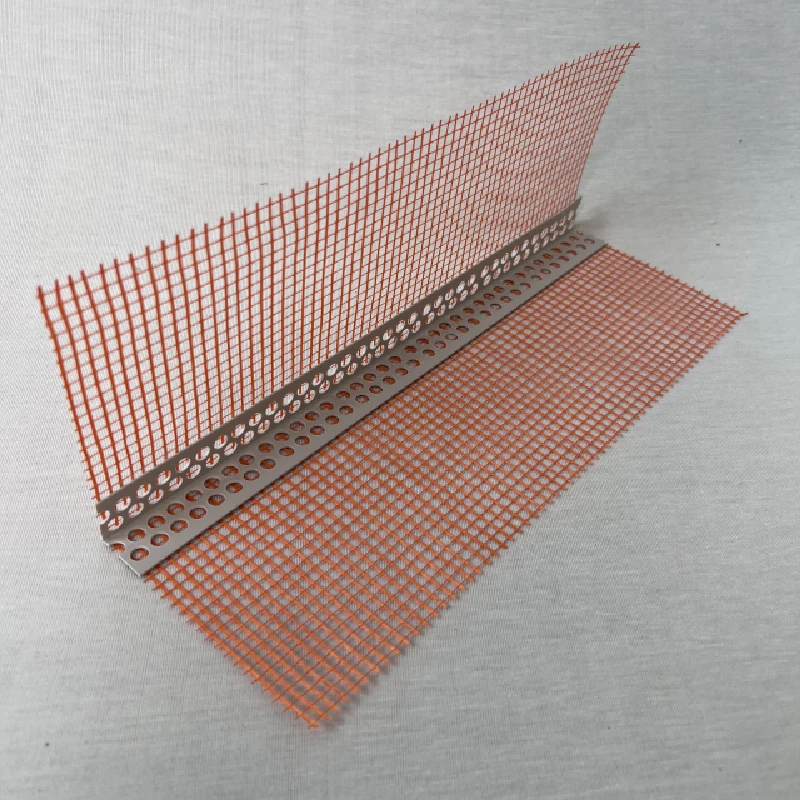
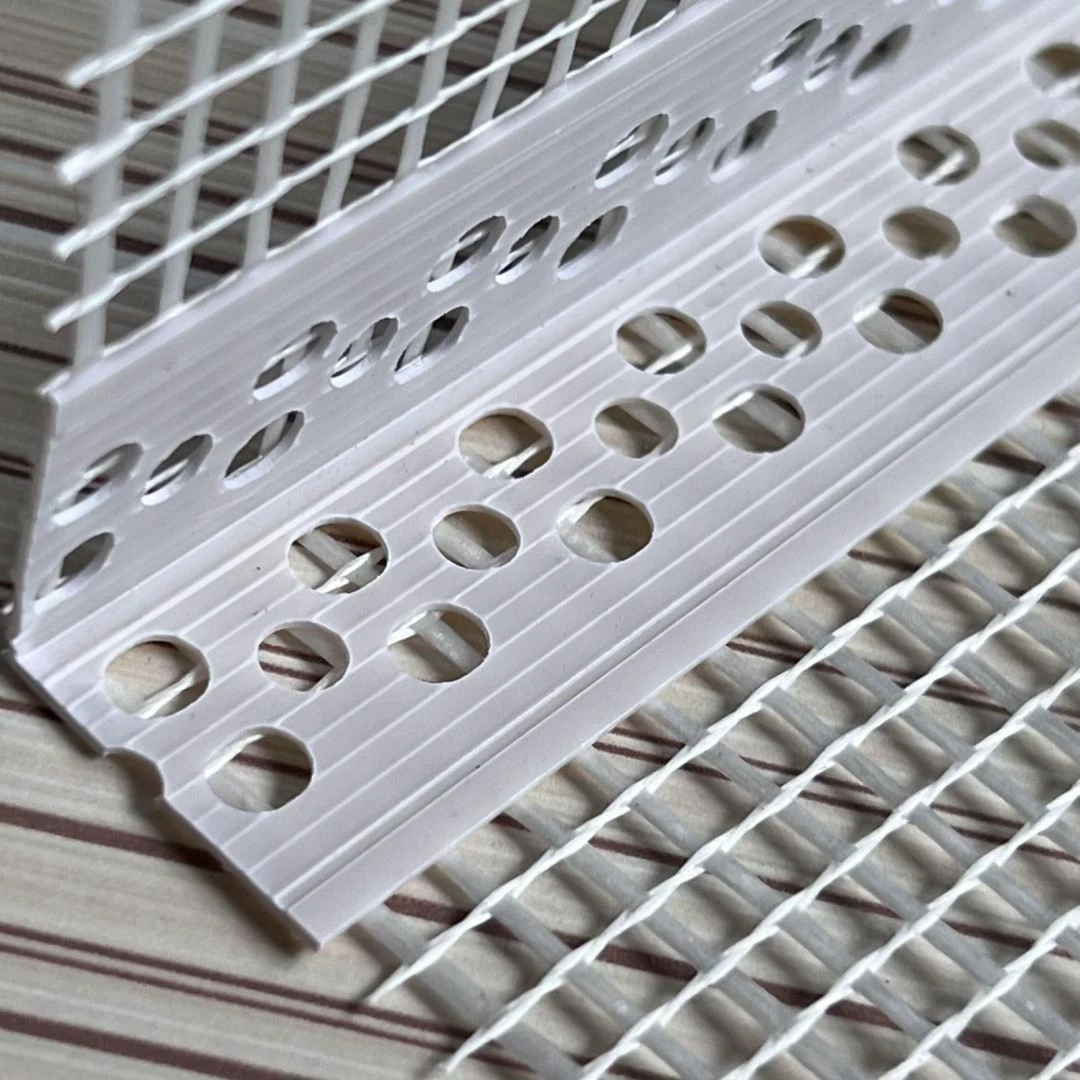
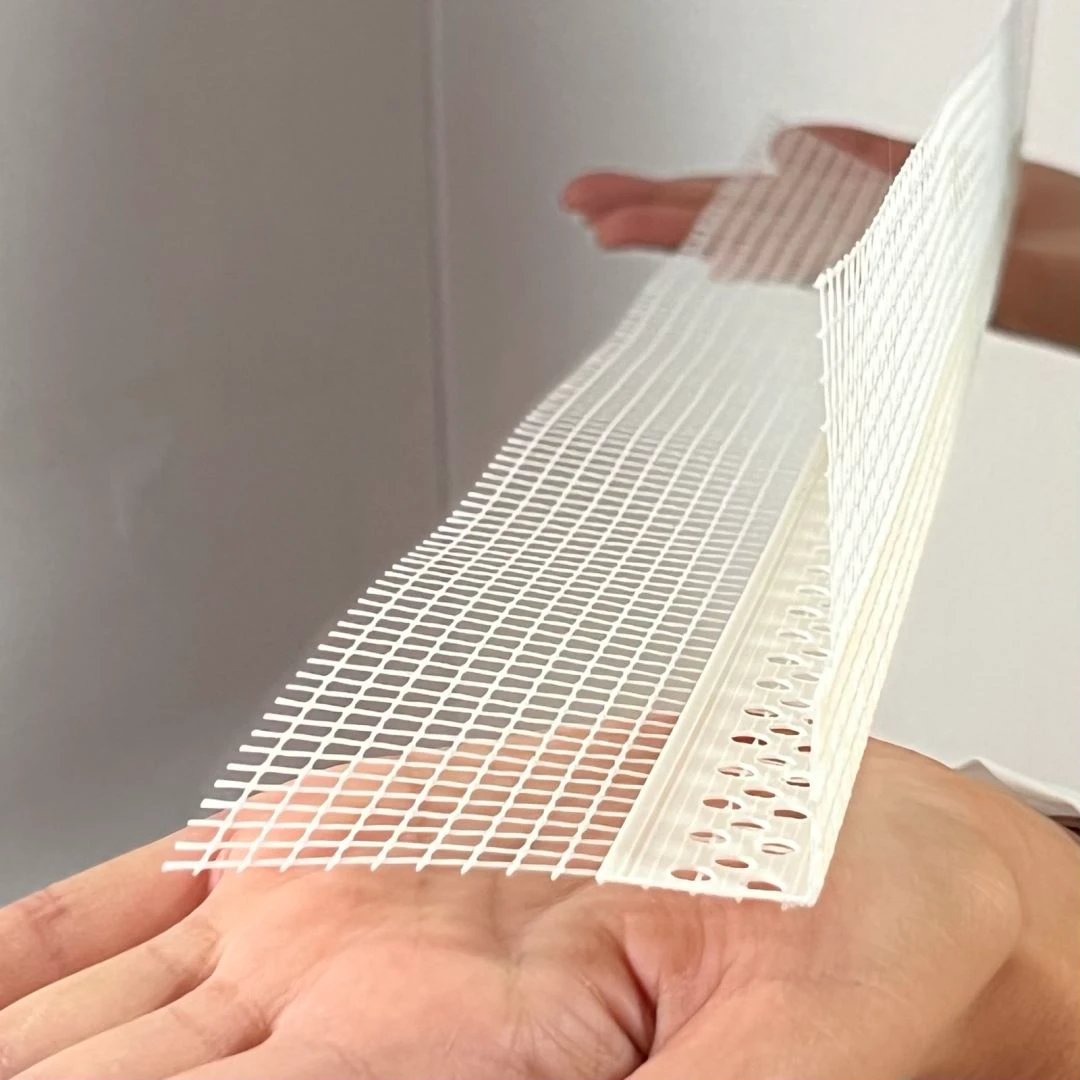
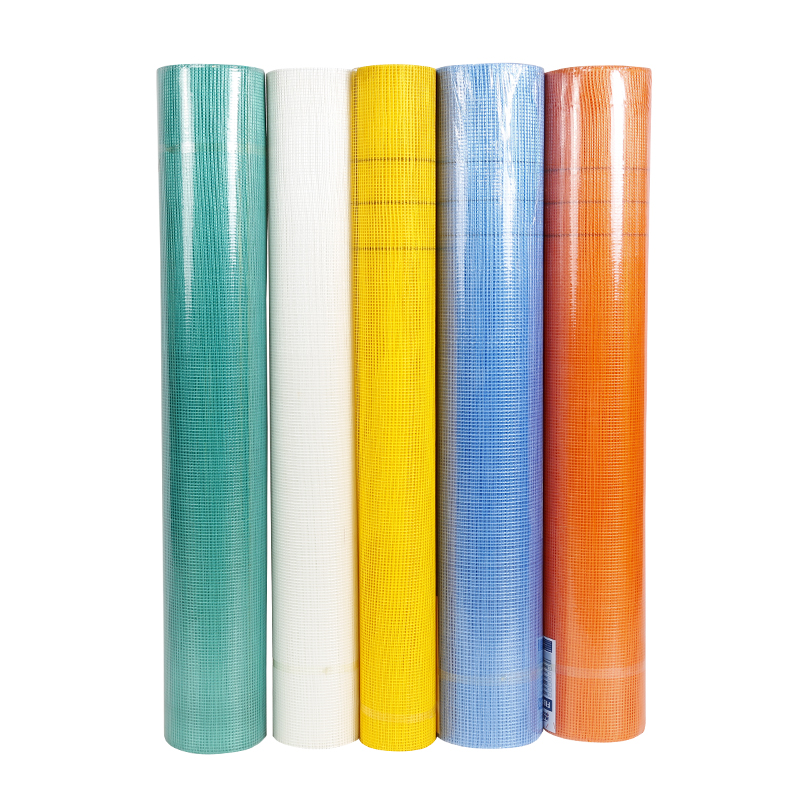
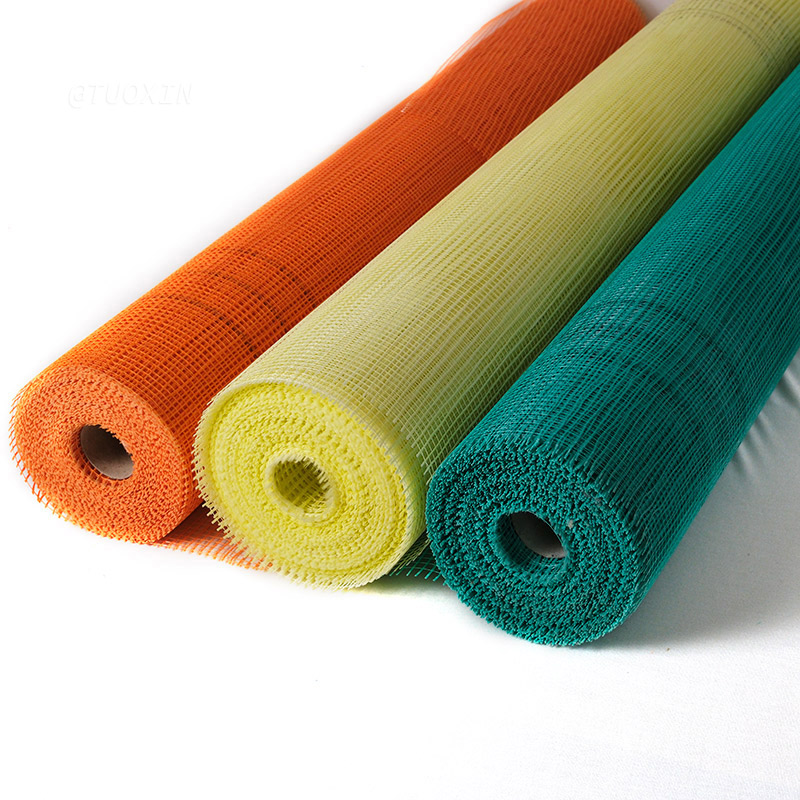
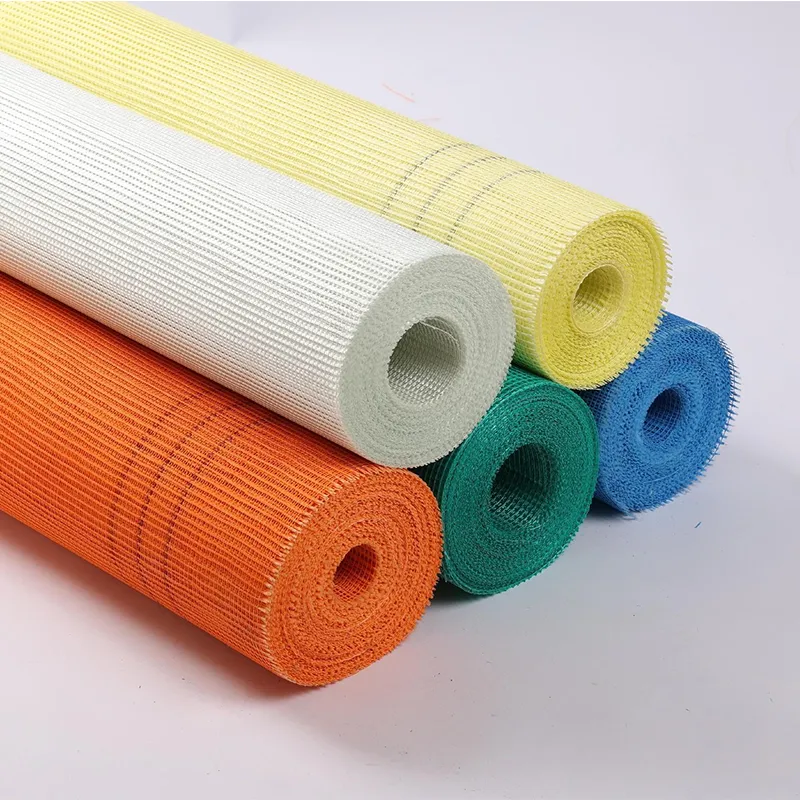
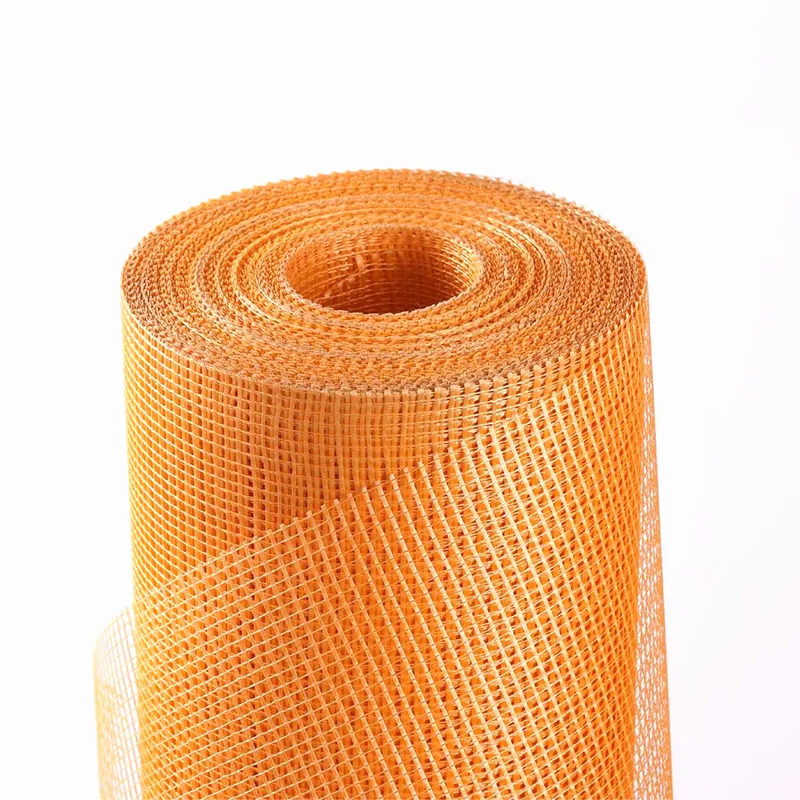
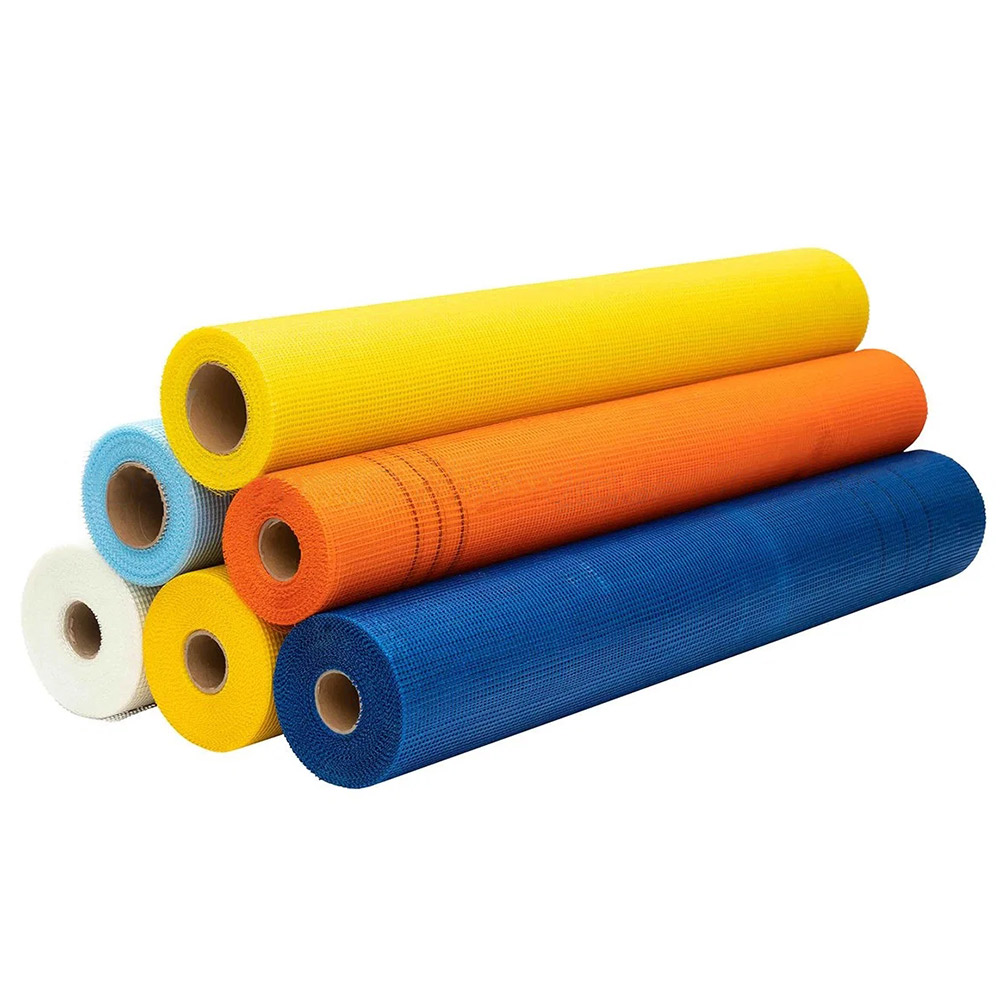
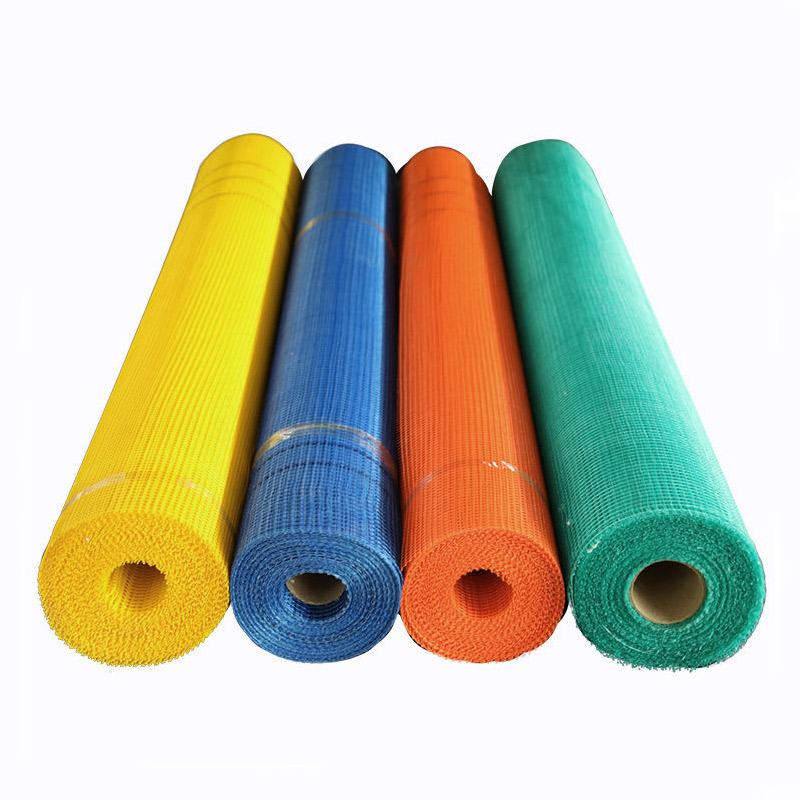
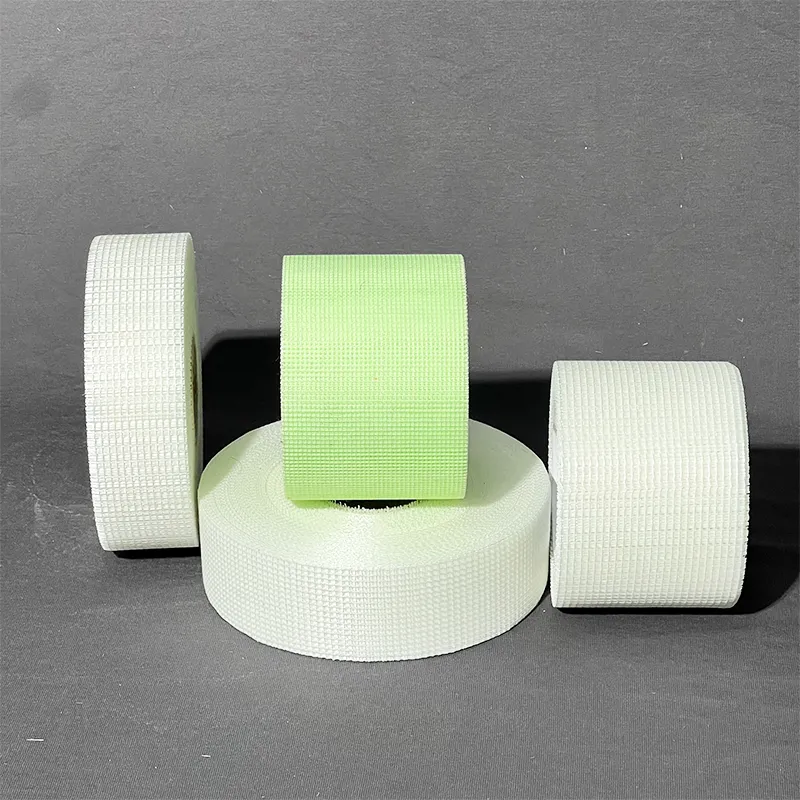
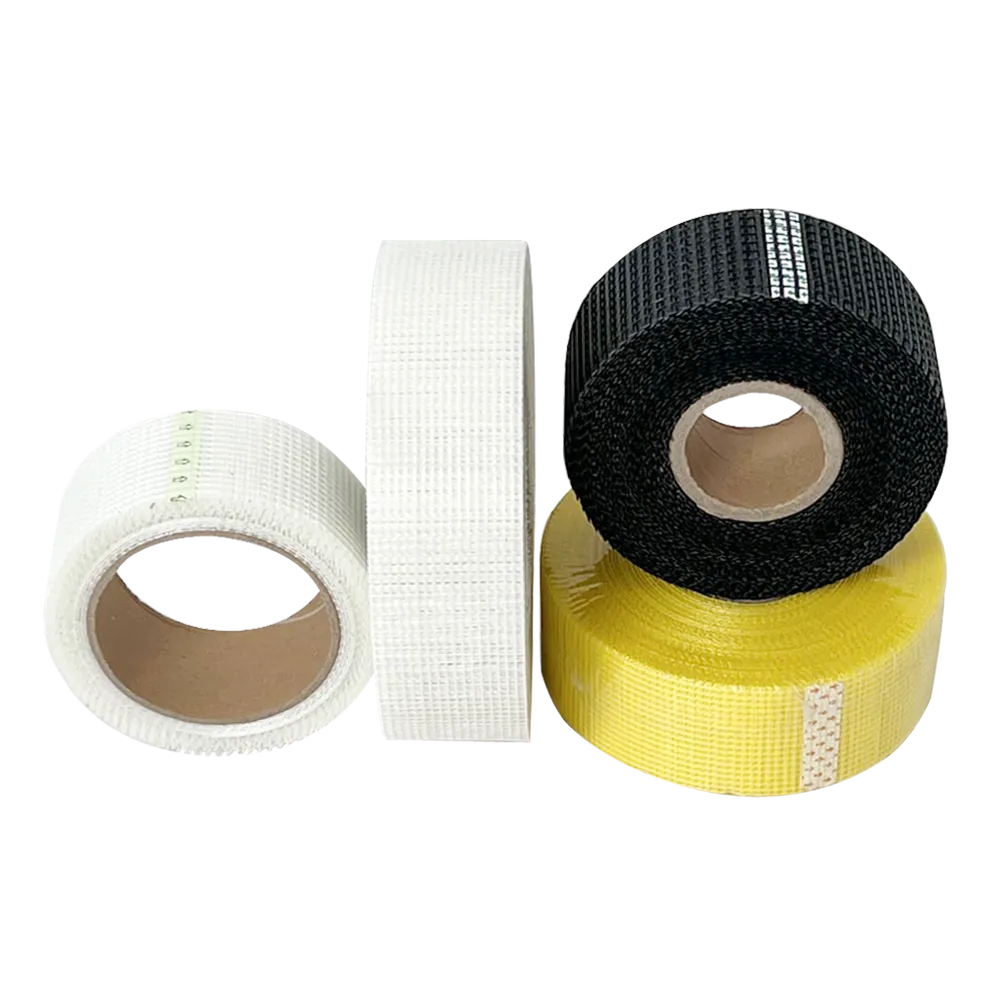
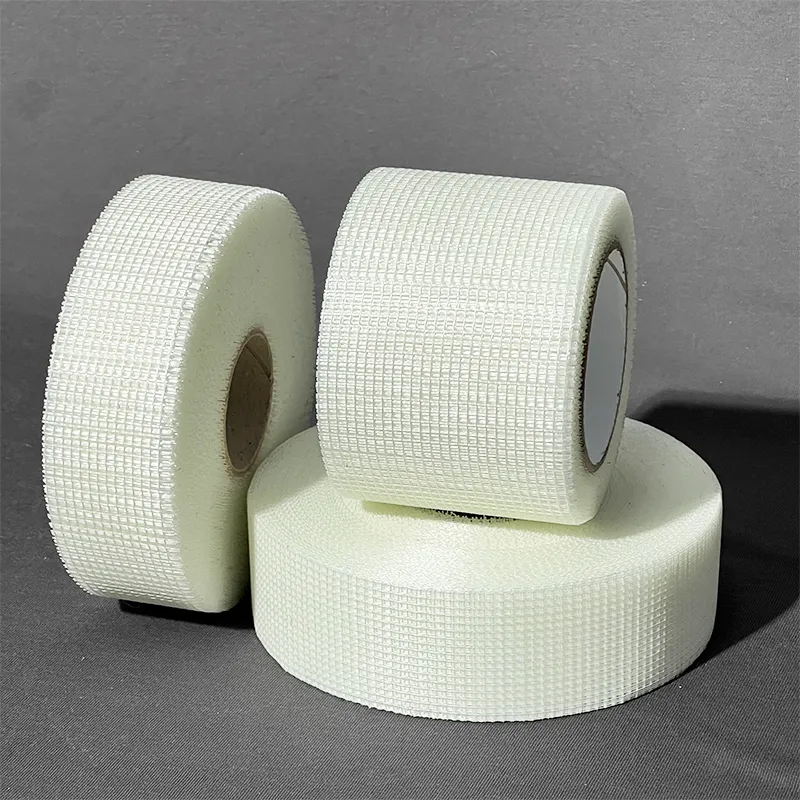
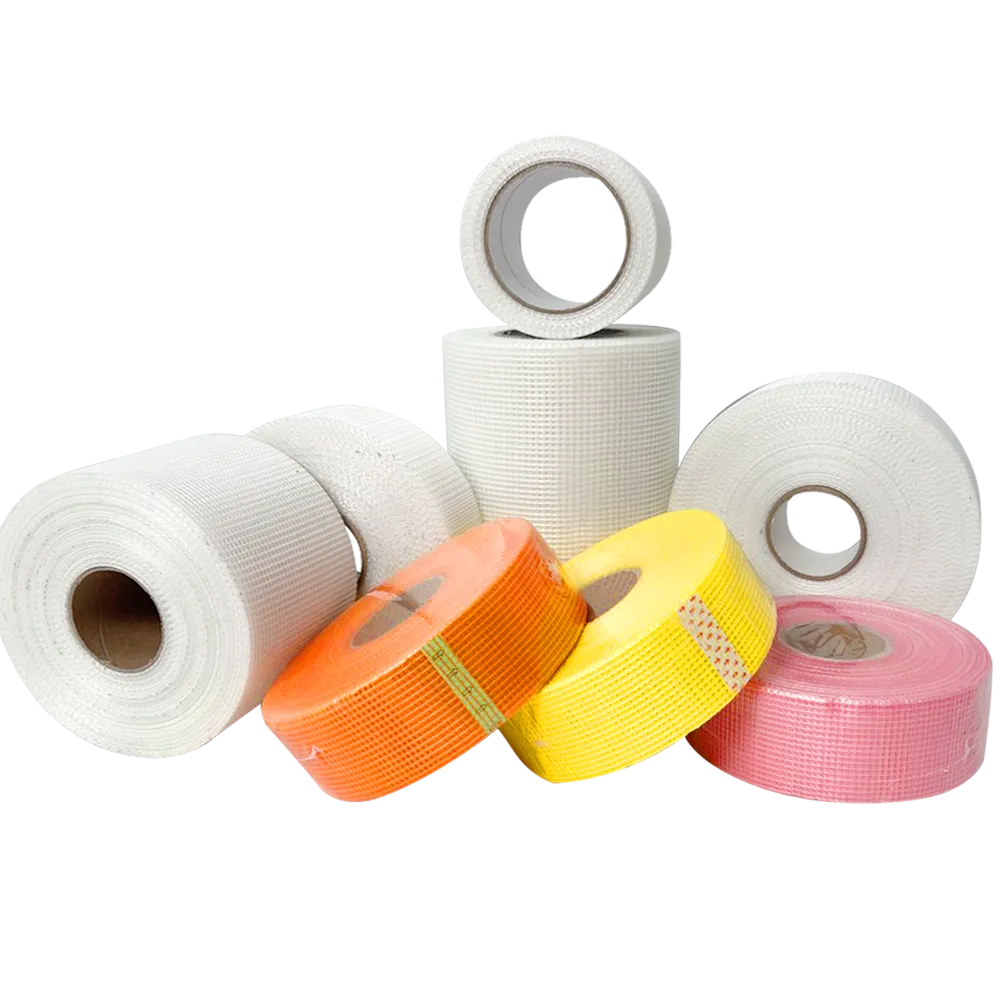
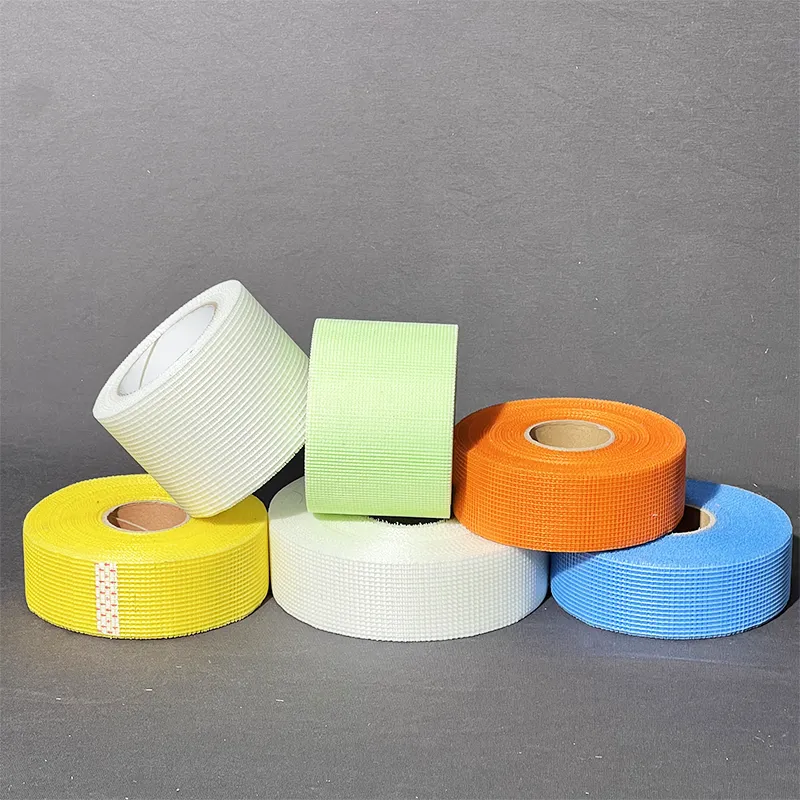
Put simply, fiberglass mesh is a flexible, woven material made from fine glass fibers, mainly used to reinforce surfaces like walls or floors. When you buy fiberglass mesh products, you’re investing in a mesh that enhances strength and crack resistance for plaster, stucco, and concrete. This product offers a light, corrosion-resistant alternative to metal reinforcements, making it a staple not only in modern construction but also in humanitarian efforts — for example, in temporary shelters that need to be both durable and lightweight.
Key Factors to Consider When Buying Fiberglass Mesh Product
1. Durability and Strength
Fiberglass mesh is known for its tensile strength, which helps prevent cracking and structural failure. This durability is reflected especially in environments exposed to temperature changes or seismic activity.
2. Corrosion Resistance
Unlike steel reinforcement, fiberglass doesn’t rust or corrode, making it perfect for humid or saline conditions — think coastal developments or industrial facilities.
3. Cost Efficiency
While the upfront cost might seem higher than traditional mesh, its longevity and reduced maintenance costs make it more economical in the long run.
4. Scalability and Customization
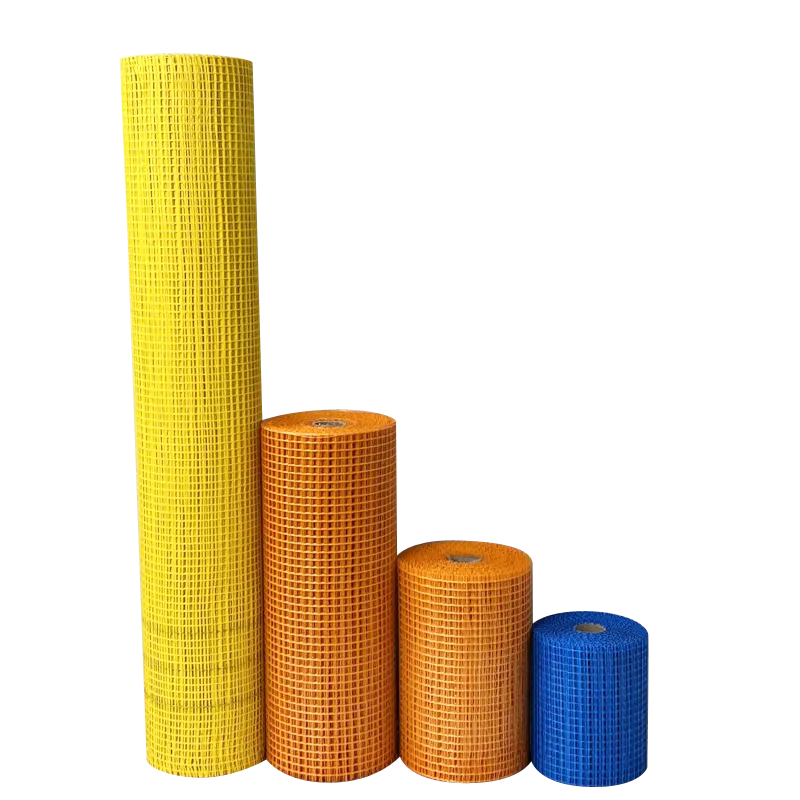
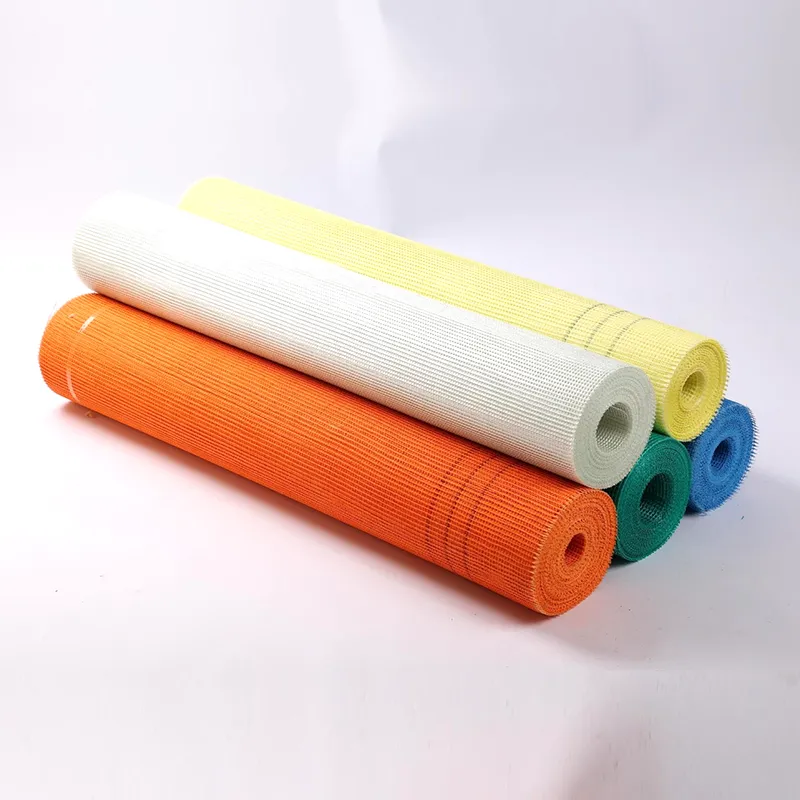
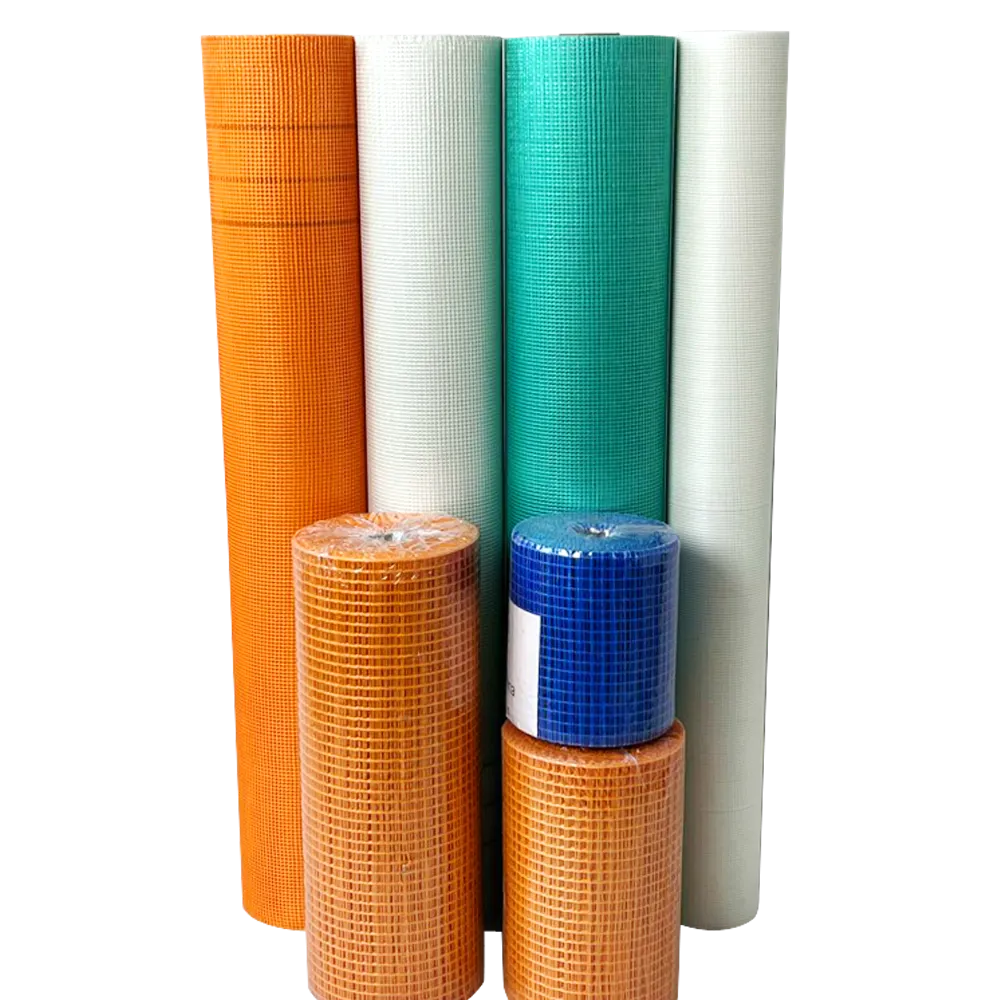
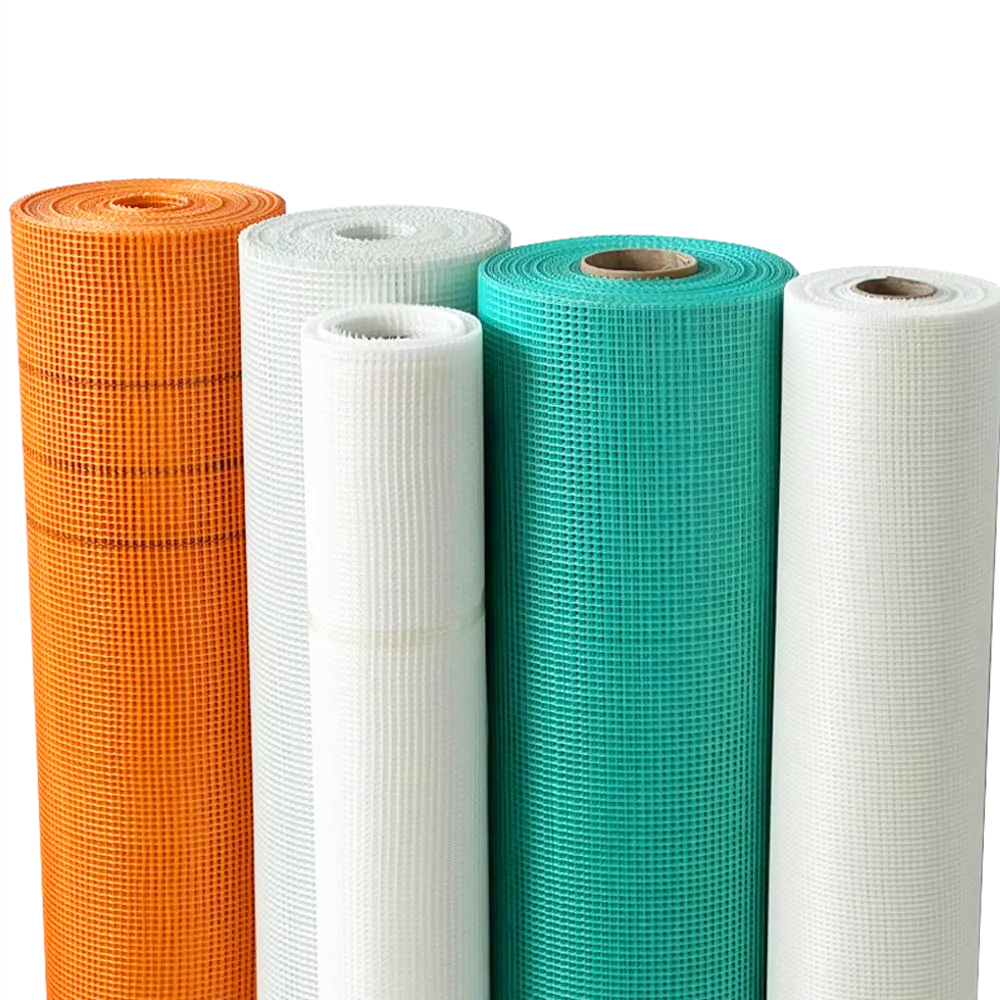
Fiberglass mesh products come in various widths and densities, adaptable for small repair jobs or large-scale industrial ventures.
5. Environmental Impact
Because fiberglass is lightweight, transportation emissions are lower, plus it’s often recyclable, aligning with growing sustainability trends in construction.
| Specification | Details |
|---|---|
| Material Type | E-glass Fiberglass |
| Mesh Size | 4mm x 4mm, 5mm x 5mm, customizable |
| Width | 1m to 3m |
| Weight | 40-120 g/m² |
| Tensile Strength | ≥600 MPa |
| Chemical Resistance | High |
Mini takeaway: When you buy fiberglass mesh product, you’re choosing a balance of strength, flexibility, and cost-efficiency that meets a wide array of construction needs.
Global Applications: Where and Why Fiberglass Mesh Matters
Industries from residential to infrastructure, even humanitarian aid, rely on fiberglass mesh. In the Middle East, for example, fiberglass mesh reinforces insulated building panels to combat temperature extremes. Meanwhile, organizations working in post-disaster zones, such as after earthquakes in Nepal or hurricanes in the Caribbean, lean on it because of its speed of deployment and long-lasting protection.
Fiberglass mesh is also vital in industrial sectors — protecting pipes or concrete floors in chemical plants. Oddly enough, its use extends to beautification: decorative façades and swimming pools use fiberglass mesh to maintain integrity over time.
| Vendor | Product Range | Global Reach | Price Range (USD) | Sustainability Certifications |
|---|---|---|---|---|
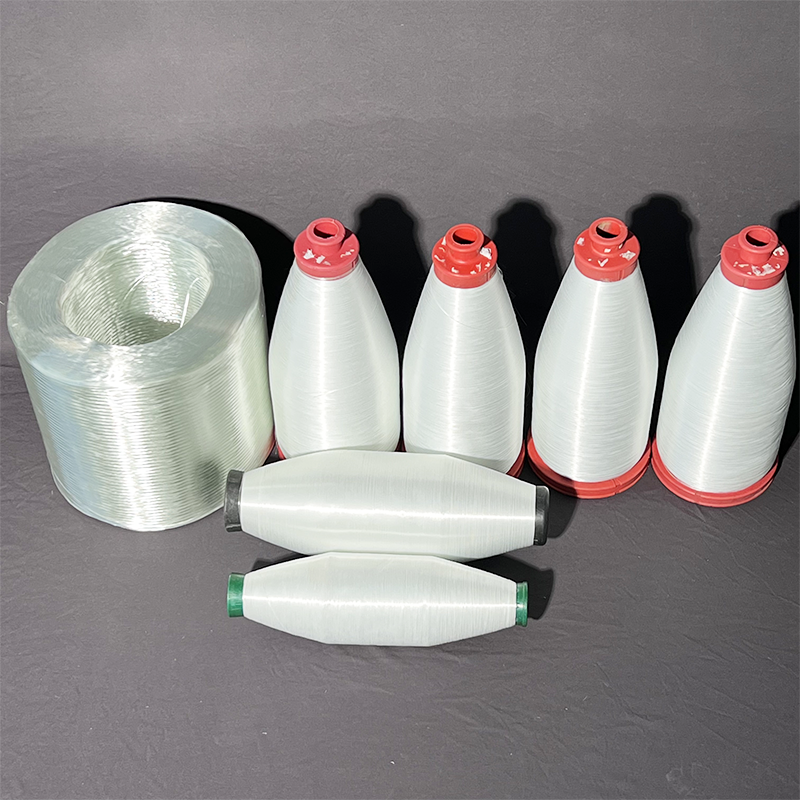
| Tainuo Fiberglass | Wide (mesh, roving, customized) | Asia, Europe, Americas | $0.60 - $2.50 / m² | ISO 9001, RoHS |
| Global Mesh Corp | Standard meshes only | Europe, USA | $0.75 - $2.30 / m² | ISO 14001 |
| Eco Fiberglass Supplies | Eco-friendly treated meshes | Worldwide | $0.90 - $3.00 / m² | LEED, FSC |
Mini takeaway: Selecting the right vendor matters, especially if you want a balance between price, certification, and global support — making buy fiberglass mesh product a strategic choice.
Advantages & Long-Term Value of Fiberglass Mesh
- Cost savings: Less cracking, less maintenance, longer material life.
- Safety: Resistant to fire and chemical erosion, protecting structures and occupants.
- Sustainability: Recyclable, reducing construction waste, lower transport emissions.
- Innovation & Trust: Widely accepted by engineers for critical projects — it just feels reliable.
Looking Ahead: Future Trends in Fiberglass Mesh Products
The industry is buzzing with innovations such as nano-enhanced fiberglass for even better strength-to-weight ratios, and bio-based resins aiming to cut down the carbon footprint. Digital manufacturing techniques are reducing waste in production, and governments worldwide are tightening building codes to favor fiberglass mesh reinforced systems.
Challenges & Solutions
Still, it’s not perfect. Some installers find fiberglass mesh tricky due to its flexibility and embedding requirements, and in extreme UV or alkaline conditions, coatings might degrade. But pioneers in coatings technology and improved mesh designs, plus better training for workers, are helping to close these gaps.
FAQ: Frequently Asked Questions About Buy Fiberglass Mesh Product
- Q: What makes fiberglass mesh better than traditional steel mesh?
- A: Fiberglass mesh is corrosion resistant, lighter, and easier to handle. It reduces cracking and maintenance costs compared to steel, especially in humid or salty environments.
- Q: How customizable are fiberglass mesh products?
- A: Very customizable. You can specify mesh size, width, weight, and even add coatings for UV or chemical resistance depending on your project needs.
- Q: Is fiberglass mesh suitable for outdoor applications?
- A: Absolutely. Its resistance to weathering, corrosion, and chemicals makes it ideal for exterior walls, facades, and even pools.
- Q: Can NGOs source fiberglass mesh for disaster relief quickly?
- A: Yes. Many vendors, like Tainuo Fiberglass, offer global shipping and stock customizable meshes for fast deployment in humanitarian projects.
Conclusion: Your Next Step in Buying Fiberglass Mesh Product
To sum up, buying fiberglass mesh product is more than a purchase — it's a commitment to quality, safety, and sustainability that pays dividends in almost any construction or repair task. Whether you’re in industry or aid work, these meshes help structures stand firm against challenges. For those convinced and ready, you might want to buy fiberglass mesh product directly from trusted suppliers to ensure authentic, certified quality.
Taking these materials seriously means building smarter, greener, and longer-lasting surroundings — and frankly, that's a future worth investing in.
Reflecting on these insights, it becomes clear that fiberglass mesh is quietly shaping safer and more sustainable structures worldwide — a small product with big impacts.
References
-
Best Fiberglass Mesh Tape for RedGard Product Waterproofing GuideNewsApr.16,2026
-
Why High Strength Fiberglass Mesh Is Essential For Stucco ApplicationNewsApr.15,2026
-
Why Alkali Resistant Fiberglass Mesh Tape Is Essential For Cement Board And Tile InstallationsNewsApr.15,2026
-
Understanding The Role Of Drywall Fiberglass Mesh In Interior FinishingNewsApr.15,2026
-
Ultimate Guide To Using Fiberglass Mesh Tape For Drywall And Plaster RepairsNewsApr.15,2026
-
The Versatility Of Fiberglass Mesh In Marble And Stone MosaicNewsApr.15,2026