Jan . 03, 2026 06:25 Back to list
Self-Adhesive Fiberglass Mesh Tape Manufacturer - Quality & Reliability
Choosing the Right self-adhesive fiberglass mesh tape manufacturer for Your Industrial Needs
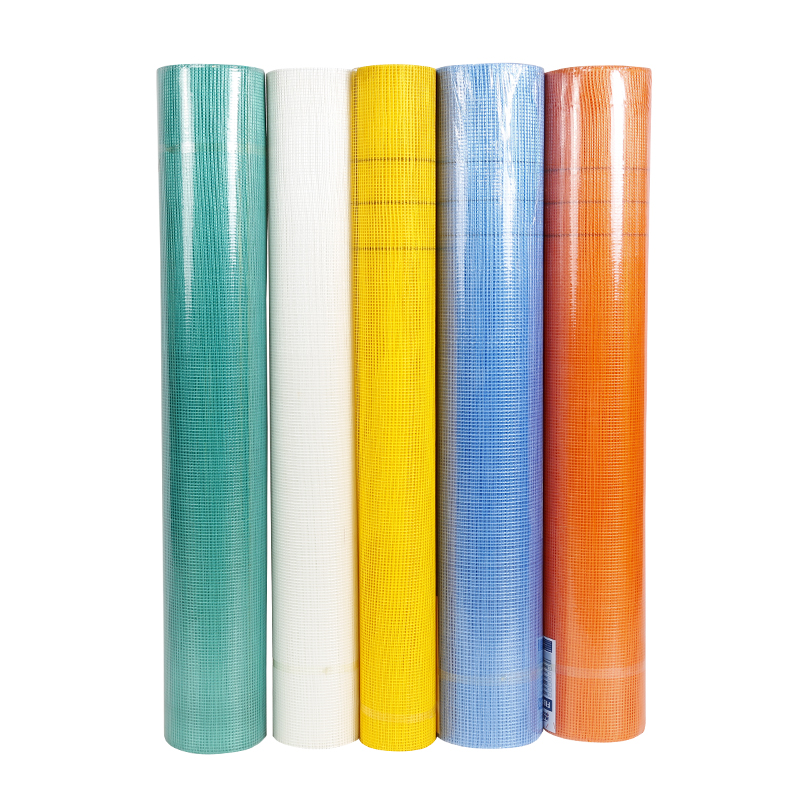
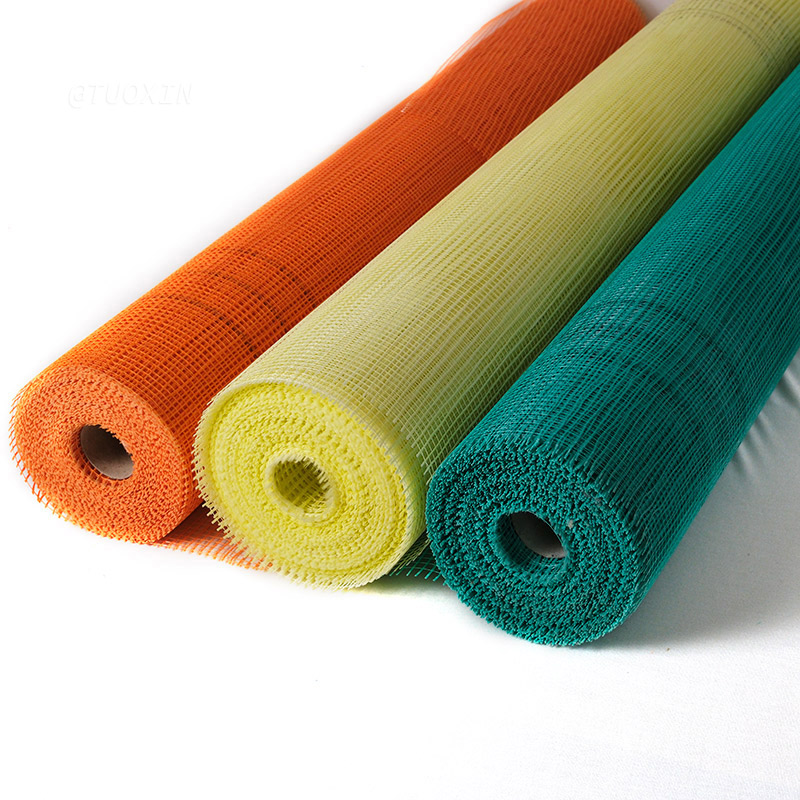
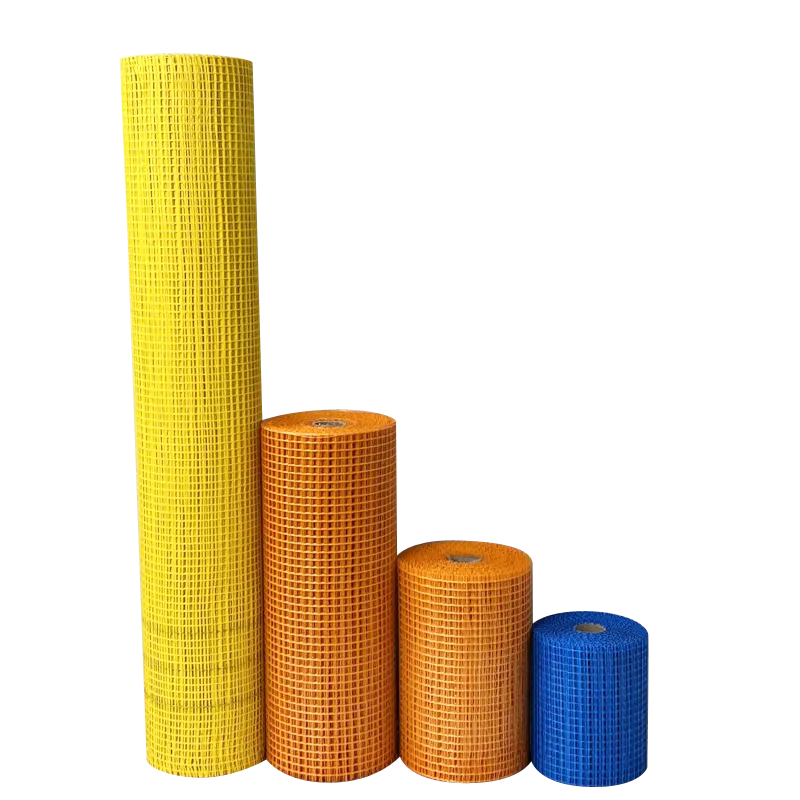
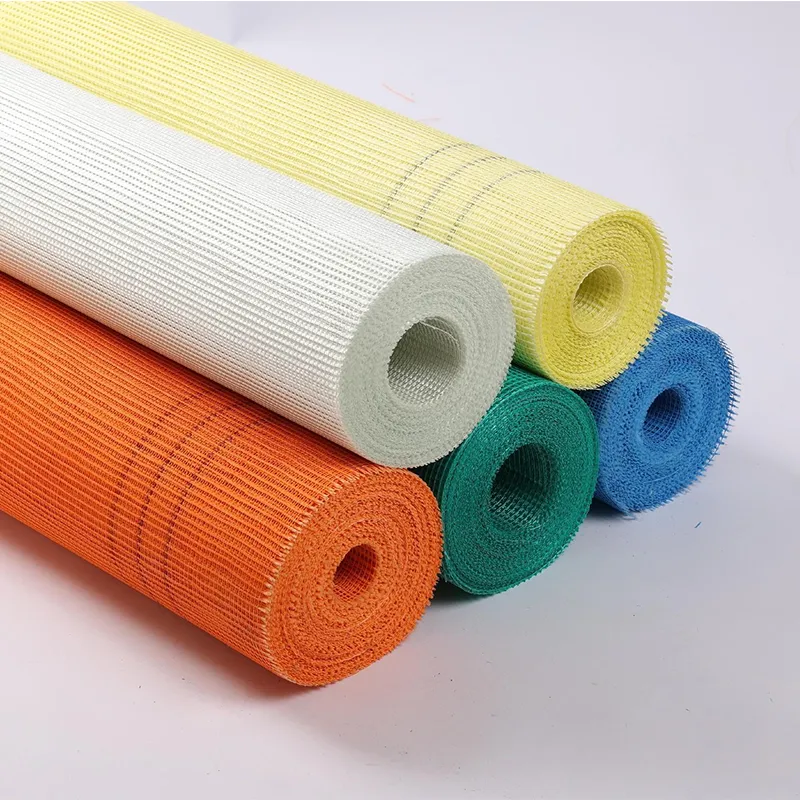
If you've ever spent time in the industrial equipment sector, you know the devil’s in the details — and often those details revolve around durable materials that hold up under pressure. Fiberglass mesh tape is one of those humble heroes, especially the self-adhesive kind that makes joint reinforcement and surface repair a breeze. Over the years, I've seen firsthand how choosing the right self-adhesive fiberglass mesh tape manufacturer can make or break a project.
Oddly enough, it feels like this product hasn’t changed much, but the little tweaks manufacturers make in weave tightness, adhesive formulas, and fiberglass quality really impact performance. For example, I once worked on a large-scale piping insulation retrofit. One batch of tape was just “off” — the adhesive didn’t stick properly, resulting in costly reapplications. Lesson learned: detailed specs and testing matter.
What Makes Fiberglass Mesh Tape Tick?
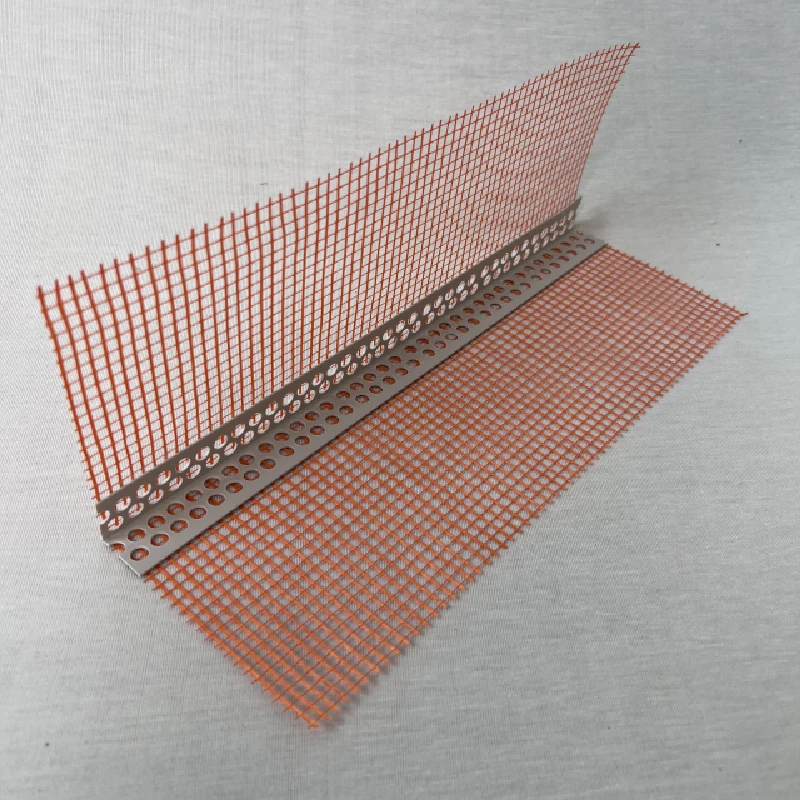
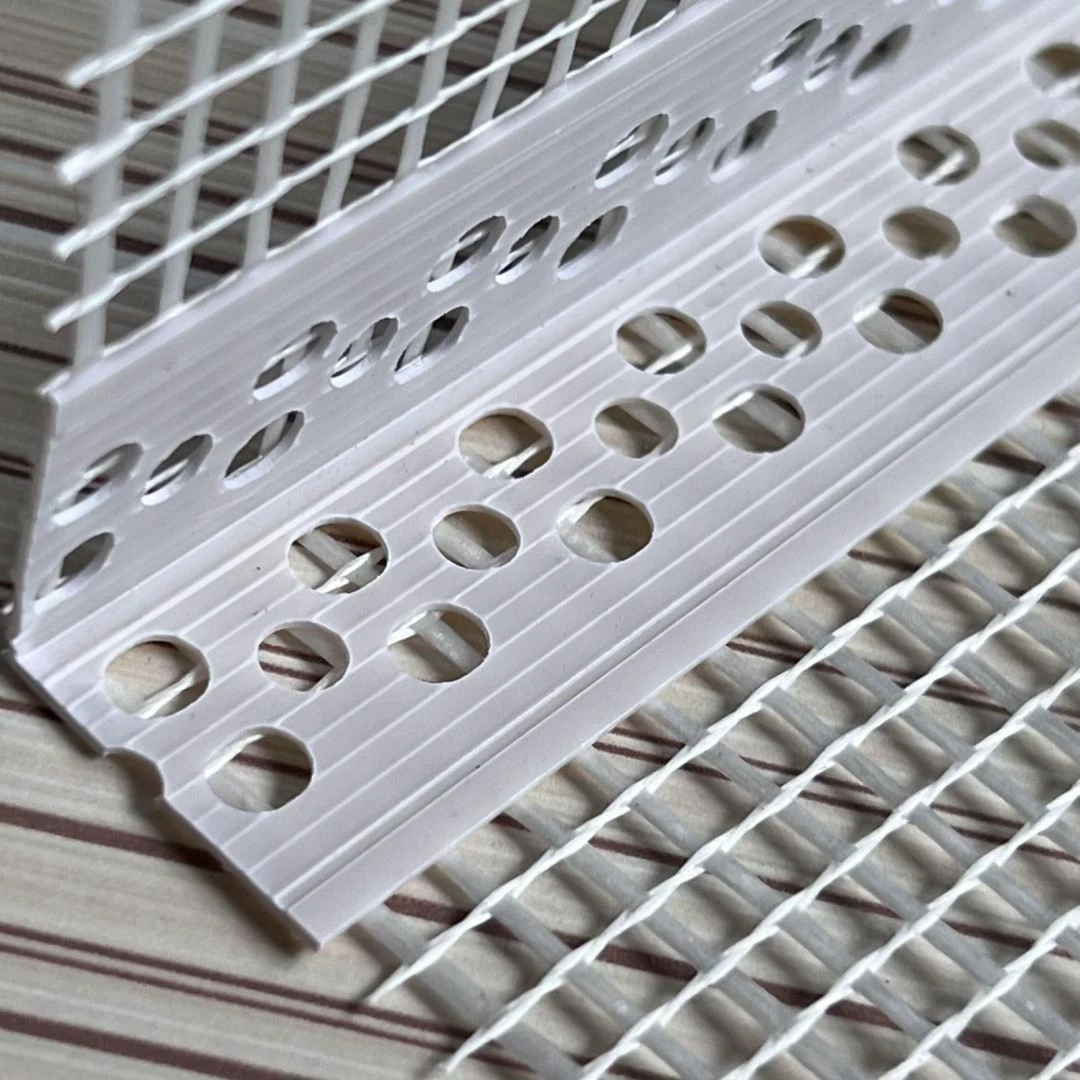
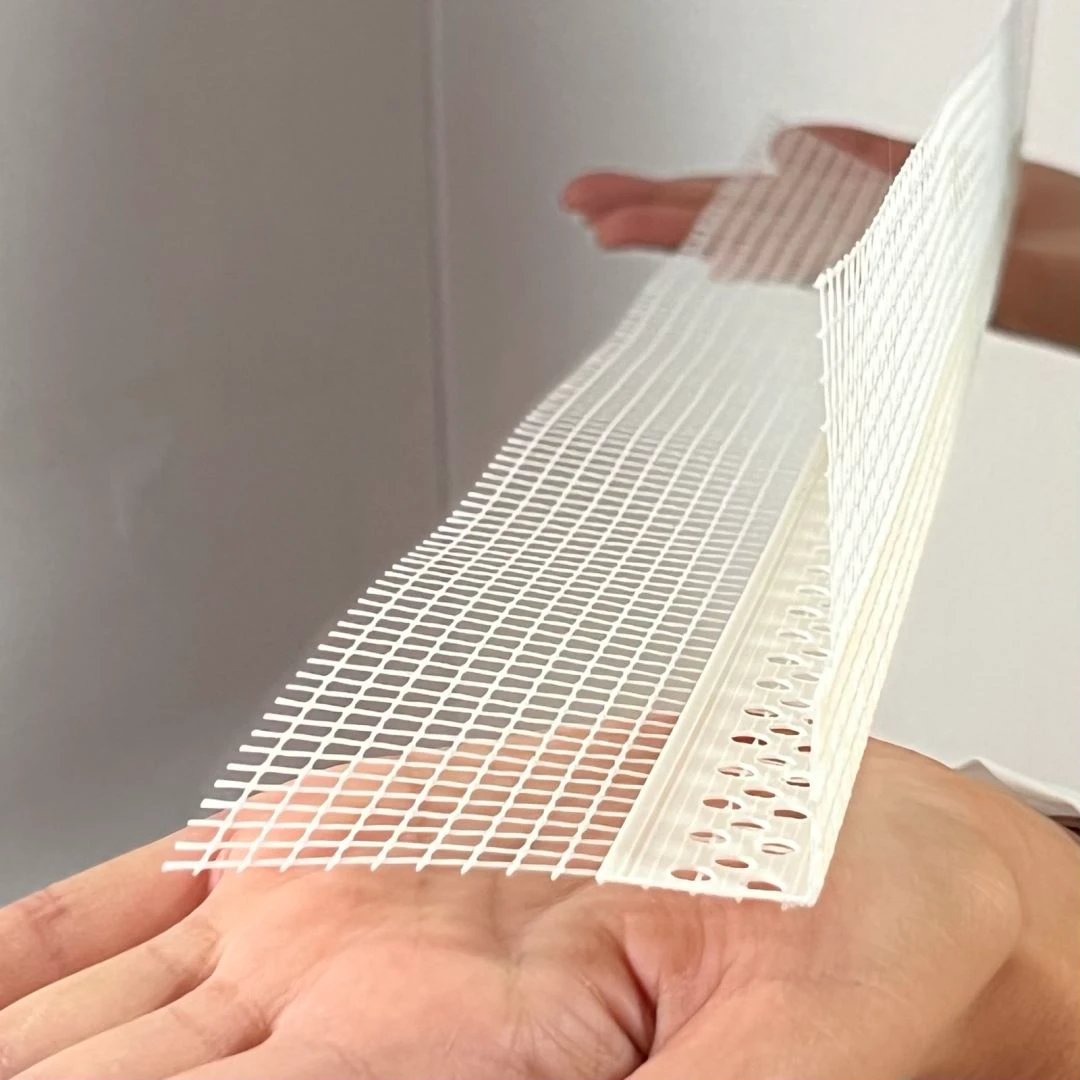
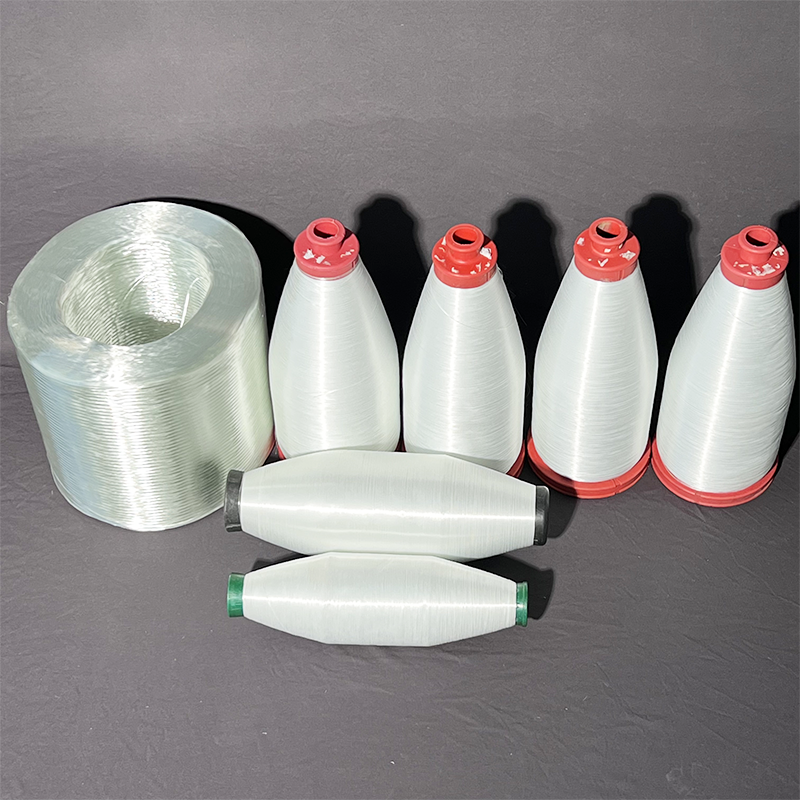
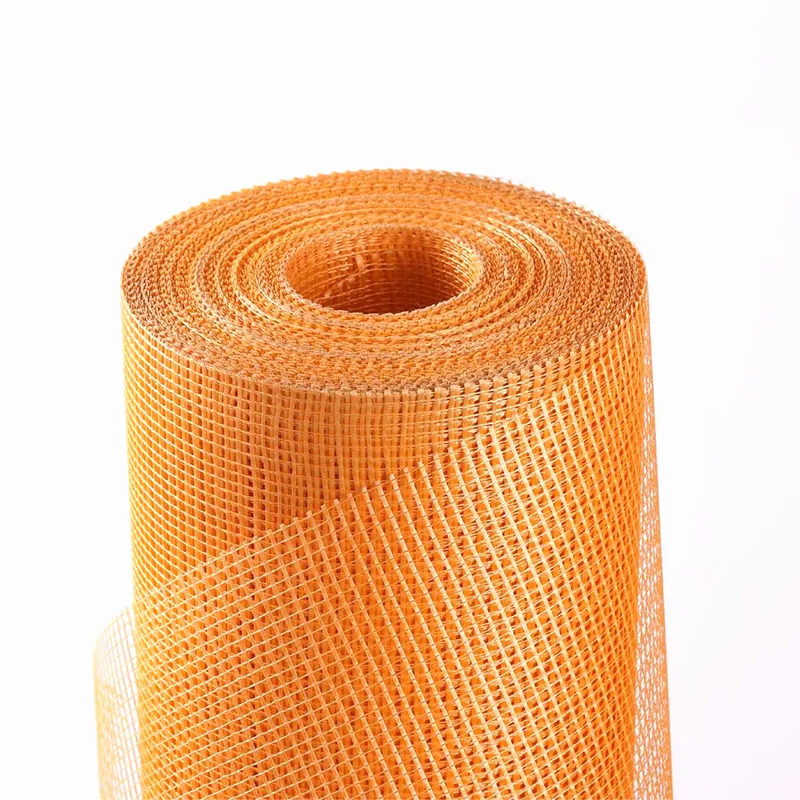
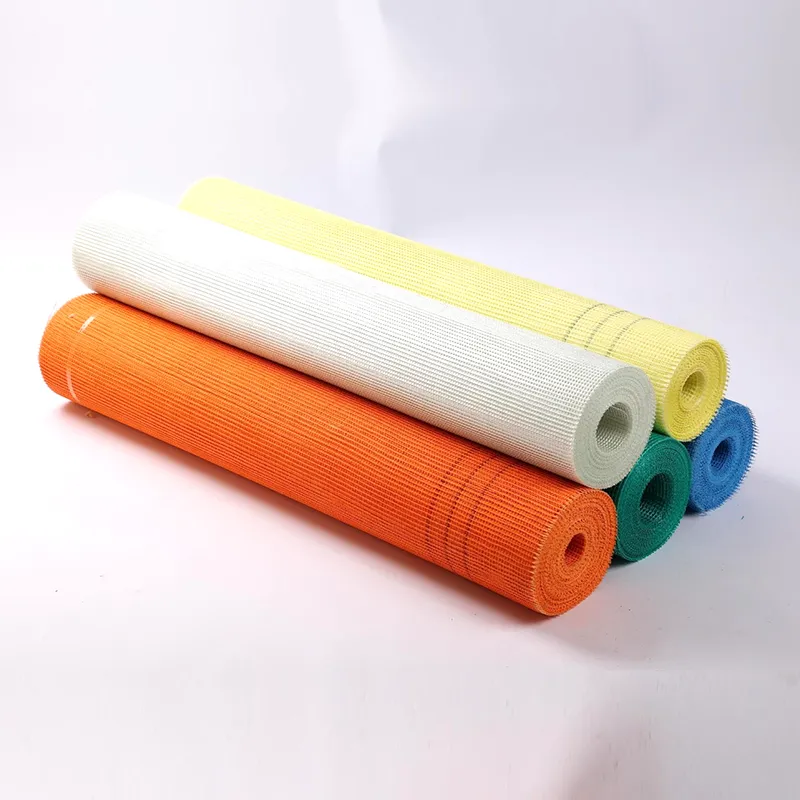
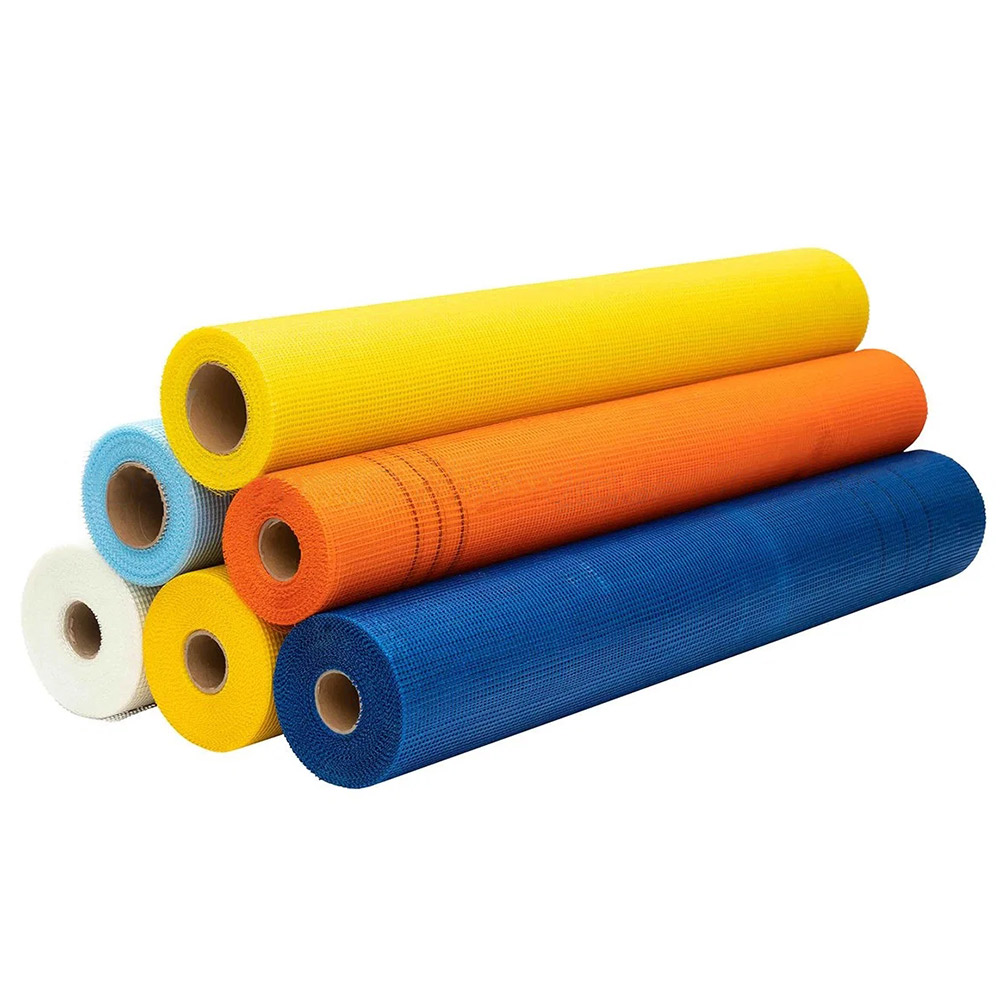
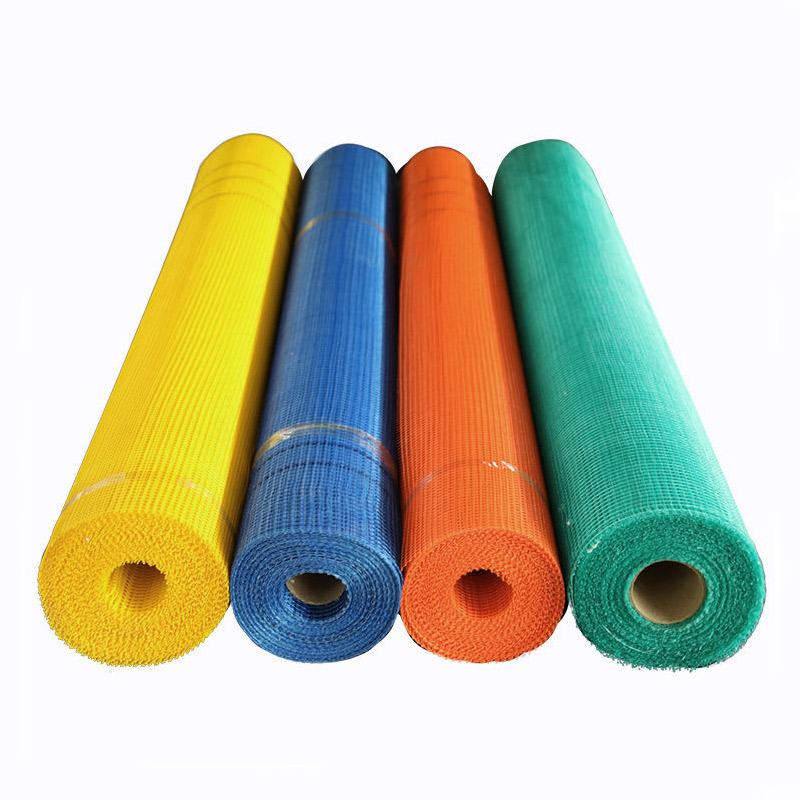
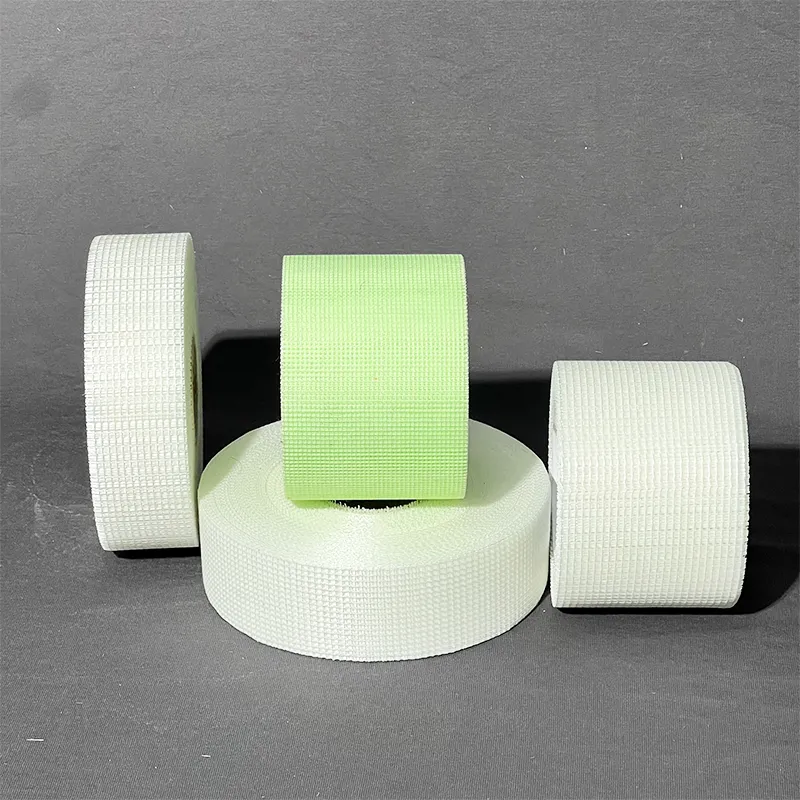
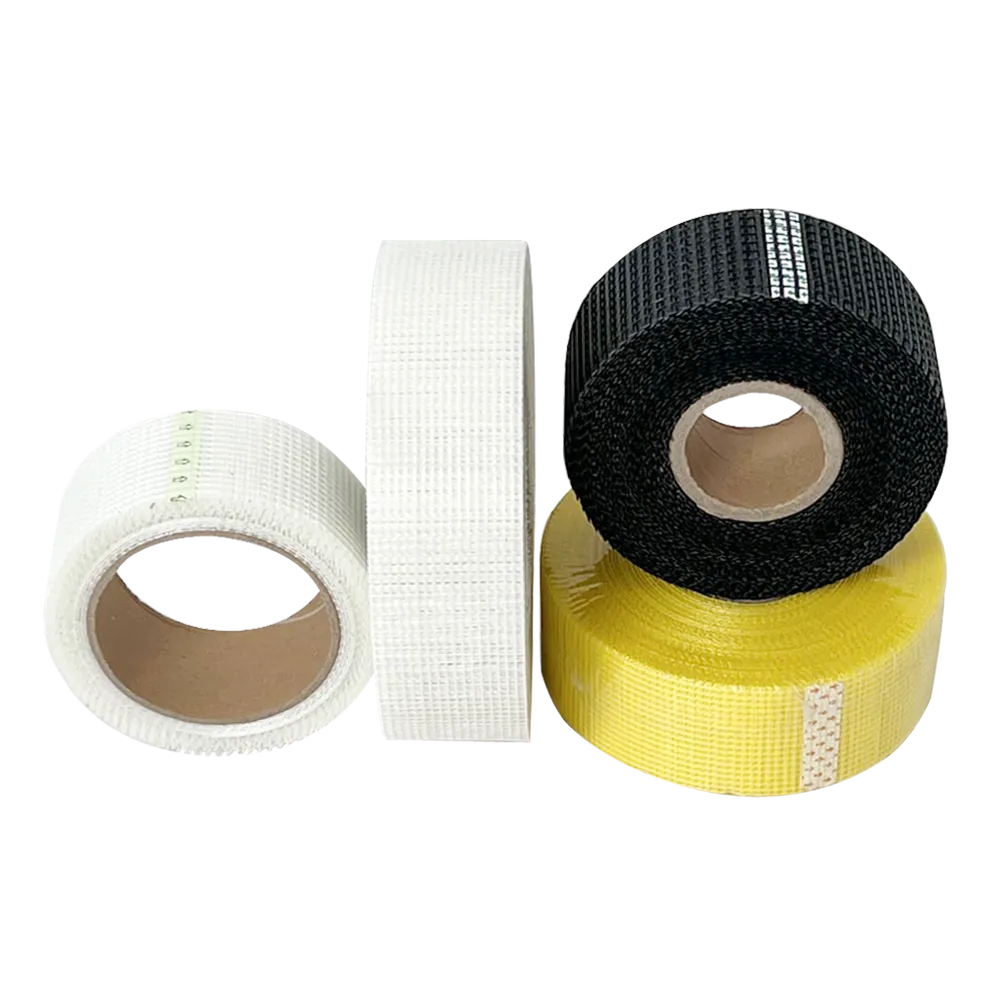
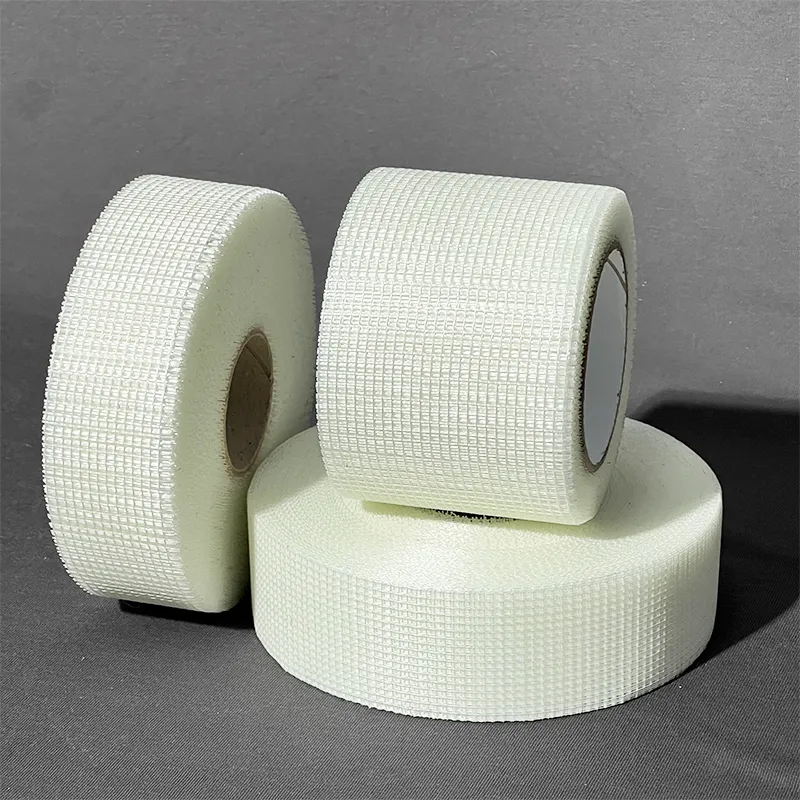
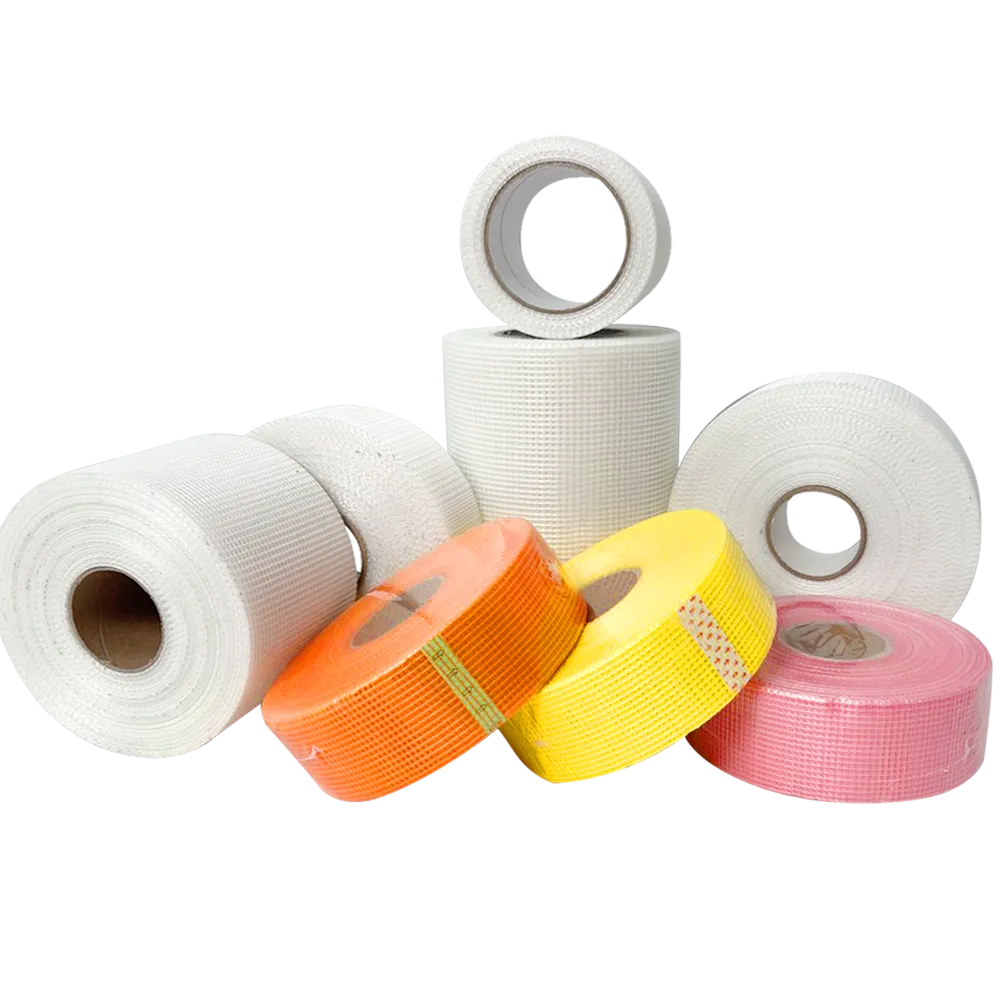
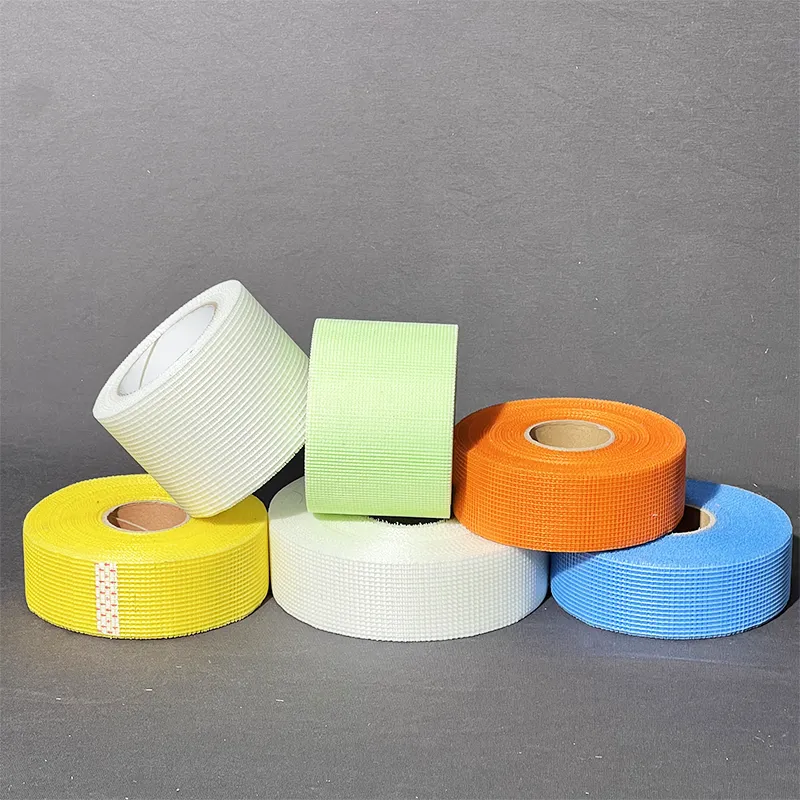
In real terms, fiberglass mesh tape is woven from strands of glass fiber — thin but incredibly strong and resistant to stretching. The self-adhesive variant includes a pressure-sensitive adhesive that sticks immediately to most surfaces without prepping with other glues or primers.
Many engineers I know highlight key advantages: resistance to alkalis, excellent flexibility, and ease of cutting. Plus, it’s lightweight and doesn’t add bulk — vital for tight industrial spaces.
But here’s the catch: not all mesh tape is created equal, and that’s where manufacturer quality plays a huge role. From the choice of fiberglass strands to the adhesive’s formulation, things can get tricky fast.
| Specification | Typical Value | Notes |
|---|---|---|
| Mesh Size | 4x4 strands/inch | Optimal balance of coverage & strength |
| Adhesive Type | Acrylic pressure-sensitive | Good for various substrates |
| Thickness | Approx. 0.3 mm | Low profile for smooth finishes |
| Tensile Strength | > 75 N/cm | Ensures resistance to cracking |
| Roll Length | 50 meters | Standard industrial size |
Comparing Established Self-Adhesive Fiberglass Mesh Tape Vendors
Standing in the shoes of a procurement officer, I’ve always found it invaluable to see vendors weighed side by side. Here’s a quick rundown of some big players in the mesh tape field, based on specs, customization options, and overall quality:
| Vendor | Adhesive Quality | Customization | Price Range | Lead Time |
|---|---|---|---|---|
| Tainuo Fiberglass | High-grade Acrylic, tested for alkali resistance | Available for tailored widths & lengths | Competitive | 2-3 weeks |
| Vendor B | Standard acrylic | Limited options | Mid-range | 4-6 weeks |
| Vendor C | Lower grade, prone to adhesive failure in humid conditions | No customization | Budget | 1-2 weeks |
Why I Recommend a Trusted Manufacturer
It’s tempting to save a bit on upfront costs, but I’ve always had better project outcomes when investing in tape from a reliable manufacturer – like Tainuo Fiberglass Mesh. Their product quality is consistently solid, and they’re clear about testing standards – which honestly is a rarity these days.
One memorable project involved a client needing custom widths and adhesive strength tweaks for challenging application conditions. The manufacturer’s flexibility and engineering input were vital. It’s these subtle but crucial touches that set the good apart from the rest.
Bottom line? If you’re in the market for self-adhesive fiberglass mesh tape, look beyond price and consider quality, testing credibility, and vendor support. Your project deserves no less.
Here’s to less rework, fewer headaches, and strong, durable results.
References:
- Industry standards for fiberglass mesh tape — ASTM D792 (General Material Properties)
- Case studies from industrial surface repair projects, 2018-2023
- Internal QA reports from fiberglass tape manufacturers
-
Best Fiberglass Mesh Tape for RedGard Product Waterproofing GuideNewsApr.16,2026
-
Why High Strength Fiberglass Mesh Is Essential For Stucco ApplicationNewsApr.15,2026
-
Why Alkali Resistant Fiberglass Mesh Tape Is Essential For Cement Board And Tile InstallationsNewsApr.15,2026
-
Understanding The Role Of Drywall Fiberglass Mesh In Interior FinishingNewsApr.15,2026
-
Ultimate Guide To Using Fiberglass Mesh Tape For Drywall And Plaster RepairsNewsApr.15,2026
-
The Versatility Of Fiberglass Mesh In Marble And Stone MosaicNewsApr.15,2026