Dec . 04, 2025 04:36 Back to list
Best Drywall Fiberglass Mesh Company for Durable Wall Repair
Choosing the Right drywall fiberglass mesh company for Your Projects
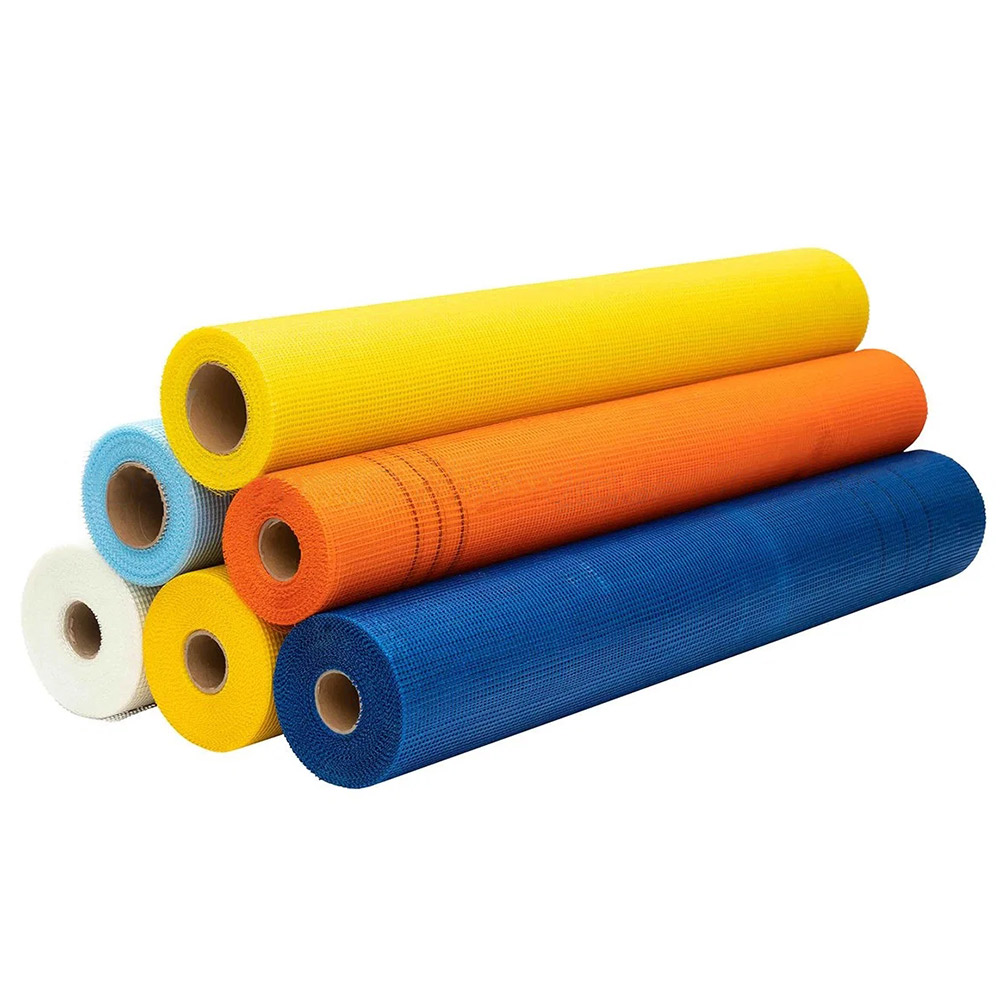
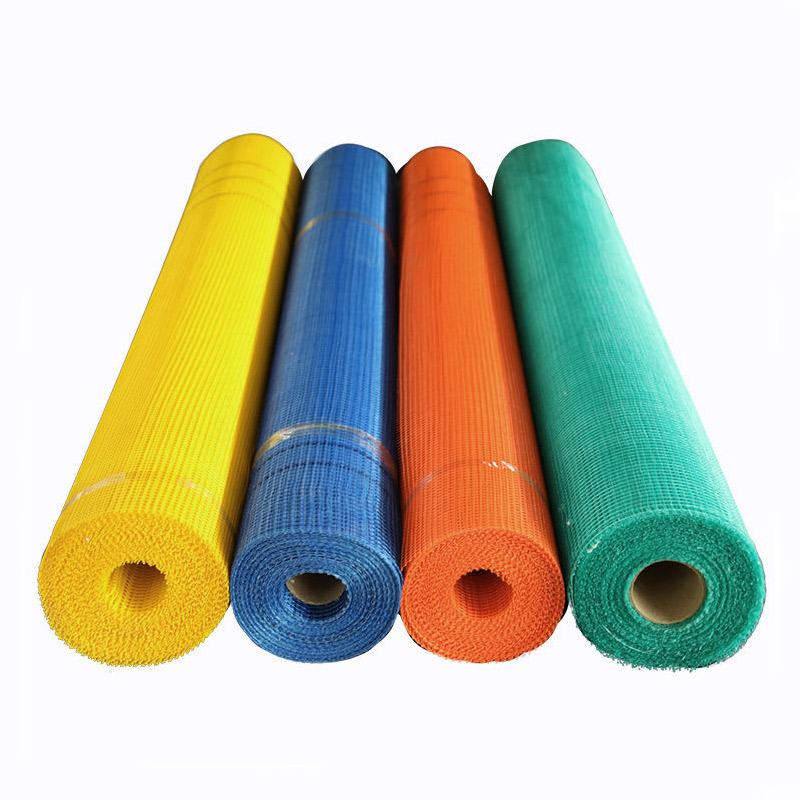
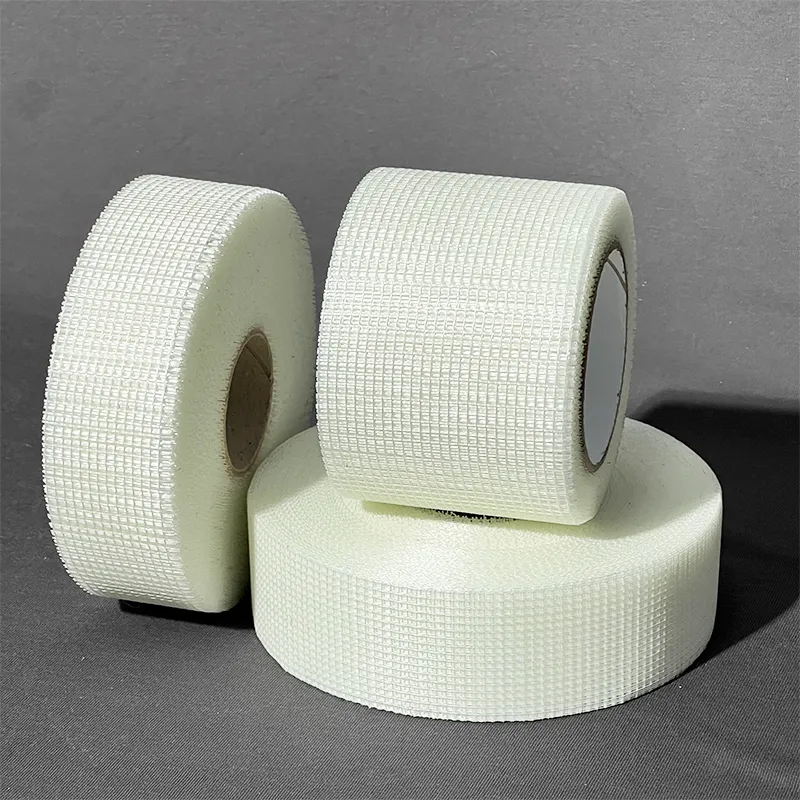
After spending over a decade around construction sites and industrial suppliers, I’ve come to appreciate the unsung hero of drywall finishing—the fiberglass mesh. It might sound mundane at first, but the intricacies involved in selecting a reliable drywall fiberglass mesh company can make or break a project’s durability and overall finish.
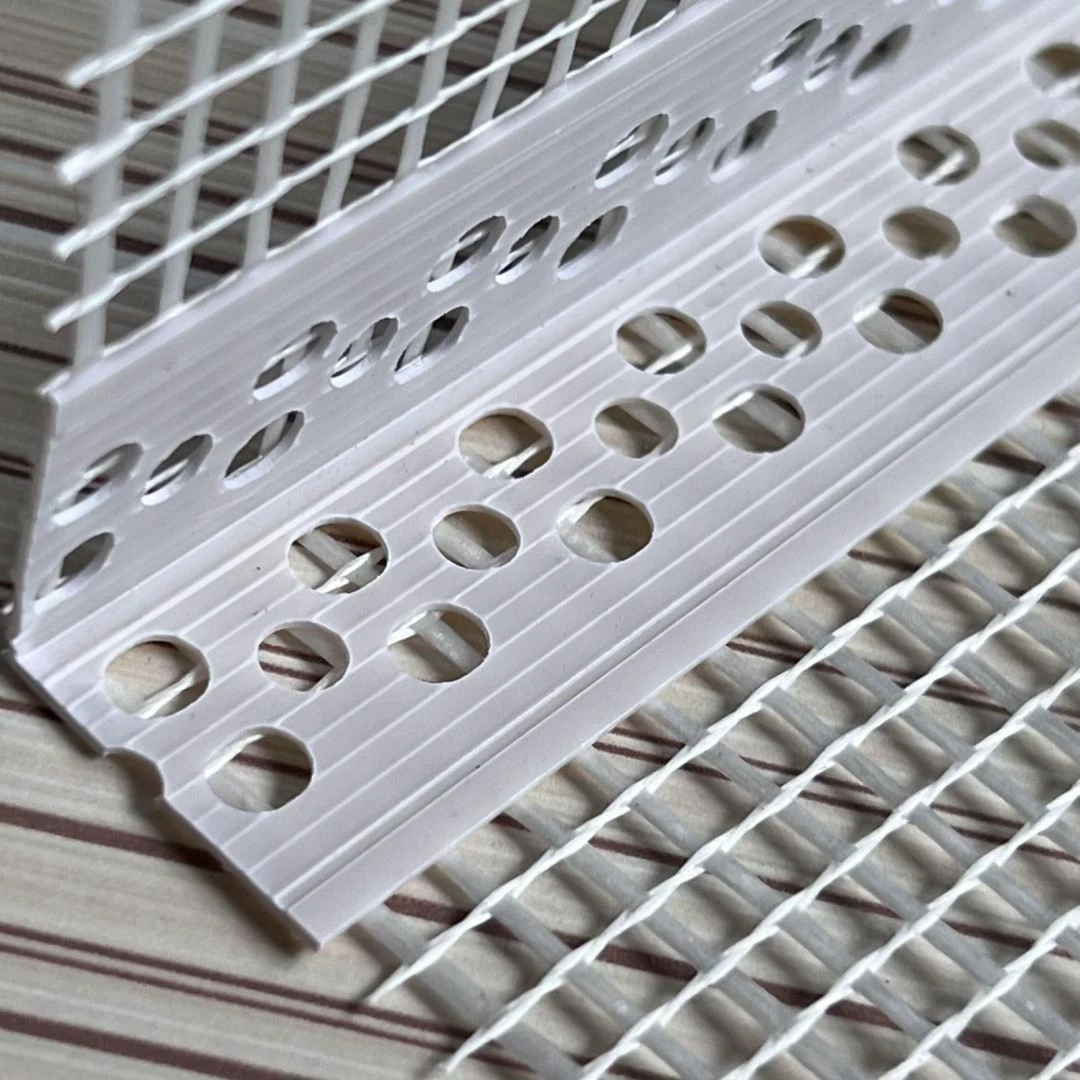
The first thing I always notice is the quality and consistency of the fiberglass mesh itself. Most companies claim their products are “high tensile” or “alkali-resistant,” but experience taught me to look beyond buzzwords. What really counts is the weave pattern and coating process. You want a mesh that won’t sag, won’t degrade when plastered, and is easy to embed. Frankly, some cheaper suppliers sell products that feel too brittle or too limp—hardly things you want when contractors are under tight schedules.
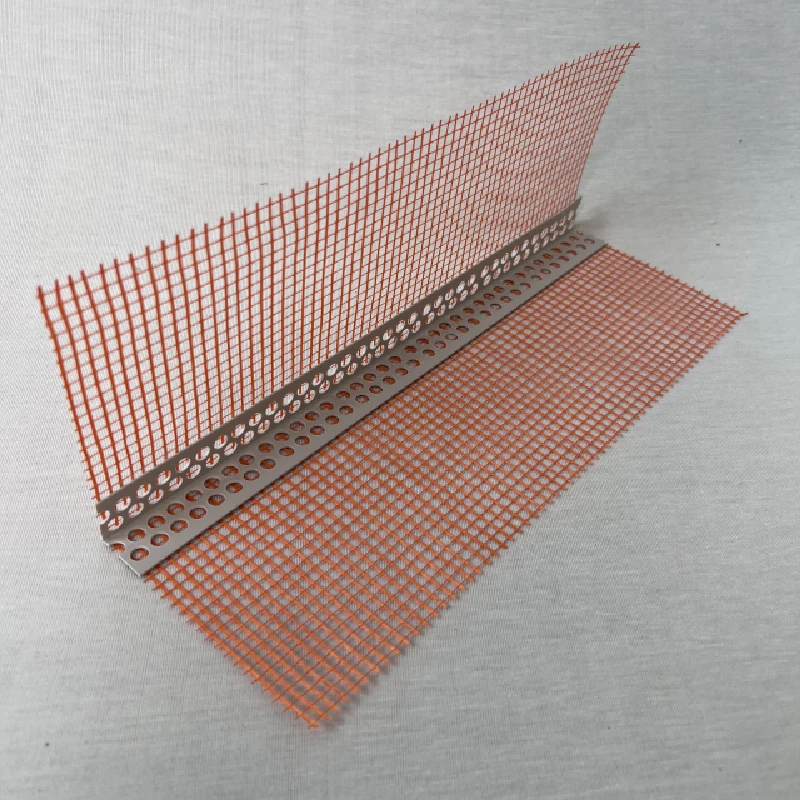
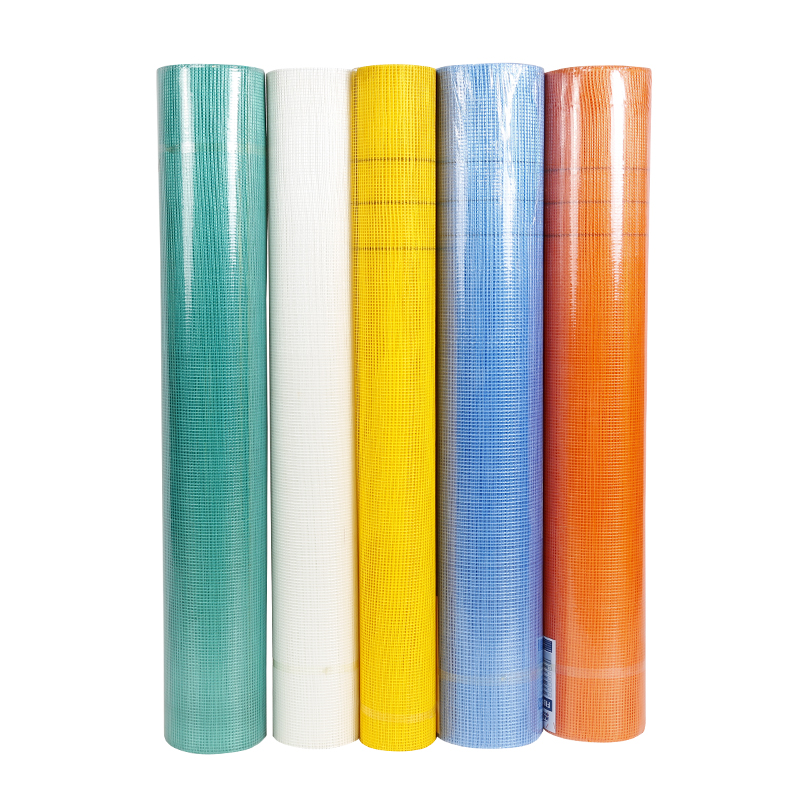
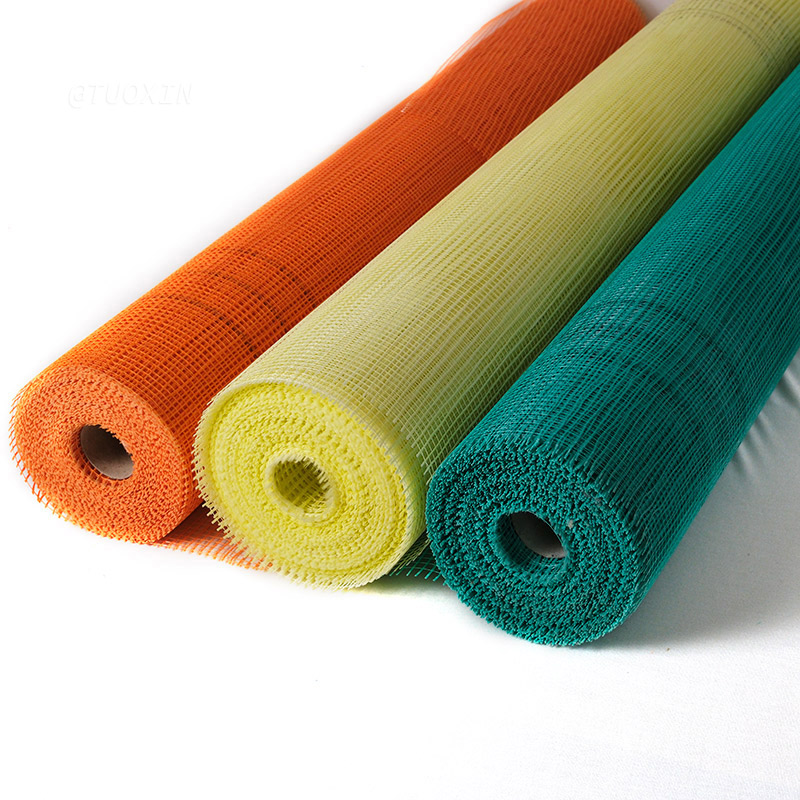
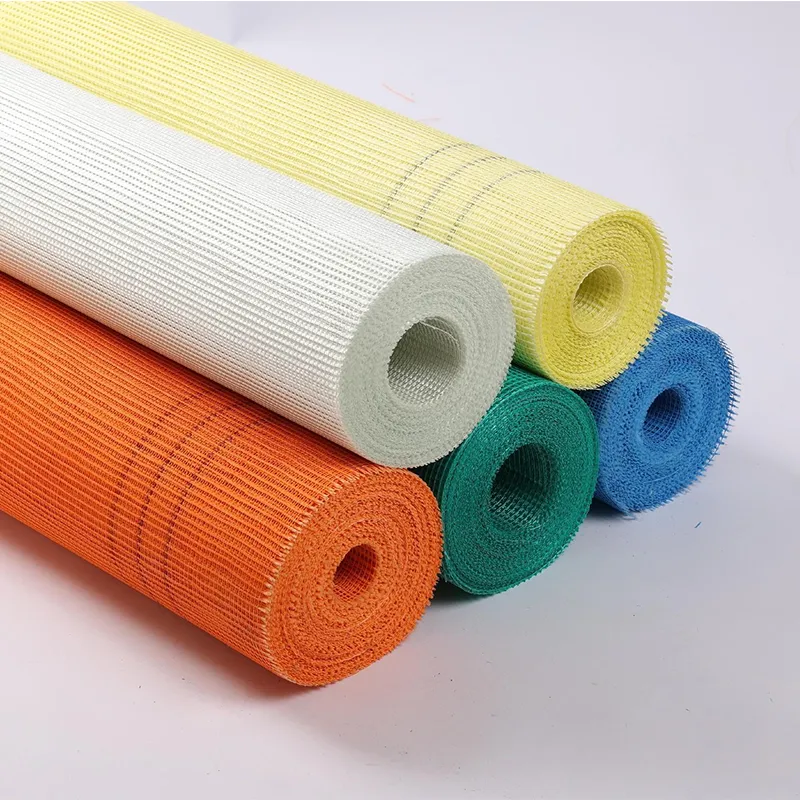
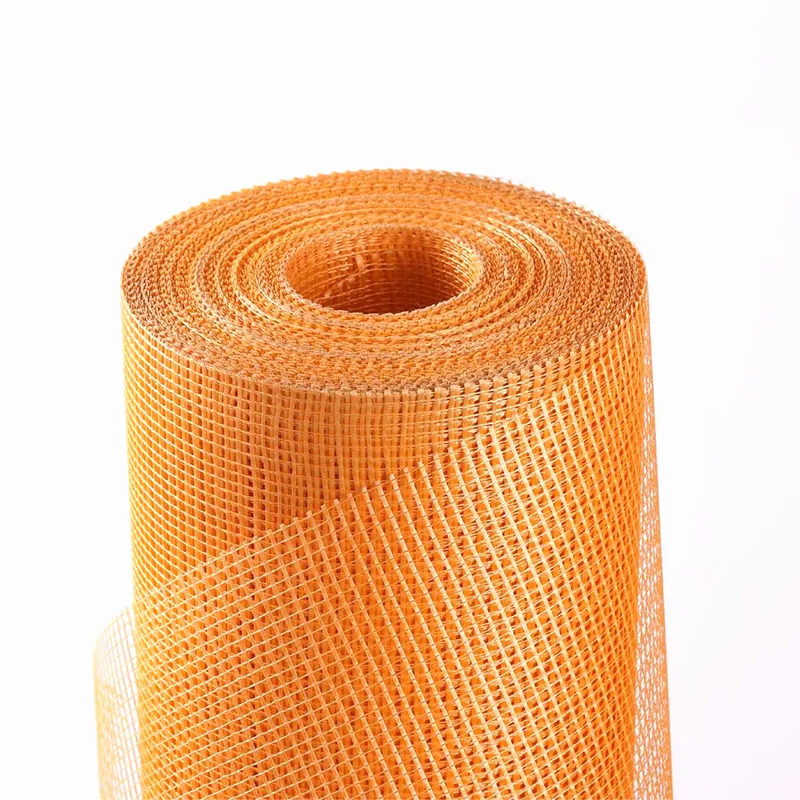
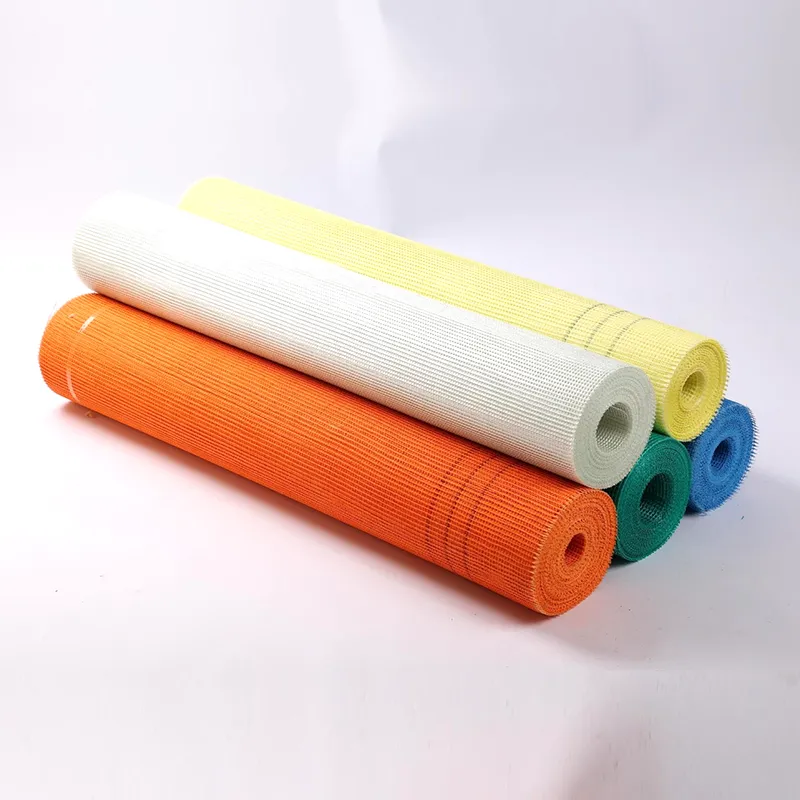
Tainuo Fiberglass Mesh, for example, has stood out in the marketplace for me. They’ve managed to balance flexibility with strength in their fiberglass mesh. Oddly enough, many engineers I’ve worked with say that their alkali resistance is among the best—meaning the mesh survives alkaline environments (like wet cement and drywall mud) without breaking down prematurely.
Here’s a quick rundown of typical specs you’ll find in reliable drywall fiberglass mesh products:
| Specification | Details |
|---|---|
| Mesh Width | 50mm, 100mm, 120mm, 150mm |
| Mesh Weight | ≥ 50g/m² |
| Alkali Resistance | ≥ 96 hours (standard test) |
| Tensile Strength | ≥ 350N / 5cm (warp/weft) |
| Roll Length | 50m, 90m, 100m |
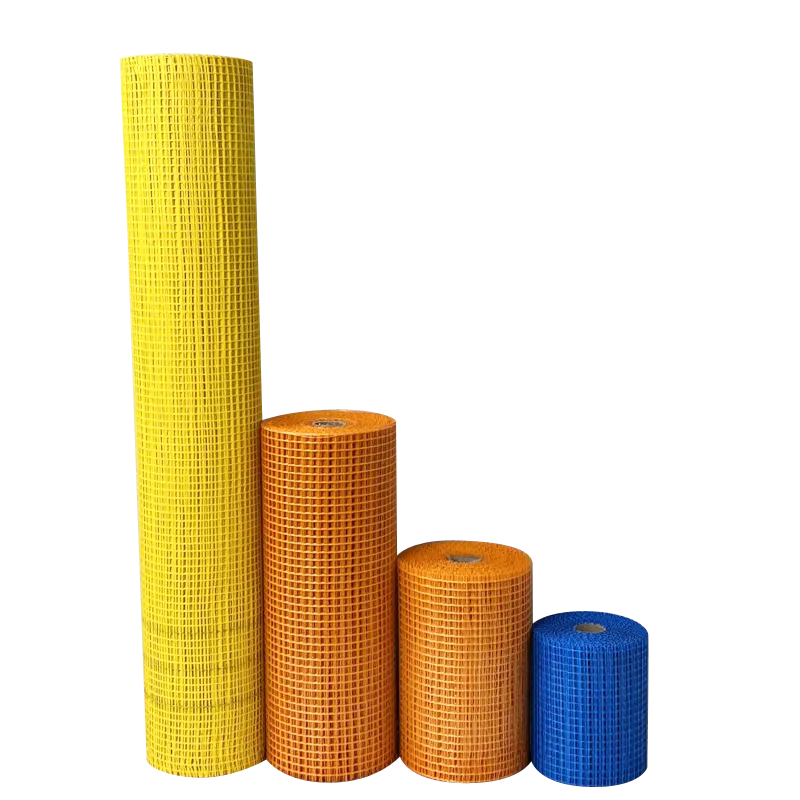
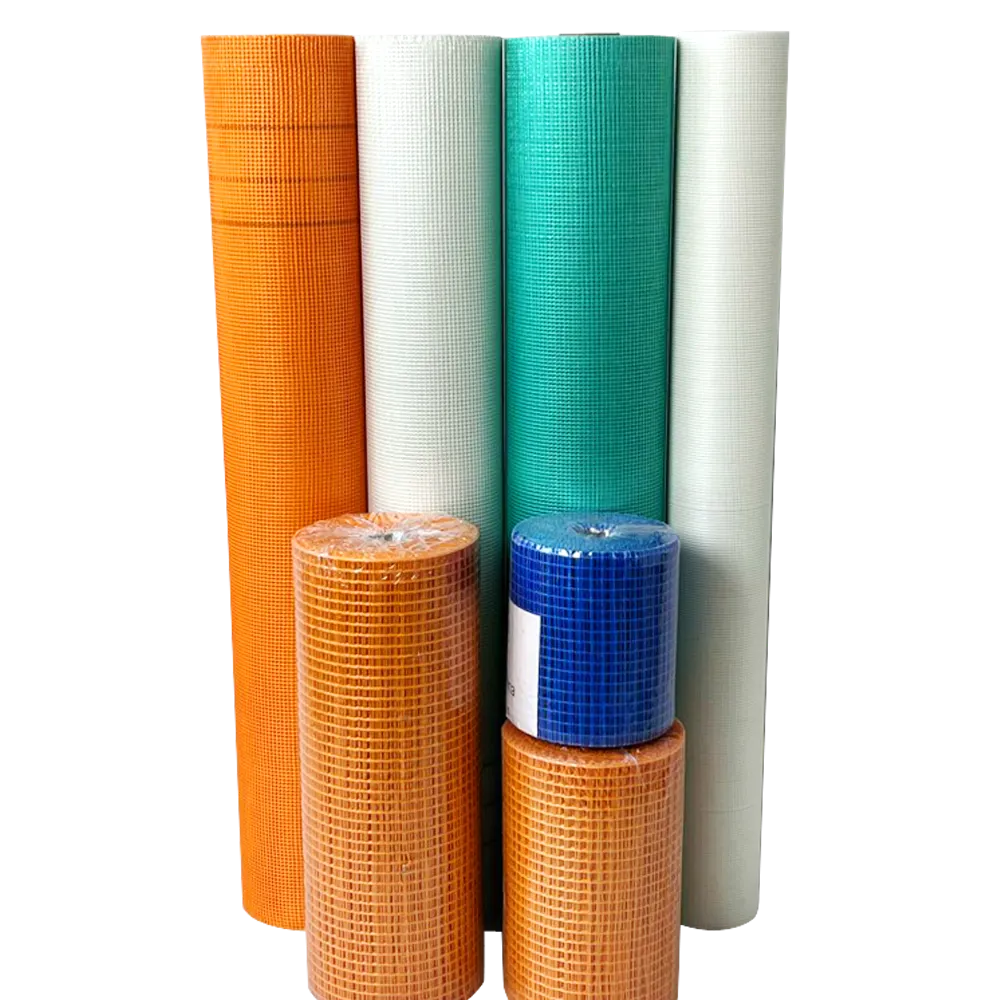
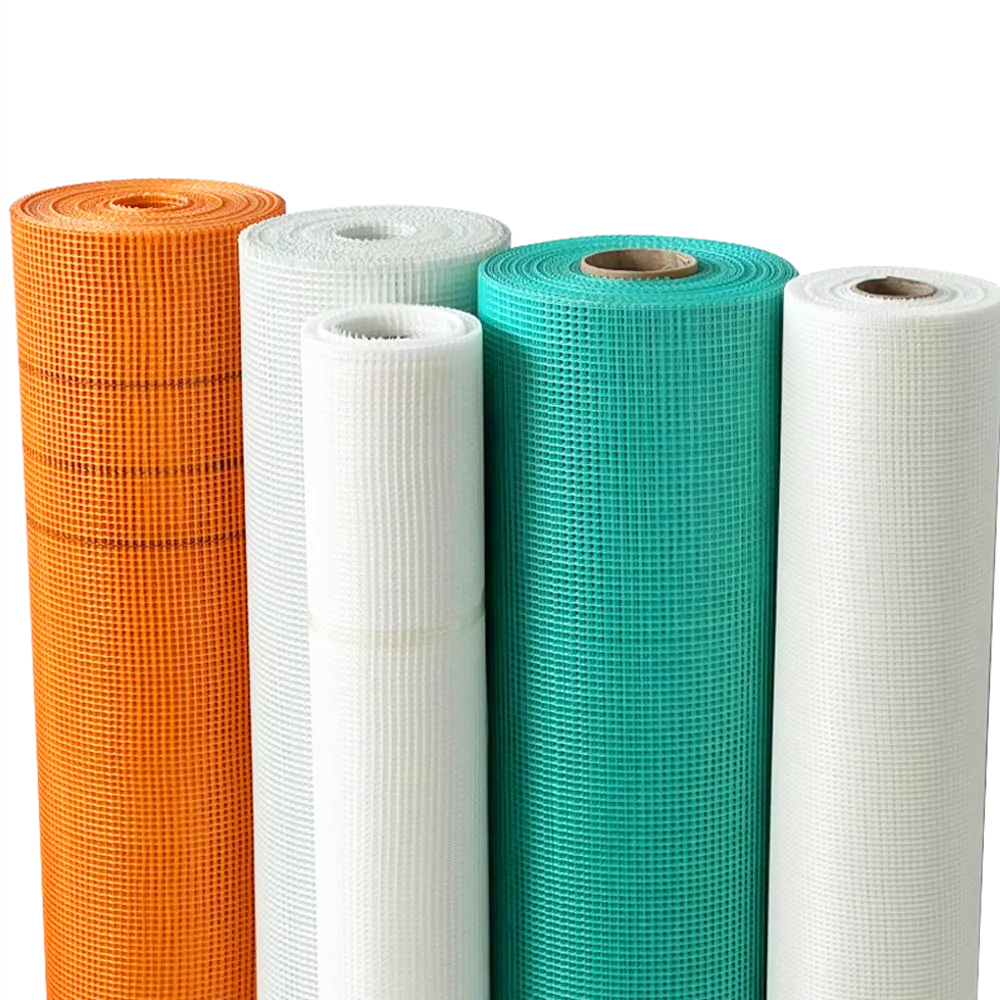
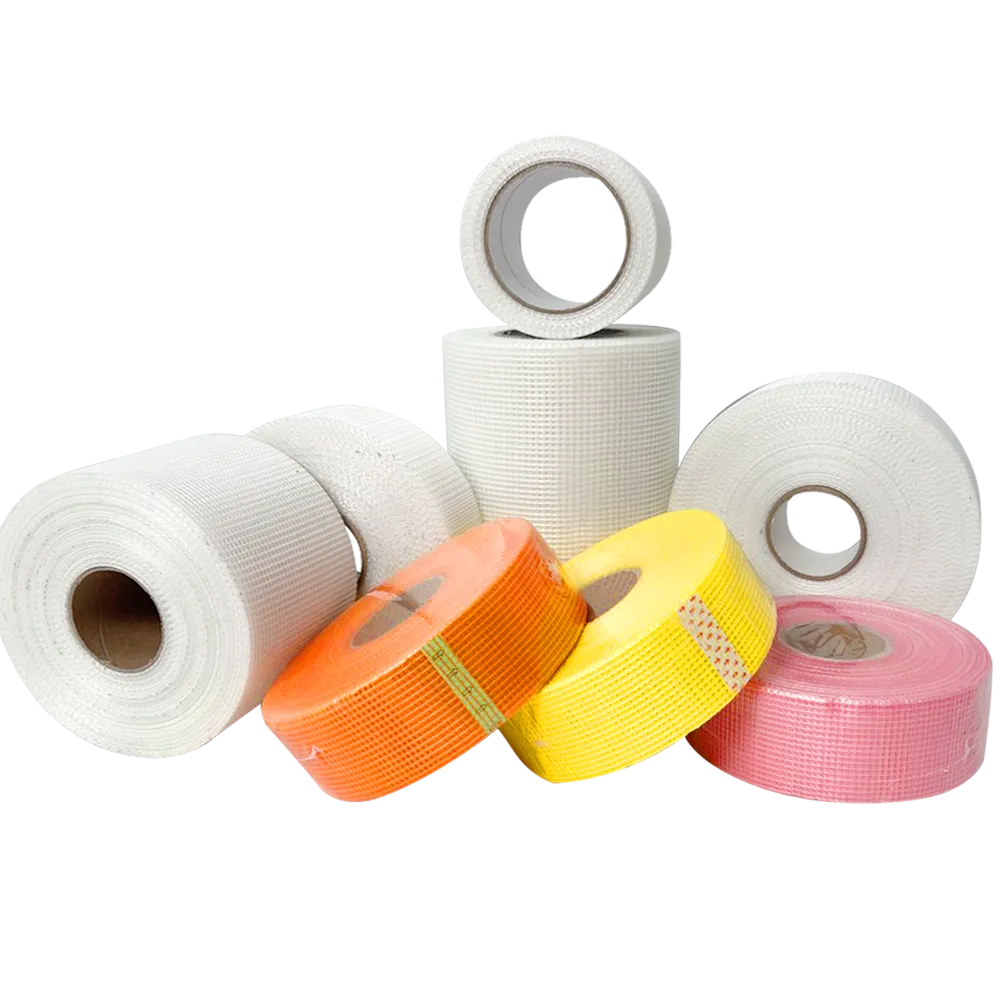
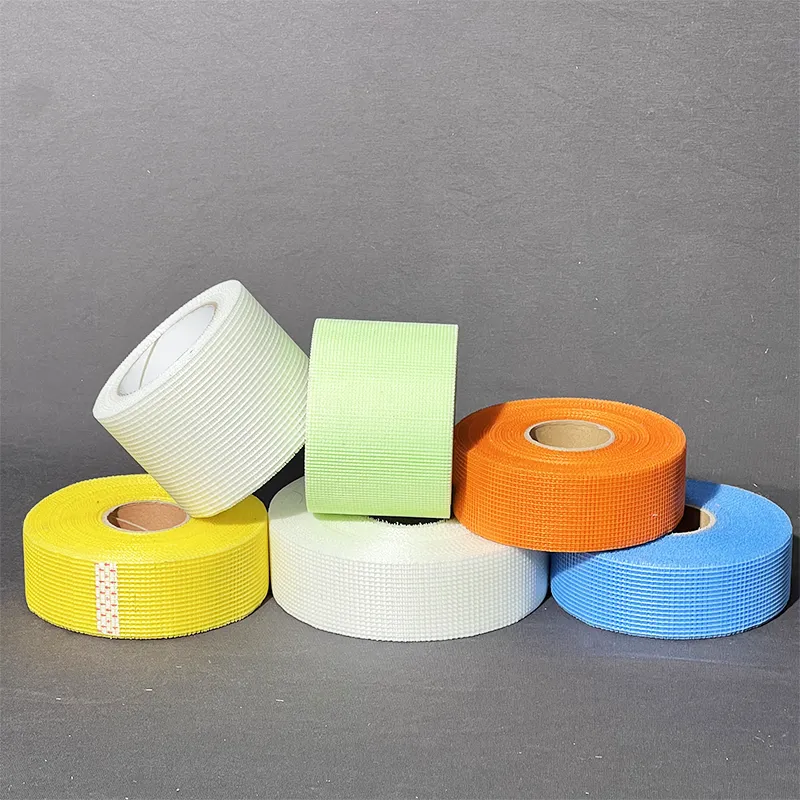
When vendors compete, it’s not always the specs but service and customization that tip the scales. Some companies will merely offer standard rolls, while others—like Tainuo—are happy to produce custom widths, weights, or even packaging configurations. I remember a regional contractor once telling me how customizing the mesh width helped reduce waste by over 15% on one big project, which is not insignificant when you factor labor and materials.
Here’s a brief comparison of a few well-known suppliers from my recent experience. While the market is vast, this table covers key practical considerations:
| Company | Alkali Resistance | Custom Options | Delivery Speed | Pricing |
|---|---|---|---|---|
| Tainuo Fiberglass Mesh | Excellent (≥ 96 hours) | Wide range | Fast (1–2 weeks) | Competitive |
| Vendor A | Moderate (48–72 hours) | Limited | Moderate (2–3 weeks) | Low |
| Vendor B | High (≥ 80 hours) | Standard only | Slow (3+ weeks) | High |
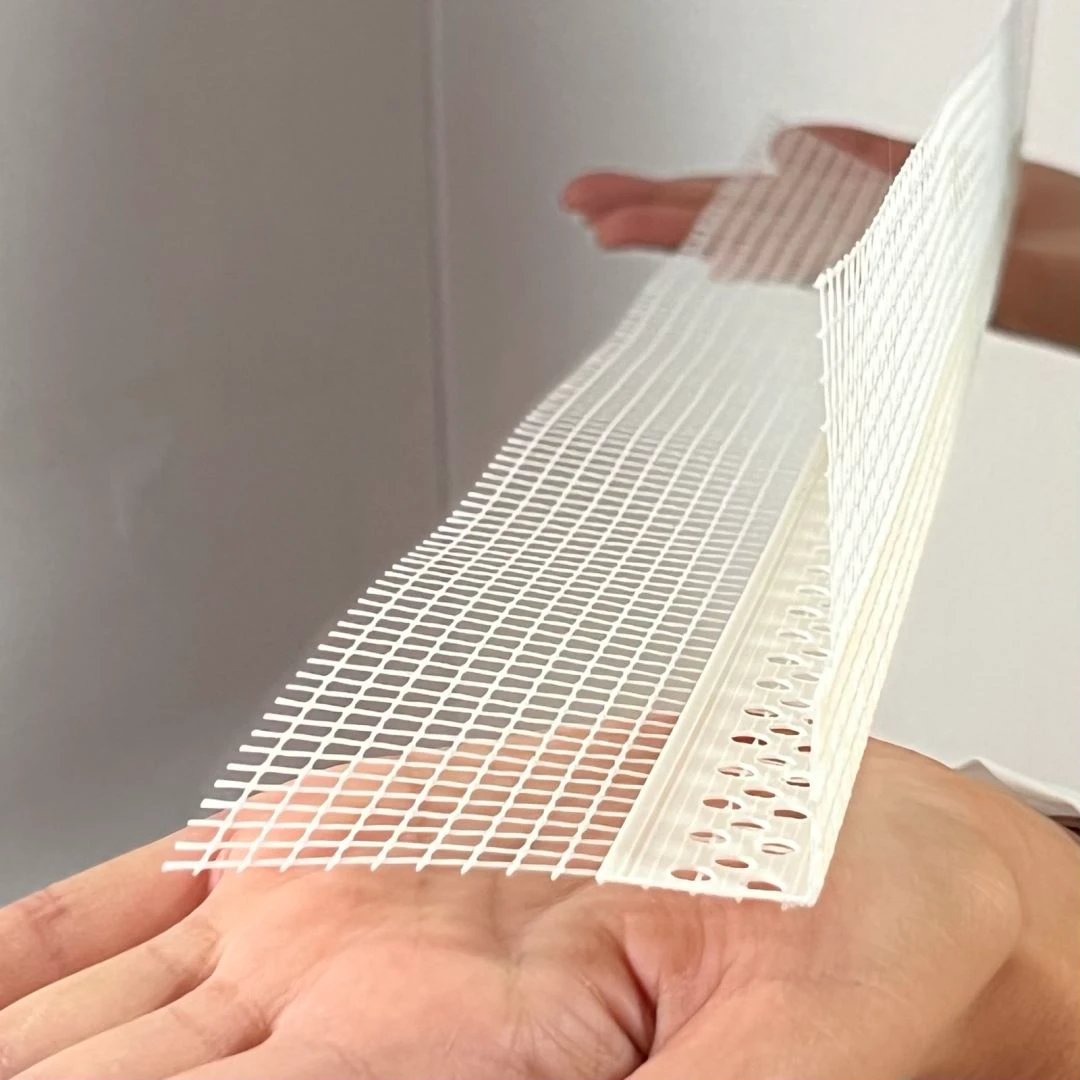
Of course, it’s not just specs and delivery that count. I once observed a contractor stressing the ease of installation with a particular fiberglass mesh brand. The fabric’s fine but resilient texture helped reduce tearing during application, saving them considerable rework time. In real terms, that adds up quickly across a multi-building site—it’s the kind of detail clients rarely see but that keeps project managers happy.
Whether you’re tackling residential drywall repairs or large commercial plastering, picking the right fiberglass mesh company is more than just buying a roll. It's about reliability, performance under real-world conditions, and sometimes, that extra bit of customization that makes a difference. I hope this gives you a clearer picture—and if you want a solid starting point, checking out Tainuo Fiberglass Mesh is well worth it.
At the end of the day, quality materials paired with thoughtful execution are what keep walls standing strong for years. And that’s something any builder—or homeowner—can appreciate.
Takeaway: Don’t just settle for any fiberglass mesh; understand your project’s needs and choose a company that supports them with quality and flexibility.
References:
- Industry Materials Standards, ASTM C934 - Alkali Resistance in Fiberglass Mesh
- “Plastering Insights,” Journal of Construction Materials, 2022
- Interview with Regional Contractor, DIY Magazine, 2023
-
Best Fiberglass Mesh Tape for RedGard Product Waterproofing GuideNewsApr.16,2026
-
Why High Strength Fiberglass Mesh Is Essential For Stucco ApplicationNewsApr.15,2026
-
Why Alkali Resistant Fiberglass Mesh Tape Is Essential For Cement Board And Tile InstallationsNewsApr.15,2026
-
Understanding The Role Of Drywall Fiberglass Mesh In Interior FinishingNewsApr.15,2026
-
Ultimate Guide To Using Fiberglass Mesh Tape For Drywall And Plaster RepairsNewsApr.15,2026
-
The Versatility Of Fiberglass Mesh In Marble And Stone MosaicNewsApr.15,2026