Jan . 05, 2026 06:20 Back to list
Fiber Mesh for Waterproofing – Durable Solutions from Tainuo Fiberglass
Fiber Mesh for Waterproofing: A Tried and True Solution
Having spent a fair share of years working around industrial waterproofing materials, I can say fiber mesh for waterproofing feels like one of those unsung heroes. You probably don’t think much about it unless you’re knee-deep in a project or chasing a warranty claim, but honestly, it’s the backbone for a lot of reliable waterproofing systems out there.
The industry, as you might imagine, is pretty picky today. We want materials that can handle weather swings, resist chemicals, and hold up without cracking. Some years ago, when I first started testing fiberglass mesh combined with waterproofing compounds, I noticed how it significantly reduced micro-cracking. That told me right away—this stuff isn’t just filler. It adds structural reinforcement that’s flexible, durable, and frankly, quite cost-effective.
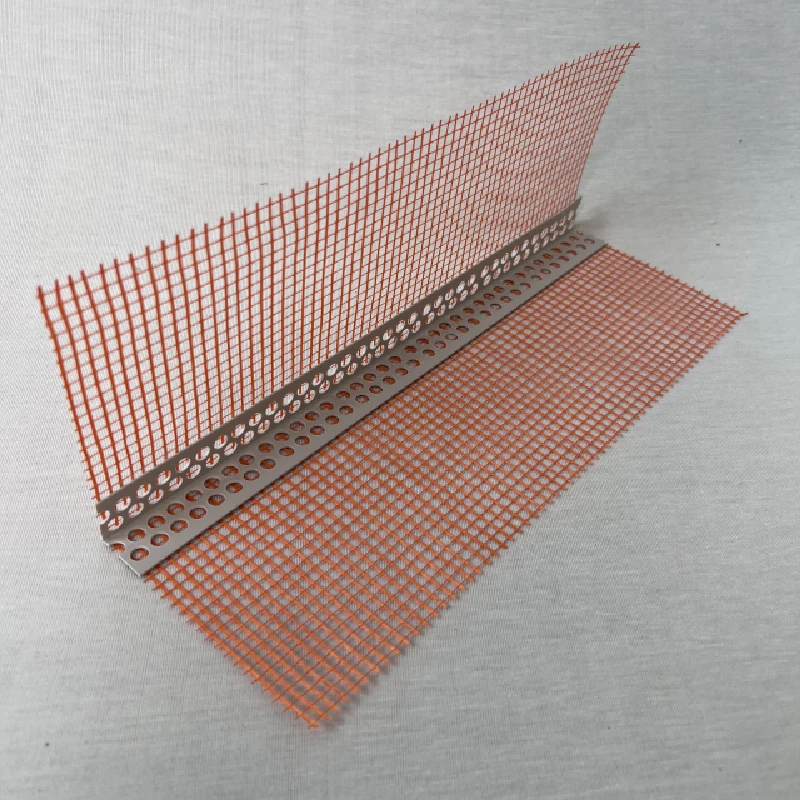
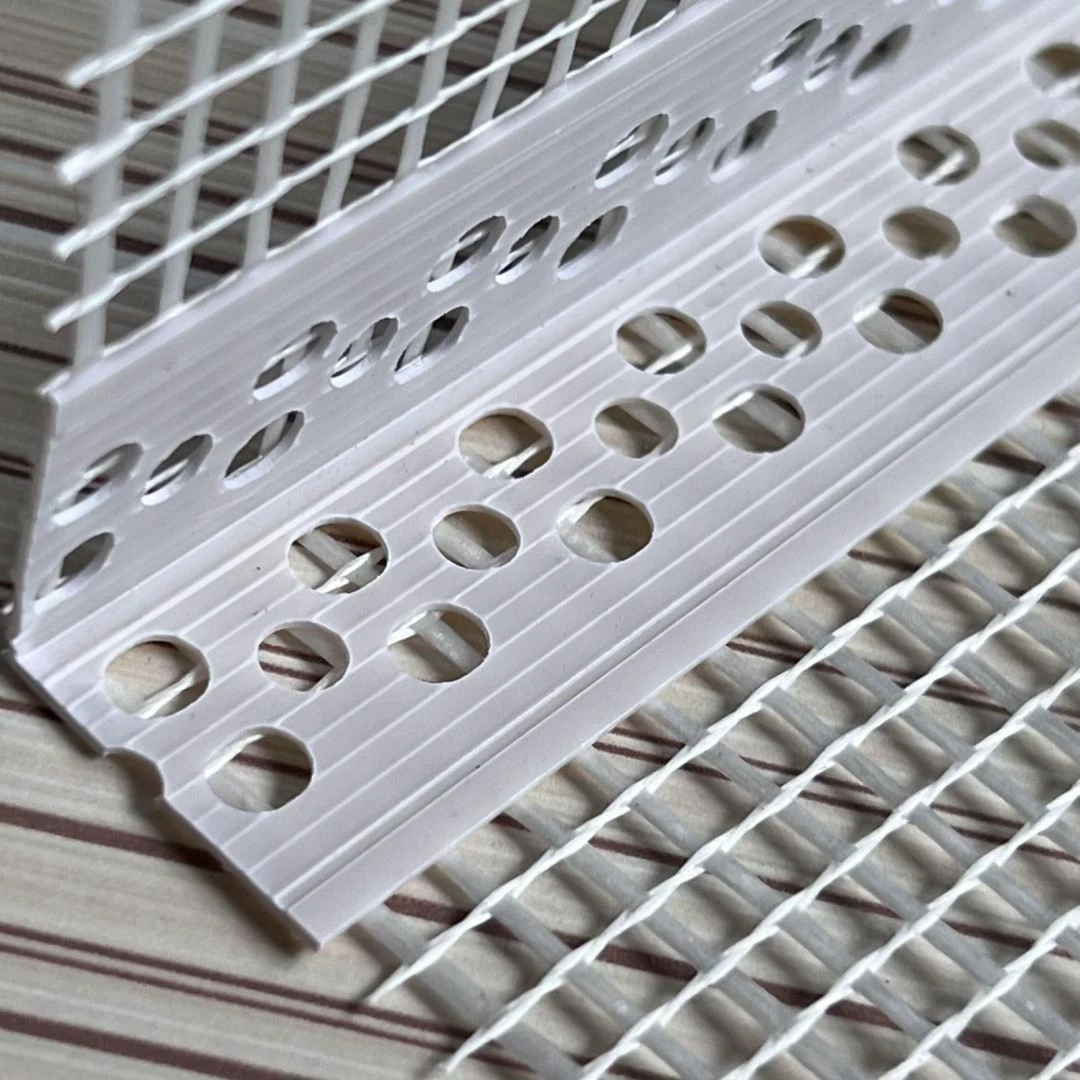
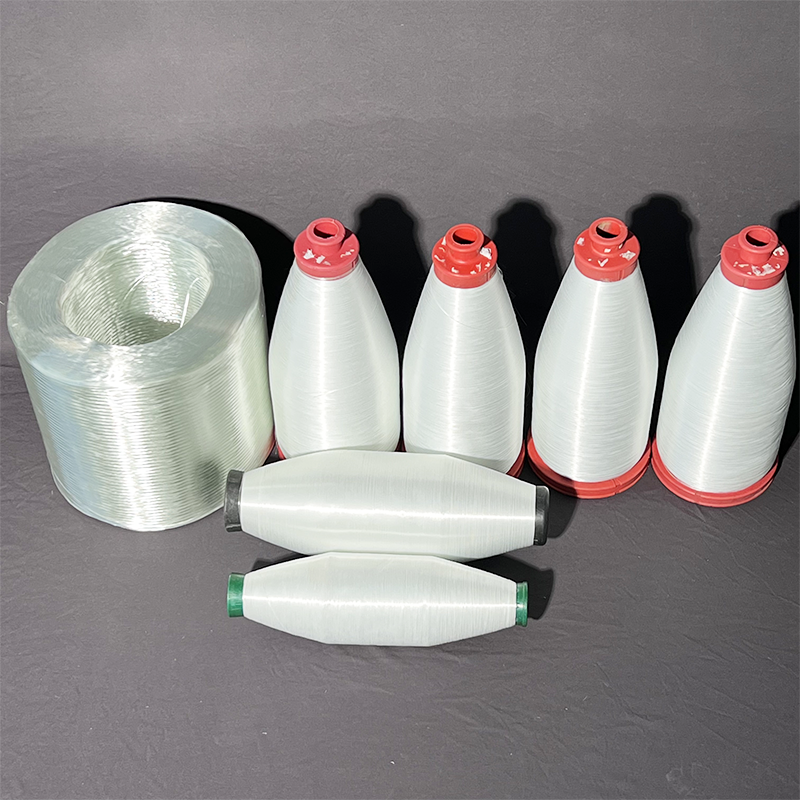
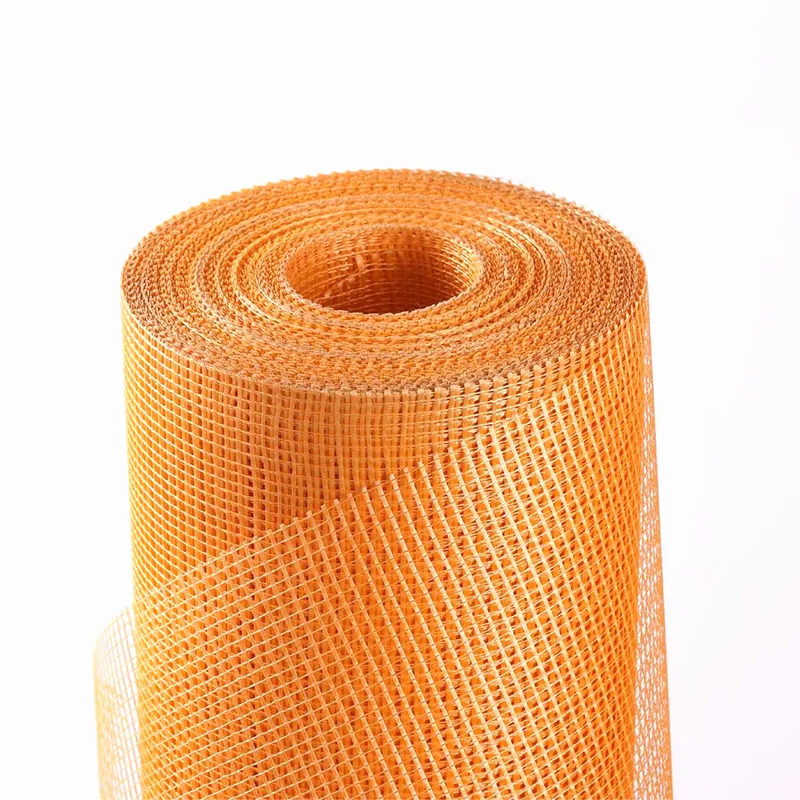
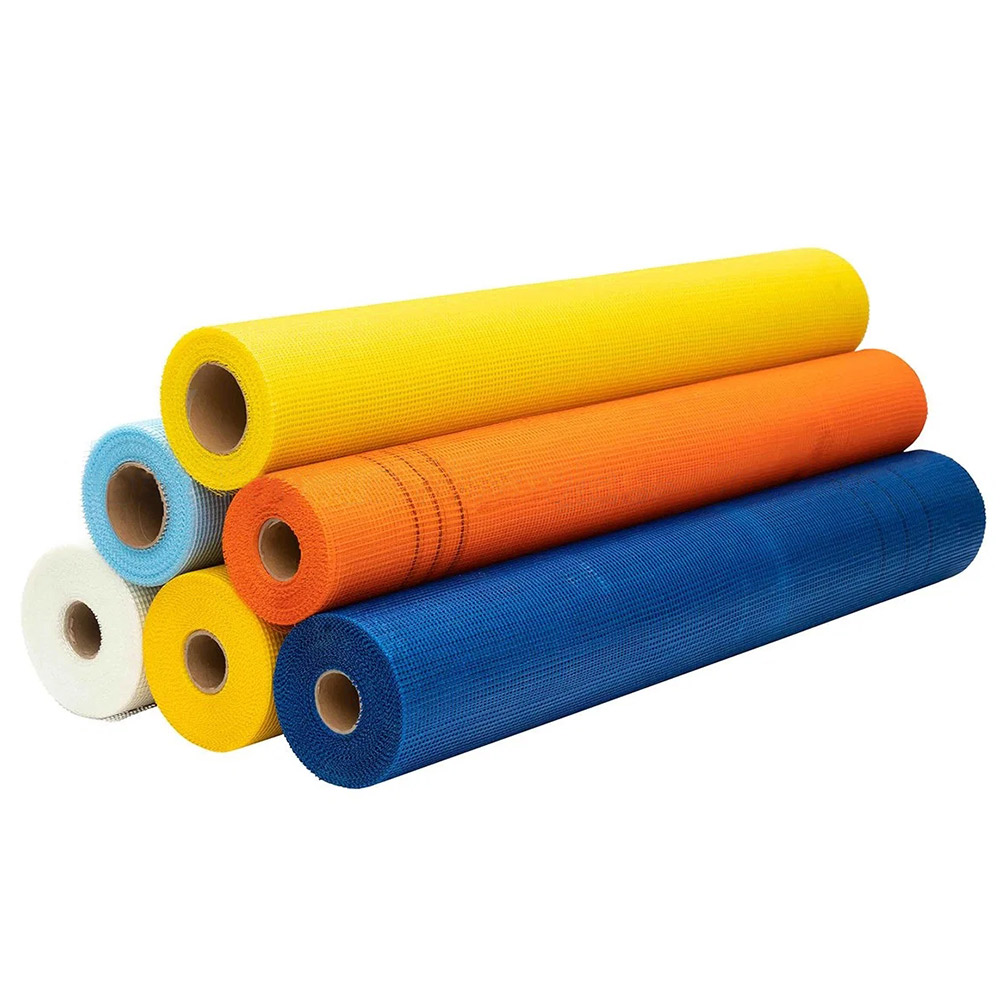
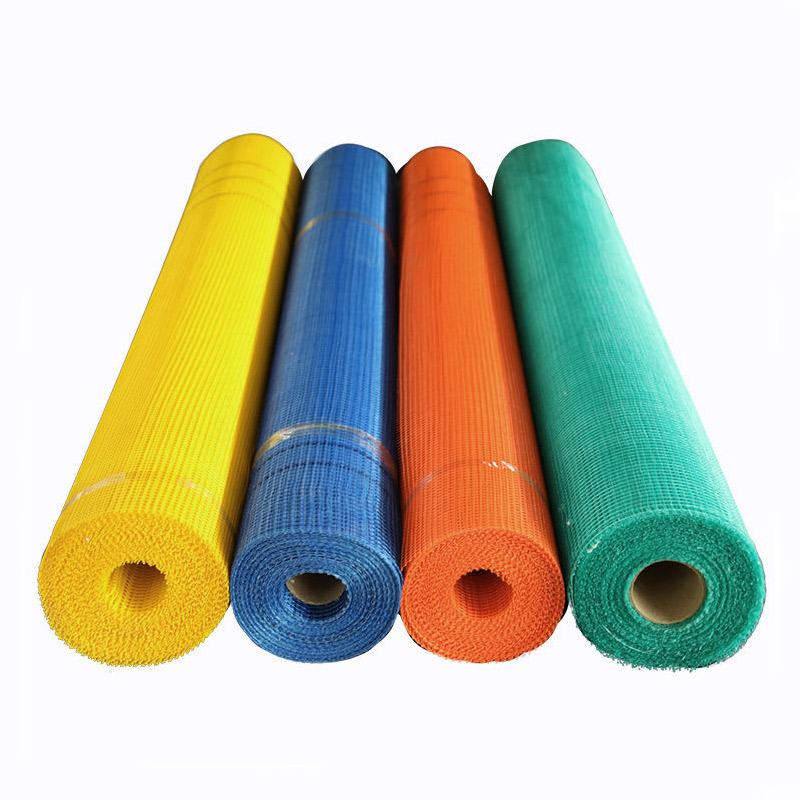
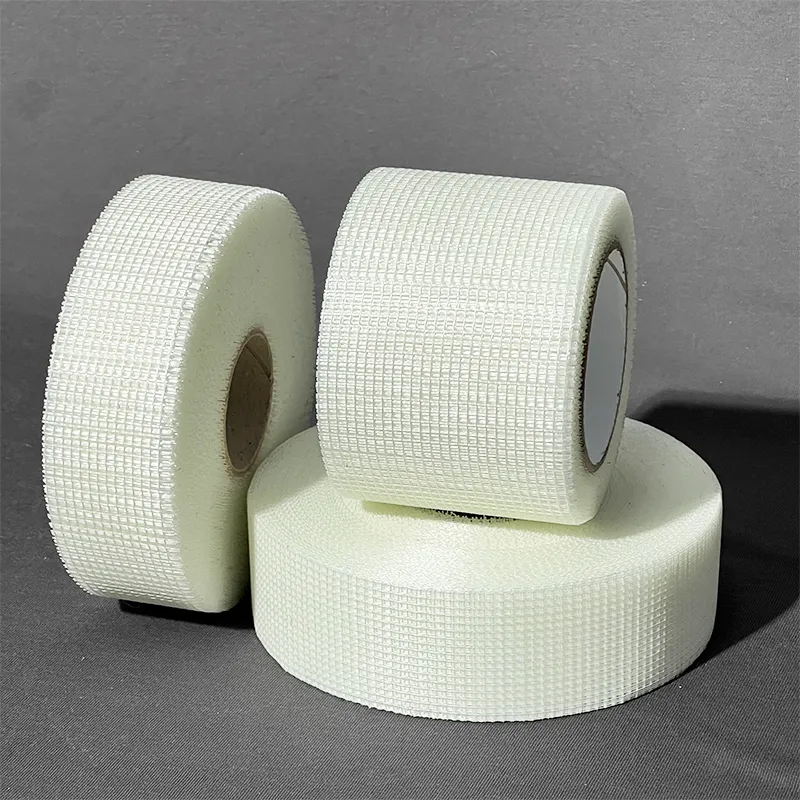
For those unfamiliar, fiber mesh, typically fiberglass-based, is embedded into a waterproofing membrane to reinforce the material's tensile strength. It’s often used in roofing, basements, tunnels, or anywhere water ingress can cause serious damage. The mesh acts almost like a skeleton, distributing stresses and preventing tiny cracks from becoming big leaks.
Now, not all fiber meshes are created equal though. Variations in weave density, fiber thickness, and coating affect performance. I once worked on a refurbishment where a denser, alkali-resistant mesh was specified because the waterproofing cement had a high pH. In real terms, that choice saved the customer a fortune because the mesh held strong without degrading—which not all products would have managed.
| Property | Value | Unit |
|---|---|---|
| Mesh Weight | 65 | g/m² |
| Fiber Type | Alkali-Resistant Fiberglass | - |
| Fiber Diameter | 10 | microns |
| Tensile Strength | 1200 | N/5cm |
| Elongation at Break | 3 | % |
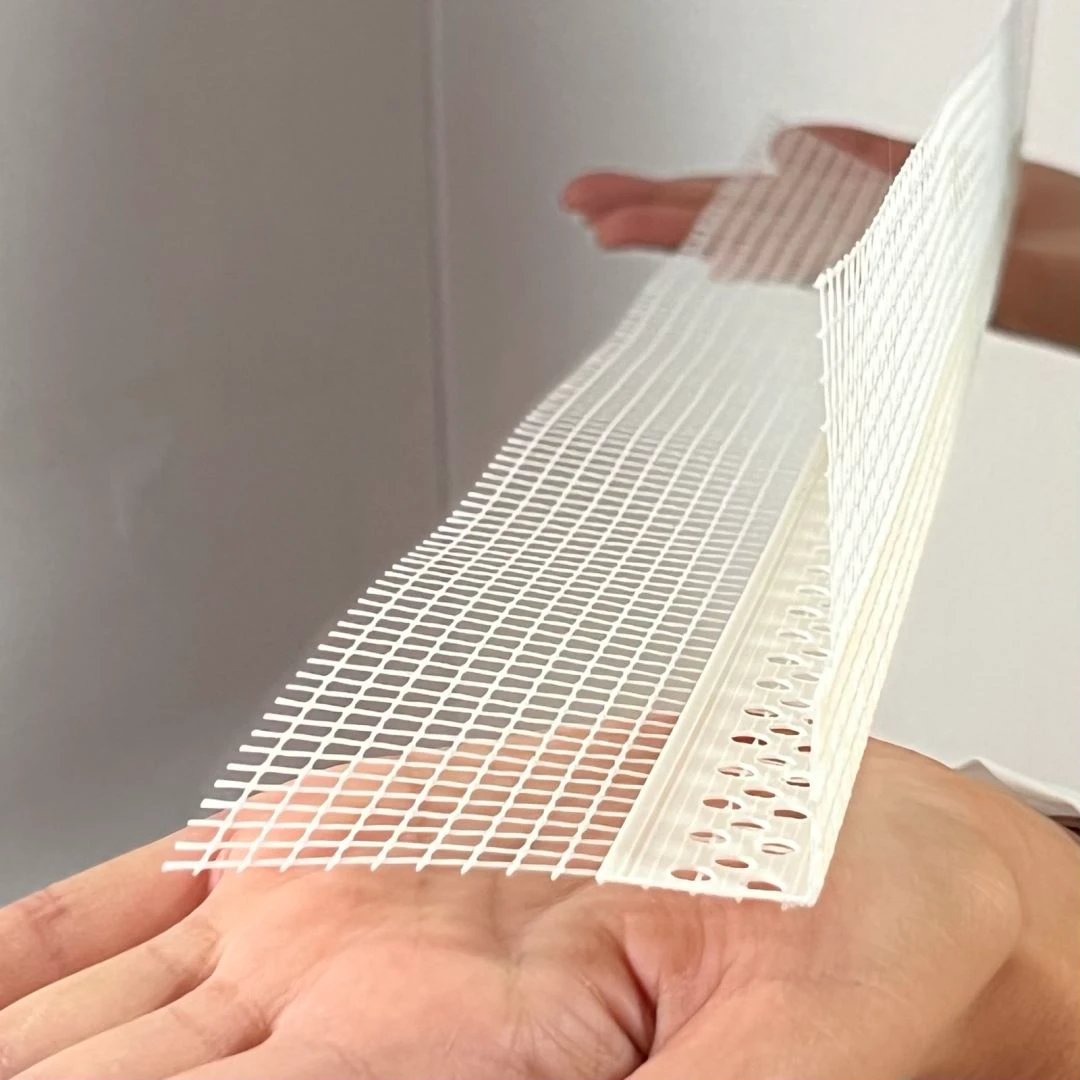
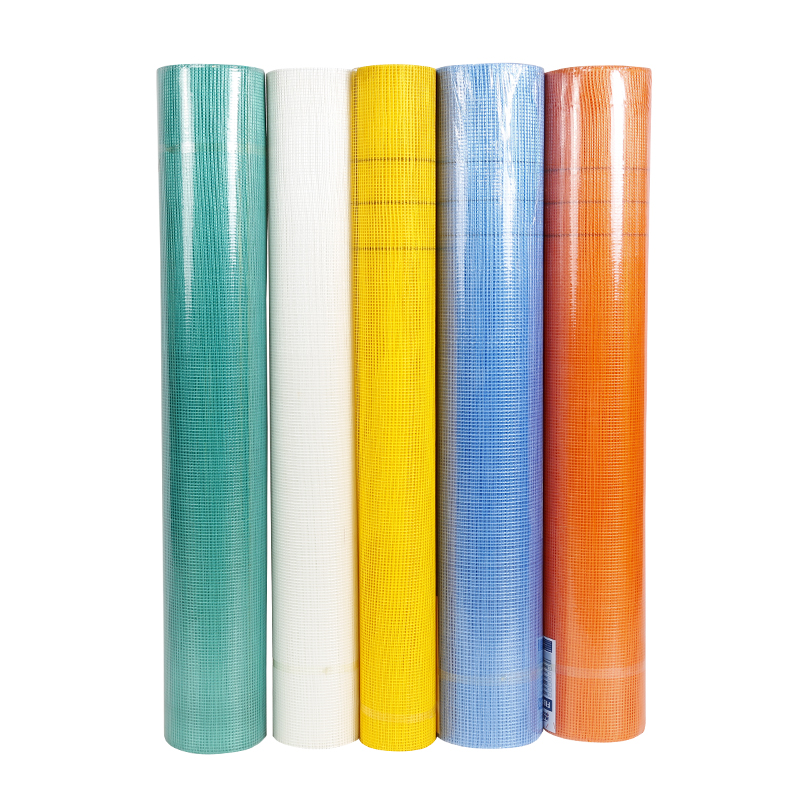
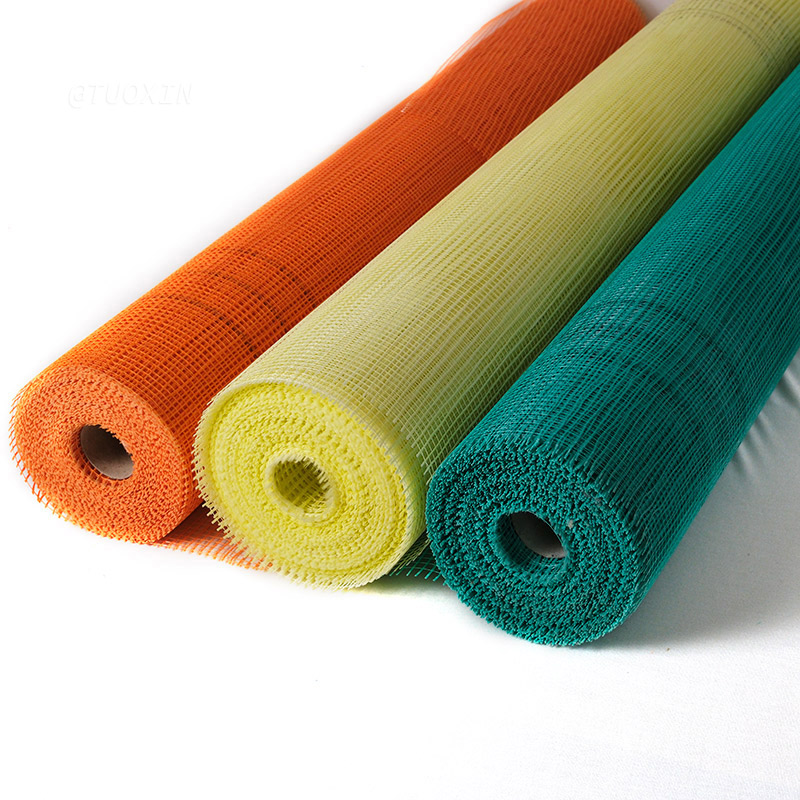
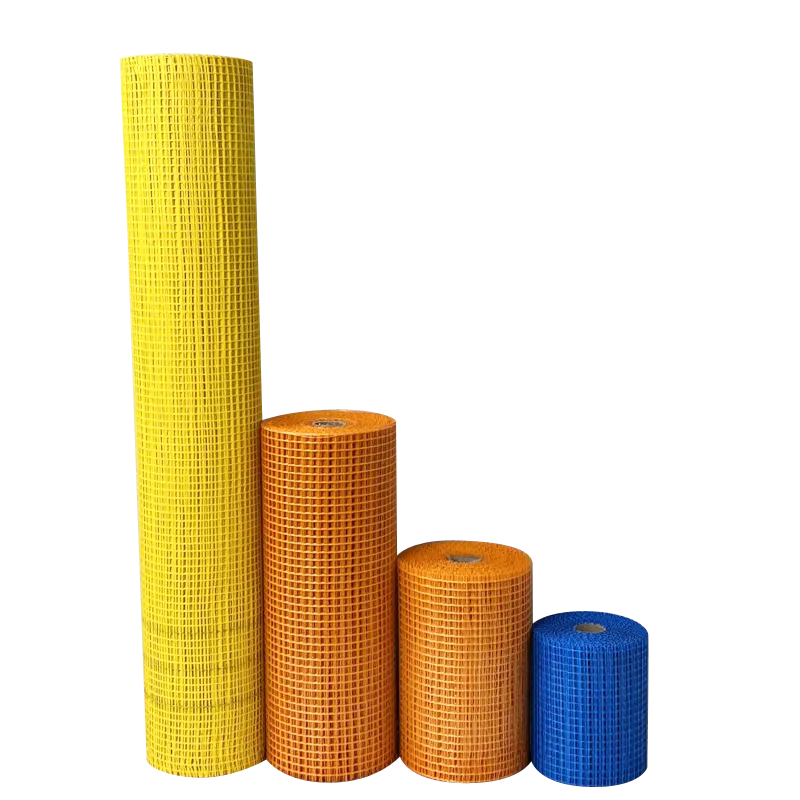
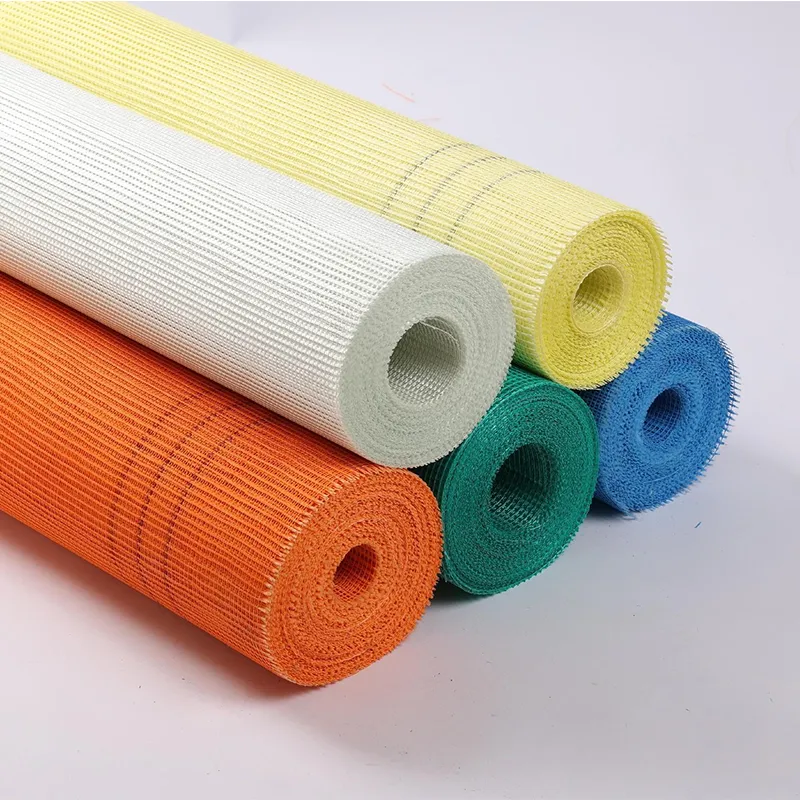
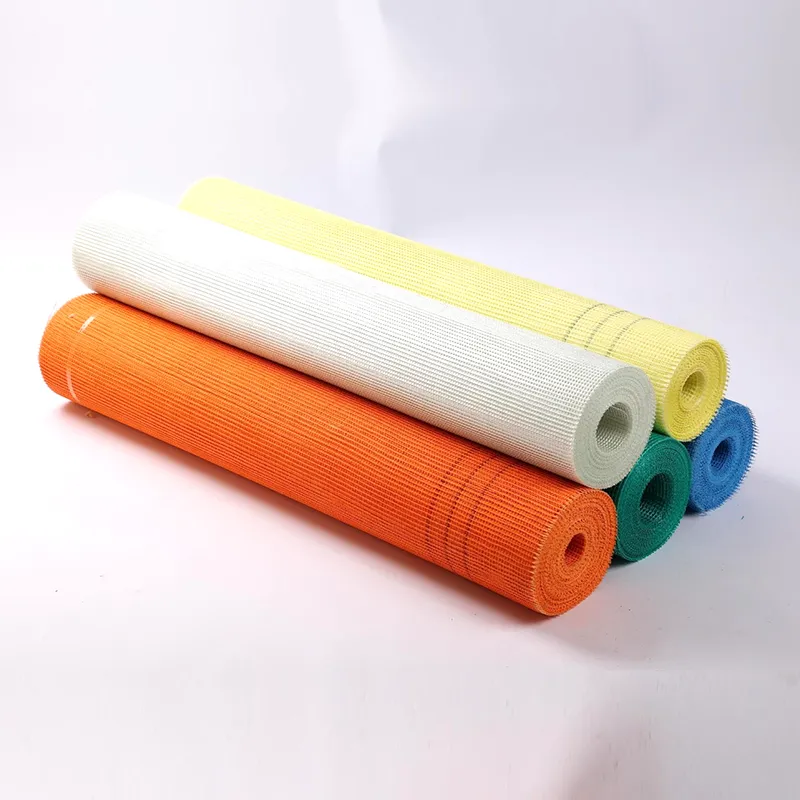
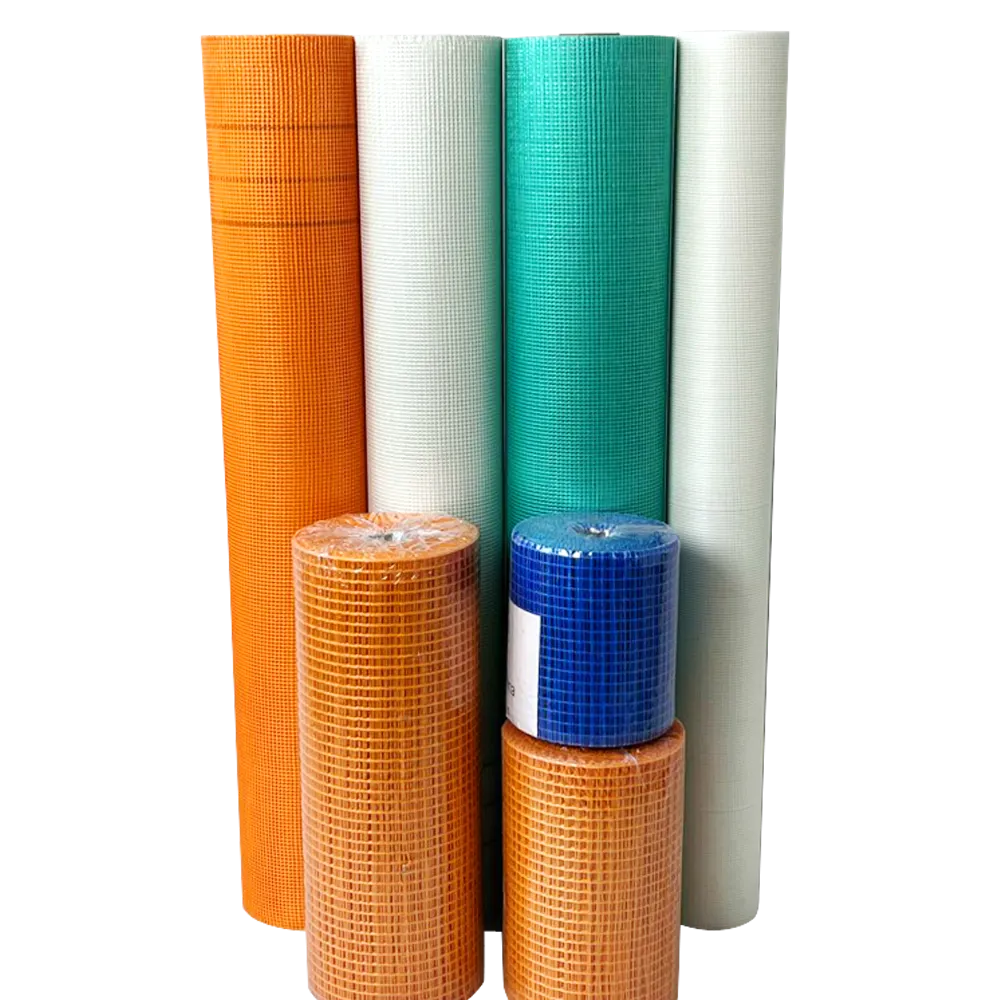
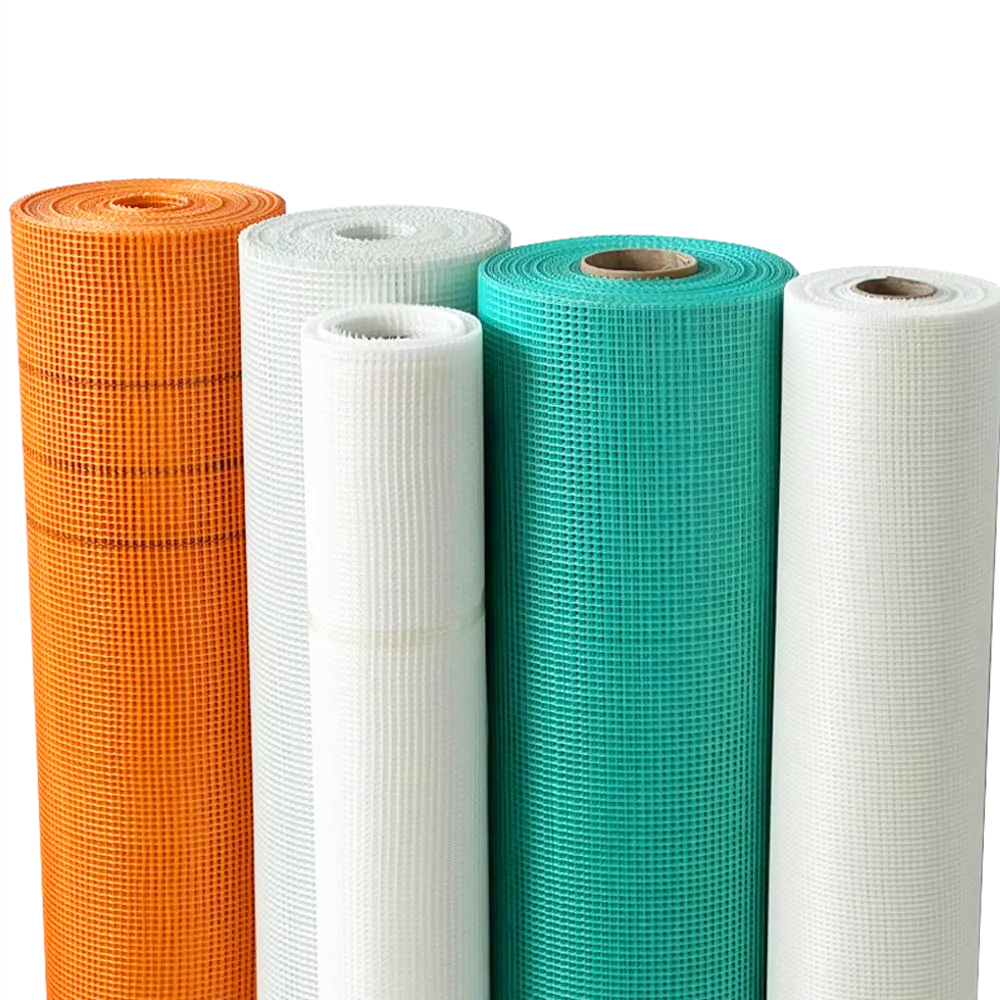
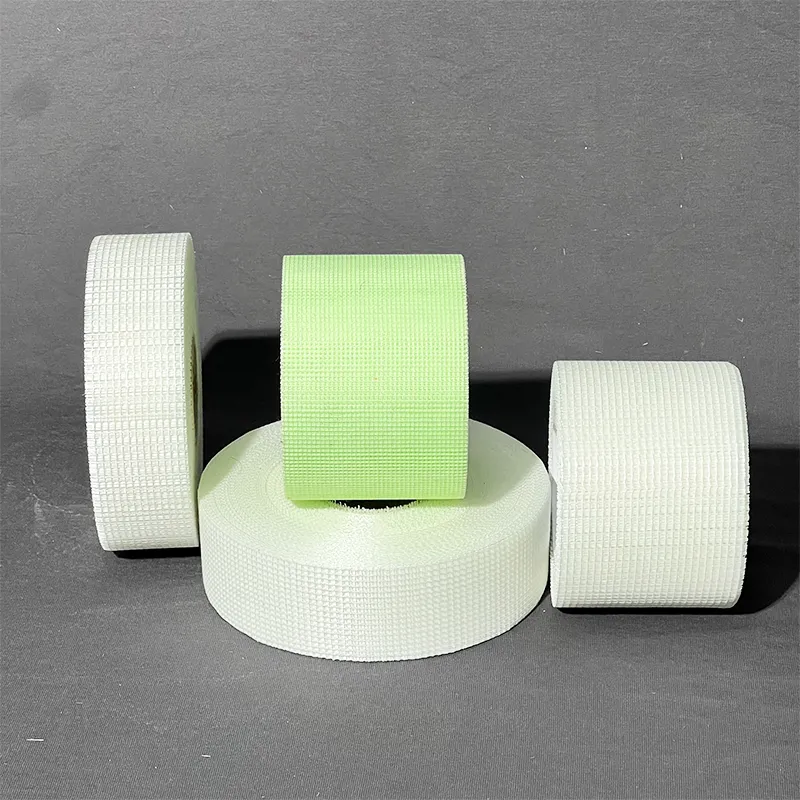
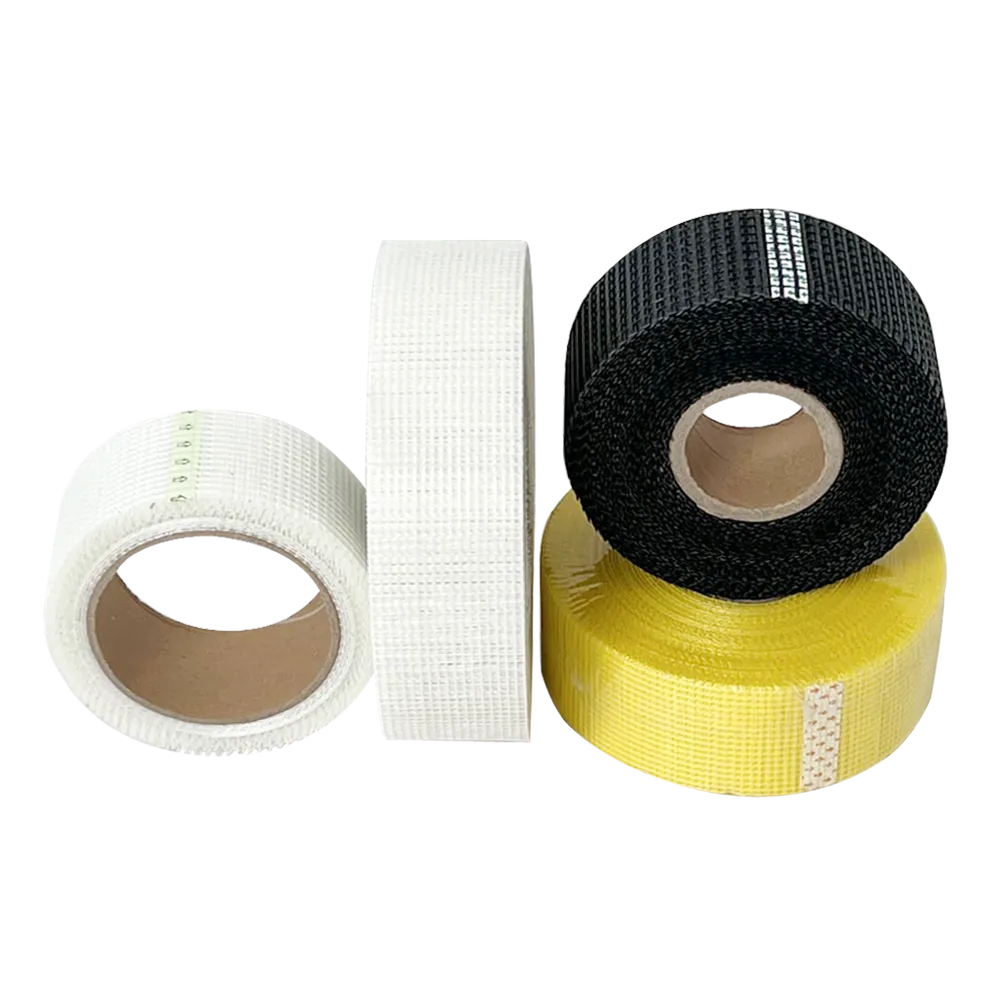
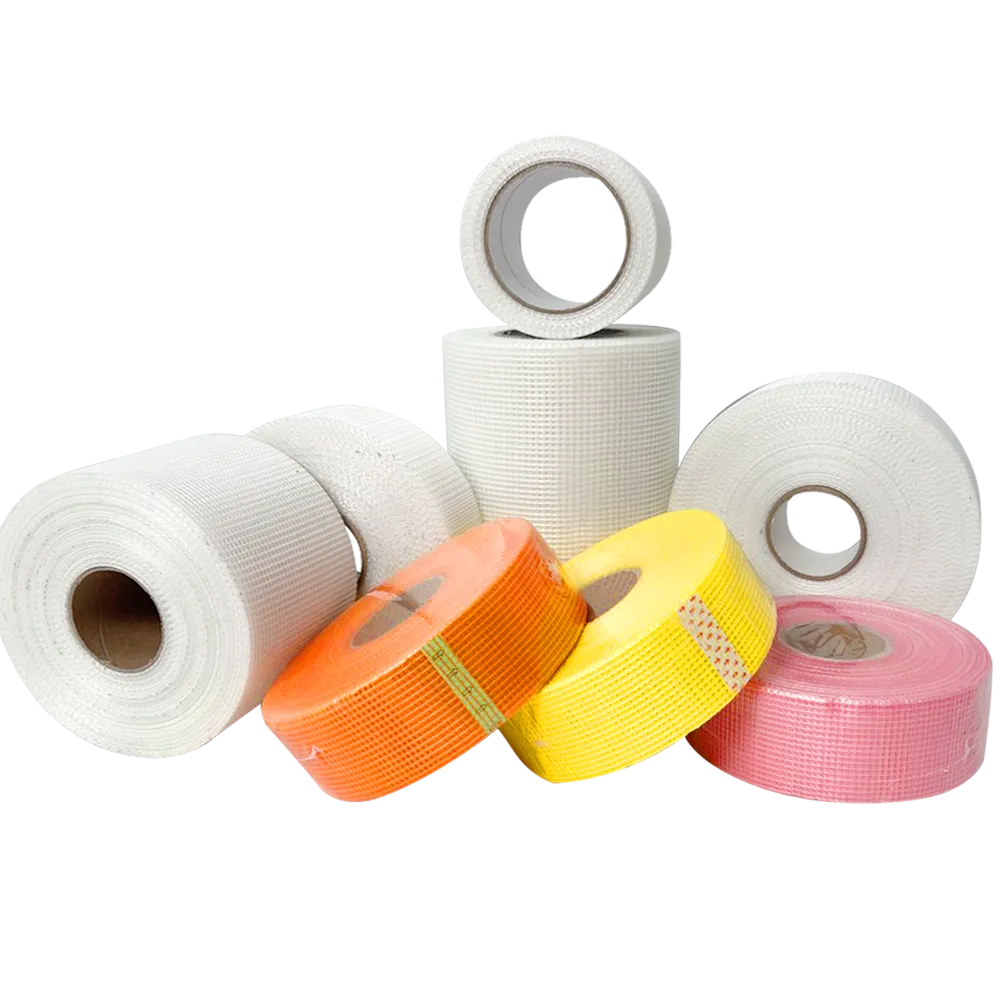
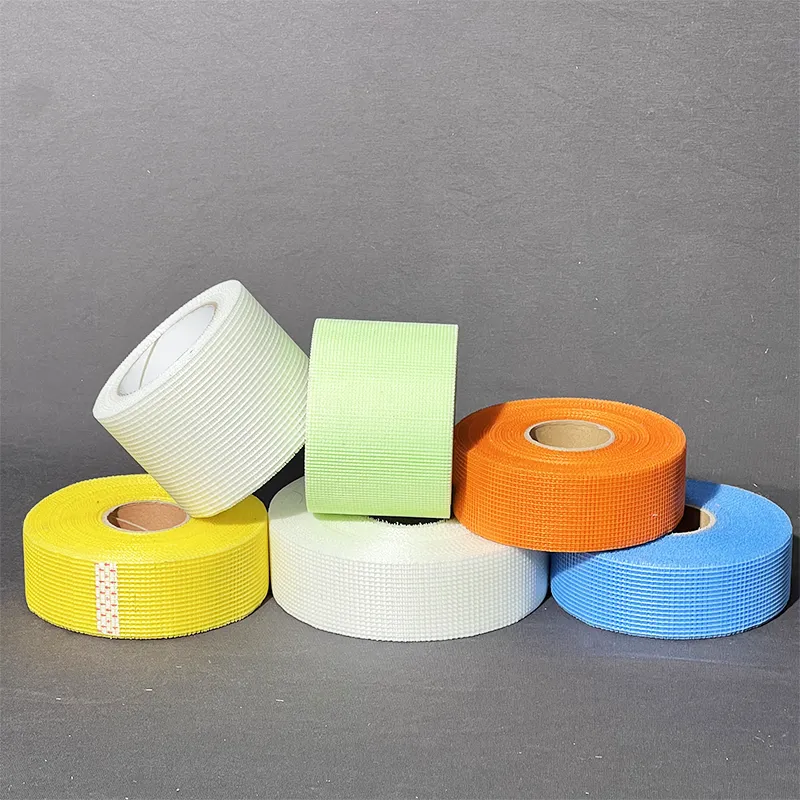
One unexpected aspect I really appreciate about fiber mesh is its adaptability. You can source it in rolls of varying widths and weights, customize it for extra UV resistance or chemical stability, and pair it with different coatings. Even the weave pattern can be adjusted depending on specific waterproofing requirements.
Of course, there are plenty of vendors in this space. To save you from sifting through mountains of supplier pitches, here’s a quick head-to-head comparison of some key contenders I've encountered:
| Vendor | Alkali Resistance | Price | Custom Options | Lead Time |
|---|---|---|---|---|
| Tainuo Fiberglass | Excellent | Moderate | Wide Range | 2–3 weeks |
| Vendor B | Good | Low | Limited | 4–5 weeks |
| Vendor C | Fair | High | Custom Only | 1–2 weeks |
At Tainuo Fiberglass (see here), I’ve found their fiber mesh products to hit the sweet spot between quality, price, and availability. Their alkali-resistant fiberglass mesh routinely exceeds industry standards, and frankly, their customization options make specifying the right mesh surprisingly painless. It’s those little things, you know?
Recently, a contractor I work with shared how switching to a specific Tainuo fiber mesh saved them time and headaches on a tricky waterproofing project. The membranes adhered better, application was smoother, and the client ended up with fewer call-backs. Stories like that make you respect the subtle power good materials have.
So if you’re considering fiber mesh for waterproofing, my advice comes from years of elbow grease and jobsite lessons: focus on quality, match the mesh to your substrate environment, and don’t skimp on trusted vendors. It can feel like a small part of the puzzle, but oddly enough, the right fiber mesh often makes the difference between a job well done and one that haunts you later.
In sum: it pays off to invest in fiber mesh that’s well-made and reliable. That’s where best practice meets practical peace of mind.
References:
1. Industry standard tensile and chemical resistance testing protocols,
2. Firsthand project case studies from waterproofing contractors,
3. Vendor product datasheets and technical manuals.
-
Best Fiberglass Mesh Tape for RedGard Product Waterproofing GuideNewsApr.16,2026
-
Why High Strength Fiberglass Mesh Is Essential For Stucco ApplicationNewsApr.15,2026
-
Why Alkali Resistant Fiberglass Mesh Tape Is Essential For Cement Board And Tile InstallationsNewsApr.15,2026
-
Understanding The Role Of Drywall Fiberglass Mesh In Interior FinishingNewsApr.15,2026
-
Ultimate Guide To Using Fiberglass Mesh Tape For Drywall And Plaster RepairsNewsApr.15,2026
-
The Versatility Of Fiberglass Mesh In Marble And Stone MosaicNewsApr.15,2026