Jan . 04, 2026 09:20 Back to list
Top Fiber Mesh for Waterproofing Supplier | Durable Fiberglass Mesh
Choosing the Right fiber mesh for waterproofing supplier
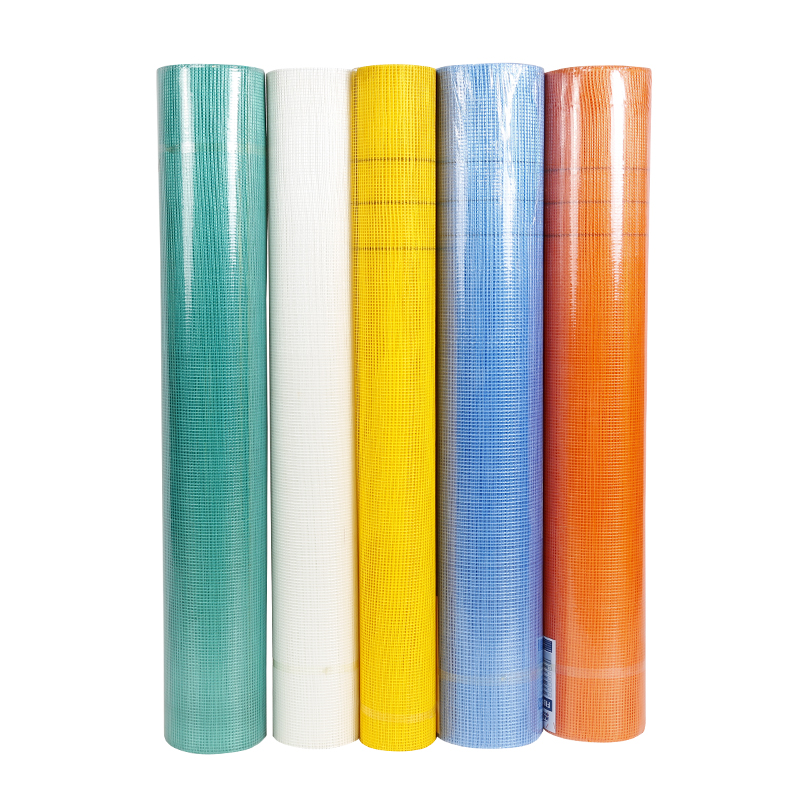
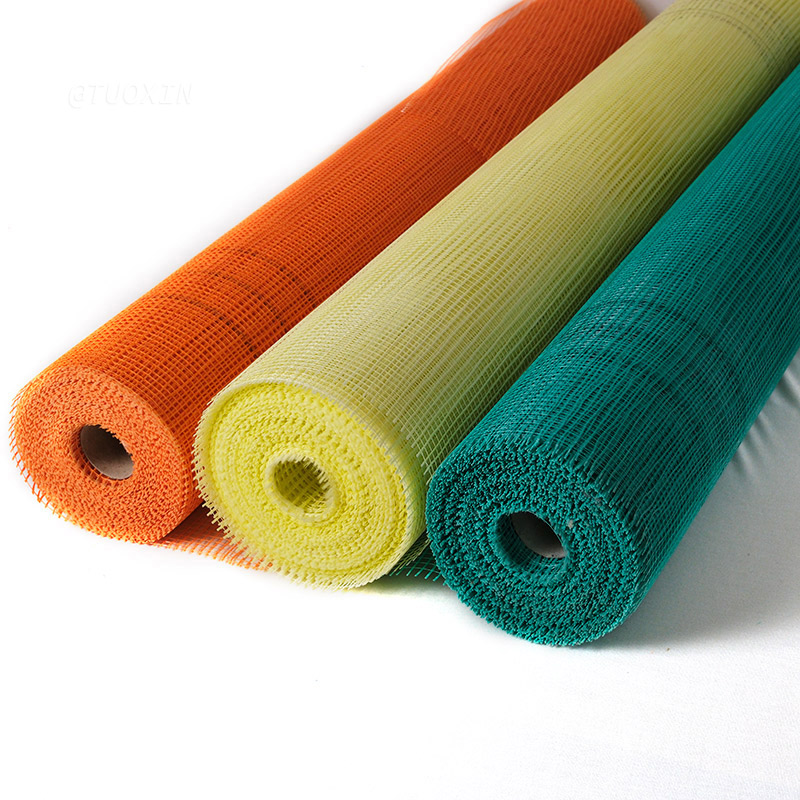
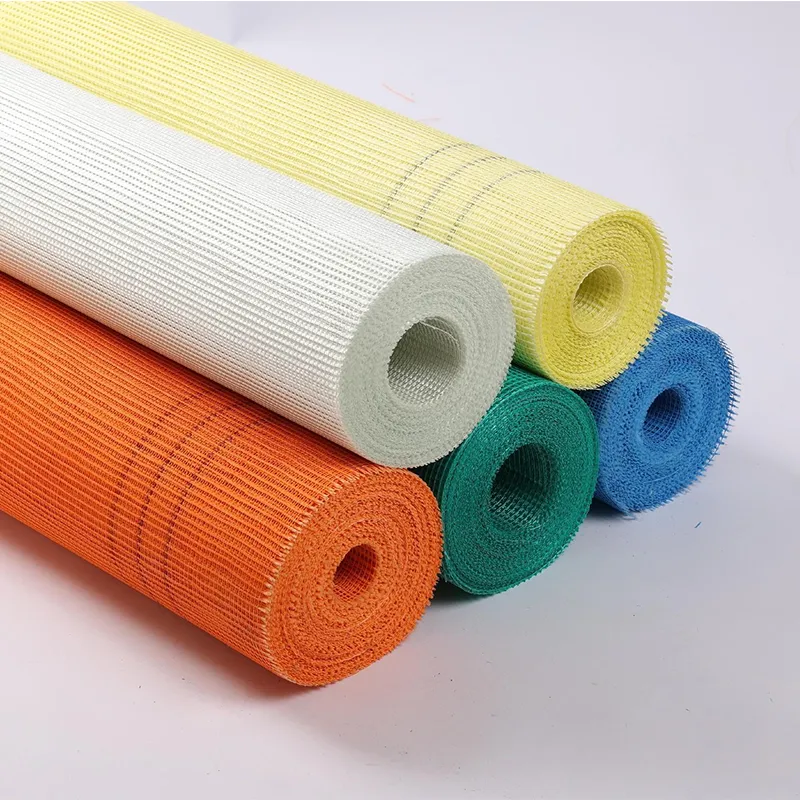
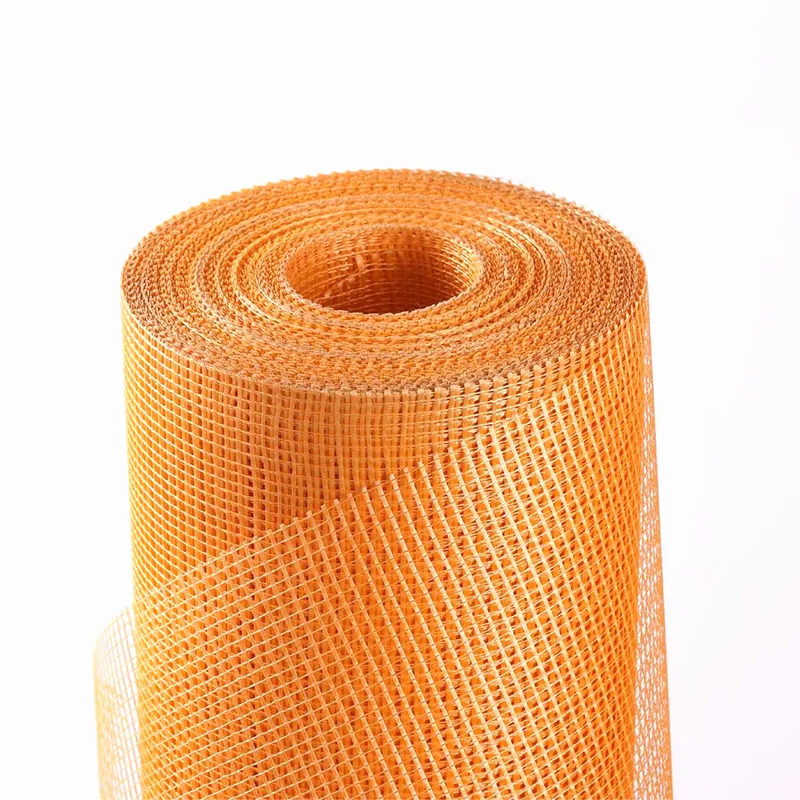
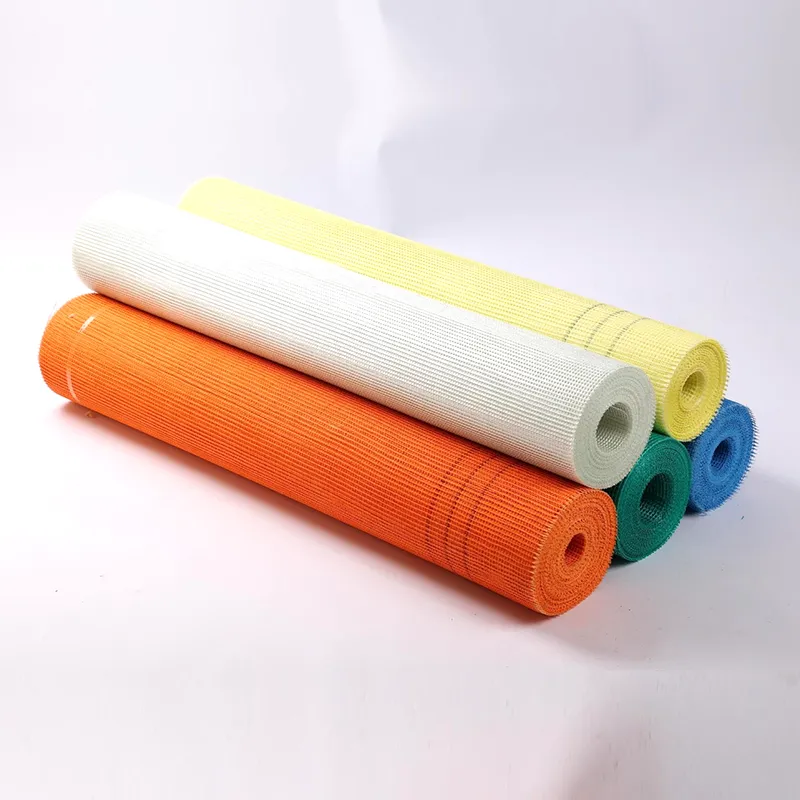
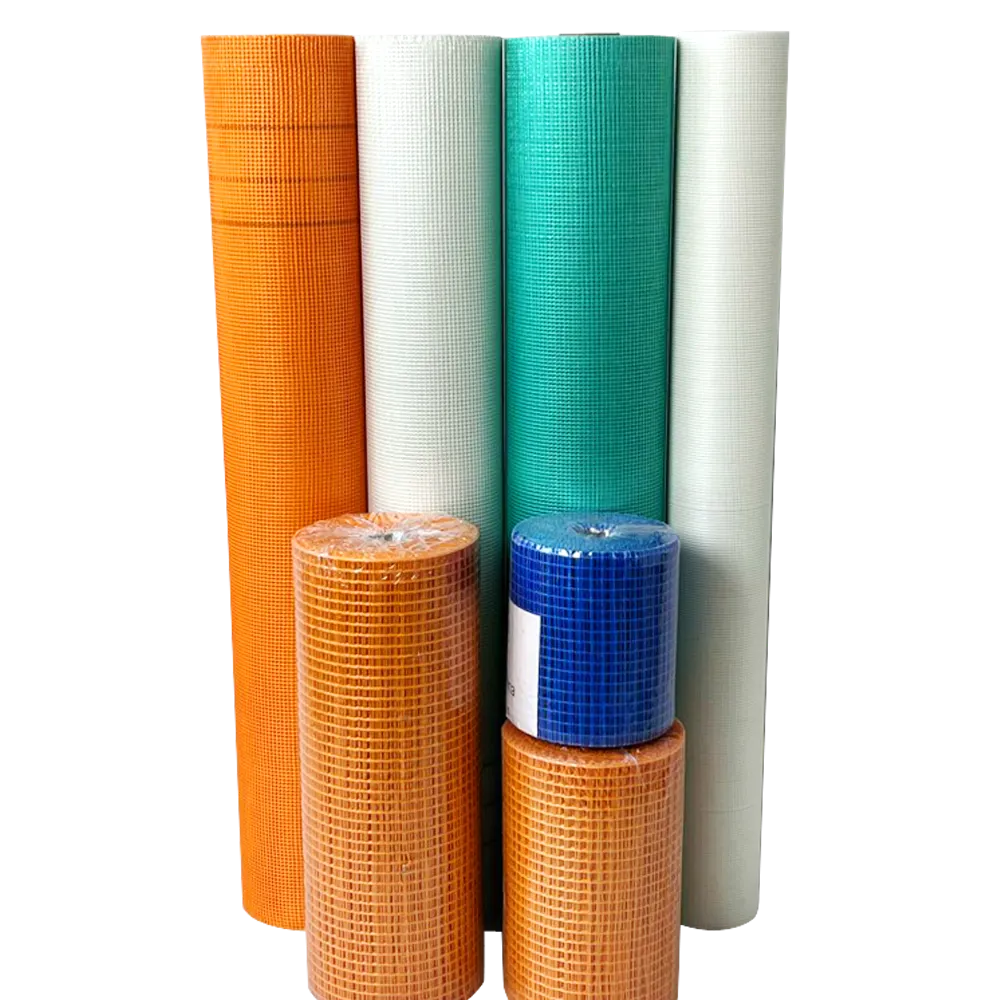
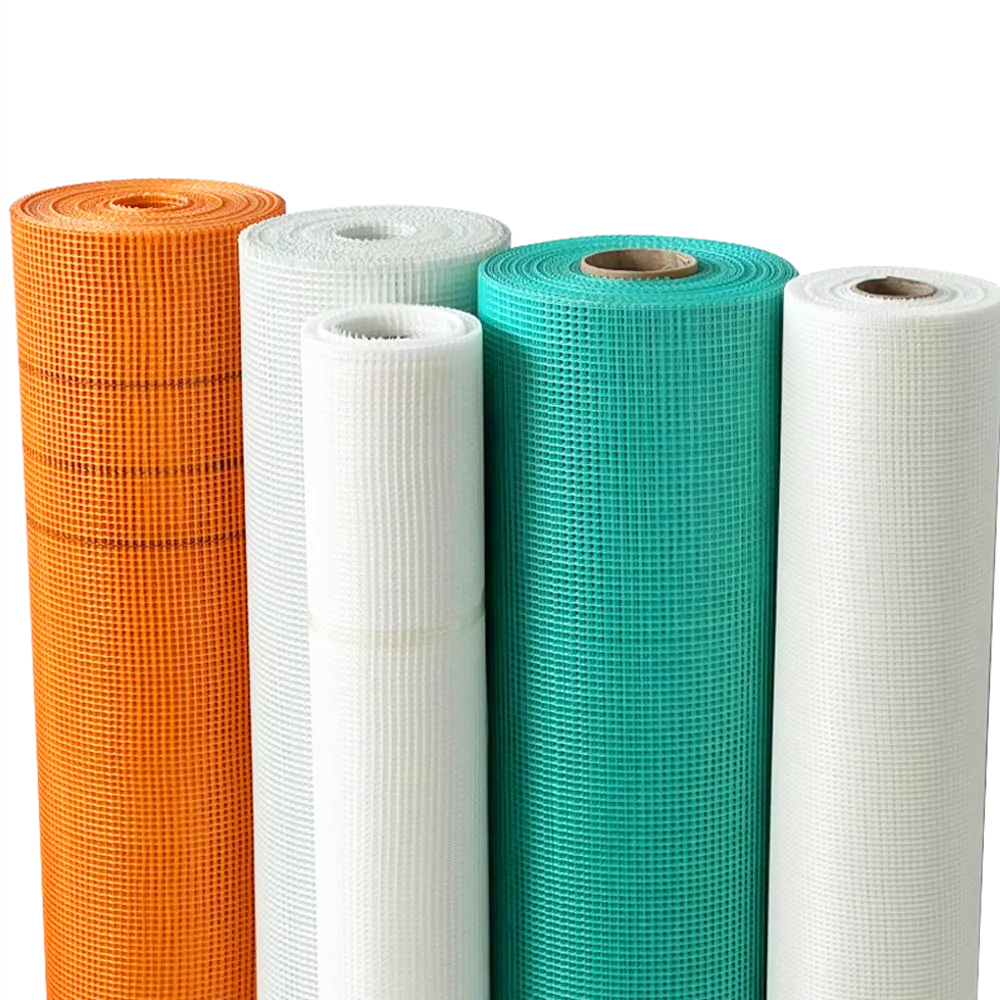
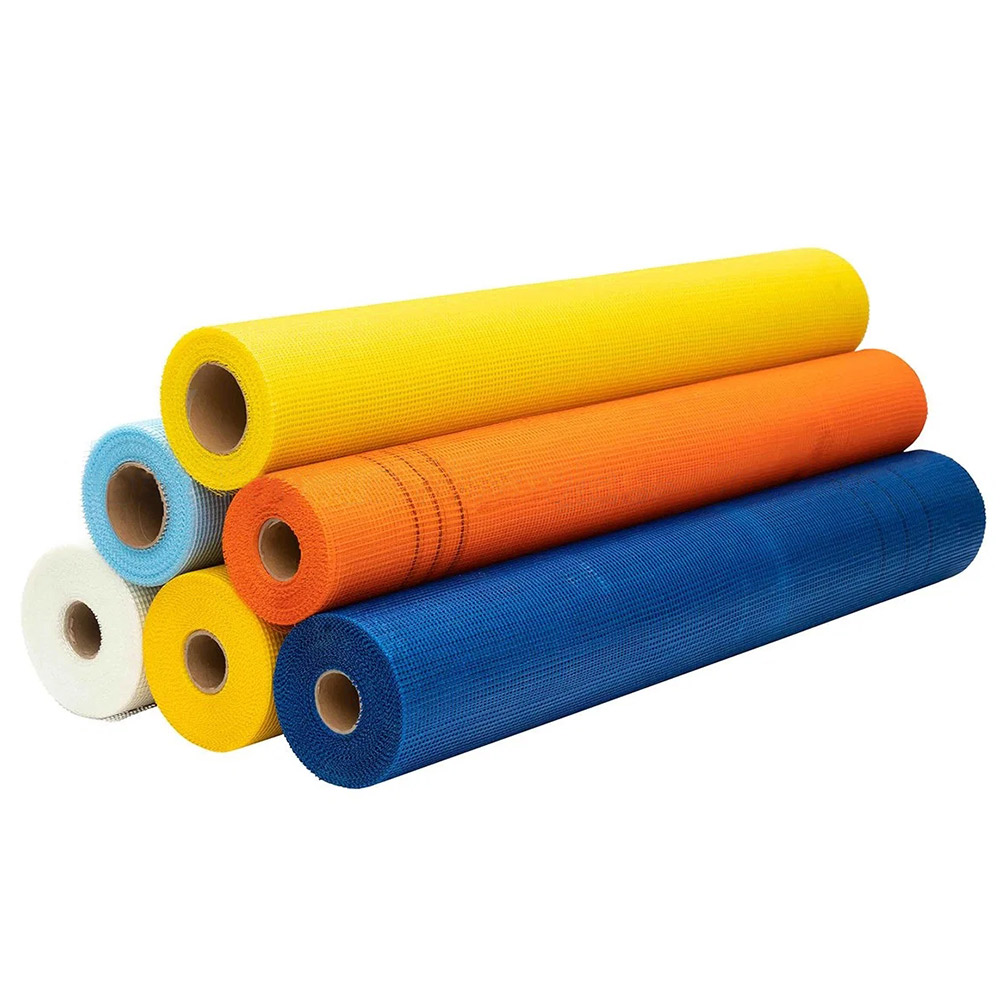
Having worked with industrial materials for over a decade, I often find the challenge isn’t just about picking any fiber mesh – it’s about finding the right fiber mesh for waterproofing that actually stands the test of time, weather, and all those nasty surprises construction projects throw your way. Now, oddly enough, you’d think all fiber meshes are created equal, but that’s far from the truth.
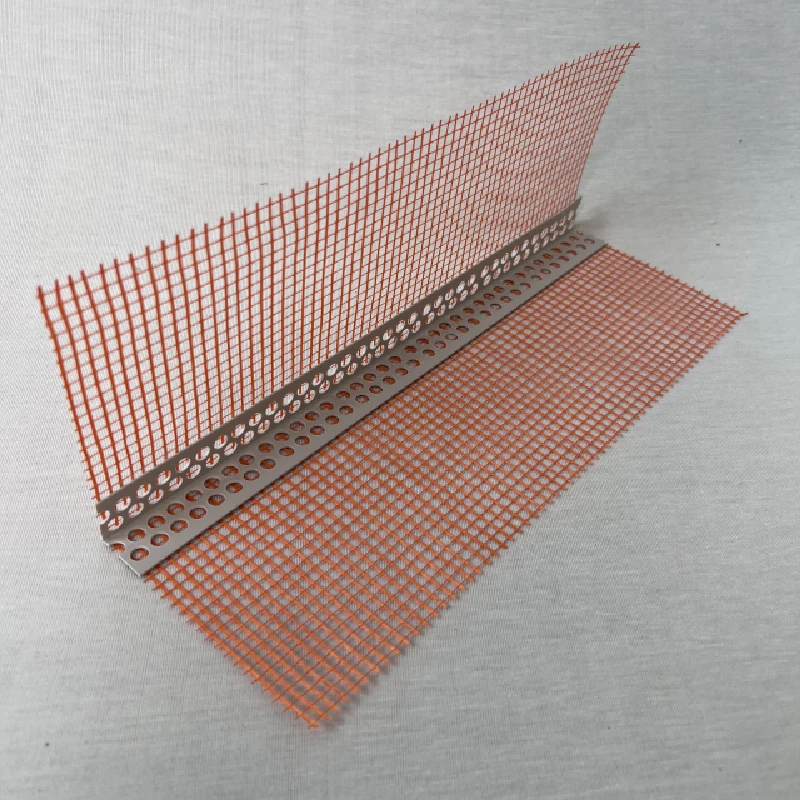
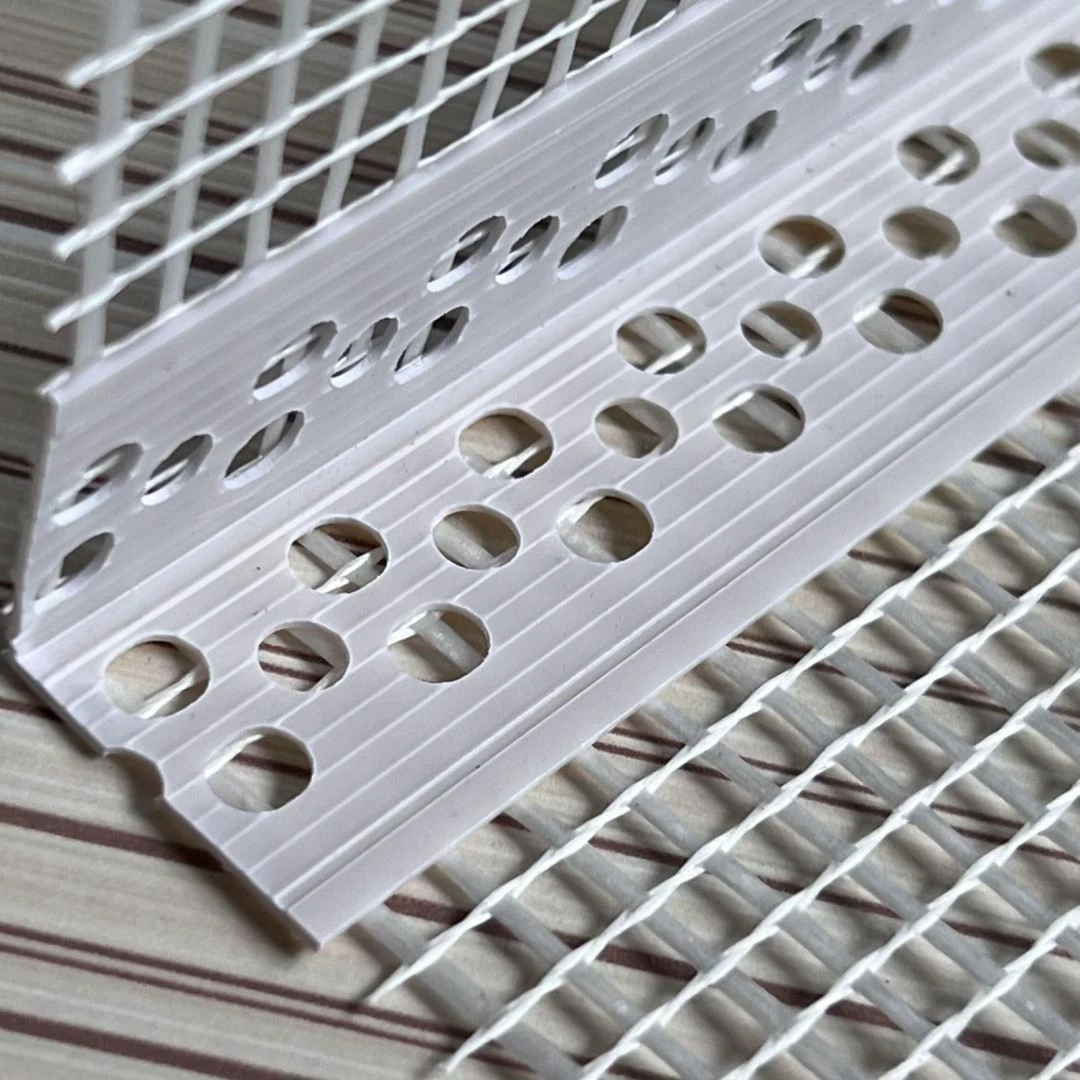
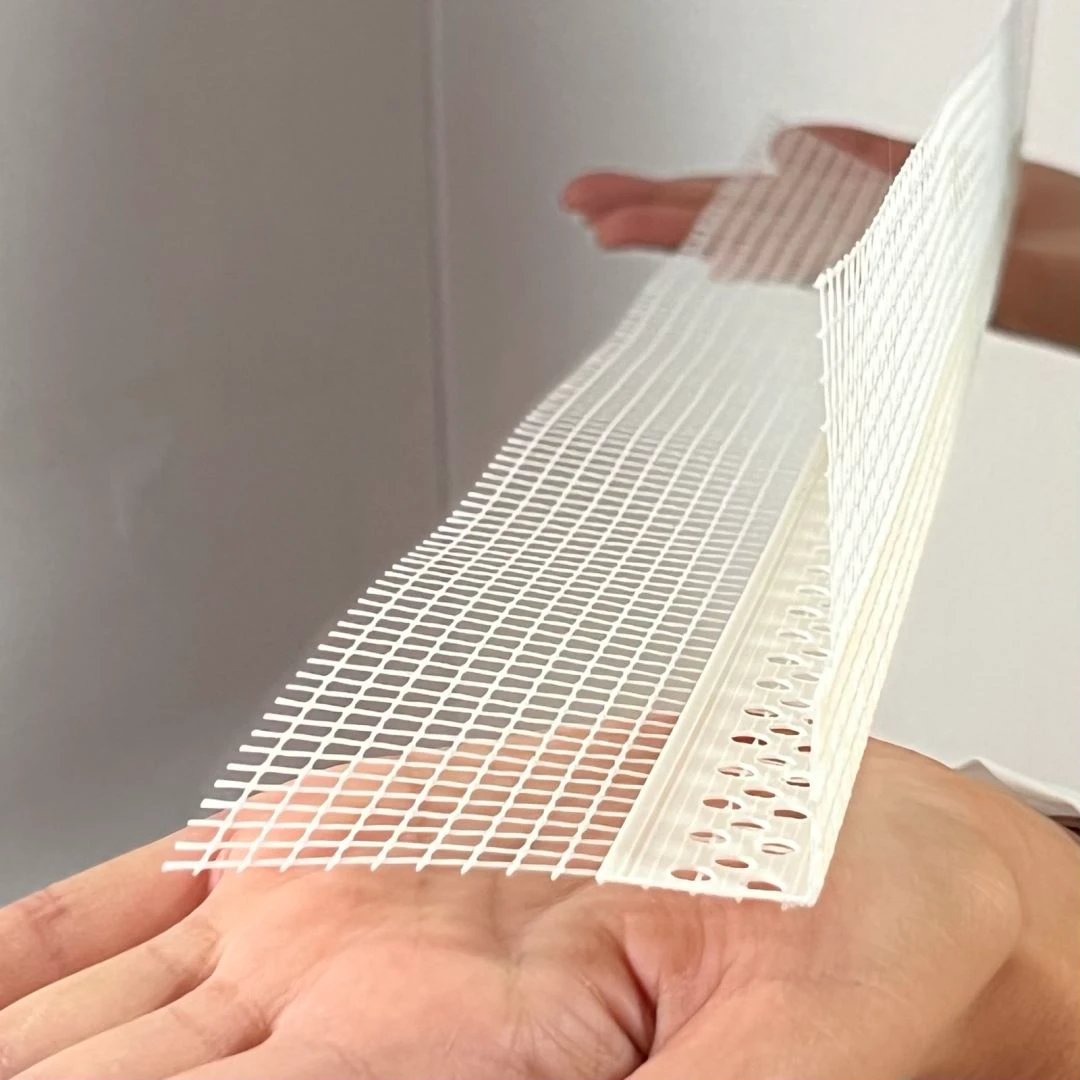
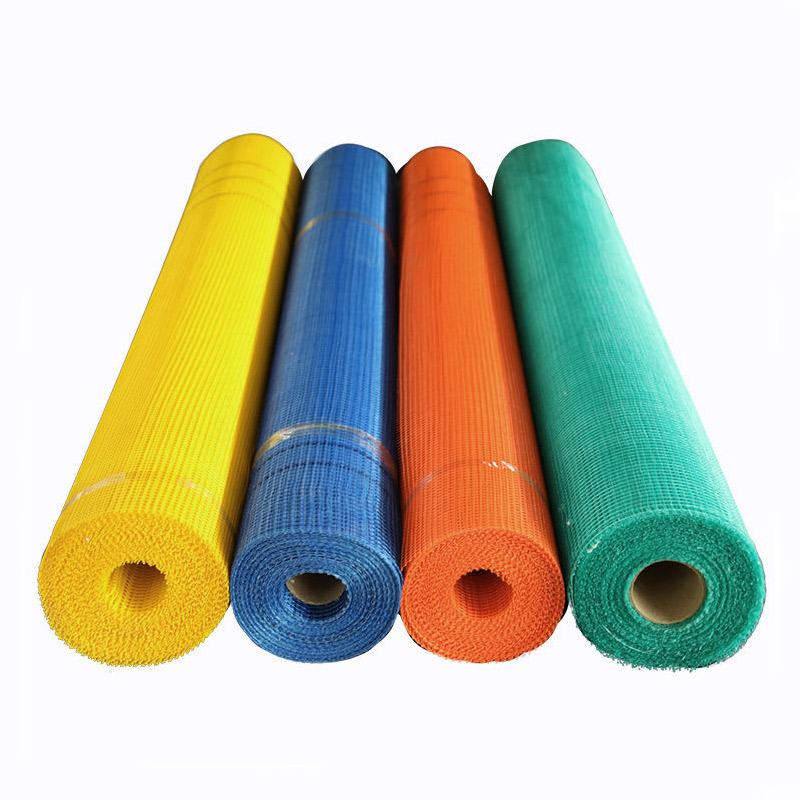
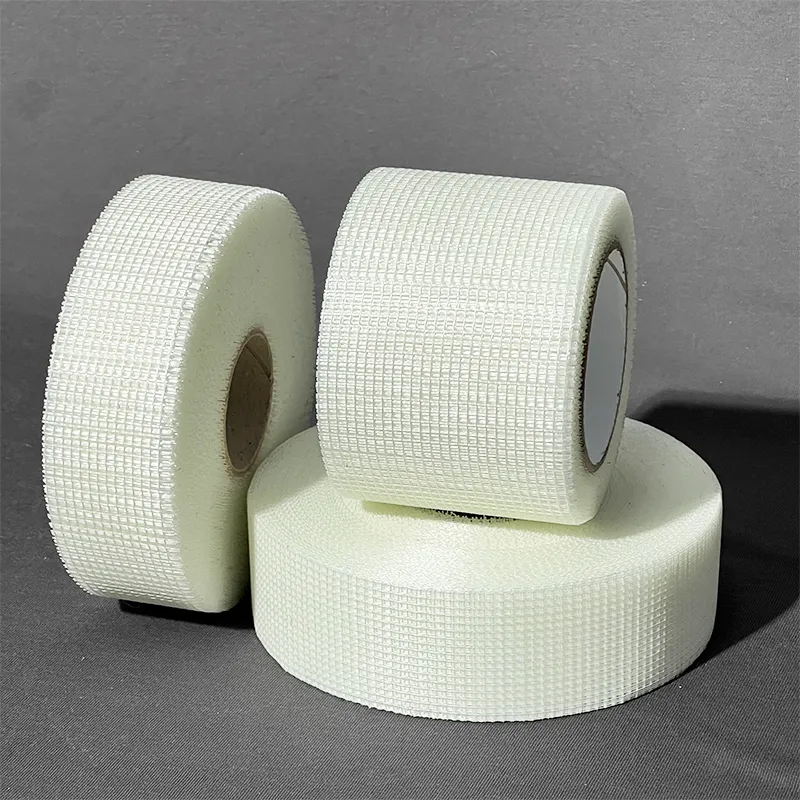
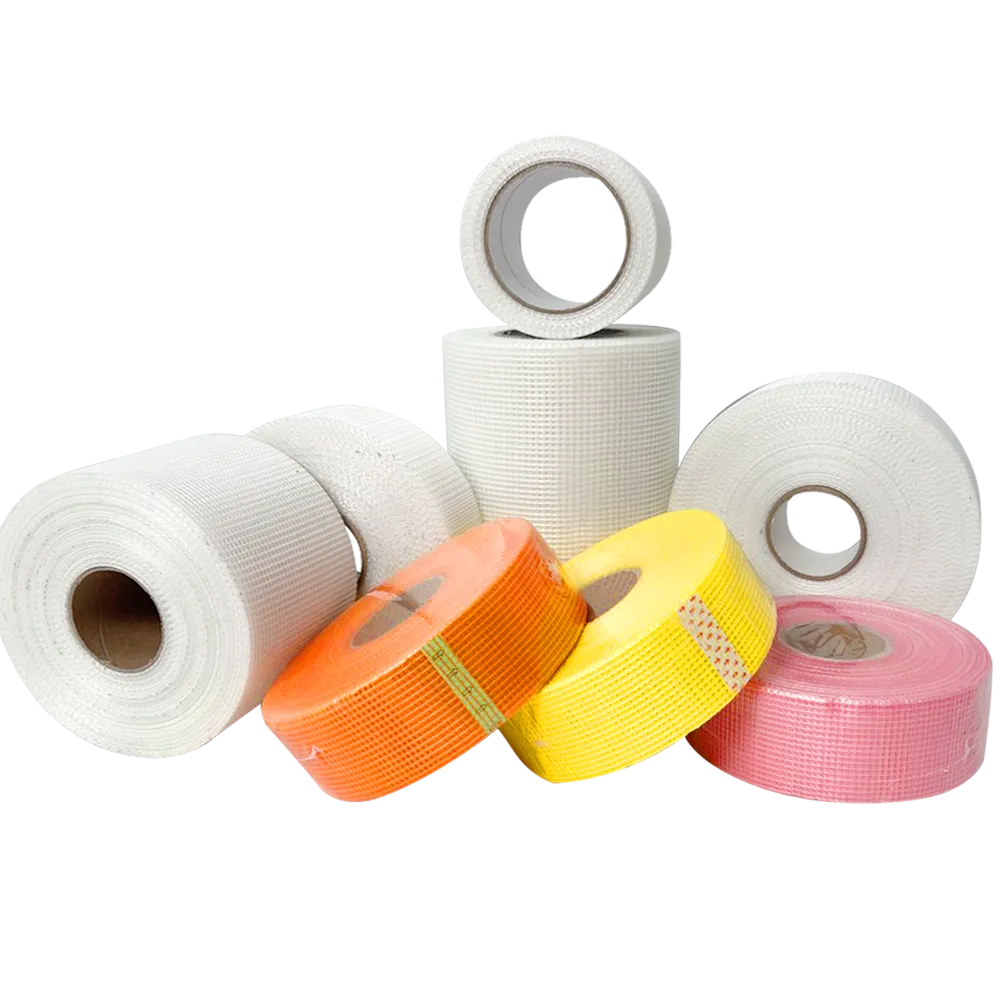
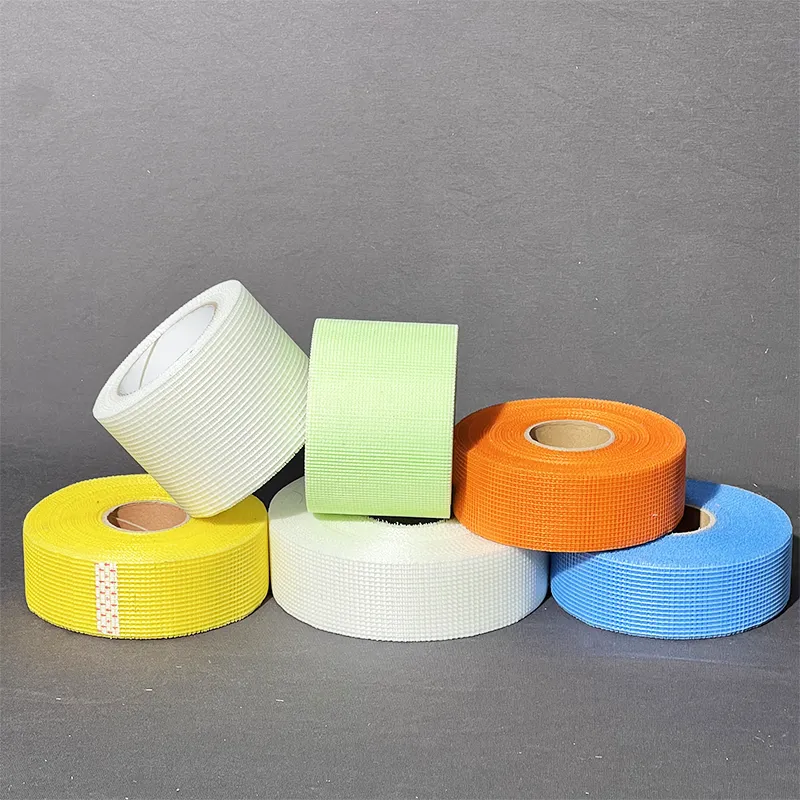
Fiber mesh, especially the fiberglass kind, has become indispensable in waterproofing applications. It’s lightweight, flexible, and resists corrosion, which frankly makes it superior to traditional metal meshes. What's more, the supplier you pick can make a world of difference in terms of product quality, customization options, and delivery reliability — all crucial when your schedules are already tight.
What Makes Fiber Mesh Ideal for Waterproofing?
From my experience, the biggest advantage of fiberglass mesh lies in its tensile strength combined with its non-corrosive nature. You see, when waterproofing layers crack or degrade, water can seep through. The mesh acts like a backbone, reinforcing the membrane and preventing such failures. Plus, since fiberglass is alkali-resistant, it doesn’t deteriorate when exposed to cement or mortar, which is kind of a lifesaver on the job.
It's also about how the mesh integrates seamlessly with waterproofing compounds. Not every mesh is created equally when it comes to weave tightness, weight, or thickness. For example, lightweight meshes might be easier to handle but could sacrifice durability, while too heavy a mesh might complicate application.
Quick Look: Typical Fiber Mesh Specifications
| Specification | Details |
|---|---|
| Material | Fiberglass (alkali-resistant) |
| Weave Type | Plain weave or leno weave |
| Weight | 35g/m² to 180g/m² |
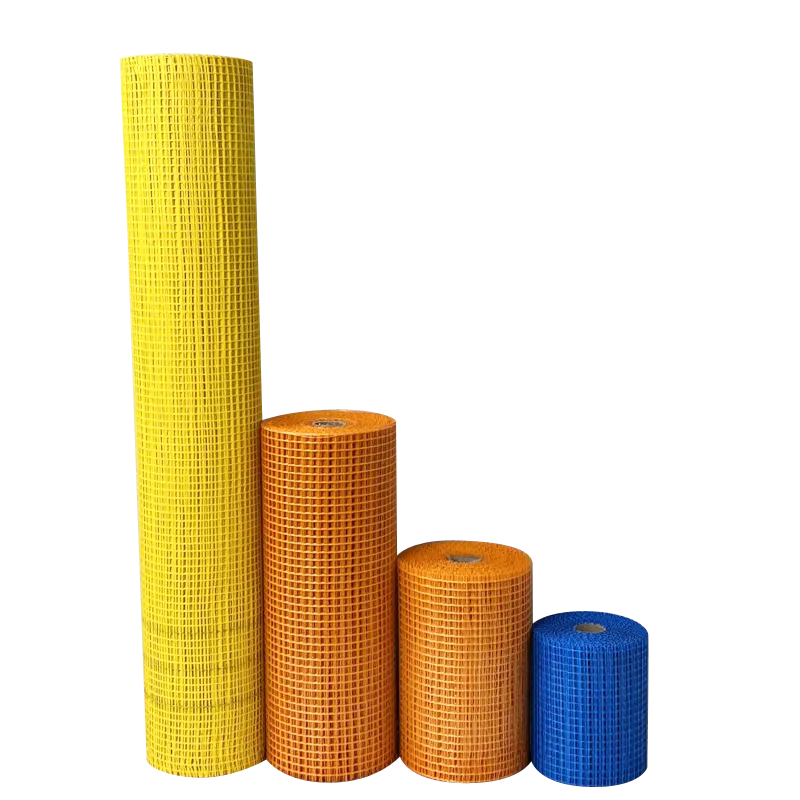
| Roll Width | 1m to 3m (custom available) |
| Tensile Strength | Up to 1100 N/5cm |
| Alkali Resistance | >90% after 240h in alkali solution |
Selecting Your Supplier: What to Look For
Now if you ask me, the supplier relationship shapes the whole buying experience. A reliable vendor should not only provide consistent product quality but also collaborate on customization and swift shipment. I've noticed that working with vendors who proactively share lab test results and certifications makes a difference — it’s peace of mind when you're specifying waterproofing mesh for critical infrastructure.
Here’s a quick vendor comparison based on my industry insights:
| Vendor | Product Quality | Customization | Lead Time | Certifications |
|---|---|---|---|---|
| Tainuo Fiberglass Mesh | High consistency, alkali-resistant | Roll width & weight custom | 2-3 weeks | ISO, SGS tested |
| Generic Supplier A | Variable quality | Limited | 3-4 weeks | Certificates not always provided |
| Supplier X | Good but inconsistent | Some custom options | 1-2 weeks | ISO only |
A Small Anecdote
I recall one project where a client insisted on using a low-cost generic mesh to cut costs. Within a year, the waterproofing layer started cracking, water ingress occurred, and rework was inevitable. When we switched to a reputable fiber mesh for waterproofing from a trusted supplier, the difference was night and day. It really reinforced for me the value in sourcing quality materials upfront.
So, when you’re specifying fiberglass mesh — don’t just think “mesh” — think longevity, performance, and supplier partnership. It might feel like a small piece of the puzzle, but it can save you headaches (and costs) down the line.
All things considered, fiber mesh for waterproofing is a simple yet essential component for lasting construction projects. Choosing the right supplier and product will pay dividends.
In real terms: a solid fiberglass mesh is like a reliable safety net you don’t get to see — but when it’s missing, you definitely feel it.
References
- Industry standards on fiberglass mesh alkali-resistance – ASTM D578-18
- ISO certifications and SGS lab reports of fiber mesh manufacturers
- Client case studies from waterproofing projects (2019-2023)
-
Best Fiberglass Mesh Tape for RedGard Product Waterproofing GuideNewsApr.16,2026
-
Why High Strength Fiberglass Mesh Is Essential For Stucco ApplicationNewsApr.15,2026
-
Why Alkali Resistant Fiberglass Mesh Tape Is Essential For Cement Board And Tile InstallationsNewsApr.15,2026
-
Understanding The Role Of Drywall Fiberglass Mesh In Interior FinishingNewsApr.15,2026
-
Ultimate Guide To Using Fiberglass Mesh Tape For Drywall And Plaster RepairsNewsApr.15,2026
-
The Versatility Of Fiberglass Mesh In Marble And Stone MosaicNewsApr.15,2026