Jan . 01, 2026 03:25 Back to list
Self-Adhesive Fiberglass Mesh Tape Pricelist & Quality Insights
Self-Adhesive Fiberglass Mesh Tape Pricelist: What to Expect & Why It Matters
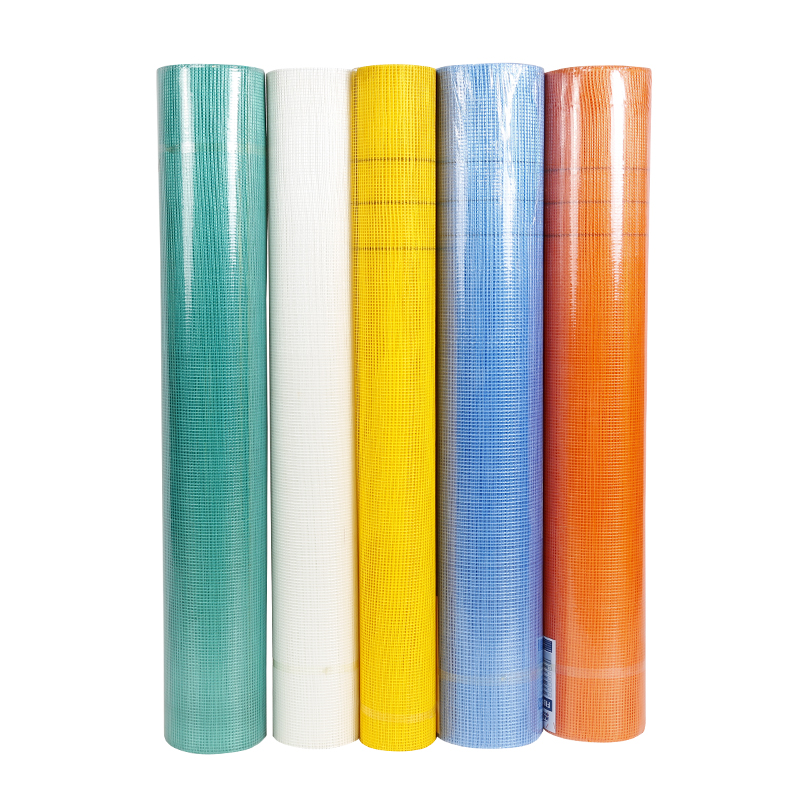
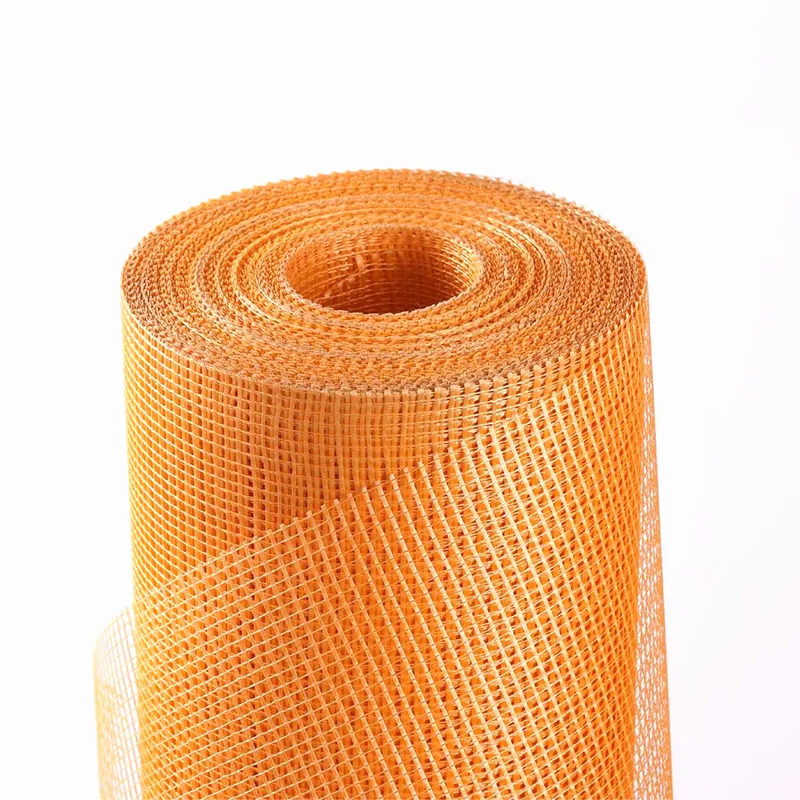
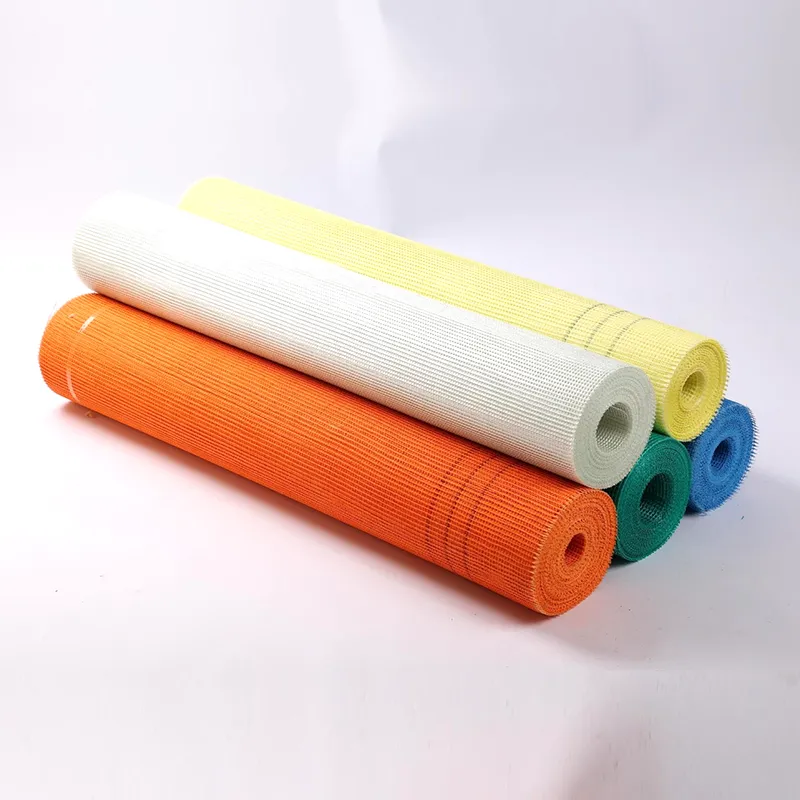
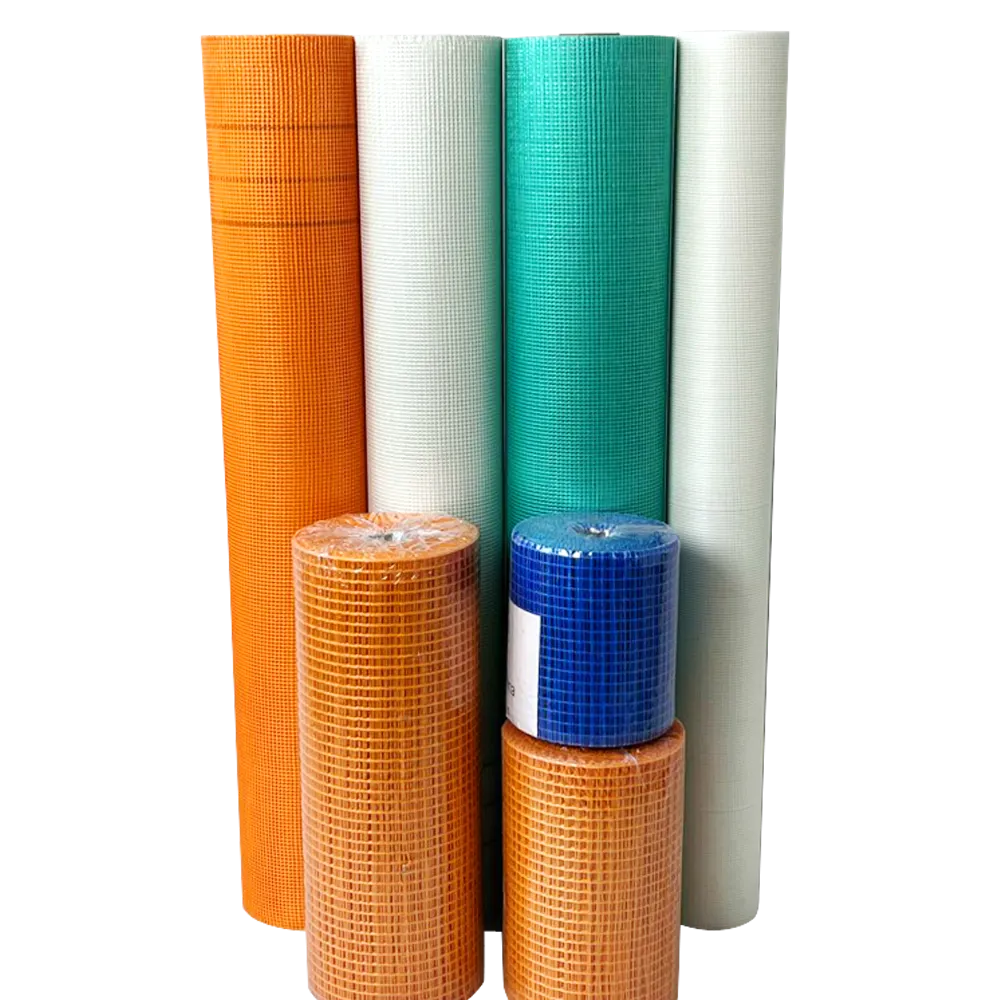
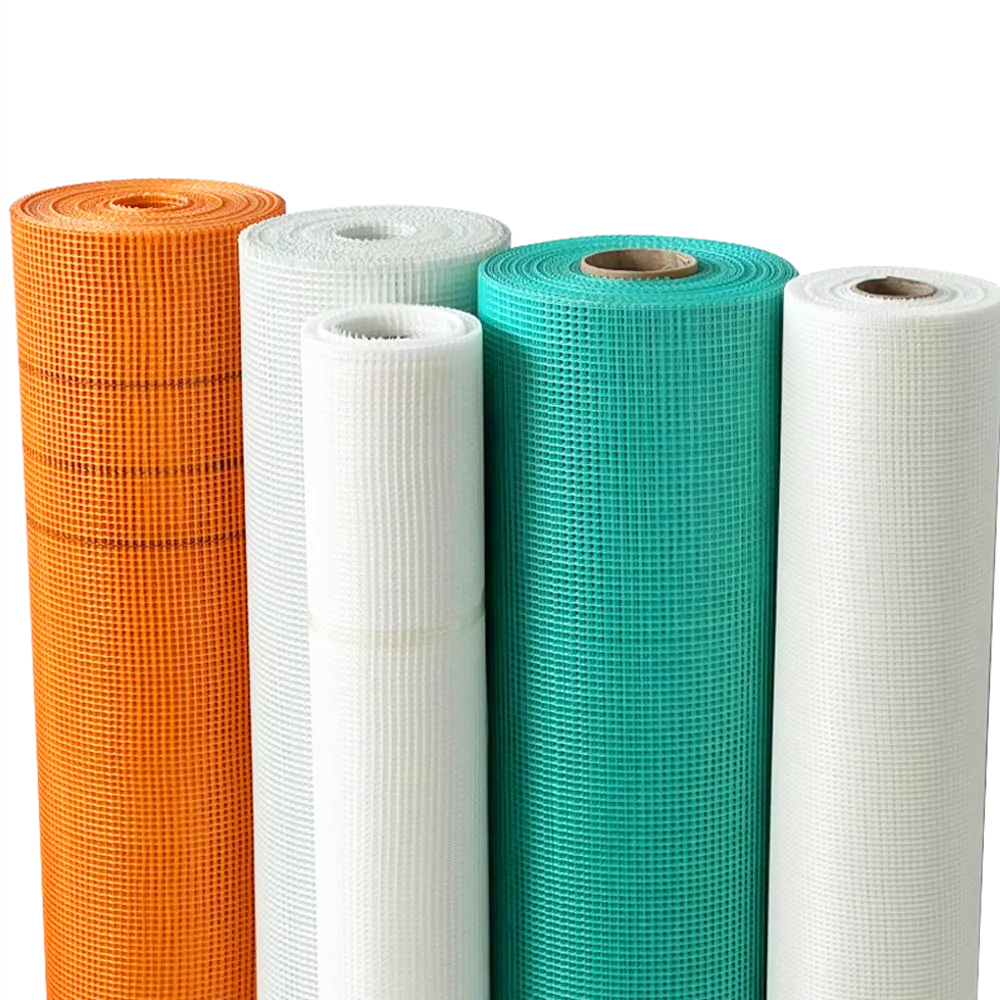
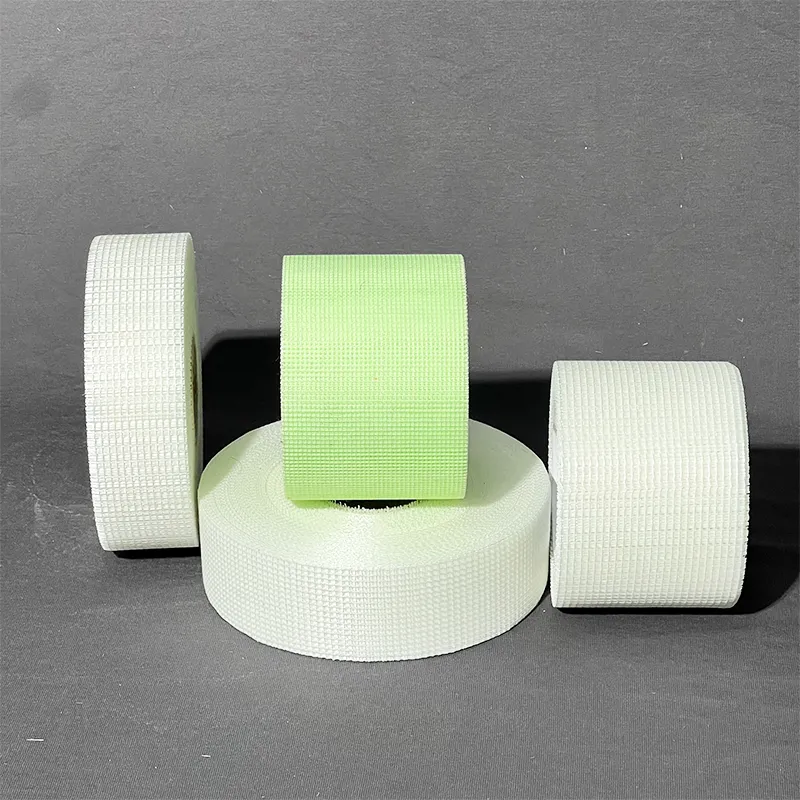
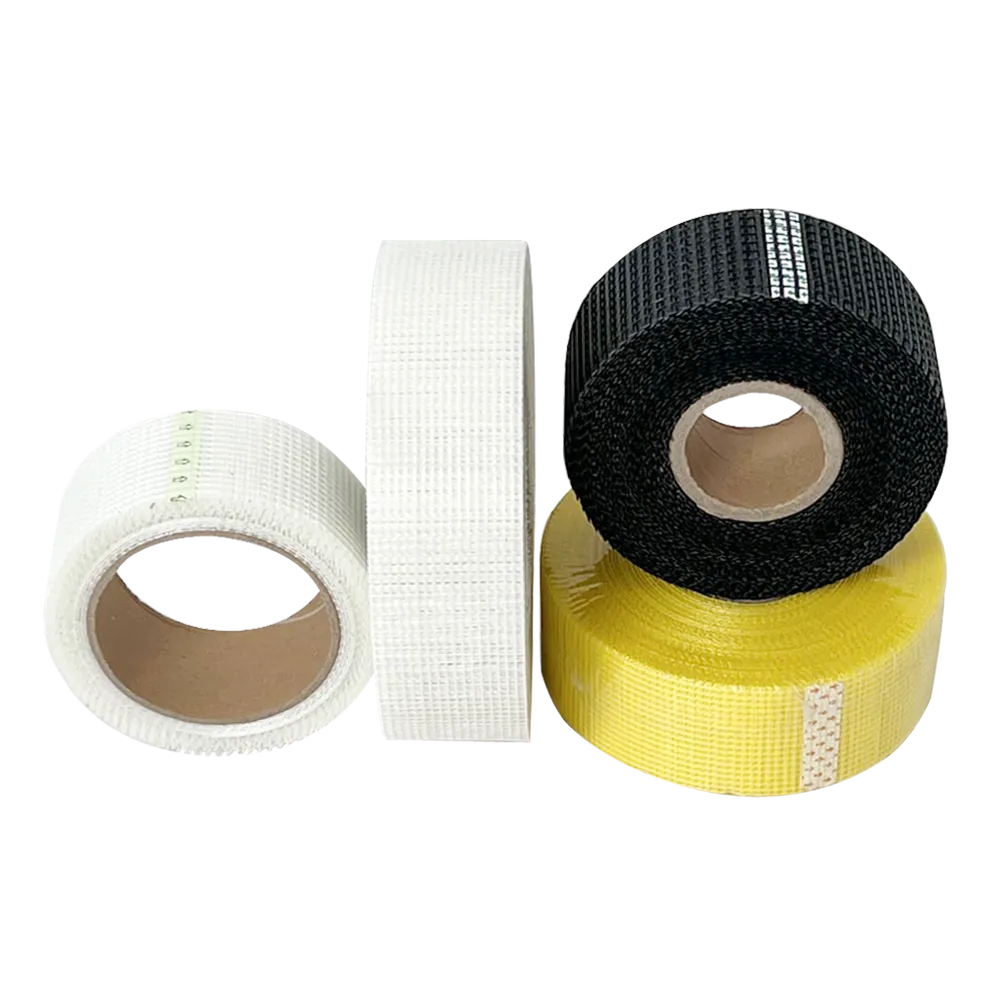
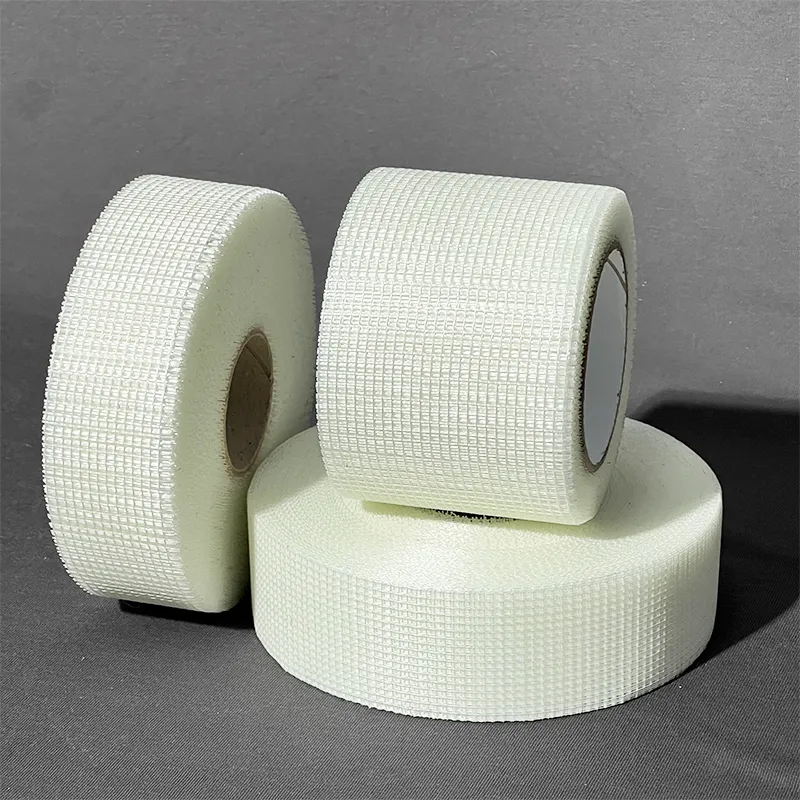
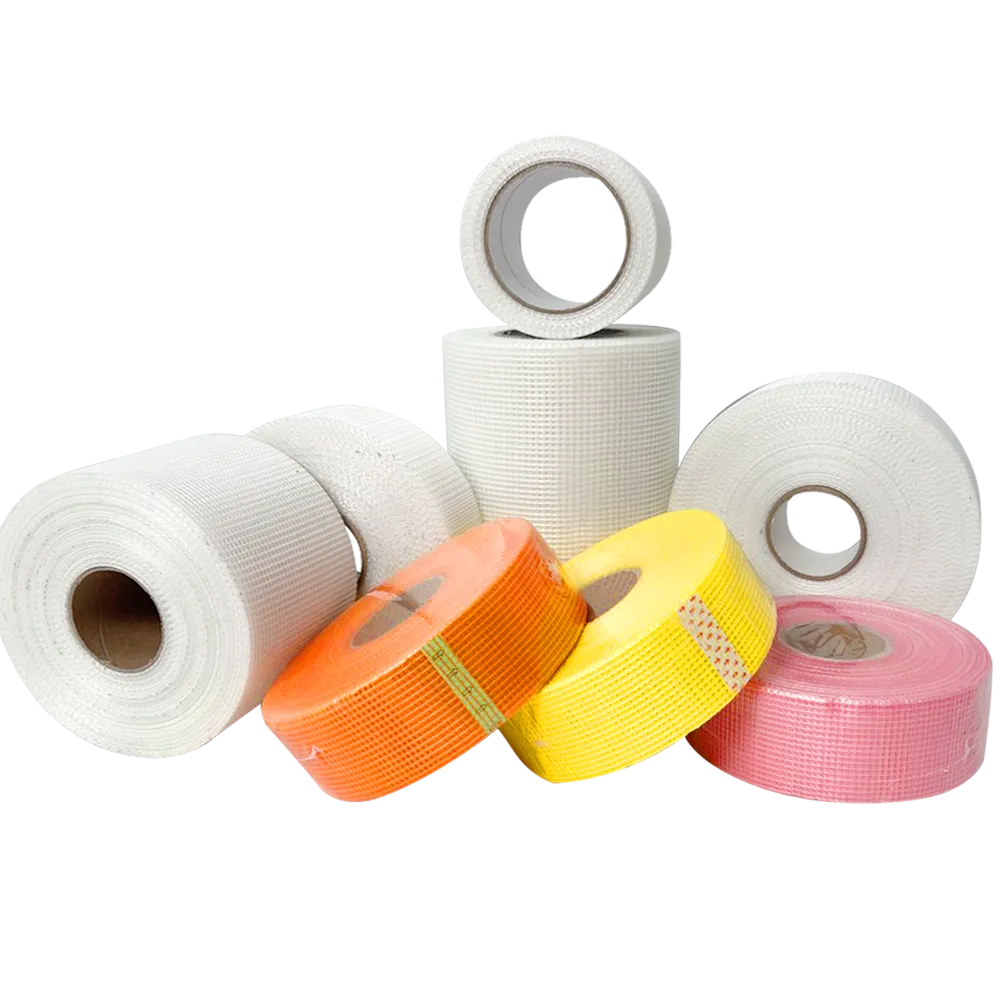
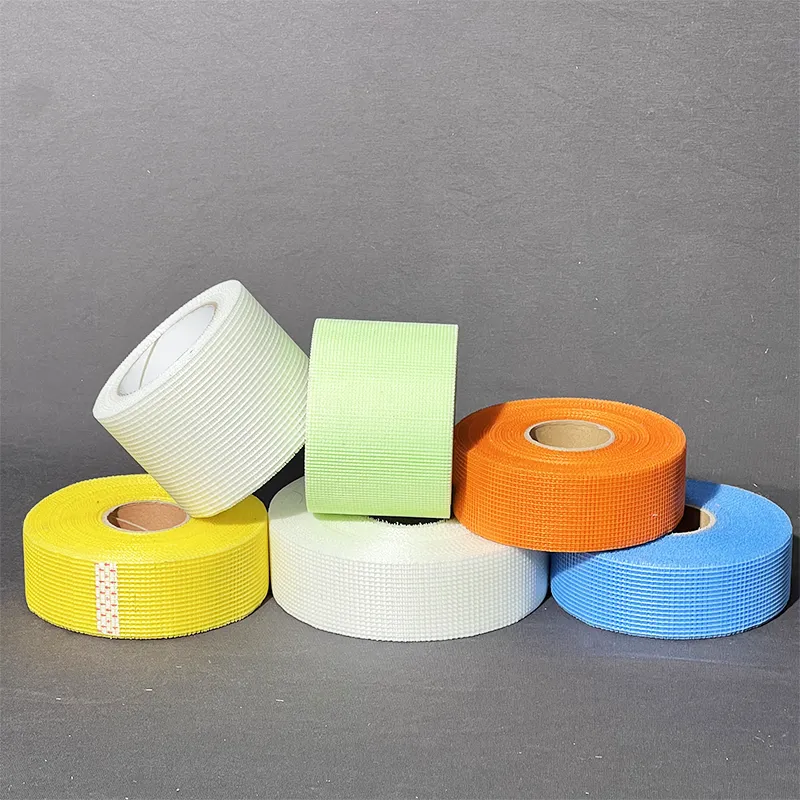
Having spent more than a decade trekking through warehouses and factories dealing with self-adhesive fiberglass mesh tape — I thought it was high time to jot down a few real-world thoughts, especially around pricing. Oddly enough, many folks outside the industrial equipment sector don’t realize how much the quality and specs play into the cost. A good tape isn’t just about sticking drywall joints together—it’s about durability, flexibility, and resisting cracks that could show up weeks after installation.
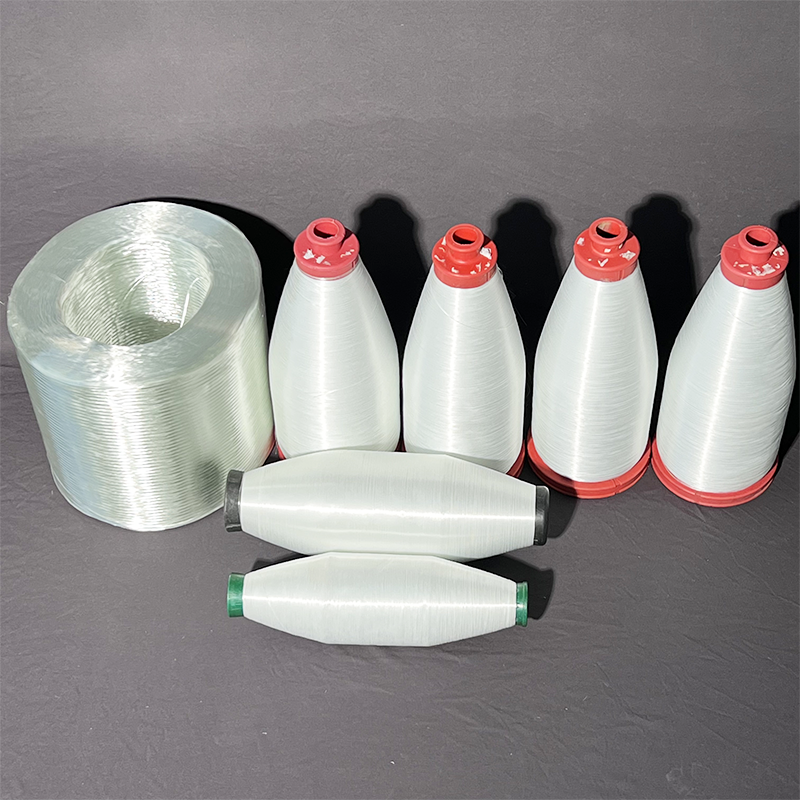
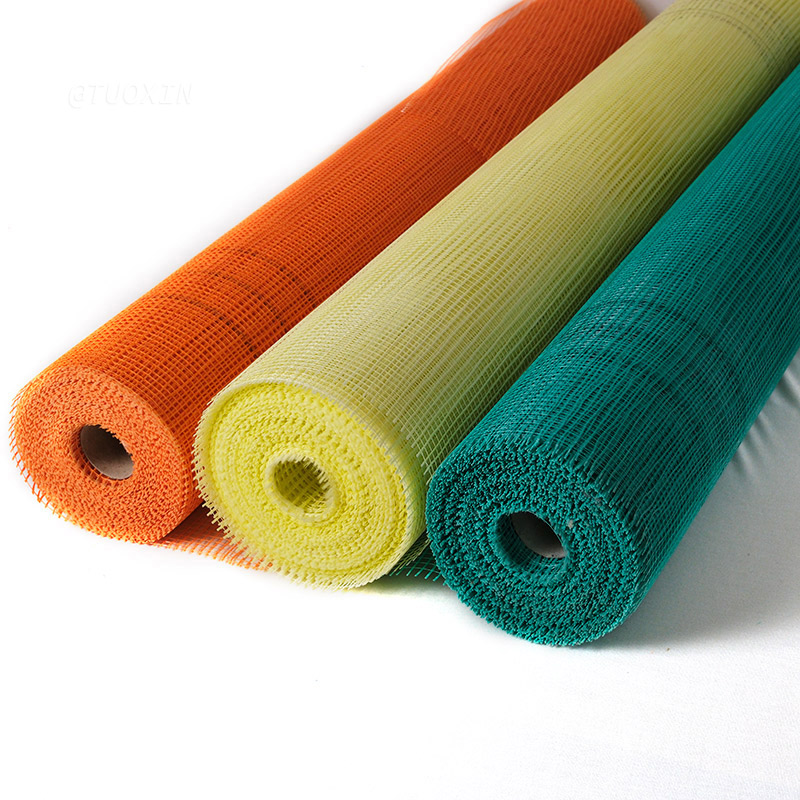
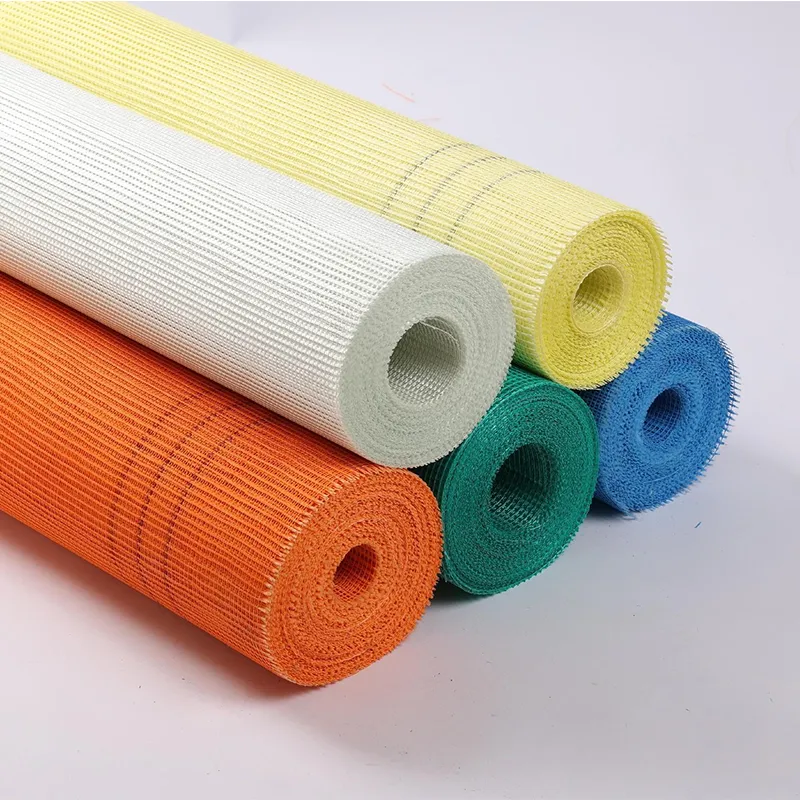
So, what’s behind the price tag on these tapes? Well, for starters, the mesh itself is usually woven from E-glass fibers – which is known for excellent tensile strength and chemical resistance. The adhesive layer also makes a huge difference: some use acrylic-based adhesives for long-lasting tack, while others rely on vinyl-based compounds that are easier to reposition during application. From where I stand, the balance of materials influences not just how well the tape performs but also how much you pay per roll.
Before you ask: yes, pricing is highly variable, but it usually falls within a predictable range depending on roll length, width, and mesh density. That’s why I’ve whipped up this quick spec and vendor comparison to help clarify things a bit. Hopefully, it’ll save someone some headache (and extra cost) next time they source tape for their projects.
| Parameter | Standard Range | Notes |
|---|---|---|
| Mesh Count (fibers/inch) | 18 to 30 | Higher count = smoother finish, but pricier. |
| Tape Width | 48 mm (typical), 72 mm, 100 mm | Common sizes for drywall applications. |
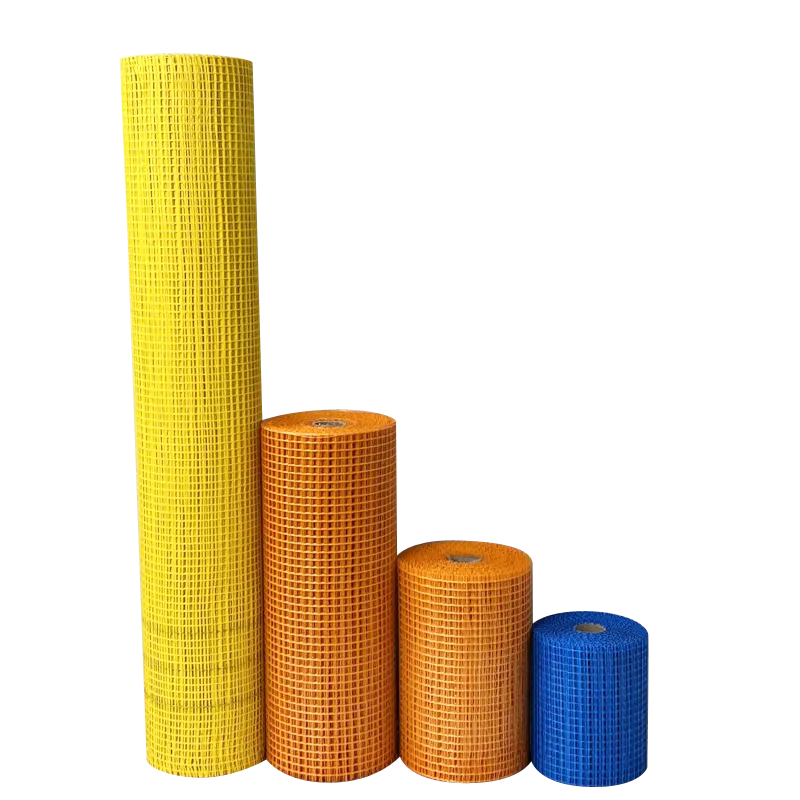
| Roll Length | 45 to 90 meters | Longer rolls reduce unit cost but can be bulky. |
| Adhesive Type | Acrylic or Vinyl-based | Acrylic offers better weather resistance. |
| Weight per Roll | 100-170 g/m² | Correlates with durability and stiffness. |
Many engineers I know swear by tapes from vendors who invest in rigorous quality control, particularly those that test tensile strength, aging resistance, and adhesive tack under varying humidity. I suppose it’s one of those “you get what you pay for” things—but oddly enough, it’s not always true if you shop smart.
| Vendor | Price per Roll (USD) | Adhesive Quality | Roll Length (m) | Certifications |
|---|---|---|---|---|
| Tainuo Fiberglass Mesh | $12.50 | Premium Acrylic | 50 | ISO 9001, CE |
| Vendor B | $9.80 | Standard Vinyl | 45 | ISO 9001 |
| Vendor C | $14.00 | Premium Acrylic | 90 | ISO 9001, CE, ASTM |
Here's a quick story that kind of sticks with me: a contractor I worked with once ordered cheaper tape from a lesser-known brand to cut costs. At first, it seemed fine, but within a few weeks, especially after some mild weather changes, the tape started lifting on several joints. Costly callbacks aside, it was a reminder that, when it comes to these tapes, a few extra dollars upfront often prevent headaches down the road.
One aspect worth noting is customization. Some suppliers do offer customized roll lengths or widths, which is kind of handy for unique projects. You’ll pay a bit more, but getting just the right fit can reduce waste and labor time. I’ve seen projects saved simply because the tape perfectly matched the job’s unique specs.
In real terms, if you’re sourcing self-adhesive fiberglass mesh tape, check the product specs carefully, ask vendors about testing procedures, and, frankly, don’t shy away from asking for samples. The feel, the tack, the thickness — those things don’t always show up in datasheets, but they make a big difference on-site.
And before I forget, here’s a quick pricelist snippet I observed in the last six months to keep you up to speed:
- Standard 48mm x 50m roll: $11 - $13
- 72mm x 45m roll: $14 - $16
- 100mm x 90m roll: $20 - $23
Prices vary with vendor and bulk order discounts, naturally — so it pays to shop around a bit, especially for larger contracts.
So to wrap up, self-adhesive fiberglass mesh tape is one of those unsung heroes that can either make or break your drywall finish, depending on which roll you grab off the shelf. If you ask me, spending a bit more on quality pays dividends in the long run.
Thanks for reading, and I hope this insight helps next time you’re ordering tape.
References and further reading:
- "Fiberglass Mesh Tape Properties and Applications," Industrial Coatings Journal, 2023.
- Tainuo Fiberglass Mesh official product datasheets, 2024.
- "Best Practices in Drywall Taping," Construction Quality Magazine, 2022.
-
Best Fiberglass Mesh Tape for RedGard Product Waterproofing GuideNewsApr.16,2026
-
Why High Strength Fiberglass Mesh Is Essential For Stucco ApplicationNewsApr.15,2026
-
Why Alkali Resistant Fiberglass Mesh Tape Is Essential For Cement Board And Tile InstallationsNewsApr.15,2026
-
Understanding The Role Of Drywall Fiberglass Mesh In Interior FinishingNewsApr.15,2026
-
Ultimate Guide To Using Fiberglass Mesh Tape For Drywall And Plaster RepairsNewsApr.15,2026
-
The Versatility Of Fiberglass Mesh In Marble And Stone MosaicNewsApr.15,2026