Dec . 13, 2025 00:25 Back to list
Self Adhesive Fiberglass Mesh Factories – Quality & Customization Insights
Exploring Self Adhesive Fiberglass Mesh Factories: What Really Sets Them Apart
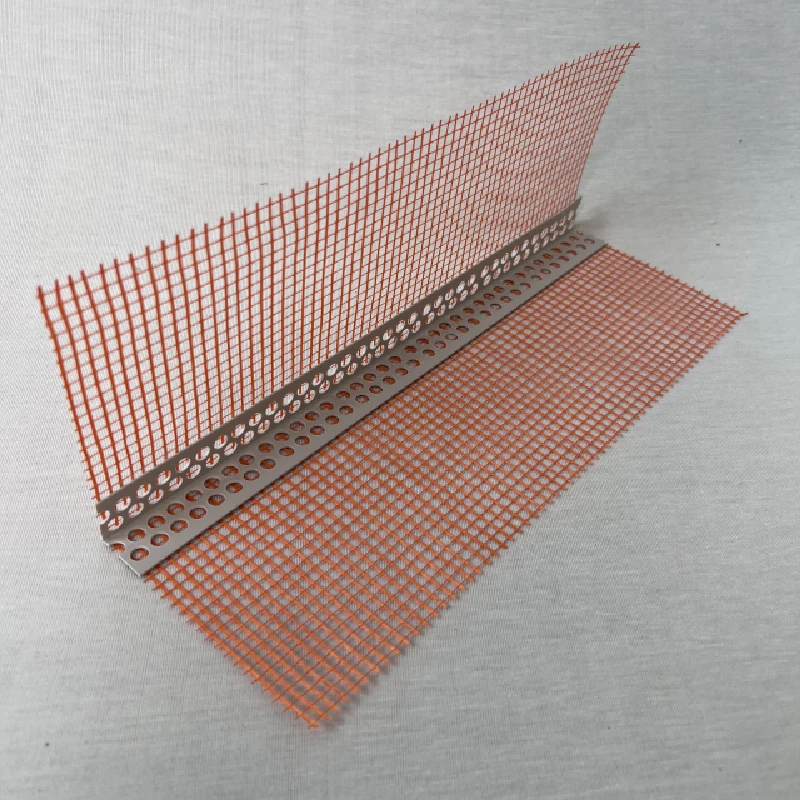
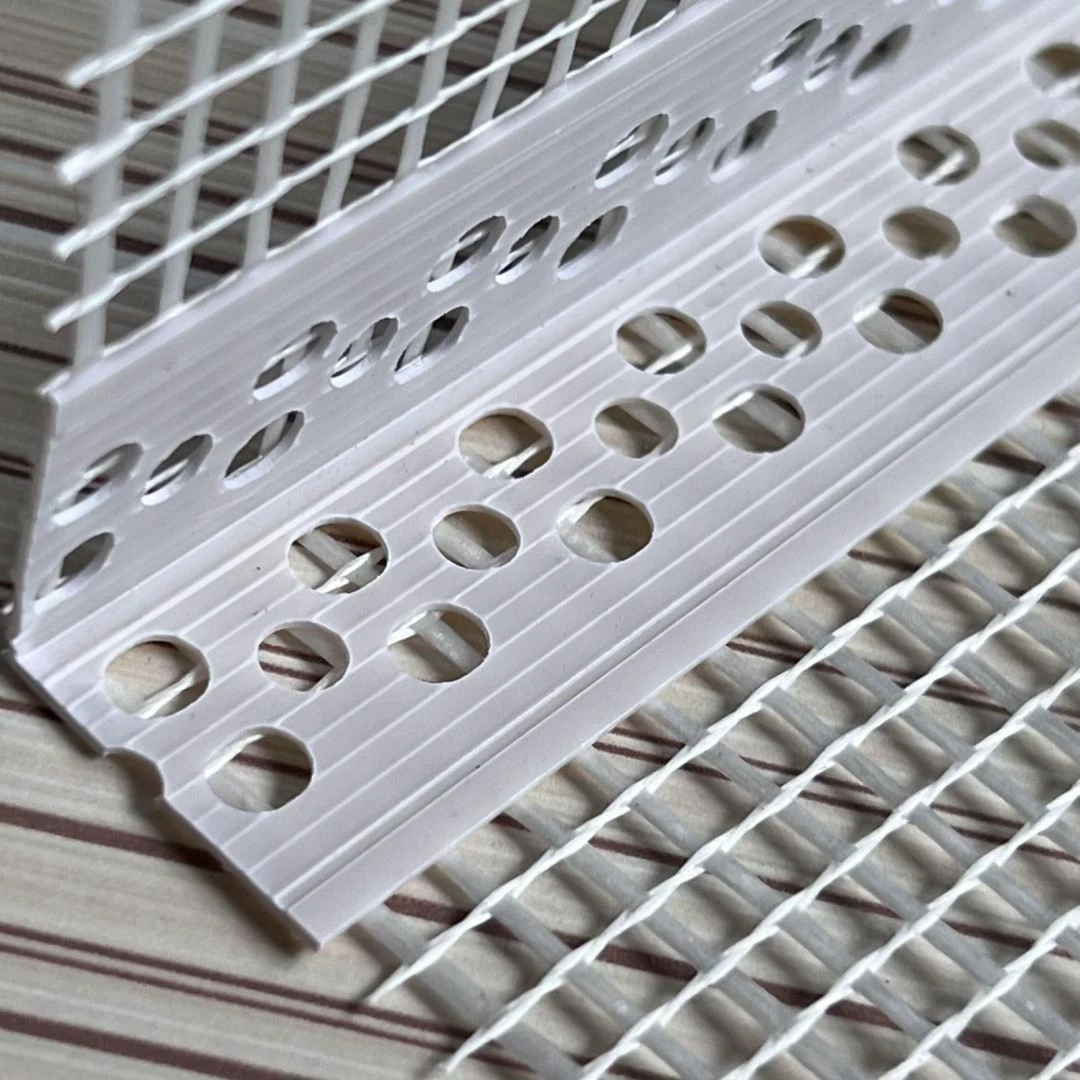
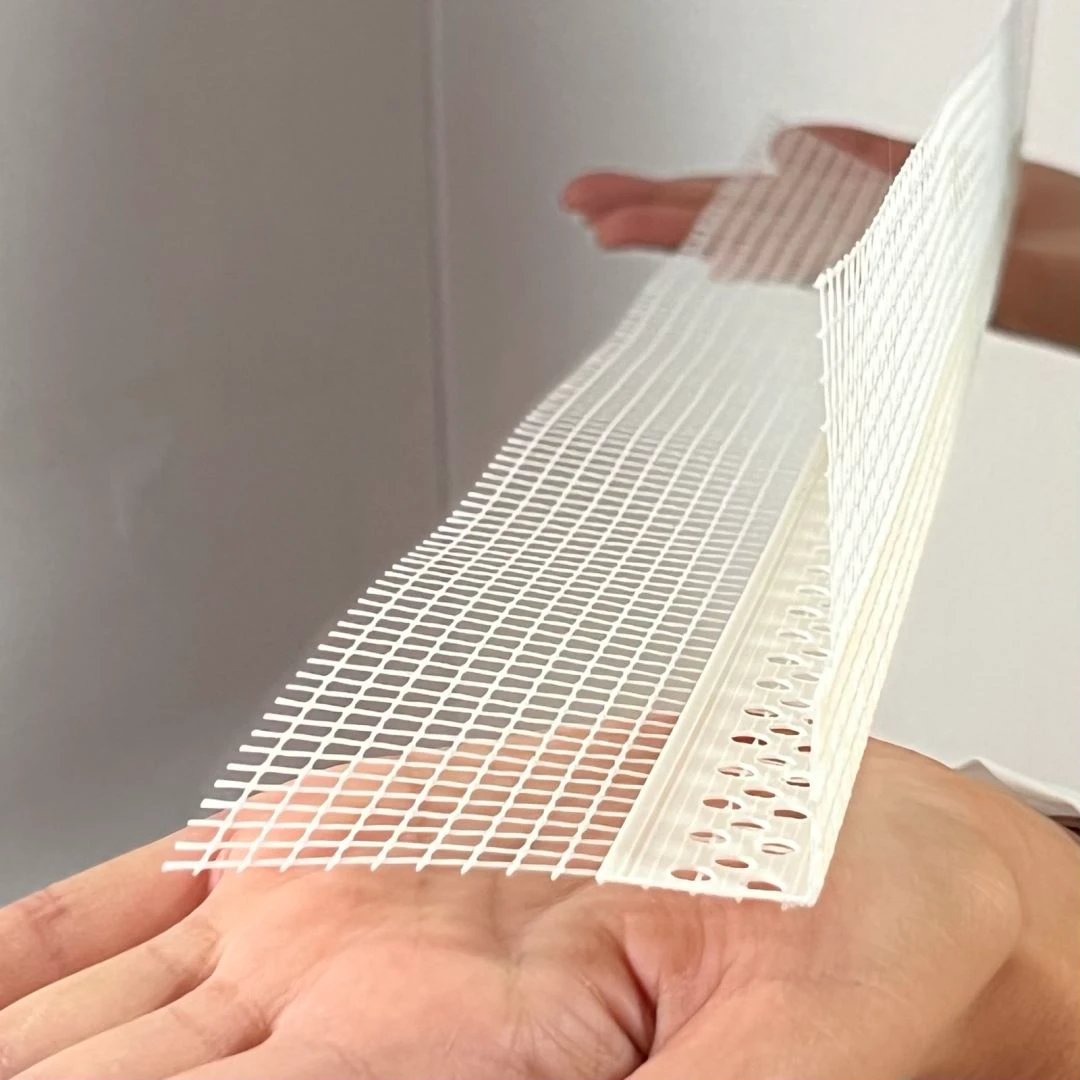
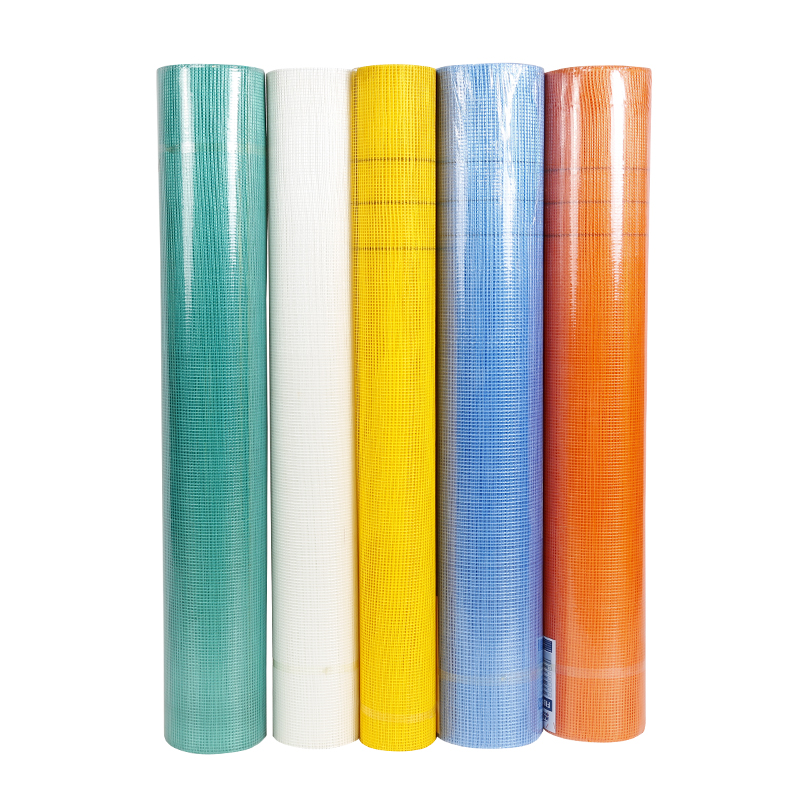
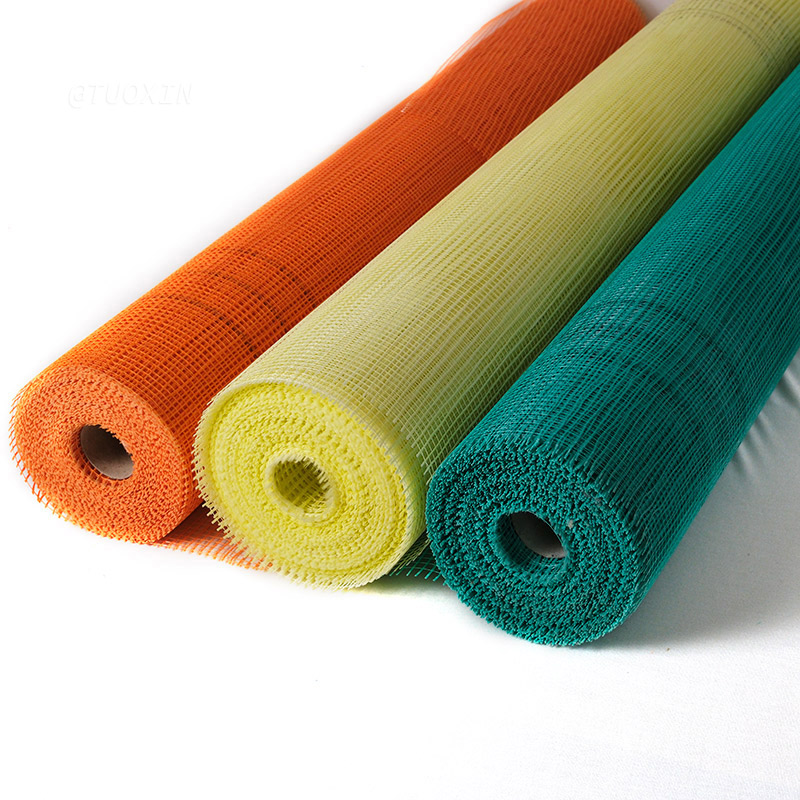
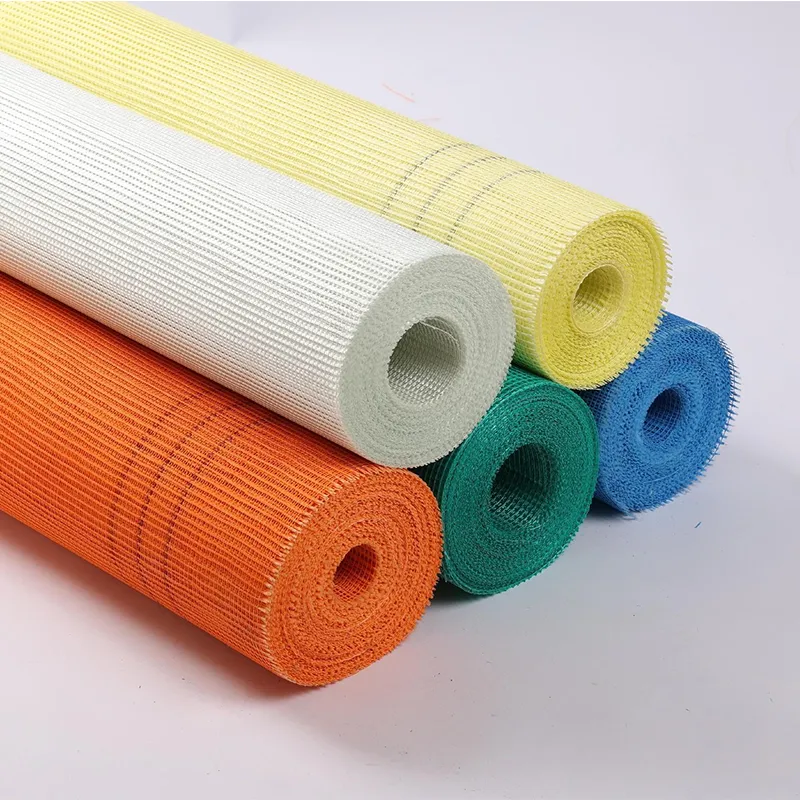
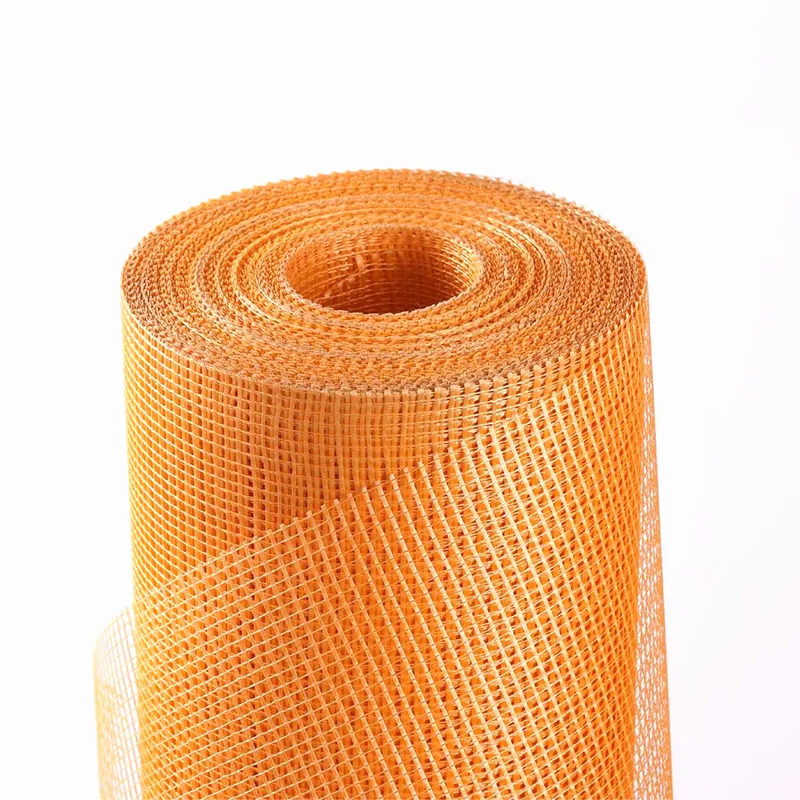
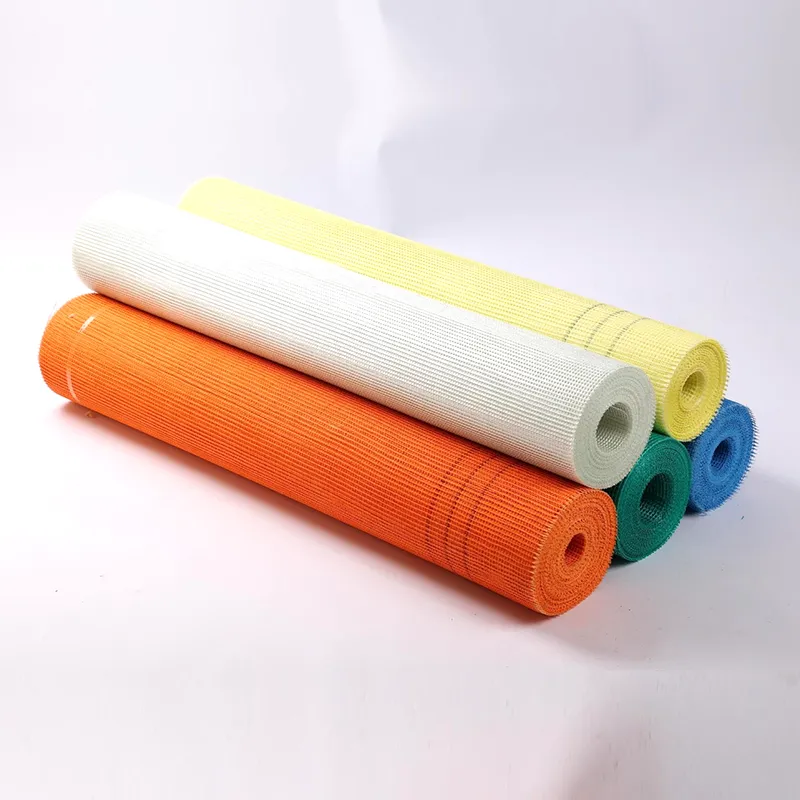
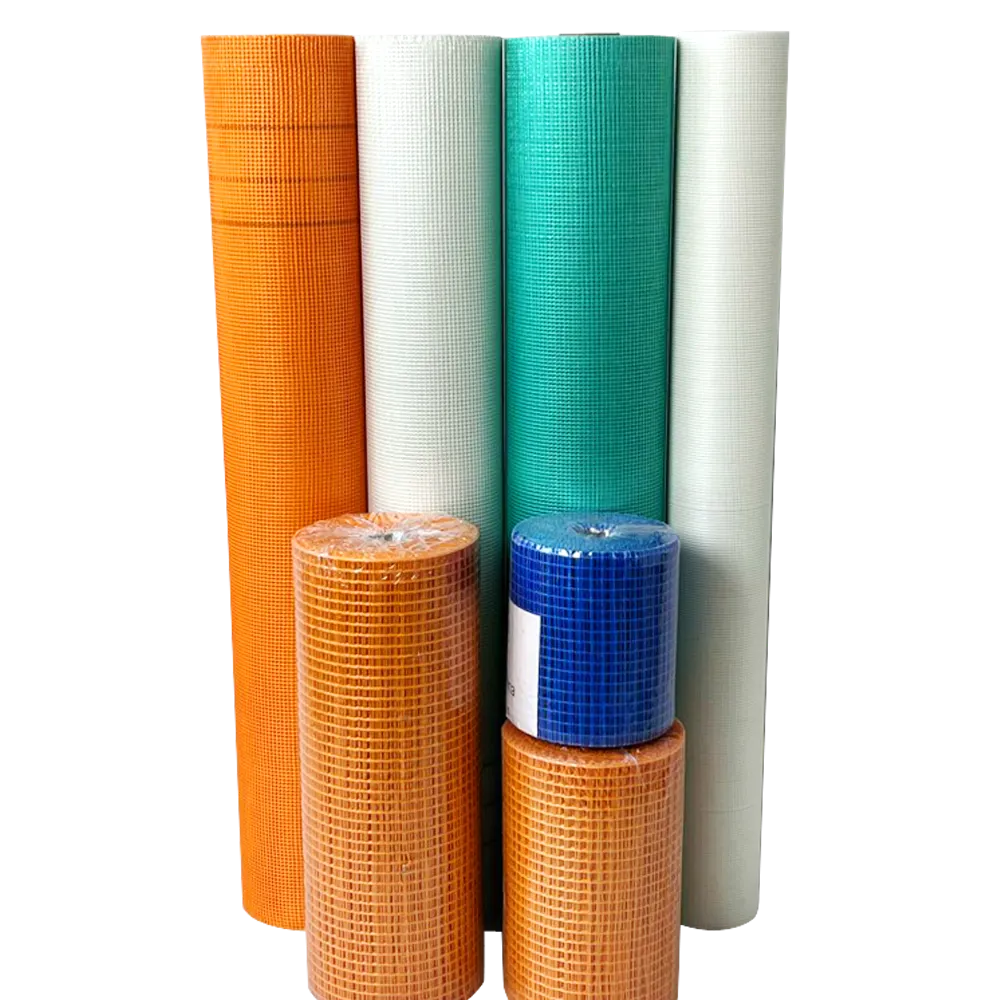
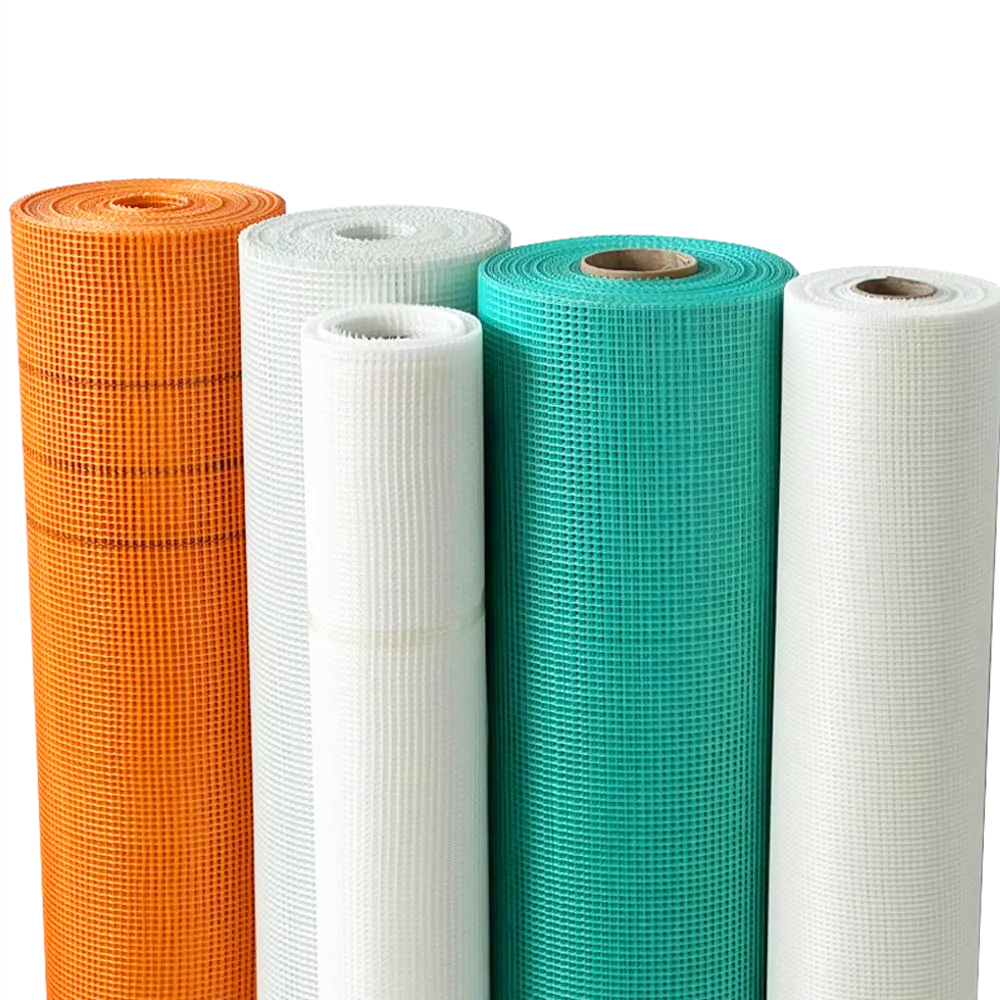
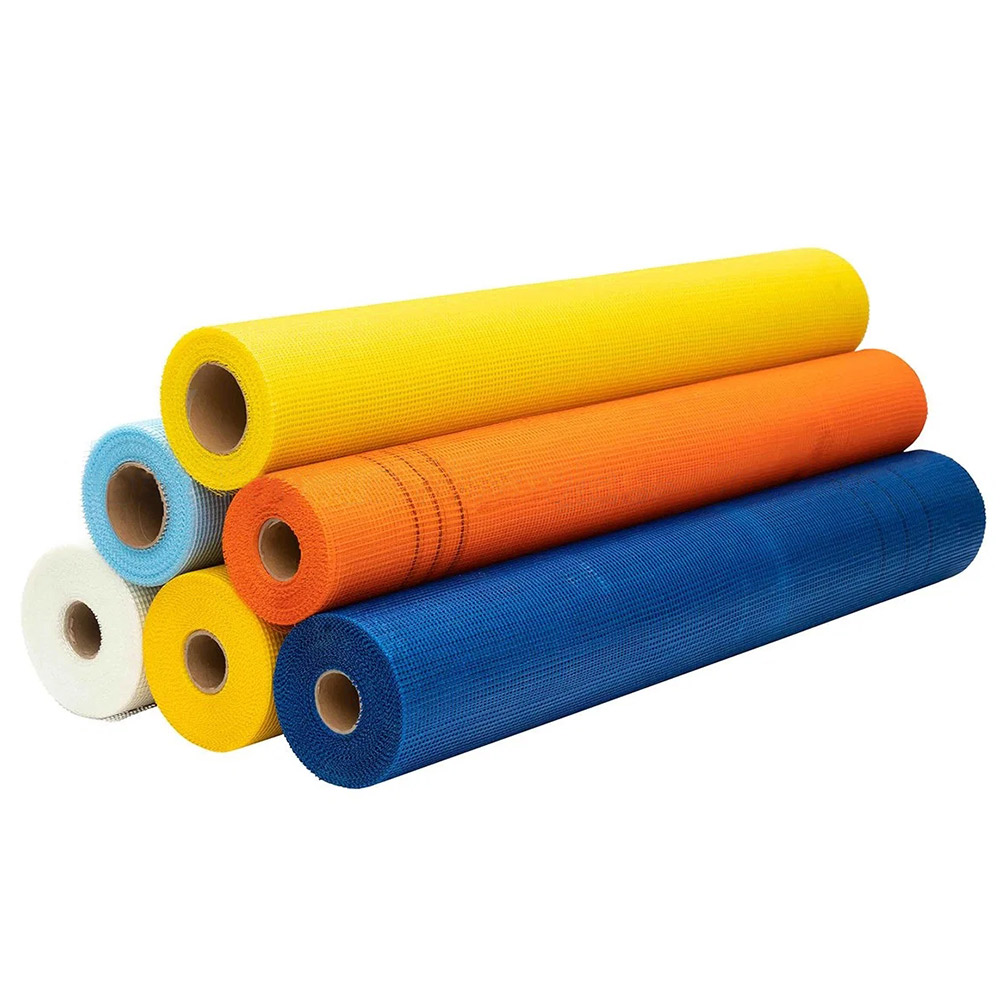
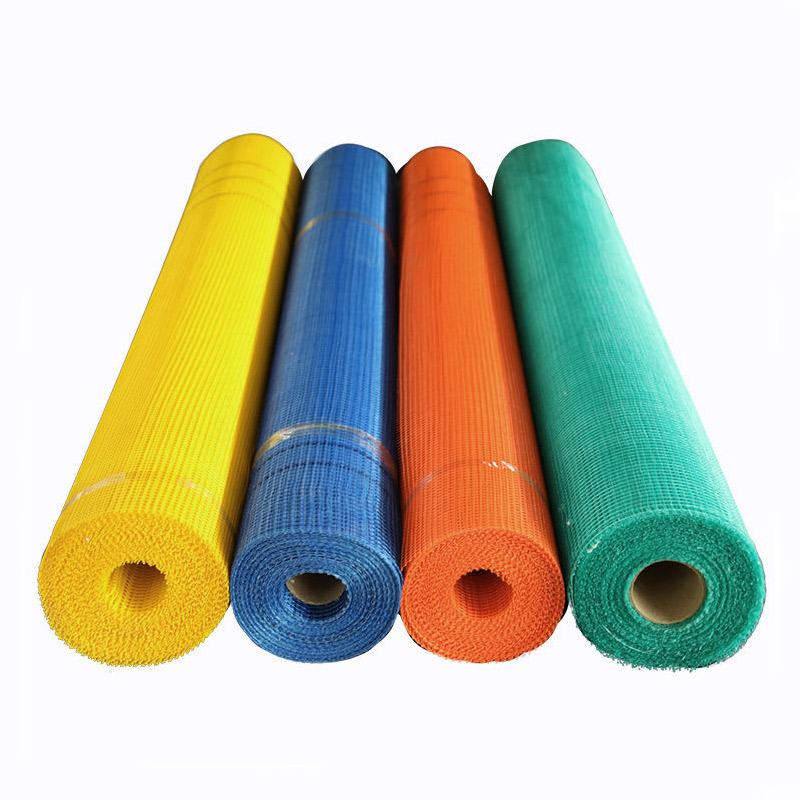
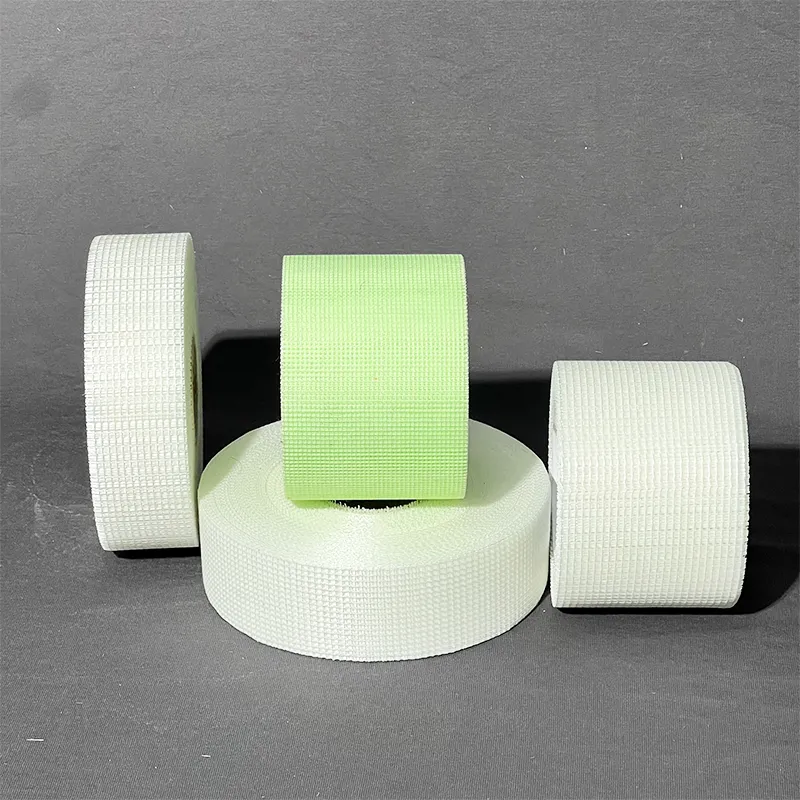
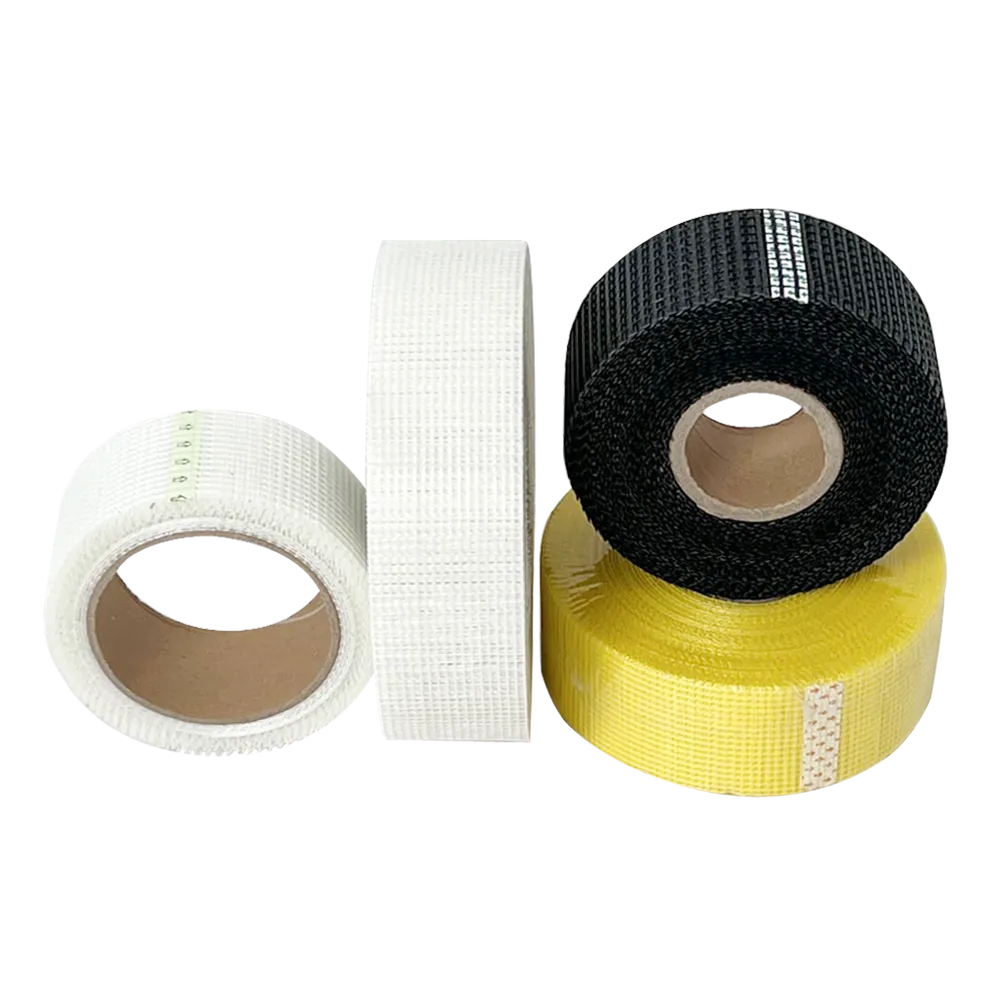
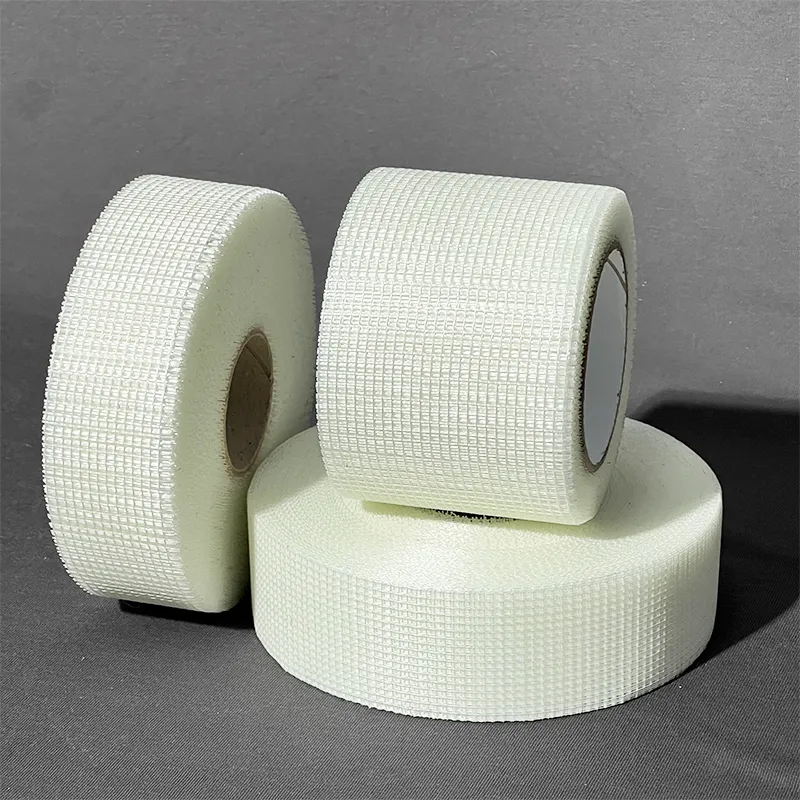
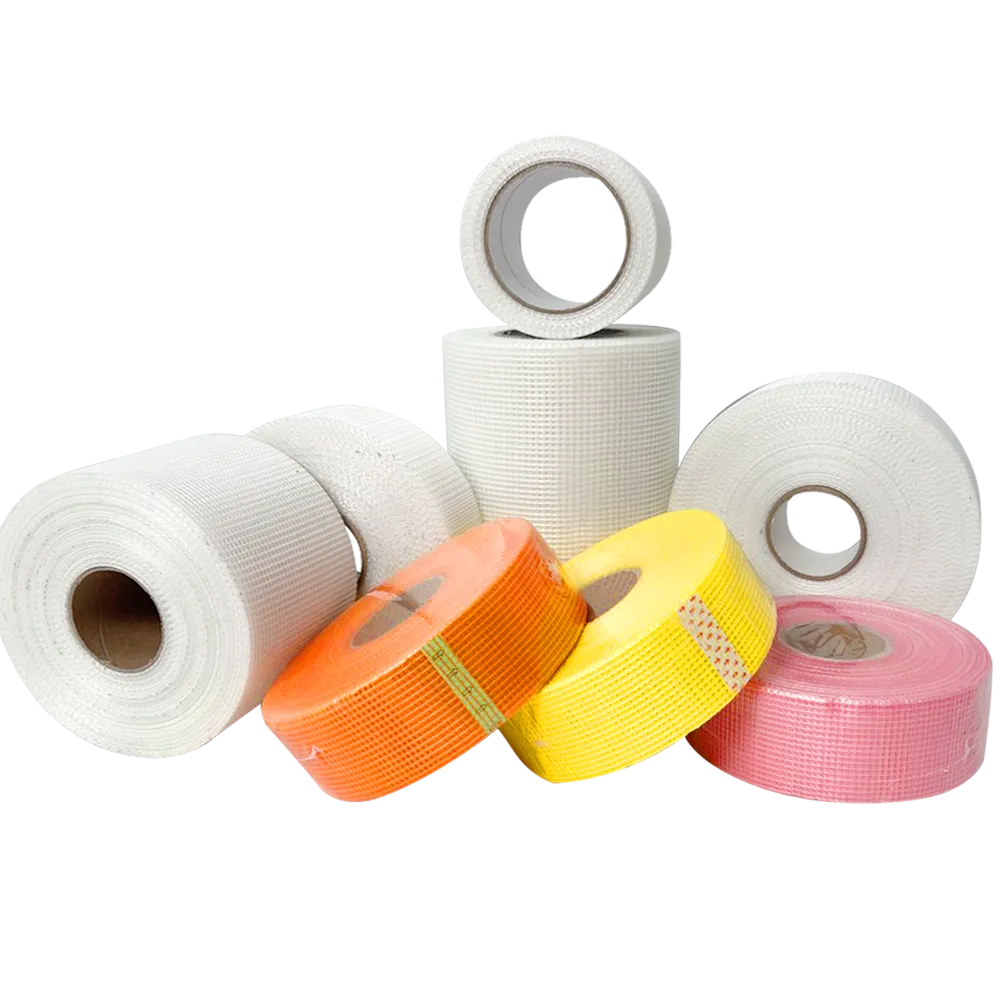
Having spent over a decade in the industrial equipment and materials sector, I can tell you there's something oddly satisfying about finding a material that just clicks with the job at hand. One such favorite over the years has been self adhesive fiberglass mesh. It's the quiet workhorse behind countless renovation and construction projects—unassuming, yet absolutely indispensable.
If you’re diving into the world of self adhesive fiberglass mesh factories, you’ll soon realize it’s not just about churning out rolls of mesh. It’s about precision in manufacturing, quality control, and tailoring products to perfectly suit the endless variety of surfaces and applications. From reinforcement in drywall to crack prevention in concrete renderings, these factories have a lot riding on the consistency of their product.
So, what exactly sets one factory apart from another? Well, a lot comes down to the materials and the adhesive technology used, but there’s also testing – rigorous and ongoing – because fiberglass mesh faces various stressors once it’s in the field. I remember visiting a factory where they put their mesh through accelerated aging and tensile strength tests in-house. It’s fascinating to see a piece of mesh endure that kind of scrutiny and come out certified ready.
| Specification | Details |
|---|---|
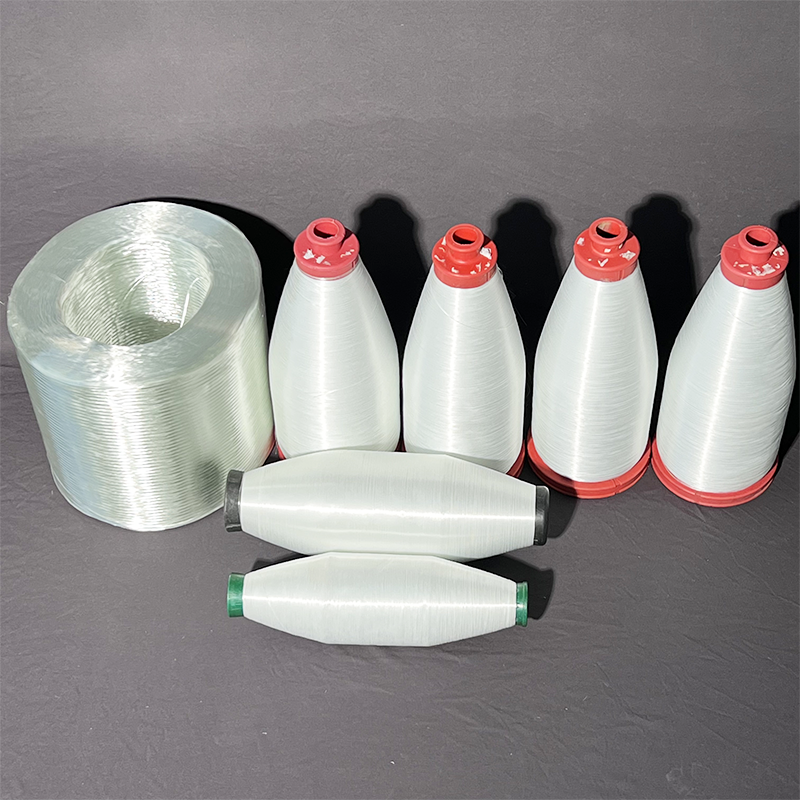
| Mesh Yarn | E-glass fiberglass fiber |
| Mesh Count | 5x5 or 10x10 per cm |
| Adhesive Type | Pressure-sensitive acrylic adhesive |
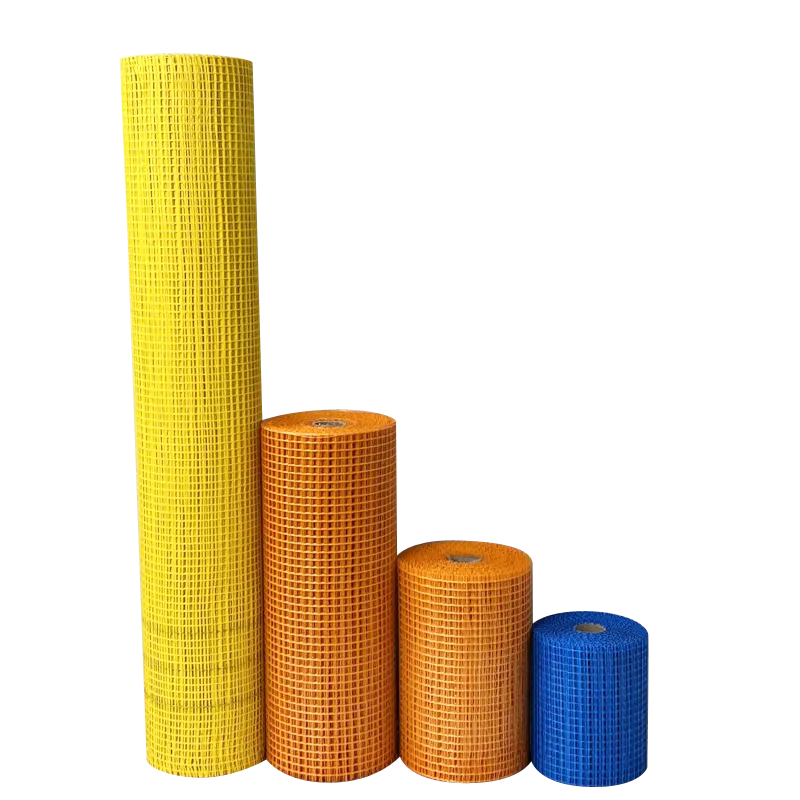
| Roll Width | 30 cm to 100 cm |
| Tensile Strength | ≥450 N/5 cm |
| Alkali Resistance | ≥200 h (ASTM D5677 standard) |
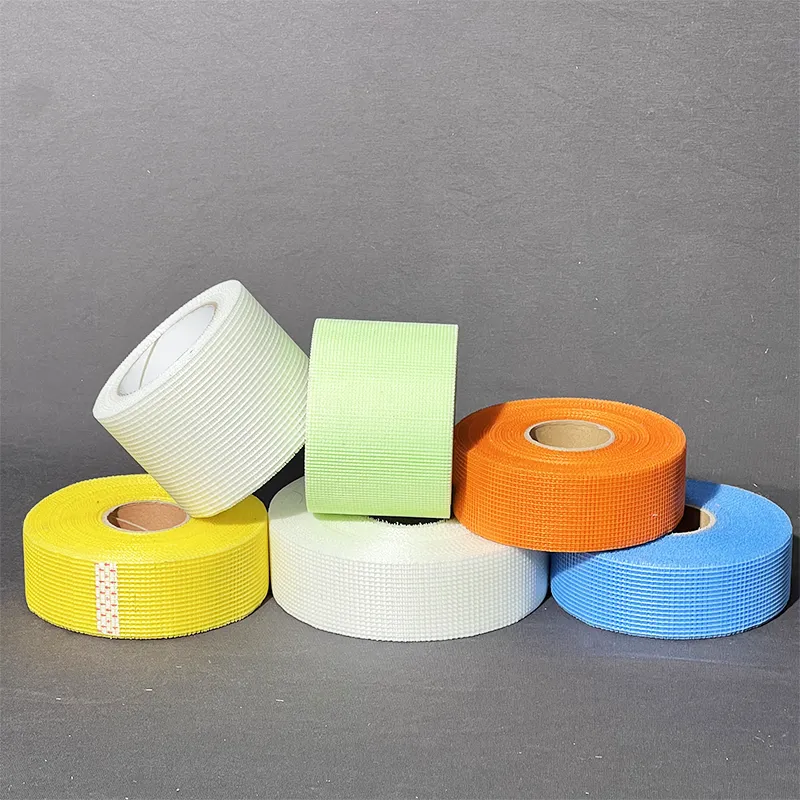
Now, it’s interesting how customization sometimes sneaks into the conversation about these products. Many factories, including some of the bigger players I’ve worked with over the years, offer really tailored solutions — adjusted adhesive strength, UV resistance levels, roll sizes, you name it. It often depends on the end client’s environment, be it humid tropical climates or freezing cold winters.
Frankly, one small anecdote that still sticks with me involves a client in a coastal city who kept struggling with the mesh adhesive peeling off due to salt air. After trying a few options, a factory tweaked their adhesive formula specifically for that environment—and voilà, the problem cleared up. Sometimes it comes down to these little adaptations that make all the difference.
| Vendor | Material Quality | Adhesive Reliability | Customization Options | Typical Lead Time |
|---|---|---|---|---|
| Tainuo Fiberglass Mesh | High-grade E-glass yarn | Consistent acrylic-based, pressure sensitive | Extensive, including UV and alkali modifications | 2-3 weeks |
| Vendor B | Standard fiberglass fibers | Variable, acrylic or latex adhesives | Moderate, mostly roll size variations | 3-5 weeks |
| Vendor C | Mixed-quality fiberglass | Adhesive consistency varies | Limited customization | 4+ weeks |
This leads me to a small piece of advice: when selecting a factory or supplier, don’t just eyeball price or lead time. Check if they have thorough quality controls and are willing to listen to your project needs. The right mesh can literally be the difference between a crack-free finish and costly repairs down the road.
In real terms, the best factories not only manufacture product but understand the actual application nuances. Some even send technical reps to job sites — a subtle but valuable service I noticed that’s becoming rarer yet is highly prized.
All in all, self adhesive fiberglass mesh factories might not get a lot of spotlight, but they underpin the quality and durability of many construction projects worldwide. Investing time in picking the right supplier and understanding their product specs goes a long way.
So, next time you see a smooth, well-finished wall or a crack-free surface, remember the humble mesh behind it—and maybe this little dive into its factories.
References:
1. ASTM D5677 Standard Test Method for Alkali Resistance of Glass Fiber Test Specimens
2. Industry visits and product datasheets from leading fiberglass mesh suppliers, 2022-2024.
3. Client case studies from coastal construction projects, 2023.
-
Best Fiberglass Mesh Tape for RedGard Product Waterproofing GuideNewsApr.16,2026
-
Why High Strength Fiberglass Mesh Is Essential For Stucco ApplicationNewsApr.15,2026
-
Why Alkali Resistant Fiberglass Mesh Tape Is Essential For Cement Board And Tile InstallationsNewsApr.15,2026
-
Understanding The Role Of Drywall Fiberglass Mesh In Interior FinishingNewsApr.15,2026
-
Ultimate Guide To Using Fiberglass Mesh Tape For Drywall And Plaster RepairsNewsApr.15,2026
-
The Versatility Of Fiberglass Mesh In Marble And Stone MosaicNewsApr.15,2026