Dec . 08, 2025 03:25 Back to list
Fiberglass Mesh Products: Global Applications, Benefits, and Innovations
Understanding Fiberglass Mesh Products: Global Relevance and Practical Benefits
Fiberglass mesh products might sound niche, but they're surprisingly central to many industries worldwide. From construction to disaster recovery, these products offer strength, durability, and adaptability — qualities that matter globally, especially as infrastructure needs and environmental challenges grow. Grasping their role isn’t just technical jargon; it’s an insight into how modern materials help solve persistent problems.
Introduction: Why Fiberglass Mesh Products Matter Globally
Across continents, governments and companies face the pressure of maintaining and upgrading infrastructure efficiently. According to the International Organization for Standardization (ISO), there is an increasing demand for materials that balance performance and sustainability. Fiberglass mesh products address this by reinforcing surfaces while remaining lightweight and corrosion-resistant — a practical boon in both developing regions and industrialized urban centers.
Oddly enough, in many natural disaster zones, rebuilding quickly yet durably is crucial. The World Bank reports that climate-induced disasters are increasing, intensifying the need for resilient building materials that can be deployed rapidly without sacrificing quality.
Mini Takeaway: Fiberglass meshes serve as a bridge between durability and rapid deployment needs worldwide — making them key to infrastructure innovation and disaster resilience.
What Exactly Are Fiberglass Mesh Products?
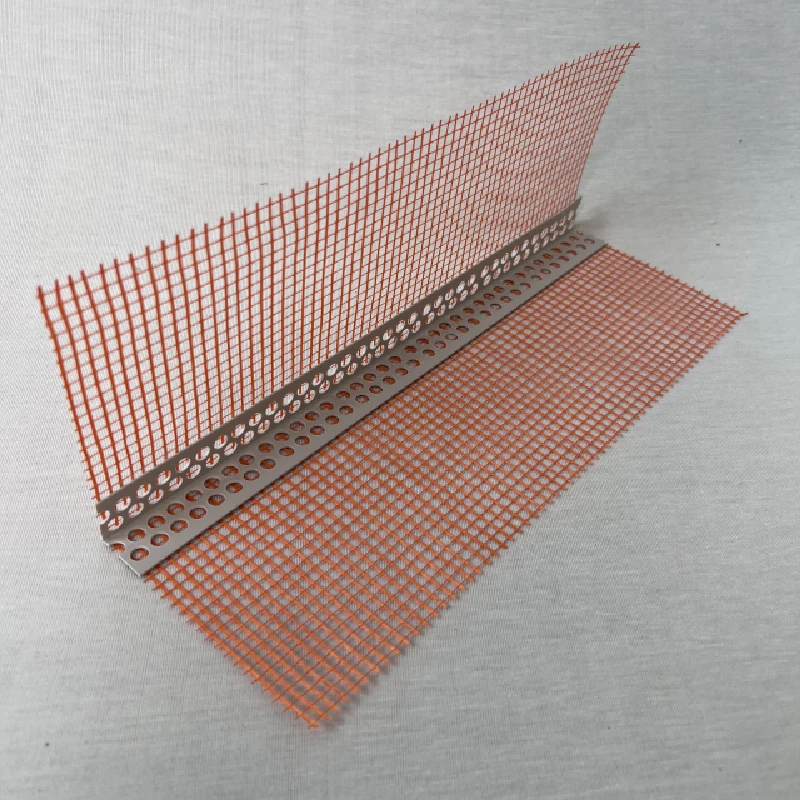
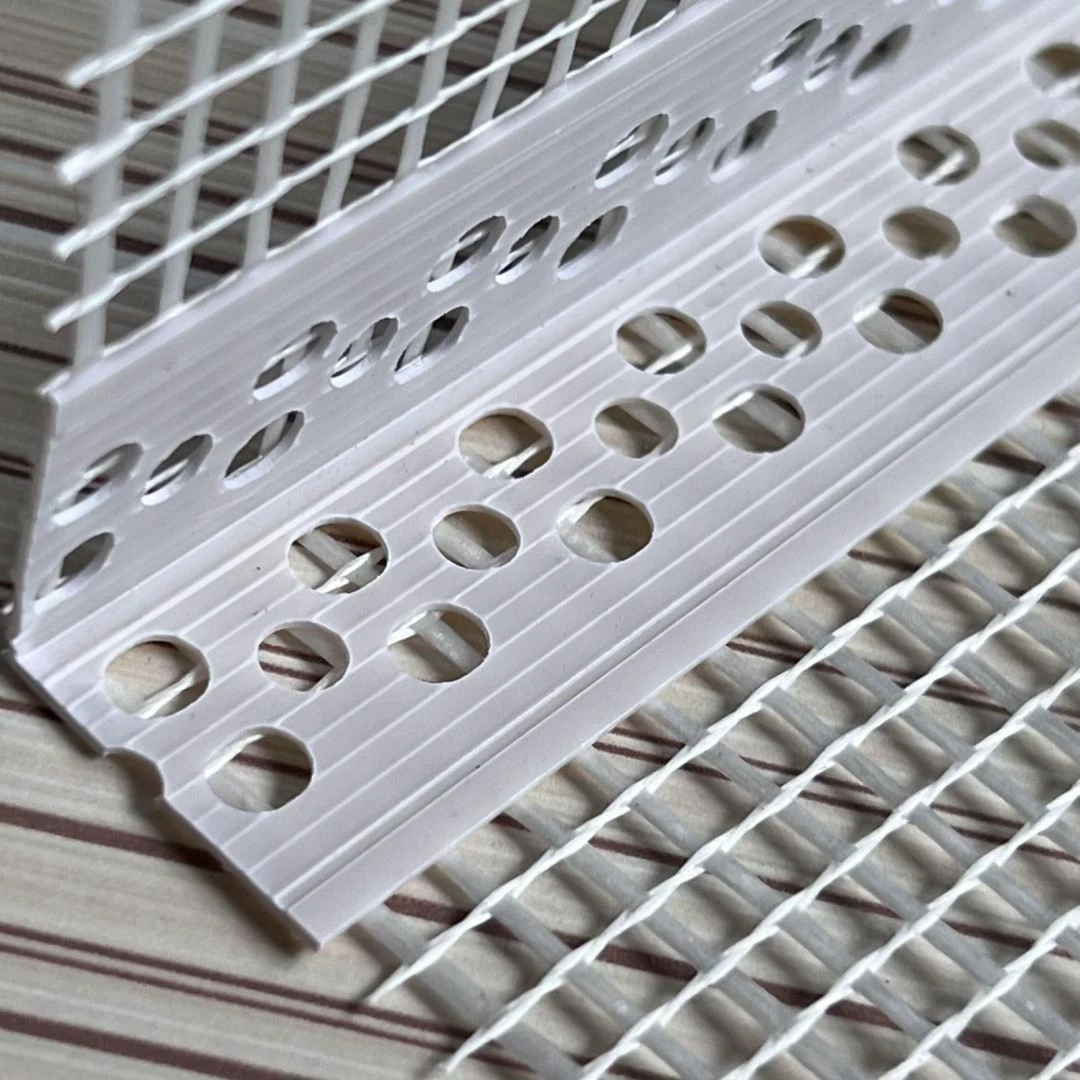
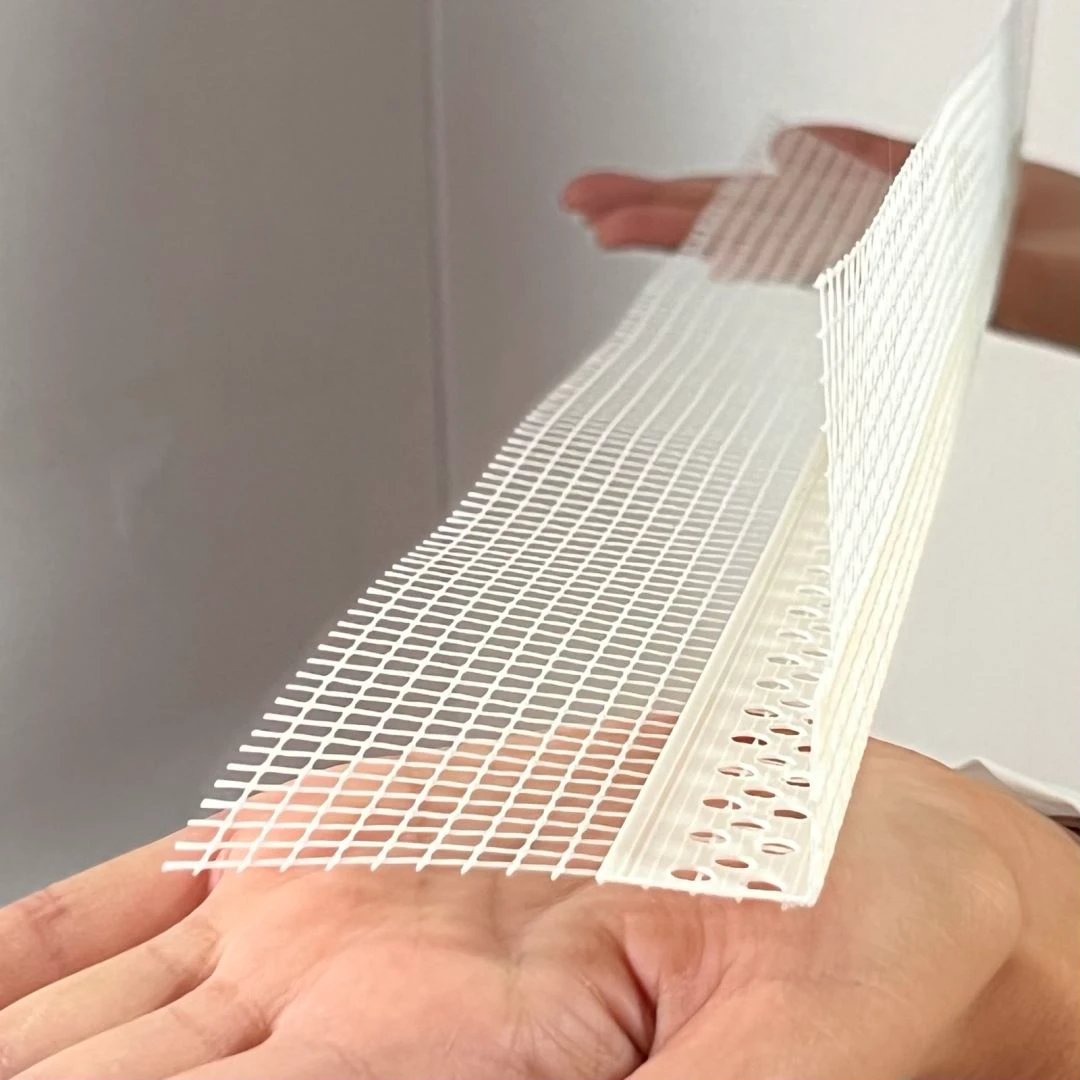
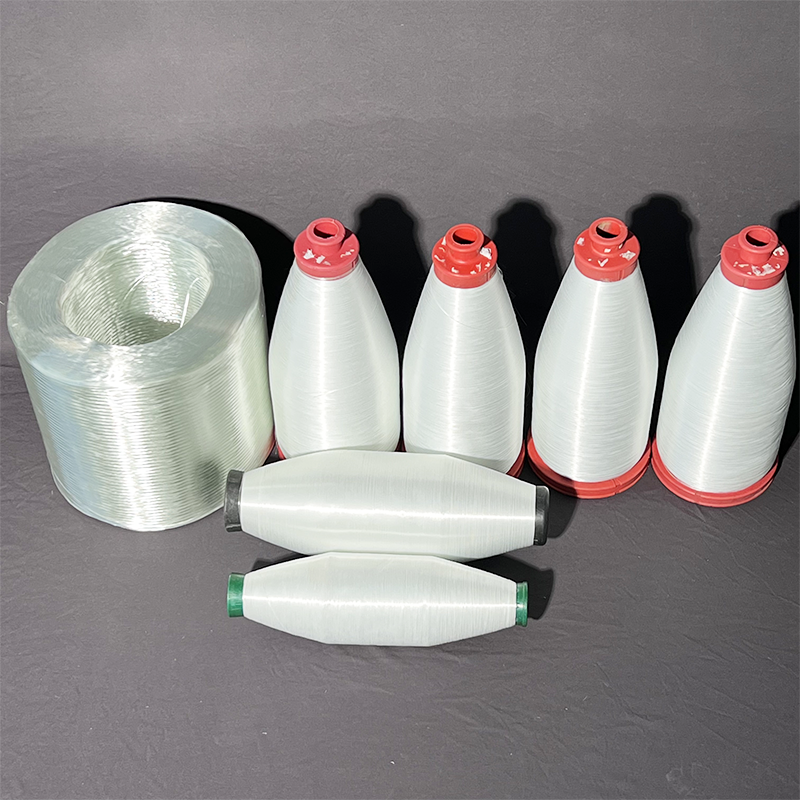
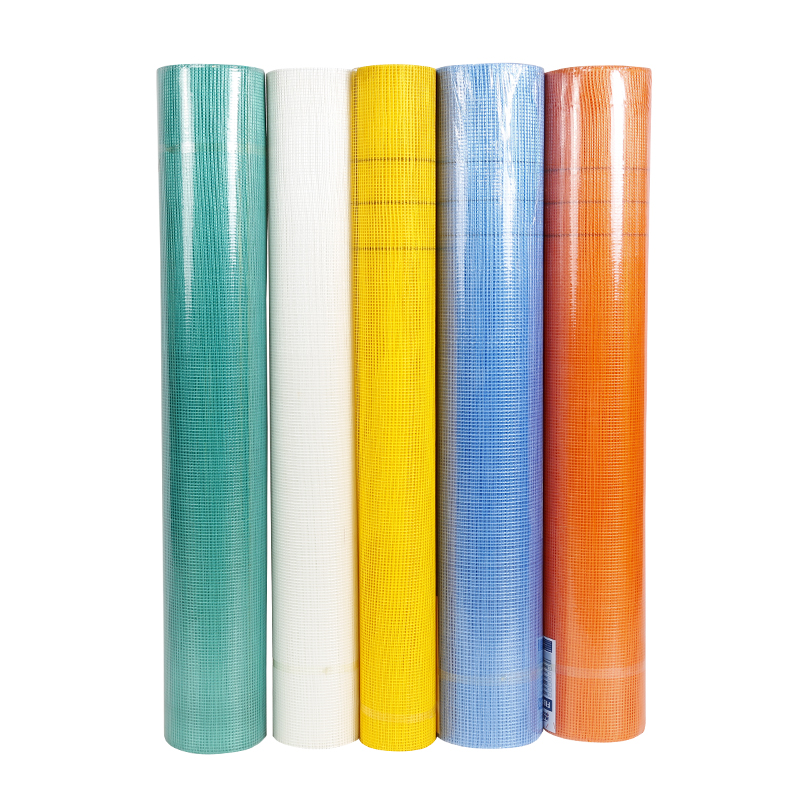
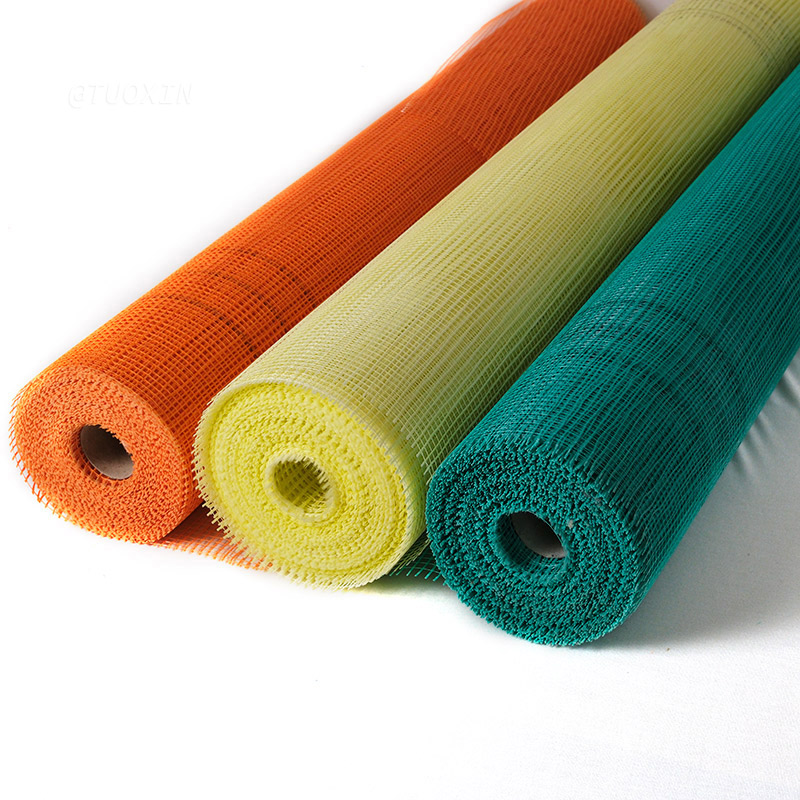
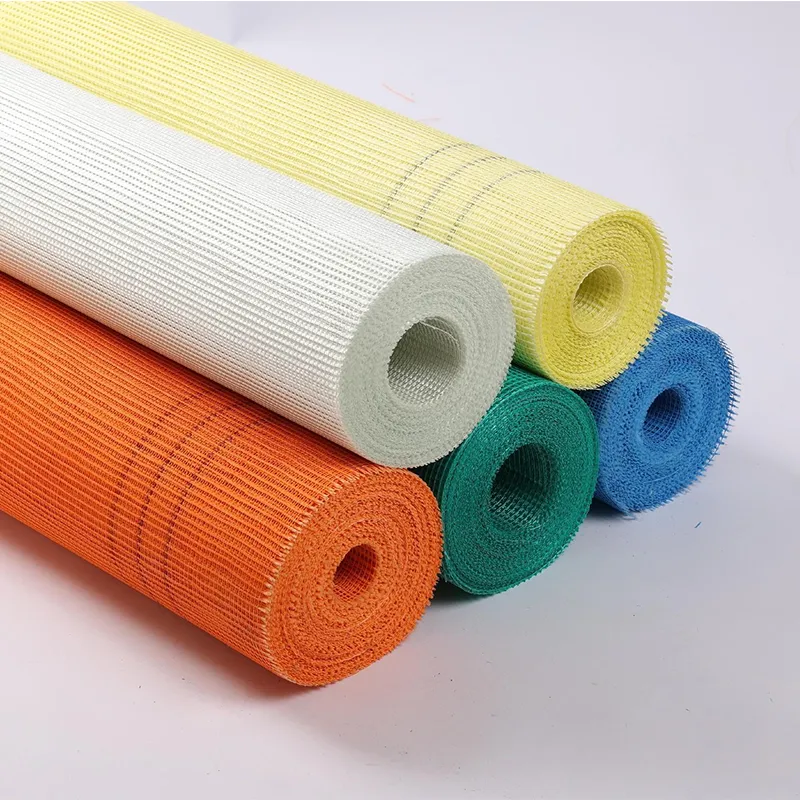
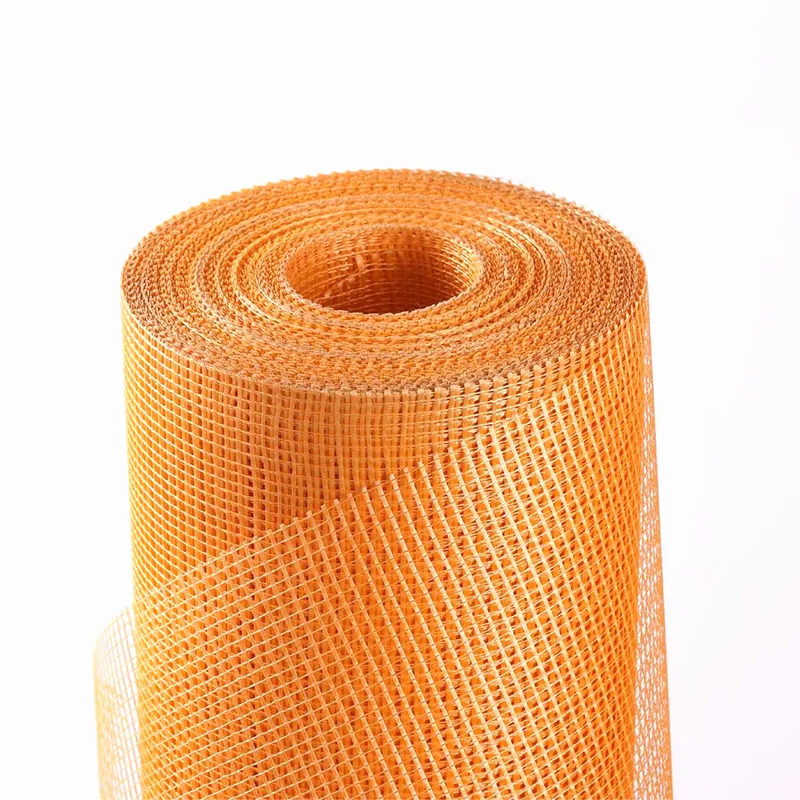
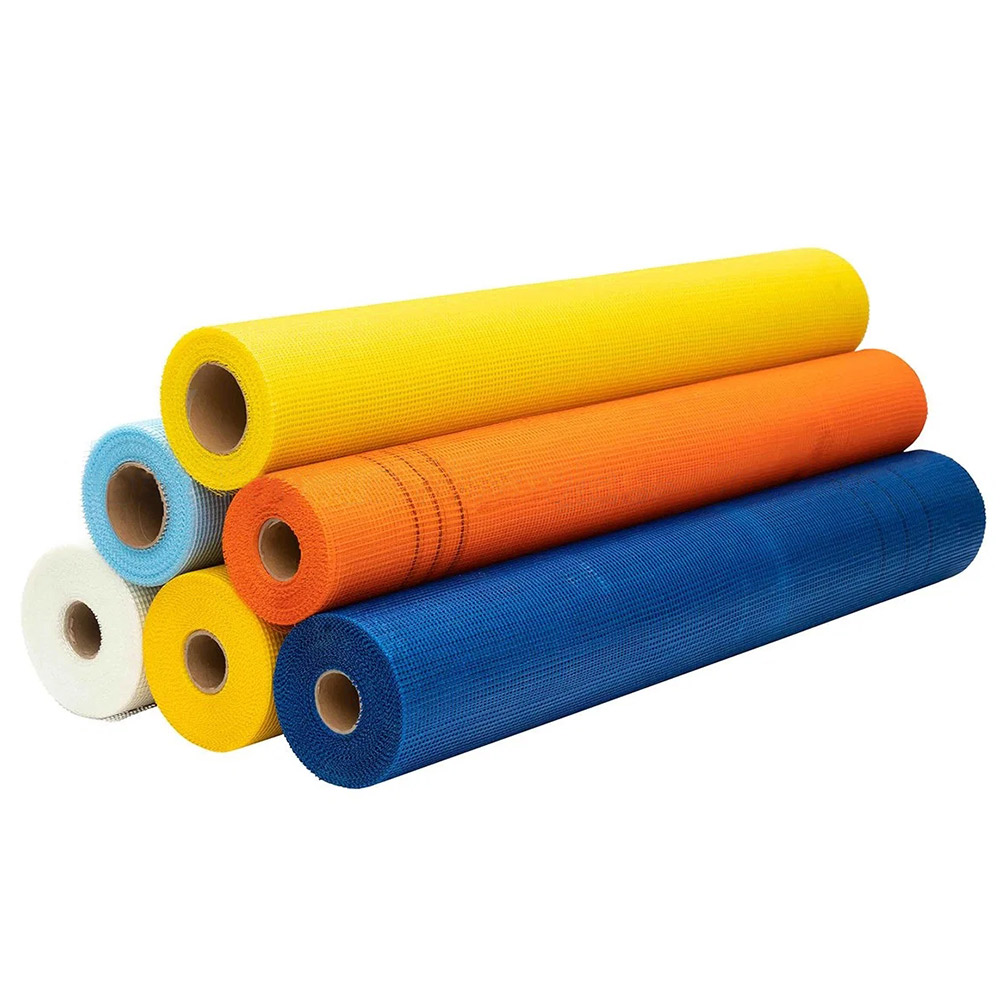
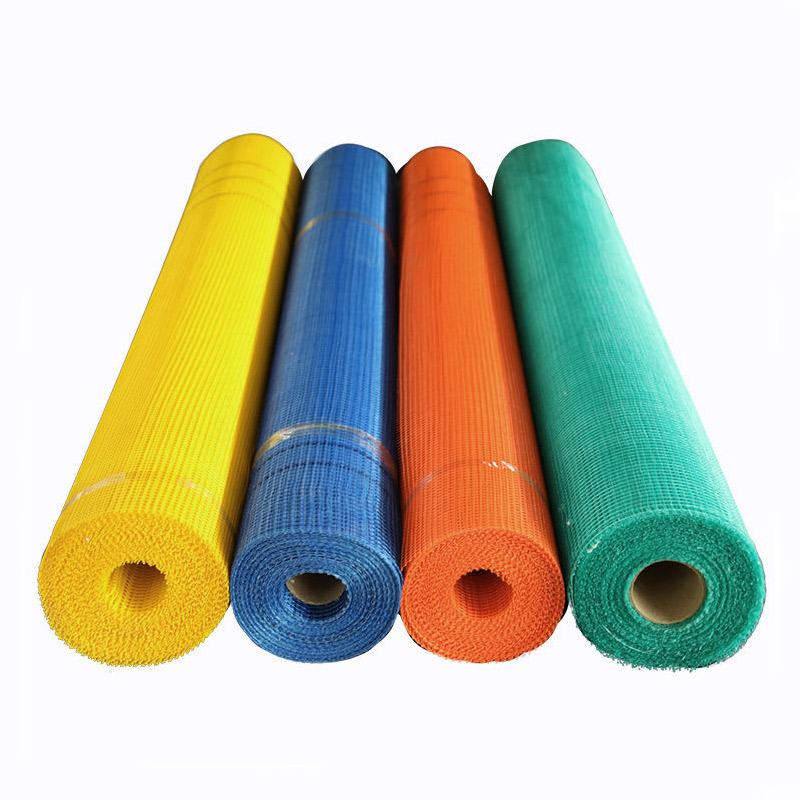
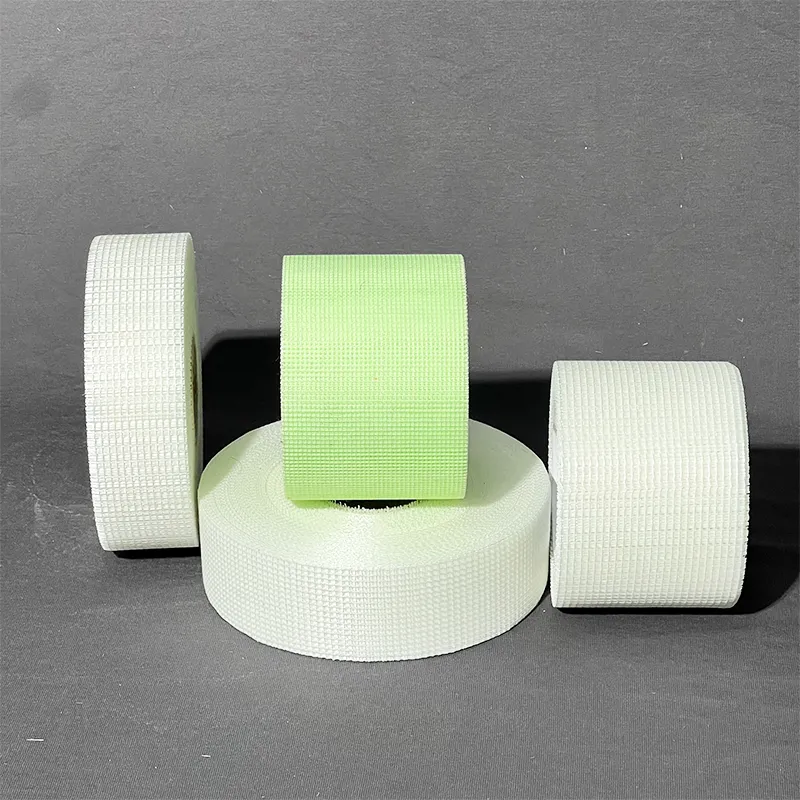
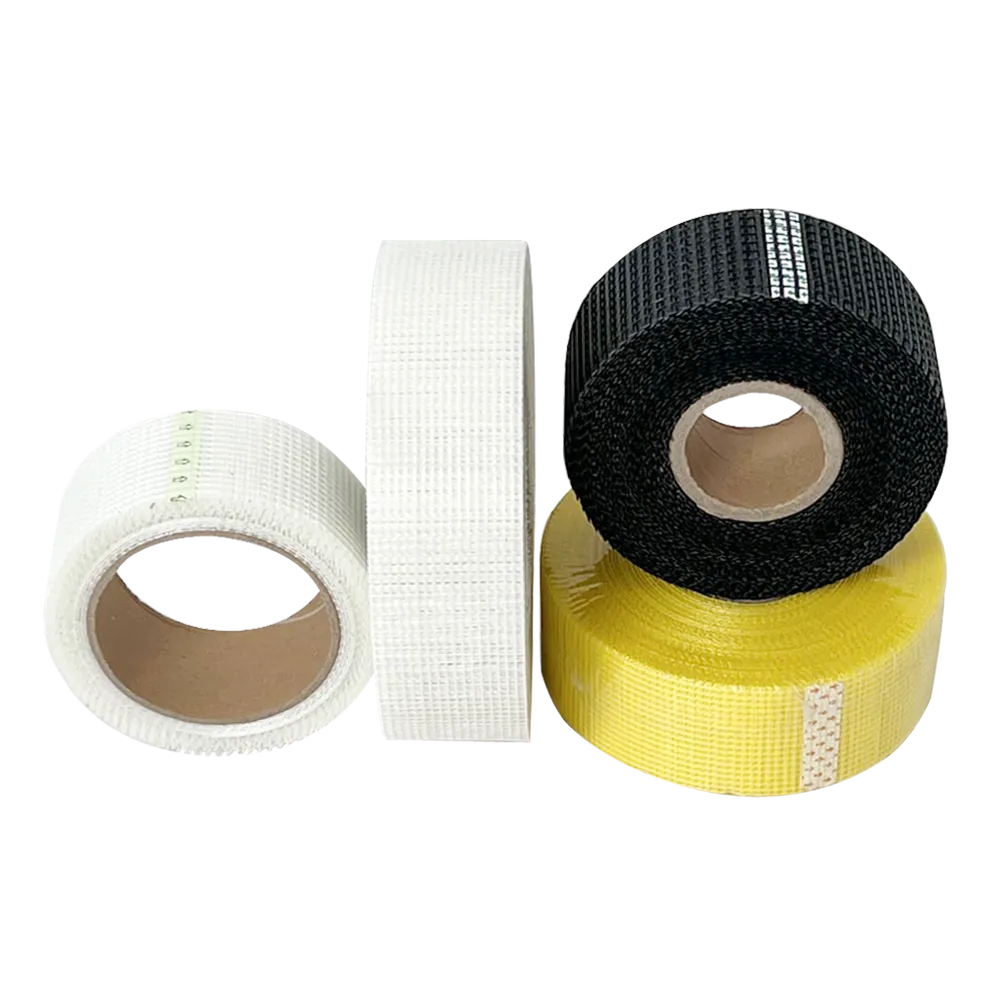
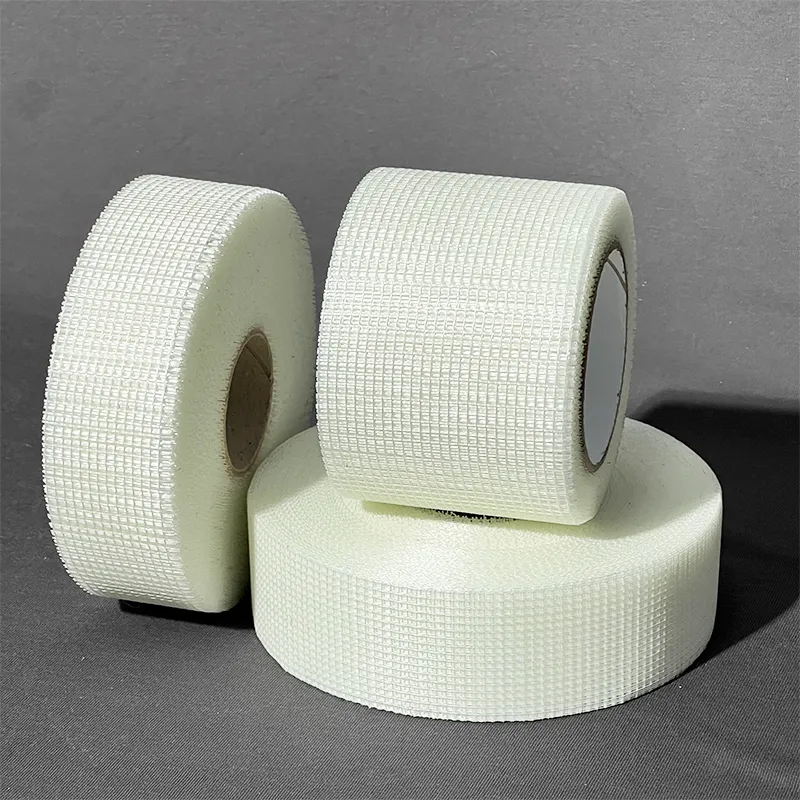
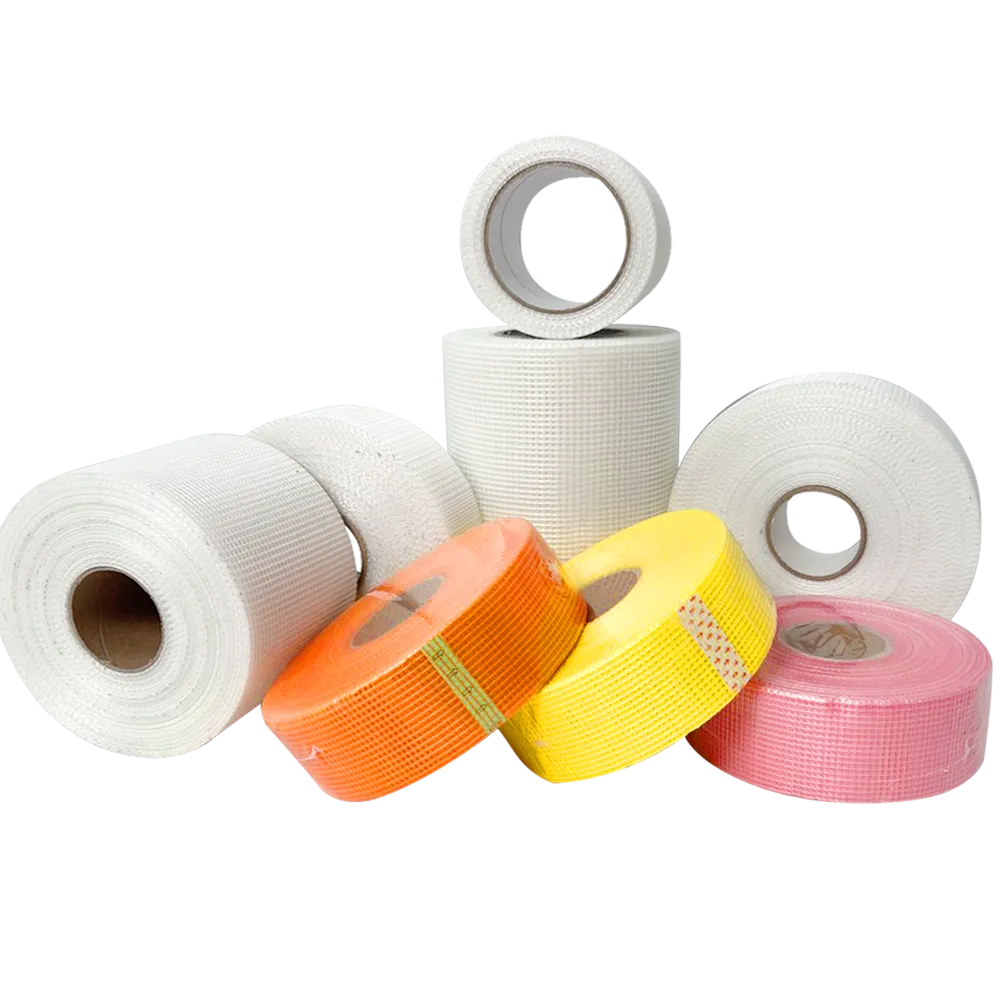
Simply put, fiberglass mesh is a woven fabric made from fine glass fibers. These fibers are aligned and bonded to create a grid-like sheet that can reinforce structures. Think of it as a high-tech, flexible rebar — it stabilizes surfaces like concrete or plaster, making them more resistant to cracking. This mesh is essential in everything from external wall insulation to tile installation, and even in some composite materials.
In humanitarian contexts, fiberglass mesh products strengthen temporary shelters and repairs, helping communities recover faster and with more safety.
Key Components of Fiberglass Mesh Products
Durability
Fiberglass mesh resists rust and degradation better than many metal-based reinforcements. It stands up well to moisture and chemical exposure, which is why it's favored in coastal areas and harsh climates.
Lightweight Nature
Its low weight means easier transport, especially important in remote or disaster-affected regions. Unlike steel meshes, it won't add significant load to structures during installation.
Cost Efficiency
While fiberglass mesh can be pricier than traditional metal mesh upfront, its longevity and reduced maintenance costs often prove more economical long-term.
Versatility
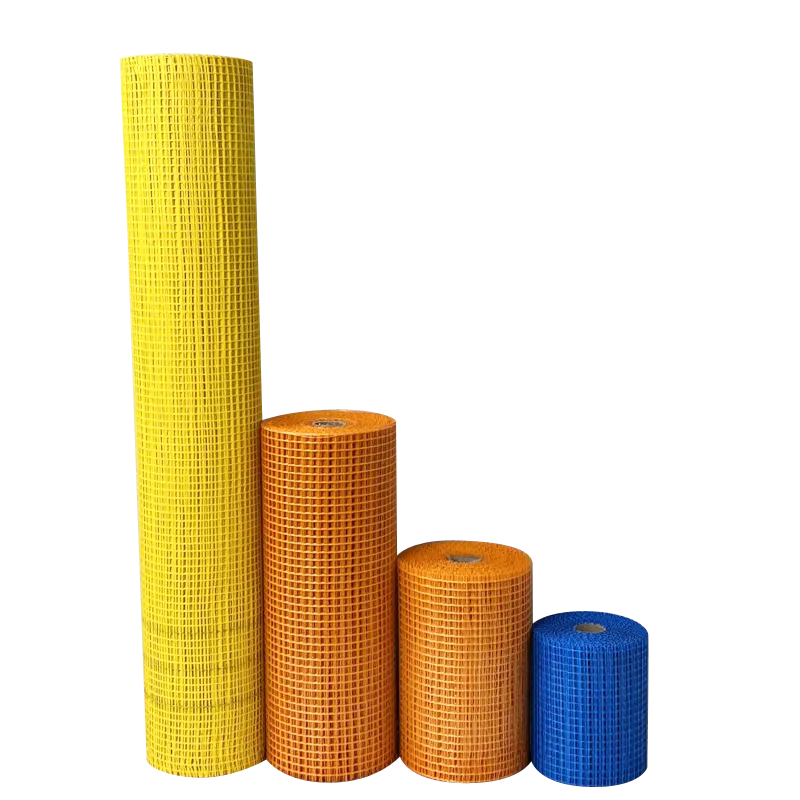
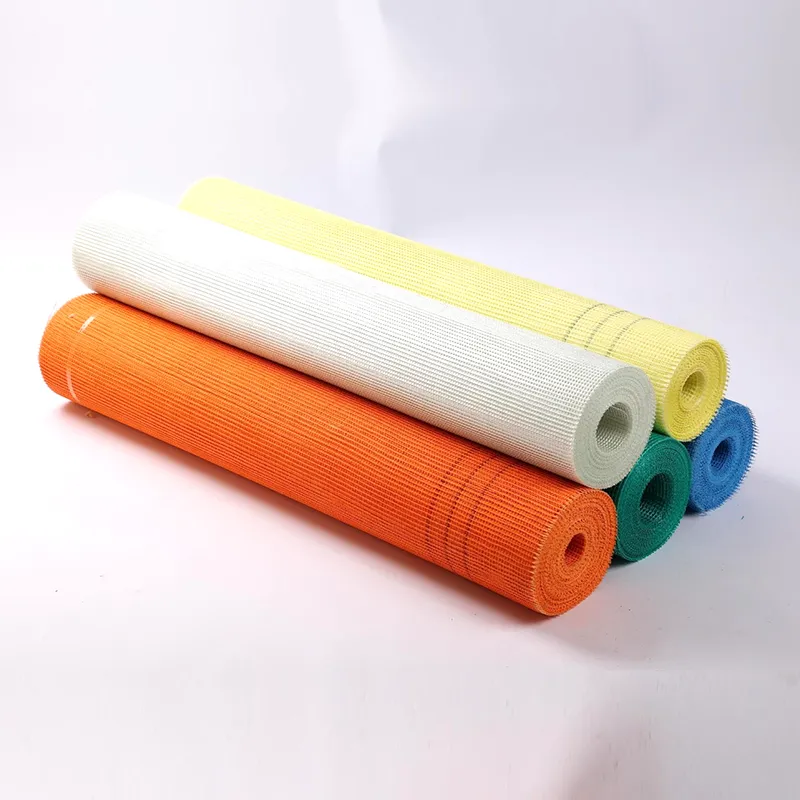
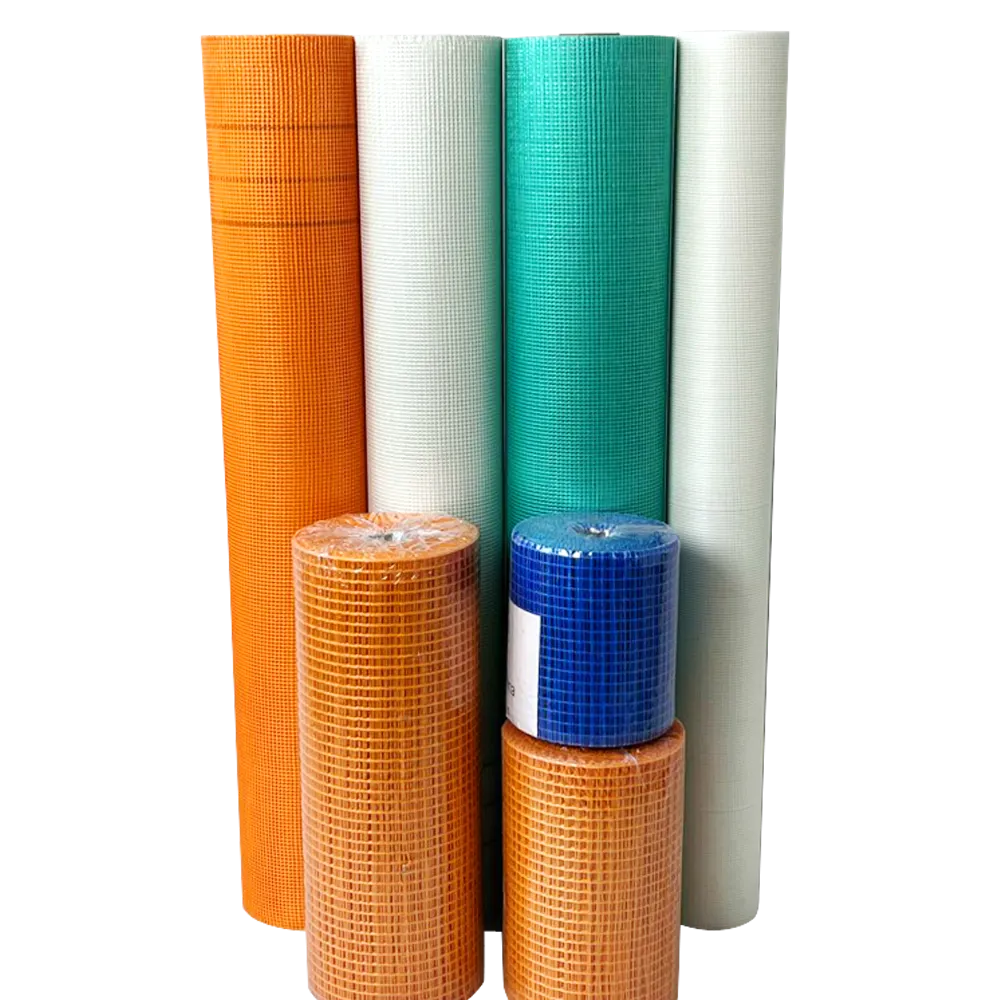
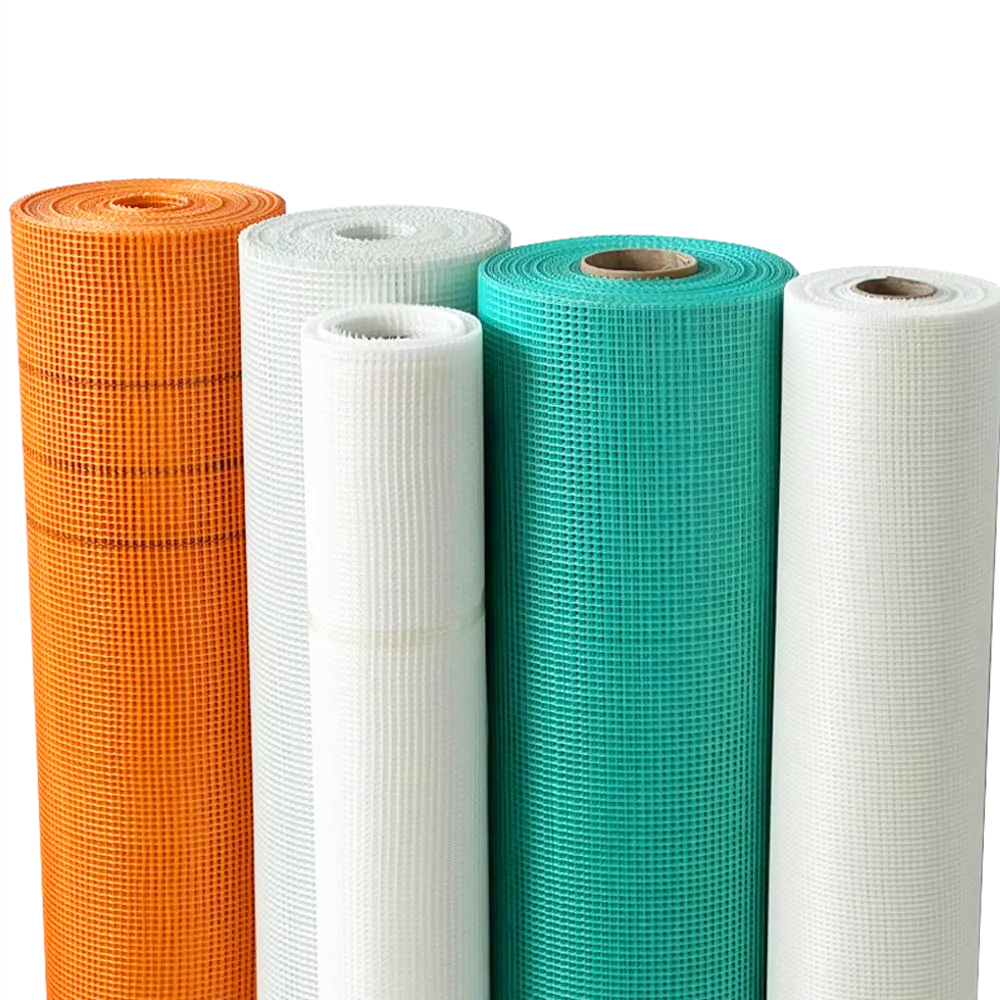
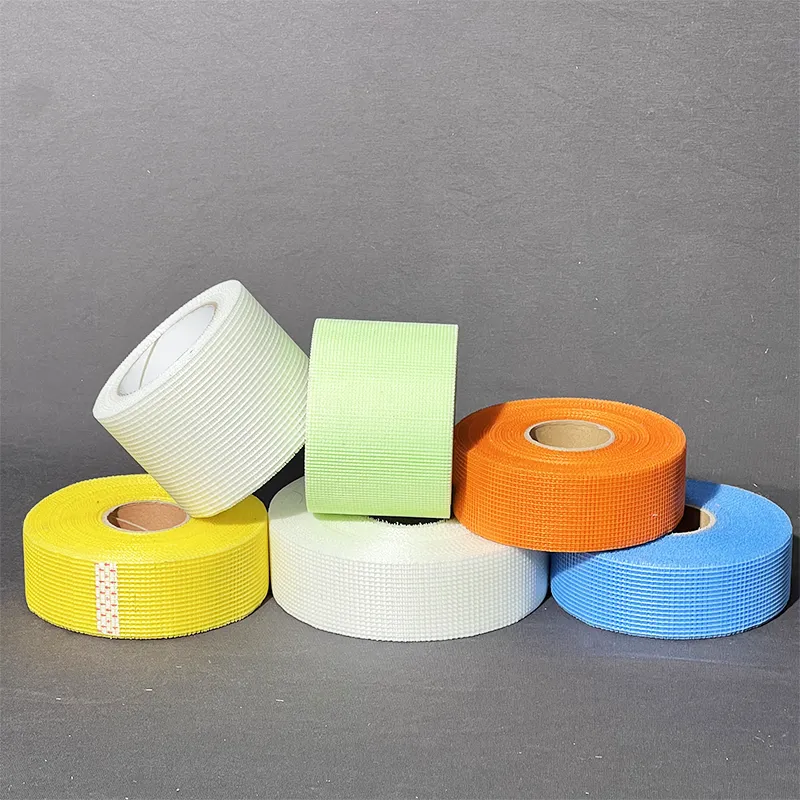
Available in various weaves, thicknesses, and coatings, these meshes suit multiple applications — from flooring to external insulation systems.
Scalability
Manufacturing processes allow production at scale, enabling global supply to meet increasing demand.
Customization
Suppliers often tailor mesh specifications like mesh size, fiber thickness, and surface treatment to project needs, enhancing effectiveness.
Product Specification Highlights
| Specification | Details |
|---|---|
| Material | E-glass fiber |
| Mesh Size | 4x4 mm to 10x10 mm (varies by product) |
| Width | 1 m to 2 m rolls |
| Weight | 50 g/m² to 180 g/m² |
| Coating | PVC or Alkali-resistant treatment |
| Tensile Strength | >1100 N/5cm |
How Fiberglass Mesh Products Are Used Around the World
In real terms, you’ll find fiberglass mesh reinforcing exterior insulation in European buildings, protecting road pavements in Australia, and supporting tile installations in the U.S. In Asia, it’s widely used to strengthen concrete in construction projects that must endure seismic activity. Post-disaster relief NGOs use fiberglass mesh fabrics to repair shelters quickly, especially in earthquake-prone regions.
The mesh offers an interesting blend of technical and practical value. For instance, in Africa, where infrastructure budgets are often tight, the longevity and corrosion resistance reduce maintenance cycles, effectively saving money in the long run.
fiberglass mesh products thereby find their way into multiple sectors — construction, infrastructure, disaster recovery, and more.
Vendor Comparison: Leading Fiberglass Mesh Product Suppliers
| Vendor | Product Range | Price Range | Global Shipping | Customization Options |
|---|---|---|---|---|
| Tainuo Fiberglass | Wide (50+ variants) | $$ | Yes | High |
| Global Mesh Corp. | Medium (20 variants) | $$$ | Yes | Medium |
| Eco Reinforcements | Niche (10 variants) | $ | Limited | Basic |
Advantages and Long-Term Value of Fiberglass Mesh Products
The benefits are multifaceted — on one hand, you have straightforward cost savings through reduced maintenance & improved durability. On the other, there's the emotional reassurance that comes with safer buildings and infrastructure that is less prone to catastrophic failure. Sustainability joins the party too; fiberglass mesh minimizes the need for replacements, which means less waste and fewer emissions over time.
If you've ever worked onsite, you might notice how easy these products are to cut and apply. This practical edge makes them popular with contractors, speeding up projects without sacrificing quality.
Emerging Trends in Fiberglass Mesh Products
Green technologies are increasingly weaving into material design, and fiberglass mesh is no exception. Innovations include bio-based resin coatings reducing environmental impact, and integration of digital manufacturing for precision adaptations. There's also growing interest in hybrid meshes combining fiberglass with carbon fibers for ultra-high-strength applications — particularly in aerospace and renewable energy sectors.
Automation in production lines promises greater consistency and increased scalability, ensuring supply can keep pace with world demand.
Challenges and Their Solutions
Arguably, the biggest hurdles revolve around cost and environmental concerns. Fiberglass mesh production involves energy-intensive processes, though advances in recycling and energy use mitigation are ongoing. Also, proper installation is crucial — poor application can negate mesh benefits. To counter this, many vendors provide detailed training and technical support, ensuring application quality.
In addressing supply chain disruptions, diversified sourcing and local manufacturing hubs are becoming vital strategies.
FAQ: Fiberglass Mesh Products
- Q: How long do fiberglass mesh reinforcements typically last in harsh environments?
A: With correct installation and alkali-resistant coatings, fiberglass mesh can easily last 25 years or more, maintaining structural integrity despite moisture and UV exposure. - Q: Can fiberglass mesh improve energy efficiency in buildings?
A: Yes, when used in external insulation systems, fiberglass mesh supports insulation layers that reduce heat loss, promoting energy savings and occupant comfort. - Q: Are these products recyclable or eco-friendly?
A: While fiberglass itself isn’t biodegradable, many manufacturers are adopting recycling programs and greener resins to lower environmental footprints. - Q: What are common mistakes to avoid during installation?
A: Avoid wrinkling or overlapping without correct overlap margins, and always ensure mesh is fully embedded in the plaster or adhesive to maximize reinforcement.
Conclusion: Building Stronger, Safer Futures with Fiberglass Mesh Products
In short, fiberglass mesh products offer a compelling mix of strength, flexibility, and longevity that modern infrastructure demands. Whether you’re rebuilding after a disaster or innovating urban construction, these meshes are quietly powering safer, more sustainable developments worldwide. If you want to explore a broad range of quality fiberglass mesh variants, I suggest visiting this site where detailed specs and customization options meet expert support.
Fiberglass mesh may not get all the headlines, but it’s definitely earned its place in the backbone of global construction and humanitarian efforts.
Reflecting on these materials, it’s clear: sometimes, resilience is woven — quite literally — into our future.
-
Best Fiberglass Mesh Tape for RedGard Product Waterproofing GuideNewsApr.16,2026
-
Why High Strength Fiberglass Mesh Is Essential For Stucco ApplicationNewsApr.15,2026
-
Why Alkali Resistant Fiberglass Mesh Tape Is Essential For Cement Board And Tile InstallationsNewsApr.15,2026
-
Understanding The Role Of Drywall Fiberglass Mesh In Interior FinishingNewsApr.15,2026
-
Ultimate Guide To Using Fiberglass Mesh Tape For Drywall And Plaster RepairsNewsApr.15,2026
-
The Versatility Of Fiberglass Mesh In Marble And Stone MosaicNewsApr.15,2026