Dec . 31, 2025 03:25 Back to list
Fiberglass Mesh for EIFS Manufacturers | Quality & Specs Guide
Fiberglass Mesh for EIFS Manufacturers: What You Really Need to Know
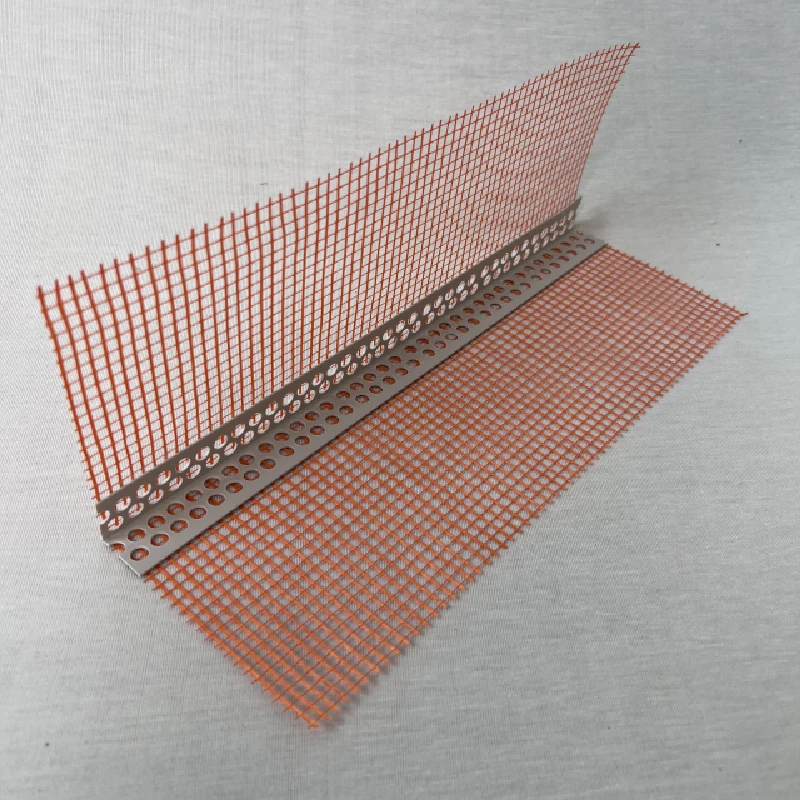
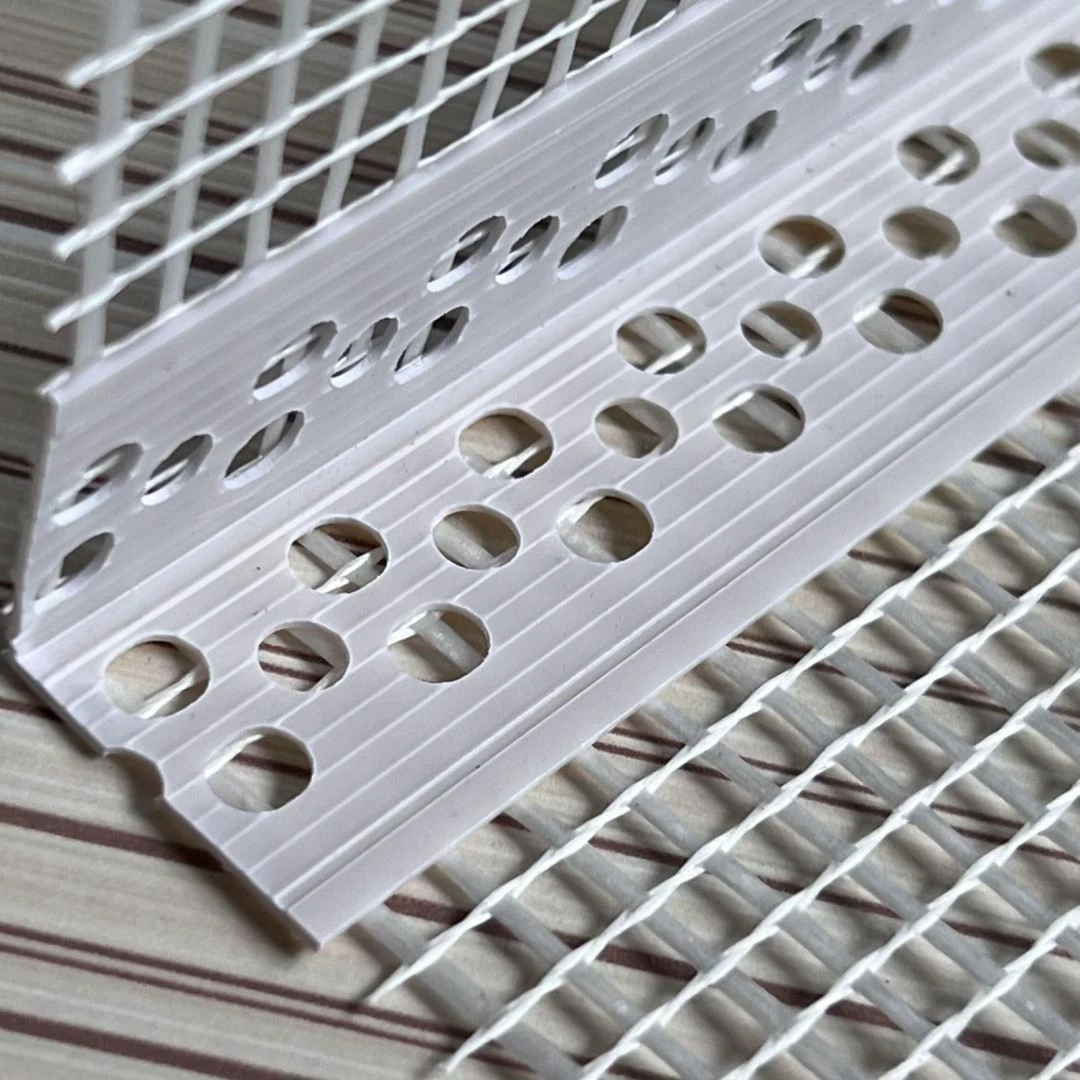
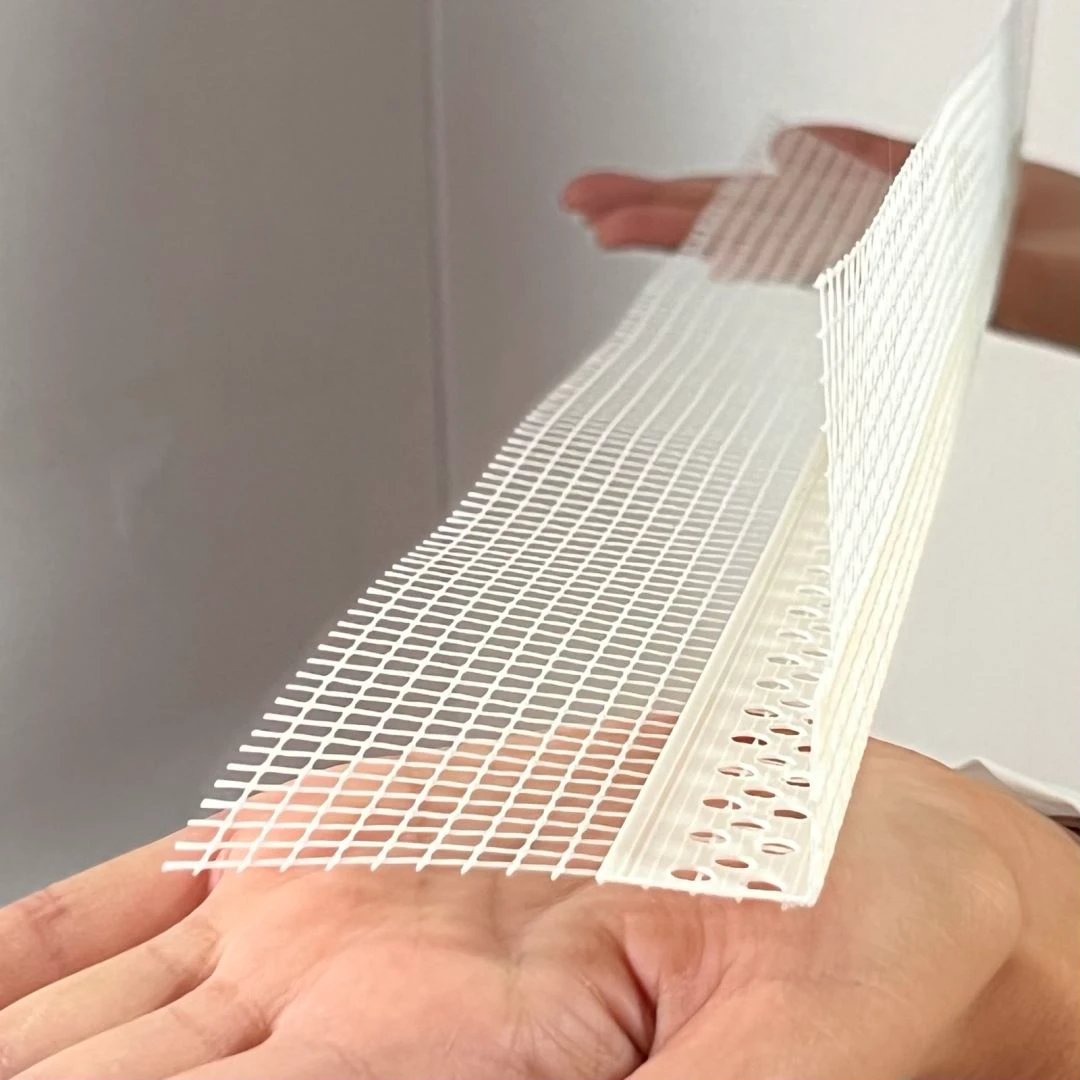
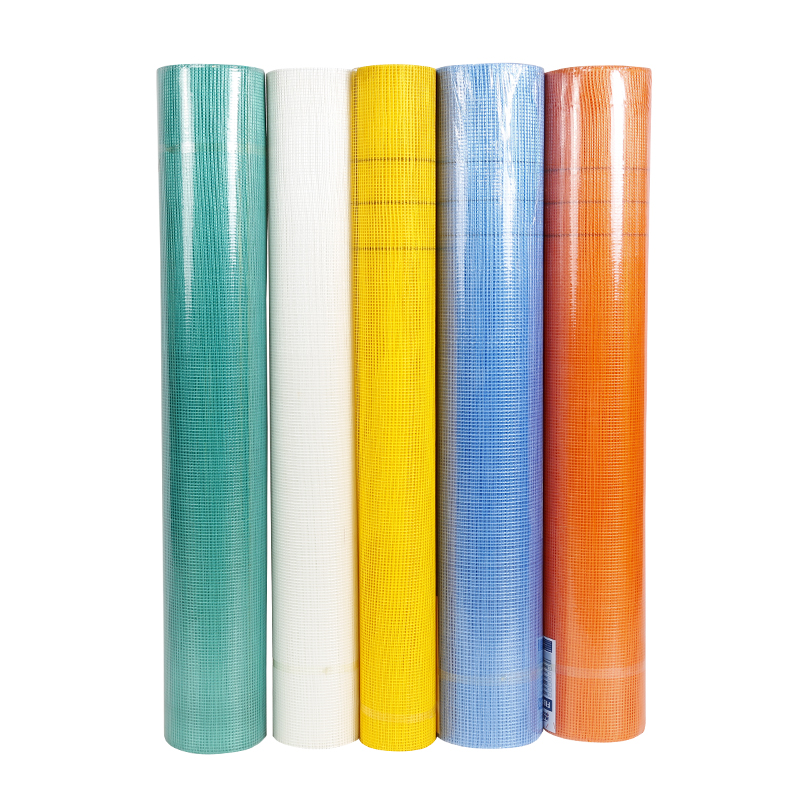
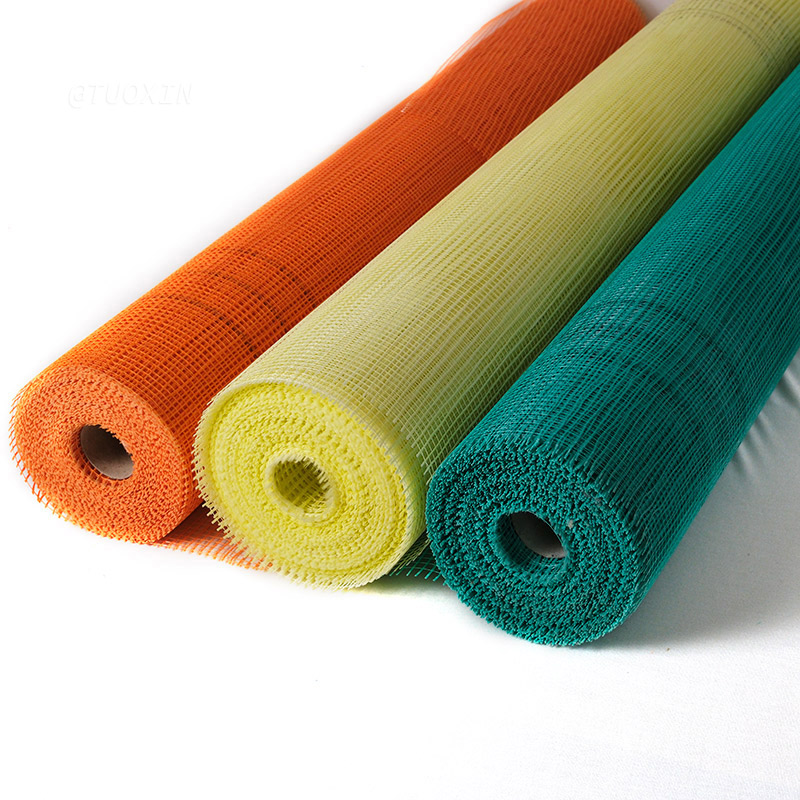
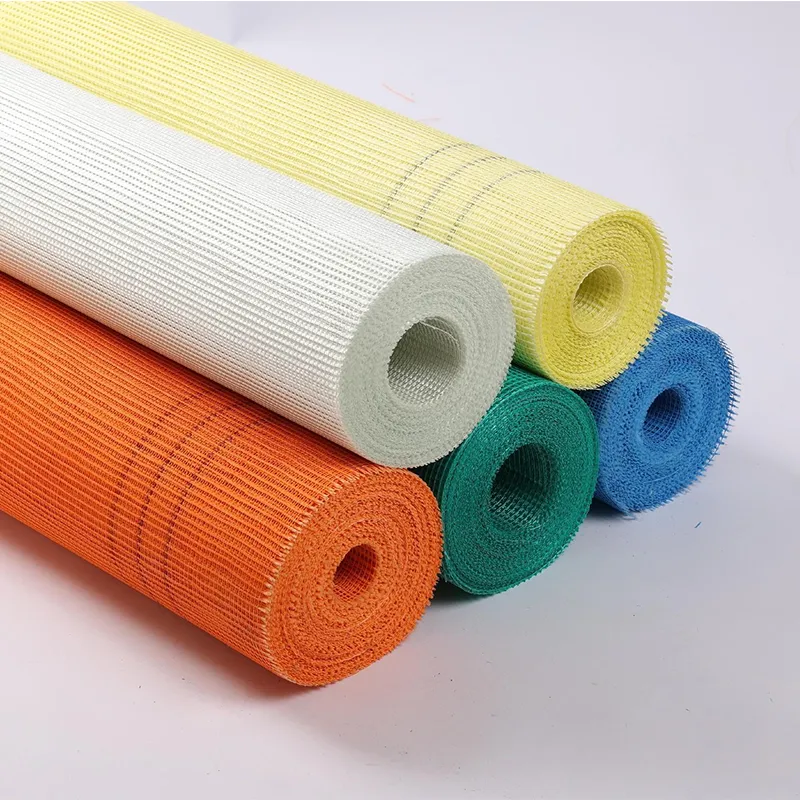
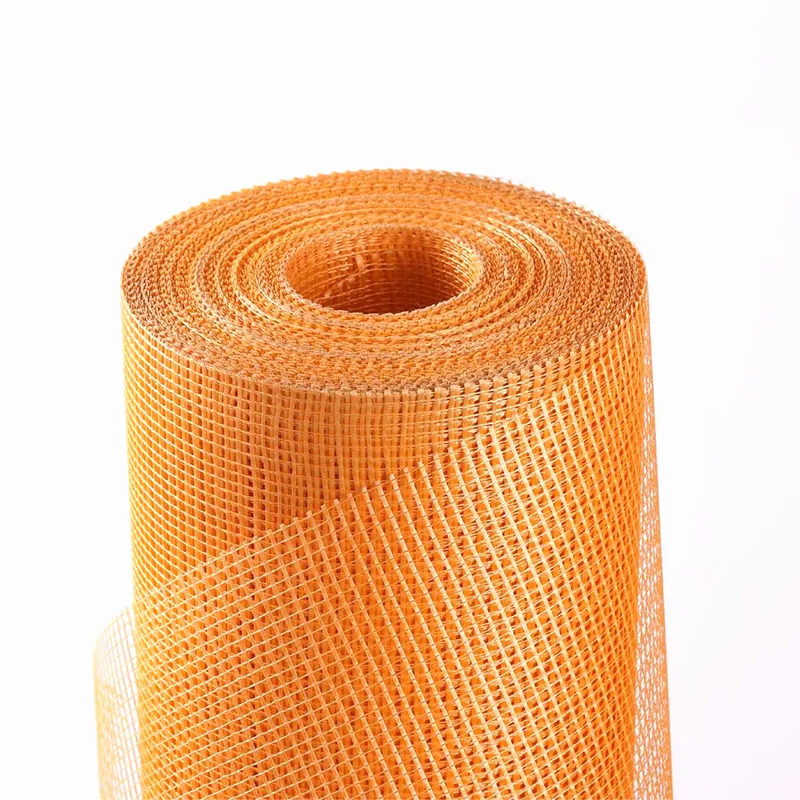
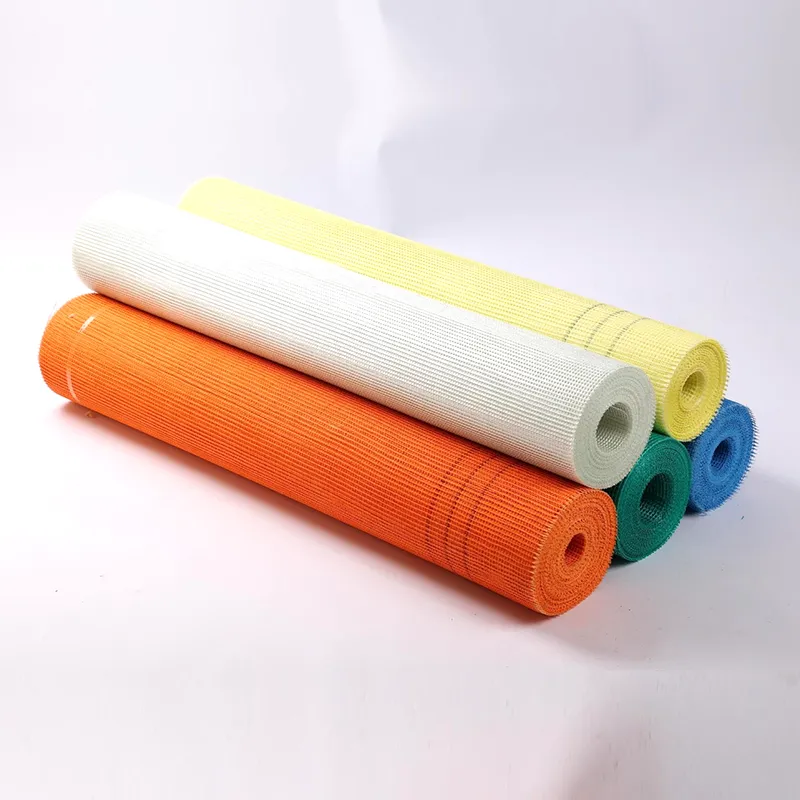
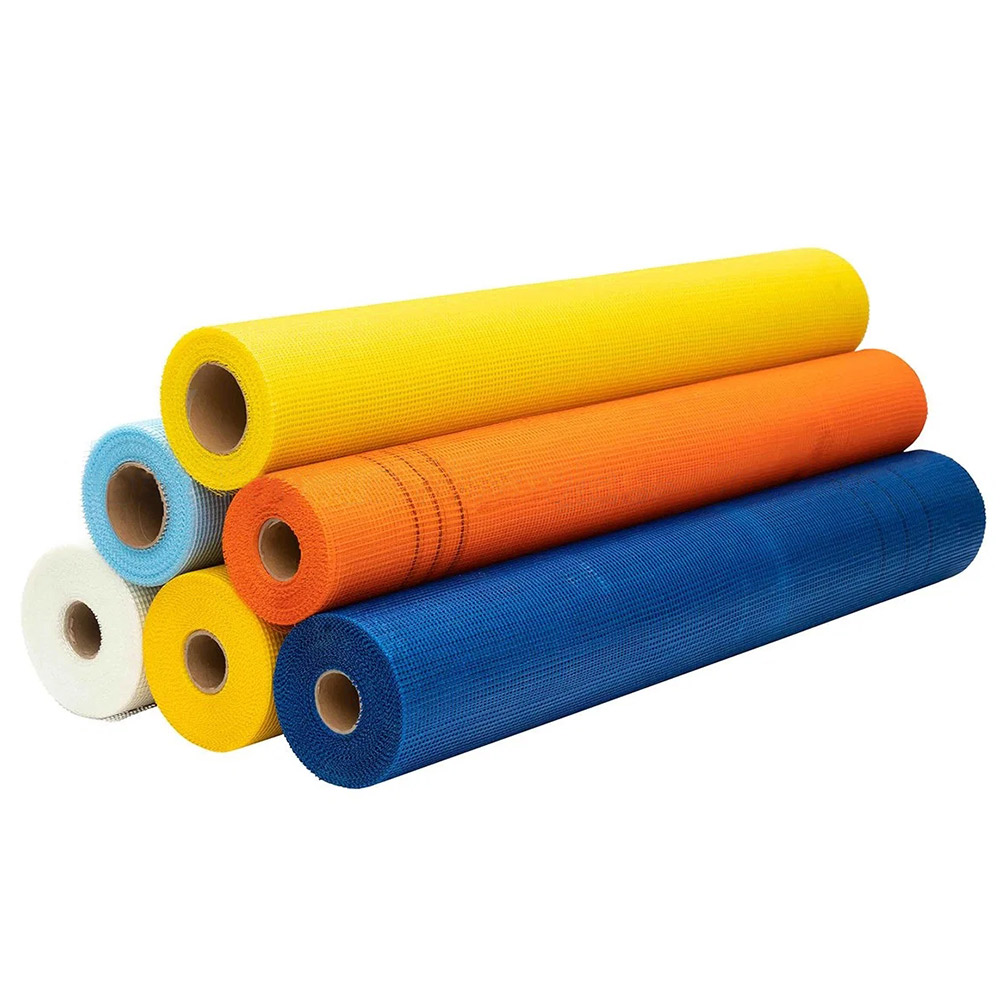
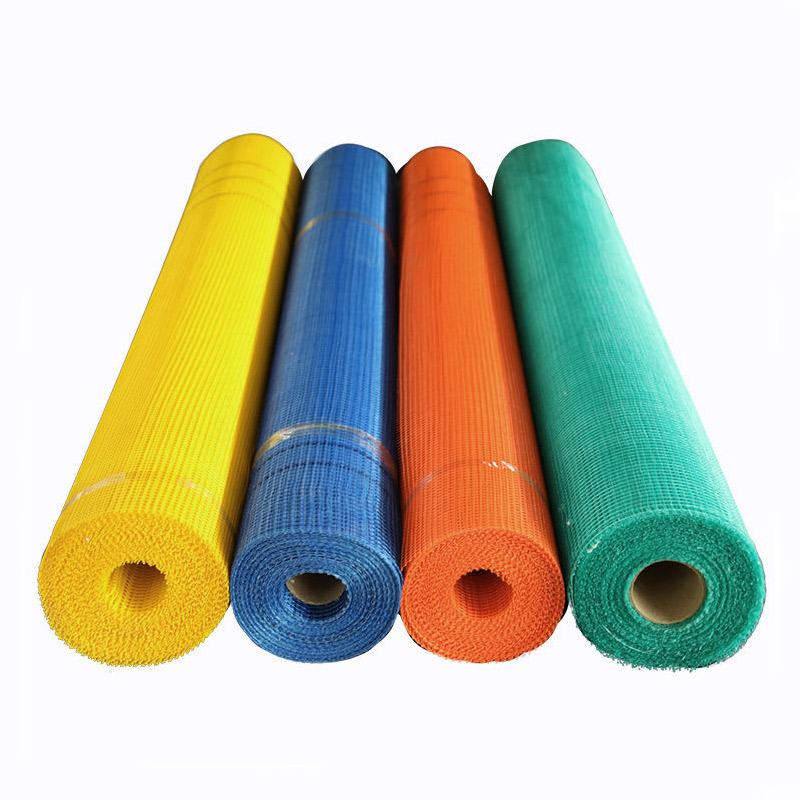
Having worked in the industrial equipment sector for over a decade, I’ve seen my fair share of materials and innovations. But fiberglass mesh designed specifically for EIFS manufacturers always stands out as one of those “oh, this actually matters” products. You might think it’s just some tidy webbing to hold things together — and sure, that’s the basic idea — but the reality is far more nuanced, especially when you dig into mesh specs, performance in the field, and the nitty-gritty of quality control.
EIFS, or Exterior Insulation and Finish Systems, demand a fiberglass mesh that’s not just strong but incredibly consistent. I recall a project years back where a mesh supplier cut corners on fiber density, and the entire façade began to show cracking well before schedule. That left everyone scrambling. Lesson learned — always trust the specs and certifications, and ideally, have your supplier walk you through their process.
Why Fiberglass Mesh Quality Matters in EIFS
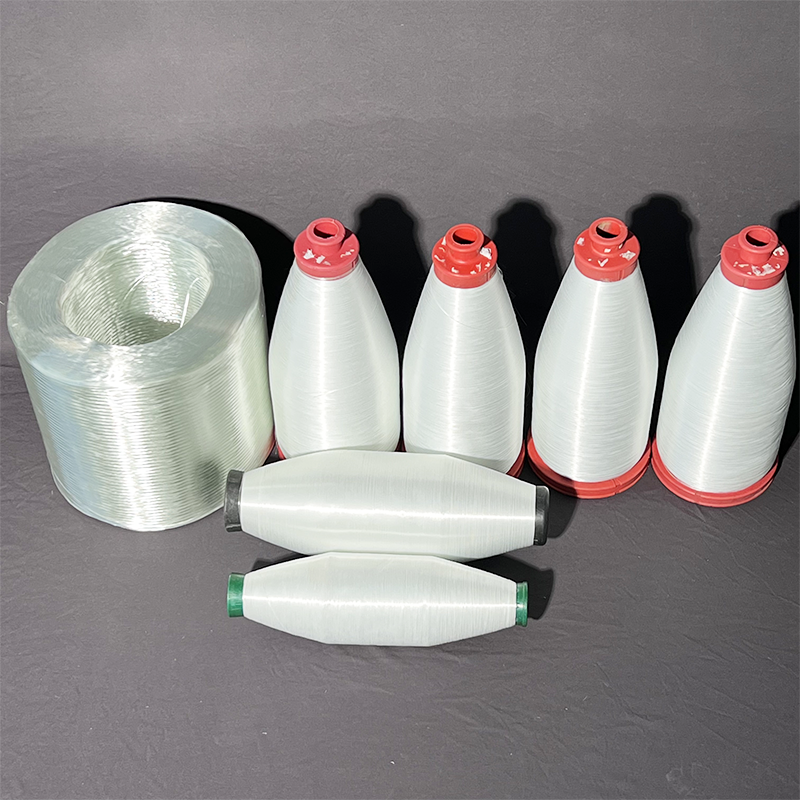
Fiberglass mesh acts like the skeleton under your finish coat, distributing stress and preventing cracks caused by expansion, contraction, or impact. But oddly enough, not all fiberglass meshes are created equal. Factors like mesh size, fiber thickness, alkali resistance, and overall weight make a huge difference in both short- and long-term performance. In real terms, the right mesh can extend the lifespan of your installation and reduce costly callbacks.
Many EIFS manufacturers require alkali-resistant (AR) fiberglass mesh because the base coatings often have alkaline substances that can degrade regular fiberglass fibers. I noticed that some suppliers boast about AR coatings but don't provide test certifications. That’s a red flag, frankly.
| Specification | Typical Range | Why It Matters |
|---|---|---|
| Mesh Count (fibers/inch) | 4x4 to 9x9 | Tensile strength and flexibility |
| Fiber Diameter | 0.15 - 0.20 mm | Durability & embedding in base coat |
| Weight (g/m²) | 50 - 160 | Ease of handling without sagging |
| Alkali Resistance | >90% retention after 28 days | Longevity in cementitious mixes |
Choosing the Right Supplier: A Quick Comparison
Over the years, I’ve dealt with several fiberglass mesh vendors. Currently, three stand out for quality, consistency, and communication — all critical criteria when you need reliable, on-time delivery of batches that won’t disappoint on site.
| Vendor | Product Range | Certifications | Delivery Time | Customization |
|---|---|---|---|---|
| Tainuo Fiberglass | Wide (50-160 g/m², AR mesh) | ISO 9001, AR certified | 7-10 days | Yes, roll width & weight |
| MeshPro Industrial | Mid-range, no AR option | ISO 14001 only | 5-7 days | Limited |
| Global Mesh Corp. | High-end AR only | AR certified, CE mark | 10-14 days | Yes, but MOQ high |
What’s always fascinated me is how something as “simple” as mesh affects the entire EIFS system. I remember one manufacturer switching to a lower-cost mesh only to face warranty claims within a year. It’s a classic case of how upfront savings can lead to bigger headaches — not to mention strained client relationships.
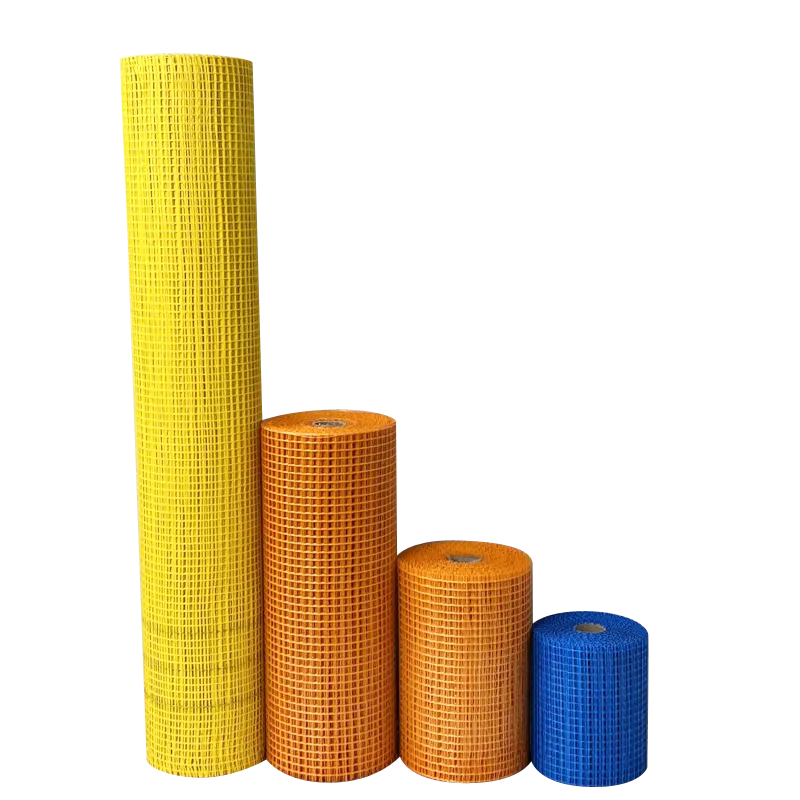
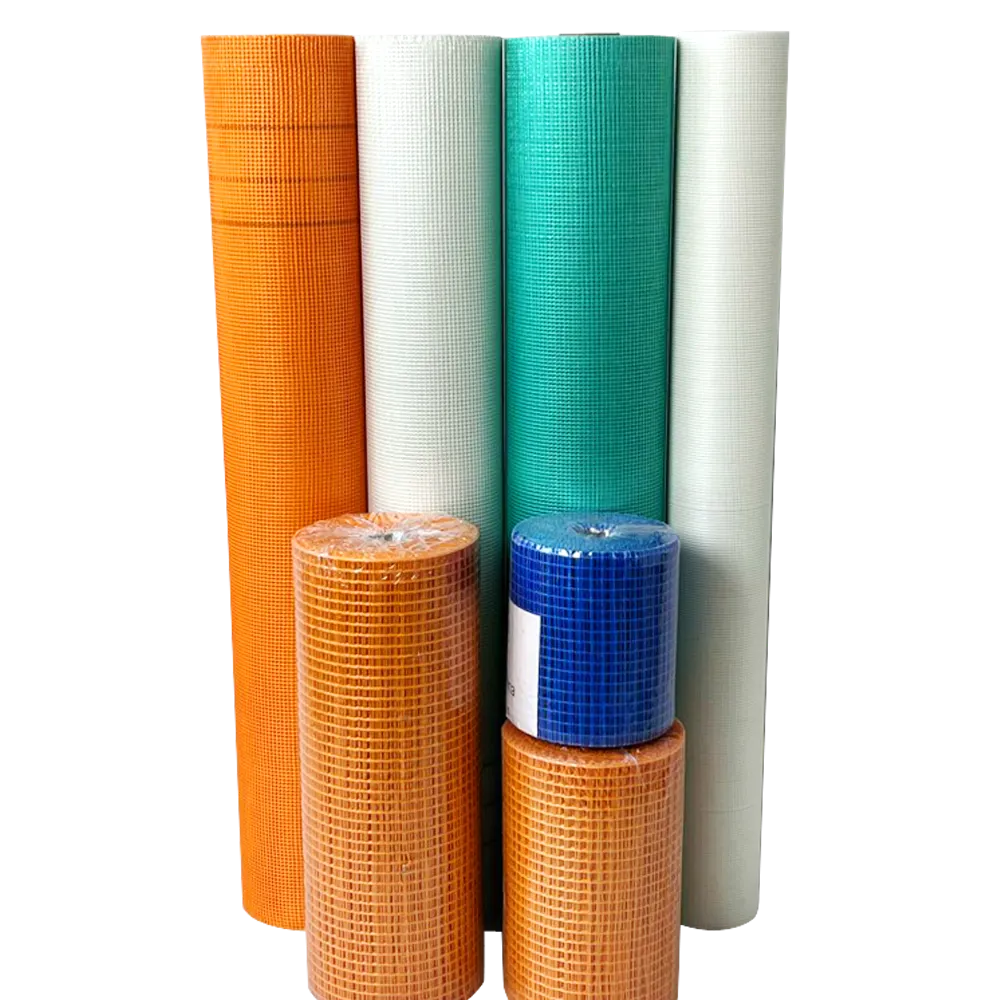
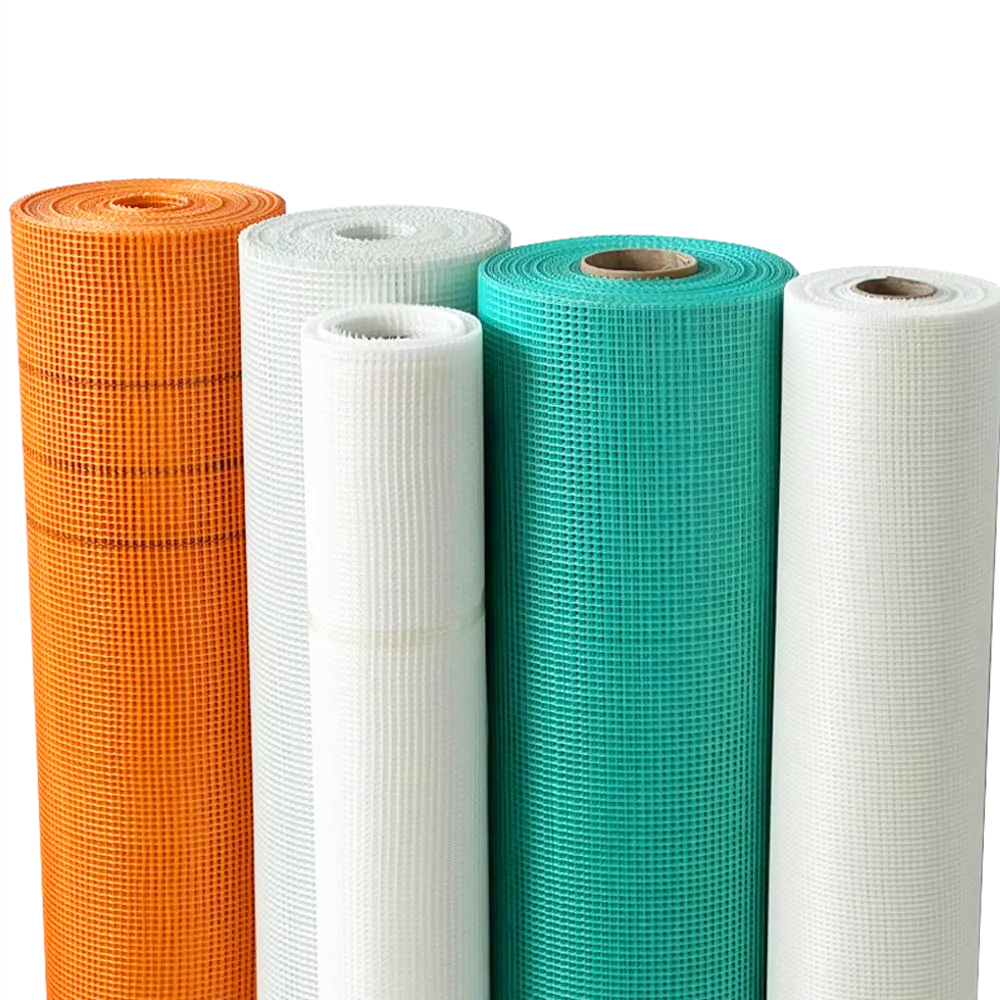
Customization is another factor rarely talked about but hugely appreciated in the industry. Being able to specify roll widths and weights means installers can work faster with less waste. It’s the little things like that which, frankly, make a big difference down the line.
In my experience, the best vendors are those who don’t just sell a product but truly understand the EIFS market — their consultative approach often helps avoid problems before they start.
Final Thoughts on Fiberglass Mesh for EIFS Manufacturers
Ultimately, if you’re in EIFS manufacturing or installation, the fiberglass mesh is more than just a backdrop. It’s a performance-critical component that can make or break your finish’s durability. Trustworthy fiberglass mesh for EIFS manufacturers means peace of mind on-site and less worry on warranty calls. I suppose it’s that simple — don’t skimp on the mesh.
And if you’re looking for a dependable supplier, task yourself with vetting these specs and certifications carefully. The difference in quality really does show up in the final product, not just on paper.
Happy building!
References:
- ASTM D578 - Standard Specification for Woven Glass Fiber Fabrics
- EIFS Industry Association, “Quality Control for Mesh in EIFS Systems,” 2022
- Manufacturer case study, 2019 - internal company report
-
Best Fiberglass Mesh Tape for RedGard Product Waterproofing GuideNewsApr.16,2026
-
Why High Strength Fiberglass Mesh Is Essential For Stucco ApplicationNewsApr.15,2026
-
Why Alkali Resistant Fiberglass Mesh Tape Is Essential For Cement Board And Tile InstallationsNewsApr.15,2026
-
Understanding The Role Of Drywall Fiberglass Mesh In Interior FinishingNewsApr.15,2026
-
Ultimate Guide To Using Fiberglass Mesh Tape For Drywall And Plaster RepairsNewsApr.15,2026
-
The Versatility Of Fiberglass Mesh In Marble And Stone MosaicNewsApr.15,2026