Nov . 27, 2025 14:50 Back to list
Comprehensive Guide to Plaster Fiberglass Mesh Pricelist – Specifications, Vendors, Global Trends
What’s Behind the Buzz: Understanding the Plaster Fiberglass Mesh Pricelist
If you’ve ever wandered into building material shops or worked in construction, you might have bumped into the term "plaster fiberglass mesh pricelist" and thought, “Yeah, but why should I really care?” Well, this seemingly niche pricing list holds more sway in global construction, renovation, and even humanitarian aid sectors than you’d imagine. It’s not only about the cost but what these prices implicitly signal: quality, durability, and accessibility to materials crucial for safe, sustainable builds worldwide. With urbanization pressing forward at a breakneck pace and climates becoming less predictable, construction materials must evolve — and plaster fiberglass mesh is one of those little-known heroes protecting walls, enhancing longevity, and keeping projects on budget. Having a grasp of the pricelist, its components, and market dynamics can save industries money and open doors to innovation. ---Why the Global Industry Watches the Plaster Fiberglass Mesh Pricelist
The plaster fiberglass mesh market transcends boundaries. According to a recent UN report on sustainable urban infrastructure, the global construction sector’s material efficiency is critical in cutting CO2 emissions by upwards of 40% by 2050. And plaster fiberglass mesh, as a reinforcement product, plays a subtle yet essential role here—strengthening plasters to reduce cracks and enhance thermal insulation. Those benefits ripple through energy savings and less frequent renovations. But there’s a catch: inconsistent supply chains and pricing discrepancies across regions mean many projects either scramble at the last minute for quality mesh or end up with second-rate alternatives. This creates a challenge for builders trying to forecast costs precisely or developers aiming for certification in green building certifications such as LEED or BREEAM. So, understanding the plaster fiberglass mesh pricelist — its fluctuations, underpinning manufacturing factors, and vendor offerings — isn’t just dry economic trivia; it’s a real-world puzzle that architects, engineers, and procurement experts are eager to crack for smoother project delivery. ---Plaster Fiberglass Mesh Pricelist: Breaking it Down
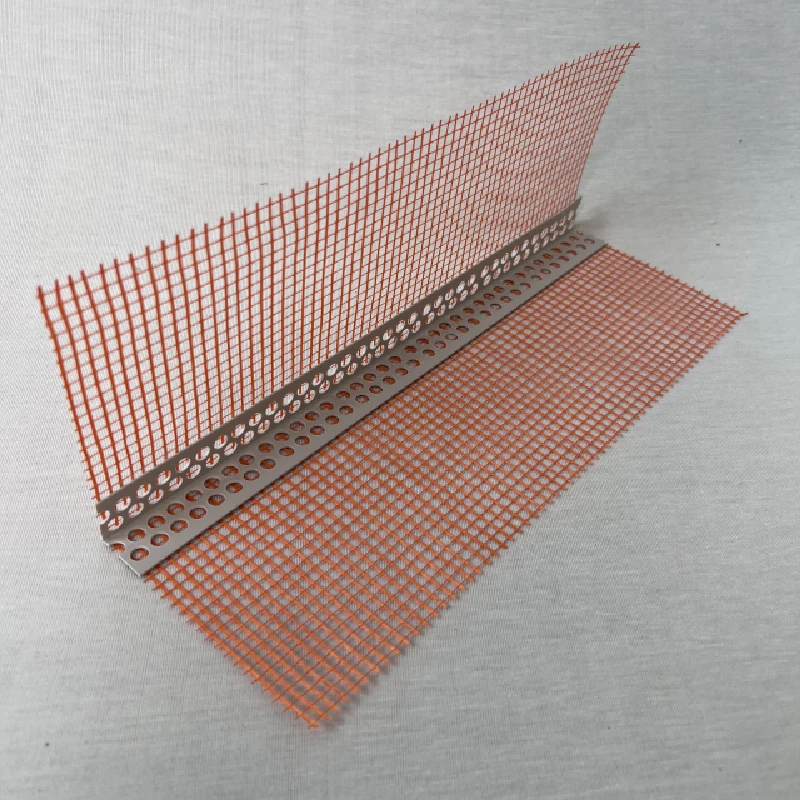
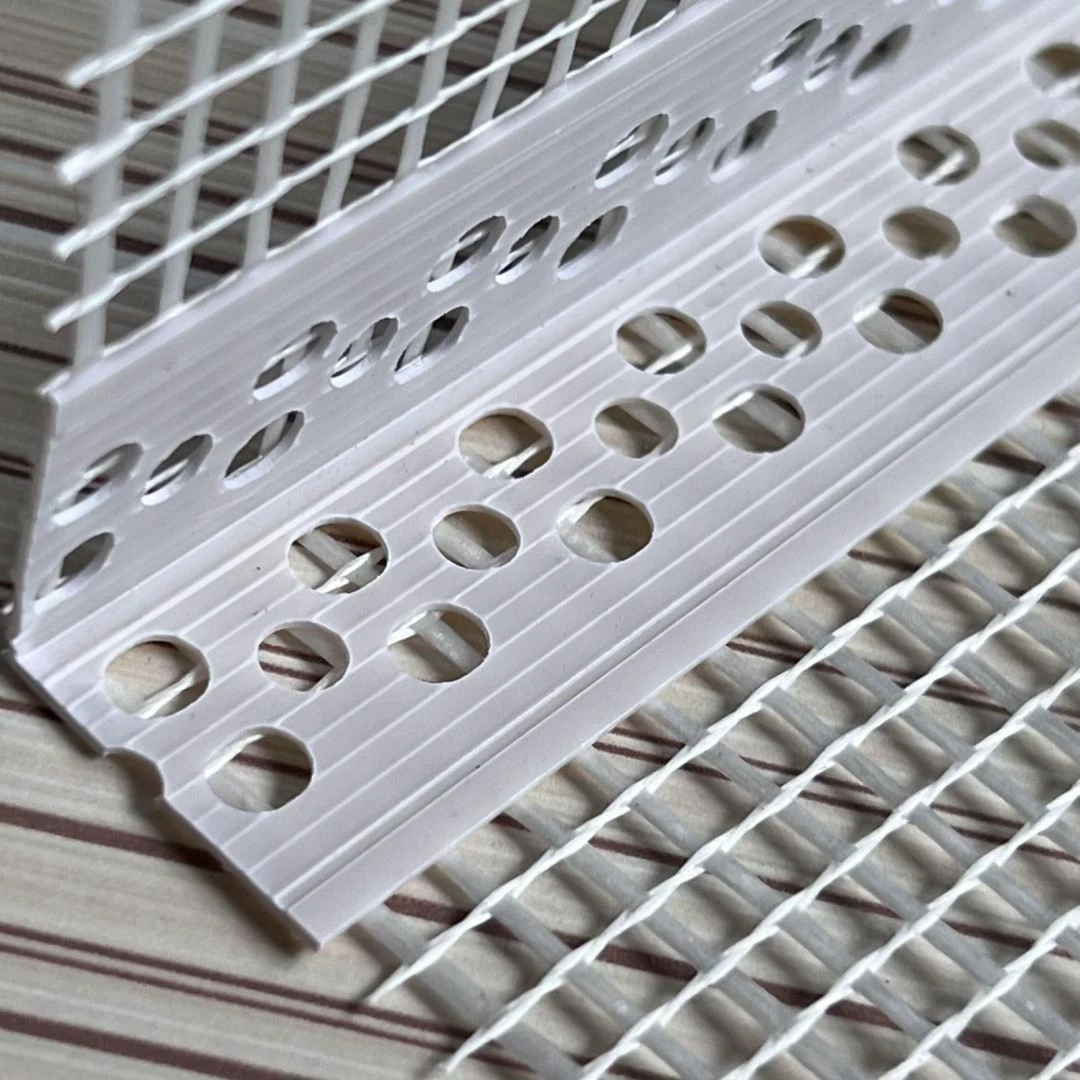
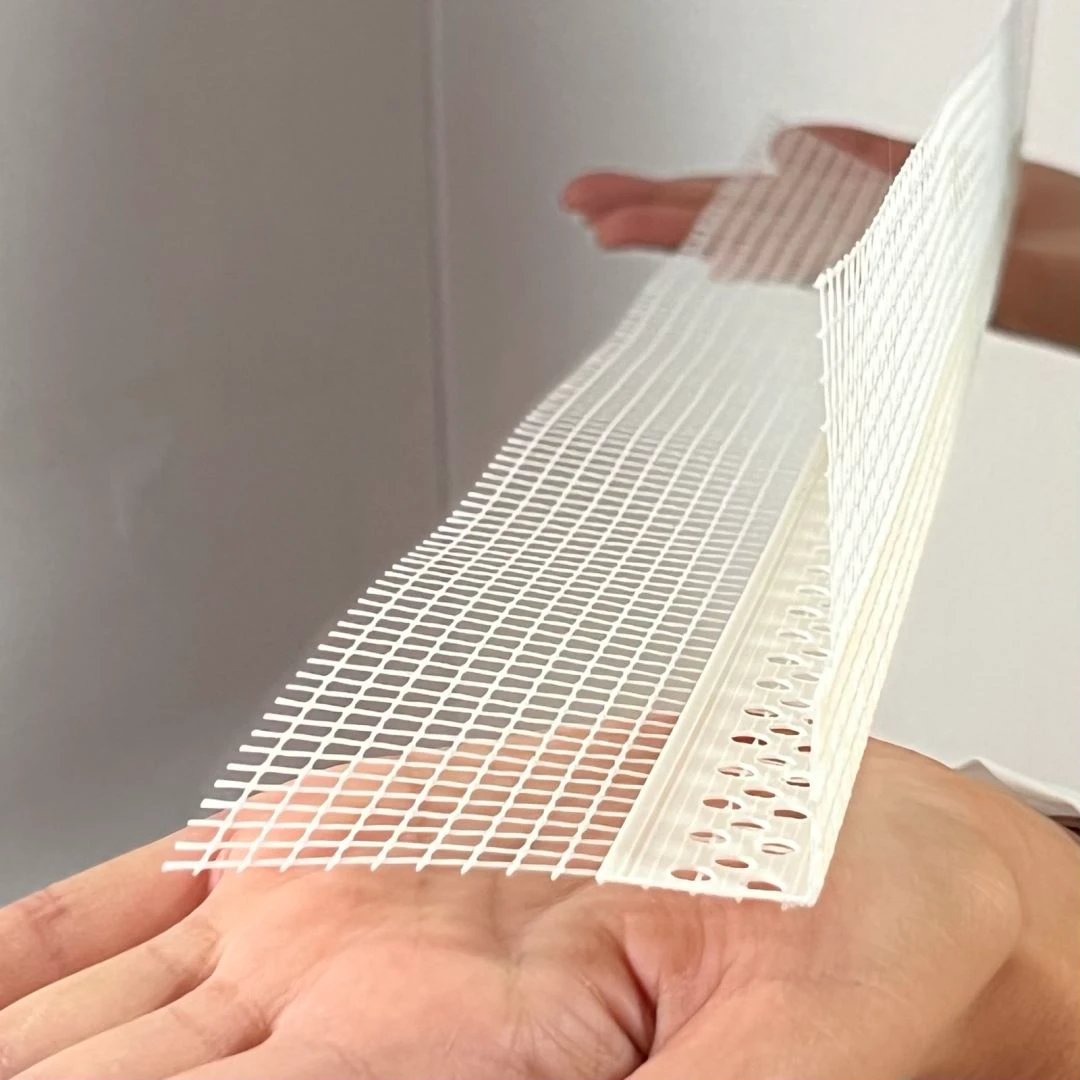
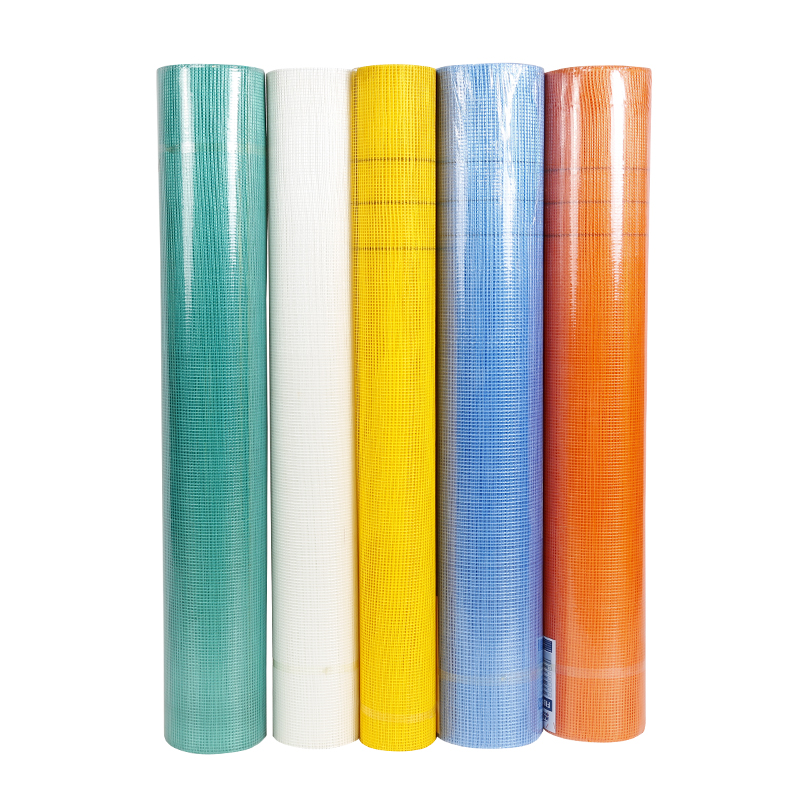
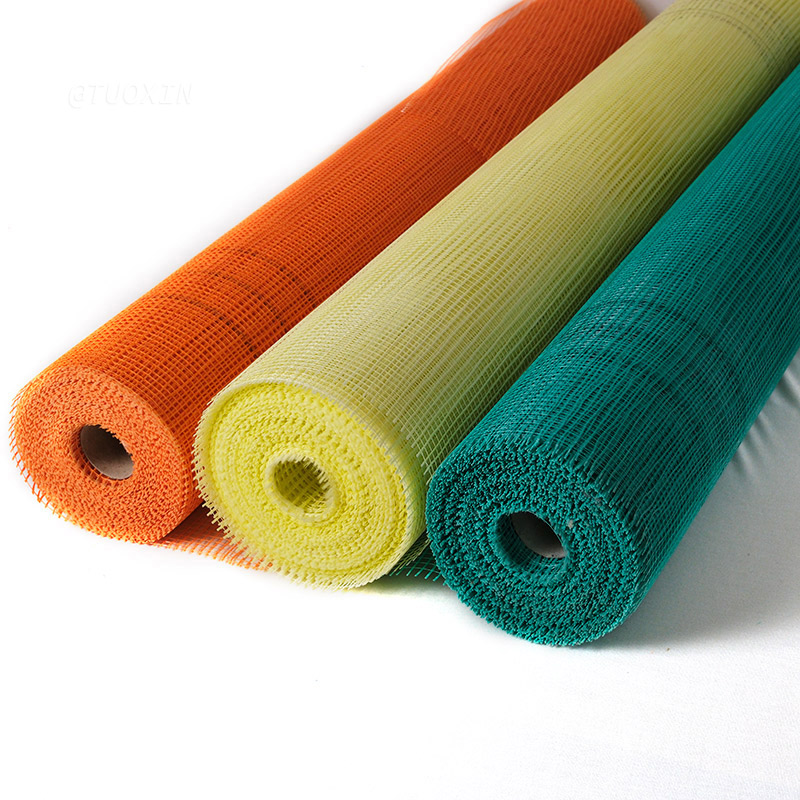
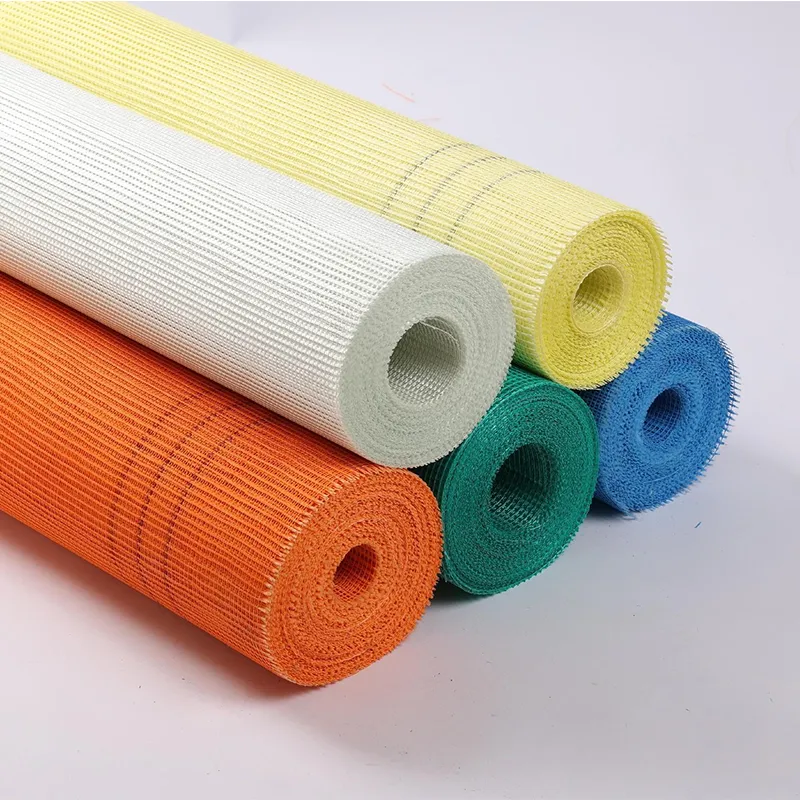
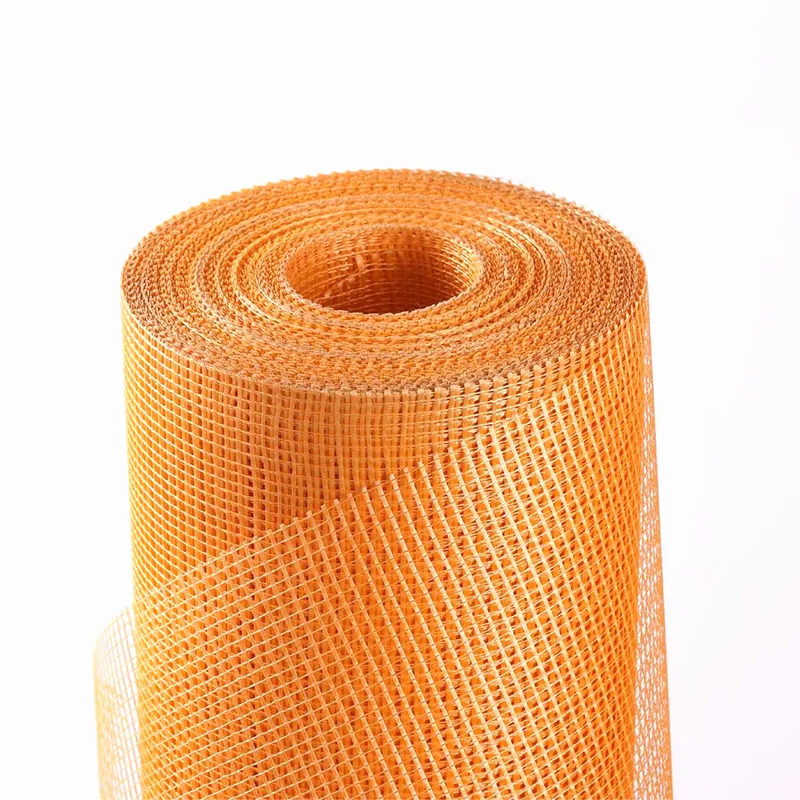
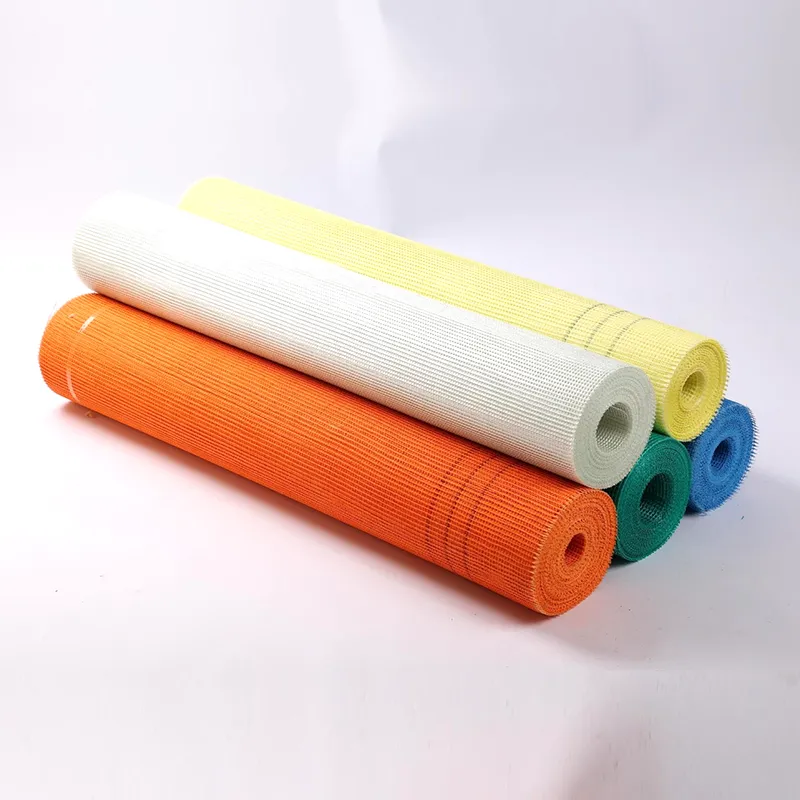
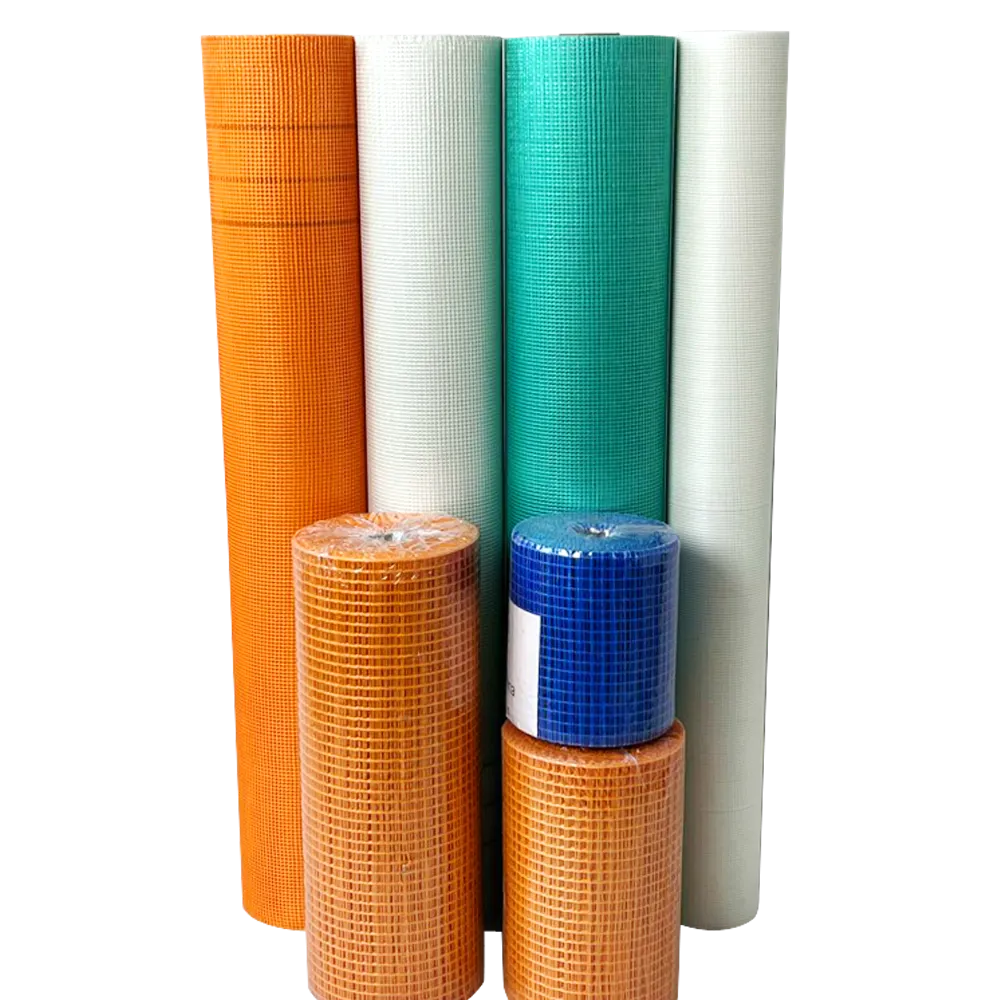
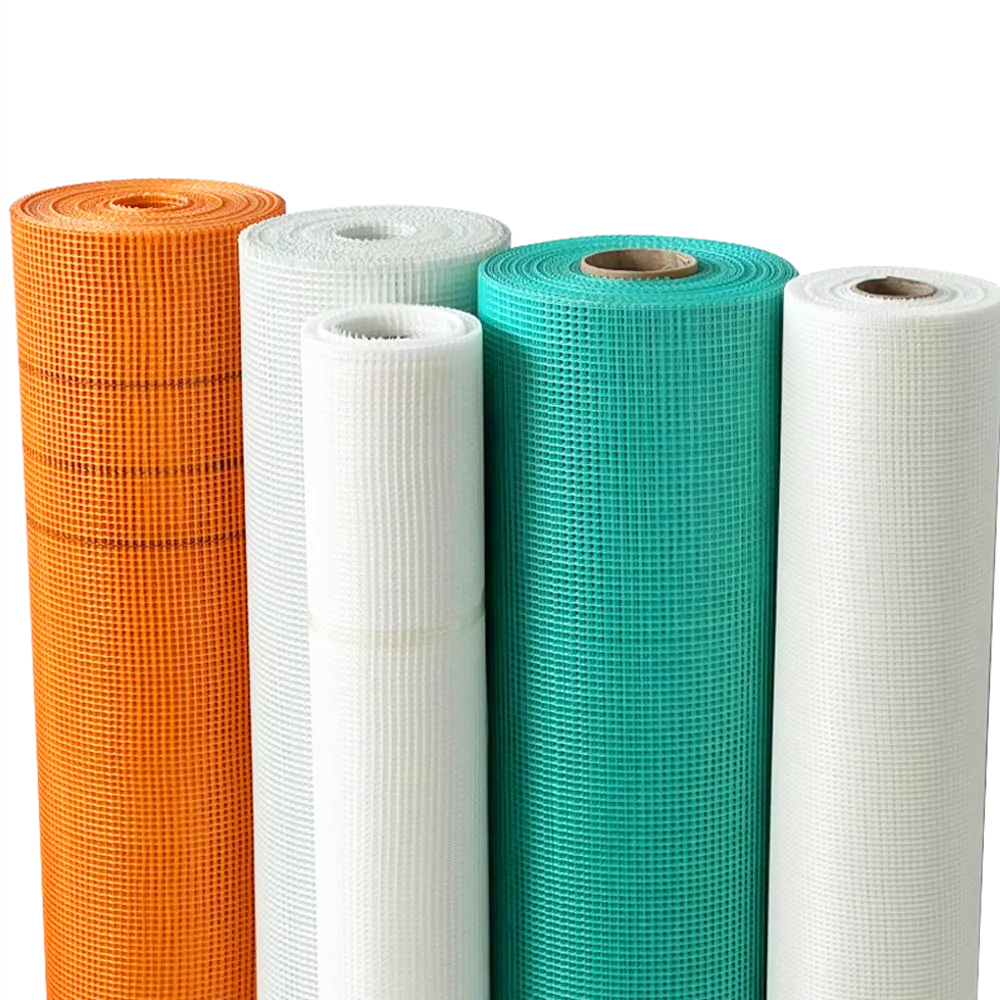
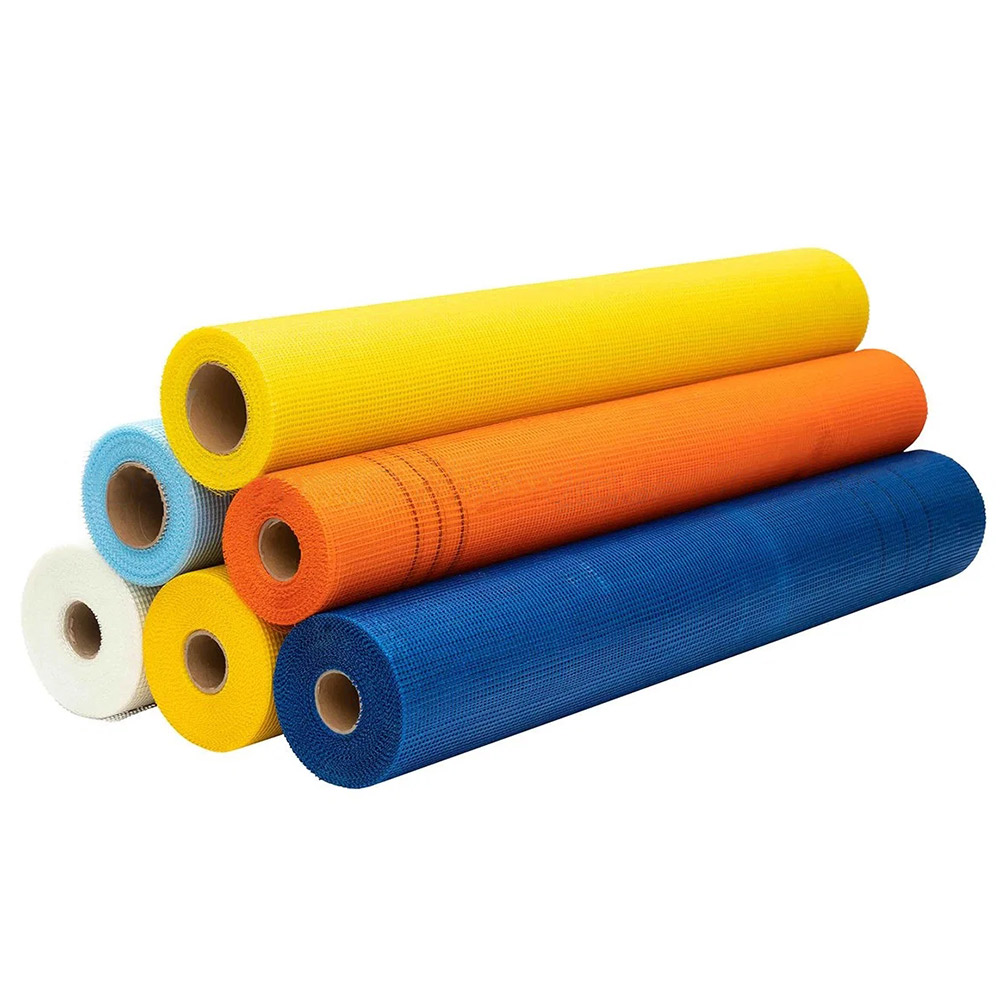
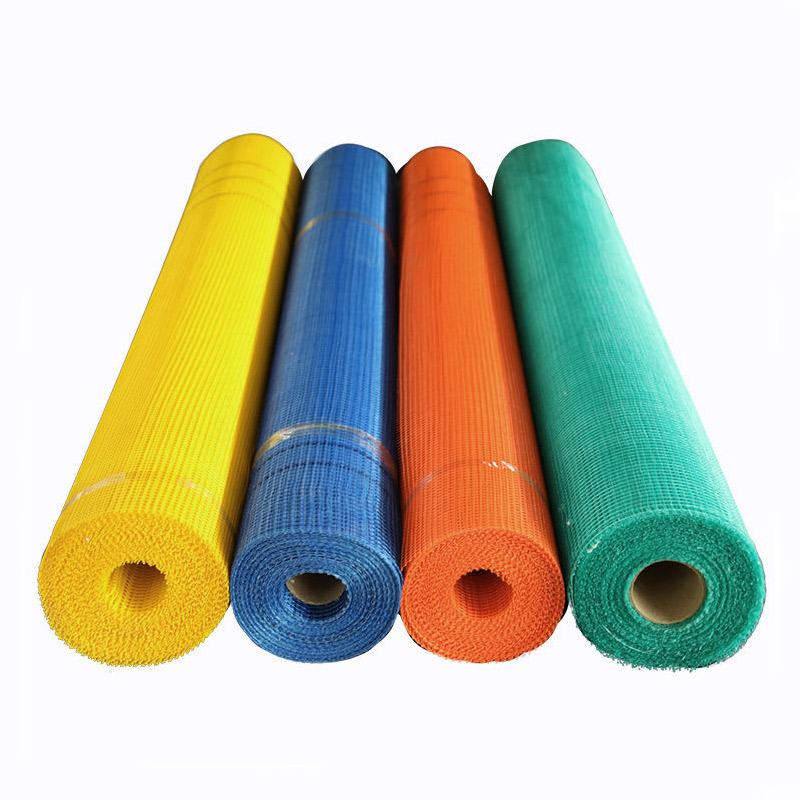
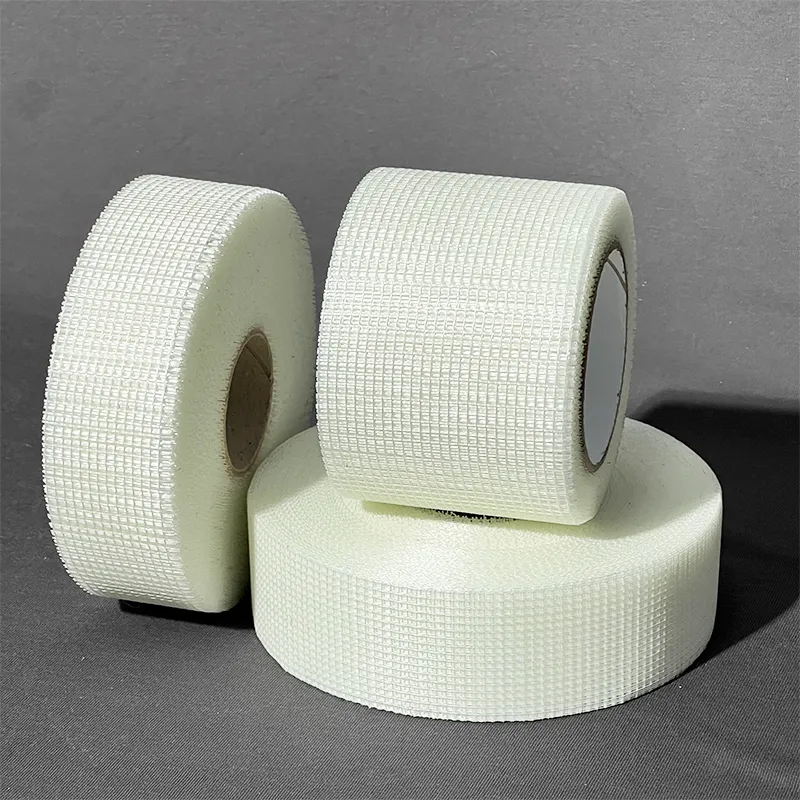
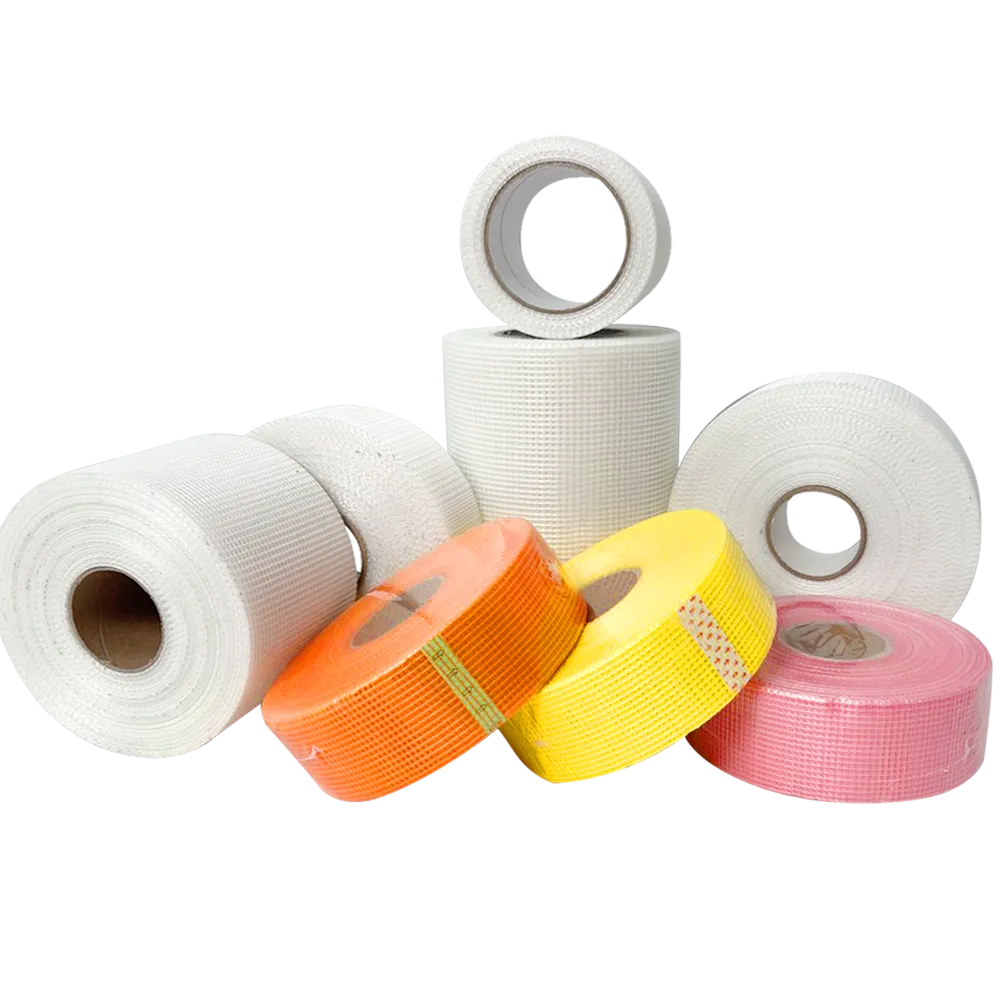
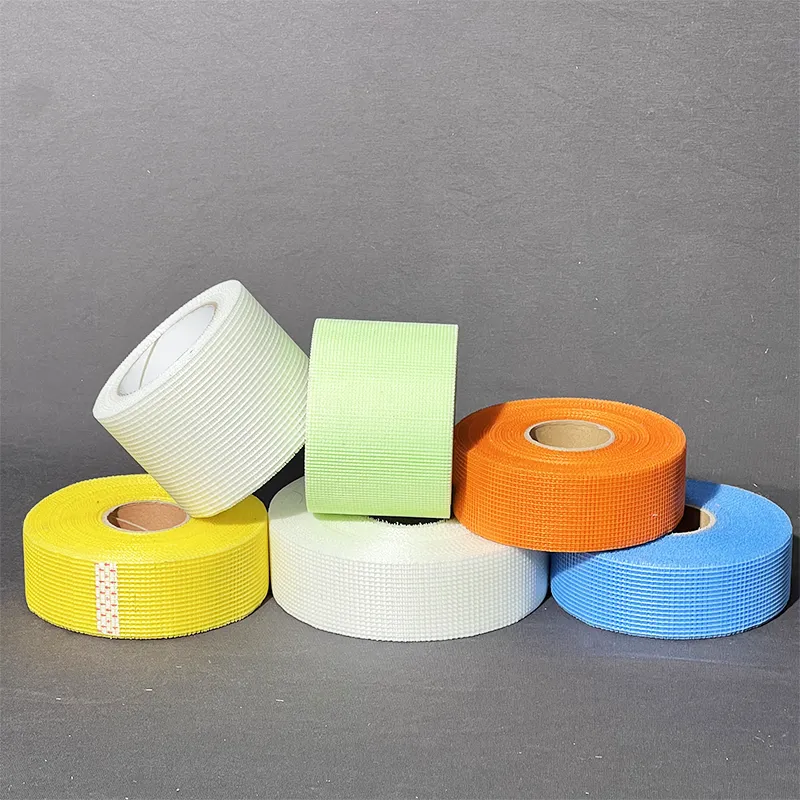
At its heart, the plaster fiberglass mesh pricelist is simply a transparent tabulation of costs for different types and grades of fiberglass mesh used to reinforce plaster layers on walls and ceilings. These meshes, woven tightly from fiberglass strands coated to resist alkalis, come in various weights, roll lengths, and mesh sizes tailored for diverse applications—from indoor finishes to exterior thermal insulation composite systems (ETICS). More than just numbers, the pricelist reflects: - Raw material costs (fiberglass yarn prices fluctuate globally) - Manufacturing complexity (woven vs non-woven, coating quality) - Packaging and transportation overheads - Supply-demand dynamics, especially regionally Within humanitarian or infrastructure projects, where costs can make or break deployment speed, knowing the pricelist’s nuance is vital. ---Core Components Influencing Plaster Fiberglass Mesh Prices
Durability & Material Quality
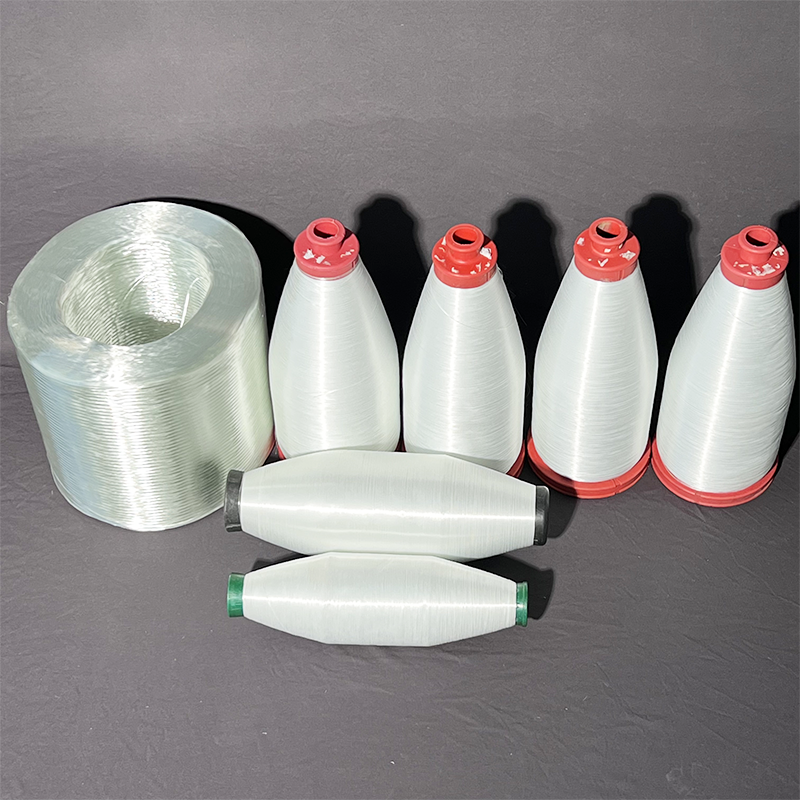
Stronger fiberglass yarn and advanced alkali-resistant coatings typically push prices up but yield longer-lasting, crack-resistant mesh. Frankly, it’s worth it when you’re looking at decades of structural integrity.Fabric Weight & Mesh Size
Lighter or tighter meshes suit different plaster thicknesses or substrates. For example, a 145g/m² mesh with 4x4 mm openings offers better reinforcement at a slightly higher price than a 105g/m² option. It’s the classic trade-off: cost versus performance.Roll Dimensions & Packaging
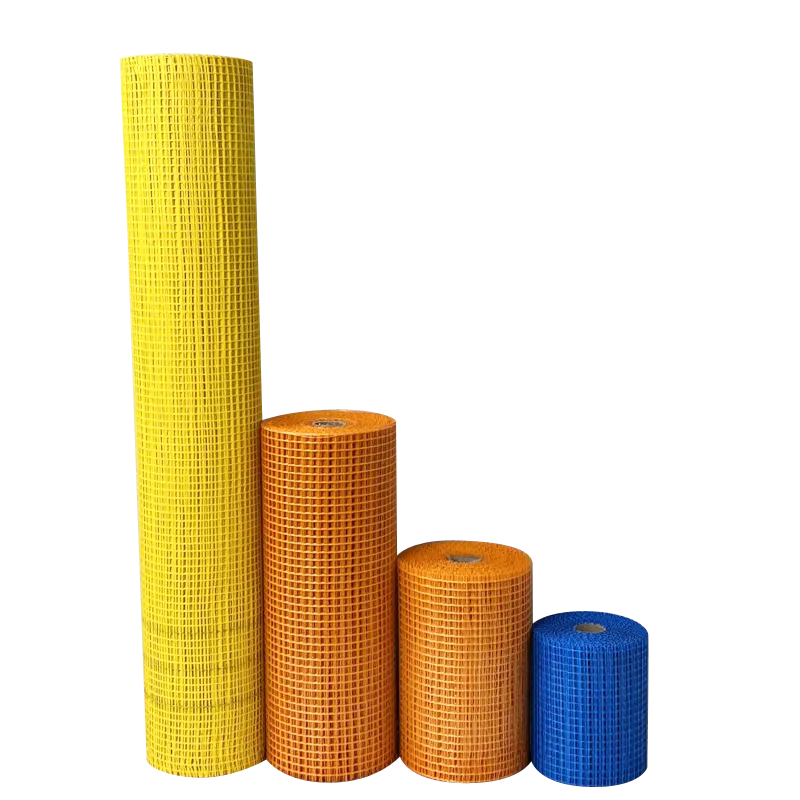
Bigger roll lengths can bring down per-meter costs, but inefficiencies in storage or handling can offset savings. Smaller rolls might be pricier per meter but favored for ease of use in tight construction sites.Regional Logistics & Import Duties
Oddly enough, the landed cost often depends less on the mesh’s manufacturing price and more on how tariffs and transport infrastructure shape regional final pricing—something you won’t find in a generic pricelist but watch out for in specific vendor quotes.Certification & Standards Compliance
Meshes that meet ISO standards (like ISO 9001 or ISO 17893 for fiberglass mesh) occasionally come at a premium but reduce uncertainty and align with international project specs, especially important in bids or public works. ---Real-World Applications: How Plaster Fiberglass Mesh Pricelist Matters on the Ground
From London’s high-rise refurbishments to sprawling new developments in Dubai, plaster fiberglass meshes form the unsung backbone of reinforced facades and insulation systems. NGOs working in post-disaster zones, like earthquake-damaged Nepal or flood-affected regions in Southeast Asia, rely on reliable mesh procurement to ensure temporary shelters don’t degrade in weeks. Some fascinating use cases: - Post-Disaster Reconstruction: Quick, affordable plaster reinforcement to resist moisture and cracking in emergency housing. - Industrial Zones: Protect tough exteriors from chemicals and abrasions, extending maintenance cycles. - Heritage Buildings: Using specially sized and certified mesh to reinforce renovations that must meet preservation standards. These examples underscore why project planners agonize over the plaster fiberglass mesh pricelist—it directly influences the effectiveness of the build or relief effort. ---Advantages & Long-Term Value of Investing in Quality Mesh
Choosing mesh wisely isn’t just a cost debate; there’s an emotional angle here too. Many engineers emphasize that well-reinforced plaster walls mean living spaces that are safer, quieter, and more comfortable. Put simply: people feel cared for in environments built to last. On the logical side? Reduced maintenance, minimized structural cracks, and better thermal insulation reduce energy bills and extend building lifespans. In the bigger picture, investing modestly more upfront on quality fiberglass mesh can multiply value over years, reducing carbon footprints and raising occupant satisfaction—a win-win really. ---Table: Typical Specification Chart for Plaster Fiberglass Mesh Rolls
| Specification | Value | Comments |
|---|---|---|
| Weight (g/m²) | 105 - 160 | Varies by product line |
| Mesh Size | 4x4 mm to 8x8 mm | Smaller mesh sizes reinforce finer plaster |
| Roll Length | 50 m - 100 m | Longer rolls for big projects |
| Alkali Resistance | Class A (ISO 1182) | Ensures compatibility with cement plaster |
Vendor Overview: Comparing Popular Plaster Fiberglass Mesh Suppliers
| Vendor | Price Range (USD/roll) | Key Selling Point | Regions Served |
|---|---|---|---|
| Tainuo Fiberglass | $15 - $25 | High durability, ISO-certified | Global, with strong Asia presence |
| FiberTex Supplies | $13 - $22 | Competitive pricing, bulk discounts | Europe and North America |
| MeshPro Ltd. | $18 - $28 | Eco-friendly coatings, strong warranties | Australia and Middle East |
Future Outlook: What’s Next in Plaster Fiberglass Mesh Pricing and Innovation?
The world is heading toward sustainability in mighty ways. Plaster fiberglass mesh producers aren’t standing still. Several innovations bubble quietly under the surface: - Green Fiberglass Materials: Efforts to source fibers from recycled glass or low-energy processes could shake up pricing. - Smart Coatings: Antimicrobial or self-healing coatings might increase upfront prices but reduce long-term maintenance. - Digital Monitoring: Imagine meshes integrated with sensors reporting stress or cracks early—still conceptual but no longer sci-fi. Sustainability standards are tightening, so prices in the near future will reflect not only raw materials but the environmental footprint embedded in the supply chain. ---Common Challenges & How Industry Players Tackle Them
Price volatility is the poster child issue—fluctuating raw materials push pricelists up and down unpredictably. Oddly, many smaller projects don’t negotiate prices well and miss out on savings. Another challenge is misinformation — buyers sometimes underestimate the importance of certification, chasing the cheapest mesh and ending up with costly repairs. Innovative solutions? Vendors now offer bundled procurement consulting and flexible payment plans. Some even customize products for unique climates — seriously, that kind of tailored approach has changed how engineers plan budgets. ---FAQ: Quick Answers on Plaster Fiberglass Mesh Pricelist
- Q: What factors most influence plaster fiberglass mesh prices?
A: Mainly raw material costs, mesh weight, coatings, roll length, and region-specific logistics.
- Q: Can I find affordable mesh that still meets quality standards?
A: Yes, vendors like Tainuo Fiberglass provide ISO-certified meshes at competitive rates; reviewing multiple quotes helps.
- Q: How often should plaster fiberglass mesh pricing be updated for procurement?
A: Monthly updates are ideal to track fluctuating raw materials and shipping costs—especially important in volatile markets.
- Q: Does the pricelist include import taxes?
A: Usually, no. Import duties and tariffs vary regionally and need separate budgeting.
- Q: How can NGOs access detailed plaster fiberglass mesh pricelists internationally?
A: Partnering with manufacturers or distributors who specialize in humanitarian supply chains—and leveraging sites like plaster fiberglass mesh pricelist—makes this easier.
Wrapping It Up: Why The Plaster Fiberglass Mesh Pricelist Deserves Your Attention
In the grand scheme, this pricelist isn't just a table of costs; it’s a roadmap to better construction, smarter budgeting, and more resilient buildings. As global temperatures change and building needs diversify, having a keen eye on the plaster fiberglass mesh pricelist helps engineers, architects, and planners make choices that resonate far beyond the project site—benefiting communities, economies, and the environment. So, next time you glance over a plaster fiberglass mesh pricelist, you’ll know it’s not just numbers. It’s the pulse of sustainable building innovation. --- ### Mini takeaway: Mastering the plaster fiberglass mesh pricelist means more than saving money—it means investing in safety, longevity, and global sustainability. --- ### References 1. United Nations Environment Programme (UNEP), “Sustainable Infrastructure and Construction,” 2023. 2. ISO Standards on Fiberglass and Construction Materials: ISO 9001, ISO 1182, ISO 17893. 3. Wikipedia contributors, “Fiberglass mesh,” Wikipedia, The Free Encyclopedia.Latest news
-
Best Fiberglass Mesh Tape for RedGard Product Waterproofing GuideNewsApr.16,2026
-
Why High Strength Fiberglass Mesh Is Essential For Stucco ApplicationNewsApr.15,2026
-
Why Alkali Resistant Fiberglass Mesh Tape Is Essential For Cement Board And Tile InstallationsNewsApr.15,2026
-
Understanding The Role Of Drywall Fiberglass Mesh In Interior FinishingNewsApr.15,2026
-
Ultimate Guide To Using Fiberglass Mesh Tape For Drywall And Plaster RepairsNewsApr.15,2026
-
The Versatility Of Fiberglass Mesh In Marble And Stone MosaicNewsApr.15,2026
Products categories