Dec . 08, 2025 00:20 Back to list
Comprehensive Guide to Fiberglass Mesh Product – Benefits, Uses & Trends
Understanding the Fiberglass Mesh Product: A Global Perspective
Fiberglass mesh products might not grab headlines like smart phones or electric cars, but their role in modern construction and industry is quietly massive. Globally, these woven or knitted grids of fiberglass fibers reinforce everything from building facades to insulation, enhancing durability and safety. Given increasing infrastructure demands and climate challenges, understanding fiberglass mesh is more than just technical trivia—it’s a key to sustainable, resilient construction worldwide.
Why Fiberglass Mesh Matters Globally
Across continents, from the Sun Belt’s intense heat to Europe’s chillier climes, fiberglass mesh products bolster building integrity, reduce maintenance costs, and improve energy efficiency. According to the International Energy Agency (IEA), the building sector accounts for roughly 40% of global energy use, so materials that support insulation and structural strength indirectly affect carbon footprints. On top of that, regions prone to natural disasters like earthquakes or hurricanes rely on fiberglass mesh to provide reinforcement that's lighter and more corrosion-resistant than steel alternatives.
Yet, despite their quiet ubiquity, many industry players and humanitarian organizations face challenges sourcing the right types of fiberglass mesh, especially balancing quality, cost, and scalability in large projects. This is where knowing the ins and outs of fiberglass mesh products really pays off.
Defining Fiberglass Mesh Product: What Is It Exactly?
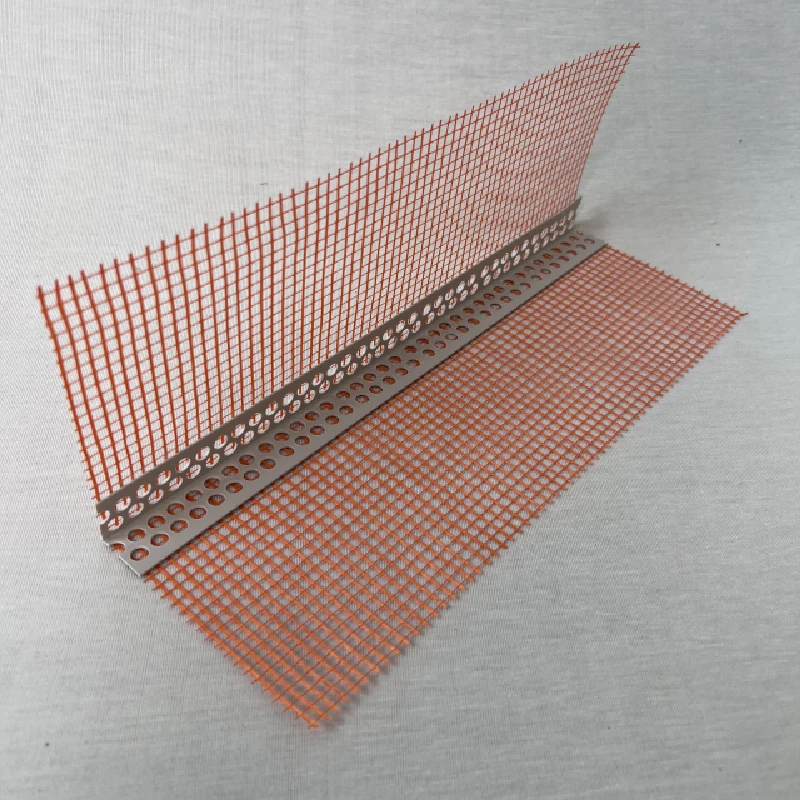
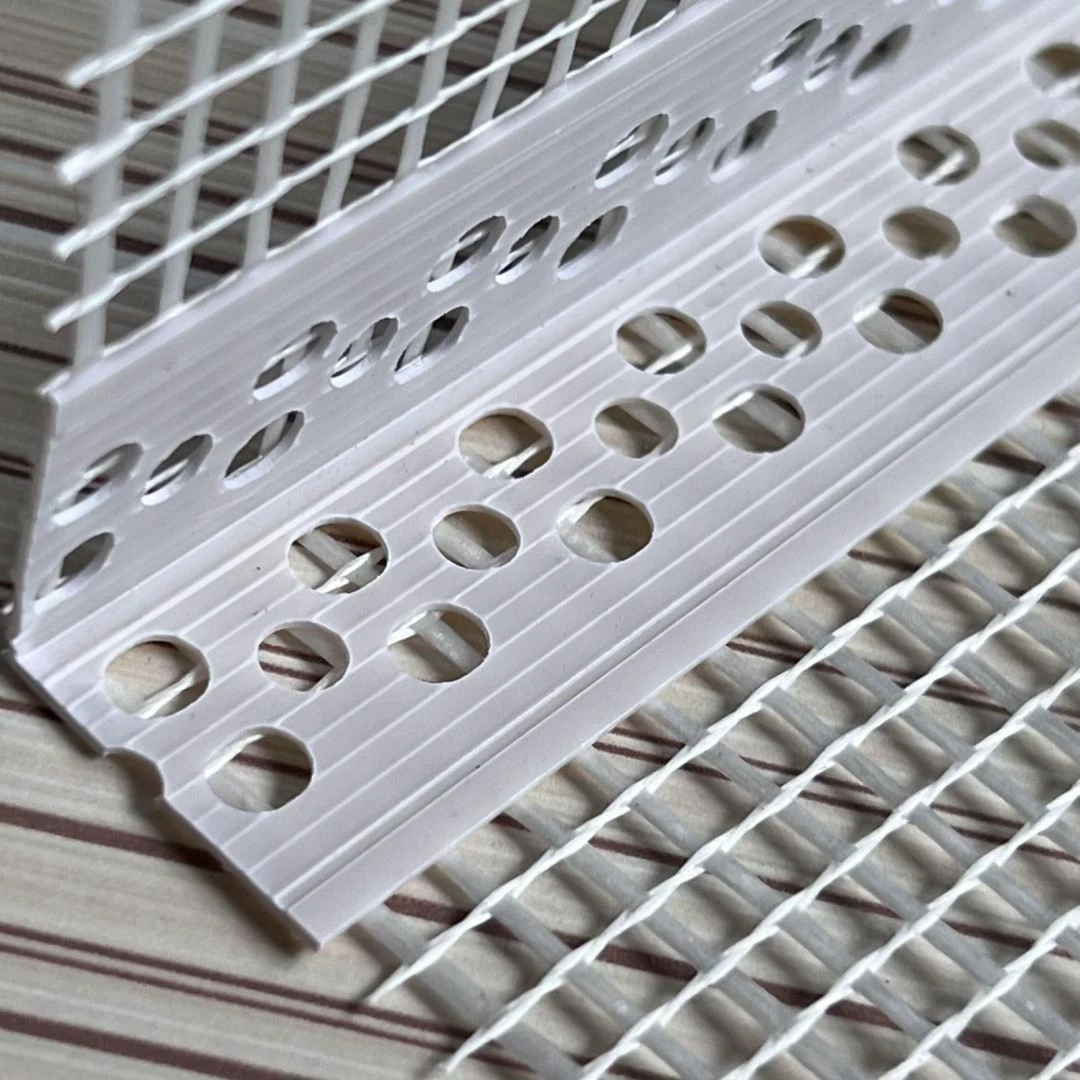
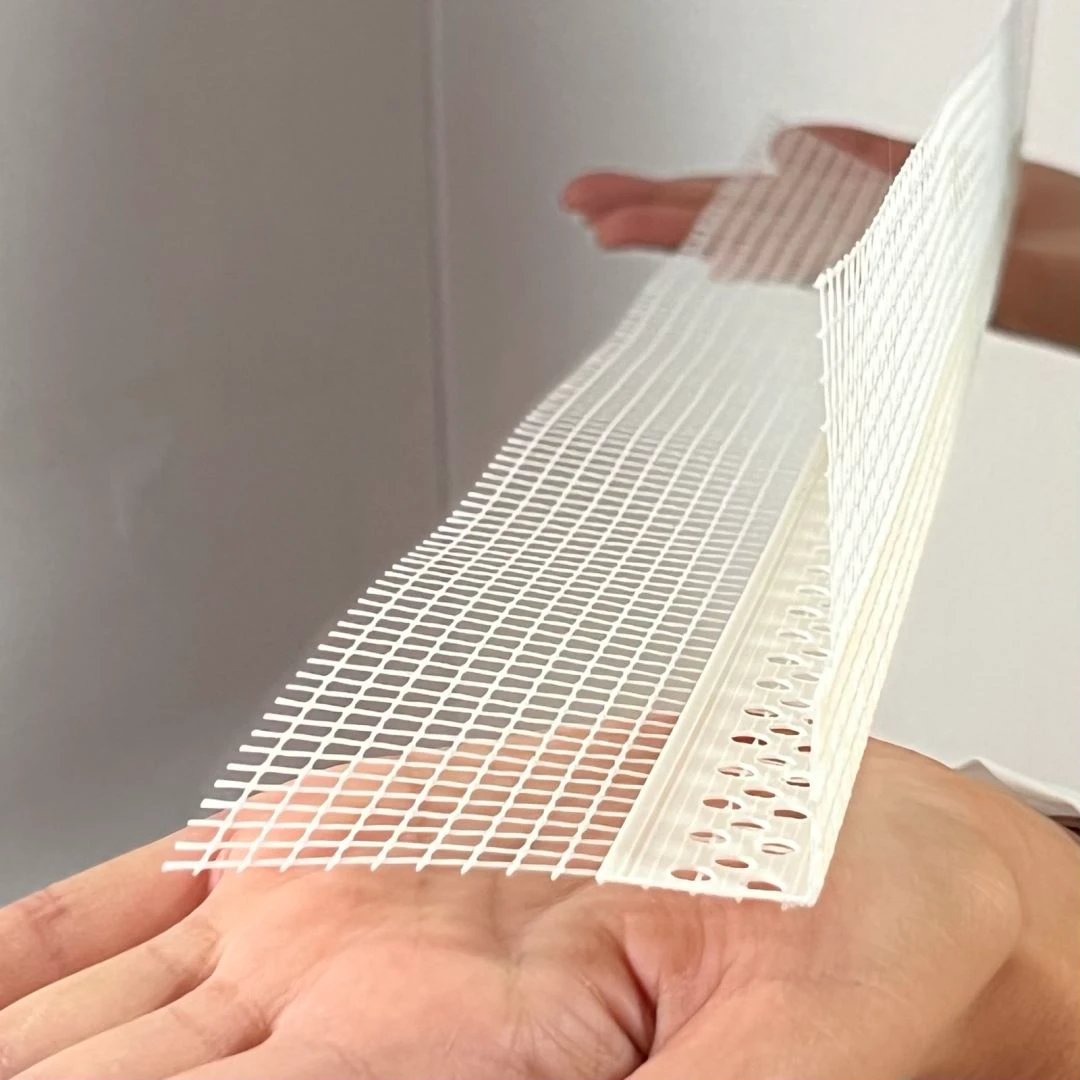
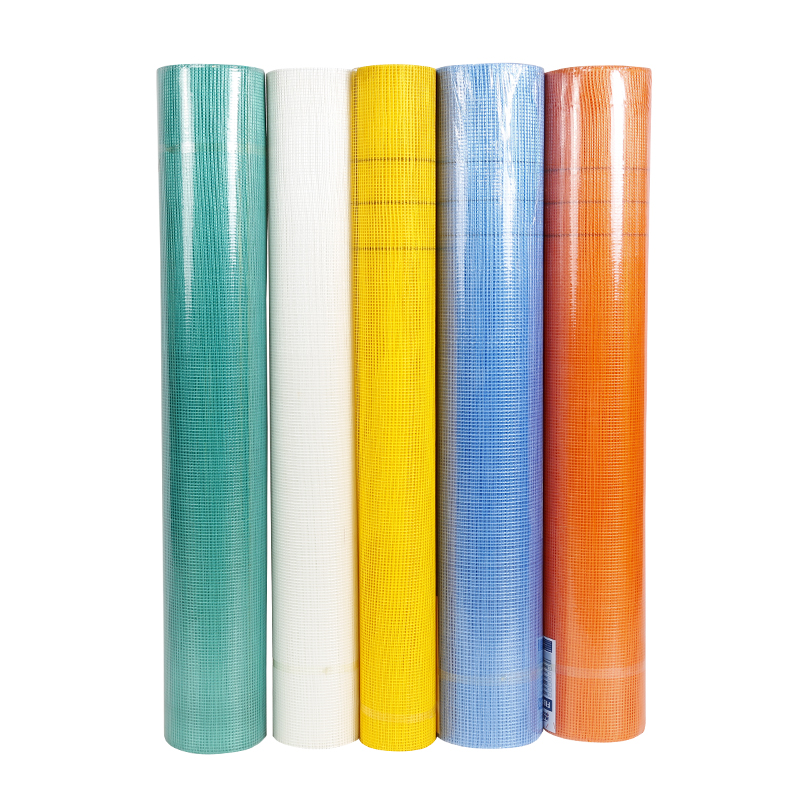
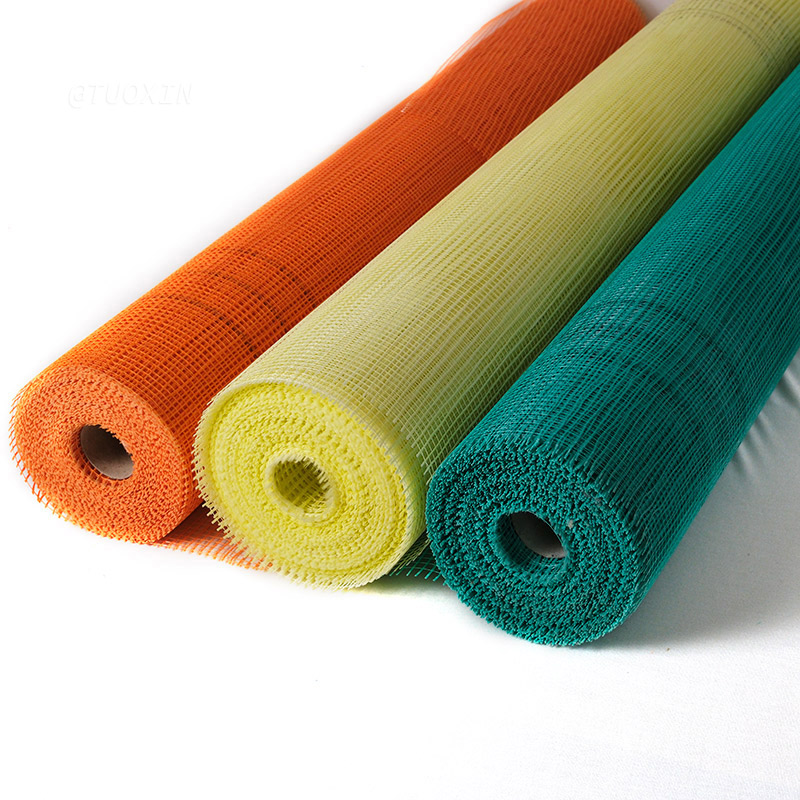
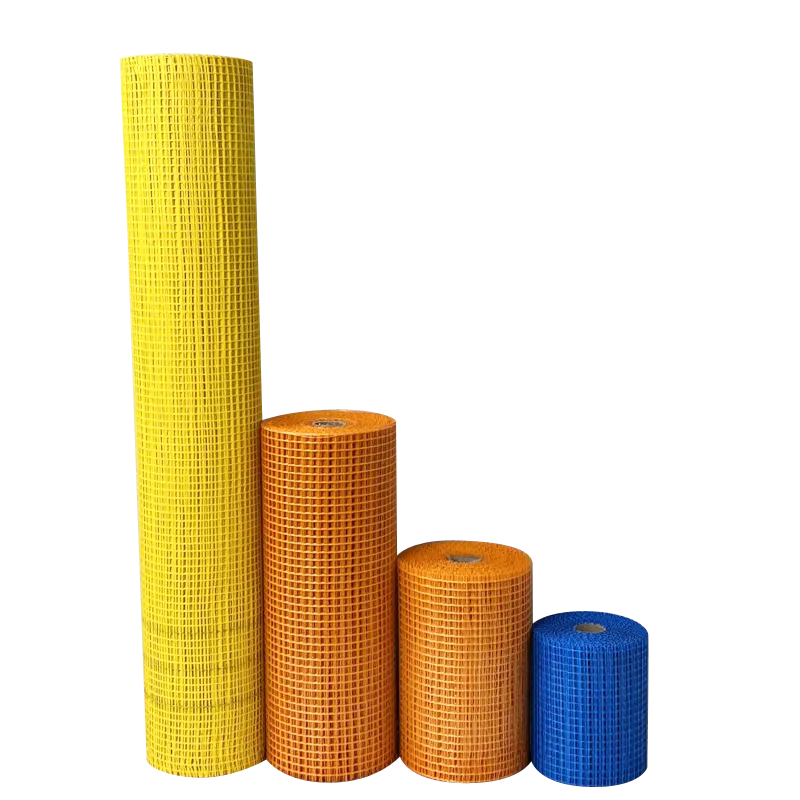
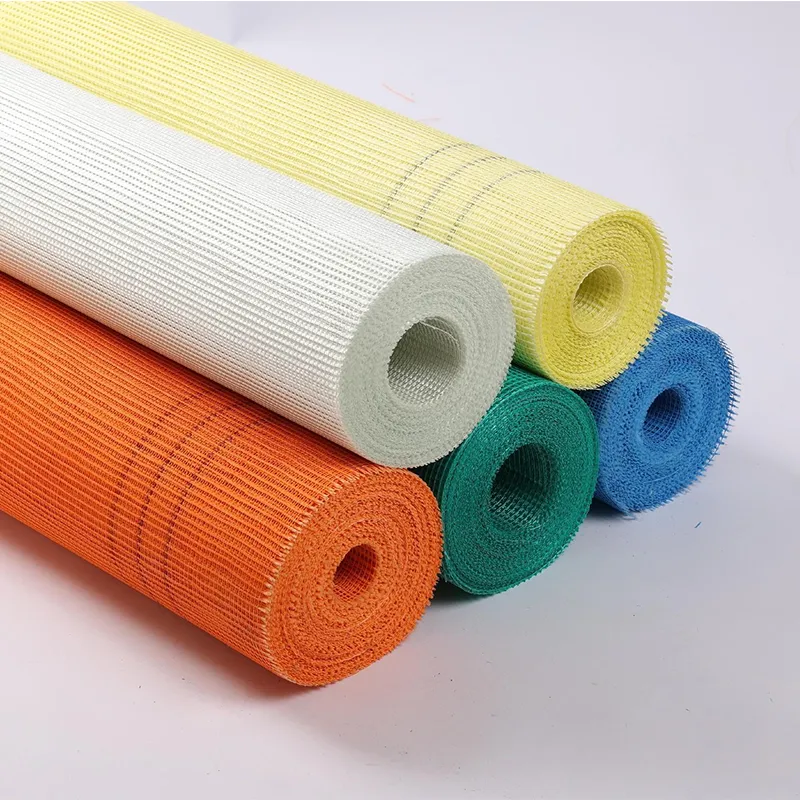
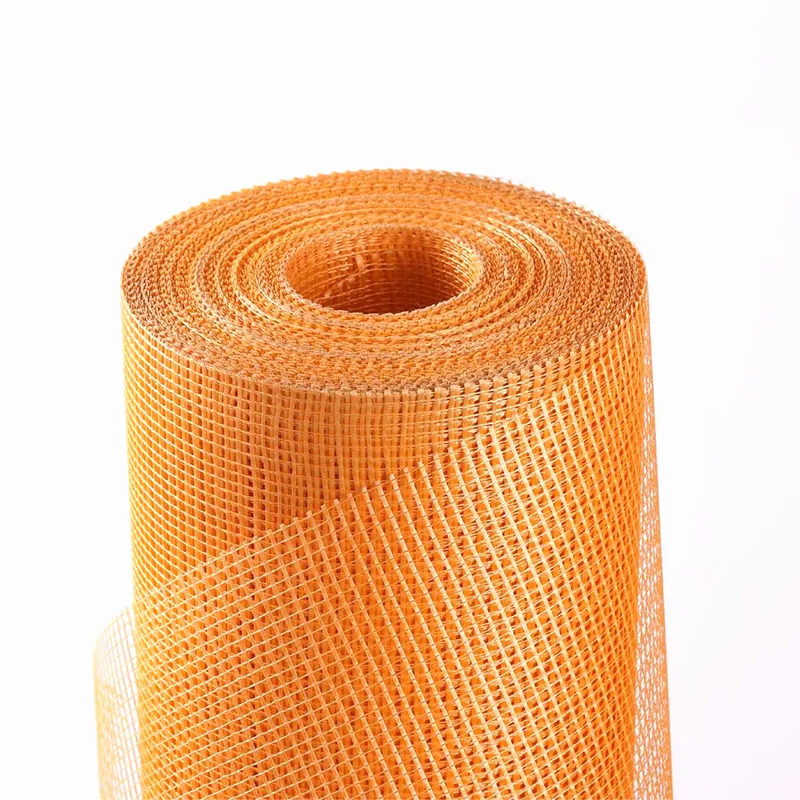
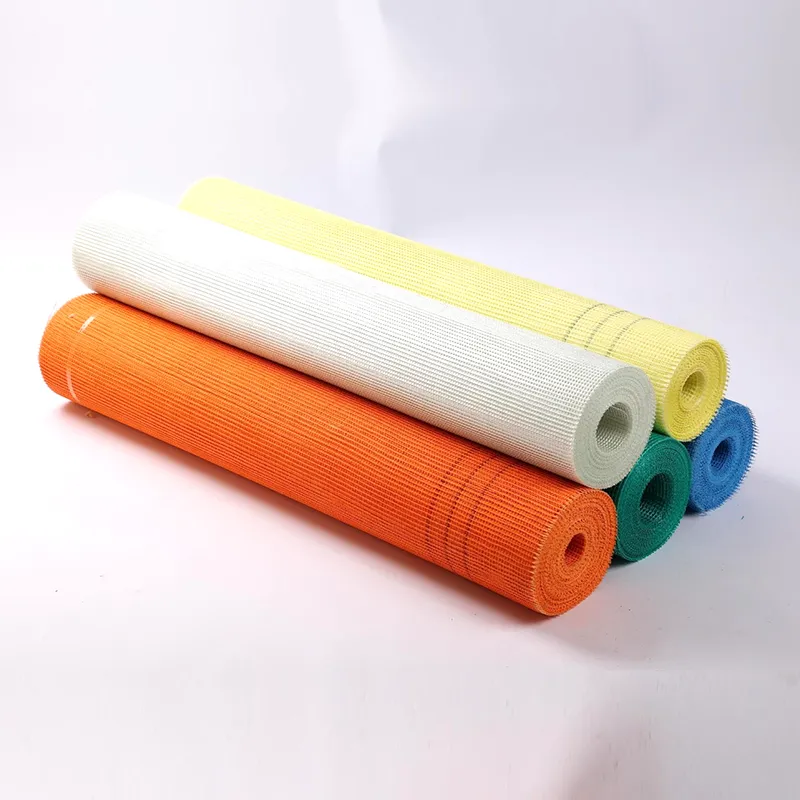
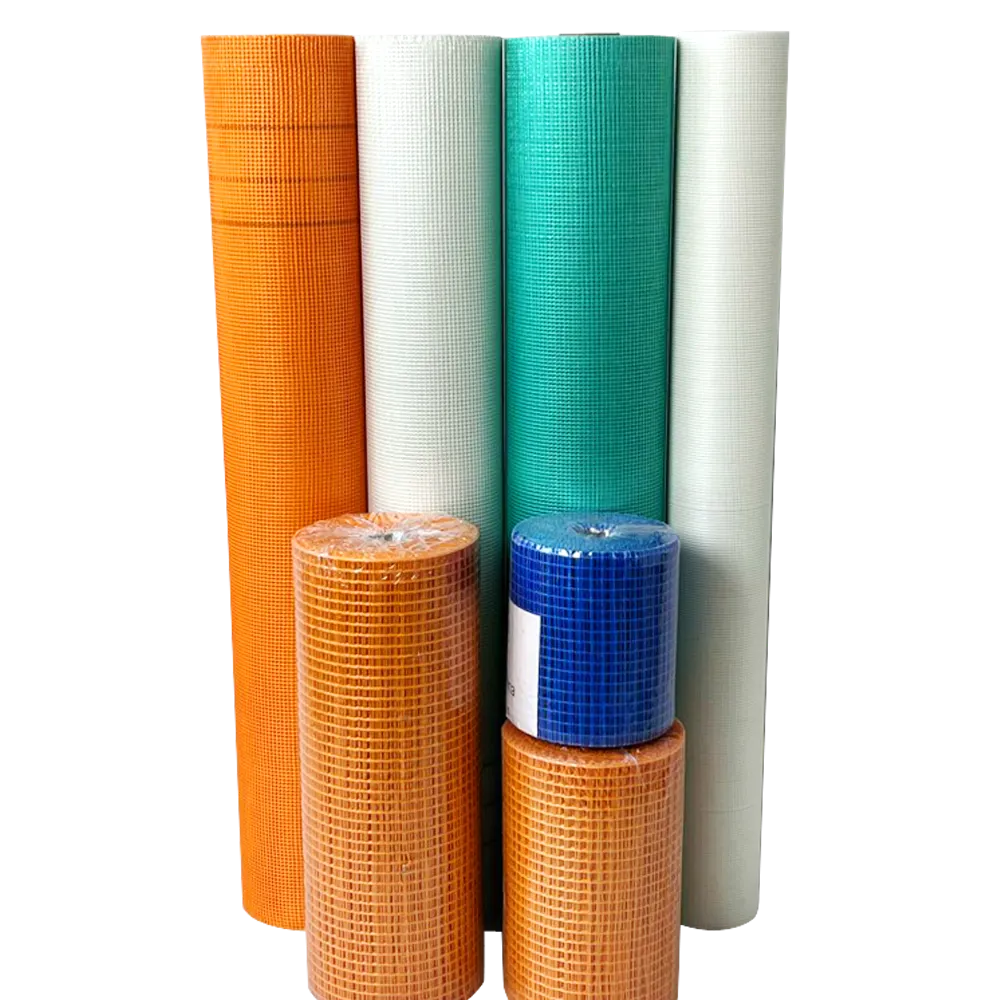
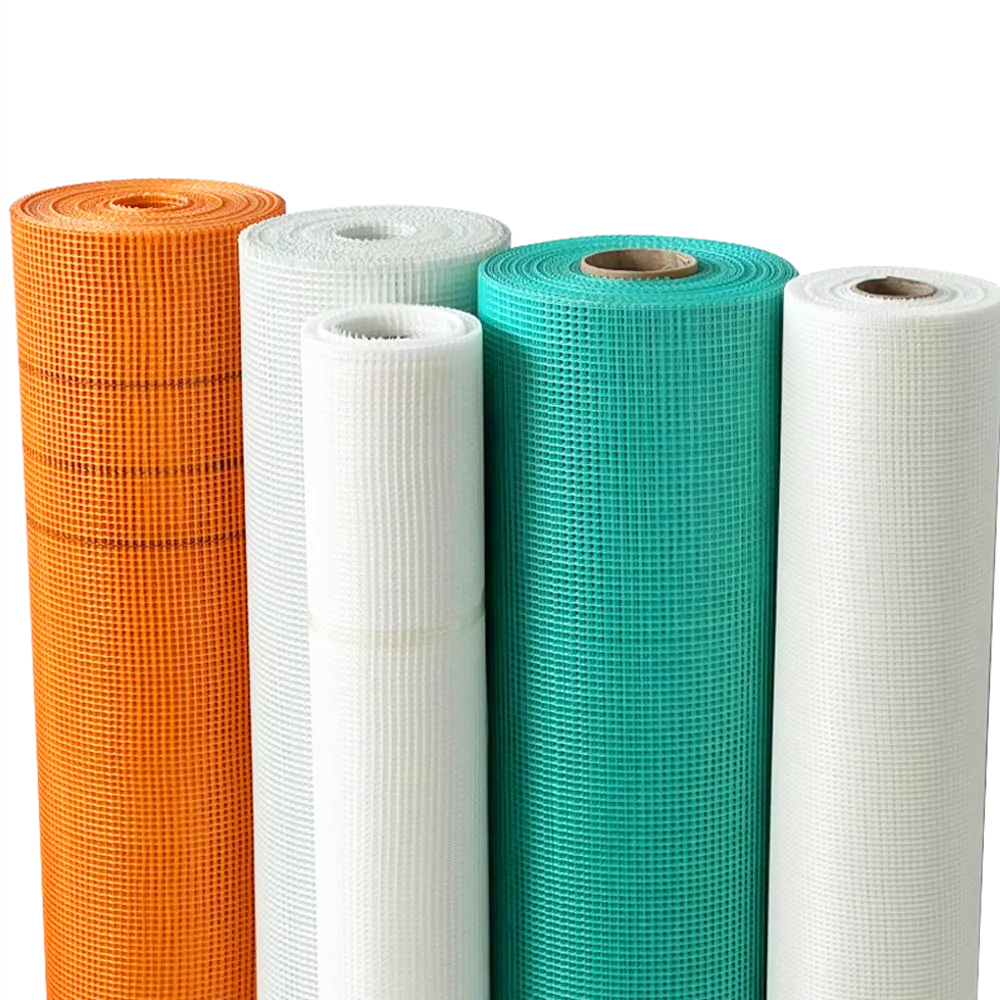
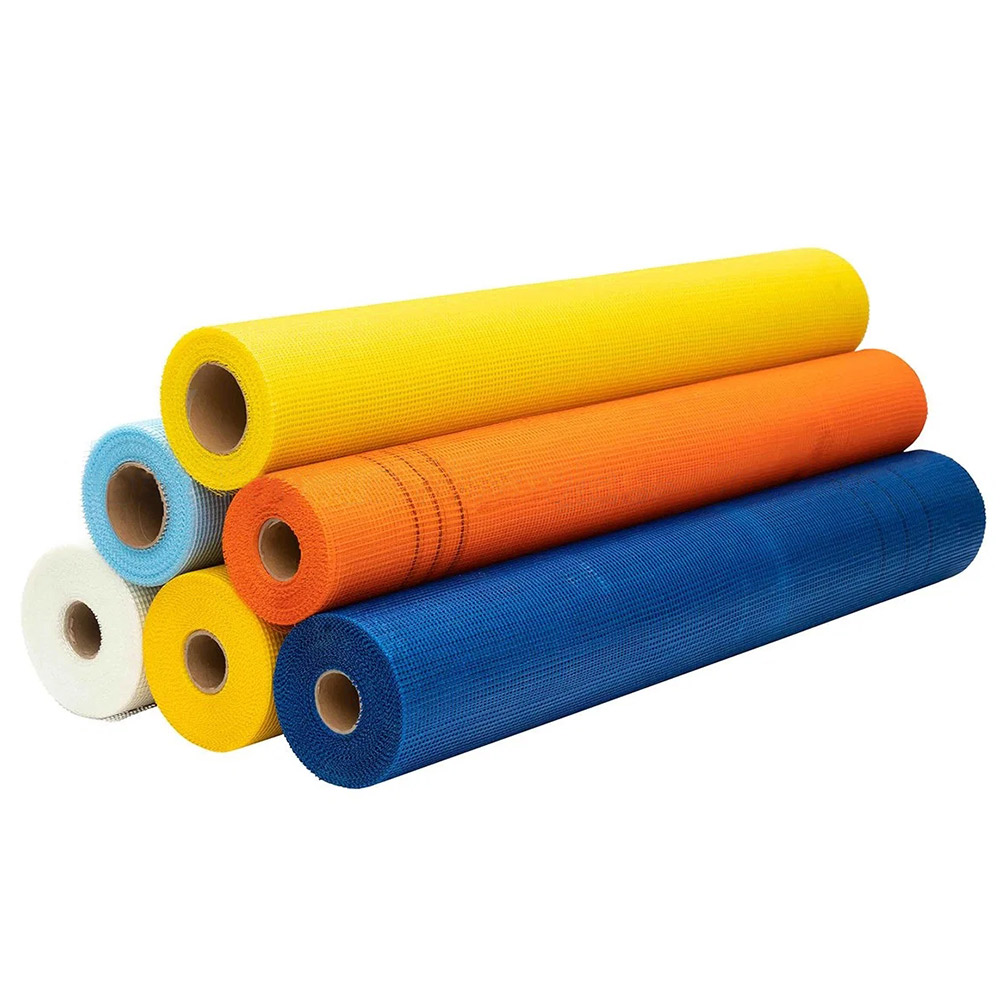
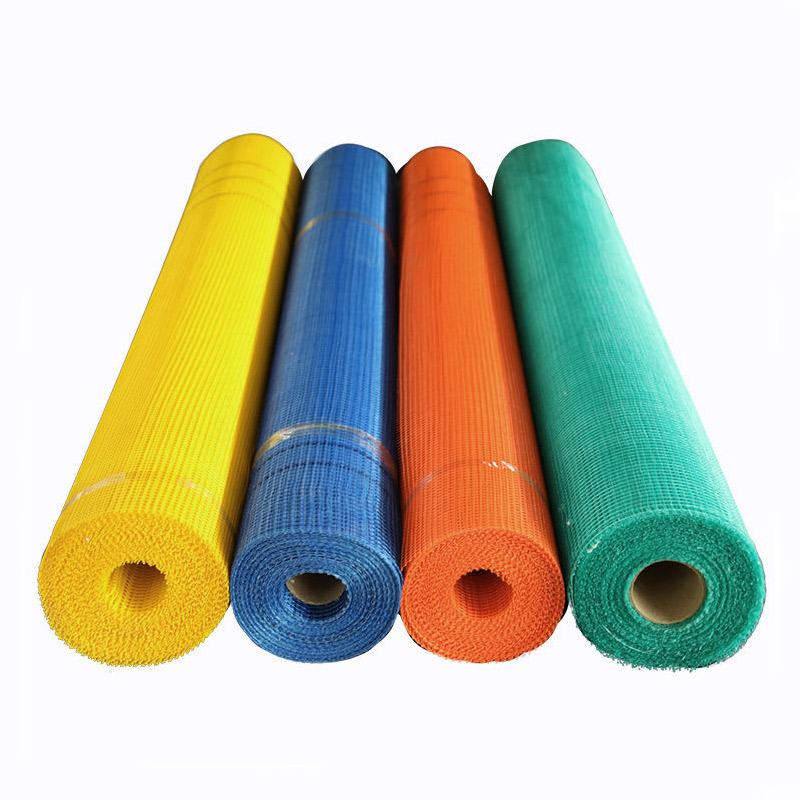
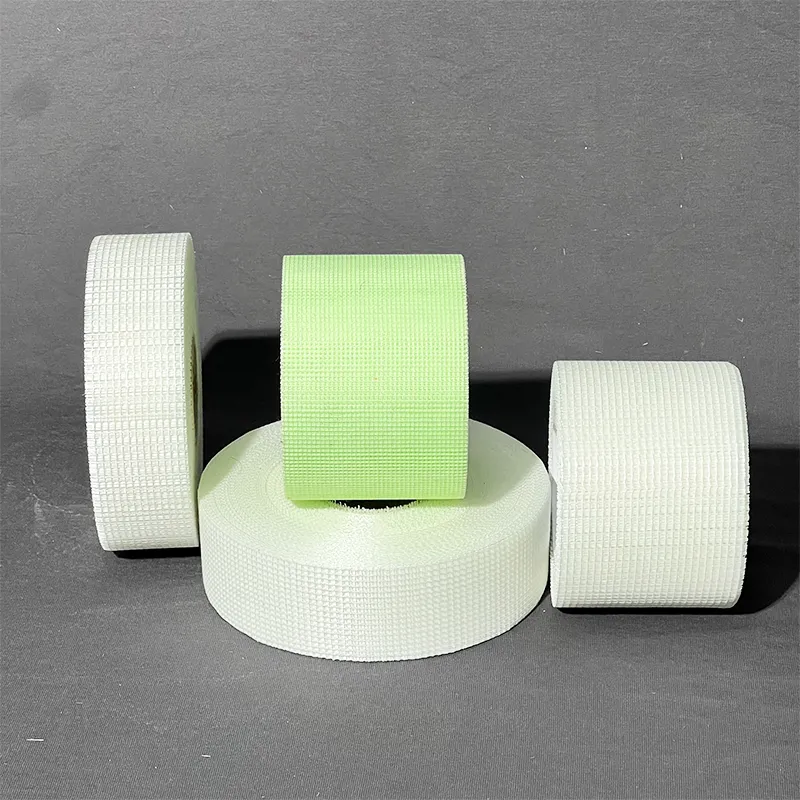
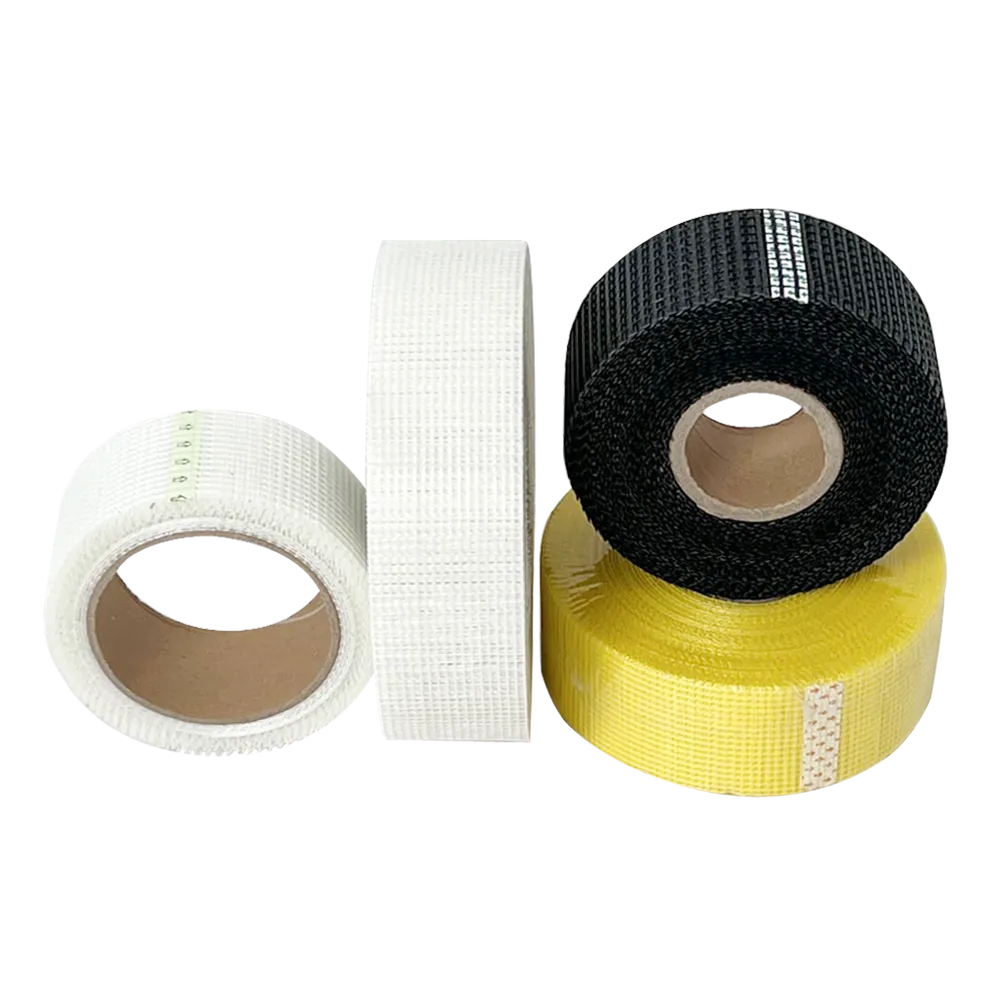
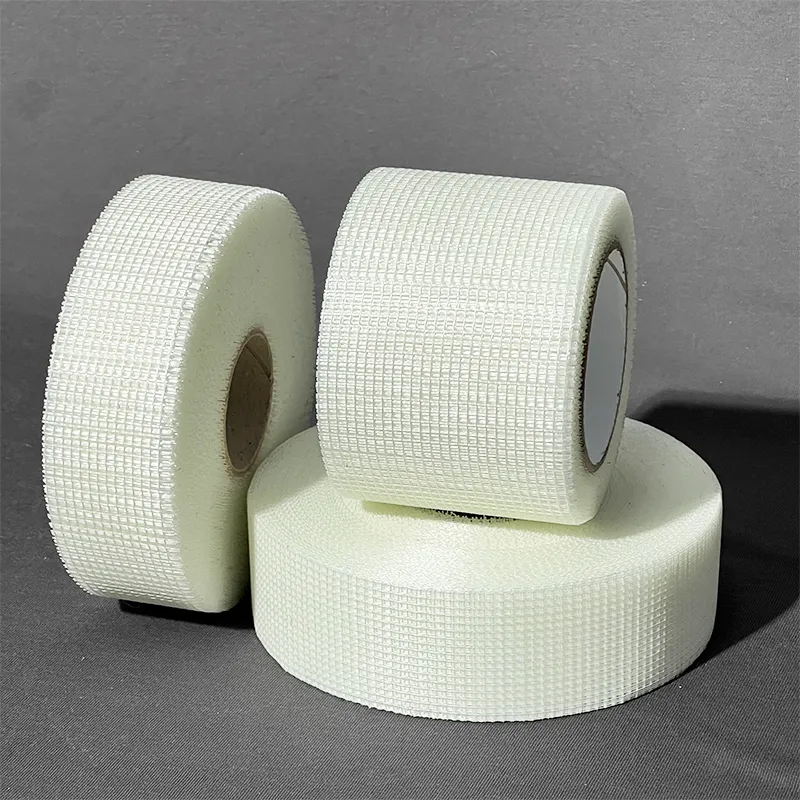
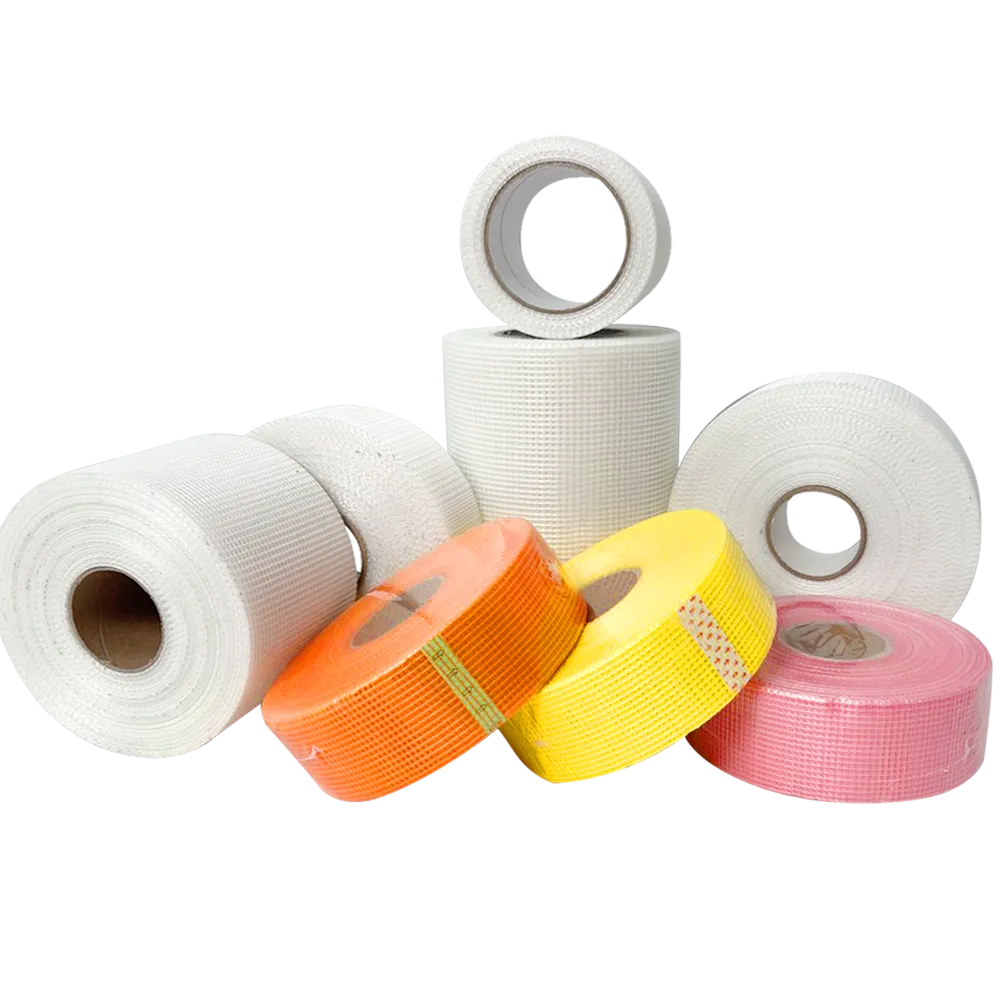
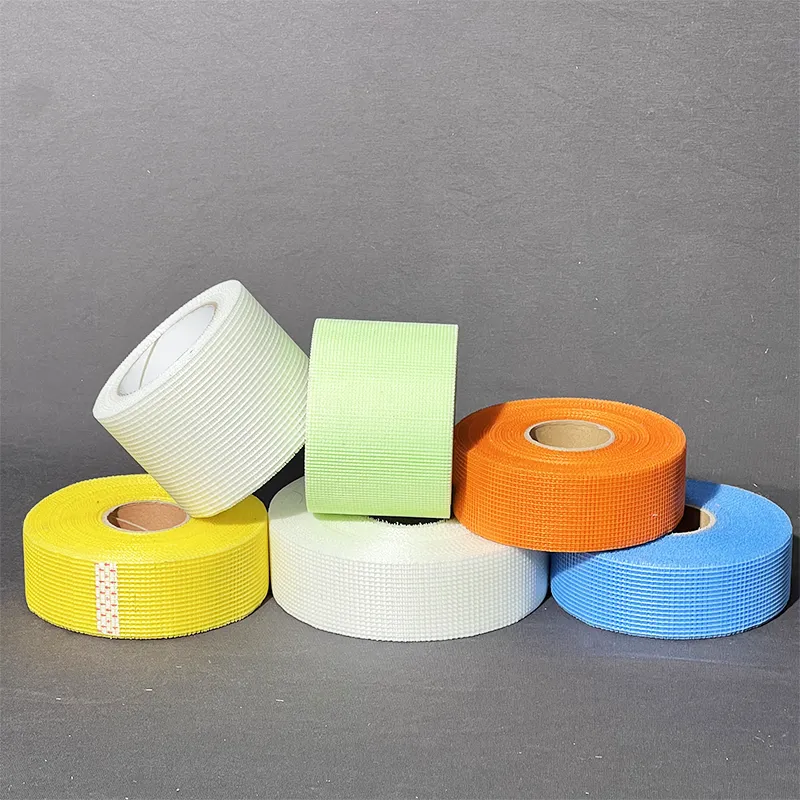
Put simply, a fiberglass mesh product consists of thin fiberglass strands woven into a grid or netting structure. It acts as an internal support layer when embedded in materials like plaster, cement, or polymers. Think of it as the skeleton inside a muscle, giving shape and resilience without adding heavy weight.
These meshes come in various weaves and thicknesses, tailored for everything from crack resistance in exterior wall insulation to reinforcing waterproof membranes. Beyond construction, they’re also used in aerospace, automotive parts, and even humanitarian emergency shelters—showing just how versatile fiberglass mesh is.
Key Factors of Fiberglass Mesh Products
Durability and Corrosion Resistance
Unlike steel reinforcement, fiberglass mesh doesn't rust or corrode, even when exposed to moisture or chemicals. This longevity reduces repair frequency and prolongs the lifespan of reinforced surfaces, especially in humid or coastal environments.
Lightweight and Easy to Handle
Fiberglass mesh products are notably lighter than traditional metal reinforcements. This makes transportation easier and installation faster—critical factors on large-scale or remote projects.
Thermal and Electrical Insulation
Due to its glass composition, fiberglass mesh acts as a natural insulator. This improves energy efficiency when used in exterior insulation finishing systems (EIFS) or roofing. Plus, it doesn’t conduct electricity, which adds a layer of safety in electrical installations.
Cost Efficiency
The upfront price is often lower than high-grade metals, plus savings from reduced labor and maintenance make fiberglass mesh a smart long-term investment.
Compatibility with Coatings and Adhesives
Fiberglass mesh products bond well with various construction materials—cementitious, polymer-based coatings, and even some organic compounds—making them highly versatile.
Mini Takeaway:
- Fiberglass mesh products combine durability, lightweight handling, and insulation benefits, making them essential tools in modern construction and beyond.
Global Applications & Use Cases
These meshes find use worldwide—in North America’s vast construction industry, Europe's renovation specialties, and Asia’s rapid urbanization projects. For example, in post-disaster relief operations, fiberglass mesh reinforces modular shelters that prioritize swift deployment and lasting protection. The Middle East, with its harsh deserts, relies on fiberglass mesh in thermal insulation systems to keep buildings cool and energy-efficient.
Industrial zones also use fiberglass mesh to reinforce pipelines and tanks where corrosion resistance is vital. Even the automotive sector incorporates fiberglass mesh in composites for parts that need strength without weight.
| Specification | Typical Range | Application Example |
|---|---|---|
| Mesh Size | 4x4 mm to 10x10 mm | Exterior Wall Reinforcement |
| Weight | 40–160 g/m² | Roofing Membranes |
| Tensile Strength | >2400 N/5cm | Insulation Systems |
| Alkali Resistance | High | Concrete Reinforcement |
Mini Takeaway:
- From disaster relief to industrial maintenance, fiberglass mesh products adapt well and support global industries with diverse needs.
Advantages & Long-Term Value of Fiberglass Mesh Products
There’s a lot to like here. Those lightweight fibers bring cost savings in shipping and labor, but the real kicker is the product’s durability. Buildings reinforced with fiberglass mesh often resist cracks better and avoid water infiltration, which means fewer costly repairs over time. For communities, that translates to safer homes and longer-lasting infrastructure.
On an emotional level, it's about trust and dignity—a structure that doesn’t crumble under stress helps preserve lives and hope. Environmentally, the reduction in repairs and replacements means less waste and consumption. So fiberglass mesh supports the triple bottom line—economic, social, and environmental sustainability.
Future Trends & Innovations
Looking ahead, greener fiberglass production methods are emerging, such as using recycled glass and less energy-intensive manufacturing. Digital fabrication techniques, including 3D weaving and automated cutting, promise higher precision and less material waste.
There’s also increasing interest in hybrid composite meshes—combining fiberglass with natural fibers or advanced polymers—for even better performance and recyclability. Policies encouraging sustainable construction are nudging the industry toward wider adoption of such materials, especially in affordable housing projects worldwide.
Challenges & Practical Solutions
Fiberglass mesh products aren’t perfect. For starters, UV degradation can affect exposure-sensitive types, so coatings or protective layers are needed. Also, while easier to handle than steel, installers need proper training to avoid tears or damage during deployment.
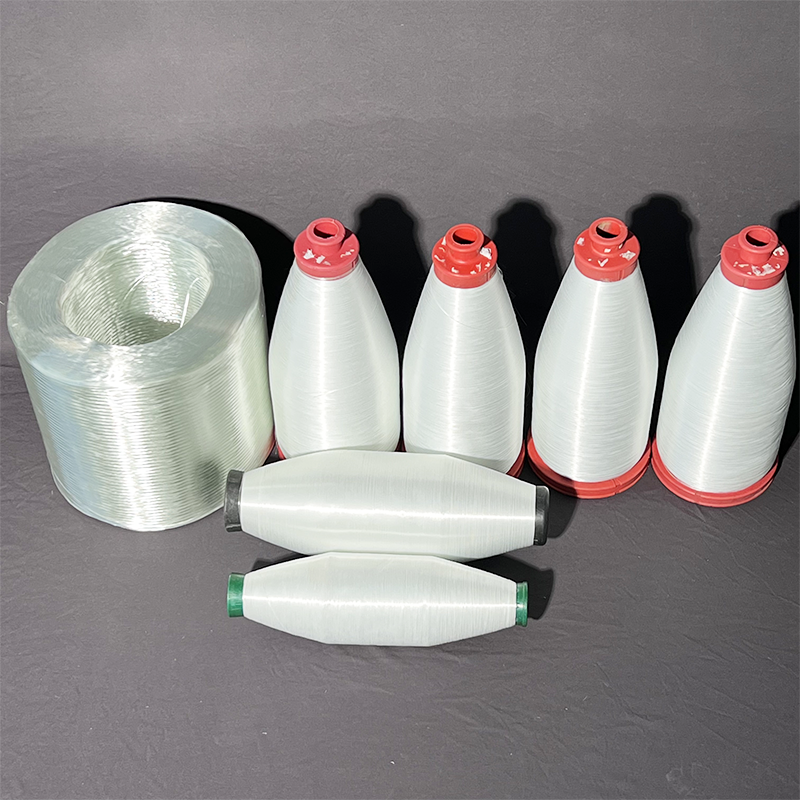
On the supply side, inconsistencies in quality from different vendors can cause headaches. Always vet suppliers carefully. Fortunately, industry standards like ISO 2078 help ensure consistent fiberglass yarn quality. Where challenges arise, partnering with experienced manufacturers and staying informed about material specifications make a world of difference.
| Vendor | Quality Standards | Special Features | Price Range (USD/m²) |
|---|---|---|---|
| Supplier A | ISO 2078, ASTM D578 | Alkali-resistant, UV coating | 0.15–0.25 |
| Supplier B | ISO 2078 | Lightweight mesh, fire-retardant | 0.12–0.20 |
| Supplier C | ASTM D578 | High tensile strength mesh | 0.18–0.30 |
FAQ: Frequently Asked Questions About Fiberglass Mesh Product
- Q: How does fiberglass mesh improve building durability?
- A: Fiberglass mesh distributes stresses across surfaces, reducing crack formation and water penetration. Its resistance to corrosion and alkalis maintains reinforcement longevity, especially when embedded in concrete or plaster.
- Q: Can fiberglass mesh be used for outdoor applications?
- A: Yes, especially types treated with UV-resistant coatings. It is widely used in external insulation finishing systems and roofing membranes, where exposure to sun and rain is common.
- Q: Is fiberglass mesh cost-effective compared to traditional reinforcement?
- A: Generally, yes. Its lightweight nature reduces transportation and labor costs. Also, the durability lessens maintenance expenses over a building’s lifecycle.
- Q: How do I choose the right fiberglass mesh product for a project?
- A: Consider mesh size, weight, tensile strength, and any special coatings for your application. Consulting with suppliers and reviewing standards like ISO 2078 can help ensure quality.
- Q: Are there environmental benefits to using fiberglass mesh in construction?
- A: Definitely. Improved insulation lowers energy needs, and high durability reduces waste from repair or replacement. Some manufacturers also offer eco-friendlier options made from recycled materials.
Conclusion
Fiberglass mesh product is more than just a building material; it’s a cornerstone for durable, efficient, and innovative construction worldwide. Its adaptability across climates and industries, combined with cost-effectiveness and sustainability benefits, positions it well for future demands. For anyone working in construction, engineering, or disaster relief, it pays to understand and trust the power of fiberglass mesh.
If you want to explore high-quality solutions and expert guidance on fiberglass mesh, visit our website: fiberglass mesh product.
In real terms, this product quietly supports safer buildings, smarter construction choices, and a greener planet. Quite an unsung hero, if you ask me.
References
-
Best Fiberglass Mesh Tape for RedGard Product Waterproofing GuideNewsApr.16,2026
-
Why High Strength Fiberglass Mesh Is Essential For Stucco ApplicationNewsApr.15,2026
-
Why Alkali Resistant Fiberglass Mesh Tape Is Essential For Cement Board And Tile InstallationsNewsApr.15,2026
-
Understanding The Role Of Drywall Fiberglass Mesh In Interior FinishingNewsApr.15,2026
-
Ultimate Guide To Using Fiberglass Mesh Tape For Drywall And Plaster RepairsNewsApr.15,2026
-
The Versatility Of Fiberglass Mesh In Marble And Stone MosaicNewsApr.15,2026