Dec . 10, 2025 00:20 Back to list
A Comprehensive Guide to Factory Fiberglass Mesh Roll Factories for B2B Buyers
Factory Fiberglass Mesh Roll Factories is a key solution in the industry, specifically within construction, insulation, and composite reinforcement sectors. This article explores how Tainuo Fiberglass Mesh supports professionals with durable, high-performance products, and explains why this product is an ideal choice for businesses in these sectors.
Table of Contents
- Factory Fiberglass Mesh Roll Factories Overview
- Benefits & Use Cases of Factory Fiberglass Mesh Roll Factories
- Cost, Maintenance & User Experience
- Sustainability & Market Trends
Factory Fiberglass Mesh Roll Factories Overview
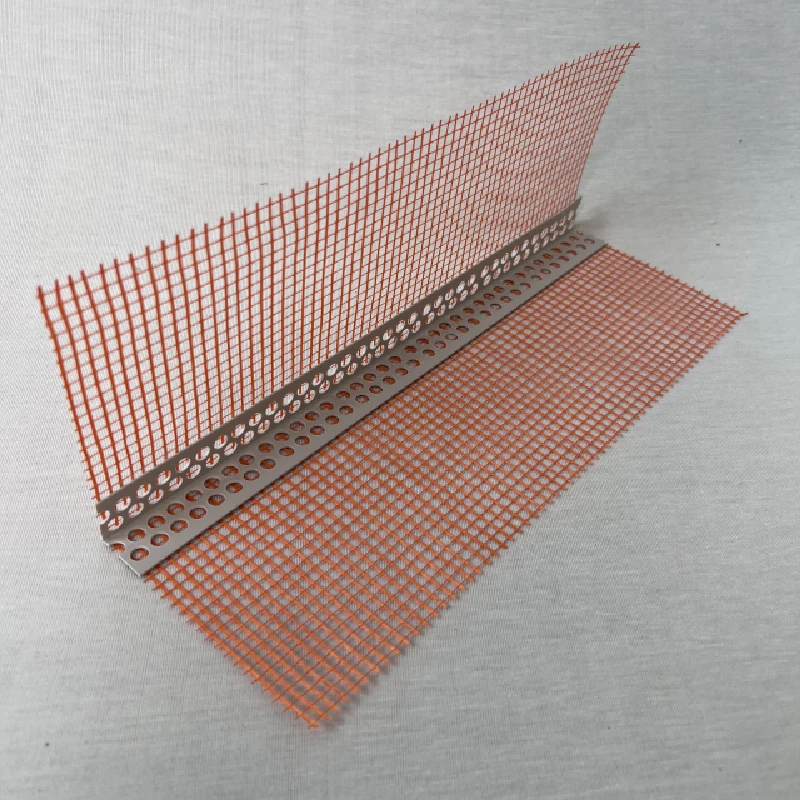
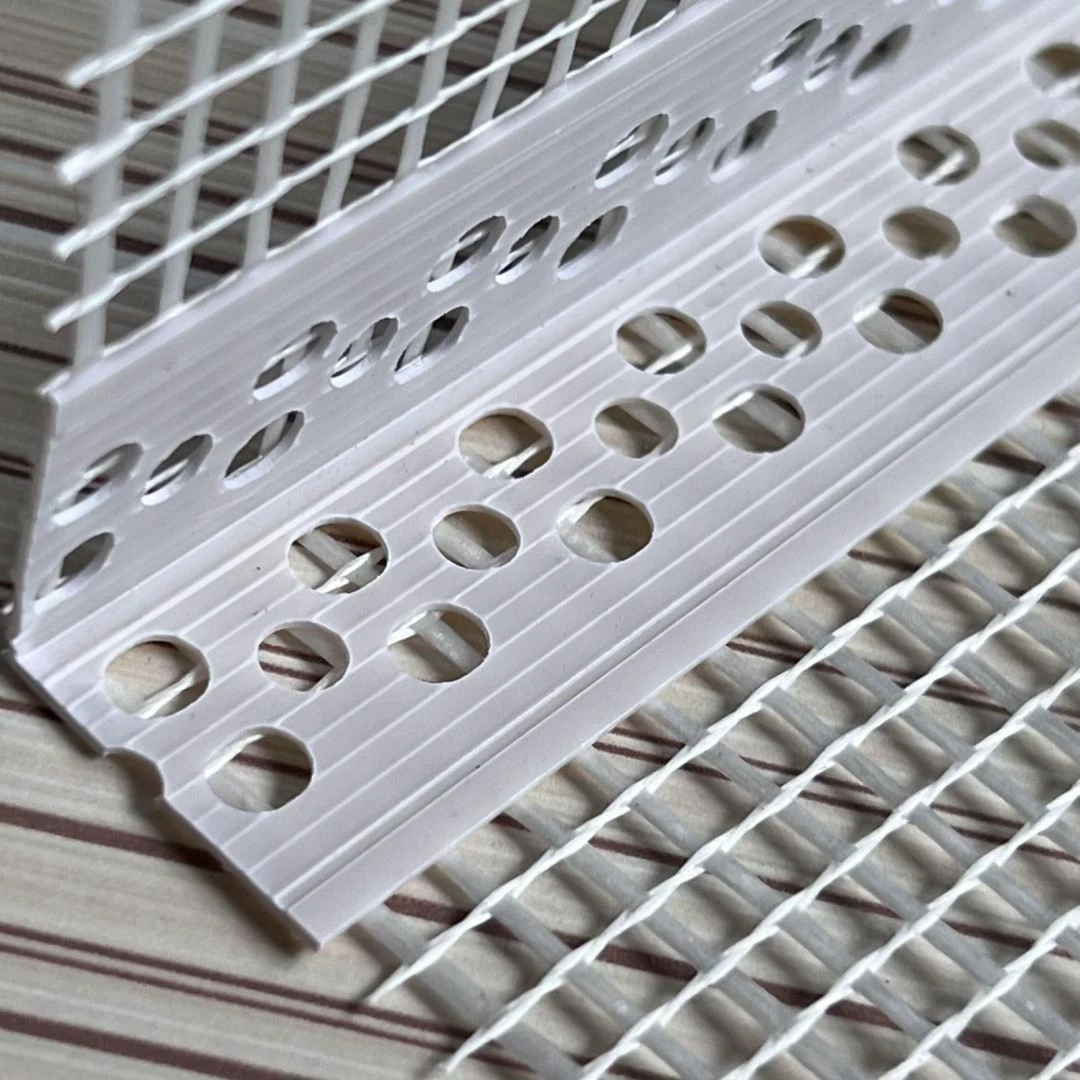
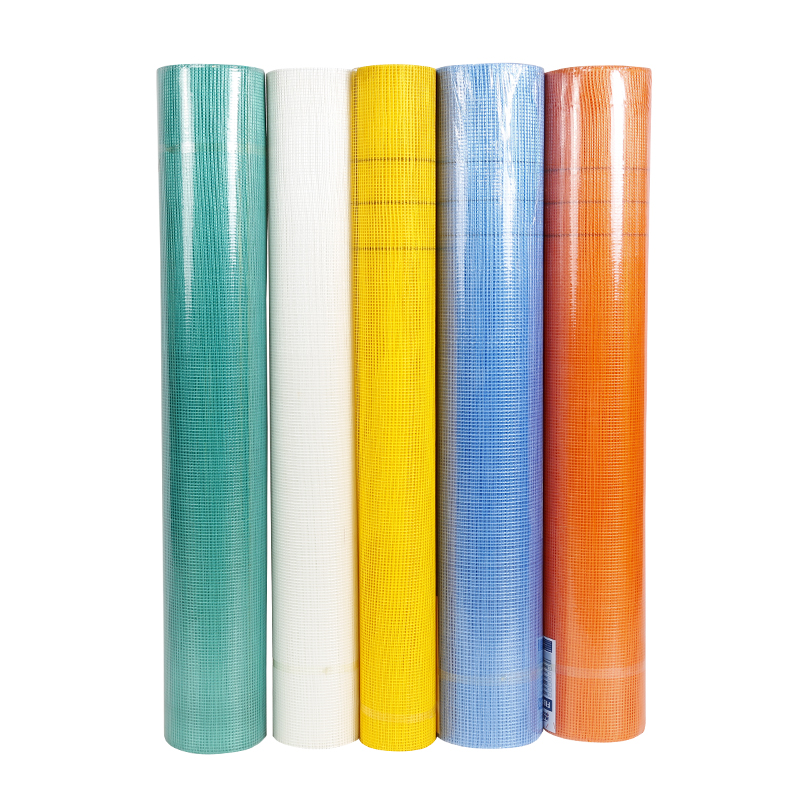
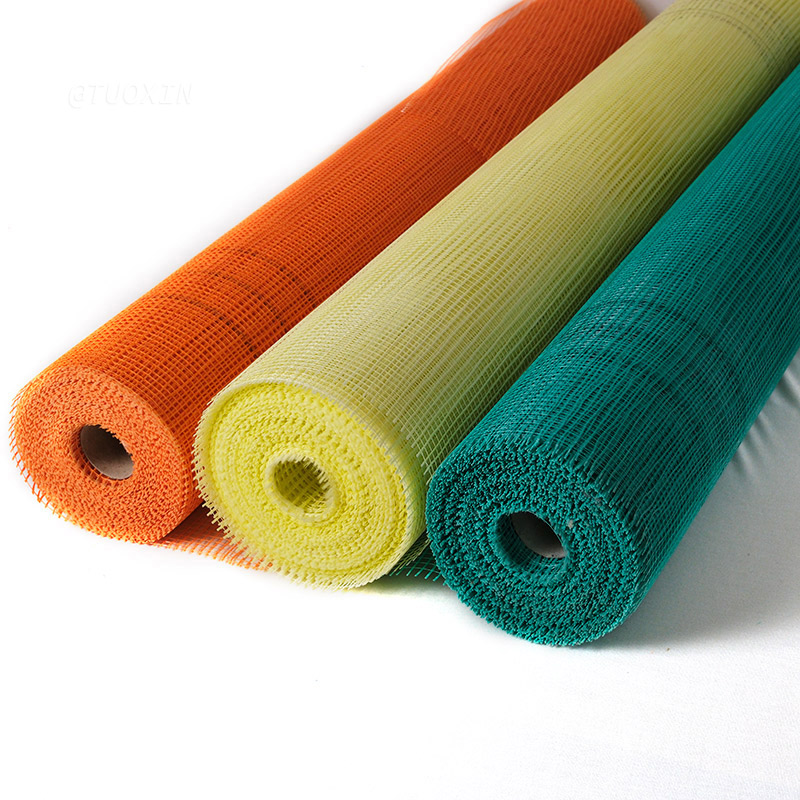
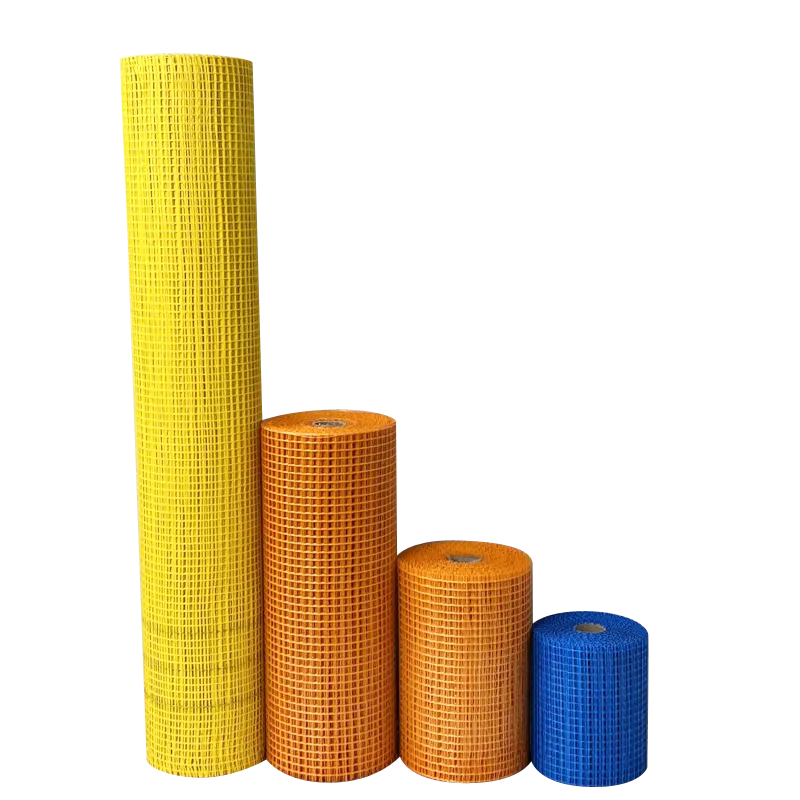
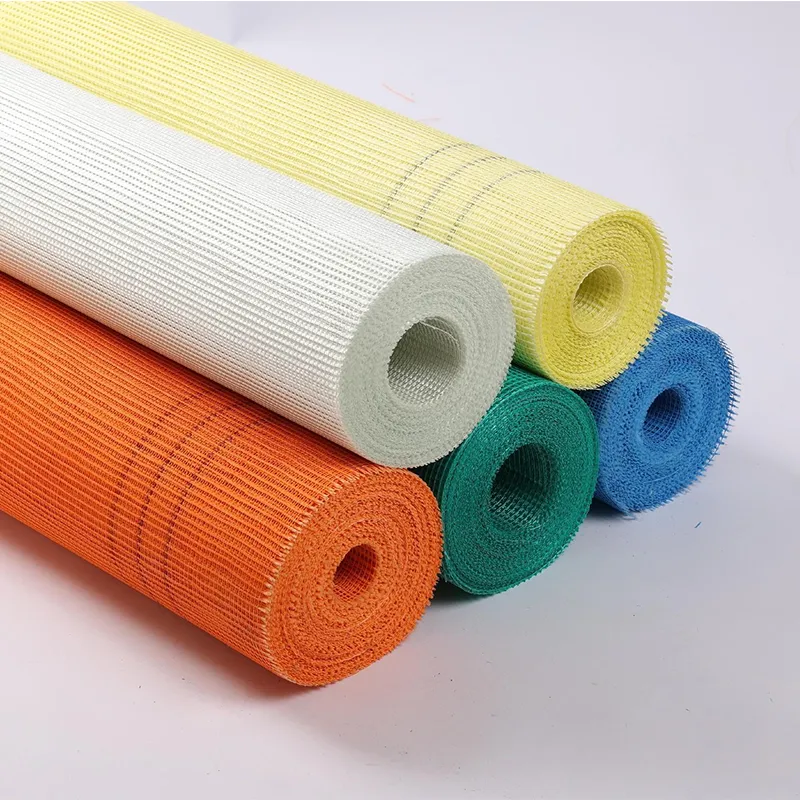
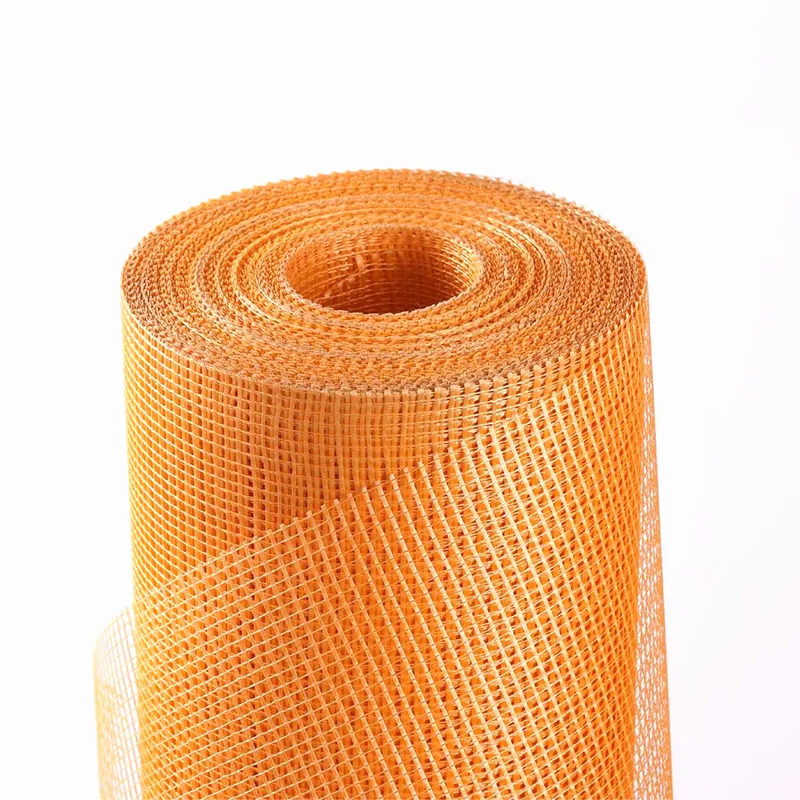
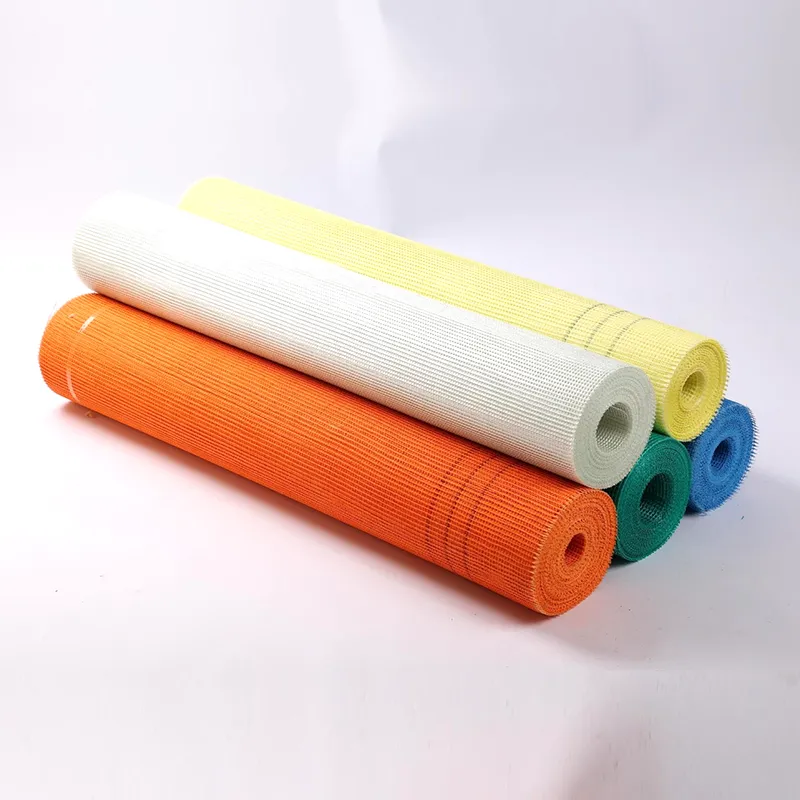
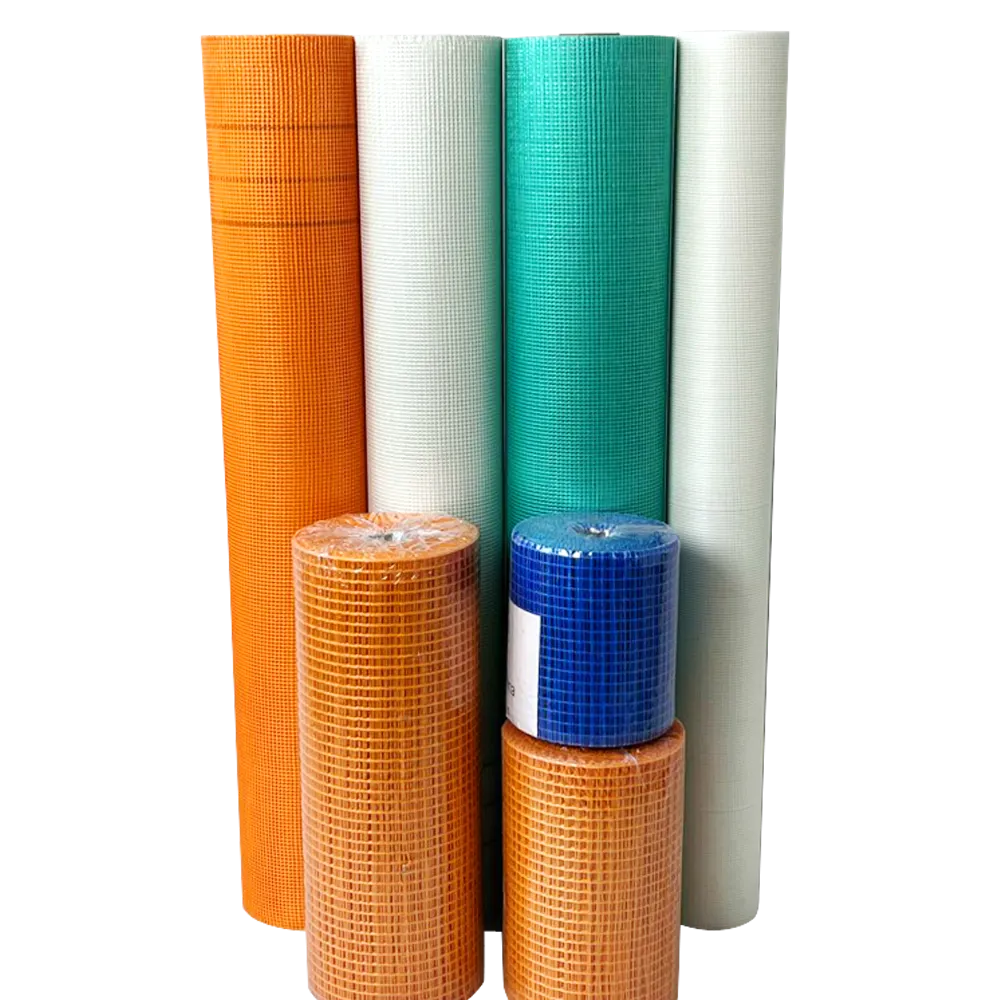
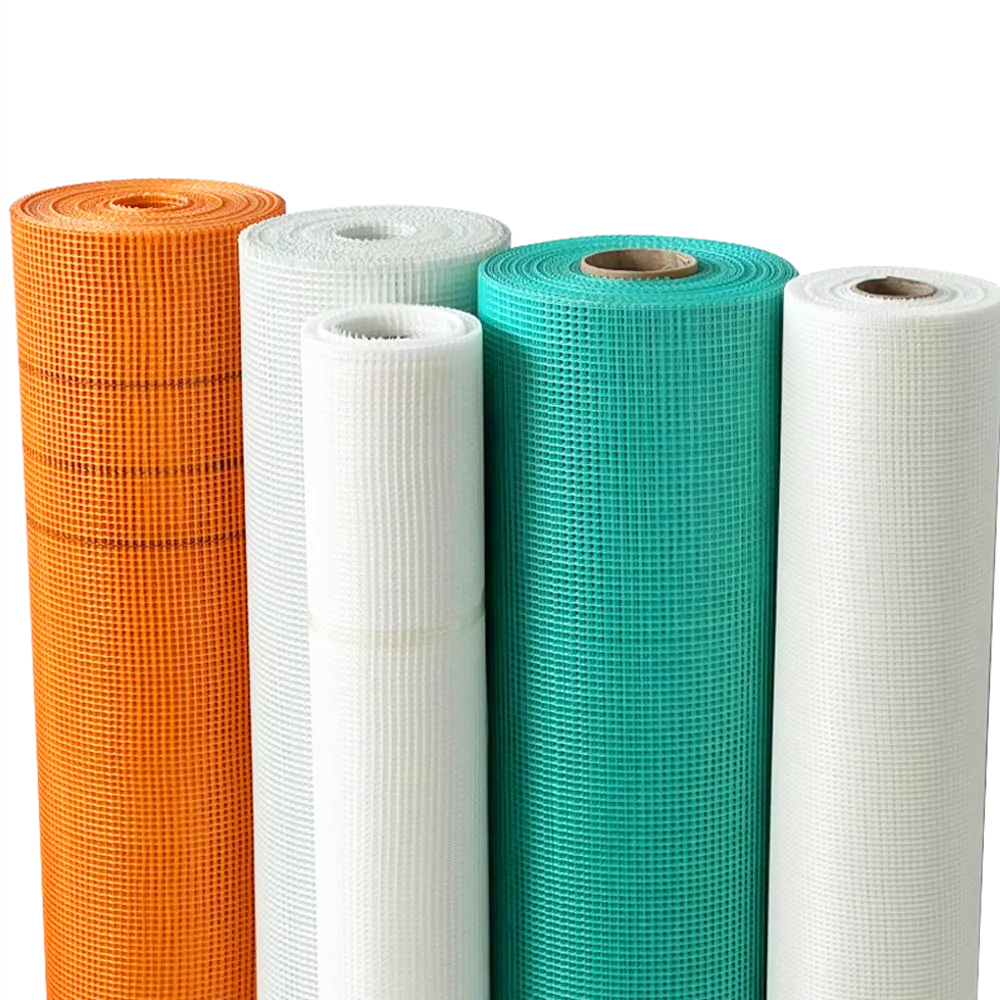
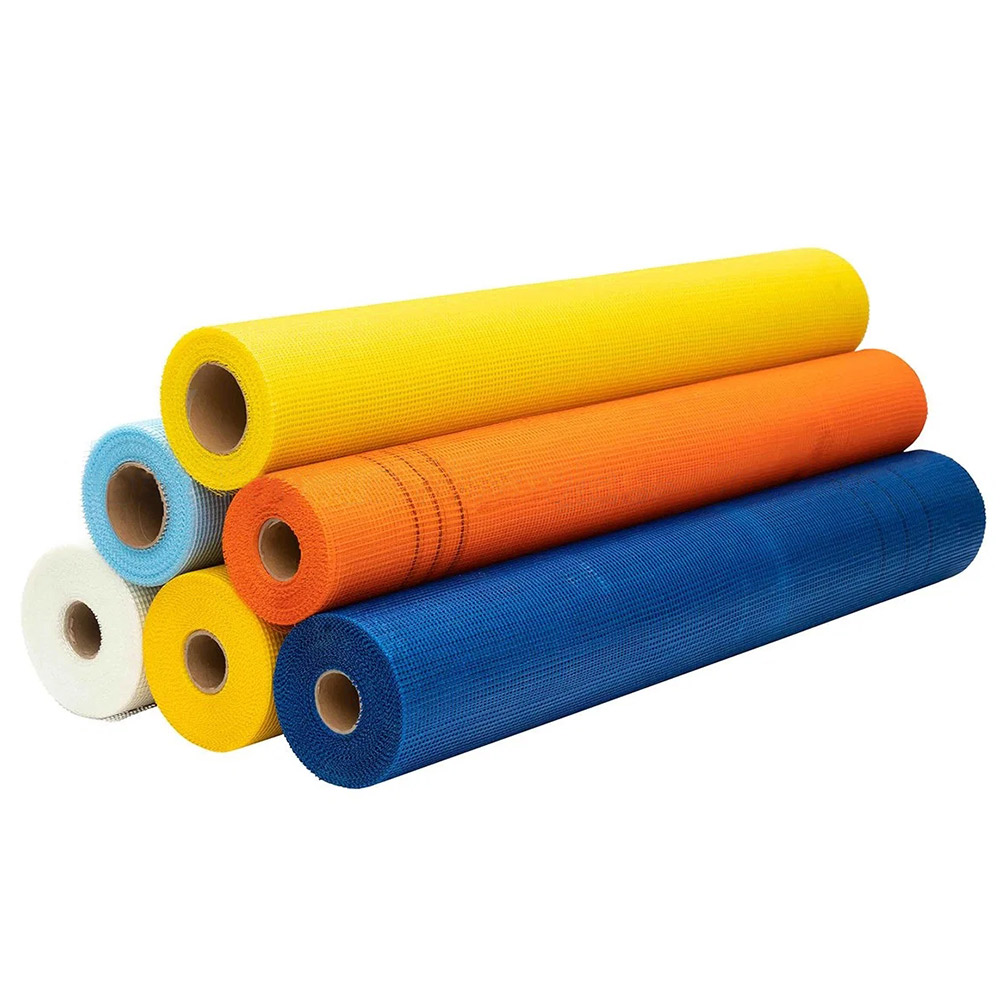
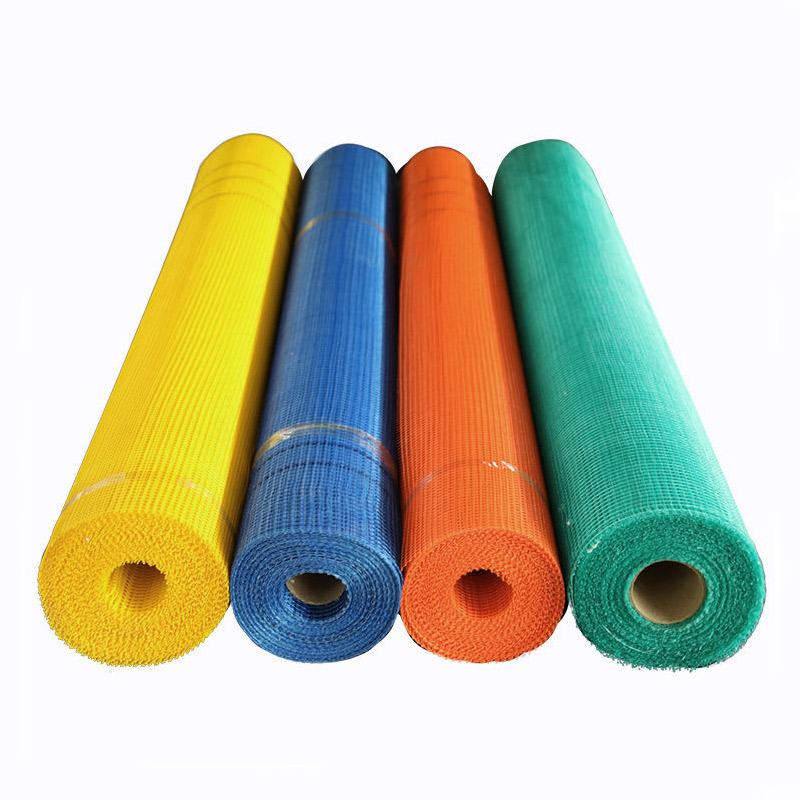
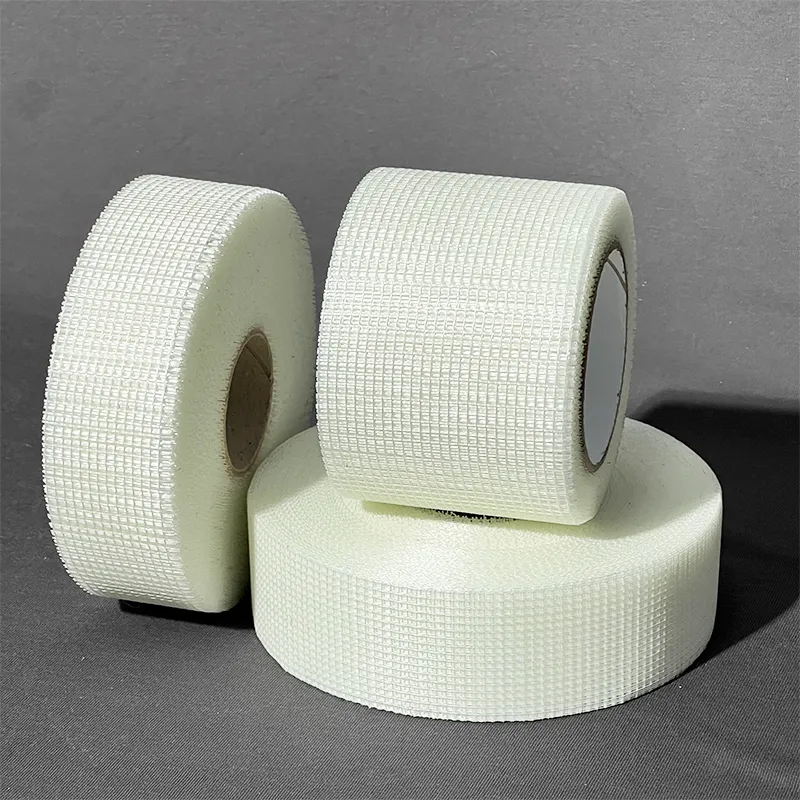
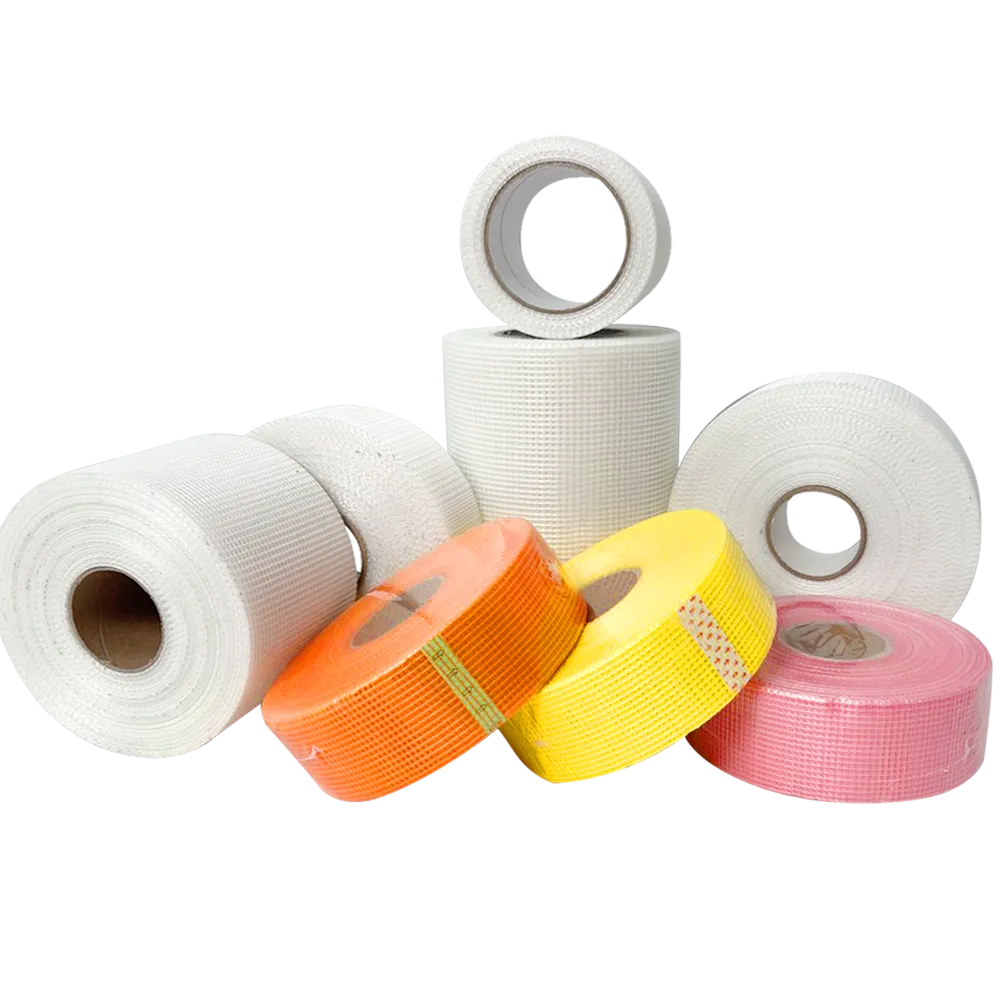
At its core, a factory fiberglass mesh roll is a woven sheet of extremely fine glass fibers arranged in a grid-like pattern and produced on an industrial scale. It sounds simple, but the impact in construction and composite manufacturing is profound. From reinforcing plaster and preventing surface cracking in walls to providing a resilient base in waterproof membranes, the applications are vast.
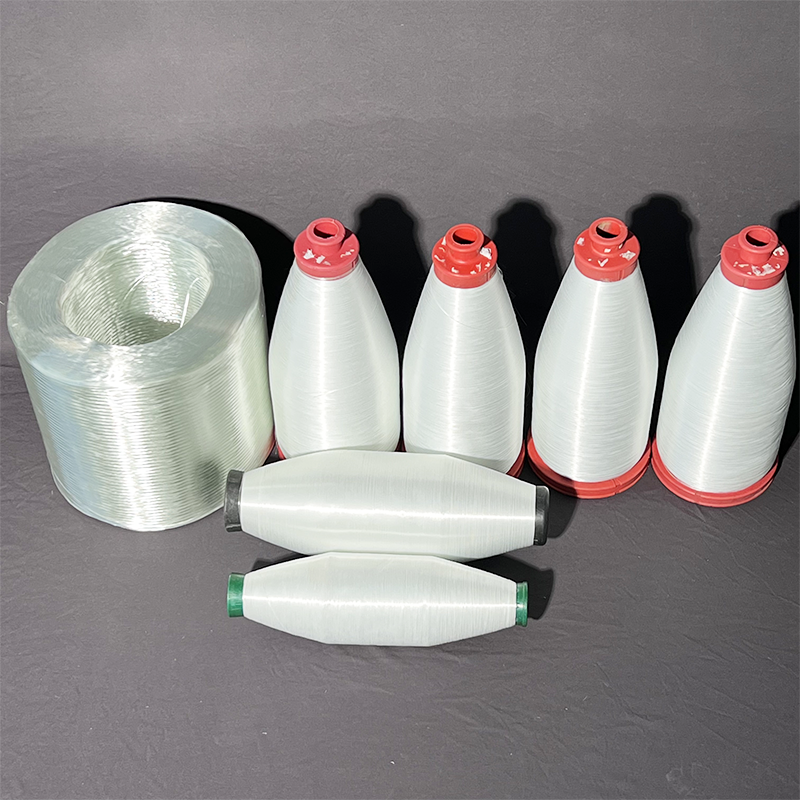
Technically, these meshes are designed for strength and longevity — fibrous strands are coated with an alkali-resistant finish to endure harsh chemical environments and moisture intrusion. Oddly enough, despite high-tech manufacturing methods, the specifications can be surprisingly consistent:
| Specification | Details |
|---|---|
| Fiber Type | E-Glass Fiberglass |
| Weave Pattern | Plain or Satin Weave |
| Mesh Size | 2mm × 2mm up to 10mm × 10mm |
| Roll Length | Up to 50 meters |
| Coating | Alkali Resistant Polymer Finish |
| Tensile Strength | > 1100 N/50mm |
In real terms, factories producing fiberglass mesh roll focus on quality control to ensure every meter meets strict tolerance levels—a critical aspect when dealing with structural reinforcements. The reliability of products from sites like Tainuo Fiberglass Mesh enhances confidence among B2B clients.
Benefits & Use Cases of Factory Fiberglass Mesh Roll Factories
Fiberglass mesh rolls are trusted for their exceptional tensile strength and chemical resistance, which means they can handle environments that would quickly degrade alternative mesh materials. Businesses leverage these qualities for embedding into exterior wall insulation systems, waterproofing membranes, and reinforcing concrete.
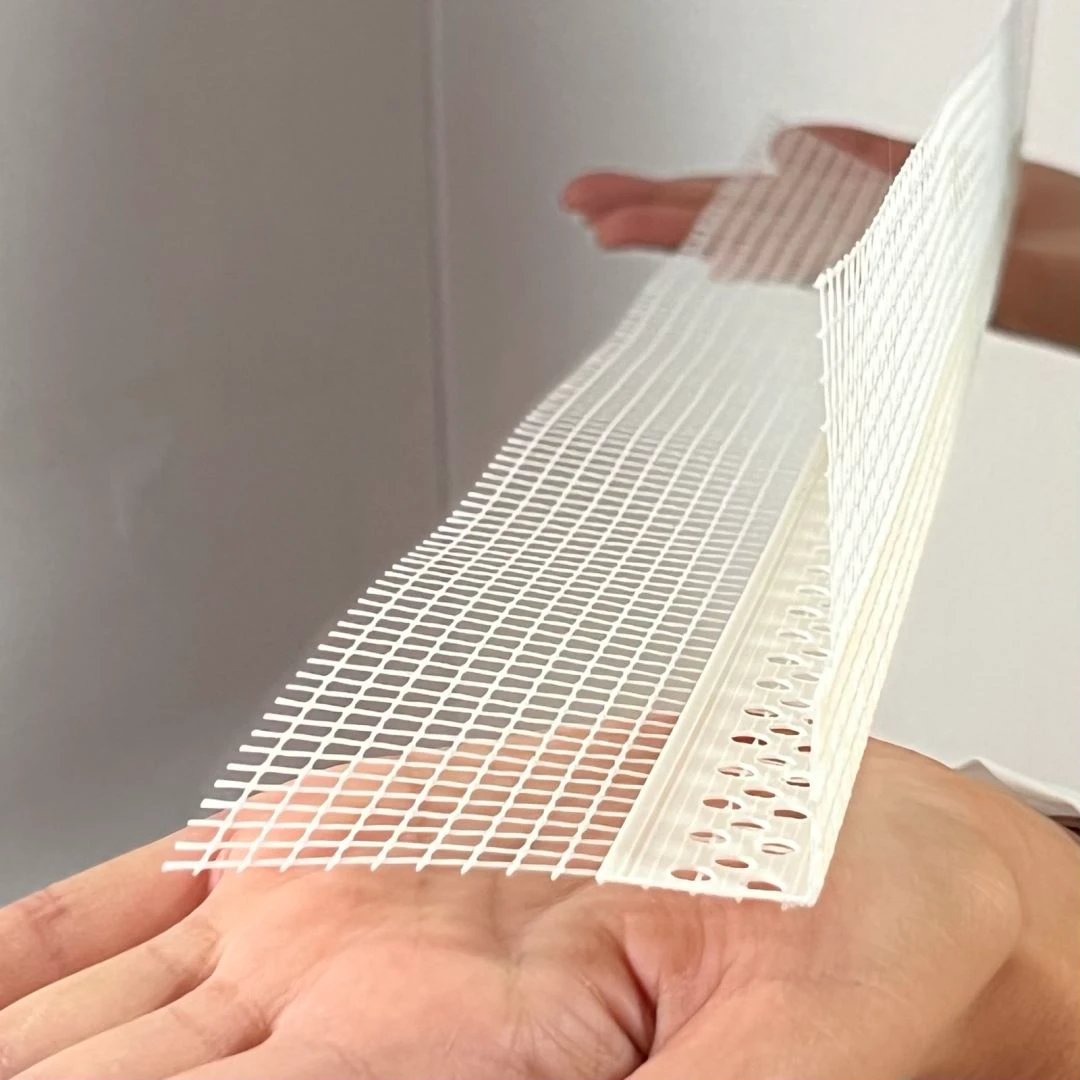
One major benefit is crack resistance in plaster or render applications. The mesh distributes tension evenly and locks the substrate in place, reducing costly maintenance down the line. Also, the flexibility of fiberglass mesh allows it to contour around structural shapes — a feature many engineers praise, especially in retrofitting projects.
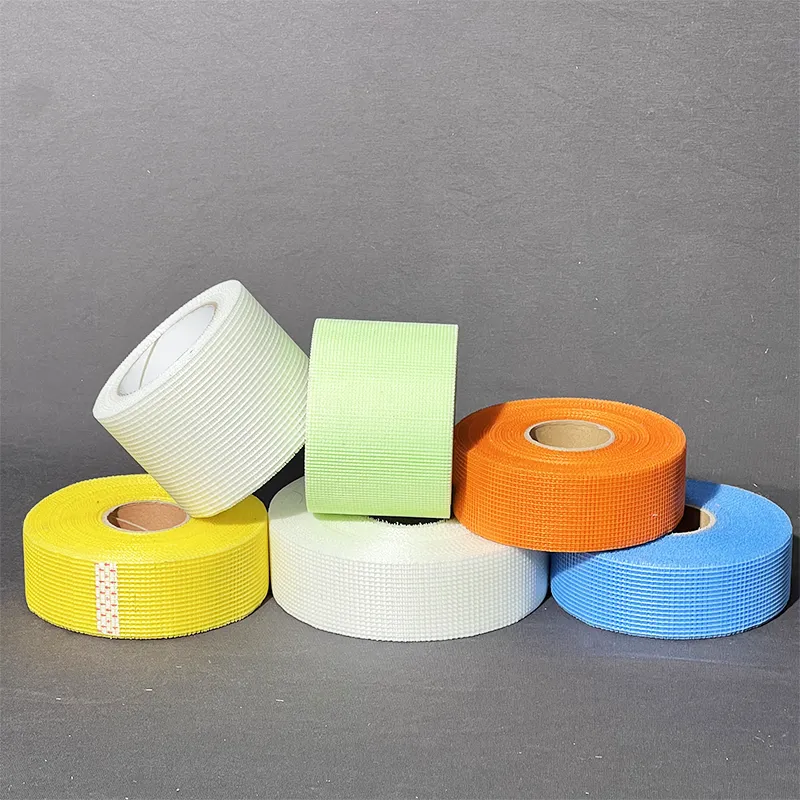
Some competitive advantages worth noting: these meshes are non-corrosive, lightweight, do not conduct electricity, and resist UV degradation much longer than organic fiber meshes. Additionally, many suppliers offer custom sizing, weave patterns, and coating options — tailoring mesh rolls for specific project demands is quite common at factories like Tainuo.
| Vendor | Customization | Delivery Speed | Quality Control | Price Competitiveness |
|---|---|---|---|---|
| Tainuo Fiberglass Mesh | High - Custom weaves, coatings | 7-14 Days | ISO 9001 Certified | Competitive |
| Generic Factory A | Limited | 2-3 Weeks | Basic QC | Lower |
| Supplier B | Moderate | 1 Month+ | No Certification | Higher |
Cost, Maintenance & User Experience
When weighing investment in fiberglass mesh rolls, many decision makers think in terms of total cost of ownership rather than just upfront price. Frankly, these rolls tend to offer excellent ROI because they extend the lifetime of structural materials and reduce labor for future repairs.
Maintenance is minimal — fiberglass mesh does not rust, rot, or degrade quickly, so there’s little need for replacement or additional protective layers. Customer feedback from commercial contractors using Tainuo’s products consistently underscores ease of installation and fewer failures under stress.
For instance, a European insulation firm recently switched to fiberglass mesh rolls sourced from Tainuo and reported a noticeable drop in rework thanks to the uniformity and strength of the meshes supplied. It feels like a small detail until you realize how many hours and materials are saved on every project.
Sustainability & Market Trends
Sustainability is becoming a big topic in manufacturing, and fiberglass mesh production is no exception. Leading factories like Tainuo are increasingly adopting greener methodologies, including recycled raw materials and cleaner coating processes that reduce volatile organic compounds.
With global regulations tightening around construction materials, demand for alkali-resistant, non-toxic, and lightweight reinforcement solutions continues to grow. The fiberglass mesh market is projected to expand steadily, driven by both developing economies' infrastructure needs and retrofit projects in mature markets.
For decision makers considering future-proofing their supply chains, this trend means prioritizing vendors who can prove sustainability credentials alongside product performance. Finding that balance isn’t always easy, but it’s critical — and why companies like Tainuo stand out with transparent reporting and continuous product innovation.
Frequently Asked Questions about Factory Fiberglass Mesh Roll Factories
- What is Factory Fiberglass Mesh Roll Factories and how does it work?
- These factories specialize in producing continuous rolls of woven fiberglass strands, coated with alkali-resistant polymers to reinforce construction materials. The mesh distributes stresses evenly in substrates like plaster or concrete, preventing cracking and enhancing durability.
- What are the main benefits of using Factory Fiberglass Mesh Roll Factories in industrial applications?
- Benefits include superior tensile strength, chemical resistance, lightweight nature, and non-corrosive properties. These characteristics improve the longevity of reinforced materials while reducing maintenance costs and installation effort.
- How does Factory Fiberglass Mesh Roll Factories compare to traditional alternatives?
- Compared to steel mesh or organic fibers, fiberglass mesh is far more resistant to corrosion and chemical attack, lighter and easier to handle, and generally longer-lasting. This makes it a preferred choice in modern construction and composite processes.
- What industries can benefit most from Factory Fiberglass Mesh Roll Factories implementation?
- Major beneficiaries include building construction, insulation, waterproofing, automotive composites, and aerospace sectors. Essentially, any application requiring strong, lightweight reinforcement material could incorporate fiberglass mesh effectively.
Conclusion on Factory Fiberglass Mesh Roll Factories from china
To wrap it up, Factory Fiberglass Mesh Roll Factories offer robust solutions that marry durability with flexible applications. They serve industries looking for reliable reinforcement products that stand the test of time, chemicals, and environmental challenges. If you’re in the market for cost-effective, customizable fiberglass mesh rolls, exploring offerings from manufacturers like Tainuo is definitely worth the time.
- Recap the value of Factory Fiberglass Mesh Roll Factories.
- - "Visit our website: https://www.tainuofiberglassmesh.com"
Interestingly, much of the expertise in fiberglass mesh production has evolved over decades, emphasizing consistency and reliability as much as innovation.
References:
1. Industry reports on fiberglass composites, 2023.
2. Tainuo Fiberglass Mesh product documentation.
3. Market analysis on sustainable construction materials, 2024.
-
Best Fiberglass Mesh Tape for RedGard Product Waterproofing GuideNewsApr.16,2026
-
Why High Strength Fiberglass Mesh Is Essential For Stucco ApplicationNewsApr.15,2026
-
Why Alkali Resistant Fiberglass Mesh Tape Is Essential For Cement Board And Tile InstallationsNewsApr.15,2026
-
Understanding The Role Of Drywall Fiberglass Mesh In Interior FinishingNewsApr.15,2026
-
Ultimate Guide To Using Fiberglass Mesh Tape For Drywall And Plaster RepairsNewsApr.15,2026
-
The Versatility Of Fiberglass Mesh In Marble And Stone MosaicNewsApr.15,2026