Oct . 14, 2025 09:25 Back to list
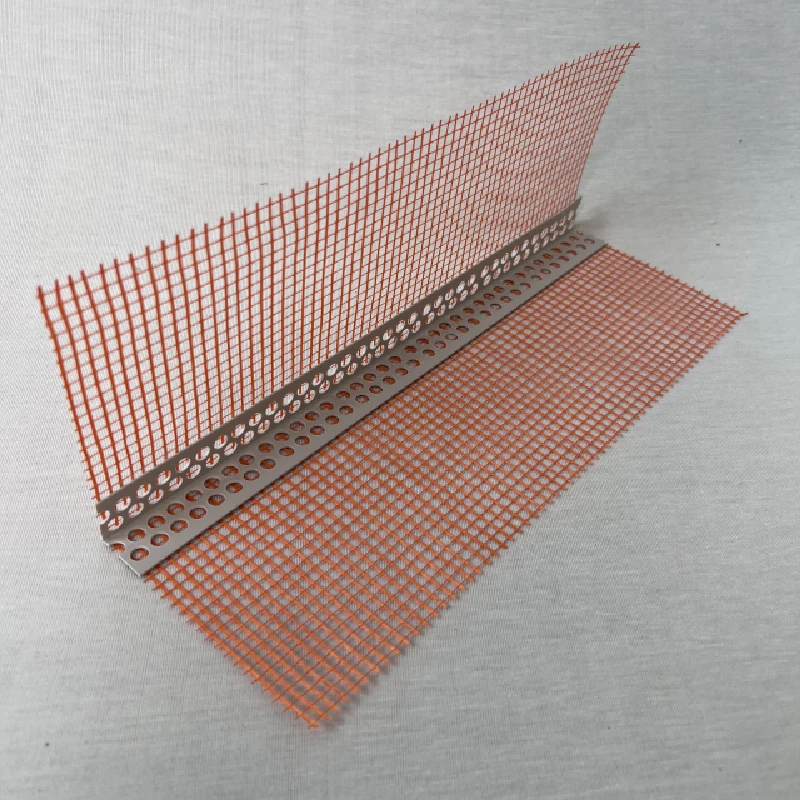
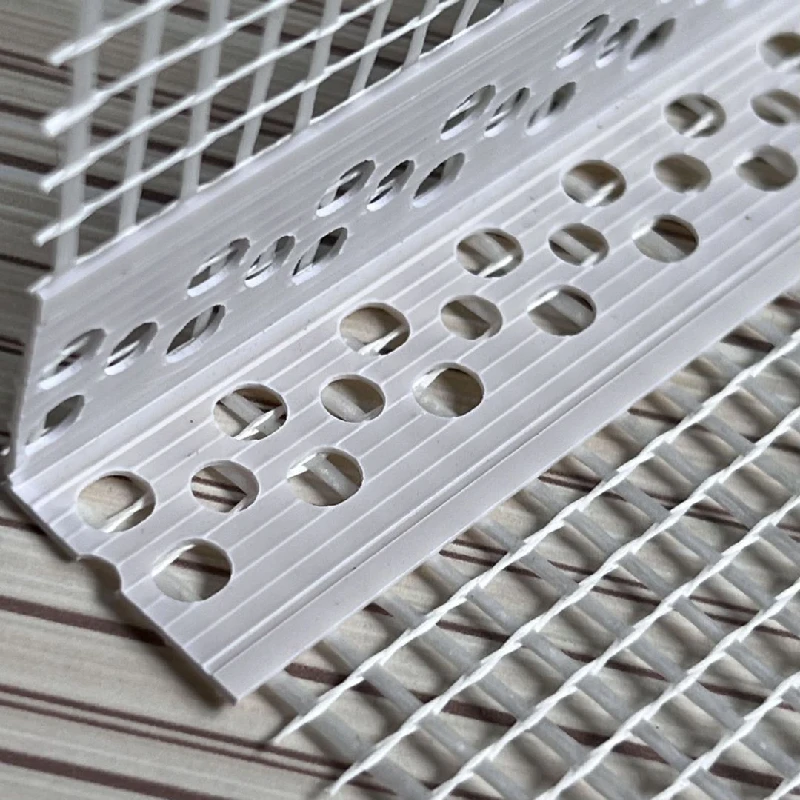
100mm PVC Drywall Corner Bead with Fiberglass Mesh
PVC Corner Bead + Fiberglass Mesh: The sturdy edge your drywall deserves
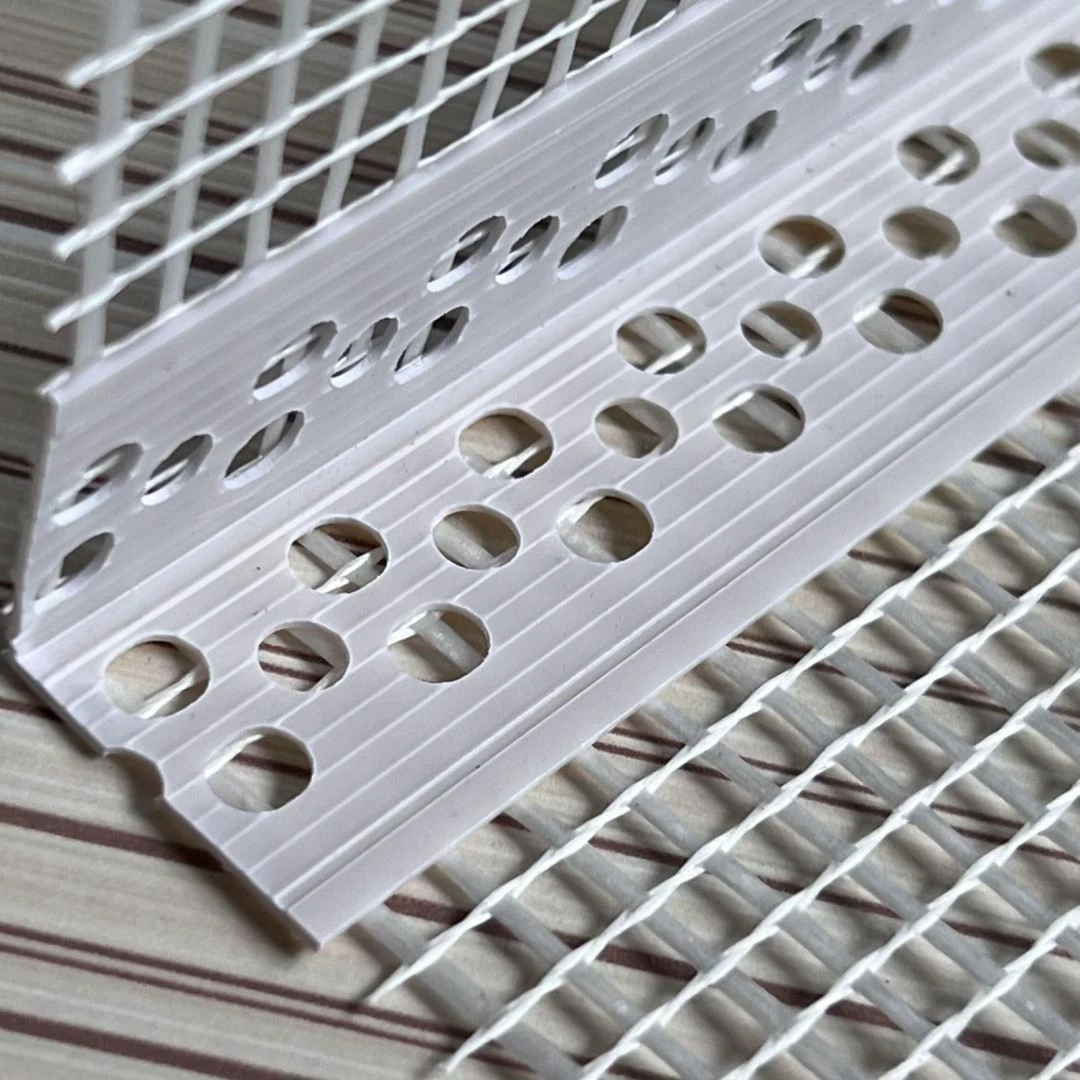
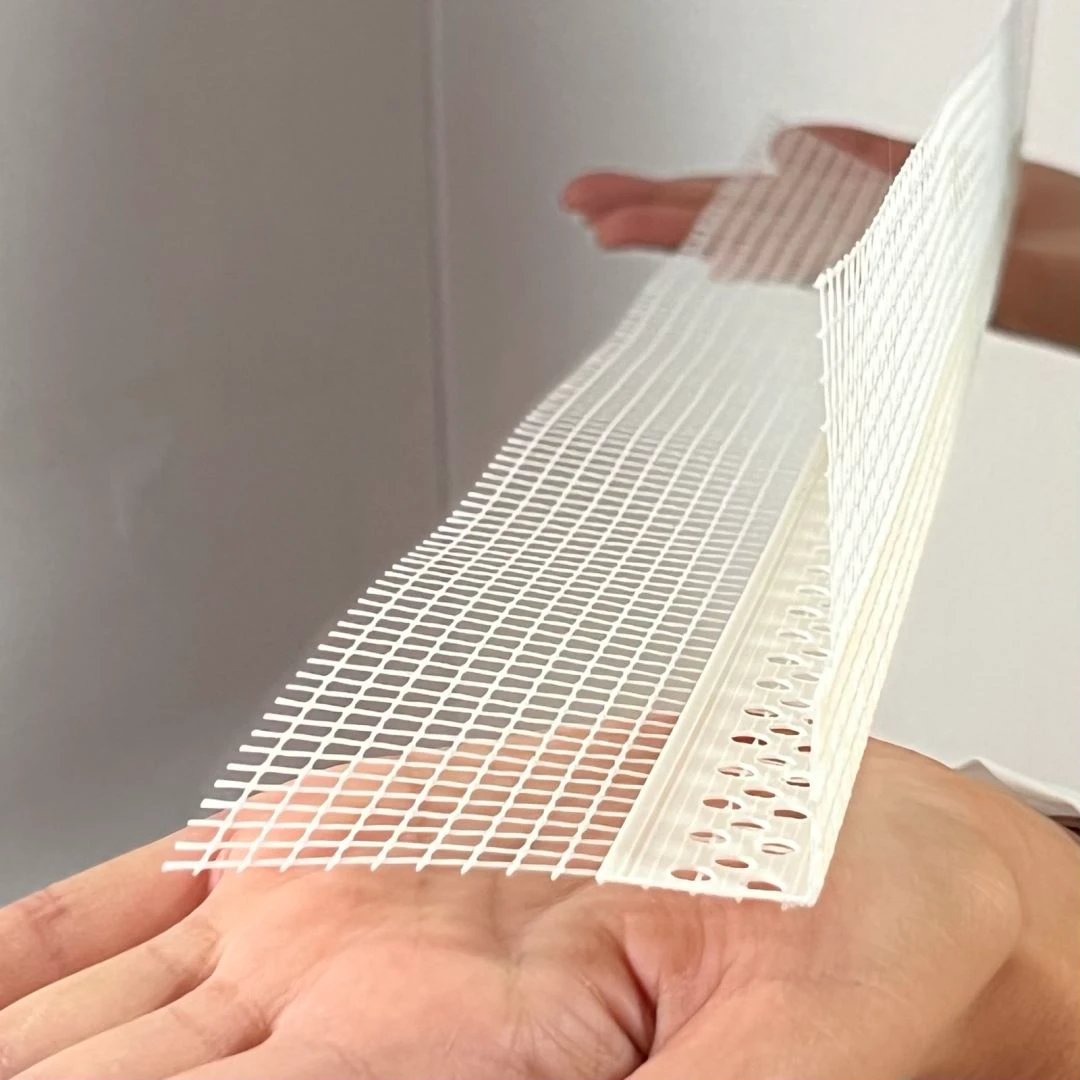
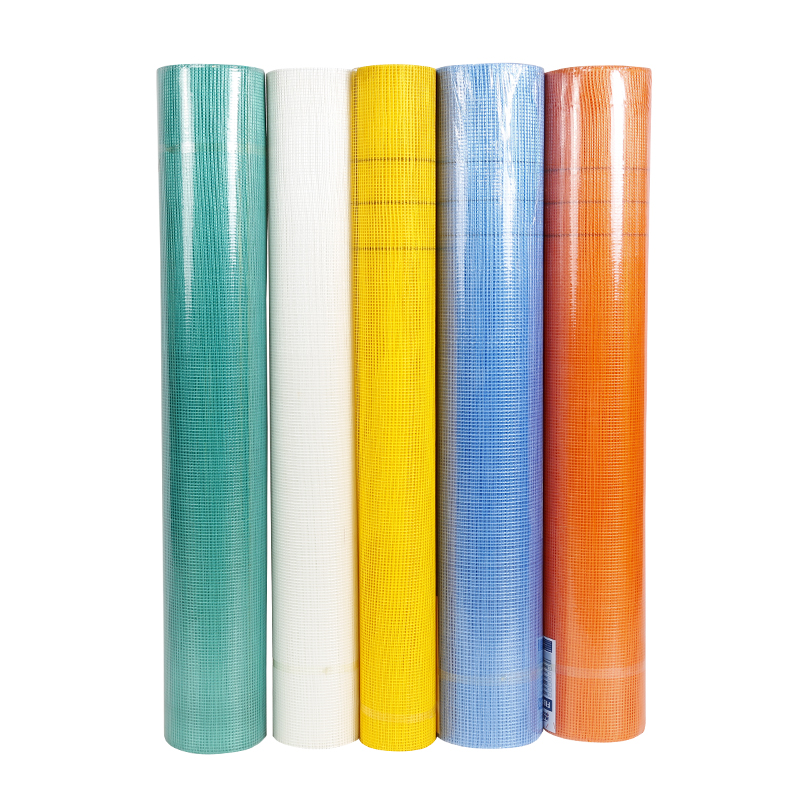
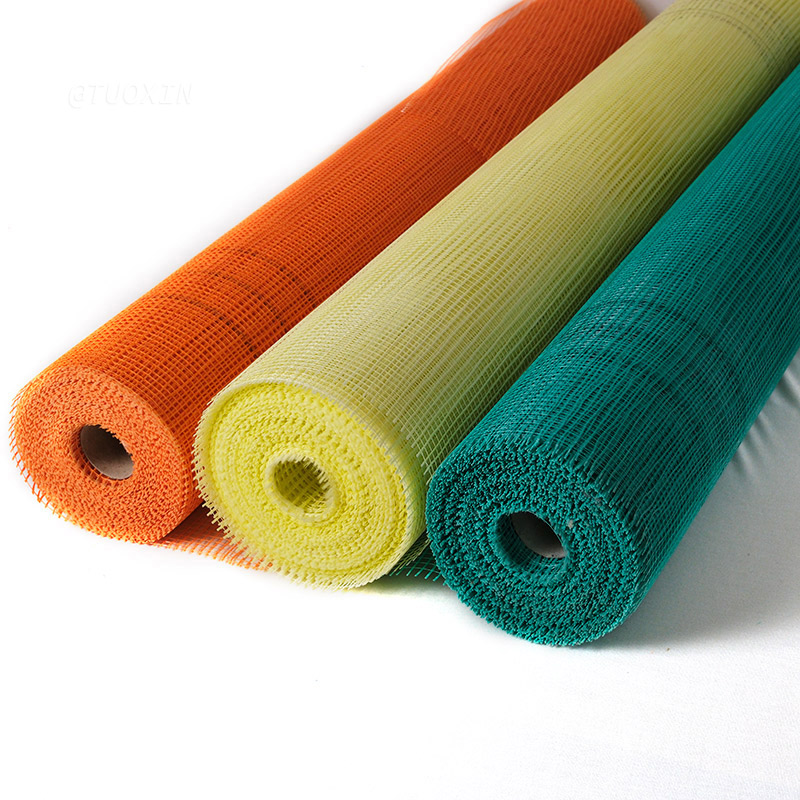
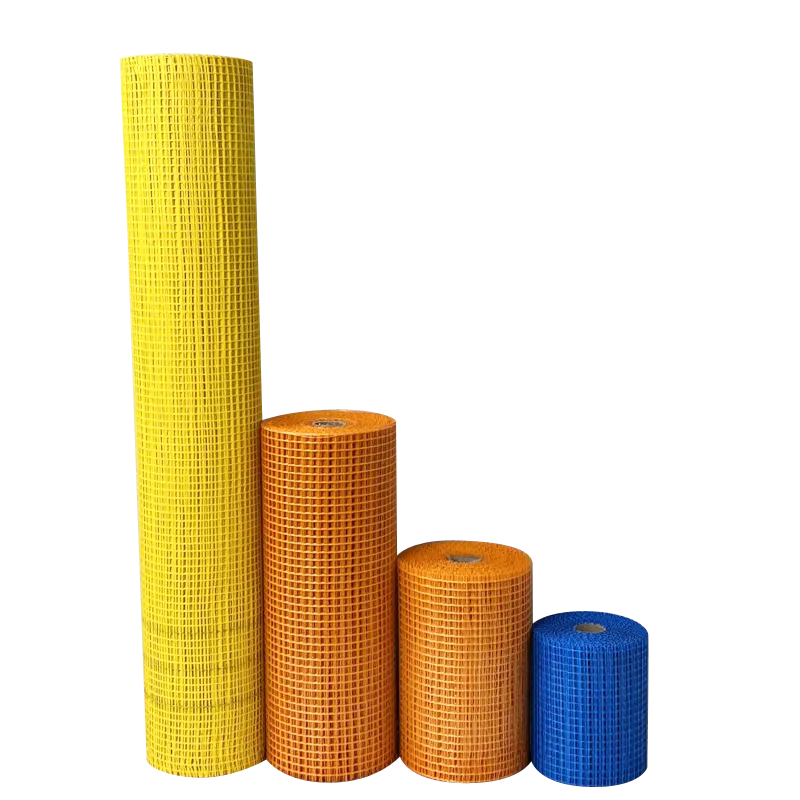
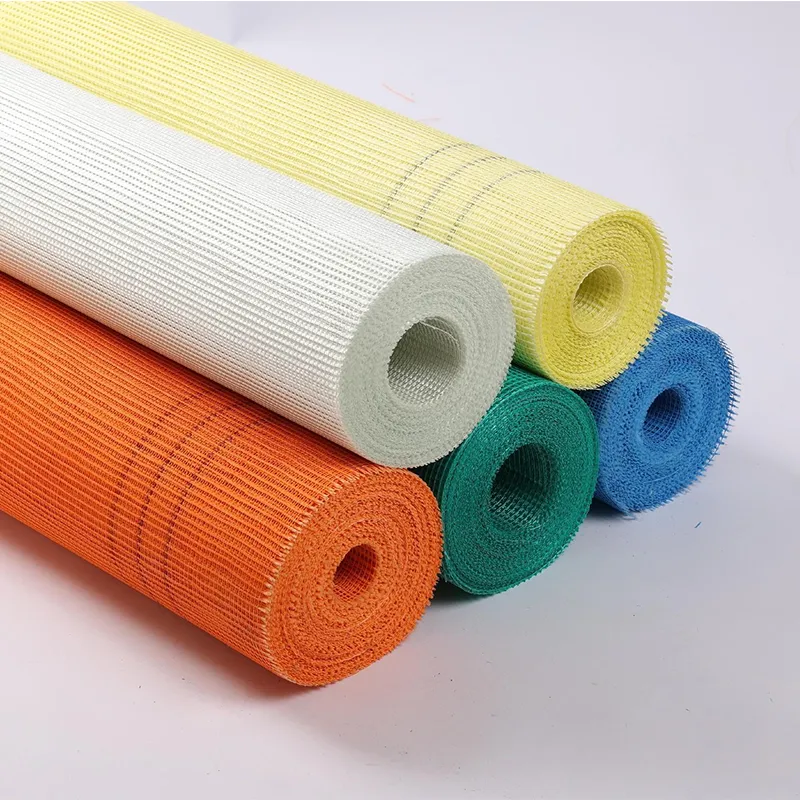
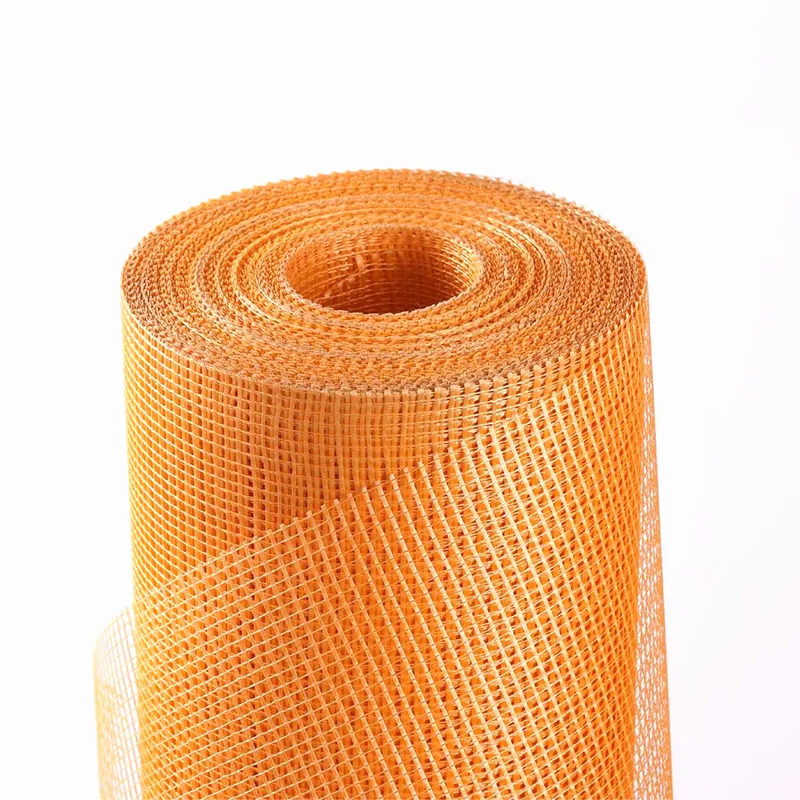
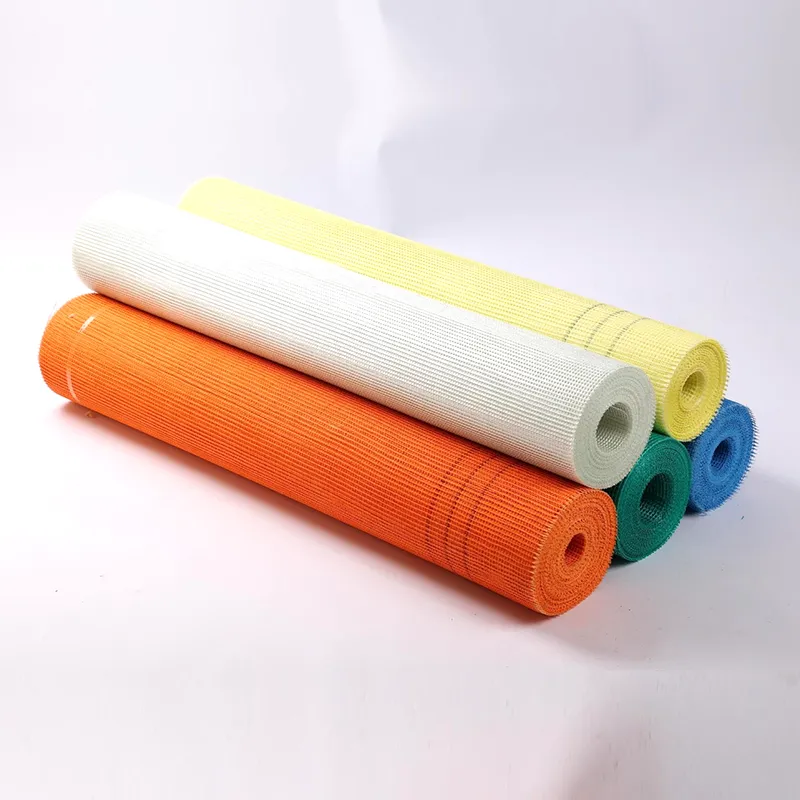
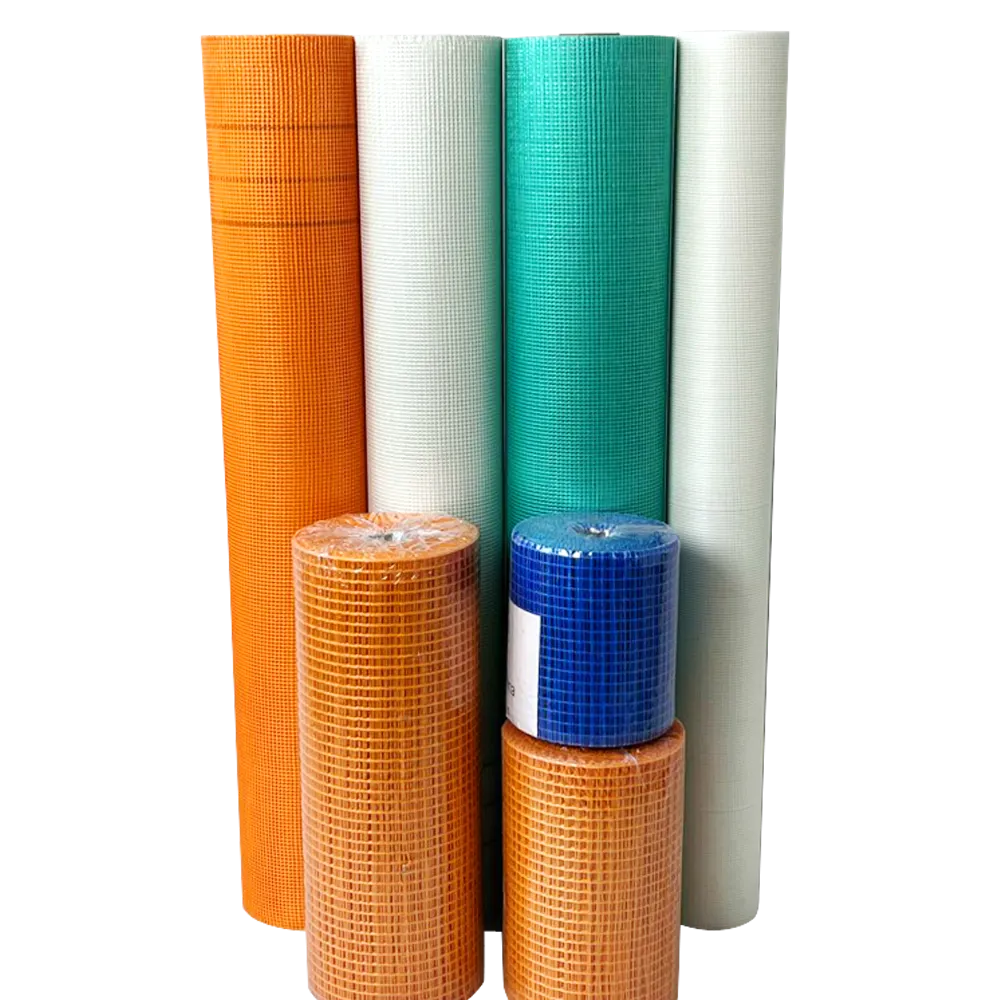
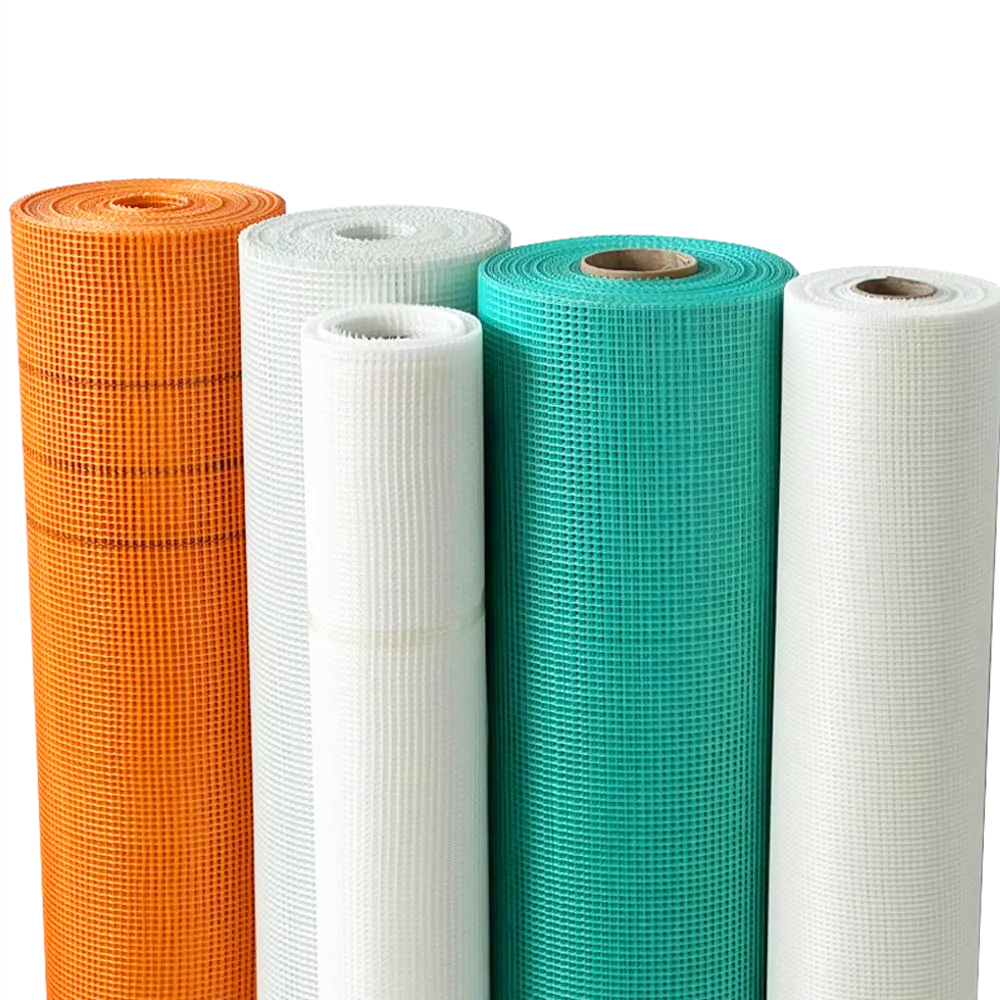
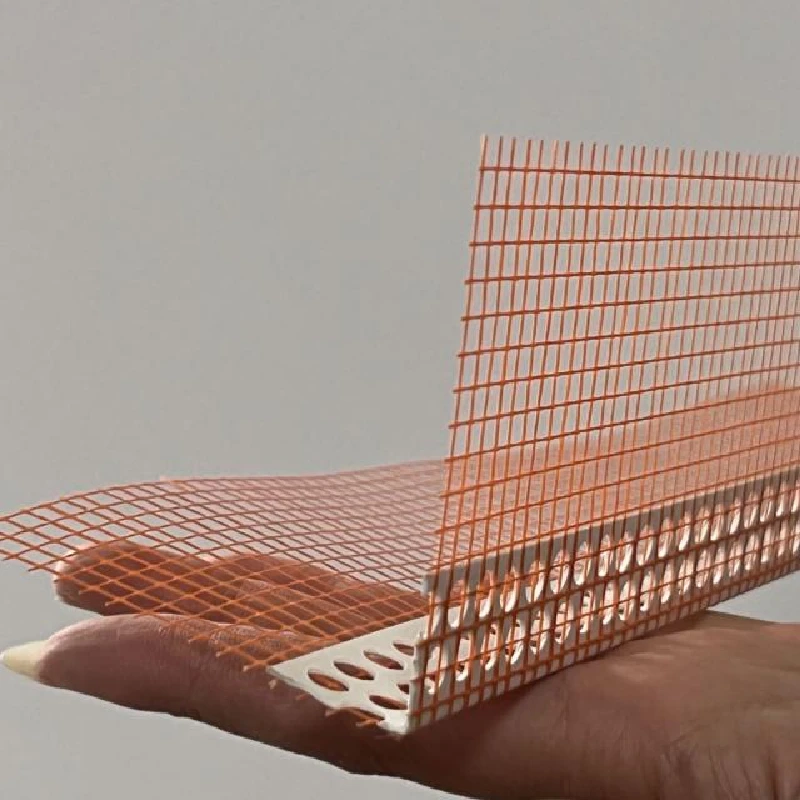
Contractors keep telling me the same story: edges fail first. That’s why the 100mm Wall Edge Protector Drywall Profiles Pvc Plastering Corner Bead With Professional Fiberglass Mesh has been quietly becoming a jobsite staple across interiors and ETICS façades. Made in Xiaomen Village, Yilunbao Township, Renqiu City, Hebei—yes, the heartland of fiberglass mesh—this hybrid profile pairs rigid uPVC with a professional-grade alkaline-resistant E-glass mesh. Simple idea, big payoff.
Industry snapshot (and what pros whisper on site)
Trends are shifting from metal beads to PVC+mesh because of alkali resistance in cementitious plasters and fewer corrosion headaches. In fact, façade installers say mesh-bonded beads reduce cracking along reveals—less call-backs, which everyone likes. Interior drywall crews, on the other hand, appreciate the clean corner line and faster skim time. It seems that the 100 mm wing gives forgiving coverage over rough boards and insulation joints.
Typical specifications
| Parameter | Spec (≈ real-world) |
|---|---|
| Profile width | 100 mm wing (each side) ≈ |
| Material | uPVC corner bead + AR (alkali-resistant) E-glass mesh |
| Mesh weight | 145–160 g/m² (custom 125–200 g/m²) |
| Mesh aperture | ≈ 5×5 mm |
| PVC thickness | ≈ 0.7–1.0 mm |
| Length per piece | 2.0–2.5 m (standard), custom on request |
| Color | White/grey (others on request) |
| Tensile (mesh) | ≥ 1250 N/50 mm (before alkali) per EN 13496 |
| Alkali retention | ≥ 50–70% after soak (ETICS guidance) |
| Service life | ≈ 25–30 years in ETICS; interiors longer, use-dependent |
Where it shines
- Drywall outside corners and column wraps (clean arris, fewer dings)
- Plastering over masonry and cement board
- ETICS/EIFS façades, window/door reveals, soffits
- High-traffic interiors: schools, hospitals, retail—edges that get bumped
- Moist/marine-adjacent areas where metal corrosion is a risk
Advantages? Good question. You get corrosion-free performance, strong mesh anchorage, and predictable plaster buildup. Many customers say feathering becomes almost boring—in a good way.
How it’s made (short version)
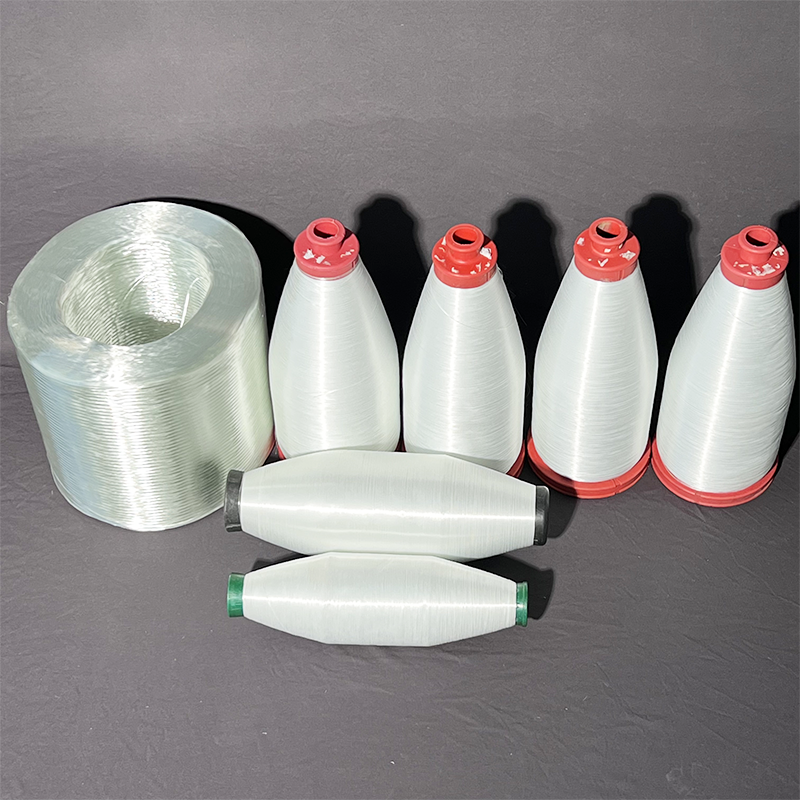
Materials: uPVC granules (UV-stabilized) + AR fiberglass yarns with zirconia content for alkali resistance.
Methods: PVC extrusion with bead perforations; mesh woven, heat-set, then bonded to the profile via hot-melt or ultrasonic welding. QC checks dimensions, mesh adhesion, and tensile strength. Packaging is straight bundles with corner guards—small touch, saves waste.
Testing standards referenced: ASTM C1047 (gypsum accessories), EN 13496 (mesh tensile), ETAG 004/EAD 040083 (ETICS), plus factory ISO 9001 routines. Real-world use may vary—substrate and plaster chemistry matter more than brochures admit.
Vendor comparison (quick peek)
| Vendor | Mesh weight | Certs | Lead time | Notes |
|---|---|---|---|---|
| Tainuo (Hebei) | 145–160 g/m² | ISO 9001; EN 13496 tests | ≈ 10–18 days | Stable adhesion; custom widths/colors |
| Generic Importer A | 125 g/m² | Basic COA | ≈ 25–30 days | Economy; watch alkali retention |
| Local Brand B | 160–180 g/m² | EN/ASTM declared | Stock-based | Good but pricier |
Customization
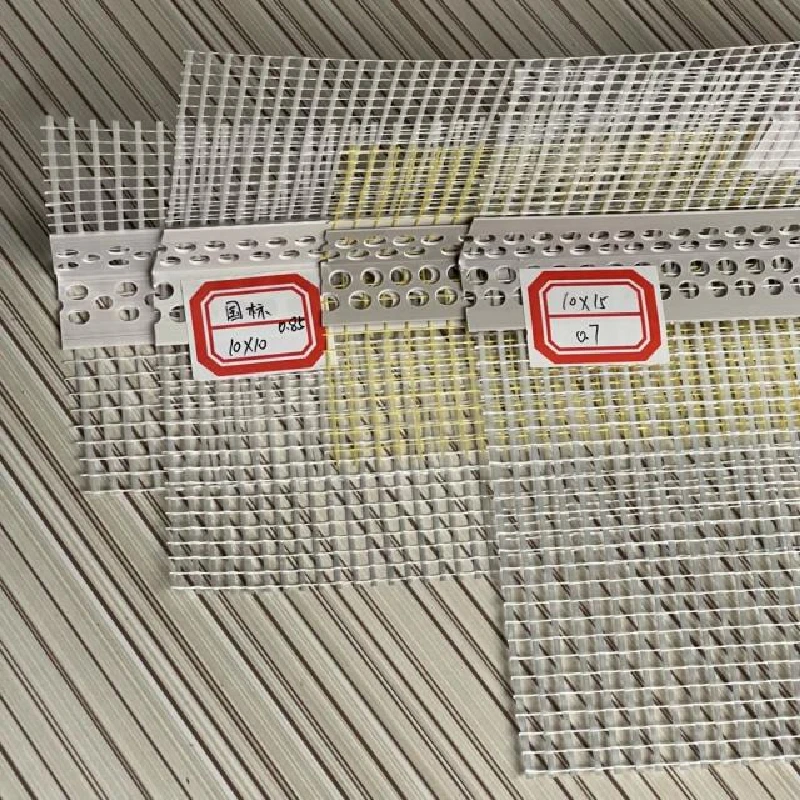
- Wing width: 80–120 mm; length: 2.0–3.0 m
- Mesh: 125–200 g/m²; apertures 4×4 to 6×6 mm
- Colors: white, grey, sand; UV stabilizer levels
- Adhesion method: hot-melt or ultrasonic (site preference)
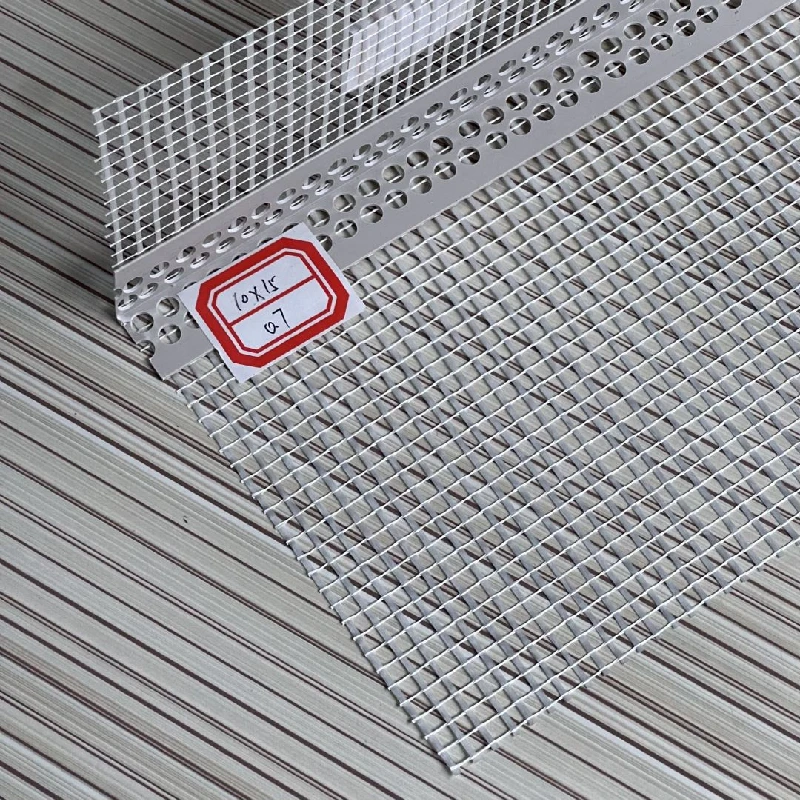
- Perforation density for plaster keying, drip-edge variants
Field notes and feedback
Case 1 (Retail fit-out, Dubai): Installer switched to 100mm Wall Edge Protector Drywall Profiles Pvc Plastering Corner Bead With Professional Fiberglass Mesh on gypsum corners. Result: 18% fewer corner touch-ups over 3 months, based on their snag list—surprisingly high.
Case 2 (ETICS school façade, Kraków): 160 g/m² mesh version used around window reveals. QA pull tests averaged 1.3 kN/m mesh bond—comfortably within spec, zero rust streaks after first winter.
What users say: “Stays straight, doesn’t telegraph through skim,” and “To be honest, corners are finally boring.” I guess that’s a compliment.
Compliance and best practices
- Reference ASTM C1047 for drywall accessories; tape/skim per compound datasheet.
- For ETICS, follow ETAG 004/EAD guidance; verify alkali retention and tensile after soak.
- Use compatible plaster/adhesive; avoid over-wetting mesh during embed.
- Store flat, shaded; install between 5–35°C ambient for best bond.
References:
- ASTM C1047 – Standard Specification for Accessories for Gypsum Wallboard (astm.org)
- EN 13496 – Thermal insulation products for buildings; determination of tensile strength and elongation (cen.eu)
- ETAG 004 / EAD 040083-00-0404 – ETICS with rendering (eota.eu)
-
Best Fiberglass Mesh Tape for RedGard Product Waterproofing GuideNewsApr.16,2026
-
Why High Strength Fiberglass Mesh Is Essential For Stucco ApplicationNewsApr.15,2026
-
Why Alkali Resistant Fiberglass Mesh Tape Is Essential For Cement Board And Tile InstallationsNewsApr.15,2026
-
Understanding The Role Of Drywall Fiberglass Mesh In Interior FinishingNewsApr.15,2026
-
Ultimate Guide To Using Fiberglass Mesh Tape For Drywall And Plaster RepairsNewsApr.15,2026
-
The Versatility Of Fiberglass Mesh In Marble And Stone MosaicNewsApr.15,2026