Dec . 09, 2025 06:30 Back to list
Factory Fiberglass Mesh Roll Companies – Quality & Comparison Guide
Factory Fiberglass Mesh Roll Companies: What You Need to Know
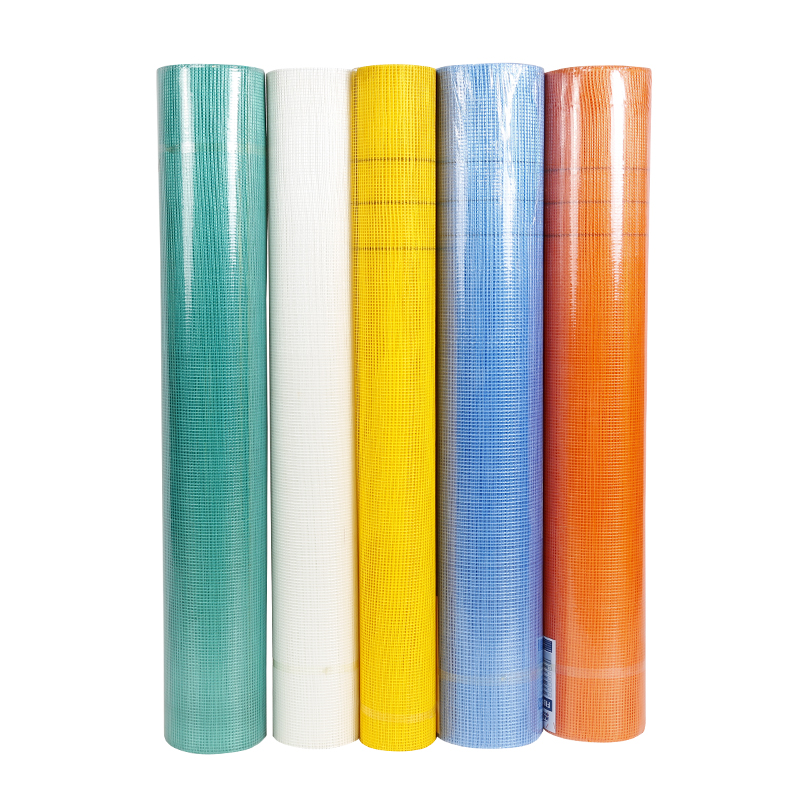
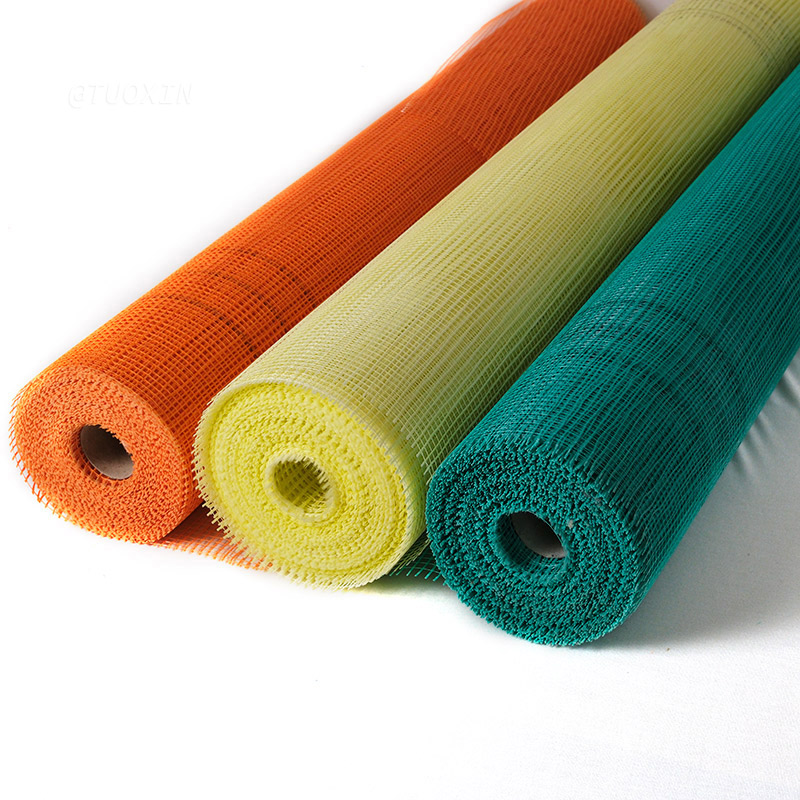
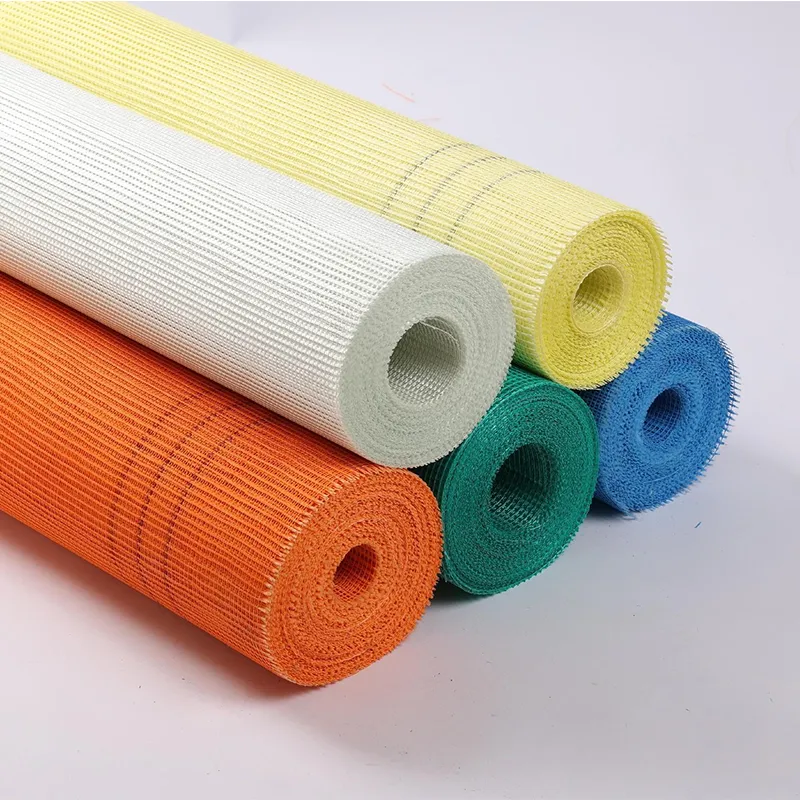
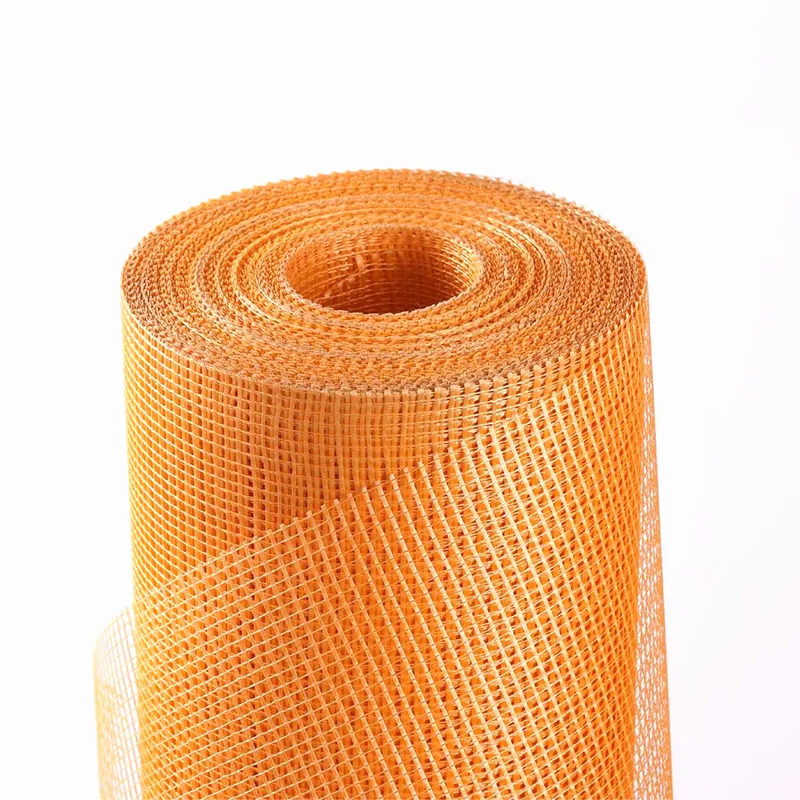
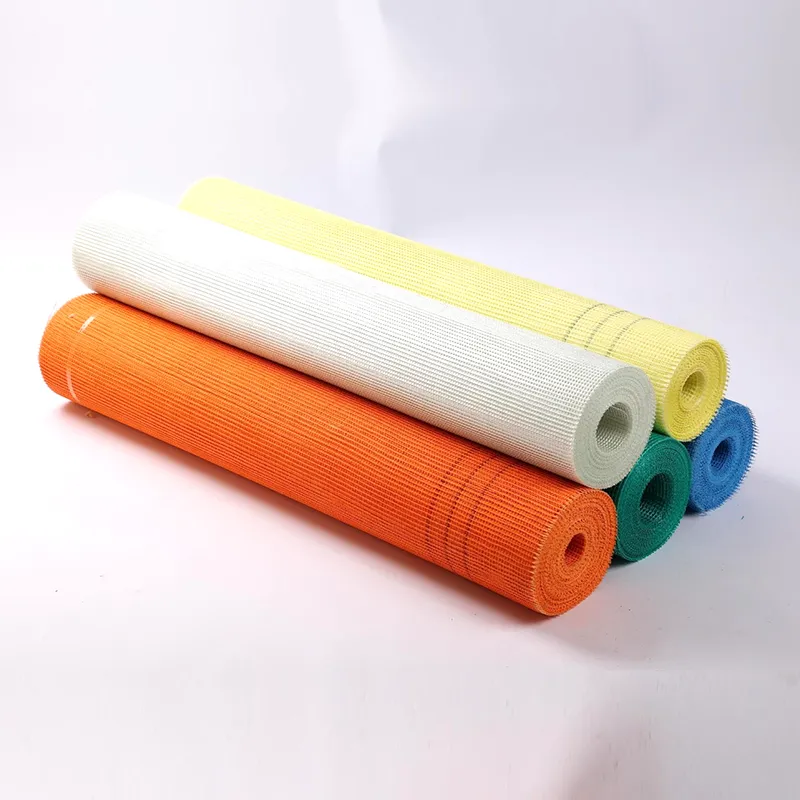
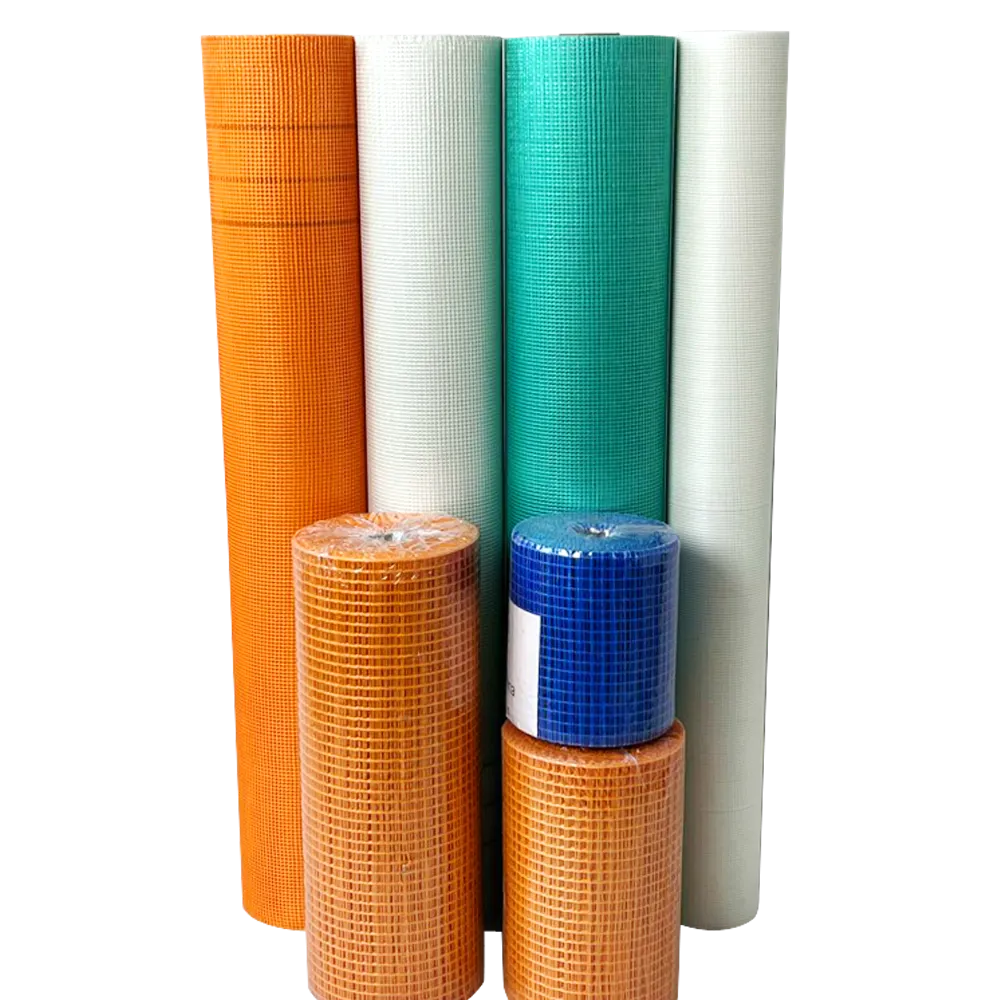
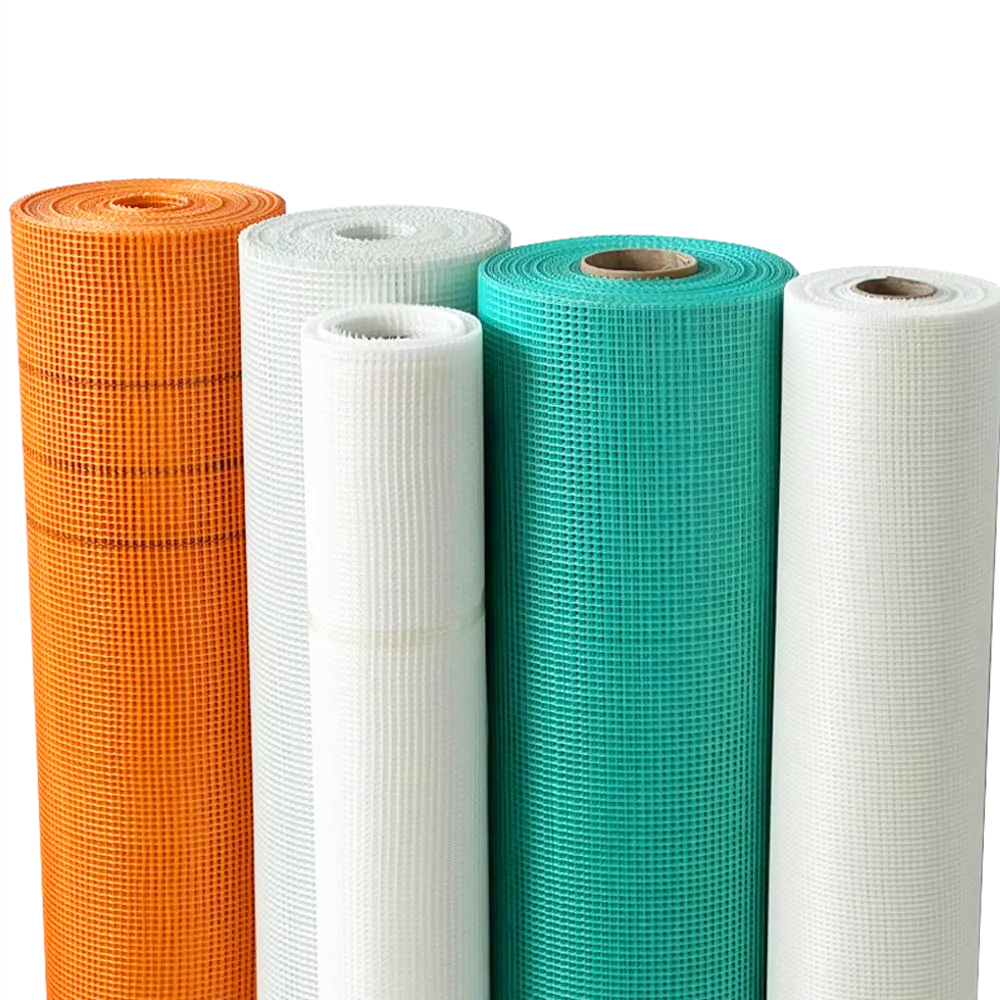
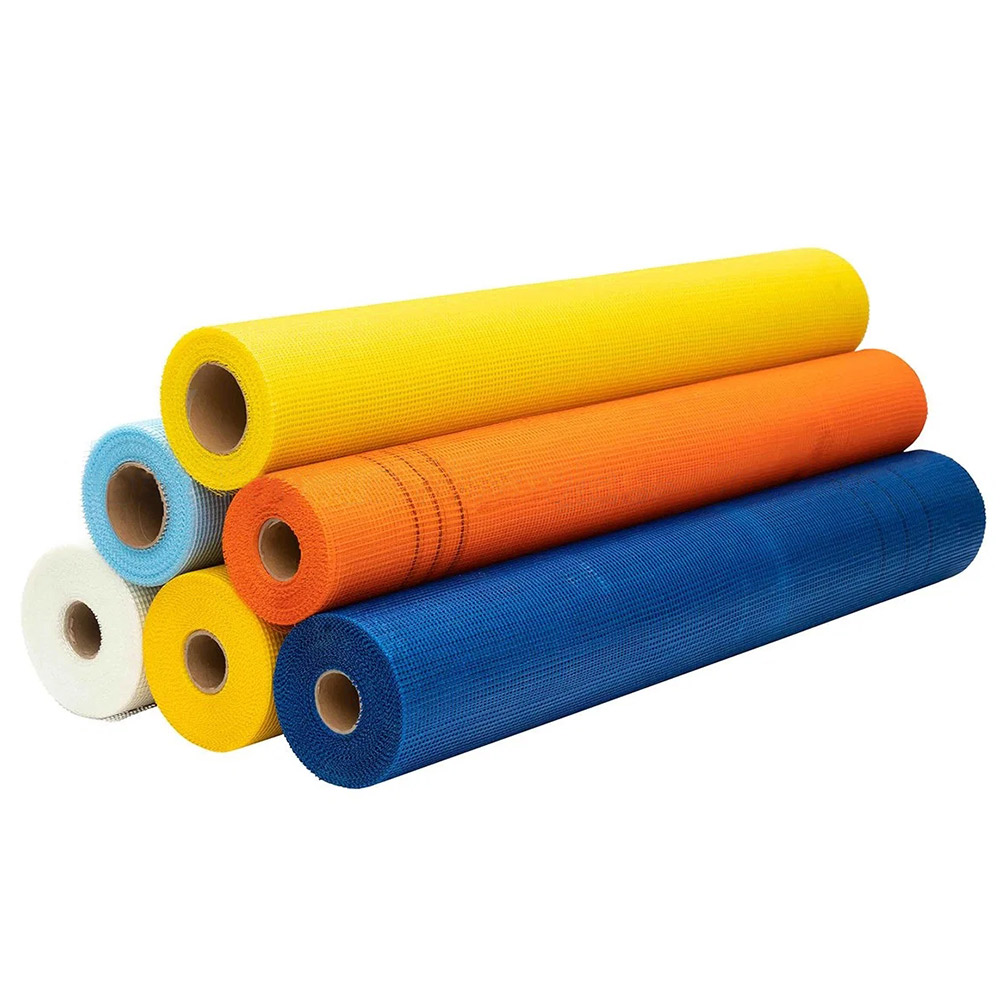
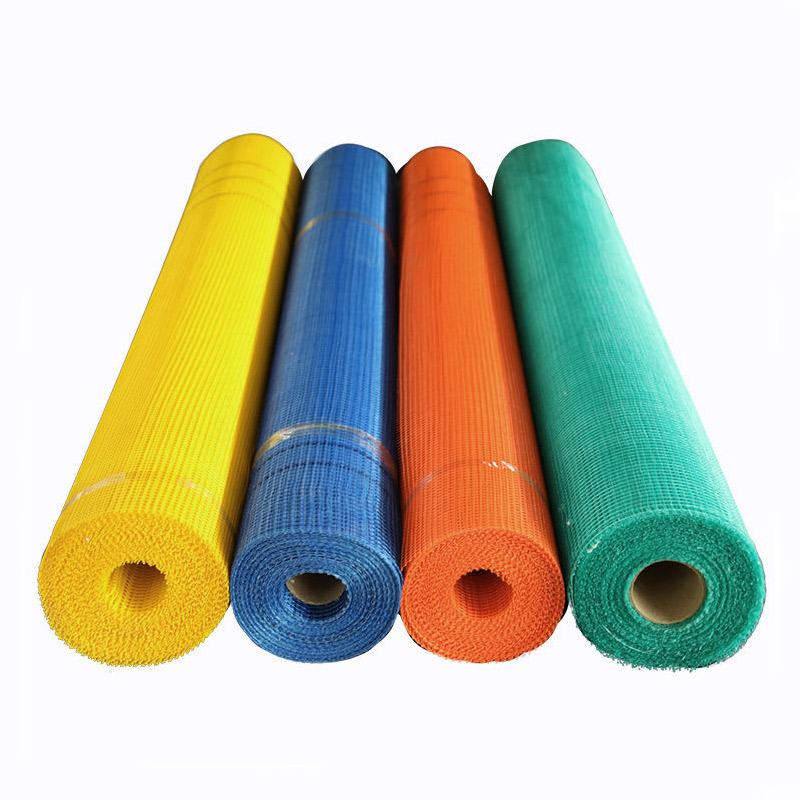
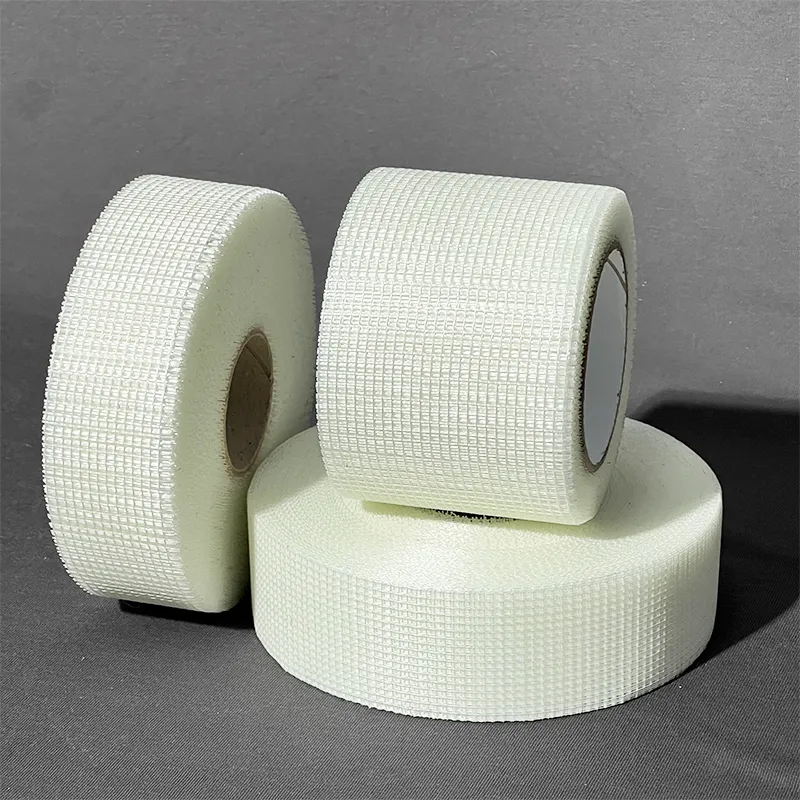
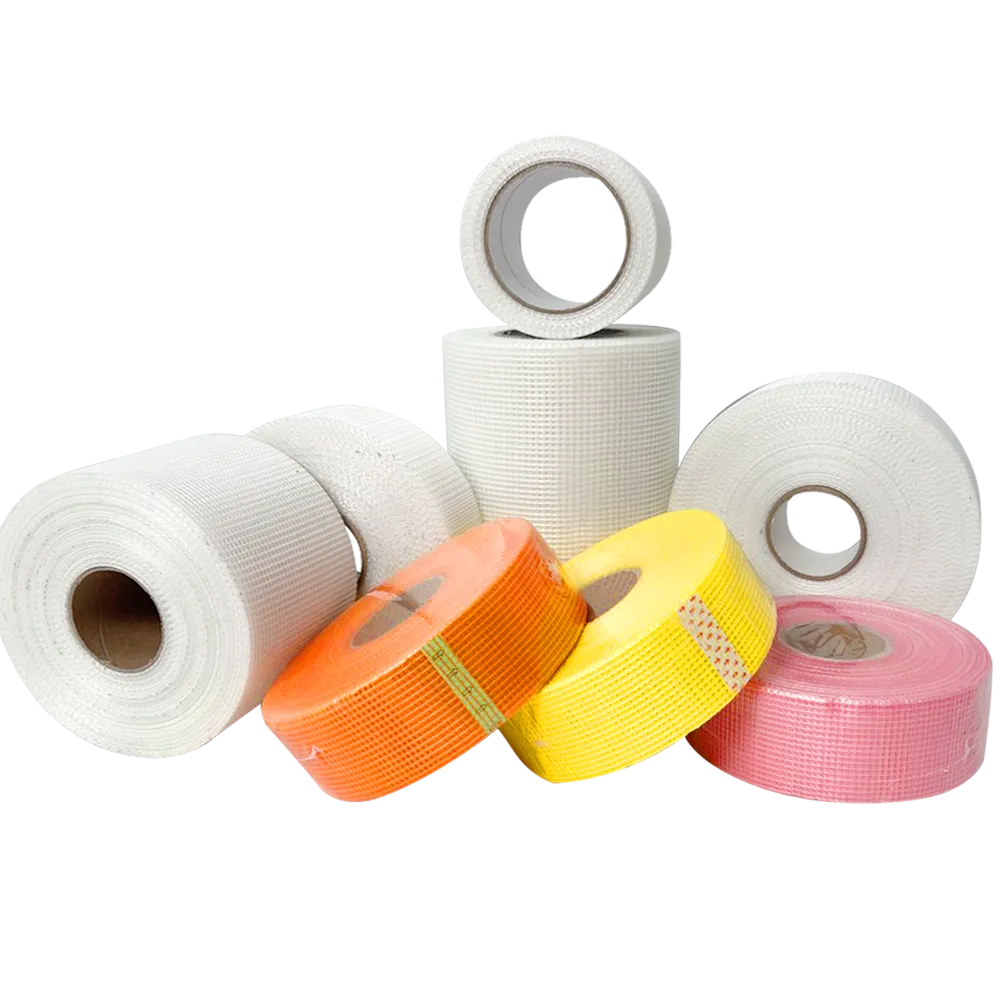
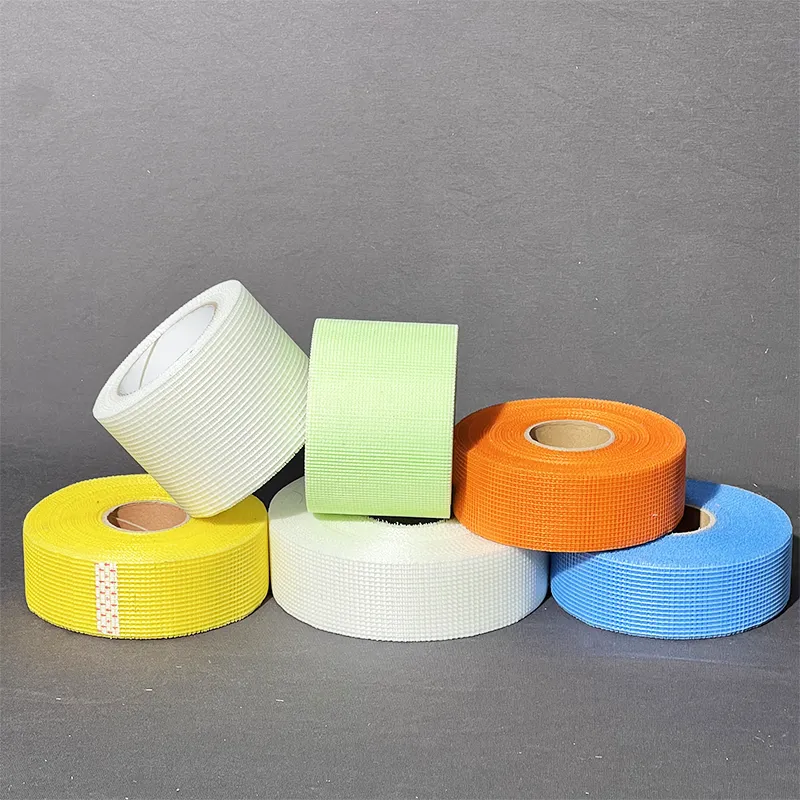
Having spent quite a few years in the industrial equipment sector, I’ve come across a range of materials and supplies—but fiberglass mesh rolls stand out because of their unique blend of strength and versatility. If you’re looking into factory fiberglass mesh roll companies, this article aims to give you an insider’s perspective that’s both practical and unapologetically straightforward.
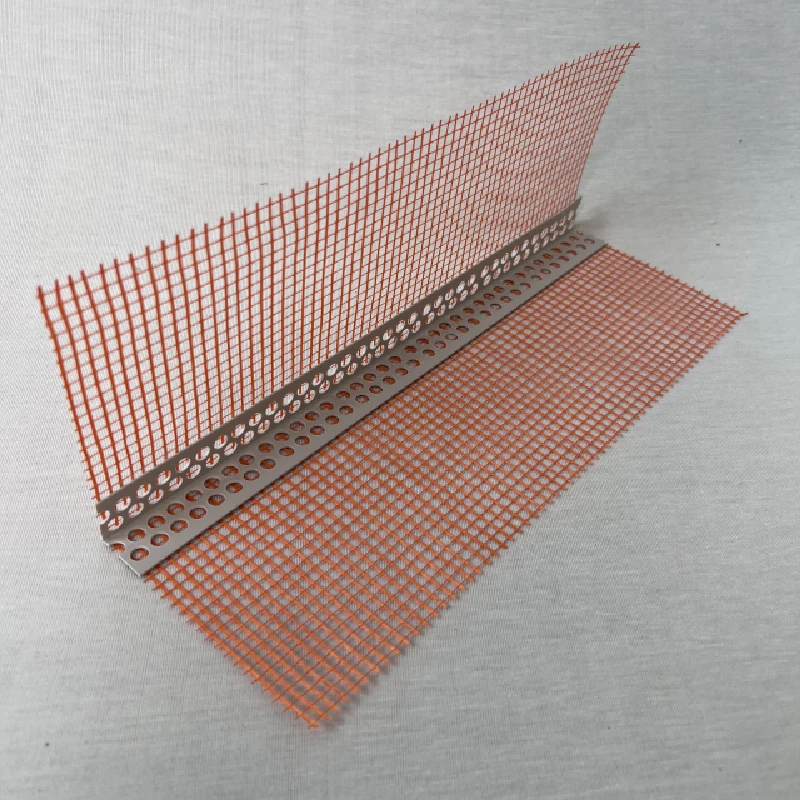
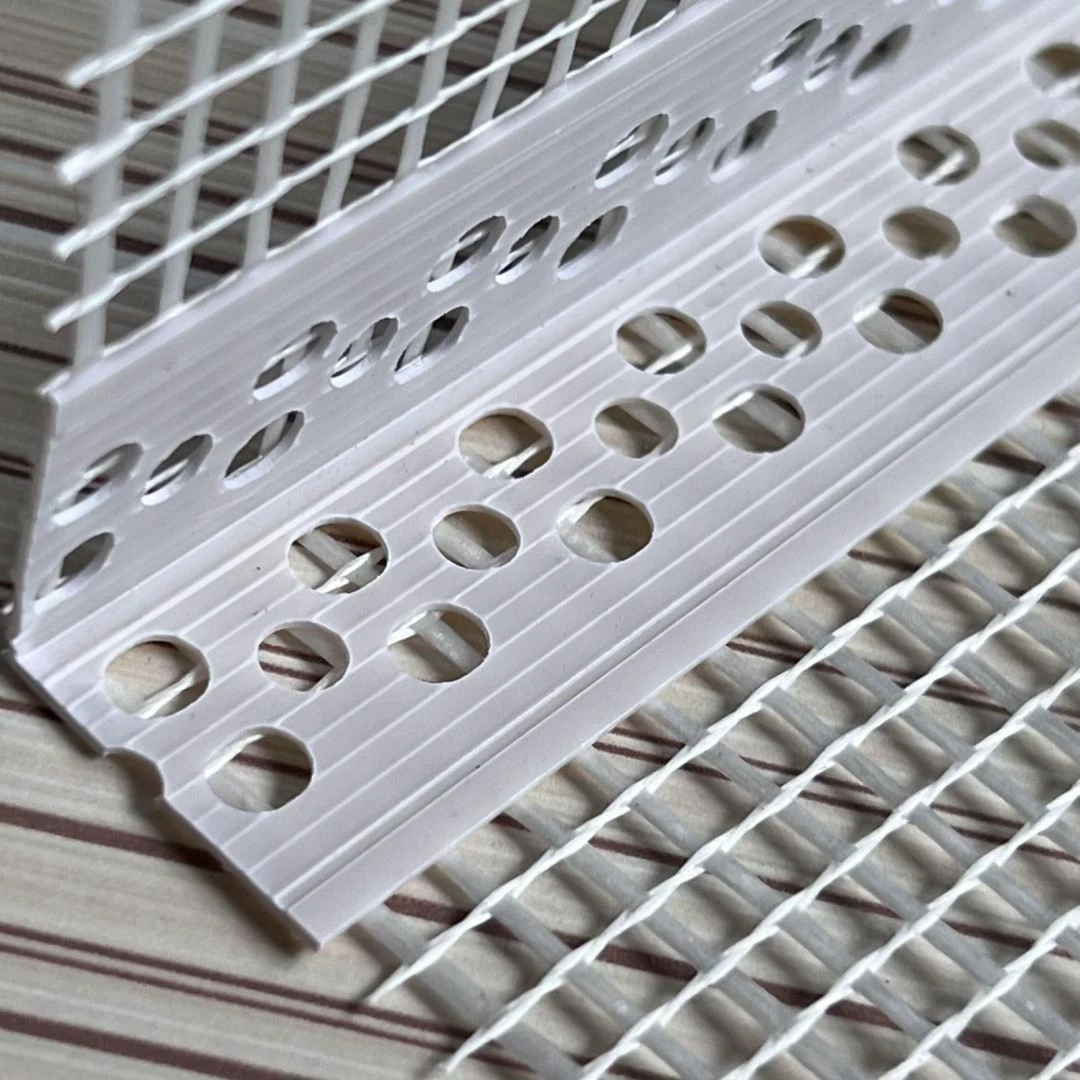
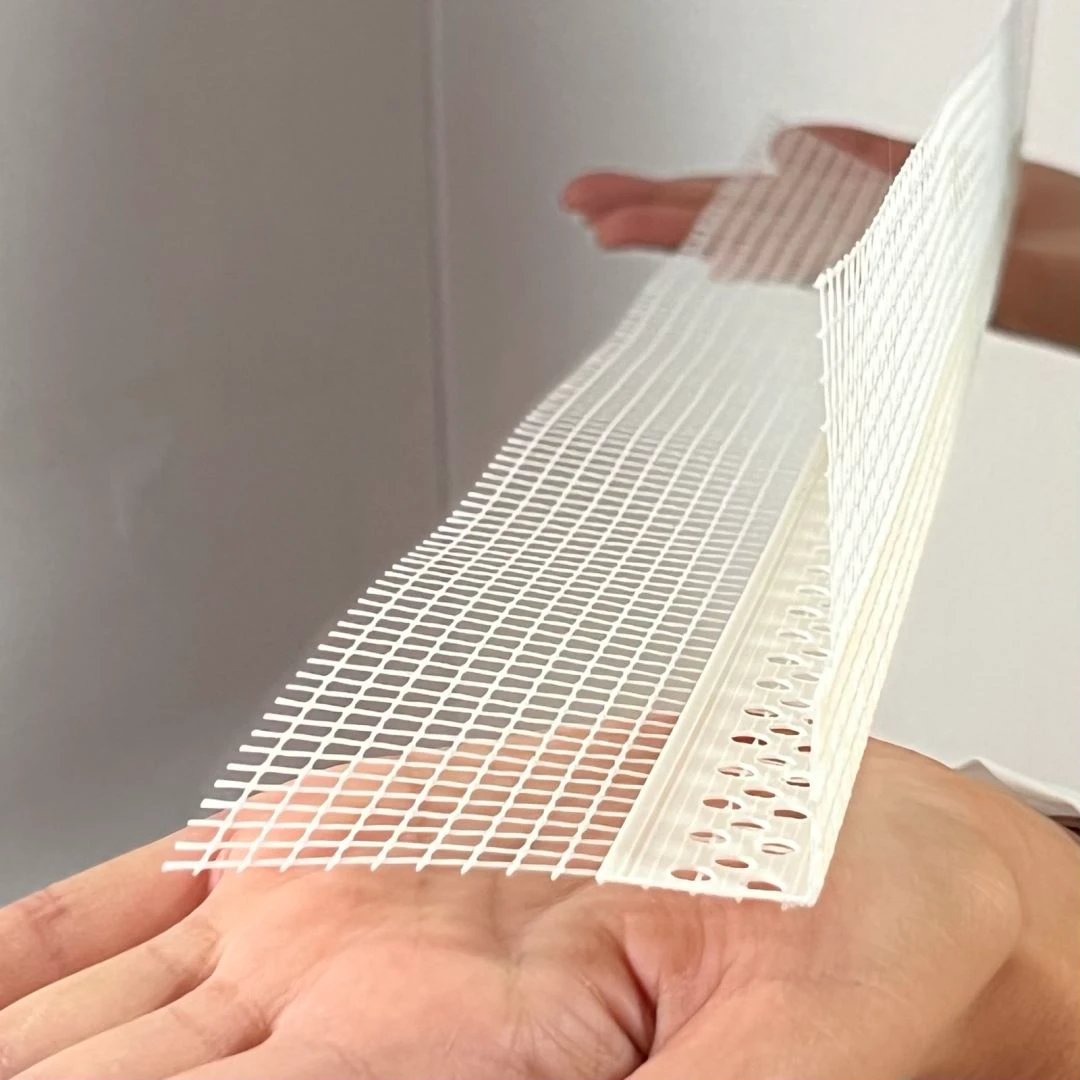
Oddly enough, fiberglass mesh might sound like a niche product, but once you see it in action—especially on construction sites or factory floors—it becomes obvious why it’s indispensable. Tough, lightweight, and resistance-engineered, these rolls help reinforce concrete, stabilize walls, and even improve durability in industrial setups. Engineers often tell me that the key lies in the details: the fiber thickness, the weaving pattern, and the coating all influence performance.
Why Do Materials and Design Matter?
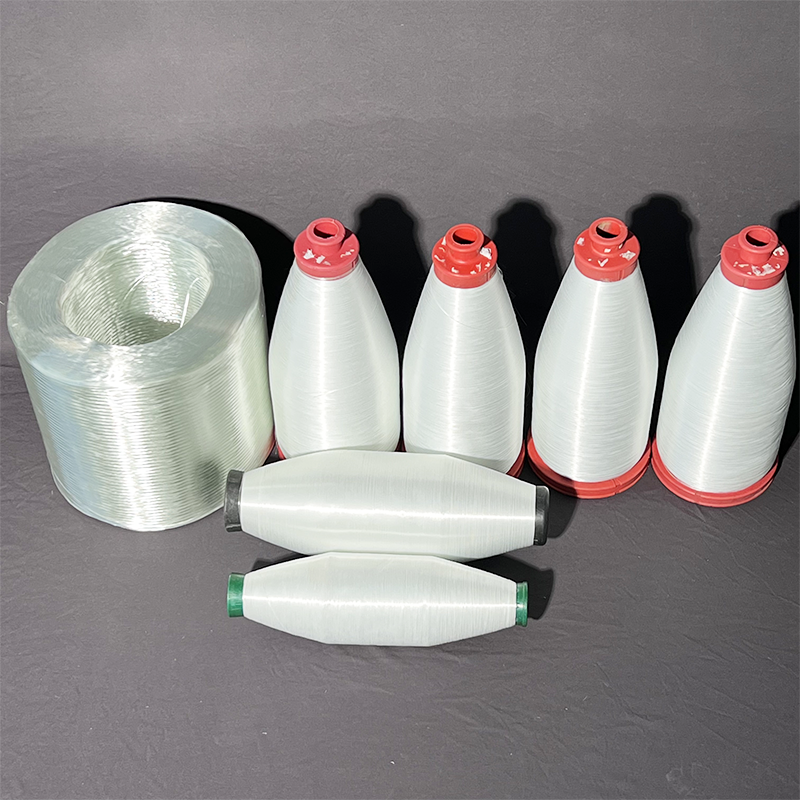
The common fiberglass mesh you find in factories usually consists of high-quality alkali-resistant glass fibers. This is vital because, without alkali resistance, the mesh would degrade when exposed to cement’s naturally high alkalinity. I remember a project where the supplier’s specs weren’t quite up to par—the mesh started fraying within months, causing headaches and delays. That was a firm lesson in verifying product composition first.
Design-wise, the mesh’s weave pattern isn’t simply about aesthetics. It affects strength and flexibility. A tight weave can add rigidity but reduce flexibility, whereas looser weaves allow easier handling. Depending on the application—say, in external wall insulation systems or floor screeds—sometimes you want one over the other.
Typical Product Specifications
| Specification | Details |
|---|---|
| Fiber Type | Alkali-Resistant Fiberglass |
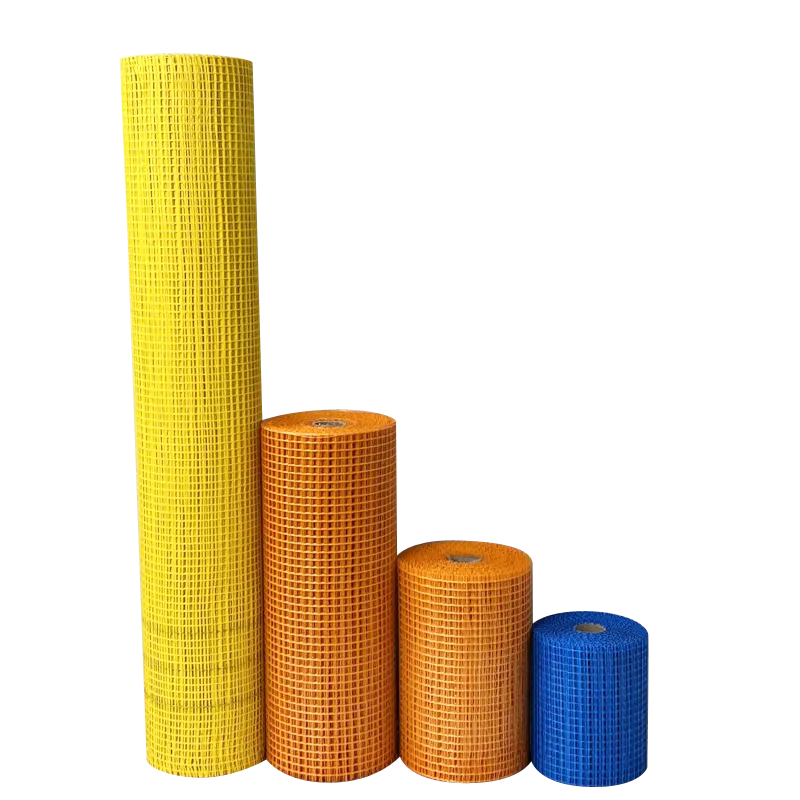
| Roll Width | 1m, 2m, 3m (custom sizes available) |
| Weight | 25 - 150 g/m² |
| Tensile Strength | Up to 7000 MPa |
| Roll Length | 50m, 100m (custom lengths on request) |
| Coating | PVC or polymer-acrylic |
How Do Factory Suppliers Compare?
There are quite a few players in the factory fiberglass mesh market, but three main factors tend to separate the leaders from the rest: material quality, customization options, and customer support.
| Company | Material Quality | Customization | Delivery & Support |
|---|---|---|---|
| Tainuo Fiberglass Mesh | High-grade alkali-resistant fibers | Extensive width & weight options | Responsive with global shipping |
| Generic Mesh Co. | Standard-grade fibers | Limited sizes, mostly stock only | Basic support, regional only |
| Global Fabrics Ltd. | Premium fibers but higher cost | Good customization but MOQ restrictions | Solid support with dedicated reps |
From my experience, Tainuo Fiberglass Mesh stands out for striking a fine balance between quality, options, and service. The company’s alkali-resistant technology isn’t just marketing fluff—they’ve invested in thorough testing to validate longevity in harsh cement environments, which you definitely want to avoid cutting corners on.
A Quick Customer Story
I recall a client from a major concrete producer who switched to Tainuo’s mesh rolls after repeated failures with cheaper alternatives. They noted fewer cracks and much faster drying times, which, frankly, reduced downtime significantly. It felt less like a commodity purchase and more like a strategic upgrade.
Final Thoughts
In real terms, choosing a reliable factory fiberglass mesh roll company isn’t just about price. It’s about trusting that the materials will perform, that custom requests are accommodated, and that support is there when you need it. Fiberglass mesh is an unsung hero in many industrial applications, and frankly, I believe it deserves more recognition—and care—in procurement decisions.
If you’re on the lookout, do consider the fiber quality, weave specs, and supplier reputation. And you’ll want to check out Tainuo Fiberglass Mesh for a solid, proven option worth your time.
That’s my take, anyway. If you dive in with those factors in mind, you’ll likely find exactly what fits your project.
References:
1. Industry technical reports on alkali-resistant fiberglass
2. Supplier product datasheets and testing protocols
3. Client case studies within construction materials sector
-
Best Fiberglass Mesh Tape for RedGard Product Waterproofing GuideNewsApr.16,2026
-
Why High Strength Fiberglass Mesh Is Essential For Stucco ApplicationNewsApr.15,2026
-
Why Alkali Resistant Fiberglass Mesh Tape Is Essential For Cement Board And Tile InstallationsNewsApr.15,2026
-
Understanding The Role Of Drywall Fiberglass Mesh In Interior FinishingNewsApr.15,2026
-
Ultimate Guide To Using Fiberglass Mesh Tape For Drywall And Plaster RepairsNewsApr.15,2026
-
The Versatility Of Fiberglass Mesh In Marble And Stone MosaicNewsApr.15,2026