Dec . 03, 2025 19:14 Back to list
Understanding Drywall Fiberglass Mesh Products: Applications, Benefits & Future Trends
Drywall Fiberglass Mesh Products: Reinforcing Modern Construction with Reliability and Sustainability
In the vast world of construction materials, drywall fiberglass mesh products quietly play a pivotal yet often underrated role. They're essential for reinforcing drywall to prevent cracking, enhancing wall durability, and even bringing improvements that address global sustainability challenges. Understanding these products offers insights not only for builders and contractors but also for architects, developers, and even humanitarian agencies confronting tough structural challenges worldwide.
Why Drywall Fiberglass Mesh Products Matter Globally
Fiberglass drywall mesh products have become a global staple, especially as urbanization accelerates. In 2023, the United Nations estimated that 68% of the world’s population will live in urban areas by 2050, increasing demand for fast, durable, and cost-effective building materials. Drywall fiberglass mesh products offer a simple yet elegant solution: reinforcing drywall without the bulk or weight of traditional metal lath. The World Bank’s infrastructure reports also highlight durability as a key factor in reducing maintenance costs in developing countries where budget constraints are real.
Nevertheless, despite their advantages, many builders are skeptical of mesh quality, installation ease, or environmental footprint. So what exactly are these products, and why have they become a linchpin in modern construction?
What Are Drywall Fiberglass Mesh Products?
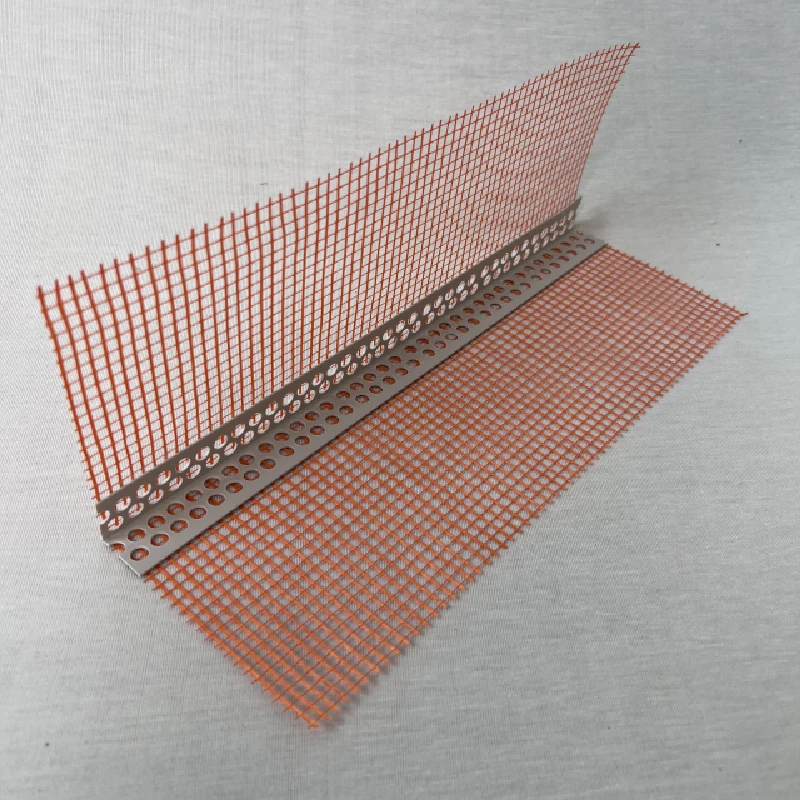
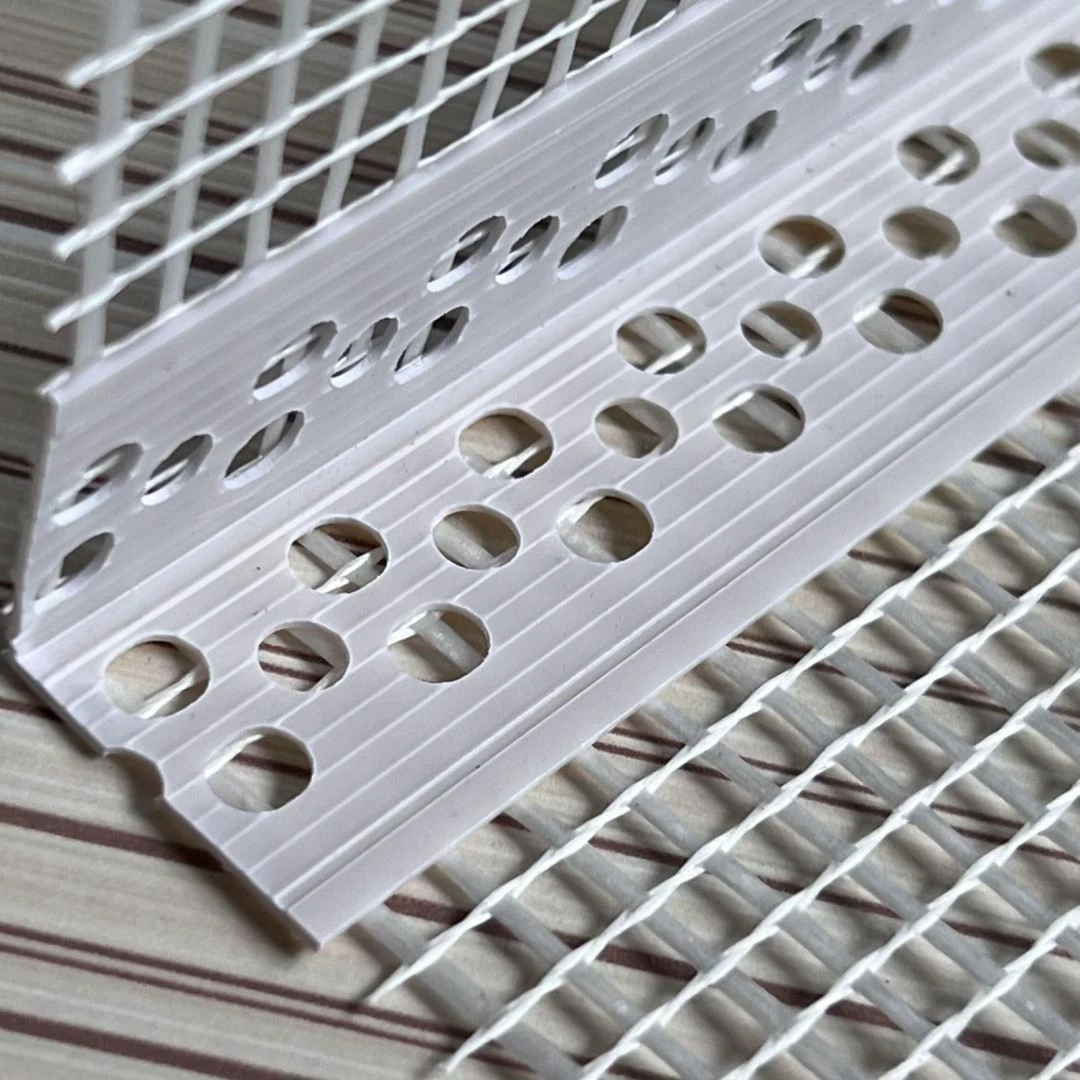
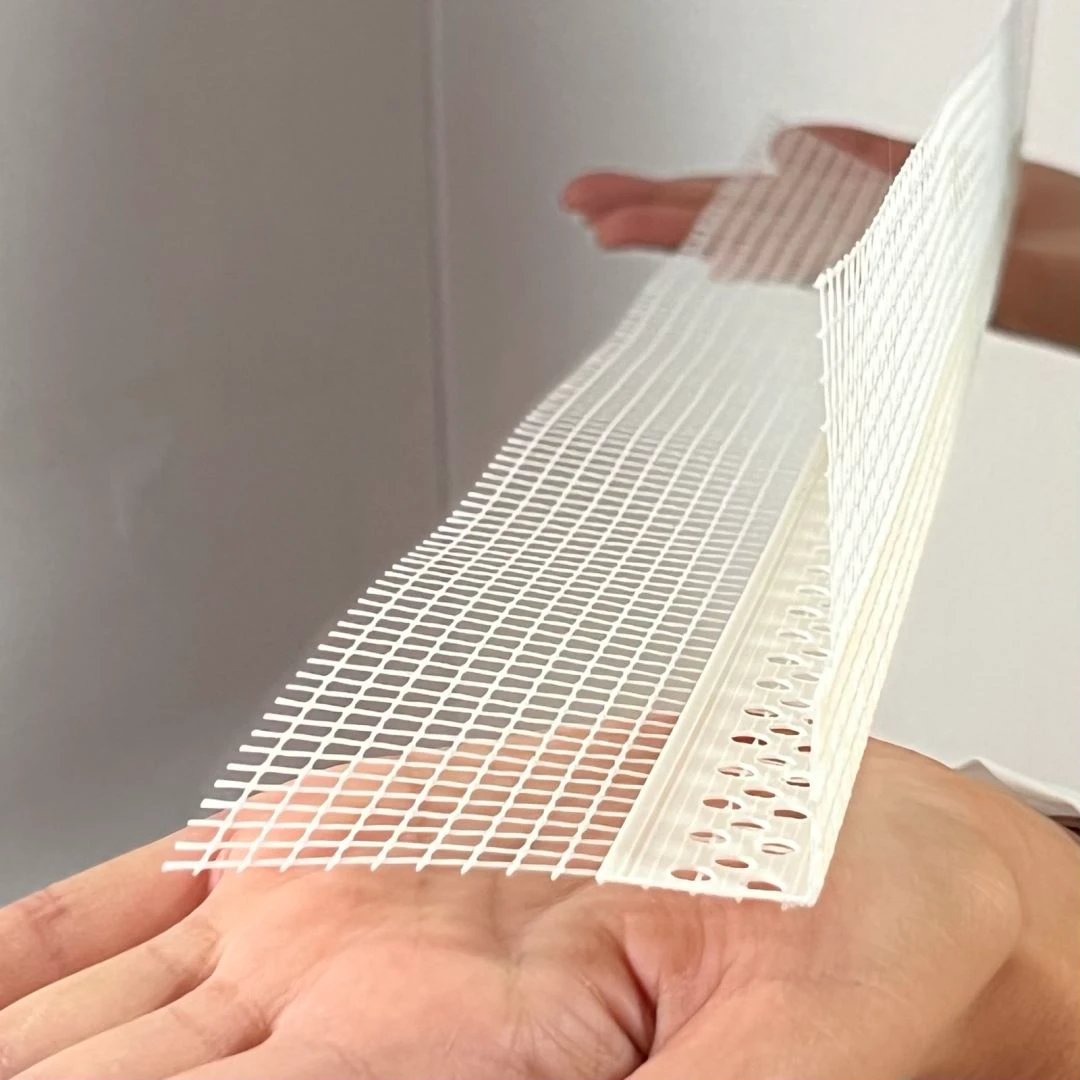
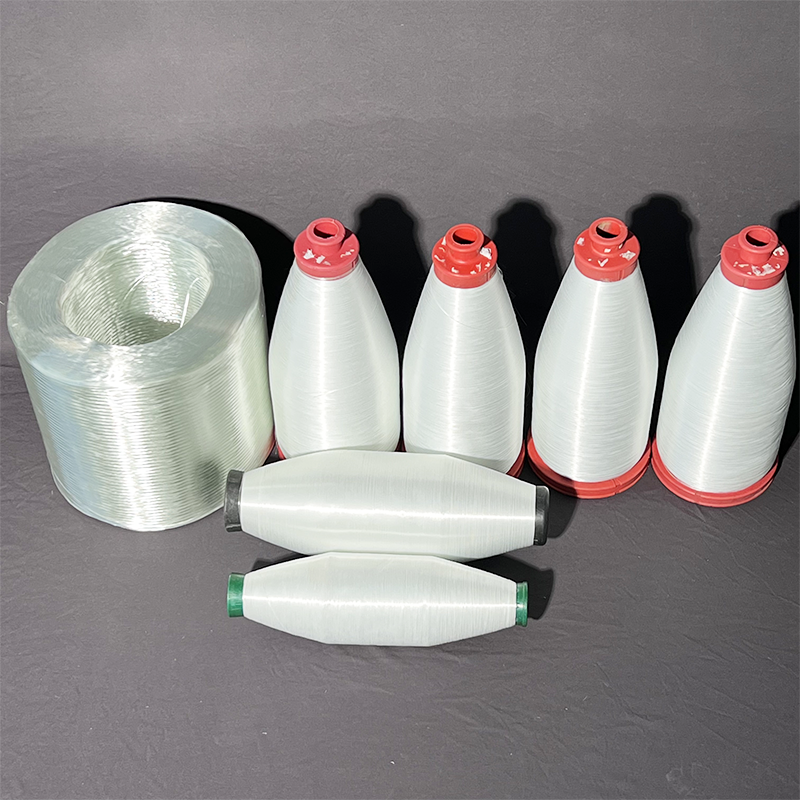
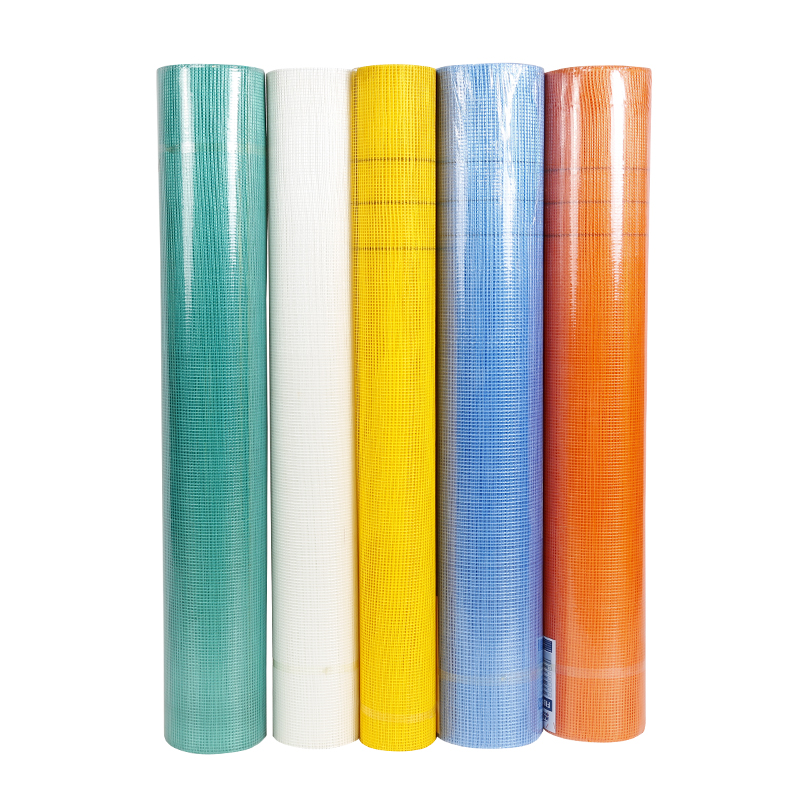
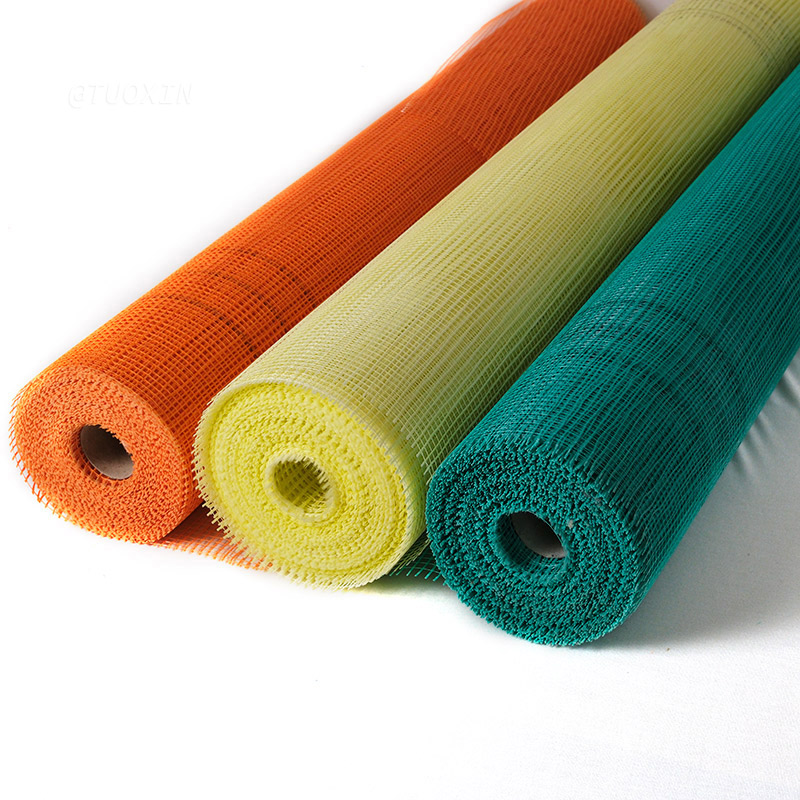
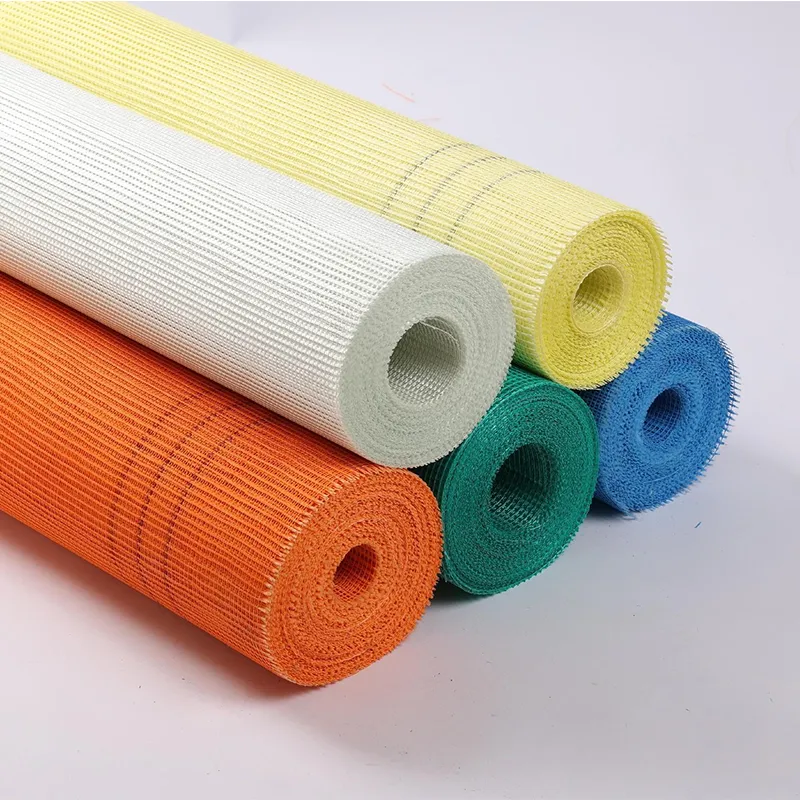
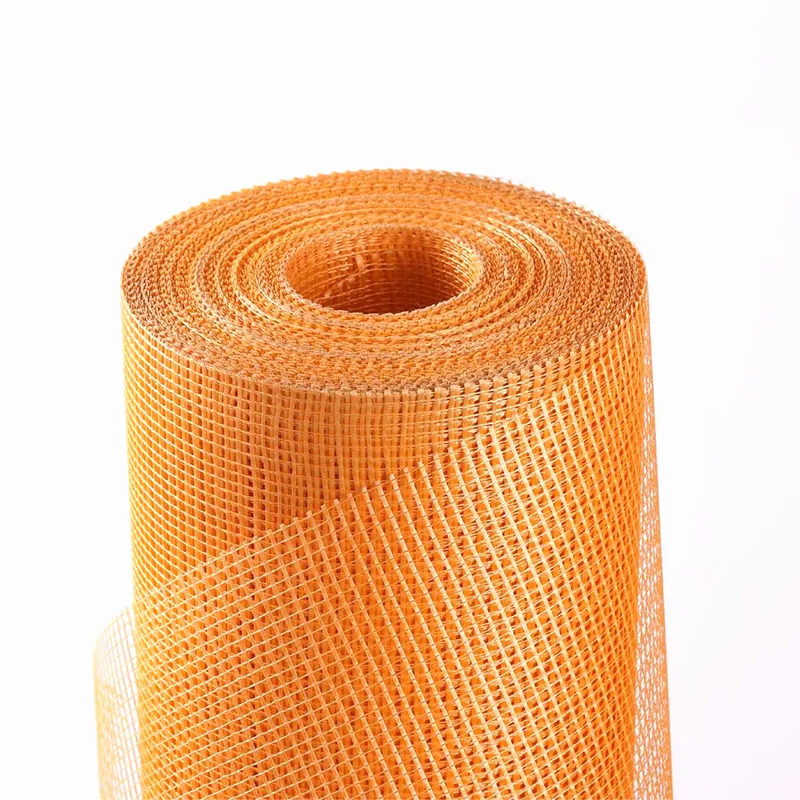
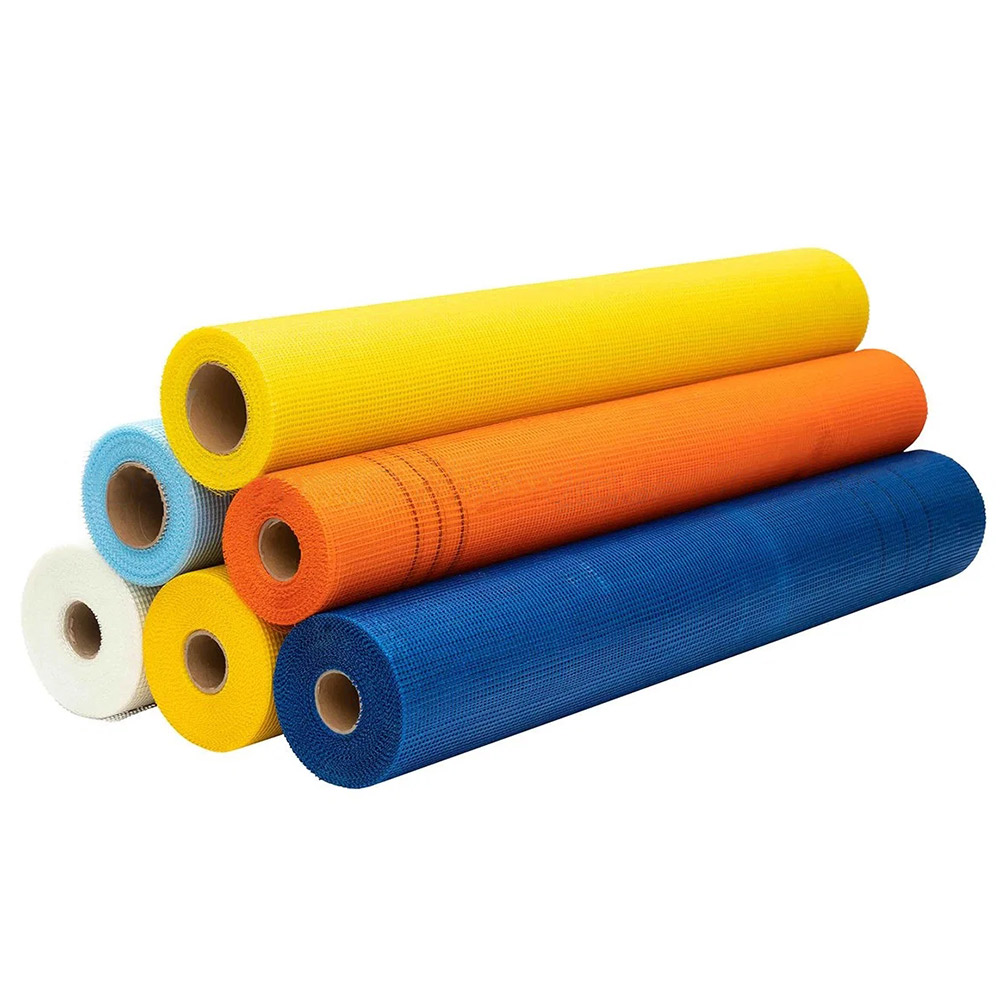
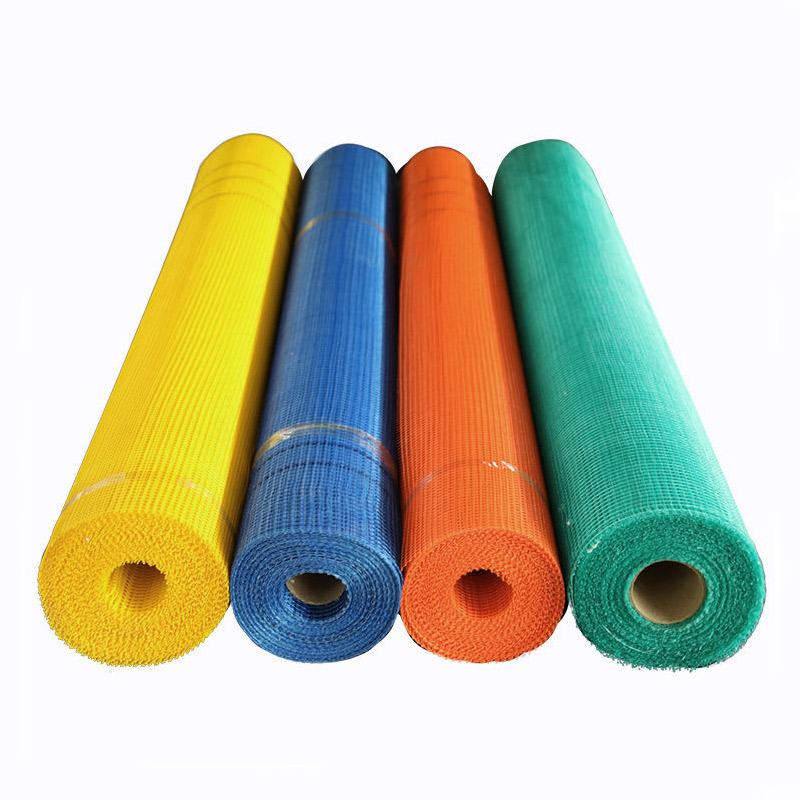
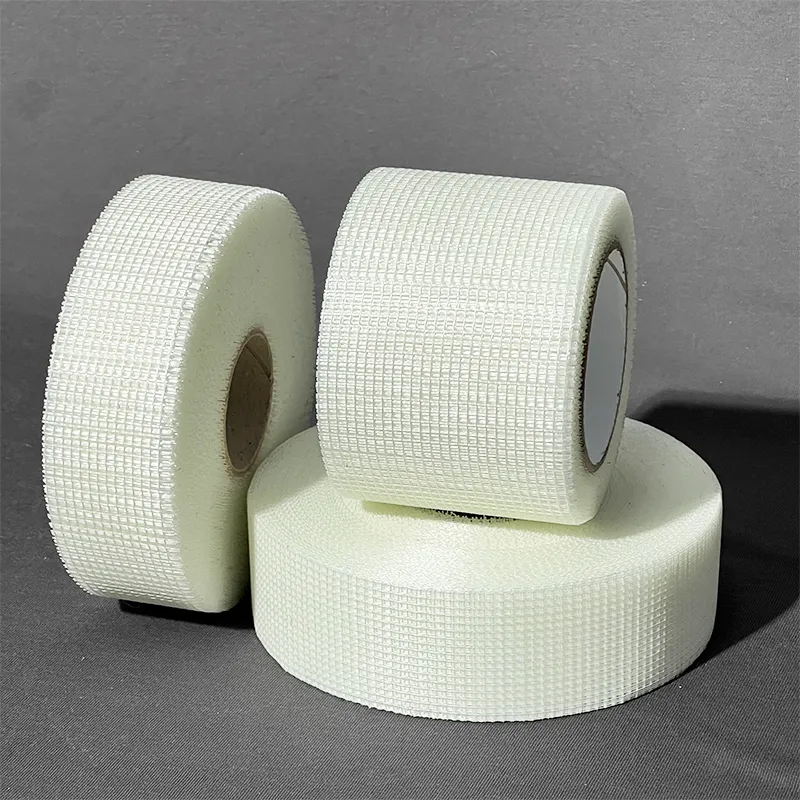
Put simply, drywall fiberglass mesh products consist of woven or non-woven fiberglass fibers treated with inert resins. Their core purpose is to reinforce drywall joints and surfaces, minimizing cracking and improving impact resistance. Unlike metal lath used traditionally for plaster, fiberglass meshes are lighter, corrosion-resistant, and easier to handle. They reflect a quietly innovative material choice, connecting efficiency with performance—qualities paramount in both well-funded skyscraper projects and in humanitarian housing solutions.
Core Components and Key Factors of Drywall Fiberglass Mesh
1. Durability
Fiberglass strands are naturally resistant to moisture and alkali degradation—a big win compared to metal alternatives that rust. This durability translates directly to longer-lasting wall finishes, especially important in humid or coastal environments.
2. Ease of Installation
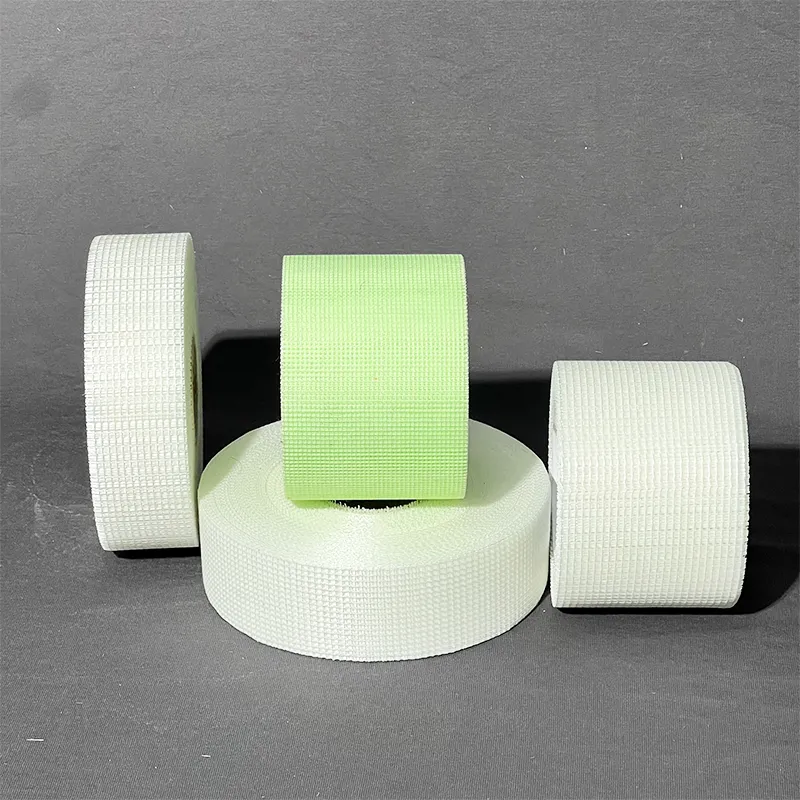
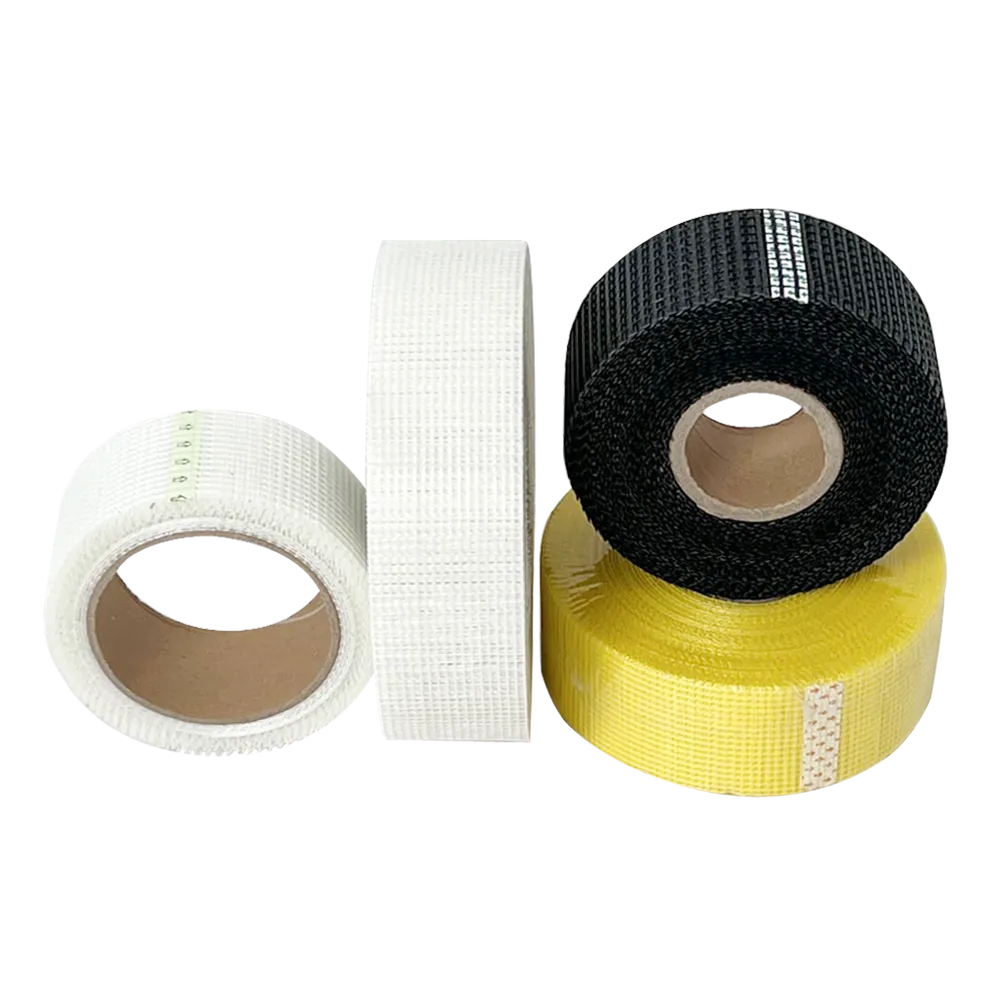
Most drywall fiberglass mesh products come self-adhesive, which drastically reduces installation time. Contractors often say that using pre-coated mesh shrinks labor time by up to 40%. Quite handy on tight schedules!
3. Cost Efficiency
Compared to metal reinforcements or tape alternatives, fiberglass mesh balances quality and price, fitting many project budgets without sacrificing performance. As a result, it makes sense for both high-end and mass housing projects.
4. Environmental Sustainability
Fiberglass mesh is often recyclable and reduces material waste through reduced crack repairs. Some manufacturers now produce meshes with recycled fibers, aligning with ISO 14001 environmental standards.
5. Compatibility & Customization
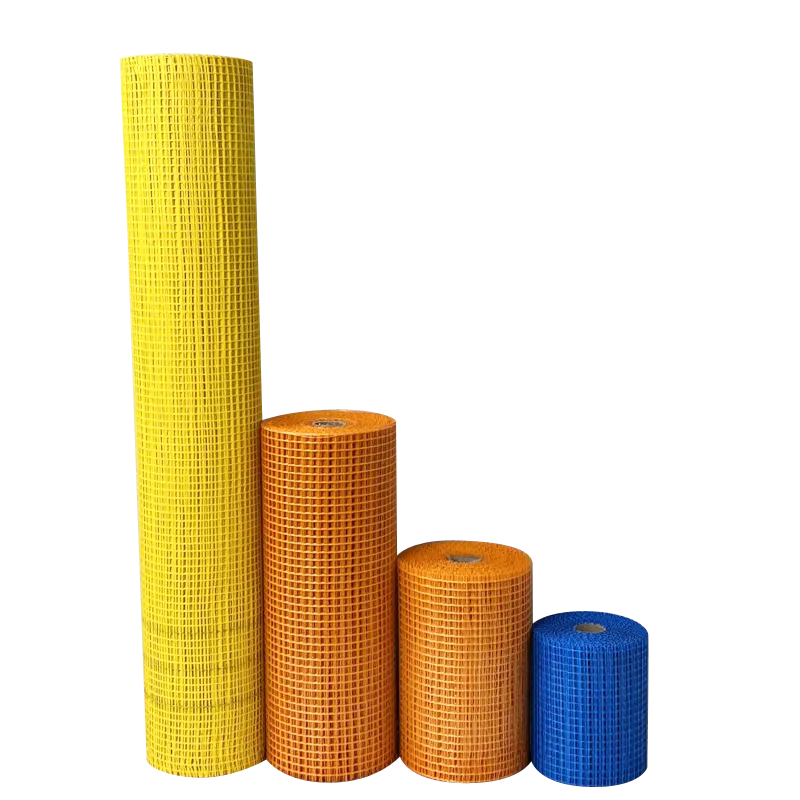
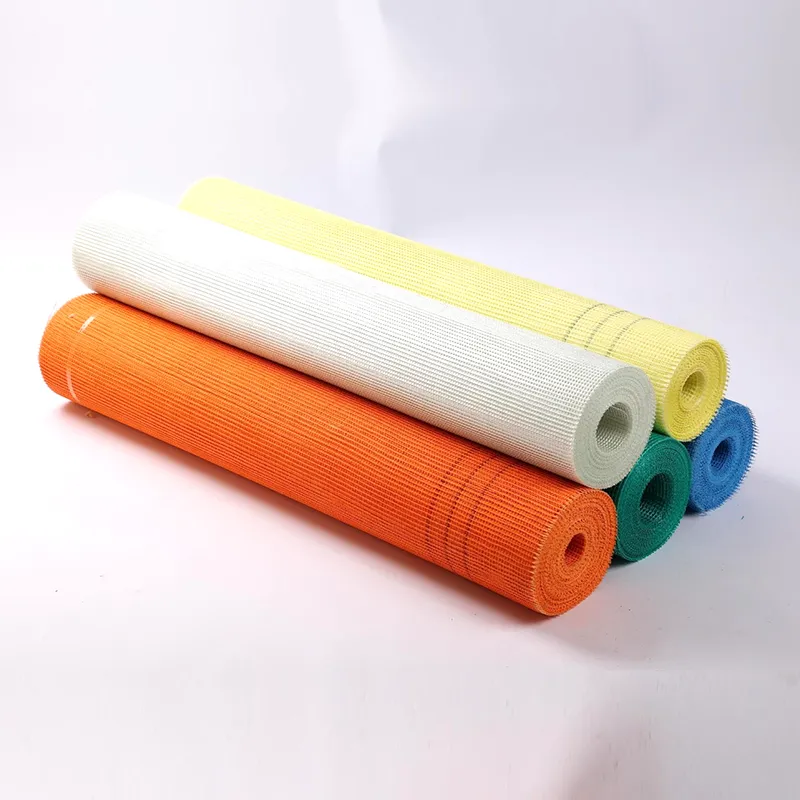
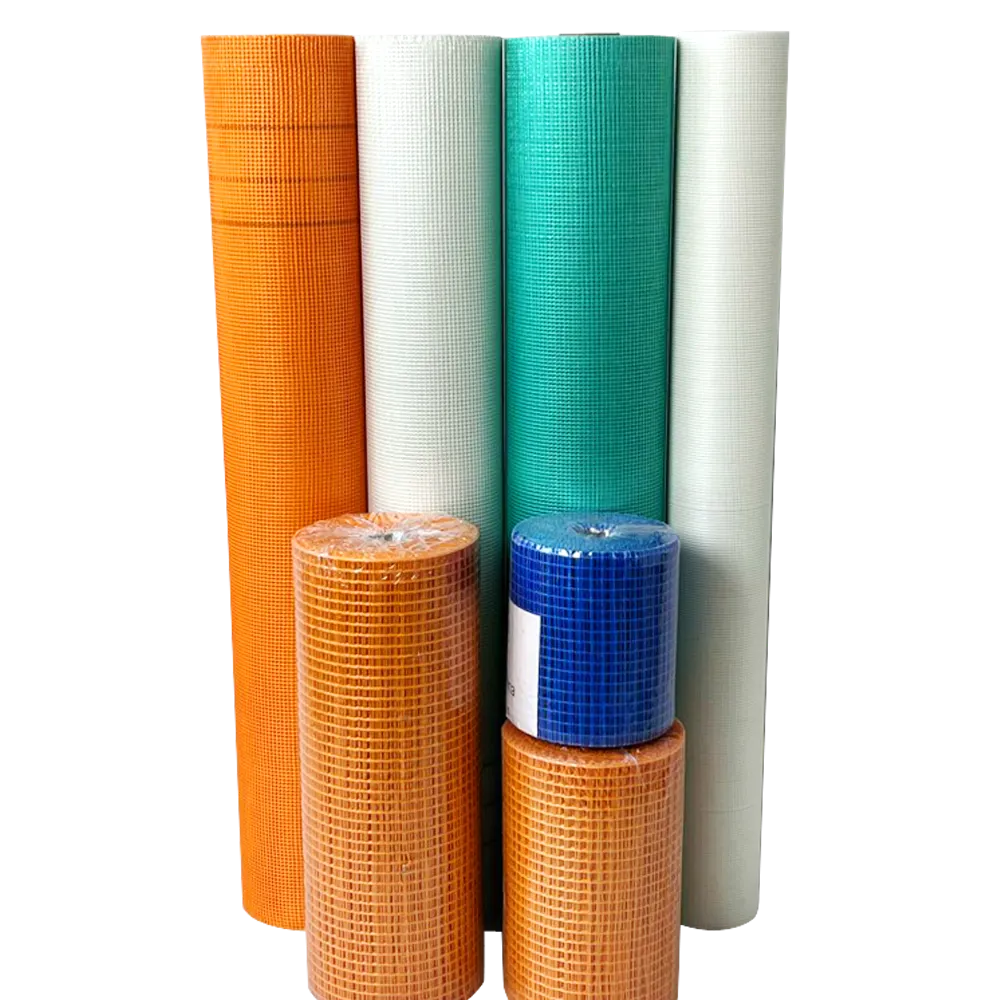
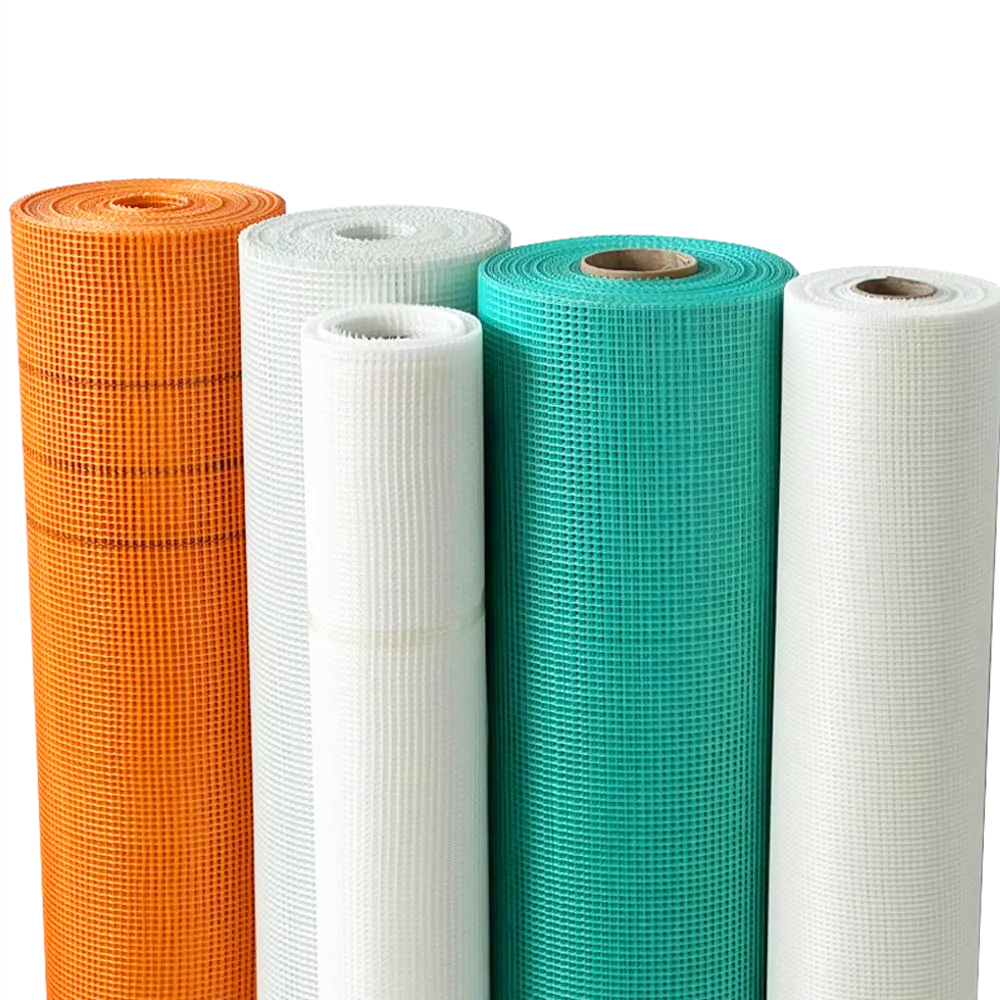
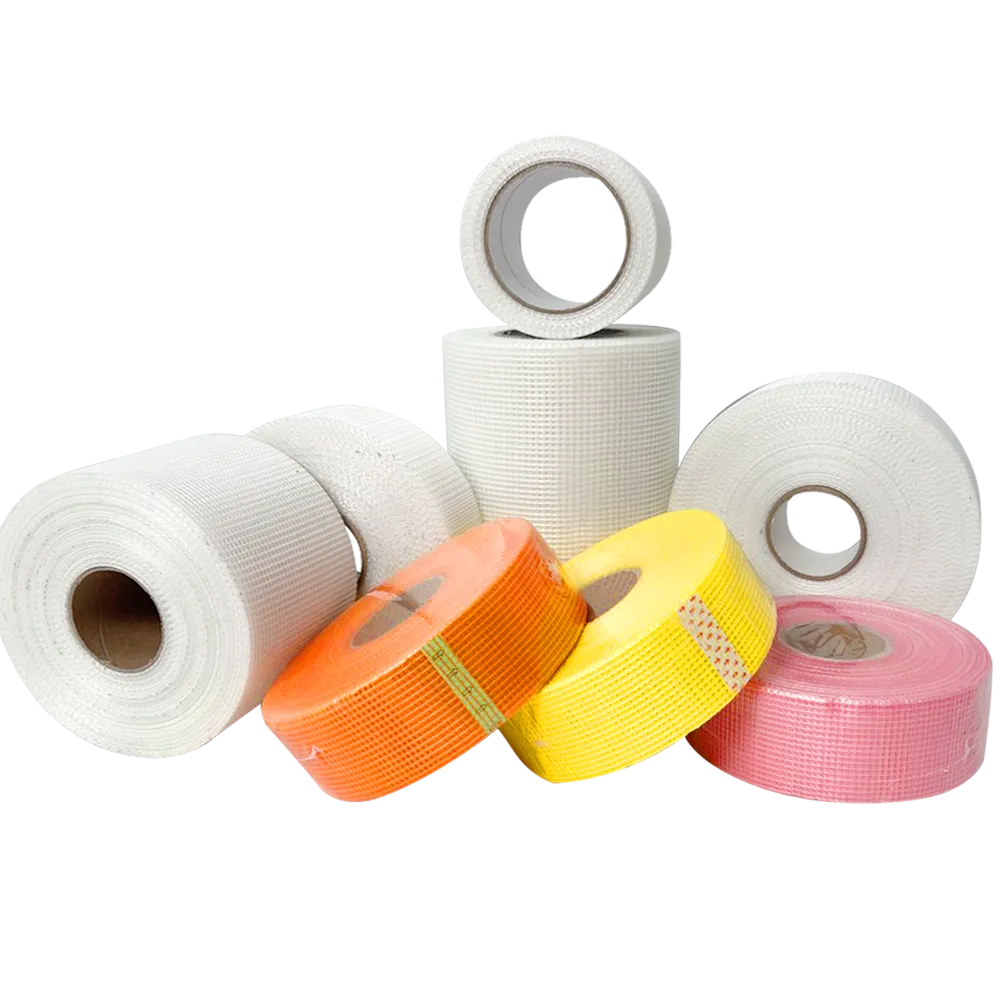
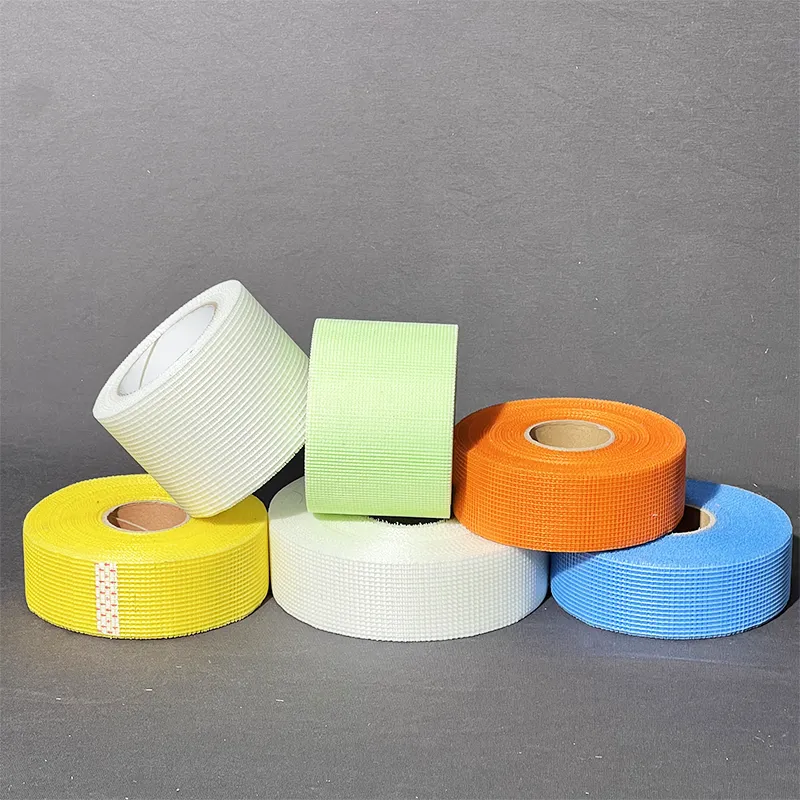
Thanks to various mesh weights and sizes, the product adapts well to drywall, plaster, and stucco, with some vendors offering custom widths or colors tailored to specific use cases.
Mini Takeaway: Durability, installation ease, cost, sustainability, and adaptability combine to make drywall fiberglass meshes essential modern reinforcements.
Global Applications and Real-World Use Cases
These products are used worldwide—from skyscraper interiors in New York and Dubai to remote clinics in sub-Saharan Africa. In post-disaster relief operations, rapid deployment shelters often rely on fiberglass mesh to reinforce walls swiftly and reliably, increasing their lifespan amid challenging conditions.
Industrial zones in Asia and South America choose these meshes for factory renovations due to their resistance to chemicals and heat, while European contractors favor their sustainability credentials.
| Specification | Standard Range | Typical Application |
|---|---|---|
| Mesh Size (mm) | 4 x 4 to 6 x 6 | Joint reinforcement, crack resistance |
| Roll Length (m) | 50 to 100 | Large-scale construction, continuous coverage |
| Roll Width (mm) | 50 - 1000 | Customization for small or large joints |
| Material Thickness (mm) | 0.18 - 0.28 | Ensures lightweight yet strong reinforcement |
Advantages and Long-Term Value
- Cost Savings: Less repair and maintenance reduce expenses over the building’s lifespan.
- Sustainability: Renewable and recyclable materials reduce carbon footprint.
- Safety: Improved wall strength means better structural integrity against everyday impacts.
- Trust & Innovation: Users report high satisfaction levels as products evolve to meet modern codes and standards.
Especially in regions prone to humid climates or seismic activity, the ability to maintain dry, crack-resilient surfaces can't be overstated. There's something reassuring about knowing your walls won’t fail where it matters most.
Future Trends and Innovations
The industry is shifting toward bio-based resins and enhanced digital fabrication methods. Smart meshes embedded with sensors to monitor stress or moisture are on the horizon, potentially revolutionizing building maintenance. Additionally, the increasing push for green certifications means manufacturers focus more on lifecycle assessments and emissions reductions, aligning with global sustainability goals like those from ISO and the UN’s Sustainable Development Goals (SDGs).
Challenges and Practical Solutions
It's not all smooth sailing. Issues include inconsistent mesh adhesion in sub-par weather, the need for skilled installers, and variability in quality across manufacturers. That said, many companies are addressing this via better resins for adhesion and investing in workforce training programs. As a rule of thumb, sourcing from trusted suppliers with transparent quality certifications significantly reduces common pitfalls.
| Vendor | Material Quality | Price Range (per roll) | Customization | Sustainability Certificates |
|---|---|---|---|---|
| Tainuo Fiberglass Mesh | High-grade E-glass fibers | $$$ | Custom widths and adhesive options | ISO 14001, RoHS |
| Global Mesh Co. | Standard fiberglass | $$ | Limited | None declared |
| EcoBuild Supplies | Recycled fiberglass mix | $$$ | Wide | ISO 14001, LEED compatible |
FAQ: Frequently Asked Questions about Drywall Fiberglass Mesh Products
- Q: How does drywall fiberglass mesh improve wall durability compared to tape?
- A: Unlike paper or fiberglass tape, mesh products offer a 3D reinforcement that distributes mechanical stress more evenly. This means fewer hairline cracks from vibrations or settling, especially in high-traffic or humid areas.
- Q: Are these meshes suitable for outdoor stucco applications?
- Yes, but it’s important to select mesh with UV resistance and proper alkali treatment. Outdoor meshes made for stucco are heavier and thicker, designed to withstand weather elements longer.
- Q: Can I install drywall fiberglass mesh myself?
- If you have moderate DIY experience, yes. Self-adhesive mesh rolls simplify the process, but proper surface prep and taping technique remain critical for best results.
- Q: Do fiberglass meshes pose any health risks during installation?
- Generally, fiberglass dust can irritate skin or eyes so wearing gloves, goggles, and masks is recommended. Finished walls are safe once materials are fully sealed under compound layers.
- Q: How do I choose the right mesh size for my project?
- Select finer meshes (4 x 4 mm) for delicate drywall joints and wider meshes for plaster or stucco. Always refer to manufacturer specs aligned with your application needs.
Conclusion: Invest in Quality Reinforcement for Long-Term Assurance
In real terms, drywall fiberglass mesh products symbolize a modest yet crucial innovation in the construction industry. They enhance structural reliability, reduce maintenance costs, and align with environmental goals in ways traditional materials often cannot. As you plan your next project—whether commercial, residential, or humanitarian—consider the robustness and sustainability benefits that these meshes bring. The best time to reinforce your walls effectively is now. Visit our website for trusted products and expert advice.
Oddly enough, details like these often decide whether a building stands firm or shows costly cracks down the line.
Mini Takeaway: Choose drywall fiberglass mesh for stronger, longer-lasting walls—and a simpler, cleaner installation.
References:
1. United Nations, World Urbanization Prospects 2023
2. World Bank, Infrastructure and Building Materials Report 2022
3. ISO 14001 Environment Management Systems – International Organization for Standardization
-
Best Fiberglass Mesh Tape for RedGard Product Waterproofing GuideNewsApr.16,2026
-
Why High Strength Fiberglass Mesh Is Essential For Stucco ApplicationNewsApr.15,2026
-
Why Alkali Resistant Fiberglass Mesh Tape Is Essential For Cement Board And Tile InstallationsNewsApr.15,2026
-
Understanding The Role Of Drywall Fiberglass Mesh In Interior FinishingNewsApr.15,2026
-
Ultimate Guide To Using Fiberglass Mesh Tape For Drywall And Plaster RepairsNewsApr.15,2026
-
The Versatility Of Fiberglass Mesh In Marble And Stone MosaicNewsApr.15,2026