Dec . 07, 2025 16:41 Back to list
Fiberglass Mesh Pricelist | Quality & Vendor Comparison Guide
Fiberglass Mesh Pricelist: What You Need to Know Before Buying
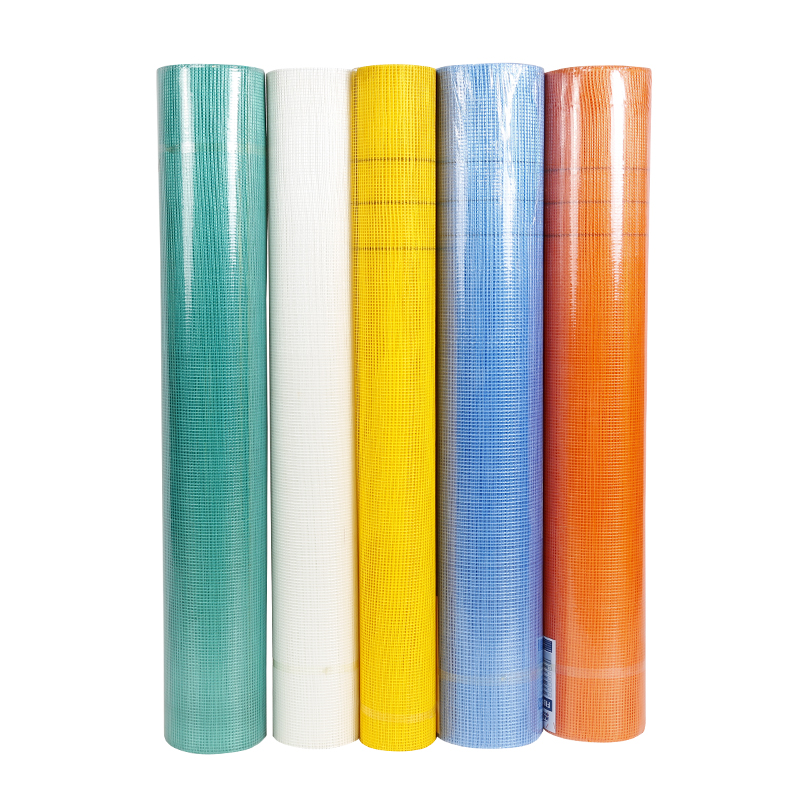
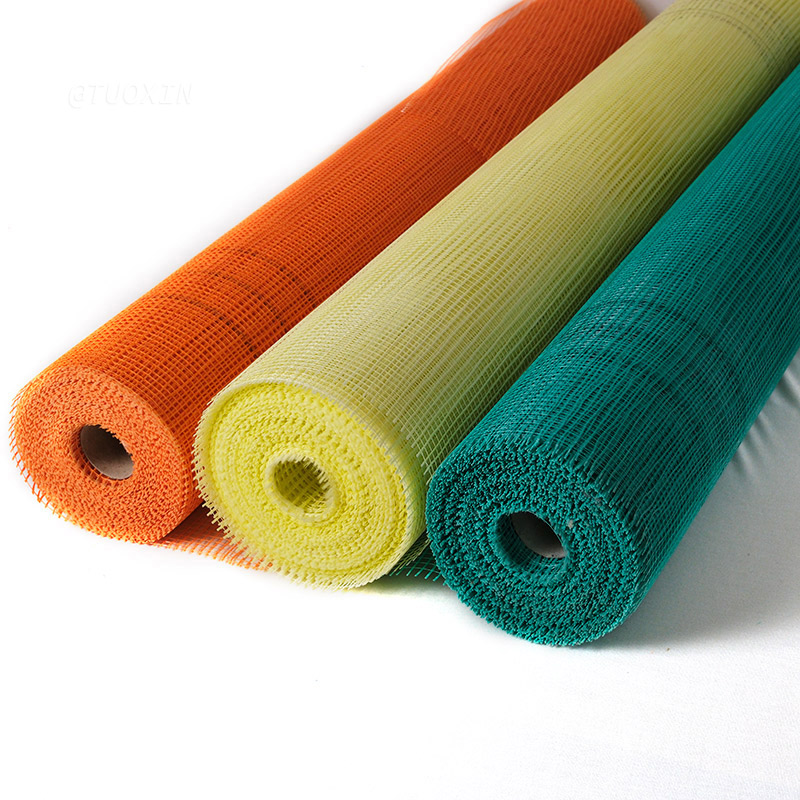
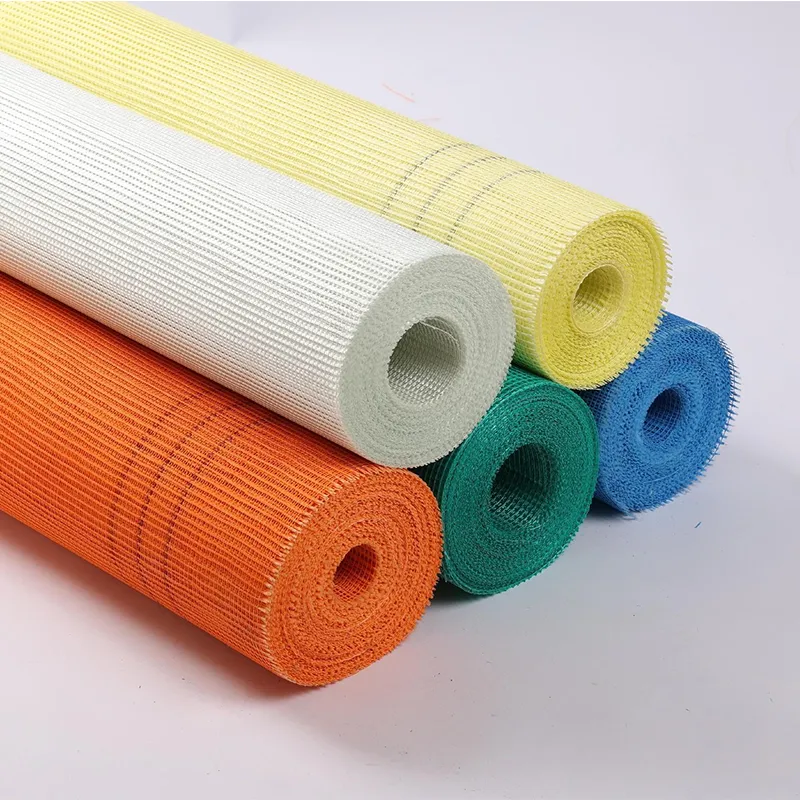
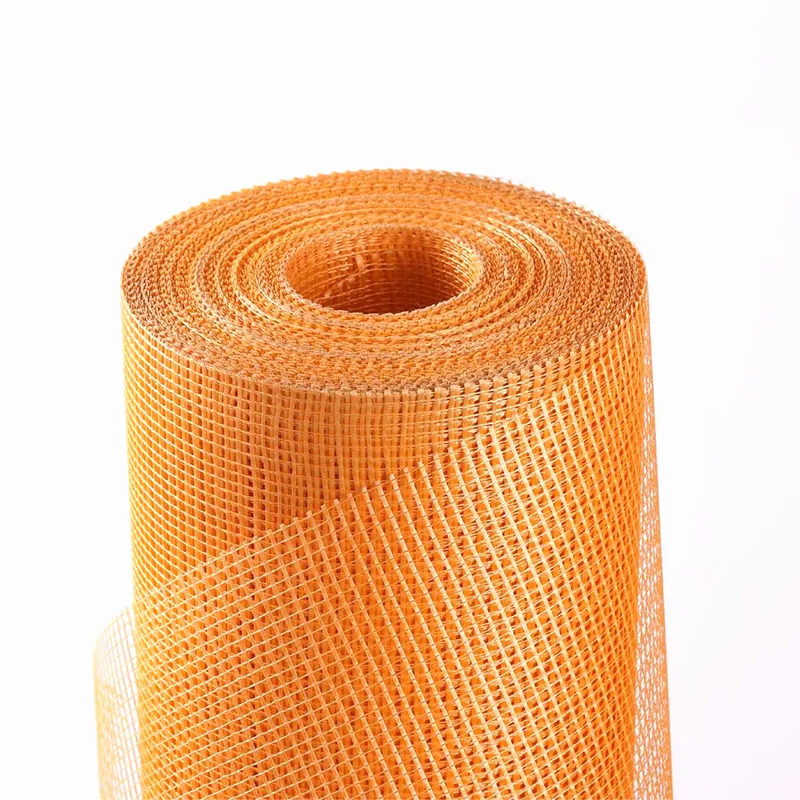
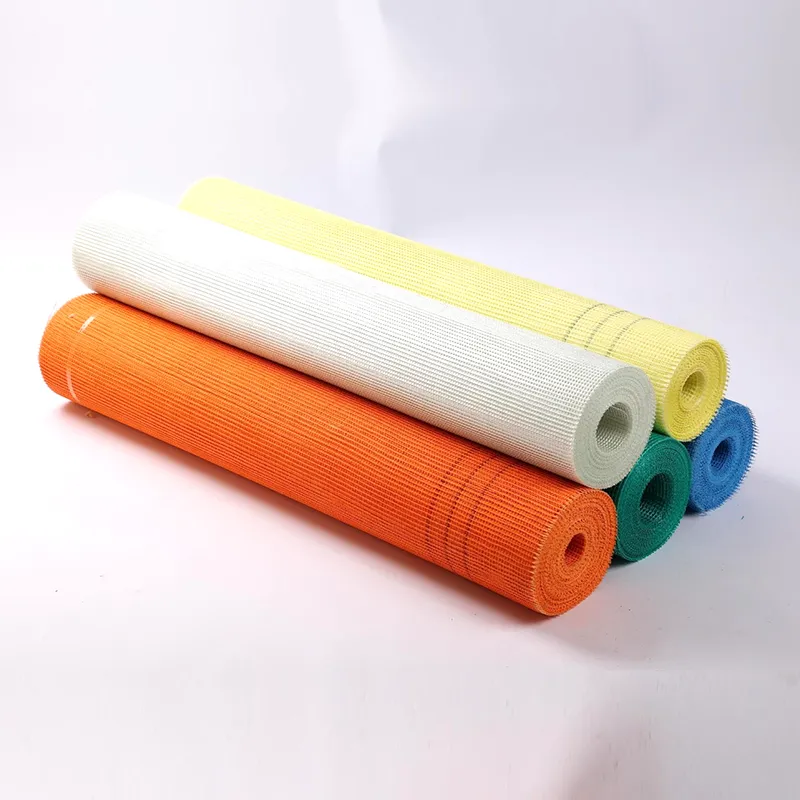
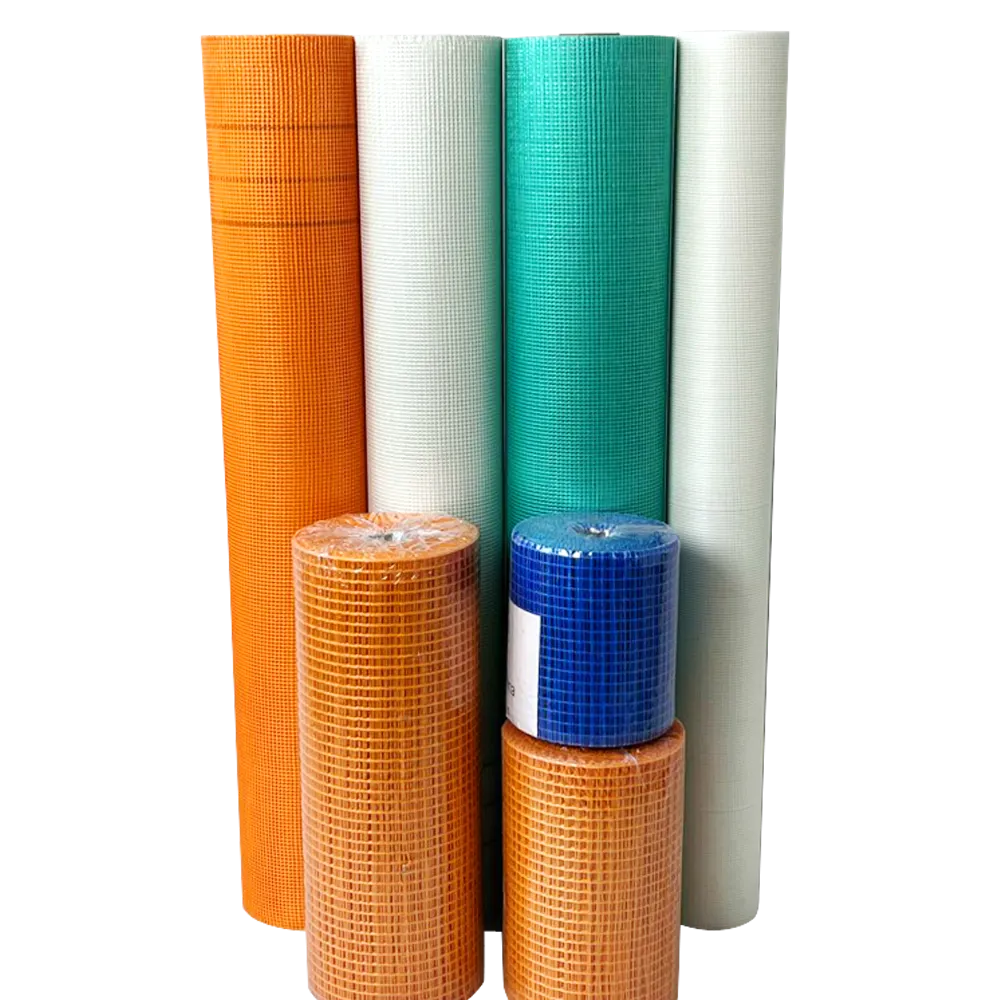
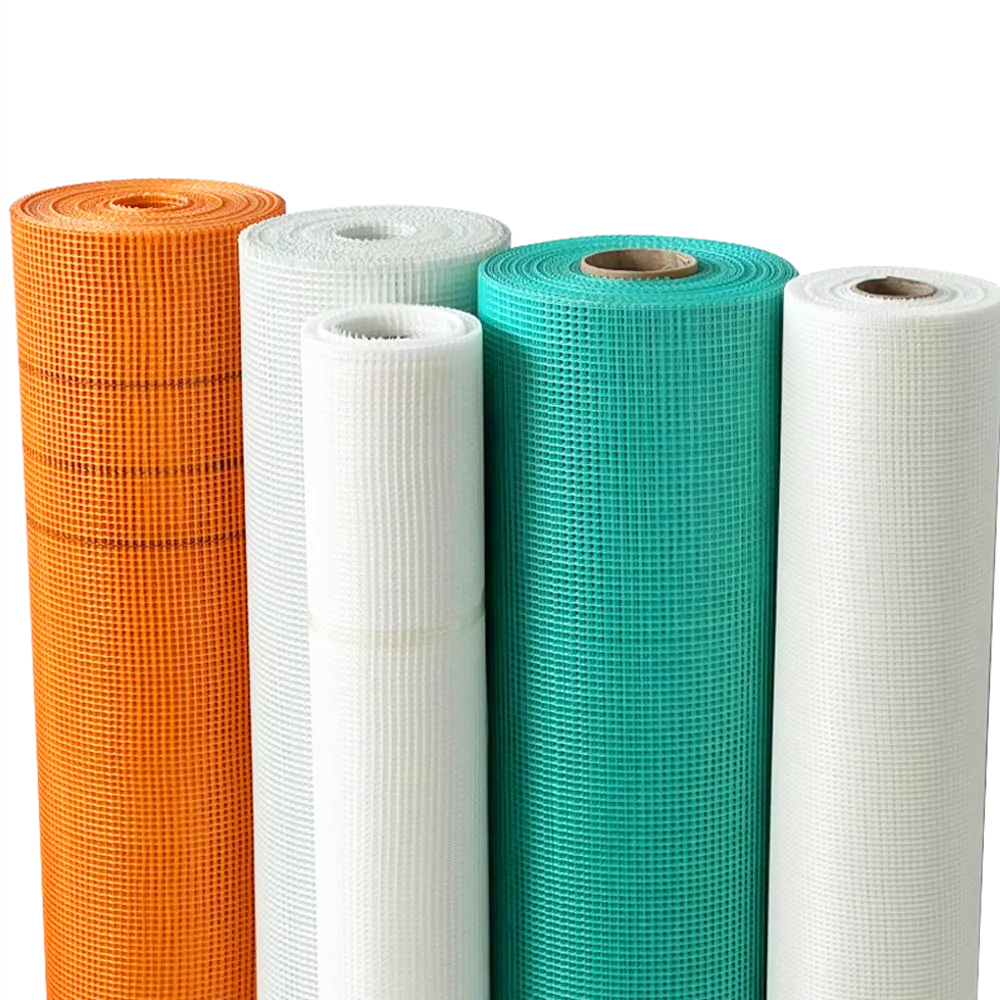
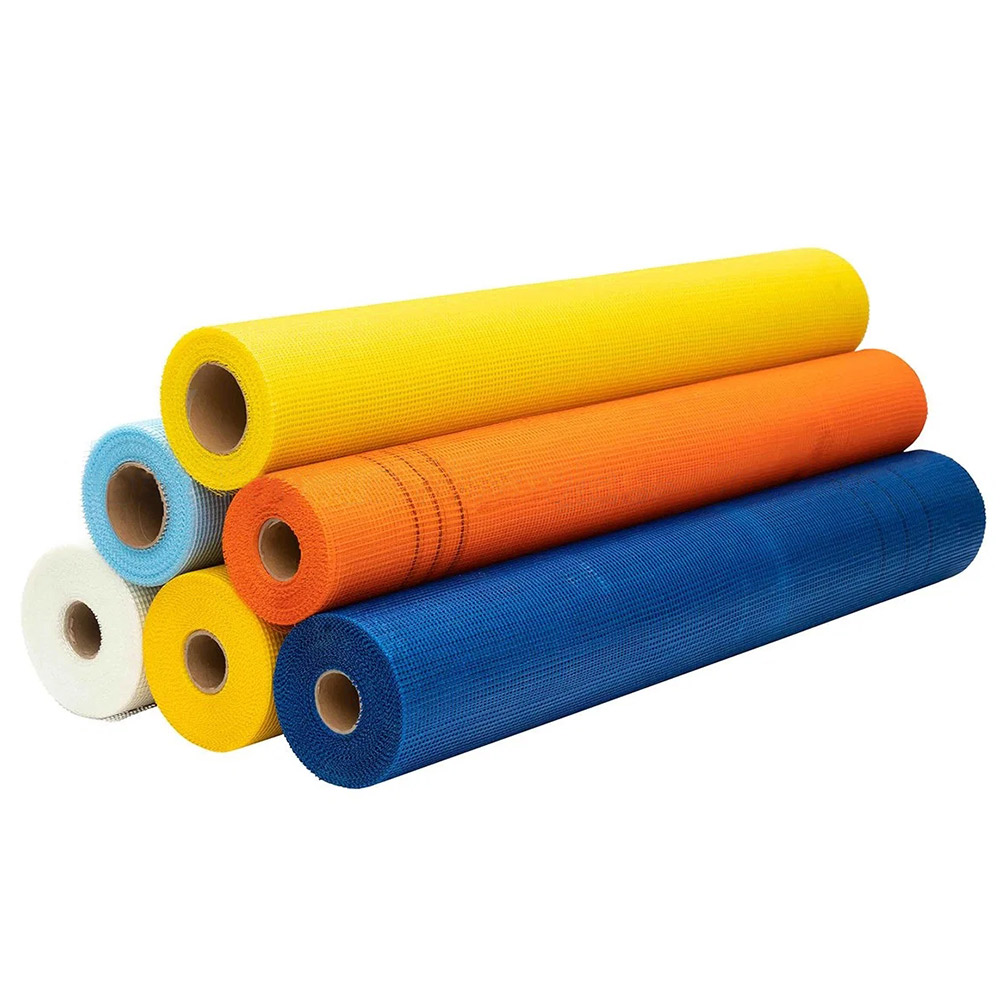
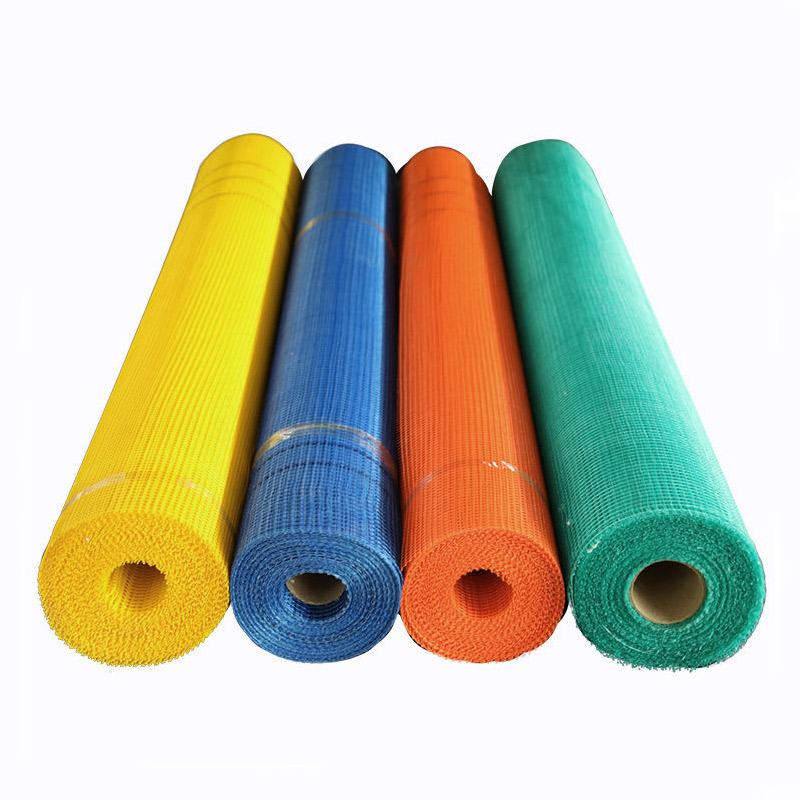
Having spent over a decade navigating the industrial equipment and materials market, I’ve come to appreciate the nuances behind something as seemingly straightforward as fiberglass mesh. It’s not just a simple product on a shelf — there’s a whole world of grades, weave patterns, and quality differences that impact price, performance, and suitability for your project.
Fiberglass mesh is widely used in construction, insulation, mortar reinforcement, and even industrial filtration. For those who need it in bulk or for specific engineering purposes, understanding the pricing dynamics is half the battle. Frankly, the price variation can seem bewildering at first — but it’s rooted in real, tangible factors.
Oddly enough, many first-time buyers overlook aspects like yarn size, mesh count, and fiberglass treatment, which are essential for durability and ease of installation. Let me walk through these points, and we’ll peek at a typical product spec table, followed by a quick vendor price comparison to help you make an informed decision.
What Affects Fiberglass Mesh Prices?
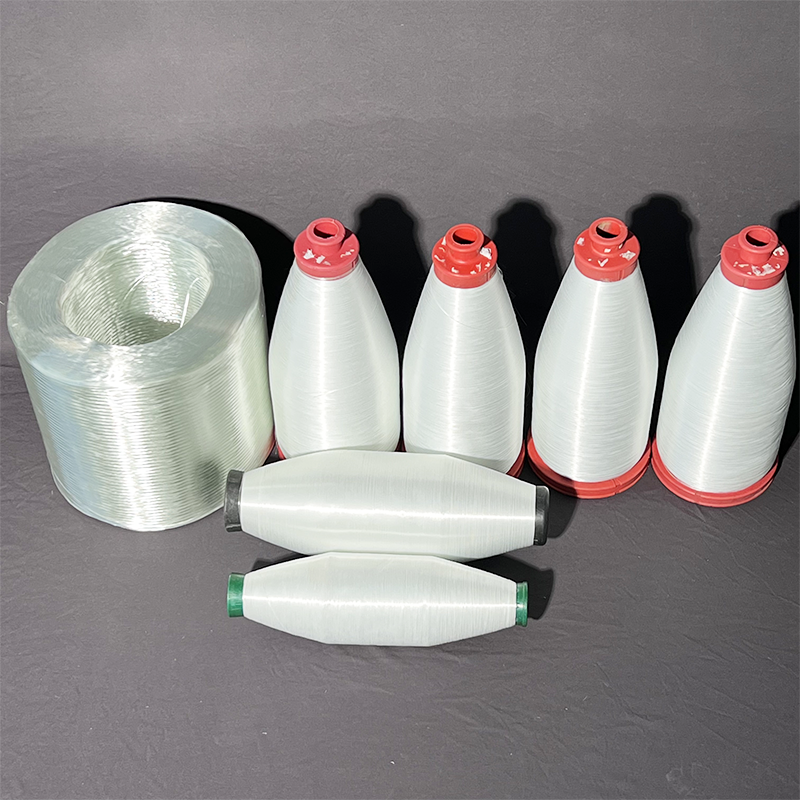
The cost reflects the raw materials — at its core, the fiberglass yarn. For example, meshes made with alkali-resistant (AR) fiberglass are pricier but necessary for external wall insulation in damp environments. The weave type — whether square or hexagonal — changes production complexity and thus price. Also, the density of the mesh, often counted in "mesh number" or "threads per inch," influences strength and price.
Manufacturers often treat the mesh with coatings to improve alkali resistance or UV protection. These finishings can add to the upfront cost but may save labor and repair costs down the line. It's like buying a tool that seems more expensive initially but lasts much longer. I’ve seen smaller contractors switch suppliers just because the quality difference meant less rework.
To give you some real-world specs to think about, here’s a typical fiberglass mesh product breakdown:
| Specification | Typical Value | Notes |
|---|---|---|
| Mesh Type | Square weave | Common for wall insulation |
| Yarn Diameter | 0.2 - 0.3 mm | Thinner yarns for flexibility |
| Mesh Count | 4x4 to 7x7 threads/inch | Higher counts = finer mesh |
| Coating | Alkali resistant (AR) treatment | Extends longevity in cement |
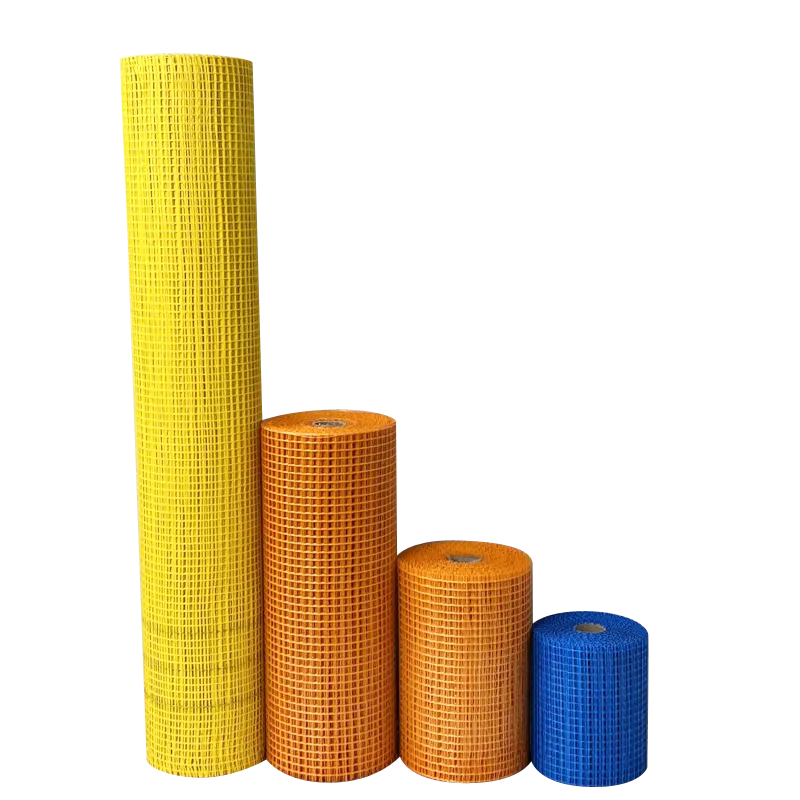
| Roll Size | 1m x 50m or customized | Custom orders common |
| Weight | 60-160 g/m² | Heavier mesh for higher strength |
Another thing I noticed in years of sourcing is that many vendors are flexible on customization — especially if you order large quantities. You can ask for specific roll sizes, packaging, or even different treatments. Oddly enough, that flexibility often influences the final pricing just as much as material specs.
Fiberglass Mesh Vendors: Pricelist Comparison
Now, let's talk numbers. I’ve compiled a simple comparison of three known suppliers, highlighting their typical price ranges for AR fiberglass mesh. Keep in mind prices fluctuate based on volume, shipping, and market demand (fiberglass yarn prices track global raw materials trends).
| Vendor | Price per Roll (1m x 50m) | Coating | Customization Available | Notes |
|---|---|---|---|---|
| Tainuo Fiberglass Mesh | $35 - $45 | AR treated | Yes | Reliable quality, widely recommended |
| FiberPro Supplies | $30 - $40 | Basic AR coating | Limited | Good for standard projects |
| Global Mesh Corp. | $40 - $55 | Premium AR + UV coating | Yes, including custom colors | Best for high-end industrial use |
You know, stories from the field always make this clearer. One local contractor I worked with switched to Tainuo mainly because the mesh held up better under humid conditions — less cracking and fewer callbacks from clients. The slightly higher price translated into savings from fewer repairs and less labor downtime. These nuances matter especially when you’re on a tight project timeline.
In real terms, the pricelist for fiberglass mesh is worth understanding deeply rather than just chasing the lowest tag. Your project will thank you for it, and frankly, so will your budget in the long haul.
So, if you’re surveying the options for fiberglass mesh, keep specs, coating, and roll customization top of mind — and lean on vendors who stand behind quality, not just price.
Reflecting on decades in this industry, I’ve learned that investing in the right material upfront almost always pays off. Sometimes, a bit of patience and careful comparison saves a lot of headaches down the line.
References:
1. Industry interviews and supplier data 2015-2023
2. Building Materials Trends Report, 2023
3. Personal experience from field engineering projects
-
Best Fiberglass Mesh Tape for RedGard Product Waterproofing GuideNewsApr.16,2026
-
Why High Strength Fiberglass Mesh Is Essential For Stucco ApplicationNewsApr.15,2026
-
Why Alkali Resistant Fiberglass Mesh Tape Is Essential For Cement Board And Tile InstallationsNewsApr.15,2026
-
Understanding The Role Of Drywall Fiberglass Mesh In Interior FinishingNewsApr.15,2026
-
Ultimate Guide To Using Fiberglass Mesh Tape For Drywall And Plaster RepairsNewsApr.15,2026
-
The Versatility Of Fiberglass Mesh In Marble And Stone MosaicNewsApr.15,2026