Nov . 06, 2025 11:40 Back to list
Buy Adhesive Fiberglass Mesh – Self-Adhesive, High Strength
What I Look For When I Buy Fiberglass Mesh (and Why Heat Resistance Matters)
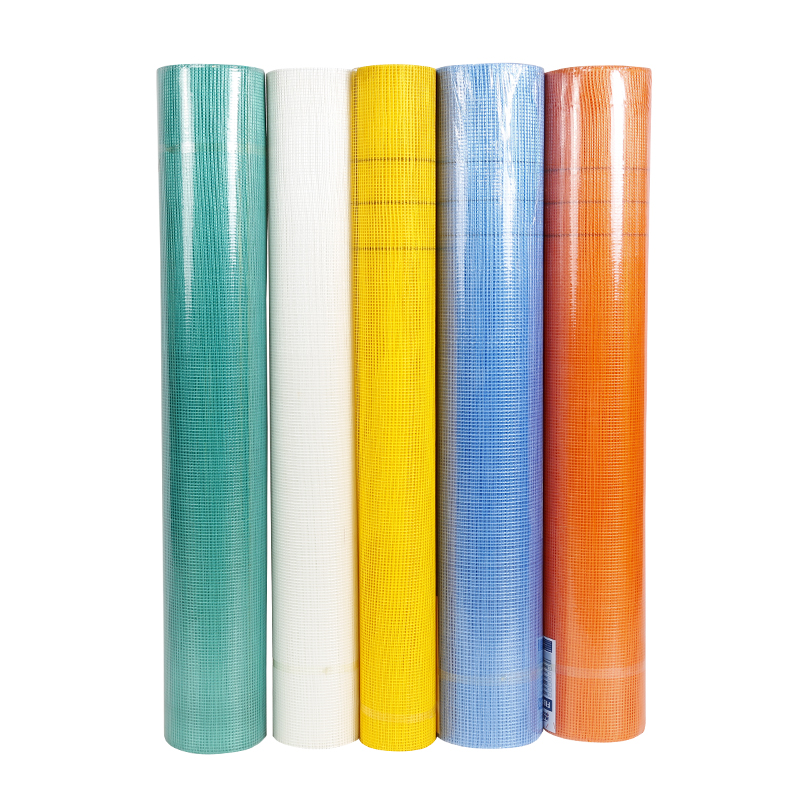
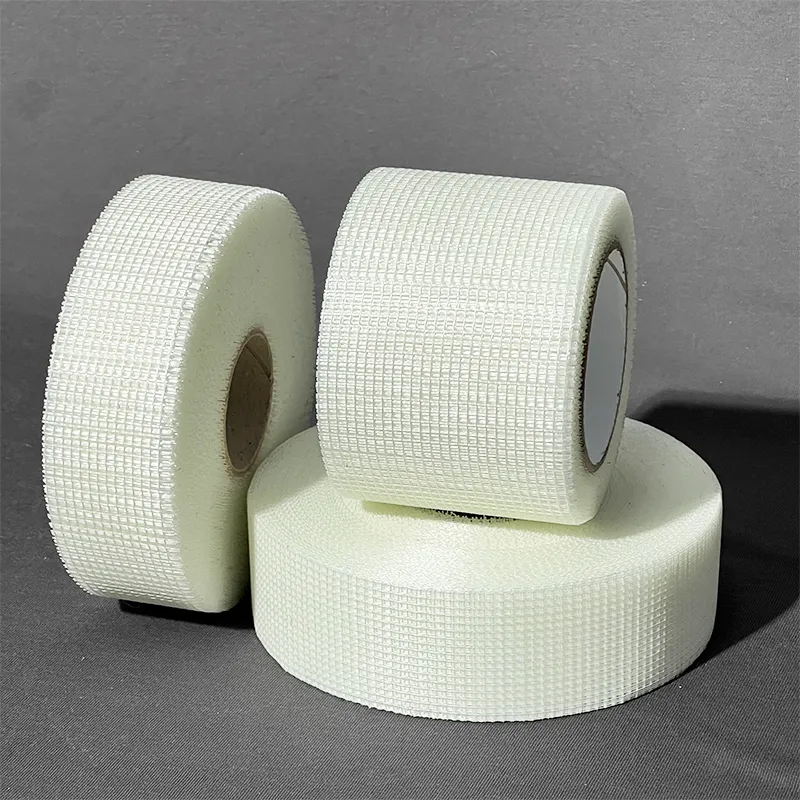
If you’re scouting the market to Buy Adhesive Fiberglass Mesh, here’s the short version: not all mesh is created equal. I’ve walked job sites where a cheap roll seemed fine, until the render cracked like old paint. The better stuff—like high-temperature-resistant E-glass mesh out of Hebei, China—has a different feel and a different life expectancy, especially in hot or alkaline environments.
Origin and manufacturing at a glance
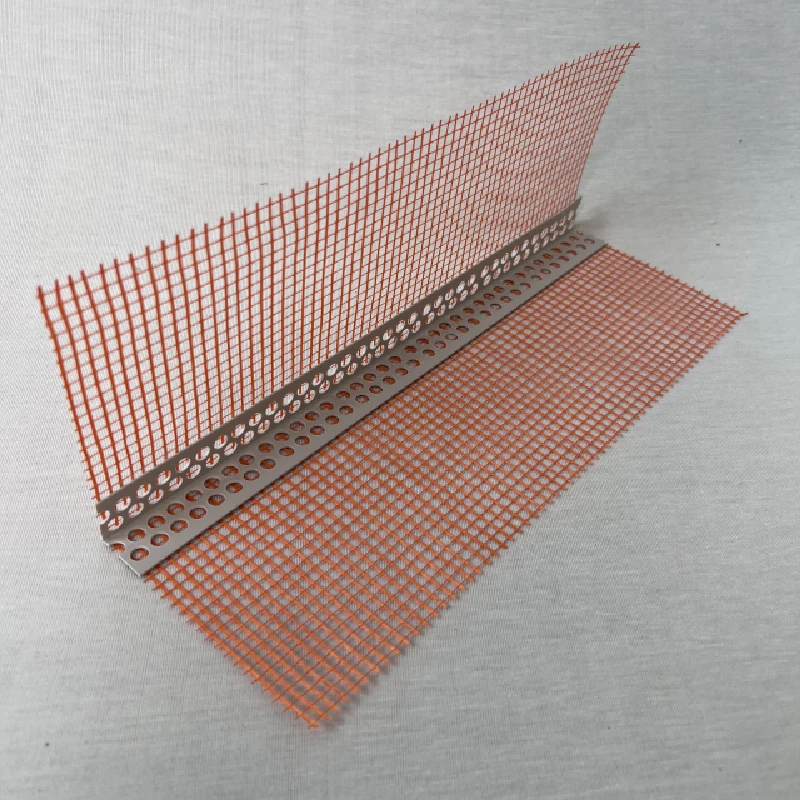
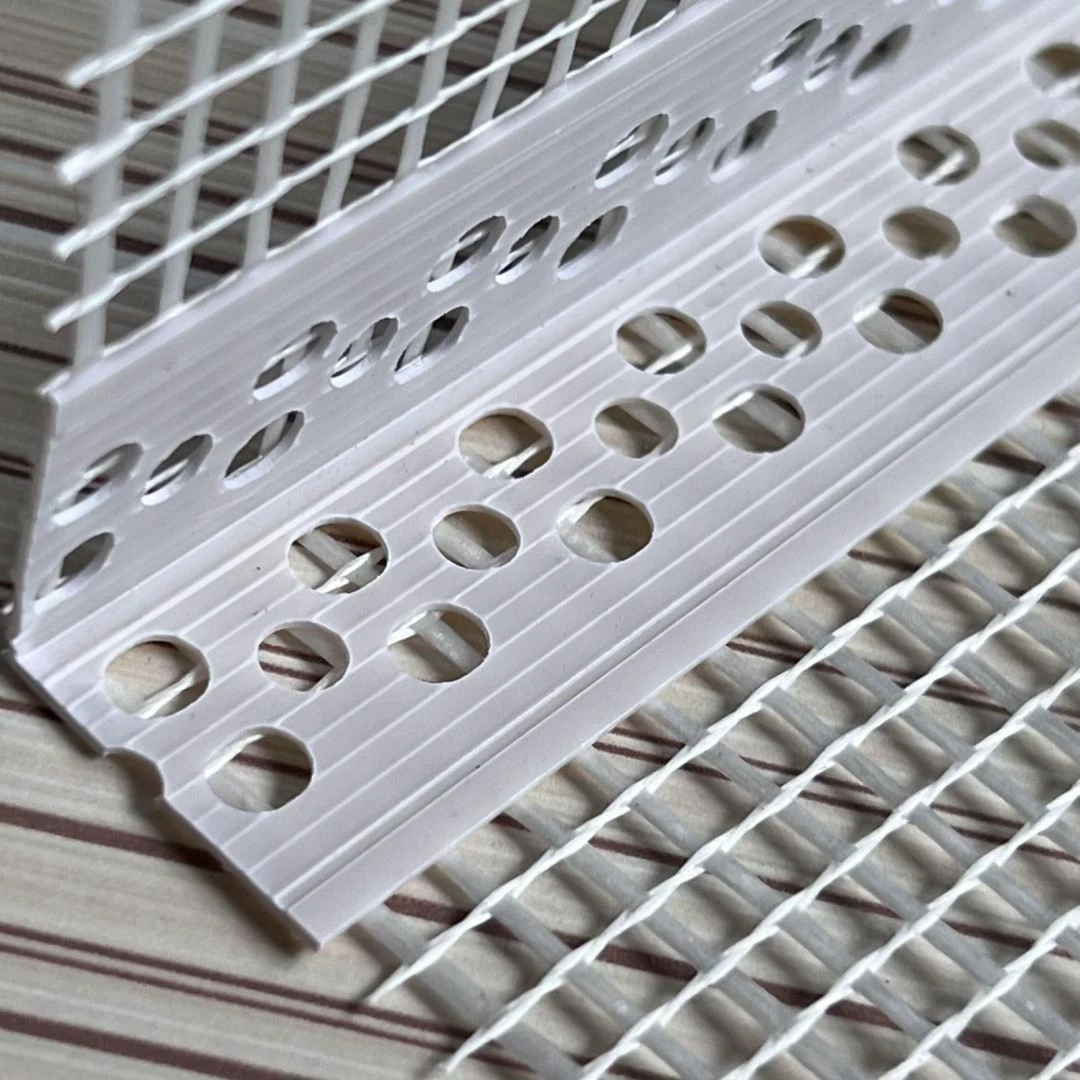
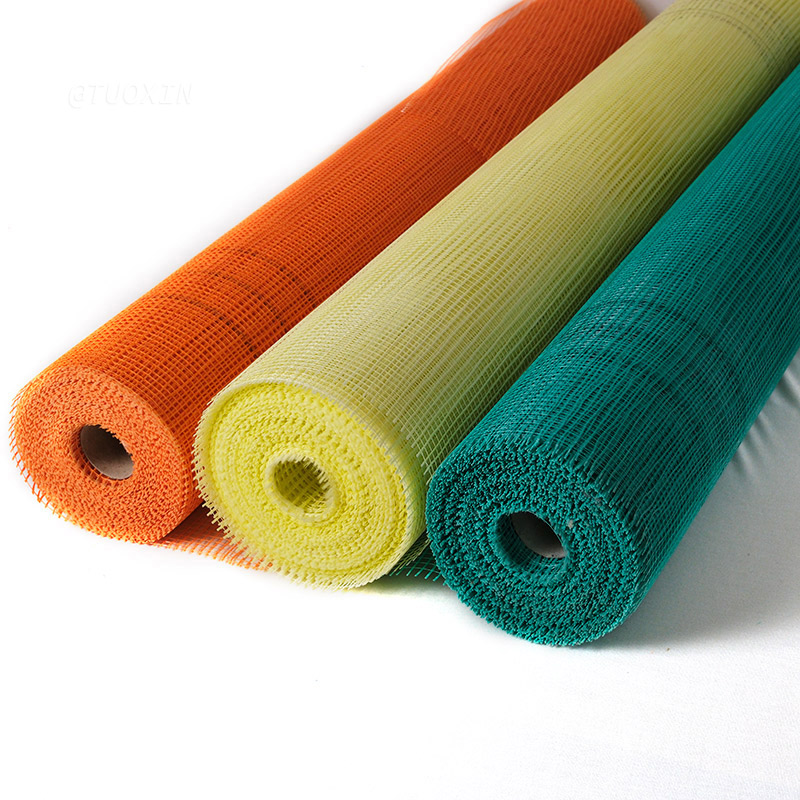
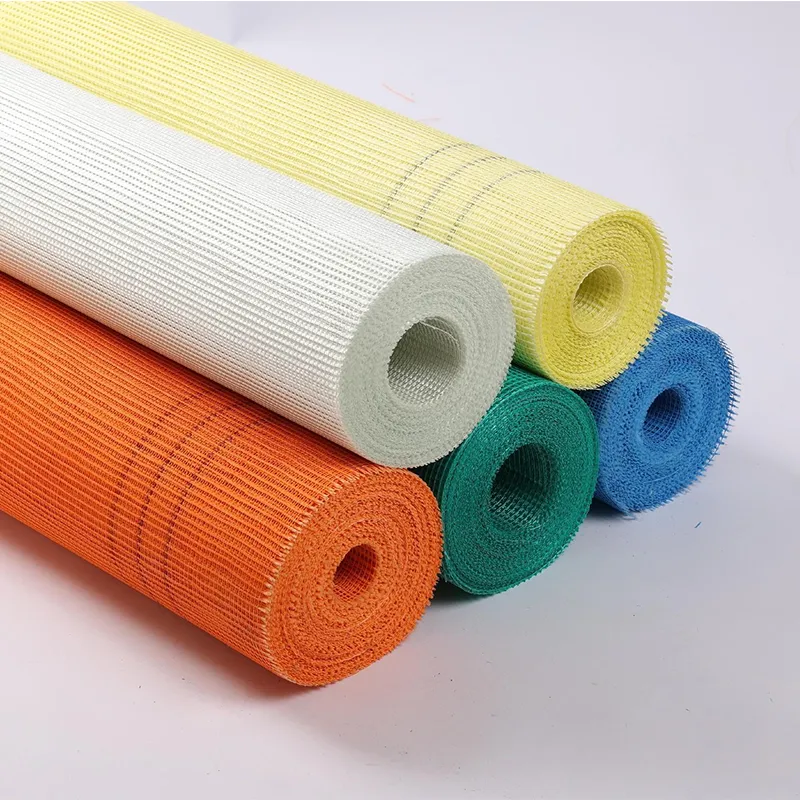
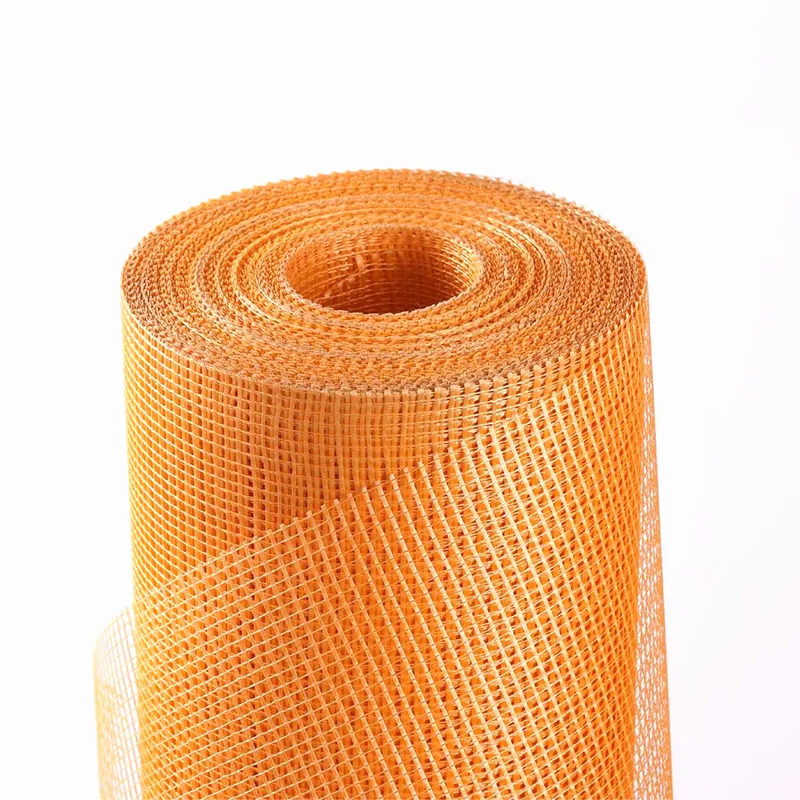
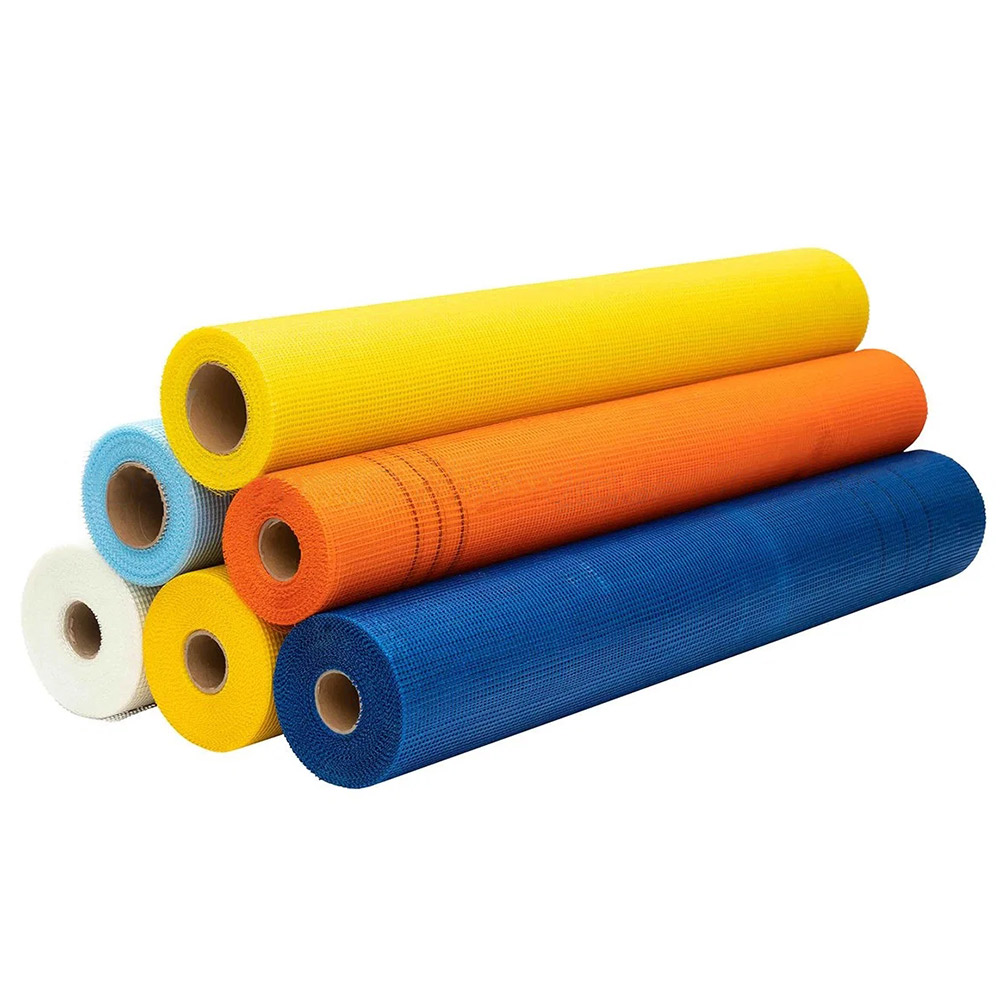
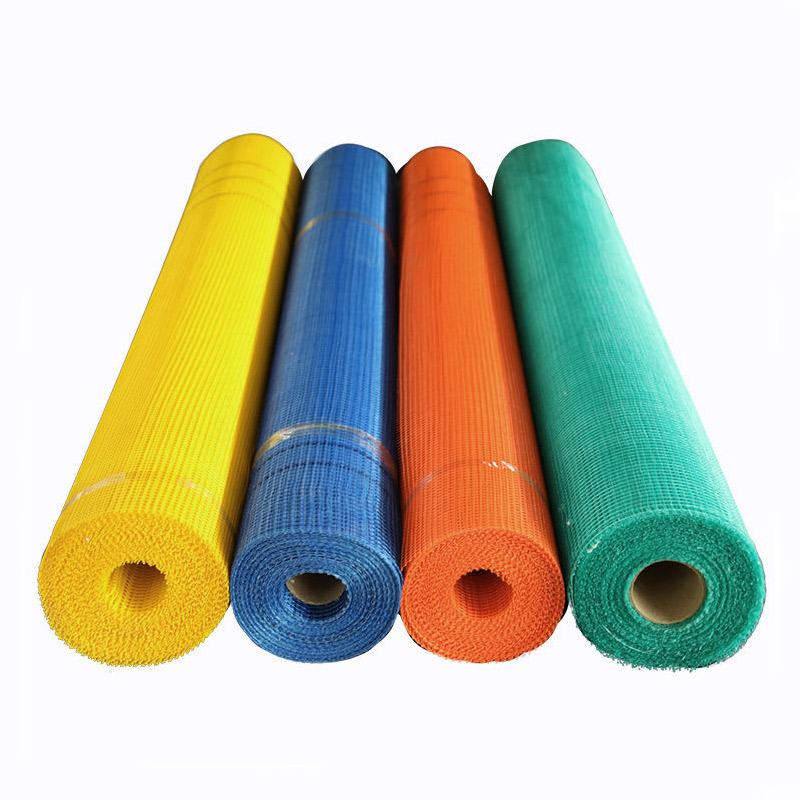
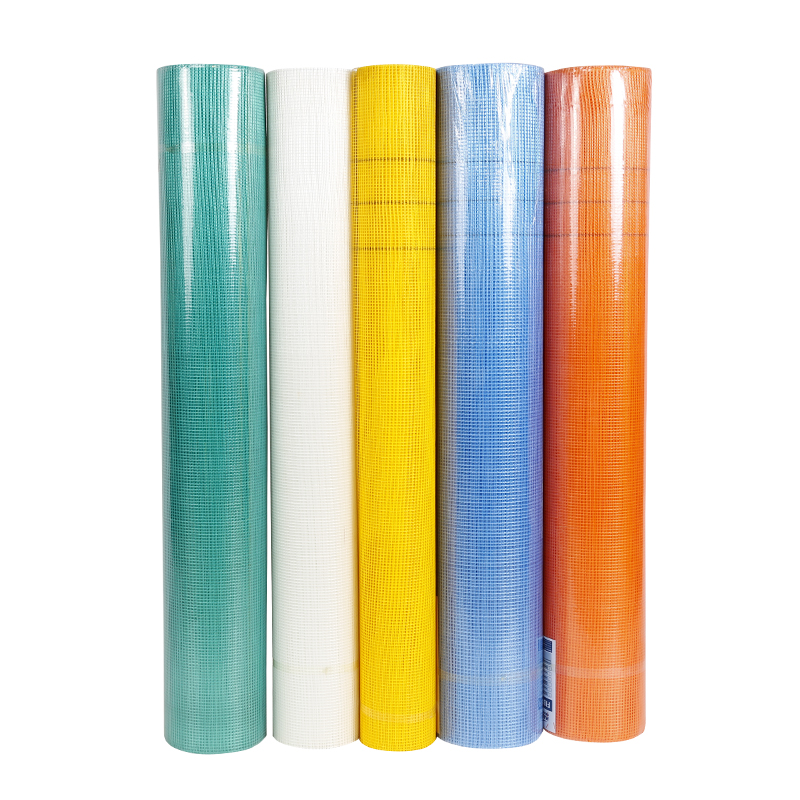
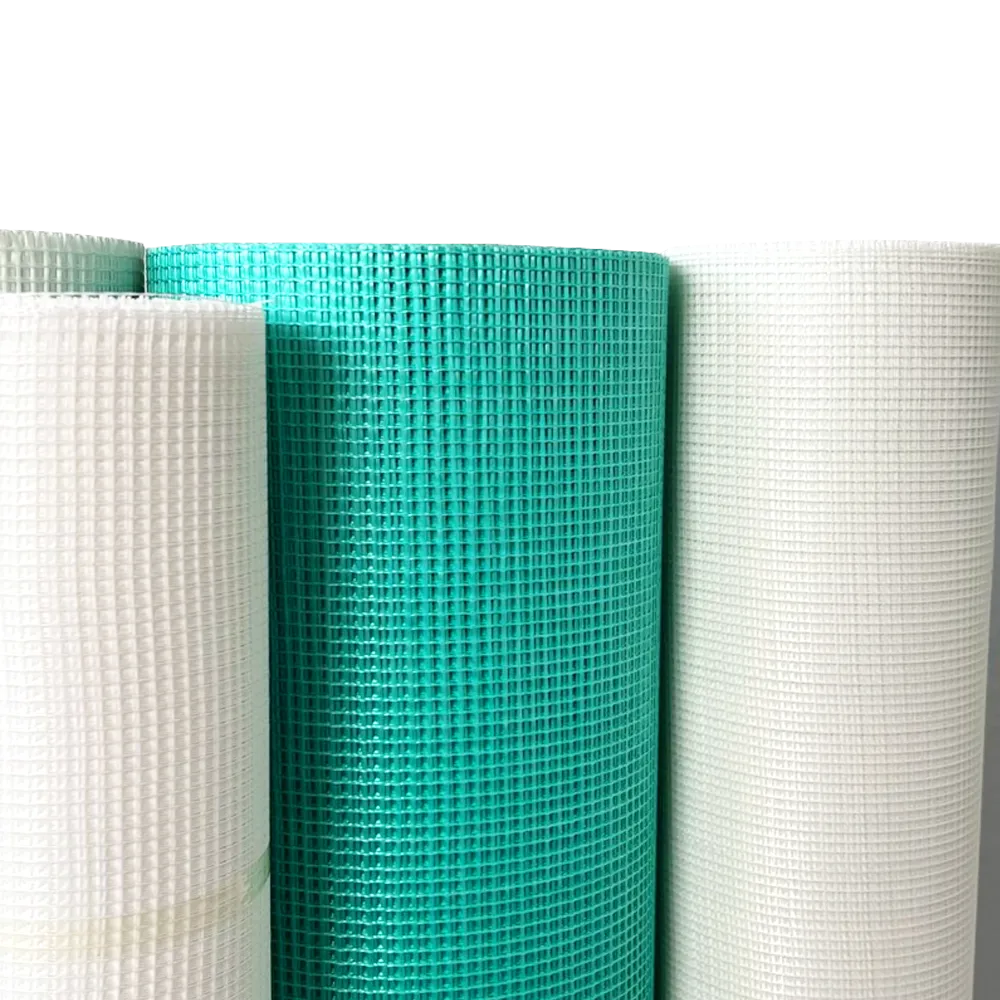
Origin: Xiaomen Village, Yilunbao Township, Renqiu City, Hebei Province, China—an established hub for alkali-resistant fiberglass fabric. The product I’ve been evaluating is “High temperature resistant fiberglass mesh for wall,” woven from C/E-glass yarn and coated with an alkali-resistant binder, then heat-finished. It’s a mouthful, but the process matters.
Process flow (how it’s actually made)
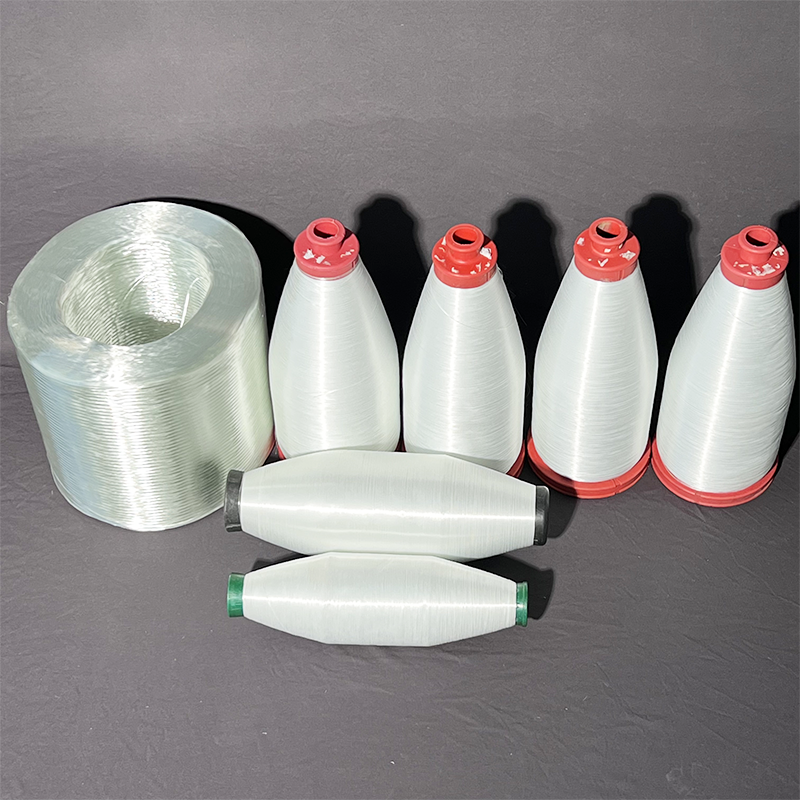
- Materials: E-glass or C-glass yarn (main component: silicate) + AR coating.
- Methods: Balanced weave (e.g., 5×5 mm), coating bath, heat finishing, curing, slitting, rolling.
- Testing standards used by serious vendors: EN 13496 (mesh tensile/alkali), ETAG 004/EAD for ETICS, ASTM D5035 (tensile), ASTM E84 (surface burning), ISO 4892 (UV/weathering, where relevant).
- Service life: in façade systems (ETICS), around 25 years in real-world use—assuming proper render thickness and detailing.
- Industries: exterior insulation systems, interior plastering, drywall jointing, tile backer reinforcement, stone slab backing, HVAC/plant rooms near heat sources.
Specification snapshot (typical values)
| Parameter | Typical Value | Notes |
|---|---|---|
| Glass type | E-glass / C-glass | Good chemical stability in alkaline mortars |
| Mesh size | ≈ 5 × 5 mm | Common for ETICS and plaster reinforcement |
| Area weight | ≈ 145–160 g/m² | Heavier meshes available for high-impact zones |
| Tensile (warp/weft) | ≥ 1750/1600 N/50 mm | Per EN 13496; real-world use may vary |
| Alkali retention | ≥ 75% after NaOH soak | Key to crack resistance over time |
| Heat tolerance | Glass fiber up to ≈ 400–550°C | Binder may limit to ≈ 150–200°C in service |
Where it shines (and where to be careful)
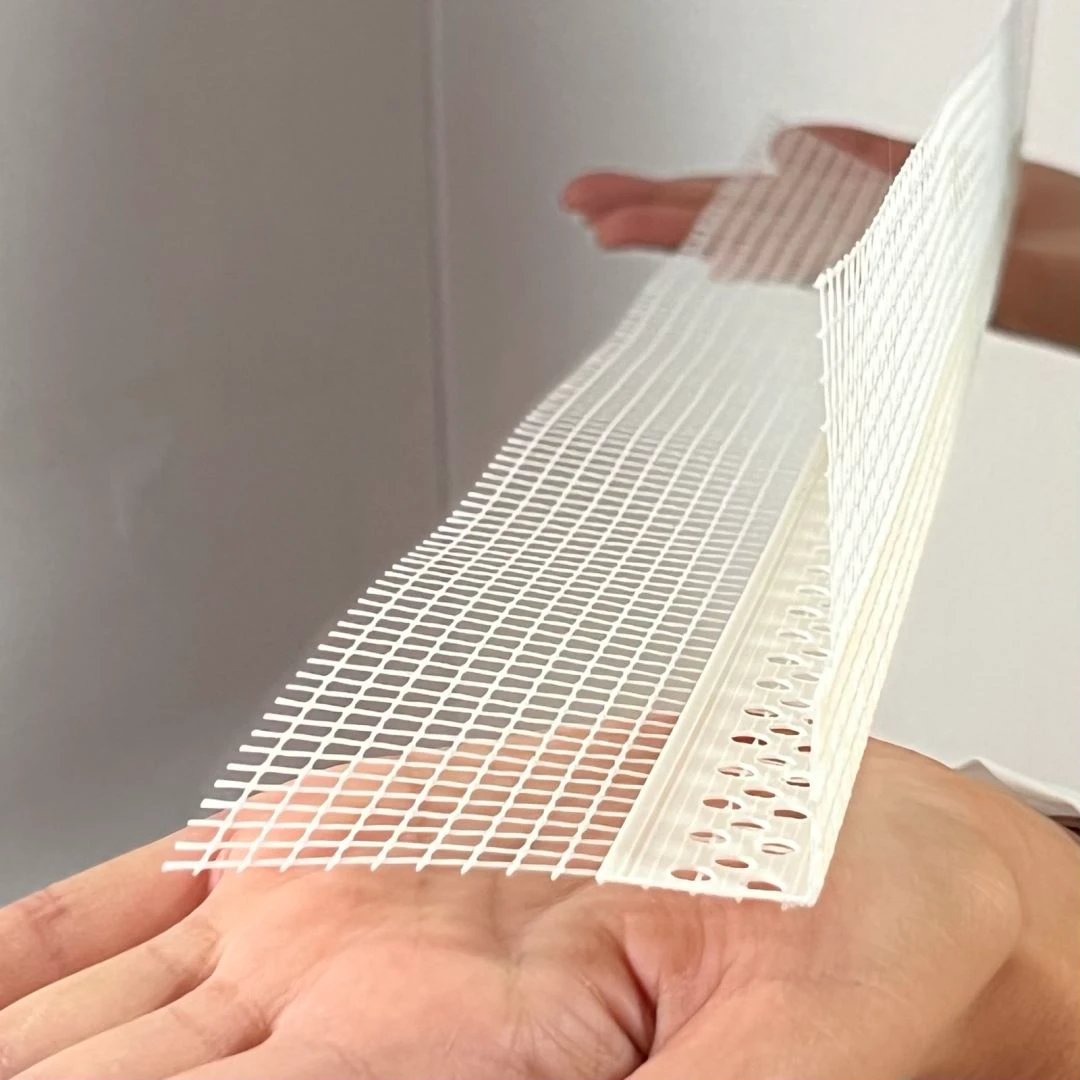
Use it in renders, cementitious waterproofing, drywall seam reinforcement (self-adhesive variants exist), and stone slab backing. Near furnaces or flues, check the binder temp limits—many customers say it holds up fine behind insulated facings, but, to be honest, confirm with the system supplier.
Vendor comparison (field notes)
| Vendor | Alkali Retention | Certs/Docs | Lead Time | Customization |
|---|---|---|---|---|
| Hebei source (this product) | ≈ 75–85% | EN 13496 test reports, ISO 9001 (on request) | 10–20 days | Widths, colors, logos, PSA tape |
| Generic import A | ≈ 60–70% | Basic CoC | 3–5 weeks | Limited |
| Brand distributor B | ≈ 70–80% | CE for ETICS systems | Stock-based | Good but pricier |
Indicative only; verify current data before purchase.
Real-world feedback
On one hotel façade refresh (ETICS, coastal climate), installers reported smoother embedding and fewer “telegraphed” overlaps. Alkali retention after lab soak stayed above 78%, which, frankly, is what you want long-term. Another case: a bakery’s hot-wall retrofit—mesh performed well behind cement render, but the team respected that 200°C binder caution.
Customization and buying tips
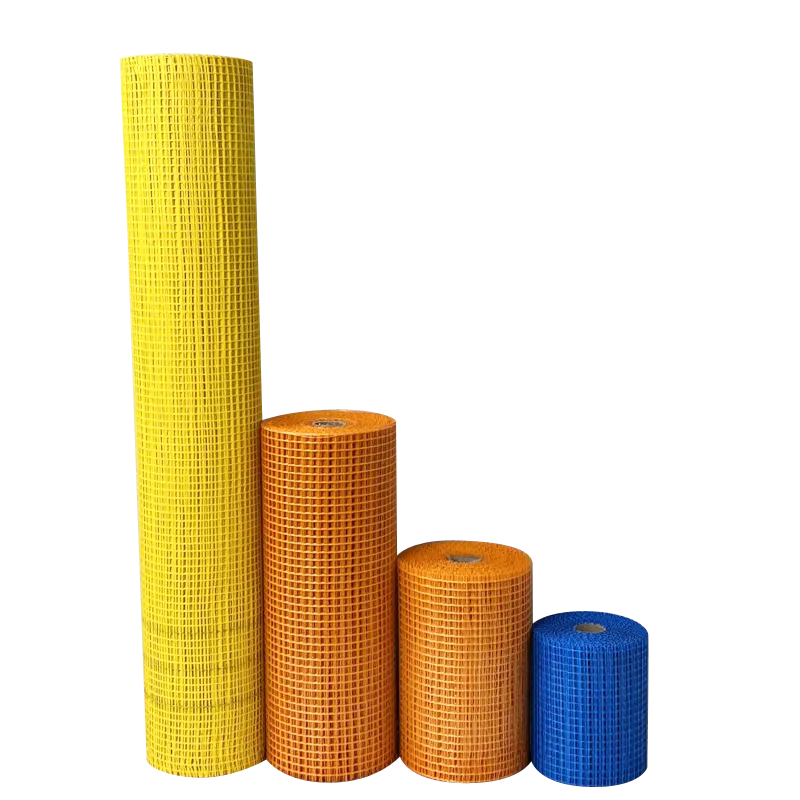
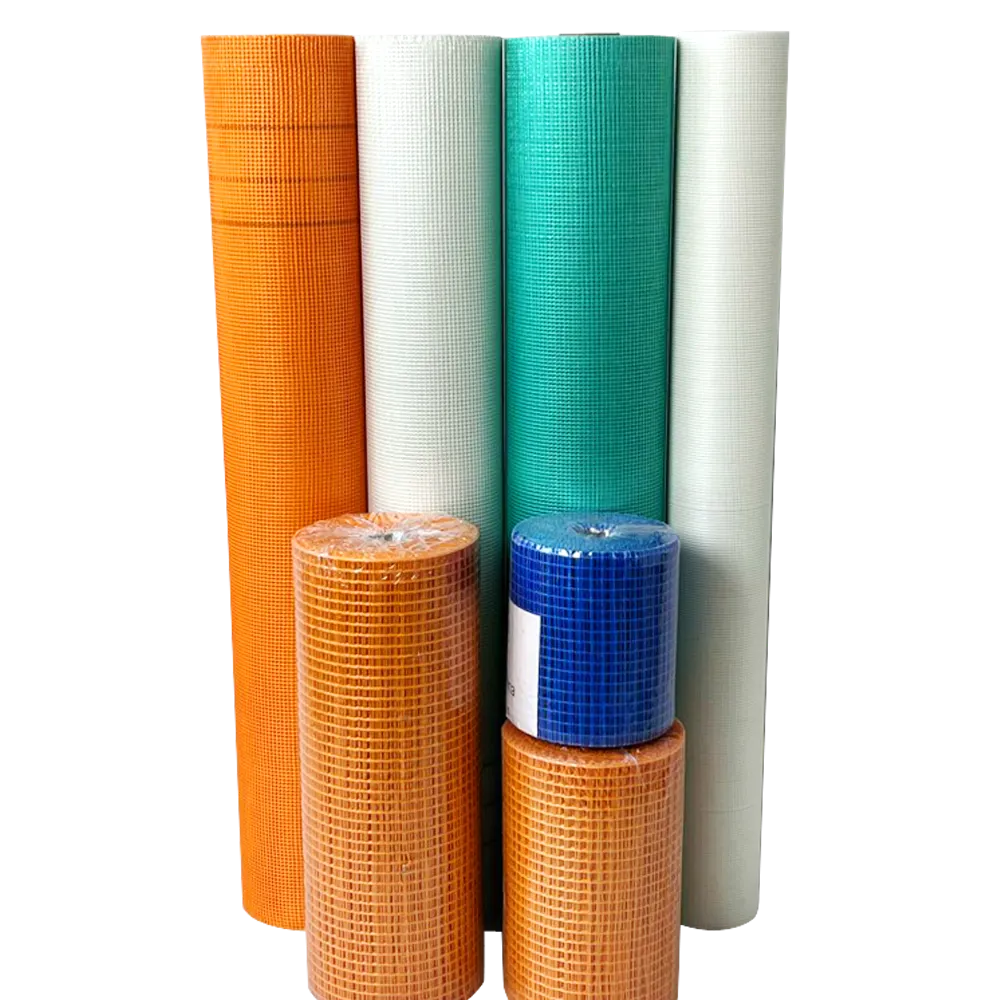
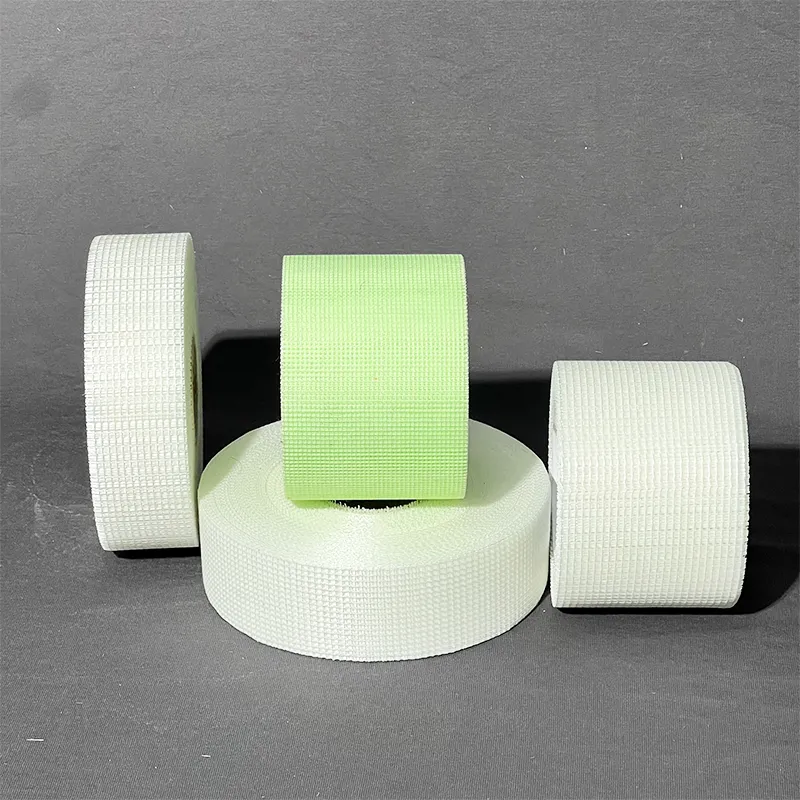
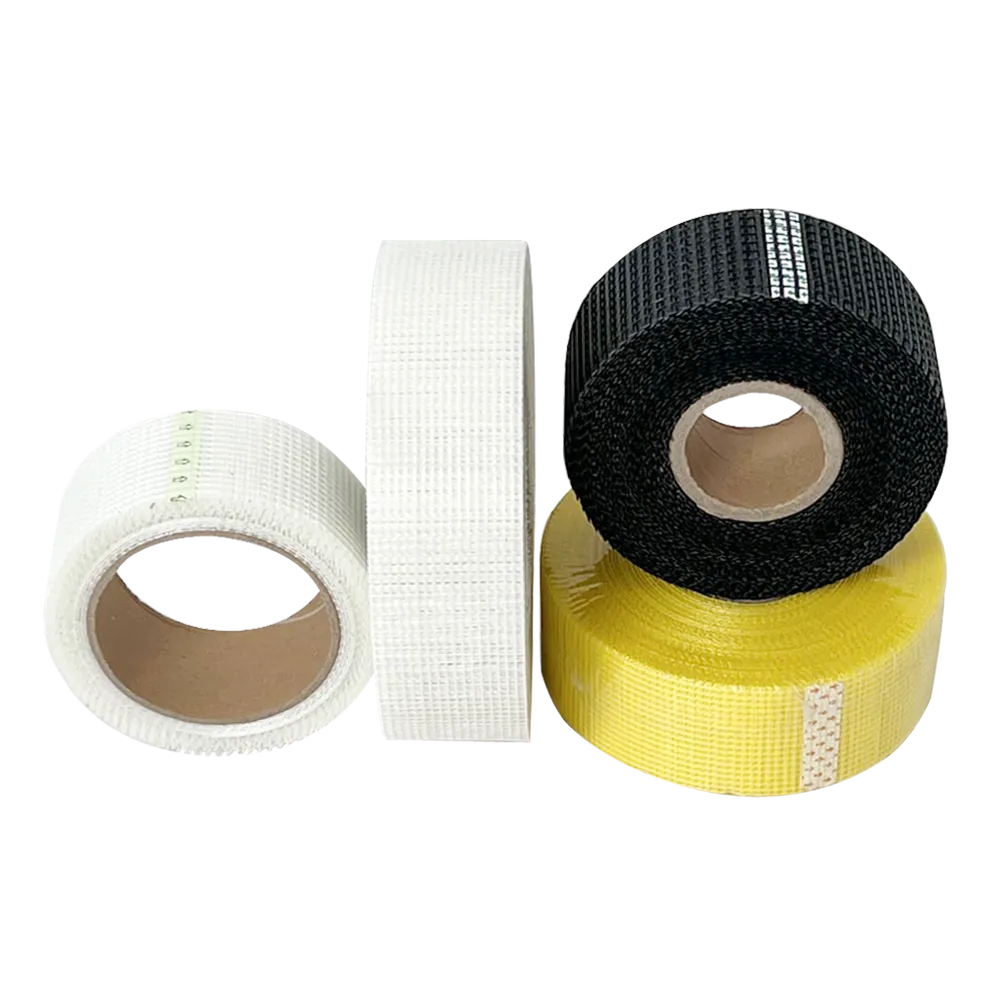
- Widths: 10 cm (tape) up to 1.2 m; roll length 20–100 m.
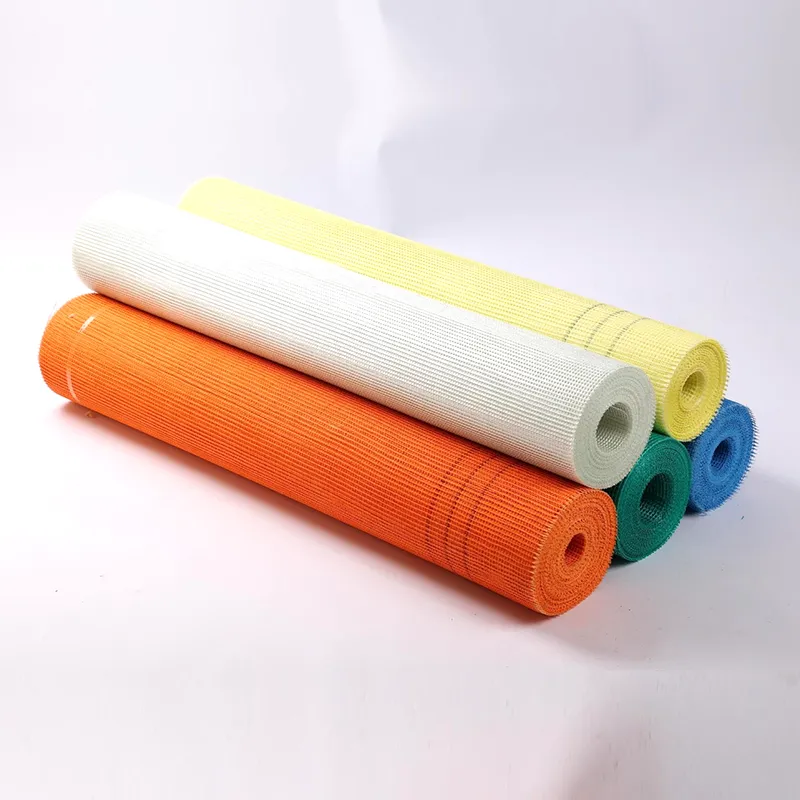
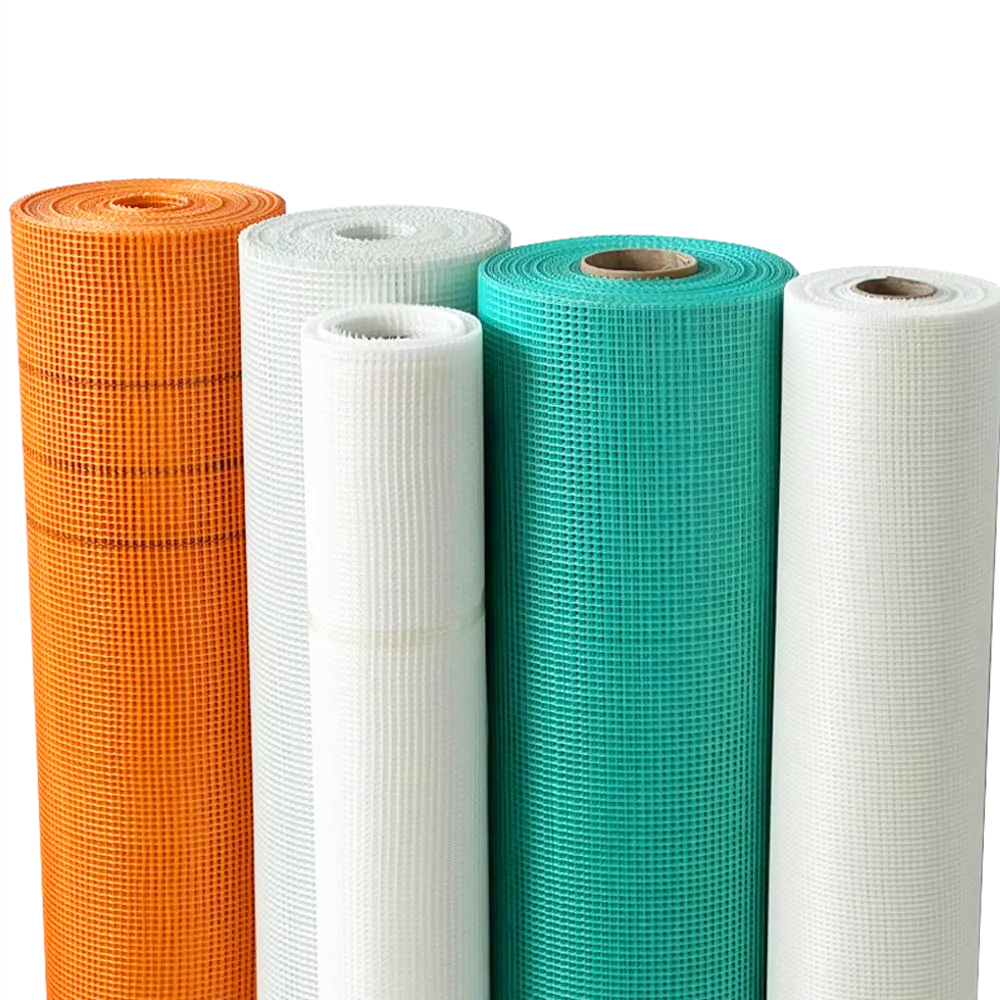
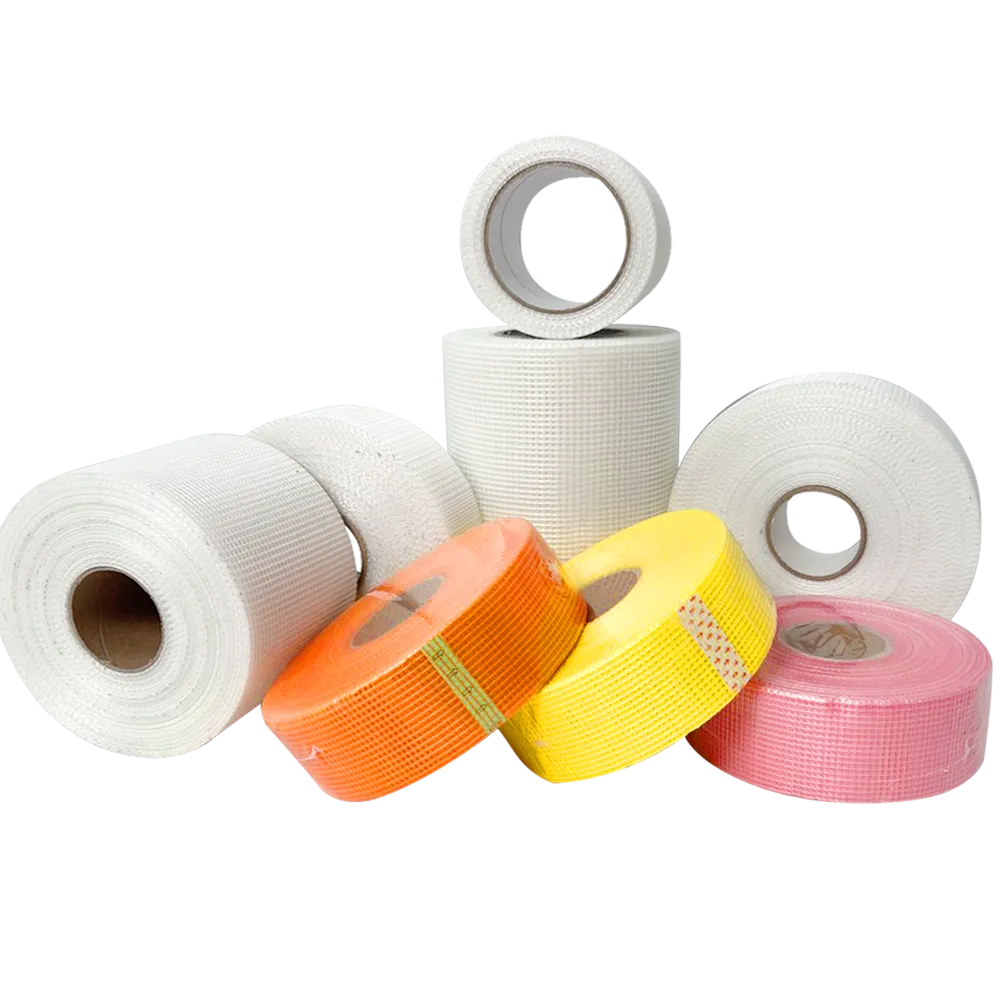
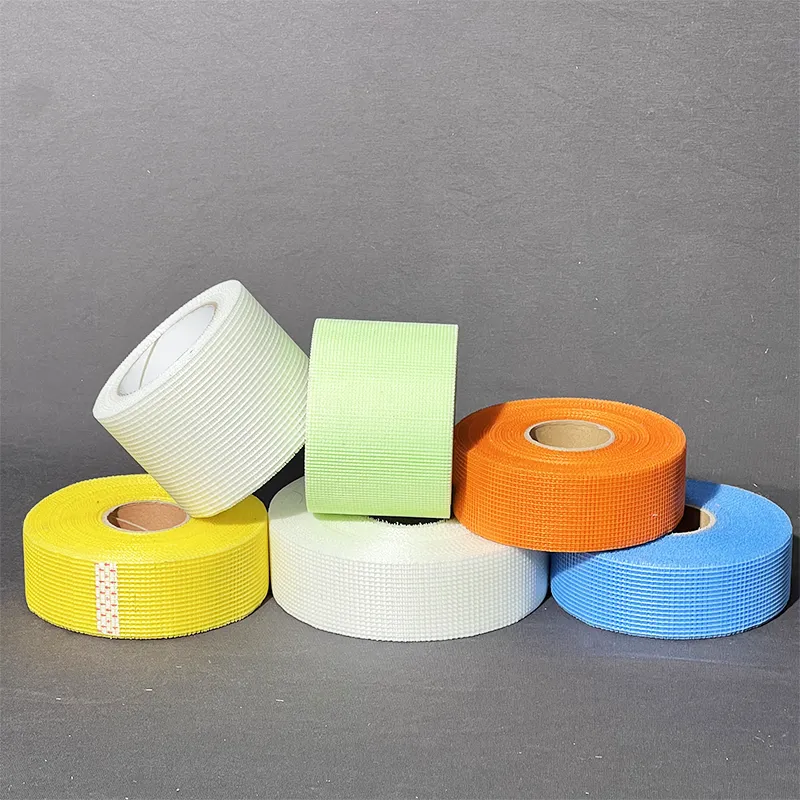
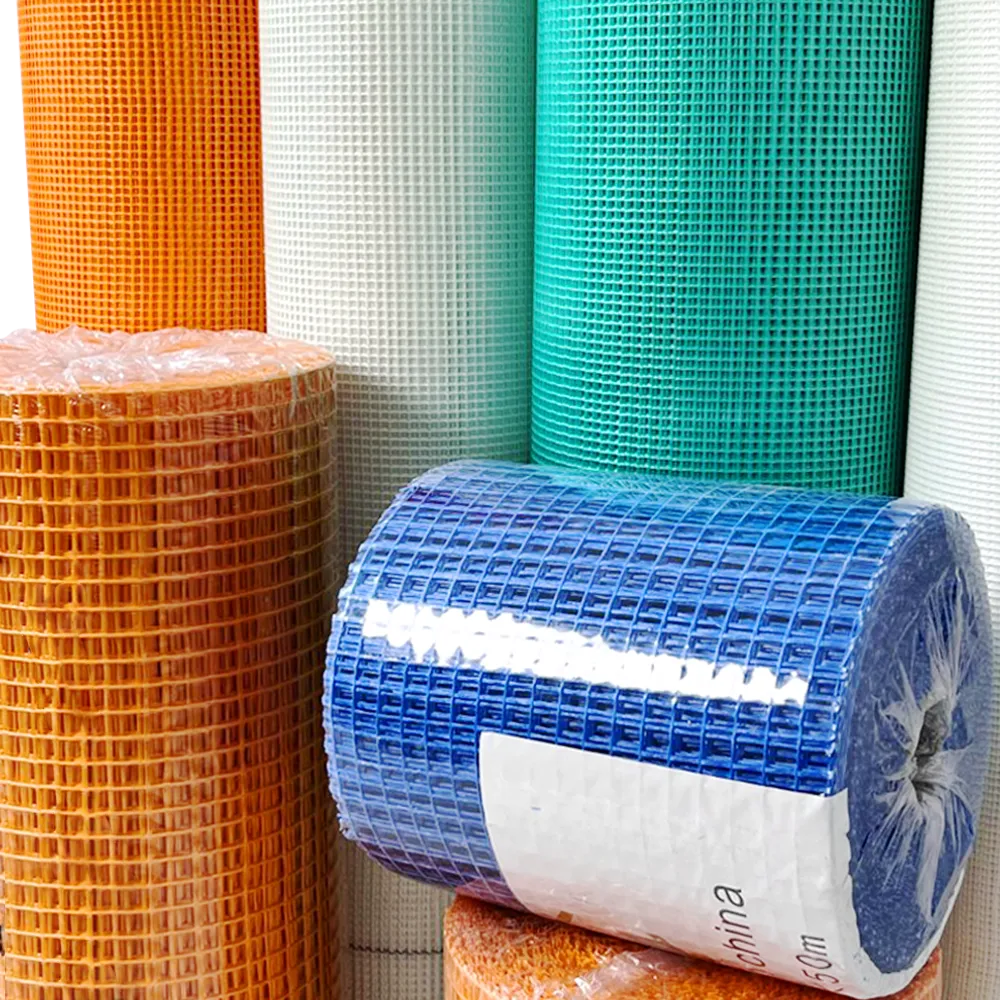
- Coating: color-coded for site identification; optional pressure-sensitive adhesive for drywall tapes.
- Ask for EN 13496 tensile and alkali test reports, and ASTM E84 data if interiors are in scope.
Bottom line: if you plan to Buy Adhesive Fiberglass Mesh for walls or ETICS, prioritize alkali resistance and verified tensile strength. For high-temperature adjacency, pick the heat-finished variant and confirm binder limits with your render system supplier. Many contractors, it seems, learned this the hard way; you don’t have to.
If your spec calls for premium crack control or tough jobsite conditions, it’s reasonable to Buy Adhesive Fiberglass Mesh from a vendor willing to share recent lab data—no data, no deal.
Authoritative references
- EN 13496: Thermal insulation products for ETICS — Determination of mechanical properties of glass fibre mesh.
- EAD 040083-00-0404 (formerly ETAG 004): External Thermal Insulation Composite Systems (ETICS).
- ASTM E84: Standard Test Method for Surface Burning Characteristics of Building Materials.
- ASTM D5035: Standard Test Method for Breaking Force and Elongation of Textile Fabrics (Strip Method).
-
Best Fiberglass Mesh Tape for RedGard Product Waterproofing GuideNewsApr.16,2026
-
Why High Strength Fiberglass Mesh Is Essential For Stucco ApplicationNewsApr.15,2026
-
Why Alkali Resistant Fiberglass Mesh Tape Is Essential For Cement Board And Tile InstallationsNewsApr.15,2026
-
Understanding The Role Of Drywall Fiberglass Mesh In Interior FinishingNewsApr.15,2026
-
Ultimate Guide To Using Fiberglass Mesh Tape For Drywall And Plaster RepairsNewsApr.15,2026
-
The Versatility Of Fiberglass Mesh In Marble And Stone MosaicNewsApr.15,2026