Dec . 03, 2025 13:56 Back to list
Top Insights on Plaster Mesh Roll Factories: What Industry Pros Know
Inside the World of plaster mesh roll factories: What I’ve Learned Over the Years
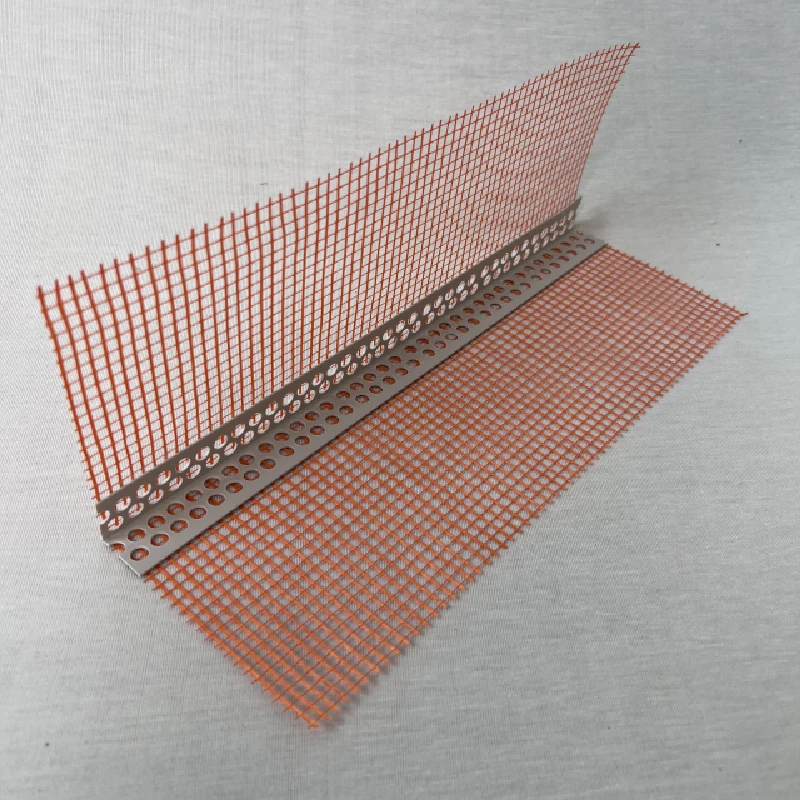
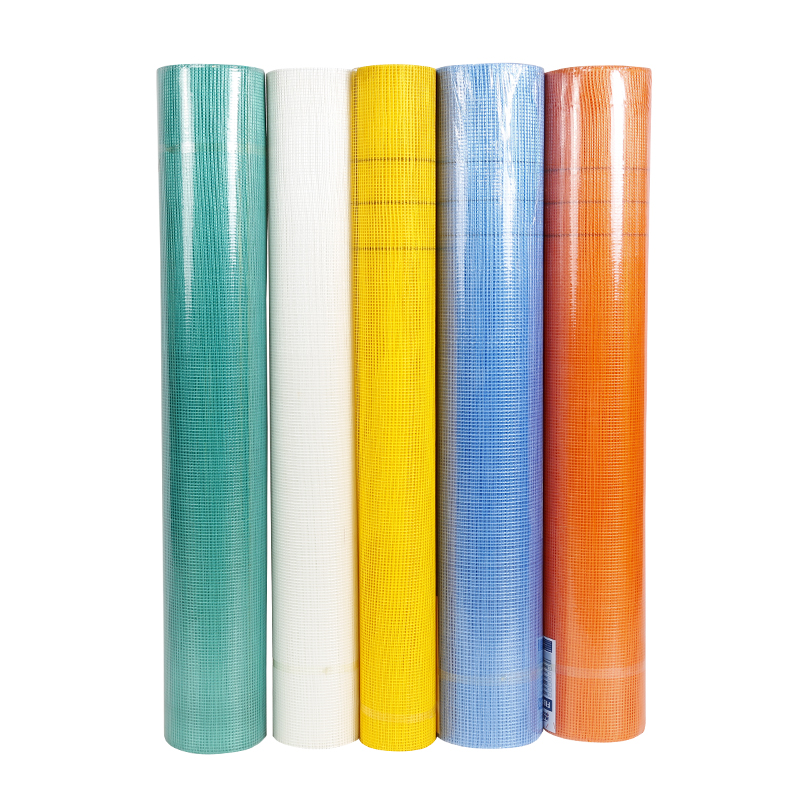
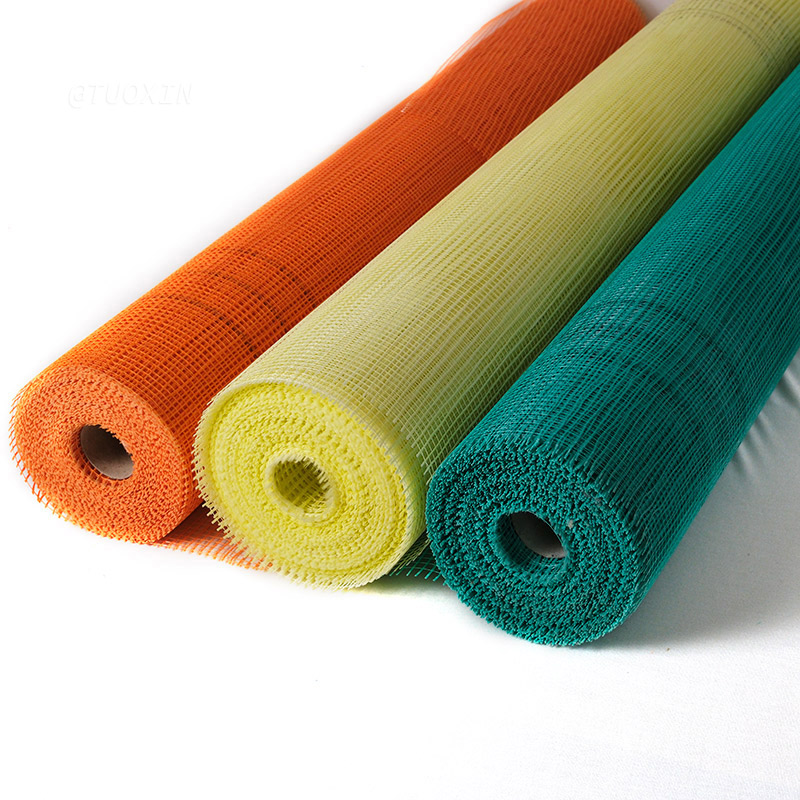
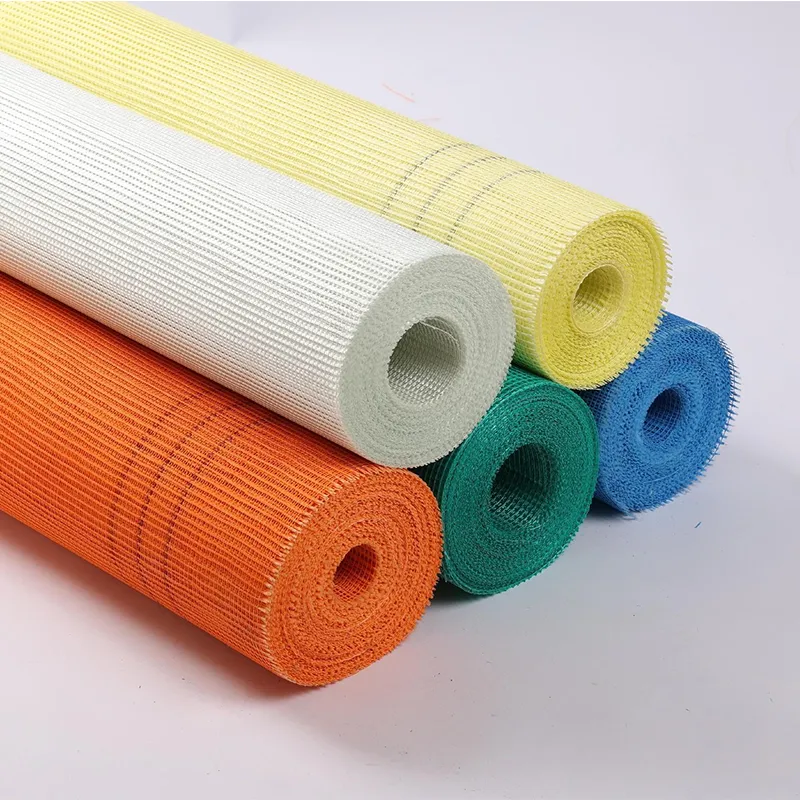
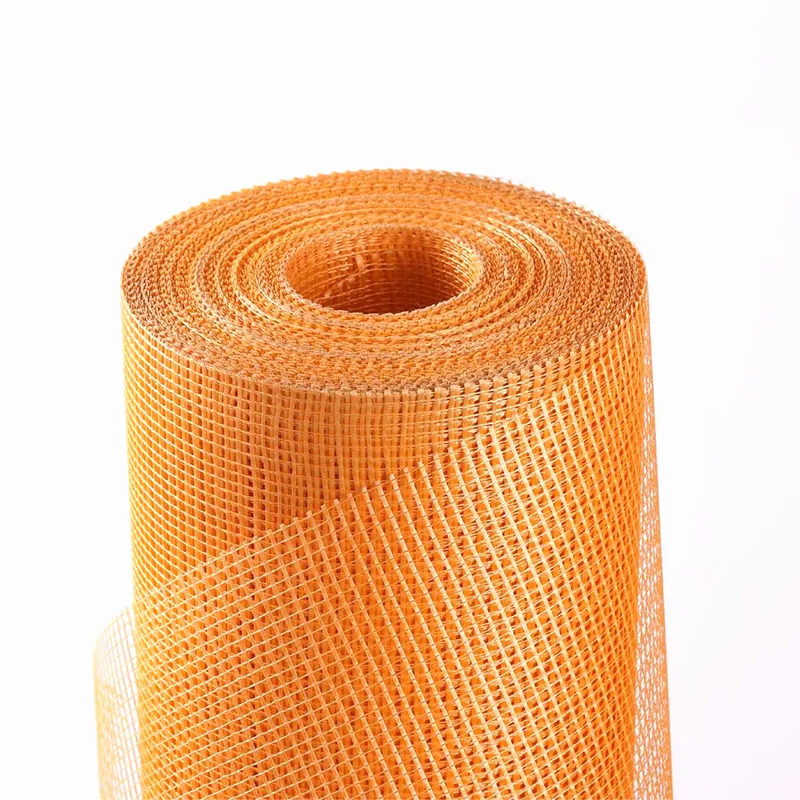
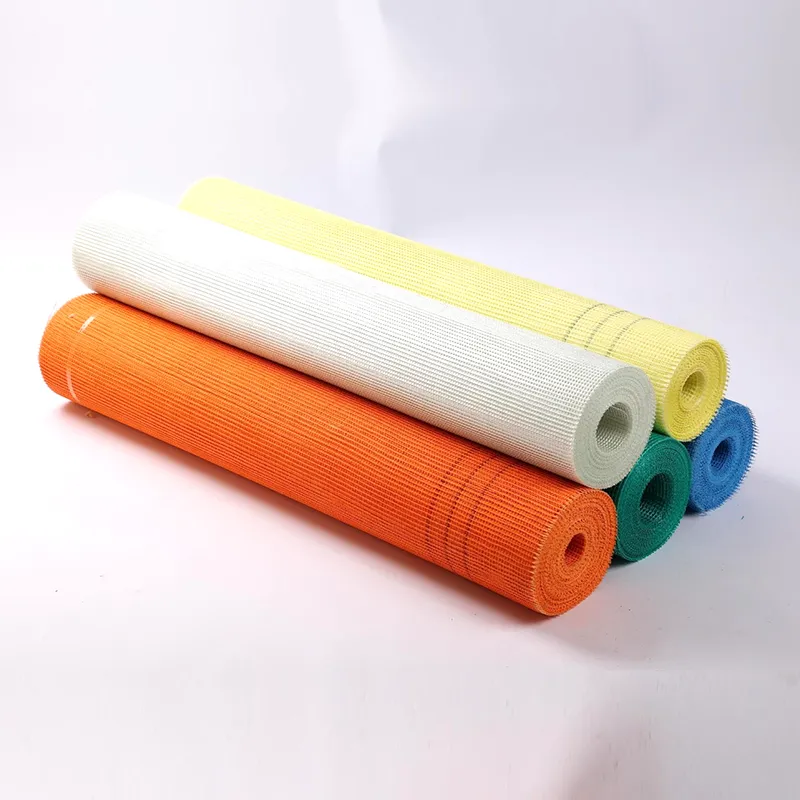
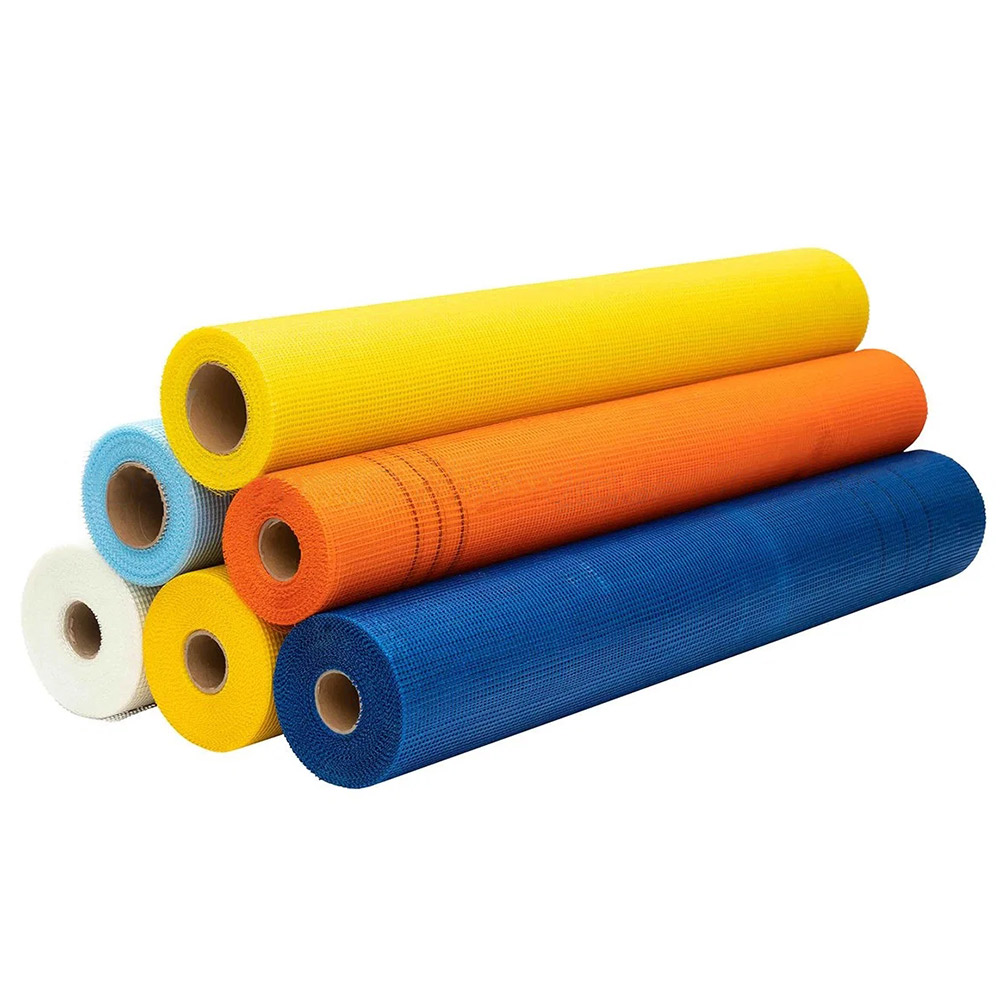
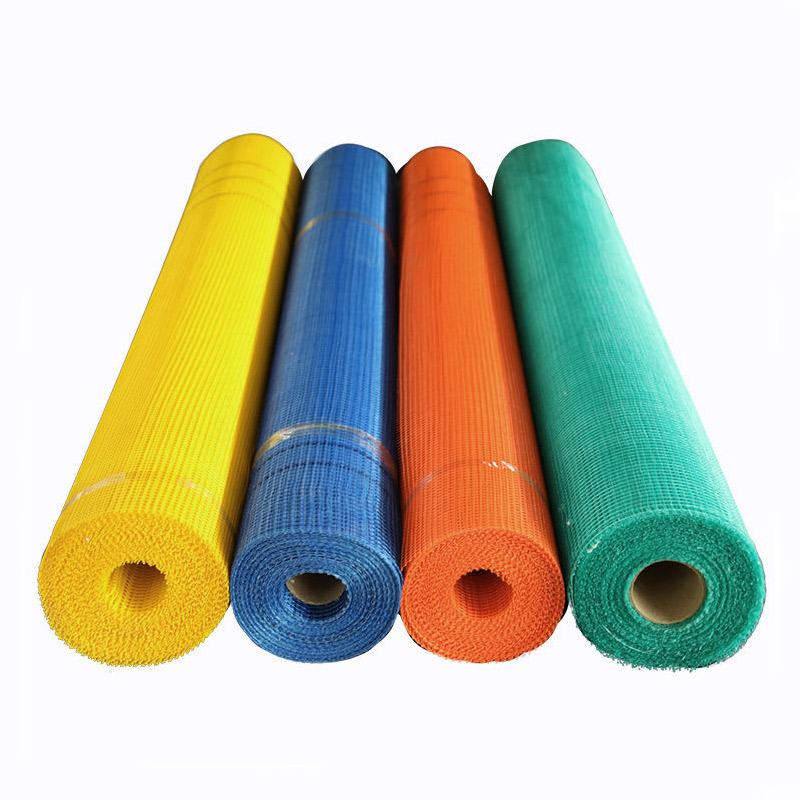
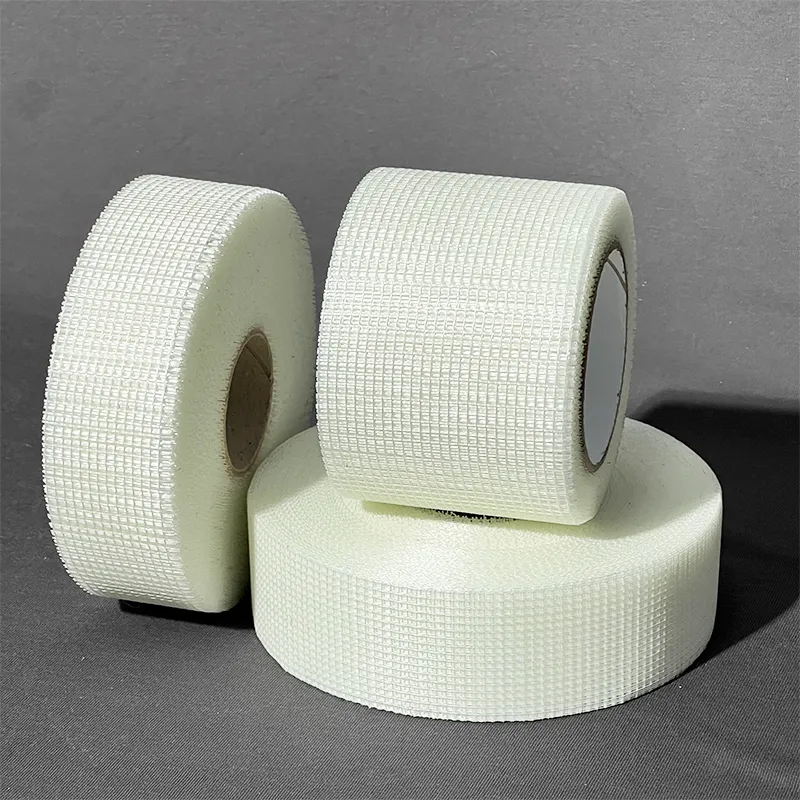
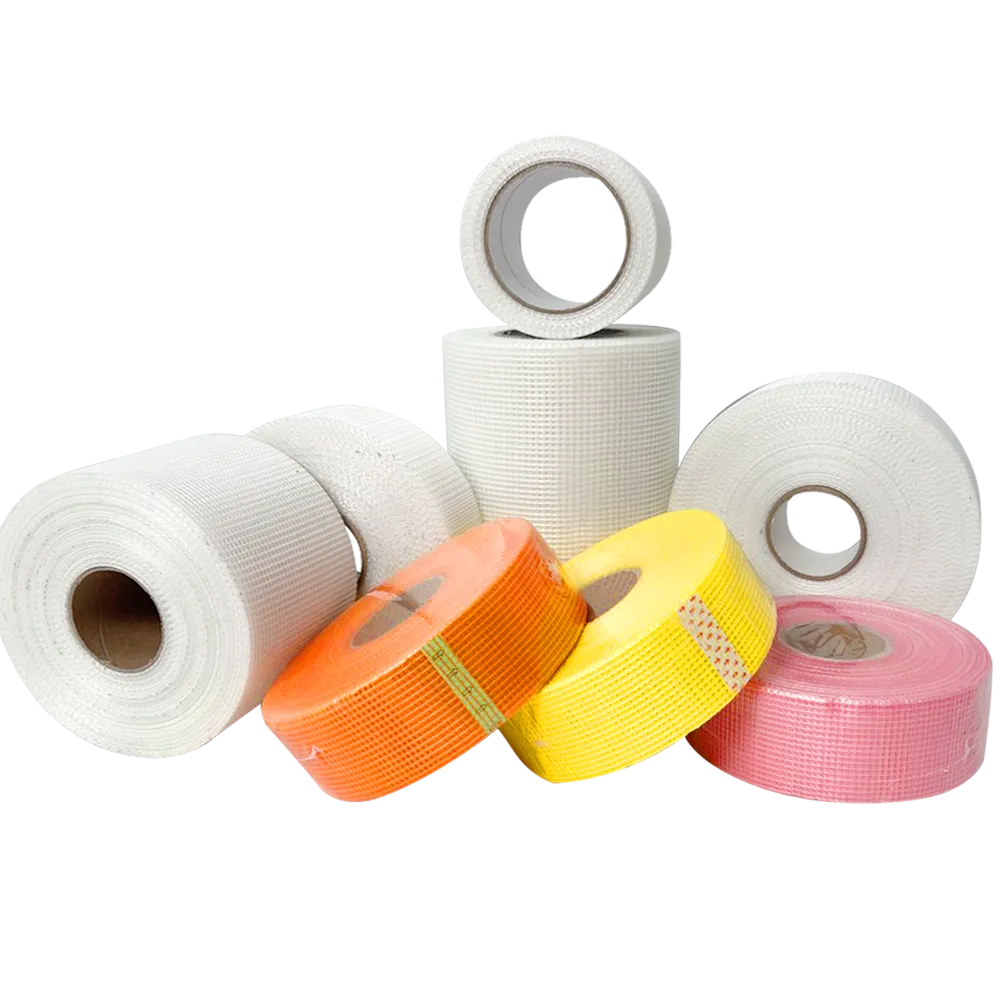
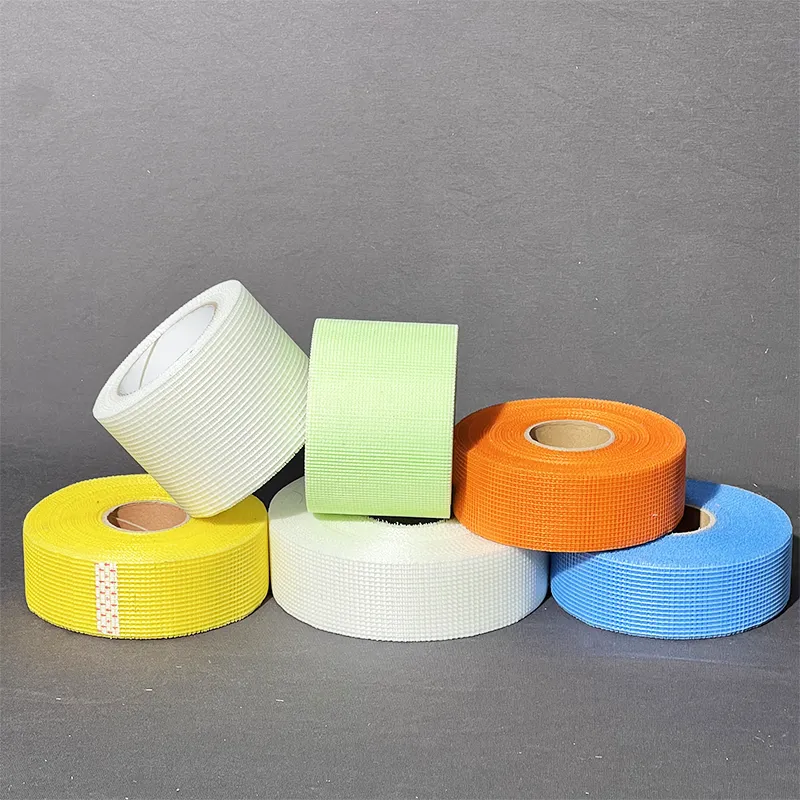
Having spent well over a decade in industrial equipment sectors—particularly in building materials—I’ve grown a sort of appreciation for the humble plaster mesh roll. It’s easy to overlook what’s behind these seemingly simple rolls, but oddly enough, the factories producing them are technological and logistical hubs that shape construction habits worldwide.
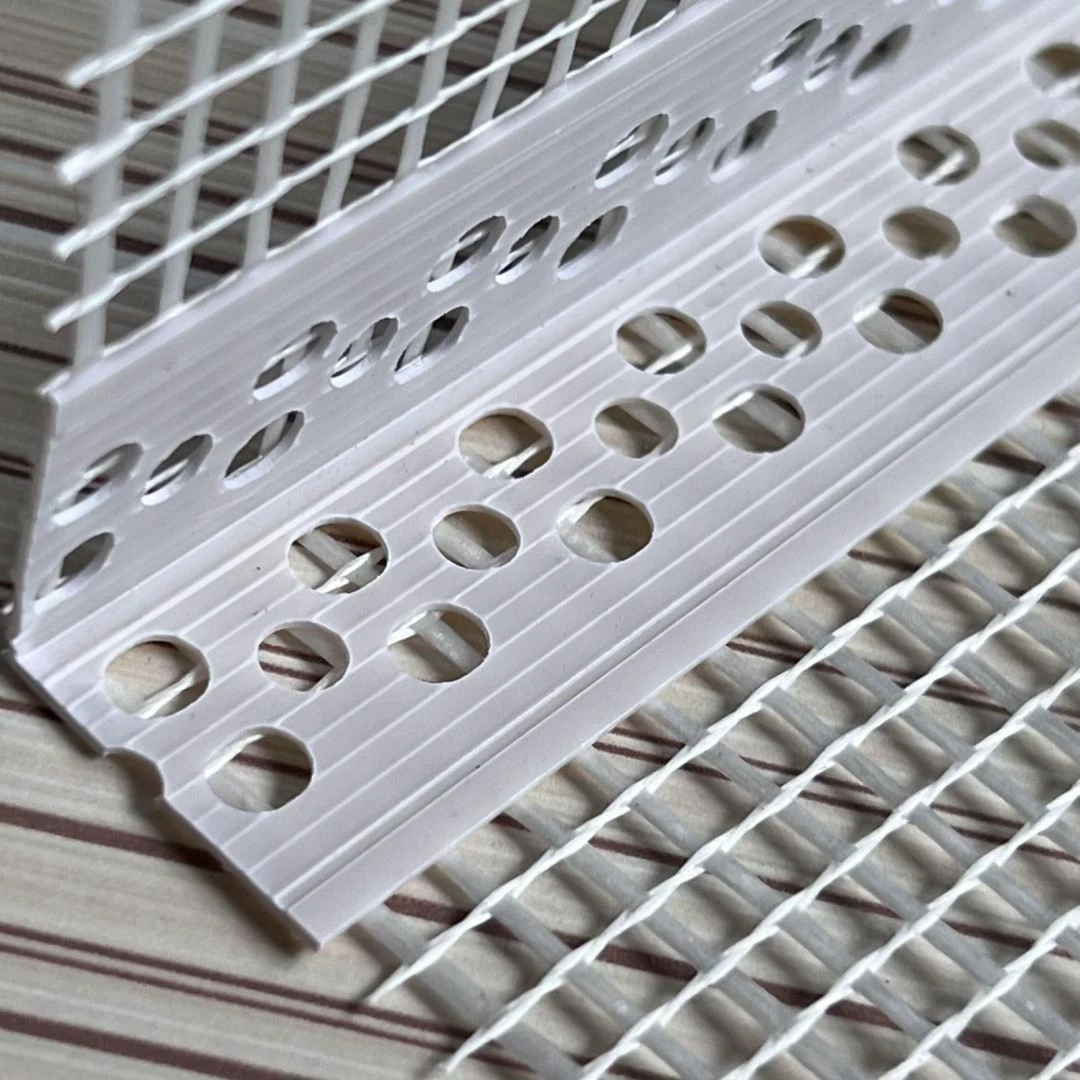
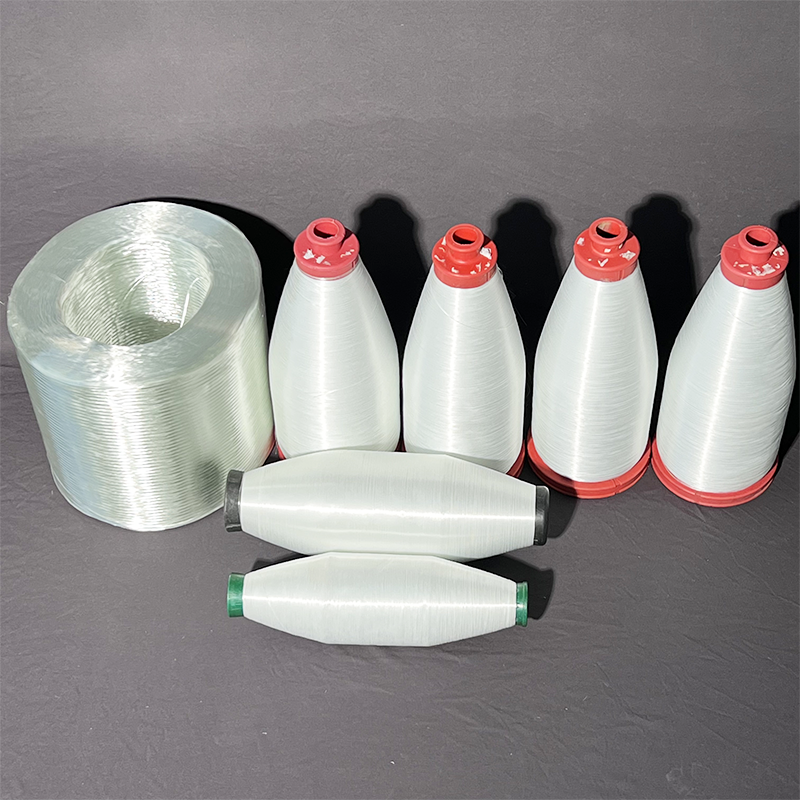
Now, before you think this is just a thin fiberglass mesh on a roll, there’s a lot more going on in terms of design, material science, and quality control. In real terms, the success of a plaster mesh factory depends on sourcing the right fiberglass yarns, precise weaving or knitting technology, and rigorous testing processes to meet durability standards. It’s practical yet surprisingly technical.
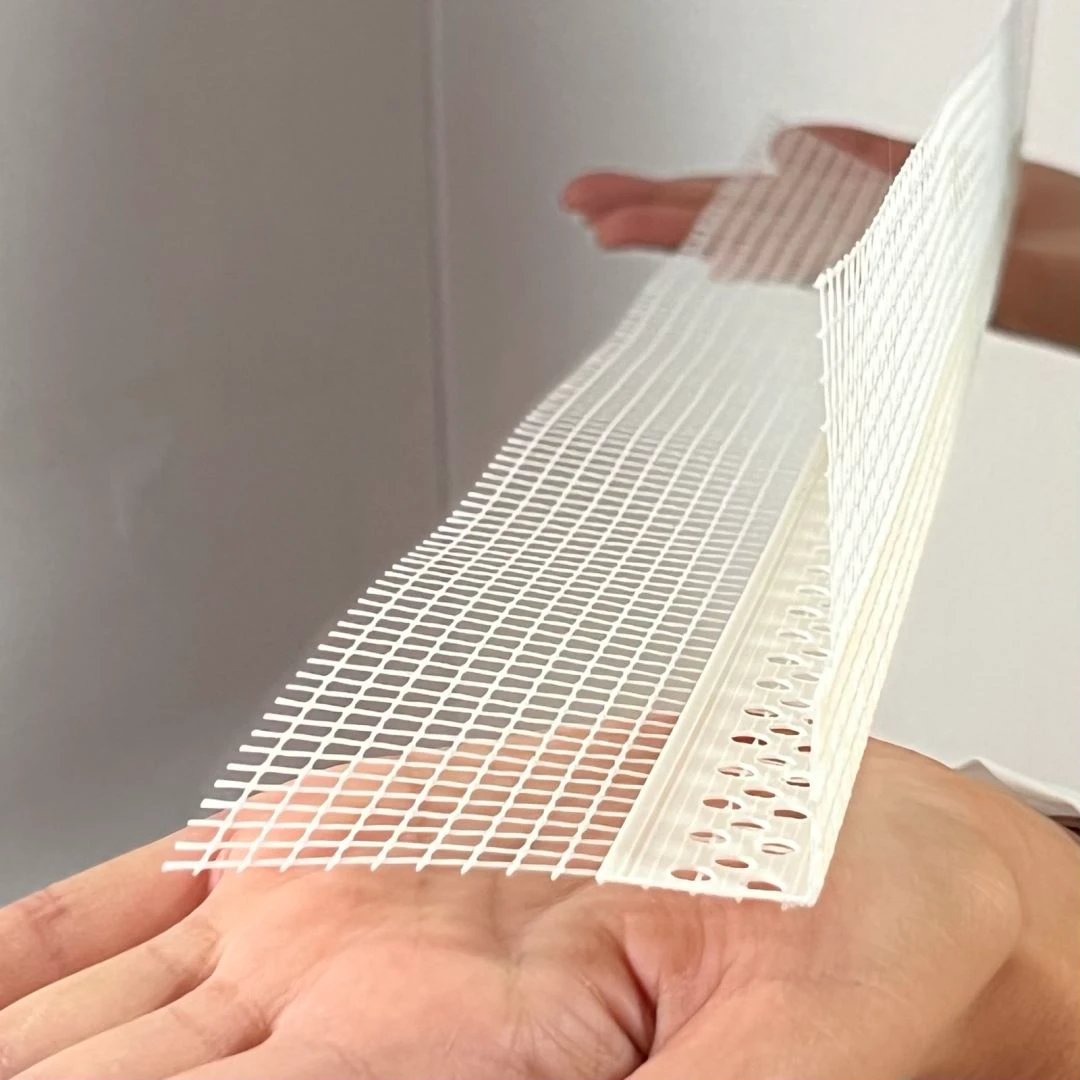
For example, many engineers I’ve spoken with emphasize how the mesh’s tensile strength and alkali resistance directly impact how well plaster adheres and lasts on walls—especially in humid or chemically aggressive environments. A quick note: these meshes are not just about strength; flexibility matters too, since installers prefer products that aren’t stiff or brittle during application.
That said, a well-run plaster mesh roll factory invests heavily in R&D to balance these traits. Test labs at these plants often simulate extreme weather conditions to make sure the mesh won’t degrade or lose adhesion over time, something clients don’t always ask about but benefit from immensely.
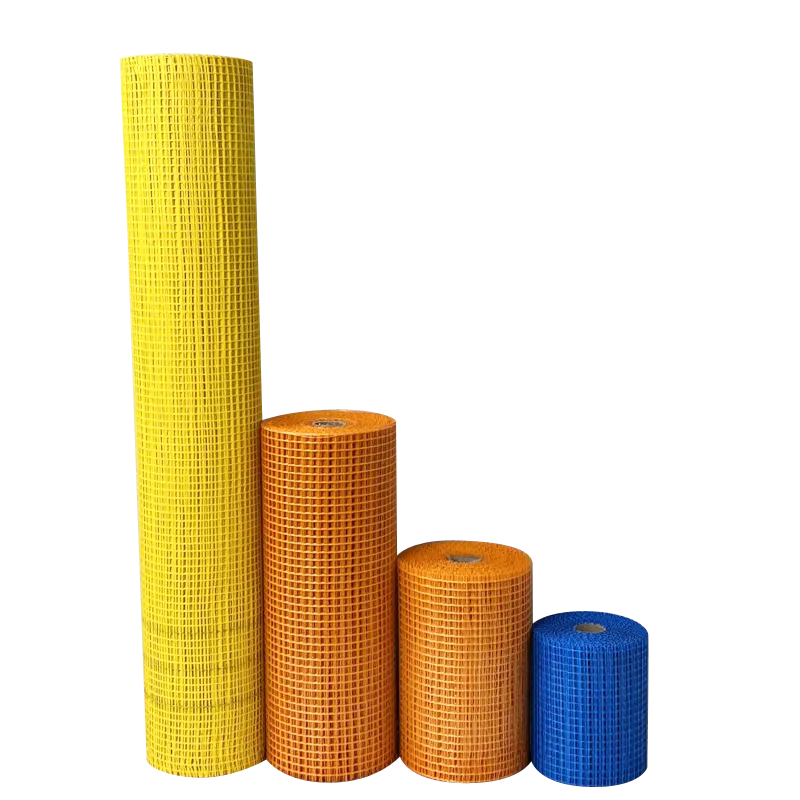
Product Breakdown: Essential Specs of a Typical Plaster Mesh Roll
| Specification | Typical Value | Remarks |
|---|---|---|
| Material | Alkali-resistant fiberglass yarn | Essential for durability in cement/plaster |
| Mesh Size | 4mm x 4mm or 5mm x 5mm | Determines application thickness, adhesion |
| Roll Width | 1m - 2m | Custom widths often available |
| Roll Length | 50m - 100m | Longer lengths reduce waste on-site |
| Weight per sqm | 90 - 130 g/m² | Balances strength and flexibility |
Comparing Leading Plaster Mesh Roll Factories
| Factory | Material Quality | Customization | Delivery Time | Typical Clientele |
|---|---|---|---|---|
| Tainuo Fiberglass Mesh | High-grade AR fiberglass yarn | Wide range of mesh sizes & roll lengths | ~2-3 weeks | Construction firms, distributors |
| Factory B | Standard fiberglass | Limited sizes/custom orders | ~3-4 weeks | Local contractors |
| Factory C | High-end yarns but pricey | Custom mesh, but MOQ high | ~4 weeks | Large-scale industrial projects |
One thing I noticed over the years: the best factories, like Tainuo Fiberglass Mesh, are not just about volume but also reliability and responsiveness. A particular client story sticks with me — a mid-size builder in Southeast Asia was struggling with cracking plaster on exterior walls. After switching to a plaster mesh from Tainuo’s factory, they reported a much smoother finish, fewer repairs, and honestly, they praised the technical advice that came alongside the product.
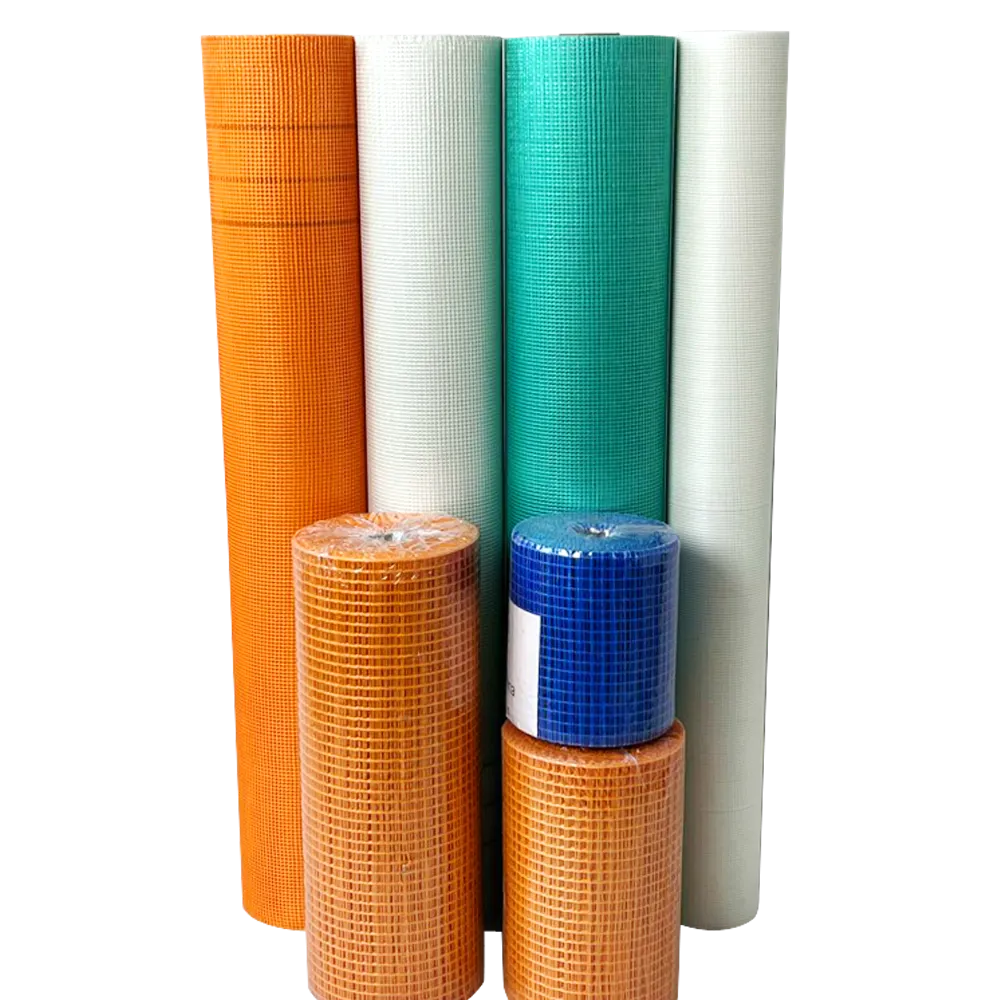
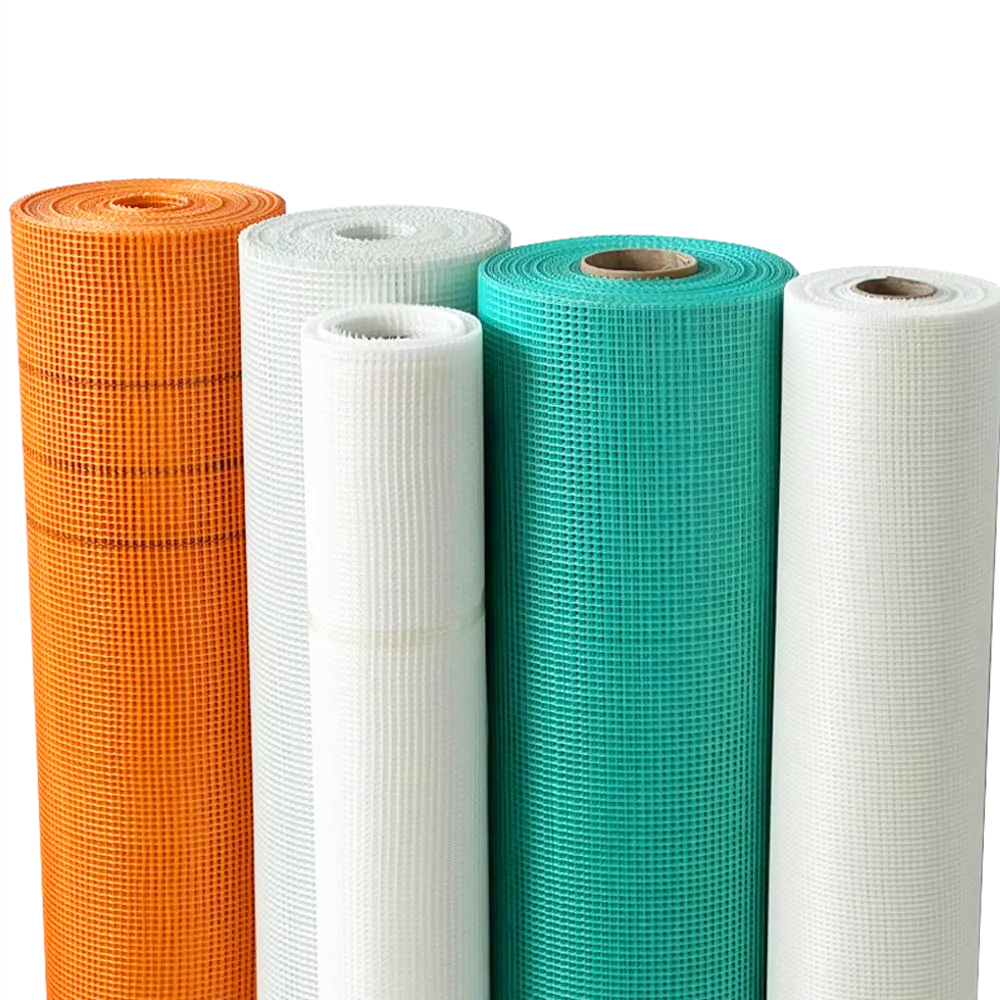
This ‘human side’ often gets lost in factory tours or spec sheets, but frankly, it’s what sets products apart in the real world. And customization? That’s a growing demand. Architects and contractors want mesh rolls tailored for different substrates and climates, so top factories have to stay nimble with their production lines.
So, what’s the takeaway? If you’re considering plaster mesh rolls for your projects, don’t just glance at price or delivery time. Dig a little deeper into the quality of yarn, mesh specifications, and whether the vendor supports customization. It’s those details that tip the scale from “just okay” to “built to last.”
If you want to learn more about dependable plaster mesh roll factories, I highly suggest checking out Tainuo's site—they’ve been a benchmark in the industry for years.
Cheers to strong walls and even stronger partnerships!
References:
1) Industry reports on fiberglass mesh properties (Fiberglass Association, 2022)
2) Client interviews during project audits, 2019-2023
3) Technical data from Tainuo Fiberglass Mesh product sheets, 2024
-
Best Fiberglass Mesh Tape for RedGard Product Waterproofing GuideNewsApr.16,2026
-
Why High Strength Fiberglass Mesh Is Essential For Stucco ApplicationNewsApr.15,2026
-
Why Alkali Resistant Fiberglass Mesh Tape Is Essential For Cement Board And Tile InstallationsNewsApr.15,2026
-
Understanding The Role Of Drywall Fiberglass Mesh In Interior FinishingNewsApr.15,2026
-
Ultimate Guide To Using Fiberglass Mesh Tape For Drywall And Plaster RepairsNewsApr.15,2026
-
The Versatility Of Fiberglass Mesh In Marble And Stone MosaicNewsApr.15,2026