Sep . 10, 2025 09:00 Back to list
Buy Self-Adhesive Fiberglass Mesh | High-Strength & Easy Drywall Fix
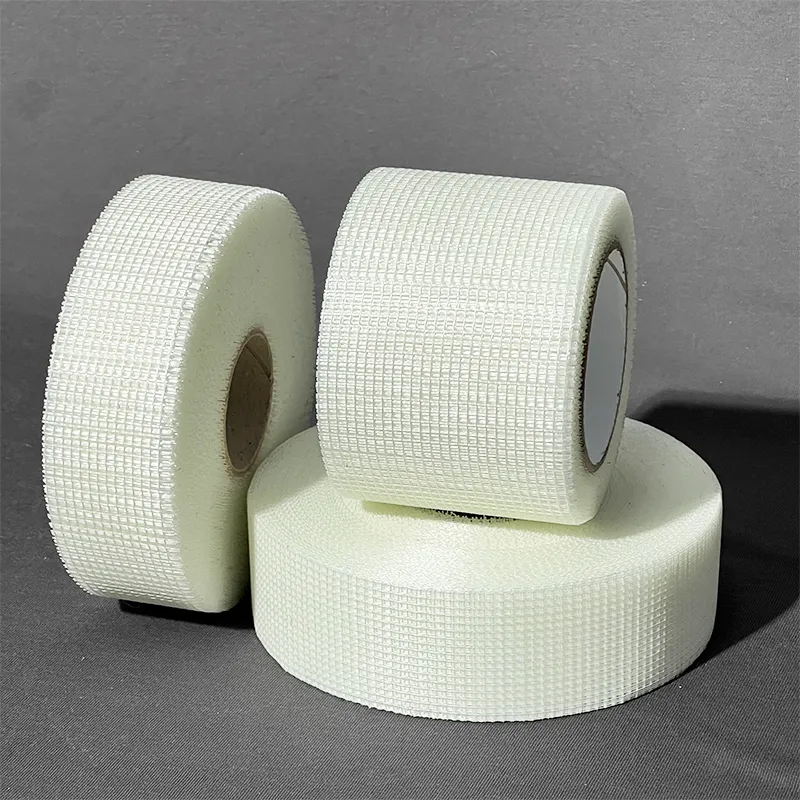
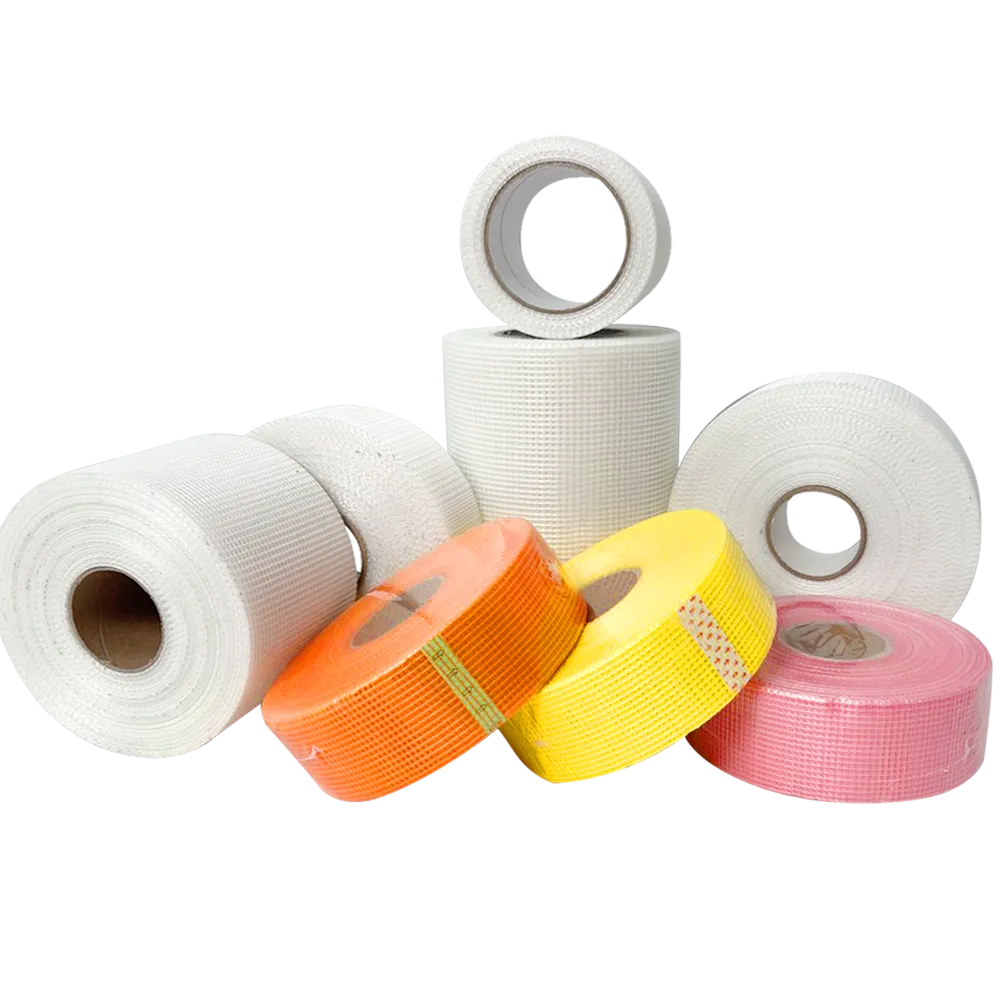
In the dynamic landscape of modern construction and renovation, the integrity and longevity of structures hinge significantly on the quality of their foundational materials. High-performance reinforcement meshes are indispensable, especially in critical applications like wall plastering, EIFS, and crack repair. When you need to buy adhesive fiberglass mesh, you are investing in a product engineered to deliver superior structural stability and resistance against common degradation factors. This detailed guide explores the technical, application, and strategic considerations for procurement in the B2B sector, emphasizing the critical role of advanced fiberglass mesh solutions.
The Manufacturing Process of High-Performance Fiberglass Mesh
The production of advanced fiberglass mesh, particularly for applications requiring robust alkali resistance and adhesion, is a sophisticated multi-stage process ensuring exceptional material integrity and performance. Understanding this process is crucial for B2B buyers seeking to buy adhesive fiberglass mesh that meets stringent quality benchmarks.
1. Raw Material Sourcing & Preparation
High-quality E-glass or C-glass fibers are selected for their inherent strength and chemical resistance. These fibers are spun into yarns, often treated with a sizing agent to enhance processability and compatibility with subsequent coatings. Crucially, for alkali-resistant variants, zirconium dioxide (ZrO2) is incorporated into the glass composition during the melting phase, typically between 14% and 16% content, providing superior protection against alkaline environments prevalent in cementitious mortars and plasters.
2. Weaving Process
The glass fiber yarns are fed into high-speed weaving looms. The most common weaving pattern is leno weave, which provides excellent dimensional stability and prevents mesh unraveling, even when cut. The precise control over warp and weft density ensures consistent mesh size, a critical parameter for uniform stress distribution within plaster or render layers.
3. Alkali-Resistant Coating Application
The woven mesh undergoes a specialized coating process. Acrylic copolymer emulsions are typically used, often enhanced with proprietary chemical formulations. This coating serves multiple functions: it binds the individual fibers, increases resistance to alkaline attack, enhances tensile strength, and crucially, provides the self-adhesive properties desired when you buy adhesive fiberglass mesh. The coating content is meticulously controlled, usually ranging from 18% to 25%, adhering to standards like ETAG 004 or ASTM C1007.
4. Curing and Drying
Post-coating, the mesh is passed through high-temperature ovens for curing and drying. This process cross-links the polymer chains in the coating, ensuring its durability, adhesion, and long-term performance. Precise temperature and time control are vital to prevent degradation of the glass fibers or the coating itself.
5. Slitting, Winding & Quality Control
The finished, coated mesh rolls are then precisely slit to specified widths (e.g., 50mm for tape, 1m for rolls) and wound onto cores. Throughout the entire manufacturing process, rigorous quality control checks are performed, including tensile strength testing (before and after alkali aging), mesh opening consistency, coating adhesion, and weight per square meter. Adherence to international standards such as ISO 9001, ASTM, and DIN ensures product reliability.
The service life of properly manufactured and installed alkaline resistant fiberglass mesh can exceed 50 years, significantly contributing to the longevity of building envelopes. Target industries include residential and commercial construction, petrochemical facilities (for corrosion-resistant linings), and infrastructure projects requiring high-performance structural reinforcement. The advantages in typical application scenarios are pronounced: energy saving through enhanced facade insulation, superior crack resistance, and exceptional corrosion resistance in harsh environments.
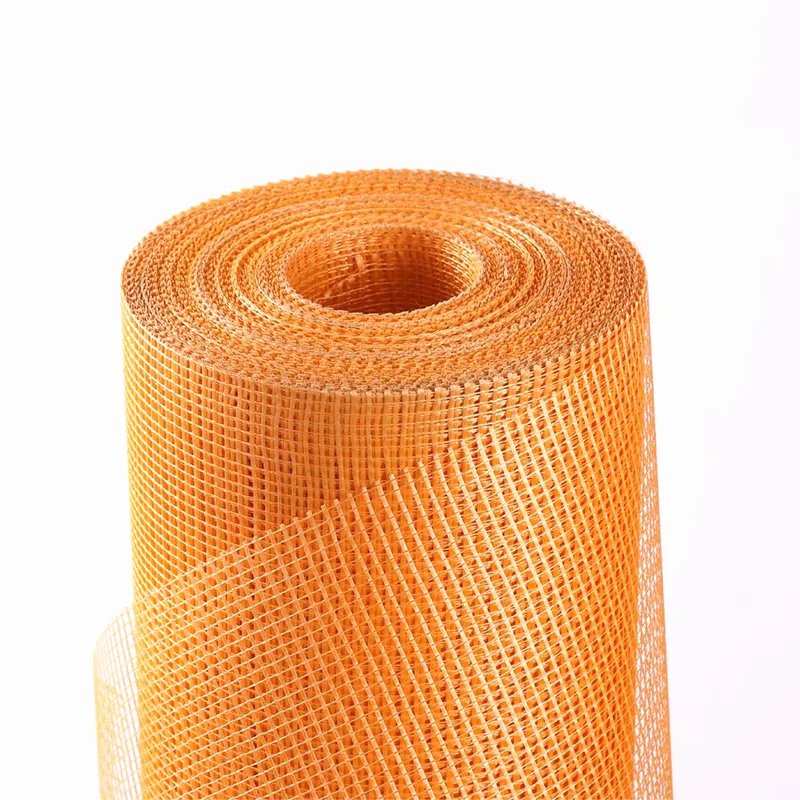
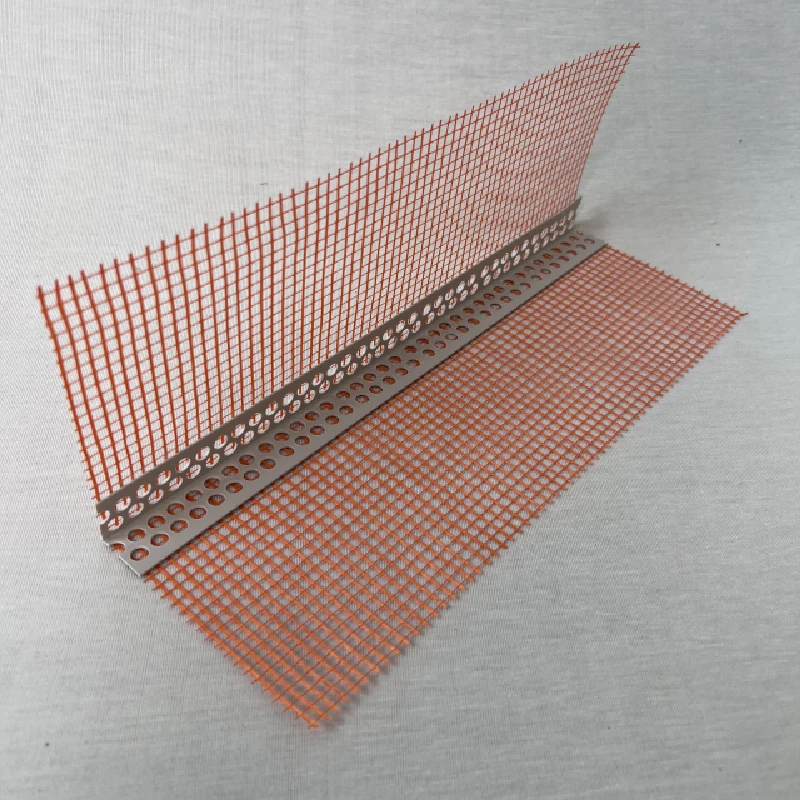
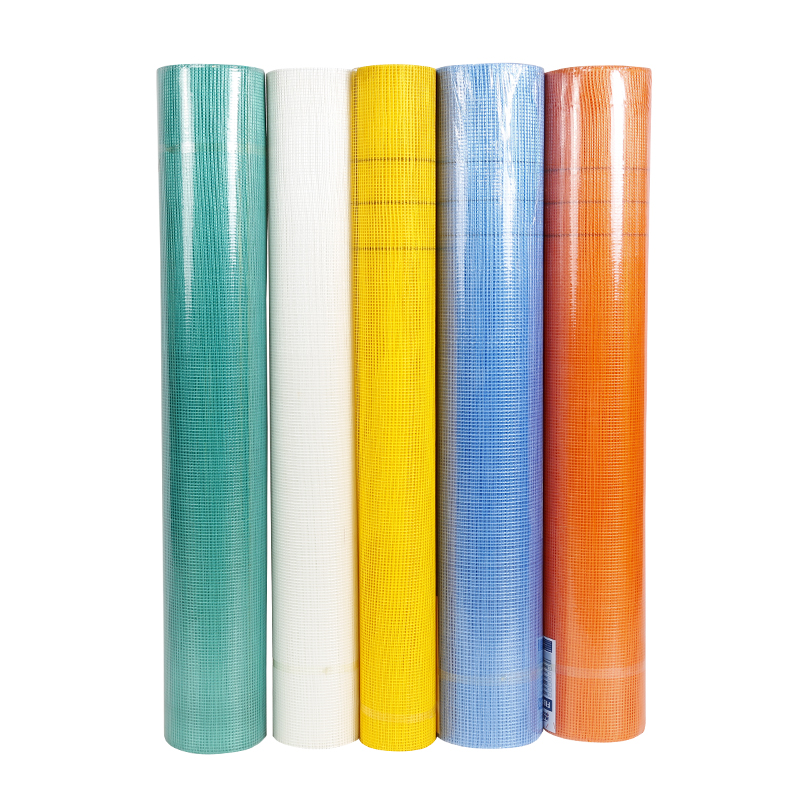
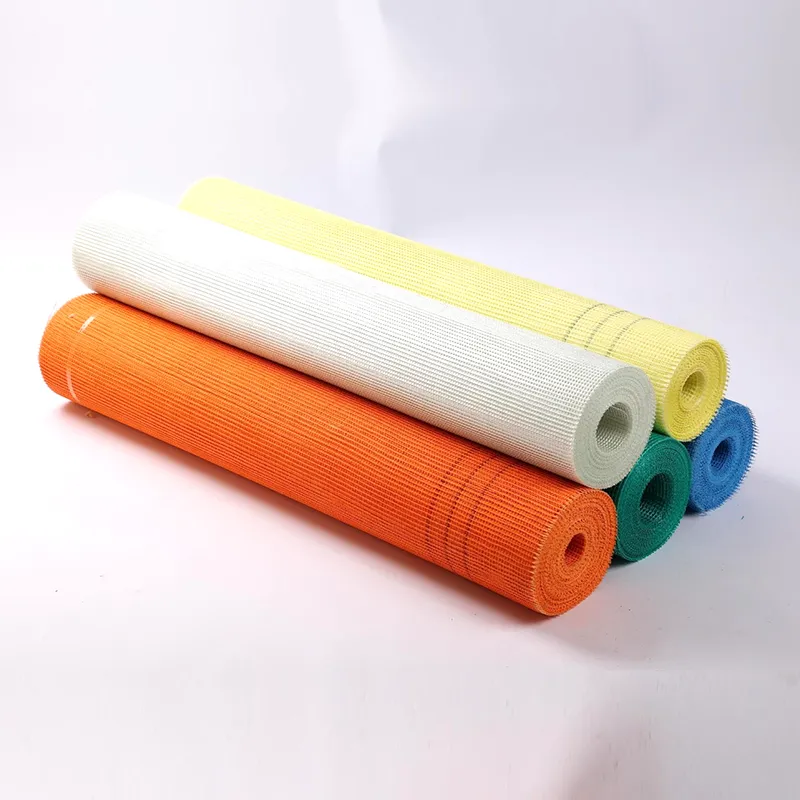
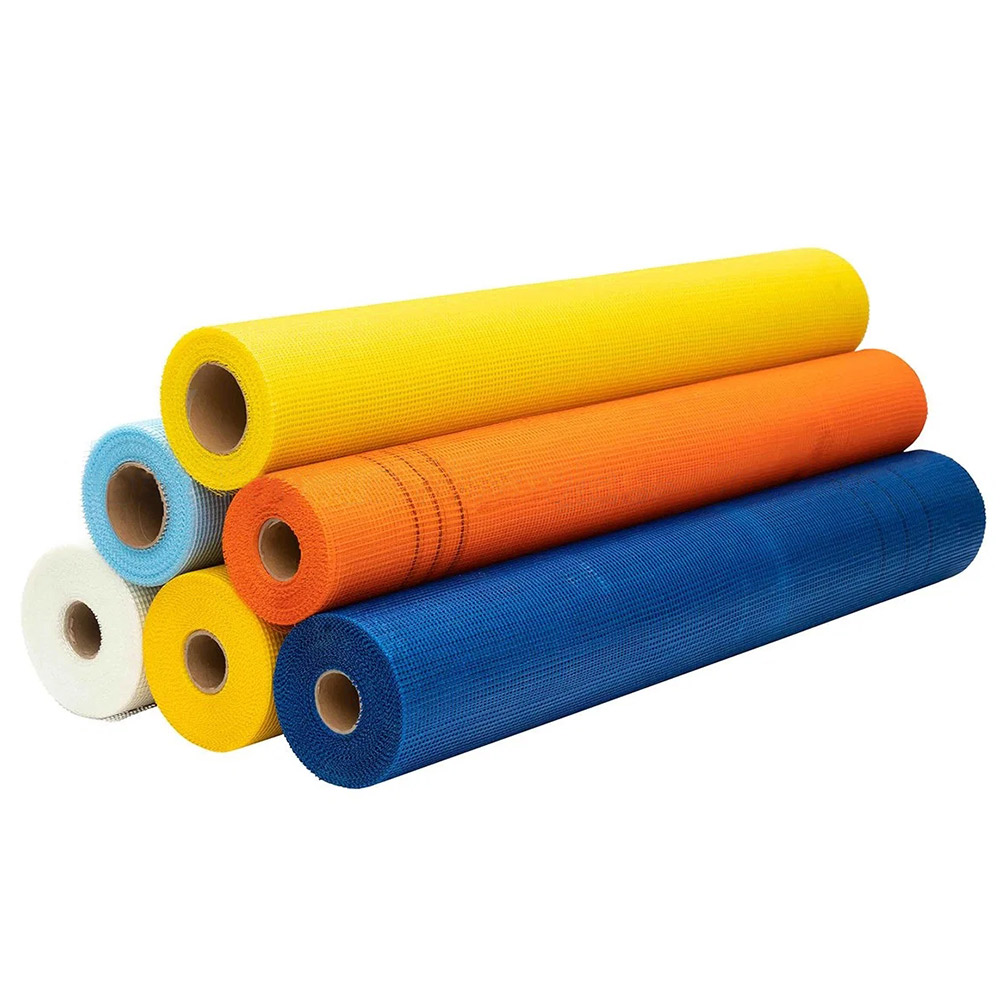
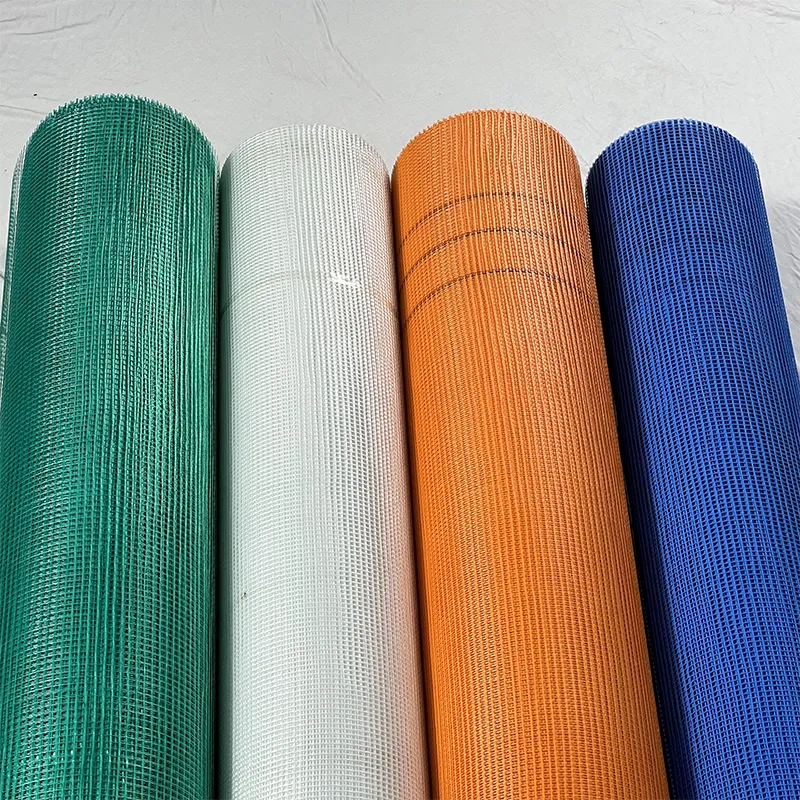
Precision weaving ensures consistent mesh structure and high performance.
Industry Trends and Market Demand
The global fiberglass mesh market is experiencing steady growth, driven by increasing construction activities, a strong emphasis on energy efficiency, and the need for durable, low-maintenance building materials. Key trends indicate a rising demand for specialized products, particularly when seeking to buy adhesive fiberglass mesh.
- ✓ Sustainable Construction: A growing focus on green building practices is boosting the adoption of materials with long lifespans and excellent insulating properties, where fiberglass mesh plays a crucial role in EIFS (External Insulation Finishing Systems).
- ✓ Renovation and Repair: The aging infrastructure in developed nations necessitates extensive renovation. Products like buy fiberglass mesh tape for drywall and buy self adhesive fiberglass tape are in high demand for efficient crack repair and joint reinforcement, offering time and cost savings.
- ✓ Specialized Applications: Demand is rising for mesh tailored to specific requirements, such as buy fiberglass mesh tape for redgard for waterproofing membranes, or high-strength variants for heavy-duty plastering.
- ✓ Technological Advancements: Continuous innovation in polymer coatings and weaving techniques leads to enhanced product performance, improving adhesion, flexibility, and overall durability.
The market for fiberglass reinforcement is projected to grow at a CAGR of approximately 6% over the next five years, reaching significant valuations, reflecting its indispensable role across various construction segments.
Technical Specifications and Performance Parameters
Selecting the appropriate fiberglass mesh requires a thorough understanding of its technical parameters. When you intend to buy high strength fiberglass mesh or a standard plastering mesh, these specifications dictate performance. Below are typical parameters for an Alkaline Resistant Fiberglass Mesh Roll for Wall Plastering:
| Parameter | Typical Value | Testing Standard |
|---|---|---|
| Mesh Size (Warp x Weft) | 5x5 mm (Standard) | ASTM C1007 / ETAG 004 |
| Weight per unit area | 145 g/m² (Common) | ISO 3344 |
| Tensile Strength (Warp / Weft) | ≥ 1500 N/50mm / ≥ 1500 N/50mm | ISO 4606 / EN 13496 |
| Retained Tensile Strength (after alkali aging) | ≥ 50% of initial | ETAG 004 |
| Coating Content | 18 - 22% | Internal Method |
| Adhesive Properties | Self-Adhesive backing (Pressure Sensitive Adhesive) | ASTM D3330 (Peel Adhesion) |
| Roll Widths available | 10 cm, 20 cm, 50 cm, 1 m, 1.2 m | Manufacturer Spec |
| Roll Lengths available | 50 m, 100 m, 150 m | Manufacturer Spec |
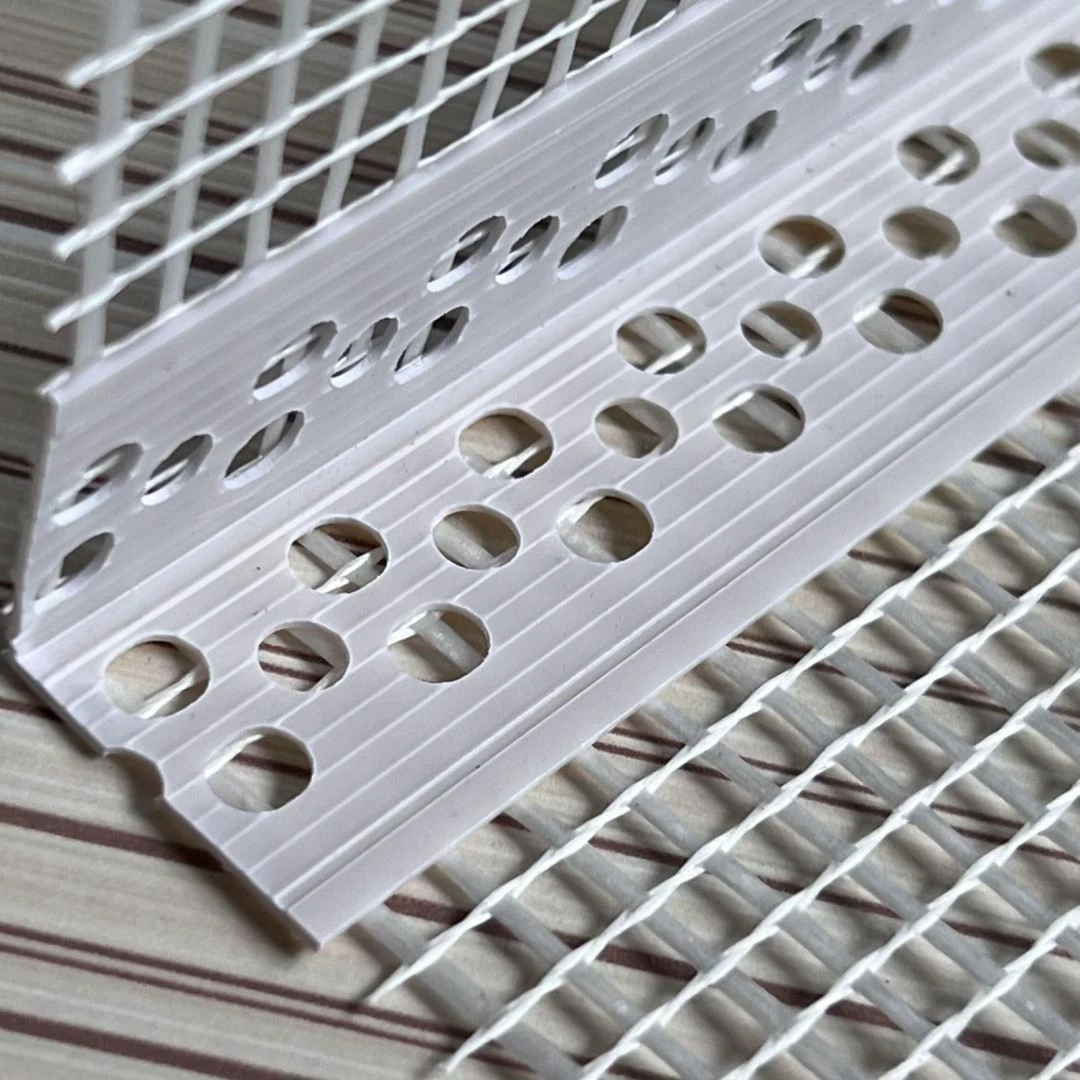
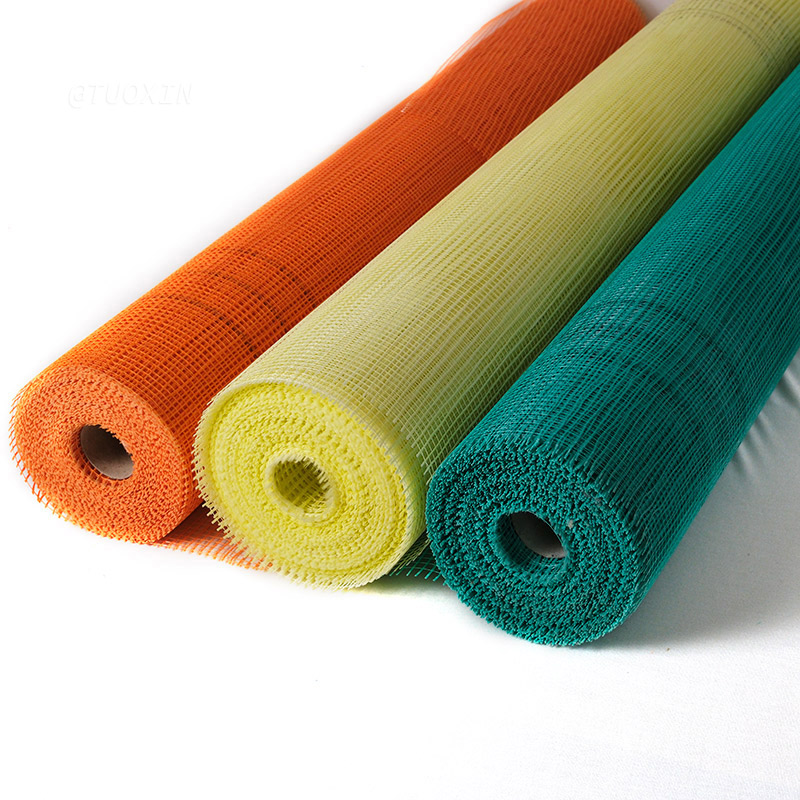
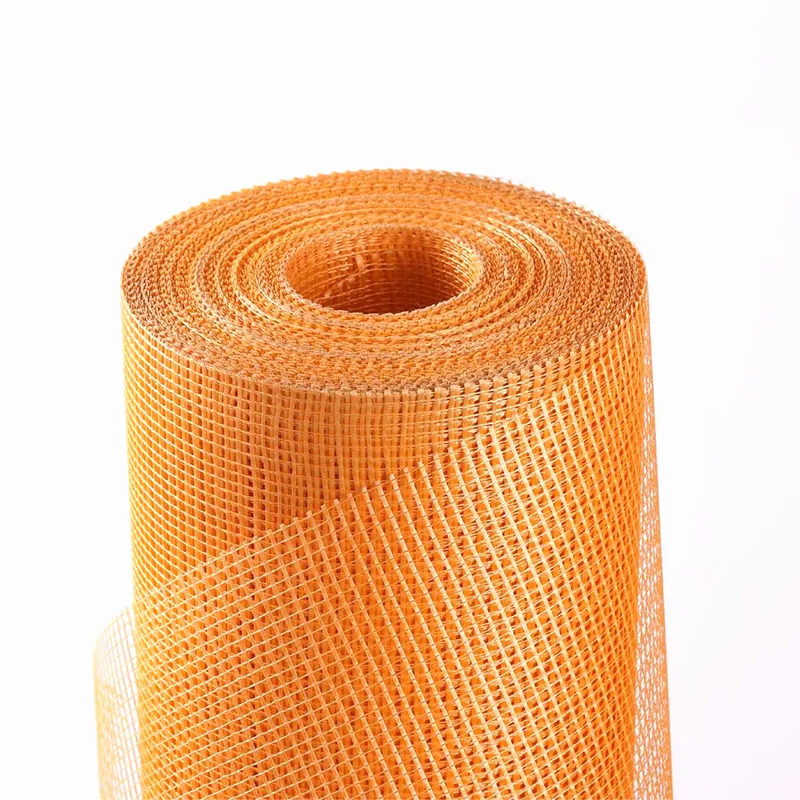
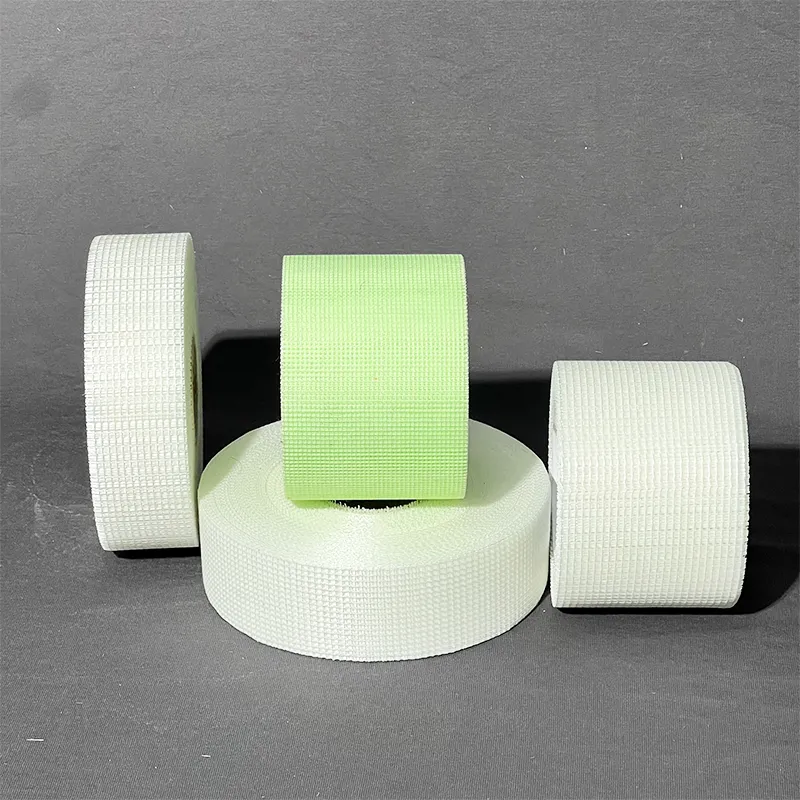
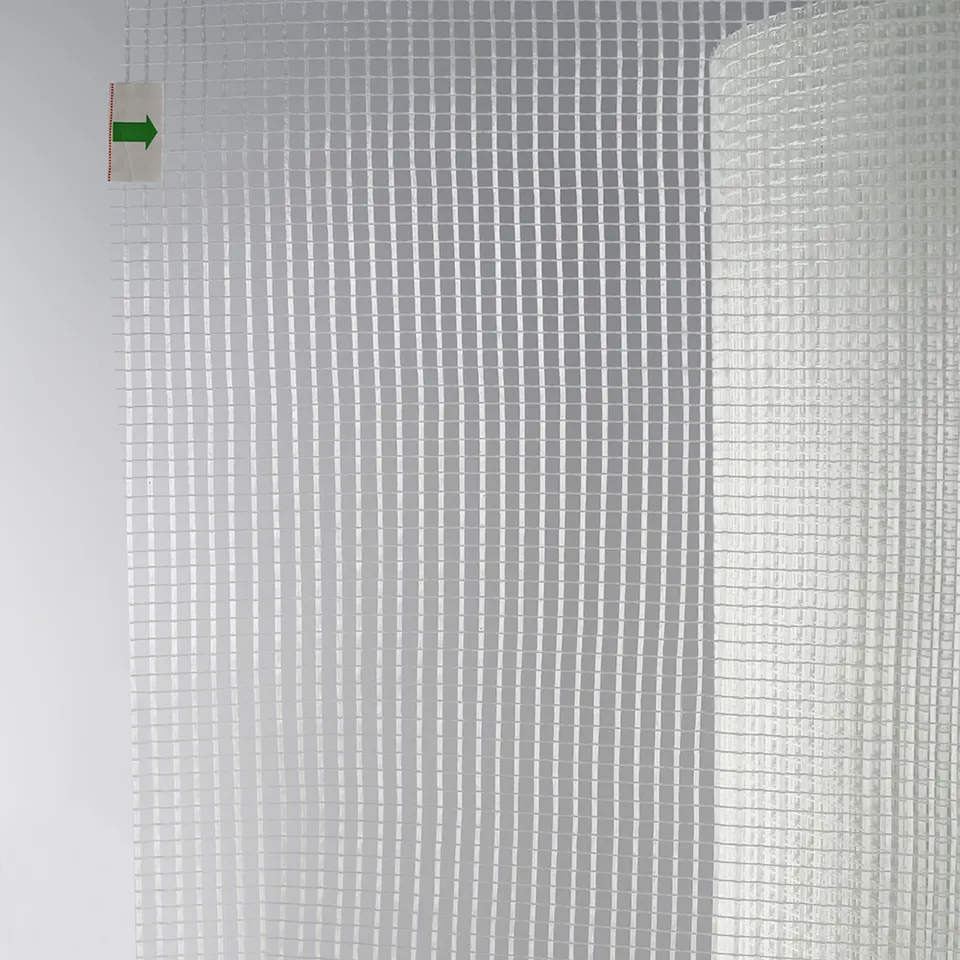
Close-up of the self-adhesive fiberglass mesh structure.
Application Scenarios for Adhesive Fiberglass Mesh
The versatility of adhesive fiberglass mesh makes it suitable for a broad spectrum of construction applications, from general plastering to specialized waterproofing.
- ● External Thermal Insulation Composite Systems (ETICS/EIFS): This is a primary application. Fiberglass mesh is embedded in the basecoat layer of external insulation systems to provide crucial impact resistance and prevent cracking due to thermal expansion/contraction and structural movement. It significantly enhances the system's durability and longevity.
- ● Interior Wall Plastering: Used to reinforce plaster layers, especially in areas prone to stress such as around windows, doors, or where different materials meet. It prevents hairline cracks and improves the overall surface finish. Ideal for those who buy plaster fiberglass mesh for professional finishes.
- ● Drywall Joint Reinforcement: Specifically, buy fiberglass mesh tape for drywall is an excellent alternative to paper tape, offering self-adhesive convenience and superior crack resistance for gypsum board joints.
- ● Waterproofing Systems: When integrating liquid-applied waterproofing membranes, such as RedGard, buy fiberglass mesh tape for redgard provides reinforcement over cracks, seams, and changes in plane, ensuring a continuous, robust waterproof layer.
- ● Concrete Repair and Overlay Reinforcement: For thin-set overlays or concrete patch repairs, embedding fiberglass mesh enhances tensile strength and reduces the propensity for reflective cracking.
Technical Advantages of Alkaline Resistant Adhesive Fiberglass Mesh
The intrinsic properties and advanced manufacturing of alkaline resistant adhesive fiberglass mesh offer significant technical advantages critical for durable construction.
- ✓ Superior Alkali Resistance: The zirconium-rich glass fibers and specialized acrylic coating provide exceptional resistance to alkaline environments (pH 12-14) found in cement, lime, and other binders. This prevents degradation and ensures long-term performance, making it a reliable choice when you buy adhesive fiberglass mesh for cementitious applications.
- ✓ High Tensile Strength: Offers significant reinforcement, distributing stress evenly across the surface and dramatically reducing the occurrence of cracks due to structural movement, thermal stress, or impact.
- ✓ Dimensional Stability: The woven structure and resin coating minimize elongation and shrinkage, maintaining consistent geometry and preventing distortion within the applied material layers.
- ✓ Self-Adhesive Properties: The pressure-sensitive adhesive backing facilitates quick and easy installation, reducing labor time and ensuring precise placement without the need for additional fasteners or setting compounds. This is a key benefit for those who buy fiberglass sticky mesh for efficiency.
- ✓ Lightweight and Easy to Handle: Despite its strength, the mesh is lightweight, flexible, and easy to cut, significantly improving on-site workability and reducing logistical burdens.
- ✓ Corrosion and Rot Resistance: Unlike metallic meshes, fiberglass is inert and will not rust, corrode, or rot, even in moist or chemically aggressive environments, ensuring long-term structural integrity.
Vendor Comparison: Specialized vs. General Suppliers
When sourcing fiberglass mesh, B2B buyers often face a choice between specialized manufacturers like Tainuo Fiberglass Mesh and general hardware retailers or distributors such as those where you might buy lowes fiberglass mesh tape or buy usg fiberglass mesh tape. A comparative analysis highlights critical distinctions.
| Feature | Specialized Manufacturer (e.g., Tainuo Fiberglass Mesh) | General Retailer/Distributor (e.g., Lowe's, USG) |
|---|---|---|
| Product Range & Specialization | Extensive range of fiberglass meshes (various weights, mesh sizes, coating types, alkali resistance levels). Deep expertise in specific applications (EIFS, plastering, waterproofing). | Limited standard options, often general-purpose tapes. Focus on common DIY and light commercial needs. |
| Technical Expertise & Support | Dedicated technical support, engineering consultation, and application guidance. Knowledge of specific industry standards (ETAG 004, ASTM). | Basic product information, often less specialized technical support. |
| Quality Control & Certifications | Rigorous in-house QC, adherence to international standards (ISO 9001, CE, ETAG), verifiable test data. Often provides certificates of conformity. | Relies on supplier certifications; may not have direct control over manufacturing QC. |
| Customization & OEM Capabilities | High capacity for custom specifications (mesh size, weight, width, coating, logo printing) and OEM partnerships. | Generally no customization options; only off-the-shelf products. |
| Pricing (B2B Bulk) | Competitive bulk pricing, direct from manufacturer, potentially lower unit cost for large orders. | Higher per-unit cost for smaller quantities; less flexible for bulk negotiations. |
| Lead Time & Logistics | Managed production schedules, clear lead times for bulk orders, global shipping capabilities. | Immediate availability for stock items; limited for large or non-standard orders. |
For critical construction projects requiring adherence to strict performance criteria and long-term reliability, partnering with a specialized manufacturer is typically the more prudent choice. It ensures access to superior products, expert technical guidance, and the ability to tailor solutions to precise project demands.
Customized Solutions
Modern construction projects often demand materials with specific attributes that off-the-shelf products cannot fully address. This is where customized solutions for buy adhesive fiberglass mesh become invaluable. Leading manufacturers offer extensive customization options, including:
- ‣ Mesh Weight (g/m²): From lightweight (60-80 g/m²) for interior finishes to heavy-duty (160-300 g/m²) for high-impact zones or flooring reinforcement.
- ‣ Mesh Aperture (mm x mm): Standard 5x5mm, but also available in 4x4mm, 8x8mm, or other sizes to suit specific aggregate sizes of renders or mortars.
- ‣ Roll Width & Length: Tailored to project dimensions to minimize waste and optimize installation efficiency.
- ‣ Alkali Resistance Level: Enhanced zirconium content for extremely aggressive alkaline environments, exceeding standard requirements.
- ‣ Coating Type: Adjustments to the adhesive coating for specific adhesion strengths, flexibility, or compatibility with particular binder systems.
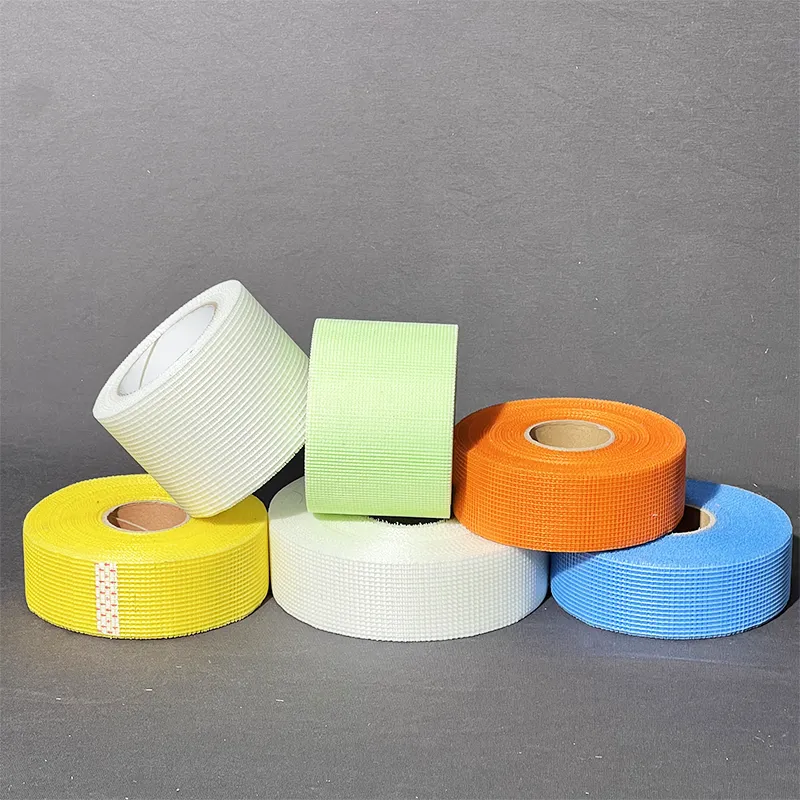
- ‣ Color and Branding: Custom colors for specific project aesthetic requirements or private labeling for distributors.
By collaborating with manufacturers, B2B clients can ensure that the fiberglass mesh perfectly aligns with their engineering specifications and project demands, guaranteeing optimal performance and compliance.
Application Case Studies: Real-World Performance
The practical application of high-quality adhesive fiberglass mesh demonstrates its value in diverse, challenging construction scenarios.
Case Study 1: Large-Scale Commercial Facade Renovation
Client: Major European construction firm specializing in commercial building restoration.
Challenge: An aging high-rise commercial building required a complete external facade renovation. The existing structure exhibited numerous hairline cracks and susceptibility to thermal stress, necessitating a robust, long-lasting EIFS solution.
Solution: Approximately 25,000 square meters of 160 g/m² alkaline resistant adhesive fiberglass mesh (5x5mm) were specified and supplied. The mesh was embedded in the basecoat layer of the new EIFS, ensuring high impact resistance and superior crack prevention.
Outcome: The project was completed on schedule. Post-installation inspections and subsequent monitoring over five years have confirmed exceptional facade integrity, with no new crack formation. The building's energy efficiency significantly improved, leading to a 15% reduction in heating/cooling costs. The self-adhesive nature streamlined application, reducing labor costs by 12% compared to traditional methods. Customer feedback highlighted the mesh's ease of handling and reliable adhesion as key factors in project success.
Case Study 2: Infrastructure Project – Concrete Bridge Deck Repair
Client: Regional public works department, focusing on bridge maintenance.
Challenge: A concrete bridge deck required extensive repair of surface cracks and protection against further deterioration from freeze-thaw cycles and chemical agents (de-icing salts). The solution needed to be durable and resistant to harsh environmental conditions.
Solution: A specialized buy high strength fiberglass mesh (200 g/m², 8x8mm) with enhanced polymer coating for chemical resistance was embedded within a thin-set polymer-modified cementitious overlay. This provided robust reinforcement to the repair sections.
Outcome: Two years after the repair, the bridge deck exhibits no signs of reflective cracking or spalling in the treated areas, significantly extending the life of the bridge. The mesh's high tensile strength and alkali resistance proved crucial in withstanding the combined mechanical and chemical stresses. This successful application led to the adoption of fiberglass mesh as a standard reinforcement in similar bridge repair projects by the department.
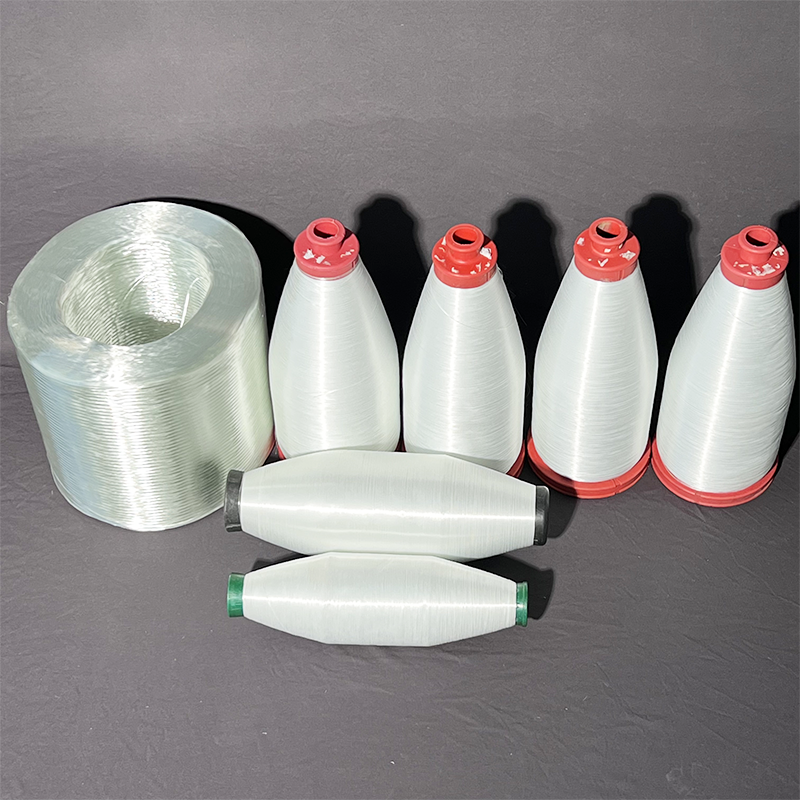
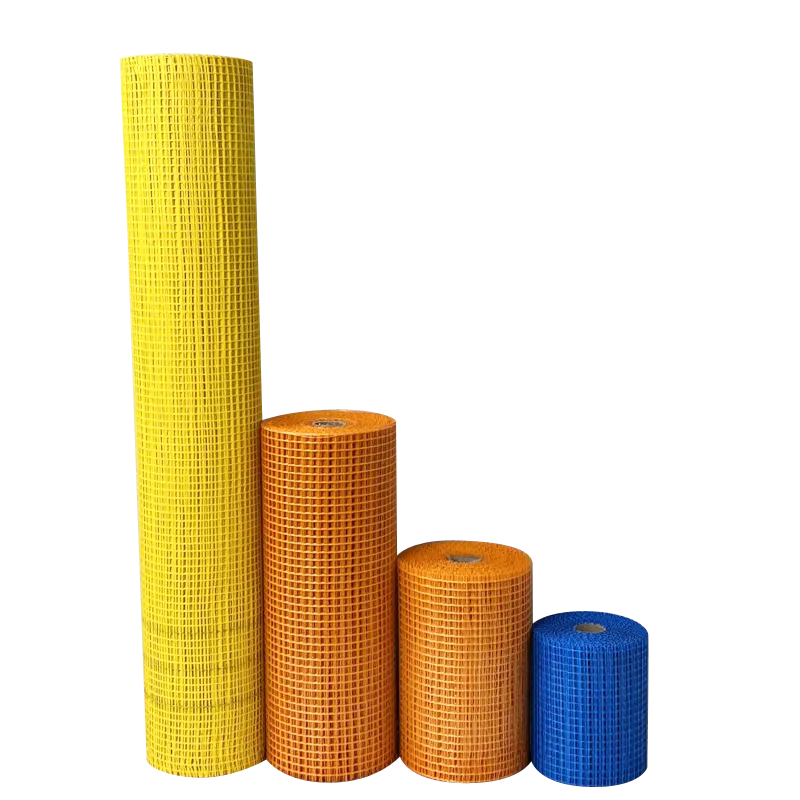
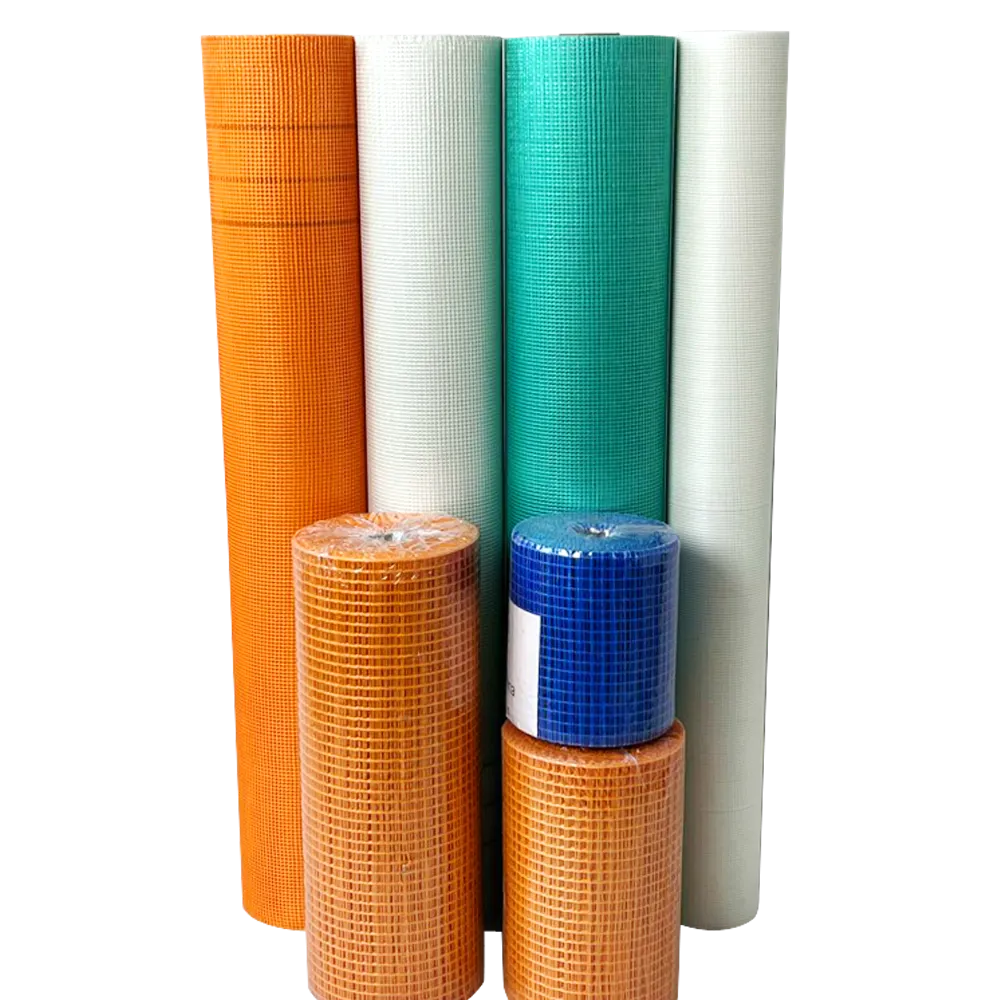
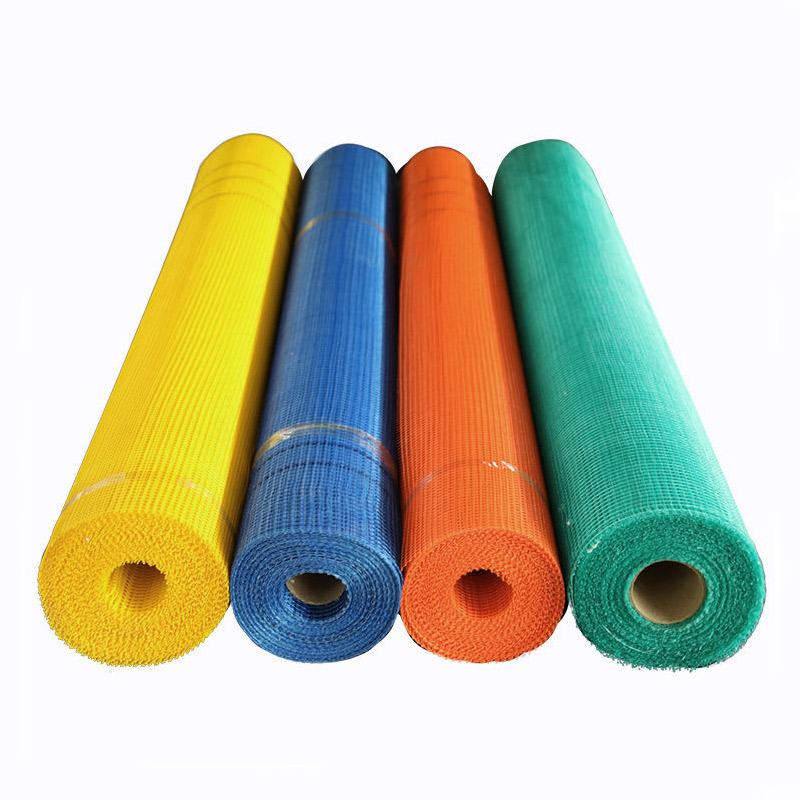
Fiberglass mesh roll ready for dispatch to large-scale construction sites.
Frequently Asked Questions (FAQ)
Q1: What distinguishes alkaline resistant fiberglass mesh from standard fiberglass mesh?
A1: Alkaline resistant (AR) fiberglass mesh incorporates a high percentage of zirconium dioxide (ZrO2) into the glass composition and is further coated with an alkali-resistant polymer. This crucial chemical modification prevents the mesh from degrading when exposed to the highly alkaline environment of cementitious mortars and plasters, ensuring long-term structural integrity. Standard fiberglass mesh lacks this protection and will quickly deteriorate in such conditions.
Q2: Can adhesive fiberglass mesh be used for all types of wall plastering?
A2: Yes, adhesive fiberglass mesh, particularly the alkaline resistant type, is highly suitable for most wall plastering applications, including cement-based renders, gypsum plasters, and synthetic resin plasters. Its primary function is to provide tensile strength, prevent cracking, and improve the durability of the plaster layer. Always ensure compatibility with your specific plaster system, especially if you buy plaster fiberglass mesh for specialized finishes.
Q3: How does the self-adhesive property enhance installation?
A3: The self-adhesive backing simplifies and speeds up the installation process significantly. It allows for quick positioning and temporary adherence to surfaces like drywall or existing plaster, eliminating the need for pre-embedding in a wet basecoat or using staples/fasteners during initial placement. This saves labor time, reduces material waste, and ensures precise, wrinkle-free application.
Q4: What is the typical lead time for bulk orders?
A4: For standard product configurations, lead times typically range from 15 to 30 days, depending on order volume and current production schedules. For customized solutions, lead times may extend to 30-45 days to accommodate specific manufacturing requirements and quality checks. We recommend contacting our sales team for precise lead time estimates based on your specific order.
Lead Time, Fulfillment, and Warranty Commitments
Lead Time & Fulfillment:
We maintain robust production capabilities and a streamlined logistics network to ensure efficient order fulfillment for our B2B clients. Standard orders for stock items typically ship within 7-14 business days. For large-volume or custom orders, lead times are confirmed at the time of quotation, generally ranging from 3-6 weeks, depending on complexity and quantity. We offer flexible shipping options, including FOB, CIF, and DDP, accommodating global delivery requirements. Our supply chain is designed for reliability, minimizing delays and ensuring product availability.
Warranty Commitments:
We stand behind the quality of our alkaline resistant fiberglass mesh products. All our meshes are manufactured under strict ISO 9001 quality management systems and come with a standard 10-year limited warranty against manufacturing defects and material degradation under normal application conditions. This warranty period can be extended for specific high-performance products or projects. Full warranty details and terms are provided with every purchase agreement.
Customer Support:
Our dedicated customer support team is available to assist with technical inquiries, order tracking, and after-sales service. We provide comprehensive technical data sheets, installation guides, and direct consultation for complex project requirements. Support is available via phone, email, and live chat during business hours, ensuring prompt and knowledgeable assistance.
Conclusion
The decision to buy adhesive fiberglass mesh is a strategic investment in the durability, performance, and long-term value of any construction project. From meticulous manufacturing processes to rigorous quality control and specialized application advantages, this material offers unmatched benefits in crack prevention, structural reinforcement, and resistance to environmental degradation. For B2B decision-makers and engineers, prioritizing high-quality, technically superior products from specialized manufacturers ensures compliance with stringent industry standards and delivers lasting structural integrity. Our commitment to expertise, experience, authoritativeness, and trustworthiness ensures that every roll of fiberglass mesh we supply meets the highest expectations for your most demanding applications.
Authoritative Citations
- European Organisation for Technical Approvals (EOTA). ETAG 004: Guideline for European Technical Approval of External Thermal Insulation Composite Systems with Rendering.
- American Society for Testing and Materials (ASTM). ASTM C1007: Standard Specification for Woven Glass Fiber Fabrics for Use in the Production of Modular Pultruded Structural Plastic Shapes.
- International Organization for Standardization (ISO). ISO 9001: Quality management systems – Requirements.
- Bentur, A. (2002). Fibre Reinforced Cementitious Composites. CRC Press.
- The Construction Specifier. (2018). The Role of Glass Fiber Mesh in EIFS Performance.
-
Best Fiberglass Mesh Tape for RedGard Product Waterproofing GuideNewsApr.16,2026
-
Why High Strength Fiberglass Mesh Is Essential For Stucco ApplicationNewsApr.15,2026
-
Why Alkali Resistant Fiberglass Mesh Tape Is Essential For Cement Board And Tile InstallationsNewsApr.15,2026
-
Understanding The Role Of Drywall Fiberglass Mesh In Interior FinishingNewsApr.15,2026
-
Ultimate Guide To Using Fiberglass Mesh Tape For Drywall And Plaster RepairsNewsApr.15,2026
-
The Versatility Of Fiberglass Mesh In Marble And Stone MosaicNewsApr.15,2026