Oct . 13, 2025 12:15 Back to list
Buy Adhesive Fiberglass Mesh - High Strength, Self-Stick
Thinking of a cleaner drywall finish? Here’s the insider’s guide to adhesive fiberglass mesh
If you plan to buy adhesive fiberglass mesh, you’re probably juggling price, real-world performance, and what happens on the job at 5 p.m. when corners won’t behave. I’ve visited plants in Hebei where this tape is made—specifically around Xiaomen Village, Yilunbao Township, Renqiu—and the difference between “okay” mesh and the good stuff usually comes down to yarn quality, coating chemistry, and how evenly the adhesive is laid down.
What it is (and why pros care)
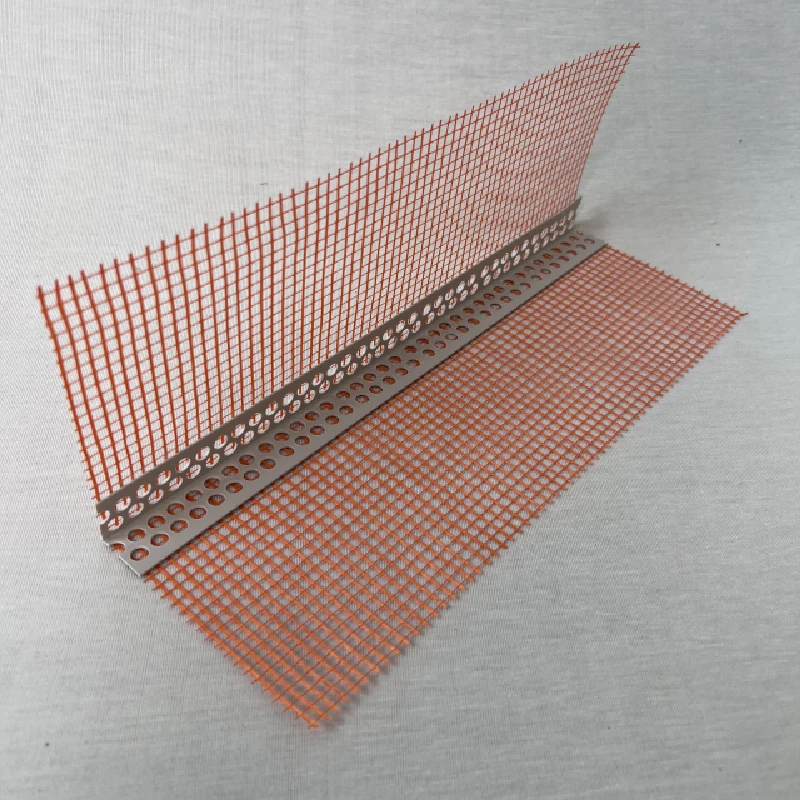
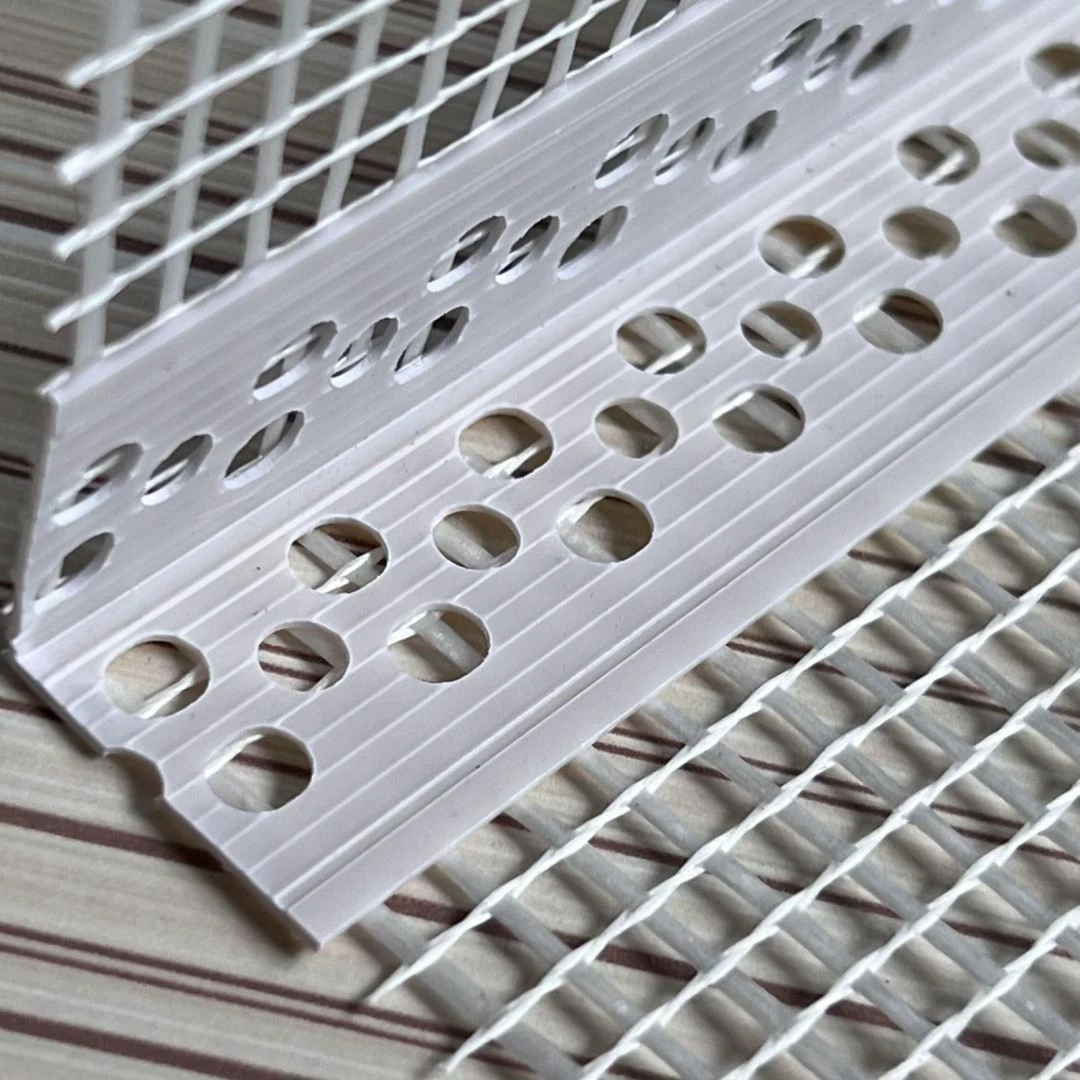
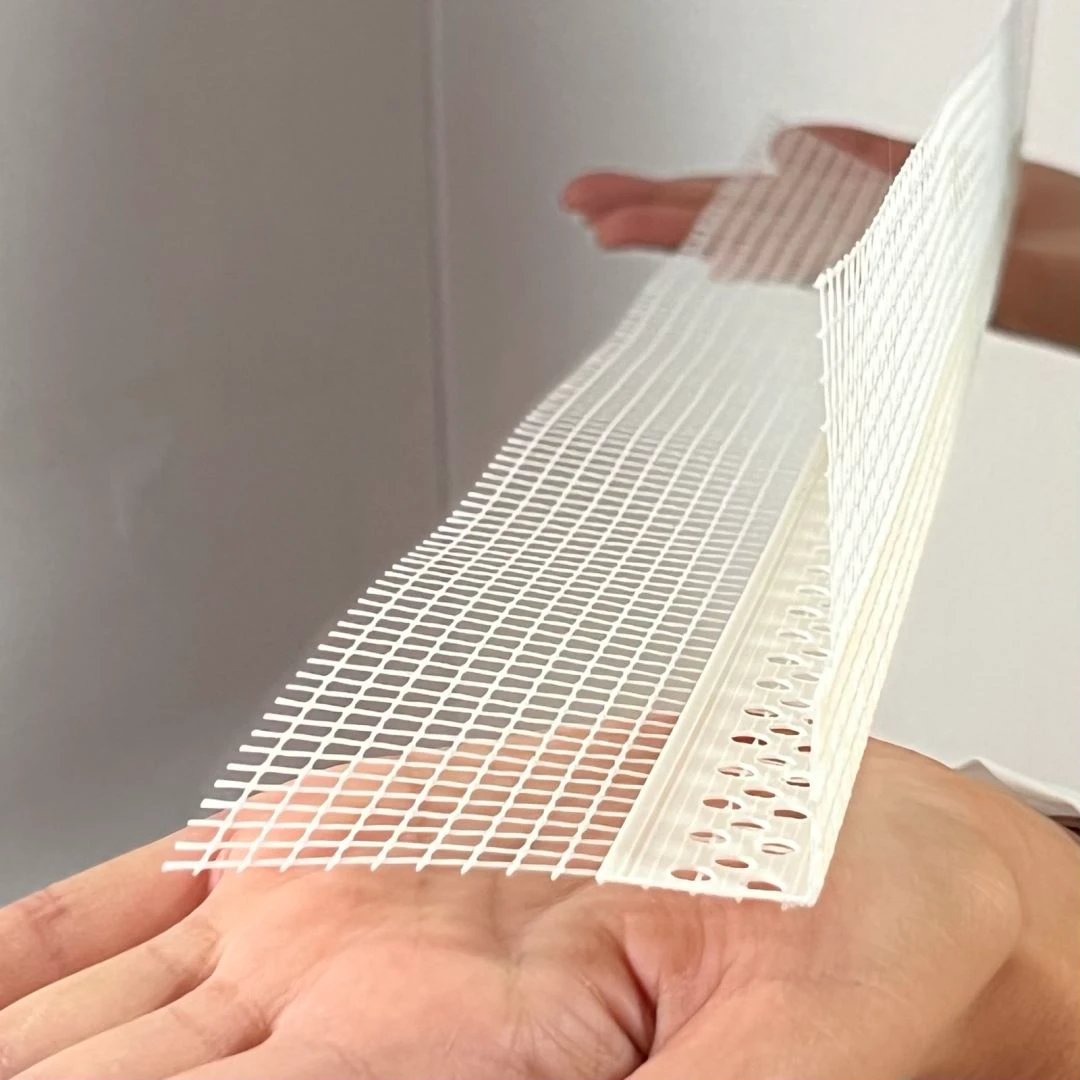
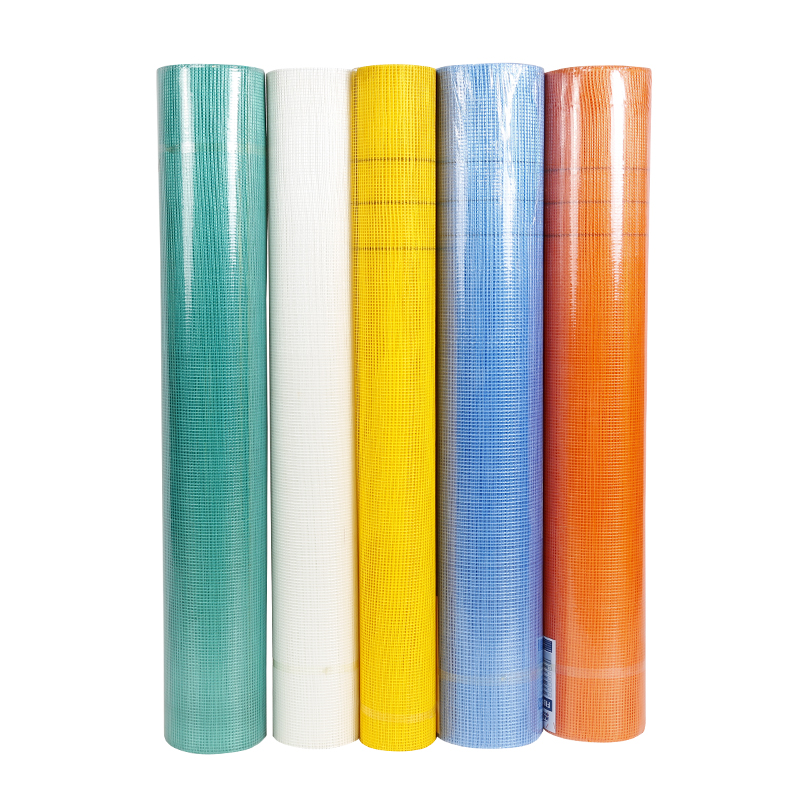
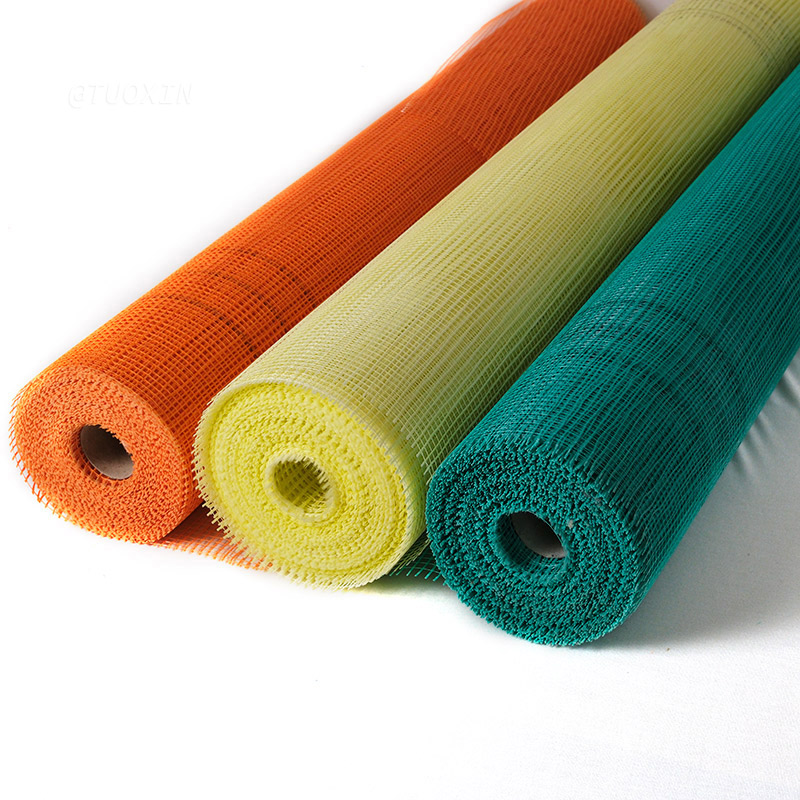
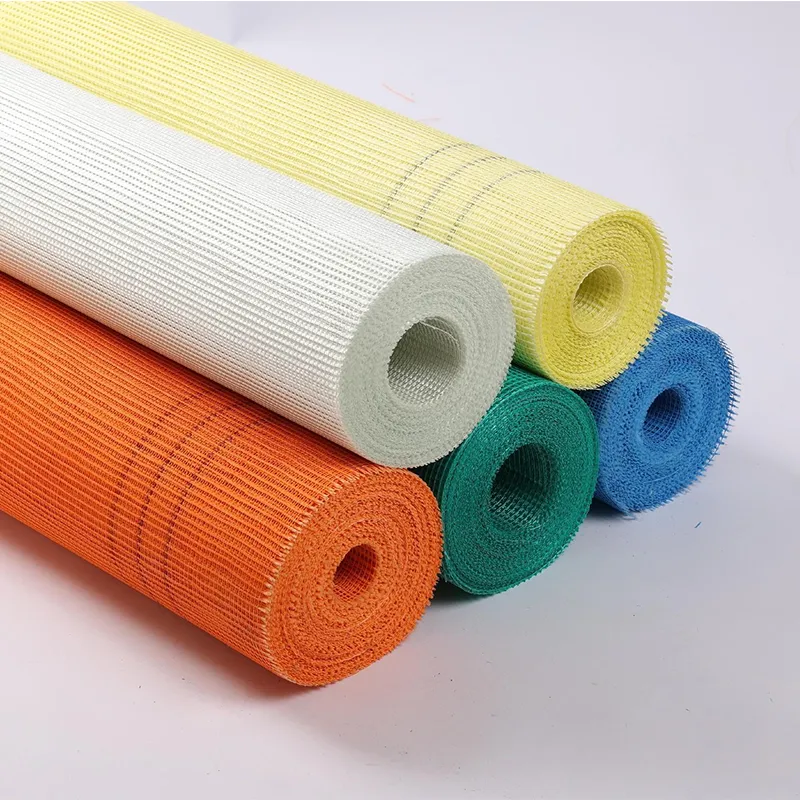
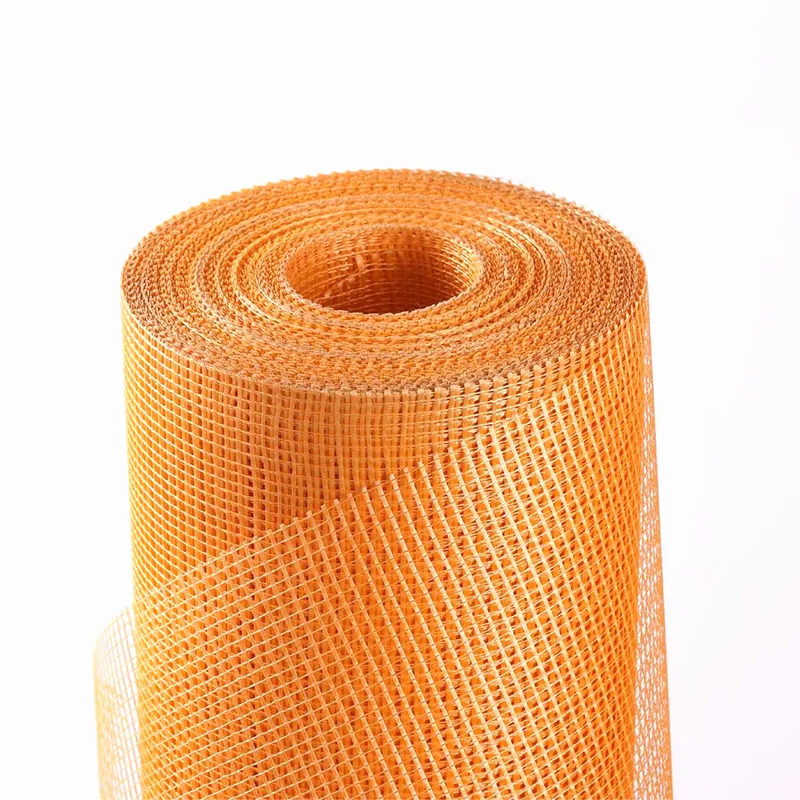
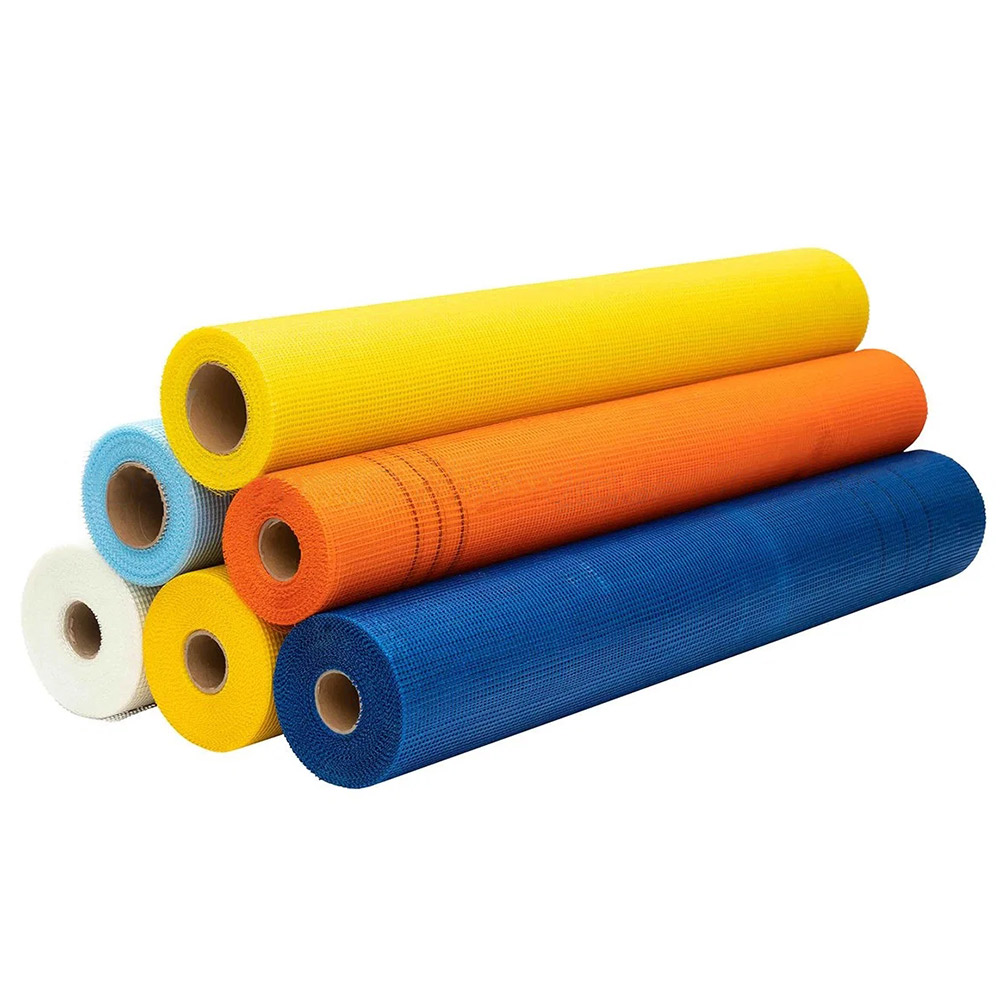
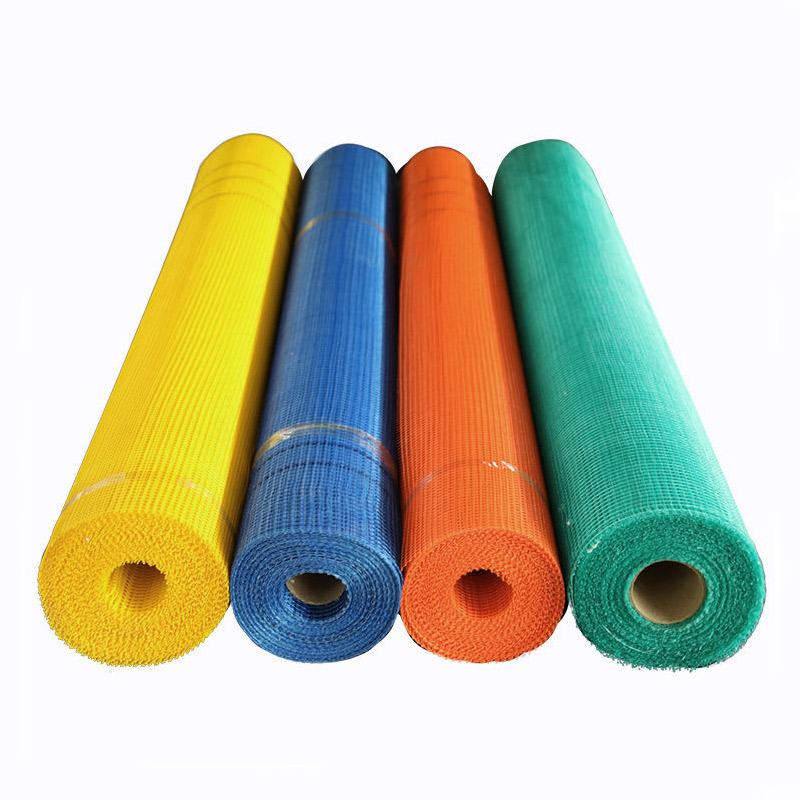
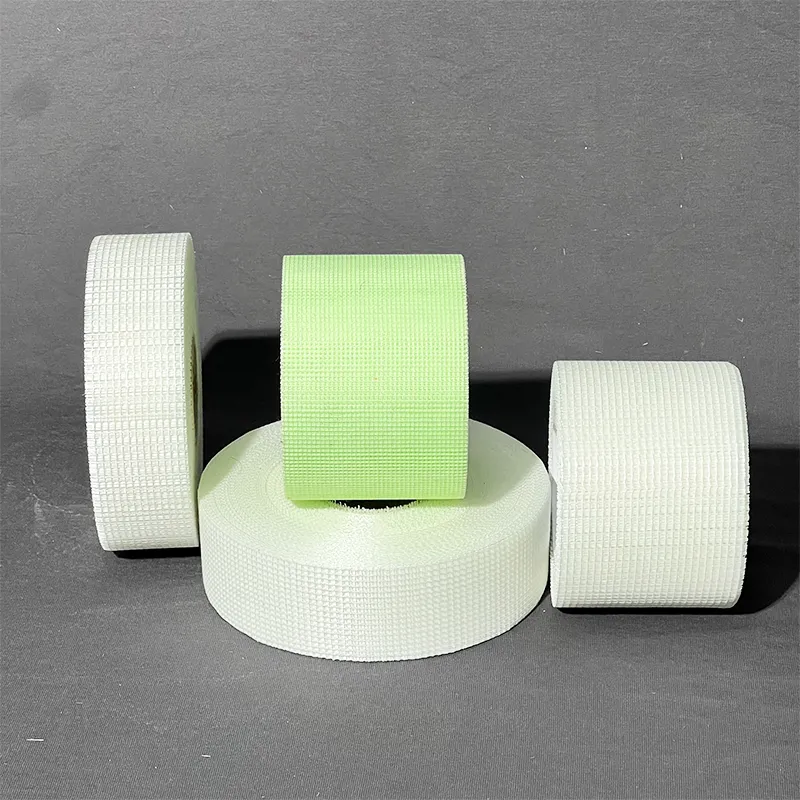
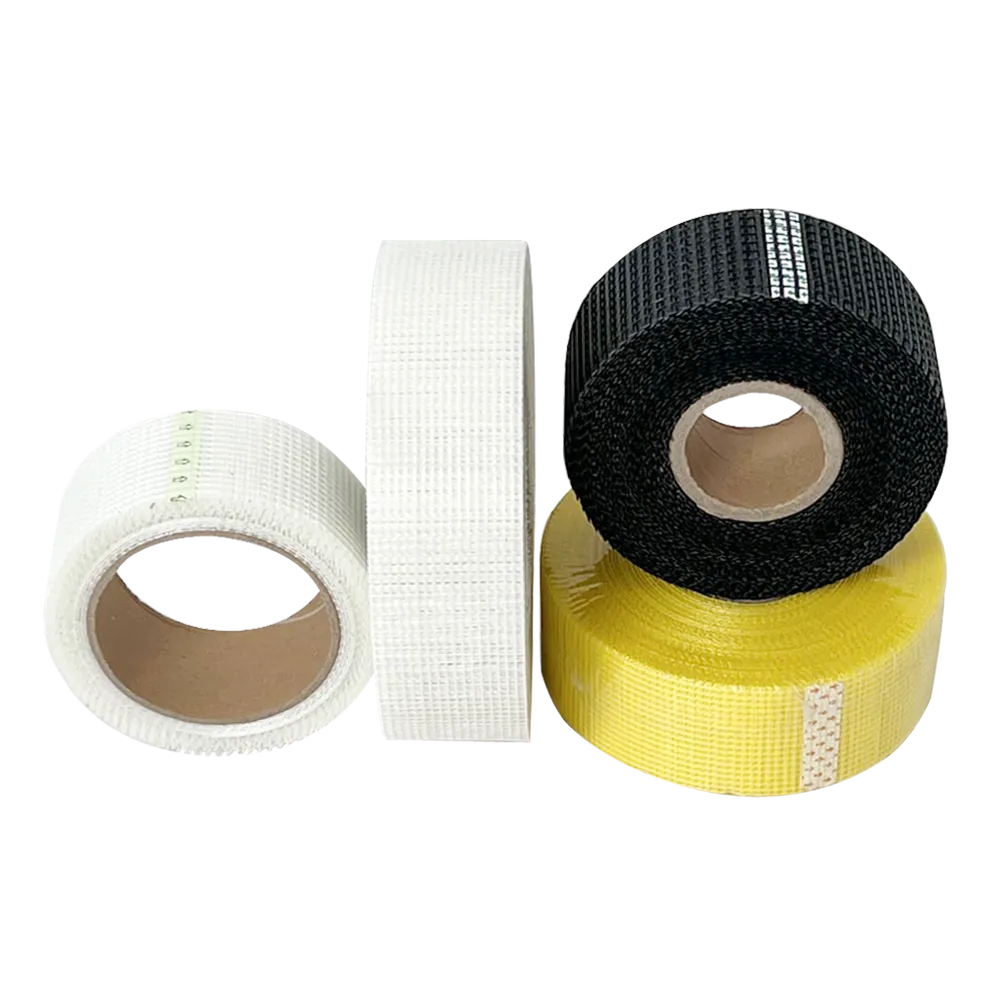
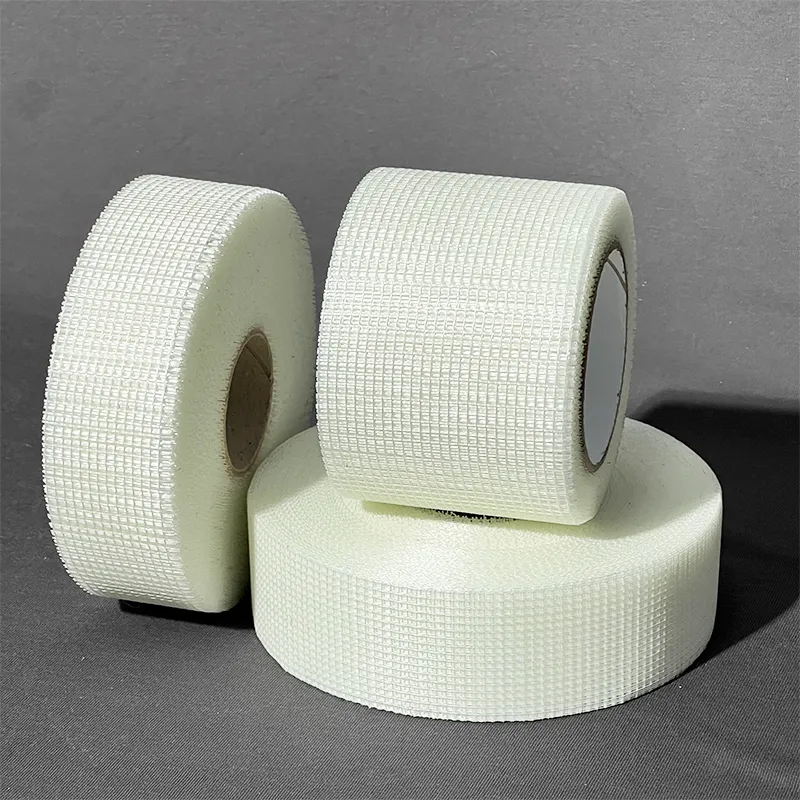
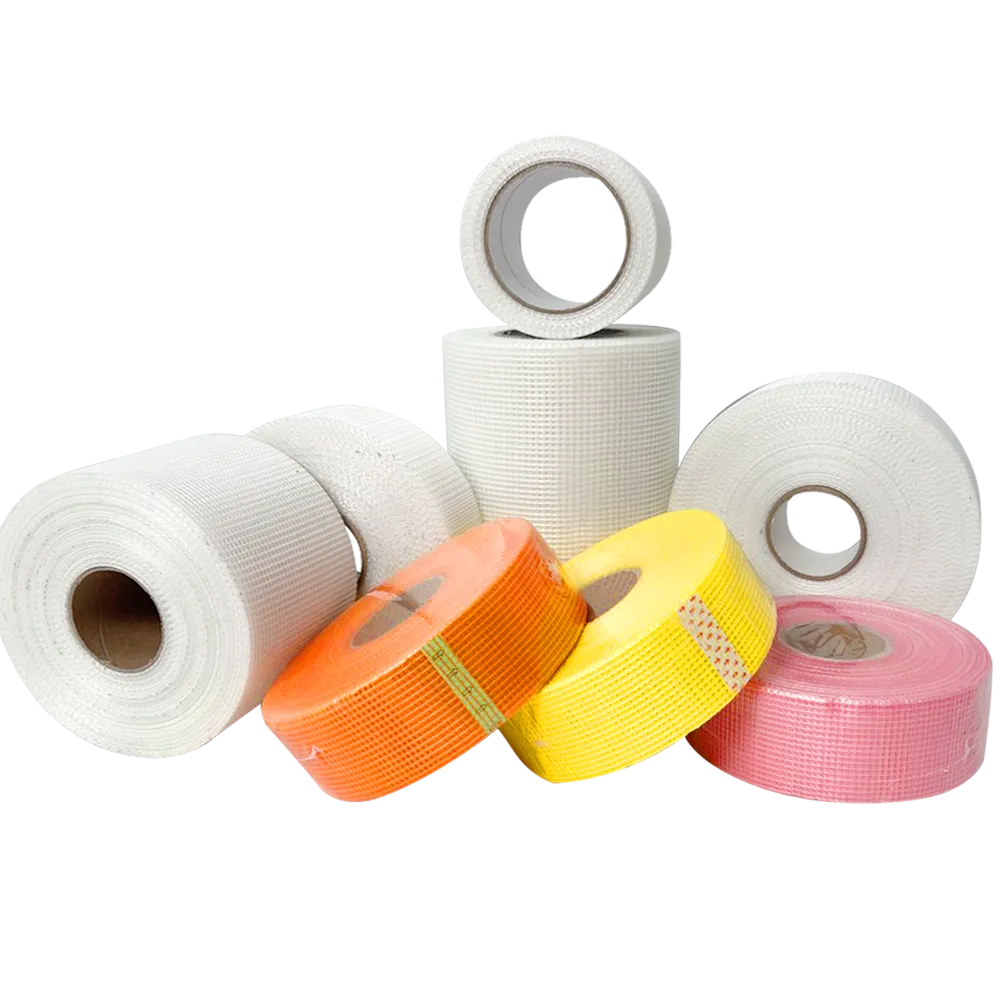
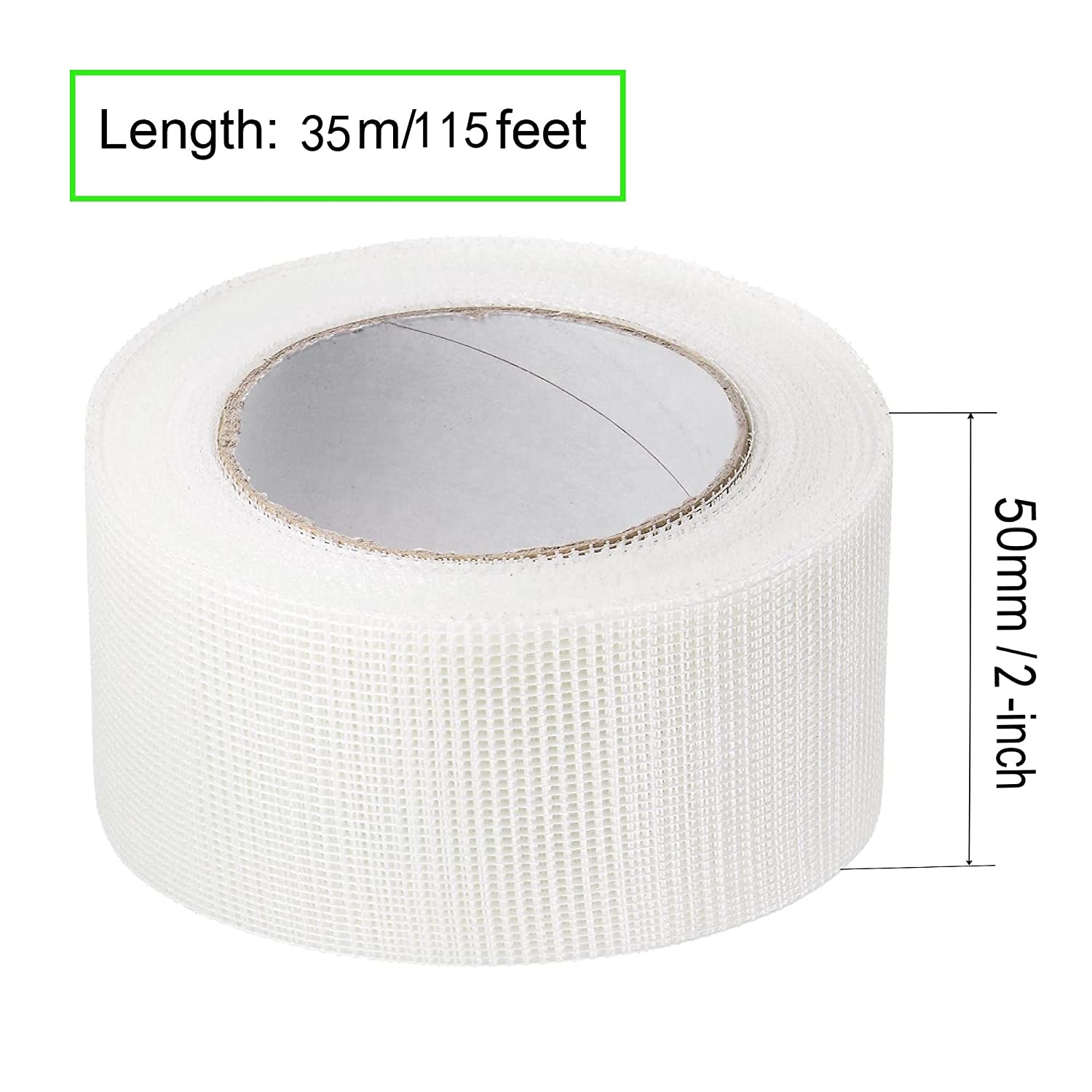
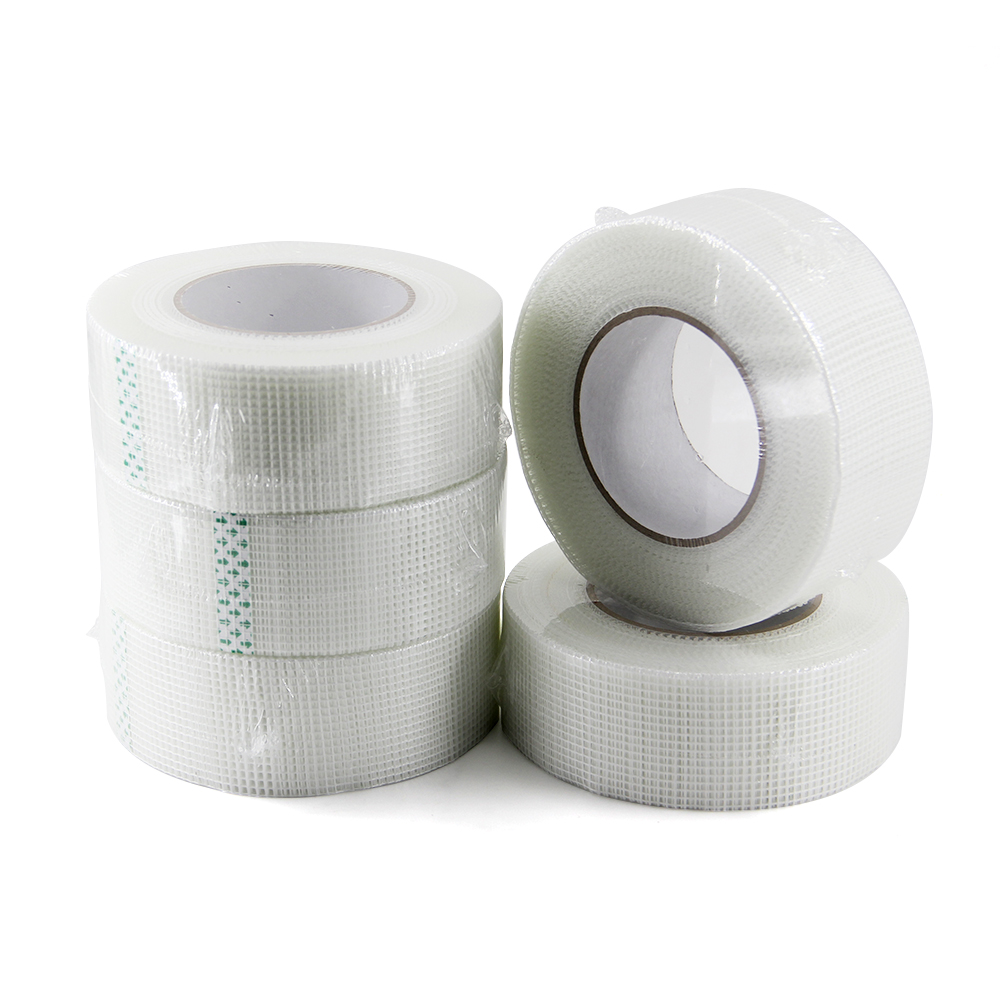
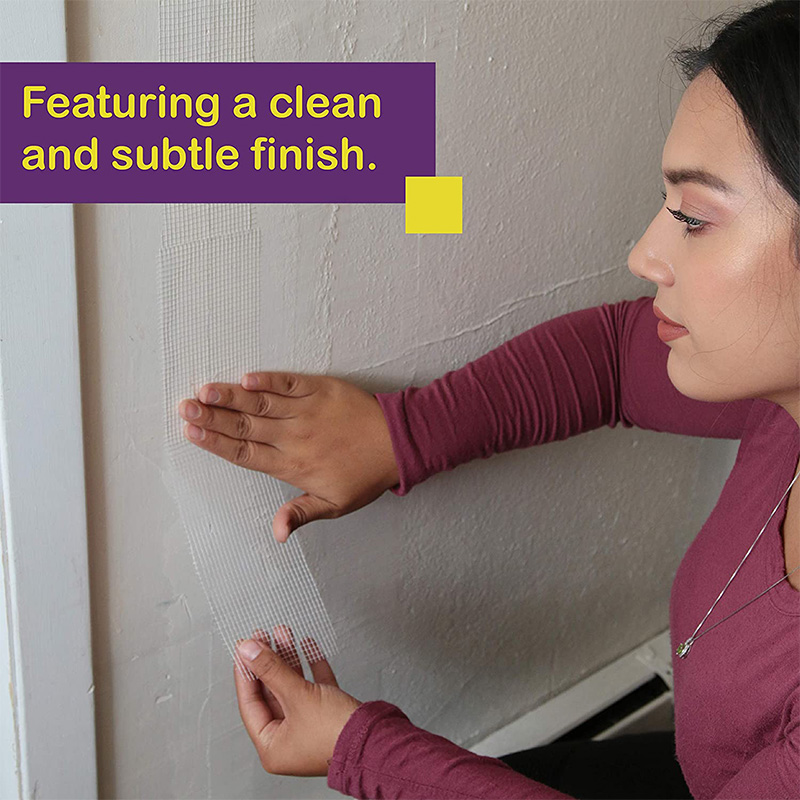
Product: Self-adhesive fiberglass mesh joint tape for wall cracks. It’s designed to conceal and reinforce gypsum board joints—buffed both sides for smooth compound bonding, with a center crease so it folds neatly into corners. On-site, that crease saves time (and yes, your patience).
Typical specifications (field-proven, not just brochure-speak)
| Glass type | E-glass, alkali-resistant sizing |
| Mesh density | ≈ 9×9 or 8×8 per inch (real-world use may vary) |
| Basis weight | 60–75 g/m² (ASTM D3776) |
| Tensile strength | ≥ 1000 N/50 mm (ASTM D5035 strip method) |
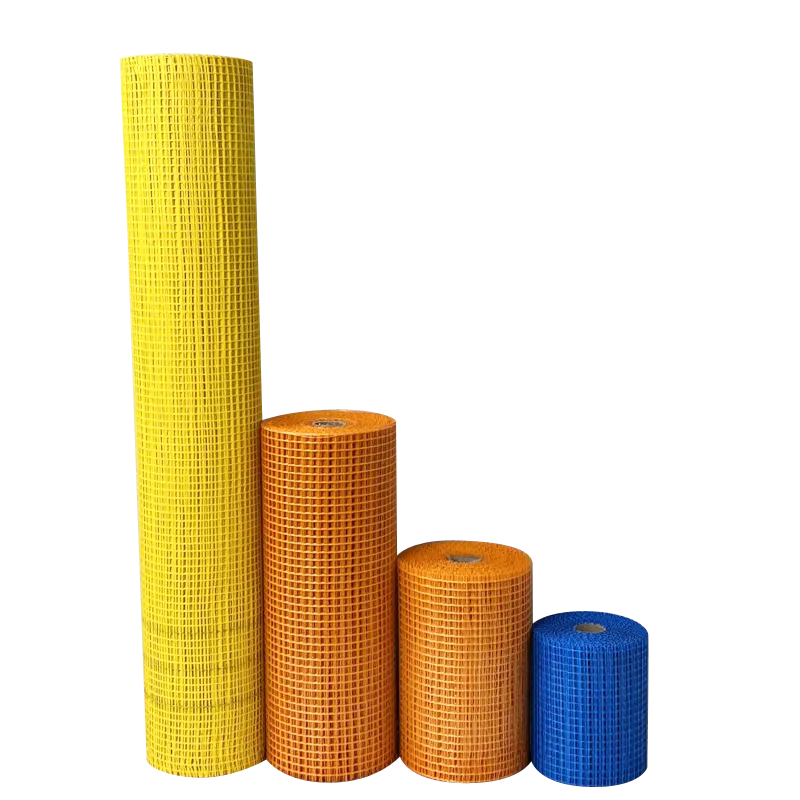
| Widths × length | 48/50/100 mm × 45 m or 90 m |
| Adhesive | Pressure-sensitive acrylic, high tack, low bleed |
| Service life | Interior joints ≈ 25 years; substrate/compound dependent |
How it’s made (short version)
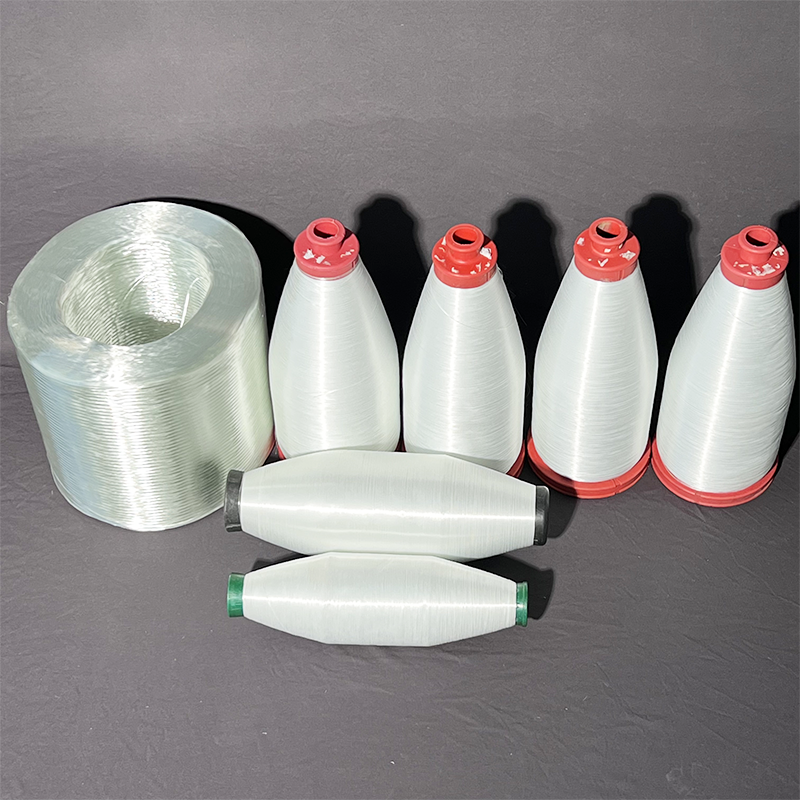
- Materials: E-glass yarn, leno weave; alkali-resistant polymer coating.
- Methods: Yarn warping → leno weaving → desizing/heat clean → AR coating → adhesive coating (even laydown is key) → center creasing → roll winding.
- Testing: Basis weight (ASTM D3776), tensile (ASTM D5035), alkali soak 5% NaOH 24–72 h per ETAG/EAD guidance, peel adhesion, dimensional stability, UV exposure (ISO 4892-2, indicative).
- Certifications: Typically ISO 9001; CE for ETICS meshes; REACH/RoHS statements on request.
Where it earns its keep
Drywall joints and corners (that crease helps), crack bridging on old plaster, patching around electrical cutouts, tile backer prep, and even façade basecoat reinforcement patches in ETICS. Many customers say the tape “disappears” under compound faster—less fuzzing, fewer pinholes. To be honest, prep still matters: dust-free substrate and a compatible compound.
Vendor snapshot (what I look at)
| Vendor | Key Strength | Lead Time | Certs |
|---|---|---|---|
| Tainuo (Renqiu, Hebei) | Consistent adhesive coating; corner-crease QC | 7–15 days (seasonal) | ISO 9001, CE (mesh lines), REACH statement |
| Generic A (import) | Low MOQ, many widths | 15–25 days | ISO 9001 |
| Generic B (value) | Aggressive pricing | 20–30 days | — |
Real-world notes, quick
- Adhesion: If tape lifts in cold rooms, warm the roll; high-tack acrylic prefers >10°C.
- Compound: Lightweight joint compounds feather nicely over smoother, buffed mesh.
- Crack control: For active cracks, bed tape with setting-type compound; don’t rely on adhesive alone.
Customization and QC
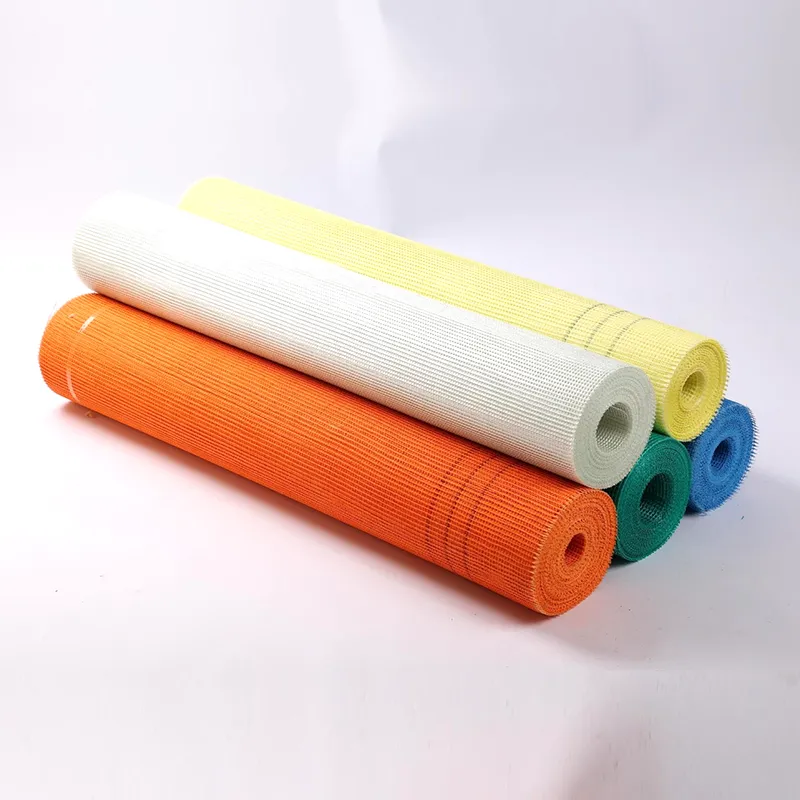
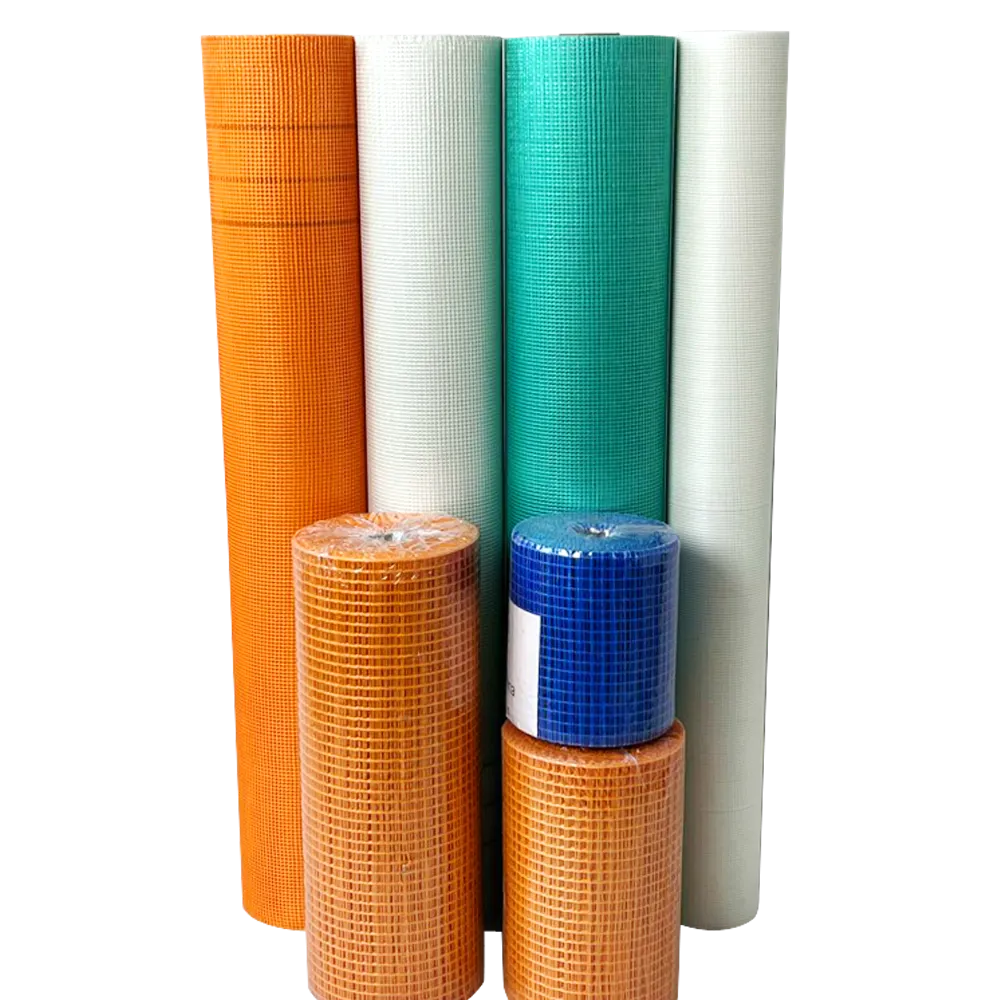
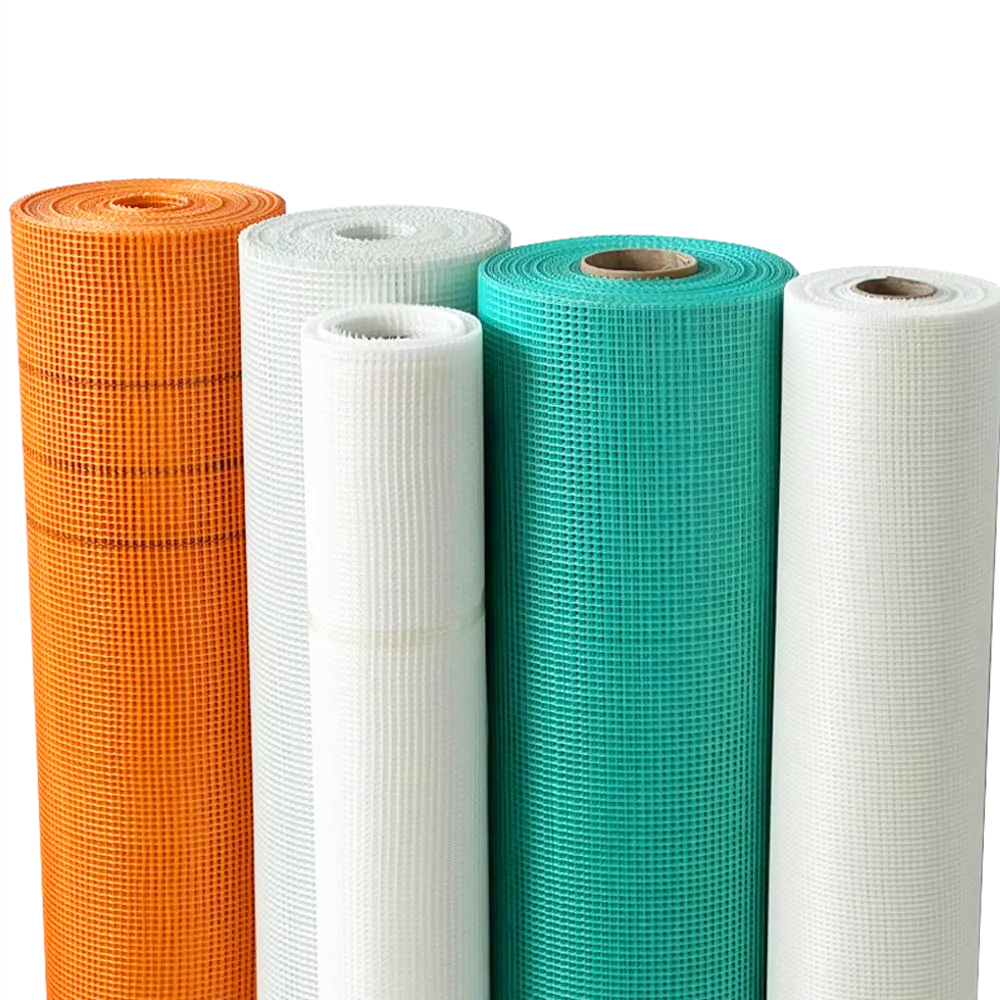
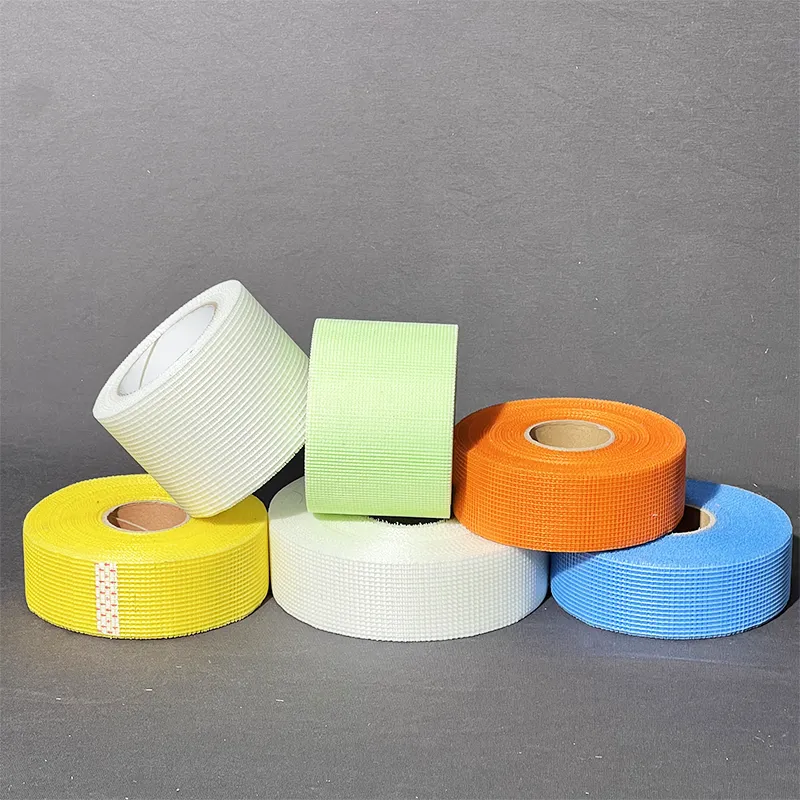
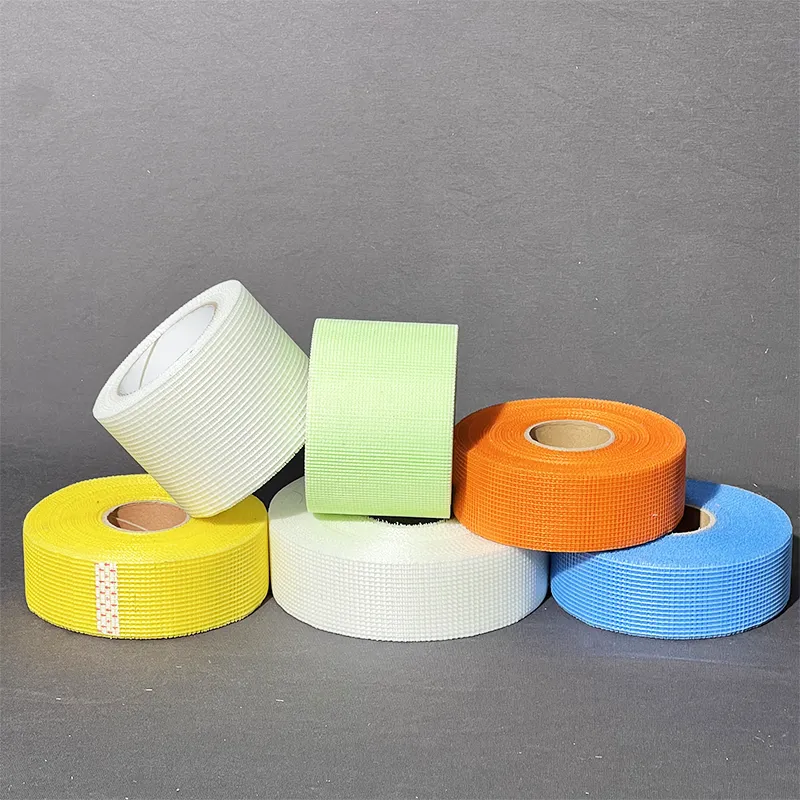
Options: 45/90 m rolls, private labels, core IDs, width up to 100 mm, colored tracer lines, higher AR coating for alkaline plasters. Factory QC often includes tensile sampling per lot, mesh-count imaging, peel test to steel plate, and 24 h alkali soak retention ≥ 50% (per ETICS guidance).
If you need to buy adhesive fiberglass mesh for heavy renovation cycles, ask for tensile data before and after 5% NaOH exposure, plus an ISO 4892-2 UV screening. It sounds fussy, but these two numbers predict whether the tape stays put a decade later.
A small case file
A hotel corridor retrofit (12,000 m², coastal humidity) swapped paper tape for fiberglass. Callbacks dropped by ≈30% year-on-year; corner cracking practically vanished, mainly due to the crease and better compound wet-through. Not magic—just consistent materials.
References:
1) ASTM D5035 – Breaking Force and Elongation of Textile Fabrics (Strip Method). https://www.astm.org/d5035
2) ASTM D3776/D3776M – Mass Per Unit Area (Weight) of Fabric. https://www.astm.org/d3776
3) EAD 040083-00-0404 (formerly ETAG 004) – ETICS with rendering. https://www.eota.eu
4) EN 13496 – Mechanical properties of ETICS. https://standards.iteh.ai/catalog/standards/cen
5) ISO 4892-2 – Plastics—Methods of exposure to laboratory light sources. https://www.iso.org/standard/91612.html
-
Best Fiberglass Mesh Tape for RedGard Product Waterproofing GuideNewsApr.16,2026
-
Why High Strength Fiberglass Mesh Is Essential For Stucco ApplicationNewsApr.15,2026
-
Why Alkali Resistant Fiberglass Mesh Tape Is Essential For Cement Board And Tile InstallationsNewsApr.15,2026
-
Understanding The Role Of Drywall Fiberglass Mesh In Interior FinishingNewsApr.15,2026
-
Ultimate Guide To Using Fiberglass Mesh Tape For Drywall And Plaster RepairsNewsApr.15,2026
-
The Versatility Of Fiberglass Mesh In Marble And Stone MosaicNewsApr.15,2026