Dec . 03, 2025 20:22 Back to list
Top Drywall Fiberglass Mesh Manufacturer for Durable Walls
Drywall Fiberglass Mesh Manufacturer: What You Should Know
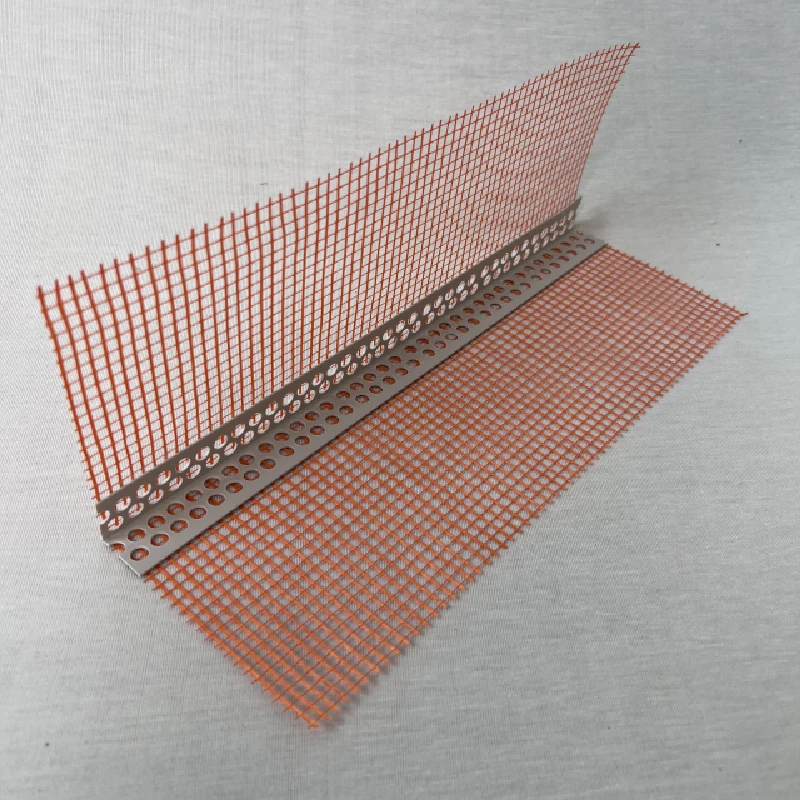
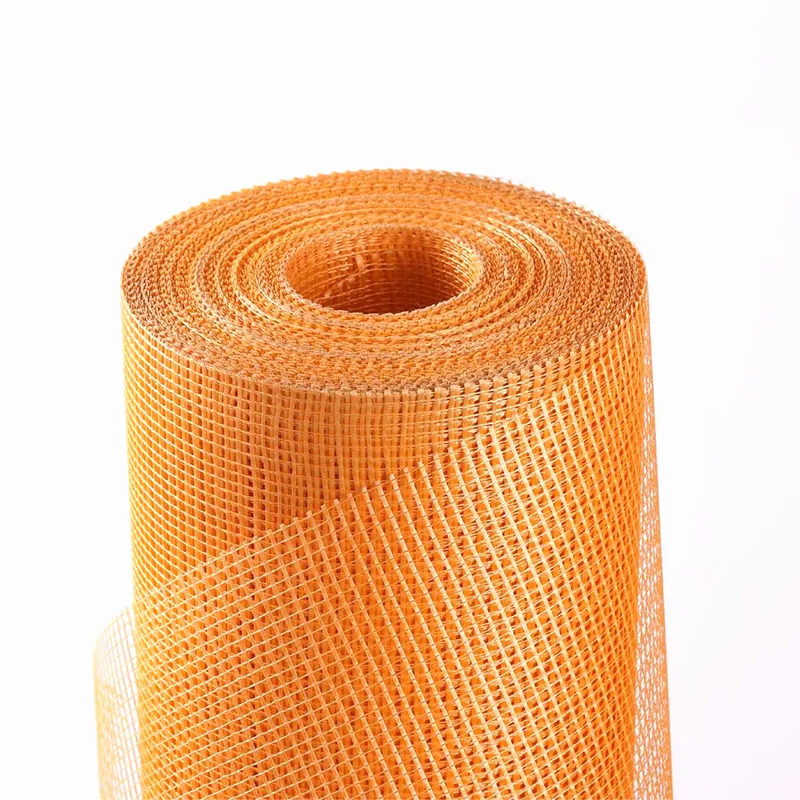
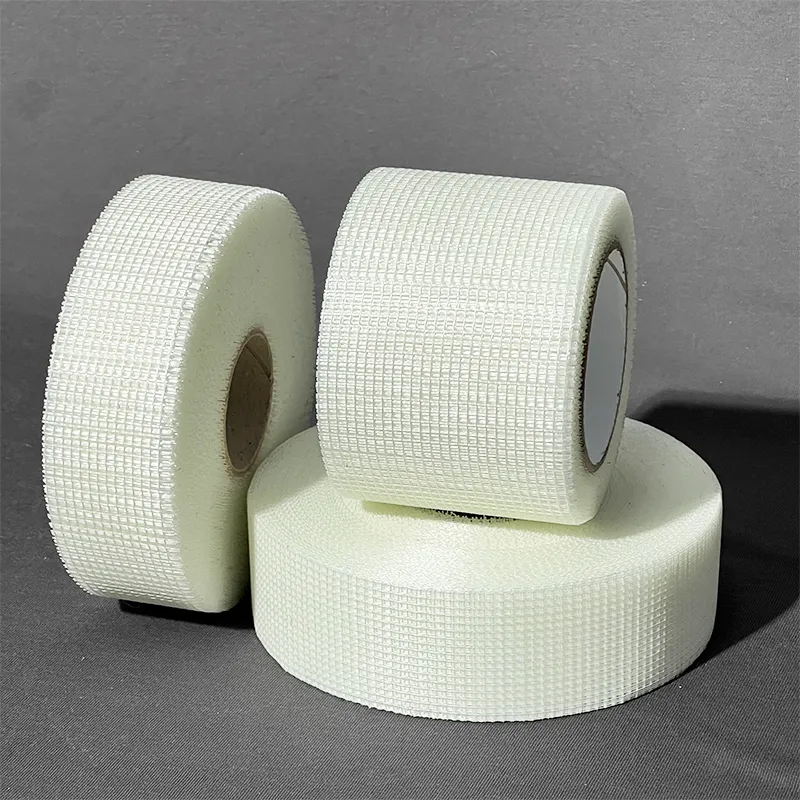
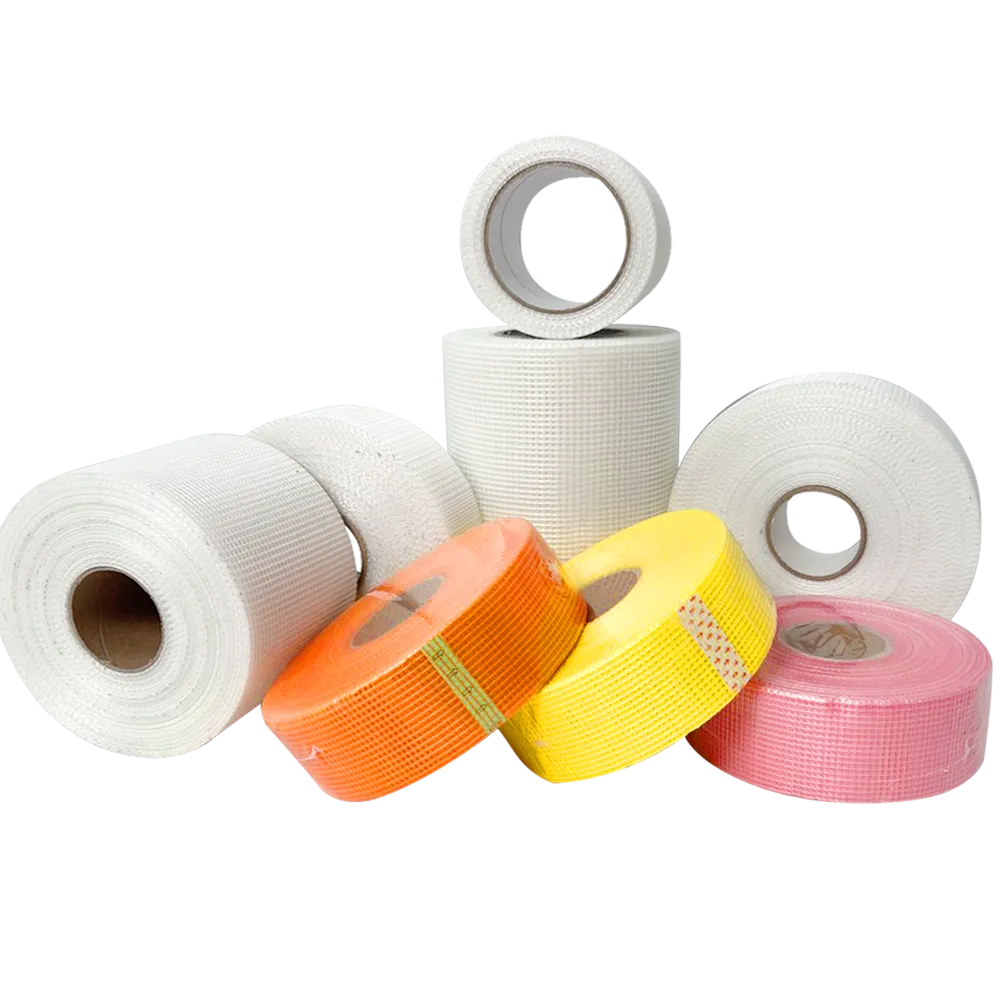
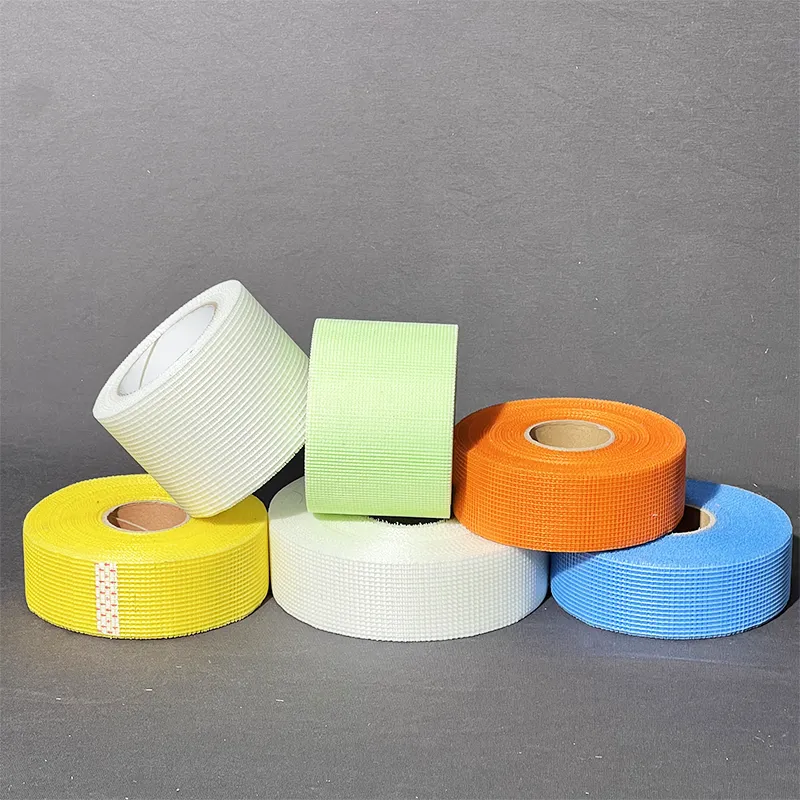
Having been around the industrial equipment scene for a good stretch, I’ve developed a bit of a soft spot for the often overlooked, yet crucial components like drywall fiberglass mesh. It’s one of those unsung heroes in construction and renovation. You might wonder, “Why such buzz around a simple mesh?” Well, frankly, in real terms, this mesh can make or break the durability and finish of your drywall systems.
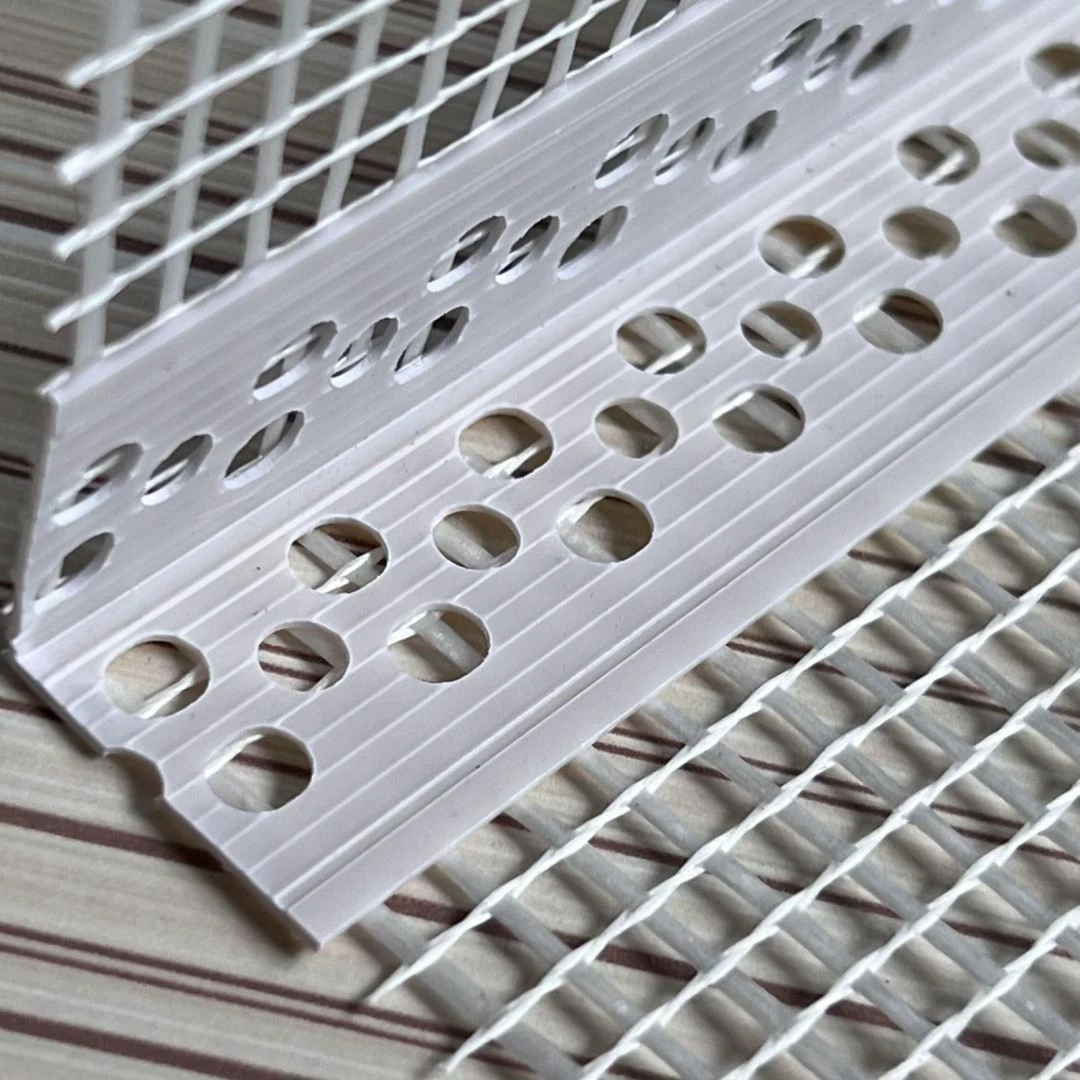
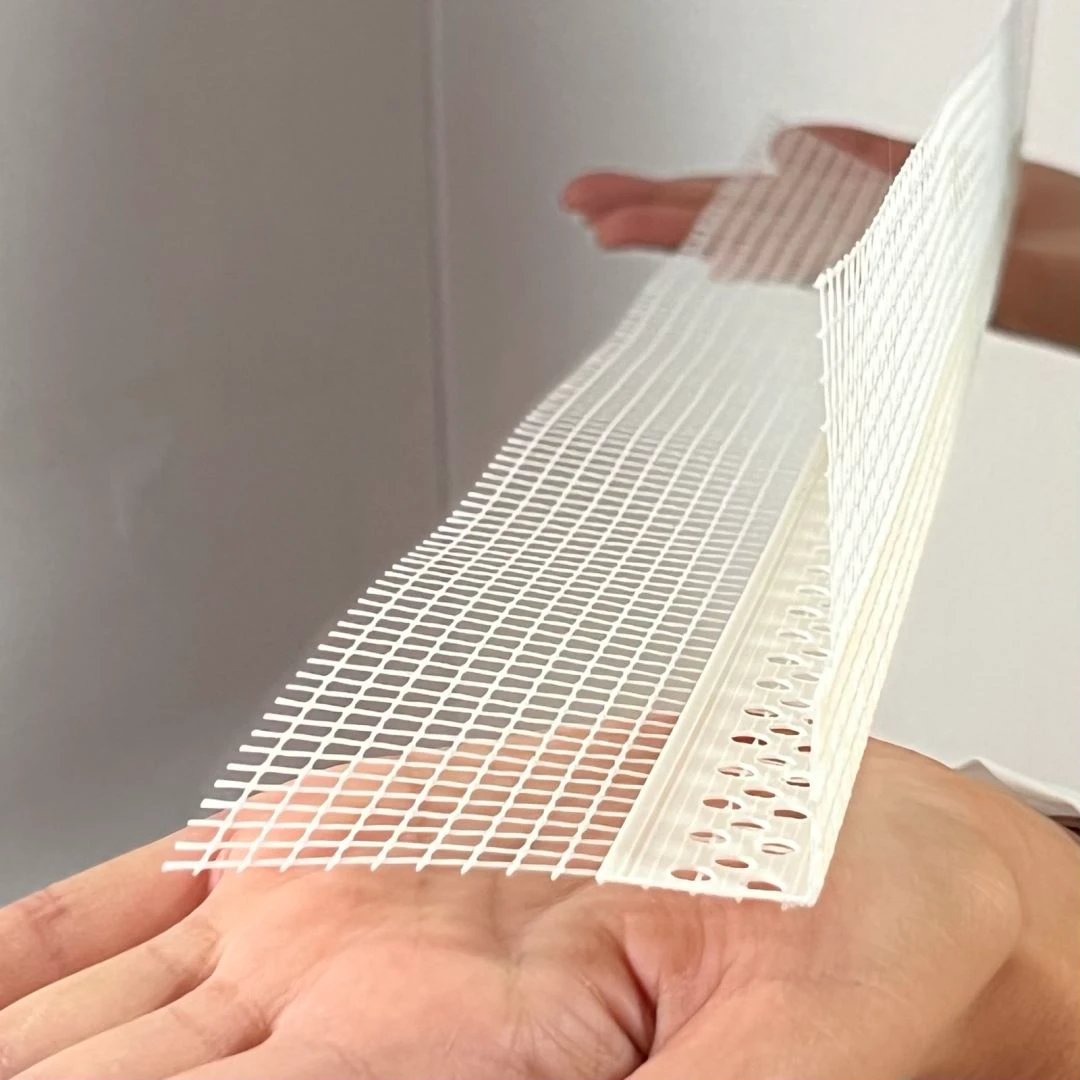
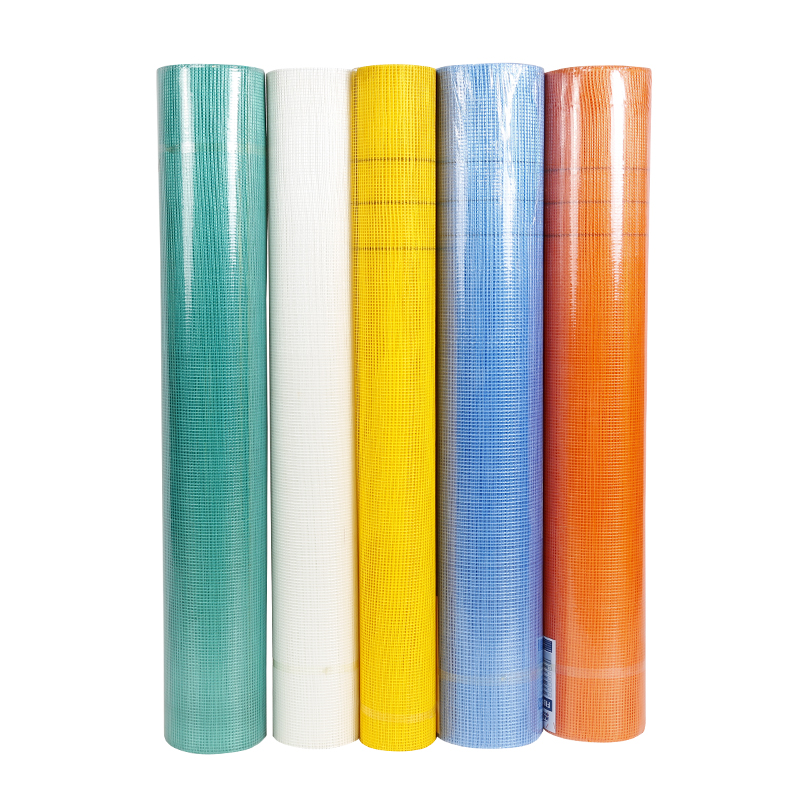
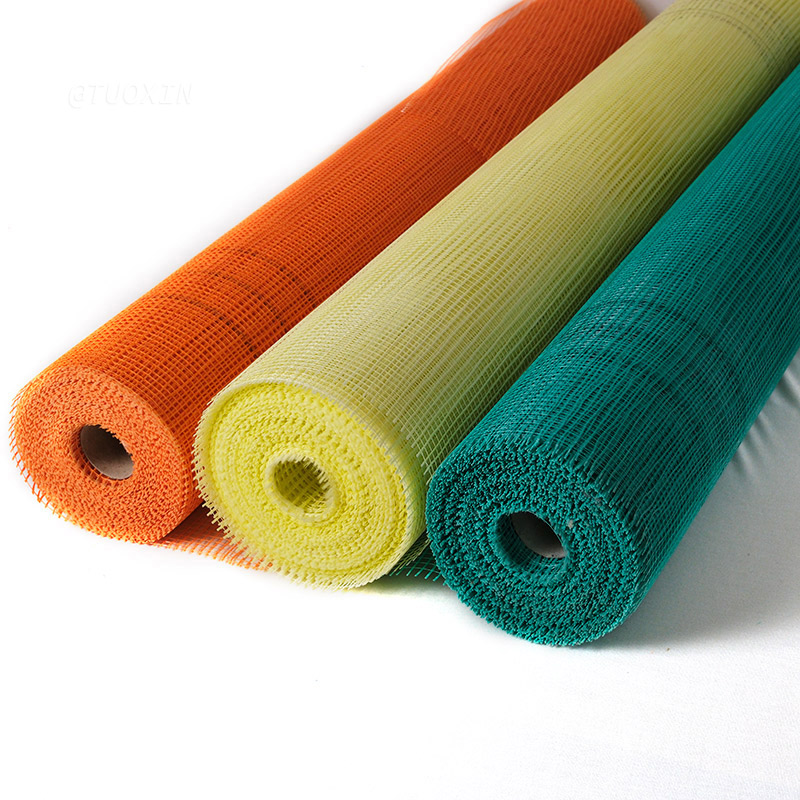
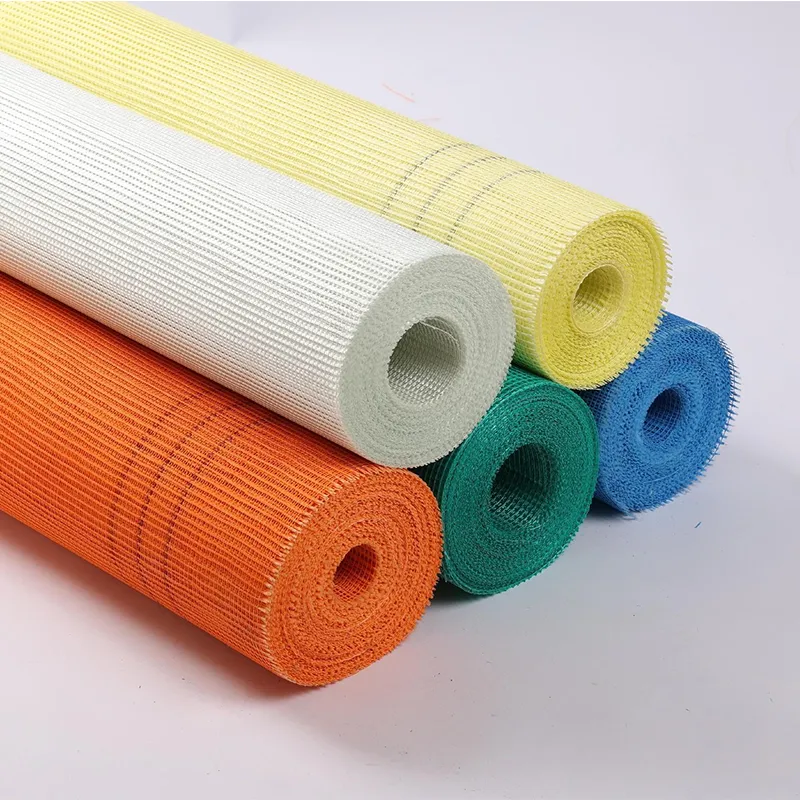
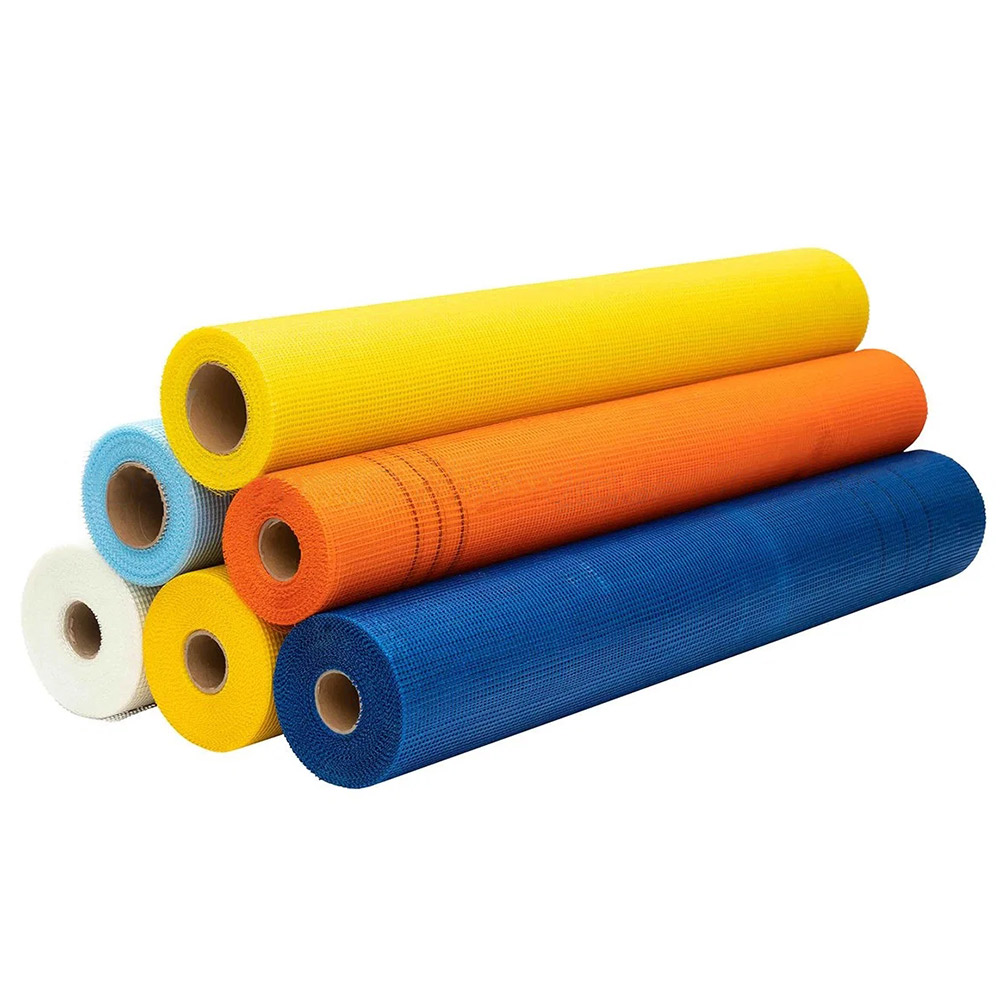
Fiberglass mesh, especially for drywall applications, isn’t just about holding things together. It’s about creating a surface that resists cracking, absorbs impact, and stands the test of time. Manufacturers specializing in drywall fiberglass mesh focus heavily on the weave’s density, fiber quality, and the coating process. I suppose it’s like making a great pair of jeans — the fabric, stitching, and treatment all matter.
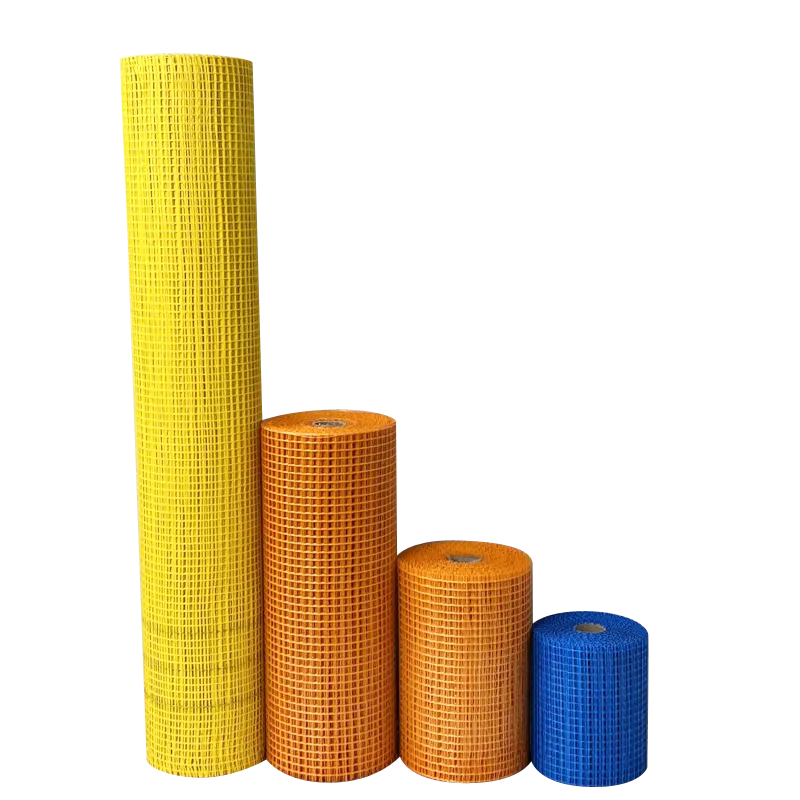
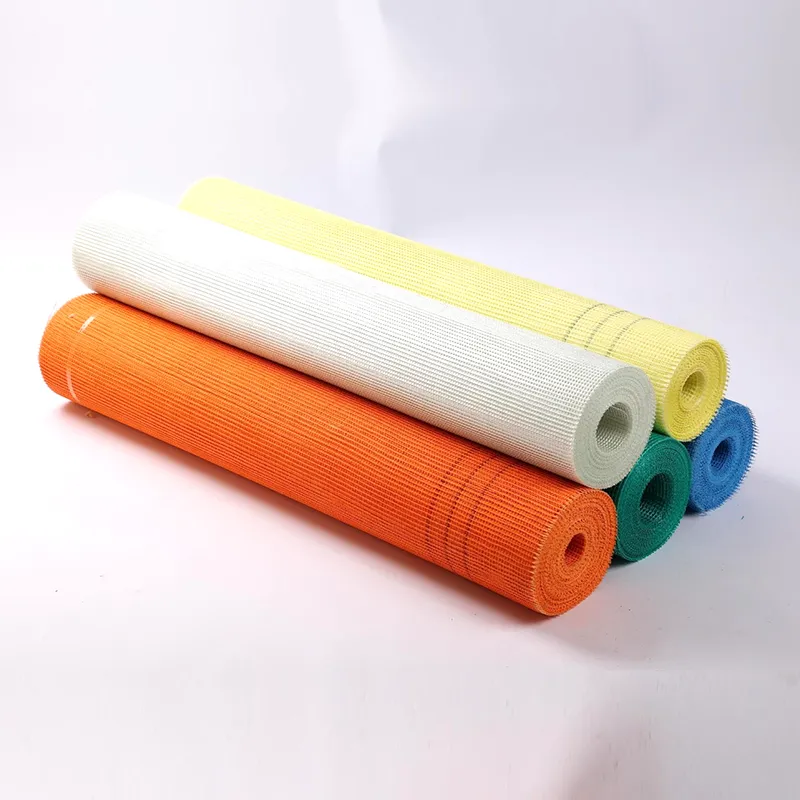
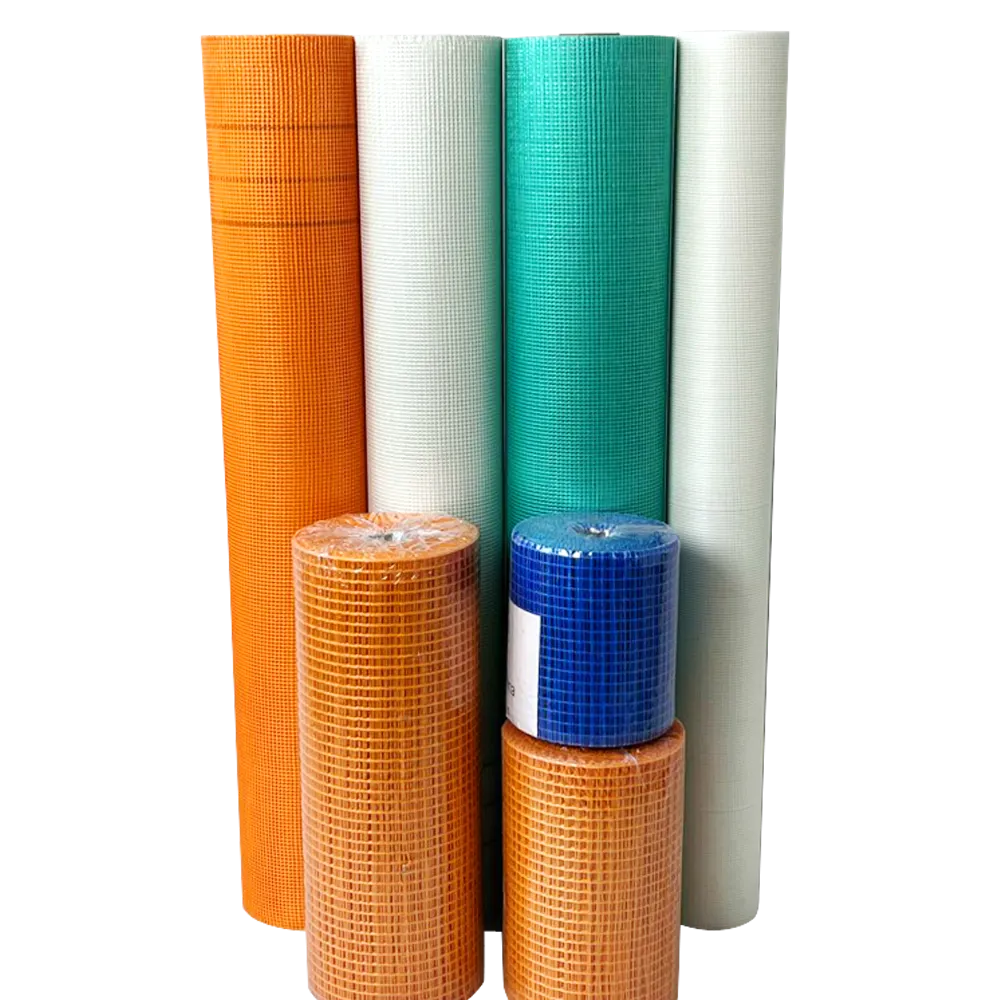
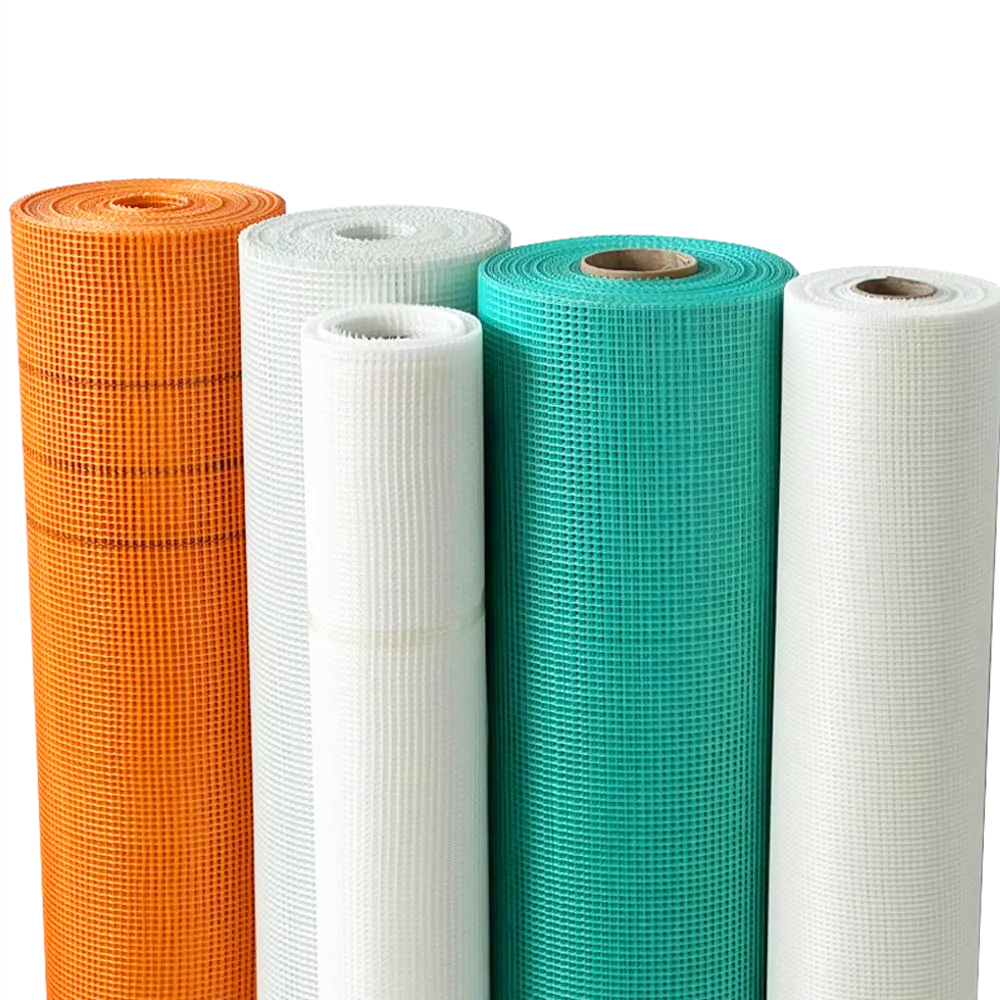
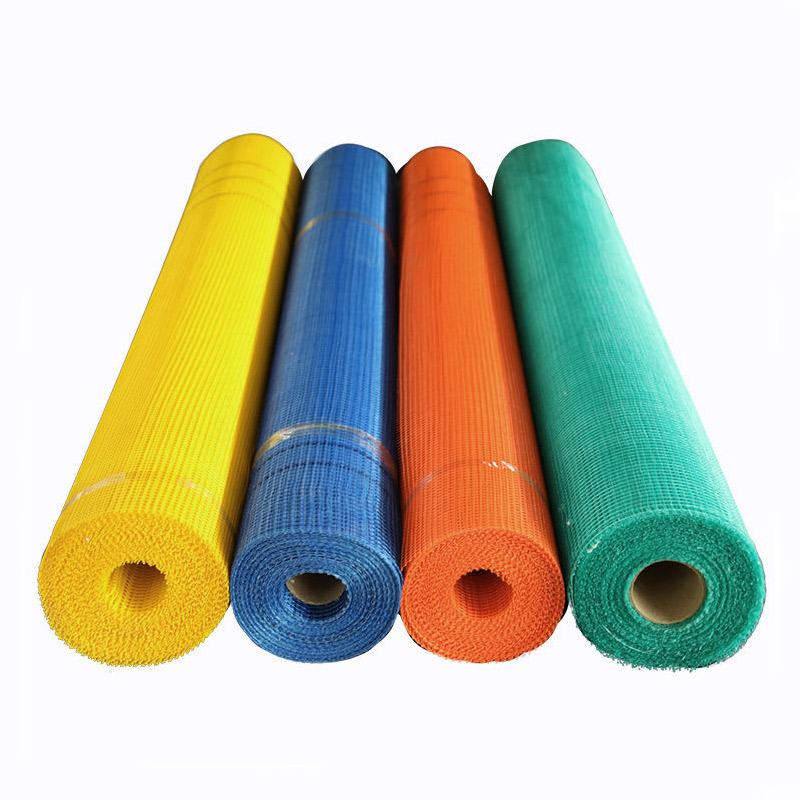
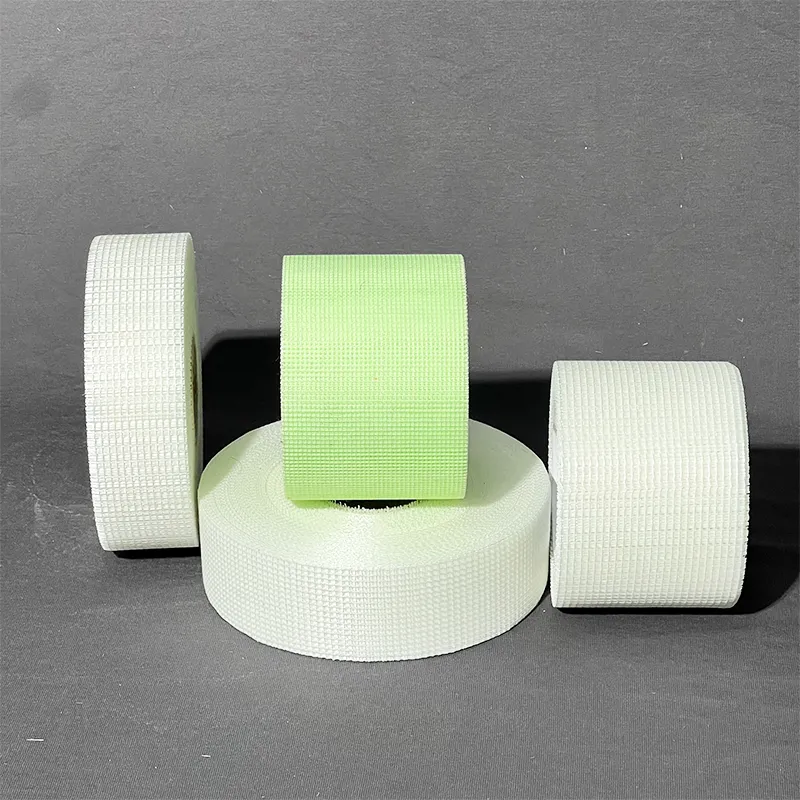
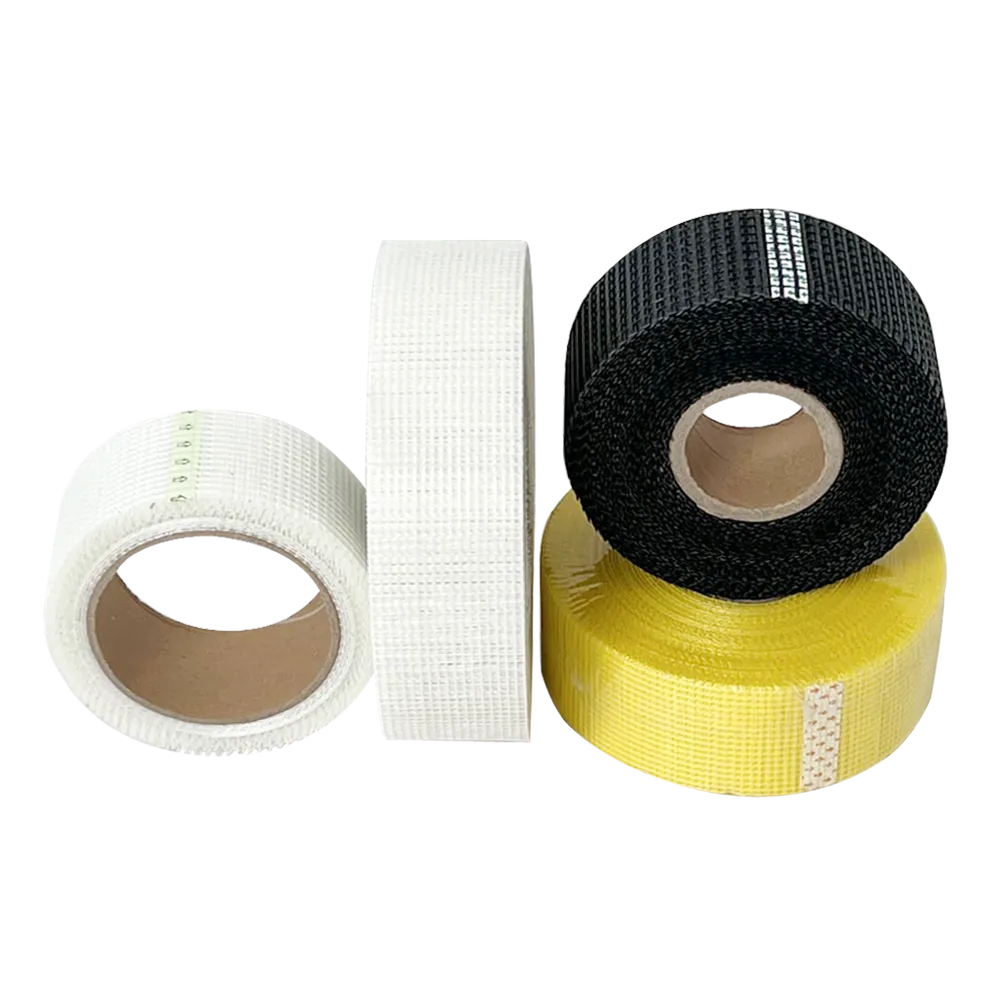
One manufacturer that’s caught my eye is Tainuo Fiberglass Mesh. Oddly enough, their product range ticks a lot of boxes for quality and customization. From my experience, having access to different mesh widths and weights—tailored for specific drywall types and thicknesses—makes a huge difference on site.
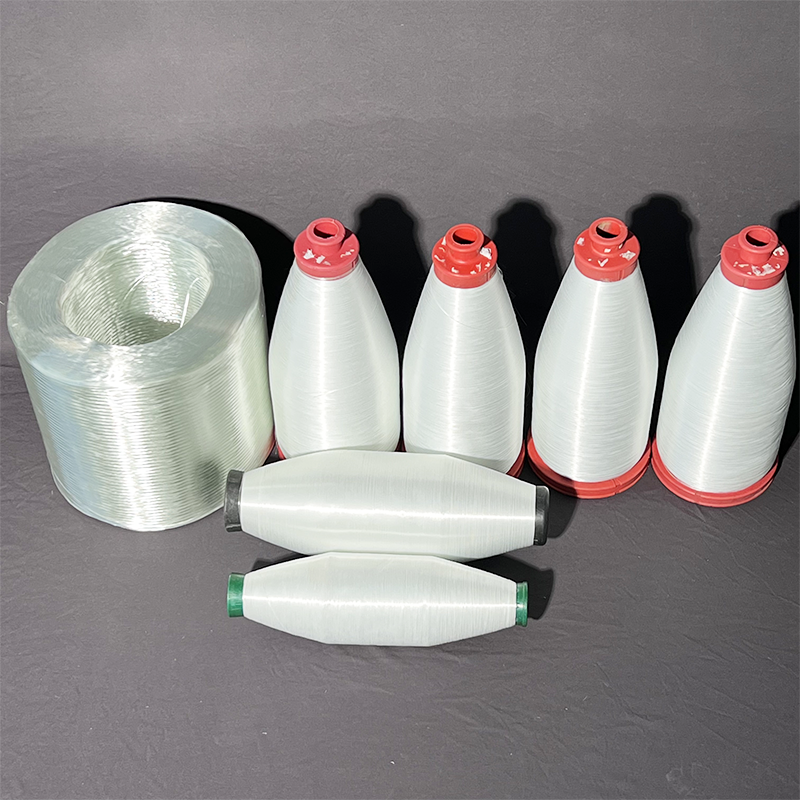
The mesh itself is composed of alkali-resistant fiberglass fibers. This resistance is vital because drywall compounds tend to be alkaline. Without that protective coating, the mesh would degrade quickly, leading to fractures and peeling. In countless projects, engineers and installers have stressed how important AR (alkali-resistant) fiberglass mesh is to prolonging system life.
| Specification | Details |
|---|---|
| Material | Alkali-Resistant Fiberglass Fibers |
| Coating | Water-based polymer for durability |
| Mesh Size | 4x4 to 10x10 threads per inch |
| Width Options | 1m to 2.5m |
| Weight | 30 to 180 gsm |
| Tensile Strength | Up to 1100 N/5cm warp/weft |
One point worth mentioning is the testing these manufacturers put their mesh through. In my years, not all suppliers have equal commitment here. A good drywall fiberglass mesh manufacturer should conduct alkali-resistance tests, dimensional stability verifications, and tensile strength checks. It’s reassuring to see certificates of compliance handy, especially when you’re specifying materials for commercial projects.
| Feature | Tainuo Fiberglass Mesh | Competitor A | Competitor B |
|---|---|---|---|
| Alkali Resistance | Excellent, ASTM compliance | Good | Fair |
| Custom Widths | Yes, 1m – 2.5m | Limited options | No |
| Tensile Strength (N/5cm) | Up to 1100 | 900 | 800 |
| Coating Quality | Water-based, eco-friendly | Solvent-based | Standard polymer |
| Packaging Options | Rolls & sheets | Rolls only | Rolls only |
Just last year, I was on a retrofit project where a contractor switched to high-grade fiberglass mesh after persistent cracking problems with cheaper mesh rolls. It felt almost like night and day. The drywall finish stayed intact despite seasonal temperature swings and heavy foot traffic around walls. It’s small differences like that which make the choice of manufacturer important. You don’t want to be caught up fixing cracks months down the line.
Customization is another subtle but important advantage. Some projects need wider mesh, others need smaller apertures for better compound adhesion. The ability of a manufacturer to tailor these specs — and back them up with solid testing — really speaks to their expertise. And frankly, it shows in peace of mind for everyone involved in the build.
If you’re sourcing drywall fiberglass mesh, I’d encourage you to look beyond price alone. Quality, proven performance, and supplier reliability count just as much. For those reasons, checking out manufacturers like Tainuo Fiberglass Mesh often makes sense. Their technical support and variety impressed me enough to recommend them based on real-world feedback.
So whether you're a contractor, architect, or project manager, keep in mind that this seemingly simple mesh is a small investment that pays off in the durability of your drywall systems.
In the end? Every layer counts.
References:
- ASTM D578 - Standard Specification for Glass Fibers
- Construction Materials Journal, 2023 - Advances in Fiberglass Mesh Technology
- Industry Insider Interview, 2023 - Drywall Innovation and Material Selection
-
Best Fiberglass Mesh Tape for RedGard Product Waterproofing GuideNewsApr.16,2026
-
Why High Strength Fiberglass Mesh Is Essential For Stucco ApplicationNewsApr.15,2026
-
Why Alkali Resistant Fiberglass Mesh Tape Is Essential For Cement Board And Tile InstallationsNewsApr.15,2026
-
Understanding The Role Of Drywall Fiberglass Mesh In Interior FinishingNewsApr.15,2026
-
Ultimate Guide To Using Fiberglass Mesh Tape For Drywall And Plaster RepairsNewsApr.15,2026
-
The Versatility Of Fiberglass Mesh In Marble And Stone MosaicNewsApr.15,2026