Dec . 09, 2025 03:35 Back to list
Comprehensive Guide to Factory Fiberglass Mesh Roll Pricelist for B2B Buyers
Factory Fiberglass Mesh Roll Pricelist is a key solution in the industry, specifically within construction, insulation, and reinforcement sectors. This article explores how https://www.tainuofiberglassmesh.com supports professionals with durable, high-performance products, and explains why this product is an ideal choice for businesses in these sectors.
Table of Contents
- Factory Fiberglass Mesh Roll Pricelist Overview
- Benefits & Use Cases of Factory Fiberglass Mesh Roll Pricelist
- Cost, Maintenance & User Experience
- Sustainability & Market Trends
Factory Fiberglass Mesh Roll Pricelist Overview
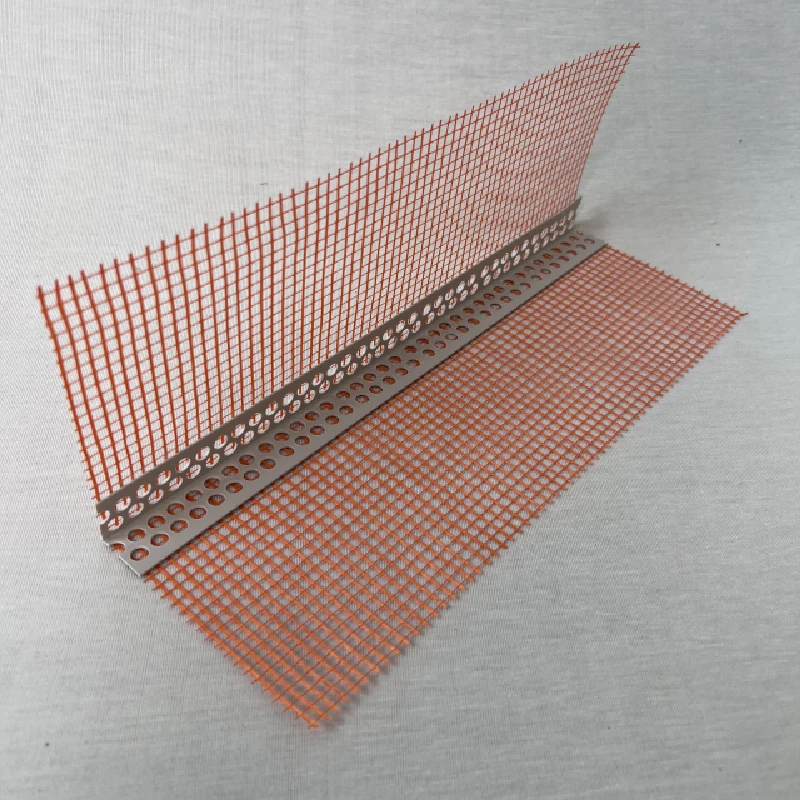
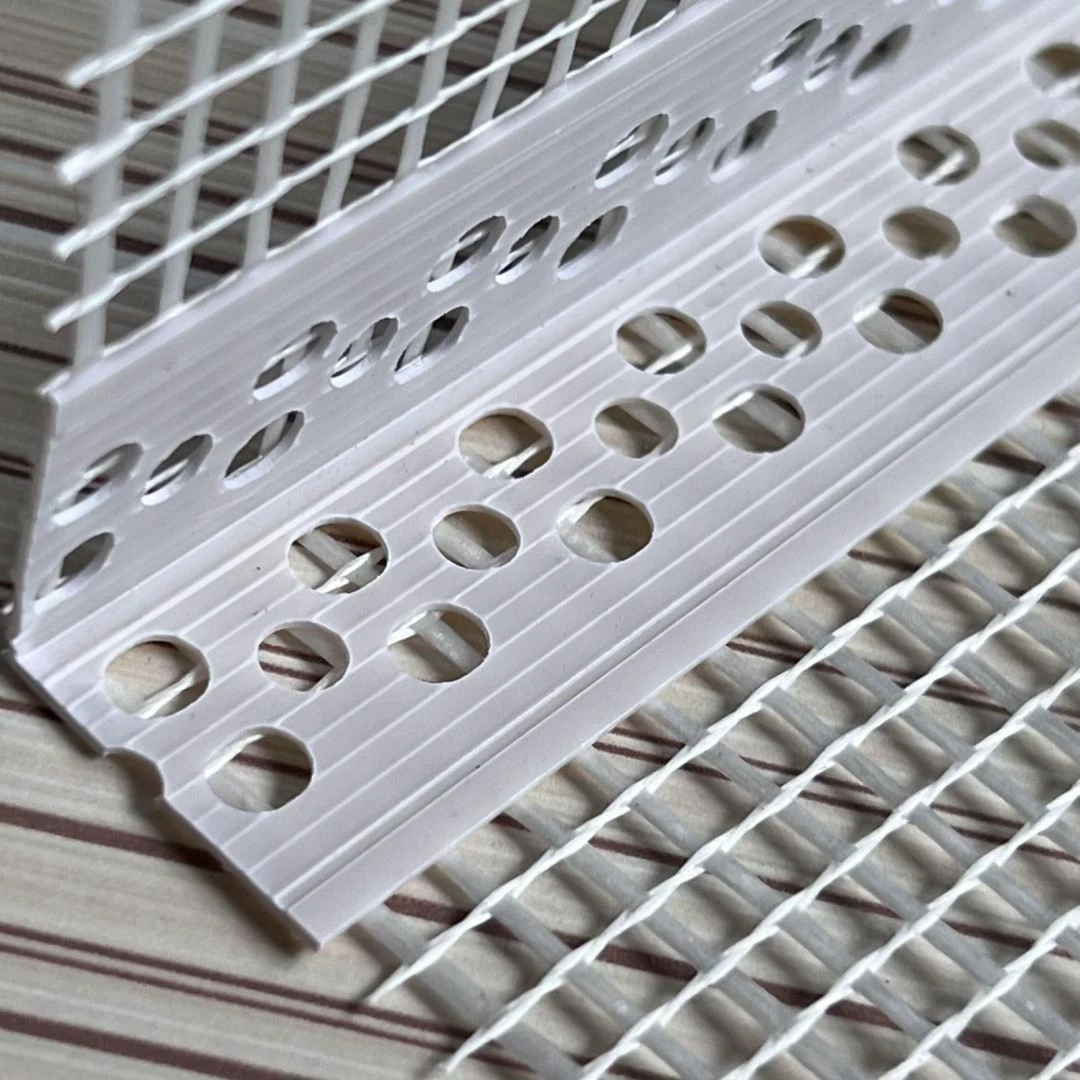
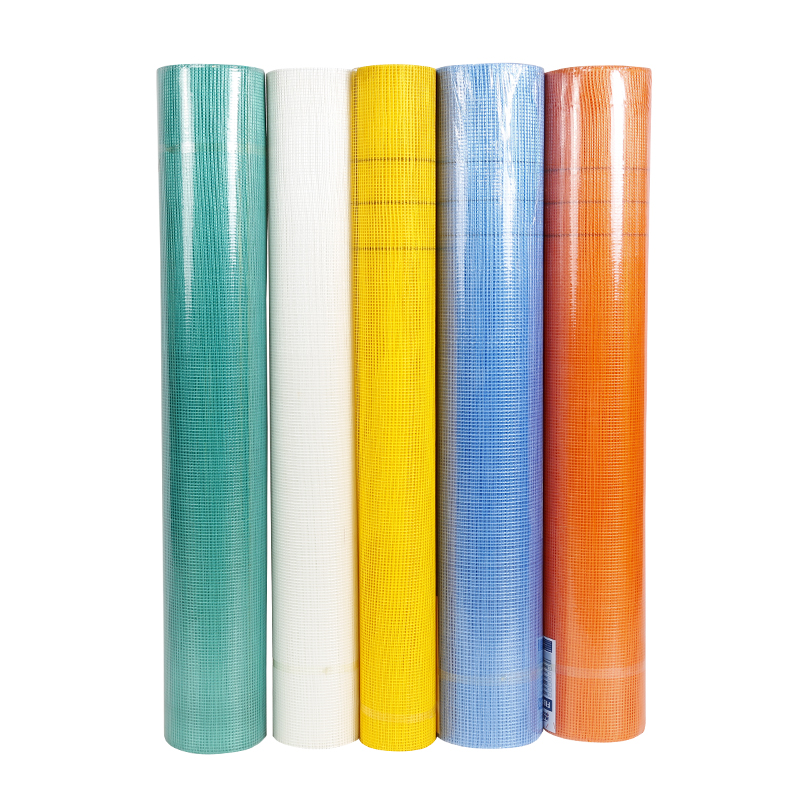
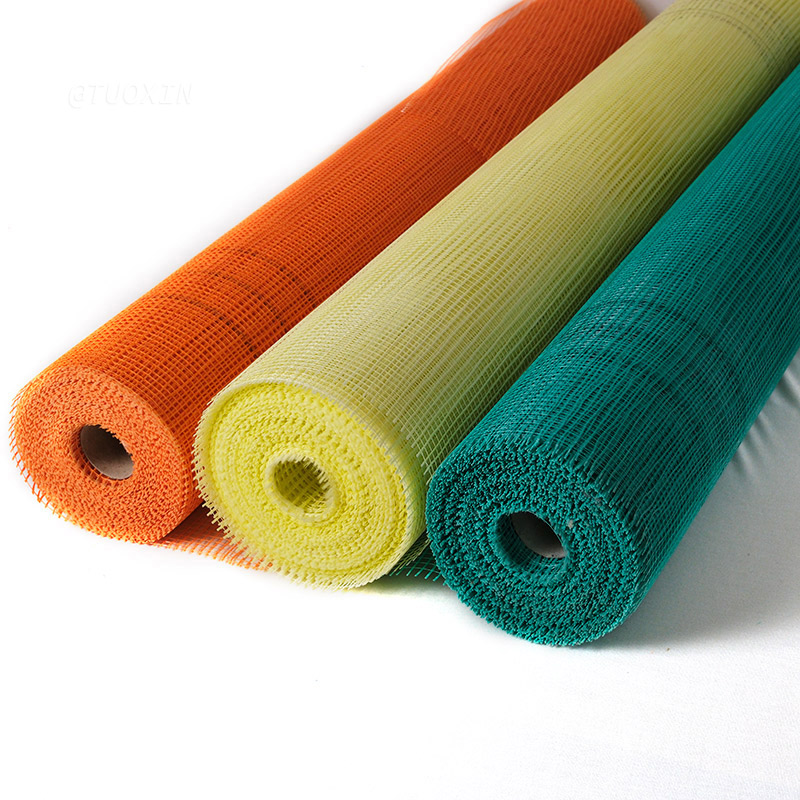
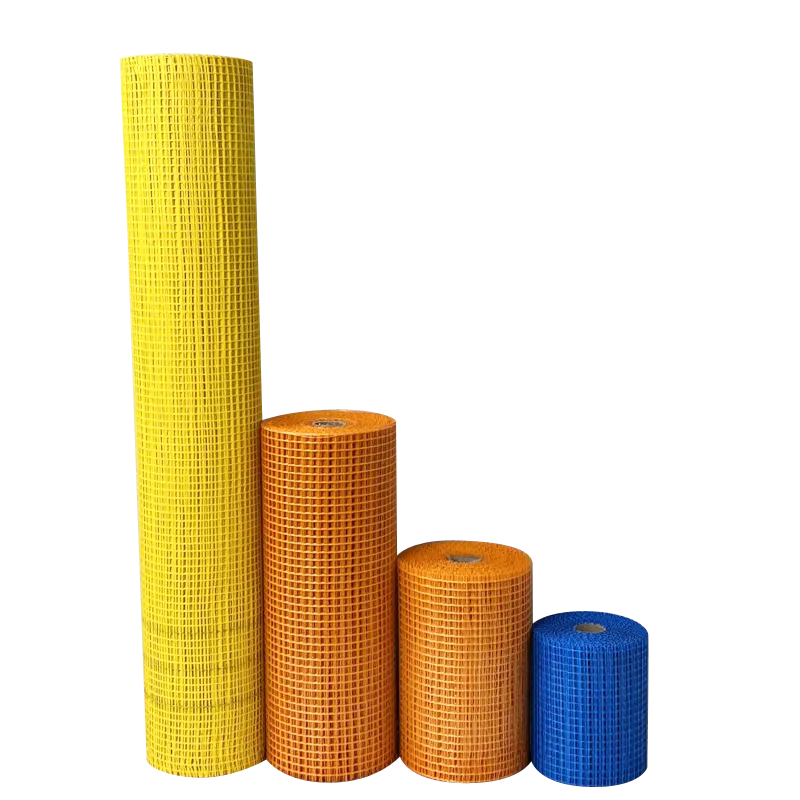
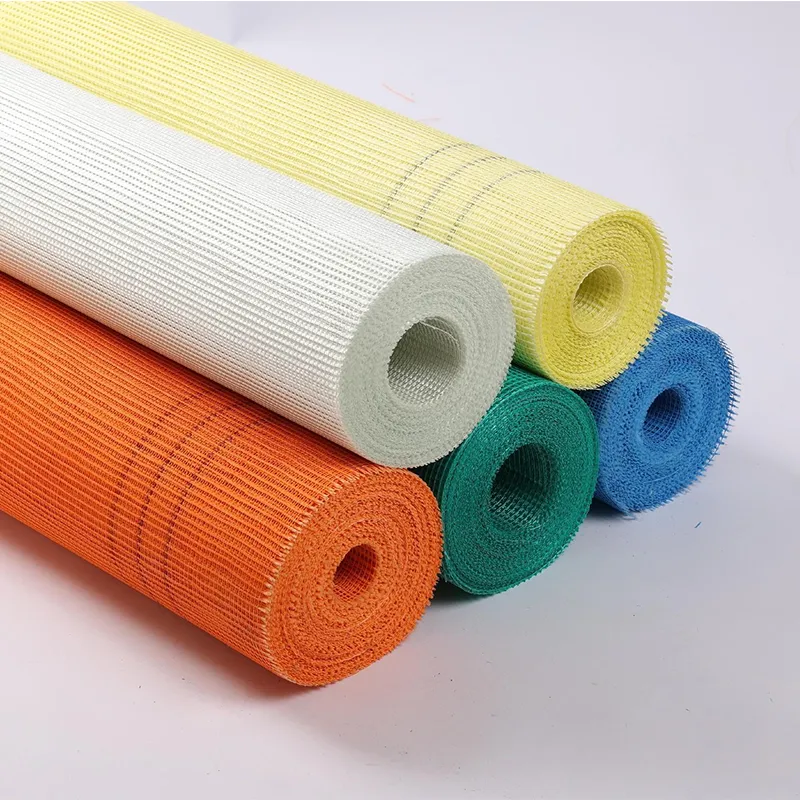
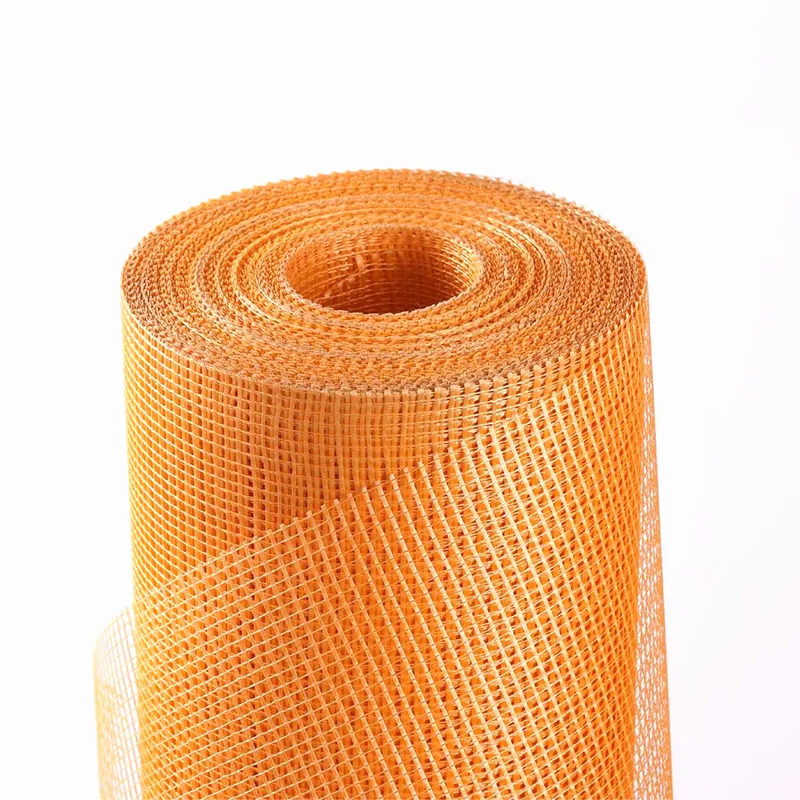
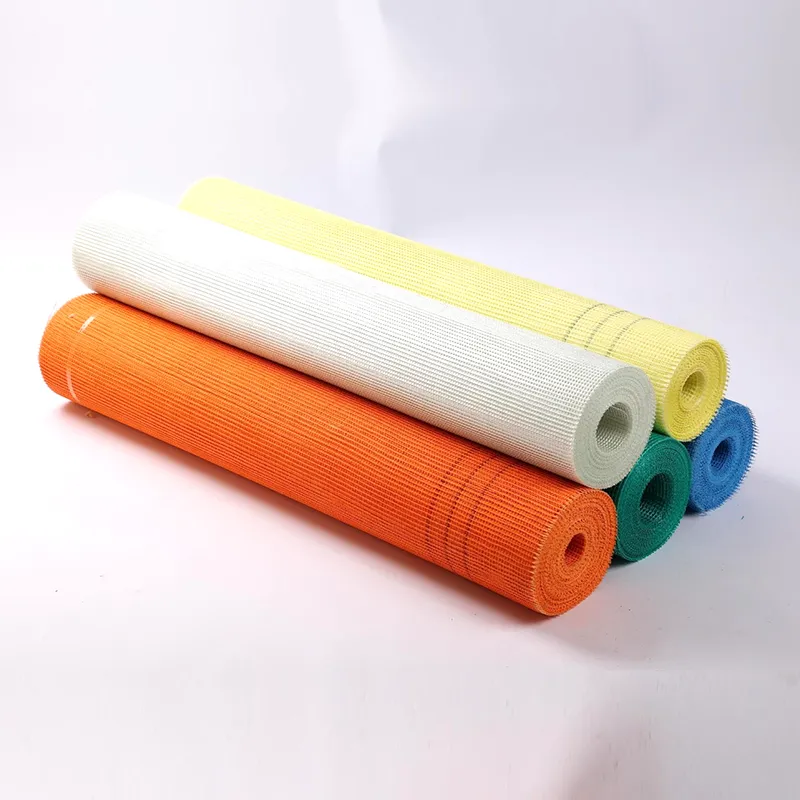
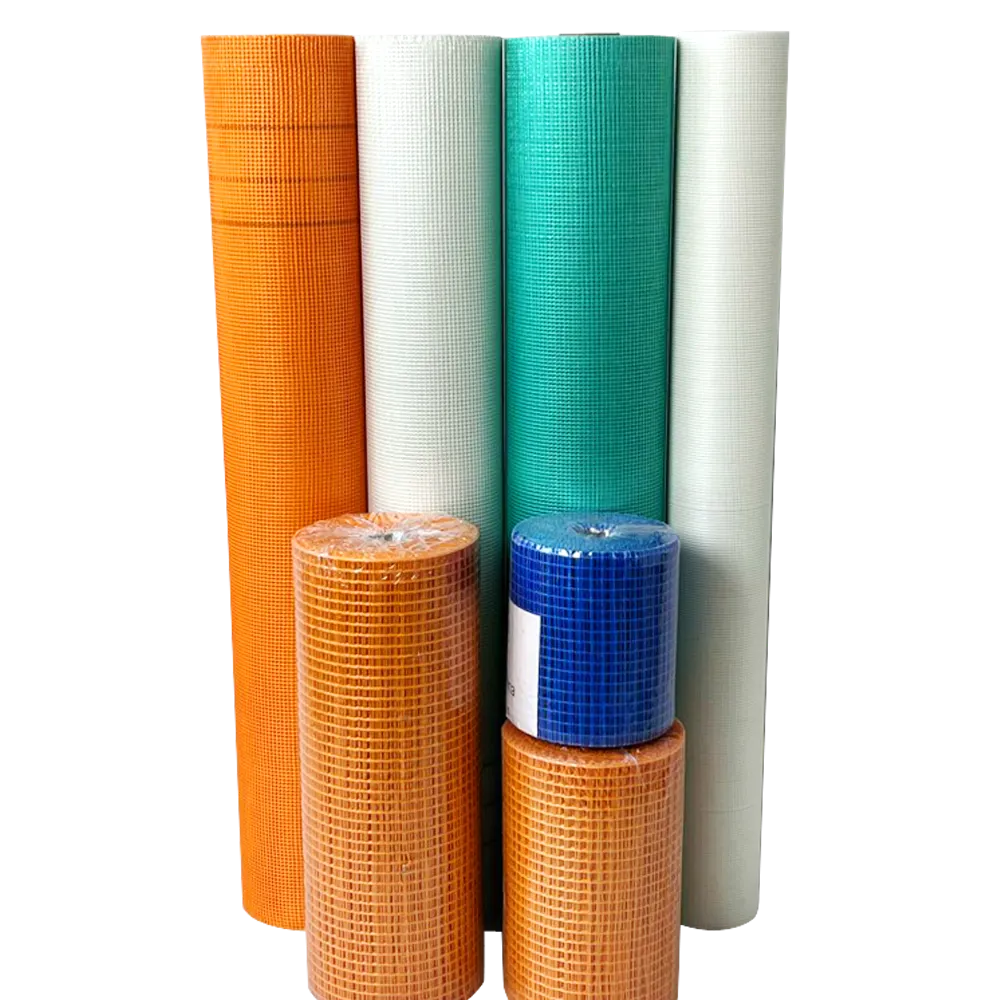
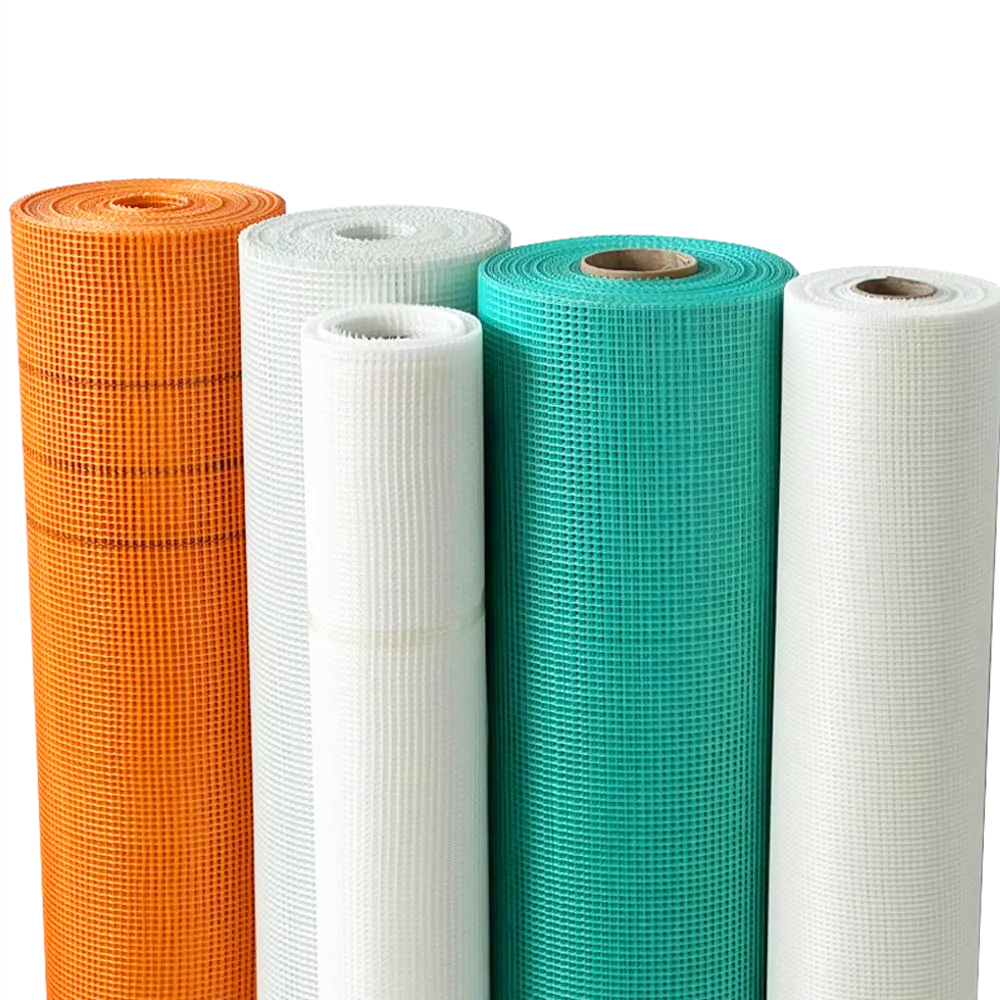
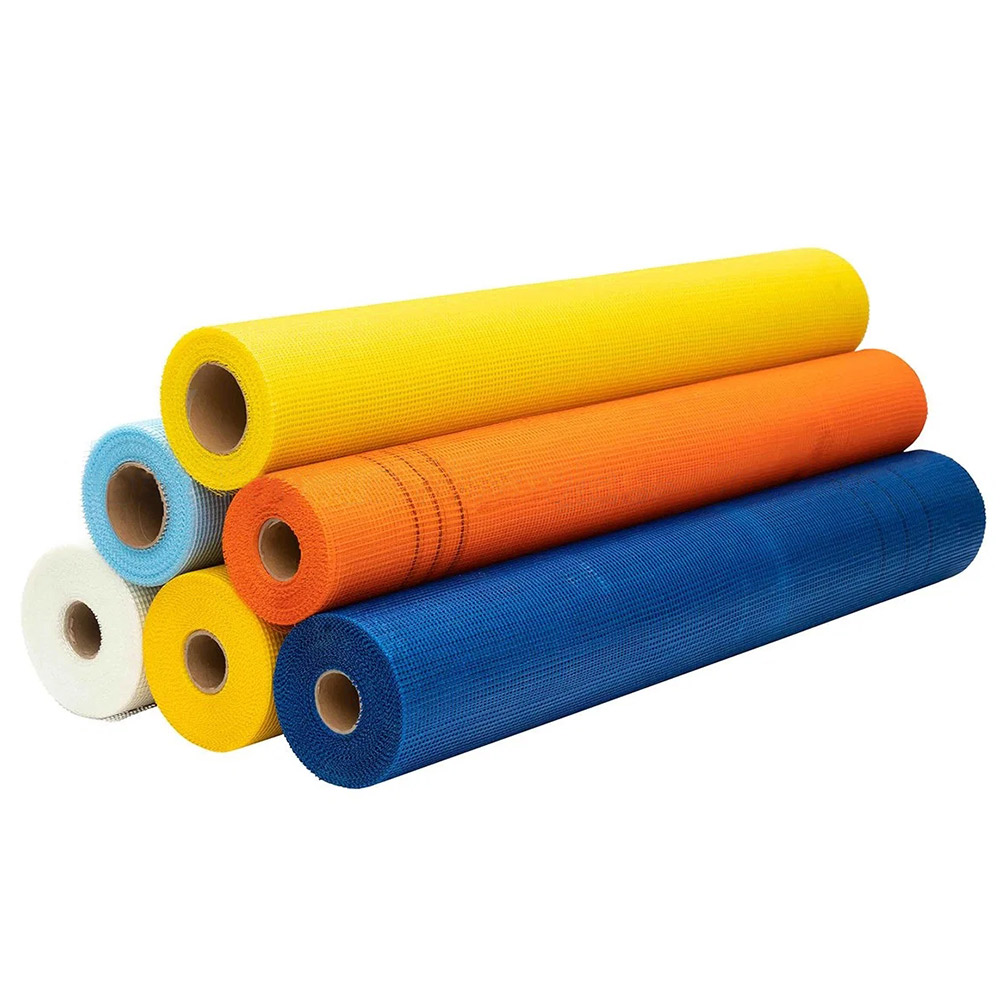
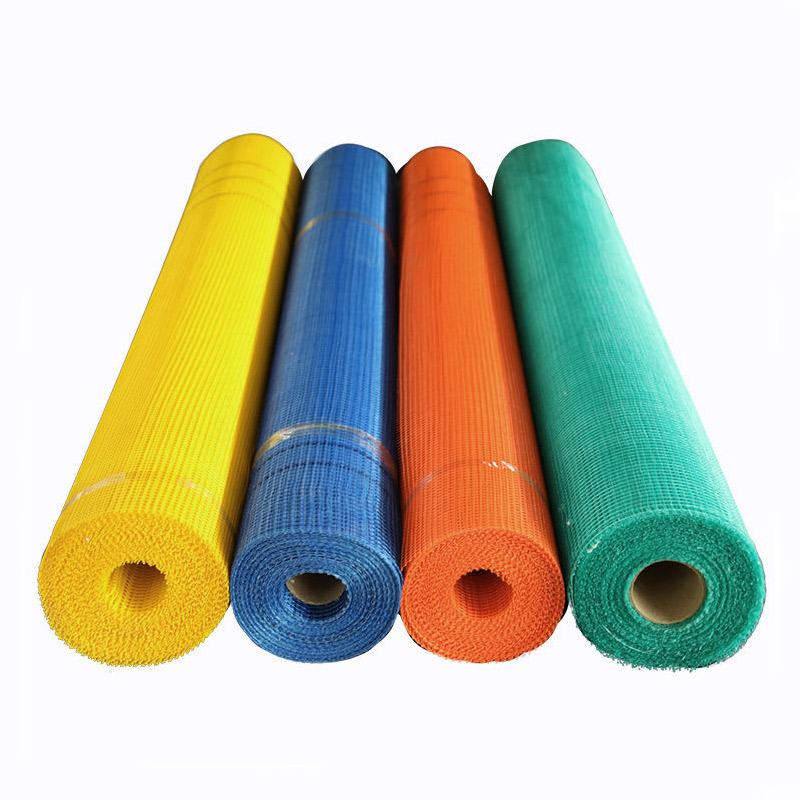
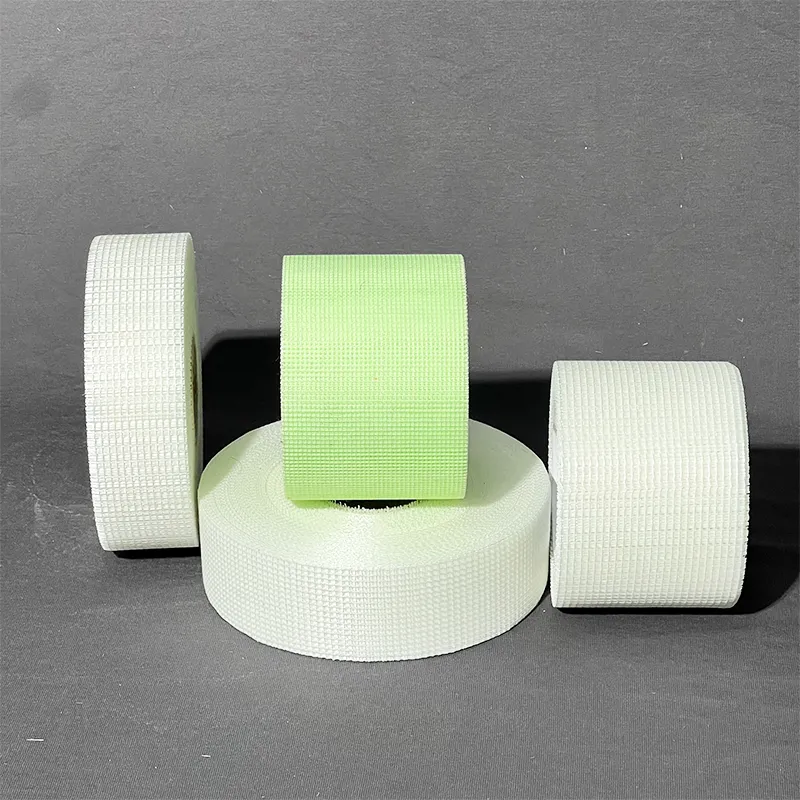
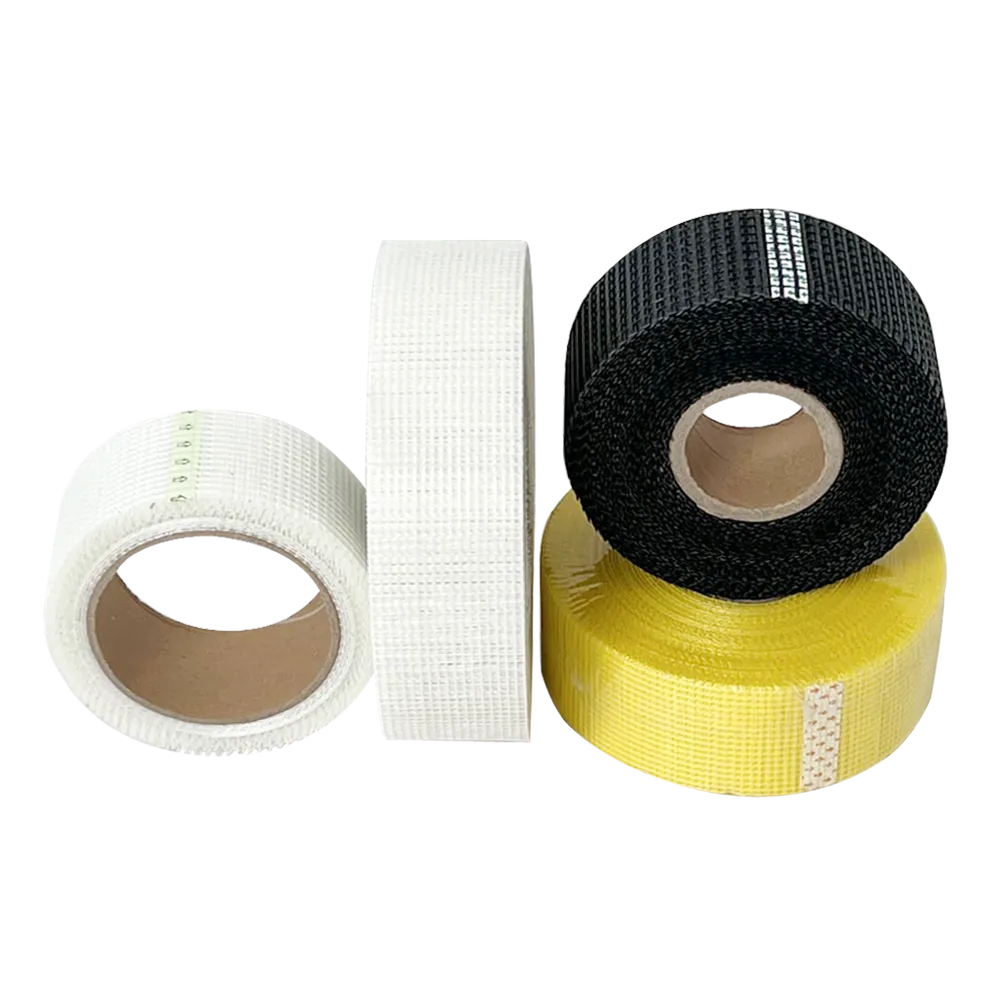
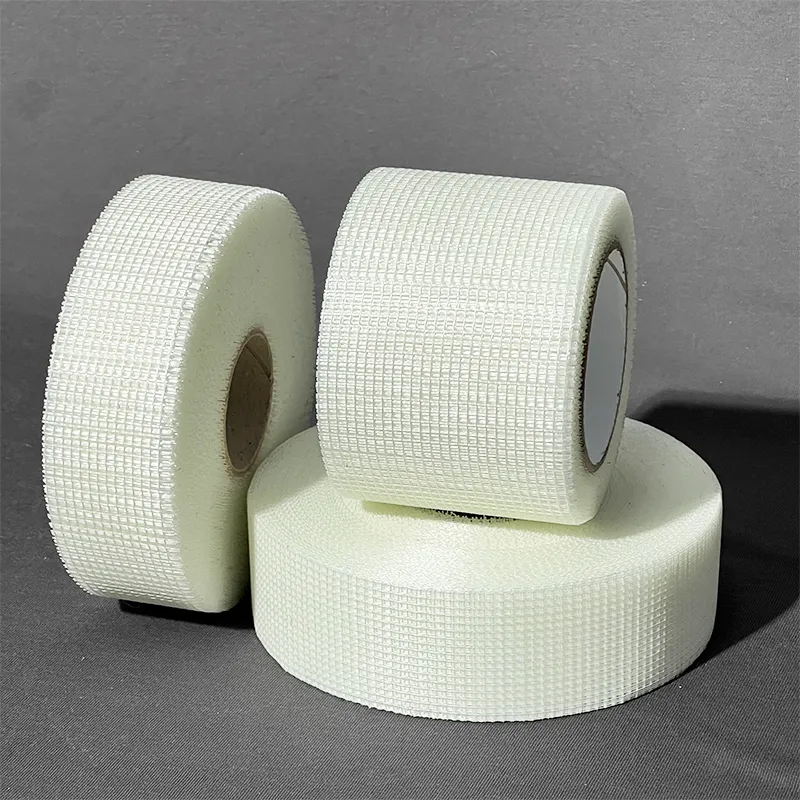
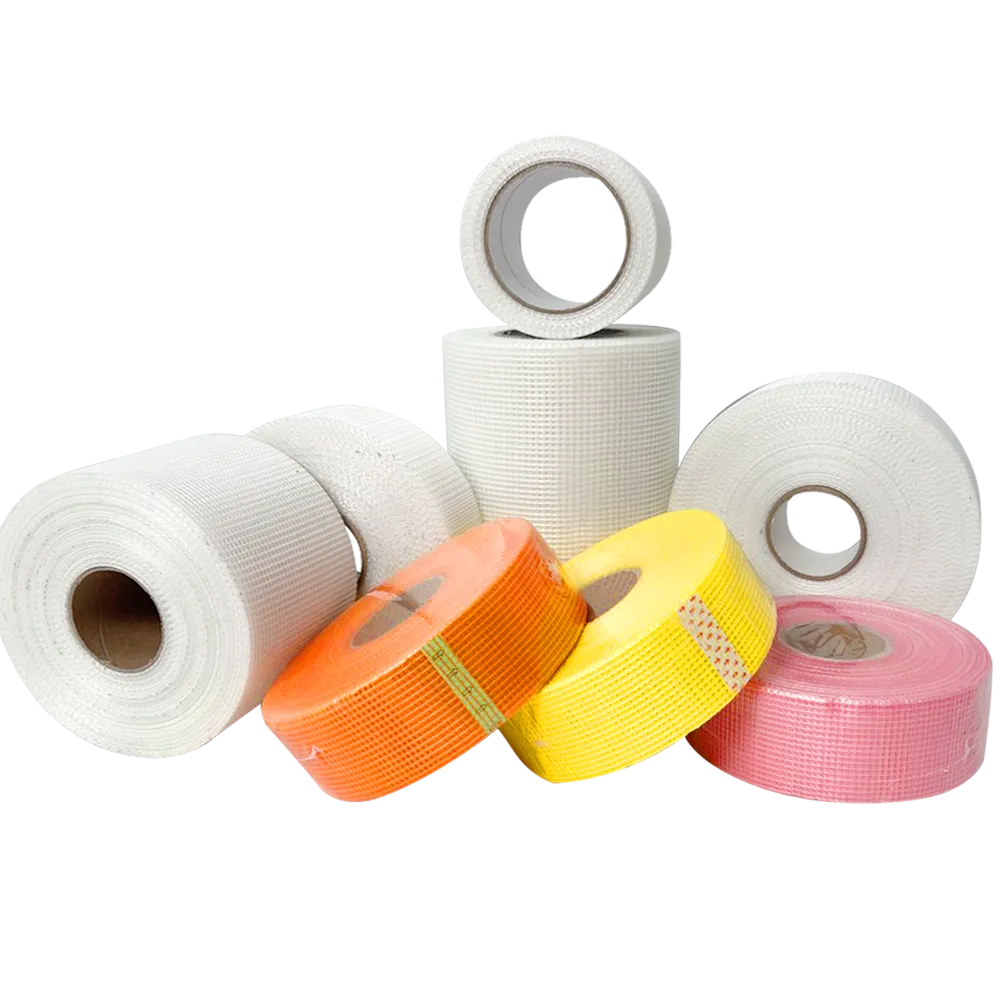
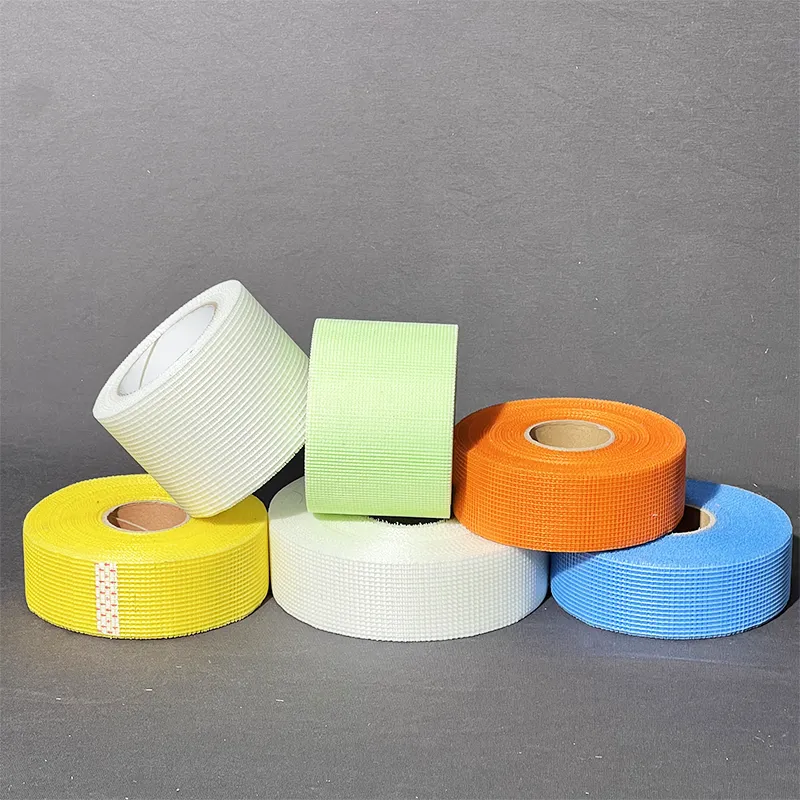
When you hear “Factory Fiberglass Mesh Roll Pricelist,” you’re tapping into an essential resource for navigating today's fiberglass mesh market. This product is basically a woven material made from fine glass fibers, rolled up for easy transport and application. Fiberglass mesh is a cornerstone for reinforcing various surfaces — think drywall, concrete repair, external insulation systems, and even decorative plaster.
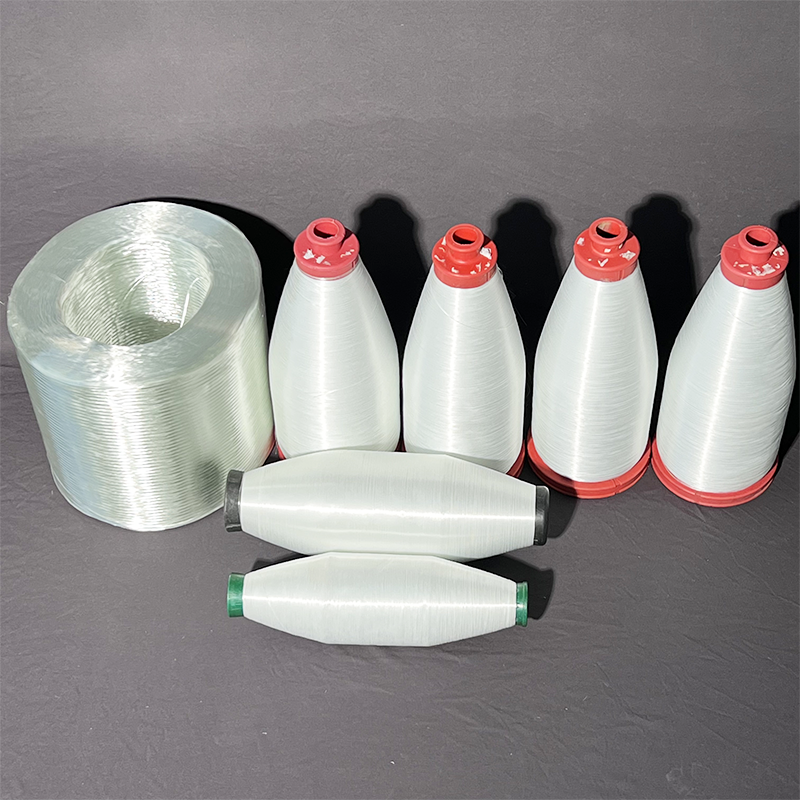
From a technical perspective, fiberglass mesh rolls vary in thickness, mesh size (opening dimensions), and weight, which directly affects durability and tensile strength. For example, a 160g/m² mesh with a 5x5 mm opening might serve drywall reinforcement well, whereas heavier meshes suit road repair projects. It’s fascinating how manufacturers like those behind this pricelist cater to a range of specs—fiberglass yarns can be coated with alkali-resistant agents to ensure longevity, which is crucial since these meshes face harsh chemical environments.
| Specification | Details |
|---|---|
| Mesh Size | 4x4 mm to 10x10 mm |
| Weight | 110g/m² to 210g/m² |
| Width | 1m to 2m |
| Length per Roll | 50m to 100m |
| Material | Alkali-resistant fiberglass yarn |
Benefits & Use Cases of Factory Fiberglass Mesh Roll Pricelist
Now, why do so many companies in sectors like construction and restoration lean on fiberglass mesh? Simply put, it reinforces materials without adding substantial weight. The mesh acts as a skeleton, preventing cracks and improving impact resistance. Oddly enough, its ability to extend the life of plaster or concrete renders it cost-effective in the long run.
Think about the external thermal insulation composite systems (ETICS) used on building facades. Fiberglass mesh embeds within the base coat, resisting cracks caused by expansion and contraction. In flooring and walls, it increases tensile strength, helping structures stay stable under stress.
That’s just the beginning. In waterproofing or tile installation, fiberglass mesh distributes forces and reduces delamination, ensuring a better bond. Plus, the alkali-resistant coating literally keeps the mesh from degrading quickly — a must-have feature that prevents failures over years.
Vendor Comparison Table
| Feature | Tainuo Fiberglass Mesh | Competitor A | Competitor B |
|---|---|---|---|
| Material Quality | High alkali resistance | Standard fiberglass | Moderate alkali resistance |
| Customization | Multiple mesh sizes/weights | Limited options | Few sizes |
| Price Competitiveness | Cost-effective bulk pricing | Higher prices | Similar but less flexible |
| Delivery Timeliness | Reliable with tracking | Variable | Occasional delays |
Cost, Maintenance & User Experience
In frank terms, the total cost of ownership with fiberglass mesh tends to be very reasonable. Yes, upfront investment varies depending on roll size and specifications, but you’re paying for durability. Because fiberglass mesh resists alkali and UV damage, it rarely needs replacement or repair, unlike some metal alternatives that corrode over time.
One long-time user, a construction firm in Shenzhen, told me they saw a 25% drop in crack repairs after switching to Tainuo’s rolls. Over a couple of years, it’s clear that saving on maintenance and downtime more than offsets initial costs.
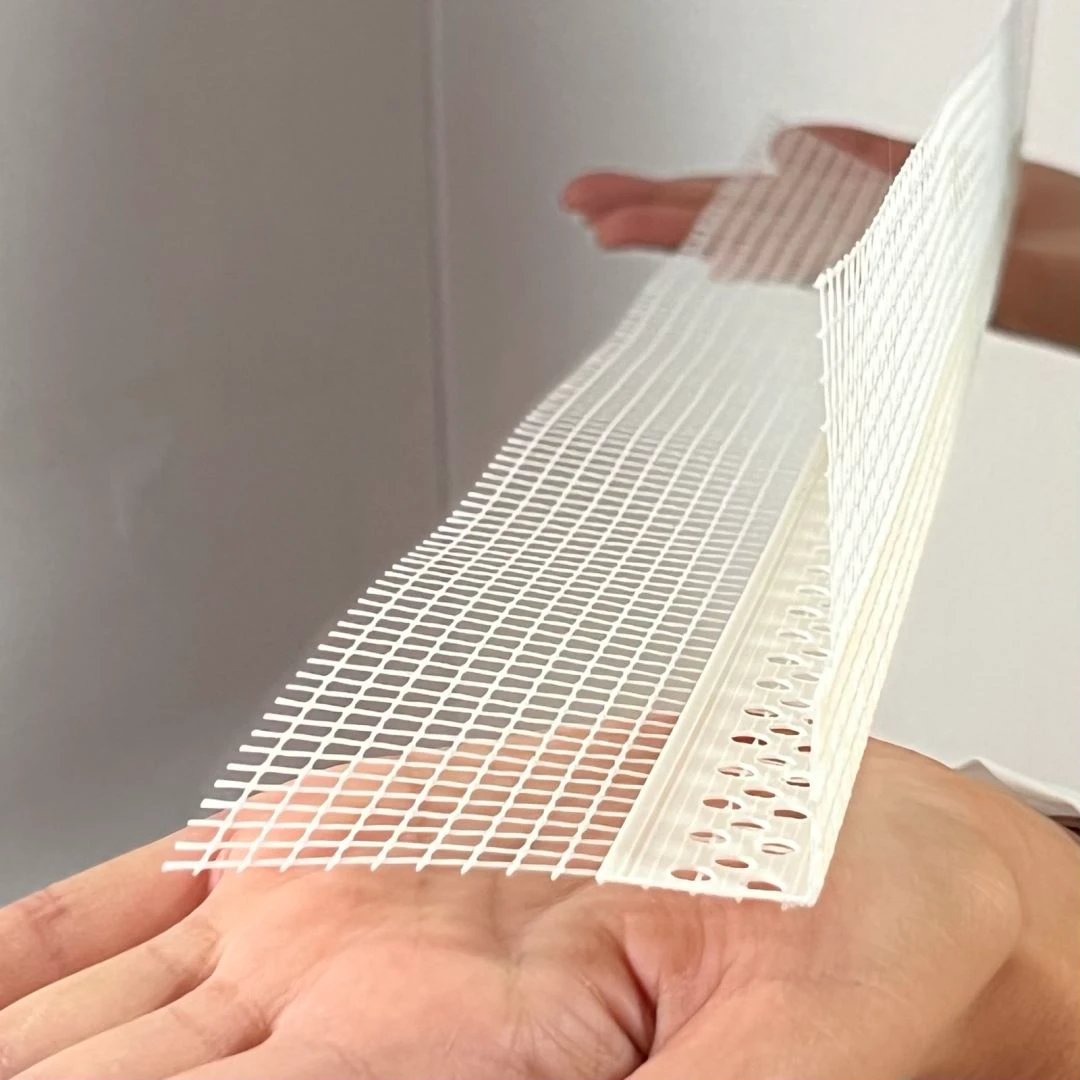
Another point worth mentioning is ease of installation. Fiberglass mesh rolls are lightweight and flexible. Workers find them easy to cut and apply—saving precious labor hours, especially on large-scale projects.
Sustainability & Market Trends
Nowadays, sustainability is on just about every B2B decision maker’s radar. Fiberglass mesh ranks well in this context: the raw material—silica sand—is abundant, and production techniques have steadily improved in energy efficiency. Plus, growing regulatory pressures push for eco-friendly construction materials that last longer and reduce waste.
Markets in Asia, Europe, and North America show increasing demand for high-performance fiberglass mesh, especially as green building certifications become mandatory in many regions. Also, innovations like recycled or hybrid fibers hint at exciting future trends, though mass adoption remains in early stages.
Oddly enough, while many materials fall out of favor due to environmental costs, fiberglass mesh continues to hold strong precisely because it extends the lifespan of other construction components—meaning less frequent refurbishments and less landfill waste.
Frequently Asked Questions about Factory Fiberglass Mesh Roll Pricelist
- What is Factory Fiberglass Mesh Roll Pricelist and how does it work?
- This pricelist details the range, quality, and cost structure of fiberglass mesh rolls manufactured in factory settings. The rolls contain woven glass fibers that provide reinforcement when embedded into construction materials, improving strength and durability.
- What are the main benefits of using Factory Fiberglass Mesh Roll Pricelist in industrial applications?
- Key benefits include crack resistance, lightweight reinforcement, alkali and UV resistance, and cost-effectiveness over long periods. These factors boost product lifespan and performance in demanding environments.
- How does Factory Fiberglass Mesh Roll Pricelist compare to traditional alternatives?
- Compared to materials like metal lath or plastic mesh, fiberglass mesh offers superior corrosion resistance, flexibility, and easier installation. Its alkali resistance provides better longevity in concrete-heavy environments.
- What industries can benefit most from Factory Fiberglass Mesh Roll Pricelist implementation?
- Construction, waterproofing, tiling, and concrete restoration industries find the most value. The mesh suits external insulation systems, floor leveling compounds, and other areas where reinforcement and crack prevention are critical.
Conclusion on Factory Fiberglass Mesh Roll Pricelist from China
In wrapping this up, the Factory Fiberglass Mesh Roll Pricelist clearly represents more than just a price list; it’s a gateway into understanding quality options that impact real-world projects. Its role in strengthening structures while offering cost-efficiency is undeniable—and frankly, a no-brainer for forward-thinking companies.
- Recap the value of Factory Fiberglass Mesh Roll Pricelist.
- - Visit our website: https://www.tainuofiberglassmesh.com
It’s always interesting to see how something seemingly simple like fiberglass mesh can quietly hold so much influence in the B2B construction world, isn’t it?
- Technical datasheets and standards for fiberglass mesh (ASTM standards)
- Industry reports on ETICS and reinforcement materials, 2023
- Customer testimonials and case studies from Tainuo Fiberglass Mesh’s website
-
Best Fiberglass Mesh Tape for RedGard Product Waterproofing GuideNewsApr.16,2026
-
Why High Strength Fiberglass Mesh Is Essential For Stucco ApplicationNewsApr.15,2026
-
Why Alkali Resistant Fiberglass Mesh Tape Is Essential For Cement Board And Tile InstallationsNewsApr.15,2026
-
Understanding The Role Of Drywall Fiberglass Mesh In Interior FinishingNewsApr.15,2026
-
Ultimate Guide To Using Fiberglass Mesh Tape For Drywall And Plaster RepairsNewsApr.15,2026
-
The Versatility Of Fiberglass Mesh In Marble And Stone MosaicNewsApr.15,2026