Nov . 14, 2025 04:00 Back to list
Top Self Adhesive Fibreglass Mesh Manufacturer Insights & Industry Overview
Understanding the Role of a Self Adhesive Fibreglass Mesh Manufacturer
At first glance, self adhesive fibreglass mesh might seem like a niche industrial product — specialized, technical, and tucked away from everyday attention. But the reality is quite different. This material has quietly become a backbone of modern construction, repair, and protective solutions worldwide. Understanding the significance of a self adhesive fibreglass mesh manufacturer isn’t just for engineers or product specifiers; it’s becoming vital for anyone working on sustainable building practices, infrastructure resilience, or supply chain robustness.
Globally, markets for reinforcing materials are growing steadily—with a compound annual growth rate hovering around 6-7%—driven by urban development and a rising appreciation for durability and ease of installation. That’s why knowing who manufactures these specialized meshes, what defines quality, and how these products contribute to safer, longer-lasting structures matters on a surprisingly broad scale.
Mini takeaway: Self adhesive fibreglass mesh manufacturers hold a quiet but essential position in global industry, enabling tougher, smarter constructions that help fight decay, weather, and wear.
Global Context: Why the Self Adhesive Fibreglass Mesh Manufacturer Matters
The importance of self adhesive fibreglass mesh stretches beyond factories and warehouses. According to ISO standards and reports from the International Organization for Standardization, high-quality reinforcement materials are critical in regions prone to natural disasters or rapid urbanization. The UN estimates that nearly 70% of future population growth will be concentrated in cities, many in disaster-prone zones—places where resilient building materials can literally save lives.
But here’s the snag: ensuring these meshes are both high quality and easy to apply remains a tricky balance. Self adhesive fibreglass mesh manufacturers are battling an industry-wide challenge — producing products that combine flexibility, durability, and cost-effectiveness while remaining super straightforward to install. It sounds simple, but as every contractor or engineer will tell you, there’s nothing simple about balancing these priorities.
Mini takeaway: With global urban growth and disaster risks rising, self adhesive fibreglass mesh manufacturers play a critical role in delivering materials that meet stringent performance and application demands.
What Exactly Is a Self Adhesive Fibreglass Mesh Manufacturer?
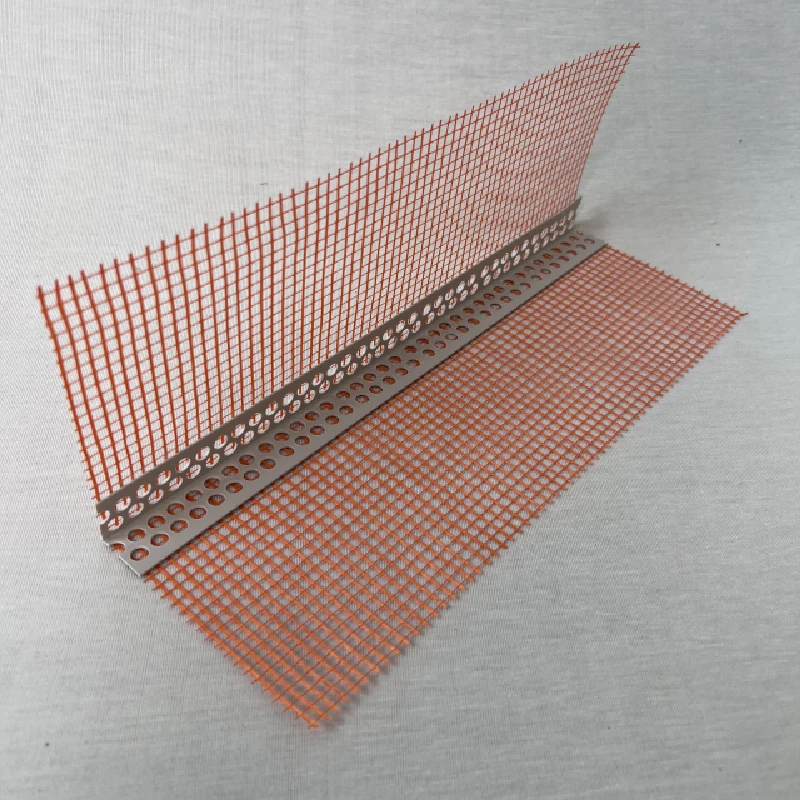
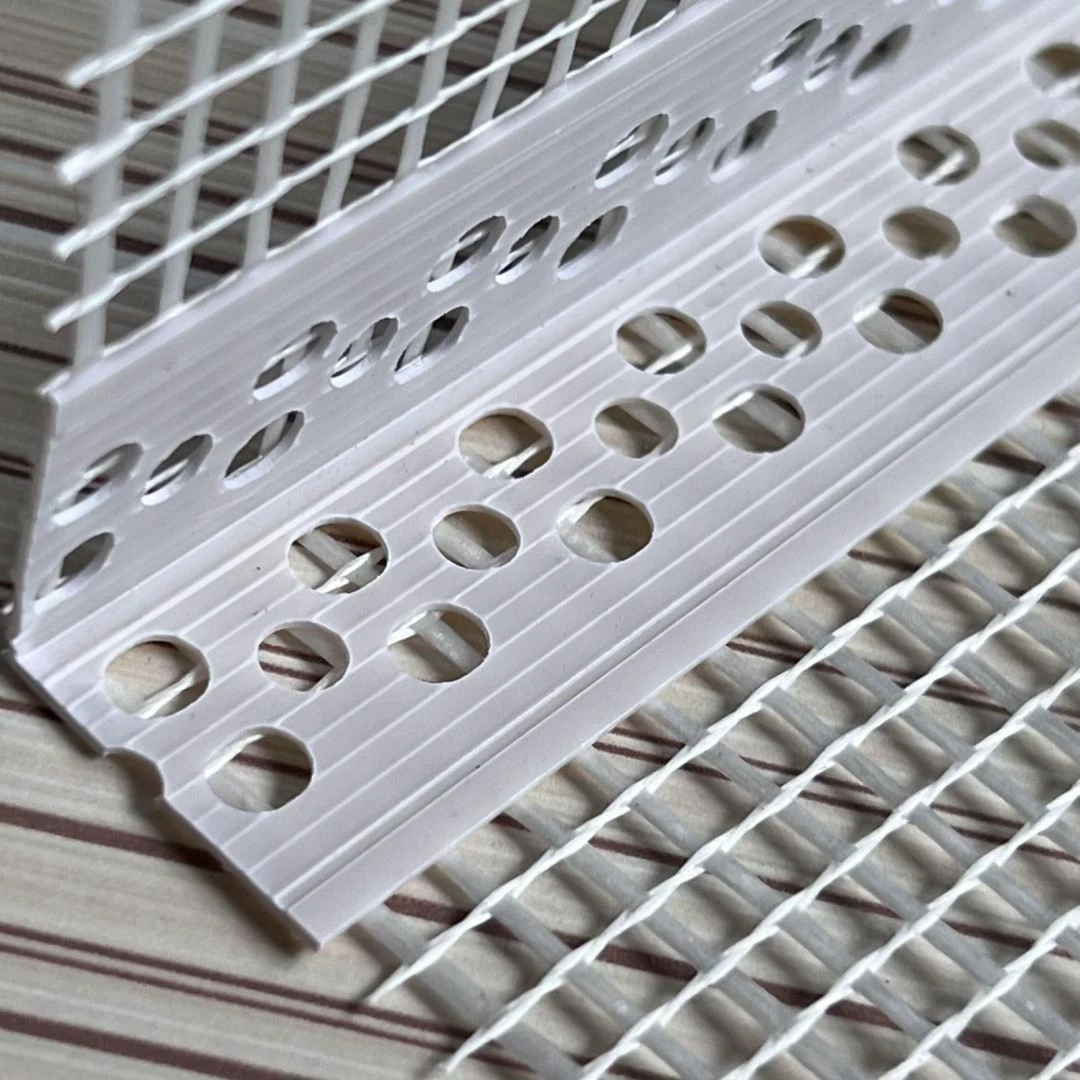
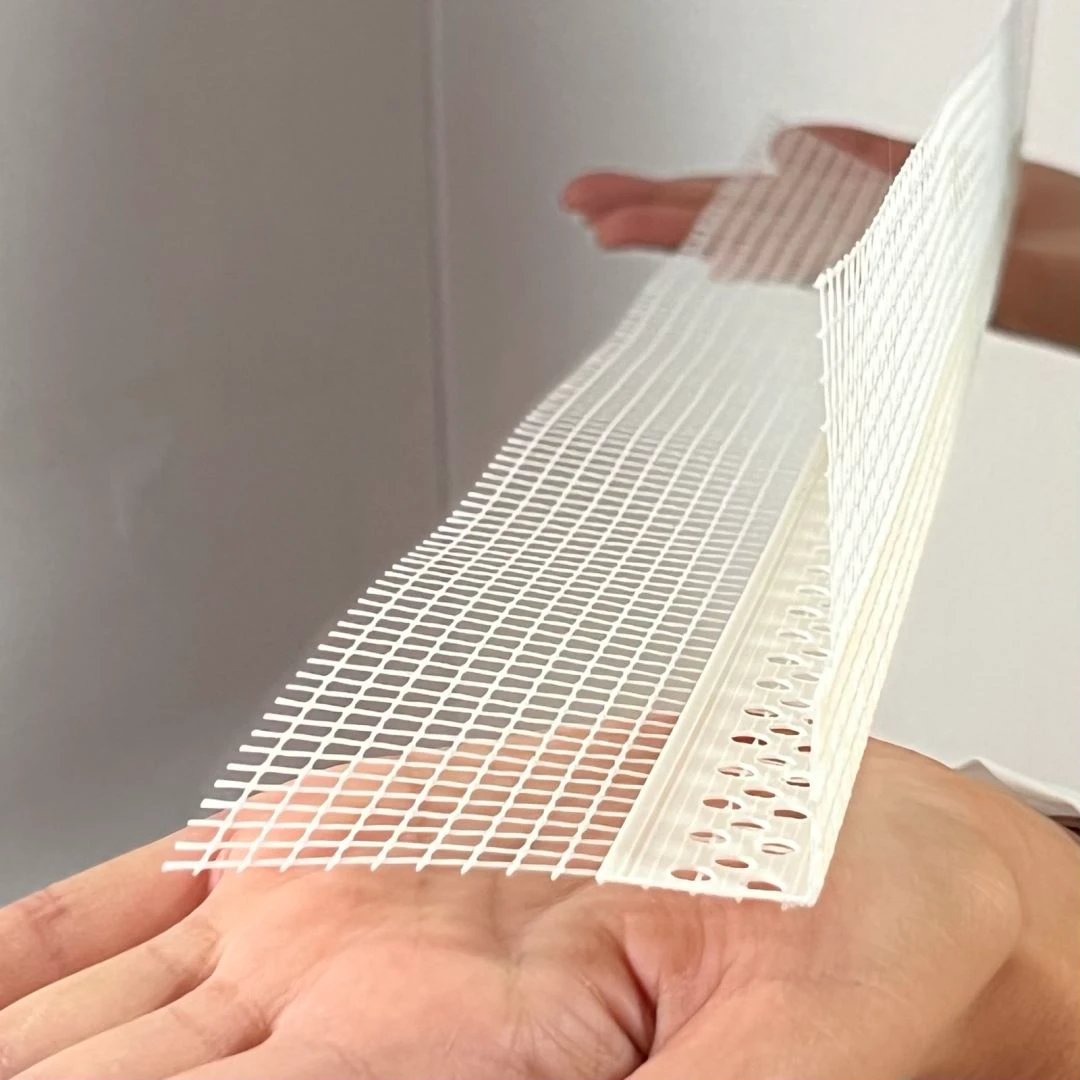
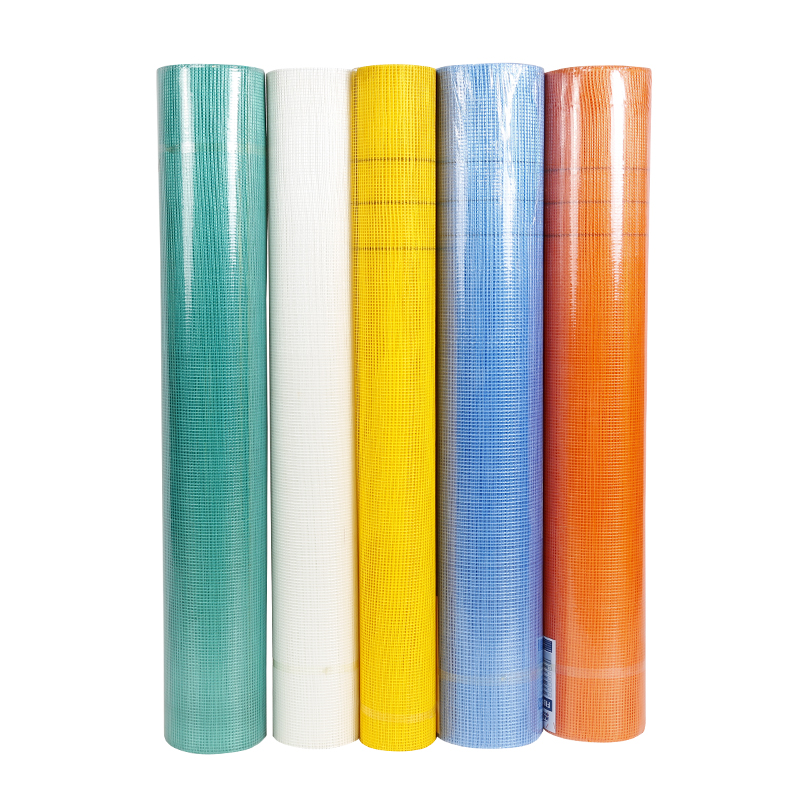
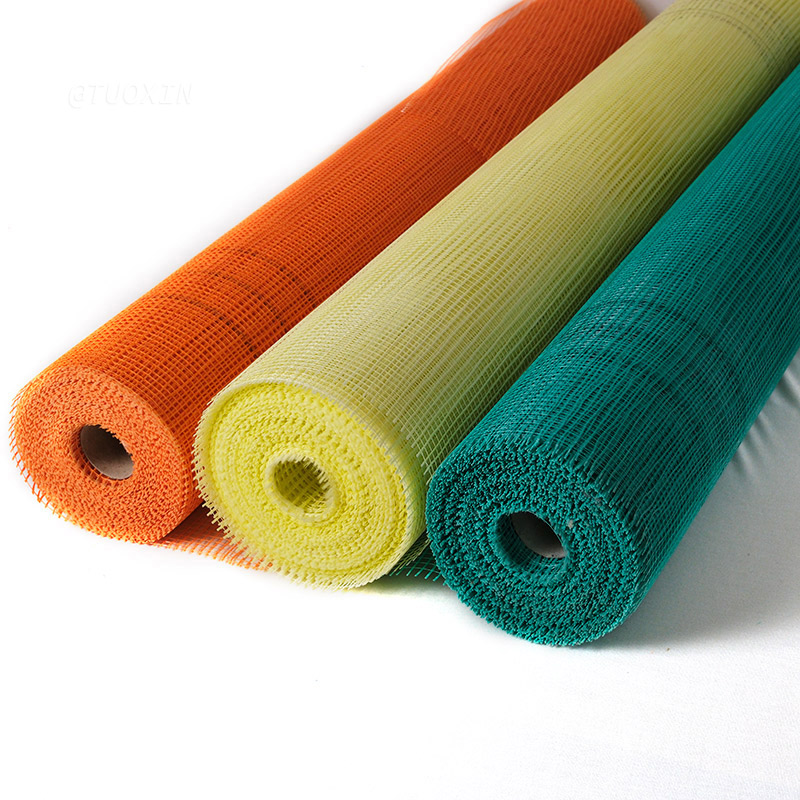
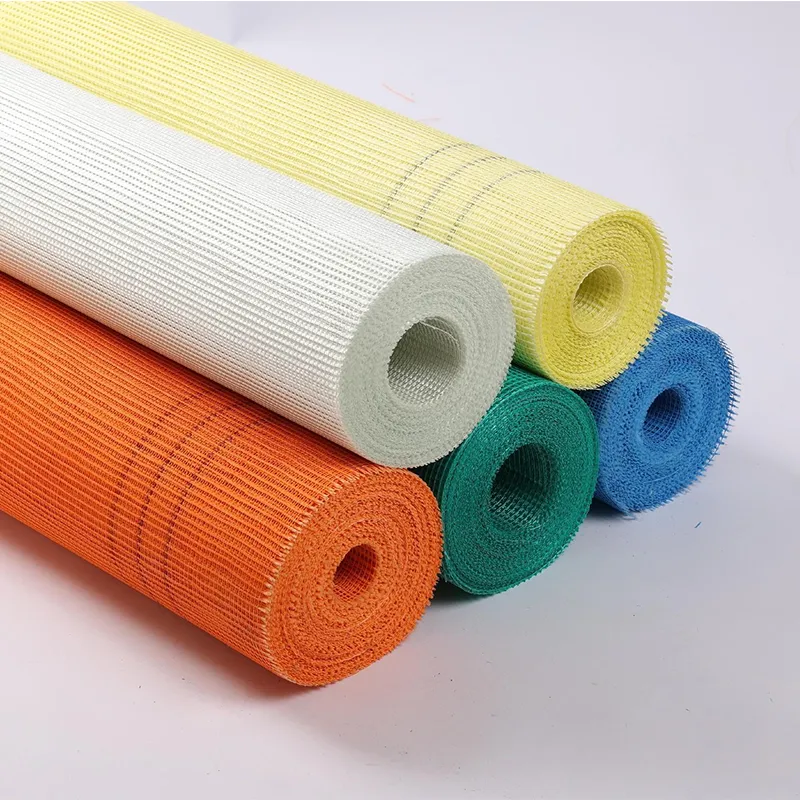
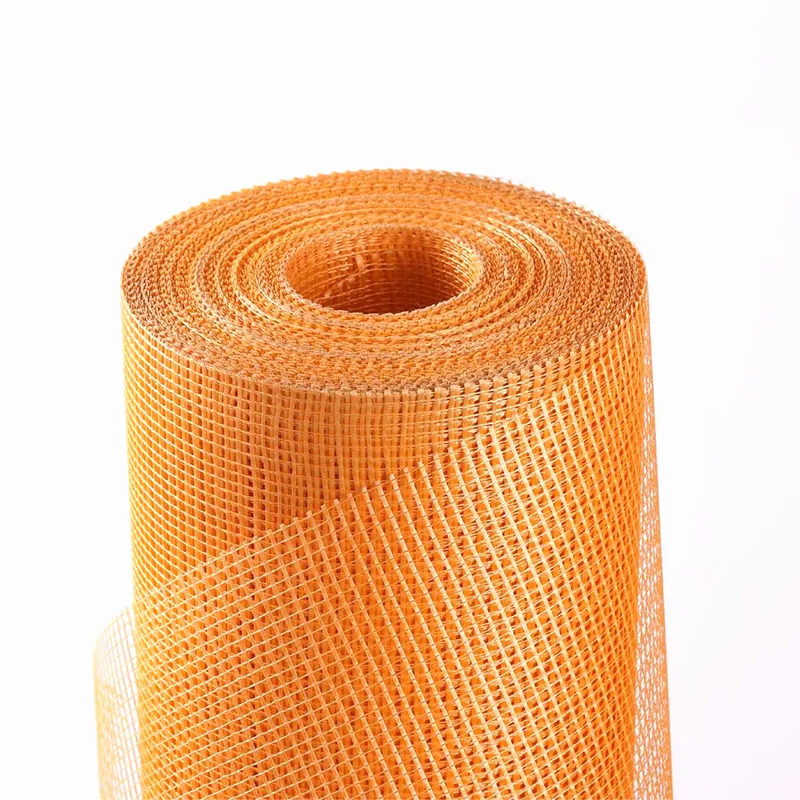
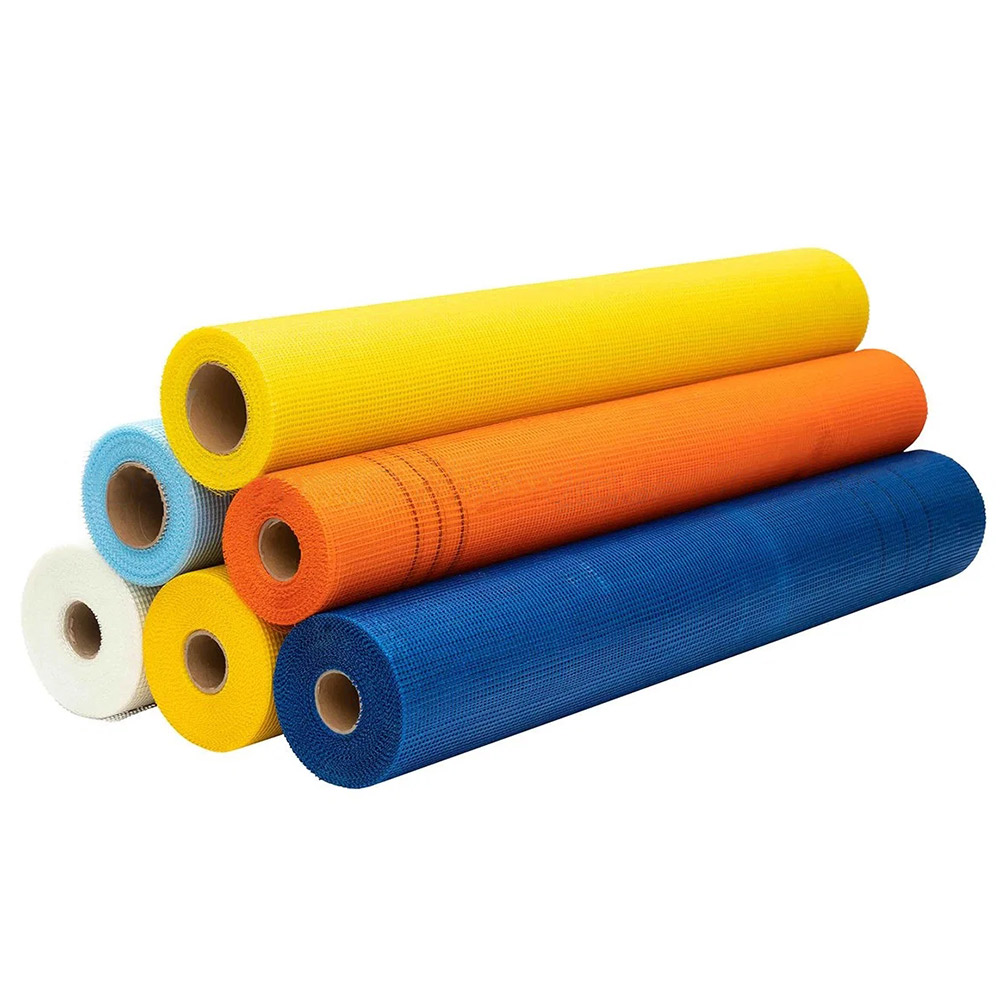
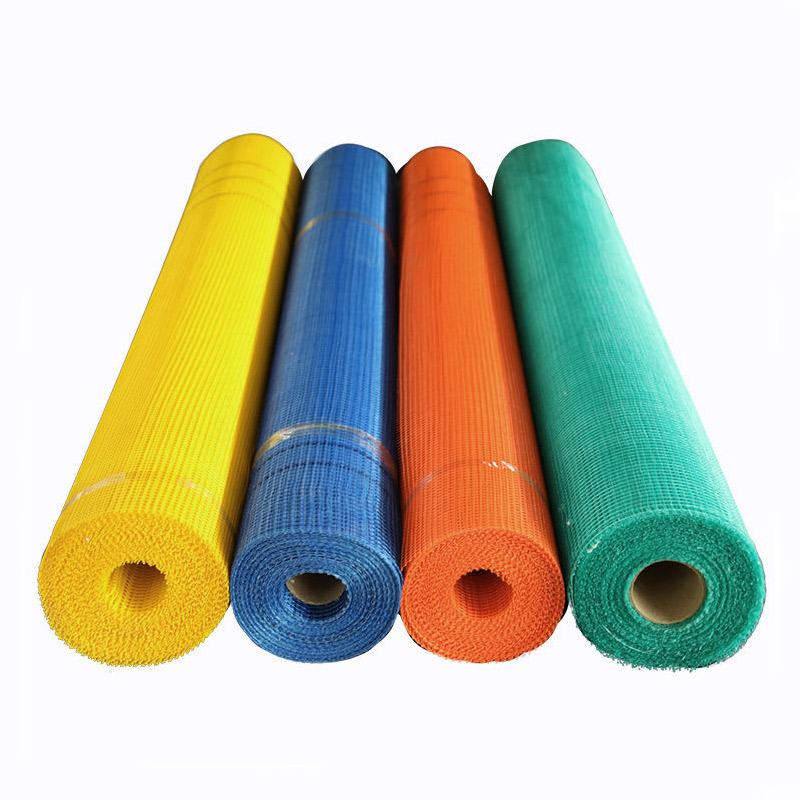
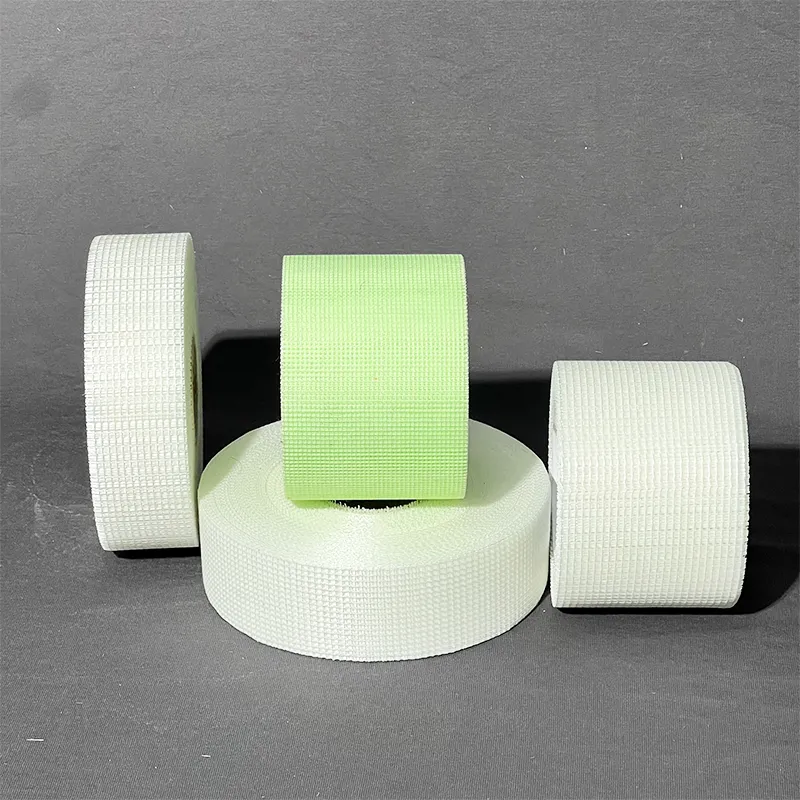
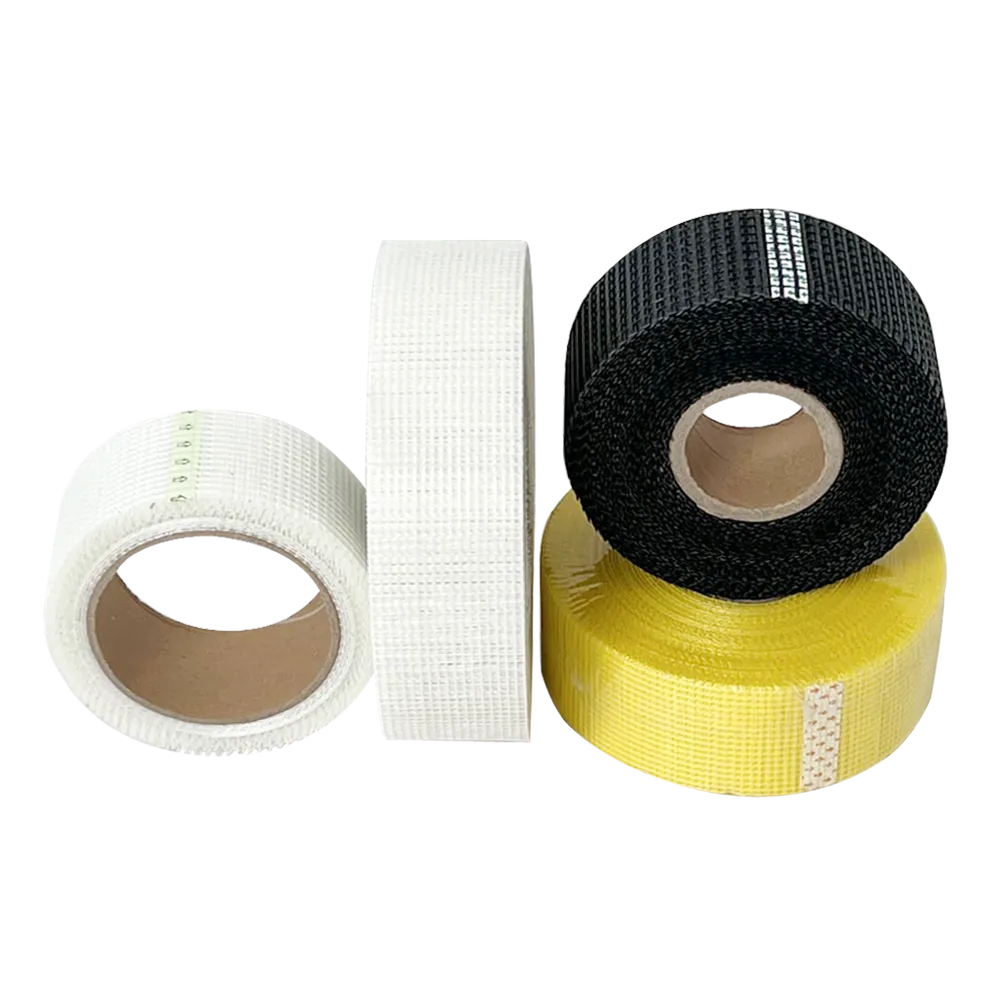
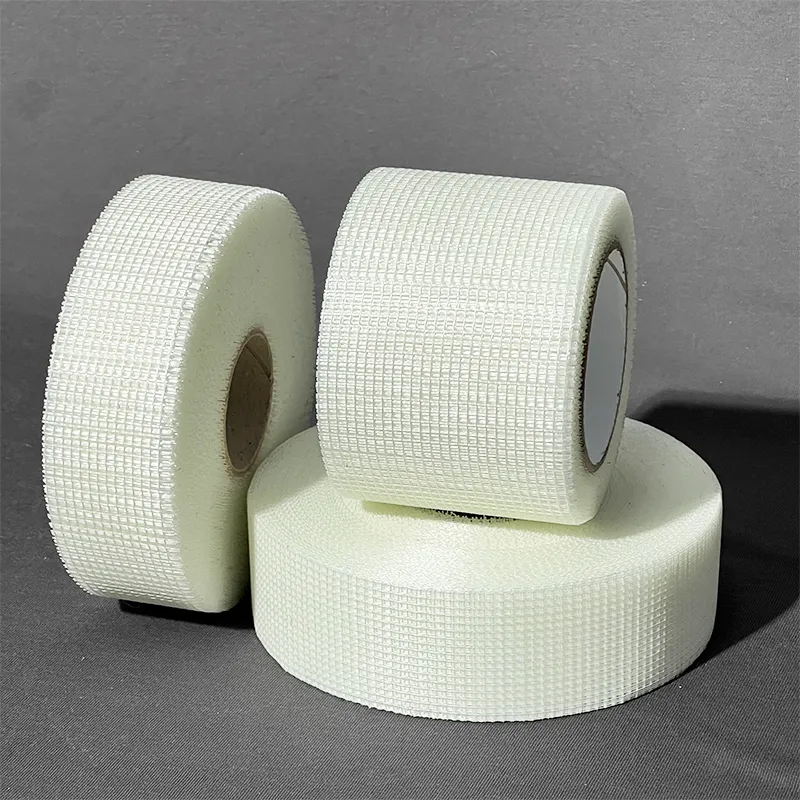
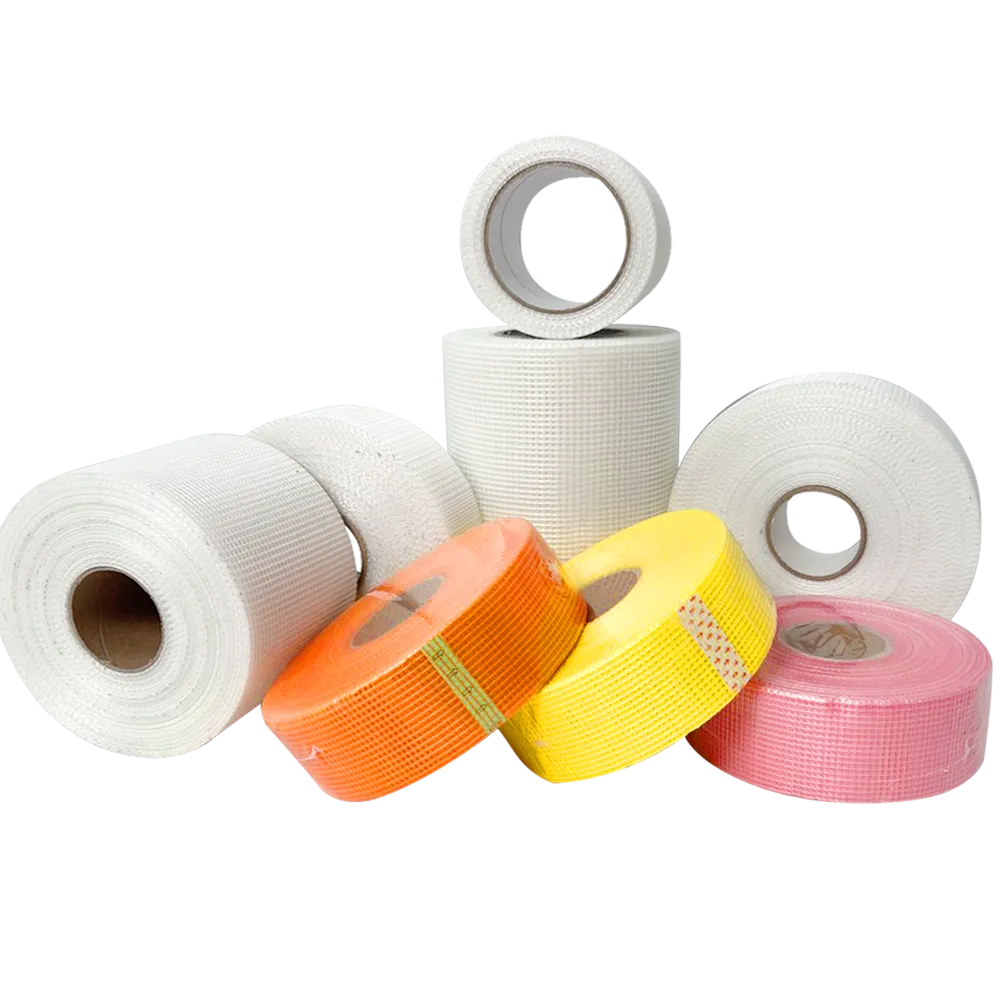
In plain terms, a self adhesive fibreglass mesh manufacturer produces fiberglass mesh fabrics coated with an adhesive backing, allowing for easy, “stick-on” application without extra glue or fasteners. The fiberglass mesh itself consists of ultra-fine glass fibers woven into a strong mat that provides reinforcement and crack resistance when embedded in surfaces like plaster, cement, or drywall.
Think of it as a second skin for walls and ceilings — strengthening weak points and preventing cracking caused by stress, weather, or vibrations. The adhesive backing means installation is typically faster and cleaner, ideal for commercial projects or rapid repairs in the field.
self adhesive fibreglass mesh manufacturer companies therefore combine advanced fibreglass weaving techniques with chemical treatments that ensure the adhesive layer bonds strongly yet cleanly.
Mini takeaway: At heart, these manufacturers provide a smart, integrated reinforcement solution marrying fibreglass strength with a ready-to-stick backing — all streamlined for real-world uses.
Core Components That Define Quality in Self Adhesive Fibreglass Mesh
Durability and Tensile Strength
The backbone of any fiberglass mesh is its tensile strength. Manufacturers focus on weaving patterns and fiber quality that resist stretching or breaking over years of environmental stress. Durability is non-negotiable, especially in demanding industrial or outdoor environments.
Adhesion Quality and Ease of Installation
The “self adhesive” aspect is what sets this mesh apart. The glue must strike a delicate balance: strong enough to hold under fluctuating temperatures and moisture but not so aggressive that it leaves residue or fails to reposition during fitting.
Chemical Resistance
Often exposed to alkaline cement or corrosive elements, the mesh must maintain integrity against chemicals. Manufacturers pack this into the choice of fiberglass resin and adhesive formula, keeping degradation minimal.
Customization and Scalability
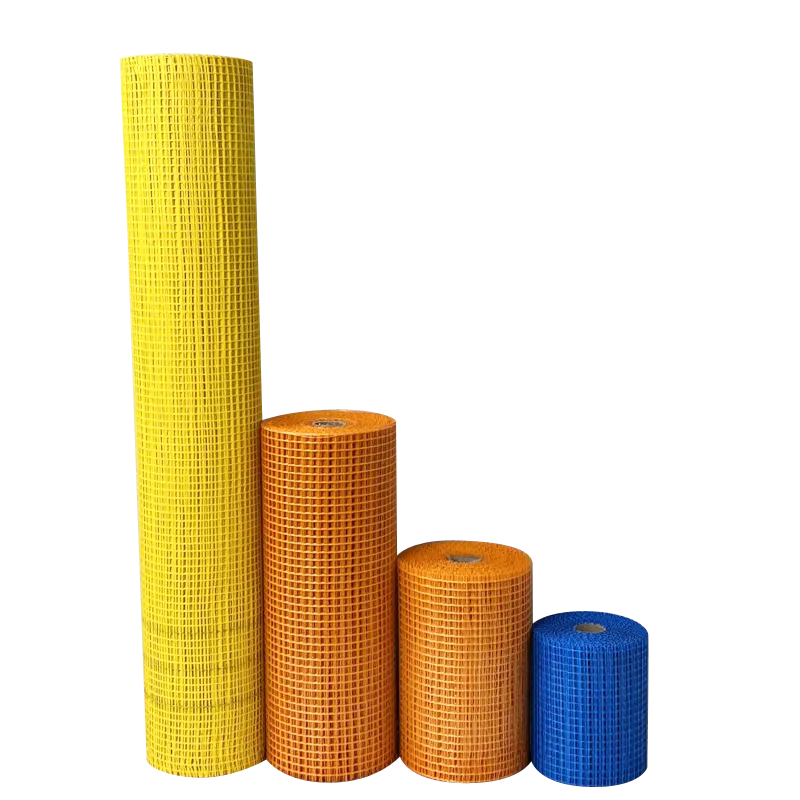
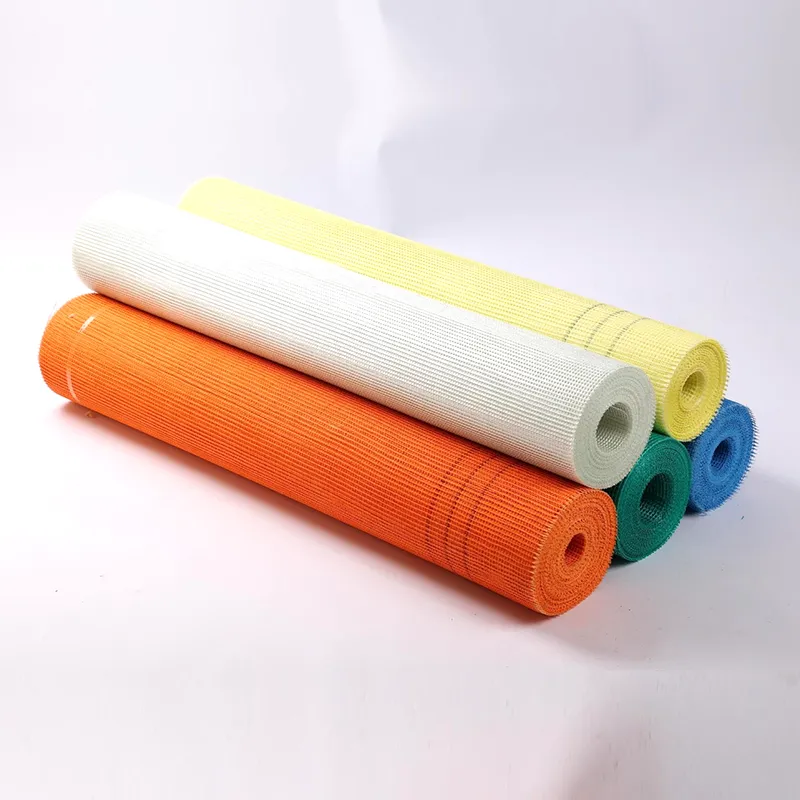
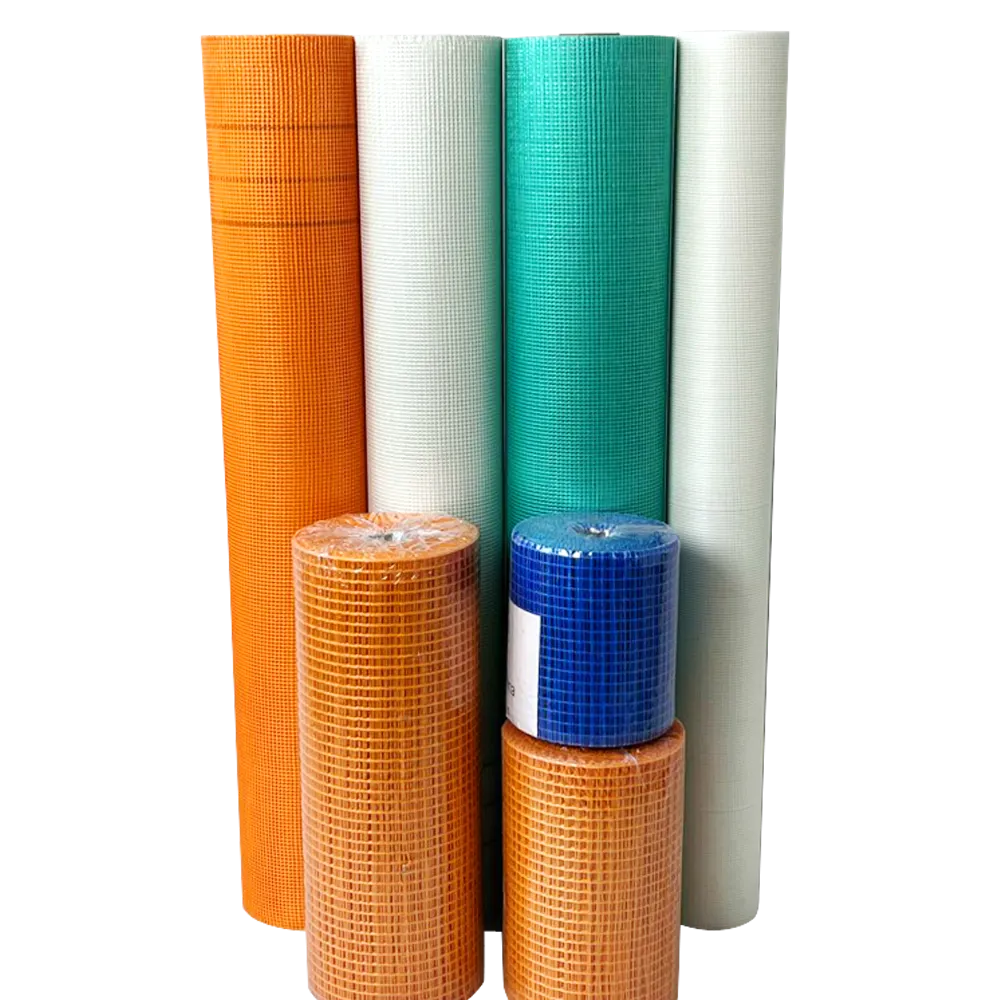
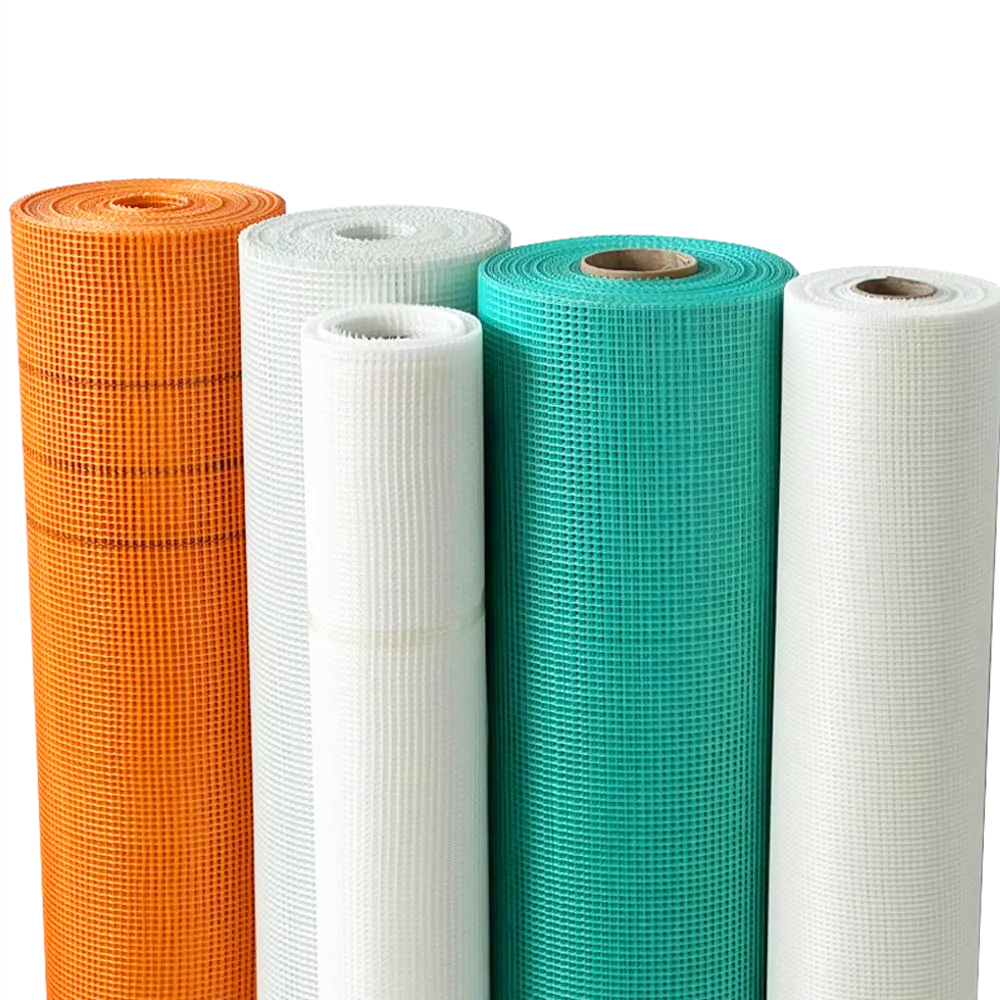
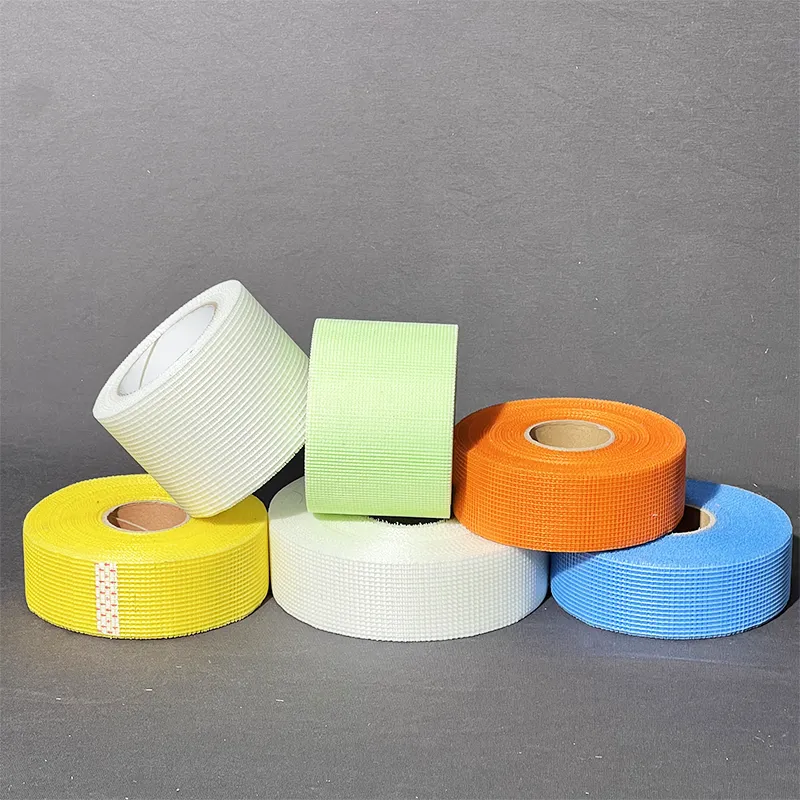
Leading producers offer variable mesh sizes, adhesive thicknesses, and roll lengths. This flexibility helps meet the specifics of different industries — from residential drywall to heavy infrastructure works.
Environmental and Safety Standards Compliance
Compliance with international safety and environmental standards (RoHS, REACH) is critical — especially for manufacturers exporting globally.
| Specification | Typical Range / Value | Notes |
|---|---|---|
| Mesh Size | 4x4 mm to 10x10 mm | Depends on application |
| Roll Length | 50m - 100m | Custom lengths available |
| Adhesive Type | Pressure-sensitive, solvent-free | Environmentally friendly |
| Tensile Strength | >45 N/mm | High resistance required |
| Temperature Resistance | -40°C to +130°C | For varied climates |
Mini takeaway: Key quality factors focus on strength, adhesion, chemical resistance, and customizable specs—even little details influence on-site success.
Where Does This Mesh Really Shine? Global Applications & Use Cases
- Construction and Renovation: Reinforcing exterior insulating finishing systems (EIFS), preventing cracks in plaster and facades worldwide.
- Industrial Repair: Quick patch repairs in factories and plants, especially where chemical exposure is frequent (e.g., chemical plants in Europe and Asia).
- Transportation Infrastructure: Use in tunnels, bridges, and tunnels where crack resistance extends lifespans dramatically, especially in Europe and North America.
- Disaster Relief Operations: Rapid repair of damaged shelters or walls post-earthquake zones, often shipped by international humanitarian agencies.
In real terms: I once chatted with a project manager overseeing shelter rebuilding in Southeast Asia after typhoons. He swore by the simplified installation of self adhesive fibreglass mesh manufactured by self adhesive fibreglass mesh manufacturer suppliers—“saved us days and headaches.”
Mini takeaway: The mesh’s ease of use and resilience make it pivotal in sectors from everyday construction to emergency humanitarian aid.
Advantages & The Long-Term Value of Working with Top Manufacturers
There’s tangible stuff—cost savings from faster installation and less labor, longer-lasting walls, fewer repairs. But there’s also a bigger emotional and social piece: people want safe, dignified spaces that hold up through life’s unpredictability.
Manufacturers pushing innovation deliver products that reduce carbon footprints by extending material lifetimes and minimizing waste. These factors ripple outward—lower need for replacement materials means less environmental disruption and greater sustainability.
Reliability breeds trust, especially for big projects on tight deadlines. The certainty that a self adhesive fibreglass mesh manufacturer can supply consistent, high-quality rolls sets them apart—and frankly, feels like an unsung kind of professionalism.
Mini takeaway: Beyond specs, these products represent peace of mind: durability, sustainability, and safer structures people count on.
Looking Ahead: Future Trends & Innovations in Fibreglass Mesh Manufacturing
Industry whispers hint at exciting strides ahead: bio-based adhesives, digital print-customized mesh patterns, even embedded sensors for real-time structural monitoring. Automation in manufacturing plants is boosting precision, cutting defects.
Green policies drive manufacturers to rethink chemical components and energy use during production. Some companies are experimenting with recycled glass fibers or hybrid meshes combining fiberglass with other advanced materials.
One promising frontier is integrating mesh products into modular construction systems—think prefab walls that arrive partially assembled, the mesh pre-applied, ready to go.
Mini takeaway: The future meshes technology, sustainability, and smart-building trends, making this an evolving space worth watching closely.
Challenges & Expert Solutions in the Self Adhesive Fibreglass Mesh Industry
No miracle product exists, obviously. Some challenges persist: adhesive effectiveness can falter under extreme humidity or prolonged UV exposure, limiting outdoor lifespan in certain climates. Manufacturing costs can be driven up by high-quality raw materials.
Manufacturers are tackling these issues by investing in R&D—improving adhesive chemistries, adding UV stabilizers, and using multilayer coatings. Collaboration with end users generates feedback loops for iterative improvements (kind of like software updates but for mesh rolls).
Also, supply chain constraints sometimes slow delivery, especially for international projects. Diversifying production sites and boosting local partnerships help ease these hiccups.
Mini takeaway: While there are hurdles, ongoing innovation and communication ensure these products only get stronger and more accessible.
Frequently Asked Questions About self adhesive fibreglass mesh manufacturer
- Q: How durable is self adhesive fibreglass mesh compared to traditional mesh?
A: Typically, self adhesive meshes offer equal or better durability thanks to tightly woven fibers and protective coatings, plus the adhesive backing enhances installation integrity by reducing movement that can cause cracks or failures. - Q: Can self adhesive fibreglass mesh be used outdoors long-term?
A: Yes, but it depends on the adhesive formula. Most high-quality meshes can endure UV exposure and moisture for several years, although manufacturers often recommend additional protective coatings for extreme environments. - Q: What industries rely most heavily on these meshes?
A: Construction (residential and commercial), infrastructure repair, industrial maintenance, and humanitarian relief operations are key users due to the mesh’s reinforcement and quick-application benefits. - Q: How do I choose a reputable self adhesive fibreglass mesh manufacturer?
A: Look for certifications (ISO, RoHS), product testing data, customization capabilities, and strong after-sales support. Visiting sites like self adhesive fibreglass mesh manufacturer webpages can help compare suppliers. - Q: Are these meshes customizable for special projects?
A: Absolutely. Many manufacturers offer different mesh sizes, adhesive types, roll lengths, and even custom treatments to suit unique industry needs.
Choosing Your Self Adhesive Fibreglass Mesh Manufacturer: A Quick Comparison
| Manufacturer | Product Range | Customization Availability | Certifications | Lead Time |
|---|---|---|---|---|
| Tainuo Fiberglass | Wide (multiple adhesive types, mesh sizes) | Full customization | ISO 9001, RoHS, REACH | 2-4 weeks |
| MeshCo International | Moderate | Limited | ISO 14001, CE | 3-5 weeks |
| Global Fiberglass Ltd. | Extensive | High | ISO 9001, RoHS, UL | 4-6 weeks |
Wrapping Up: Why This Manufacturer Matters to Your Projects
Honestly, choosing the right self adhesive fibreglass mesh manufacturer is more than a supplier decision — it’s a foundation choice. The difference between a well-reinforced, resilient building and one that cracks or fails prematurely is often "just" in the quality of mesh behind the scenes. And as urbanization, climate challenges, and demand for faster, more sustainable construction all climb, this product’s role only gets weightier.
If you want to explore options, gather specs, or just learn more about what products are truly ready for the future, I highly recommend checking out self adhesive fibreglass mesh manufacturer. They’ve got a solid track record combining tech innovation with reliability — just the kind of partner you want for your next build or repair.
Stay curious, and keep looking for materials that do more than just stick — they hold fast, adapt, and protect.
References & Quick Reads
-
Best Fiberglass Mesh Tape for RedGard Product Waterproofing GuideNewsApr.16,2026
-
Why High Strength Fiberglass Mesh Is Essential For Stucco ApplicationNewsApr.15,2026
-
Why Alkali Resistant Fiberglass Mesh Tape Is Essential For Cement Board And Tile InstallationsNewsApr.15,2026
-
Understanding The Role Of Drywall Fiberglass Mesh In Interior FinishingNewsApr.15,2026
-
Ultimate Guide To Using Fiberglass Mesh Tape For Drywall And Plaster RepairsNewsApr.15,2026
-
The Versatility Of Fiberglass Mesh In Marble And Stone MosaicNewsApr.15,2026