Aug . 27, 2025 02:00 Back to list
Roving Glass Fiber Yarn: Corrosion Resistant & Free Samples
Understanding High-Performance Roving Glass Fiber Yarn in Modern Composites
The demand for advanced composite materials with superior properties has escalated dramatically across various industrial sectors. Engineers and specifiers are continuously seeking components that offer exceptional mechanical strength, lightweight characteristics, and, crucially, prolonged resistance to aggressive environmental conditions. Within this context, glass fiber rovings have emerged as a cornerstone material, particularly those engineered for high performance in corrosive environments.
Industry trends highlight a significant pivot towards materials that can drastically extend service life and reduce maintenance cycles in critical infrastructure and process equipment. This is especially true for sectors dealing with harsh chemicals, marine environments, or fluctuating temperatures. The global market for glass fiber composites is projected to grow at a Compound Annual Growth Rate (CAGR) of over 6% between 2023 and 2030, driven by innovations in material science and expanding applications in construction, automotive, and renewable energy. Specialized products like Roving Glass Fiber Yarn Free Samples Corrosion Resistant Winding Filament are at the forefront of this evolution, offering tailored solutions to meet these rigorous demands.
These advanced rovings are pivotal in composite manufacturing, providing the necessary reinforcement for structures subjected to chemical attack, moisture ingress, and mechanical stress. The emphasis is not merely on strength but on a holistic performance profile that includes chemical inertness, dimensional stability, and processability. This ensures that the final composite parts deliver unparalleled reliability and cost-effectiveness over their operational lifespan.
Manufacturing Excellence: The Process Flow of Advanced Roving Glass Fiber Yarn
The production of high-performance glass fiber rovings is a sophisticated process, meticulously engineered to ensure consistent quality and optimal performance, especially for products like Roving Glass Fiber Yarn Free Samples Corrosion Resistant Winding Filament. The manufacturing sequence involves several critical stages, each contributing to the material's final properties.
Key Process Steps:
- 1. Batch Preparation: High-purity raw materials, including silica sand, limestone, kaolin clay, and borax, are precisely weighed and mixed. These components are selected for their ability to form a stable glass composition with desired properties, such as high alkali resistance (ECR-glass formulations often incorporate more alumina and less boron).
- 2. Melting: The prepared batch is fed into a high-temperature furnace, typically heated to around 1400-1500°C, where it melts into a homogenous liquid glass. This stage is crucial for eliminating impurities and achieving a uniform melt.
- 3. Fiberization: The molten glass flows into a forehearth and then through a bushing – a platinum-rhodium alloy plate containing hundreds, sometimes thousands, of tiny orifices (spinnerets). As the glass exits these orifices, it is mechanically drawn downwards at extremely high speeds (up to 3000-4000 meters per minute) by a winding mechanism, forming continuous filaments of incredibly small diameter (typically 9-24 microns). This mechanical drawing is fundamental to orienting the molecular structure and imparting high tensile strength.
- 4. Sizing Application: Immediately after fiberization, while the filaments are still hot, they pass over a sizing applicator. The sizing agent is a complex chemical formulation applied as an aqueous emulsion, comprising coupling agents (e.g., silanes to promote adhesion with various resins like epoxy, vinyl ester, polyester), film formers (binders to protect filaments and prevent fraying), and lubricants (to reduce abrasion during processing). For corrosion resistance, the sizing is specifically formulated to be chemically stable and to enhance the bond with corrosion-resistant resin matrices.
- 5. Gathering: Hundreds of individual sized filaments are gathered together into a single strand without twisting. This bundle of continuous filaments forms the basic unit of the roving.
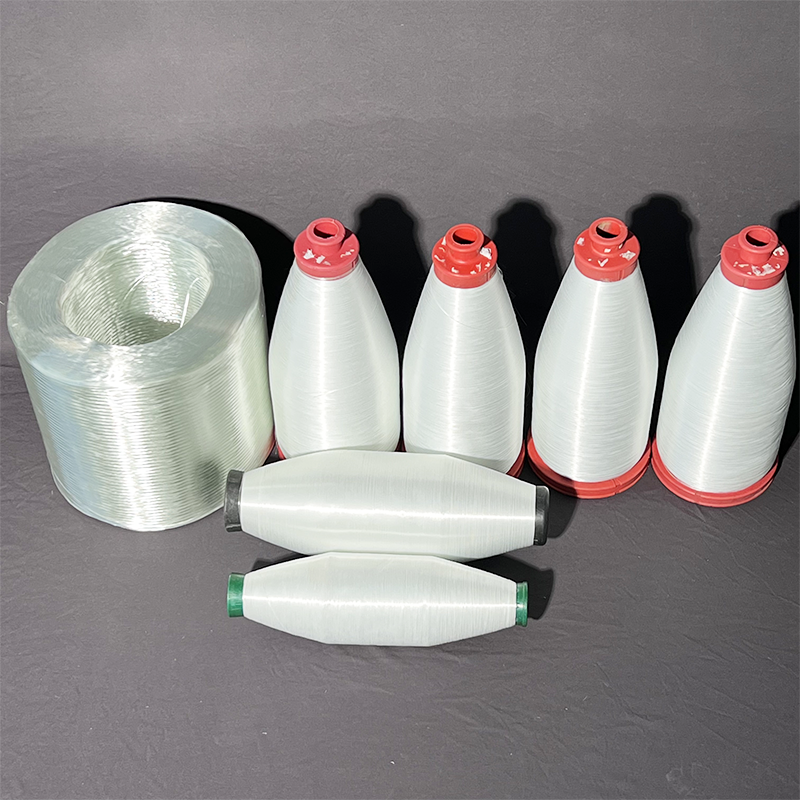
- 6. Winding: The gathered strands are then wound onto large cylindrical packages (bobbins) to form the finished roving. The winding pattern and tension are precisely controlled to ensure a stable package that unwinds smoothly during composite manufacturing processes like filament winding, pultrusion, or weaving.
- 7. Drying & Curing: The wound rovings are typically subjected to a drying and curing process in an oven to remove moisture and to partially cure the sizing, ensuring its optimal performance when integrated with resins.
- 8. Quality Control & Testing: Throughout the process, rigorous testing is conducted. This includes evaluating linear density (Tex), filament diameter, tensile strength (per ASTM D3039), sizing content (ignition loss per ASTM D2584), moisture content (per ASTM D570), and crucially, resistance to specific corrosive media. Compliance with international standards such as ISO 2078 (Glass fiber rovings – Designations) is strictly maintained.
These sophisticated manufacturing techniques ensure that the resultant roving possesses inherent advantages in various demanding scenarios, including significant energy savings through lighter, more durable structures, and unparalleled corrosion resistance critical for long-term operational integrity. Target industries such as petrochemical, water supply & drainage, and metallurgy rely on this advanced material for its extended service life and reduced maintenance requirements.
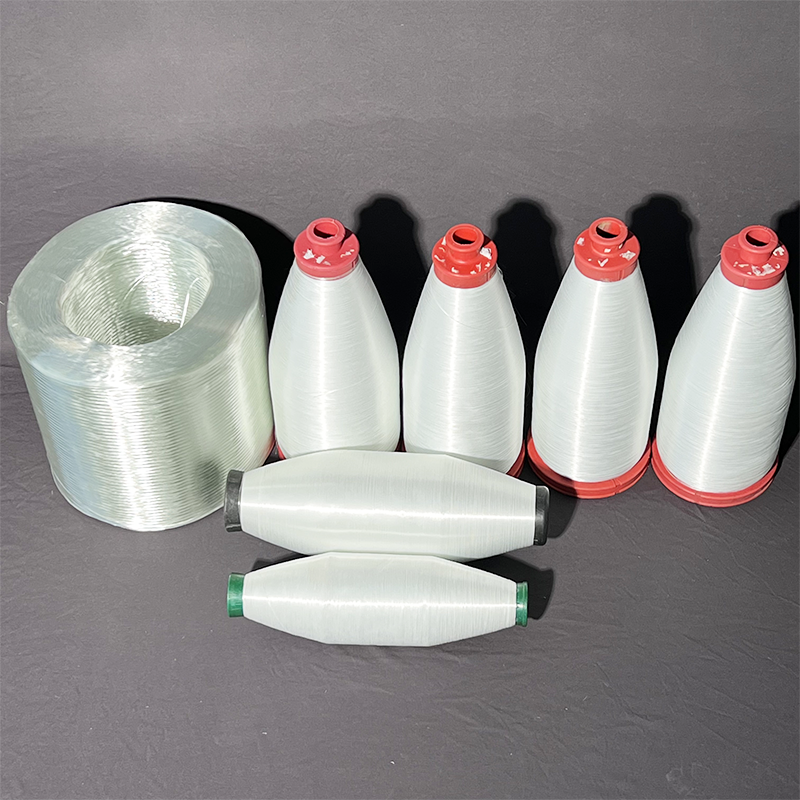
Schematic of Glass Fiber Roving Manufacturing Process.
Technical Specifications and Parameters: Core to Performance
The performance of Roving Glass Fiber Yarn Free Samples Corrosion Resistant Winding Filament is underpinned by a precise set of technical specifications. These parameters are critical for engineers to assess material suitability for specific applications and to ensure compatibility with various resin systems and manufacturing processes. Our product is designed to exceed industry benchmarks for corrosion resistance and mechanical integrity.
Product Specification Table:
| Parameter | Typical Value | Unit | Standard/Test Method |
|---|---|---|---|
| Glass Type | ECR Glass (E-glass Corrosion Resistant) | - | ISO 2078 |
| Linear Density (Tex) | 1200 - 9600 (Customizable) | g/km | ASTM D578 |
| Filament Diameter | 13 - 24 | µm | ASTM D578 |
| Tensile Strength (Filament) | >3400 | MPa | ASTM D3039 |
| Tensile Modulus (Filament) | ~73 | GPa | ASTM D3039 |
| Sizing Type | Silane-based, optimized for multi-resin compatibility (UP, VE, EP) | - | Internal Method |
| Ignition Loss (Sizing Content) | 0.8 - 1.2 | % | ASTM D2584 |
| Moisture Content | ≤ 0.1 | % | ASTM D570 |
| Corrosion Resistance Rating | Excellent (Acid, Alkali, Saltwater) | - | Proprietary/Simulated Env. Test |
The utilization of ECR (E-glass Corrosion Resistant) glass as the base material is paramount. Unlike standard E-glass, ECR glass formulations reduce or eliminate boron and fluorine, leading to enhanced resistance against acid corrosion, making it ideal for the highly aggressive chemical environments found in many industrial applications. The precisely controlled linear density ensures consistent fiber distribution in composite parts, crucial for achieving uniform mechanical properties.
Furthermore, the specialized sizing, developed through extensive R&D, ensures excellent wet-out and strong interfacial adhesion between the glass fibers and various resin systems (e.g., unsaturated polyester, vinyl ester, epoxy). This synergistic interaction is fundamental to unlocking the full potential of the composite, providing optimal fatigue resistance and long-term durability in challenging conditions.
Unlocking Potential: Application Scenarios Across Industries
The robust properties of Roving Glass Fiber Yarn Free Samples Corrosion Resistant Winding Filament make it an indispensable material across a spectrum of demanding B2B applications. Its inherent resistance to corrosion, coupled with high mechanical strength, enables the creation of durable and reliable composite structures that outperform traditional materials in harsh environments.
Key Application Sectors:
- Petrochemical Industry: Critical for the manufacturing of Fiber Reinforced Plastic (FRP) pipes, tanks, scrubbers, ducts, and grating. These components are routinely exposed to highly corrosive chemicals such as sulfuric acid, hydrochloric acid, caustic soda, and various solvents. The roving’s superior chemical resistance ensures the integrity and longevity of containment and transport systems, significantly reducing replacement and maintenance costs.
- Water Supply & Drainage: Used in large-diameter pressure pipes, storage tanks for potable water and wastewater, pump housings, and treatment plant components. These applications benefit from the material's excellent hydraulic flow characteristics, corrosion resistance to chlorinated water and sewage, and long design life without degradation.
- Metallurgy & Mining: Employed in processes involving acid leaching, electrowinning, and flue gas desulfurization (FGD) systems. FRP components reinforced with these rovings resist the aggressive acidic and abrasive conditions present in these operations, leading to higher operational uptime and safety.
- Marine & Offshore: Ideal for boat hulls, deck structures, offshore platforms, buoys, and other components exposed to saltwater, UV radiation, and constant moisture. The lightweight nature and excellent corrosion resistance of composites manufactured with this roving contribute to improved fuel efficiency and reduced upkeep in demanding marine environments.
- Infrastructure & Construction: Utilized in the production of FRP rebar as a corrosion-proof alternative to steel rebar in concrete structures, particularly in coastal areas or applications exposed to de-icing salts. Also used in composite bridge decks, architectural elements, and utility poles where durability and minimal maintenance are paramount.
- Wind Energy: While continuous filaments are common, rovings are used in specific pultruded components or sections of wind turbine blades requiring high strength, stiffness, and environmental resilience.
In each of these scenarios, the ability of this specialized glass fiber yarn to form durable, lightweight, and highly resistant composite structures translates directly into reduced lifecycle costs, enhanced operational safety, and prolonged asset performance. This is particularly crucial in an era where infrastructure resilience and environmental protection are increasingly prioritized.
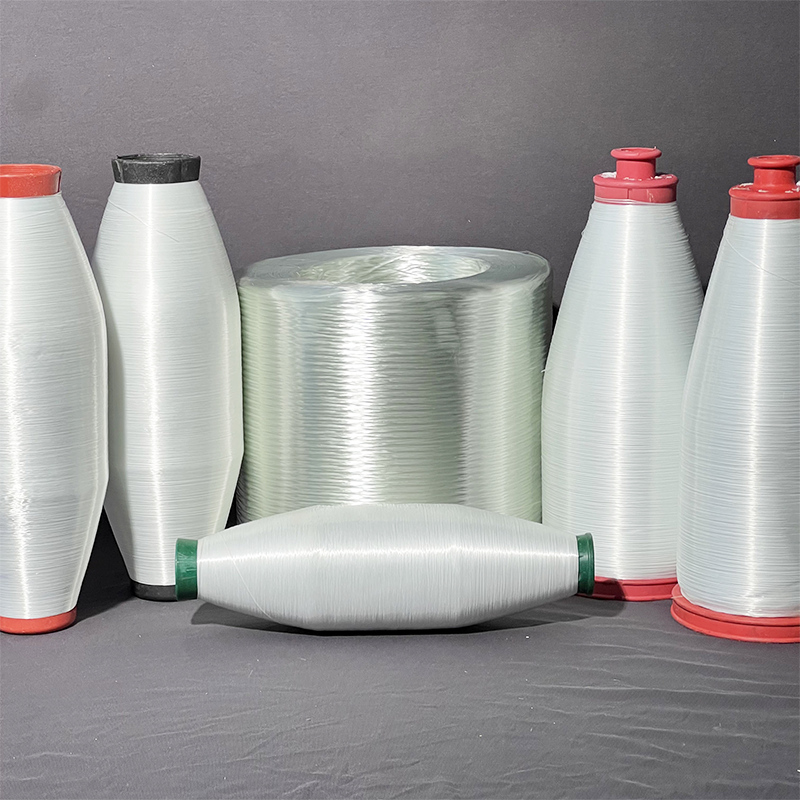
Fiberglass Roving on Bobbins ready for Filament Winding Applications.
Strategic Advantages of Corrosion-Resistant Winding Filaments
Choosing the right reinforcement material is paramount for the long-term success of composite projects, especially in challenging industrial environments. Roving Glass Fiber Yarn Free Samples Corrosion Resistant Winding Filament offers a compelling suite of advantages that translate directly into enhanced performance, reduced costs, and extended operational lifespans.
Key Technical Advantages:
- Exceptional Corrosion Resistance: The primary differentiator is its superior resistance to a broad spectrum of corrosive agents, including strong acids (e.g., sulfuric, hydrochloric), alkalis, salts, and various industrial chemicals. This characteristic drastically extends the service life of composite components in aggressive chemical processing, wastewater treatment, and marine applications, where traditional materials would quickly degrade.
- High Strength-to-Weight Ratio: Glass fiber composites offer remarkable mechanical strength while being significantly lighter than metallic alternatives. This enables the construction of lighter structures, reducing transportation costs, simplifying installation, and enhancing the energy efficiency of mobile or moving parts. For example, FRP pipes can be up to 75% lighter than steel pipes of comparable strength.
- Extended Service Life & Reduced Maintenance: Due to their resistance to degradation from corrosion, fatigue, and environmental exposure, composite parts reinforced with these rovings exhibit a substantially longer operational life. This leads to significantly lower lifecycle costs, reduced downtime, and less frequent need for repairs or replacements.
- Dimensional Stability: Composites reinforced with glass fiber exhibit low thermal expansion, meaning they maintain their shape and structural integrity across a wide range of operating temperatures. This is vital for precision applications and large structures where thermal cycling could lead to stress and failure in other materials.
- Electrical Non-Conductivity: Glass fibers are excellent electrical insulators, making them suitable for applications where electrical conductivity could pose a risk, such as in electrical infrastructure or where protection against galvanic corrosion between dissimilar materials is required.
- Design Flexibility: The formability of glass fiber rovings allows for the creation of complex geometries and large, monolithic structures via processes like filament winding and pultrusion. This design freedom empowers engineers to optimize part performance and integrate functions, which is often difficult with conventional materials.
- Excellent Resin Compatibility: Our rovings are engineered with specialized sizing agents that ensure optimal wet-out and strong adhesion with a variety of thermosetting resins, including unsaturated polyester, vinyl ester, and epoxy resins. This robust interfacial bond is crucial for achieving the full mechanical potential and chemical resistance of the final composite.
These combined advantages underscore why this specific corrosion-resistant winding filament is a preferred choice for high-stakes B2B projects requiring both structural integrity and enduring resistance to harsh environmental factors, offering a superior return on investment.
Vendor Comparison: Selecting the Right Partner for Your Projects
Choosing a supplier for critical raw materials like **Roving Glass Fiber Yarn Free Samples Corrosion Resistant Winding Filament** extends beyond mere product specifications. It involves evaluating a vendor's expertise, reliability, and commitment to customer success. Below is a comparative overview highlighting key factors that distinguish leading providers in the market.
Vendor Comparison Table:
| Feature/Aspect | Vendor A (Competitor) | Vendor B (Competitor) | TAINUO FIBERGLASS MESH (Our Offering) |
|---|---|---|---|
| Product Quality & Consistency | Good, standard E-glass options | Variable, some ECR options | Excellent, ECR-specific, rigorously tested |
| Corrosion Resistance Profile | Standard, limited acid/alkali resistance | Improved for certain chemicals | Broad-spectrum, superior for acids, alkalis, salts |
| Certifications & Standards | ISO 9001 | ISO 9001, some regional approvals | ISO 9001:2015, ASTM, CE, specific product validations |
| Customization Capabilities | Limited sizing options | Basic customization on Tex | Extensive: Tex, sizing chemistry, package size, R&D support |
| Technical Support & Expertise | Standard product data sheets | Email support | Dedicated application engineers, real-time consultation, after-sales |
| Lead Time & Logistics | Standard lead times, regional shipping | Can be lengthy for custom orders | Optimized global supply chain, reliable delivery, expedited options |
| Free Samples Availability | Occasionally for large orders | Not consistently offered | Consistently available for evaluation and prototyping |
Our commitment extends beyond just supplying a product; we aim to be a strategic partner. This means providing not only superior quality **Roving Glass Fiber Yarn Free Samples Corrosion Resistant Winding Filament** but also unparalleled technical support, flexible customization options, and reliable logistics to ensure the seamless execution of your projects. Our certifications and track record underscore our unwavering dedication to excellence and client satisfaction.
Tailored Solutions: Customization and Partnership
Recognizing that no two applications are identical, we specialize in providing customized solutions for our Roving Glass Fiber Yarn Free Samples Corrosion Resistant Winding Filament. Our philosophy is rooted in collaborative partnership, working closely with clients to develop materials precisely engineered for their unique project requirements.
Our customization capabilities encompass various critical aspects:
- Linear Density (Tex): We offer a wide range of linear densities from 1200 Tex to 9600 Tex, and beyond, to match specific winding speeds, laminate thicknesses, and mechanical performance targets. This ensures optimal fiber architecture in the final composite.
- Sizing Chemistry: The sizing agent is crucial for interfacial adhesion. We can formulate specialized sizings to optimize compatibility with a variety of resin systems, including vinyl ester, epoxy, unsaturated polyester (orthophthalic and isophthalic), and even advanced thermoplastic matrices, guaranteeing superior wet-out and mechanical properties.
- Filament Diameter: While our standard offerings cover typical diameters, we can explore adjustments to filament diameter to influence surface finish, handling characteristics, and specific mechanical properties.
- Package Size and Form: Rovings can be supplied in various bobbin sizes and winding patterns to integrate seamlessly with diverse composite manufacturing equipment, from large-scale industrial filament winding machines to pultrusion lines.
Our dedicated R&D team works in tandem with our clients, from initial concept to pilot production. This collaborative approach ensures that the tailored solution not only meets technical specifications but also optimizes processing efficiency and cost-effectiveness. The availability of Roving Glass Fiber Yarn Free Samples Corrosion Resistant Winding Filament for prototyping allows our clients to rigorously test and validate custom formulations in their actual production environments before committing to larger orders, minimizing risk and accelerating time-to-market.
This commitment to bespoke solutions and technical partnership is a cornerstone of our service, enabling our clients to achieve unparalleled performance and competitive advantage in their respective markets.
Real-World Impact: Application Case Studies
The practical success of Roving Glass Fiber Yarn Free Samples Corrosion Resistant Winding Filament is best illustrated through its application in challenging industrial settings. These case studies highlight our commitment to delivering verifiable performance and long-term value.
Case Study 1: Petrochemical Acid Storage Tank Linings
Challenge: A major chemical processing plant faced recurrent corrosion issues with their steel storage tanks for concentrated sulfuric acid, leading to frequent maintenance and safety concerns. Traditional glass fiber reinforcements showed limited long-term chemical resistance.
Solution: The plant opted for an internal lining system constructed from a vinyl ester resin composite reinforced with our Roving Glass Fiber Yarn Free Samples Corrosion Resistant Winding Filament. The specific ECR glass type and optimized sizing were crucial for the extreme acidic environment.
Result: After five years of continuous operation, the FRP tank linings exhibited no signs of corrosion or material degradation, significantly extending the service interval from 2 years to over 5 years. This resulted in a projected 60% reduction in maintenance costs and enhanced operational safety. Customer feedback highlighted the exceptional wet-out properties of the roving, facilitating smooth manufacturing of the complex tank geometry.
Case Study 2: Municipal Wastewater Treatment Pipes
Challenge: A large municipal wastewater treatment facility required durable, large-diameter pipes (up to 2.5 meters) capable of withstanding corrosive sewage, fluctuating temperatures, and aggressive chemicals used in treatment processes, along with significant external soil loads. Concrete pipes suffered from hydrogen sulfide corrosion.
Solution: Filament-wound FRP pipes were selected, utilizing our rovings due to their inherent corrosion resistance and high mechanical strength. The selected roving offered excellent compatibility with an isophthalic polyester resin system.
Result: The installed FRP pipeline system has been in service for 8 years without any reported leaks or structural issues, far exceeding the lifespan of previous concrete and ductile iron alternatives in similar conditions. The lightweight nature of the pipes also reduced installation time by 25% and lowered heavy equipment requirements, contributing to overall project cost savings. Our engineering team provided essential support during the design and initial manufacturing phases, demonstrating our authoritative expertise.
These examples demonstrate our product's reliability and superior performance in critical infrastructure. We proudly partner with leading engineering firms and industrial giants globally, building a legacy of trust and innovation. Our company has served the composites industry for over 15 years, continuously refining our processes and product offerings.
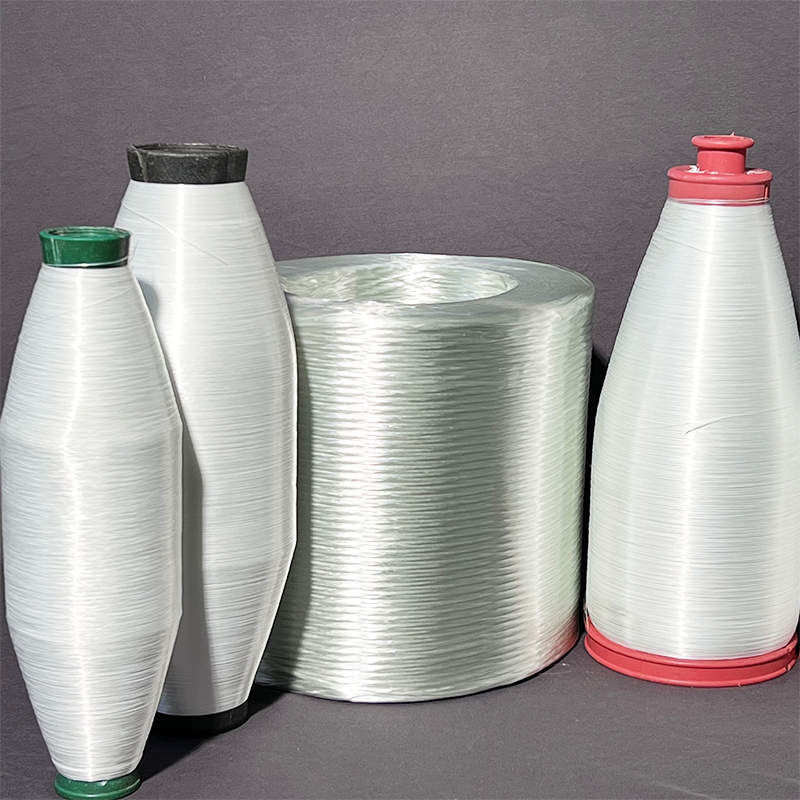
Composite Filament Winding Process utilizing Glass Fiber Roving.
Commitment to Excellence: Warranty, Support, and Logistics
Our dedication to client satisfaction extends beyond product quality. We provide comprehensive support, clear warranty terms, and efficient logistics to ensure a seamless experience for every B2B partner.
Lead Time & Fulfillment:
We understand the critical nature of timely delivery in industrial projects. Our standard lead time for stock items of Roving Glass Fiber Yarn Free Samples Corrosion Resistant Winding Filament is typically 2-4 weeks, subject to order volume and current production schedules. For customized orders, lead times usually range from 6-8 weeks, allowing for specialized production and quality assurance processes. We operate a robust global logistics network, offering various shipping options including sea, air, and expedited freight to meet urgent project deadlines. Our team meticulously plans and tracks shipments to ensure on-time and intact delivery.
Warranty Commitments:
We stand behind the quality of our products. All our rovings, including Roving Glass Fiber Yarn Free Samples Corrosion Resistant Winding Filament, are warranted against manufacturing defects for a period of one (1) year from the date of purchase, provided the product is stored and handled in accordance with our recommended guidelines. This warranty covers material conformity to published specifications and is subject to our detailed terms and conditions, available upon request. Our commitment reflects our confidence in our stringent quality control processes and the inherent durability of our materials.
Customer Support & After-Sales Service:
Our relationship with clients doesn't end at delivery. We provide comprehensive after-sales support through a dedicated team of technical experts and application engineers. This includes:
- Technical Consultation: Assistance with product selection, compatibility with resin systems, and process optimization.
- Troubleshooting: Prompt response and expert guidance for any processing or application-related challenges.
- Training: On-site or remote training sessions on best practices for handling and utilizing our glass fiber rovings.
- Documentation: Provision of comprehensive technical data sheets, safety data sheets (SDS), and certification documents.
We are ISO 9001:2015 certified, demonstrating our adherence to internationally recognized quality management systems. This certification, along with our rigorous internal testing protocols, provides our clients with the assurance of consistent quality and reliable performance.
Frequently Asked Questions (FAQs)
Q1: What exactly defines the "corrosion-resistant" aspect of this winding filament?
A1: Our Roving Glass Fiber Yarn Free Samples Corrosion Resistant Winding Filament is specifically formulated using ECR (E-glass Corrosion Resistant) glass, which has a modified chemical composition (lower boron/fluorine content) that significantly enhances its resistance to acid and alkali attack compared to standard E-glass. Furthermore, the specialized sizing agent applied during manufacturing provides an additional layer of protection and ensures excellent adhesion with various corrosion-resistant resins, creating a robust composite system.
Q2: How can I determine the right sizing for my specific resin system?
A2: Selecting the correct sizing is crucial for optimal composite performance. We offer rovings with sizings compatible with a wide range of thermosetting resins, including unsaturated polyester (UP), vinyl ester (VE), and epoxy (EP). We recommend consulting our technical experts with details about your chosen resin system, processing method (e.g., filament winding, pultrusion), and end-use environment. We can provide recommendations and samples for testing to ensure perfect compatibility.
Q3: Are free samples truly available for evaluation, and what is the process?
A3: Yes, we offer free samples of our Roving Glass Fiber Yarn Free Samples Corrosion Resistant Winding Filament to qualified B2B clients for evaluation and prototyping purposes. To request samples, please contact our sales team via our website or direct email, providing details about your company, application, and the specific roving specifications you are interested in. Our team will review your request and arrange for sample shipment, typically within 1-2 weeks.
Q4: What are the recommended storage conditions for the rovings to maintain optimal performance?
A4: To ensure the longevity and performance of the roving, it should be stored in a cool, dry place, ideally at temperatures between 15°C and 35°C (59°F to 95°F) and relative humidity below 65%. Keep the packages sealed in their original protective wrapping until ready for use to prevent moisture absorption and contamination. Avoid direct sunlight and sources of heat or open flame.
Q5: Can these rovings be used in automated composite manufacturing processes?
A5: Absolutely. Our rovings are specifically engineered for excellent processability in automated manufacturing techniques such as filament winding, pultrusion, and spray-up. They are designed for smooth unwinding, minimal fuzz, and consistent tension, which are critical factors for high-speed and high-volume production lines. The uniform linear density and precise sizing contribute to superior wet-out and laminate quality in automated systems.
References
- ISO 2078:2018. Textile glass -- Rovings -- Designation. International Organization for Standardization.
- ASTM D3039/D3039M-17. Standard Test Method for Tensile Properties of Polymer Matrix Composite Materials. ASTM International.
- Hull, D., & Clyne, T. W. (1996). An Introduction to Composite Materials (2nd ed.). Cambridge University Press.
- Gay, D., & Hoa, S. V. (2007). Composite Materials: Design and Applications (2nd ed.). CRC Press.
- Fiberglass Composites: Market Trends and Growth Drivers 2023-2030, Grand View Research.
-
Best Fiberglass Mesh Tape for RedGard Product Waterproofing GuideNewsApr.16,2026
-
Why High Strength Fiberglass Mesh Is Essential For Stucco ApplicationNewsApr.15,2026
-
Why Alkali Resistant Fiberglass Mesh Tape Is Essential For Cement Board And Tile InstallationsNewsApr.15,2026
-
Understanding The Role Of Drywall Fiberglass Mesh In Interior FinishingNewsApr.15,2026
-
Ultimate Guide To Using Fiberglass Mesh Tape For Drywall And Plaster RepairsNewsApr.15,2026
-
The Versatility Of Fiberglass Mesh In Marble And Stone MosaicNewsApr.15,2026