Oct . 11, 2025 09:15 Back to list
Roving Glass Fiber Yarn | Corrosion-Resistant, Free Samples
Field Notes on Corrosion-Resistant E-Glass Roving: Specs, Use-Cases, and Real-World Lessons
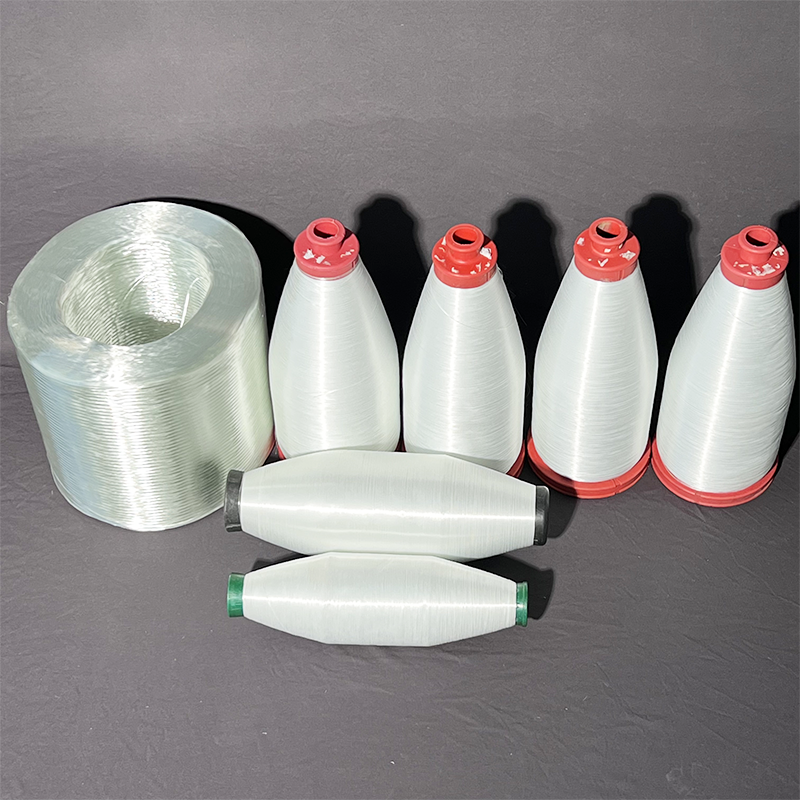
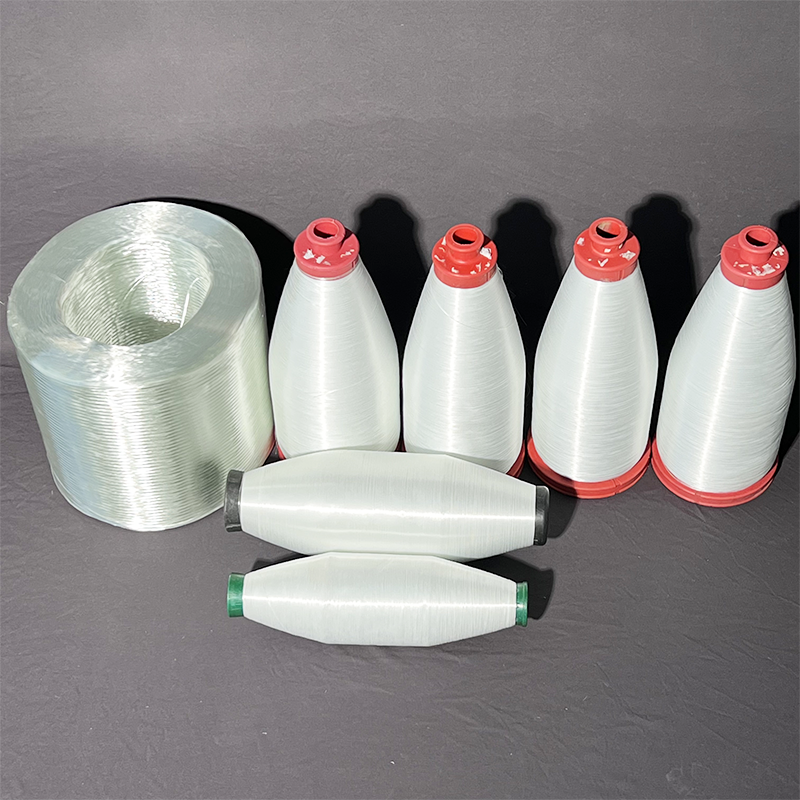
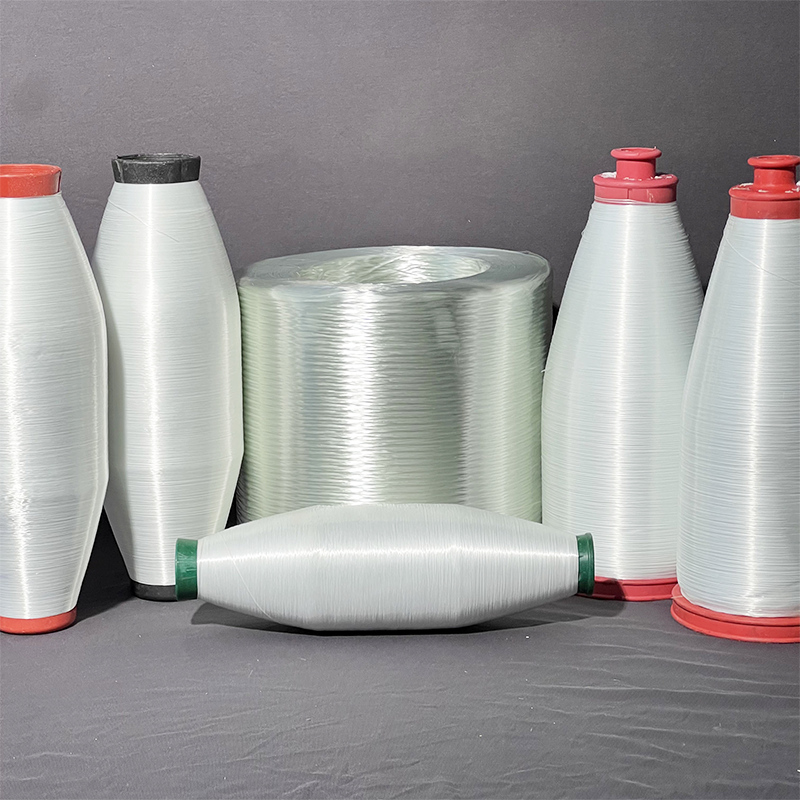
If you’re sourcing winding-grade yarn for FRP pipes, tanks, or rebar, you’ll probably want to put Roving Glass Fiber Yarn Free Samples Corrosion Resistant Winding Filament on your shortlist. I’ve watched plants switch yarn suppliers and—surprisingly—see fewer line stoppages just from better sizing chemistry. It sounds small; it isn’t.
Industry trends (and a few candid observations)
Demand for corrosion-resistant FRP is up—water infrastructure retrofits, chemical storage, and marine electrification are pushing steady orders. Plants are asking for epoxy/vinyl-ester–compatible sizings, lower fuzz, and consistent tex to stabilize winding tension. To be honest, energy costs have nudged prices, but most buyers tell me they’ll pay a bit more for cleaner running and fewer fuzz balls on the traverse. ESG audits and REACH/RoHS paperwork are now table stakes.
What it is
The product is a twisted E-glass yarn (C-glass optional) from Xiaomen Village, Yilunbao Township, Renqiu City, Hebei, China—processed into cloth, net, tape, and braid, but tuned here for filament winding. In practice, Roving Glass Fiber Yarn Free Samples Corrosion Resistant Winding Filament sees service in FRP pipes/tanks, cable trays, radomes, fan housings, and utility poles. Corrosion resistance is solid against water and many chemicals; for strong alkali exposure, most engineers still spec AR-glass, though good vinyl-ester resin plus E-glass often performs admirably.
Process flow (factory to filament)
- Materials: E-glass (ISO 2078) with tailored sizing for epoxy, polyester, or vinyl ester; C-glass on request.
- Methods: Direct or assembled roving; twist control to stabilize tension; precision winding on bobbins.
- Testing: ASTM D578 (strand spec), ASTM D2343 (strand tensile), ISO 1887 (loss on ignition), ISO 3344 (moisture).
- Service life: ≈25–50 years in FRP pipes/tanks with proper resin and cure; real-world use may vary by medium and temperature.
- Industries: Water/wastewater, chemical processing, mining slurries, marine, construction, wind aux parts.
Key specifications
| Parameter | Typical Value | Notes |
|---|---|---|
| Glass type | E-glass (C-glass optional) | ISO 2078 |
| Linear density (tex) | 200–2400 tex | Custom ranges available |
| Filament diameter | 9–17 µm | Depends on tex/design |
| Tensile strength | ≥0.65 N/tex (strand) | ASTM D2343; ≈2.4–3.5 GPa fiber |
| Moisture content | ≤0.20% | ISO 3344 |
| Loss on ignition | 0.35–0.80% | ISO 1887; sizing content |
| Twist | 0–80 tpm | Per winding process |
Vendor comparison (quick take)
| Tainuo (Hebei) | Global Vendor X | Budget Vendor Y | |
|---|---|---|---|
| Free samples | Yes | Limited | No |
| Sizing customization | Epoxy/UP/VE tuned | Epoxy/VE | Generic |
| Lead time | ≈2–4 weeks | 3–6 weeks | 1–2 weeks |
| Certifications | ISO 9001, RoHS, REACH | ISO 9001 | — |
| QC reports | Batch COA, tensile, LOI | COA on request | Rarely |
Customization and real use
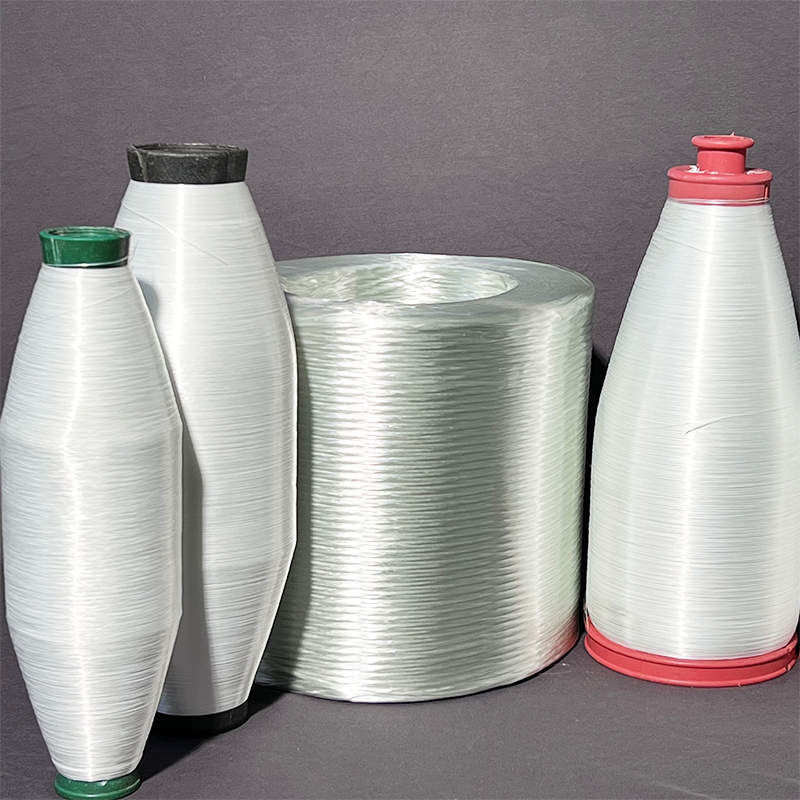
You can calibrate tex, twist, and sizing for your resin matrix, and even bobbin specs (ID/OD, net weight). Many customers say the epoxy-optimized sizing wets out faster, letting them drop resin content by ≈1–3% in winding. On a 10,000 m run, that’s not trivial.
Case snapshots
- Southeast Asia FRP pipe line: swapping to Roving Glass Fiber Yarn Free Samples Corrosion Resistant Winding Filament cut filament breaks by ≈28% and reduced resin uptake ≈2.4% (same cure profile).
- EU chemical storage tanks: operators reported smoother tension stability and fewer traverse-build defects, improving first-pass yield from 93% to 97%.
Compliance and test data
Batch COAs typically include strand tensile (ASTM D2343), LOI (ISO 1887), moisture (ISO 3344), and tex verification. For corrosive service, engineers often reference ASTM D578 for strand spec and design FRP per ACI/ASME guidance; service life projections are model-based and environment-dependent.
Bottom line: if you need dependable winding performance with corrosion resistance and clean wet-out, Roving Glass Fiber Yarn Free Samples Corrosion Resistant Winding Filament is a practical, plant-friendly pick.
Authoritative citations
- ASTM D578 – Standard Specification for Glass Fiber Strands.
- ASTM D2343 – Standard Test Method for Tensile Properties of Glass Fiber Strands.
- ISO 2078 – Textile glass — Yarns, rovings and chopped strands — Designation system.
- ISO 1887 – Textile glass — Determination of combustible-matter content (Loss on ignition).
- ISO 3344 – Reinforcement products — Determination of moisture content.
- ASM Handbook, Vol. 21: Composites — Service environments and durability.
-
Best Fiberglass Mesh Tape for RedGard Product Waterproofing GuideNewsApr.16,2026
-
Why High Strength Fiberglass Mesh Is Essential For Stucco ApplicationNewsApr.15,2026
-
Why Alkali Resistant Fiberglass Mesh Tape Is Essential For Cement Board And Tile InstallationsNewsApr.15,2026
-
Understanding The Role Of Drywall Fiberglass Mesh In Interior FinishingNewsApr.15,2026
-
Ultimate Guide To Using Fiberglass Mesh Tape For Drywall And Plaster RepairsNewsApr.15,2026
-
The Versatility Of Fiberglass Mesh In Marble And Stone MosaicNewsApr.15,2026