Sep . 02, 2025 18:15 Back to list
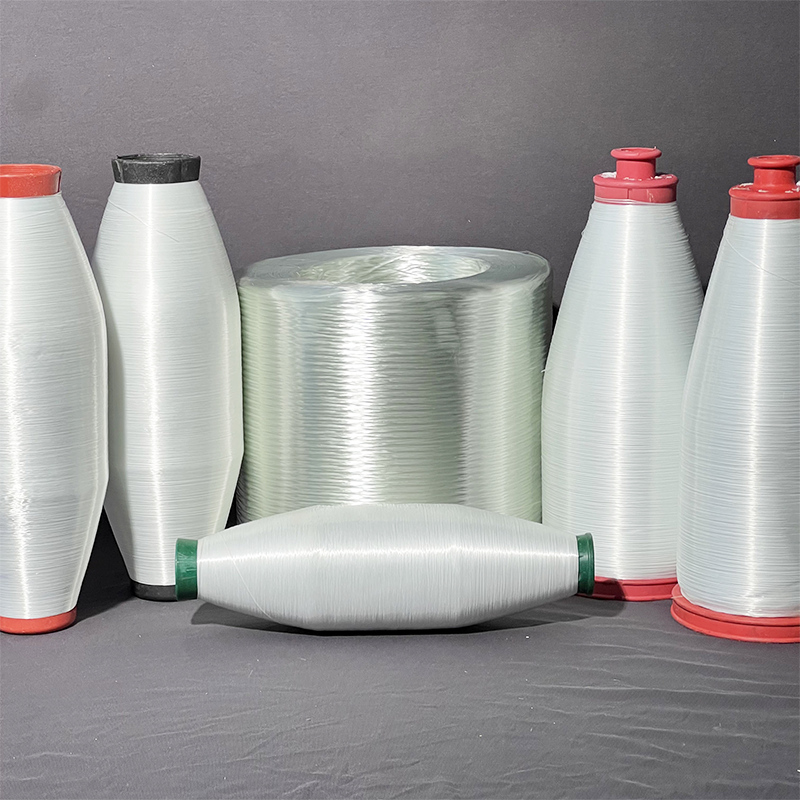
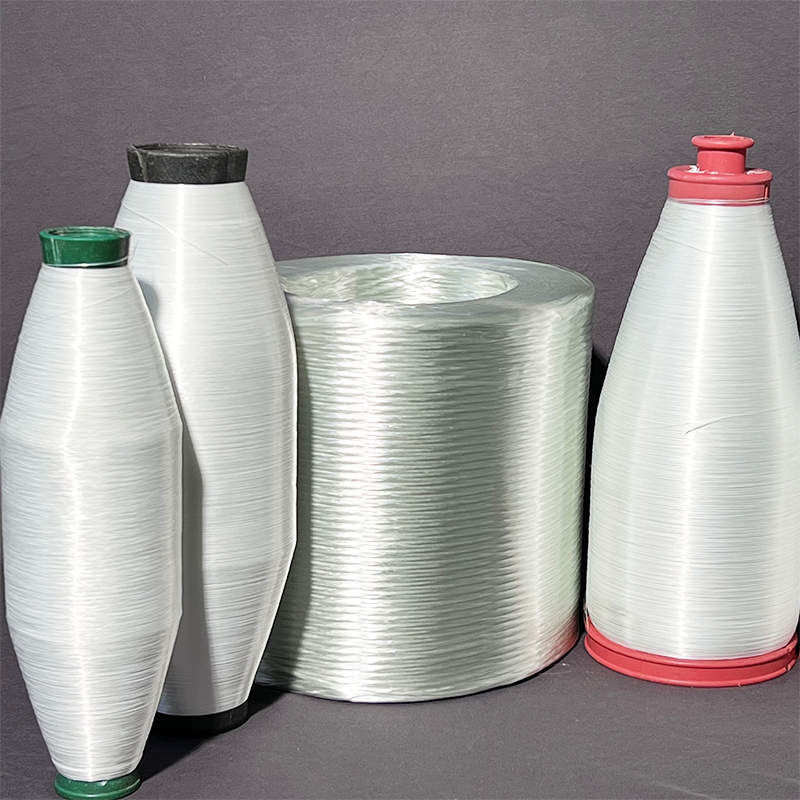
Roving Glass Fiber Yarn-Corrosion Resistant Winding Filament|E-Glass Fiber, Industrial Applications
Product Overview
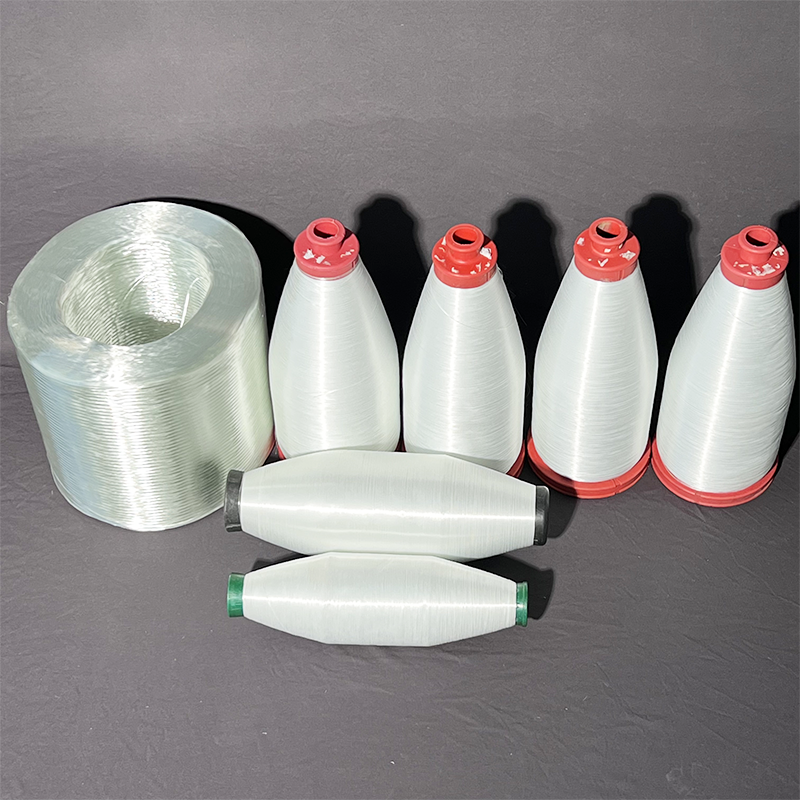
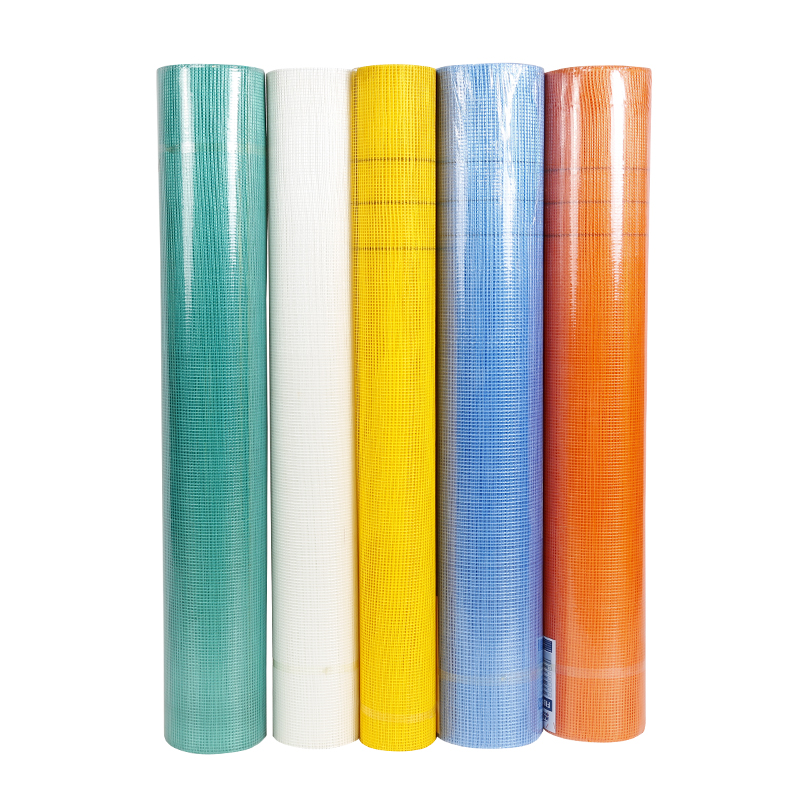
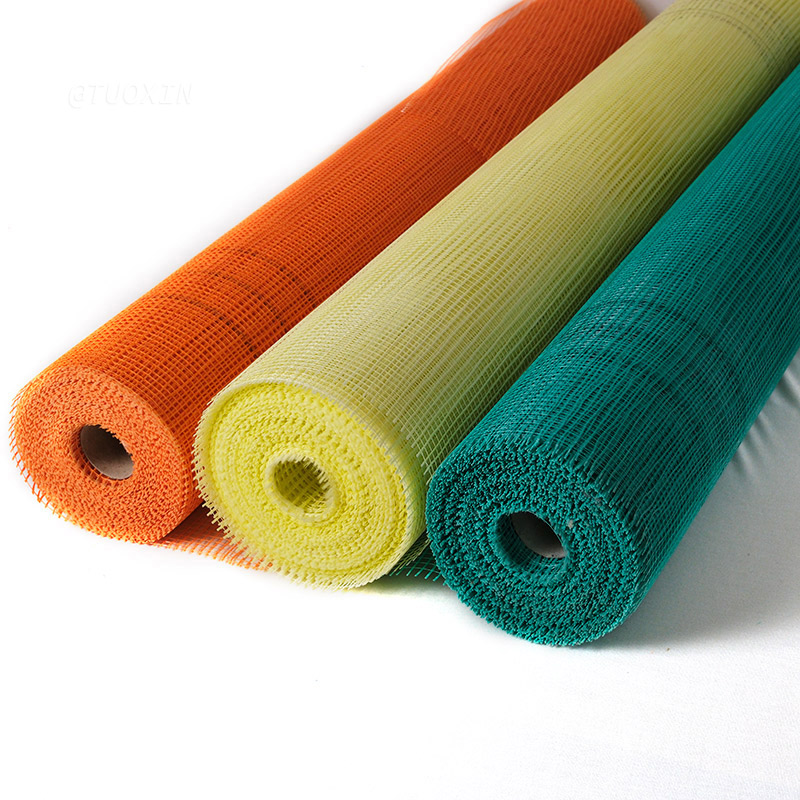
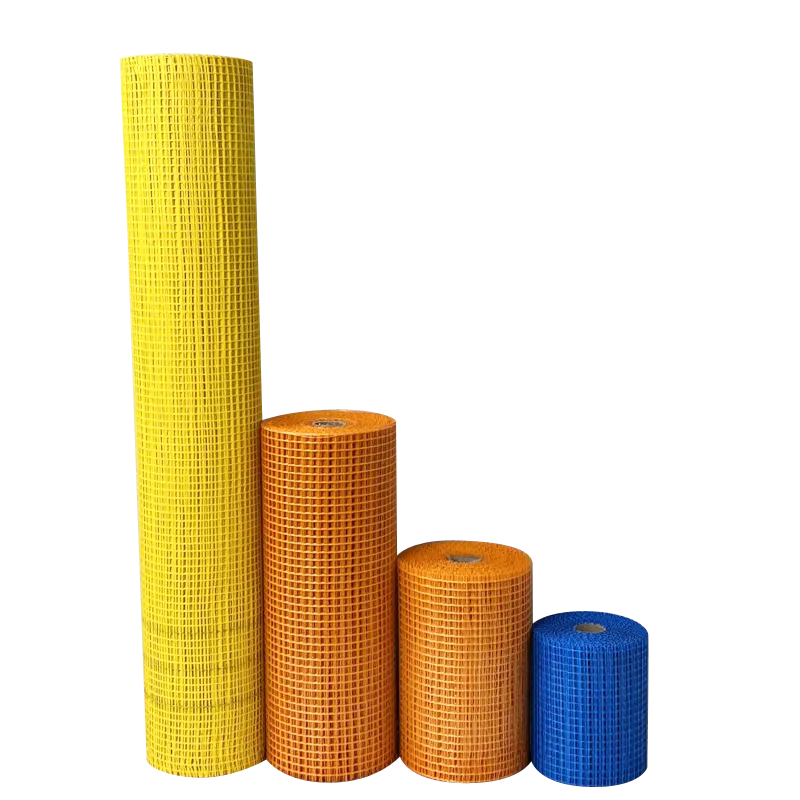
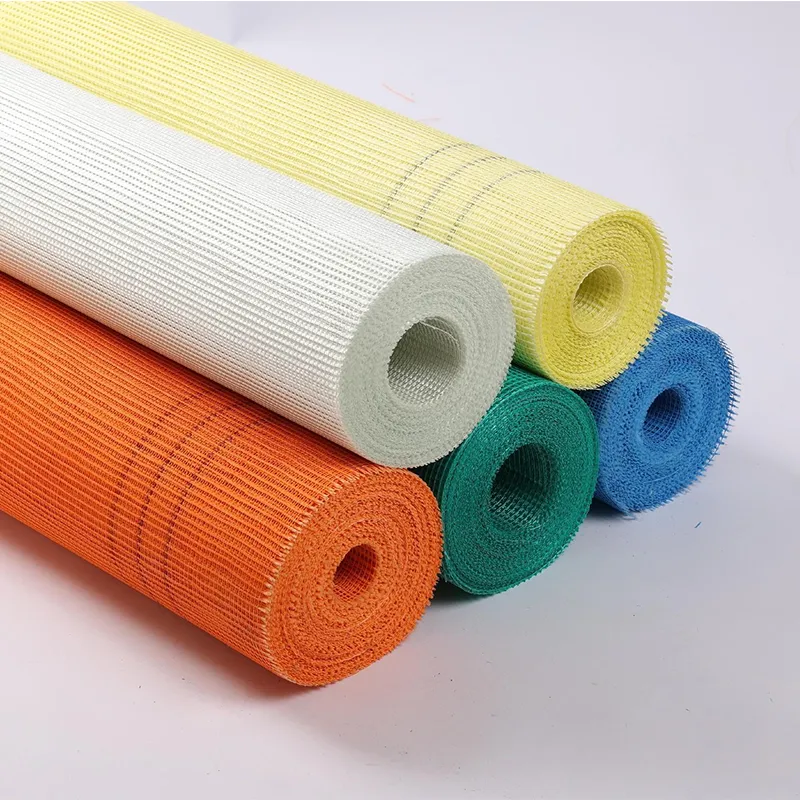
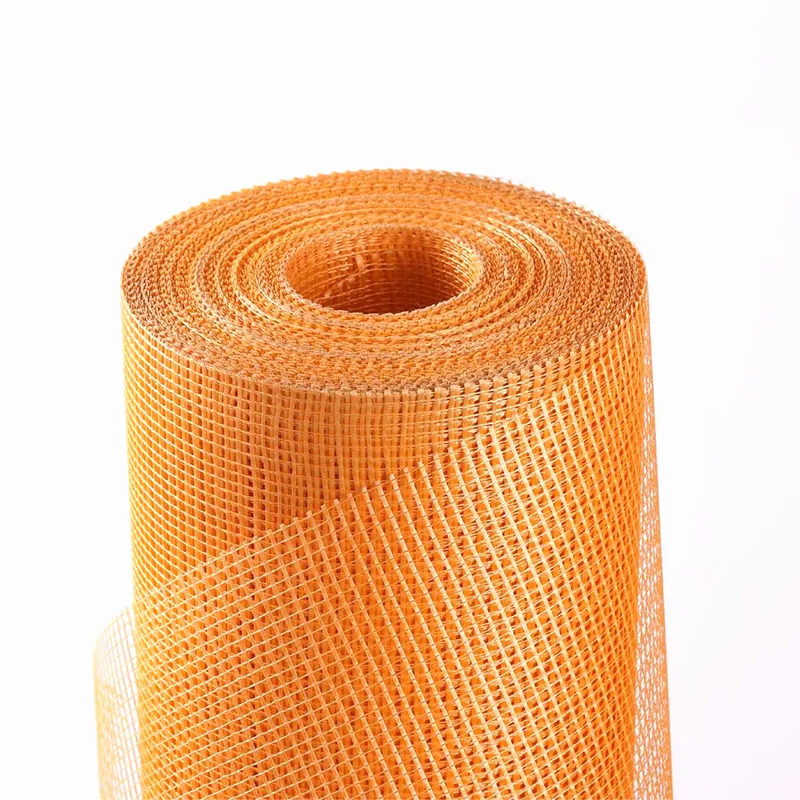
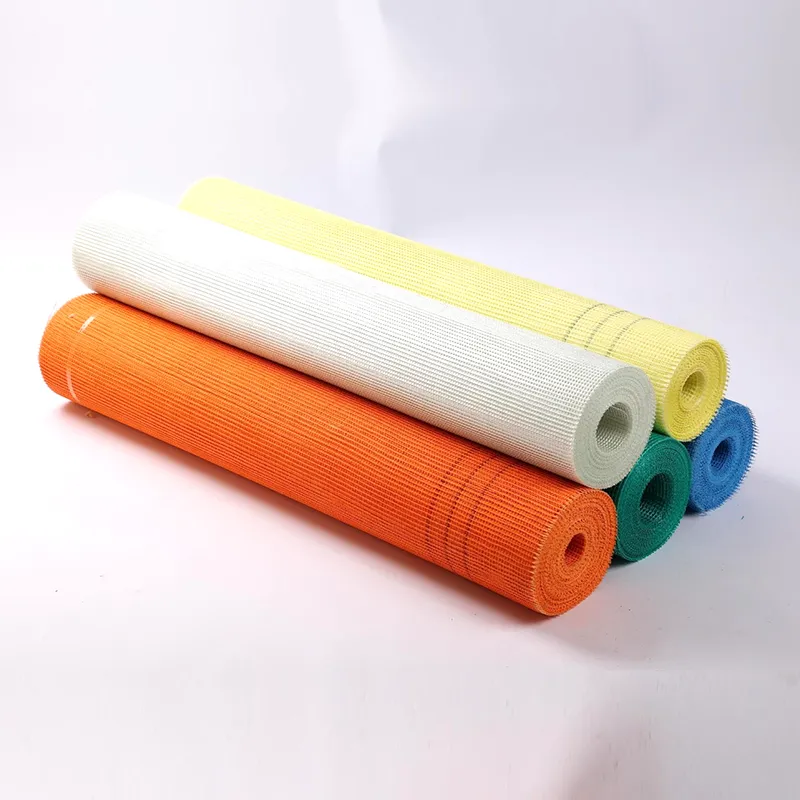
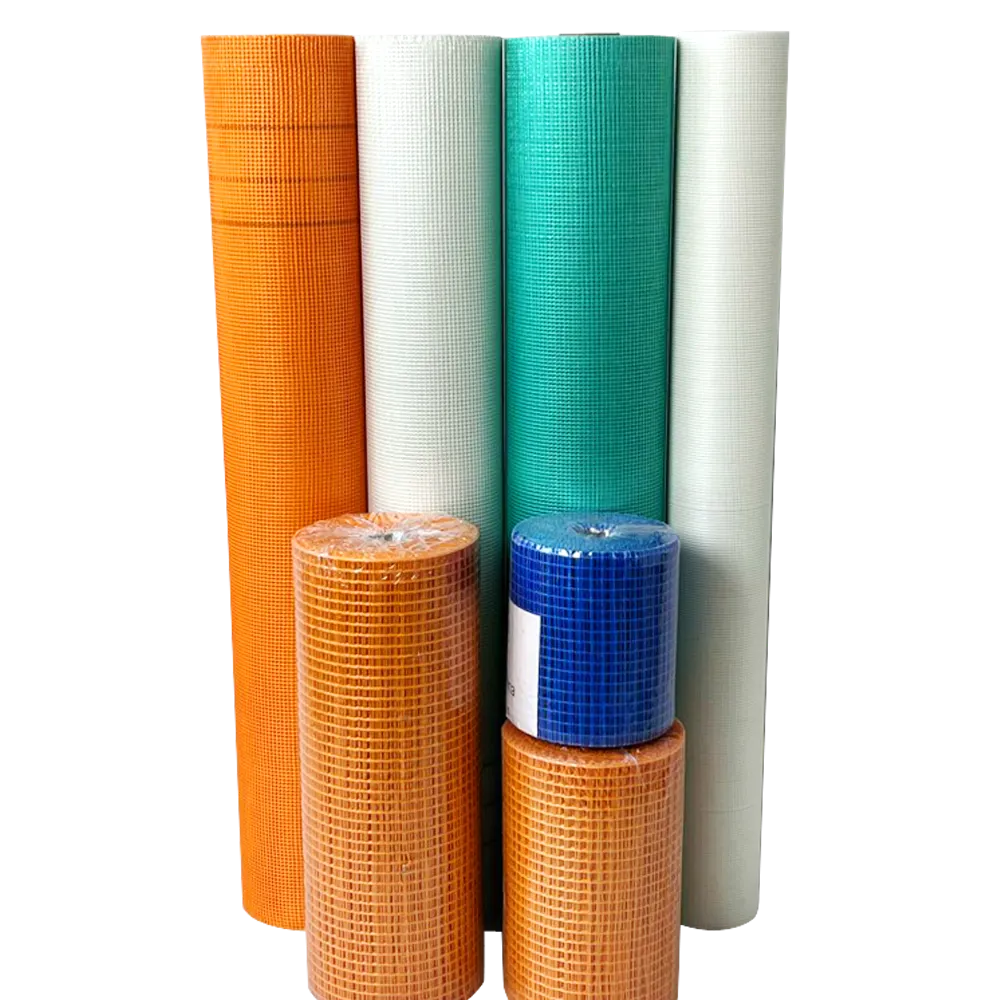
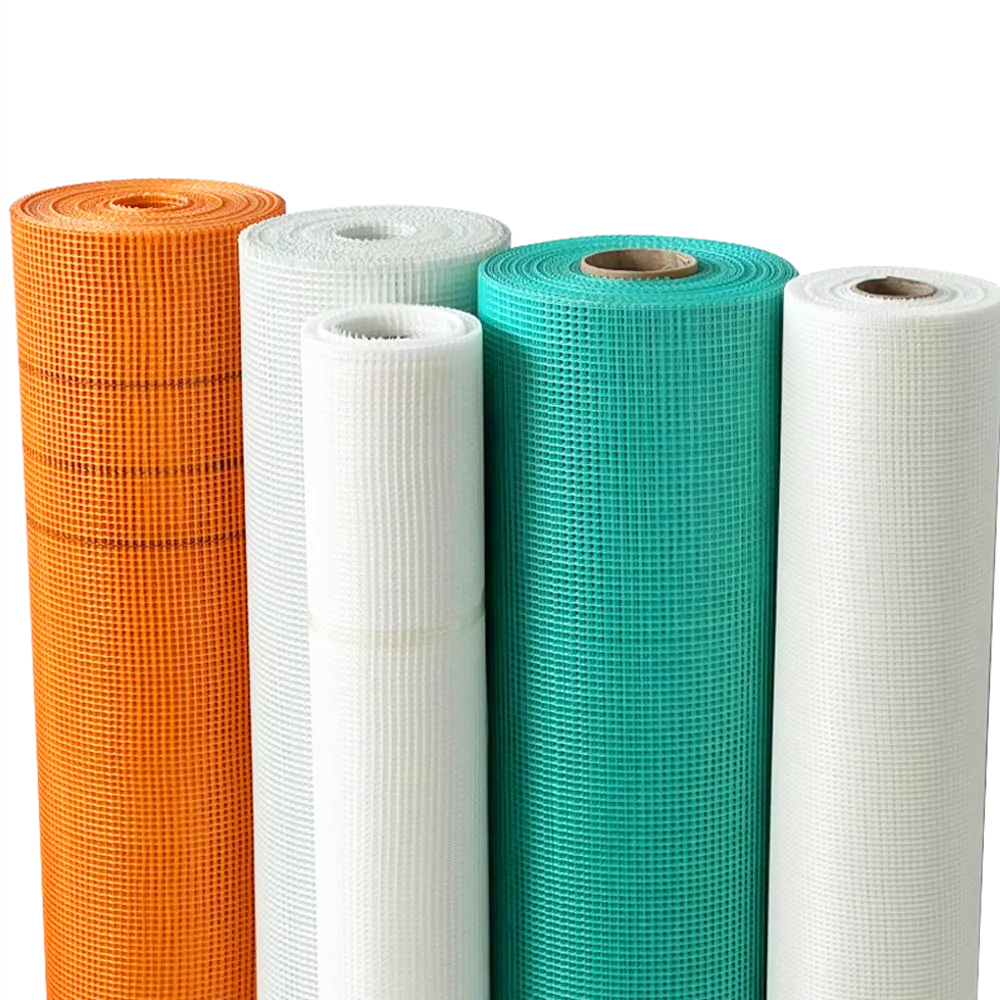
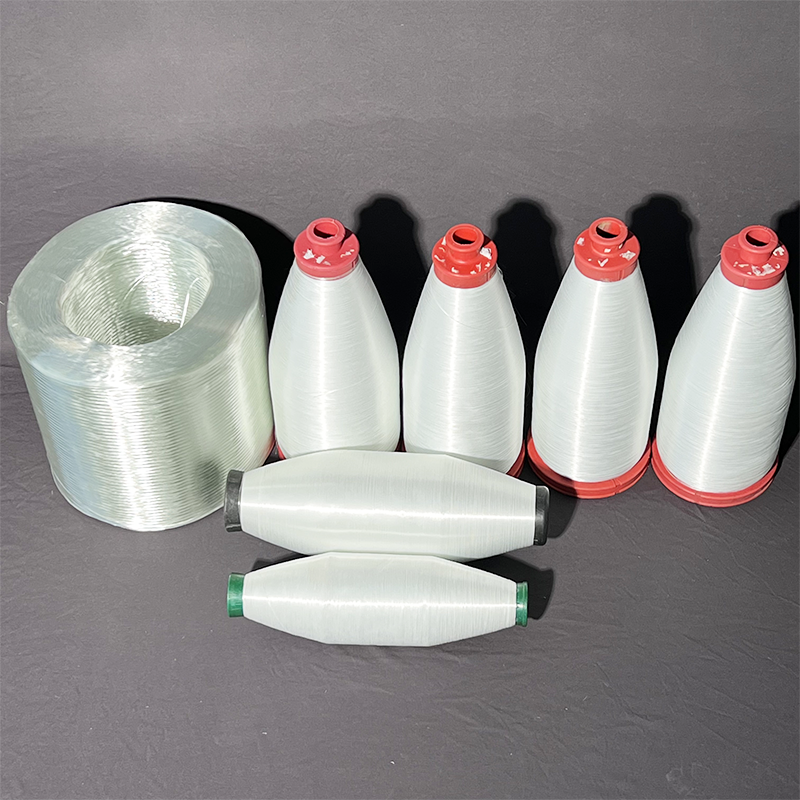
The Roving Glass Fiber Yarn is a specialized material crafted from E-glass fiber, engineered to meet the demands of modern industrial and construction applications. This yarn is known for its exceptional strength, corrosion resistance, and adaptability, making it a preferred choice for various technical uses. The product is produced by Tainuo Fiberglass Mesh Factory, a company with a strong reputation in the manufacturing of high-quality fiberglass products.
Key Features and Advantages
The Roving Glass Fiber Yarn offers a range of features that make it a standout choice for industrial and construction projects:
- Corrosion Resistance: The E-glass fiber composition ensures the yarn is highly resistant to chemical degradation, making it ideal for environments exposed to harsh conditions.
- High Strength-to-Weight Ratio: Despite its lightweight nature, the yarn provides exceptional tensile strength, ensuring durability without adding unnecessary weight to structures.
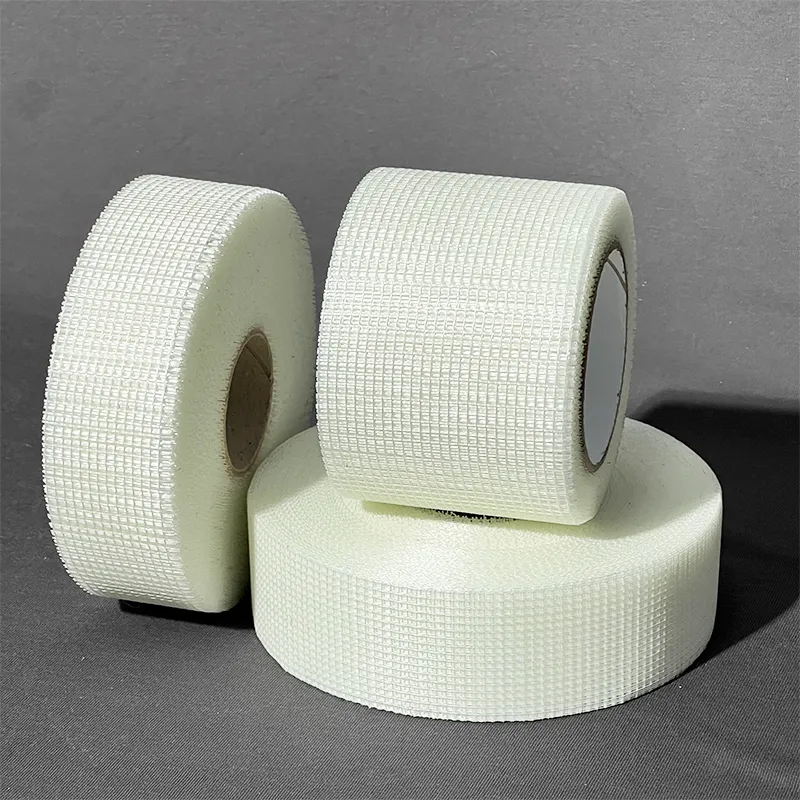
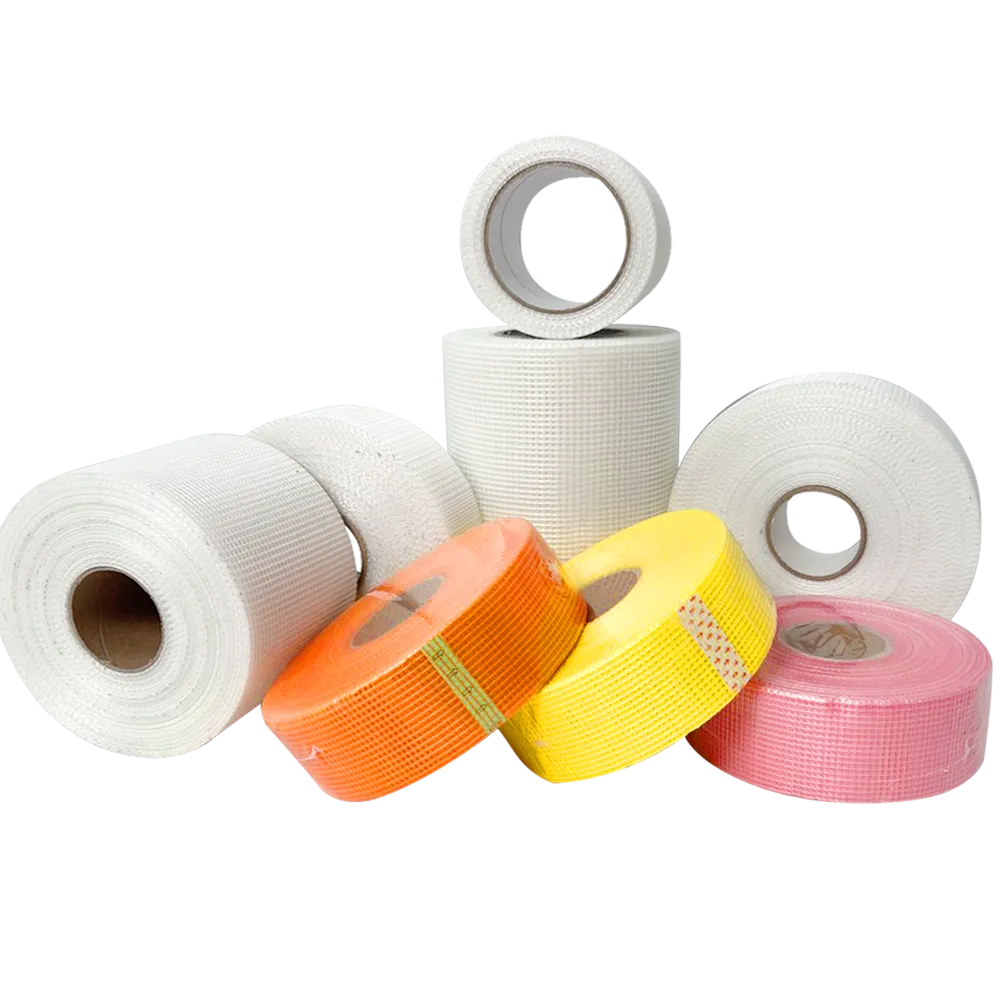
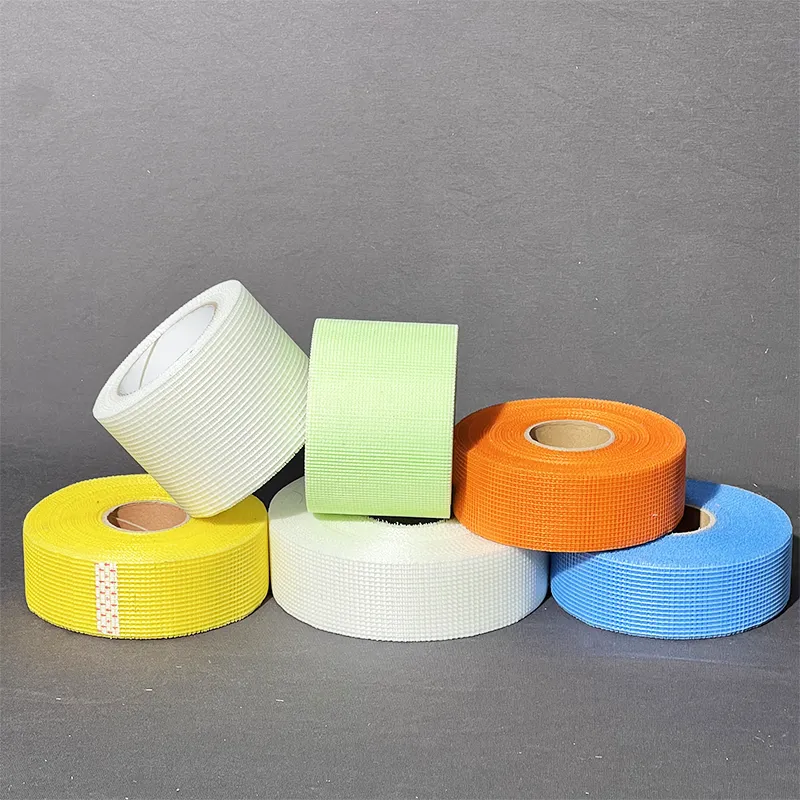
- Flexibility and Processability: The yarn can be easily twisted, woven, or braided into various forms such as cloth, netting, tape, or braided products, allowing for versatile applications.
- Thermal Stability: The material maintains its integrity under high temperatures, making it suitable for use in heat-resistant applications.
- Cost-Effectiveness: By offering a long lifespan and minimal maintenance requirements, the yarn provides a cost-efficient solution for industrial projects.
These features align with the standards set by organizations like the National Institute of Standards and Technology (NIST), which emphasizes the importance of material durability and performance in industrial applications (NIST, 2025).
Technical Specifications
| Parameter | Details |
|---|---|
| Material | E-glass fiber |
| Yarn Count | Varies by application (e.g., 1000D, 2000D) |
| Breaking Strength | Up to 1500 N/TEX (depending on gauge) |
| Corrosion Resistance | High resistance to acids, alkalis, and moisture |
| Thermal Stability | Operable range: -40°C to 200°C |
| Processing Options | Woven, knitted, braided, or coated |
Applications in Industrial and Construction Sectors
The Roving Glass Fiber Yarn is widely used in both industrial and construction contexts due to its adaptability and performance. Key applications include:
- Reinforcement in Concrete: The yarn is often incorporated into concrete structures to enhance tensile strength and prevent cracking.
- Industrial Winding: Used in the production of filament-wound products such as pipes, tanks, and pressure vessels, where corrosion resistance is critical.
- Protective Coatings: The material serves as a base for composite coatings that protect surfaces from wear and environmental damage.
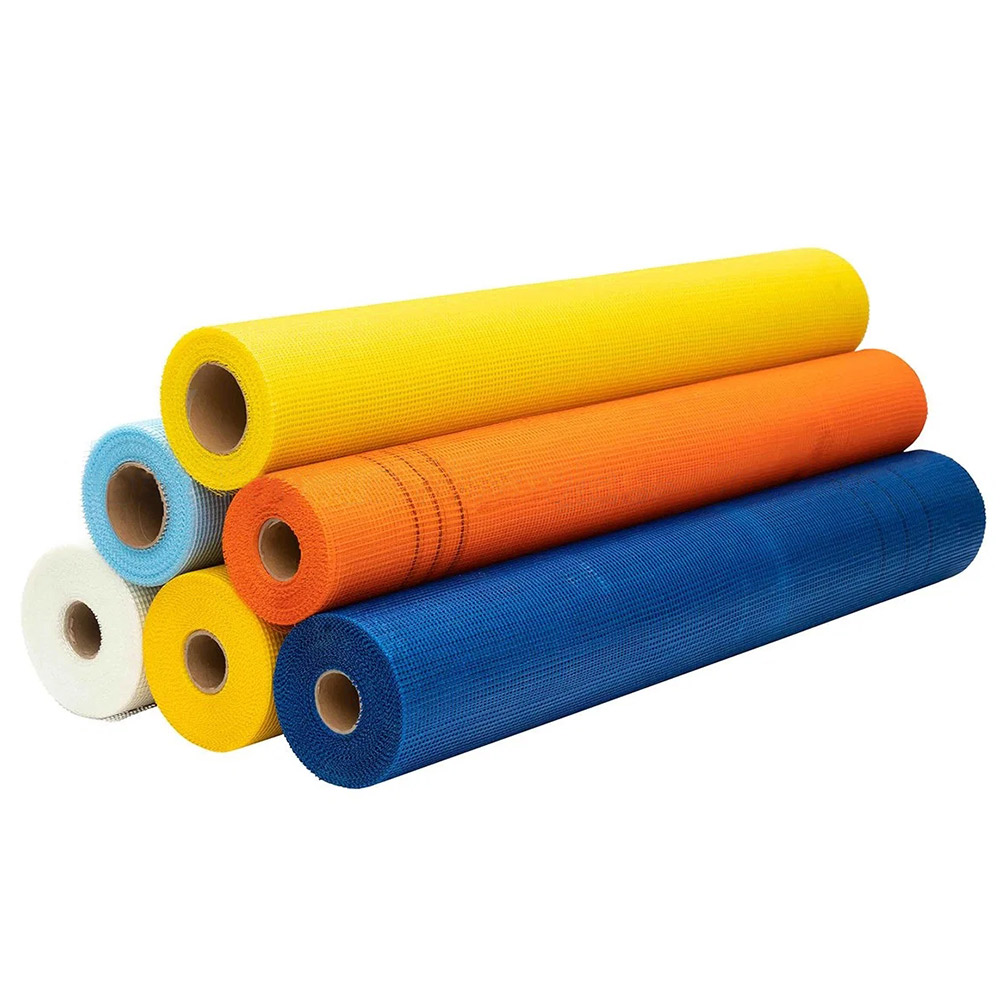
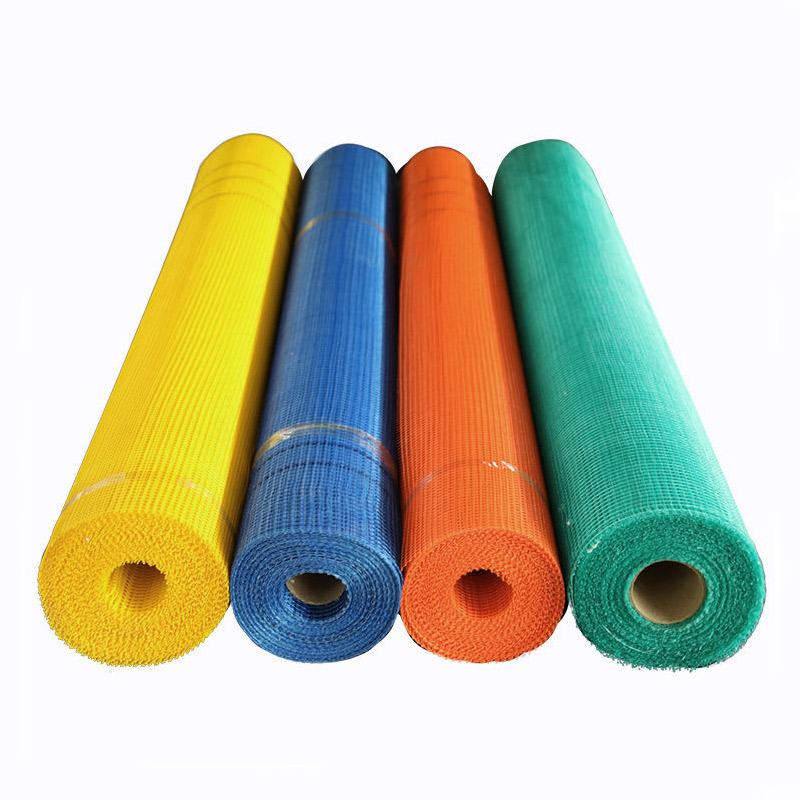
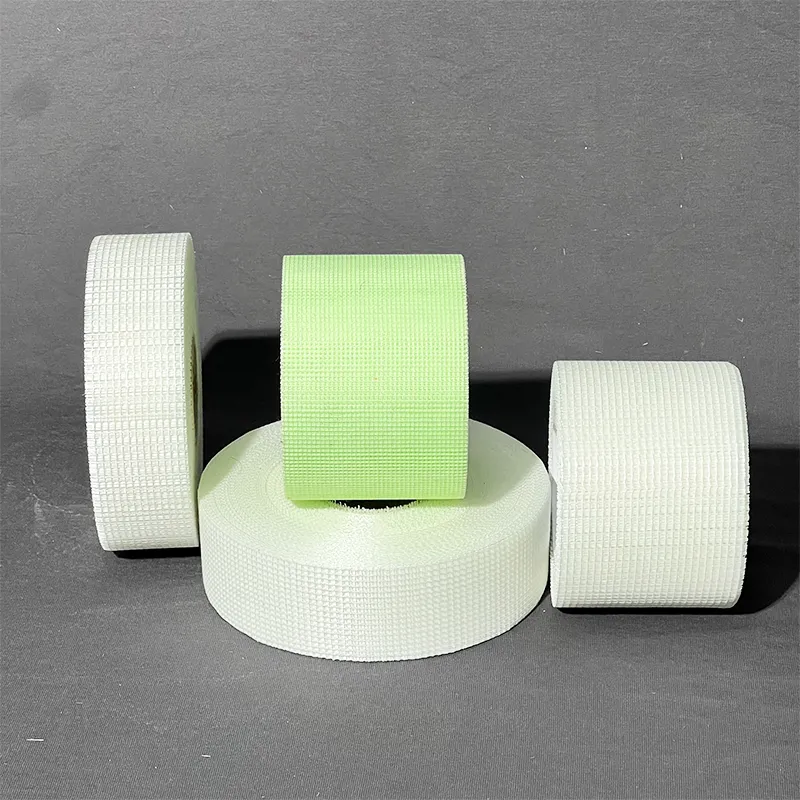
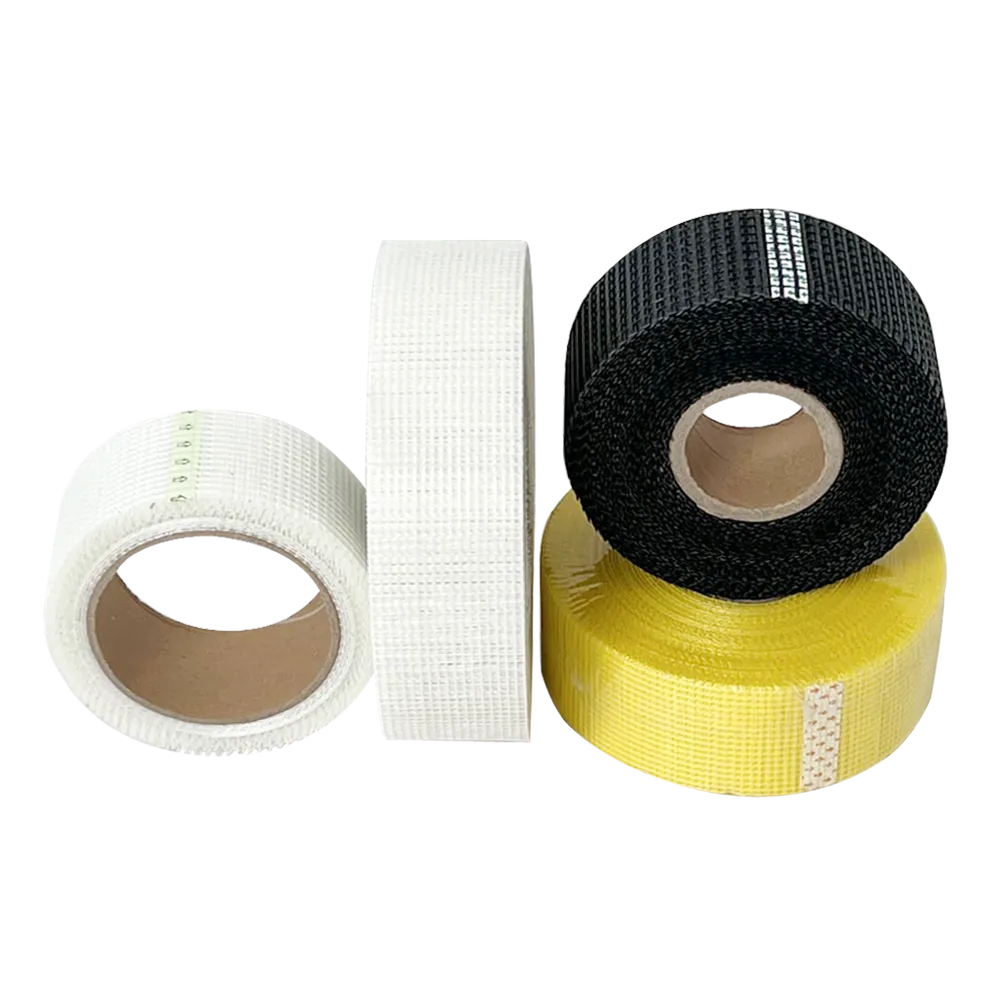
- Textile Manufacturing: The yarn is processed into fabrics, meshes, and tapes for use in technical textiles and geotextiles.
- Automotive and Aerospace: Its lightweight and high-strength properties make it suitable for non-structural components in vehicles and aircraft.
These applications highlight the material's versatility, as noted in NIST's research on advanced composite materials (NIST, 2025).
Company Background: Tainuo Fiberglass Mesh Factory
Tainuo Fiberglass Mesh Factory, based in Renqiu City, China, is a leading manufacturer of fiberglass products, including the Roving Glass Fiber Yarn. With years of experience in the industry, the company has established itself as a reliable supplier of high-quality materials for construction, industrial, and technical applications. Their commitment to innovation and quality control ensures that their products meet international standards.
The company's product range extends beyond the Roving Glass Fiber Yarn, including C-glass fiber yarn and other specialized materials tailored to specific industrial needs. This diversification underscores their ability to cater to a wide array of applications, from civil engineering to advanced manufacturing.
Why Choose Roving Glass Fiber Yarn?
Choosing the Roving Glass Fiber Yarn offers several advantages:
- Longevity: The yarn's resistance to corrosion and environmental factors ensures a long service life, reducing the need for frequent replacements.
- Customization: Tainuo Fiberglass Mesh Factory provides options for different fiber types (e.g., E-glass and C-glass) to suit specific project requirements.
- Environmental Sustainability: The material's durability and recyclability contribute to sustainable construction practices.
- Cost-Effectiveness: By minimizing maintenance and replacement costs, the yarn offers a financially prudent solution for industrial and construction projects.
These benefits align with the principles of sustainable and efficient material use, as emphasized by NIST's guidelines for industrial materials (NIST, 2025).
Conclusion
The Roving Glass Fiber Yarn stands out as a critical component in modern industrial and construction applications. Its combination of strength, corrosion resistance, and versatility makes it an essential material for projects requiring durability and reliability. With Tainuo Fiberglass Mesh Factory's commitment to quality and innovation, this product continues to set benchmarks in the industry.
For more information about the Roving Glass Fiber Yarn and other products, visit Tainuo Fiberglass Mesh Factory's official website.
-
Best Fiberglass Mesh Tape for RedGard Product Waterproofing GuideNewsApr.16,2026
-
Why High Strength Fiberglass Mesh Is Essential For Stucco ApplicationNewsApr.15,2026
-
Why Alkali Resistant Fiberglass Mesh Tape Is Essential For Cement Board And Tile InstallationsNewsApr.15,2026
-
Understanding The Role Of Drywall Fiberglass Mesh In Interior FinishingNewsApr.15,2026
-
Ultimate Guide To Using Fiberglass Mesh Tape For Drywall And Plaster RepairsNewsApr.15,2026
-
The Versatility Of Fiberglass Mesh In Marble And Stone MosaicNewsApr.15,2026