Nov . 11, 2025 18:00 Back to list
Reliable Self Adhesive Fibreglass Mesh Factory for Industrial Needs
Why the Self Adhesive Fibreglass Mesh Factory Matters in Industrial Applications
Having spent over a decade in the industrial equipment sector, I’ve seen firsthand how something as "simple" as a self adhesive fibreglass mesh can quietly save a project from costly mishaps. You don’t usually hear about fibreglass mesh at dinner parties, but in construction or manufacturing zones, it’s a staple — like the unsung hero you don’t notice till it’s missing.
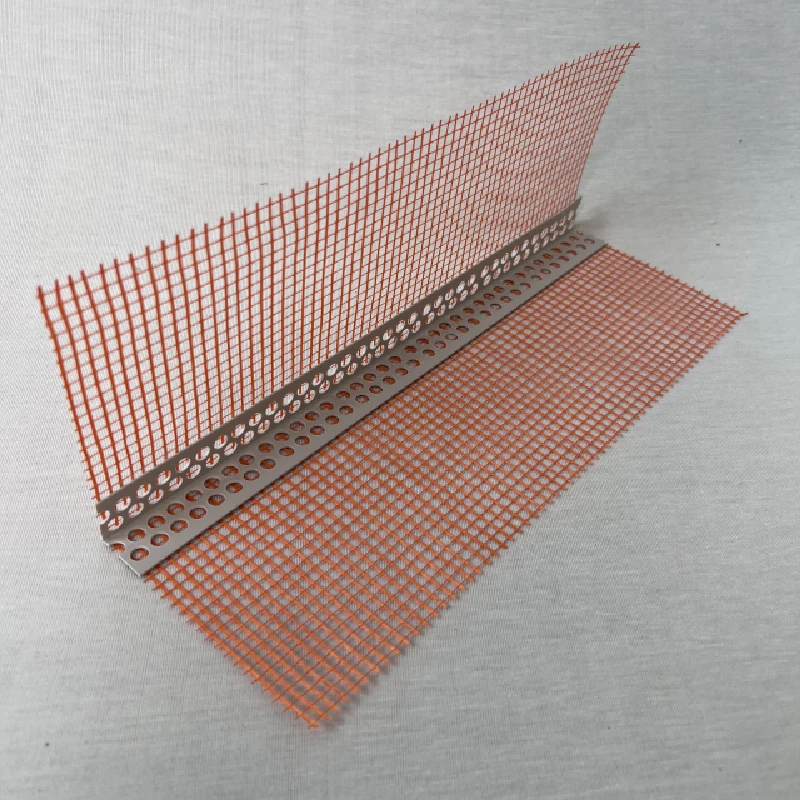
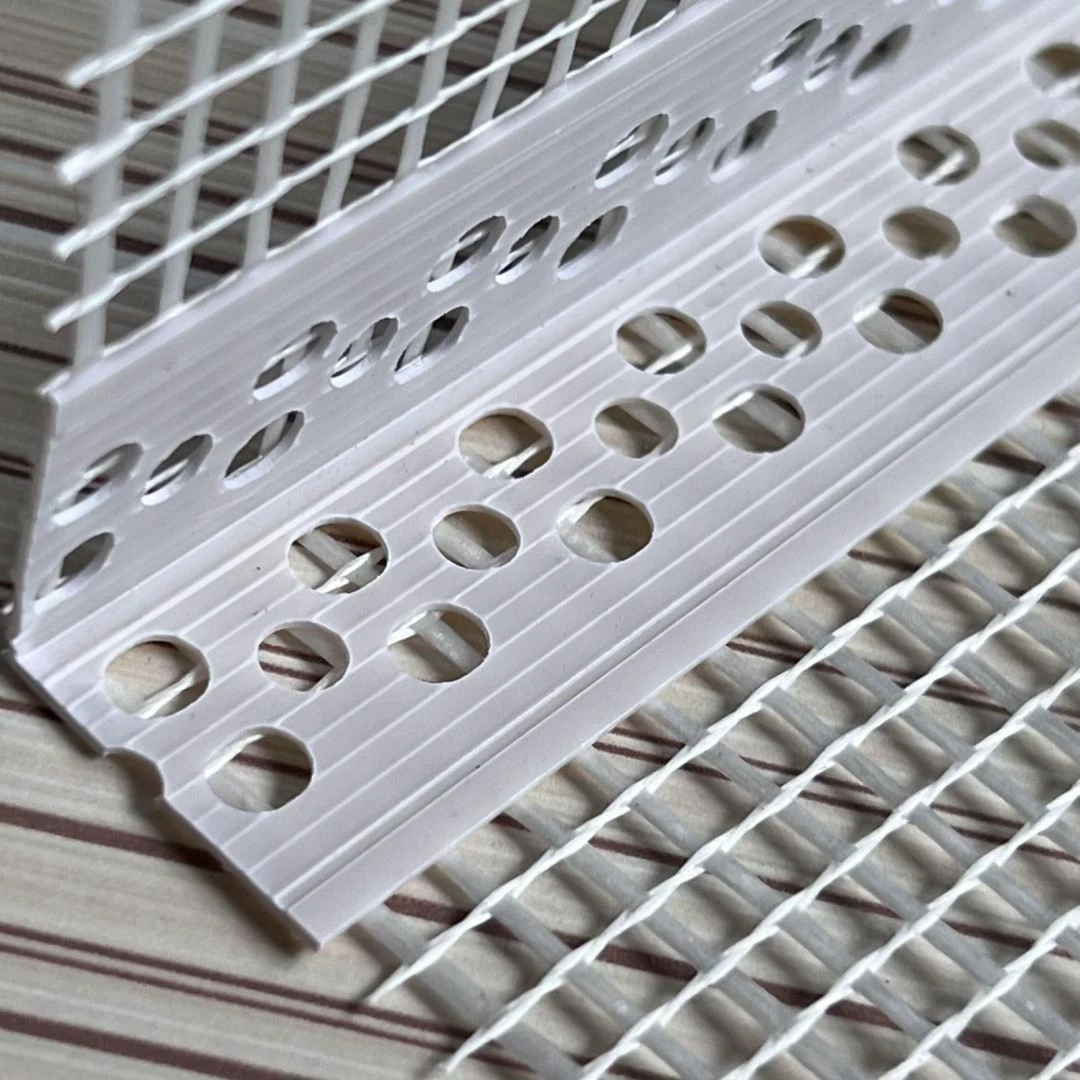
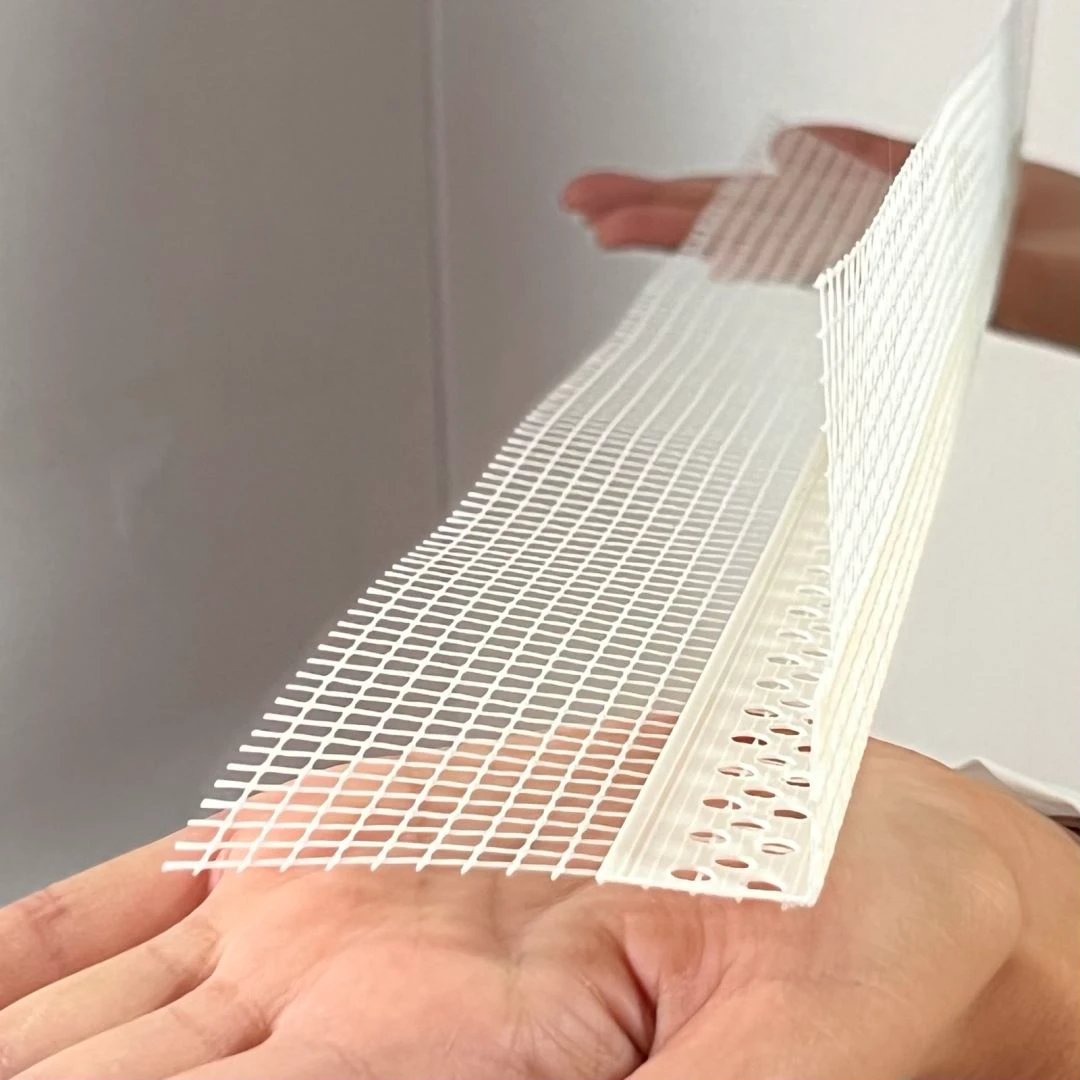
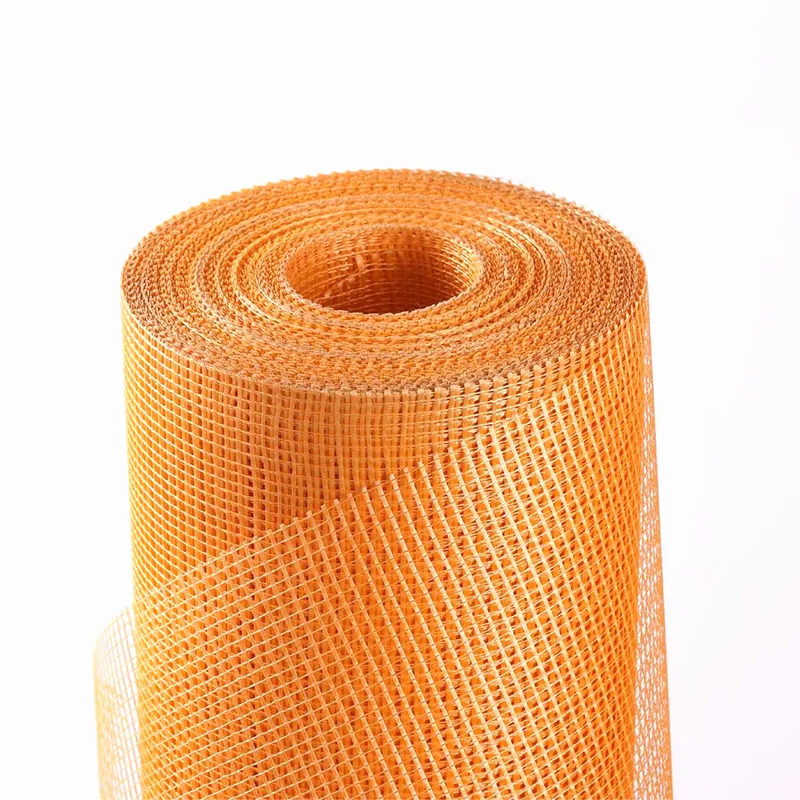
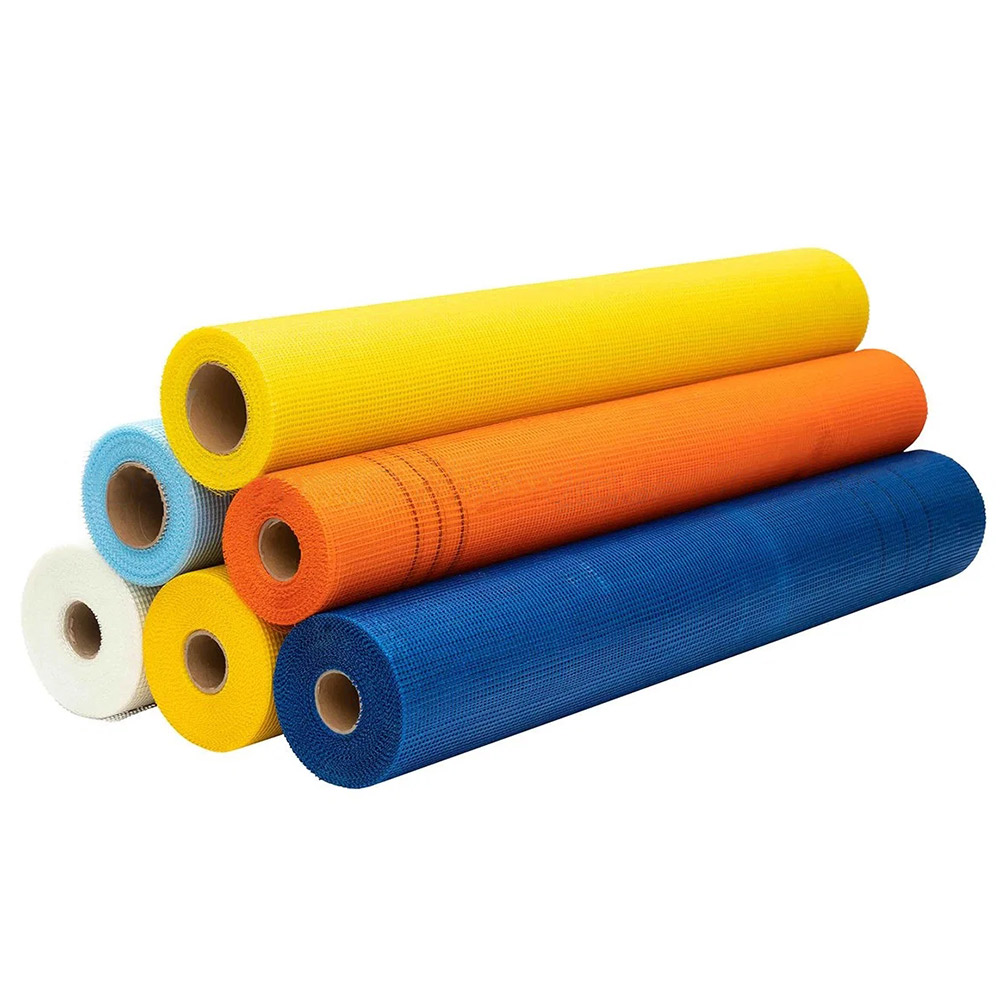
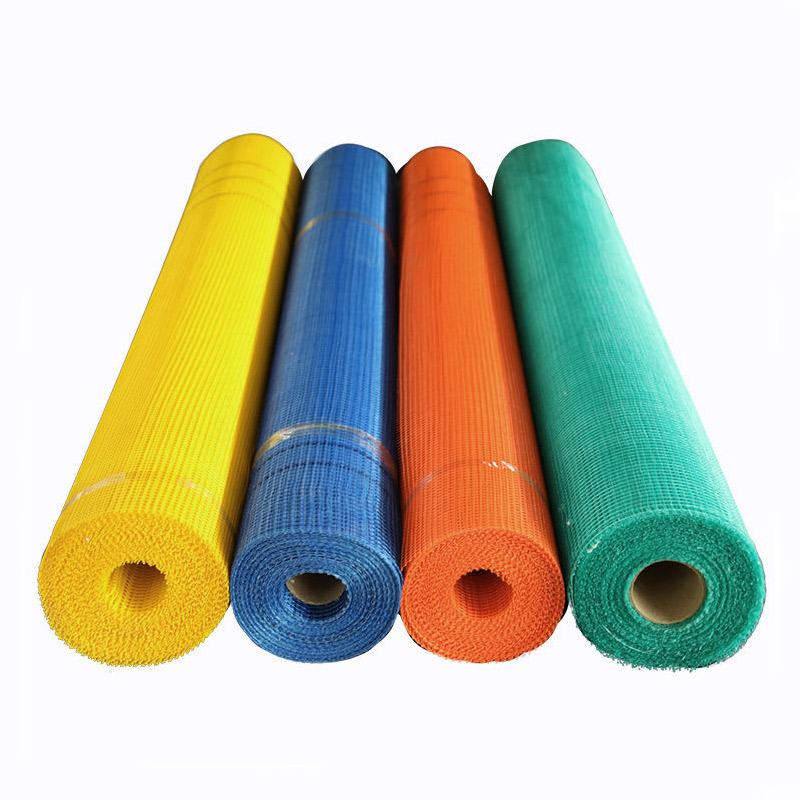
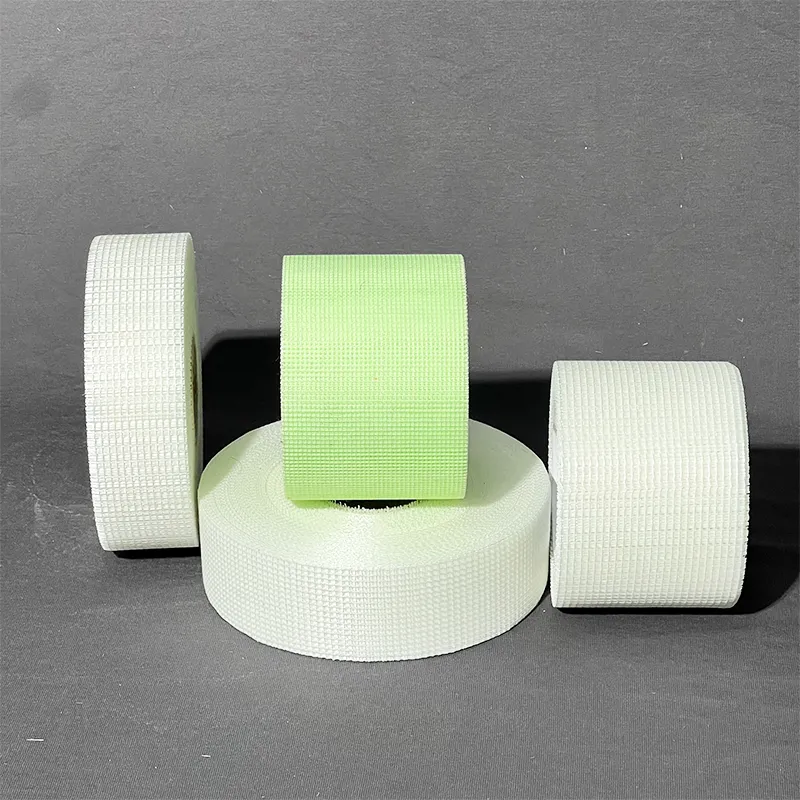
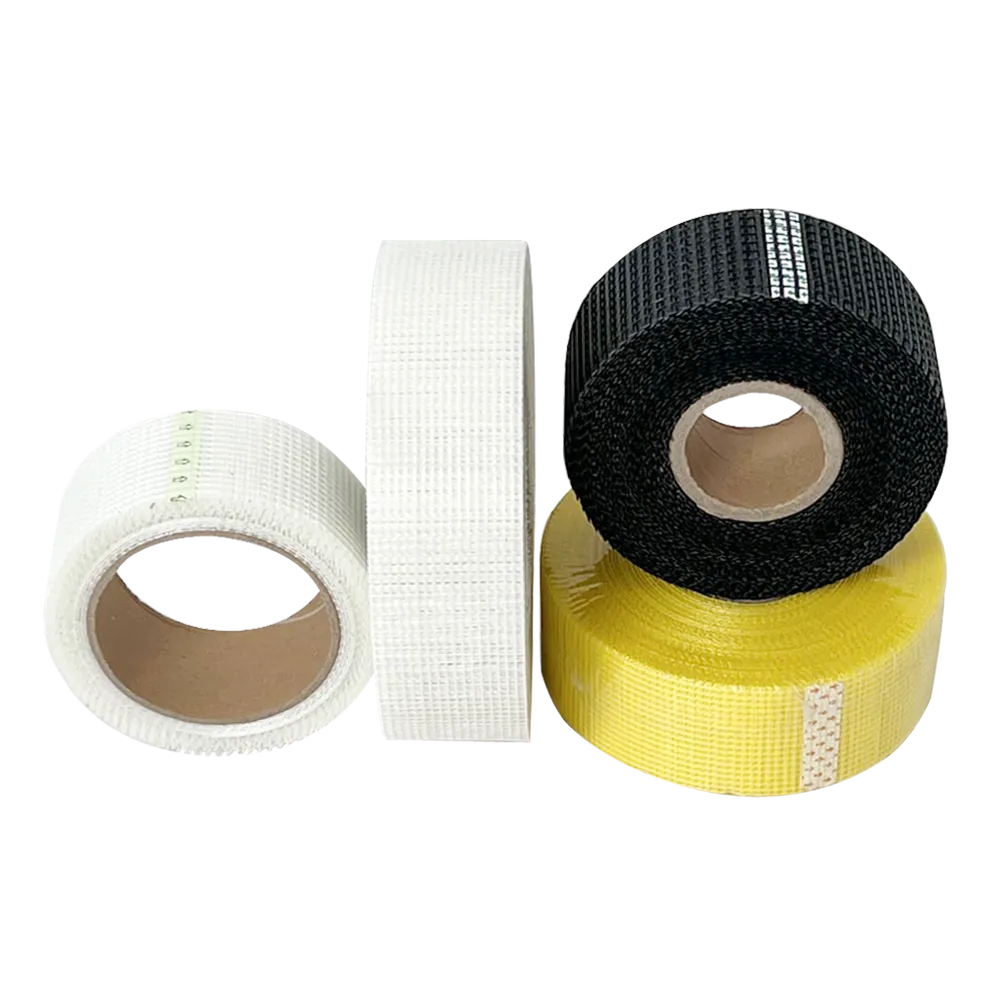
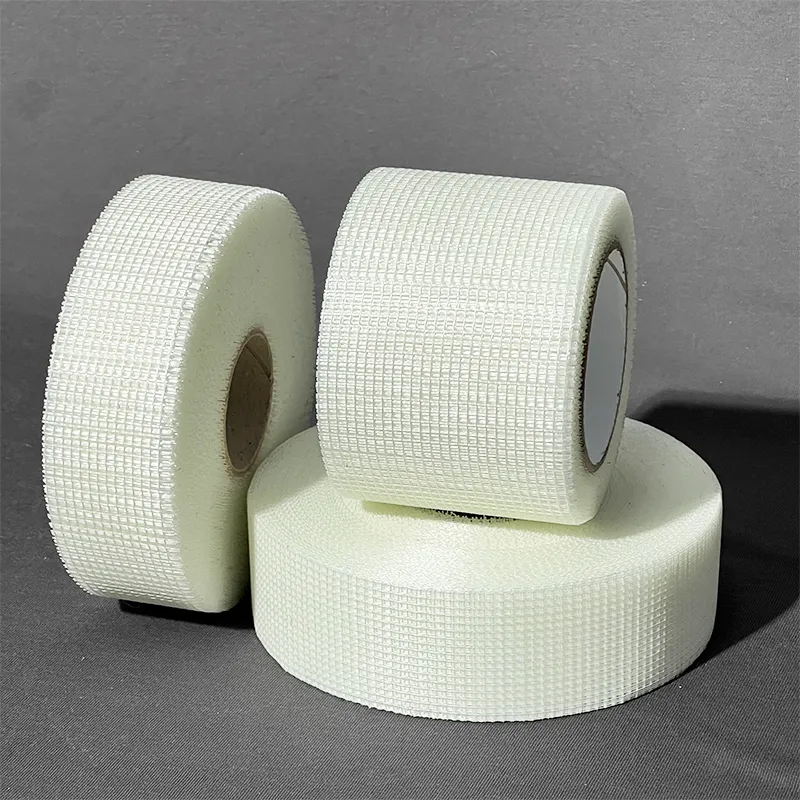
Now, self adhesive fibreglass mesh isn’t your average fabric. It’s a strong, flexible grid typically used for reinforcing surfaces like walls, floors, and even roofing. What really makes it appealing — and frankly a bit miraculous — is the adhesive backing. This feature cuts down hours of prep and keeps everything in place without extra nails or staples. If you’ve ever been on a bustling worksight, you know every minute saved counts.
Behind the Scenes: What Makes Fibreglass Mesh From a Factory Stand Out?
If you think all fibreglass mesh products are created equal, you’re in for a surprise. Quality begins at the factory level — the weave tightness, resin treatment, adhesive type, and testing standards all impact performance. From my visits to several factories, it’s clear that top-tier manufacturers invest heavily in R&D to enhance UV resistance and tear strength. I recall one plant where the testing lab was akin to a sci-fi setup: machines straining samples until they practically begged for mercy.
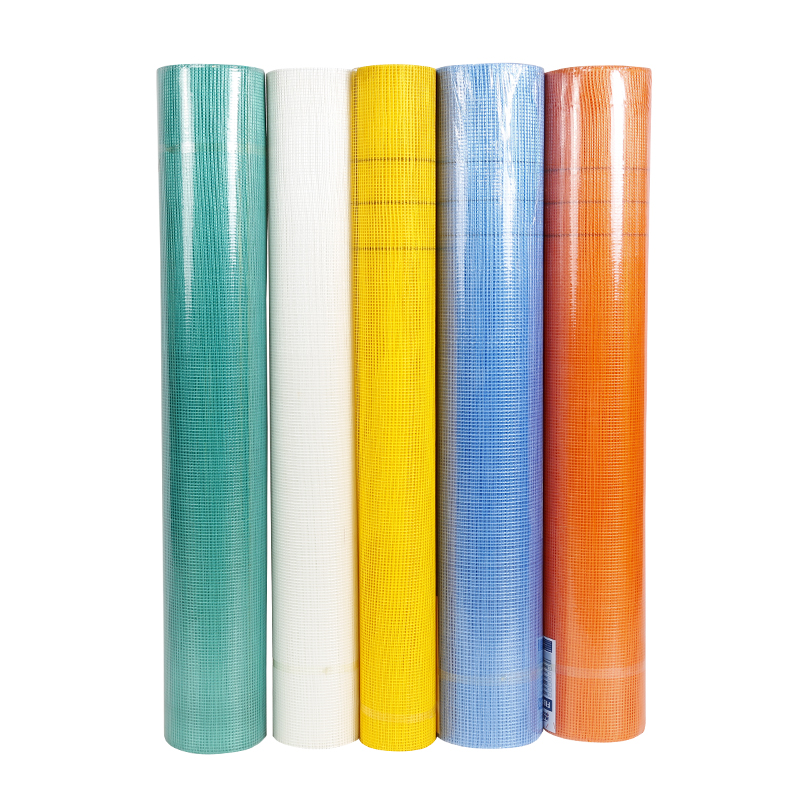
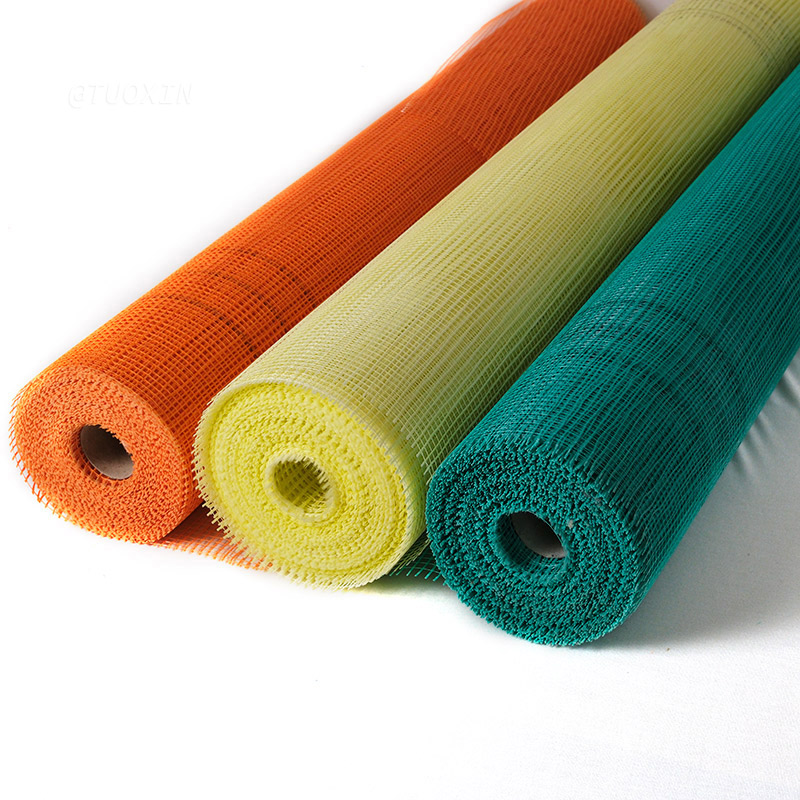
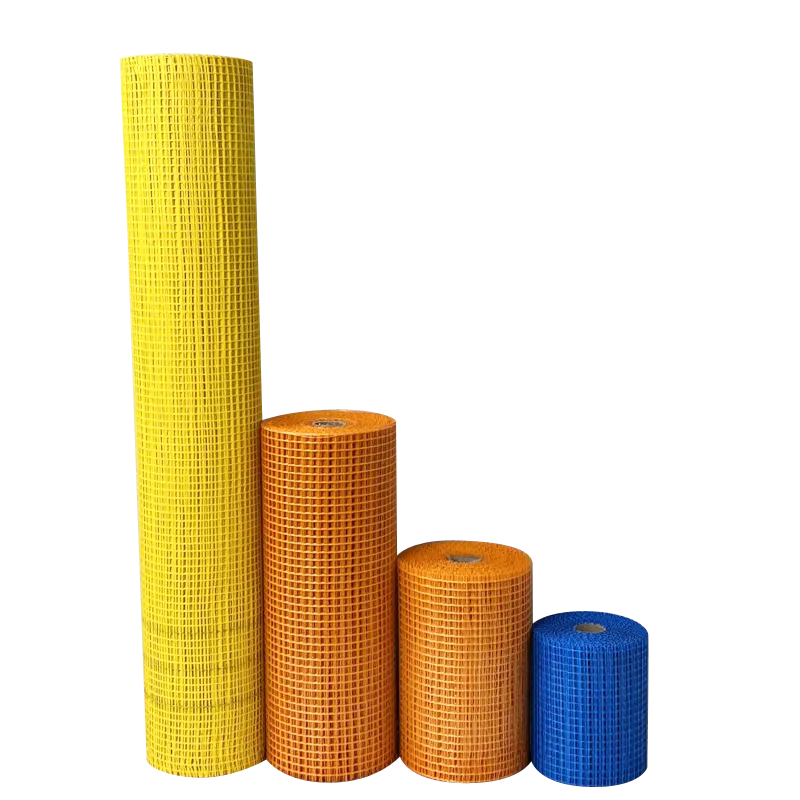
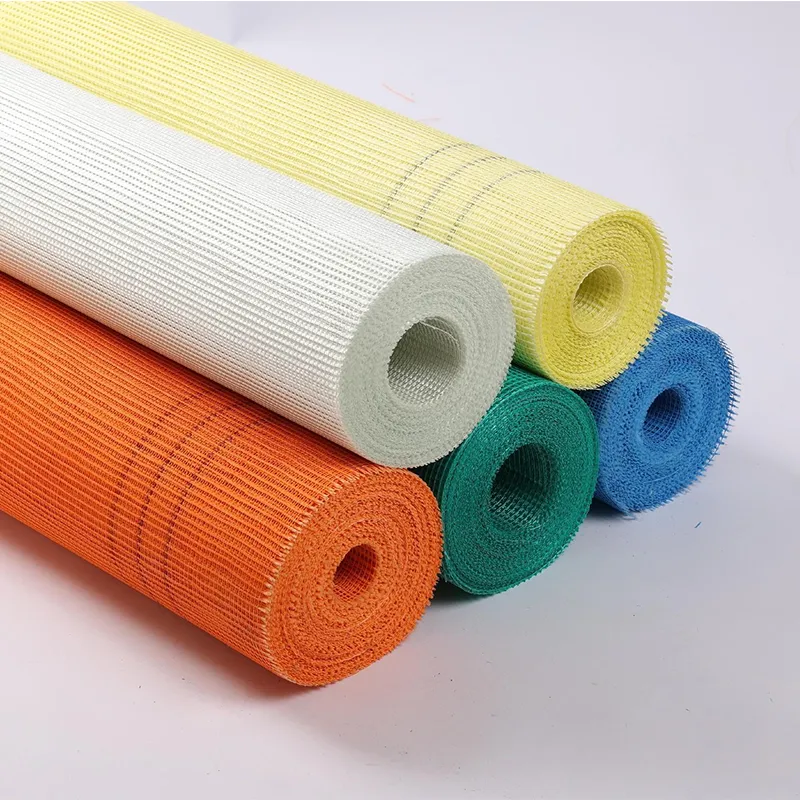
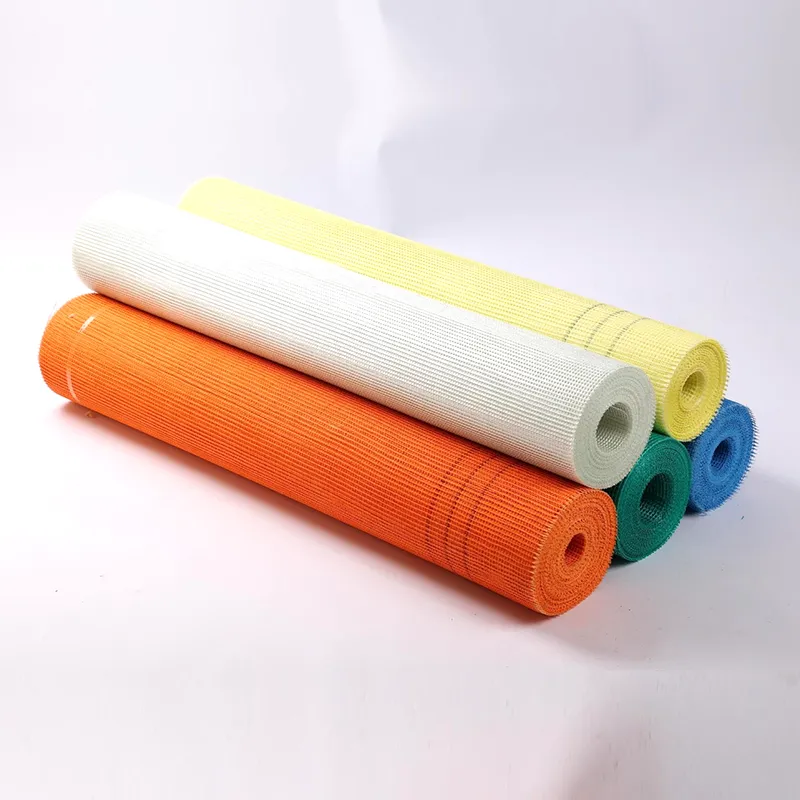
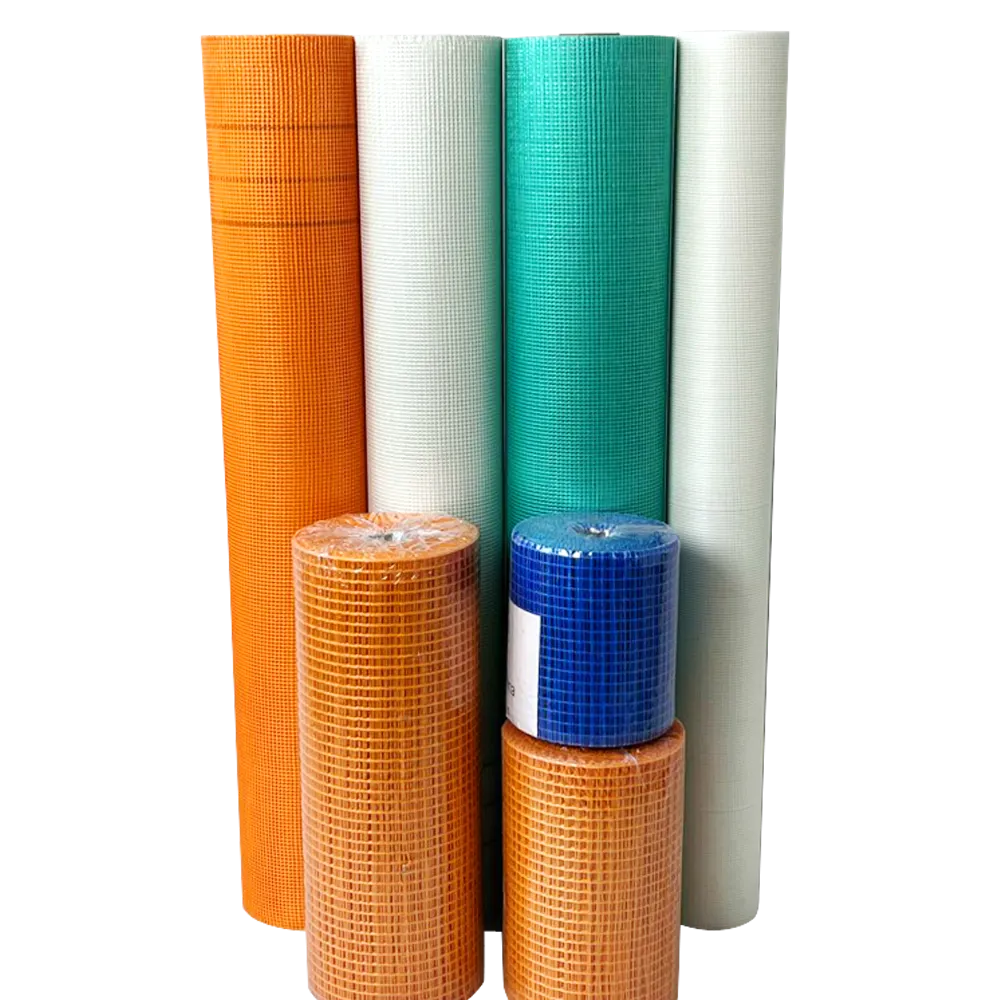
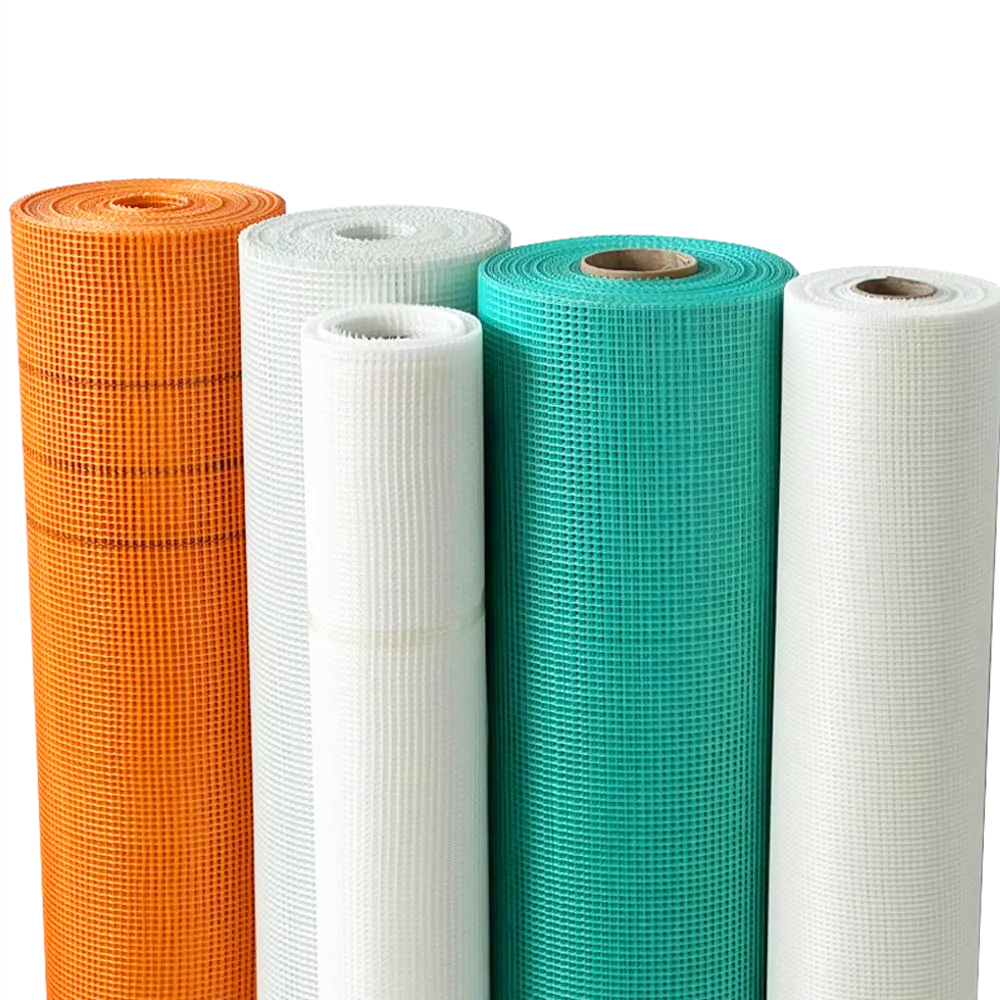
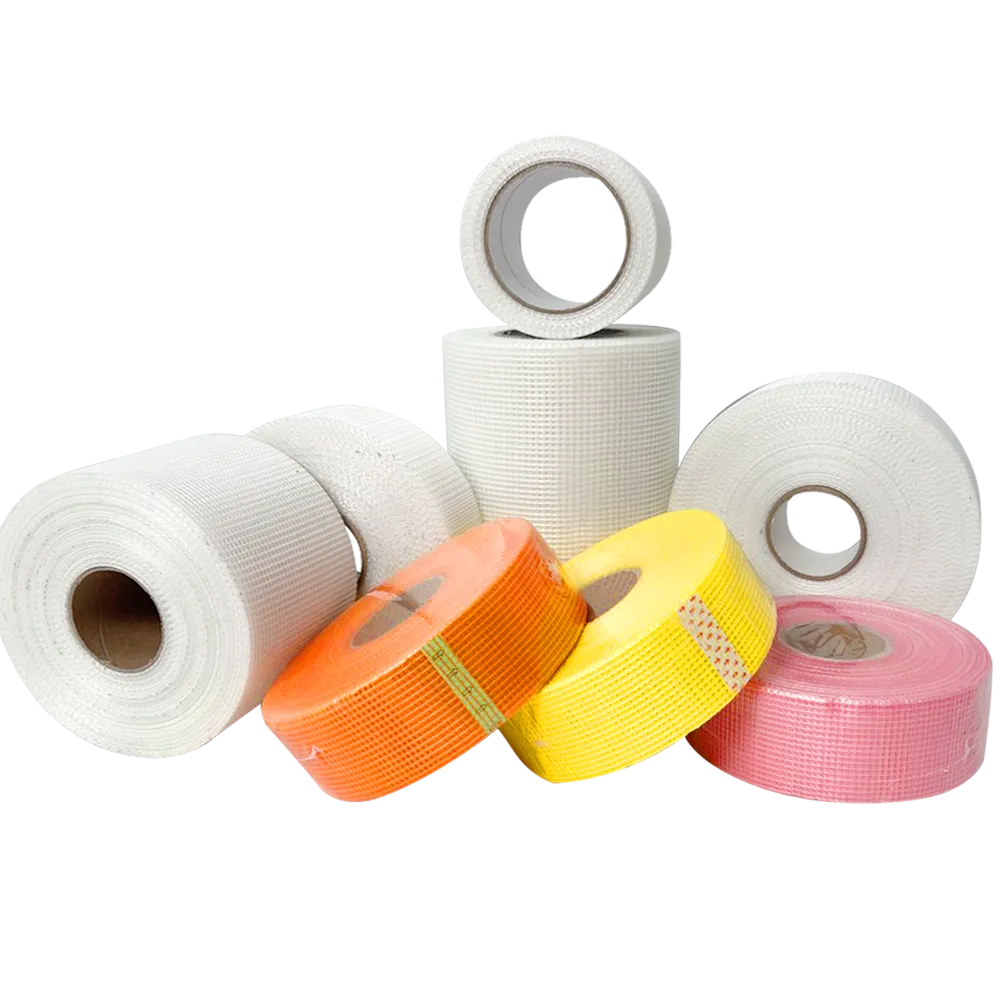
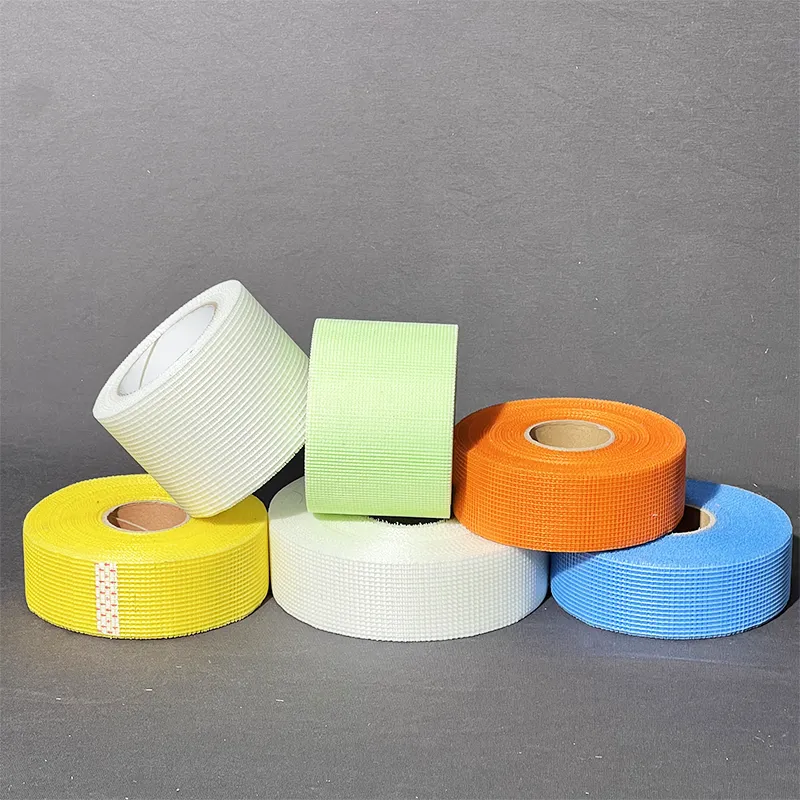
Besides performance, customization is king. Factories that offer tailored mesh sizes, adhesive grades, and roll lengths give clients an edge. Some engineers even request colored mesh for ease of identification on site — a small but clever trick to speed inspections.
Product Specifications That Matter in Self Adhesive Fibreglass Mesh
| Specification | Details |
|---|---|
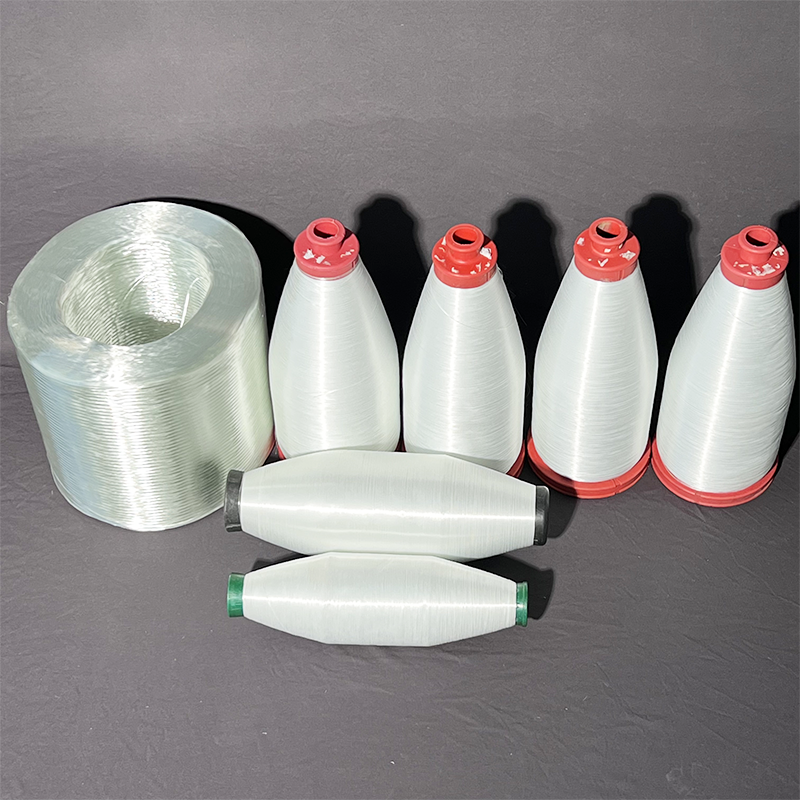
| Material | High-strength fiberglass yarn |
| Mesh Size | 5x5 mm (customizable) |
| Adhesive Type | Water-based pressure-sensitive |
| Roll Width | 1 m standard (up to 2 m available) |
| Roll Length | 50 m standard |
| Tensile Strength | > 450 N / 50 mm |
| UV Resistance | Up to 500 hours exposure |
Picking the Right Factory: Comparing the Top Vendors
Over the years, I’ve worked with several suppliers — from small regional factories to large-scale overseas producers. It really boils down to trust, consistency, and adaptability. The table below sums up my take on a few leading sources:
| Vendor | Product Quality | Customization | Delivery Speed | Price Range |
|---|---|---|---|---|
| Tainuo Fiberglass Mesh | Excellent | Highly flexible | Fast (2-3 weeks) | Competitive |
| Regional Mesh Co. | Good | Limited | Moderate (4-6 weeks) | Mid-tier |
| Global Mesh Inc. | Very Good | Standard | Slow (6-8 weeks) | Higher-end |
A Real-World Glimpse: How Self Adhesive Fibreglass Mesh Saved a Project
A memorable case was a large warehouse refurbishment I was part of last year. The project specs required quick reinforcement of old, shaky walls without creating more dust or downtime — a tall order, honestly. We turned to a brand of self adhesive fibreglass mesh from a factory open to requests for custom mesh size and adhesive stickiness. Installation times dropped roughly by 30%, and the adhesive held firm even in damp conditions inside.
That experience was a good reminder that when the factory understands real field pains, the product doesn’t just meet specs — it feels like a solution crafted for your sweat and grind.
Industries grow, materials evolve, but dependable reinforcement mesh remains a cornerstone. And frankly, finding the right self adhesive fibreglass mesh factory can be the difference between a job done and a job well done.
Parting Thoughts
It’s funny how the smallest components can carry the biggest weight — quite literally in this case. As construction demands push towards faster, more resilient builds, the humble self adhesive fibreglass mesh factory quietly stays in the background, churning out a product that’s both innovative and practical. For anyone diving into industry projects, don’t overlook the power of picking the right mesh — it might just save your skin on deadline day.
– A seasoned industrial equipment veteran
References & Reflections
- Insights from factory visits and product testing labs, 2022-2023
- Conversations with engineers and installers on site
- Product brochures and customization offers from major mesh suppliers
-
Best Fiberglass Mesh Tape for RedGard Product Waterproofing GuideNewsApr.16,2026
-
Why High Strength Fiberglass Mesh Is Essential For Stucco ApplicationNewsApr.15,2026
-
Why Alkali Resistant Fiberglass Mesh Tape Is Essential For Cement Board And Tile InstallationsNewsApr.15,2026
-
Understanding The Role Of Drywall Fiberglass Mesh In Interior FinishingNewsApr.15,2026
-
Ultimate Guide To Using Fiberglass Mesh Tape For Drywall And Plaster RepairsNewsApr.15,2026
-
The Versatility Of Fiberglass Mesh In Marble And Stone MosaicNewsApr.15,2026