Nov . 13, 2025 08:30 Back to list
Reliable Self Adhesive Fiberglass Mesh Suppliers for Industrial Use
Choosing the Right Self Adhesive Fiberglass Mesh Suppliers
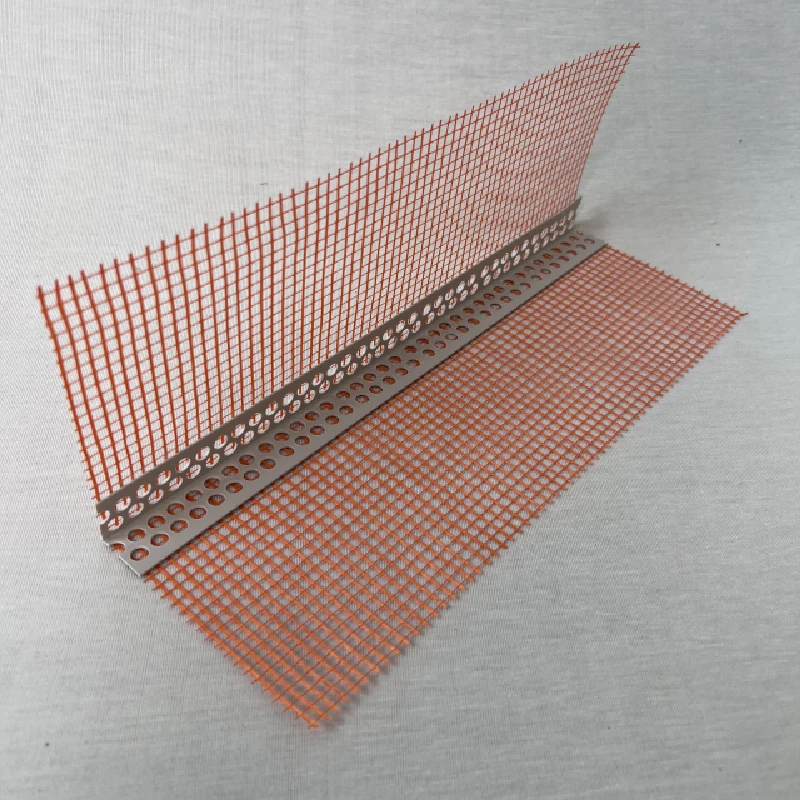
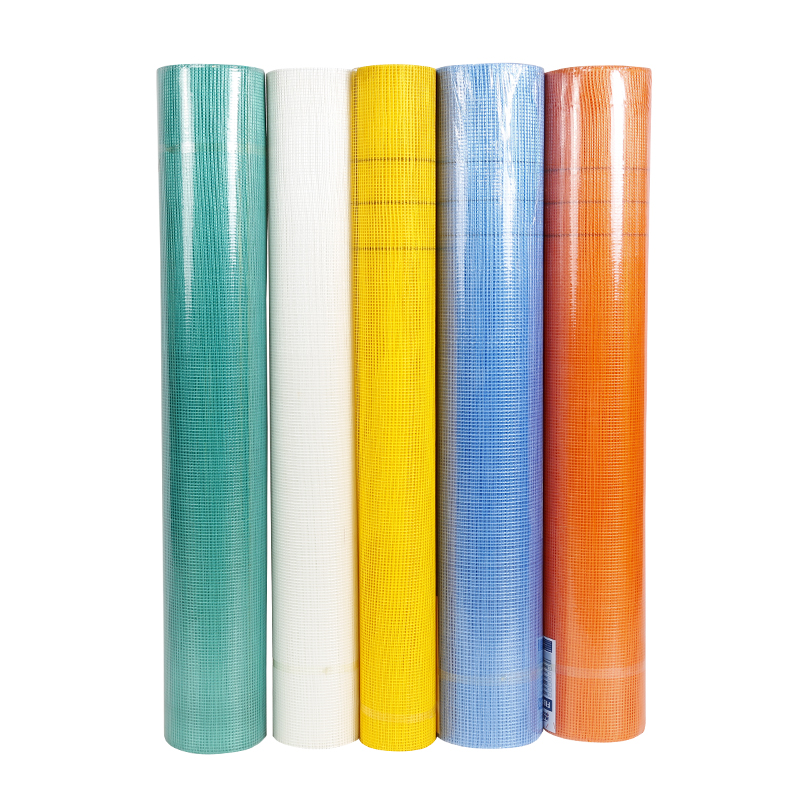
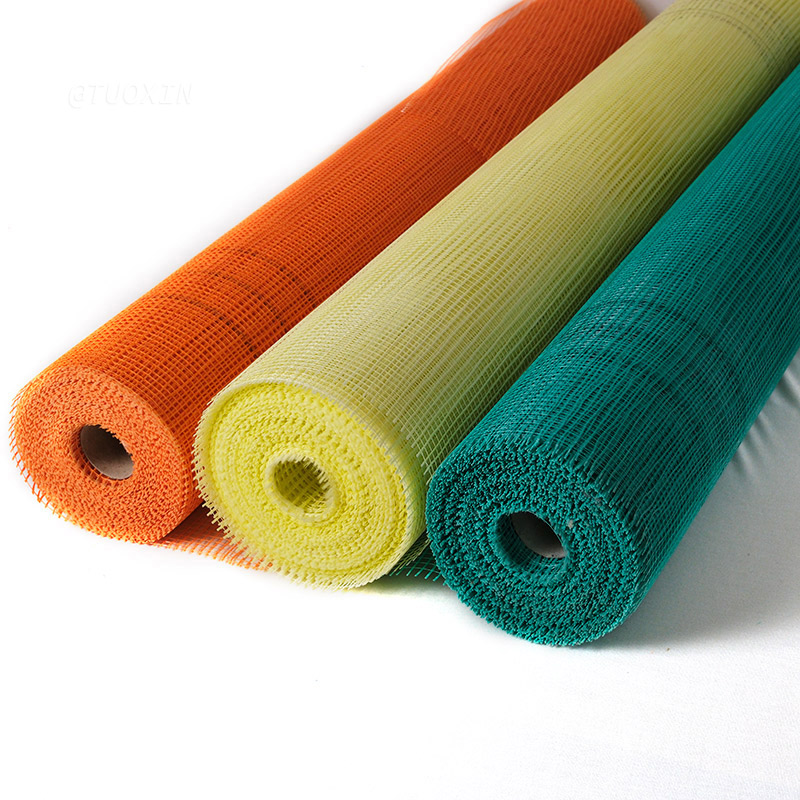
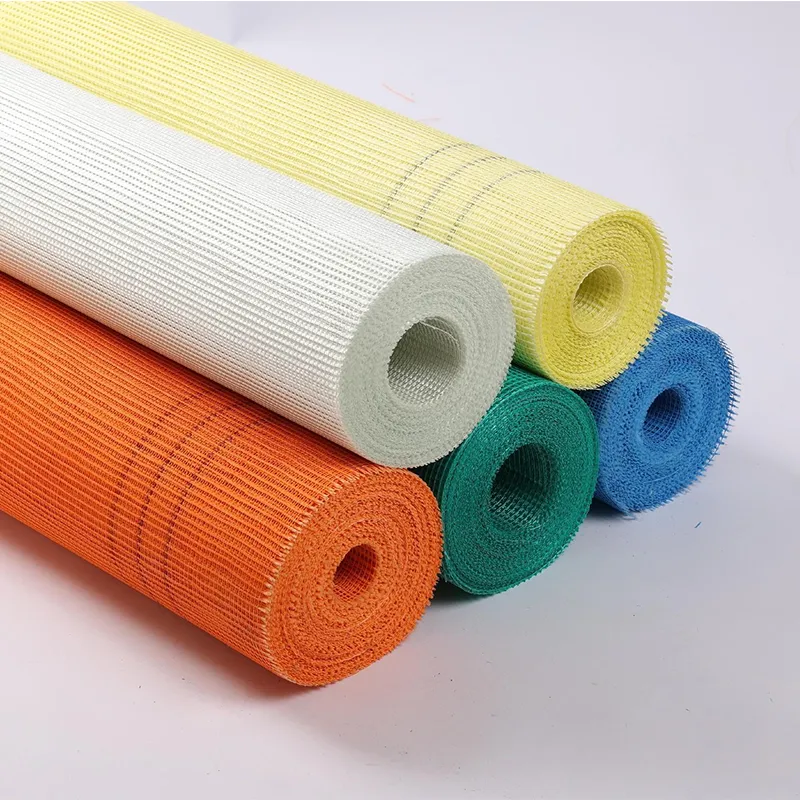
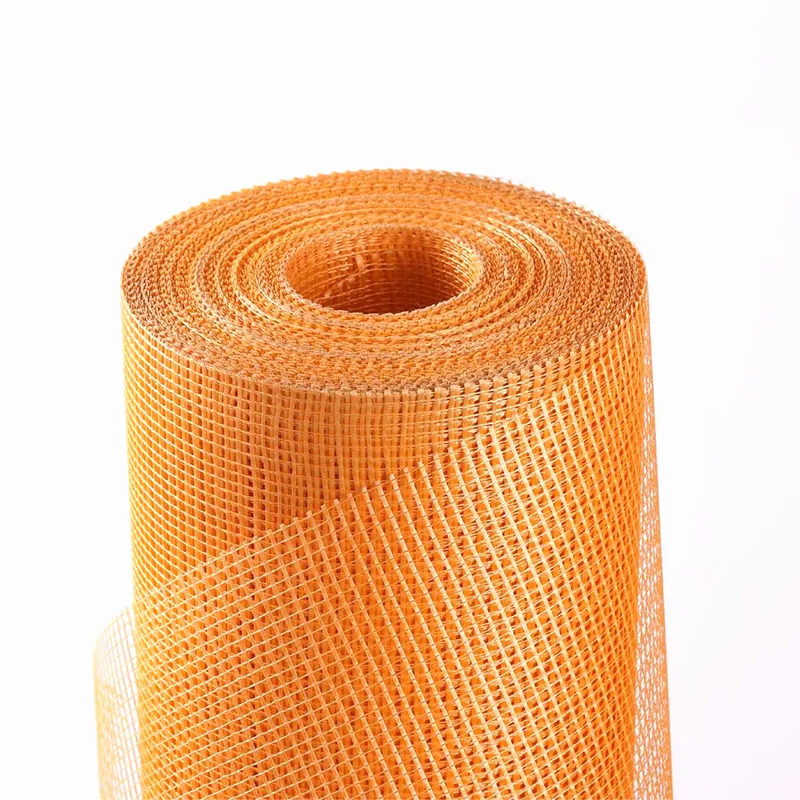
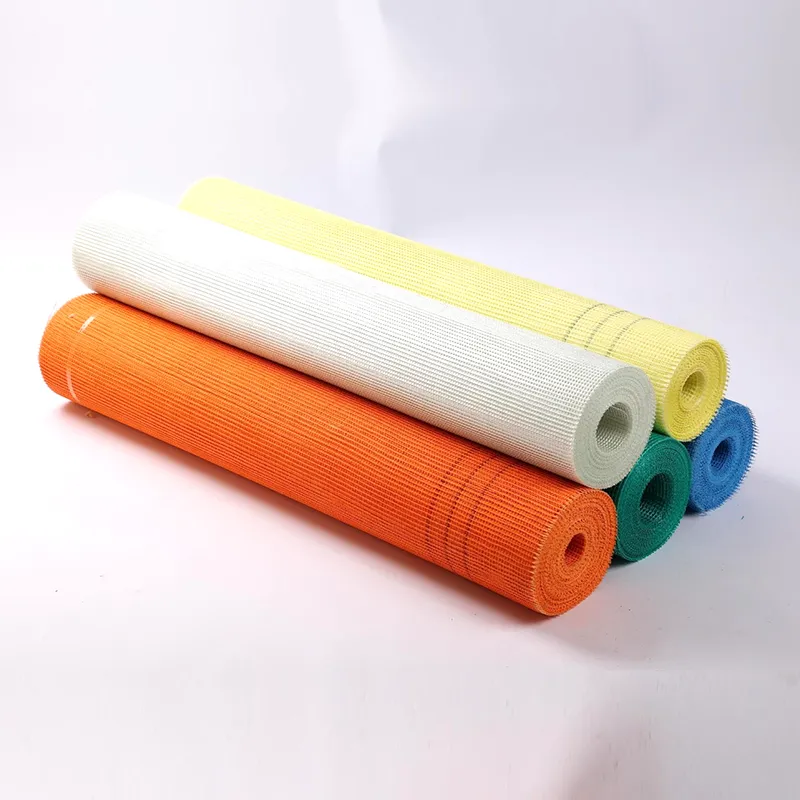
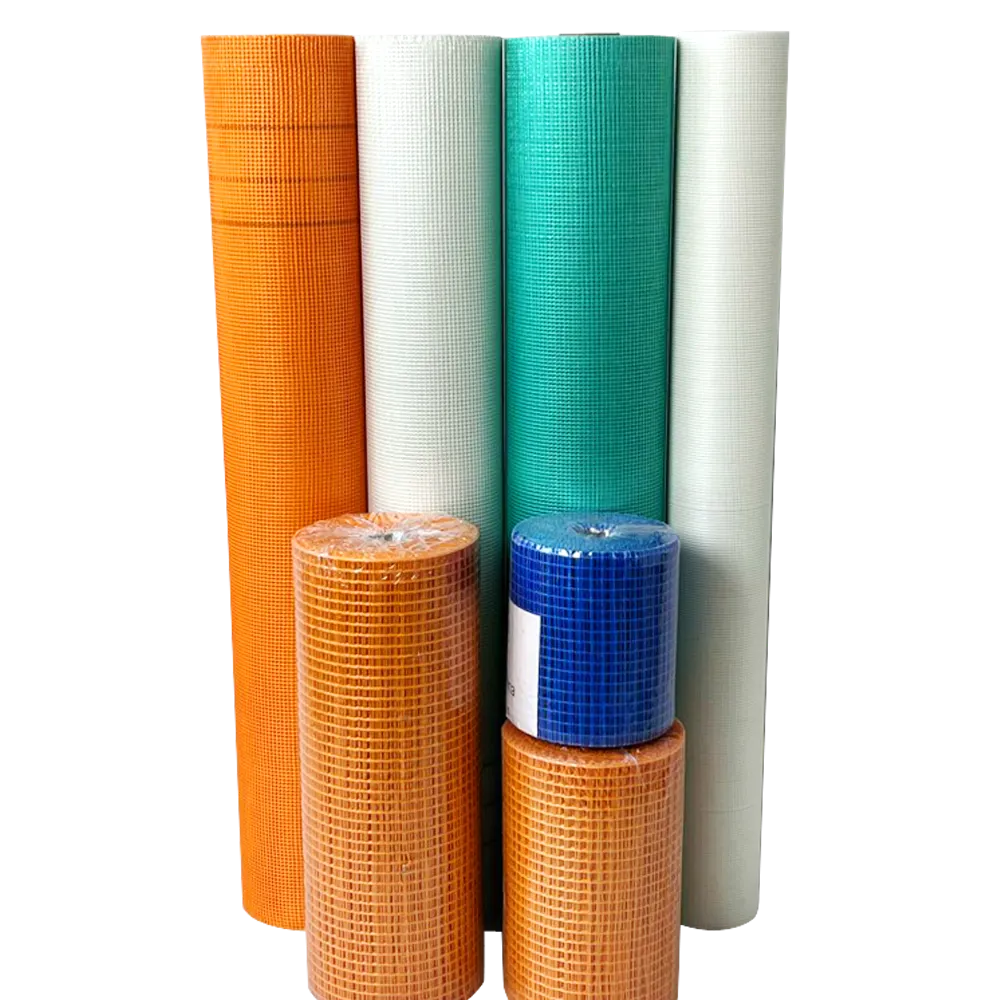
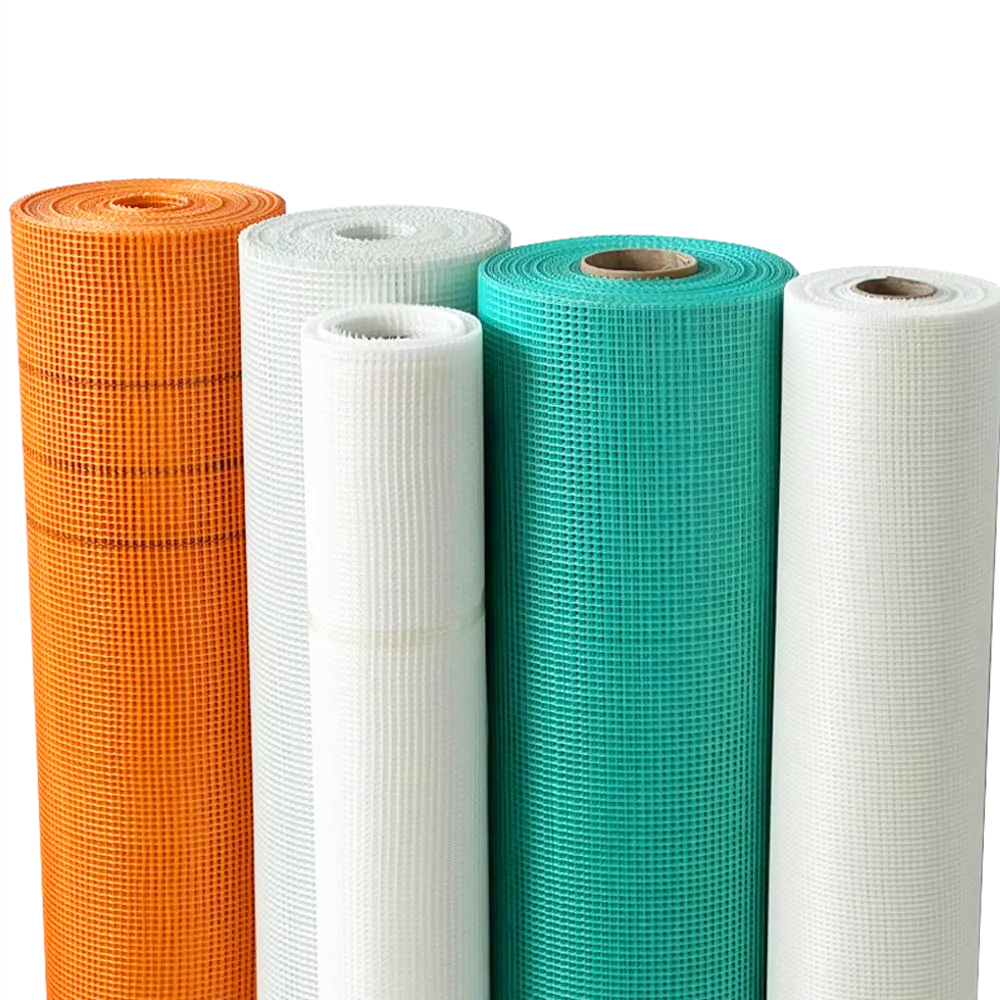
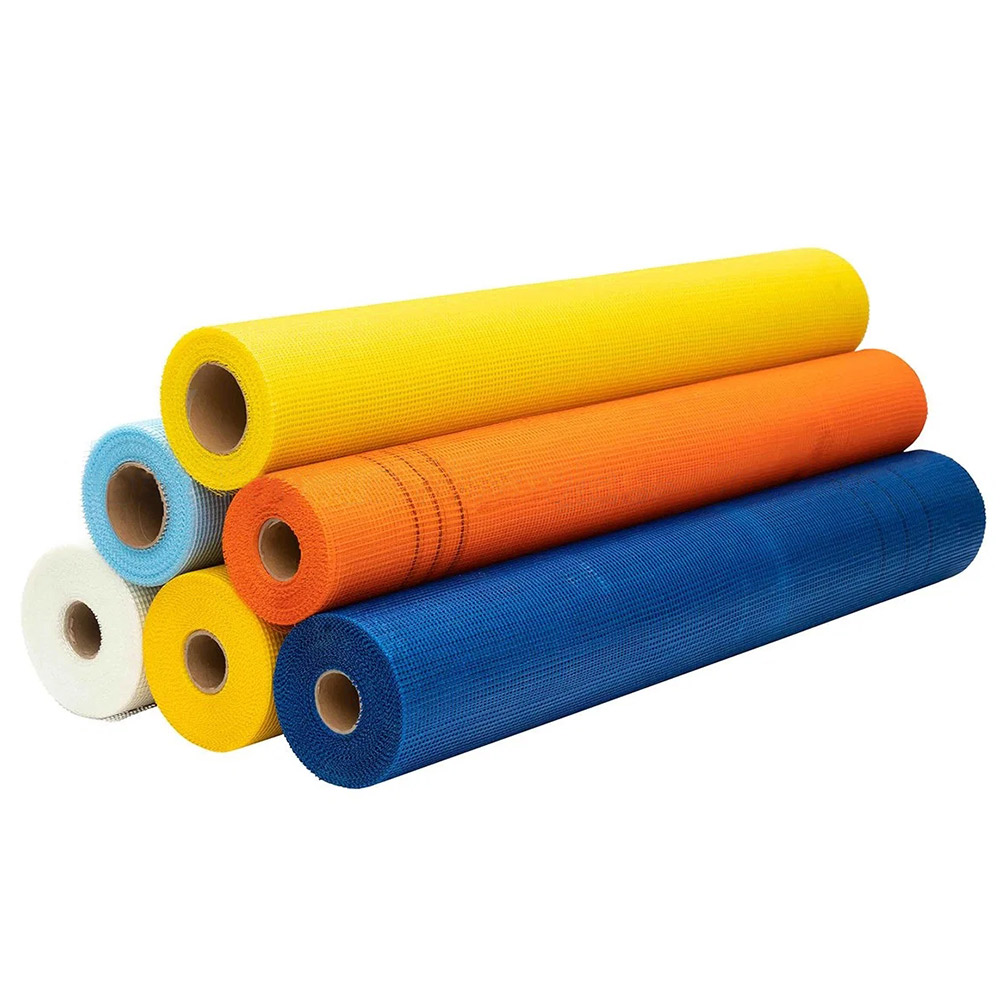
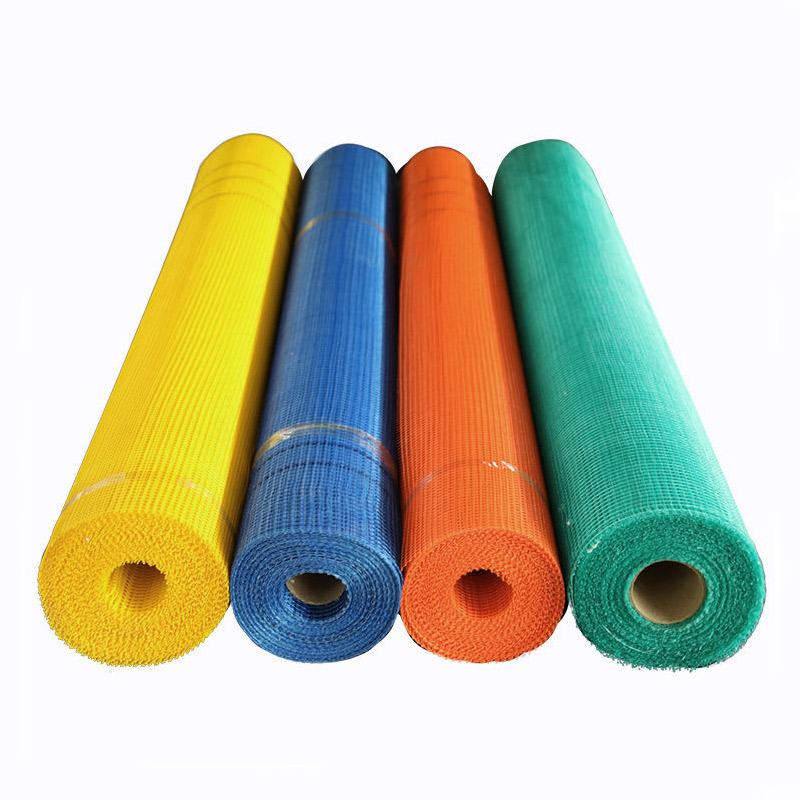
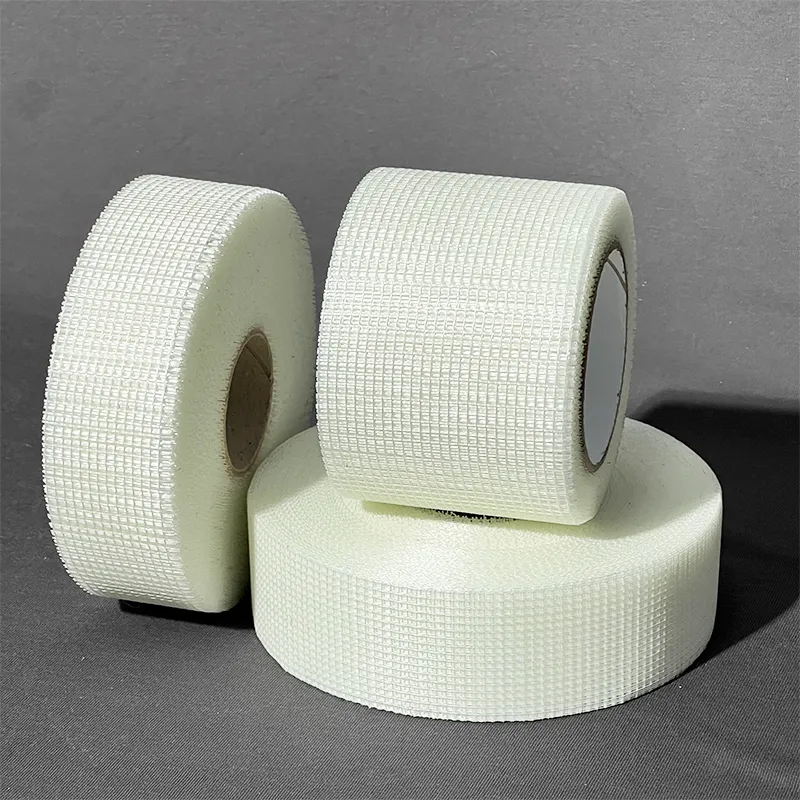
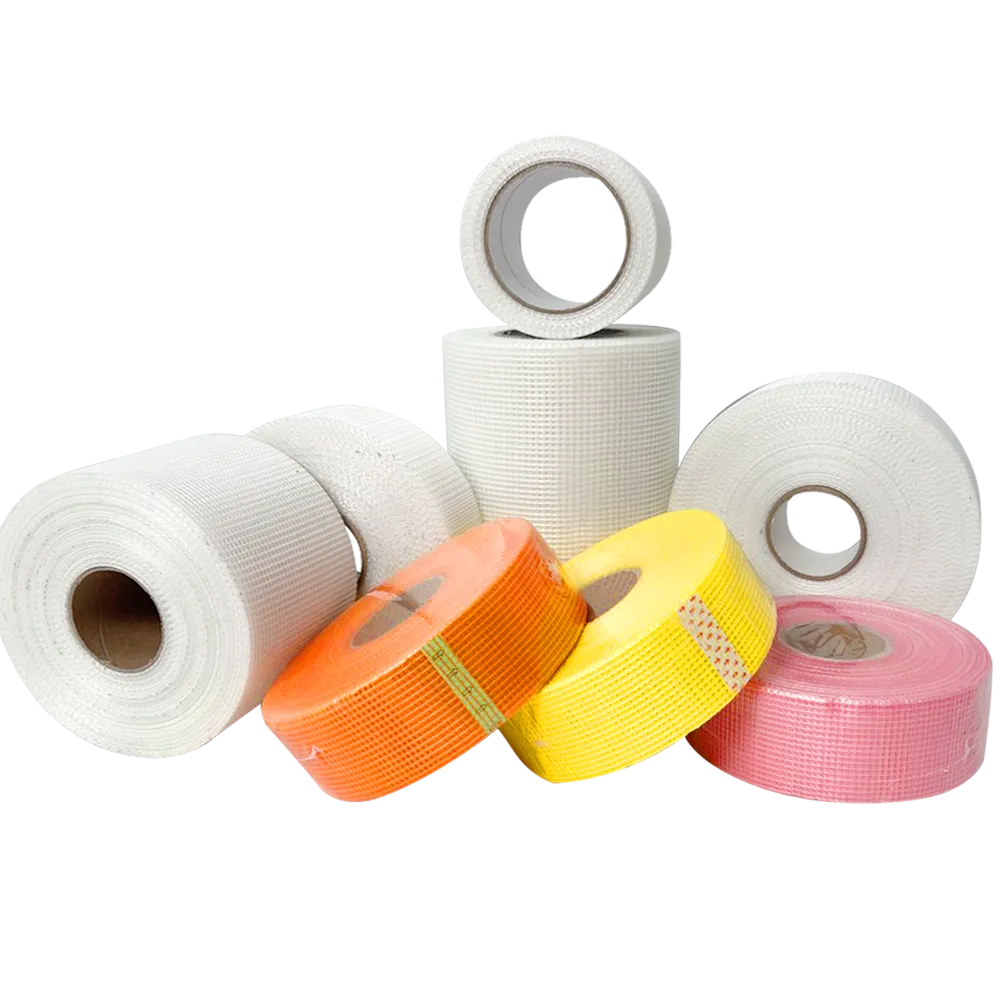
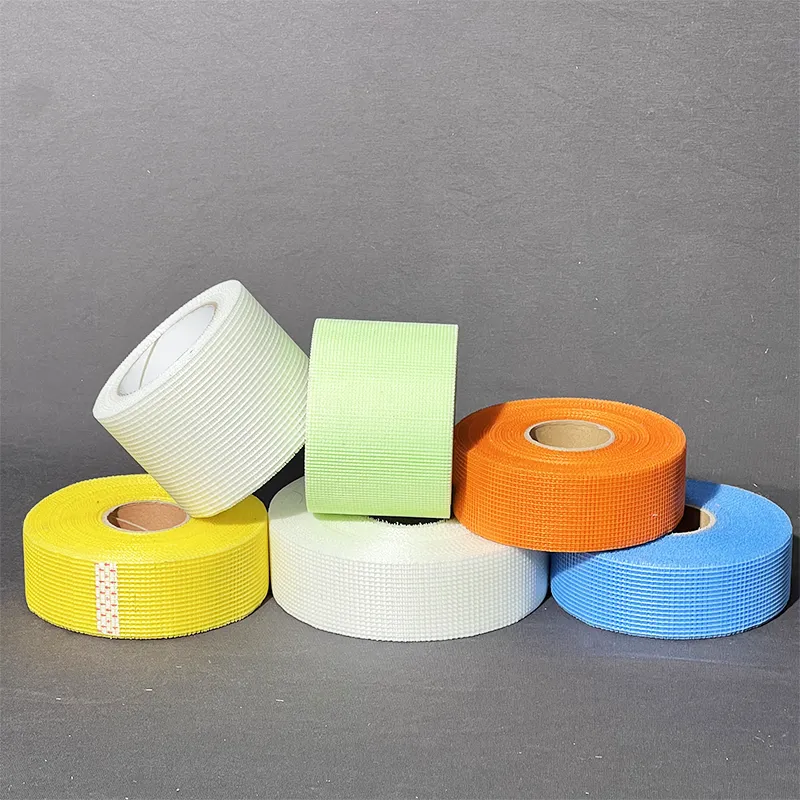
After spending close to a decade working in industrial equipment and materials sourcing, I've come to appreciate that not all self adhesive fiberglass mesh is created equal. You might think it’s a straightforward product — after all, it’s "just mesh," right? But in reality, its quality can dictate the success or failure of a project, especially in construction and insulation applications.
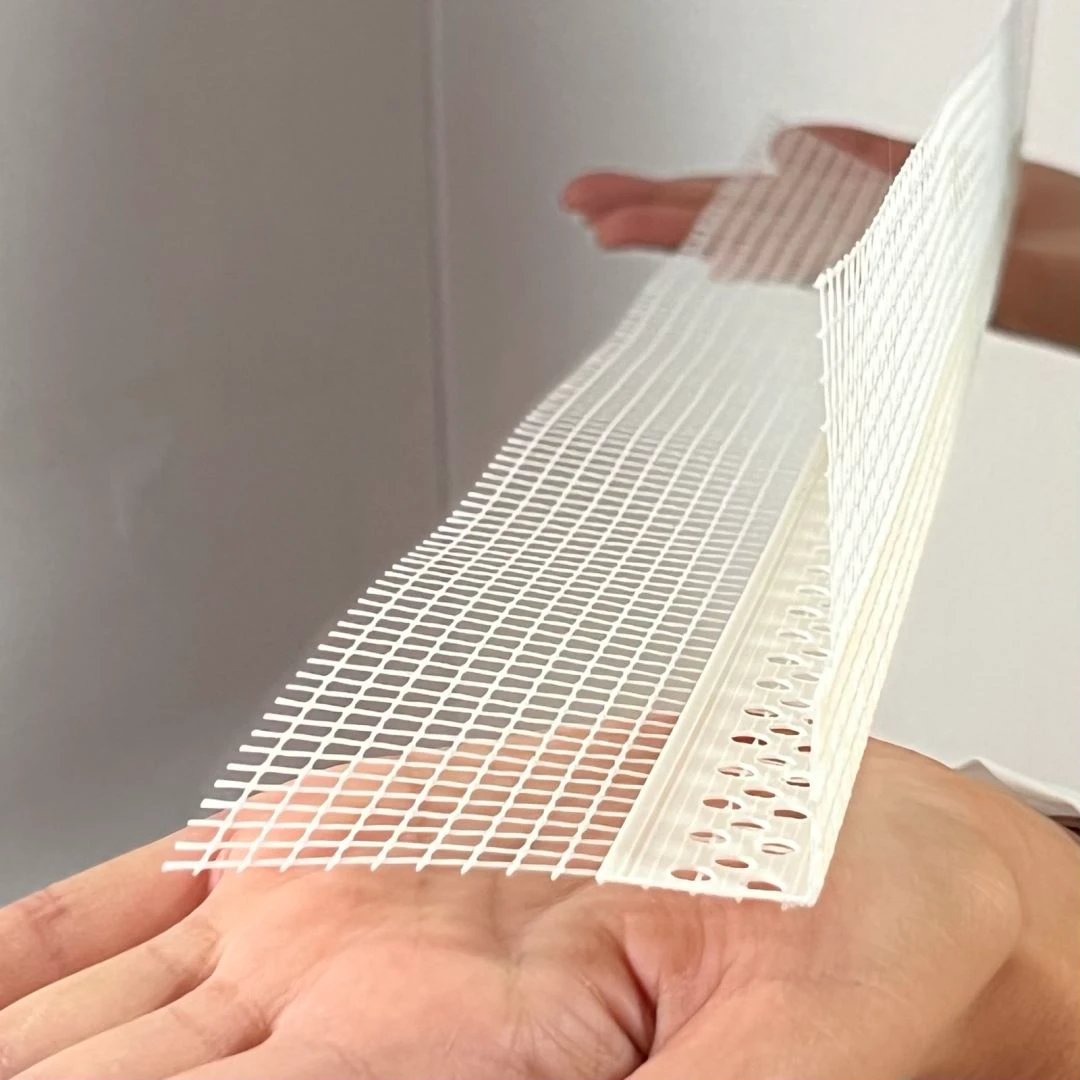
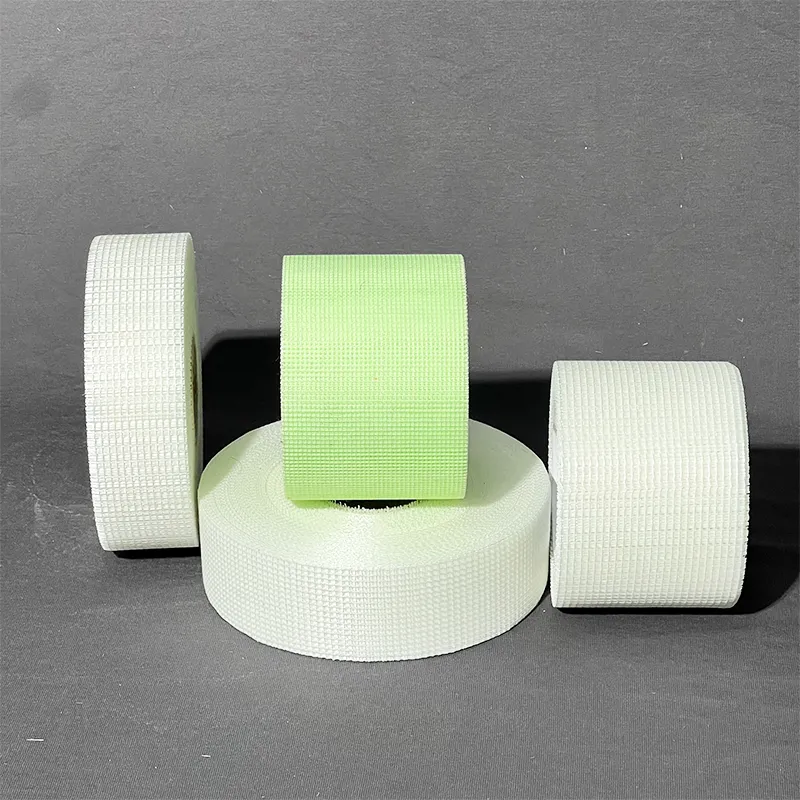
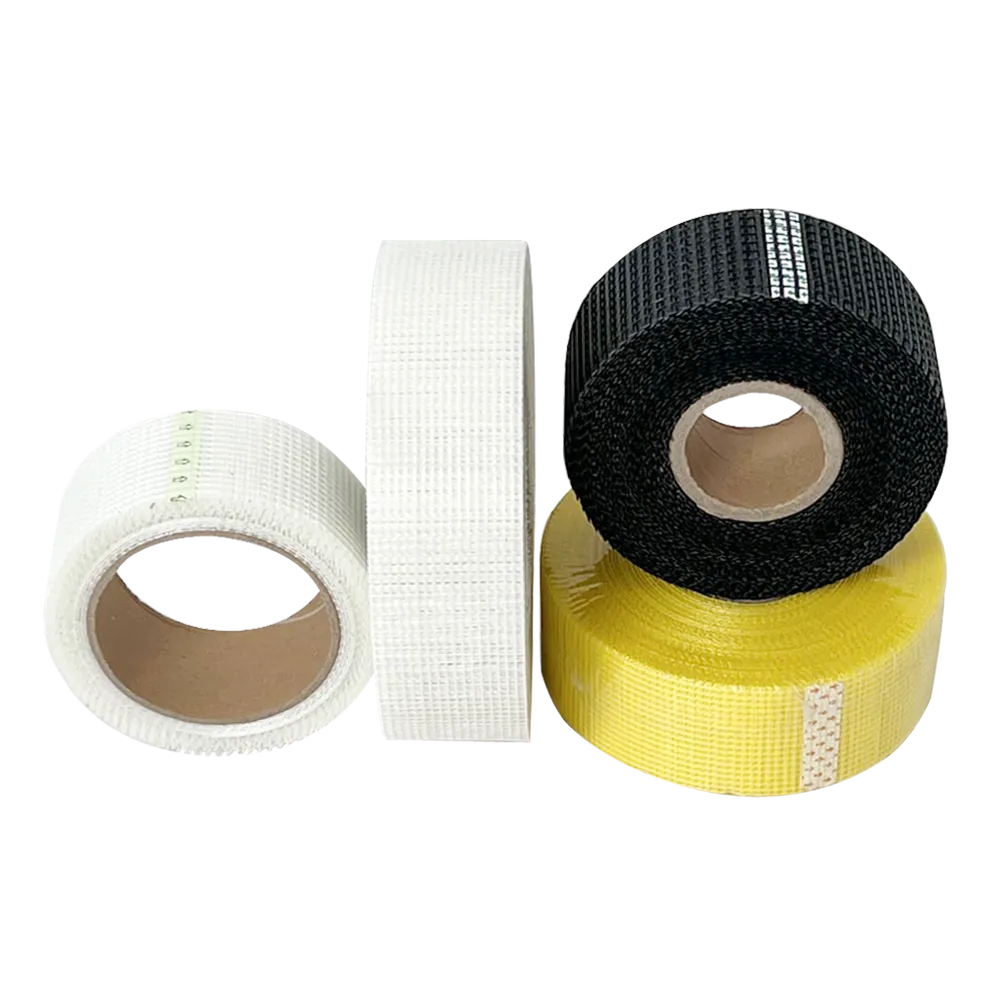
Fiberglass mesh reinforced with adhesive backing has become a go-to for crack prevention in drywall, plaster, and even waterproofing membranes. But finding a supplier that offers consistent material quality, reliable adhesive properties, and customization options? That's where things get interesting. Many engineers I know swear by self adhesive fiberglass mesh suppliers that balance technical specs with responsive support.
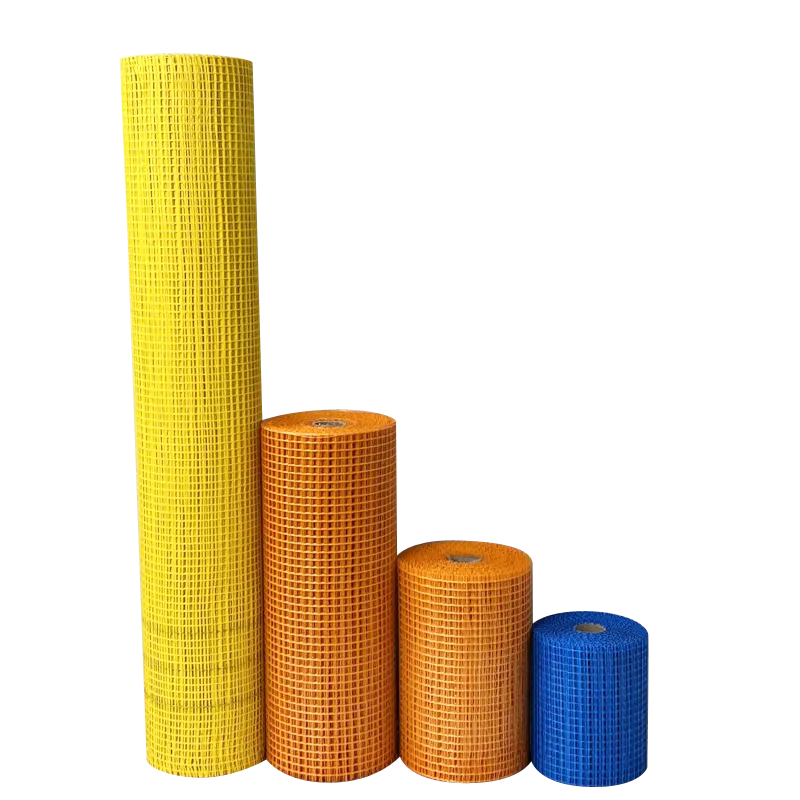
When I first encountered these materials, the adhesive strength and mesh thickness were my main concerns. It’s kind of like choosing the right thread count for a fabric — too loose, and it’s useless; too dense, and it becomes heavy and less breathable. The vendors I have worked with typically provide meshes ranging from 80g/m² to 145g/m², with varying adhesive layers that stick well but peel cleanly when needed.
What Makes a Quality Self Adhesive Fiberglass Mesh?
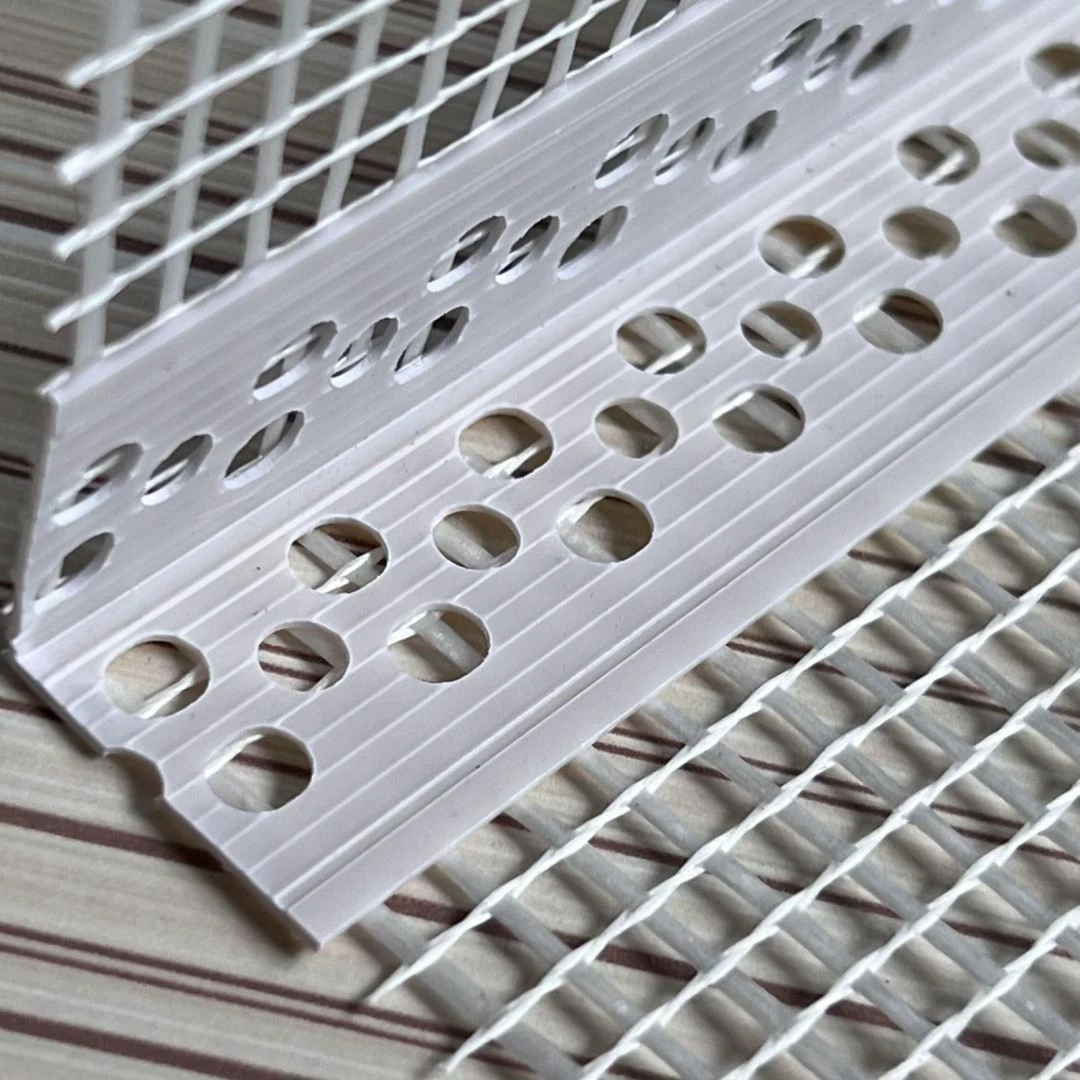
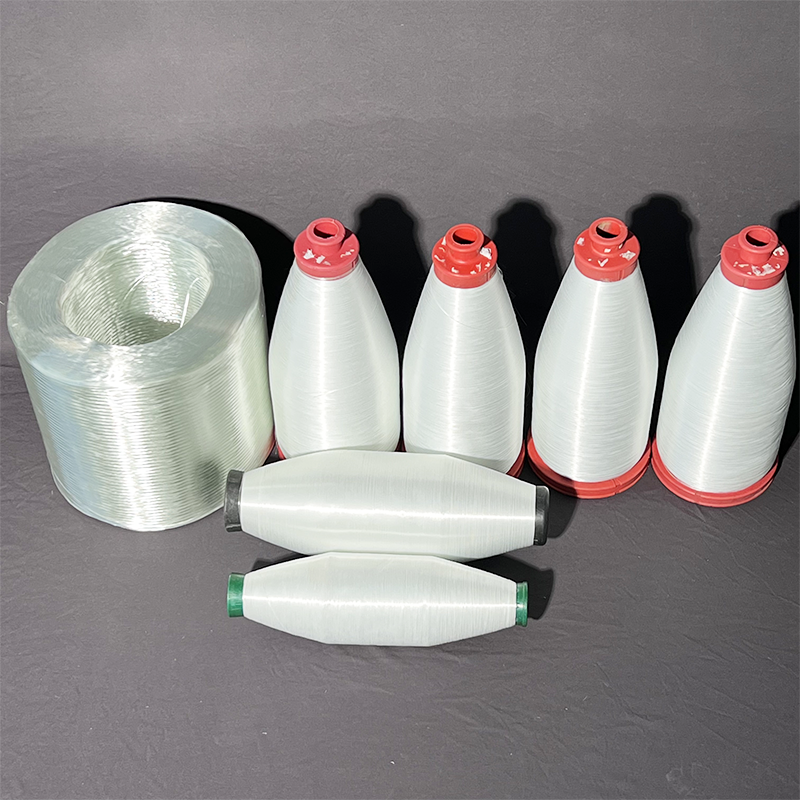
It often boils down to a few details: the fiber weave tightness, the adhesive formulation, and the compatibility with the substrate. For instance, in my last project involving a moisture barrier for a concrete wall, the mesh’s resistance to alkali environments was critical. Without alkali-resistant coatings, the mesh breaks down fast, causing more harm than good.
Another aspect engineers talk about is the adhesive backing. It needs to be aggressive enough to hold in place during installation but not so strong that you can’t reposition it. Oh, and the backing needs to age well too — nobody wants adhesive that dries out or crumbles after a few months.
| Specification | Typical Value |
|---|---|
| Mesh Weight | 110g/m² ±10% |
| Fiber Diameter | 10 microns |
| Adhesive Type | Acrylic-based pressure sensitive |
| Alkali Resistance | >99% over 72 hours |
| Roll Width | 1 meter, 1.2 meters |
| Roll Length | 50 meters standard |
These specs are not hard and fast, but the variations can affect ease of use and performance. It’s one of those cases where buying cheaper mesh upfront can result in costly callbacks and material waste.
Comparing Leading Self Adhesive Fiberglass Mesh Vendors
Over the years, I've worked with several vendors, and it’s clear the best suppliers bring more than just a standard product off the shelf. They offer flexibility, technical advice, and test certifications. Here’s how some compare based on typical criteria:
| Supplier | Adhesive Quality | Customization | Lead Time | Tech Support |
|---|---|---|---|---|
| Tainuo Fiberglass Mesh | Excellent - Acrylic, stable | Wide range of sizes & specs | 2-3 weeks standard | Responsive, thorough |
| Supplier B | Good - Solvent-based | Limited options | 3-4 weeks | Average |
| Supplier C | Fair - Adhesive weak over time | Custom sizes available | 1-2 weeks | Limited |
One time, a client swore by Tainuo’s product because the mesh didn't just stick—it stayed tough against environmental stress. It’s the kind of thing that you don't notice until it fails, and then everyone talks about it.
My take? Always verify alkali resistance if you’re dealing with concrete or plaster environments, and double-check the datasheets from suppliers. The right mesh can save a ton of headaches down the line.
In the end, it’s about marrying quality materials with good supplier relationships—because even the best mesh can’t perform miracles without expert handling and support.
Hopefully this little dive into self adhesive fiberglass mesh suppliers helps you navigate your next sourcing challenge.
References and thoughts:
- Technical datasheets from various fiberglass mesh manufacturers
- Field experience with drywall joint reinforcement projects in temperate and humid climates
- Conversations with construction engineers and industrial material specialists
-
Best Fiberglass Mesh Tape for RedGard Product Waterproofing GuideNewsApr.16,2026
-
Why High Strength Fiberglass Mesh Is Essential For Stucco ApplicationNewsApr.15,2026
-
Why Alkali Resistant Fiberglass Mesh Tape Is Essential For Cement Board And Tile InstallationsNewsApr.15,2026
-
Understanding The Role Of Drywall Fiberglass Mesh In Interior FinishingNewsApr.15,2026
-
Ultimate Guide To Using Fiberglass Mesh Tape For Drywall And Plaster RepairsNewsApr.15,2026
-
The Versatility Of Fiberglass Mesh In Marble And Stone MosaicNewsApr.15,2026