Nov . 27, 2025 17:55 Back to list
Reliable Plaster Fiberglass Mesh Supplier – Durable, Cost-Effective Reinforcement Solutions
Understanding the Role of a Plaster Fiberglass Mesh Supplier in Modern Construction
Plaster fiberglass mesh might sound like super tech-heavy jargon, but it’s actually one of those quiet MVPs in the construction and renovation world. If you’ve ever wondered how cracks are prevented in finishing layers or coatings, the plaster fiberglass mesh supplier plays a key role in ensuring quality and durability. Globally, as urbanization accelerates and sustainable construction gains traction, having reliable suppliers that provide strong, tear-resistant fiberglass mesh makes a huge difference. From protecting buildings against wear and tear to helping humanitarian efforts recover post-disaster, understanding this industry touches on everything from economic resilience to engineering ingenuity.
Mini takeaway: The plaster fiberglass mesh supplier is a critical link in delivering quality construction materials that support durability and sustainability worldwide.
Why Does a Plaster Fiberglass Mesh Supplier Matter on a Global Scale?
Construction materials are a multi-billion dollar global market. According to the United Nations, infrastructure resilience is a top priority, especially in disaster-prone regions. Fiberglass mesh, mainly provided by specialized suppliers, helps address key challenges like vulnerability to seismic activity, varying climates, and even rapid urban expansion in places like Asia and Africa.
In industry terms, a plaster fiberglass mesh supplier connects raw production with end-users – from large contractors to small-scale renovators, even NGOs involved in rebuilding efforts. The mesh acts as a reinforcing layer in plaster or insulation systems and contributes to long-lasting, crack-resistant finishes. Problematic cracks or moisture ingress can cause costly repairs or worse, structural failures, thus making reliable sourcing a core demand globally.
Mini takeaway: Reliable suppliers help tackle global construction challenges by providing materials that protect and extend building lifespan, especially amid climate change threats.
What Exactly Is a Plaster Fiberglass Mesh Supplier?
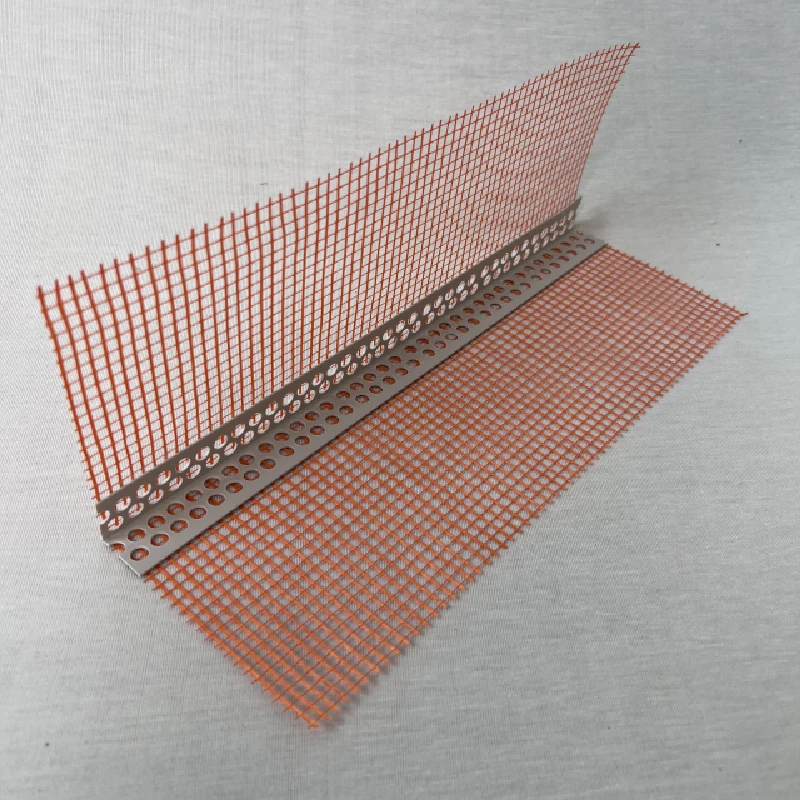
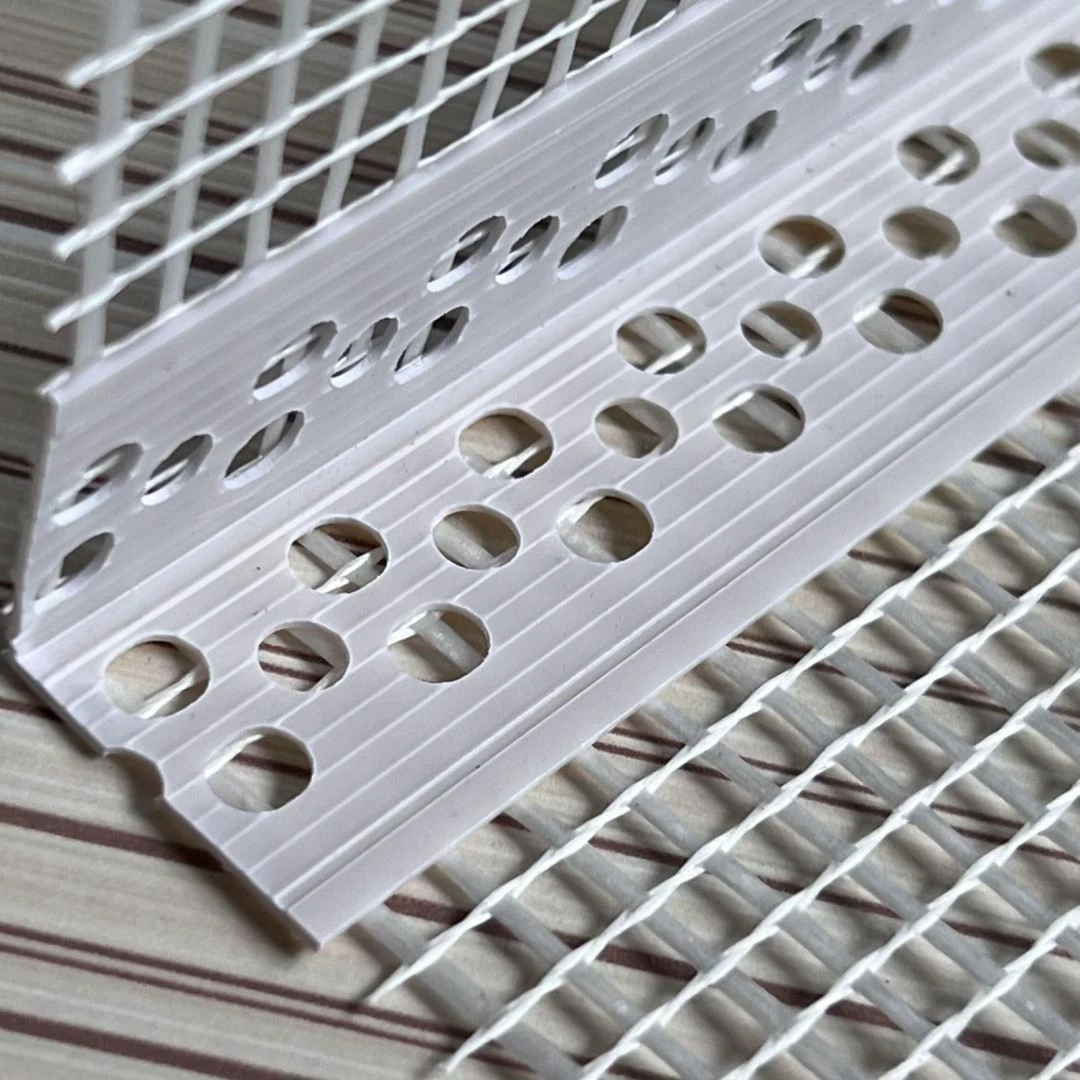
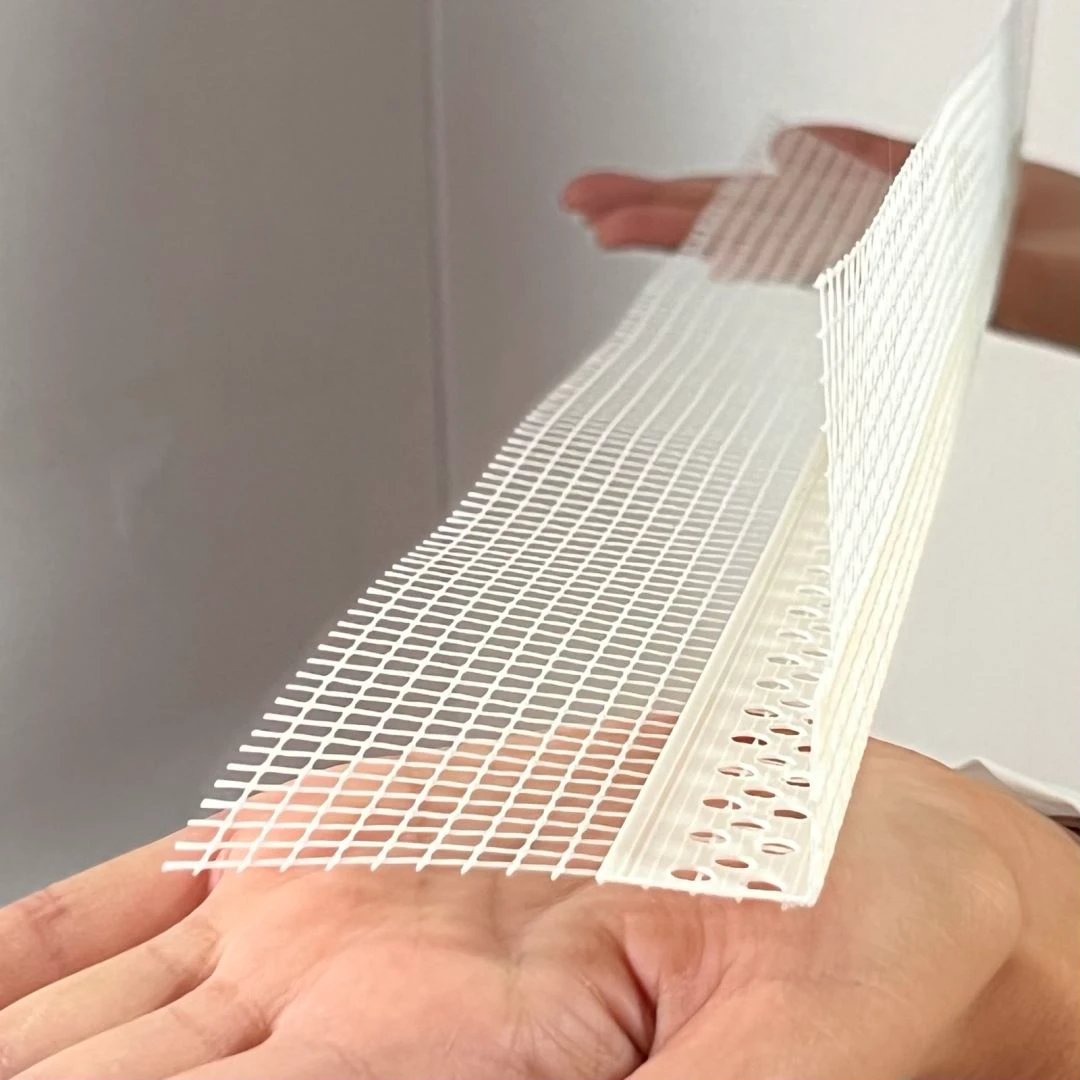
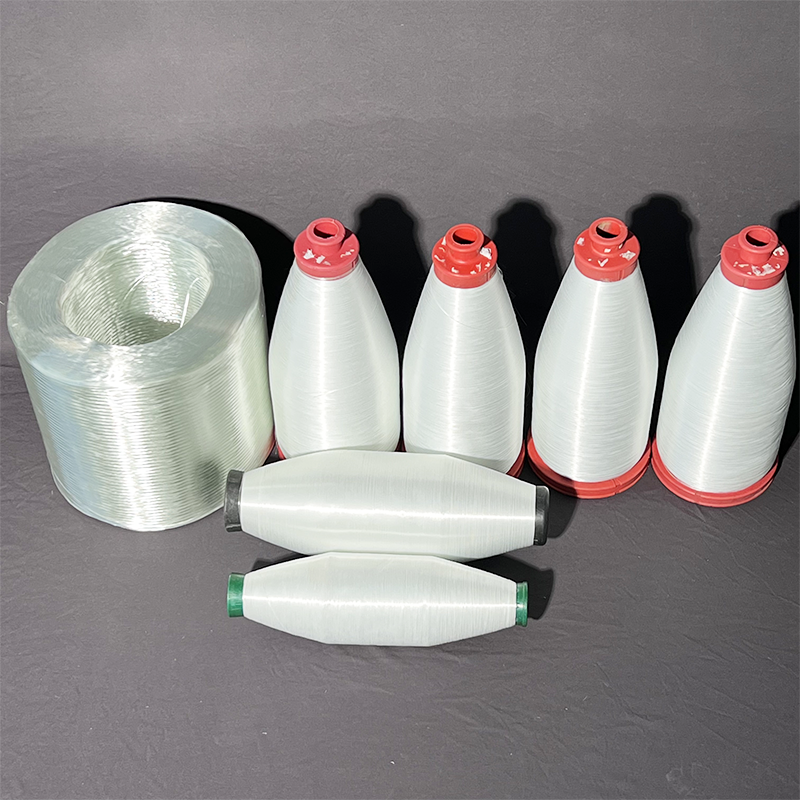
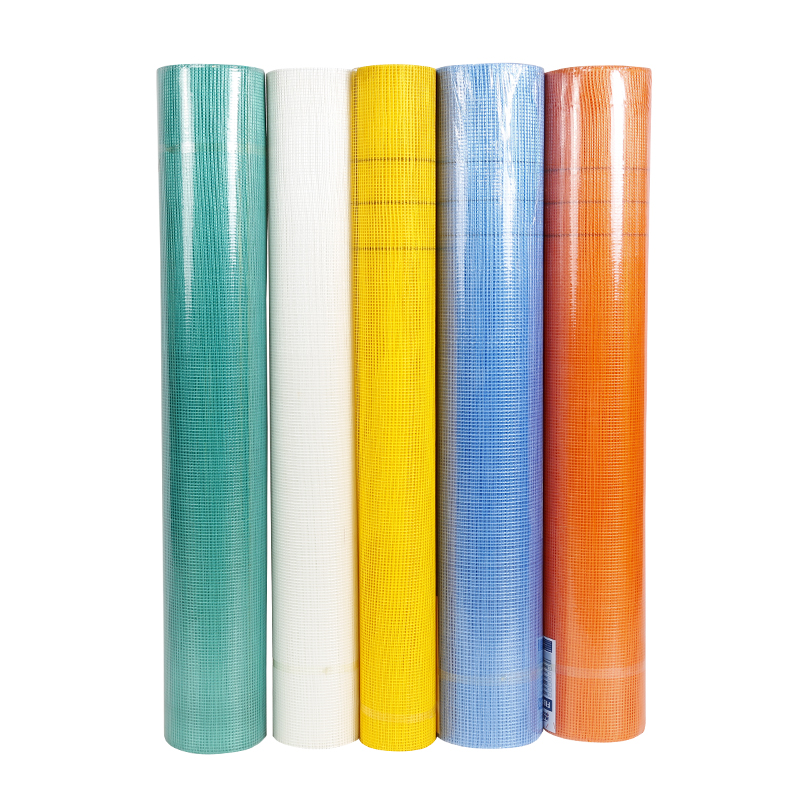
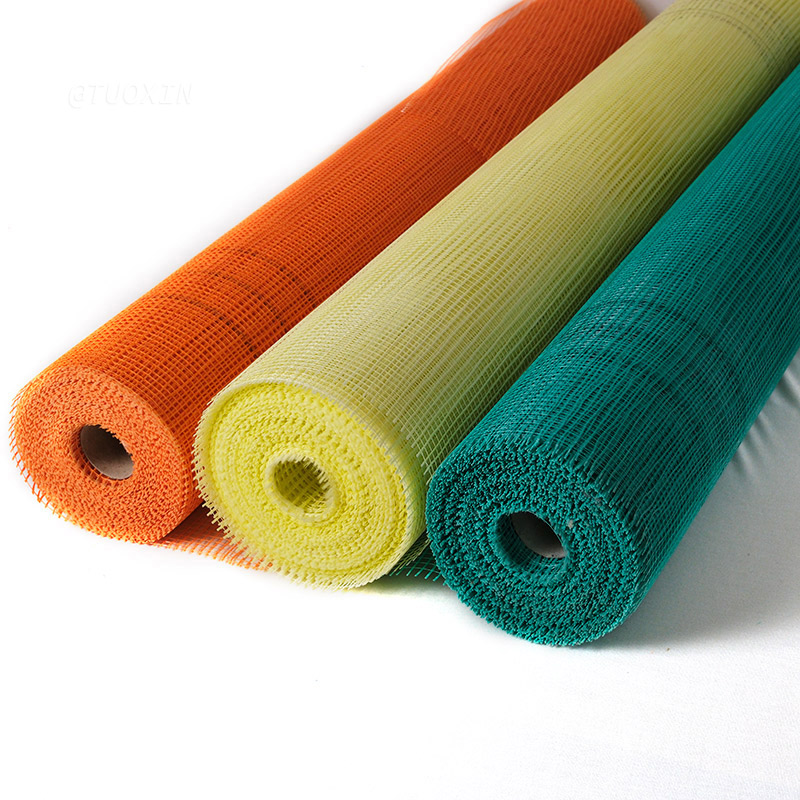
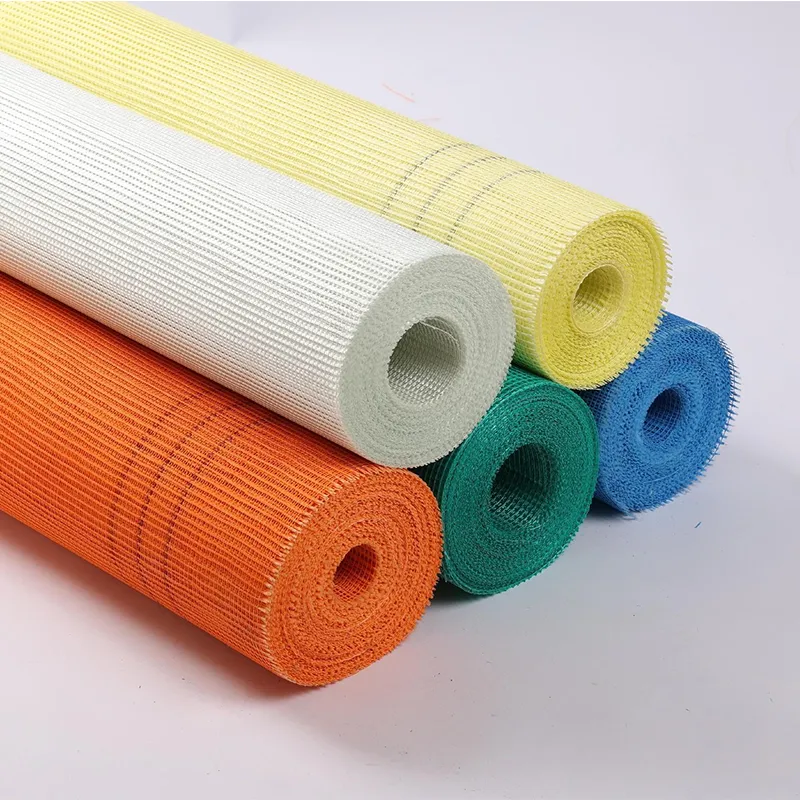
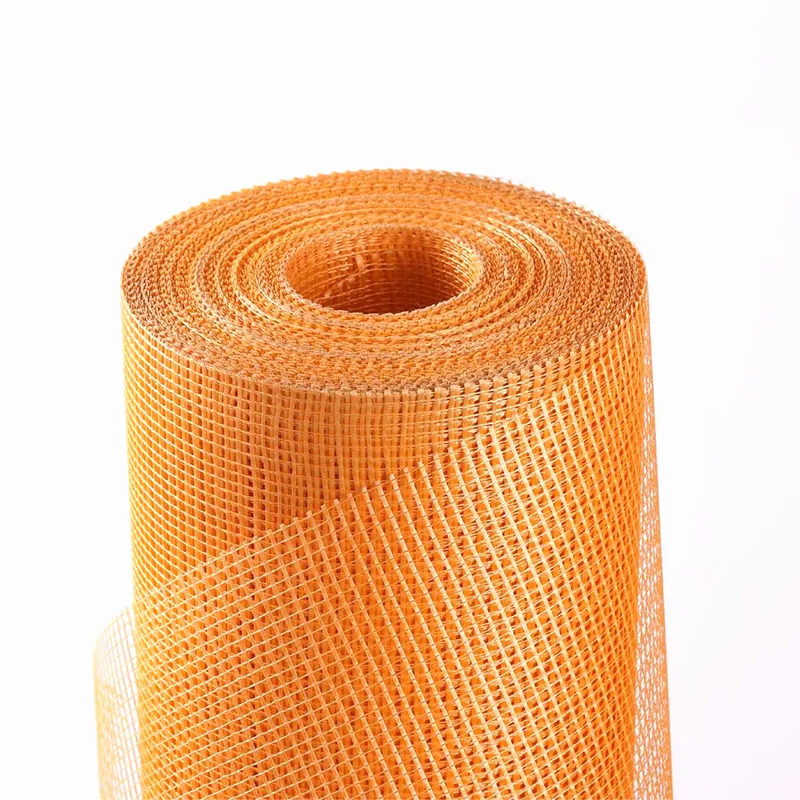
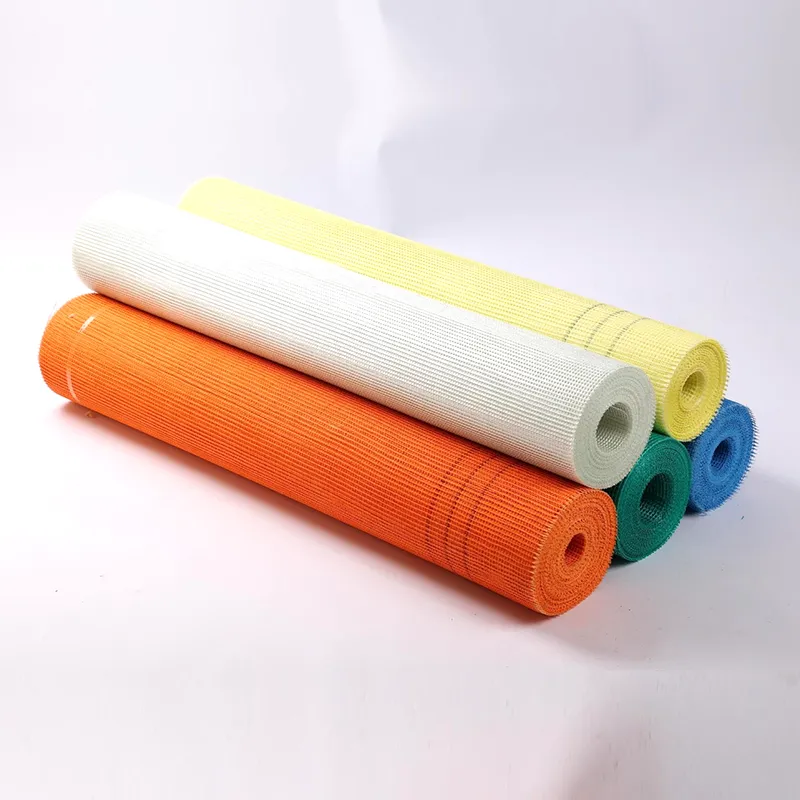
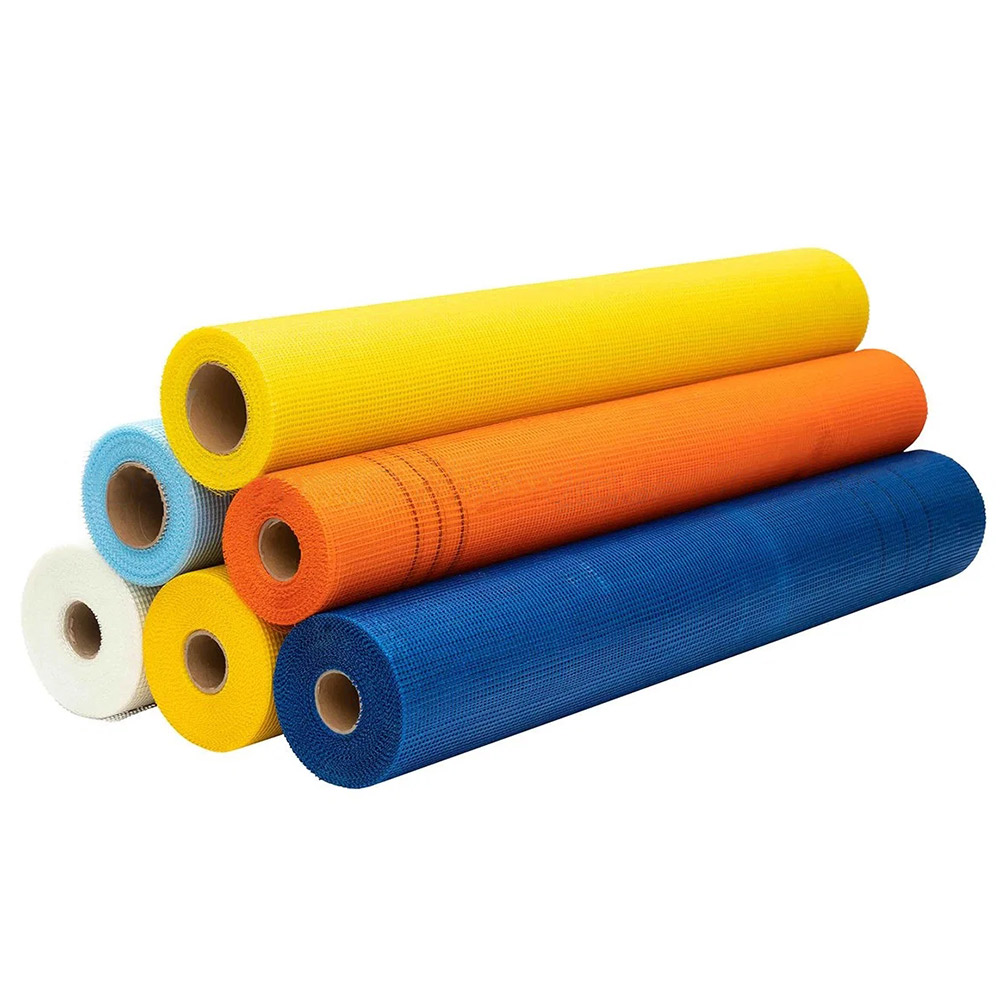
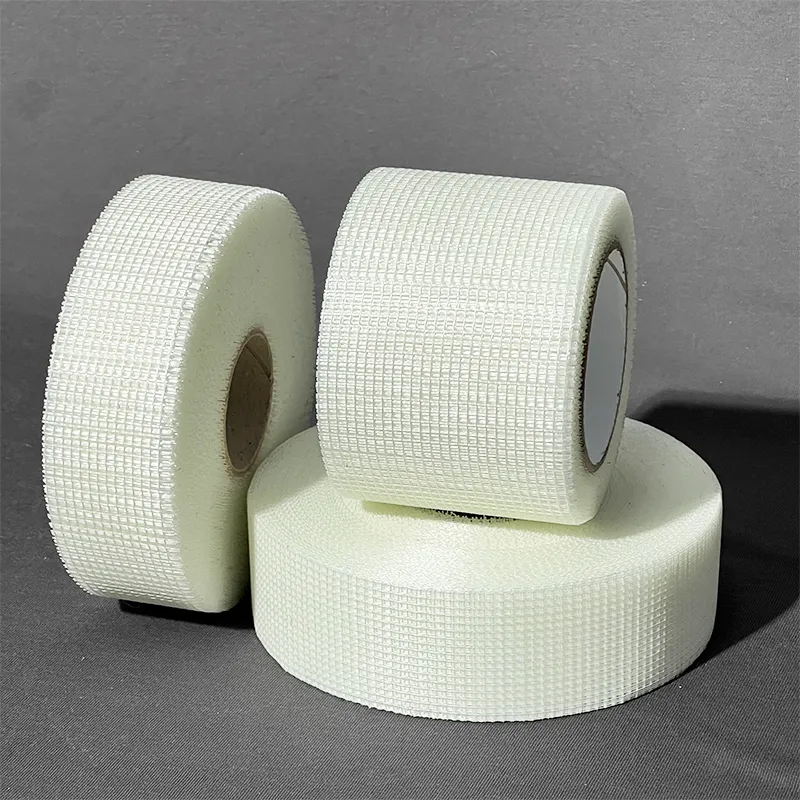
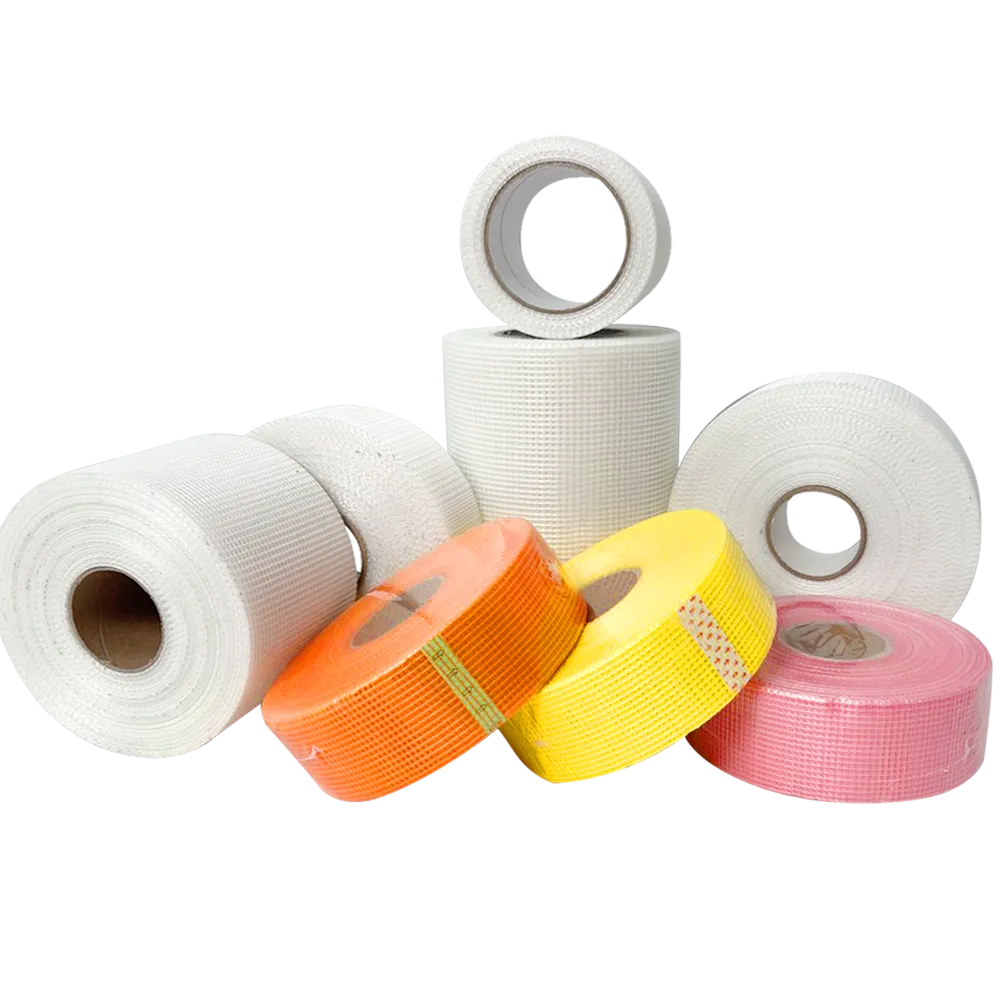
Simply put, a plaster fiberglass mesh supplier is a company or vendor that produces and distributes fiberglass mesh tailored for plaster reinforcing. This mesh is typically made of alkali-resistant glass fibers, woven or knitted into lightweight sheets. When embedded within plaster or render systems, it boosts tensile strength, reduces cracking, and improves overall adhesion.
On a bigger scale, these suppliers contribute to memory-safe buildings, eco-friendly façades, and innovative insulation solutions that reduce energy consumption — all tied to modern industrial and humanitarian construction demands. For instance, a plasm plaster mesh may be shipped by suppliers to remote areas where rebuilding after natural disasters needs speedy, yet reliable material solutions.
Mini takeaway: The supplier serves as a crucial hub, bridging raw fiberglass mesh manufacturing and practical building applications worldwide.
Core Components and Key Factors of Plaster Fiberglass Mesh
Durability
This mesh is made from alkali-resistant fiberglass to withstand alkaline cement-based materials. It prevents degradation, ensuring it lasts as long as the wall itself.
Flexibility & Adaptability
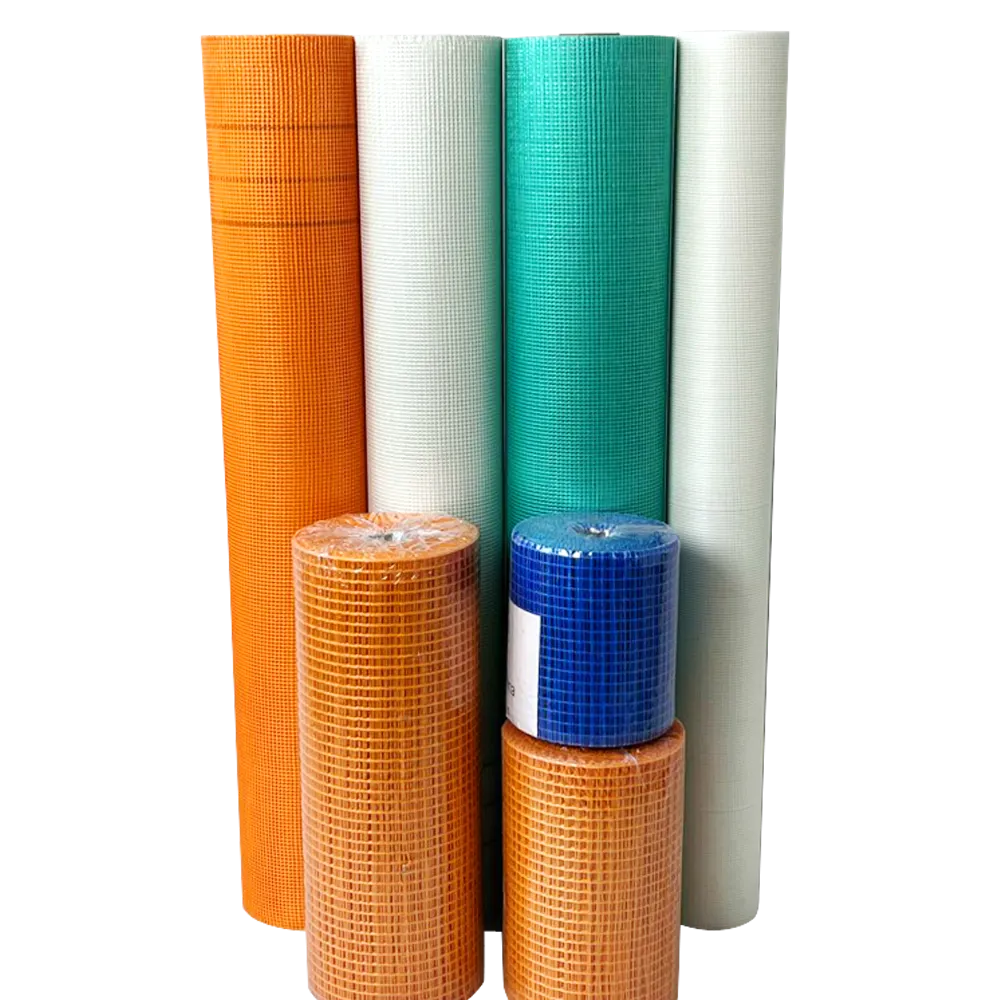
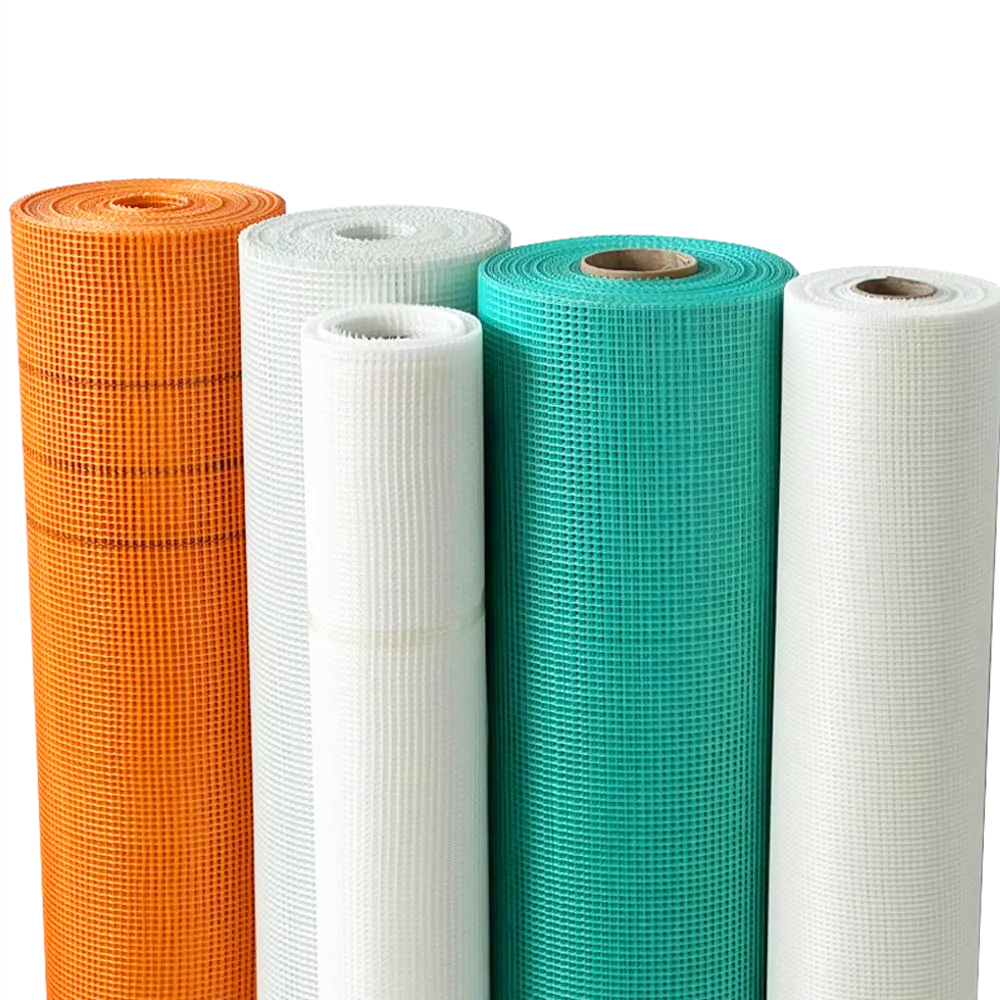
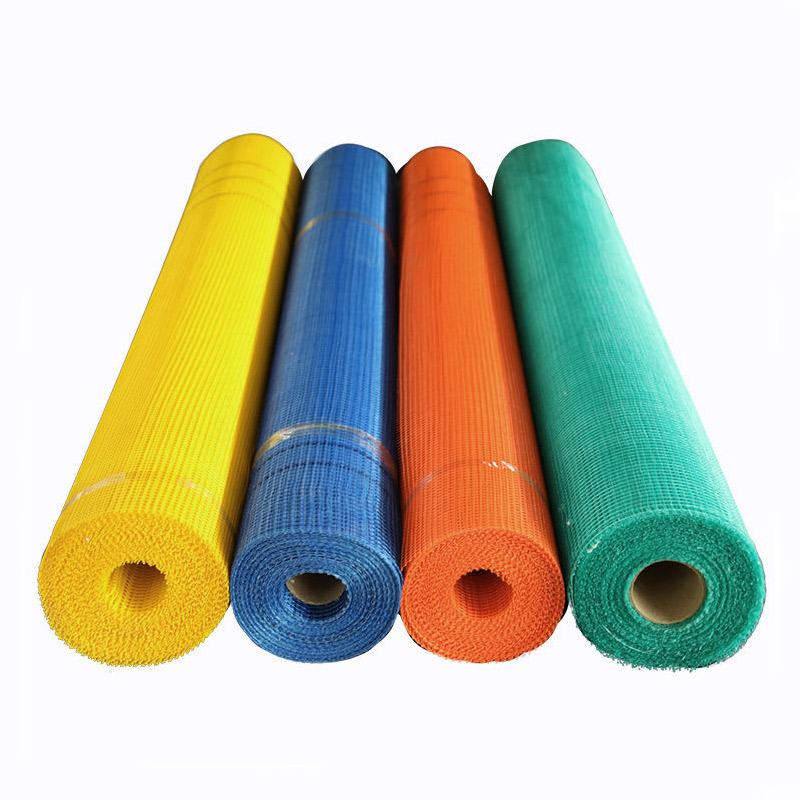
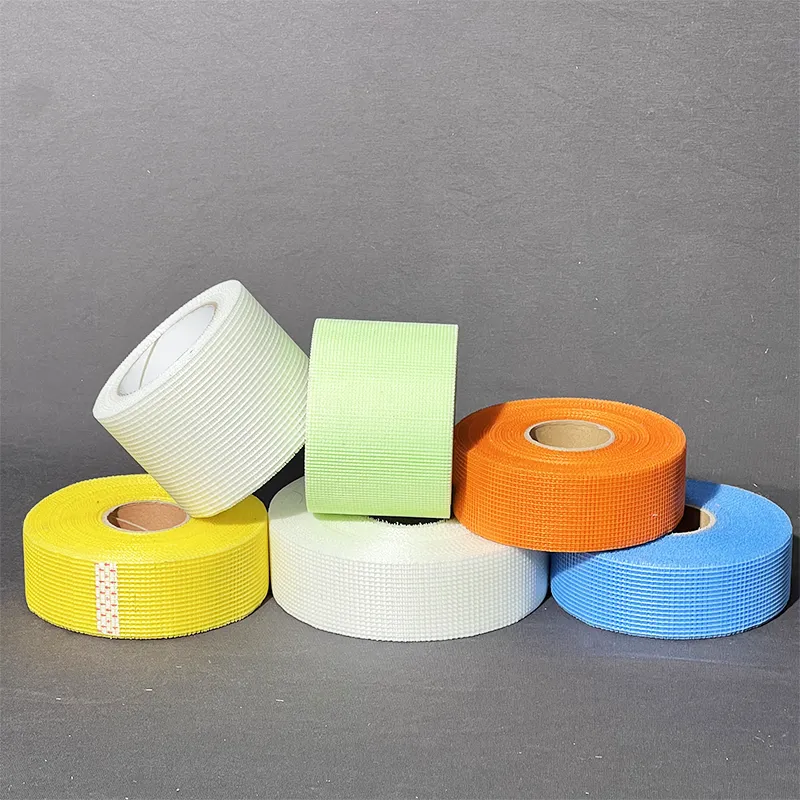
Suppliers offer meshes of various weights and weaves, enabling use in multiple conditions — external facades, internal walls, or tough climates.
Cost Efficiency
Compared to metal alternatives, fiberglass mesh is lighter, easier to handle, and less prone to corrosion, saving costs over a building’s lifecycle.
Scalability & Customization
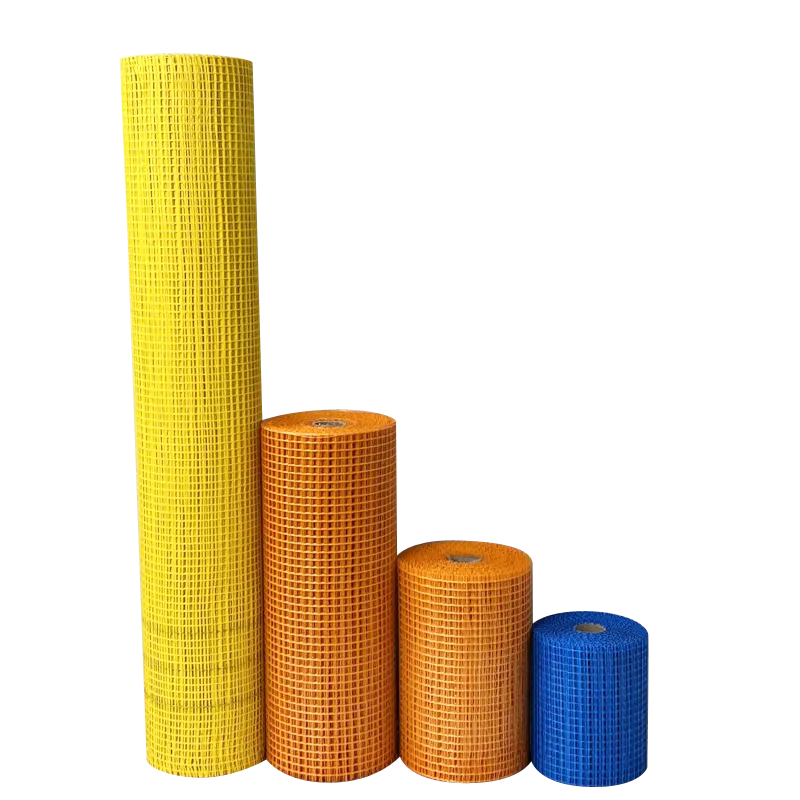
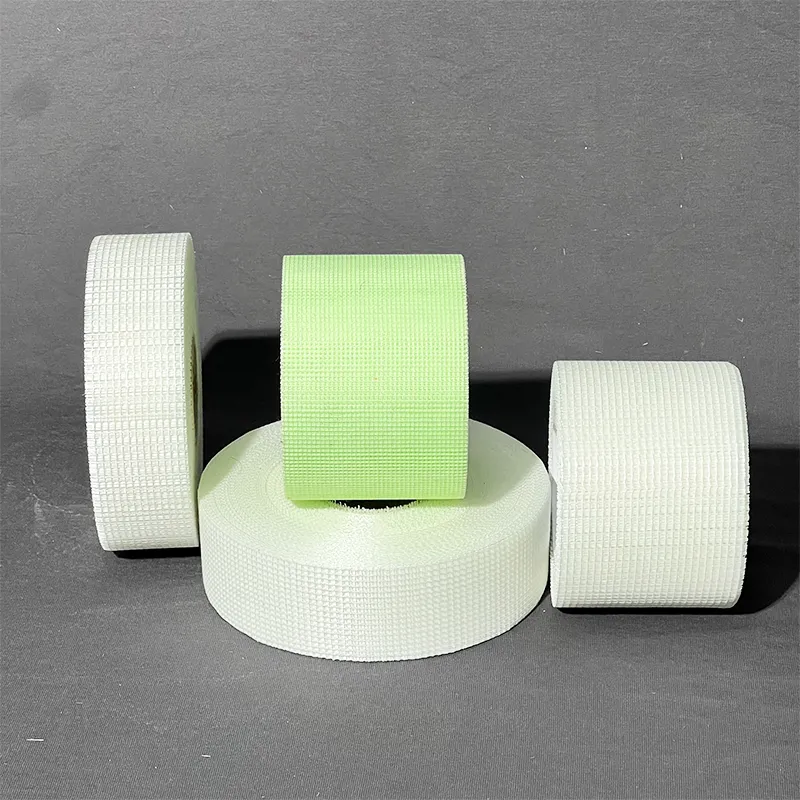
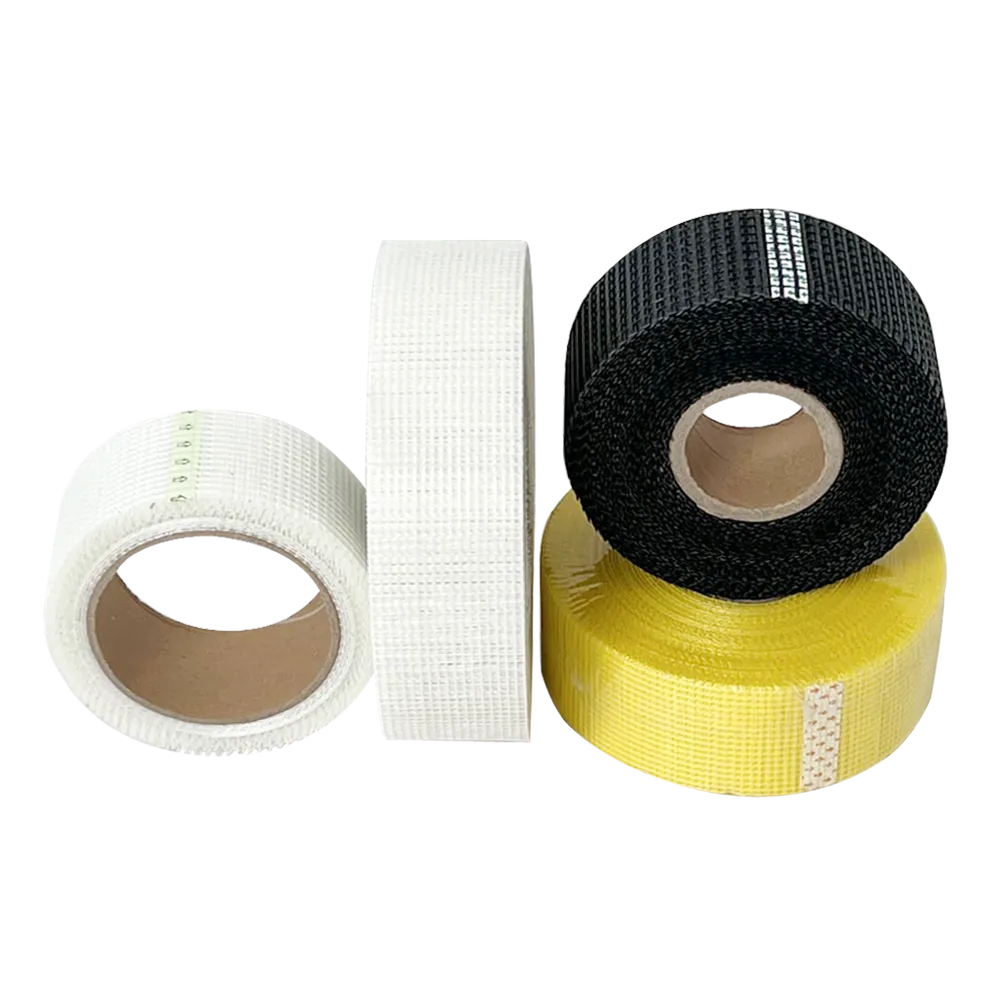
Top-notch suppliers can offer customized sizes, roll lengths, and material blends based on project scope — from small residential to massive infrastructure works.
Environmental Impact
Many advanced suppliers include eco-friendly production processes and materials, aligning with global sustainability goals such as those from ISO.
Mini takeaway: Durability, flexibility, cost, scalability, and sustainability are the playgrounds where suppliers prove their real value.
Global Applications and Real-World Use Cases
- Disaster Relief & Humanitarian Aid: In the aftermath of earthquakes or floods, fast, reliable supplies of fiberglass mesh allow NGOs to rebuild shelters quickly with enhanced durability.
- Urban Construction: In high-rise buildings across Asia and Europe, mesh suppliers support enhanced plaster systems that improve safety and weather resistance.
- Retrofit Projects: In older industrial zones in North America, refurbishment uses fiberglass mesh to strengthen aging walls without extensive demolition.
- Energy-Efficient Buildings: Green building projects in Scandinavia rely on fiberglass mesh for insulation facades that reduce heating costs substantially.
For example, an African NGO reported that locally sourced plaster fiberglass mesh from a trusted supplier accelerated rebuilding efforts, providing safe and affordable housing within months.
Mini takeaway: From high-tech urban towers to post-disaster tents, the scope of plaster fiberglass mesh suppliers smacks of versatility.
Advantages You Can Count On
Okay, so what makes clients keep coming back to their plaster fiberglass mesh suppliers? For one, the sheer cost savings over time — reduction in repairs, longer material lifespan, speedier installation. Then there’s the social angle: safer, visually appealing homes and commercial buildings support community wellbeing and trust in infrastructure.
The innovation feels almost poetic: a simple mesh can control cracking that might otherwise destabilize a wall. It’s about dignity, safety, and confidence in what we live and work in. Add in the sustainability factor — less waste, less frequent replacement — and you have a product everyone wants a piece of.
Looking Forward: Emerging Trends in Fiberglass Mesh Supply
Suppliers are increasingly integrating digital tools for quality control — think automated mesh weavers and real-time defect detection. Green production lines are cutting carbon footprints, and we’re seeing blends with biodegradable polymers on the horizon.
On the policy front, stricter building codes worldwide push demand for higher-grade fiberglass mesh products. For example, EU frameworks encourage materials that improve thermal insulation and fire resistance.
Interestingly, some suppliers are experimenting with nano-coatings on fiberglass mesh to enhance strength and reduce moisture absorption. It might sound sci-fi, but such materials could redefine wall reinforcement in the next decade.
Challenges and How Suppliers Are Overcoming Them
No industry is without issues. Cost fluctuations in raw silica, logistics hurdles during pandemic shutdowns, and occasional quality inconsistency plague mesh suppliers. Plus, educating end-users on proper installation remains vital — no product lasts if wrongly handled!
Innovative suppliers tackle this by investing in local production hubs, transparent supply chains, and offering hands-on training programs to contractors. A few even partner with tech firms to introduce augmented reality guides for installers, which feels quite futuristic but is happening.
Frequently Asked Questions About Plaster Fiberglass Mesh Supplier
- Q: Why should I choose fiberglass mesh over traditional metal mesh for plaster reinforcement?
A: Fiberglass mesh is lighter, corrosion-resistant, and more flexible, meaning installation is simpler and the finished surface resists cracks without rust issues common in metal mesh. - Q: How do I ensure quality when sourcing from a plaster fiberglass mesh supplier?
A: Look for suppliers adhering to international standards such as ISO 9001, and request sample certifications or test reports. Reliable communication and product traceability are big pluses. - Q: Can fiberglass mesh suppliers provide customized sizes for different project needs?
A: Yes, most large suppliers offer bespoke roll dimensions and fabric weights, tailoring solutions from lightweight interior meshes to heavy-duty exterior reinforcements. - Q: What are typical delivery lead times for plaster fiberglass mesh?
A: Depending on location and order size, lead times can range from a few days for standard stock to a few weeks for customized mesh rolls. - Q: Is fiberglass mesh eco-friendly and recyclable?
A: Many suppliers now produce eco-conscious mesh from alkali-resistant glass fibers with low environmental impact. While recycling is complex, the product’s long service life offsets waste.
Product Specification Table
| Specification | Typical Value |
|---|---|
| Material | Alkali-resistant fiberglass |
| Mesh Size | 4 x 4 mm (standard) |
| Weight | 50-160 g/m² depending on grade |
| Roll Length | 50 - 100 meters |
| Temperature Resistance | Up to 550°C |
| Tensile Strength | Up to 1100 N/5cm |
Vendor Comparison Table
| Supplier | Product Range | Customization | Eco Initiatives | Delivery Speed |
|---|---|---|---|---|
| Tainuo Fiberglass Mesh | Wide range: 50-160 g/m² | Full customization available | Uses low-VOC processes | Standard 7-14 days |
| GlobalMesh Co. | Mostly standard meshes | Limited customization options | Recycling program in place | 10-20 days |
| BuildStrong Supplies | Heavyweight meshes only | No customization | No specific initiatives | 5-10 days |
Wrapping Up: Why Your Choice of Plaster Fiberglass Mesh Supplier Matters
The market for plaster fiberglass mesh suppliers is one where materials science meets practical construction needs — while also threading through sustainability and global development goals. Picking a supplier isn’t just about price or speed; it’s about placing trust into an essential component that quietly makes walls stronger, buildings safer, and communities more resilient. If you’re on the lookout, or in the business, remember that a reliable supplier like plaster fiberglass mesh supplier can make your projects not only better but future-proofed.
Check out plaster fiberglass mesh supplier to explore options that fit your next project’s scope and need.
References & Further Reading
-
Best Fiberglass Mesh Tape for RedGard Product Waterproofing GuideNewsApr.16,2026
-
Why High Strength Fiberglass Mesh Is Essential For Stucco ApplicationNewsApr.15,2026
-
Why Alkali Resistant Fiberglass Mesh Tape Is Essential For Cement Board And Tile InstallationsNewsApr.15,2026
-
Understanding The Role Of Drywall Fiberglass Mesh In Interior FinishingNewsApr.15,2026
-
Ultimate Guide To Using Fiberglass Mesh Tape For Drywall And Plaster RepairsNewsApr.15,2026
-
The Versatility Of Fiberglass Mesh In Marble And Stone MosaicNewsApr.15,2026