Nov . 20, 2025 07:30 Back to list
Leading PVC Corner Bead with Fiberglass Mesh Manufacturers | Durable & Eco-Friendly Solutions
Why PVC Corner Bead with Fiberglass Mesh Manufacturers Matter Globally
In the sprawling ecosystem of modern construction materials, the pvc corner bead with fiberglass mesh is quietly reshaping how we think about durability and safety in building design. Its manufacturers form the backbone of a sector that’s quietly booming, supplying components that reinforce edges, prevent cracks, and protect surfaces with a finesse that traditional materials simply can’t match. Why does this matter beyond the building site? Because these products improve the safety and longevity of homes, infrastructure, and even humanitarian shelters worldwide.
Understanding the role and benefits of these specialized manufacturers is essential, especially as global urbanization accelerates and sustainability concerns intensify. The durability, ease of installation, and cost-effectiveness of these corner beads equipped with fiberglass mesh make them go-to options for countless projects — from luxury developments in urban centers to emergency housing in disaster-prone regions.
Global Perspectives: Why PVC Corner Bead with Fiberglass Mesh Is a Rising Star
Worldwide, the construction sector accounts for nearly 14% of global GDP and consumes a massive share of raw materials, water, and energy. According to the International Organization for Standardization (ISO), building materials must increasingly meet stringent standards for quality, sustainability, and durability — where the corner bead and its fiberglass mesh component step into the spotlight.
In Asia-Pacific alone, rapid urban sprawl paired with stricter building codes has skyrocketed demand for materials that resist moisture, cracking, and corrosion. Meanwhile, in Europe and North America, growing emphasis on sustainable materials and reduction of waste has bolstered interest in long-lasting and recyclable PVC corner beads reinforced with fiberglass mesh. The problem addressed: traditional metal corner beads corrode and crack over time, leading to costly repairs and compromises in structural integrity.
What Exactly Is a PVC Corner Bead with Fiberglass Mesh?
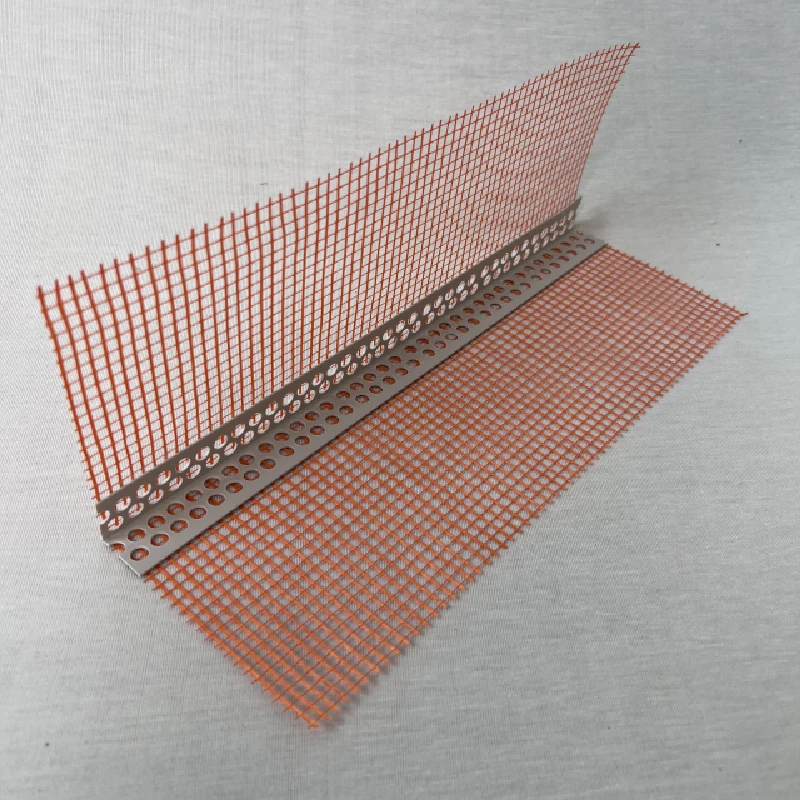
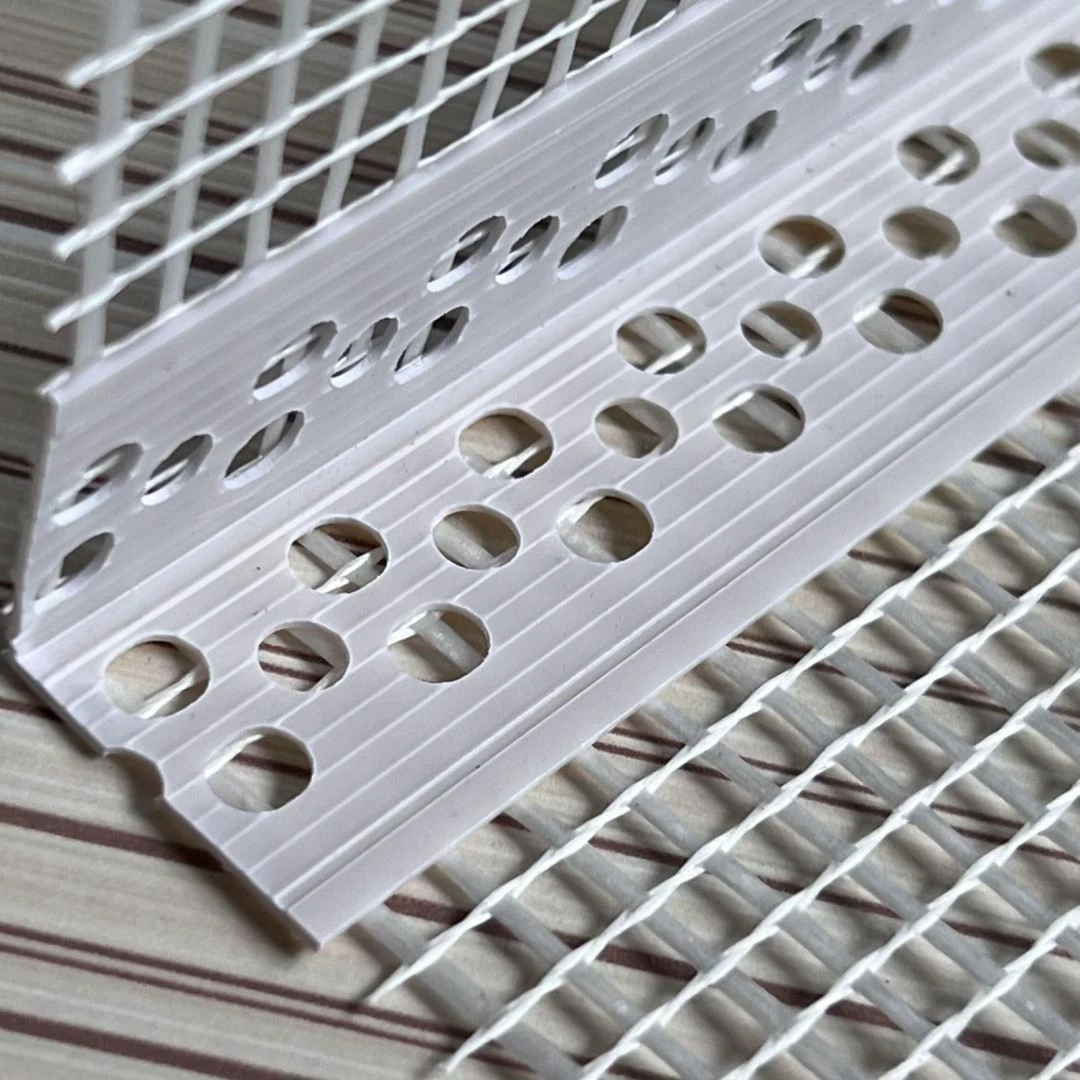
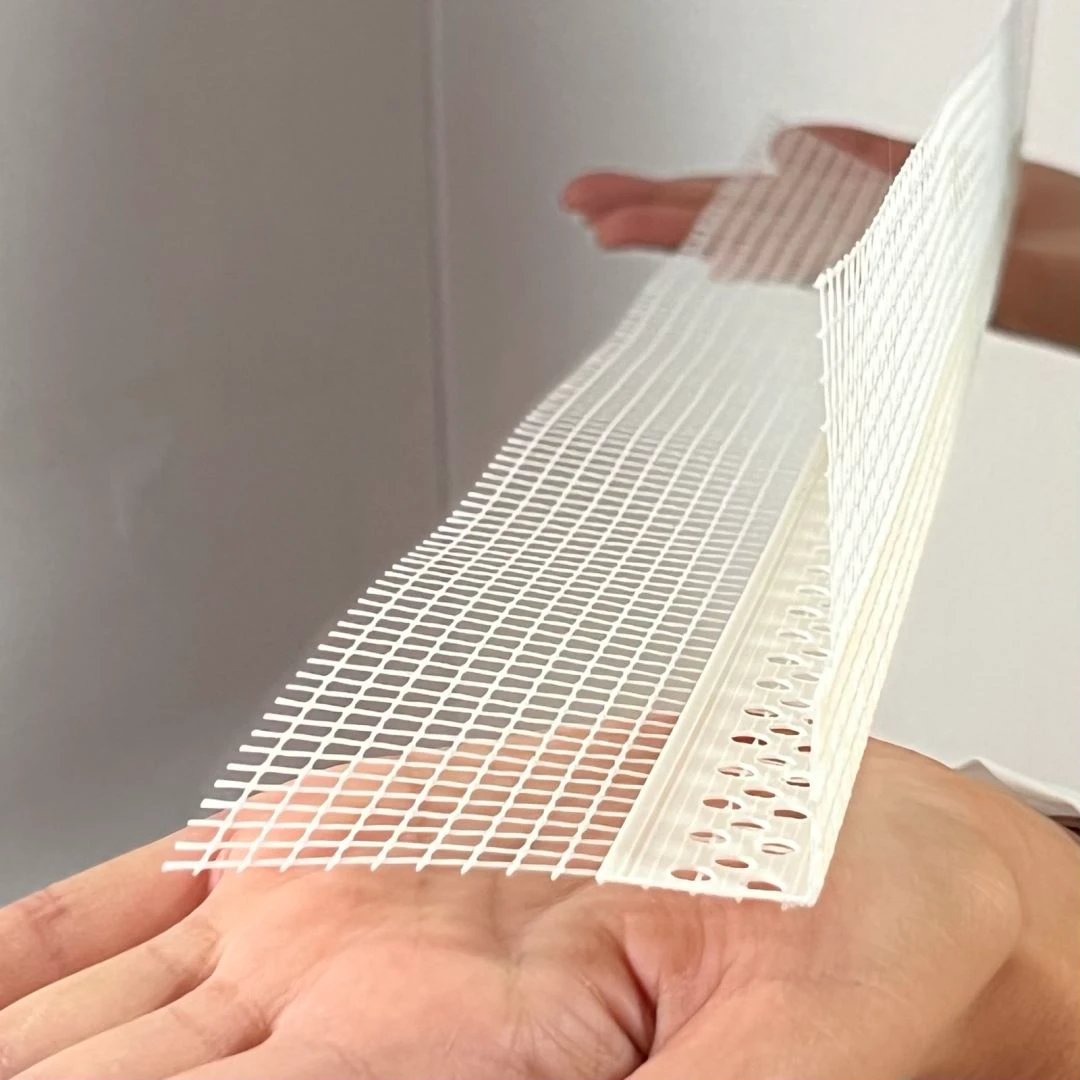
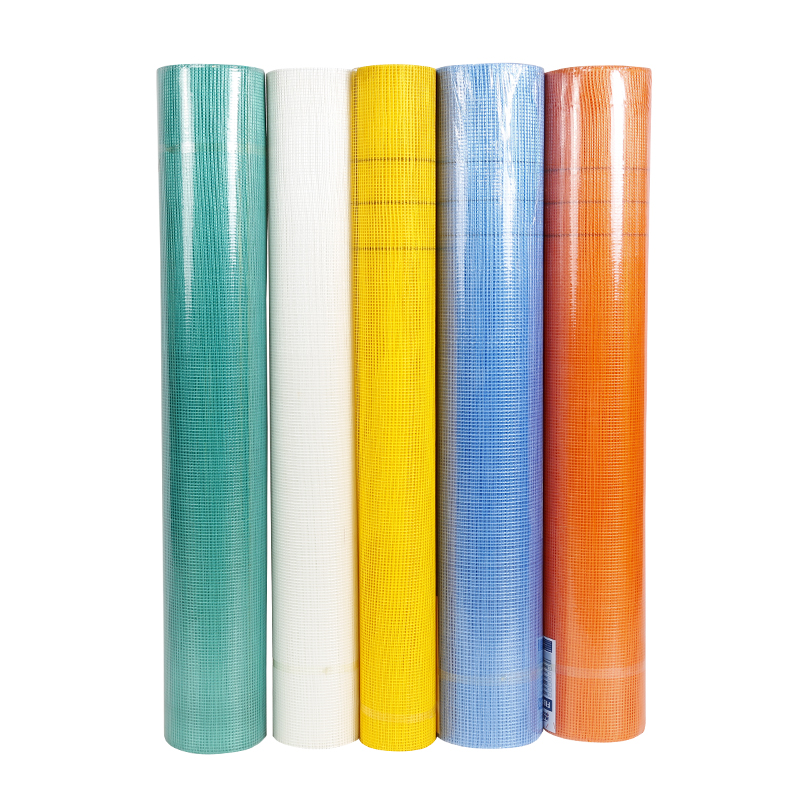
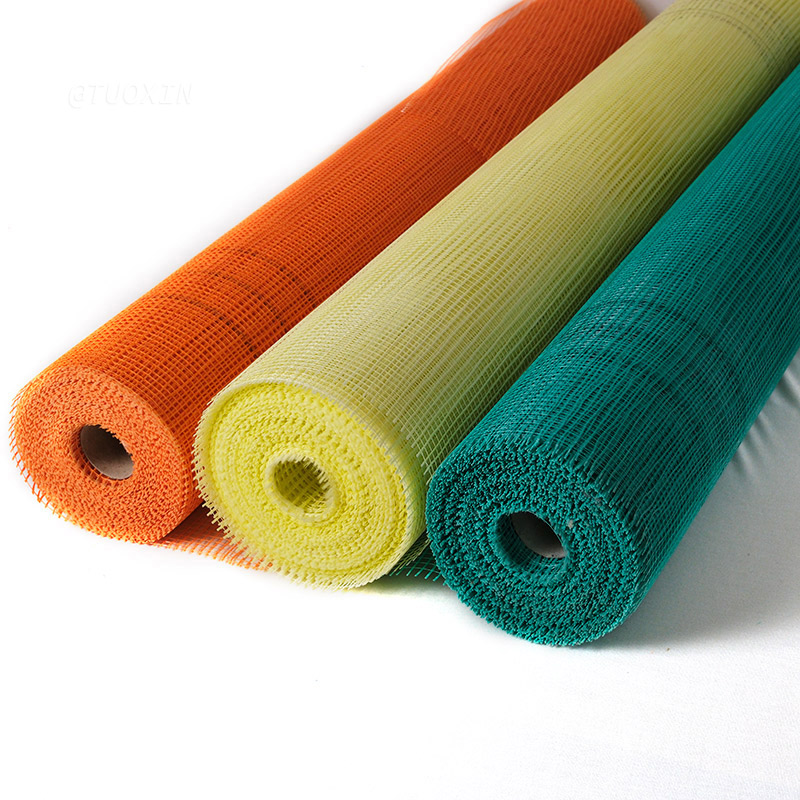
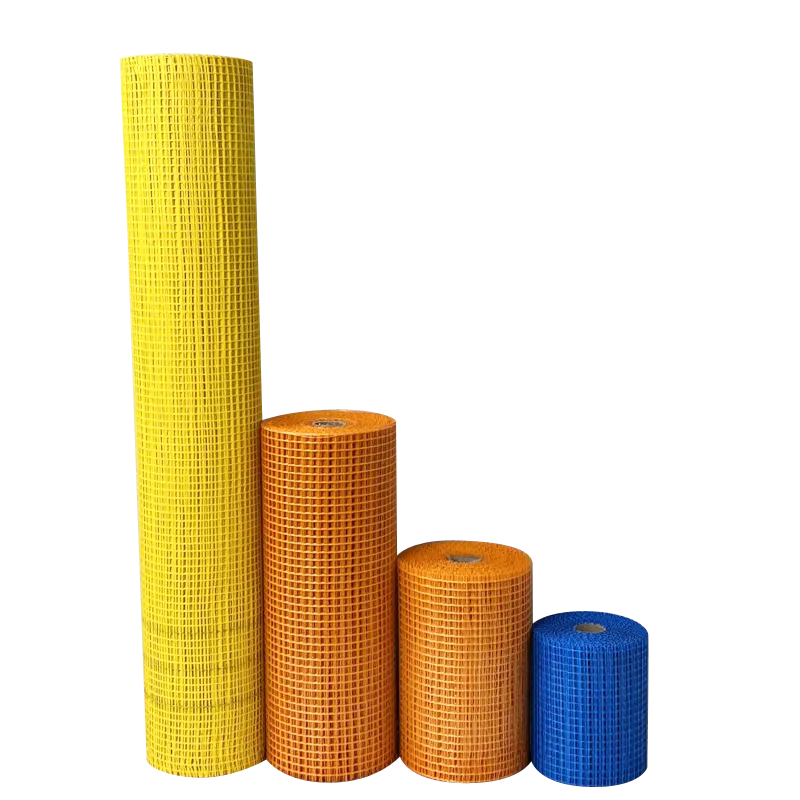
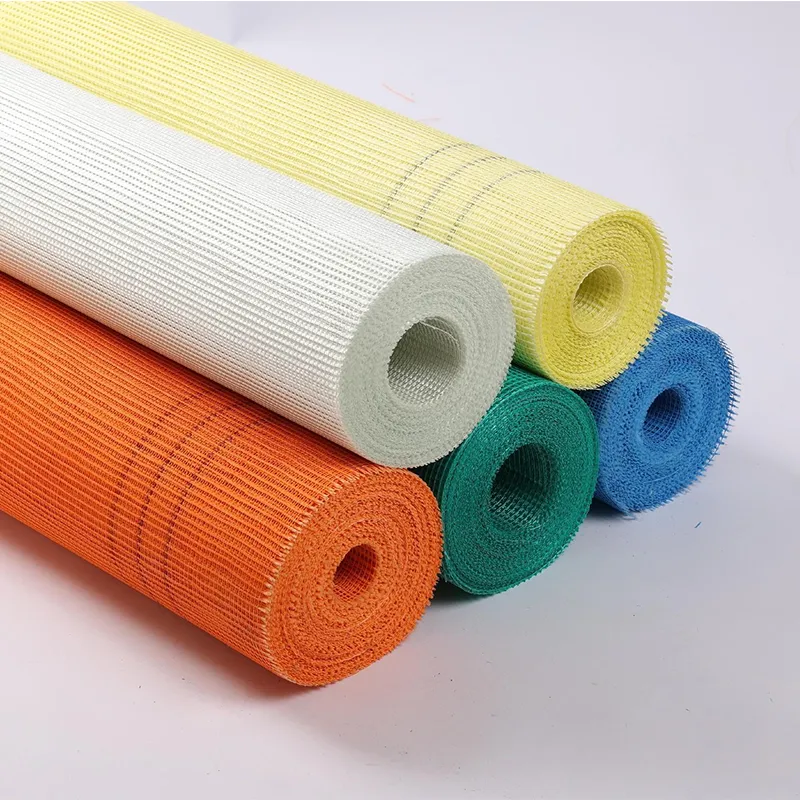
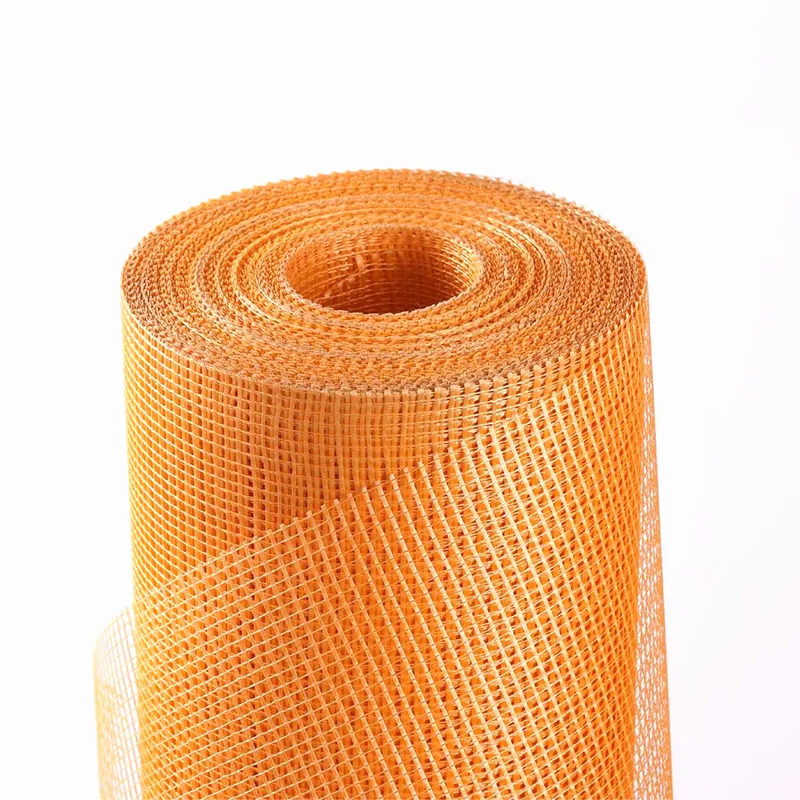
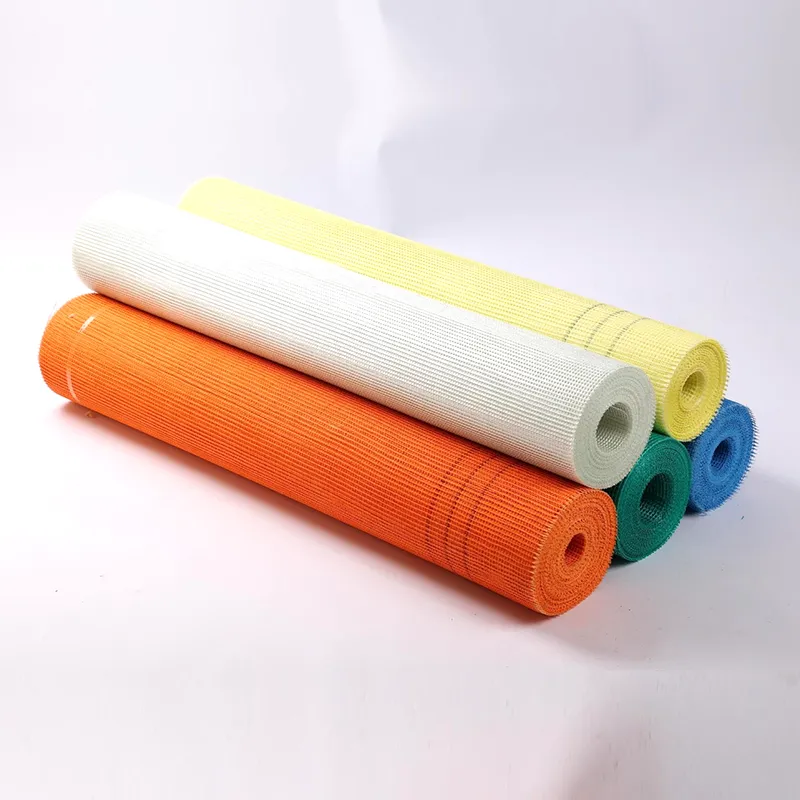
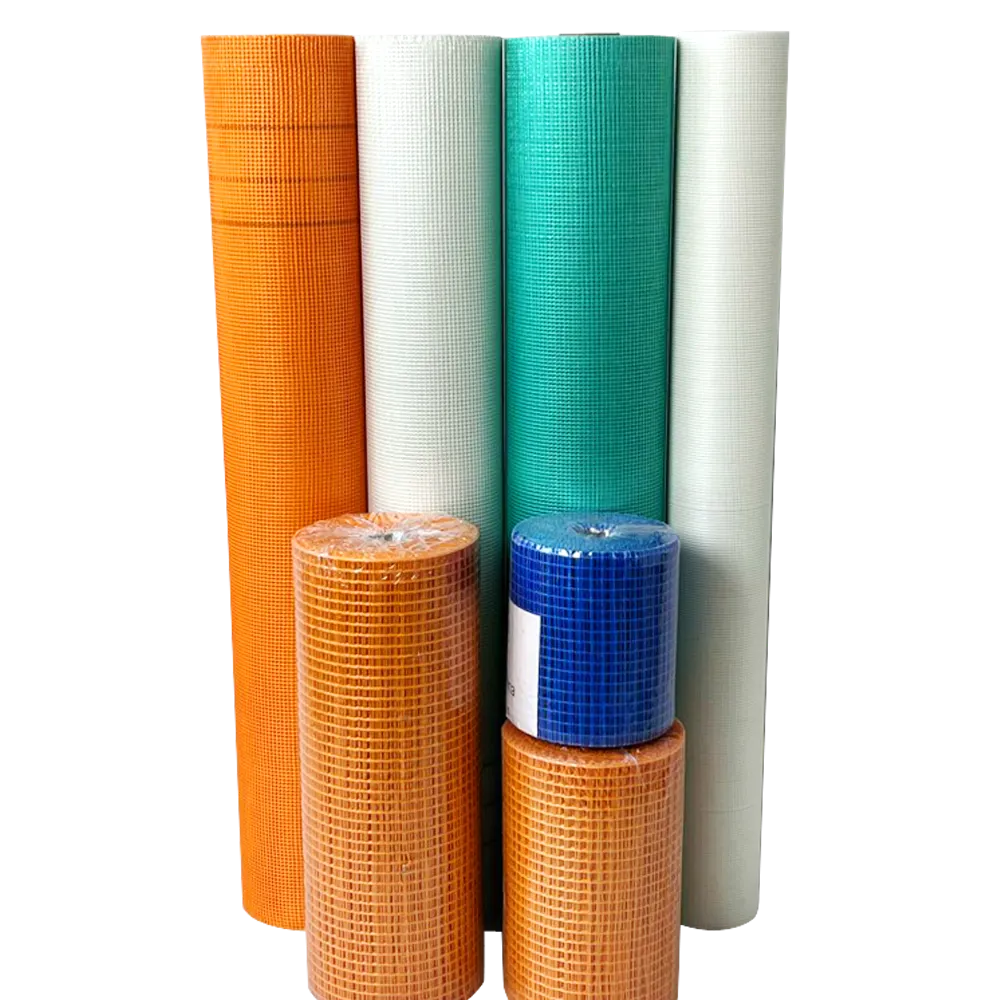
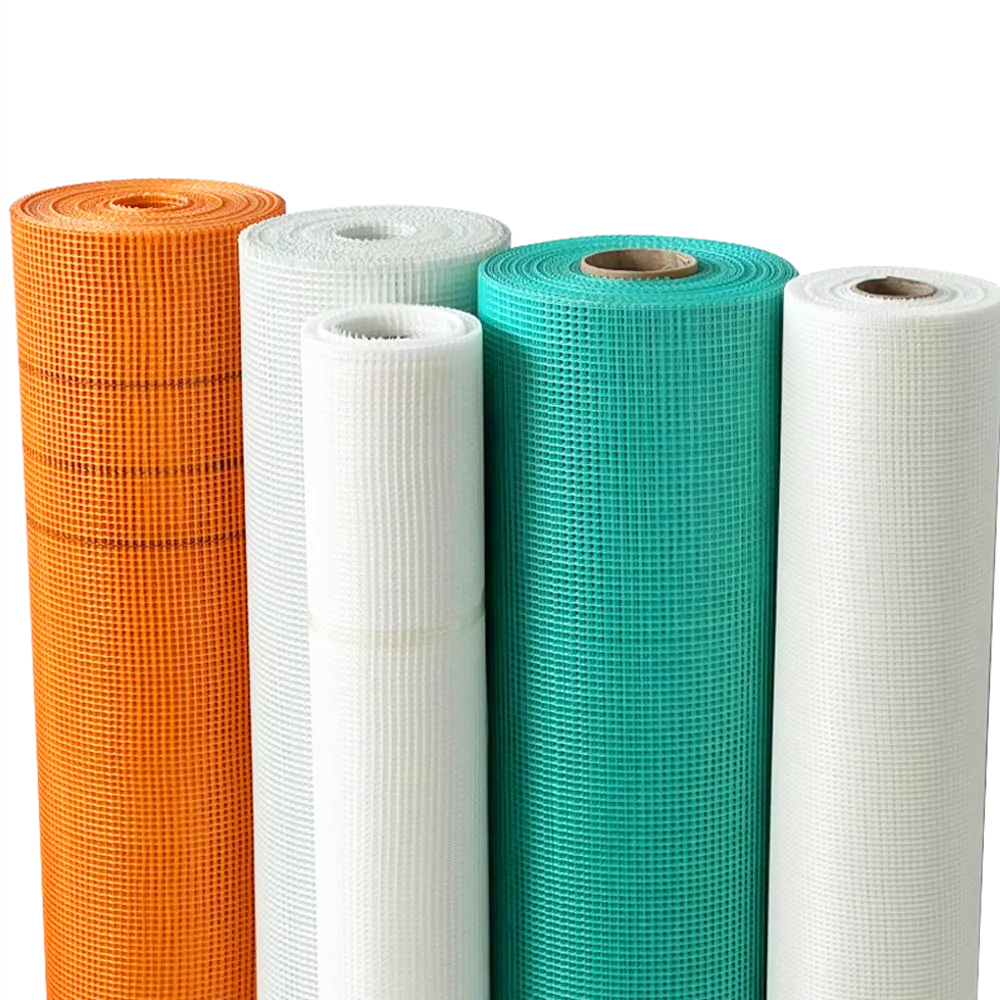
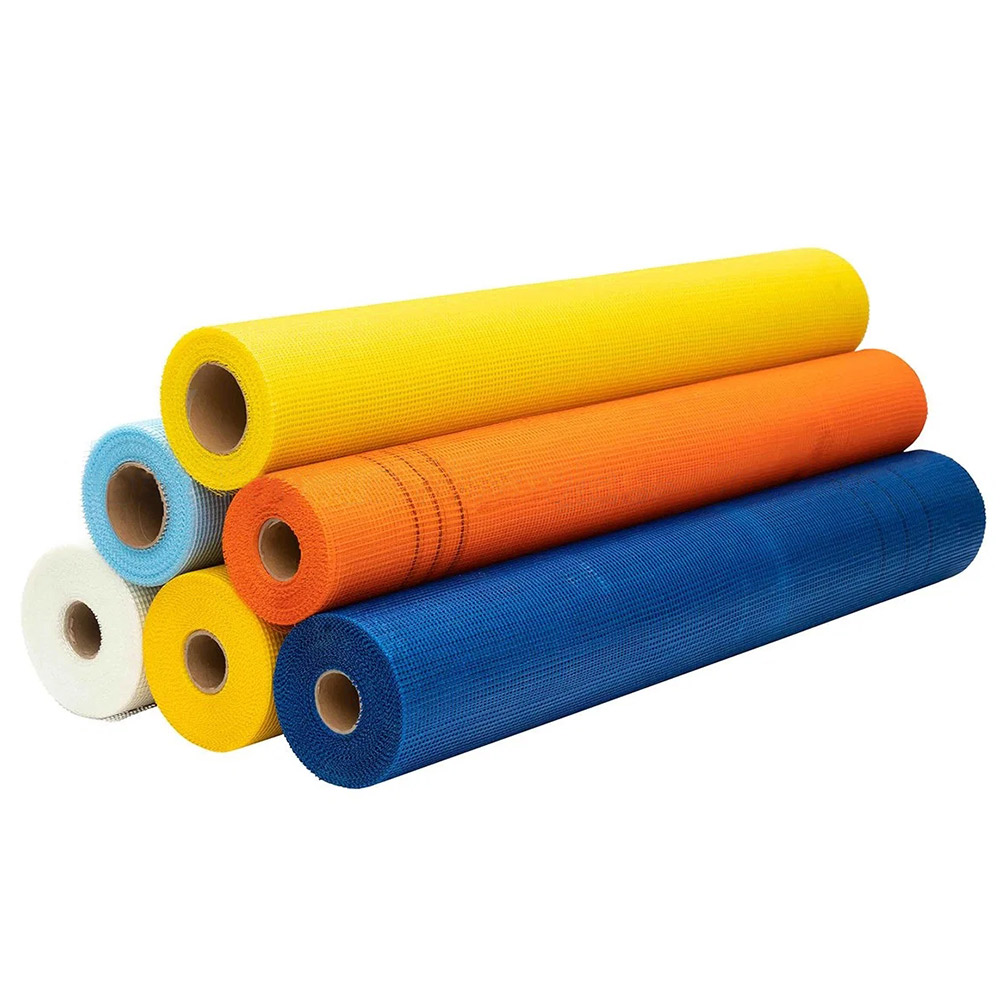
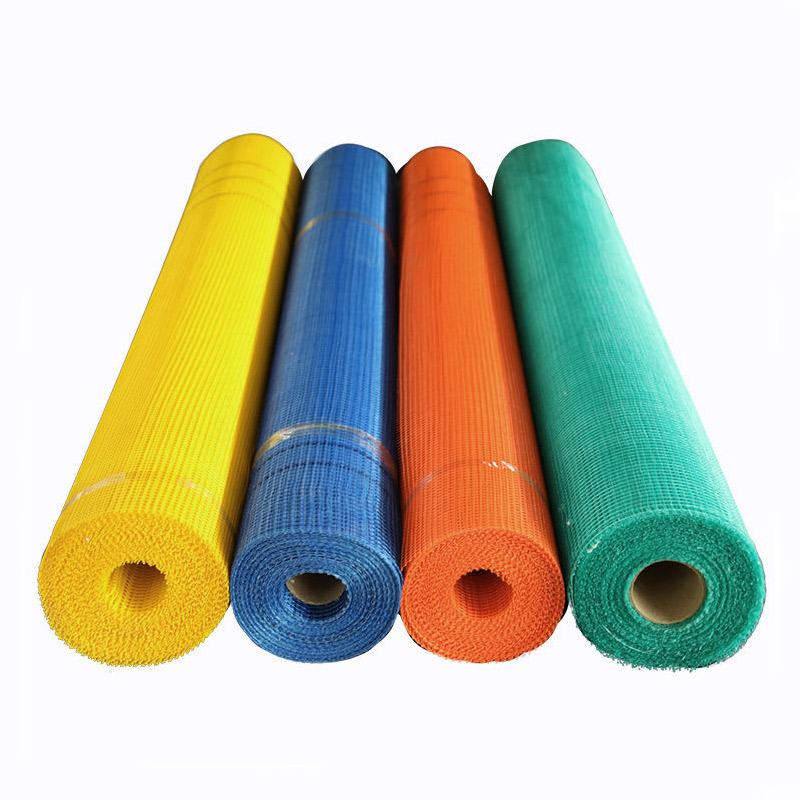
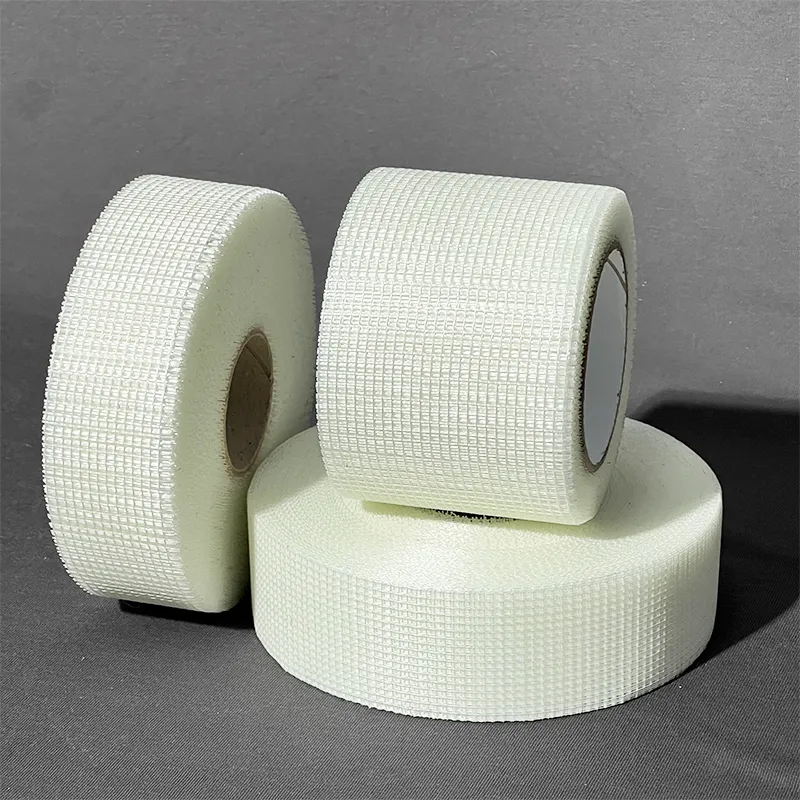
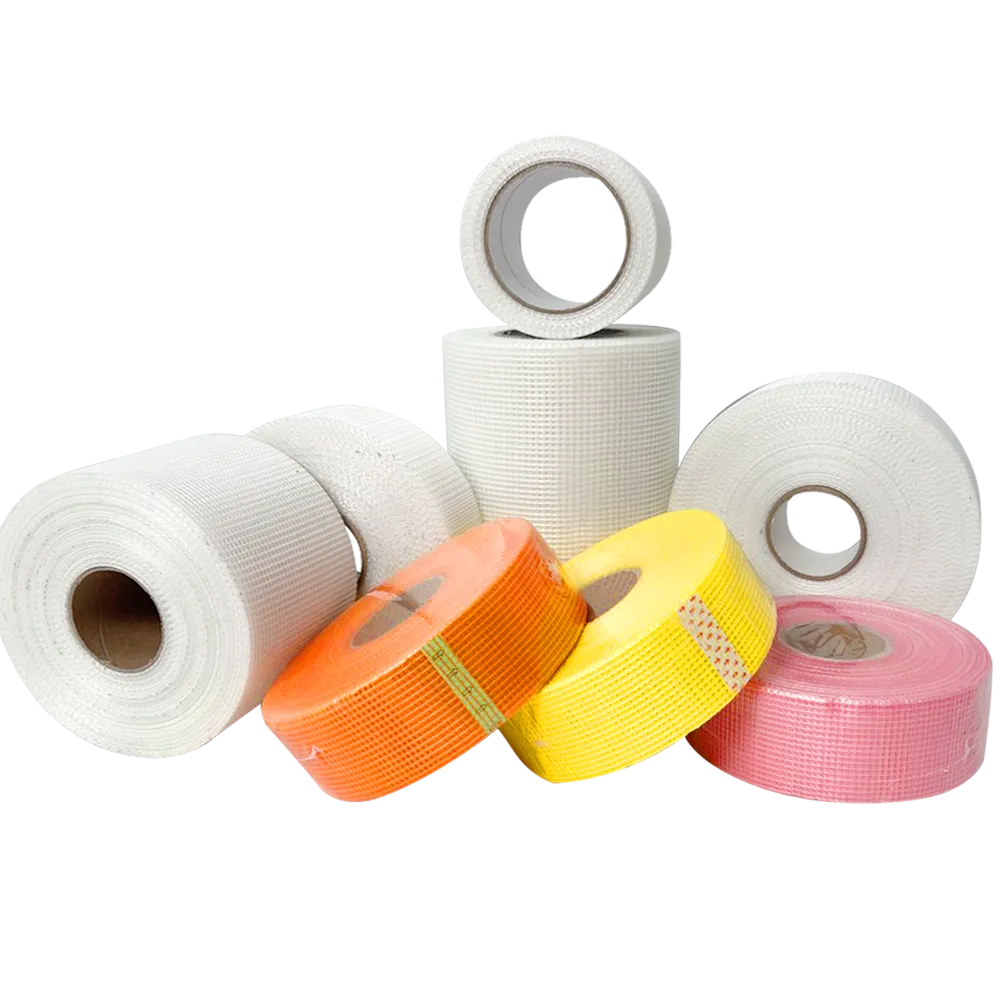
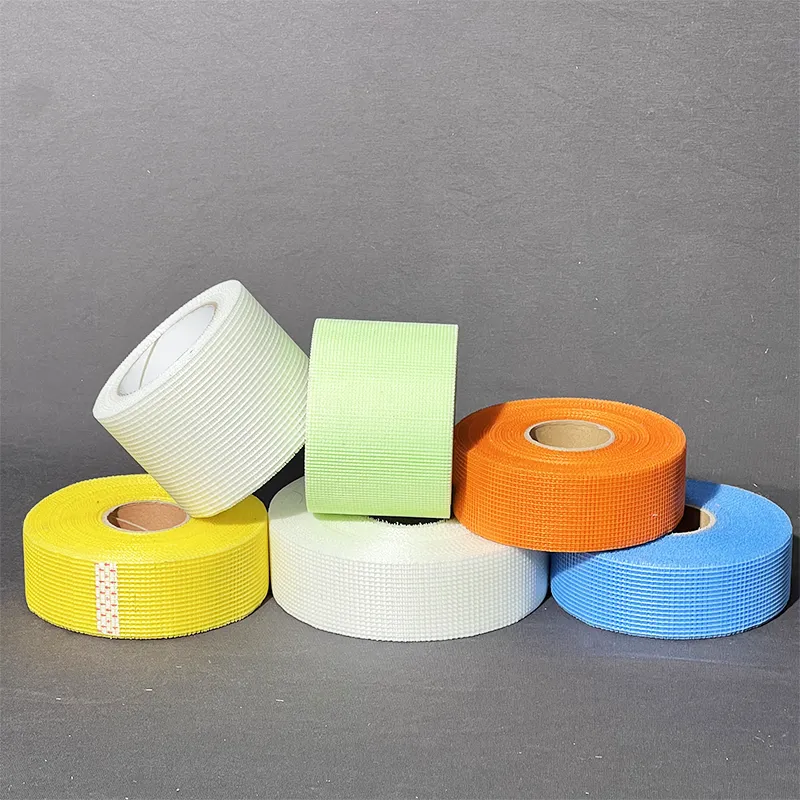
To put it simply, a PVC corner bead is a flexible, resilient edging profile installed on drywall or plaster corners to protect them from damage. The addition of a fiberglass mesh — a strong grid of woven fiberglass fibers — reinforces the bead and helps embed it seamlessly into plaster or stucco surfaces.
Think of it as the unsung hero of finishing work. It prevents unsightly cracks at vulnerable corners caused by structural movement or impact and ensures smooth, straight edges that last decades. This combo is both technically savvy and eminently practical — perfect for modern construction's mixture of speed, quality, and longevity.
In humanitarian contexts, such as refugee shelters built quickly in remote locations, these materials merge strength with lightweight transportability. There’s something oddly reassuring about reliable corners in the middle of chaos.
Core Components That Matter
Durability
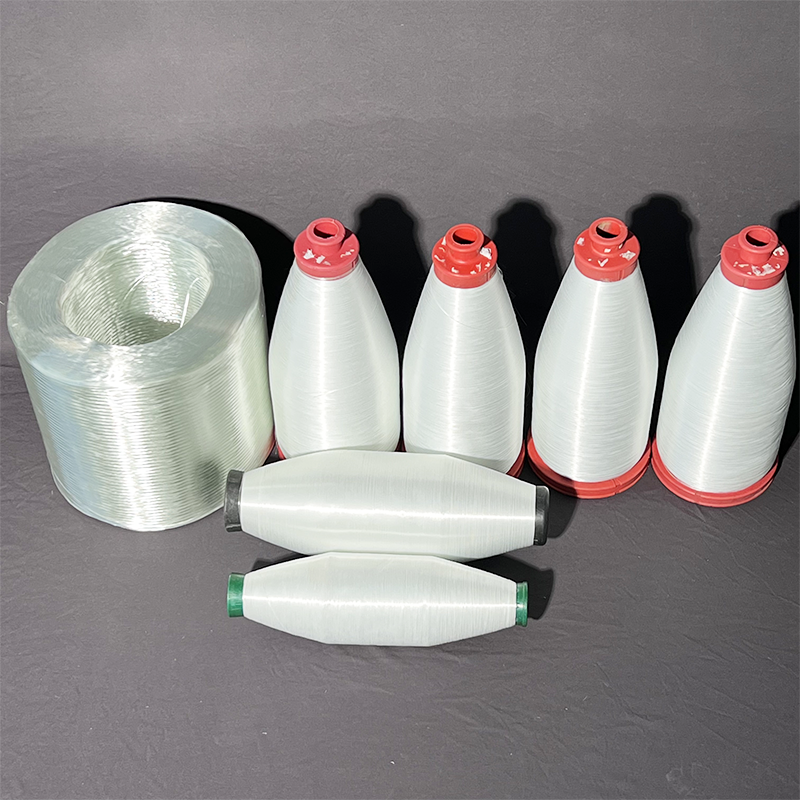
PVC has natural resistance to rust, rot, and environmental degradation. When combined with fiberglass mesh — known for its tensile strength and alkali resistance — the corner bead withstands years of wear without breaking down.
Ease of Installation
The lightweight, flexible nature allows installers to mold and fasten the beads quickly, reducing labor time versus metal options. It’s like the building world's equivalent of switching from manual to power tools, frankly.
Cost Efficiency
Beyond material cost savings, reduced repair needs lower lifecycle expenses substantially. Some engineers estimate maintenance reductions by up to 40% compared to steel beads.
Environmental Impact
Manufacturers increasingly optimize production with recycled PVC and eco-friendly adhesives, aligning with greener construction mandates worldwide.
Compatibility
Works seamlessly with a variety of plaster, stucco, and drywall finishes ensuring broad application across building types.
Mini takeaway:
Each component — PVC flexibility, fiberglass strength, installation ease, and eco-friendliness — combines to create a corner bead worthy of recognition beyond the contractor’s toolbox.
Global Applications: Where and How This Product Shines
The versatility is impressive. In post-disaster reconstruction efforts, especially in Southeast Asia and parts of Africa, fast deployment of housing demands materials that stand up to climate stress without heavy tools or expertise. PVC corner beads with mesh lend themselves perfectly.
In residential and commercial construction, cities in Europe and North America rely on these manufacturers to meet ever-stricter energy and sustainability codes. Even hospitality projects, where sleek and perfect finishes create customer satisfaction, use them — tricky corners now hold tight, resisting chips and cracks through years of wear.
Industrial zones in remote parts of Russia and Canada adopt these for protective coatings against harsh weather, reducing downtime from maintenance issues. It’s roughly like having a trusty pair of boots — if your boots came with an invisible shield.
Technical Specification Table
| Specification | Value/Description |
|---|---|
| Material | High-grade PVC with alkali-resistant fiberglass mesh |
| Length | 2.5 to 3 meters (standard) |
| Width of Mesh | 50-55 mm |
| Thickness of Bead | Approx. 1.0 mm |
| Resistance | Moisture, corrosion, impact |
| Installation | Nail, screw, or adhesive fix |
Advantages & Long-Term Value
- Longevity: Many projects report over 30 years of service with minimal upkeep.
- Health & Safety: Non-corrosive, no sharp metal edges, reducing job-site injuries.
- Environmental Sustainability: Some PVC beads come from recycled materials and can be recycled again.
- Cost Savings: Reduced need for repainting and repairs, plus rapid installation.
- Aesthetic Quality: Crisp, clean edges improve overall finish and appeal.
Vendor Comparison: Leading PVC Corner Bead with Fiberglass Mesh Manufacturers
| Manufacturer | Price Range | Lead Time | Customization | Sustainability Initiatives |
|---|---|---|---|---|
| Tainuo Fiberglass Mesh Co. | $$ | 2-3 weeks | Yes, OEM/ODM | Recycled PVC options |
| Global Edge Materials | $$$ | 4-5 weeks | Limited | Bio-based additives |
| BuildSafe Industries | $ | 1-2 weeks | Standard sizes only | Minimal |
Looking Ahead: Trends and Innovations Shaping the Industry
We're seeing manufacturers push boundaries, blending traditional PVC with bio-resins and nano-enhanced fiberglass fibers for even greater strength and environmental friendliness. Automation in manufacturing lines ensures consistent quality while reducing waste—something many engineers applaud.
Digital tools like BIM (Building Information Modeling) now incorporate these materials upfront in project designs, reducing surprises during installation. The rise of green building certifications encourages demand for more transparent sourcing and recyclable components.
Challenges & Creative Solutions
Despite many advantages, several challenges linger. Fragility during transport, limited awareness about proper installation techniques in some markets, and price fluctuations tied to PVC raw material costs occasionally slow adoption. To tackle these, some manufacturers offer comprehensive training and technical support while innovating packaging to reduce damage.
Further, collaborating directly with contractors to tailor customization options helps reduce wastage on-site. It’s a little like offering tailored clothes instead of one-size-fits-all — much better fit, less fuss.
FAQ: pvc corner bead with fiberglass mesh manufacturers
- What advantages do PVC corner beads with fiberglass mesh have over metal ones?
- PVC corner beads combined with fiberglass mesh resist corrosion, are lighter and easier to install, and reduce the risk of cracking. Unlike metal, they won’t rust, which improves longevity and safety in damp environments.
- Can I customize the size or mesh width for specific project needs?
- Yes. Many manufacturers, like pvc corner bead with fiberglass mesh manufacturers, offer OEM and ODM services to customize lengths, widths, and mesh densities to suit your project's specifications.
- Are these products suitable for high-humidity or coastal environments?
- Absolutely. The PVC material's resistance to moisture combined with alkali-resistant fiberglass mesh makes this product ideal for areas prone to humidity, salt air, and other corrosive elements that would degrade traditional metal beads over time.
- How do I ensure the corner bead lasts as long as possible?
- Proper installation following manufacturer guidelines, including using compatible plaster or stucco materials and avoiding excessive mechanical stresses, will help ensure durability. Training or professional installation is often recommended for best results.
- Where can I find reliable manufacturers?
- You can explore industry leaders like Tainuo Fiberglass Mesh (pvc corner bead with fiberglass mesh manufacturers) who provide quality products with customization and sustainability options.
Wrapping It Up: Why This Matters for Your Next Project
To sum up, pvc corner bead with fiberglass mesh manufacturers provide the building blocks for safer, longer-lasting, and smarter construction — roughly like giving your walls a suit of armor that's subtle but mighty. For anyone serious about quality finishing and durability, their products are worth a second look.
Planning a project? Don’t hesitate to reach out to trusted sources. Visit https://www.tainuofiberglassmesh.com to explore high-quality options, specifications, and expert support.
Mini takeaway:
Great corners don't just happen. They’re crafted, engineered, and chosen with care — just like this unassuming yet essential material. And, honestly, isn't that kind of thoughtful detail what good building is all about?
References
- International Organization for Standardization (ISO)
- Wikipedia: Polyvinyl chloride
- World Bank Urban Development
-
Best Fiberglass Mesh Tape for RedGard Product Waterproofing GuideNewsApr.16,2026
-
Why High Strength Fiberglass Mesh Is Essential For Stucco ApplicationNewsApr.15,2026
-
Why Alkali Resistant Fiberglass Mesh Tape Is Essential For Cement Board And Tile InstallationsNewsApr.15,2026
-
Understanding The Role Of Drywall Fiberglass Mesh In Interior FinishingNewsApr.15,2026
-
Ultimate Guide To Using Fiberglass Mesh Tape For Drywall And Plaster RepairsNewsApr.15,2026
-
The Versatility Of Fiberglass Mesh In Marble And Stone MosaicNewsApr.15,2026