Dec . 02, 2025 10:45 Back to list
Leading Mesh Fiberglass Tape Manufacturer – Durable & Sustainable Solutions
Mesh Fiberglass Tape Manufacturer: A Backbone of Modern Reinforcement Solutions
So, what exactly is a mesh fiberglass tape manufacturer and why does this niche play a surprisingly pivotal role in industries worldwide? At first glance, fiberglass mesh tape might seem like a tiny player in vast construction or manufacturing fields, but its impact is pretty global. Think of it as the unsung hero reinforcing joints and seams in drywall installations, or strengthening composite materials in automotive and aerospace sectors. Understanding the manufacturers behind this material reveals insights into quality, durability, and sustainable building practices that affect everything from urban infrastructure to humanitarian aid logistics.
Introduction: The Global Context of Mesh Fiberglass Tape Manufacturing
Globally, construction and manufacturing industries have been under pressure to improve material efficiency, reduce waste, and adopt safer building methods. According to the United Nations Environment Programme, the construction sector accounts for more than 30% of global energy consumption and a large chunk of raw material use. Fiberglass mesh tape manufacturers address a crucial challenge here: providing materials that enhance structural integrity while being lightweight and corrosion-resistant.
But it’s not just about new buildings. In disaster-prone regions or remote industrial sites, these tapes help facilitate faster repairs, preventing costly downtimes. For instance, in recent years, fiberglass mesh tape has become integral in post-disaster reconstruction, where rapid yet reliable materials are required.
Definition & Meaning: What is a Mesh Fiberglass Tape Manufacturer?
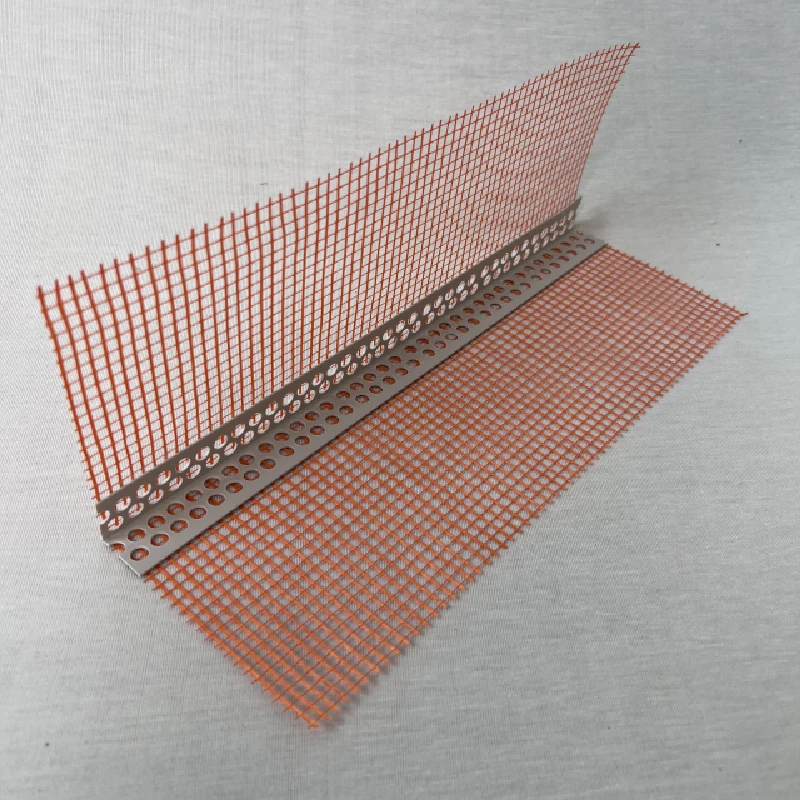
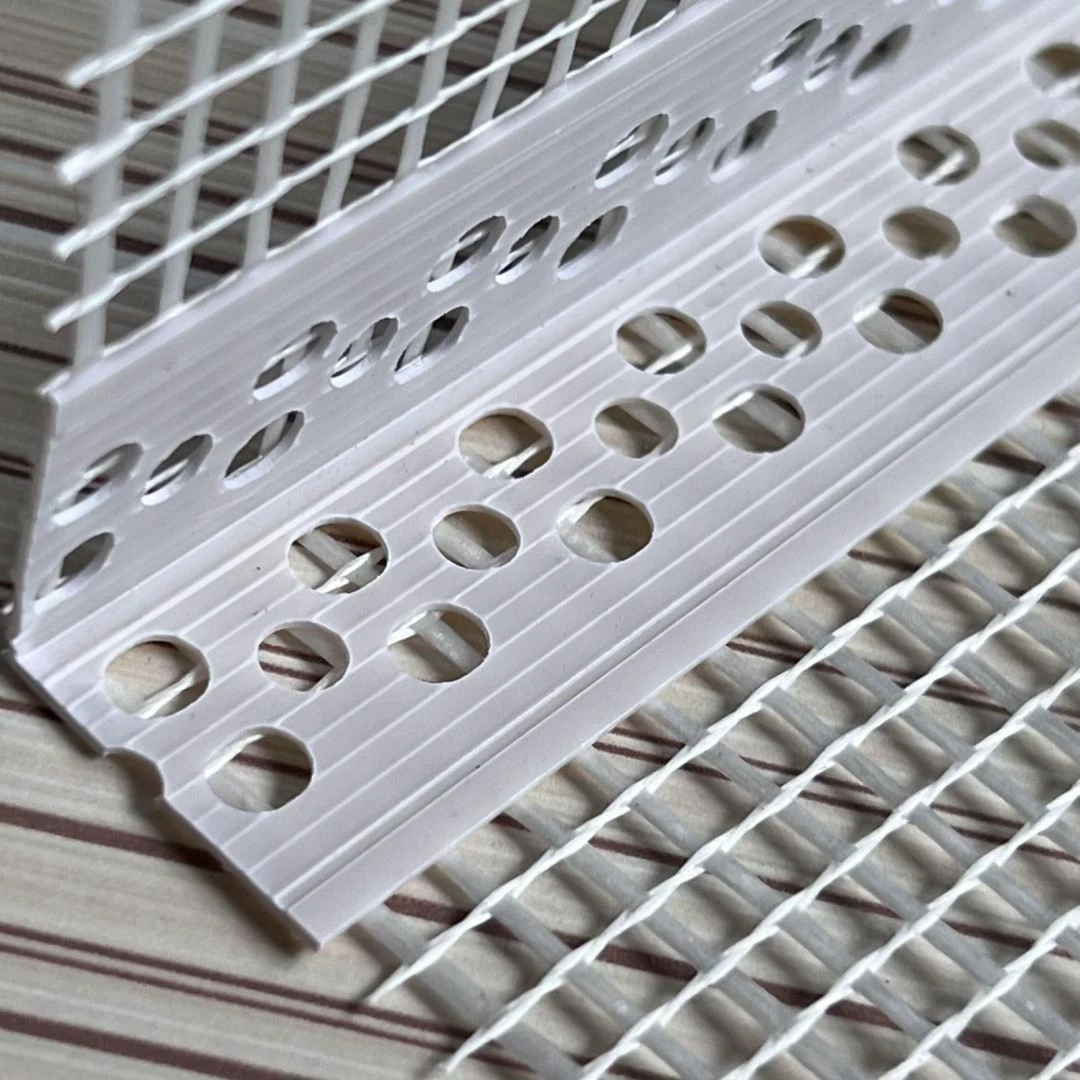
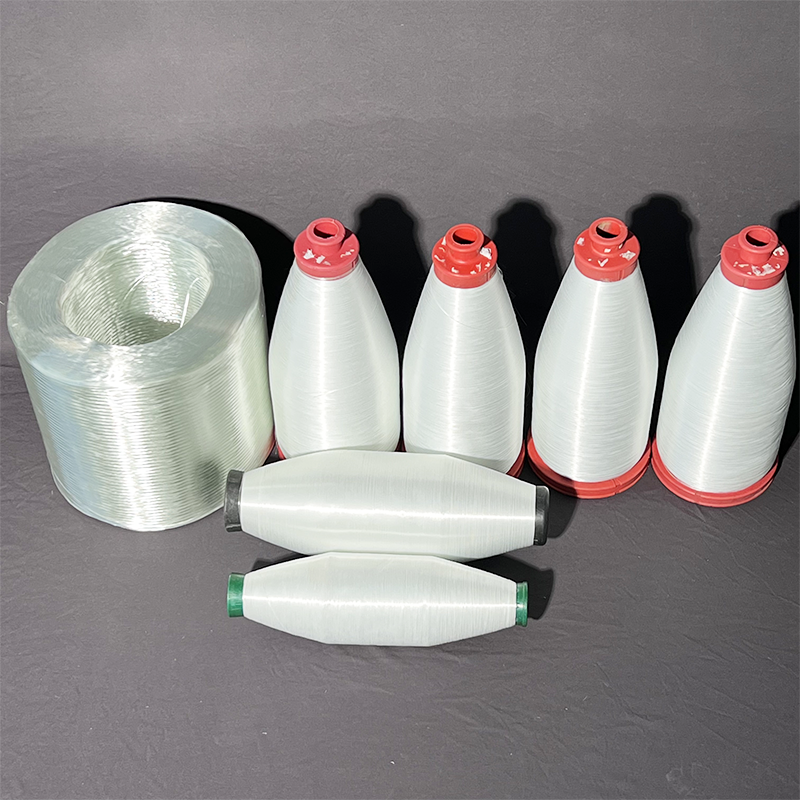
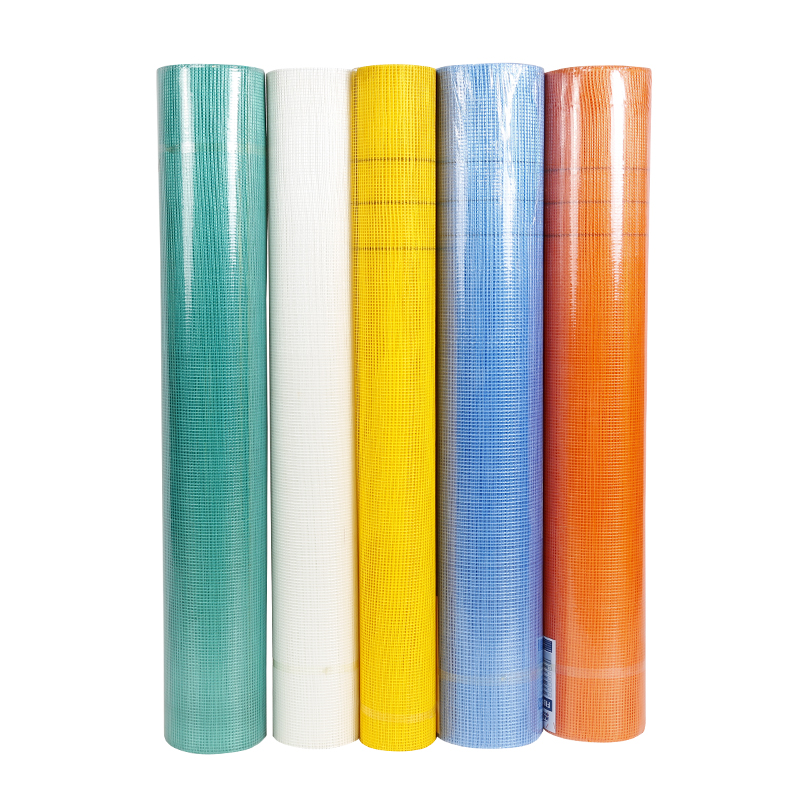
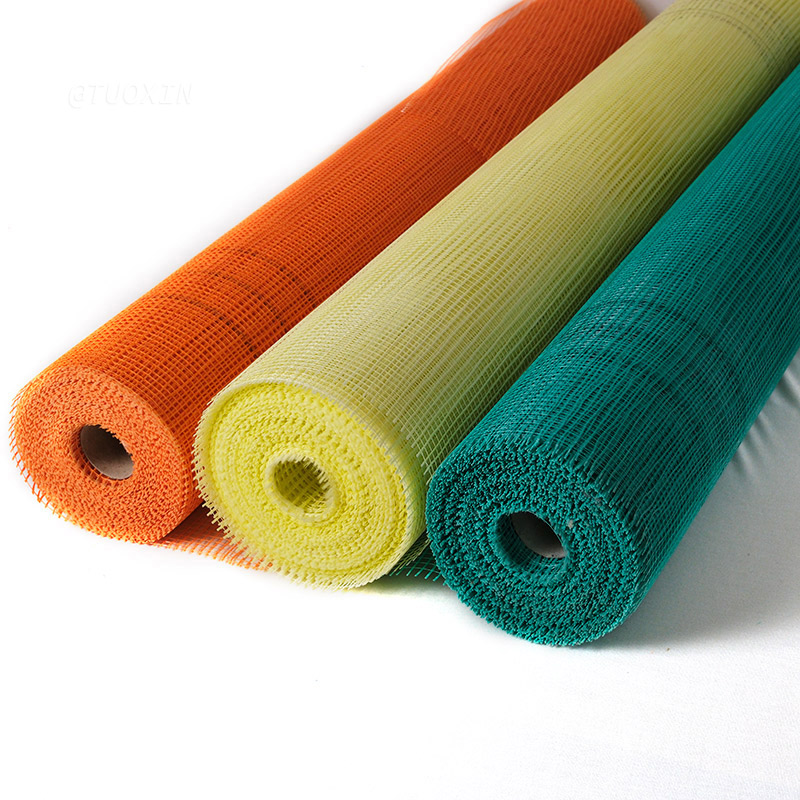
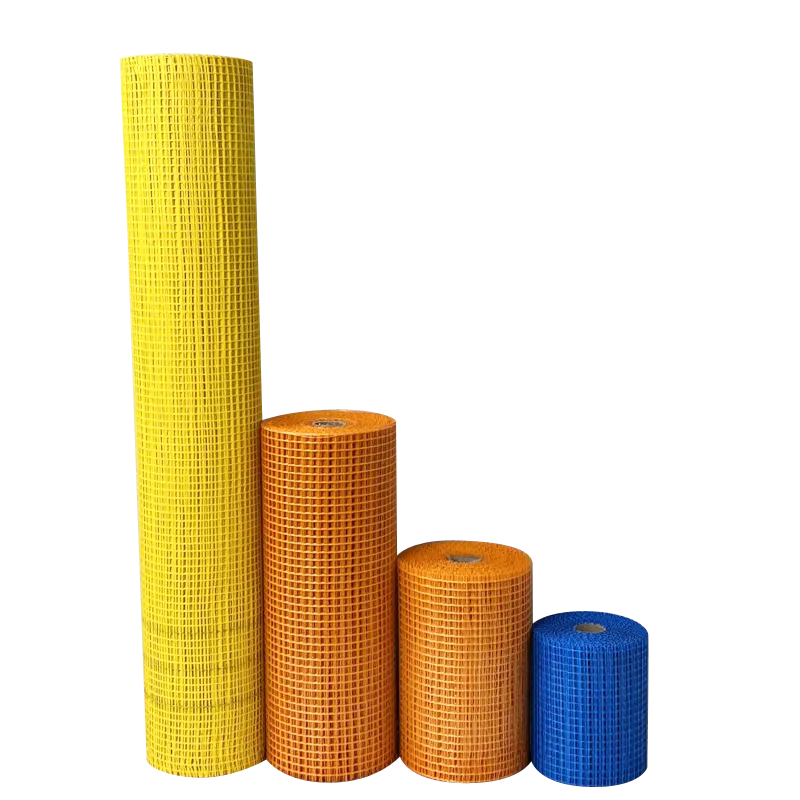
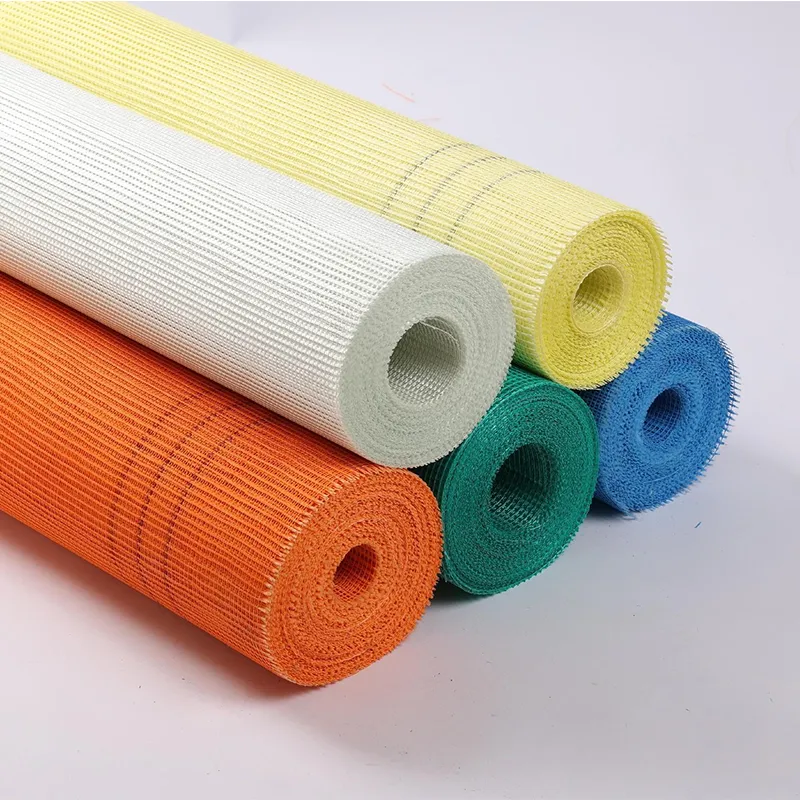
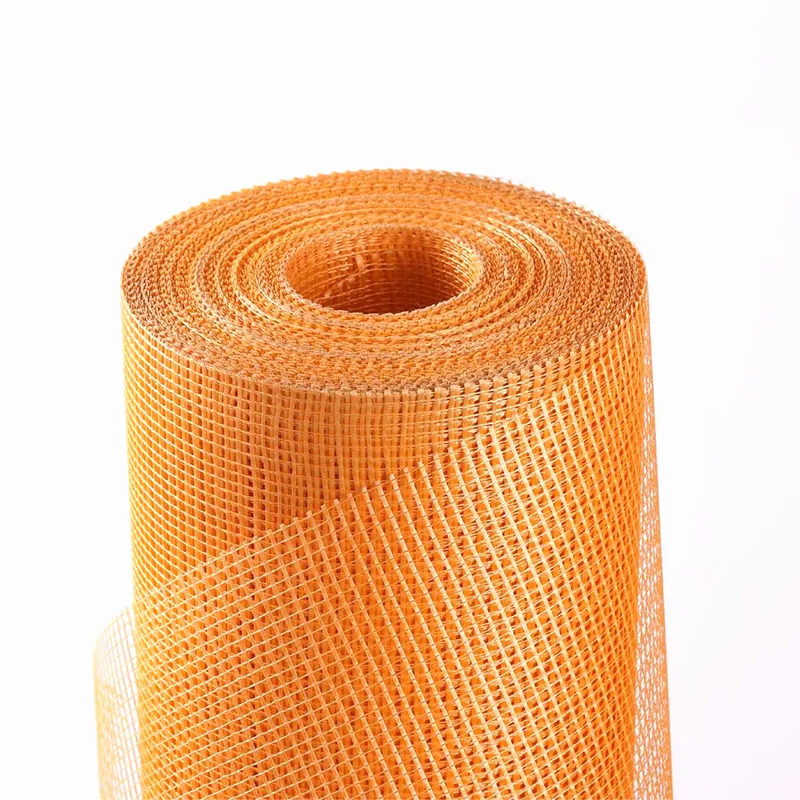
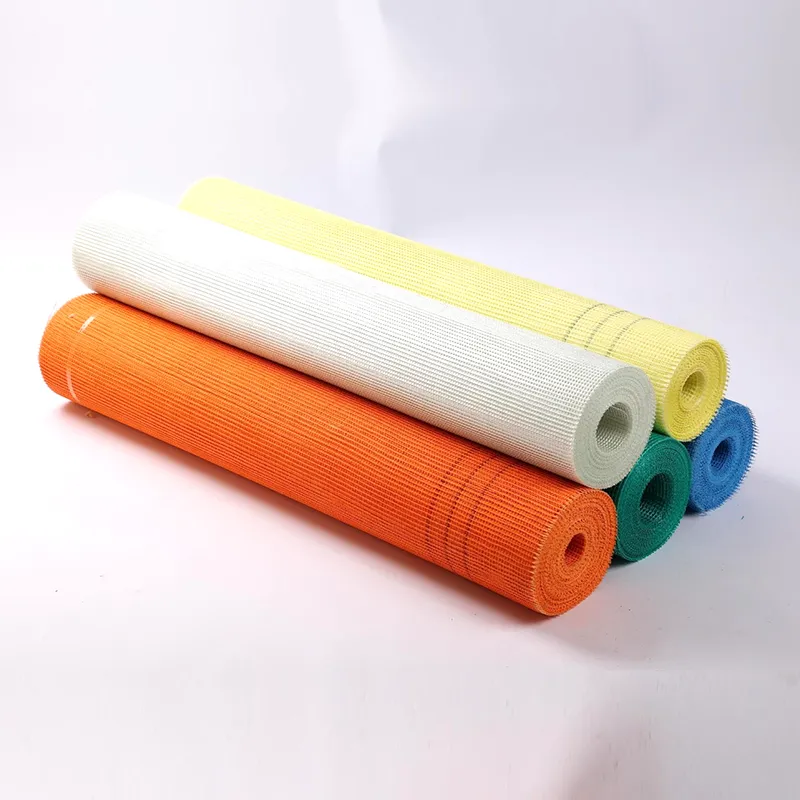
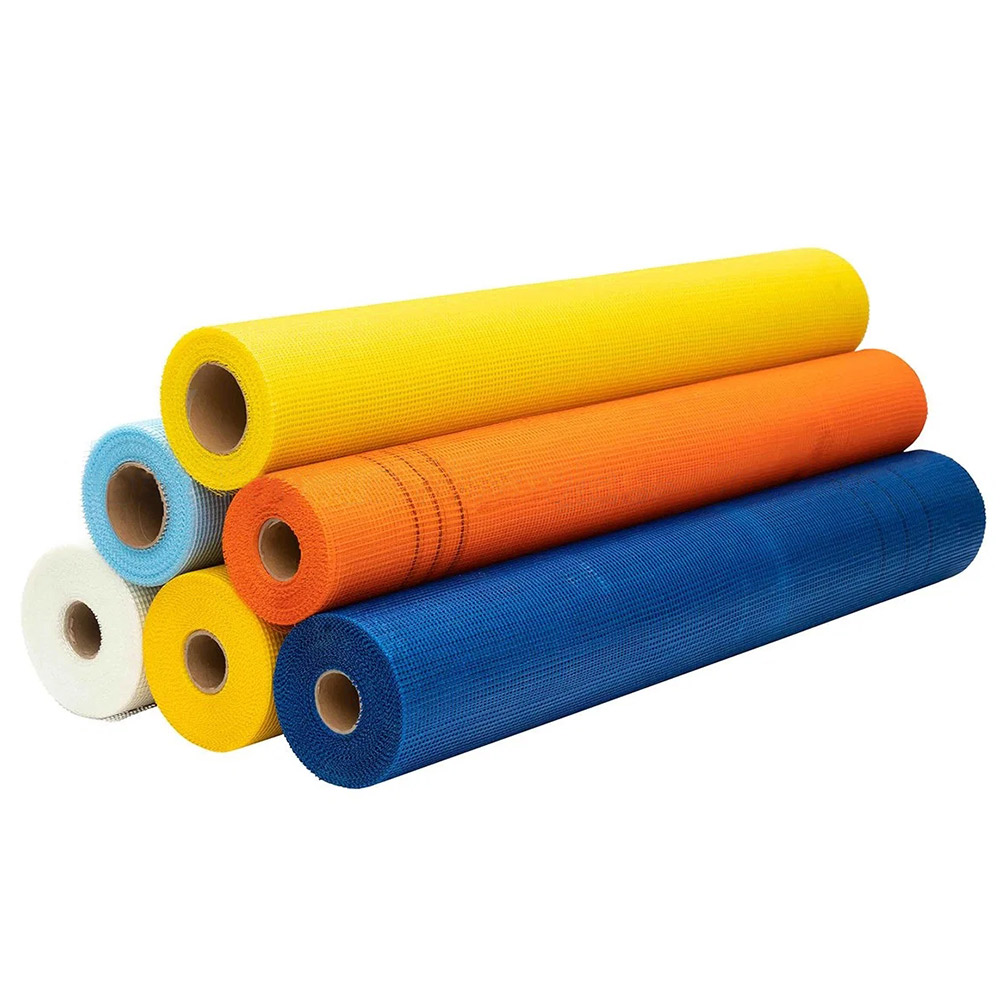
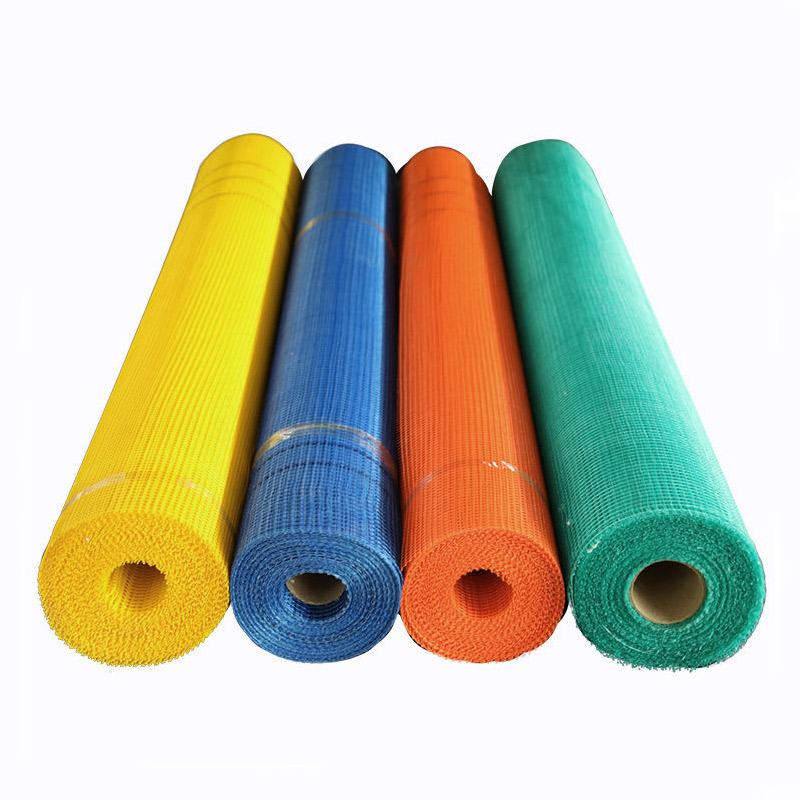
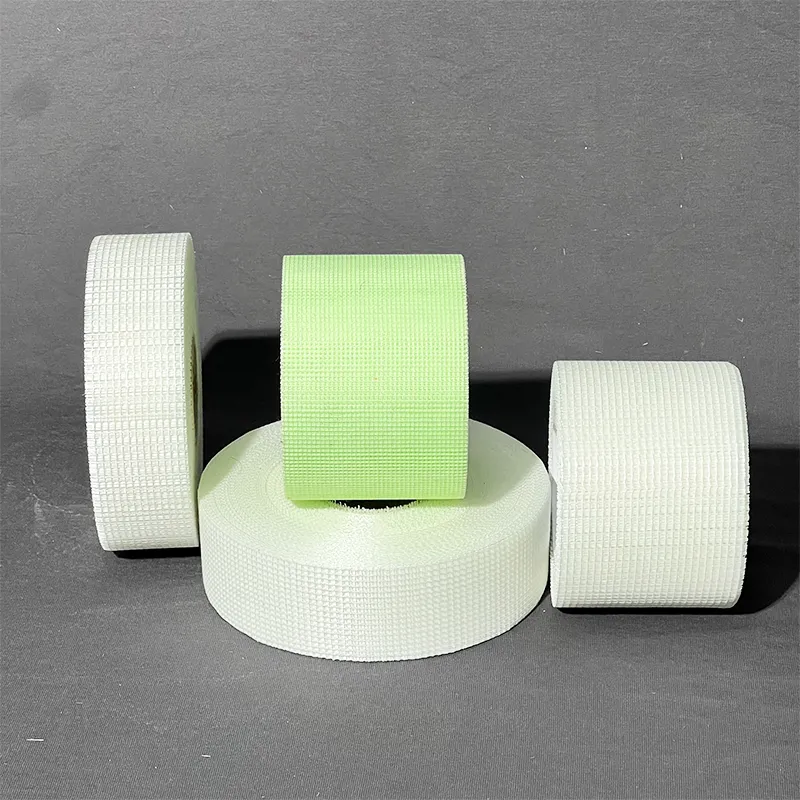
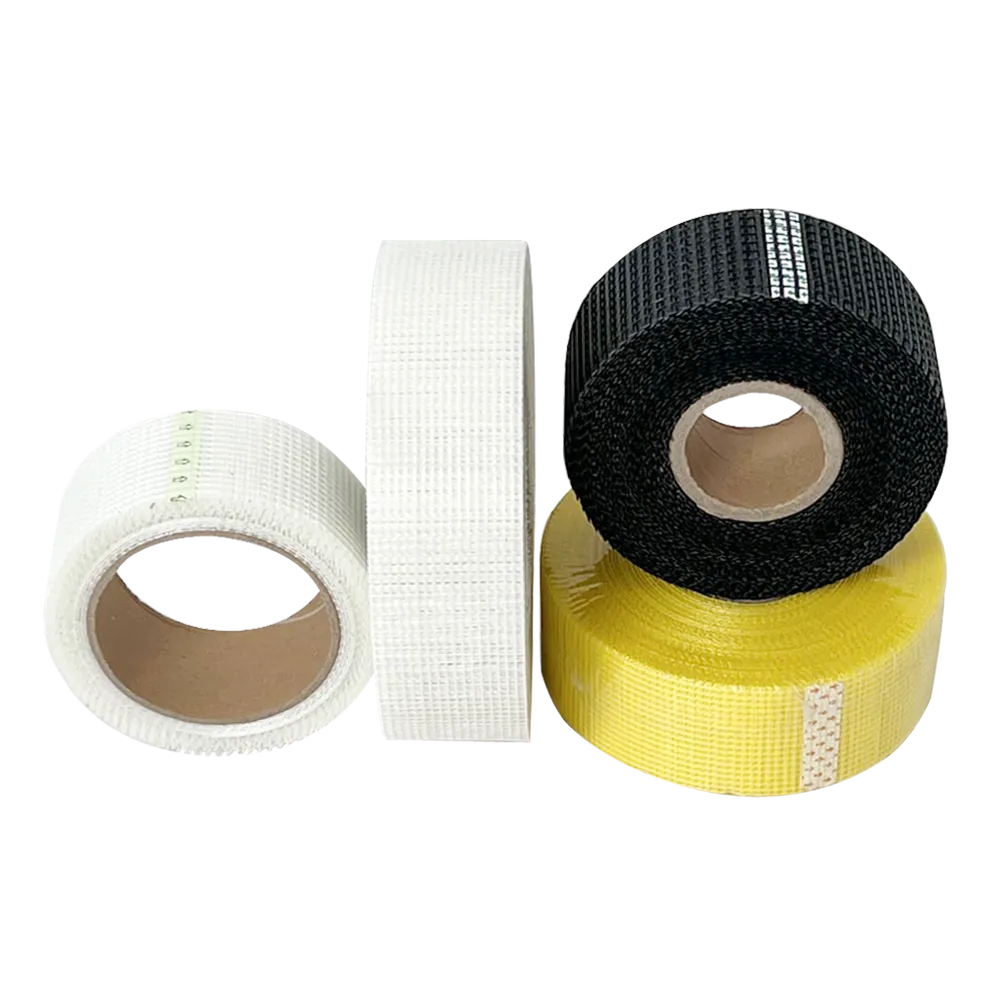
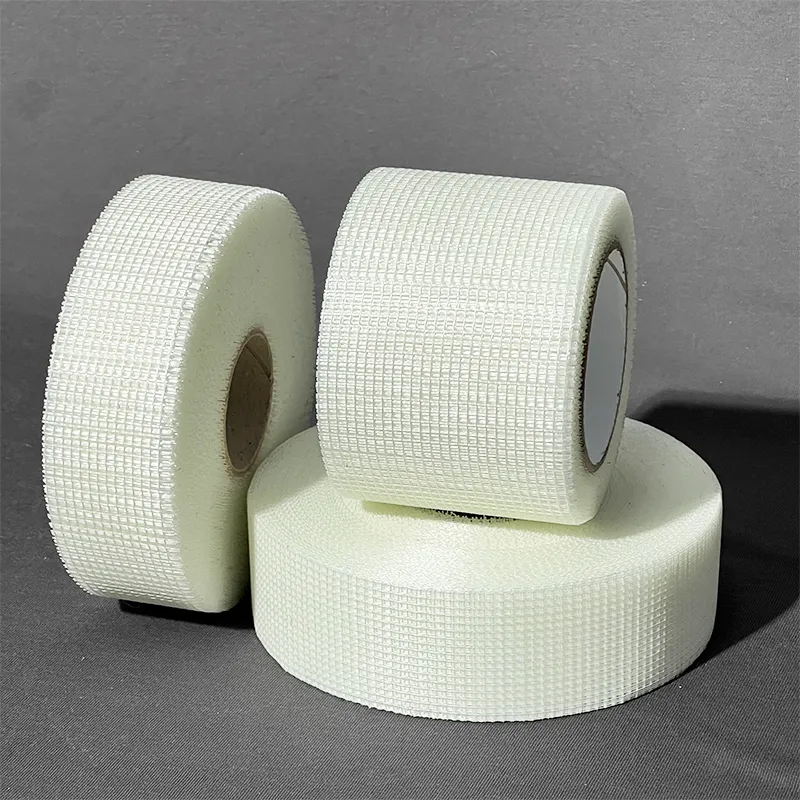
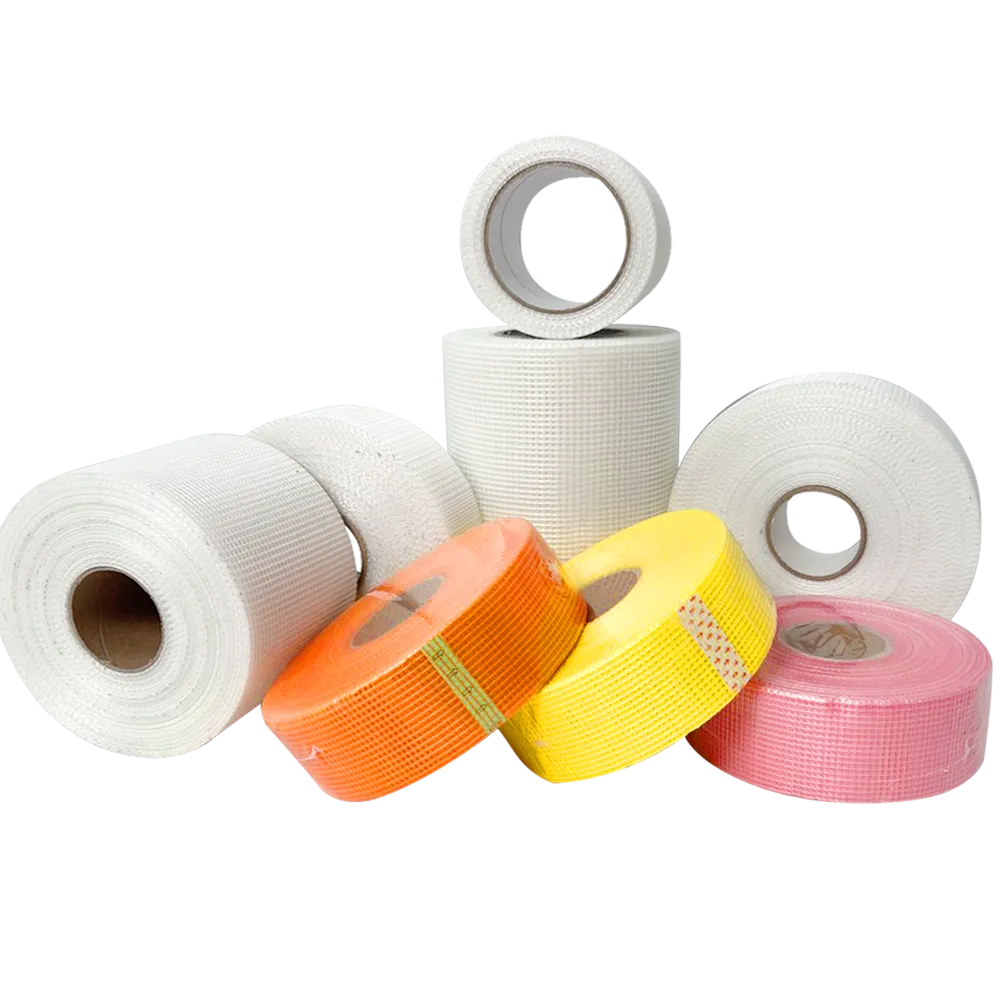
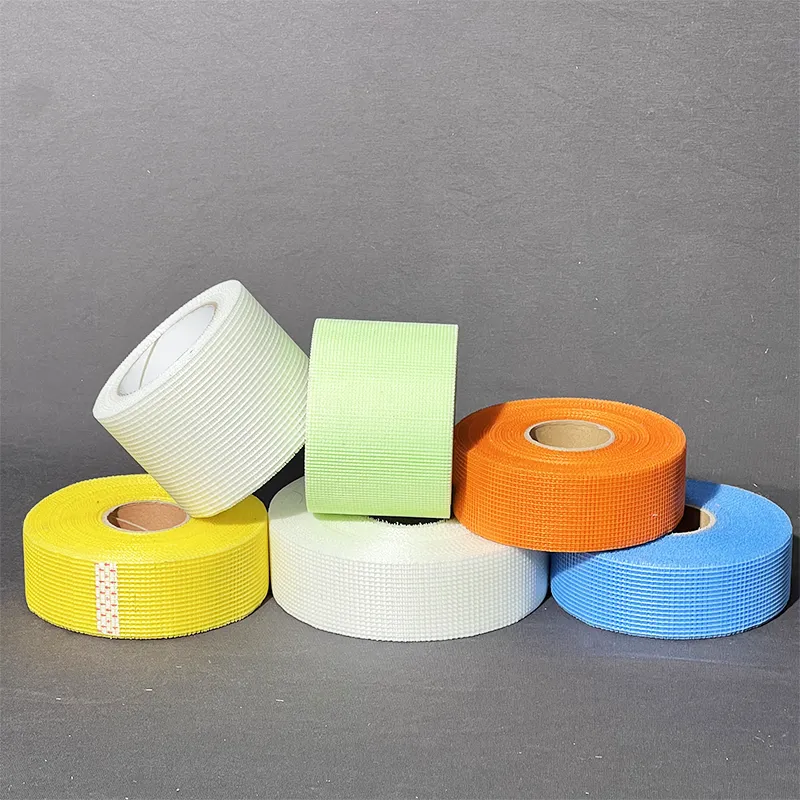
At its core, a mesh fiberglass tape manufacturer produces a specialized product composed of woven fiberglass strands formed into a tape or mesh format. This tape is typically used to reinforce joints, seams, or surface finishes, offering strength and flexibility. The manufacturers combine raw fiberglass fibers, resin coatings, and advanced weaving technologies to produce tape that balances tensile strength with ease of application.
Modern industries—from commercial construction to aerospace—rely on these manufacturers to supply consistent quality materials that meet ISO standards, especially ISO 2078 (fiberglass yarn tensile strength) and ISO 9001 for quality management. Their products are linked to both everyday applications like drywall finishing and high-performance composites requiring fire resistance and chemical durability.
Key Factors of Mesh Fiberglass Tape Manufacturing
1. Durability and Tensile Strength
One of the main selling points is how durable fiberglass mesh tape is compared to cloth or paper alternatives. It resists cracking and tearing even when infrastructure shifts or undergoes temperature variation.
2. Scalability and Production Capacity
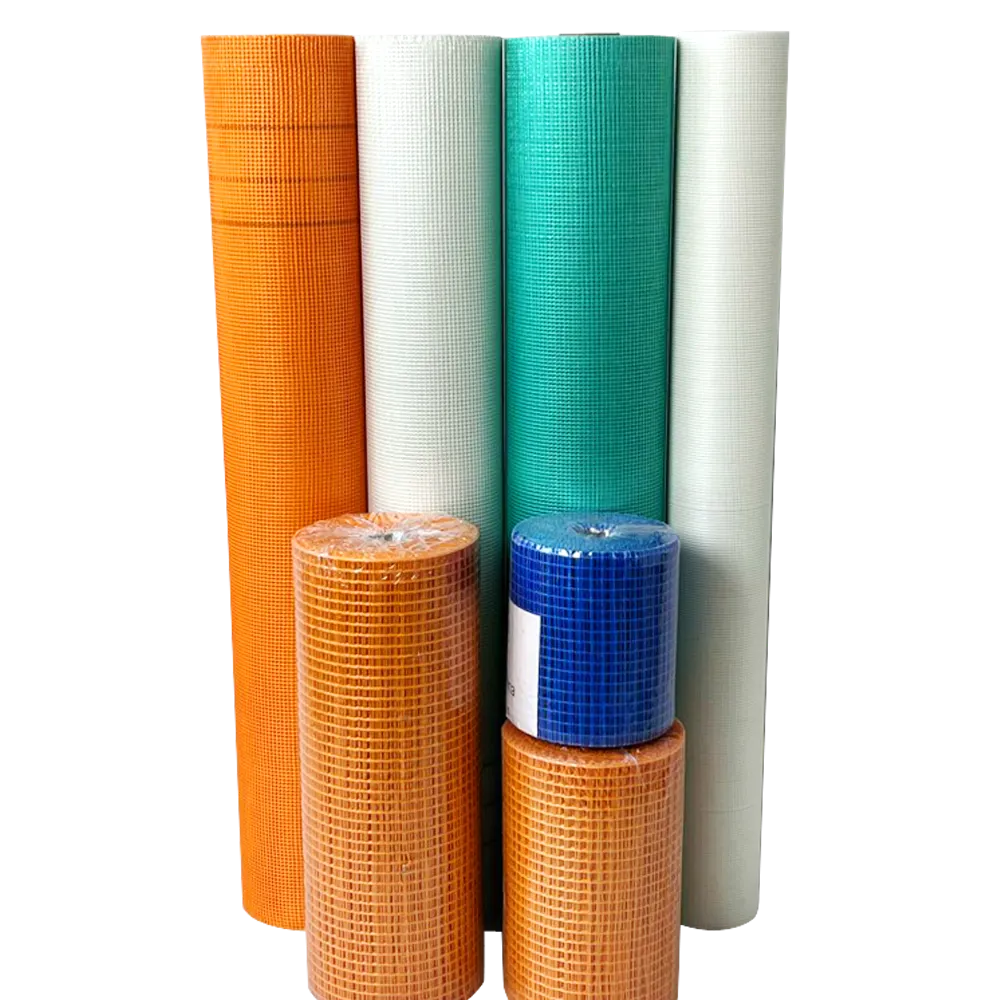
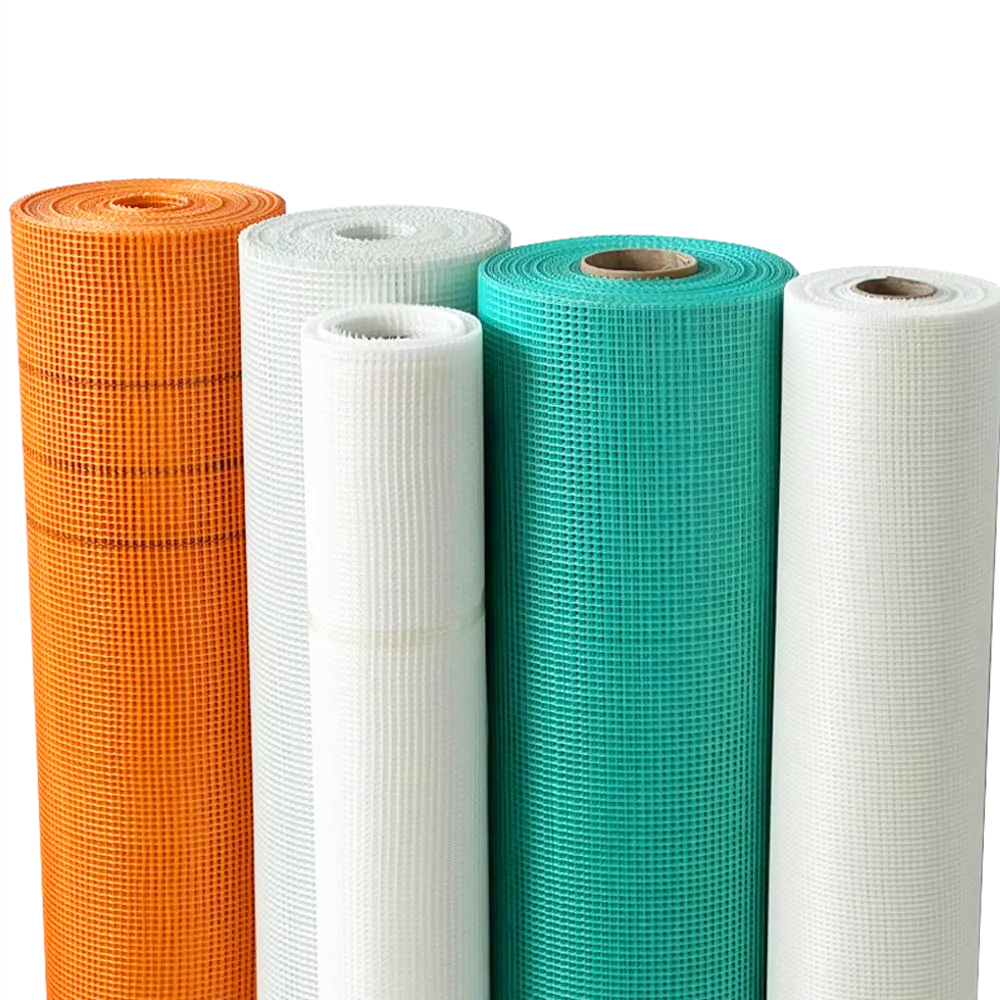
Leading manufacturers operate large-scale automated weaving machines that produce tapes varying in width and mesh size. Scalability ensures availability for both small contractors and big industrial clients.
3. Cost Efficiency
While fiberglass tapes may seem pricier upfront than paper variants, their longevity minimizes rework and maintenance costs, creating overall cost savings.
4. Flexibility and Adaptability
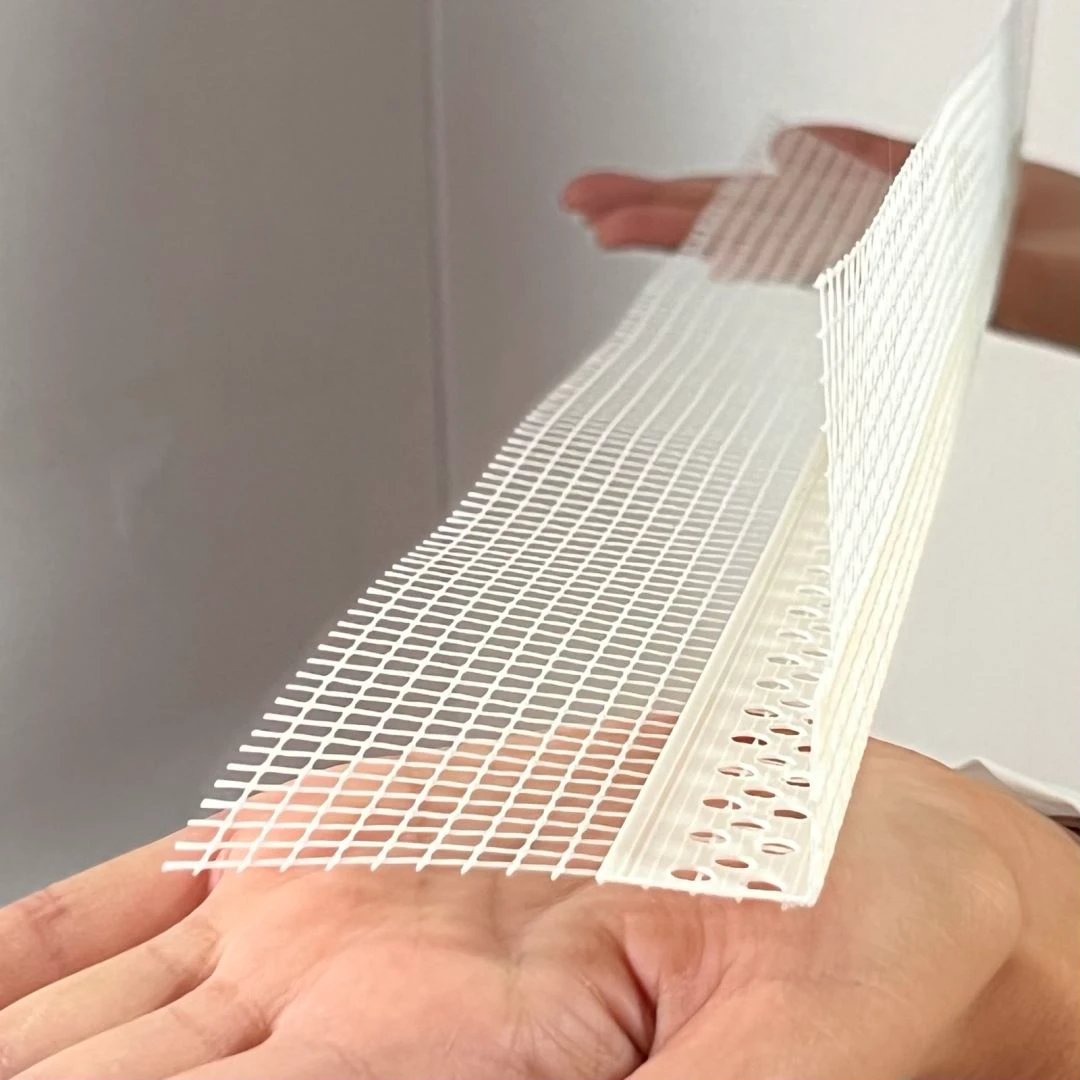
The tape’s ability to conform to irregular surfaces or various substrates makes it versatile. This is why it’s popular across flooring, roofing, and even marine environments.
5. Environmental Impact
Modern manufacturers are pushing to reduce environmental footprints by integrating recycled glass fibers and eco-friendly resins in the production process.
Product Specifications at a Glance
| Specification | Typical Value | Units |
|---|---|---|
| Mesh Size | 4 x 4 to 6 x 6 | mm |
| Tensile Strength | >800 | N/cm |
| Tape Width Range | 18 to 50 | mm |
| Coating Type | Acrylic / PVC | - |
| Temperature Resistance | -40 to 150 | °C |
Mini takeaway: Quality mesh fiberglass tape manufacturing depends on striking the right balance between strength, flexibility, and environmental responsibility.
Global Applications & Use Cases
Mesh fiberglass tape isn’t just confined to drywall finishing — it’s a surprisingly global commodity with diverse uses:
- Post-Disaster Relief: NGOs and government agencies utilize fiberglass mesh tape to expedite repairs on shelters, bridges, and walls after earthquakes or floods.
- Industrial Repairs: Remote mining or oil drilling sites use fiberglass tapes as part of quick patch kits to maintain pipelines or equipment.
- Aerospace & Automotive: Composite manufacturers incorporate fiberglass tape to reinforce structures while saving weight.
- Marine Applications: Resistance to water and corrosion makes it valuable in shipbuilding and repair.
- Residential & Commercial Construction: Widely used in drywall, stucco coatings, and insulation reinforcements.
Regions like Southeast Asia and Eastern Europe show rising demand due to rapid urban growth and increased infrastructure spending, while North America and Western Europe drive innovations in green building standards.
Comparison Among Leading Mesh Fiberglass Tape Manufacturers
| Manufacturer | Material Quality | Production Capacity | Environmental Practices | Price Range |
|---|---|---|---|---|
| Tainuo Fiberglass | Premium silica fibers | 30,000 tons/year | Recycled fibers & low VOC coatings | Mid-range |
| Fiberglass Solutions Inc. | Standard E-glass | 15,000 tons/year | Energy-efficient manufacturing | Lower-end |
| Global Mesh Ltd. | High-strength AR-glass | 40,000 tons/year | Sustainability certifications (ISO 14001) | Premium |
Advantages & Long-Term Value
Beyond raw specs, the advantages of using quality mesh fiberglass tape stretch far. It’s about saving costs over time since durability reduces rework; about safety, reducing cracks that might weaken walls or structural components; and about social impact — reliable housing promotes dignity, especially in disaster recovery scenarios. Folk in the industry often emphasize trust in manufacturer reputations for consistent product performance, and frankly, that peace of mind is worth a lot.
Future Trends & Innovations
Looking ahead, manufacturers are experimenting with new resin coatings to improve UV and chemical resistance. Digital automation is streamlining production quality controls. And oddly enough, the push for sustainability taps into bio-based resins and fiberglass recycling, which might drastically reduce carbon footprints. There’s also chatter around integrating sensors into fiberglass tape for structural health monitoring — a kind of “smart mesh” that warns of stress or damage in real time.
Challenges & Solutions
Of course, it’s not all smooth sailing. Some manufacturers face rising raw material costs and supply chain bottlenecks. Additionally, improper installation can negate even the best tape’s performance, leading to cracks and failures. The solution? Education and training for end-users, combined with packaging that offers clear instructions. Plus, pushing OEM partnerships helps in integrating mesh tape design early on, reducing downstream issues.
FAQ: Frequently Asked Questions About Mesh Fiberglass Tape Manufacturing
Q1: How does mesh fiberglass tape differ from paper or cloth tape?
A: Fiberglass tape offers superior strength, crack resistance, and moisture durability compared to paper or cloth. While paper tapes are cheaper and easier to handle, fiberglass lasts longer and supports structural integrity, especially on drywall joints or exterior applications.
Q2: Can fiberglass mesh tape be used outdoors?
A: Yes, when coated with appropriate resins such as PVC or acrylic, fiberglass mesh tape can withstand moisture, UV rays, and temperature fluctuations, making it suitable for exterior wall reinforcements and stucco base layers.
Q3: What should I look for when choosing a mesh fiberglass tape manufacturer?
A: Factors include consistent product quality (verified by ISO certifications), production capacity to meet your volume needs, eco-friendly practices, and good customer support that offers technical guidance.
Q4: Is mesh fiberglass tape recyclable?
A: Traditionally, fiberglass products are challenging to recycle but some manufacturers are exploring reclaimed glass fiber reuse/upcycling processes. This means future tapes may come with stronger environmental credentials.
Conclusion
In real terms, partnering with a reliable mesh fiberglass tape manufacturer means investing in quality, durability, and innovation that powers industries ranging from construction to aerospace. As markets evolve—with fresh sustainability requirements and digital transformation—the role of these manufacturers becomes ever more essential.
Interested in sourcing premium mesh fiberglass tape, or curious to learn more? Visit our website for detailed specifications, certifications, and personalized support tailored to your project’s needs.
Mini takeaway: The humble mesh fiberglass tape is more than a simple joint accessory; it’s a vital ingredient in building safer, stronger, and more sustainable structures worldwide.
References:
-
Best Fiberglass Mesh Tape for RedGard Product Waterproofing GuideNewsApr.16,2026
-
Why High Strength Fiberglass Mesh Is Essential For Stucco ApplicationNewsApr.15,2026
-
Why Alkali Resistant Fiberglass Mesh Tape Is Essential For Cement Board And Tile InstallationsNewsApr.15,2026
-
Understanding The Role Of Drywall Fiberglass Mesh In Interior FinishingNewsApr.15,2026
-
Ultimate Guide To Using Fiberglass Mesh Tape For Drywall And Plaster RepairsNewsApr.15,2026
-
The Versatility Of Fiberglass Mesh In Marble And Stone MosaicNewsApr.15,2026