Nov . 29, 2025 11:10 Back to list
Leading Fiberglass Reinforcement Mesh Manufacturer | Durable & Sustainable Solutions
The Growing Importance of Fiberglass Reinforcement Mesh Manufacturers
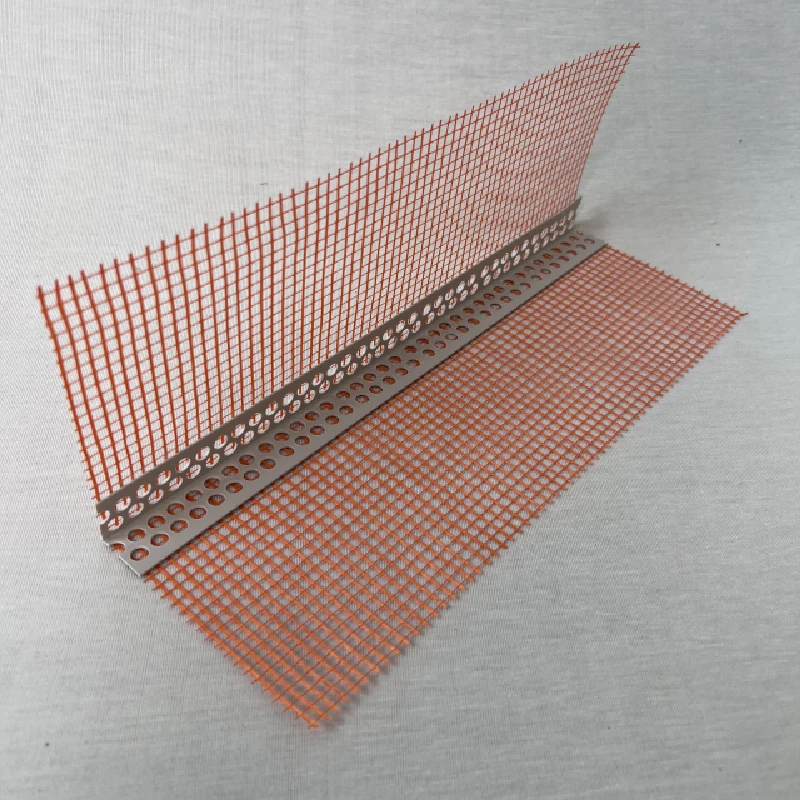
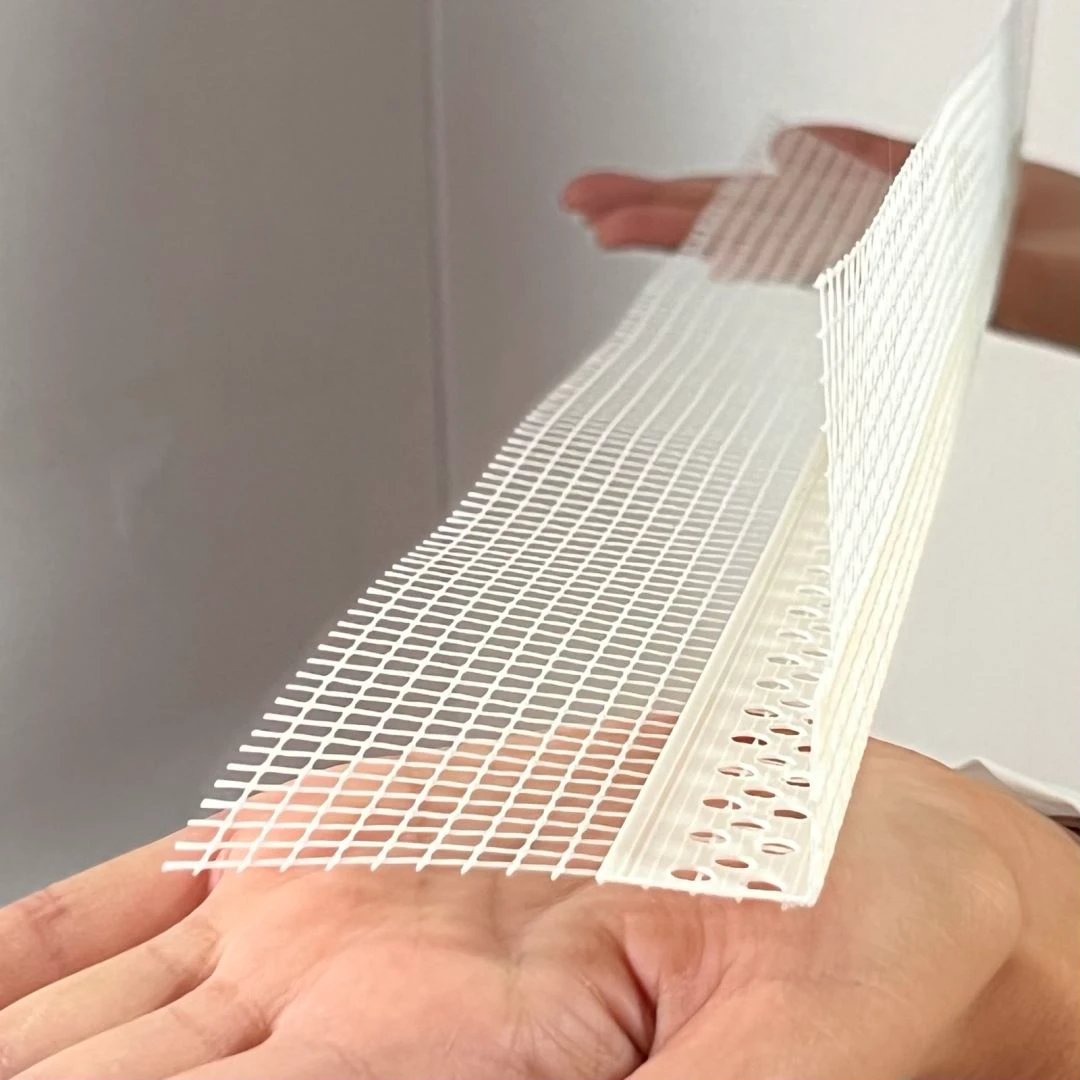
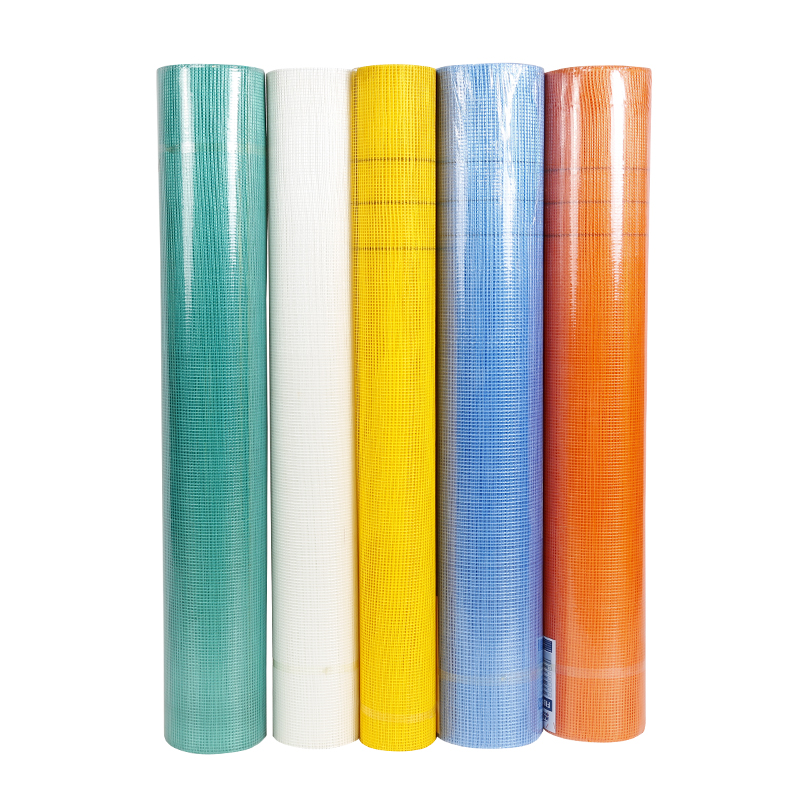
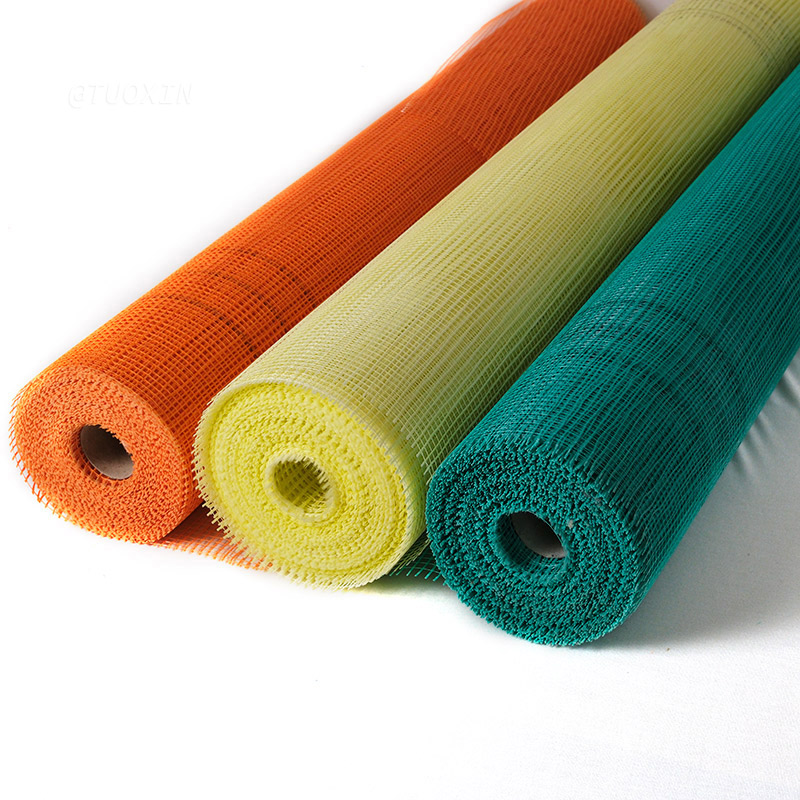
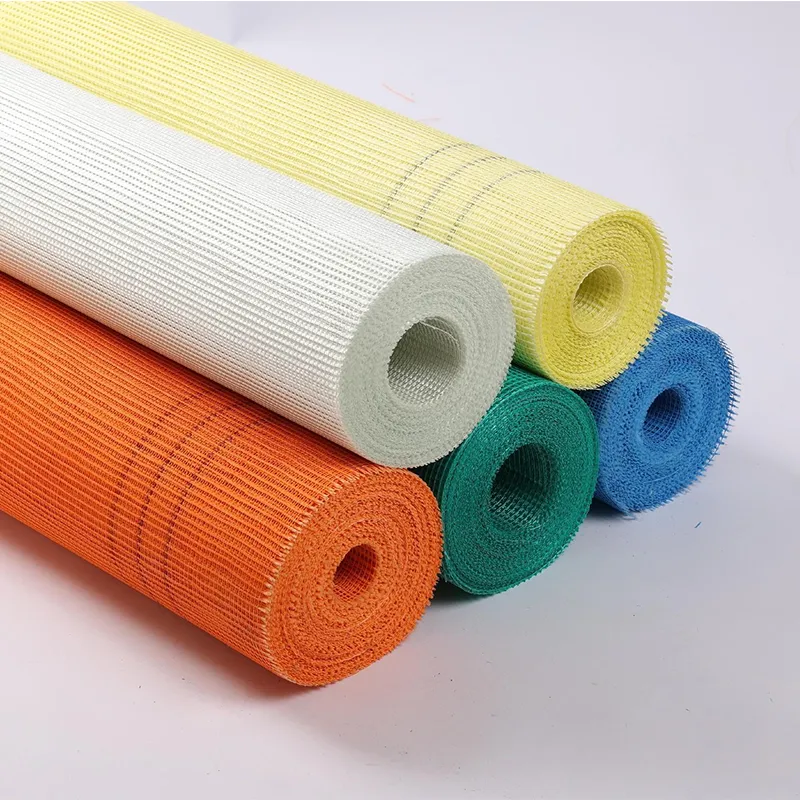
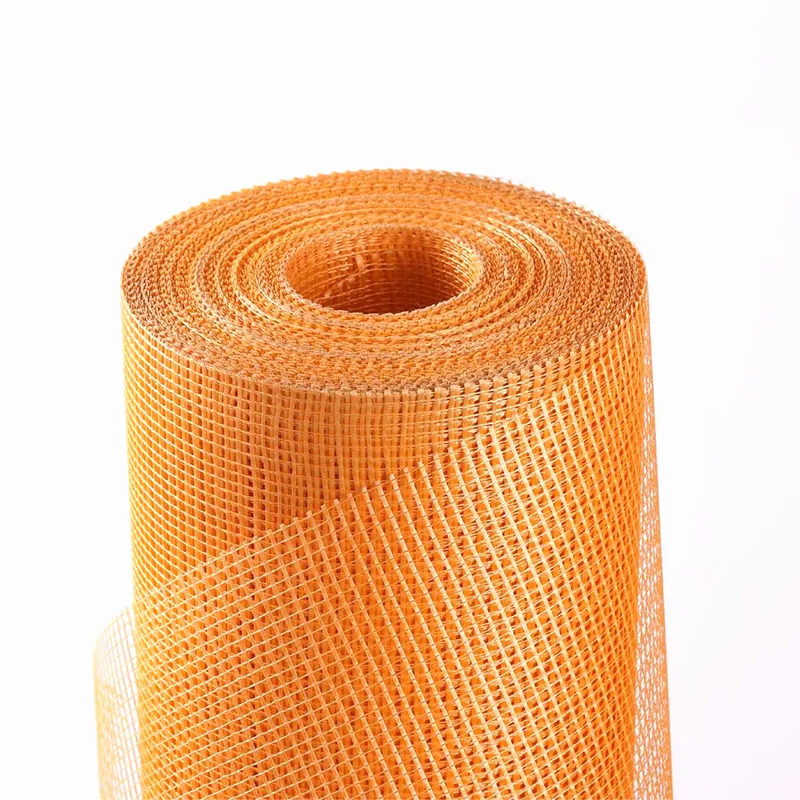
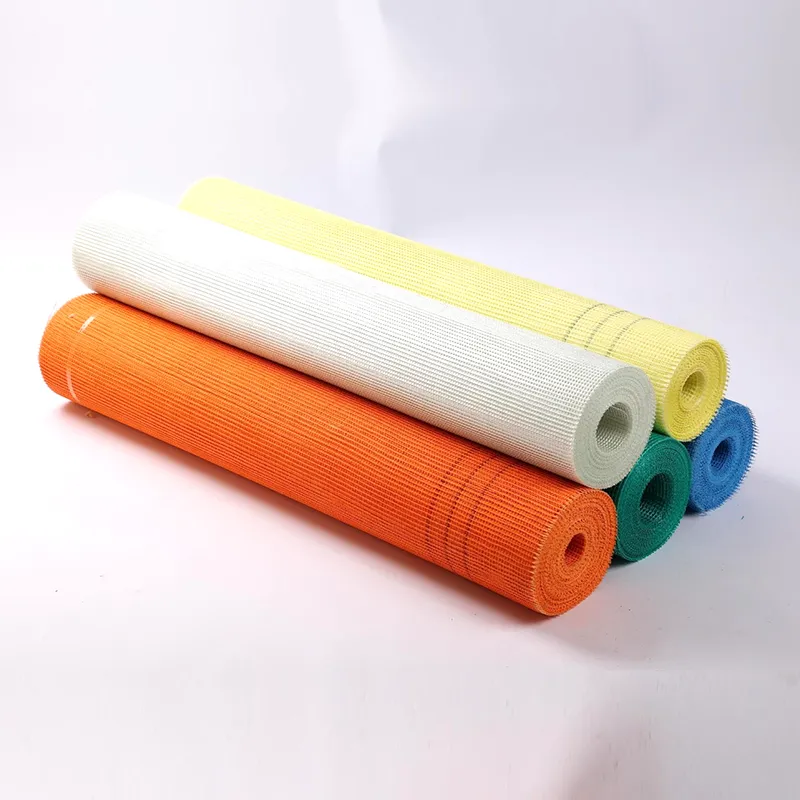
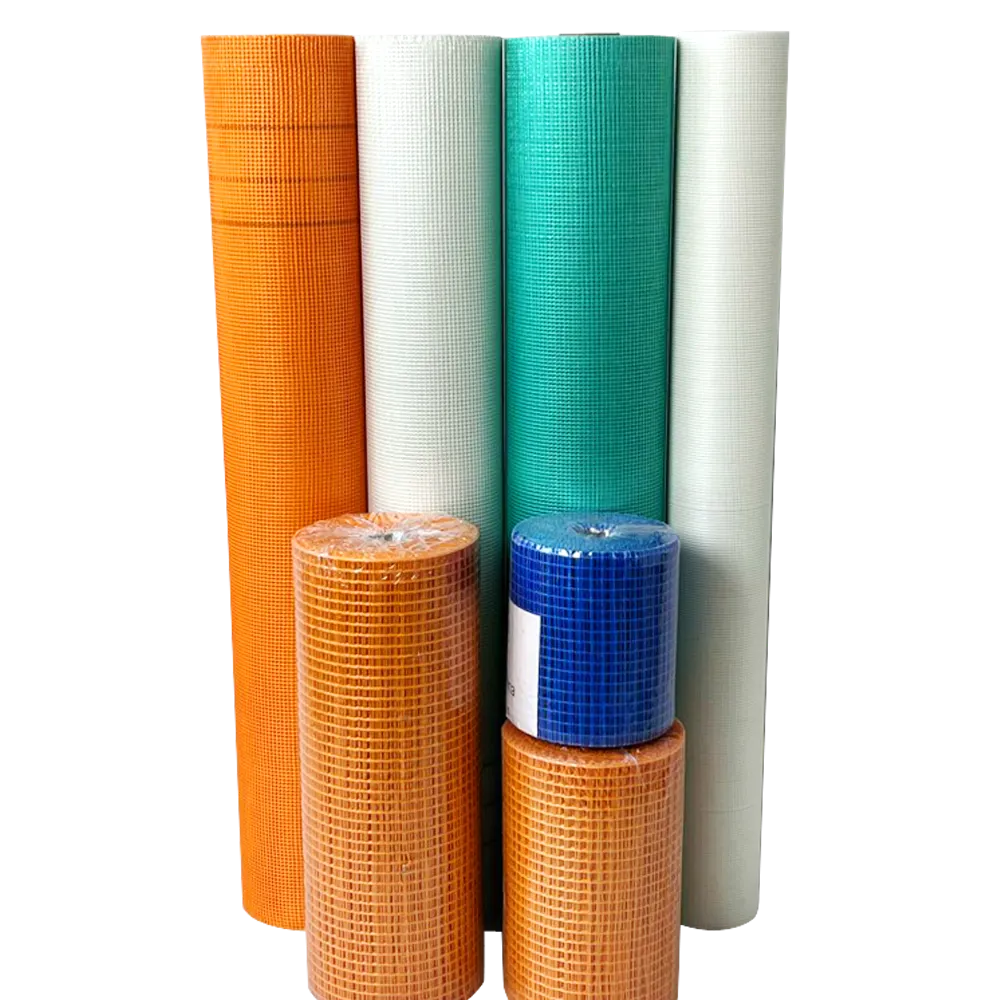
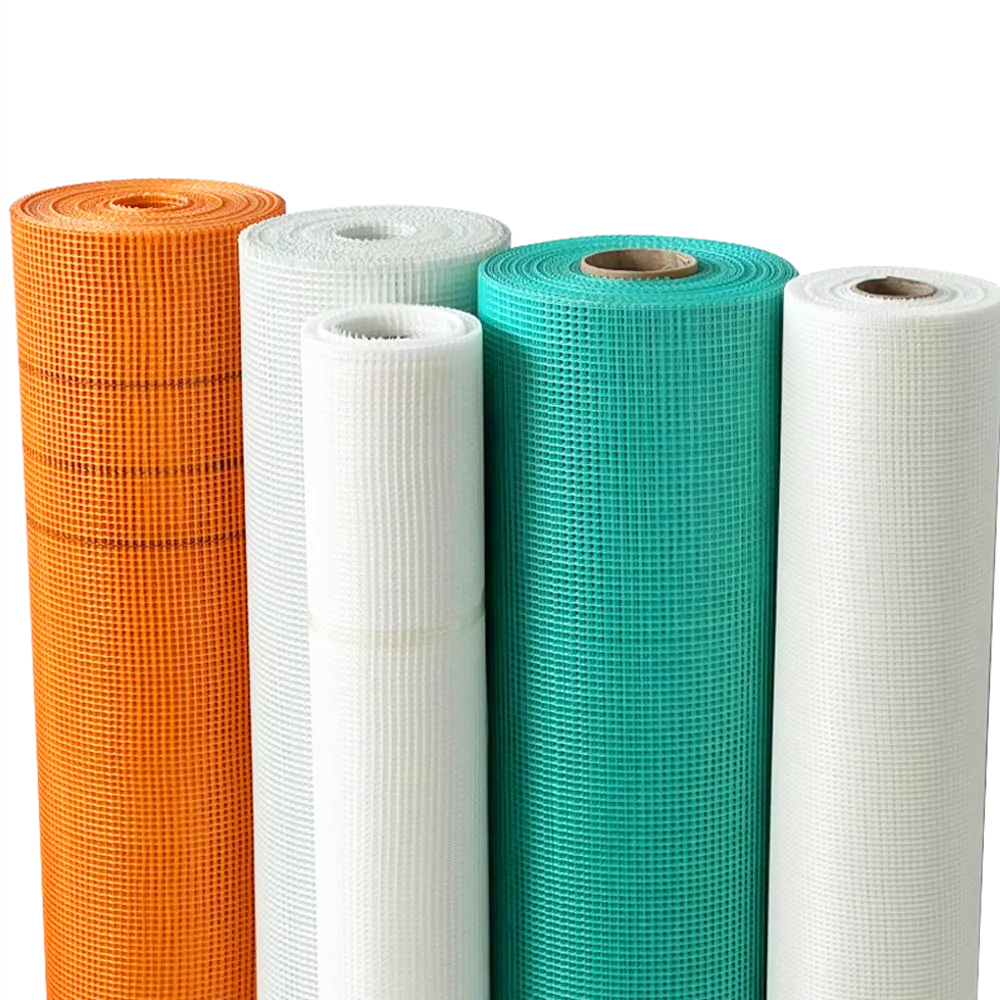
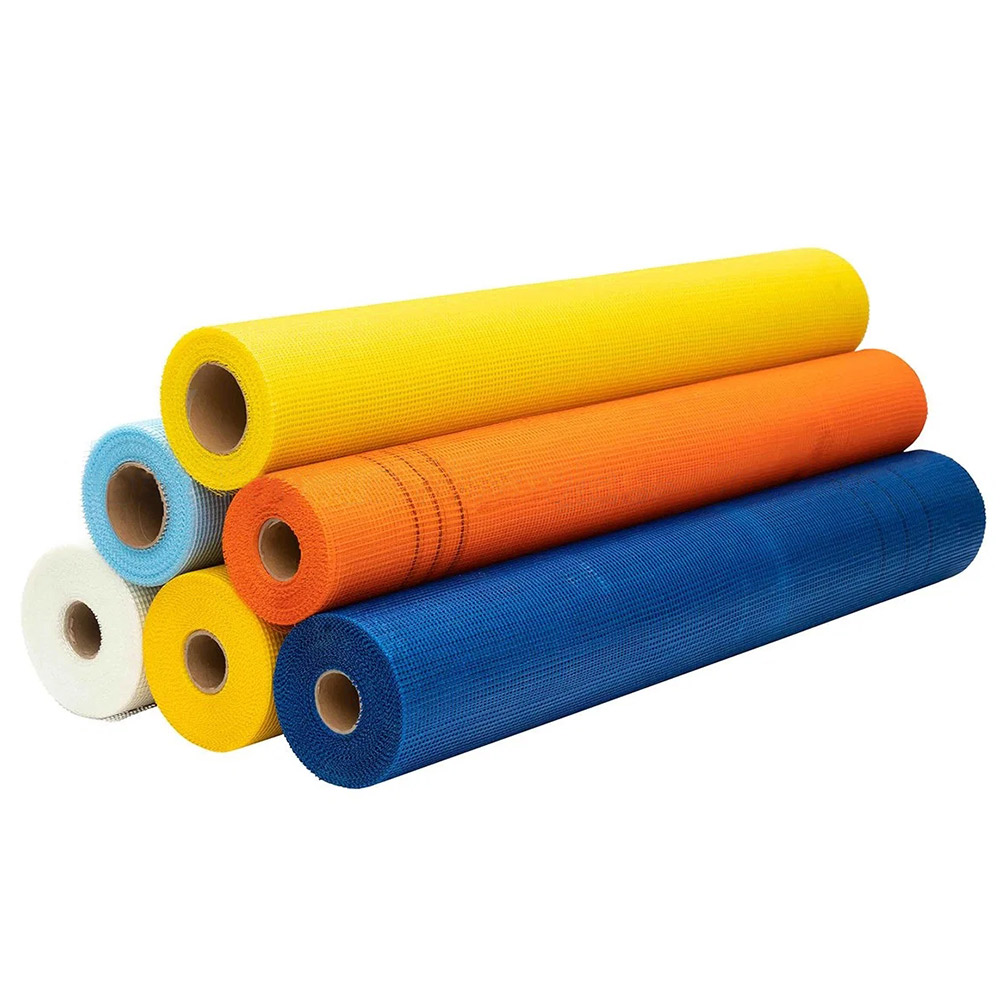
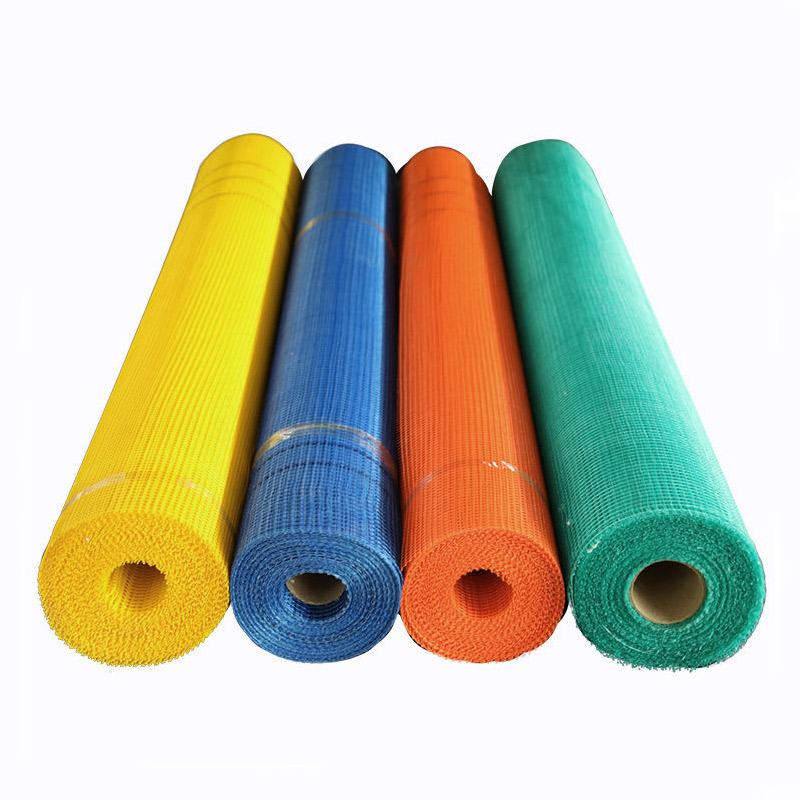
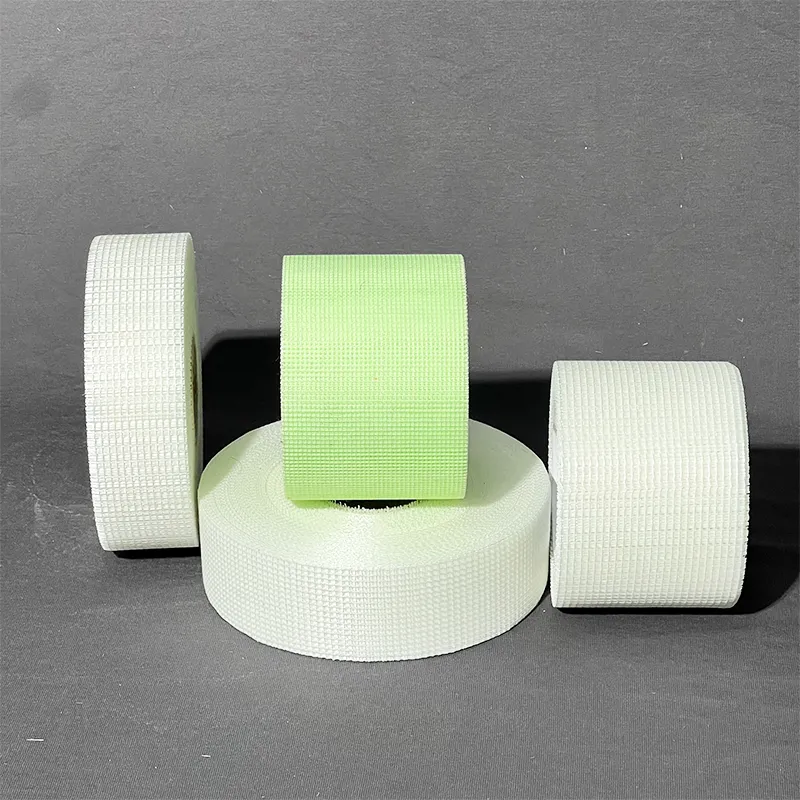
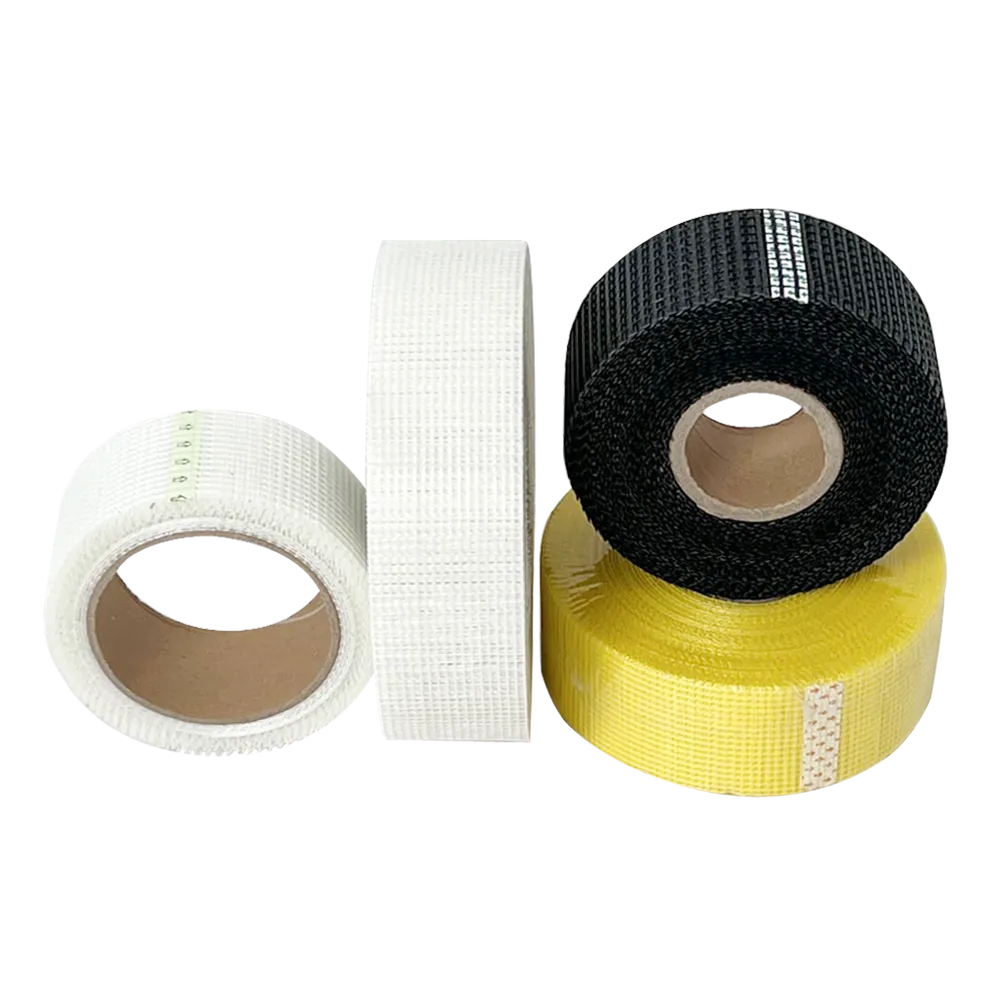
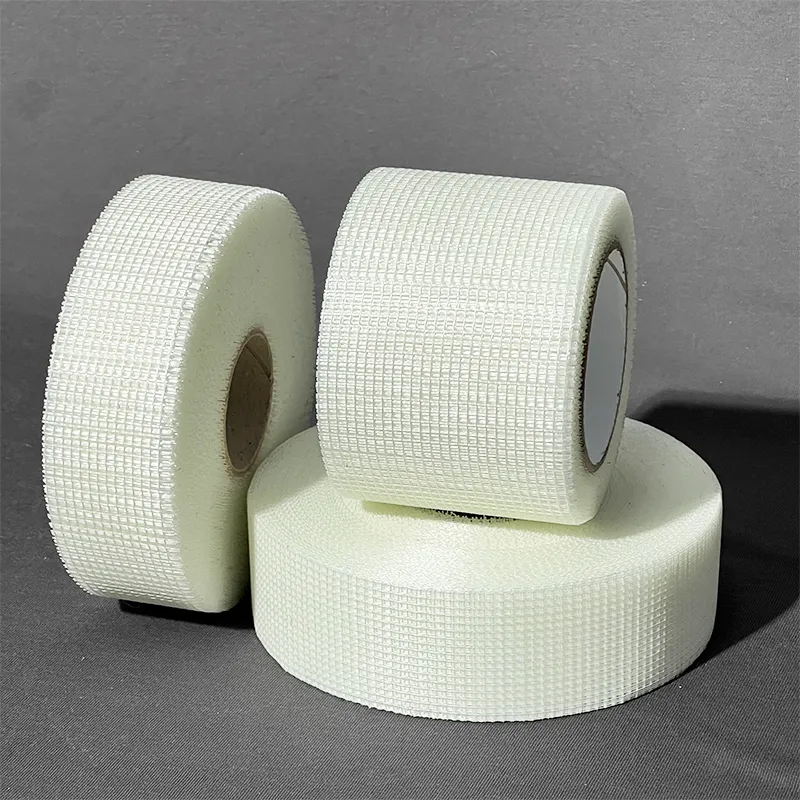
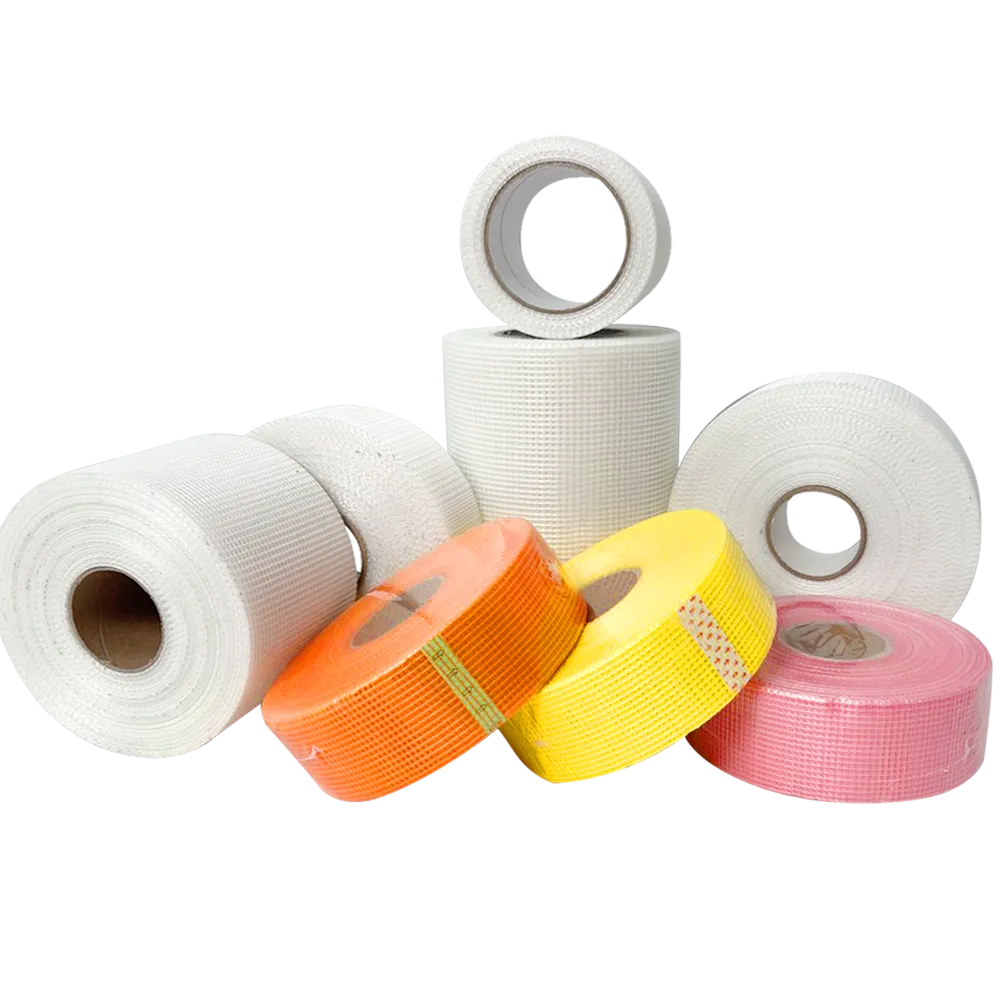
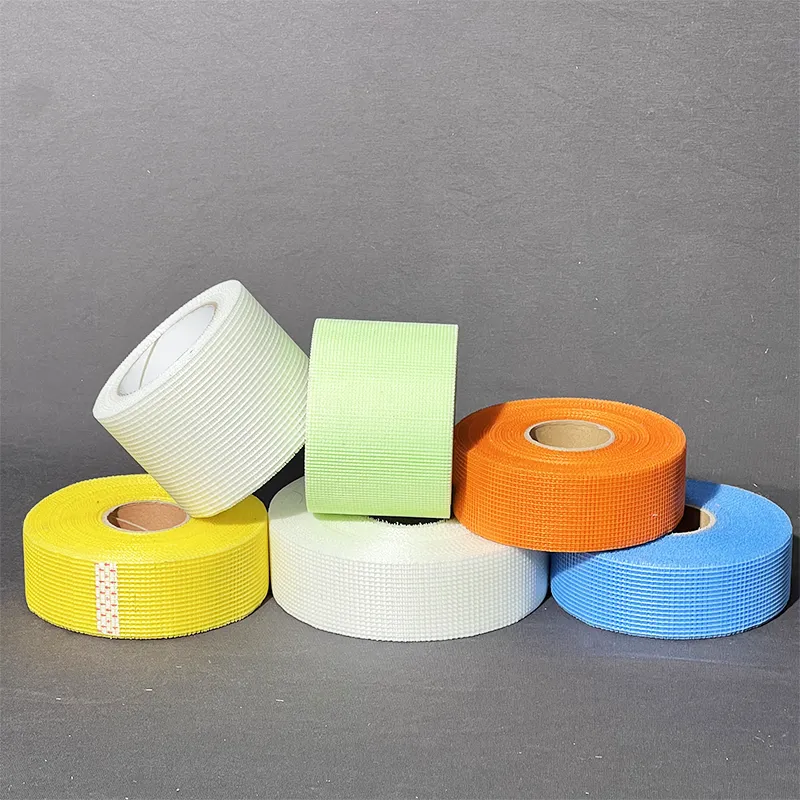
Fiberglass reinforcement mesh, produced by specialized manufacturers, is quietly revolutionizing construction and infrastructure worldwide. If you haven't yet stumbled upon this material, it’s a composite mesh used to add tensile strength and durability to products like concrete, plaster, and EIFS (Exterior Insulation Finishing Systems). Globally, as urbanization expands and climate resilience becomes a pressing concern, the role of quality fiberglass reinforcement mesh manufacturers cannot be overstated. Understanding who makes these meshes, and how, matters to engineers, builders, and even policy makers alike.
The basic concept—strengthening materials by reinforcing them with a woven fiberglass mesh—sounds simple, but its impact ripples throughout many industries. From roadways in Europe to housing projects in Asia and infrastructure repair in the Americas, this mesh helps structures last longer and withstand stress better, often with cost and environmental benefits.
Why Fiberglass Reinforcement Mesh Manufacturers Are Central to Global Construction Trends
Let’s paint the global picture: The United Nations estimates the world’s urban population will surpass 68% by 2050, intensifying demand for sustainable, durable building materials. Meanwhile, ISO standards for composite materials are evolving rapidly to keep pace with innovation. Enter fiberglass reinforcement mesh manufacturers, whose products play a crucial role in meeting demands for lighter, stronger, and more corrosion-resistant reinforcement solutions.
However, many regions face a challenge: traditional steel mesh reinforcements corrode in humid or saline environments, driving costly maintenance. Fiberglass alternatives, produced by expert manufacturers, offer a corrosion-free solution. Yet, qualitative variability between manufacturers can make or break a project’s long-term success.
What Exactly Is a Fiberglass Reinforcement Mesh Manufacturer?
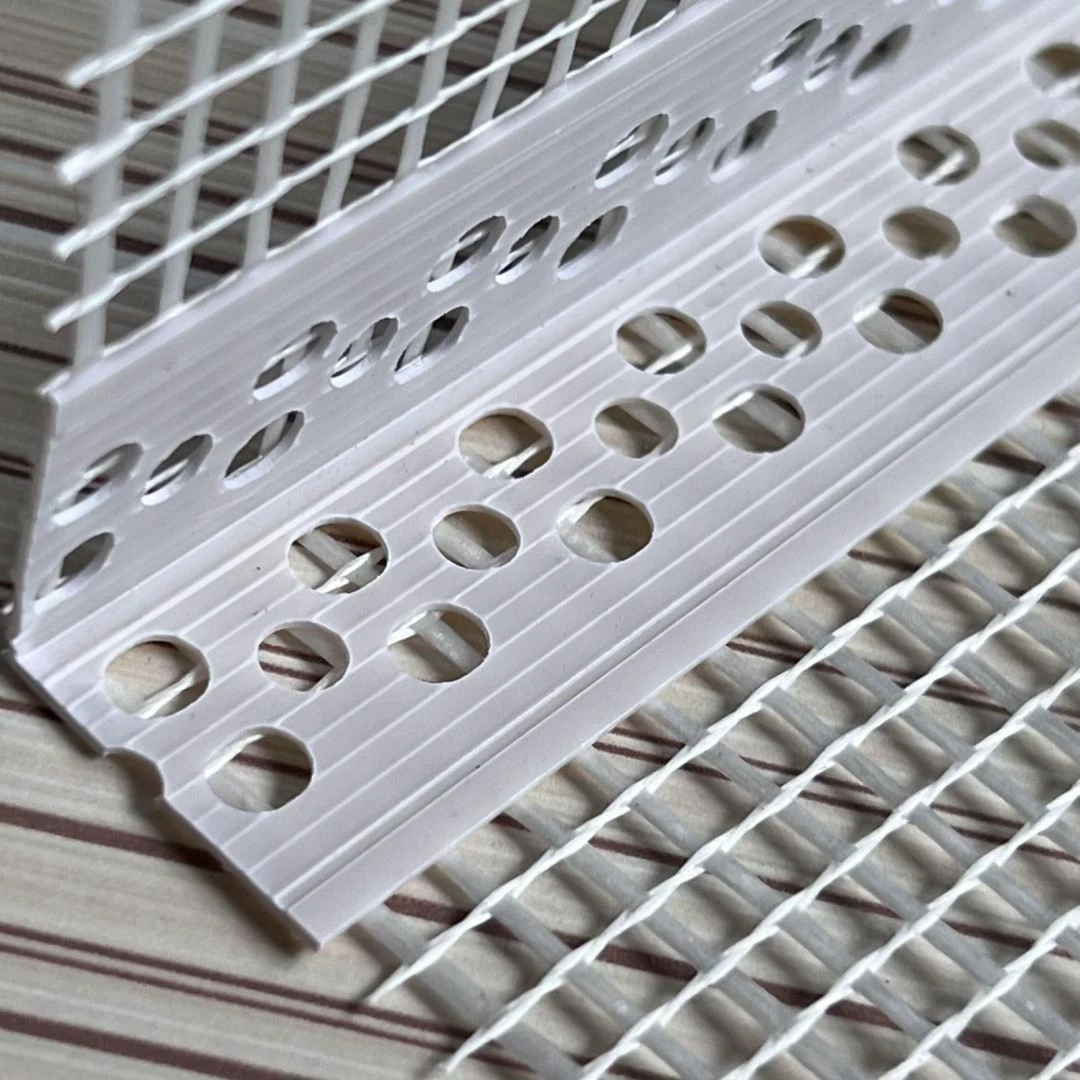
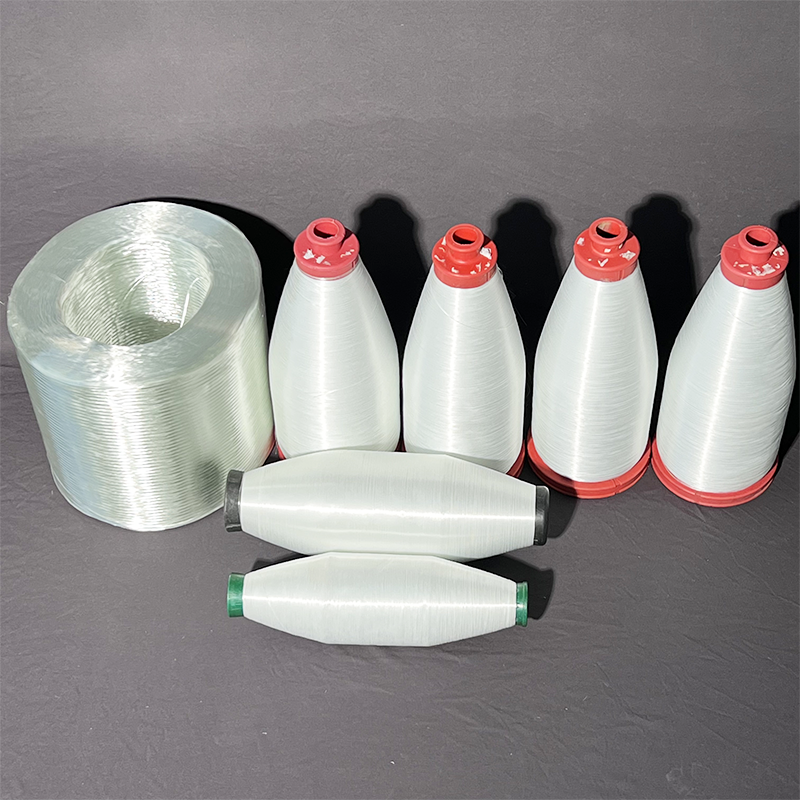
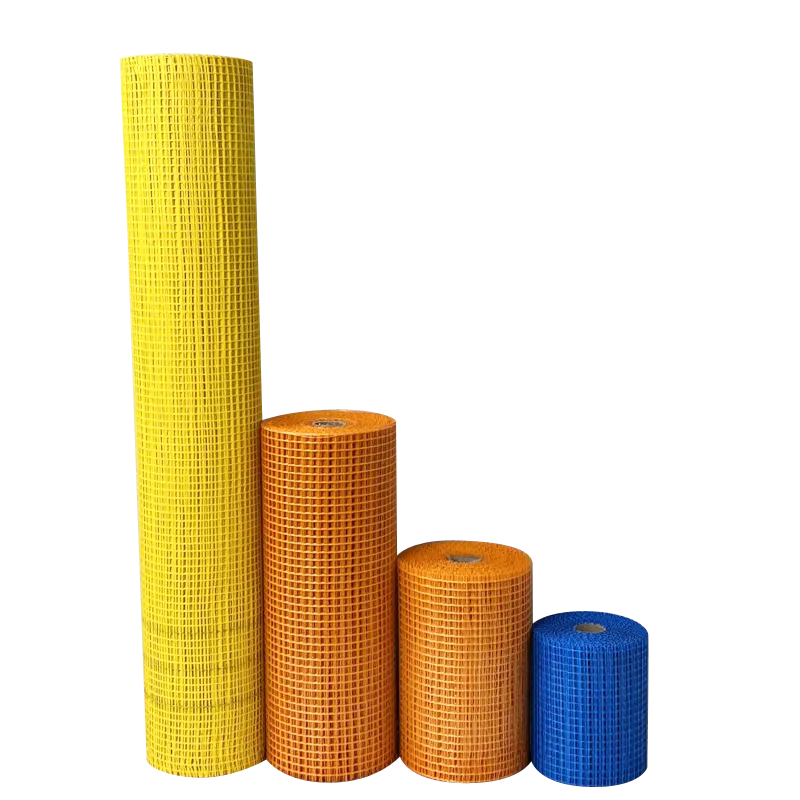
At its core, a fiberglass reinforcement mesh manufacturer specializes in producing woven or stitched fiberglass mesh designed for reinforcing concrete, plaster, and other composite materials. Using high-tensile-strength glass fibers woven into a grid, often coated with protective chemicals, these meshes increase material stability and crack resistance.
They partner closely with industries ranging from civil engineering to disaster relief organizations, enabling efficient and reliable building techniques worldwide. In fact, some humanitarian agencies rely on fiberglass mesh products to rapidly reinforce temporary shelters or rebuild homes after catastrophes—highlighting their real-world importance.
Mini Takeaway:
Simply put, fiberglass reinforcement mesh manufacturers are the unsung heroes behind stronger, longer-lasting buildings and infrastructure, working quietly but crucially behind the scenes.
Core Features Defining High-Quality Fiberglass Mesh Products
1. Durability and Tensile Strength
Quality fiberglass mesh must withstand tension and resist cracking without significant degradation over time. Manufacturers ensure this by selecting glass fiber compositions and coatings that protect from UV light, alkalis, and moisture.
2. Scalability in Production
Top manufacturers balance mass production with customizable options, offering mesh sizes and fiber thicknesses tuned to specific applications, from lightweight plaster reinforcement to high-stress bridge repairs.
3. Cost Efficiency
Because fiberglass meshes can replace steel in some situations, they often reduce material costs by preventing rust-related damages or simplifying logistics—especially important for projects in remote locations where maintenance is tricky.
4. Compatibility and Ease of Use
Meshes produced must integrate seamlessly with other materials—cement, stucco, polymer coatings—without requiring special training or tools. Reliable manufacturers provide detailed specs and installation guidance.
5. Environmental Sustainability
Increasingly, manufacturers implement processes to reduce emissions and waste. Some use recycled glass fiber or optimize weight-to-strength ratios to minimize resource use.
Mini Takeaway:
When choosing a fiberglass reinforcement mesh, look closely at durability, production versatility, cost, usability, and sustainability as key hallmarks of trustworthy manufacturers.
Global Applications: Where and How Mesh Makes a Difference
Fiberglass mesh’s range might surprise you. In Europe and North America, it’s a go-to in insulating systems for energy-efficient buildings and façade renovations. Meanwhile, parts of Africa and Southeast Asia use it extensively in low-cost housing and infrastructure repairs thanks to its resilience and transportability.
- Post-disaster recovery: NGOs use fiberglass mesh to reinforce shelters quickly after earthquakes or floods, as it speeds up repair and enhances durability.
- Industrial settings: Chemically resistant fiberglass meshes help line tanks and pipelines, especially in harsh chemical plants or coastal zones where corrosion runs rampant.
- Road and bridge construction: Fiberglass meshes improve crack resistance in pavements and extend lifespan without the corrosion issues of steel reinforcement.
Mini Takeaway:
The versatility of fiberglass reinforcement mesh manufacturers’ products shines in diverse real-world contexts, spanning continents and industries.
Advantages That Make Fiberglass Mesh a Smart Investment
One of the simplest truths is that fiberglass mesh lowers total lifecycle costs. It prevents cracks and water ingress, enhancing structural integrity — which means fewer repairs and longer intervals between maintenance cycles.
Beyond cost, many engineers vouch for its lightness and corrosion resistance, which frankly takes a lot of logistical headaches out of complex projects. Sociologically, it contributes to safer buildings and infrastructure, indirectly preserving lives and livelihoods. It’s innovative materials technology anchored deeply in everyday human needs.
Peering into the Future: Innovations on the Horizon
Fiberglass mesh manufacturers are not resting on their laurels. Developments in nano-coatings aim to make meshes self-healing or more resistant to extreme environments. There’s a budding synergy with digital fabrication techniques, too, enabling meshes tailored with precision for custom projects.
On the sustainability front, firms are increasingly embracing green energy in production and exploring biodegradable composite coatings. Imagine a mesh that supports lifetime durability but leaves a lighter environmental footprint when disposed.
Navigating Challenges and Expert Solutions
Despite its promise, fiberglass mesh does face hurdles. For instance, improper installation can negate advantages, and cheaper, low-quality mesh floods some markets, undermining trust. Plus, the upfront material cost can seem steep compared to traditional steel in cash-strapped projects.
Experts suggest adopting rigorous certification standards and partnering with reputable fiberglass reinforcement mesh manufacturers to ensure product quality. Training installation crews and educating clients about long-term savings rather than upfront costs are crucial too.
Product Specification Table
| Specification | Typical Values | Remarks |
|---|---|---|
| Mesh Size | 4x4 mm to 10x10 mm | Commonly customizable per project |
| Fiber Diameter | 10-20 microns | Influences tensile strength |
| Tensile Strength | > 1100 MPa | Depends on coating and weave |
| Weight | 50-150 g/m² | Lighter meshes suit plaster reinforcement |
| Coating Type | Alkali-resistant or epoxy | Protects fibers from cement alkalinity |
Vendor Comparison: Leading Fiberglass Reinforcement Mesh Manufacturers
| Manufacturer | Product Range | Certifications | Key Strengths | Geographical Reach |
|---|---|---|---|---|
| Tainuo Fiberglass | Standard & Customized Meshes | ISO 9001, CE | Highly customizable, tech-forward coatings | Global (Asia, Europe, Americas) |
| Global Glass Mesh Co. | Wide Mesh Selection | ISO 14001, ASTM | Strong R&D, sustainable focus | North America, Europe |
| FibraTex Group | Plaster & Concrete Meshes | CE, ISO 9001 | Competitive pricing, solid reliability | Europe, Asia |
Frequently Asked Questions About Fiberglass Reinforcement Mesh Manufacturers
Q1: What differentiates a good fiberglass reinforcement mesh manufacturer?
A reliable manufacturer focuses on consistent fiber quality, uses alkali-resistant coatings, offers product customization, and adheres to recognized certifications like ISO 9001. They also provide clear installation guidance and technical support to ensure successful applications.
Q2: How long can fiberglass mesh reinforced structures last?
When properly installed and protected from mechanical damage, fiberglass mesh reinforcement can extend the lifespan of buildings by 20 to 30 years or more, especially by preventing cracking and corrosion seen in steel-reinforced systems.
Q3: Is fiberglass reinforcement mesh environmentally friendly?
Many manufacturers now utilize eco-conscious production methods, and fiberglass mesh's durability reduces repair frequency, lowering overall resource consumption. However, disposal can be challenging as fiberglass composites are not biodegradable.
Q4: Can fiberglass reinforcement mesh be used in extreme weather conditions?
Yes, fiberglass mesh resists corrosion, UV radiation, and chemical attack, making it suitable for coastal, tropical, and industrial environments where traditional steel reinforcements often fail.
Q5: How can I source fiberglass mesh for a large infrastructure project?
Identify certified fiberglass reinforcement mesh manufacturers with proven experience in your region. Request technical datasheets and samples, and consider collaborating for tailored solutions and volume discounts.
Wrapping Up: Why Partner with the Right Fiberglass Reinforcement Mesh Manufacturer?
Choosing a reputable fiberglass reinforcement mesh manufacturer sets the foundation for building safer, more durable, and cost-effective structures. From urban skyscrapers to emergency shelters, their products offer a blend of innovation, resilience, and sustainability that aligns perfectly with 21st-century challenges.
So, whether you’re an engineer, a procurement manager, or simply curious about modern construction materials, taking a close look at these manufacturers—and how they push the boundaries of composite materials—is well worth your time.
Ready to explore cutting-edge fiberglass reinforcement mesh solutions? Visit our website for more information and tailored products to fit your needs.
Final Thought
Oddly enough, something as humble as a mesh can shape our built environment and protect communities worldwide—proving that innovation often hides in the details.
References
-
Best Fiberglass Mesh Tape for RedGard Product Waterproofing GuideNewsApr.16,2026
-
Why High Strength Fiberglass Mesh Is Essential For Stucco ApplicationNewsApr.15,2026
-
Why Alkali Resistant Fiberglass Mesh Tape Is Essential For Cement Board And Tile InstallationsNewsApr.15,2026
-
Understanding The Role Of Drywall Fiberglass Mesh In Interior FinishingNewsApr.15,2026
-
Ultimate Guide To Using Fiberglass Mesh Tape For Drywall And Plaster RepairsNewsApr.15,2026
-
The Versatility Of Fiberglass Mesh In Marble And Stone MosaicNewsApr.15,2026