Nov . 29, 2025 14:20 Back to list
Leading Fiberglass Reinforcement Mesh Companies | Durable & Eco-friendly Solutions
Understanding Fiberglass Reinforcement Mesh Companies: Why They Matter Globally
In the world of construction and infrastructure, the subtle heroes often go unnoticed. Fiberglass reinforcement mesh companies, for example, play a pivotal role in strengthening lightweight materials used in everything from residential concrete to large-scale industrial projects. But why should you care? Because these firms influence the durability, safety, and sustainability of countless structures worldwide, and understanding the technology they bring to the table is key for engineers, architects, and suppliers alike.
Fiberglass mesh is more than just a technical product — it’s a strategic solution for challenges faced globally, such as earthquake resilience, coastal infrastructure decay, and even affordable housing development.
Global Importance: The Bigger Picture of Fiberglass Reinforcement Mesh
According to ISO standards and global market data, the demand for composite reinforcement products like fiberglass mesh is growing at nearly 9% annually worldwide. This pace is no surprise given the infrastructure backlog in developing regions combined with climate resiliency needs in developed economies.
- Urban growth demands lightweight, corrosion-resistant materials.
- Natural disasters push for stronger yet affordable construction options.
- Sustainability efforts seek alternatives to traditional steel reinforcement, which has a larger carbon footprint.
That’s where fiberglass reinforcement mesh companies come in. They give builders and planners a recognizable, reliable material that resists corrosion and performs in tough environments. Without their innovations, many modern projects would either cost more or fail prematurely.
What Does a Fiberglass Reinforcement Mesh Company Actually Do?
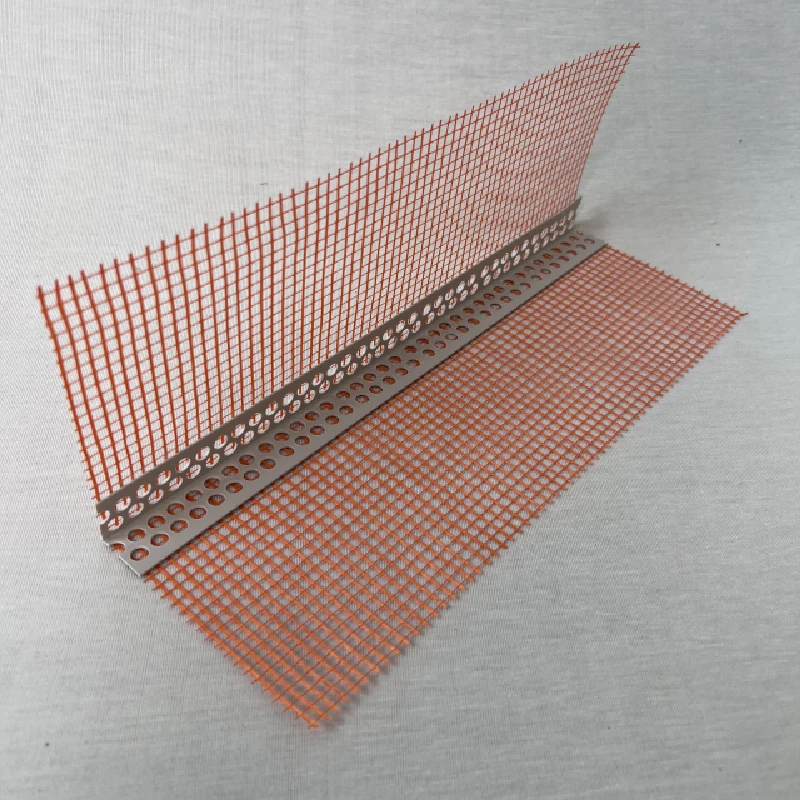
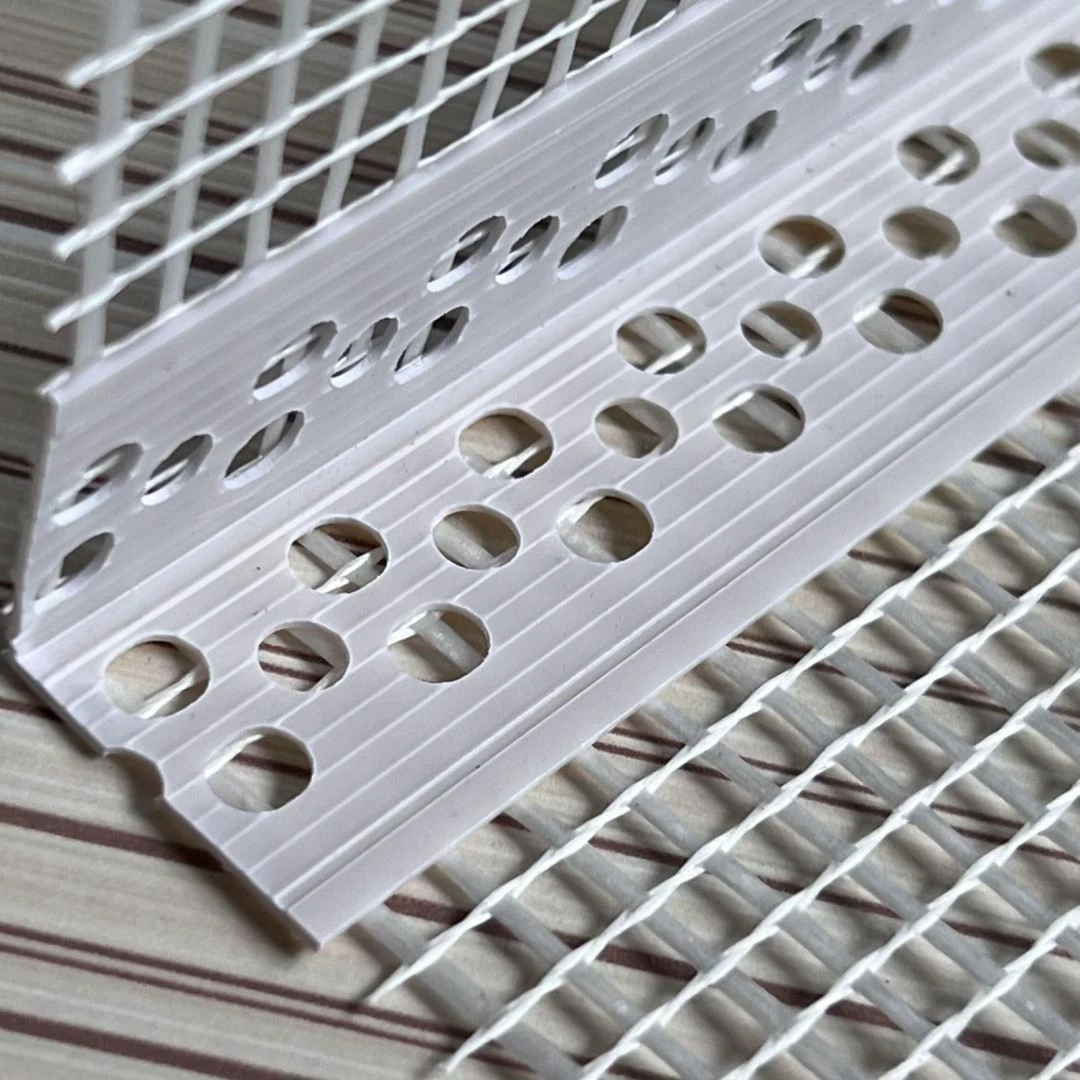
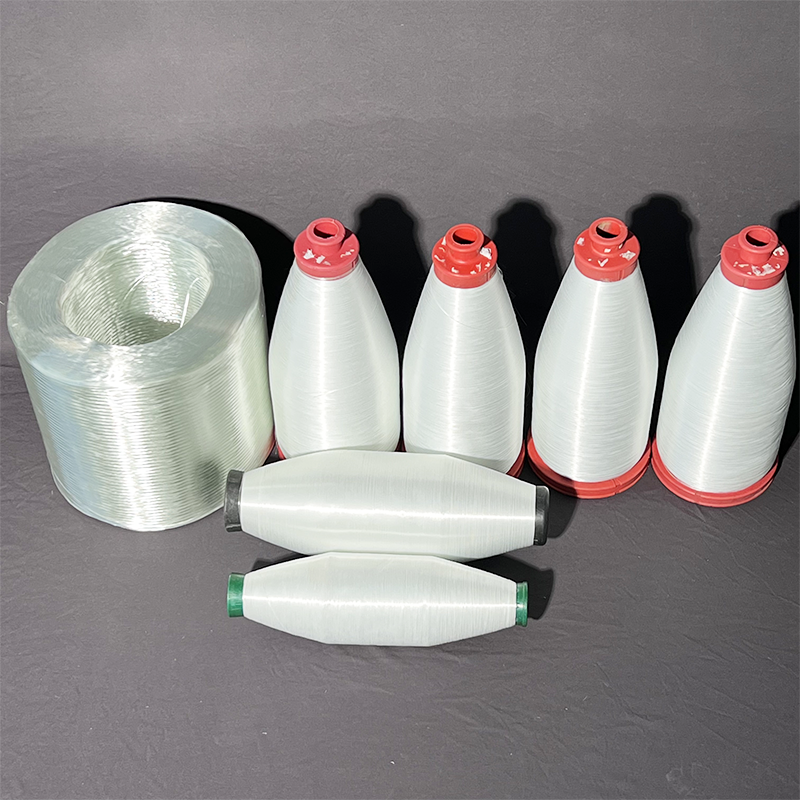
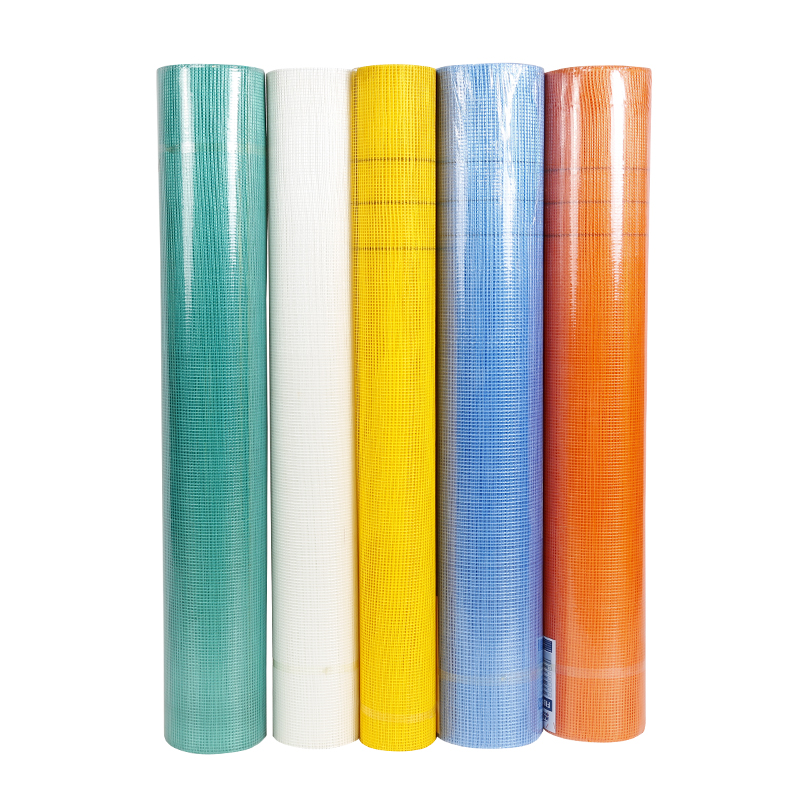
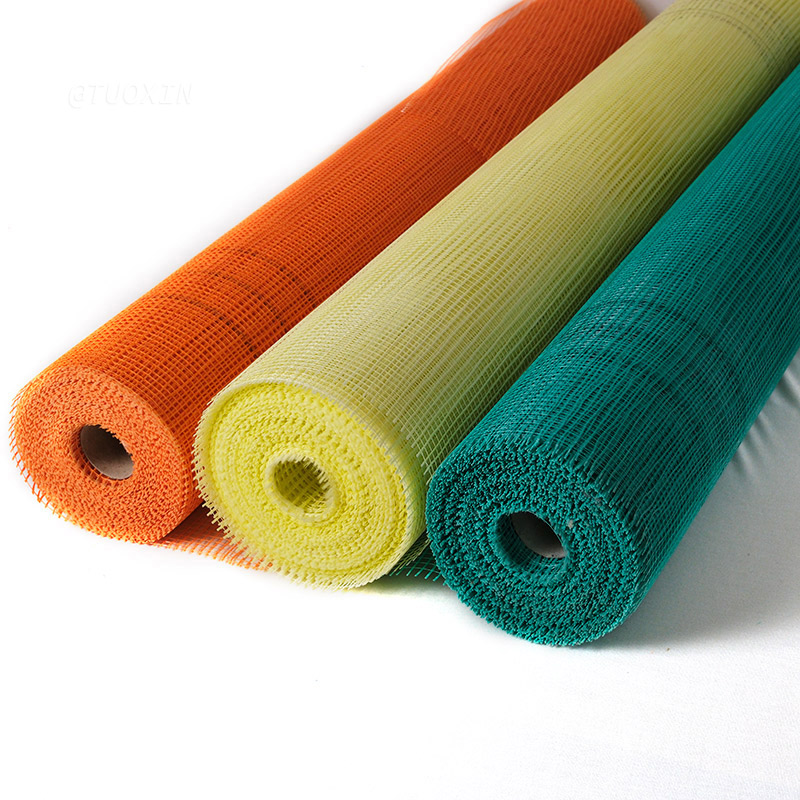
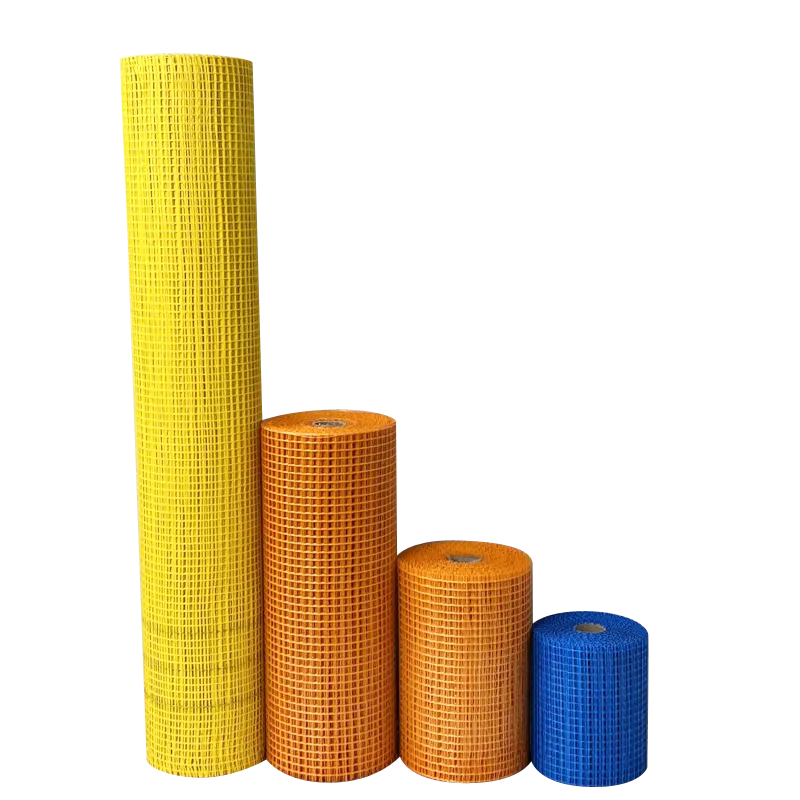
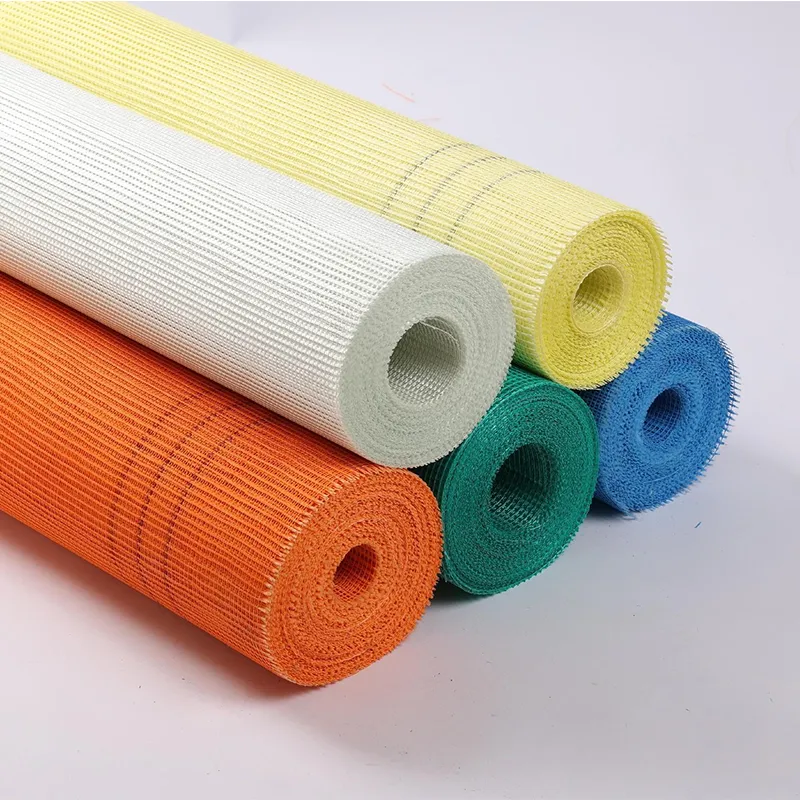
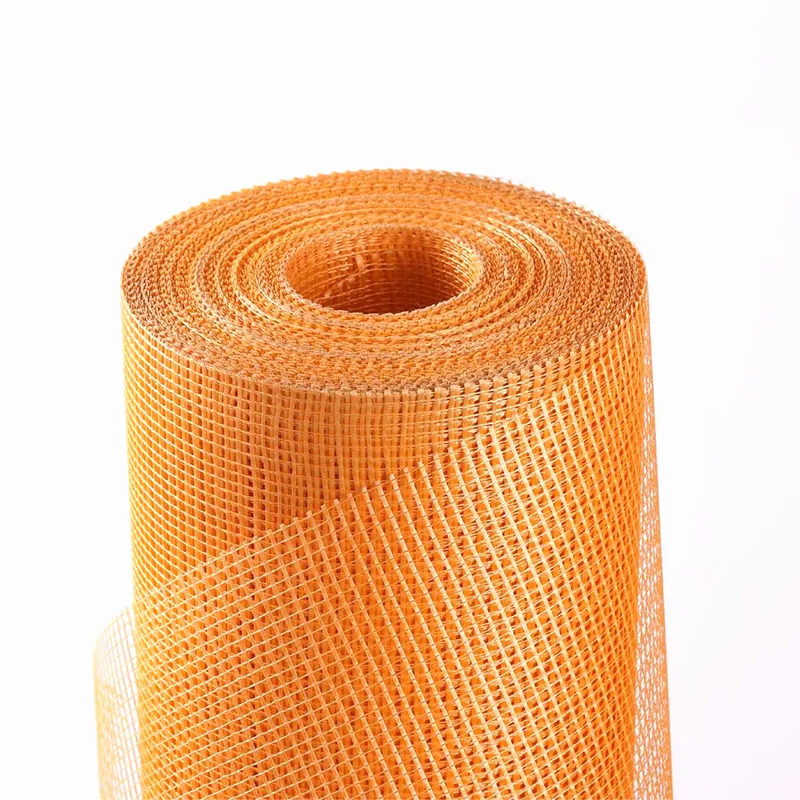
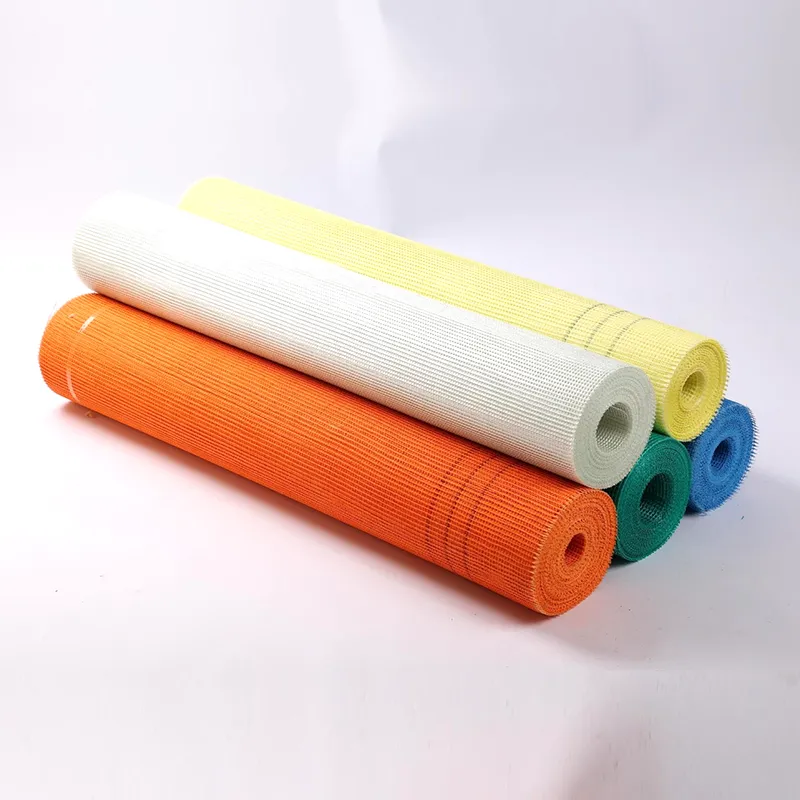
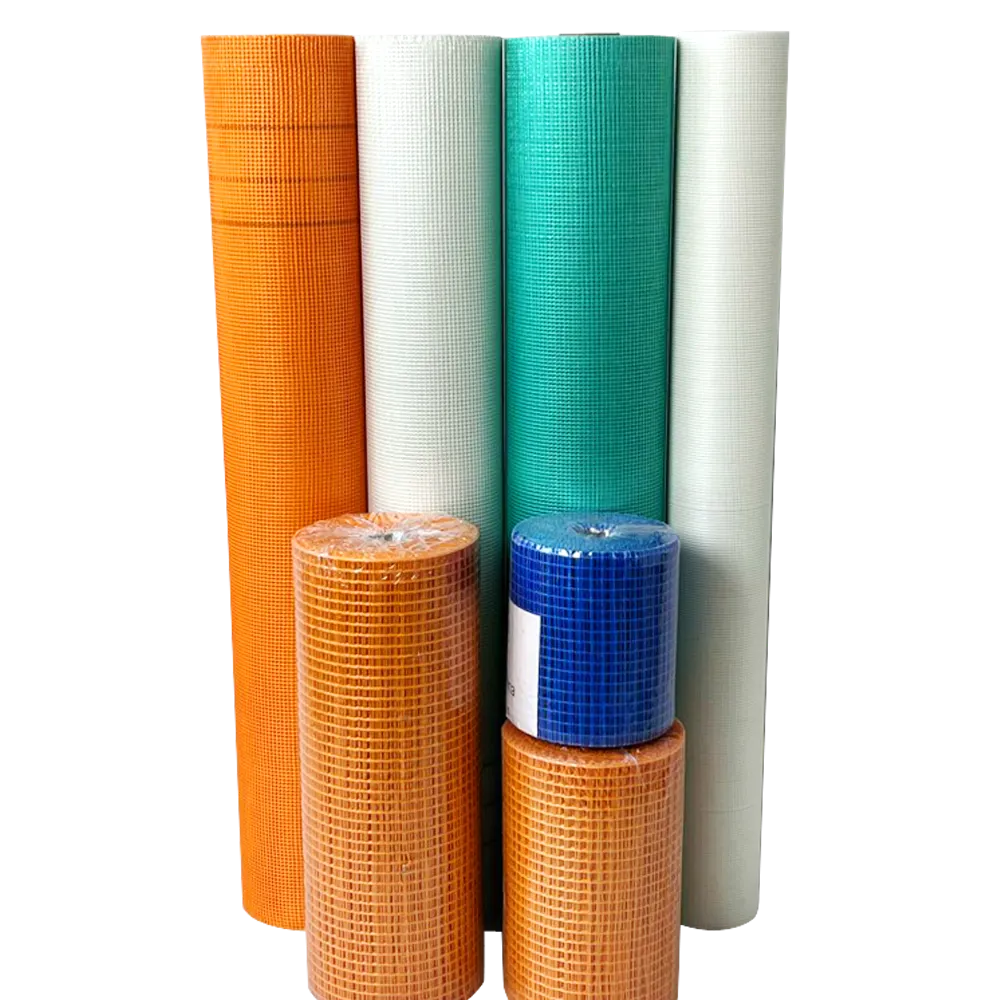
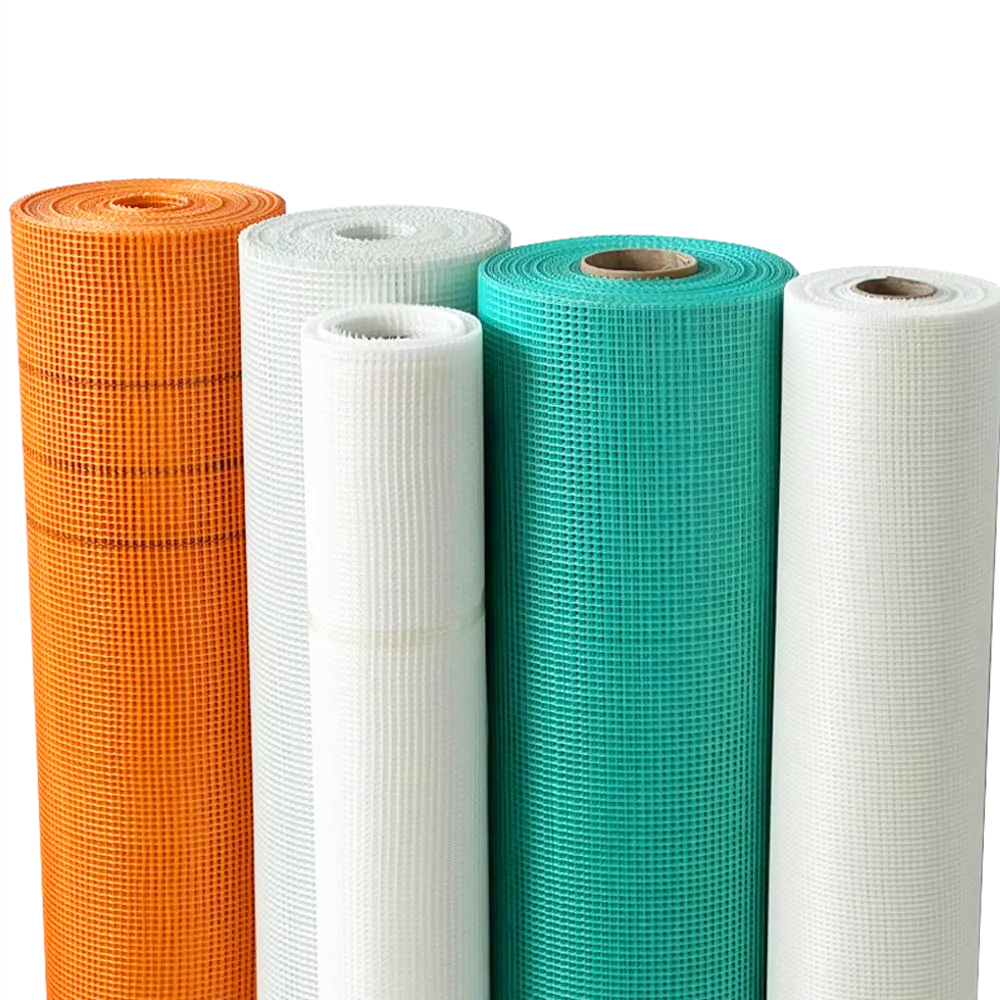
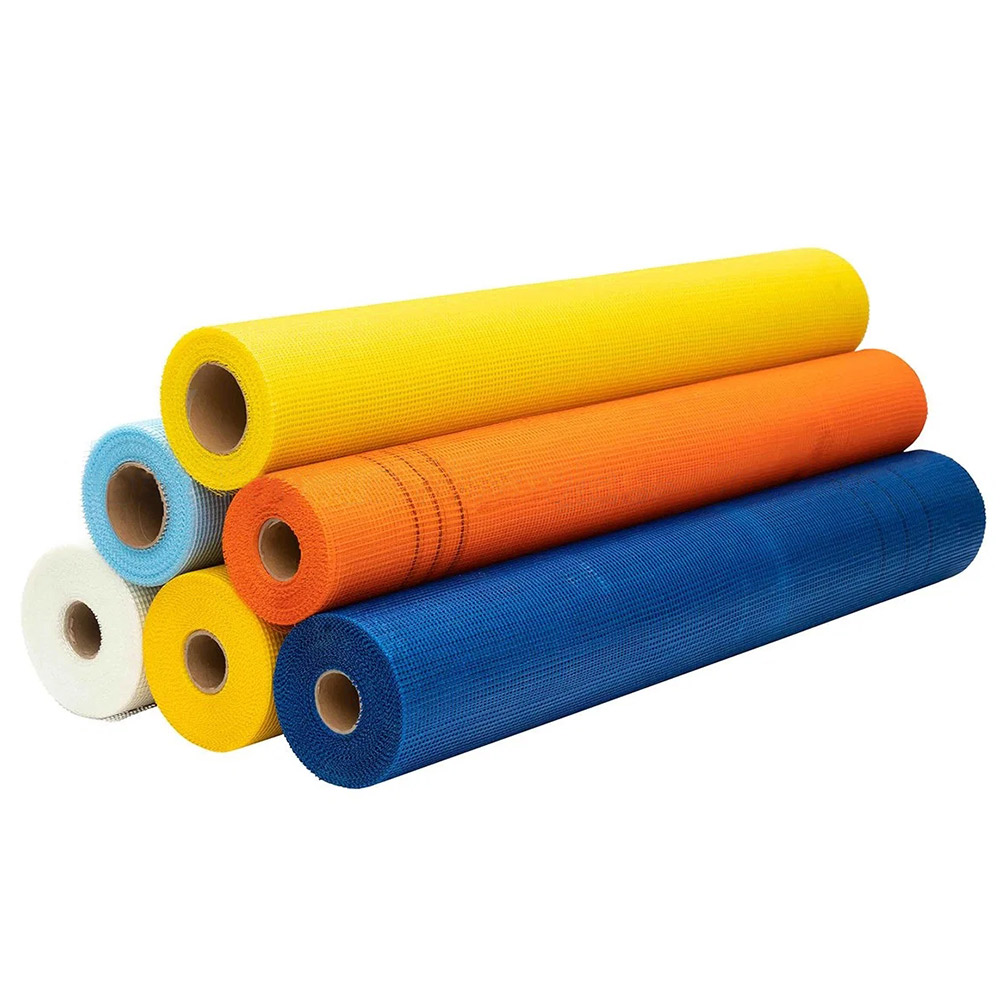
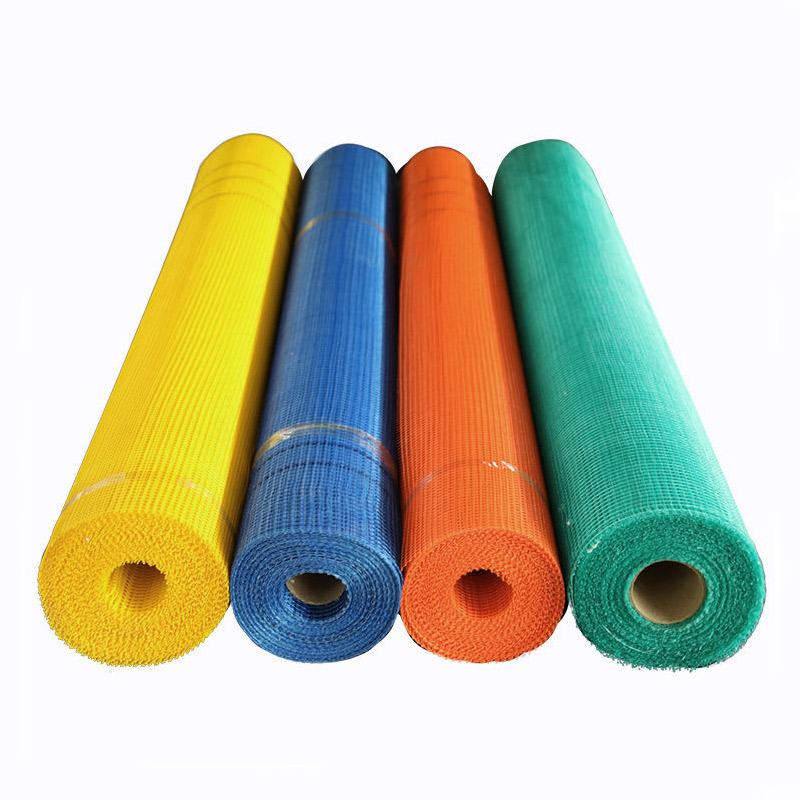
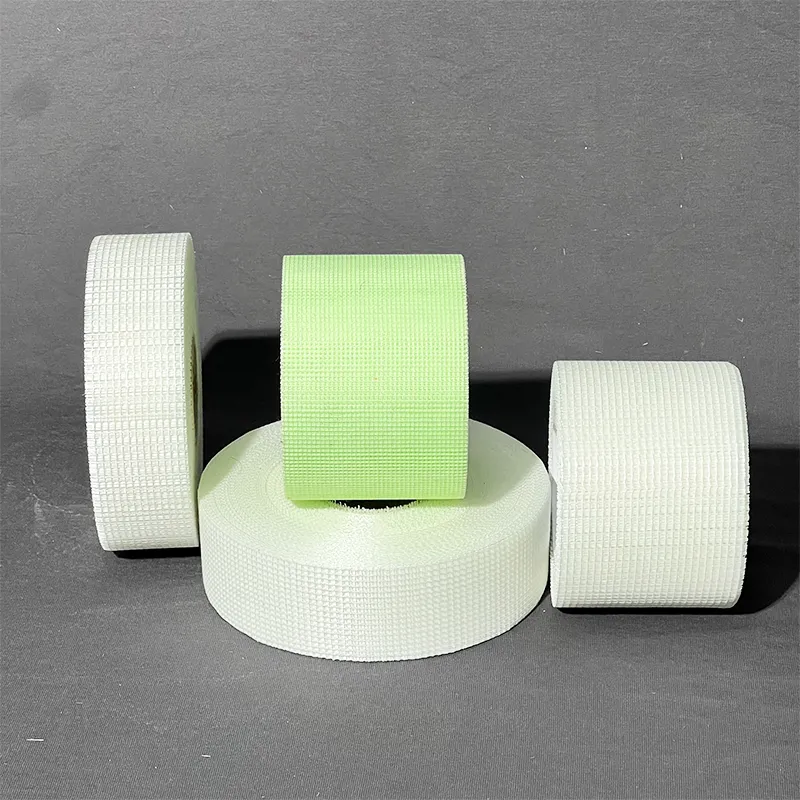
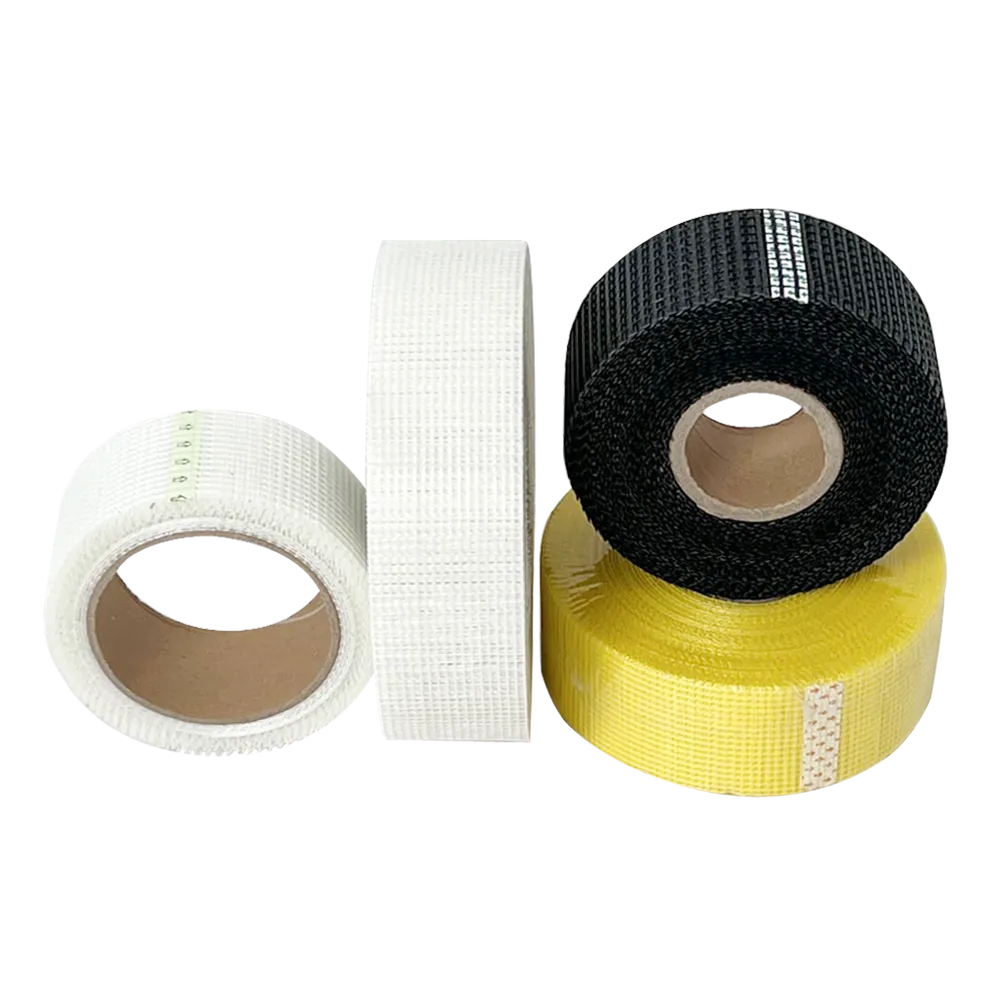
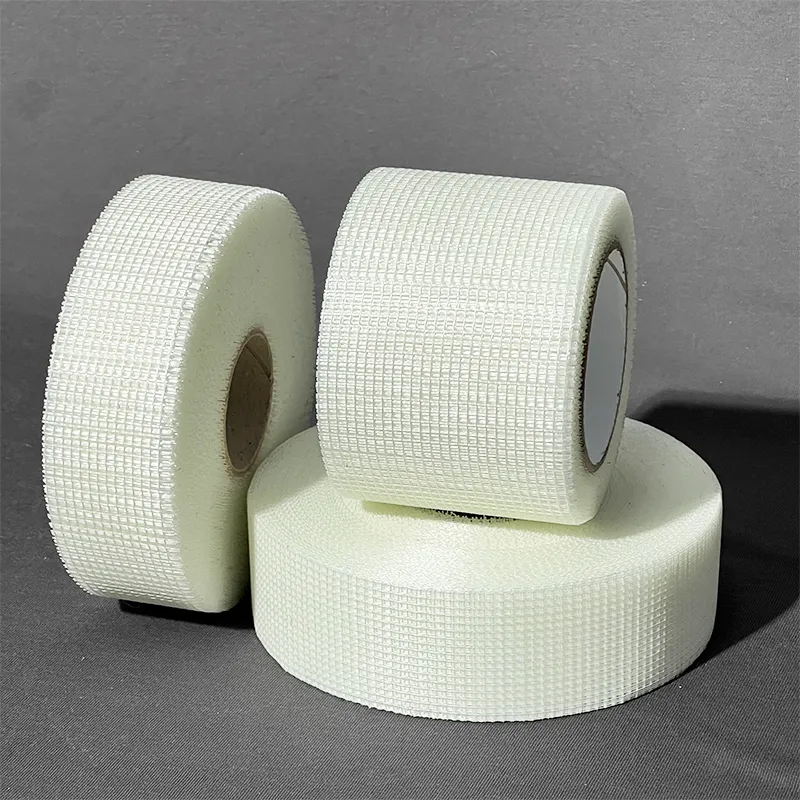
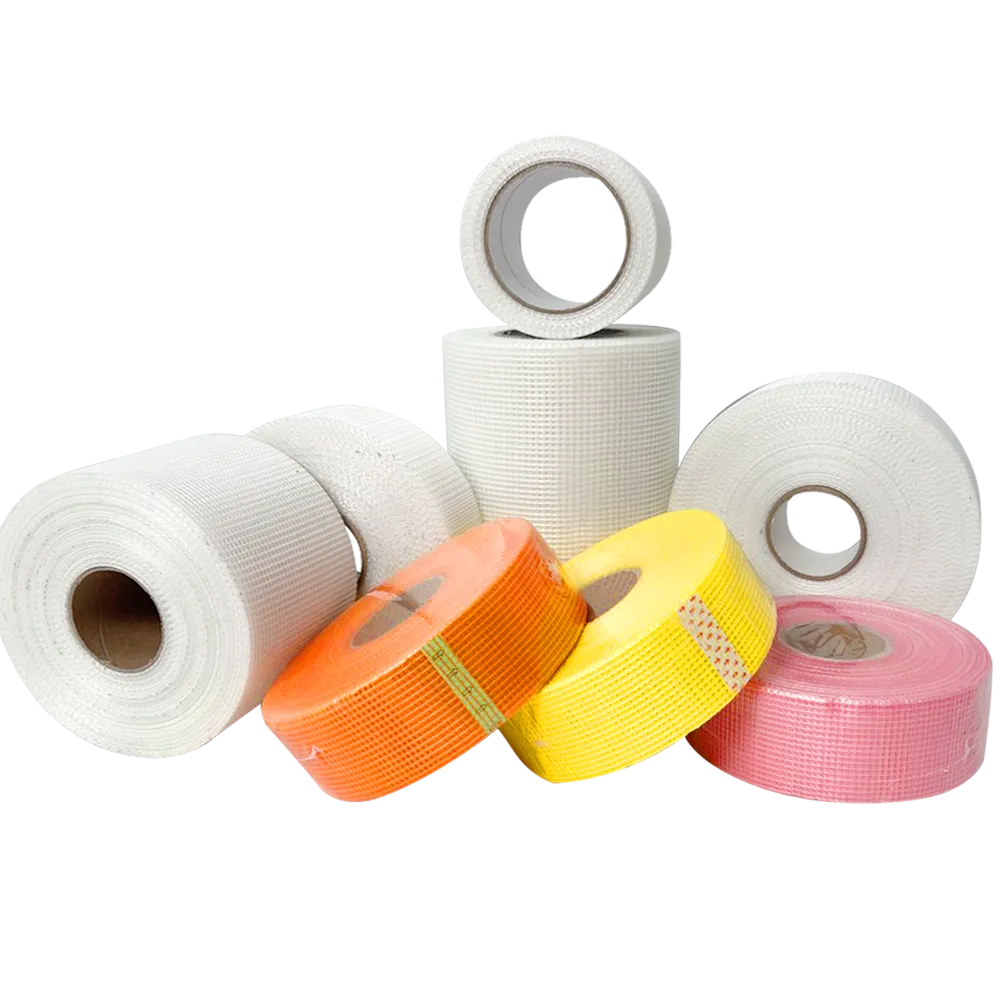
In simple terms, these companies produce fiberglass mesh — a grid-like fabric woven from fine glass fibers, specially coated to enhance bonding with cementitious materials. Think of it as the invisible skeleton inside a concrete skin, helping it resist cracks, impact, and environmental degradation over time.
This mesh finds its way into plaster, stucco, screed, and composite panels, reinforcing structures without significantly adding weight. Fiberglass reinforcement mesh companies aren’t just fabricators; they innovate on composition, weave patterns, and coatings to meet a range of technical specs.
On a more humanitarian note, some companies even specialize in quick-to-deploy mesh systems for refugee shelters or disaster zones, where traditional steel options aren’t feasible.
Core Components That Make Fiberglass Mesh Stand Out
Durability
The treated glass fibers don’t rust or corrode like steel, which means they keep reinforcing strength over decades — vital for coastal or chemically aggressive environments.
Flexibility and Lightweight Design
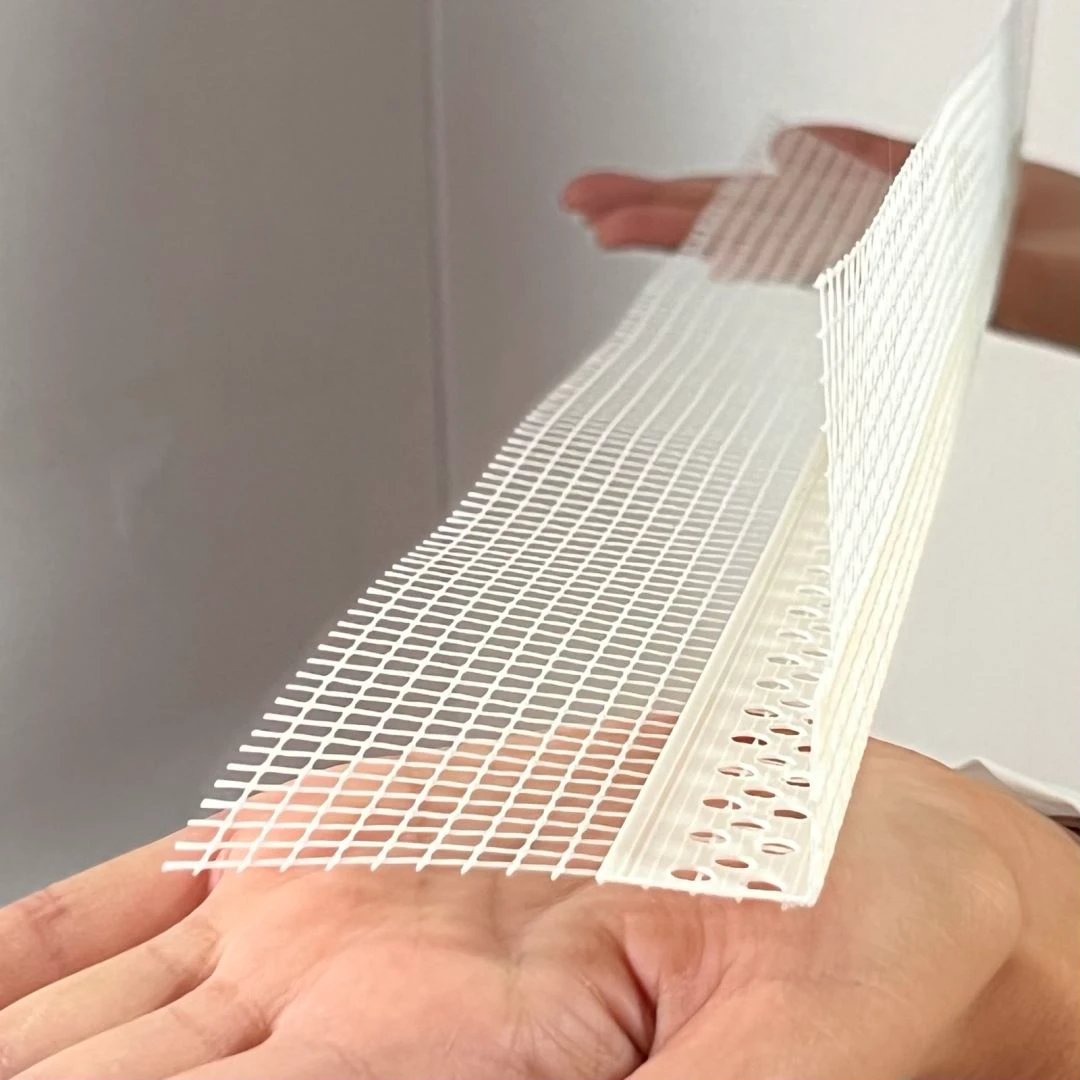
The mesh contours easily around building elements and adds little extra weight, allowing for reduced structural loads and easier installation.
Cost Efficiency
Fiberglass mesh often comes at a competitive price point compared to alternatives, with lower lifecycle maintenance costs, given the absence of rust deterioration.
Scalability and Customization
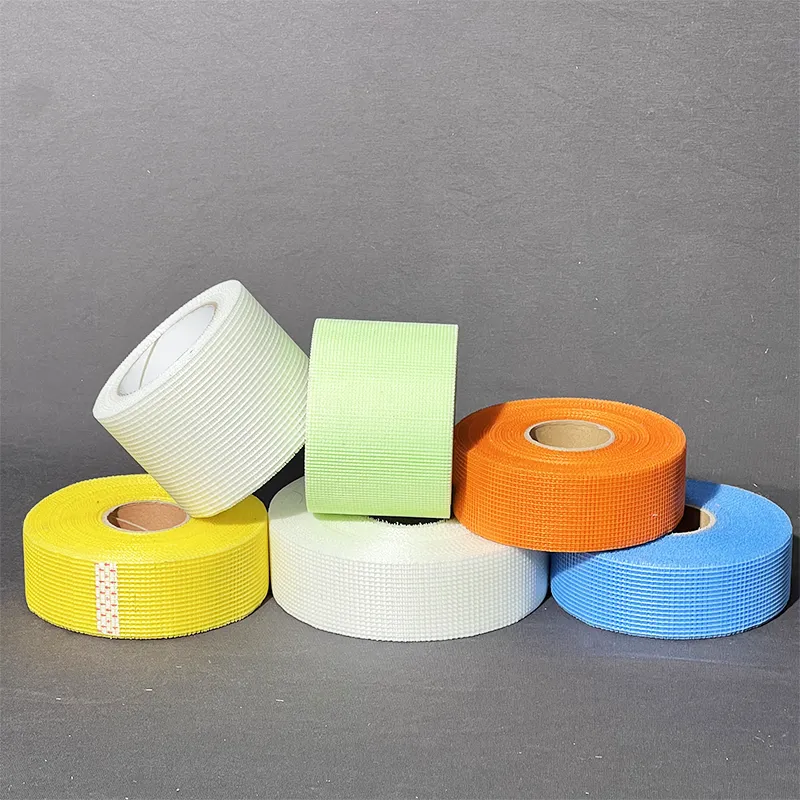
Manufacturers can tailor mesh size, fiber thickness, and coating to suit specific project requirements, whether small residential renovation or large infrastructure.
Environmental Friendliness
Many companies now incorporate eco-conscious production processes and raw materials that reduce emissions compared to traditional reinforcement.
Where Fiberglass Reinforcement Mesh Is Changing the Game Worldwide
So where do these companies really shine? Globally, their products are deployed in:
- Post-disaster Reconstruction: After earthquakes or floods, fiberglass mesh helps rebuild homes with long-term crack resistance and weatherproofing.
- Coastal Infrastructure: Ports, bridges, and seawalls benefit from corrosion-proof reinforcement that lasts decades.
- Green Buildings: Sustainable construction projects integrate fiberglass mesh for thermal efficiency improvement and reduced steel use.
- Industrial Zones in Remote Areas: Lightweight, easy-to-transport mesh supports infrastructure where steel logistics are challenging.
Example: In the cyclone-prone regions of Southeast Asia, local authorities use fiberglass mesh meshes supplied by various companies to reinforce public-safety structures, ultimately reducing rebuilding costs.
Technical Specs Snapshot: Typical Fiberglass Reinforcement Mesh
| Specification | Typical Value | Unit |
|---|---|---|
| Mesh Size (Aperture) | 5 x 5 | mm |
| Fiber Diameter | 14 | μm |
| Weight | 140 | g/m² |
| Tensile Strength | 1100 | N/5cm |
| Alkali Resistance | ≥1200 | h |
Comparing Leading Fiberglass Reinforcement Mesh Companies
| Feature | Company A | Company B | Company C |
|---|---|---|---|
| Product Range | Standard & Customized | Standard Only | Innovative Coatings |
| Global Shipping | Yes | Limited | Yes |
| Lead Time | 2–3 weeks | 4–6 weeks | 1–2 weeks |
| Sustainability Certifications | ISO 14001 | None | ISO 14001 & LEED |
Advantages & Lasting Value of Fiberglass Reinforcement Mesh
Anyone who's worked with concrete knows the frustration of cracking and corrosion. Fiberglass mesh transforms that story — offering not only superior crack control but also long-term protection against rust and spalling.
- Cost savings: Reduced repairs and longer service life.
- Safety and comfort: Fewer compromised structures means safer homes and offices.
- Environmental impact: Lower carbon footprint versus steel reinforcements.
- Innovation: Fiberglass technology continuously evolves, integrating nanomaterials and advanced coatings.
Plus, on an emotional level, there’s something reassuring about building materials that promise durability and resilience — almost like building trust into the very walls around you.
Looking Ahead: Trends Shaping Fiberglass Mesh Companies
Emerging trends hint at even smarter fiberglass reinforcement technologies. Think: automated quality control using AI, biodegradable coatings, and meshes integrated with sensors to monitor structural health in real time.
As governments ramp up regulations for sustainable building, companies operating in this space are racing to reduce waste, optimize supply chains, and leverage green energy in production.
Challenges and How Innovators Are Facing Them
There’s no perfect material, of course. Fiberglass mesh can pose challenges:
- Installation sensitivity: Improper handling can cause damage.
- Adhesion issues: Some coatings don’t bond well under extreme conditions.
- Cost spikes: Raw material price fluctuations can affect availability.
Top companies now educate contractors, invest in R&D to improve resin formulations, and maintain diversified sourcing to manage these issues.
FAQ: Your Quick Fiberglass Reinforcement Mesh Questions Answered
- Q: How does fiberglass mesh compare to traditional steel reinforcement in wet environments?
- A: Fiberglass mesh doesn’t rust or corrode, unlike steel, which makes it far superior in wet or marine environments. This resistance extends the lifespan and reduces costly maintenance.
- Q: Can fiberglass reinforcement mesh be customized for specific projects?
- A: Absolutely. Manufacturers tailor mesh weave, thickness, and coatings to project needs — whether you’re reinforcing a high-rise building or a small residential wall.
- Q: How quickly can I source fiberglass mesh for urgent rebuild projects?
- Lead times vary, but many fiberglass reinforcement mesh companies offer expedited production and shipping, often within 1-3 weeks, depending on location and order size.
- Q: Are fiberglass reinforcement meshes environmentally friendly?
- Yes, especially compared to steel reinforcement. Many suppliers adhere to ISO 14001 standards, utilizing eco-friendly production methods and recyclable components.
- Q: Where can I find trusted suppliers of fiberglass reinforcement mesh?
- Leading suppliers often have global shipping capabilities and proven product certifications. Check out a reliable fiberglass reinforcement mesh company for options that suit your needs.
Wrapping It Up: Why Fiberglass Reinforcement Mesh Companies Should Be on Your Radar
Over the long haul, fiberglass reinforcement mesh isn’t just a niche product — it’s a cornerstone for safer, more sustainable, and cost-effective construction globally. As we balance urbanization, climate change, and a drive for green materials, these companies are quietly innovating behind the scenes.
If you’re in the construction or materials supply field, staying aware of fiberglass mesh company capabilities can keep you ahead in meeting tomorrow’s infrastructure demands.
Ready to explore what fiberglass reinforcement mesh can do for your next project? Visit our website: fiberglass reinforcement mesh company for detailed info, product catalogs, and expert support.
References:
1. ISO Standards - iso.org
2. Environmental Benefits of Composite Materials - Wikipedia: Composite material
3. Global Infrastructure Statistics - World Bank: worldbank.org
-
Best Fiberglass Mesh Tape for RedGard Product Waterproofing GuideNewsApr.16,2026
-
Why High Strength Fiberglass Mesh Is Essential For Stucco ApplicationNewsApr.15,2026
-
Why Alkali Resistant Fiberglass Mesh Tape Is Essential For Cement Board And Tile InstallationsNewsApr.15,2026
-
Understanding The Role Of Drywall Fiberglass Mesh In Interior FinishingNewsApr.15,2026
-
Ultimate Guide To Using Fiberglass Mesh Tape For Drywall And Plaster RepairsNewsApr.15,2026
-
The Versatility Of Fiberglass Mesh In Marble And Stone MosaicNewsApr.15,2026