Nov . 26, 2025 21:15 Back to list
Leading AR Fiberglass Mesh Factories – Durable, Eco-Friendly Building Solutions
Understanding AR Fiberglass Mesh Factories: Why They Matter Worldwide
If you've ever wandered through a construction site or examined a renovated wall, you might have unknowingly encountered AR fiberglass mesh—those fine, tough grids that reinforce walls, floors, and even roads. But what exactly are ar fiberglass mesh factories, and why is their global importance growing? Frankly, they’re a small but mighty component in modern industry and infrastructure resilience worldwide. Understanding their role helps not only manufacturers and contractors but also anyone interested in sustainable, durable building solutions.
Globally, the construction sector accounted for nearly 13% of GDP in many developed countries and is booming fast in emerging markets. Yet, this growth brings challenges—fragile materials, climate stress, and increasing demand for eco-friendly products. AR fiberglass mesh, produced primarily by specialized factories, offers durability and versatility, reducing repair costs and carbon footprints globally.
The Global Context: How AR Fiberglass Mesh Factories Fit In
Recently, the United Nations Environment Programme highlighted sustainable construction as a key to meeting climate goals. Meanwhile, ISO standards for construction materials have tightened, demanding stronger, longer-lasting reinforcements. This is where AR fiberglass mesh manufacturers step up.
According to World Bank reports, construction defects and weather-related damage lead to billions in repair costs globally every year. AR fiberglass mesh factories address this by producing a product that reinforces structures, resists corrosion, and handles extreme conditions better than traditional alternatives like steel rebar.
But it’s not just about big buildings. Look at humanitarian relief efforts where fast, modular construction materials, including fiberglass mesh, help rebuild quickly and safely after disasters. So, the role of these factories is expanding, and fast.
What Exactly Are AR Fiberglass Mesh Factories?
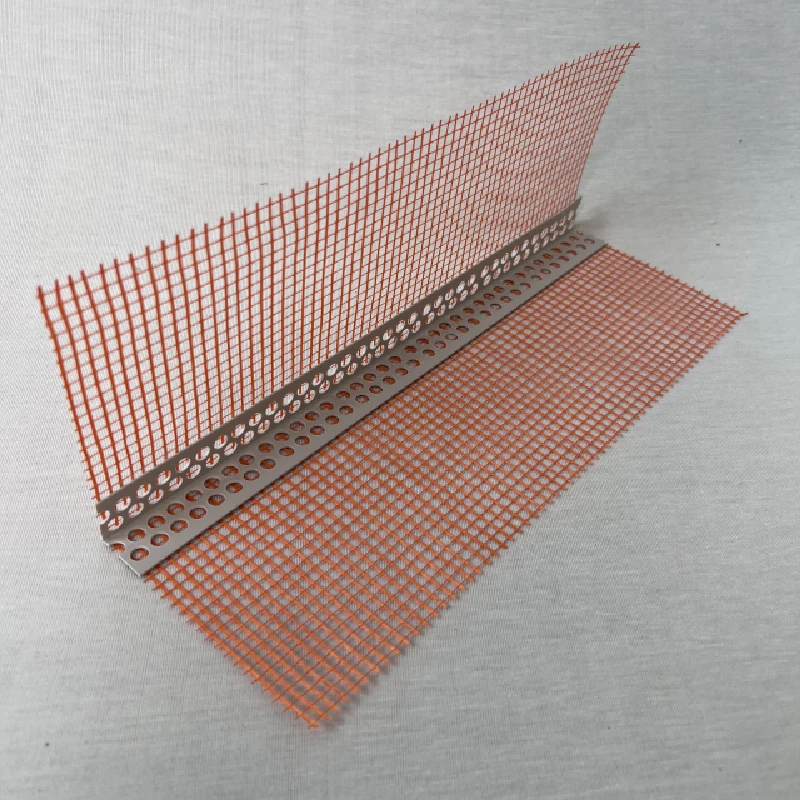
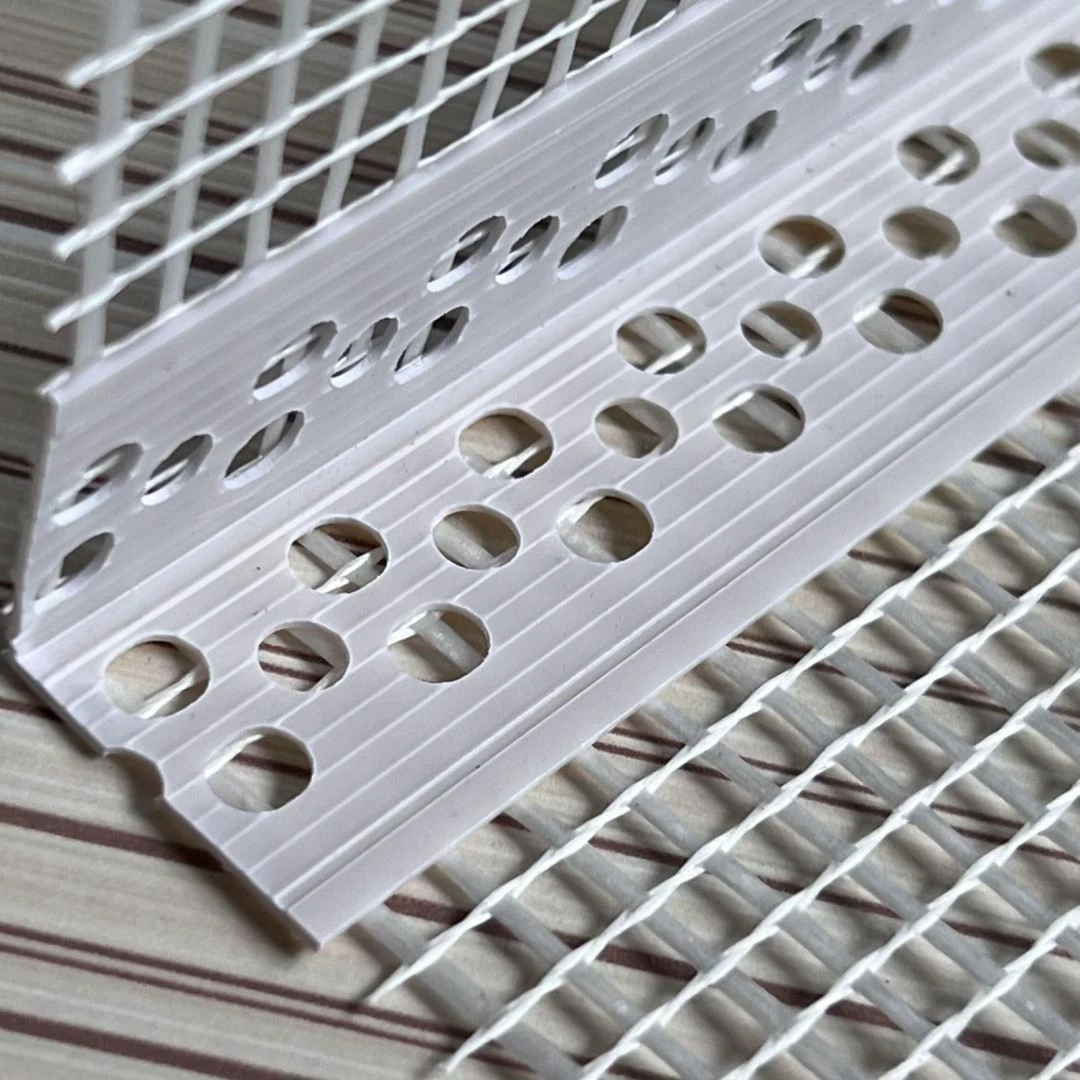
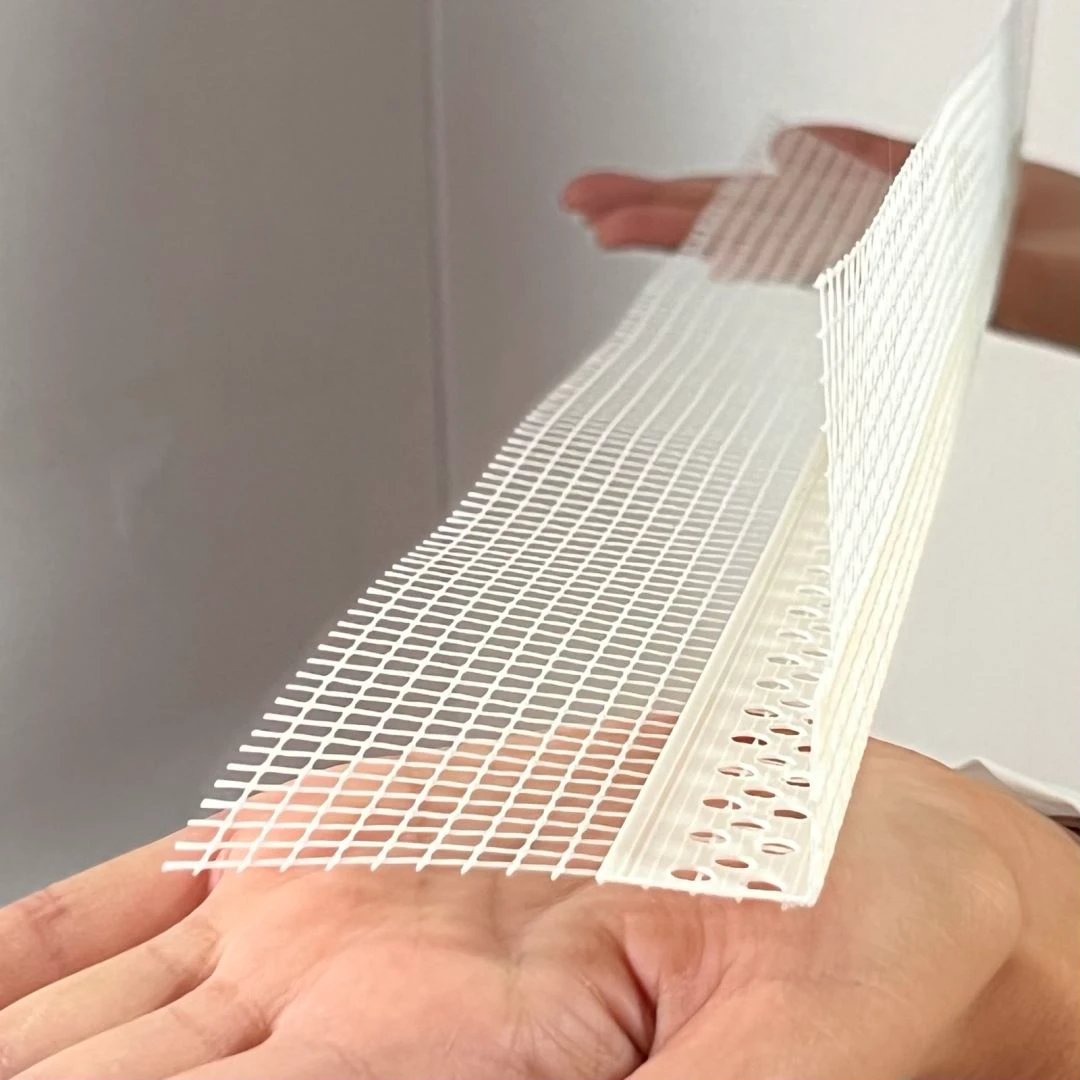
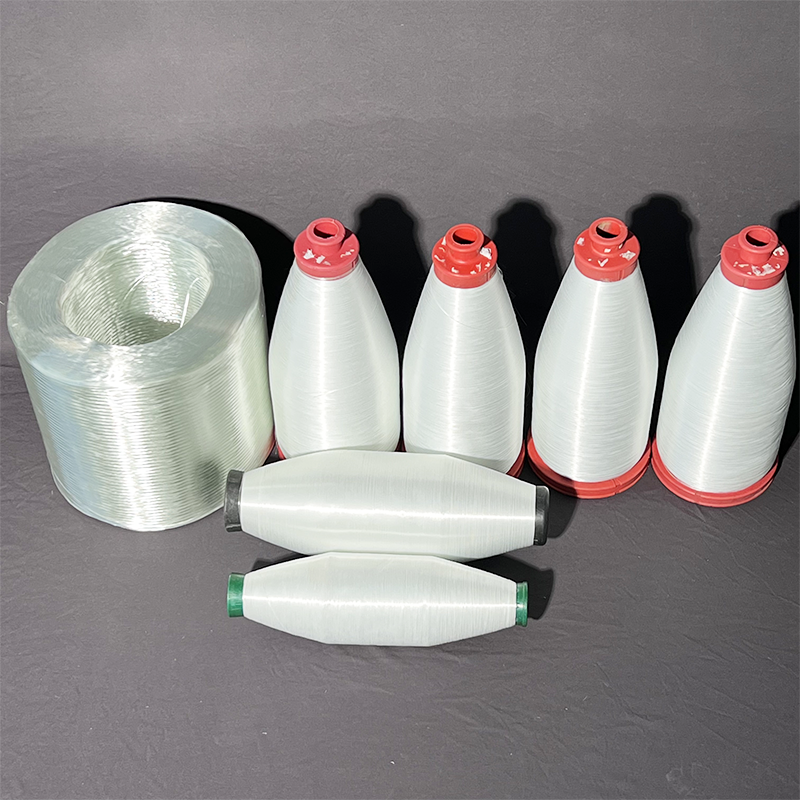
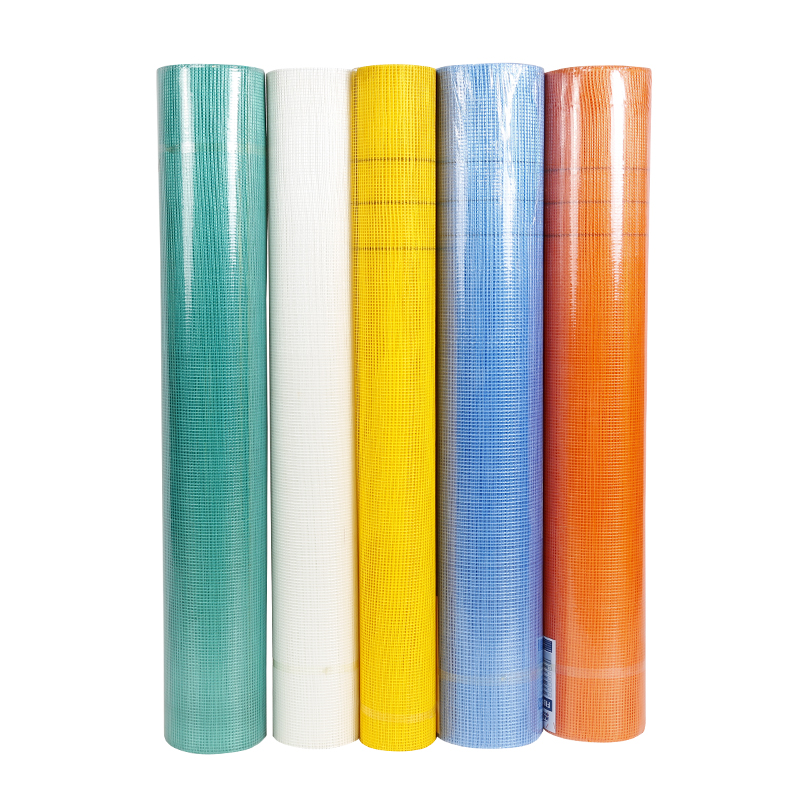
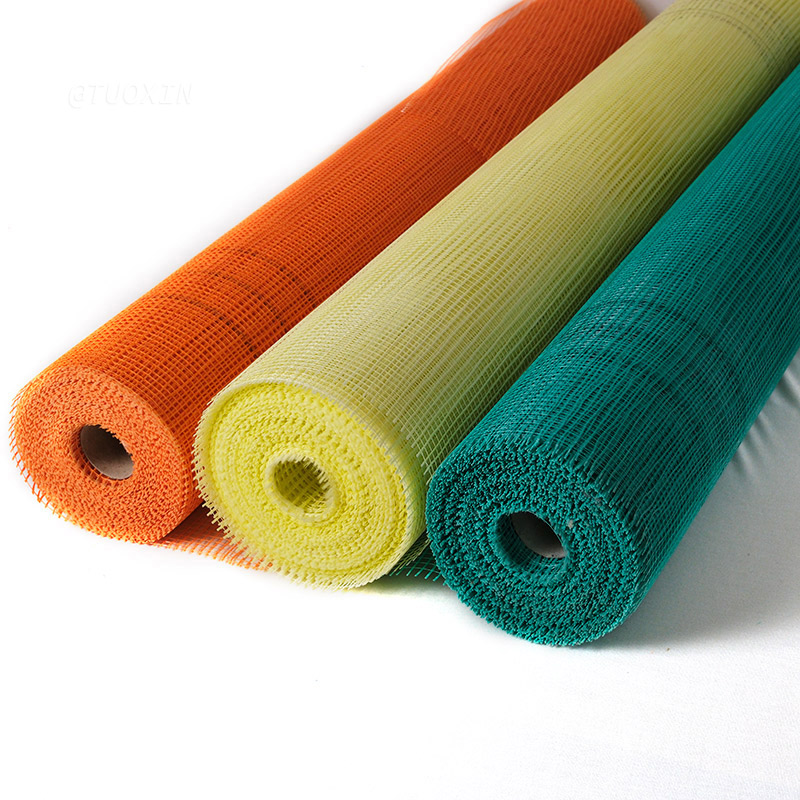
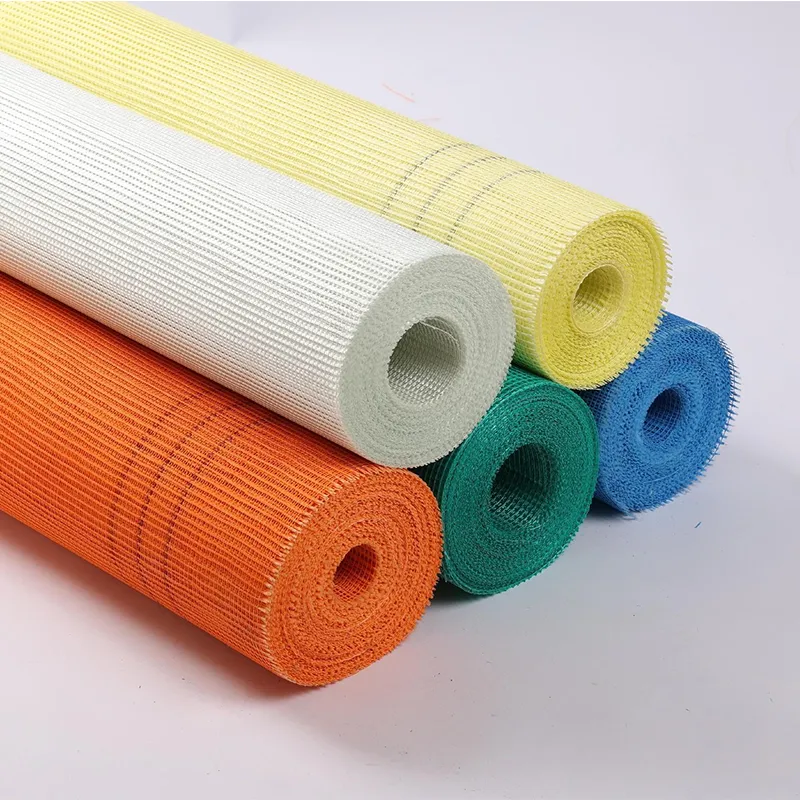
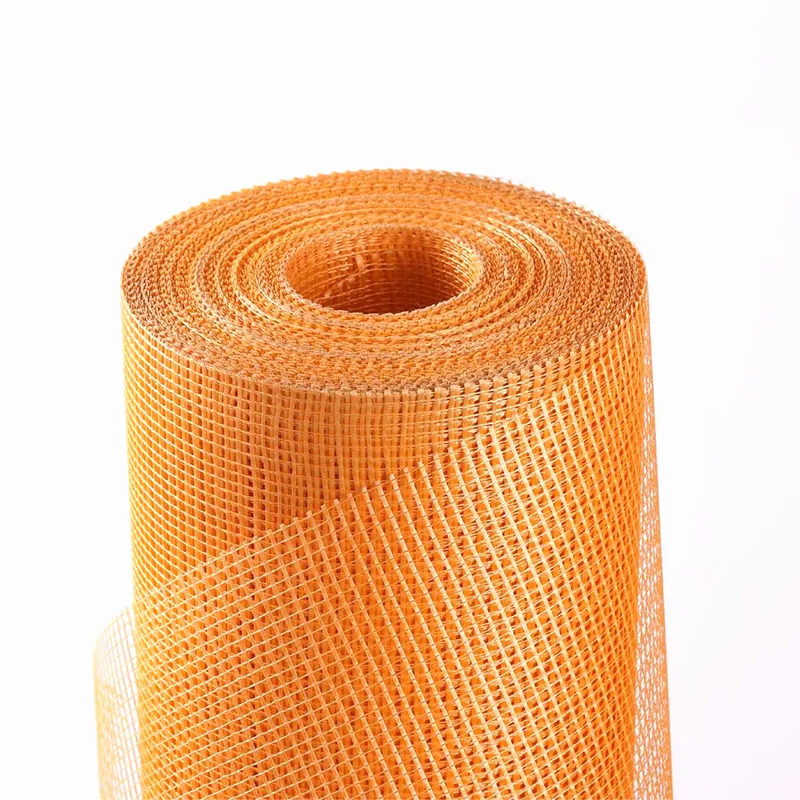
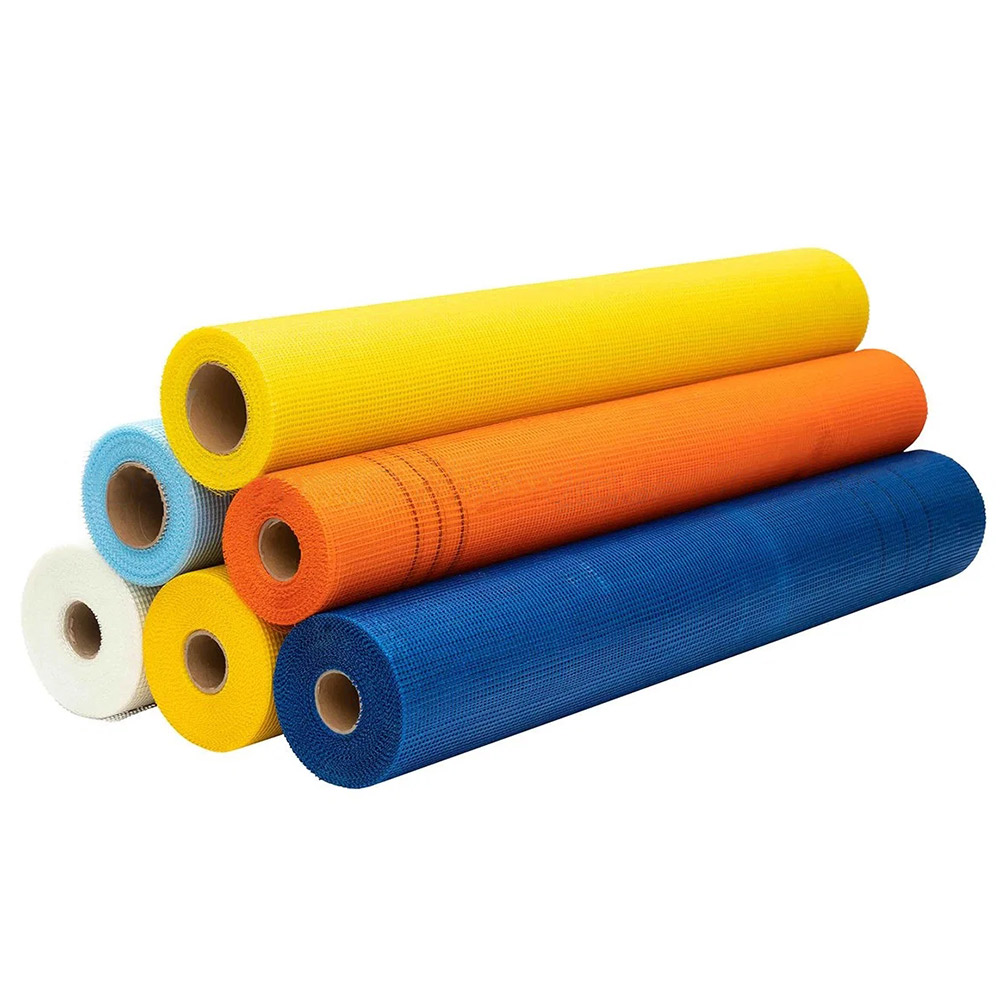
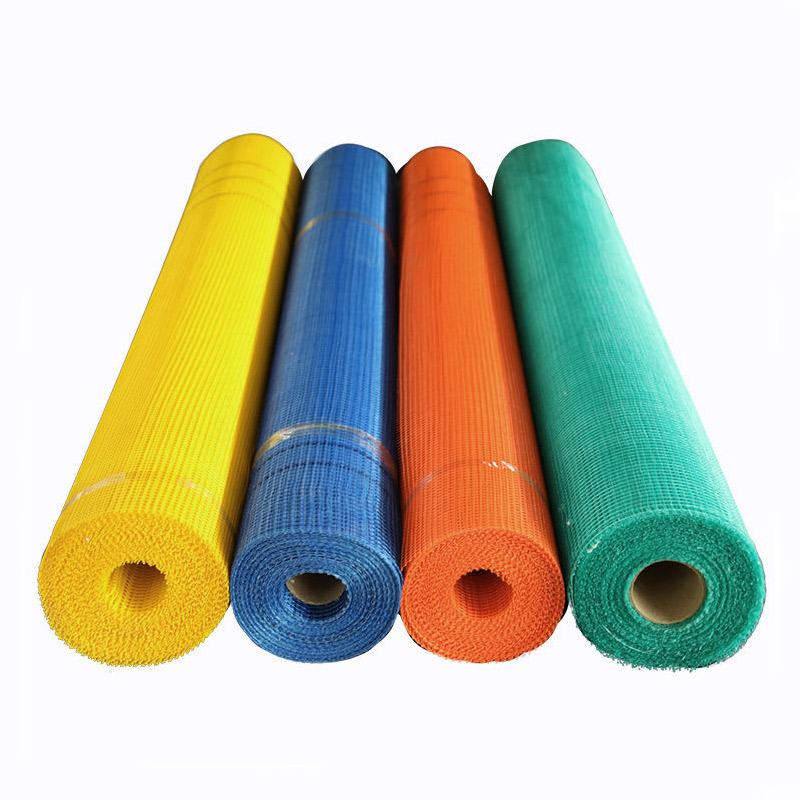
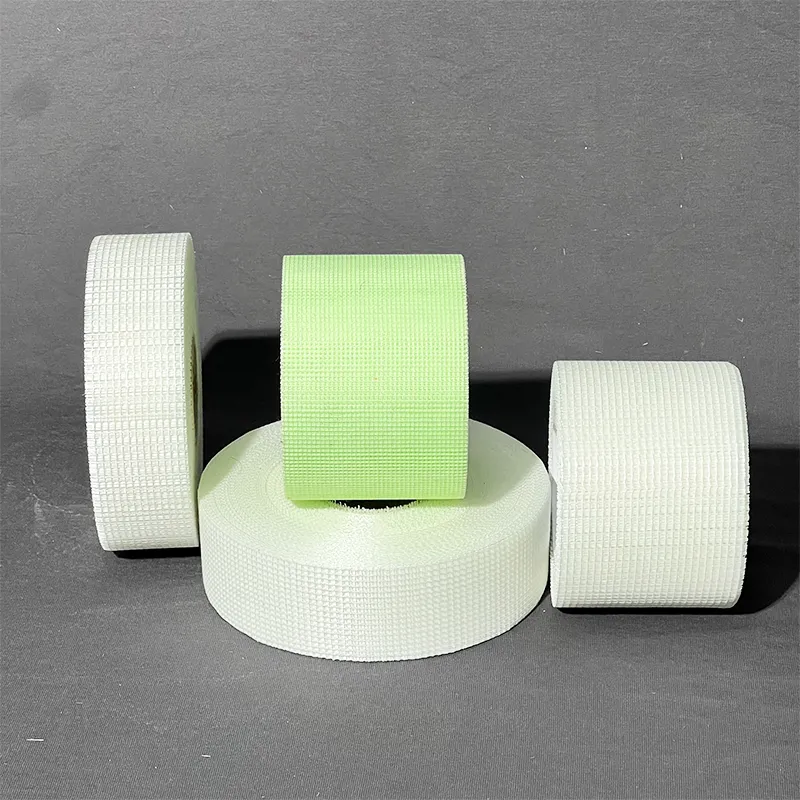
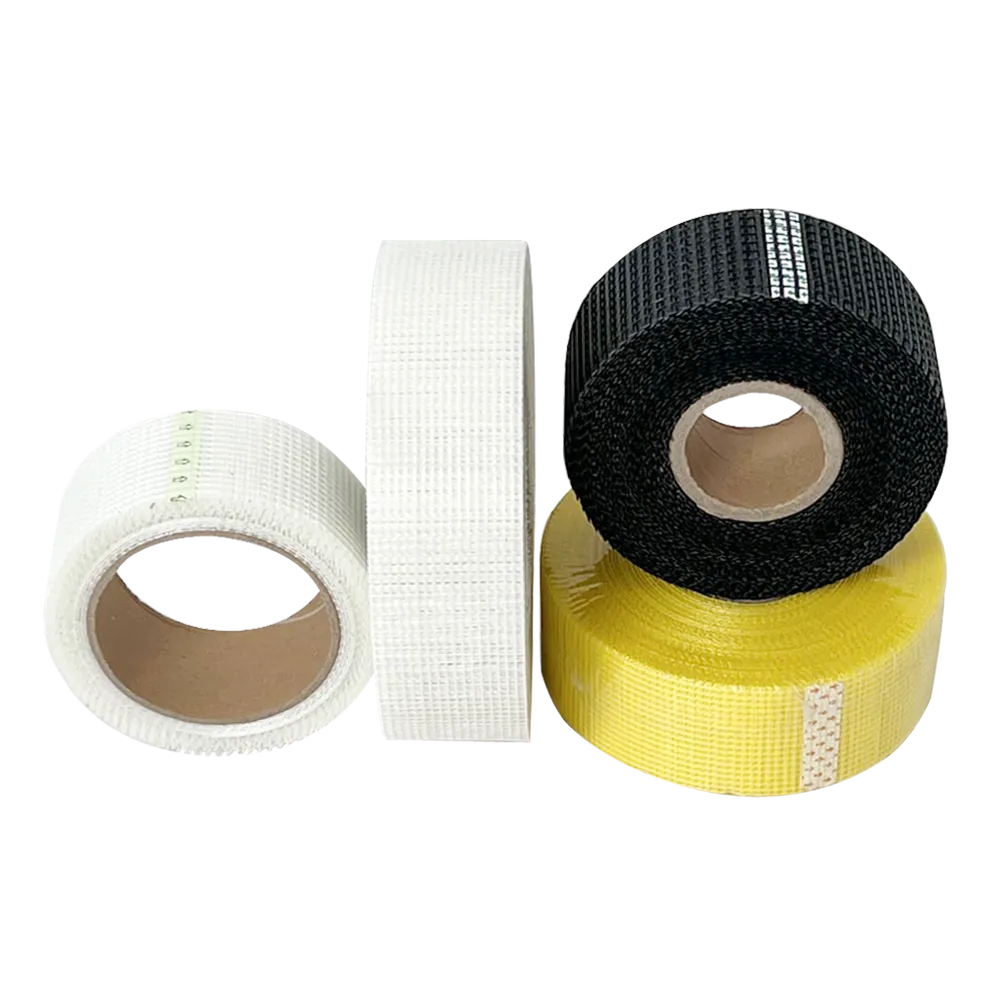
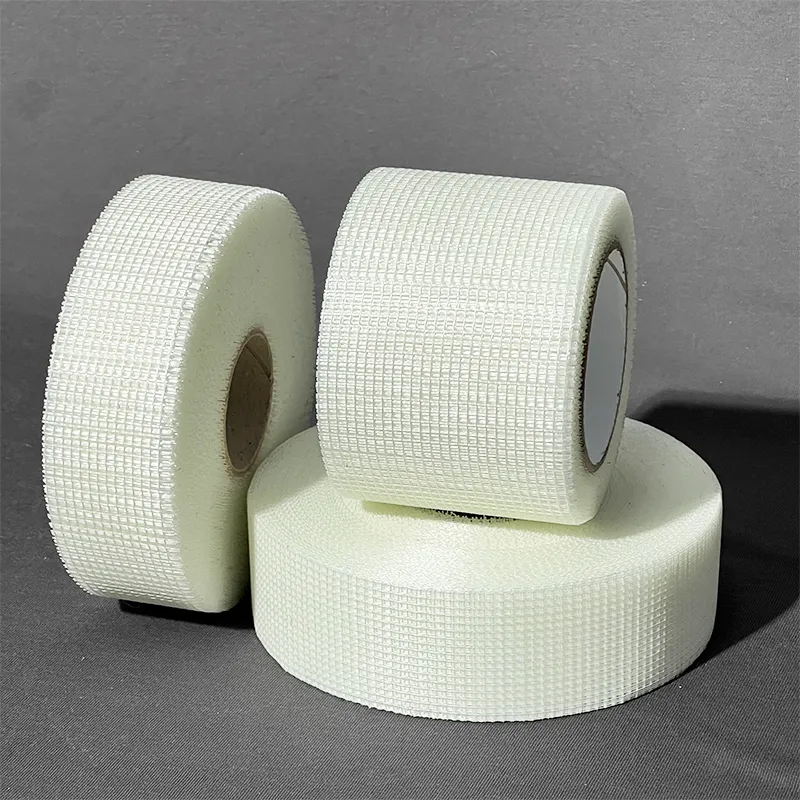
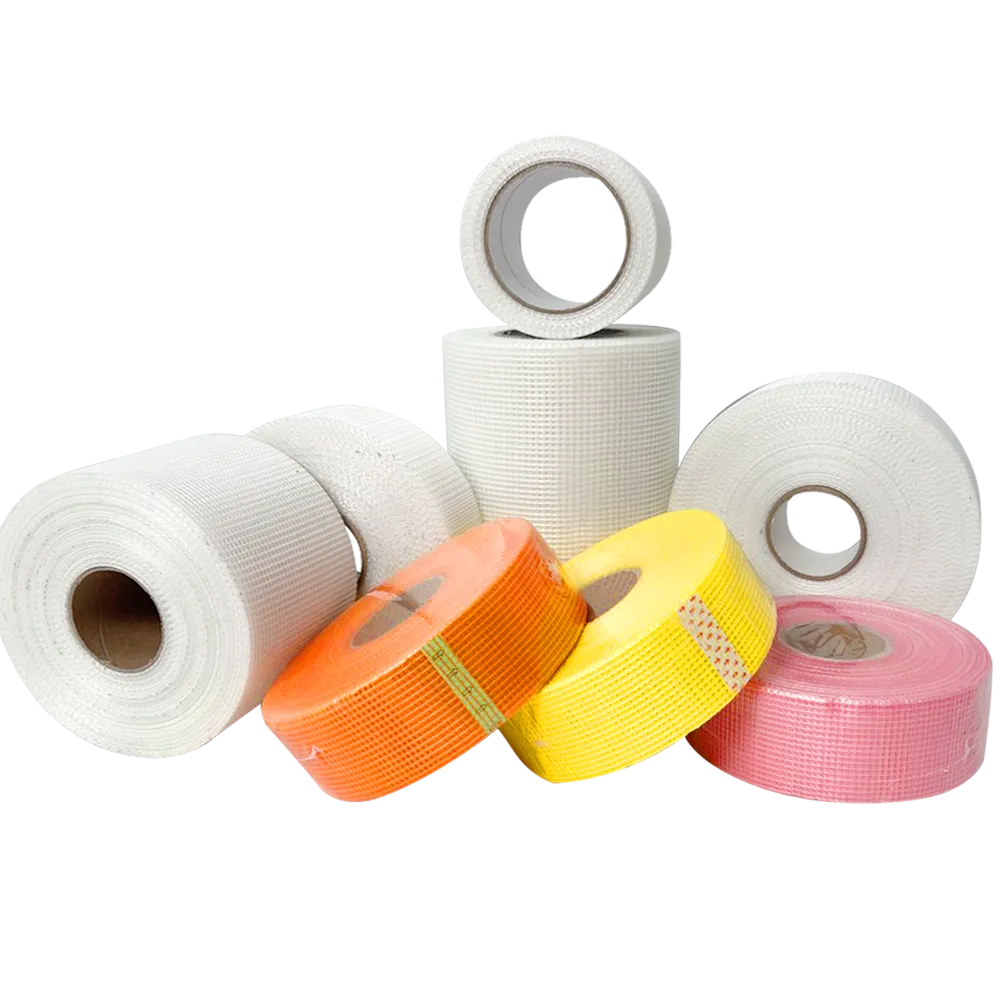
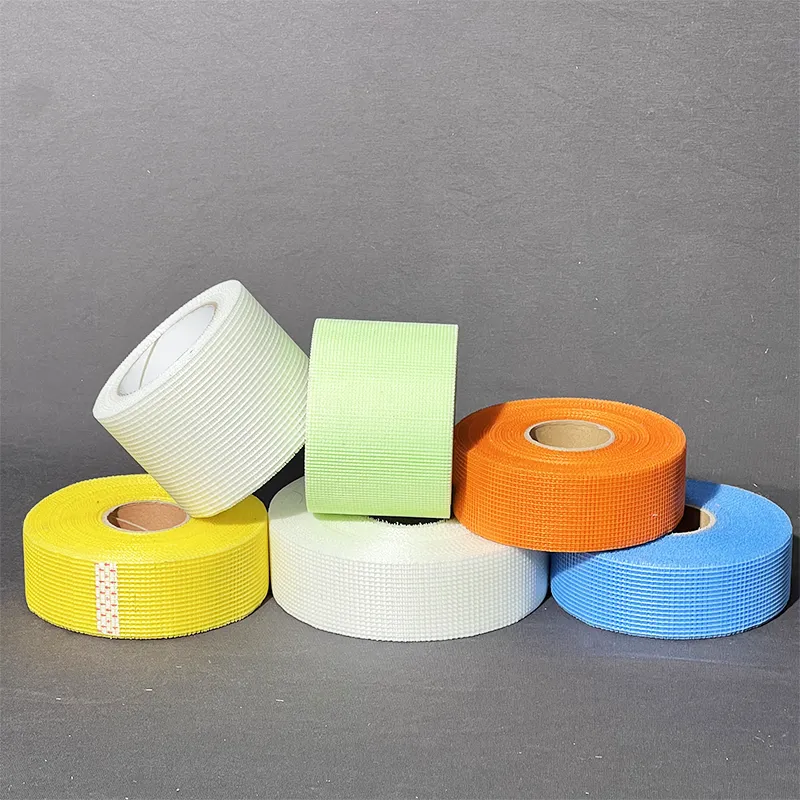
Simply put, these factories specialize in manufacturing alkali-resistant (AR) fiberglass mesh—a woven fabric made from fiberglass yarn coated to resist alkaline environments like concrete. This means it won’t degrade quickly inside cement or mortar, unlike uncoated fiberglass.
Think of AR fiberglass mesh as the “skeletal structure” embedded inside plaster or concrete walls, boosting tensile strength and preventing cracks from weather, load shifts, or seismic activity. These factories produce varying mesh sizes and stiffness levels, tailoring products to a mix of industries, from construction to infrastructure and even aerospace.
Mini Takeaway:
AR fiberglass mesh factories produce specialized, durable materials that protect and extend the life of structures worldwide, bridging industry needs with sustainability goals.
Core Components of AR Fiberglass Mesh and Factory Output
1. Durability and Chemical Resistance
AR fiberglass mesh is uniquely coated to resist alkaline breakdown—key when integrated into cementitious materials. Factories ensure consistent coating thickness and quality, which directly impacts performance.
2. Precision Weaving and Mesh Size
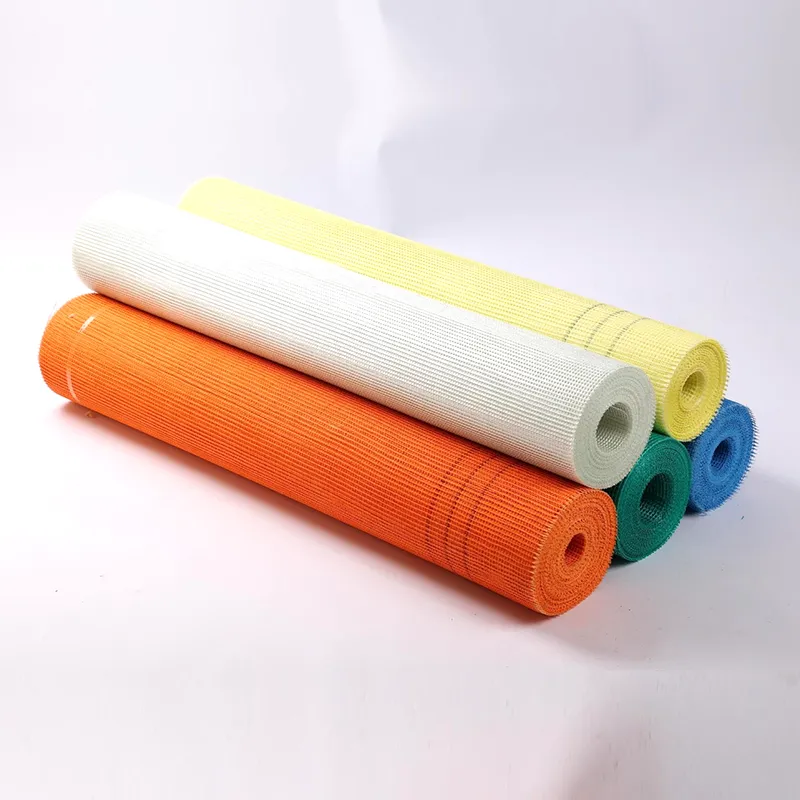
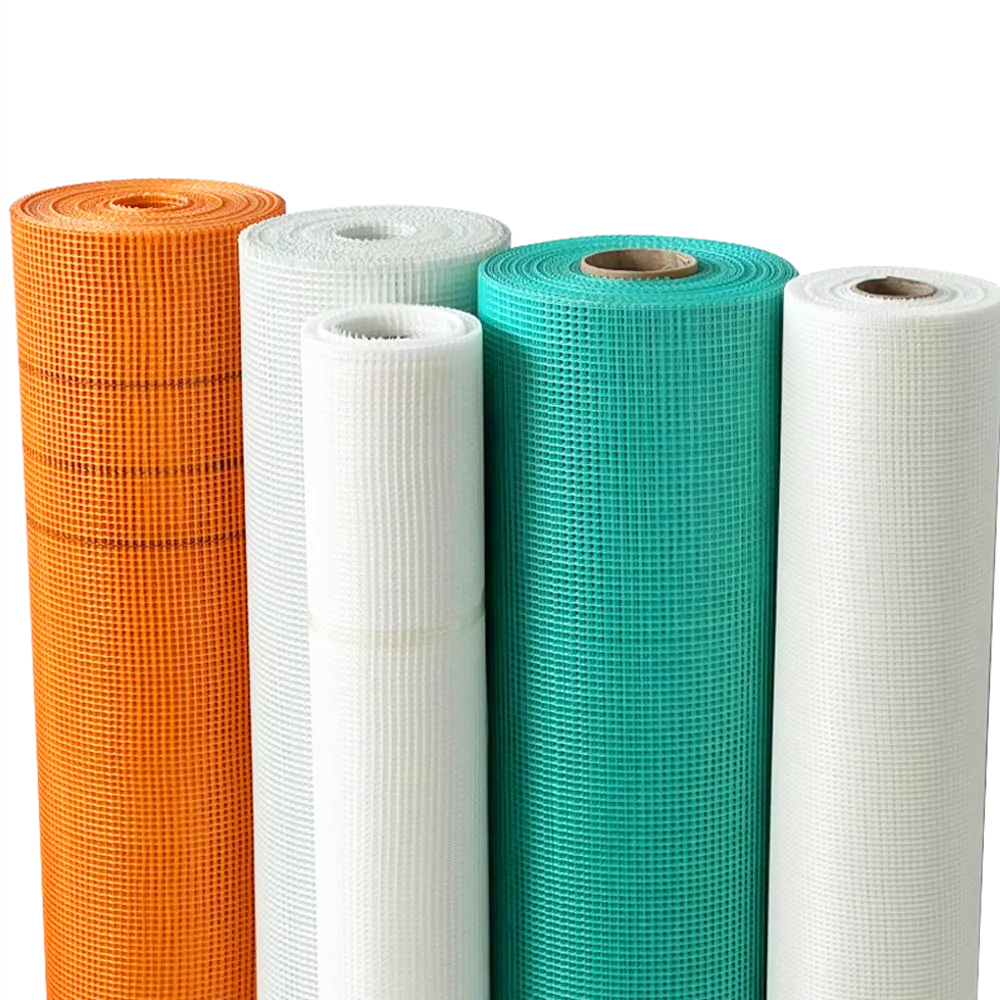
The spacing between fibers affects flexibility and strength. Most factories use automated looms capable of producing mesh from as fine as 1mm up to 10mm openings, depending on application.
3. Scalability & Custom Production
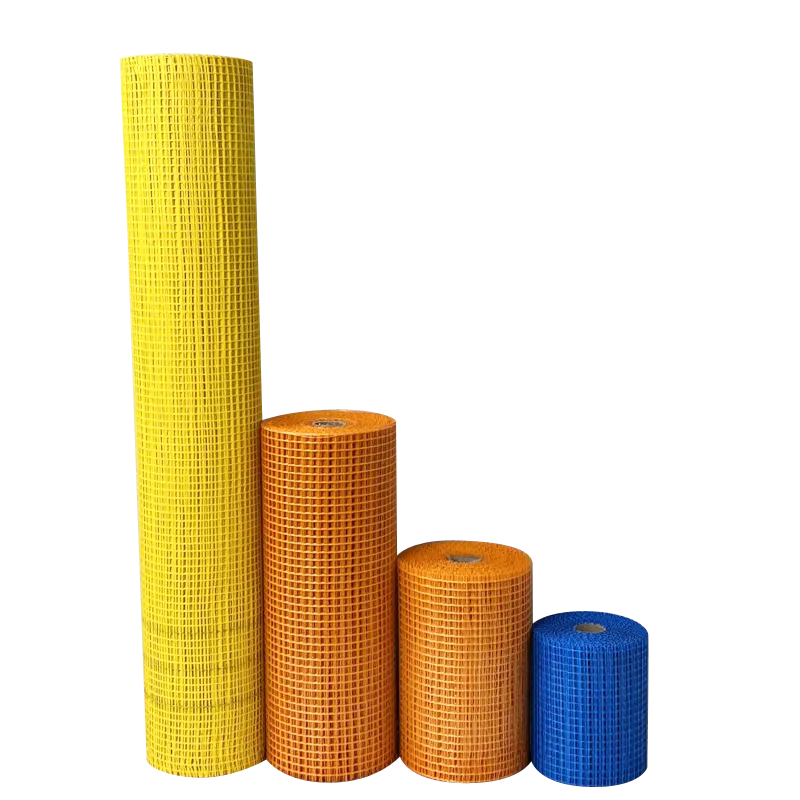
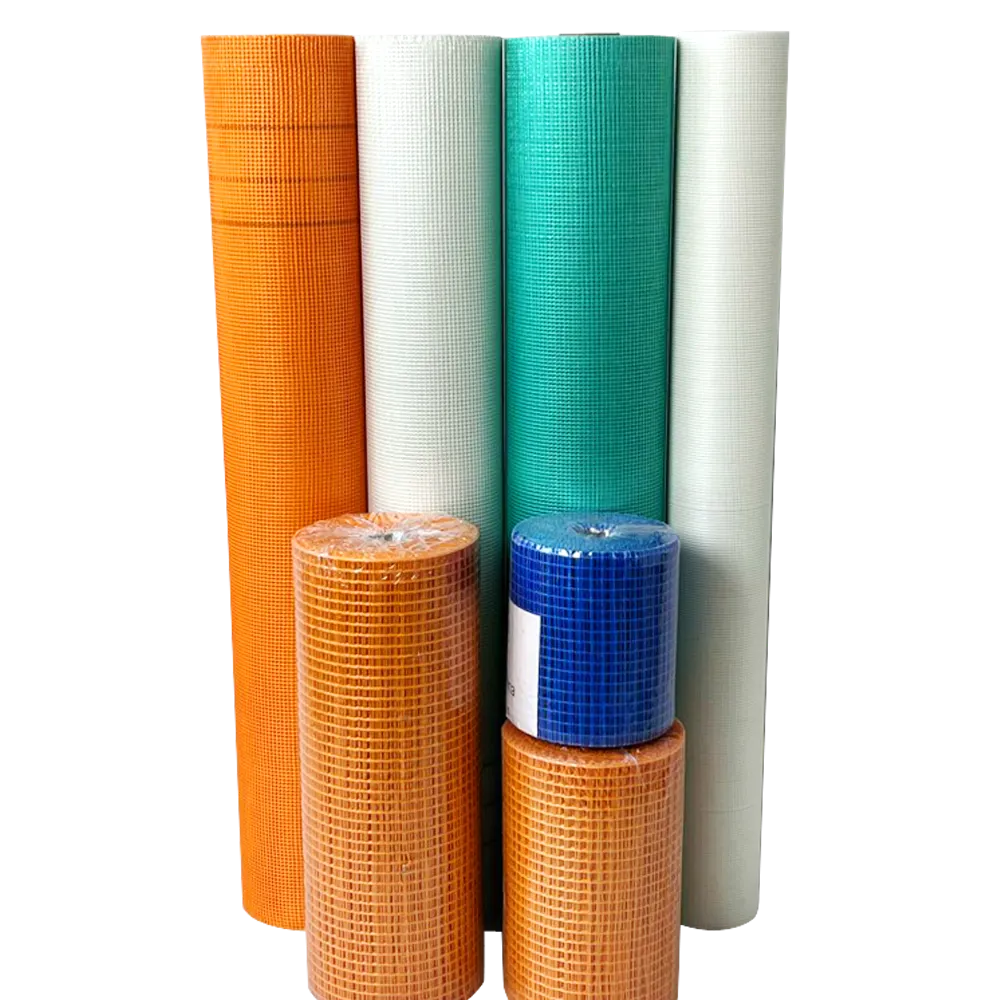
From small batches for niche architectural projects to massive standard rolls for facade insulation, factories must balance volume with customization capabilities.
4. Cost Efficiency Through Automation
State-of-the-art manufacturing lines reduce labor input and errors, yielding competitive pricing without sacrificing quality—a win-win for contractors.
5. Environmental Responsibility
Advanced factories increasingly adopt green energy, recycle scrap materials, and maintain low emissions, crucial in today’s eco-conscious markets.
Product Specification Table
| Specification | Typical Range | Notes |
|---|---|---|
| Mesh Size | 1mm - 10mm | Customizable to project needs |
| Tensile Strength | ≥1100 N/50mm | Industrial-grade mesh |
| Coating Thickness | ≥30 µm | Ensures alkali resistance |
| Roll Length | 50 - 100 meters | Various widths available |
| Weight/m² | 40 - 160 g | Depends on fiber thickness |
Global Applications and Real-World Use Cases
AR fiberglass mesh isn’t just a niche product; it now plays an essential role globally:
- Construction & Insulation: Used extensively in External Thermal Insulation Composite Systems (ETICS) across Europe and North America, dramatically reducing heat loss.
- Infrastructure Resilience: In earthquake-prone regions like Japan and California, reinforcement with AR mesh improves wall flexibility and crack resistance.
- Post-Disaster Reconstruction: NGOs and governments use prefab panels reinforced with fiberglass mesh for speedy, durable shelter solutions.
- Industrial Applications: In chemical plants and marine environments, its corrosion resistance outperforms metal meshes.
Oddly enough, in some desert zones, these meshes help stabilize adobe structures against erosion by wind and rain — clever adaptations go far beyond traditional uses.
Mini Takeaway:
From thermal insulation to disaster relief, AR fiberglass mesh factories provide critical materials supporting safer and more sustainable infrastructure worldwide.
Advantages and Long-Term Value of AR Fiberglass Mesh
Why invest in products from these factories? Here are some key benefits:
- Cost Savings: Less frequent repairs and longer-lasting materials reduce lifecycle costs.
- Environmental Impact: Lightweight, corrosion-resistant, and often recyclable, fiberglass meshes have a smaller carbon footprint than steel.
- Improved Safety: Enhanced structural integrity means buildings withstand stress better, protecting lives.
- Design Flexibility: The mesh adapts well to curved or irregular surfaces, opening architectural possibilities.
- Innovation and Trust: Use in high-tech industries builds confidence that the material can perform under demanding conditions.
The Future of AR Fiberglass Mesh Factories
Like many industries, ar fiberglass mesh manufacturers are changing fast. Automation increasingly handles weaving and coating steps, lowering costs.
Eco-conscious buyers push for bio-based coatings or recycled fibers, nudging factories toward greener production. Digital quality control with AI vision systems is already catching defects early.
Moreover, some factories are exploring hybrid meshes combining fiberglass with carbon or basalt fibers for specialized projects requiring extreme strength or fire resistance.
Challenges Facing AR Fiberglass Mesh Factories and Solutions
There are a few bumps in the road, naturally. For starters, market awareness can lag; many potential users don’t yet realize fiberglass mesh’s advantages over traditional reinforcement.
Also, the upfront cost still feels high for small projects or developing areas, where cheaper, less durable materials dominate.
But some manufacturers now offer modular-sized packs or subsidized trials to ease adoption. Plus, international logistics and standard certifications remain hurdles that savvy vendors and regulators are actively addressing.
Vendor Comparison of Leading AR Fiberglass Mesh Factories
| Vendor | Production Capacity | Product Range | Sustainability Initiatives | Global Reach |
|---|---|---|---|---|
| Tainuo Fiberglass Mesh | 5,000 tons/year | Multiple mesh sizes & coatings | Solar power, waste recycling | Export to 40+ countries |
| FiberNet Solutions | 3,200 tons/year | Standard and custom meshes | Green solvents for coating | Primarily Asia, Europe |
| Matrix Mesh Inc. | 4,000 tons/year | High-strength and hybrid meshes | Waste reduction programs | Global |
FAQs: Clearing Up Common Questions About AR Fiberglass Mesh Factories
Q1: What makes AR fiberglass mesh better than traditional steel reinforcement?
Unlike steel, AR fiberglass mesh doesn't rust or corrode inside concrete, which means longer-lasting reinforcement with less maintenance. It's lightweight and easier to handle on site, reducing labor time and costs.
Q2: How long can reinforced structures last using AR fiberglass mesh?
Structures reinforced with AR fiberglass mesh typically see lifespan improvements of 30% or more compared to non-reinforced concrete. The mesh resists environmental damage, cracks, and degradation, ensuring durable performance.
Q3: Are AR fiberglass meshes environmentally friendly?
Yes, these meshes reduce the need for frequent repairs or replacements, lowering construction waste. Many factories now use recycled materials and energy-efficient processes, further reducing environmental impact.
Q4: Can I purchase AR fiberglass mesh directly for small projects?
Many manufacturers offer flexible packaging options suitable for small- or medium-sized projects. It's best to contact vendors directly or visit ar fiberglass mesh factories online for specific order details.
Q5: How do AR fiberglass mesh factories ensure product quality?
Through strict ISO certifications, automated production lines, and continuous testing for tensile strength, alkali resistance, and coating thickness, these factories maintain consistent quality across batches.
Final Thoughts and Next Steps
AR fiberglass mesh factories might not be front-page news, but their products form a backbone of modern infrastructure resilience and sustainability. By blending innovation, environmental care, and versatile applications, they help shape safer living and working environments globally.
If this sparked your curiosity or you're involved in construction or industrial projects, why not explore more and connect with reliable suppliers? Visit our site at ar fiberglass mesh factories for details, specs, and the latest innovations.
References
-
Best Fiberglass Mesh Tape for RedGard Product Waterproofing GuideNewsApr.16,2026
-
Why High Strength Fiberglass Mesh Is Essential For Stucco ApplicationNewsApr.15,2026
-
Why Alkali Resistant Fiberglass Mesh Tape Is Essential For Cement Board And Tile InstallationsNewsApr.15,2026
-
Understanding The Role Of Drywall Fiberglass Mesh In Interior FinishingNewsApr.15,2026
-
Ultimate Guide To Using Fiberglass Mesh Tape For Drywall And Plaster RepairsNewsApr.15,2026
-
The Versatility Of Fiberglass Mesh In Marble And Stone MosaicNewsApr.15,2026