Nov . 26, 2025 17:35 Back to list
Leading AR Fiberglass Mesh Companies | Durable & Sustainable Building Solutions
Understanding AR Fiberglass Mesh Companies: A Global Perspective
AR fiberglass mesh companies might not be common dinner table talk, but their impact certainly stretches around the globe in quite the practical way. At its core, these companies specialize in manufacturing alkali-resistant fiberglass mesh—a textile that’s more than just a fancy fabric. It’s a structural lifesaver, especially when building durable surfaces like exterior insulation and plaster reinforcement. Global cities, emerging economies, and disaster-prone zones all benefit from the enhanced durability and cost-effectiveness this mesh provides.
Why does this matter? Because the construction industry is responsible for roughly 38% of CO2 emissions worldwide (according to UN Habitat data). Using AR fiberglass mesh helps extend building lifespans, reduce maintenance costs, and even improve energy efficiency when part of insulation systems. That’s a win for both builders and the planet.
The Global Role of AR Fiberglass Mesh Companies
Across continents, AR fiberglass mesh companies underpin infrastructure projects ranging from public housing in Southeast Asia to restoration work in Europe’s aging buildings. According to ISO standards (ISO 2078 specifies glass fiber), the quality and consistency of fiberglass mesh products have a big ripple effect. The World Bank highlights that sustainable building materials are key in developing economies today, where rapid urbanization demands fast, safe, and reliable construction methods.
Still, a challenge lingers: many parts of the world face harsh climates and environmental stressors that traditional reinforcing products can’t handle without failures or expensive upkeep. AR fiberglass mesh offers a smart solution by resisting alkalis—common in cement and plaster—to avoid early degradation. This extends structural performance and reduces costly repairs in the long run.
What Exactly Are AR Fiberglass Mesh Companies?
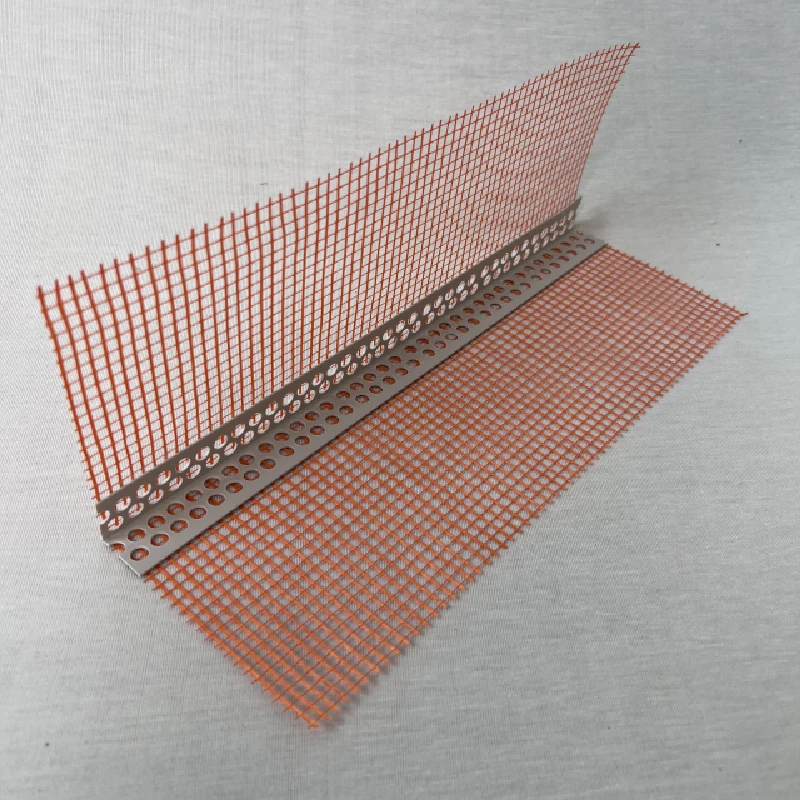
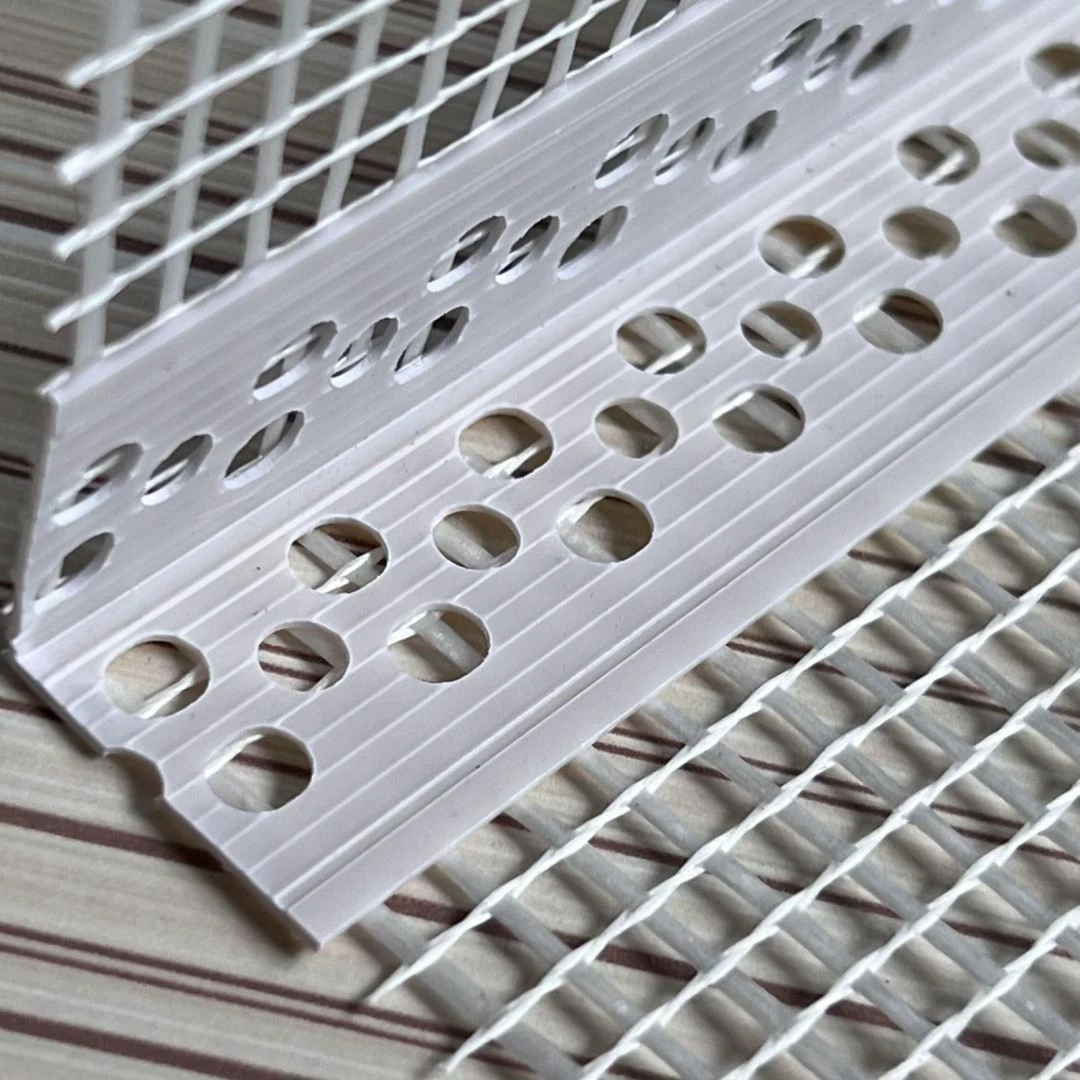
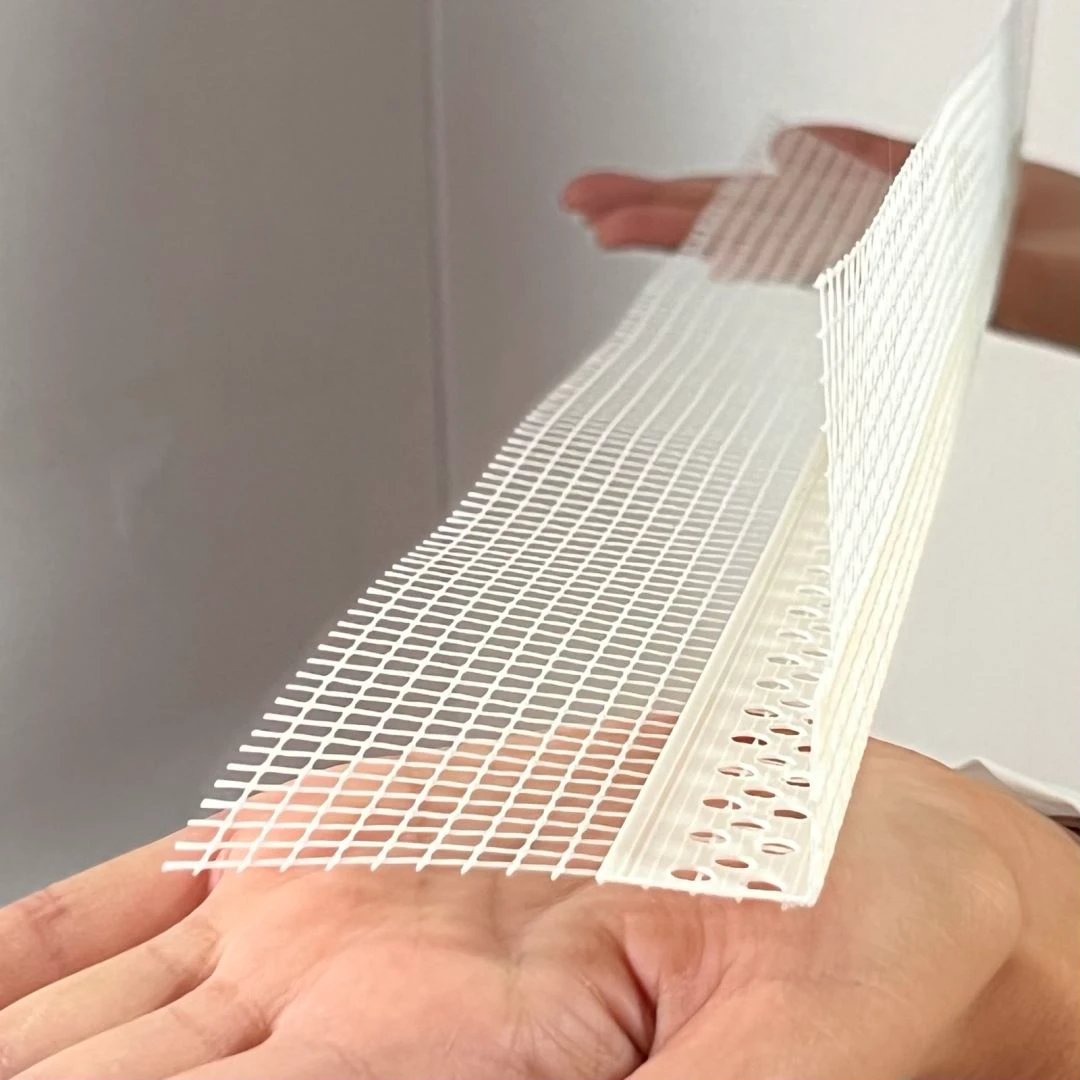
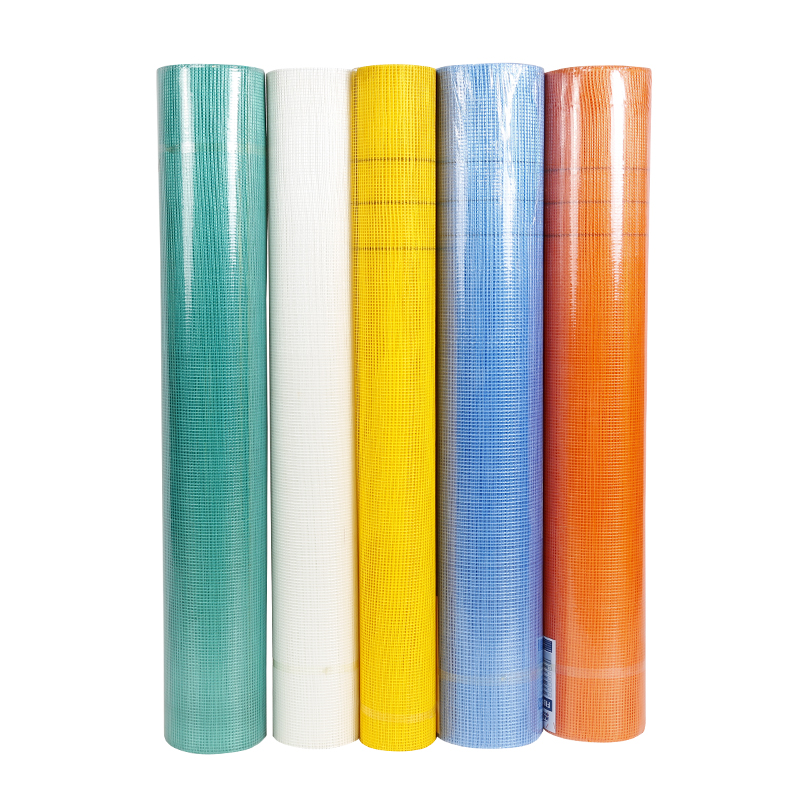
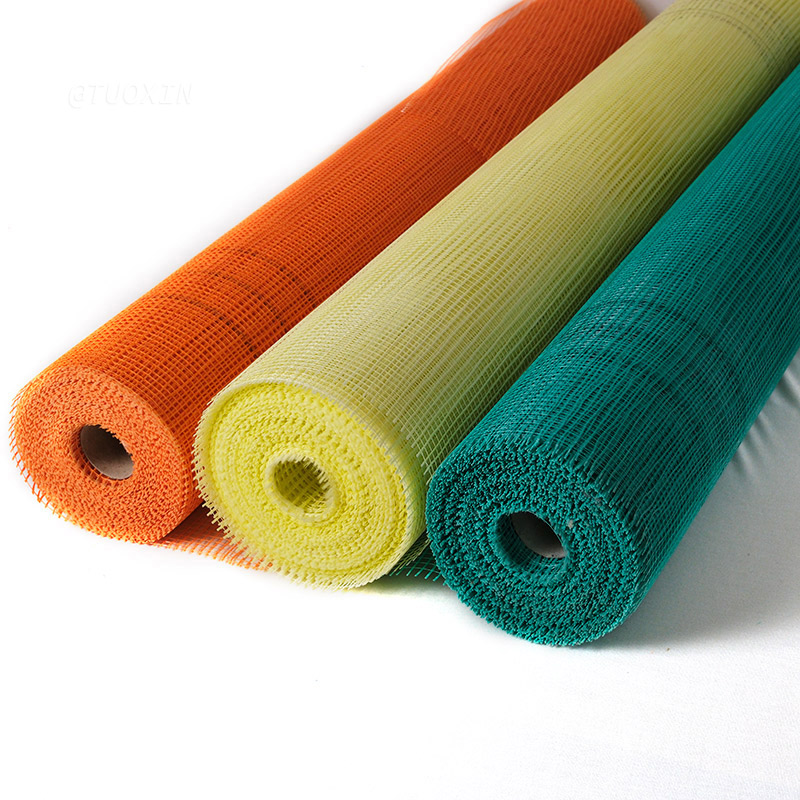
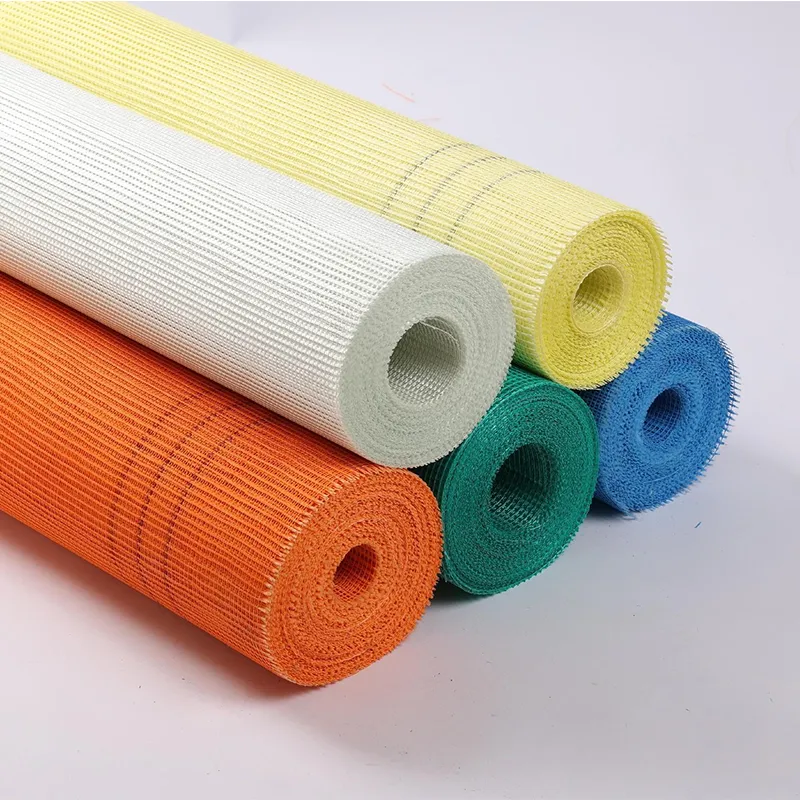
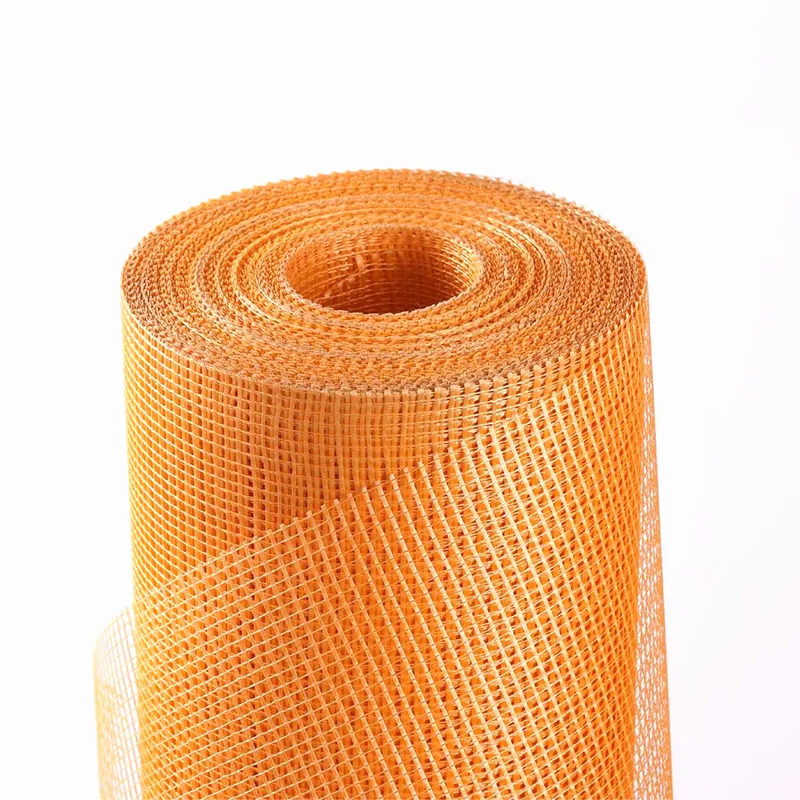
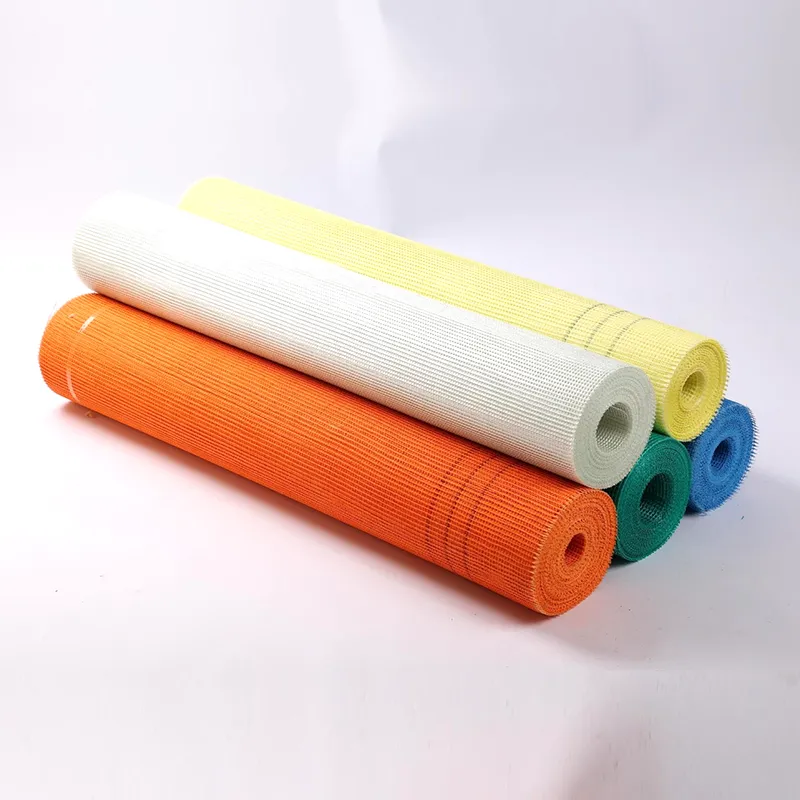
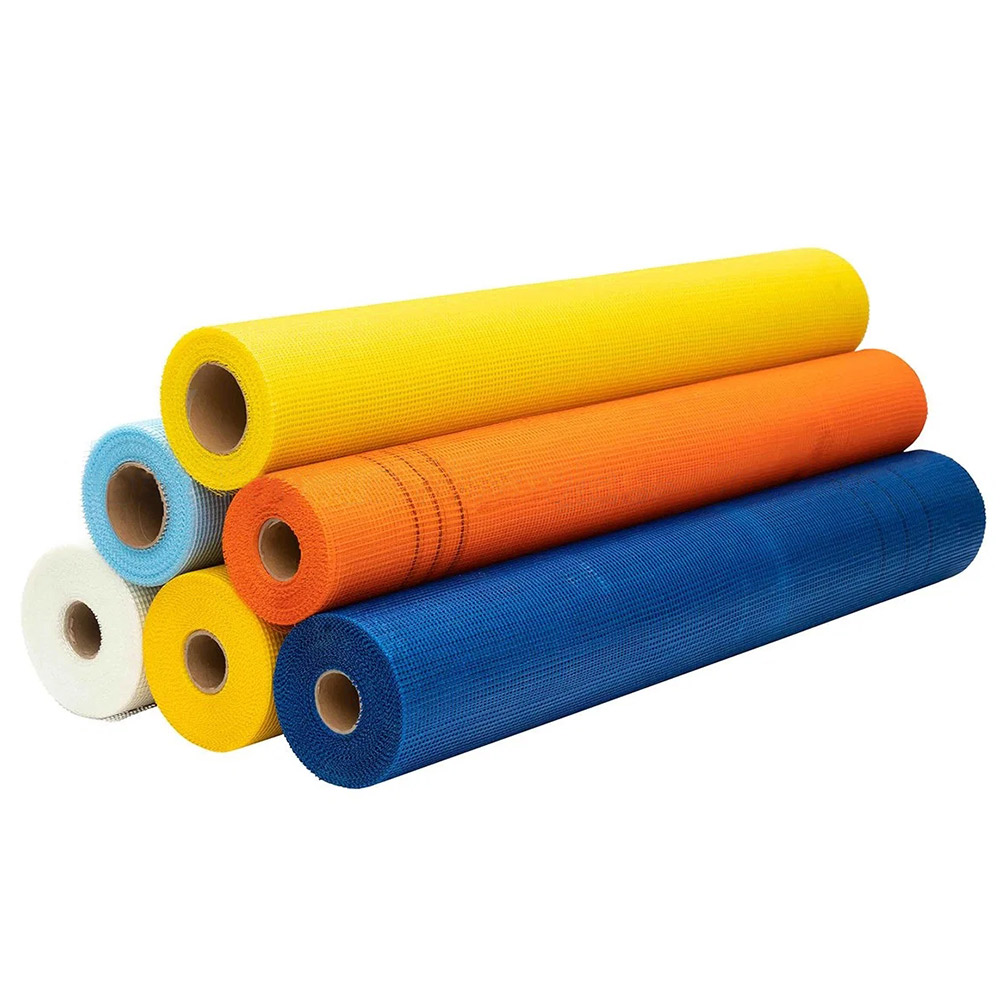
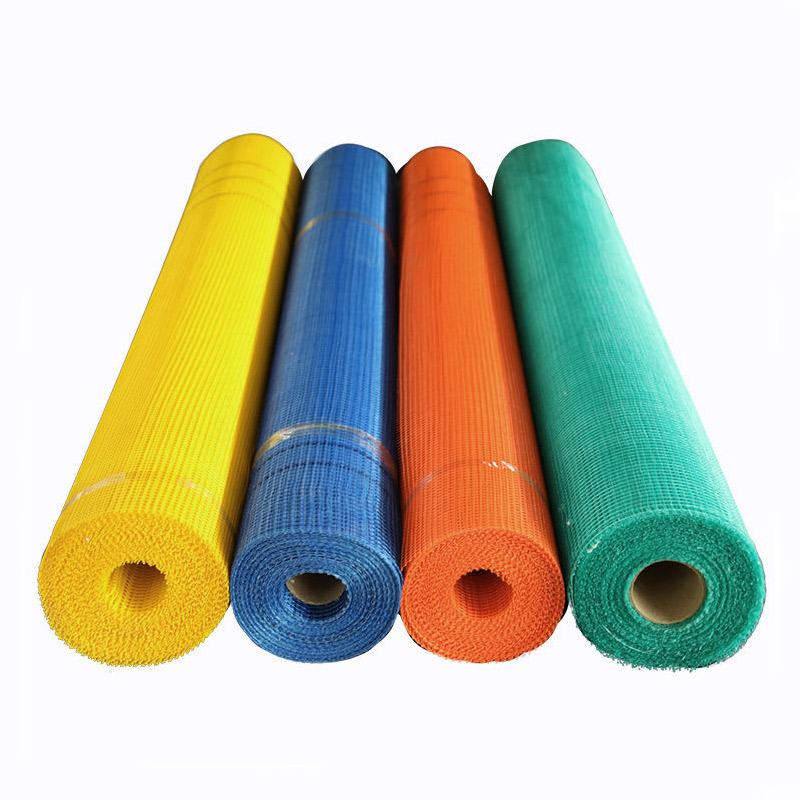
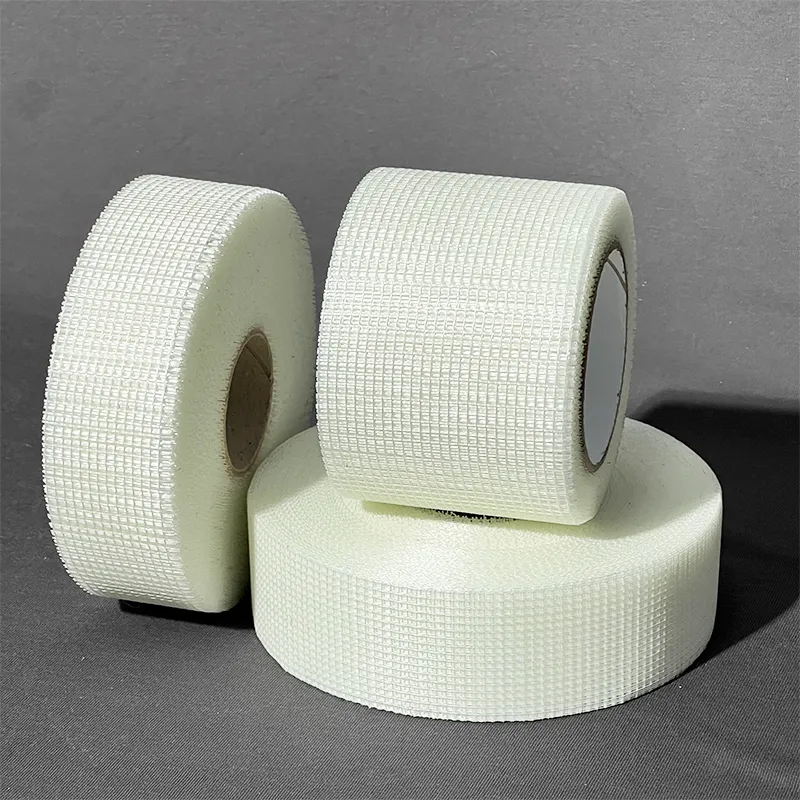
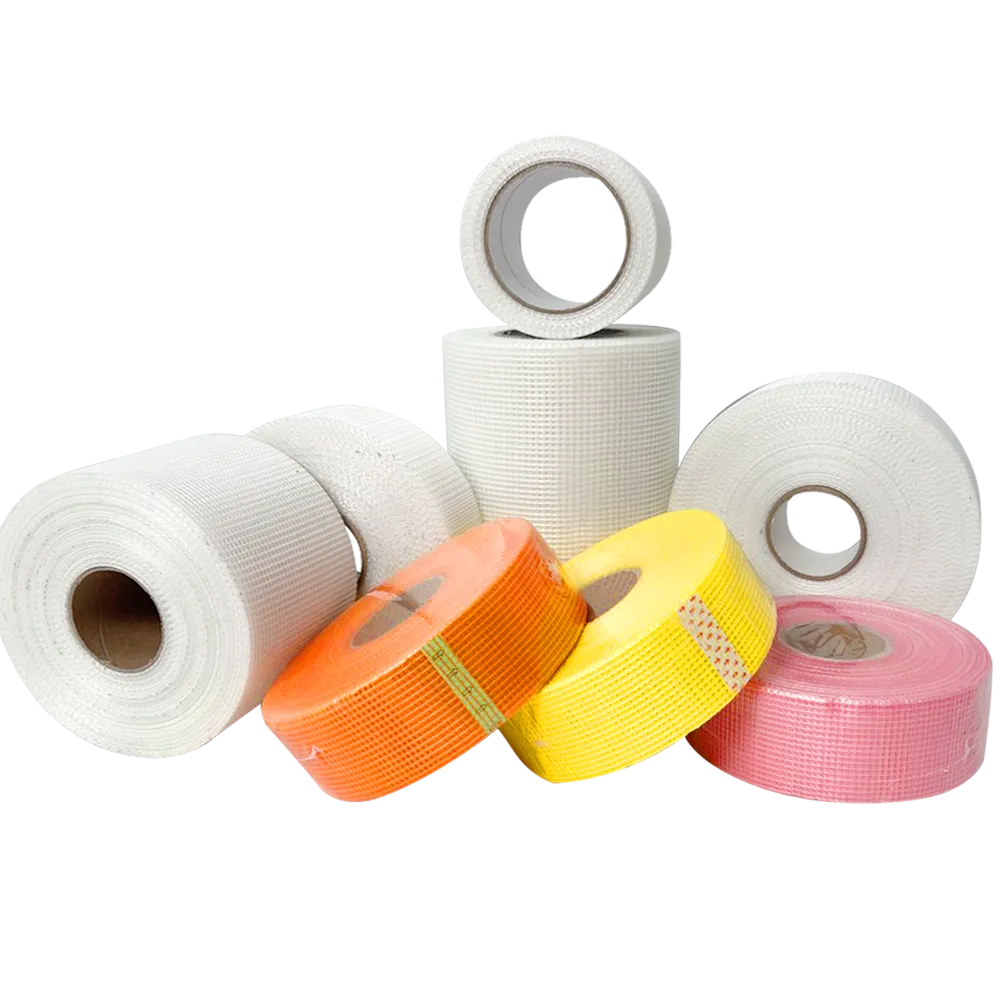
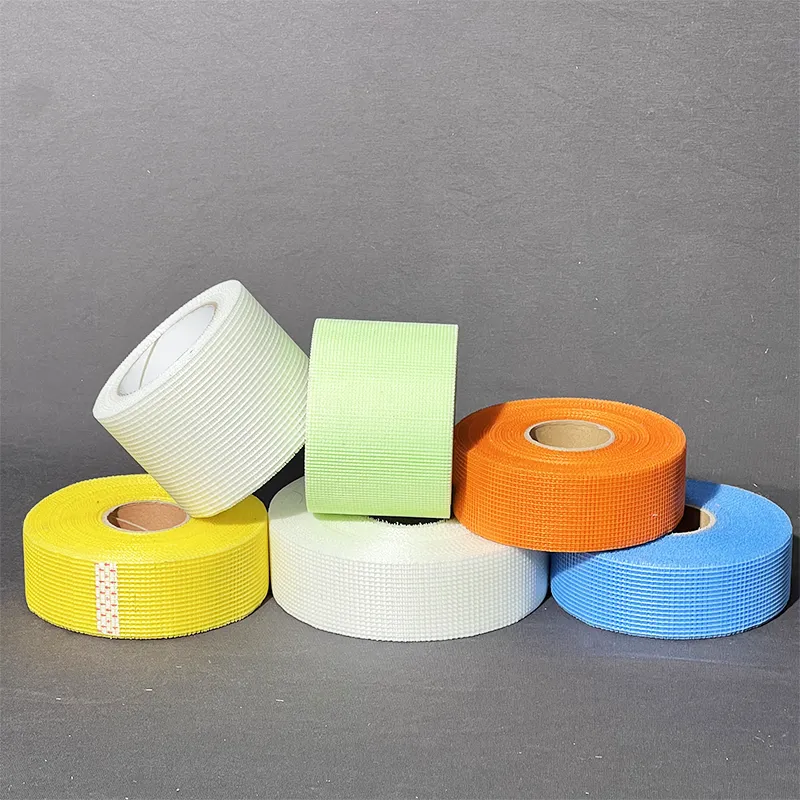
Simply put, these are manufacturers and suppliers who produce fiberglass mesh specially engineered to resist alkalis found in many building compounds. This alkali resistance drastically improves mesh longevity and performance. The mesh itself is a woven net of fine glass fibers, designed to reinforce cement, plaster, and composite wall systems.
This material is a staple in modern construction and renovation, especially in external insulation systems (ETICS) and waterproof plaster layers. Without it, surfaces crack more easily, and buildings can lose their thermal or aesthetic qualities quicker—something nobody wants.
Mini takeaway:
Think of AR fiberglass mesh companies as the unseen backbone of smarter, longer-lasting walls that keep our homes safe and insulated, often without us even noticing.
Core Aspects That Define High-Quality Fiberglass Mesh
1. Durability & Alkali Resistance
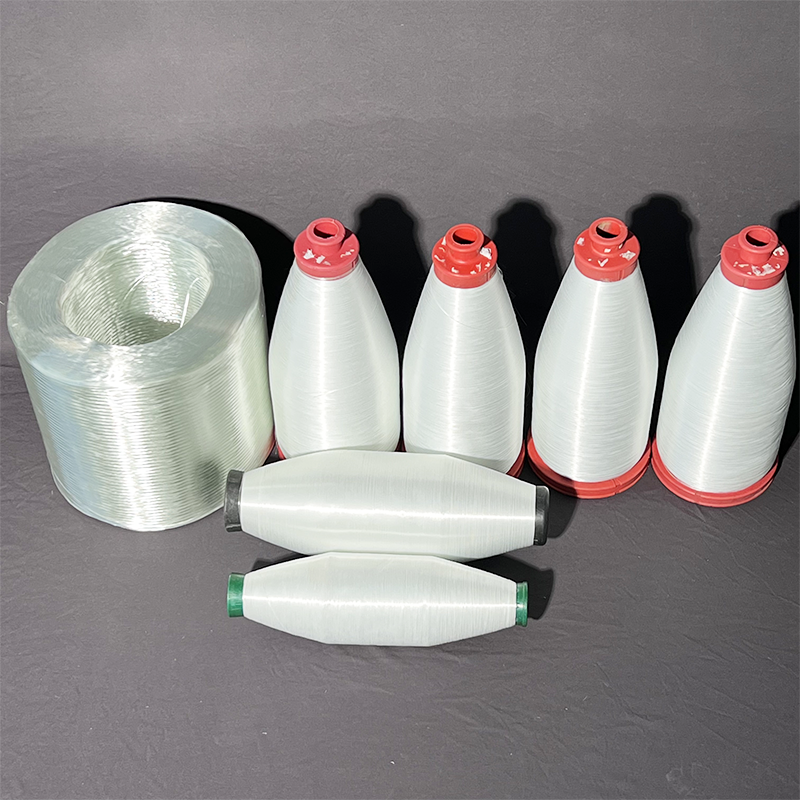
By coating or impregnating the fiberglass yarns with special chemical agents, manufacturers ensure the mesh withstands alkaline environments. This means the mesh doesn’t weaken or degrade inside cement mixes. Many engineers say this is the key differentiator from cheaper, traditional glass meshes.
2. Mesh Size & Weave Pattern
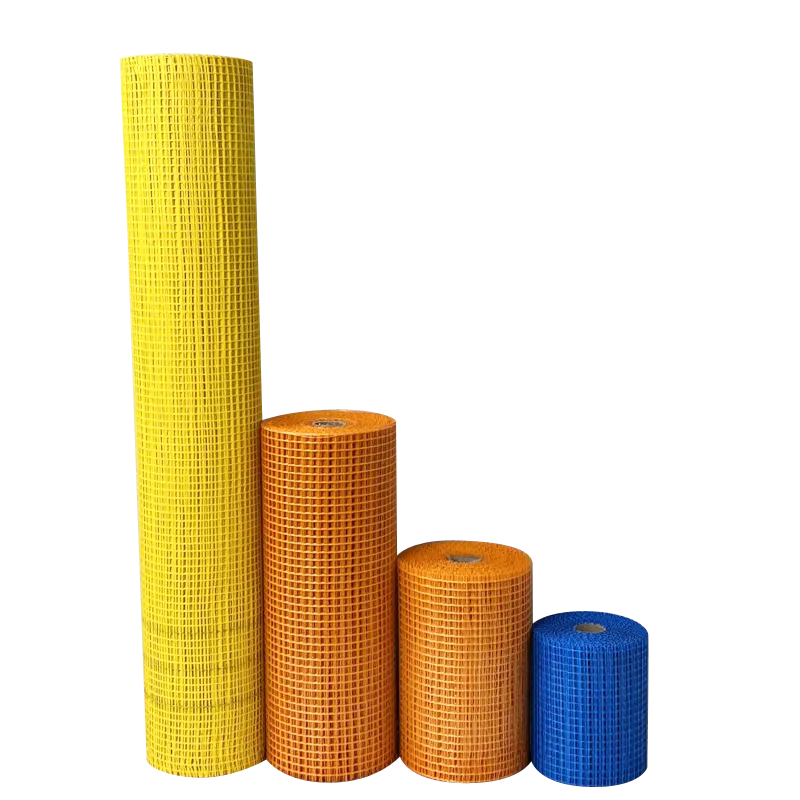
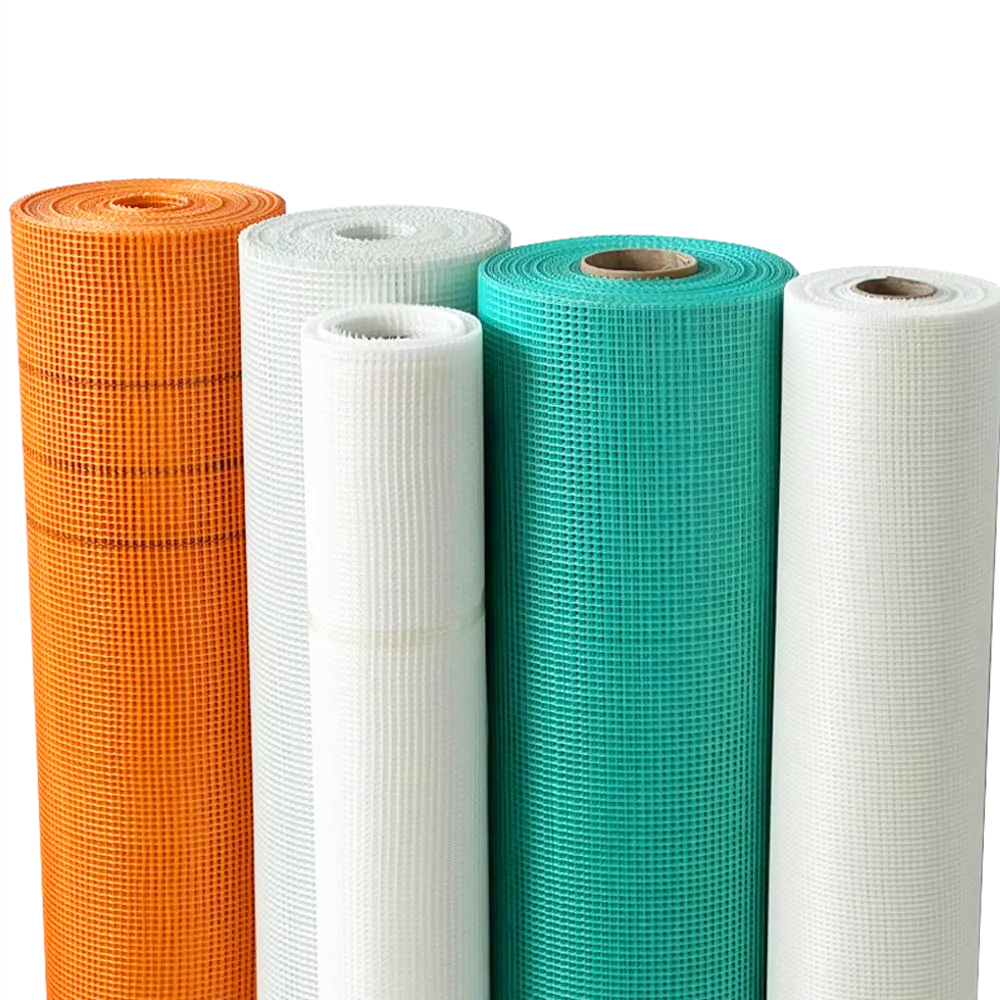
Varying mesh apertures—from 4x4 mm to 10x10 mm—allow customization depending on use, whether reinforcing delicate plaster or tough exterior insulation boards. The weave pattern influences flexibility and strength, balancing ease of installation with long-term integrity.
3. Weight & Thickness
Measured in grams per square meter (gsm), this impacts both coverage area per roll and reinforcement strength. Lightweight mesh is easier to handle onsite, while heavier grades often indicate higher durability for demanding projects.
4. Roll Dimensions & Packaging
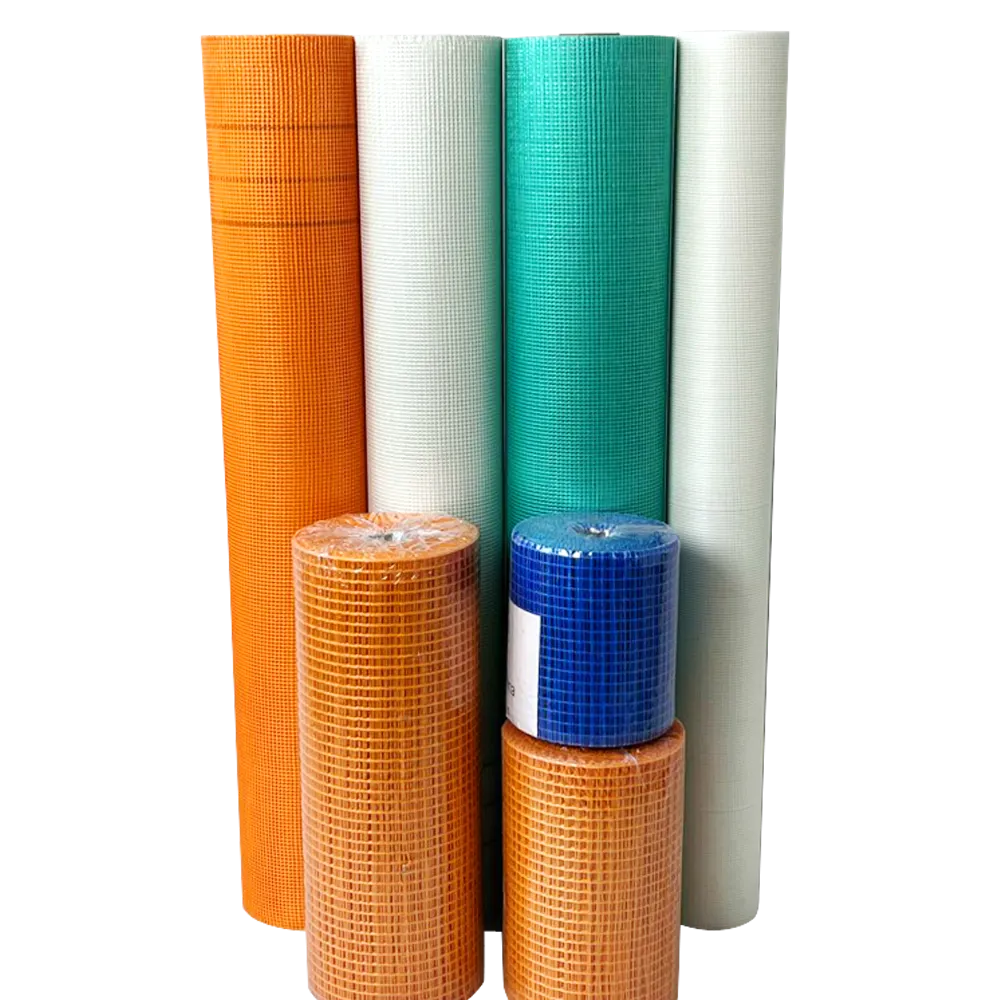
Typical roll widths range from 1 meter to 2 meters with lengths of up to 50 meters, catering to different scale needs. Quality suppliers also focus on packaging that prevents moisture damage during transport.
5. Compliance & Certification
Reputable AR fiberglass mesh companies adhere to ISO 2078 and other regional quality standards to ensure products perform reliably under various environmental stresses.
| Feature | Specification Range | Notes |
|---|---|---|
| Mesh Aperture | 4x4 mm – 10x10 mm | Depends on intended application and reinforcement need |
| Weight | 50 – 180 gsm | Balance between handling and durability |
| Roll Width | 1 m – 2 m | Accommodates various scales of construction |
| Alkali Resistance Treatment | Yes, coated/impregnated | Ensures longevity in cementitious environments |
| Standards | ISO 2078, ASTM, EN standards | Quality control and manufacturing consistency |
Where AR Fiberglass Mesh Finds Its Place Around the World
Whether it’s the chilly climes of Northern Europe or the humid tropics of Southeast Asia, AR fiberglass mesh serves in diverse environments. Post-earthquake housing projects in Nepal, where rapid rebuilding was critical, saw fiberglass mesh enhance plaster durability, preventing cracking from harsh weather and seismic movements. In industrial settings of the Middle East, reinforced insulation boards shielded structures from intense sun and shifting temperatures.
Not to forget humanitarian NGOs, who increasingly adopt this mesh in their prefabricated shelter kits designed for fast deployment after natural disasters. Its lightweight, strong, and non-corrosive nature fits perfectly with the need for reliability under pressure.
Mini takeaway:
From rebuilding efforts to luxury façade renovations, manufacturers of AR fiberglass mesh help translate construction goals into reality with safer, longer-lasting materials.
Advantages: Why It’s More Than Just A Mesh
- Cost Efficiency: Extends life cycle of plasters and renders, reducing repair frequency.
- Sustainability: Often made from recycled glass fibers with little waste by design.
- Structural Enhancement: Increases crack resistance and surface stability.
- Versatility: Compatible with various adhesive and cementitious materials.
- Emotional reassurance: Knowing your walls resist decay offers peace of mind.
Honestly, when you stand in front of a building and run your hand along a smooth, intact façade, it might feel like a small thing — yet it’s the result of these hidden reinforcements doing their quiet jobs.
Innovations and the Road Ahead for AR Fiberglass Mesh
We’re seeing a real buzz around greener manufacturing processes and bio-based resins for impregnation—moving away from purely synthetic chemicals to reduce environmental impacts. Automation and digital weave pattern control are becoming more common, allowing bespoke mesh products fine-tuned to specific project demands.
Moreover, as energy codes tighten globally, AR fiberglass mesh helps insulation systems meet new standards by reinforcing thinner, more efficient insulation panels. I suspect the next leap might be integrating smart coatings that detect moisture buildup or stress, giving maintenance teams early warnings.
Challenges Faced & How Experts Address Them
Despite its strengths, AR fiberglass mesh isn’t a cure-all. Sometimes improper installation or sub-par mesh quality leads to unexpected failures. Also, variations in alkali resistance among suppliers can cause inconsistency.
To tackle this, many industry leaders recommend stricter supplier vetting, onsite training for handling mesh properly, and using certified products tested under ISO or ASTM standards. Combining AR fiberglass mesh with flexible cement formulations also decreases risk of cracking rather than relying solely on the reinforcement.
| Company | Alkali Resistance Level | Product Range | Global Reach | Certifications |
|---|---|---|---|---|
| Company A (China) | High (ASTM tested) | Wide – 50+ products | Asia, Europe, Americas | ISO, CE, RoHS |
| Company B (Europe) | Very High (ISO 2078) | Specialized Mesh | Europe, Africa | ISO, REACH |
| Company C (USA) | Medium-High | Moderate | Americas, Asia | ASTM, UL Listed |
Frequently Asked Questions About AR Fiberglass Mesh Companies
- What makes alkali-resistant fiberglass mesh better than regular mesh?
- AR fiberglass mesh is chemically treated to withstand alkaline environments typically found in cement and plaster. This prevents mesh deterioration, ensuring stronger reinforcement and longer-lasting walls.
- How do I choose the right mesh size for my project?
- It depends on the application: smaller mesh apertures like 4x4 mm are ideal for fine plaster reinforcement, while larger sizes (up to 10x10 mm) suit thicker external insulation boards. Consulting with manufacturers or specialists helps.
- Can AR fiberglass mesh be recycled or reused?
- While fiberglass itself is not biodegradable, some companies recycle manufacturing scrap back into production. Reuse in fresh construction isn’t common due to potential damage and contamination risks.
- Is AR fiberglass mesh suitable for humid or coastal environments?
- Yes, its alkali resistance also contributes to corrosion resistance in moist conditions, making it a preferred choice for coastal construction when combined with proper coatings.
- How do I find reliable ar fiberglass mesh companies?
- Look for suppliers adhering to international standards (ISO, ASTM) and those with transparent testing data. You can start by checking ar fiberglass mesh companies that provide certifications and detailed product info.
Wrapping It Up: Long-Term Benefits and Next Steps
In real terms, AR fiberglass mesh startups and established manufacturers alike are quietly revolutionizing how the world builds. They provide solutions that marry cost-efficiency with sustainability, durability with ease of use. Whether you’re constructing new urban towers, renovating heritage facades, or mobilizing emergency shelter kits, these companies matter.
So, if you’re involved in construction or project procurement, it’s worth visiting ar fiberglass mesh companies to explore your options and see how today’s advancements can safeguard tomorrow’s buildings.
References & Further Reading
- UN Habitat – World Cities Report
- ISO 2078 Glass Fibre — Woven Roving
- World Bank – Urban Development & Sustainability
Written by an experienced analyst reflecting on the often-overlooked but essential players behind modern construction resilience.
-
Best Fiberglass Mesh Tape for RedGard Product Waterproofing GuideNewsApr.16,2026
-
Why High Strength Fiberglass Mesh Is Essential For Stucco ApplicationNewsApr.15,2026
-
Why Alkali Resistant Fiberglass Mesh Tape Is Essential For Cement Board And Tile InstallationsNewsApr.15,2026
-
Understanding The Role Of Drywall Fiberglass Mesh In Interior FinishingNewsApr.15,2026
-
Ultimate Guide To Using Fiberglass Mesh Tape For Drywall And Plaster RepairsNewsApr.15,2026
-
The Versatility Of Fiberglass Mesh In Marble And Stone MosaicNewsApr.15,2026