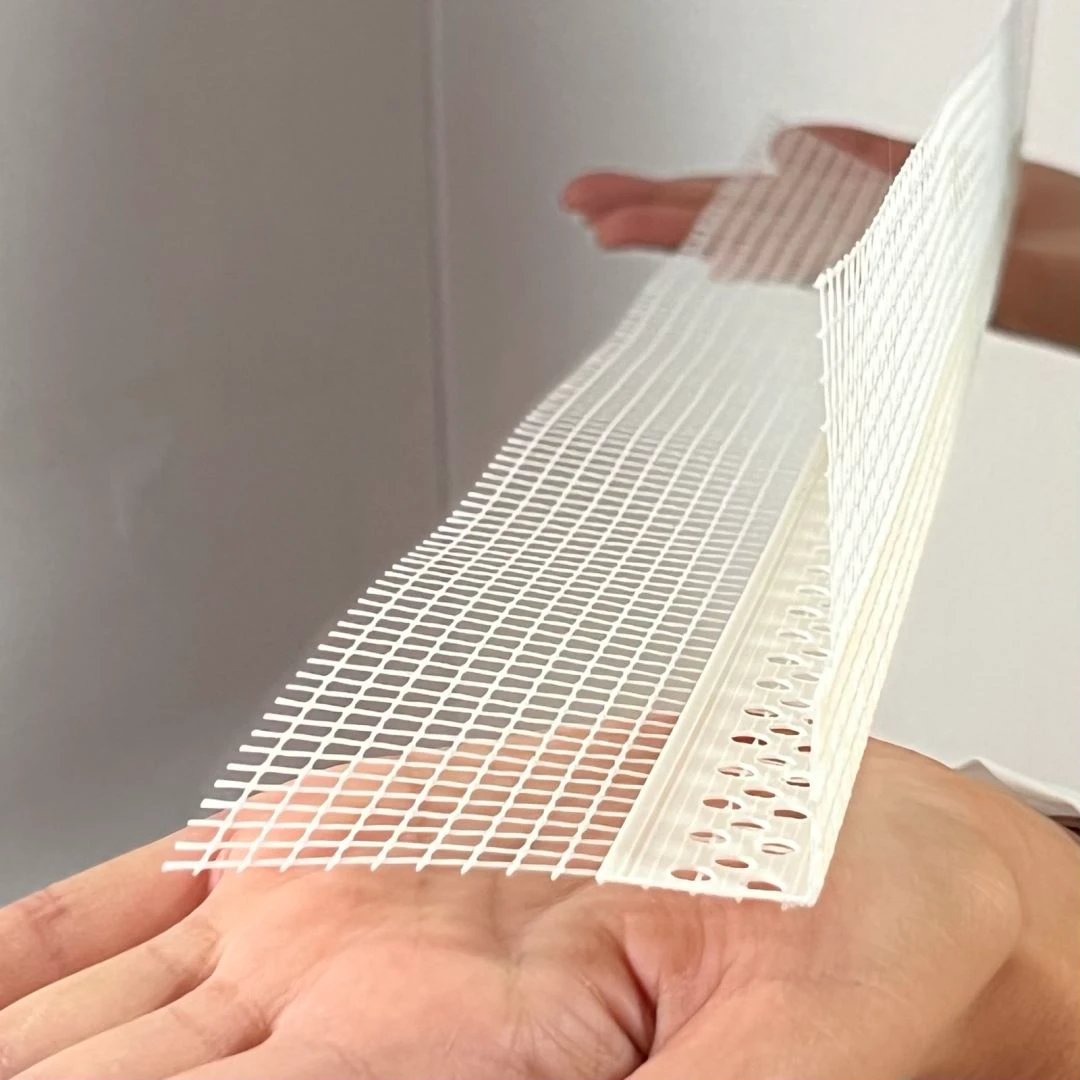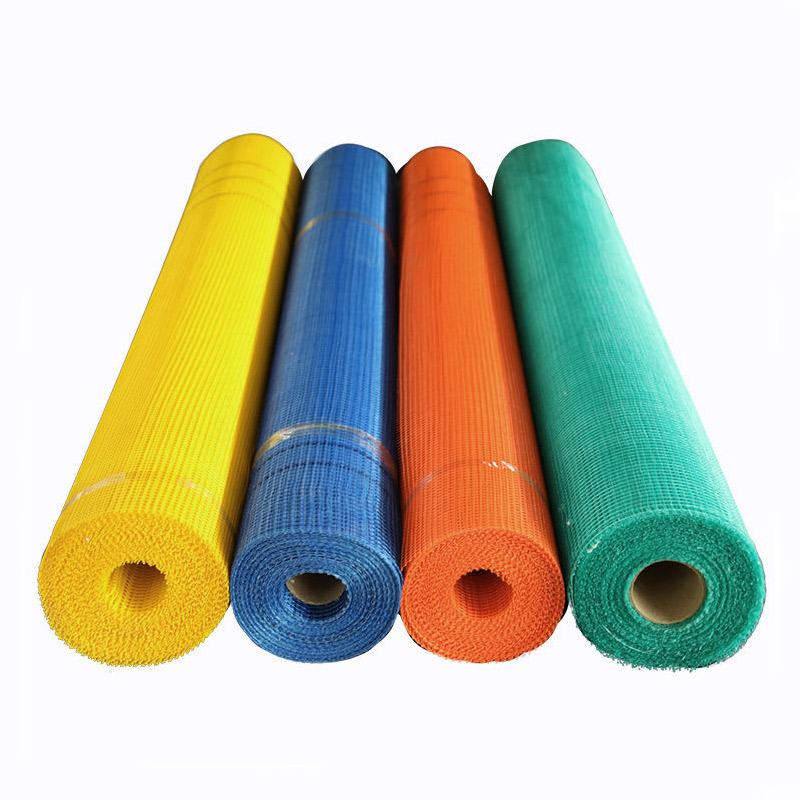
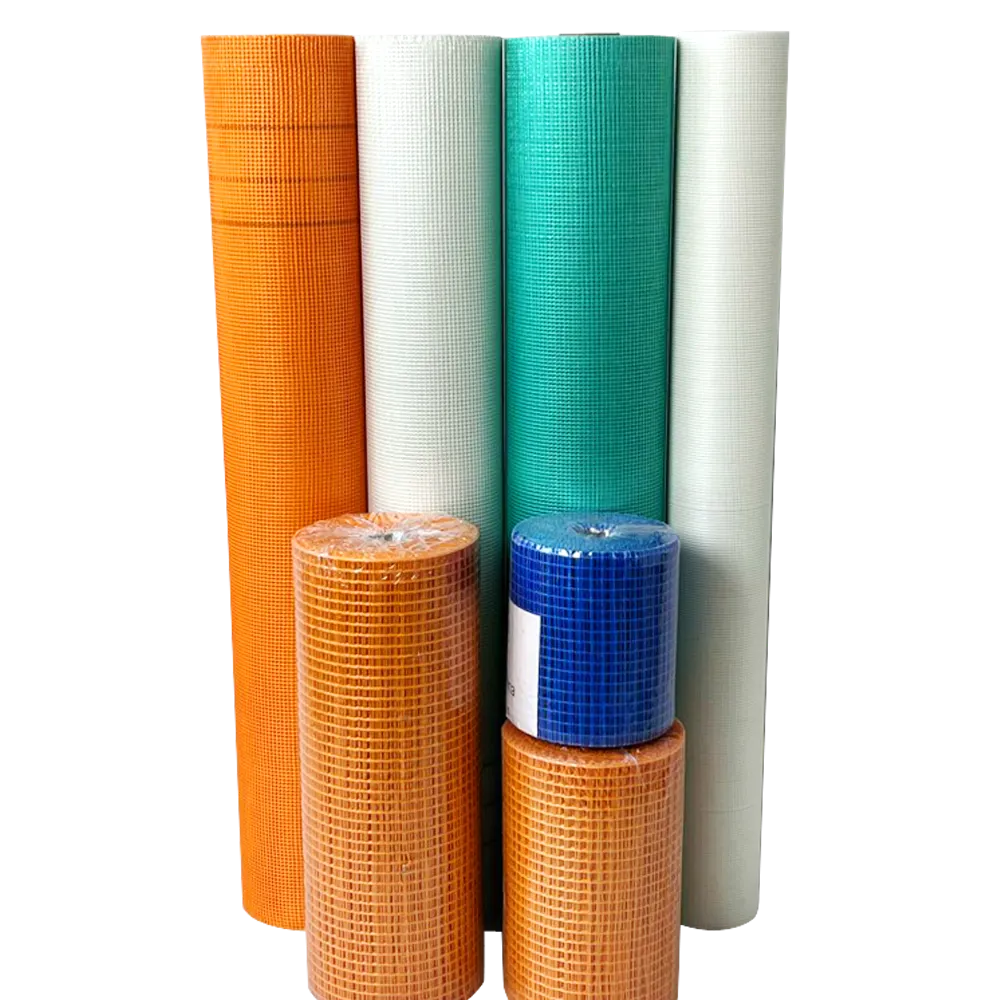
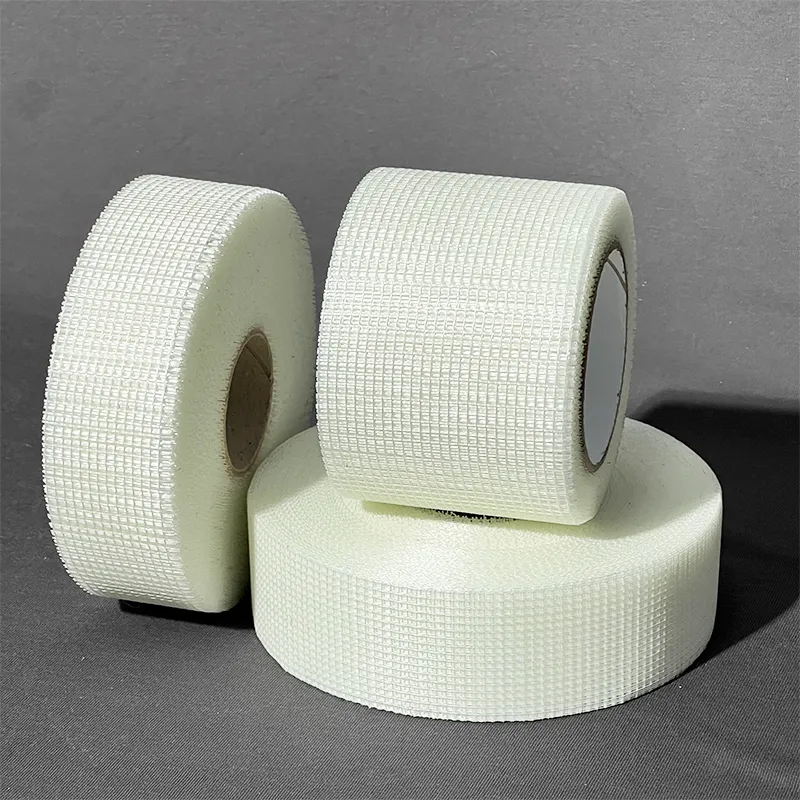
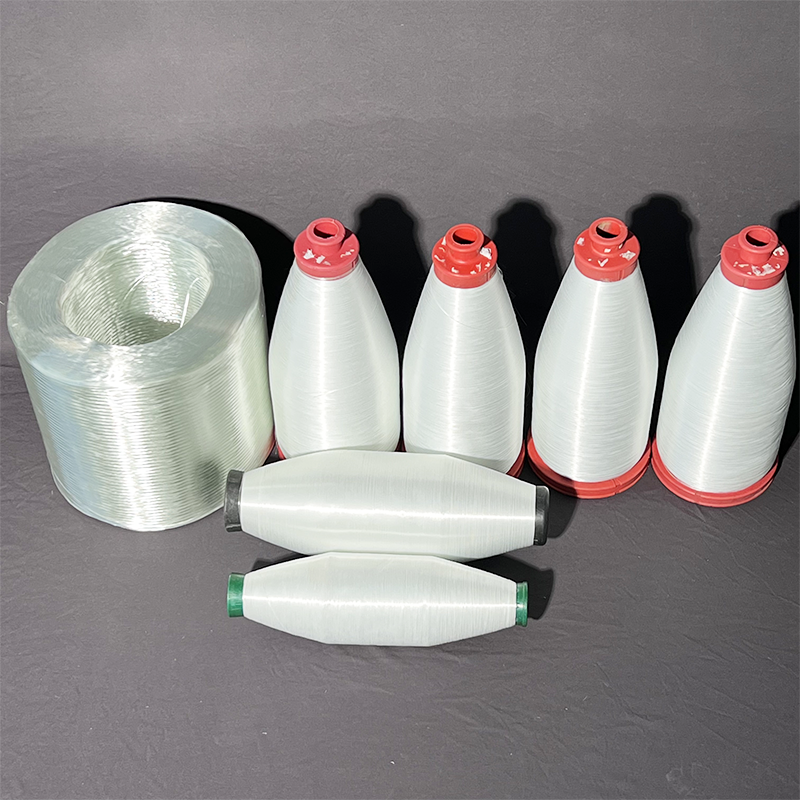
High-Performance alkali resistant fiberglass mesh Solutions for Ecuador Construction

Advanced reinforcement systems engineered to withstand the seismic activity and diverse climatic conditions of the Ecuadorian landscape.

High-Performance alkali resistant fiberglass mesh Solutions for Ecuador Construction

Providing professional-grade reinforcement materials that ensure structural integrity and crack prevention for residential and commercial projects across South America.

Construction Landscape and Material Demands in Ecuador

Analyzing the impact of Andean geography and coastal humidity on wall reinforcement.

In Ecuador, the construction industry faces unique challenges due to the country's high seismic activity and the varied humidity between the Guayas coast and the Andean highlands. The traditional use of simple mortar often leads to severe cracking, creating a critical demand for high-quality fiberglass mesh fabric to stabilize external and internal wall surfaces.

The humid tropical climate in cities like Guayaquil accelerates the degradation of standard building materials. The alkaline nature of cement, combined with moisture, requires the adoption of alkali resistant fiberglass mesh to prevent the glass fibers from corroding, ensuring that the reinforcement remains effective for decades.

Currently, there is a significant shift in the Ecuadorian market towards rapid urbanization in Quito and Cuenca. This has led to an increased adoption of drywall systems, where drywall fiberglass mesh is becoming the standard for achieving seamless, crack-free joints in modern apartment complexes.
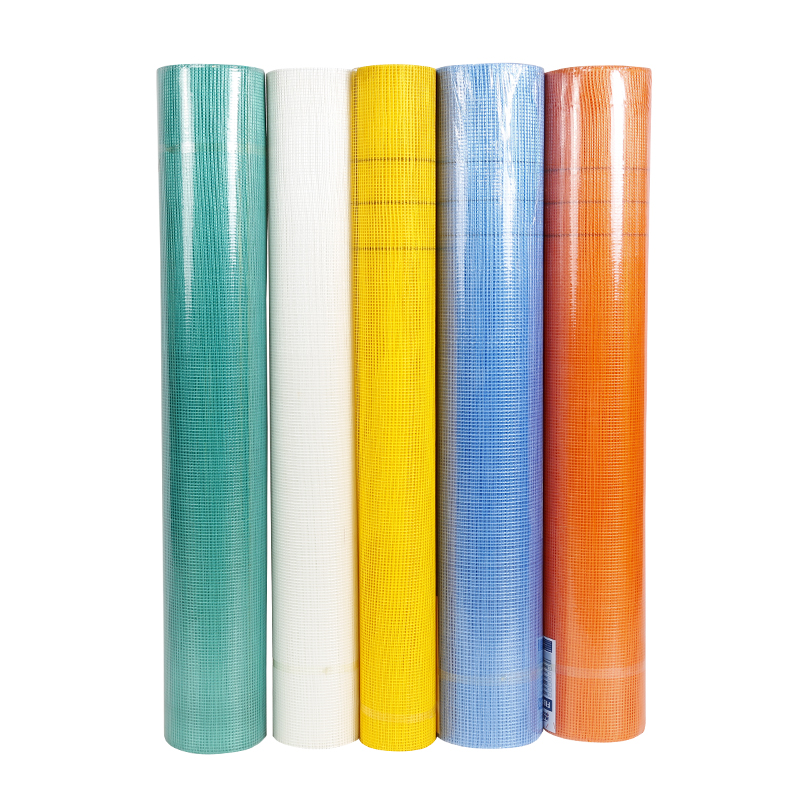
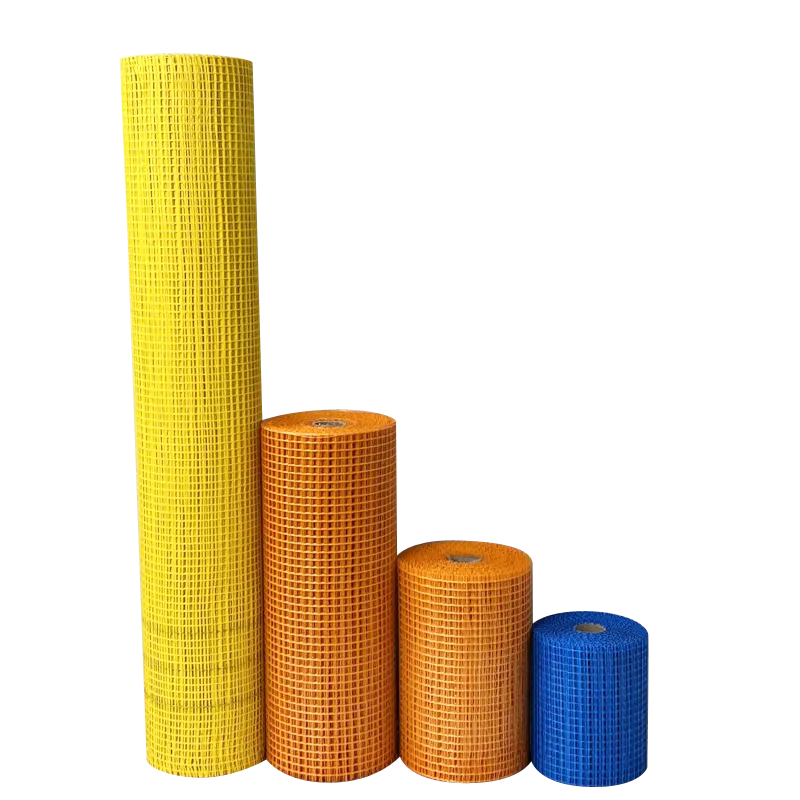
Evolution of Wall Reinforcement in the Ecuadorian Market

From traditional wire mesh to advanced polymer-based fiberglass technology.

Market Development History

Until the early 2000s, the Ecuadorian market relied heavily on expanded metal lath and basic wire mesh. While these provided basic strength, they were prone to oxidation and lacked the flexibility needed for the intricate plastering work common in colonial-style restorations.

Between 2010 and 2020, the introduction of fiberglass mesh for plastering revolutionized the local industry. Contractors began realizing that fiberglass offered a superior strength-to-weight ratio and complete immunity to rust, which is essential for coastal regions.

In the last three years, the trend has shifted toward efficiency. The adoption of self adhesive fiberglass mesh has reduced installation time by 30%, allowing developers to meet tighter deadlines in the booming real estate sectors of Quito.

Future Development Trends

Integration of Smart Polymers

We anticipate a shift toward meshes infused with moisture-wicking polymers to better handle the extreme humidity of the Amazon basin.

Eco-Friendly Resin Coatings

Google search trends indicate a rising interest in "sustainable construction" in South America, leading to the development of biodegradable yet durable alkali-resistant coatings.

Prefabricated Modular Mesh Systems

The move toward industrialization will likely see an increase in pre-cut, precision-engineered mesh panels for rapid modular housing projects.

Industry Trends and Strategic Outlook 2024-2028

Predicting the technological trajectory of non-metallic mineral products in Ecuador.

Seismic Resilience Enhancement
Increasing the tensile strength of mesh to absorb seismic energy, reducing wall collapse risks in the Andes region.
Rapid Installation Adoption
Widespread transition to adhesive-backed solutions to lower labor costs and accelerate project timelines.
Alkali-Resistance Optimization
Advanced sizing agents to protect fibers against the highly aggressive alkaline environments of local cement brands.
Digital Specification Integration
Moving toward BIM (Building Information Modeling) compatible material specs for large scale infrastructure.

Industry Outlook

The fiberglass reinforcement sector in Ecuador is poised for a compound annual growth rate (CAGR) increase as the government invests more in public housing and infrastructure. The demand for materials that offer both durability and ease of installation will drive the market away from generic fabrics toward specialized, application-specific meshes.

Furthermore, as international building codes are more strictly enforced in Ecuadorian urban centers, the certification of materials like alkali resistant fiberglass mesh will become a mandatory requirement for all commercial tenders, favoring manufacturers with global quality standards.

Localized Application Scenarios in Ecuador

Real-world implementation of fiberglass technology across diverse Ecuadorian terrains.

1. Coastal Villa Plastering in Guayaquil

Utilizing fiberglass mesh for plastering to prevent salt-air induced corrosion and thermal expansion cracks in high-end coastal residences.

2. High-Rise Apartment Drywalling in Quito

Implementation of drywall fiberglass mesh in rapid-build luxury condominiums to ensure joint stability against minor seismic tremors.

3. Industrial Warehouse Flooring in Manta

Application of heavy-duty fiberglass mesh fabric within concrete slabs to provide structural reinforcement and reduce shrinkage cracks.

4. Rapid Office Renovations in Cuenca

Using self adhesive fiberglass mesh for fast-paced interior remodeling, allowing for immediate plaster application without waiting for manual anchoring.

5. Public Infrastructure Reinforcement in the Amazon

Deployment of high-density alkali resistant fiberglass mesh in government building projects to combat the extreme humidity and alkaline soil conditions.

Brand Story

Global Development History of Renqiu Tainu Construction Materials Co., Ltd.

Foundational Excellence

Established with a mission to solve the fragility of traditional wall reinforcement, focusing on the chemistry of alkali-resistant glass fibers.

Technological Breakthrough

Developed a proprietary sizing process that dramatically increased the longevity of mesh in high-pH cement environments.

Global Market Expansion

Expanded operations to South America, tailoring product specifications to meet the rigorous seismic standards of regions like Ecuador.

Innovation in Adhesives

Launched the self-adhesive product line, solving the "installation bottleneck" for modern contractors worldwide.

Commitment to Sustainability

Transitioning toward green manufacturing processes to reduce the carbon footprint of non-metallic mineral production.

Frequently Asked Questions - Ecuador Market

Expert answers to the most common technical queries regarding fiberglass mesh application.

How does alkali resistant fiberglass mesh perform in coastal Guayaquil?

It is specifically designed for such environments; the alkali-resistant coating prevents the glass from reacting with cement and salt air, ensuring no structural degradation over time.

Is self adhesive fiberglass mesh suitable for the high humidity of the Amazon region?

Yes, our adhesive is engineered to maintain strong initial tack even in humid conditions, provided the substrate is clean and dry during application.

Can drywall fiberglass mesh withstand the frequent tremors in Quito?

Absolutely. It provides superior tensile strength across joints, allowing the wall to flex slightly without developing the unsightly cracks typical of paper tape.

What is the best way to use fiberglass mesh for plastering on old colonial walls?

We recommend embedding the mesh into a thin base coat of polymer-modified mortar to ensure a mechanical bond with the historical masonry.

Why should I choose fiberglass mesh fabric over traditional steel mesh?

Fiberglass is non-corrosive, lighter to transport, easier to cut, and provides more uniform reinforcement across the entire surface area.

What weight of alkali resistant fiberglass mesh is recommended for external EIFS?

For external insulation and finish systems in Ecuador, we generally recommend 145g/m² to 160g/m² for optimal crack control.

Ready to Reinforce Your Project?

Connect with our technical experts to get the right fiberglass solutions for your construction needs in Ecuador.

Contact Us Now
You have selected 0 products