Dec . 01, 2025 08:25 Back to list
Durable Fiberglass Mesh for Plastering Companies | Tainuo Fiberglass Mesh
Fiberglass Mesh for Plastering Companies: Why It Matters in Today's Construction Landscape
If you've ever wondered what gives modern plastered walls their resilience and crack resistance, the answer often lies in an unassuming hero: fiberglass mesh. For plastering companies, understanding and using fiberglass mesh isn’t just an option — it’s often a necessity, globally. This material is especially vital in delivering longer-lasting, sustainable building envelopes across diverse environments, from scorching deserts to rainy coastal areas.
At its core, fiberglass mesh for plastering companies strengthens plaster layers, making them more durable against shrinkage, impact, and environmental stress. This not only cuts down costly repairs but feeds into broader goals of sustainability and construction safety worldwide. And with the urban population expected to reach 68% by 2050 (per UN data), the demand for robust, efficient construction materials like fiberglass mesh isn’t slowing anytime soon.
The Global Context: Why Fiberglass Mesh Is More Relevant Than Ever
The construction industry contributes roughly 38% of global carbon emissions, and enhancing the durability and lifespan of building materials is a key mitigation step. Fiberglass mesh, widely adopted in plaster reinforcement, helps reduce material waste by preventing premature surface failures and thus lowering reconstruction frequency — a silent champion against resource squandering.
Moreover, in fast-developing regions and post-disaster reconstruction zones, plasterers face challenges: urgent deadlines, variable material quality, and harsh weather. Fiberglass mesh provides a reliable fabric reinforcement solution that improves plaster adhesion, crack resistance, and tensile strength — essential factors for buildings meant to last decades.
Mini Takeaway:
- Fiberglass mesh strengthens plaster, improving wall durability.
- Its usage supports sustainability by reducing waste and reconstruction.
- The global rise in urban construction demands robust reinforcement methods.
What Exactly Is Fiberglass Mesh for Plastering Companies?
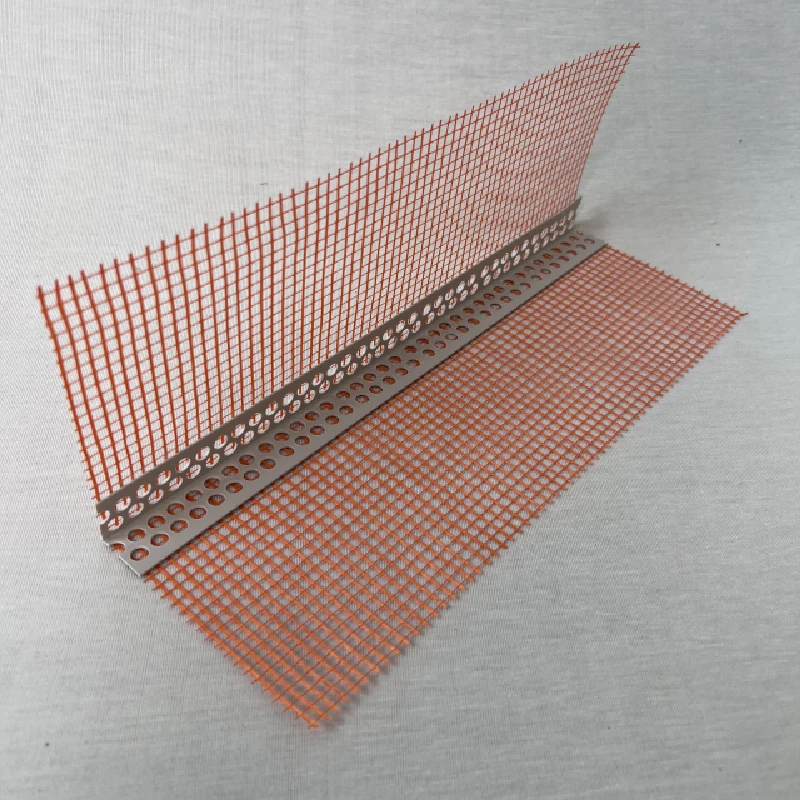
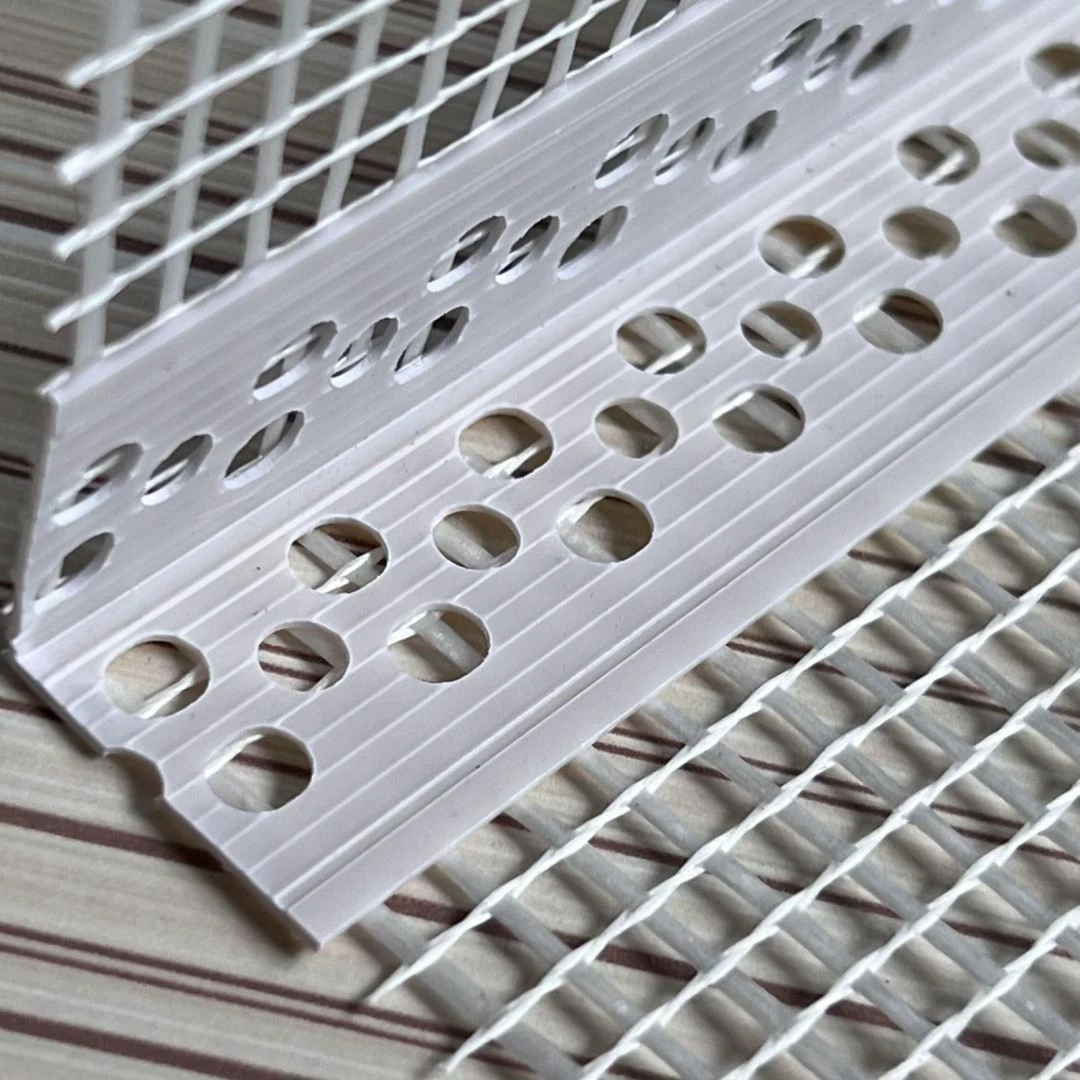
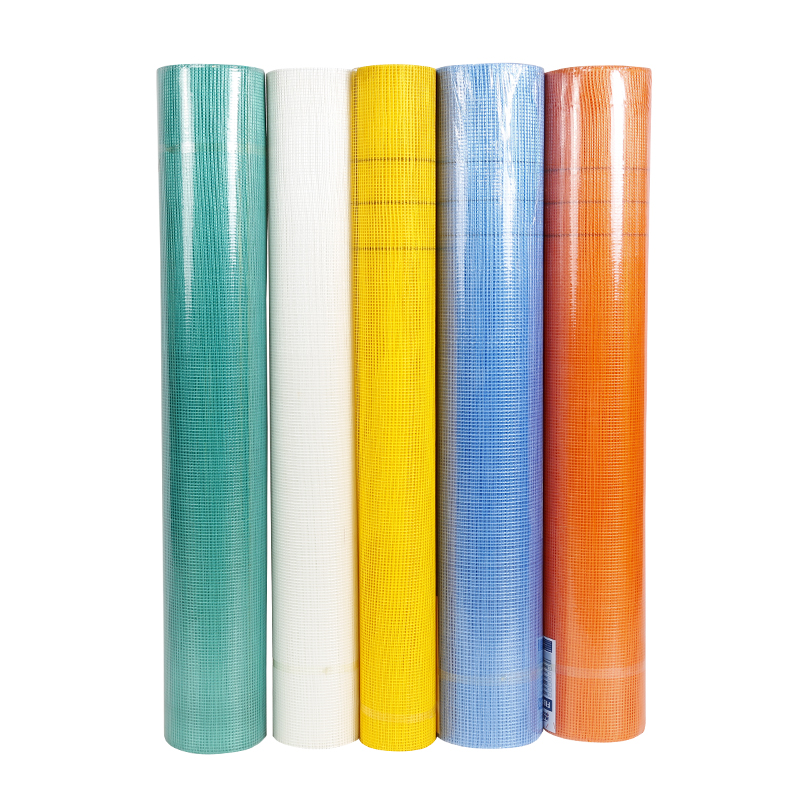
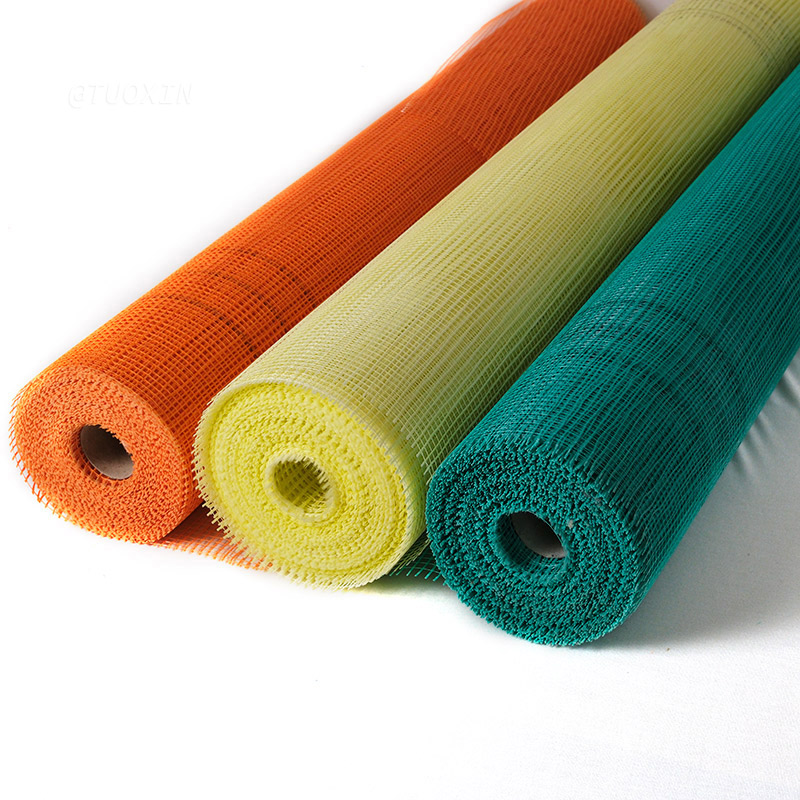
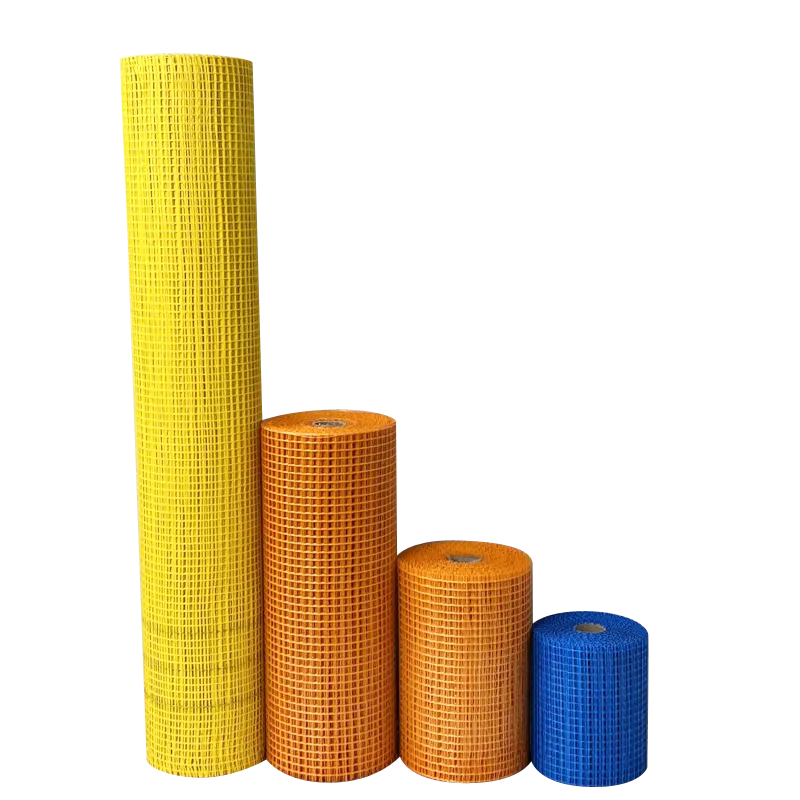
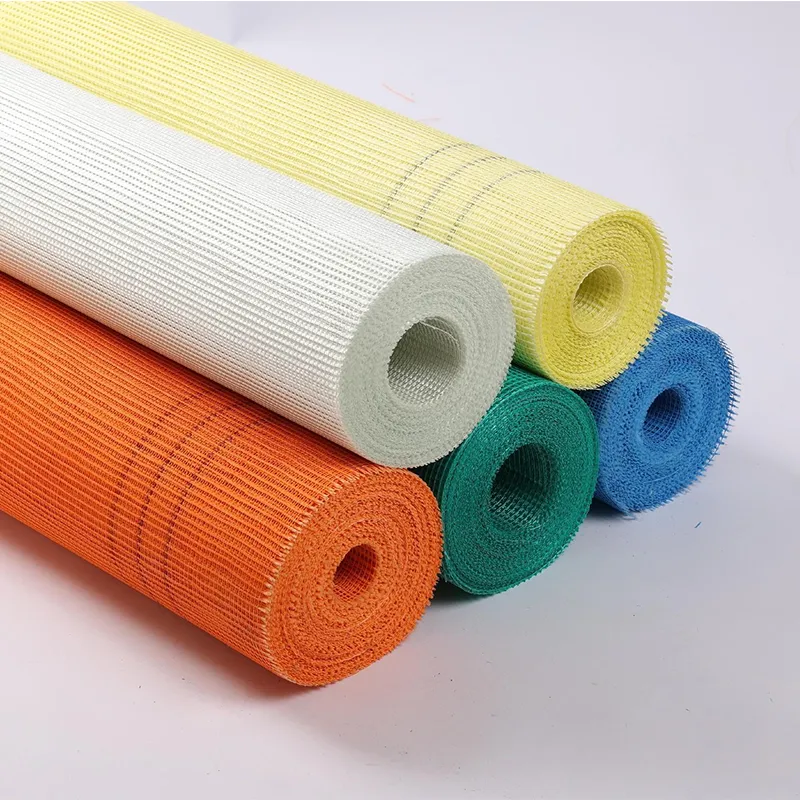
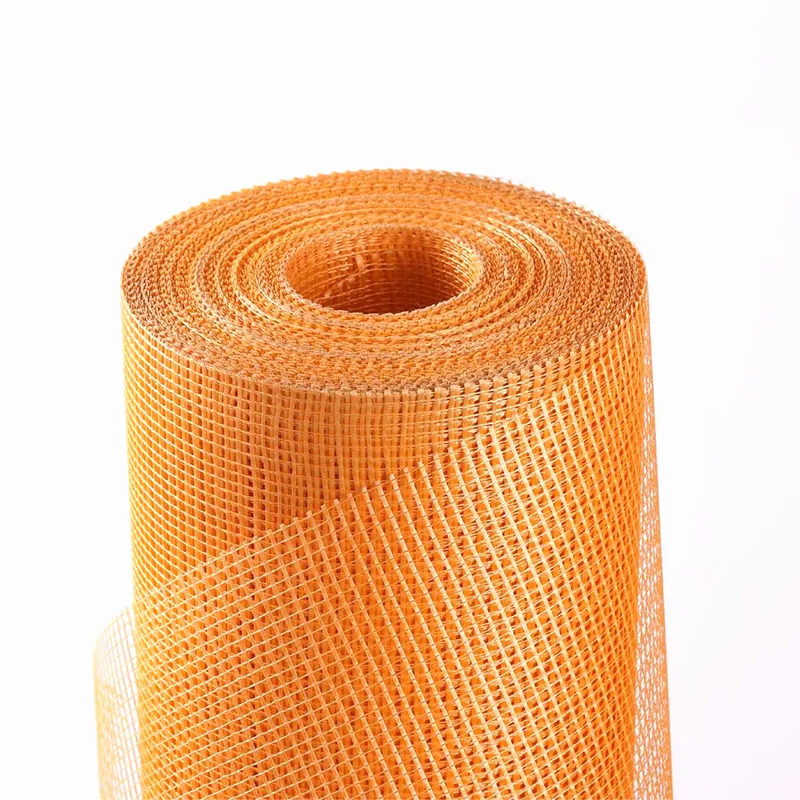
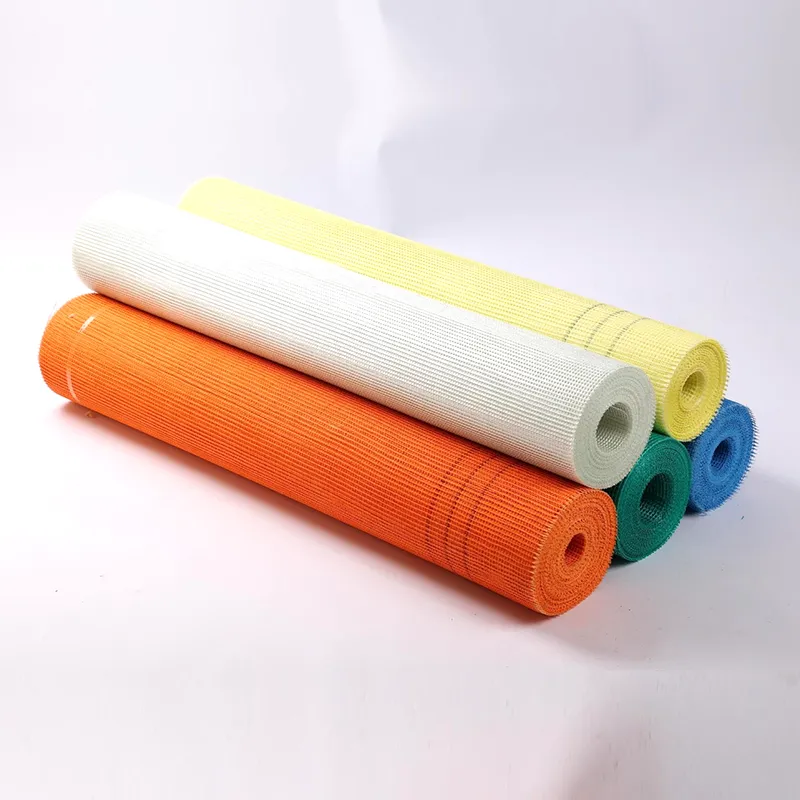
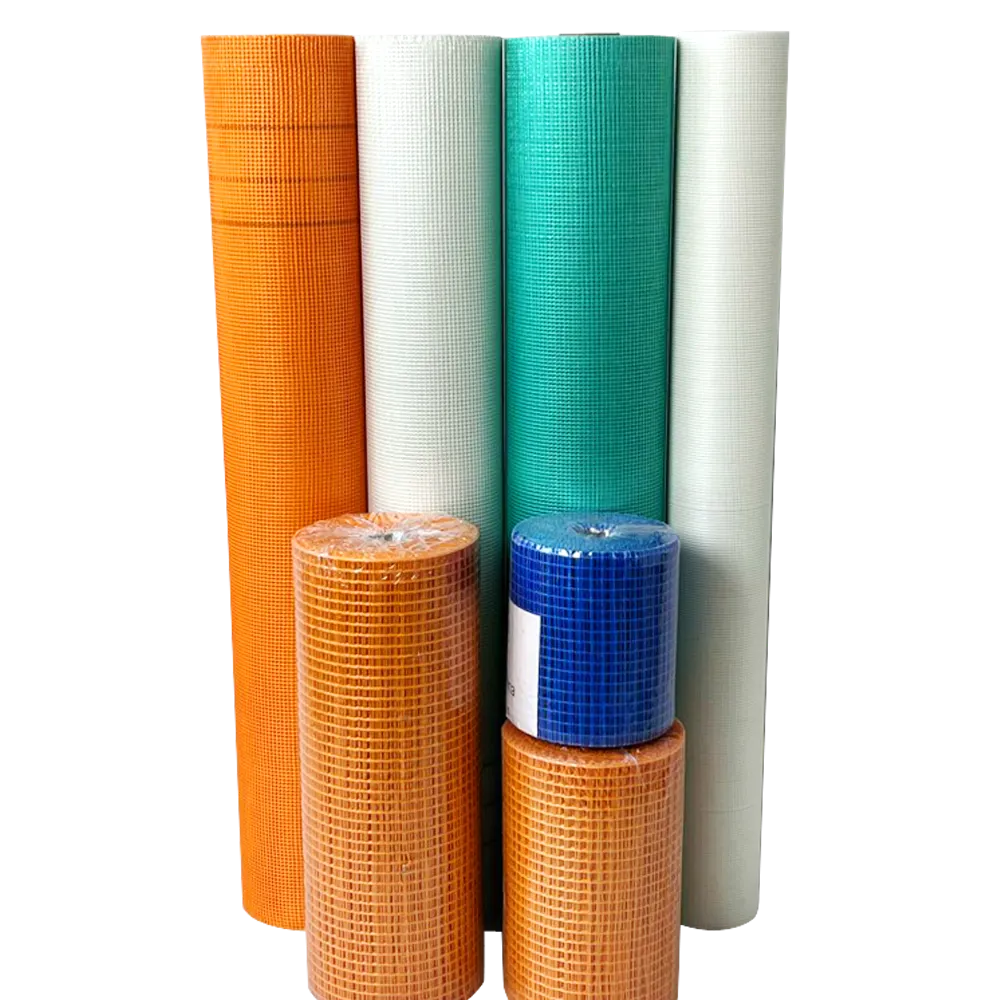
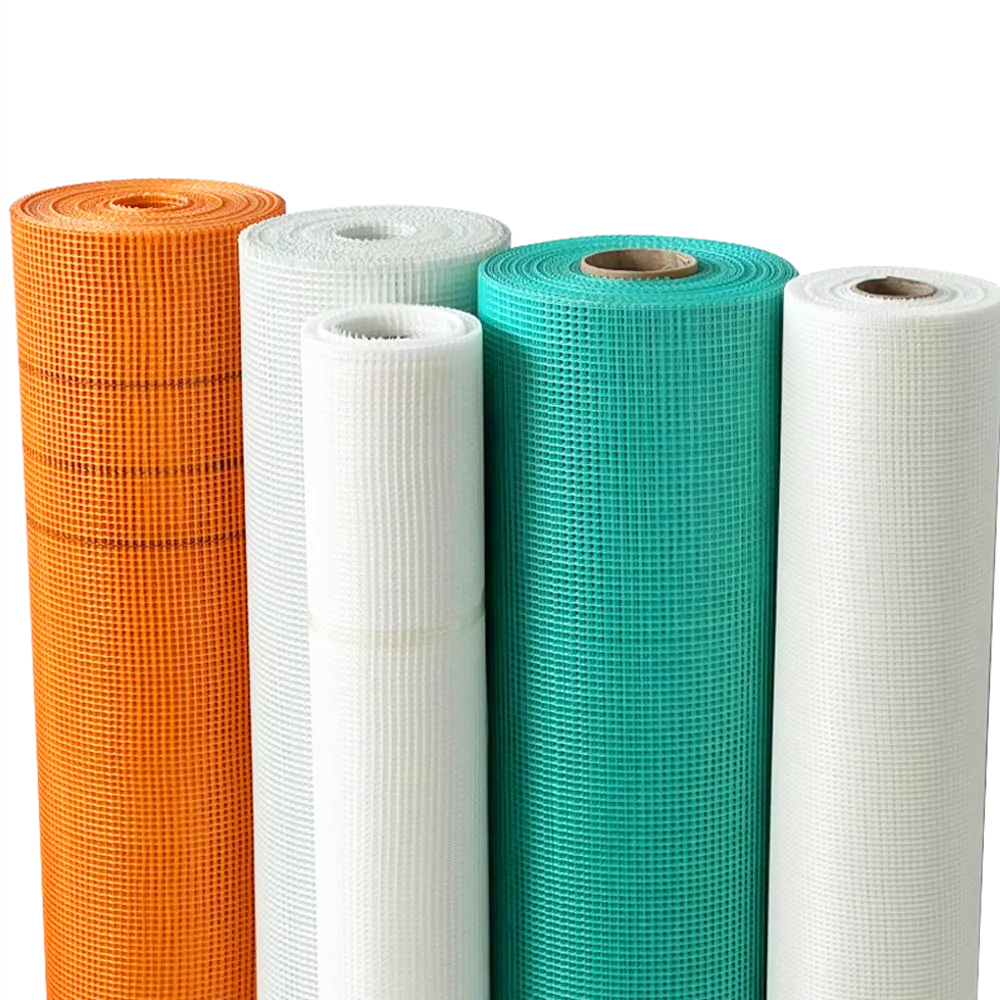
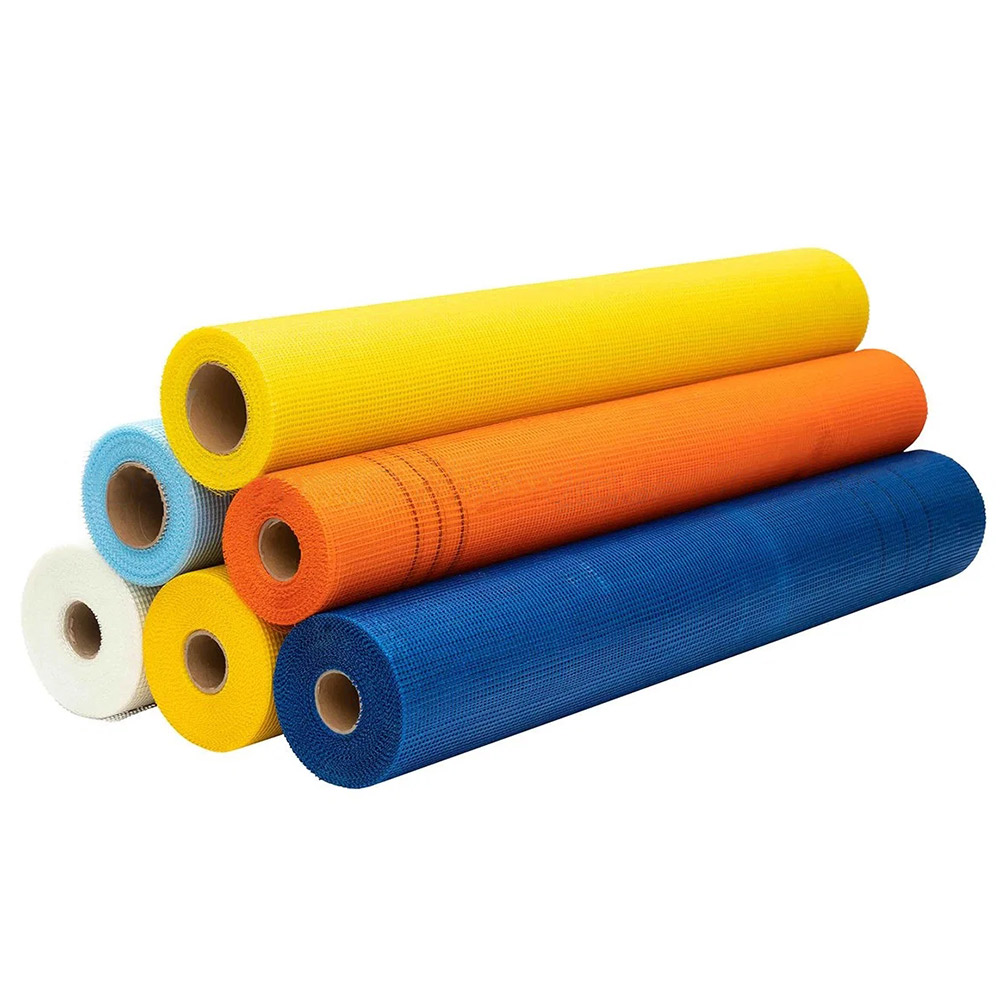
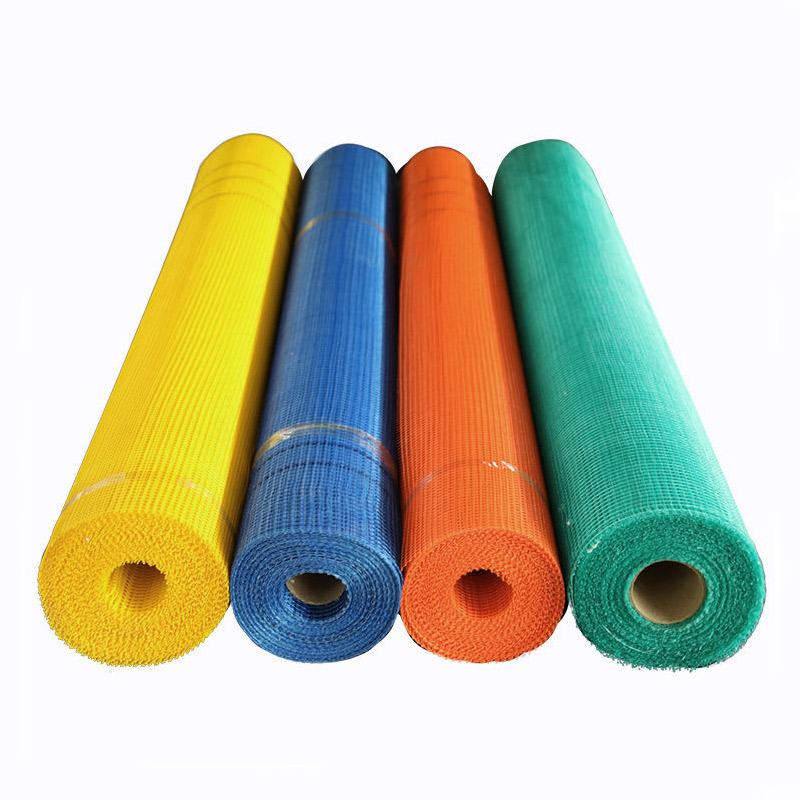
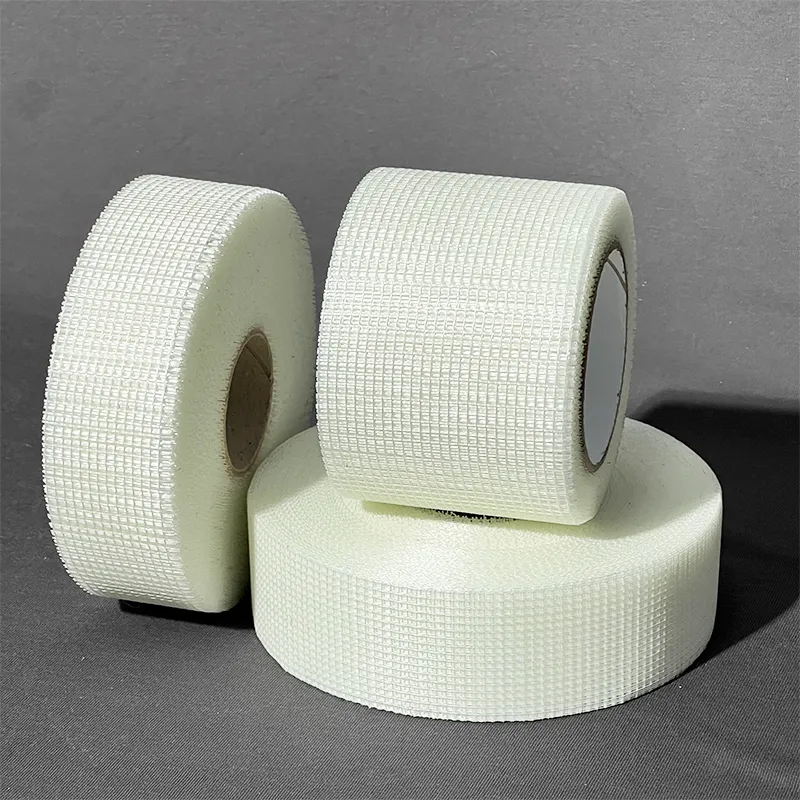
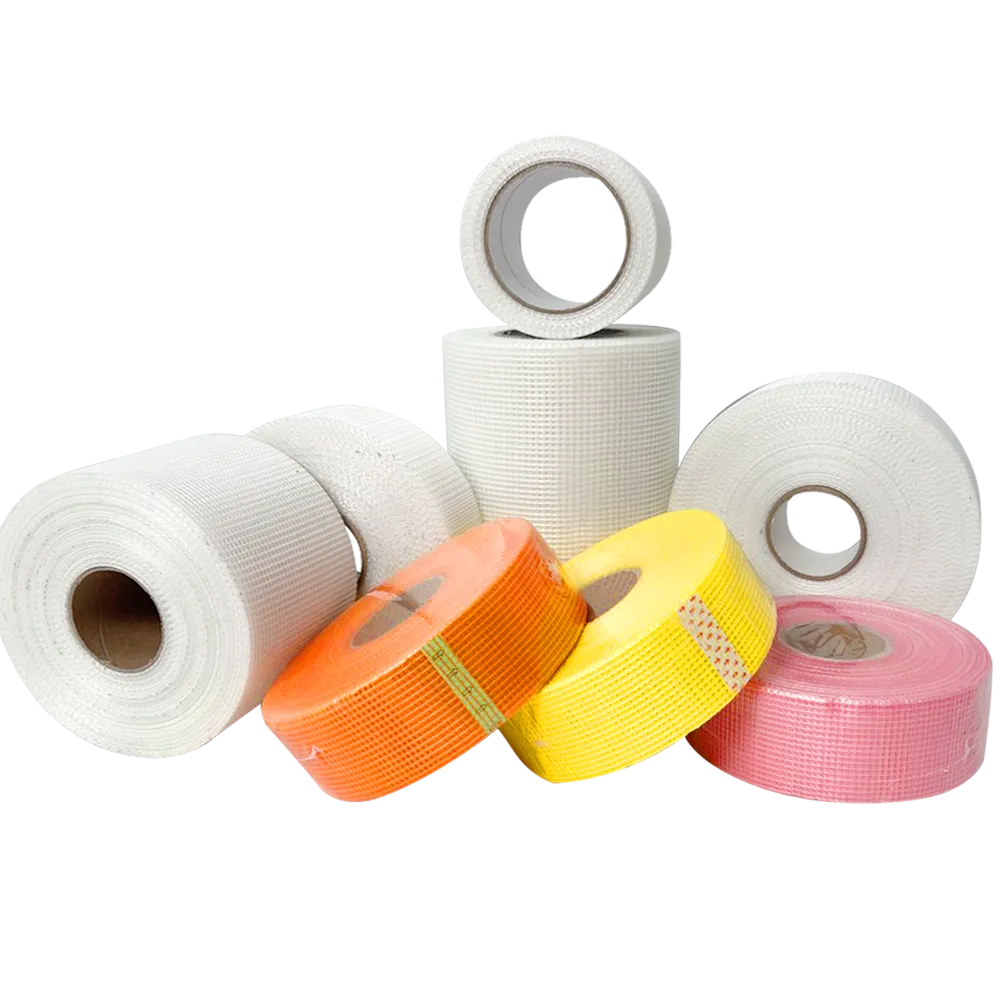
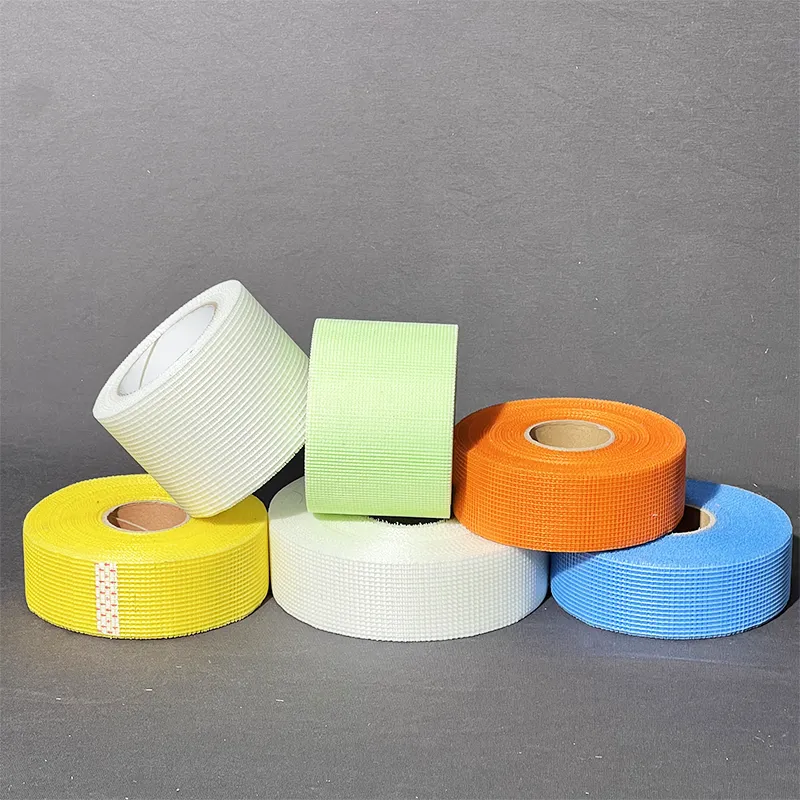
Simply put, fiberglass mesh is a grid-like fabric made from woven glass fibers coated with a special resin. For plastering, it acts as a supporting skeleton embedded within plaster layers or external insulation finishing systems (EIFS). It prevents surface cracks caused by shrinkage, temperature shifts, or structural movement.
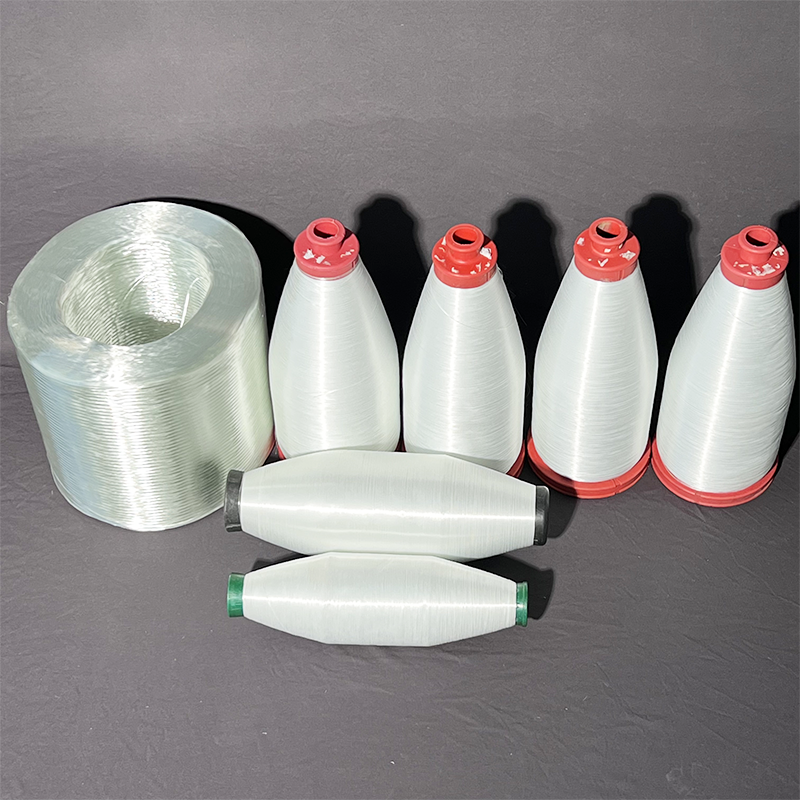
This seemingly simple product is actually a marvel of material engineering. Fiberglass offers strength, dimensional stability, and resistance to alkaline environments typical of cement-based plasters. Because it doesn’t rust, rot, or degrade easily, fiberglass mesh is preferred over traditional metal lath or synthetic fibers in many industrial and humanitarian construction settings.
Mini Takeaway:
- Fiberglass mesh is woven glass fiber fabric coated to resist alkaline plaster.
- Used as reinforcement inside plaster layers to prevent cracking.
- Offers advantages over metal or synthetic reinforcement materials.
Core Components and Properties of Fiberglass Mesh
1. Durability
Fiberglass mesh can withstand harsh chemical environments and UV exposure — meaning it won’t degrade or corrode easily when embedded in cement-based plaster. This durability directly translates to longer plaster life spans, which benefits plastering companies aiming for reputation and efficiency.
2. Flexibility and Elasticity
While strong, fiberglass mesh retains enough elasticity to flex with building movements without fracturing. This flexibility reduces risks of plaster cracks caused by settlement or temperature movement — particularly vital in seismic or high-temperature zones.
3. Ease of Application
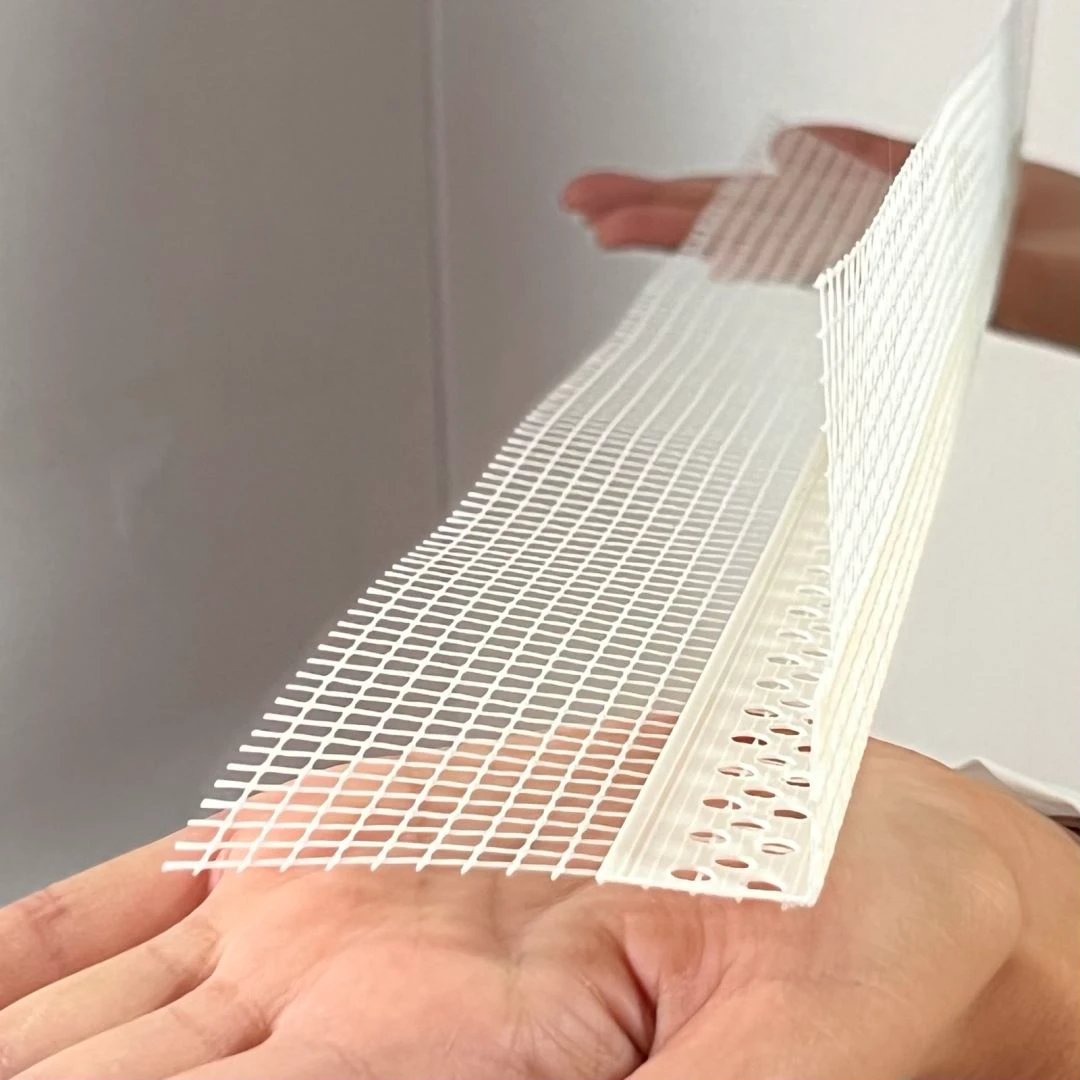
Lightweight and easy to cut, mesh sheets conform well to different wall shapes and plaster thicknesses. This facilitates smoother installation on job sites — a practical win for plastering teams facing tight schedules or complex designs.
4. Cost Efficiency
Though more costly upfront than some alternatives, fiberglass mesh reduces maintenance and repair expenses significantly. Its durability and crack prevention translate to fewer callbacks — which sometimes feels like magic when budgets tighten.
5. Chemical Resistance
Resistant to alkalis commonly found in cement, fiberglass mesh ensures long-term structural integrity and prevents premature breakdown of the reinforcement layer.
Mini Takeaway:
- Durable and chemical resistant against harsh plaster environments.
- Flexible enough for various substrates and temperature changes.
- Cost-effective over the long term, despite moderate upfront cost.
Global Applications and Real-World Use Cases
The demand for fiberglass mesh spans continents and industries. In Europe and North America, it’s a standard in finishing facades and EIFS insulation systems, ensuring energy-efficient buildings retain smooth, crack-free surfaces.
In earthquake-prone regions like Mexico and Japan, engineers rely on fiberglass mesh reinforcement in plaster to improve seismic resilience. Post-disaster aid groups also bring fiberglass mesh into temporary housing projects for refugee camps — for instance, UNHCR uses it as part of weather-resistant wall panel assemblies in Africa.
Meanwhile, rapidly urbanizing Asian cities see plastering companies adopting fiberglass mesh as a staple in new low-cost housing and commercial building developments. The increased awareness of sustainability standards and ISO certifications pushes this trend further.
Mini Takeaway:
- Used worldwide in facade finishing, EIFS, and seismic reinforcement.
- Key material in humanitarian housing projects and fast urbanization zones.
- Supports compliance with international sustainability and quality standards.
Fiberglass Mesh Product Specification at a Glance
| Specification | Typical Value | Unit |
|---|---|---|
| Mesh Size | 4 x 4 to 12 x 12 | mm |
| Weight | 55 - 180 | g/m² |
| Tensile Strength (warp/weft) | ≥ 400/400 | N/50mm |
| Alkali Resistance | ≥ 90% | Retention % after 28 days |
| Roll Dimensions | 1/1.2m x 50m | meters |
Comparing Leading Fiberglass Mesh Vendors for Plastering
| Vendor | Material Quality | Price (per roll) | Delivery Time | Technical Support |
|---|---|---|---|---|
| Tainuo Fiberglass | Premium-grade alkali-resistant | $120 | 7-10 days | 24/7 Multilingual support |
| MeshPro Supplies | Standard alkali-resistant | $105 | 10-14 days | Business hours support |
| Global Mesh Tech | Industrial-grade heavy mesh | $140 | 5-7 days | Technical consultation included |
Advantages and Long-Term Value of Fiberglass Mesh in Plastering
Fiberglass mesh clearly offers cost savings for plastering companies by reducing the frequency of repairs due to cracking and impact damage. It can make a wall impervious to crazing (those annoying fine cracks) which frankly, can kill a finished look and pump up maintenance expenditures.
From a sustainability point of view, fewer repairs mean less raw material consumption, translating into a smaller carbon footprint. Furthermore, by enhancing the longevity of plaster layers, the mesh indirectly promotes social benefits — safer and more resilient housing means better health and dignity for occupants, especially in vulnerable communities.
Emotionally, knowing a building's finish is reinforced with quality mesh created from high-end fibers often brings peace of mind for architects, builders, and homeowners alike. Innovation in mesh production also continues, improving product life spans and environmental credentials.
Mini Takeaway:
- Reliable in protecting plaster against cracking and failure.
- Supports greener construction and social wellbeing.
- Enhances trust and satisfaction with finished works.
Emerging Trends and Innovations in Fiberglass Mesh Technology
Oddly enough, you might not expect fiberglass mesh to evolve much, but innovations are ongoing. Researchers continue to improve resin coatings to boost alkali resistance and UV stability. Some recent developments include meshes incorporating nano-silica particles for increased mechanical strength and reduced weight.
Also, digital transformation is influencing production quality through AI-driven monitoring systems ensuring uniform mesh tightness and material consistency. Sustainability trends push vendors to produce more recyclable fiberglass products and reduce manufacturing emissions.
On the policy front, green building certifications (e.g., LEED, BREEAM) encourage plastering companies to specify mesh products with environmental transparency and lifecycle assessments — increasingly differentiators in competitive bids.
Challenges and Solutions in Working with Fiberglass Mesh
One frequent challenge is ensuring proper embedding of mesh into plaster layers without wrinkles or exposure, which can cause weak points liable to cracking or delamination. Many engineers emphasize training for plastering crews and suggest pre-cut mesh sizes tailored to specific projects to reduce onsite errors.
Another issue is compatibility with different plaster types — cementitious vs. lime-based — which can affect adhesive quality. Testing and matching mesh coatings accordingly is vital. Vendors like Tainuo Fiberglass Mesh offer technical consulting to help plastering companies tailor the product perfectly.
FAQ: Common Questions About Fiberglass Mesh for Plastering Companies
- Q: How long does fiberglass mesh typically last inside plaster walls?
A: When properly embedded and protected by plaster, fiberglass mesh can last decades, often matching the lifespan of the substrate itself (20+ years). UV protection and alkali-resistant coatings are key. - Q: Can fiberglass mesh be used with both internal and external plastering?
A: Yes, fiberglass mesh is versatile and designed for both interior and exterior plaster reinforcement, providing crack control and impact resistance. - Q: Is fiberglass mesh compatible with all plaster types?
A: Most meshes are compatible with cementitious plasters and render, but it’s important to confirm coating compatibility when used with lime or acrylic plasters to avoid adhesion issues. - Q: How should mesh rolls be stored to maintain quality?
A: Keep rolls in dry, shaded areas away from direct sunlight and moisture. This prevents degradation of the resin coating and maintains flexibility. - Q: Where can plastering companies buy quality fiberglass mesh?
A: Reputable suppliers like Tainuo Fiberglass Mesh offer certified alkali-resistant mesh with global shipping and technical support.
Wrapping Up: Why Fiberglass Mesh Is a Building Essential
In the grand scheme, fiberglass mesh for plastering companies may sound niche but it’s foundational. Its role in promoting durable, sustainable construction directly contributes to economic savings, environmental stewardship, and safer, better buildings. The market’s growing appetite only underscores this fact, with innovations making it smarter, stronger, and more accessible.
For plasterers seeking quality, consistency, and technical partnership, Tainuo Fiberglass Mesh stands out as a reliable provider worth exploring. After all, in construction, the details matter — and mesh isn’t the kind of detail you want to skip.
References
-
Best Fiberglass Mesh Tape for RedGard Product Waterproofing GuideNewsApr.16,2026
-
Why High Strength Fiberglass Mesh Is Essential For Stucco ApplicationNewsApr.15,2026
-
Why Alkali Resistant Fiberglass Mesh Tape Is Essential For Cement Board And Tile InstallationsNewsApr.15,2026
-
Understanding The Role Of Drywall Fiberglass Mesh In Interior FinishingNewsApr.15,2026
-
Ultimate Guide To Using Fiberglass Mesh Tape For Drywall And Plaster RepairsNewsApr.15,2026
-
The Versatility Of Fiberglass Mesh In Marble And Stone MosaicNewsApr.15,2026