Dec . 01, 2025 19:10 Back to list
Durable and Innovative Fiberglass Mesh for Plastering Manufacturers | Global Solutions
Understanding Fiberglass Mesh for Plastering Manufacturers: Why It Matters Worldwide
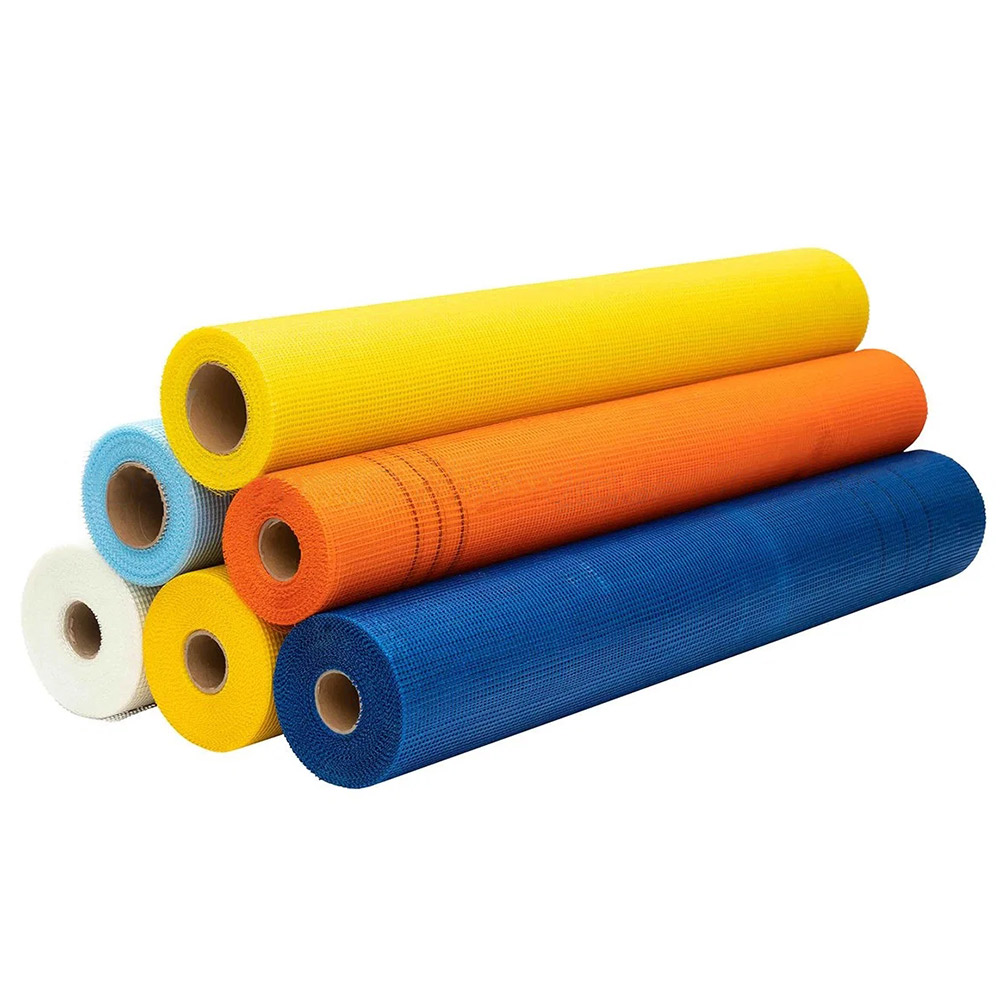
Let’s start with the basics — fiberglass mesh for plastering manufacturers isn’t just some niche building material. It’s actually a critical component in today’s construction and renovation industries, touching everything from residential homes to large-scale infrastructure projects and even humanitarian efforts. Why? Because it reinforces plaster and renders, improves durability, and helps avoid cracks and other damage that can spike repair costs or compromise safety. Globally, as urbanization intensifies and climate challenges force us to rethink building resilience, the humble fiberglass mesh quietly supports stronger, longer-lasting walls. The key benefits? Enhanced tensile strength, excellent alkali resistance, and lightweight flexibility. Plus, its ability to integrate seamlessly into plaster layers makes it a favorite among contractors aiming for efficiency without sacrificing quality.The Global Scope: Setting the Stage for Fiberglass Mesh in Plastering
Now, why should anyone beyond a construction site care about fiberglass mesh? Well, the global construction market is set to exceed $12 trillion by 2025 (source: Statista), and within that, plastering remains a ubiquitous finishing process — whether it’s for aesthetic facades or protective layers. According to the International Organization for Standardization (ISO), quality reinforcement like fiberglass mesh dramatically reduces maintenance overhead, particularly in areas vulnerable to seismic activities or extreme weather. Yet, a challenge persists: many plastering manufacturers grapple with inconsistent raw material quality and supply chain hiccups, which ultimately affect mesh consistency and, of course, performance. The market hankers for reliable, innovative mesh solutions that address these issues without driving up costs.What Exactly Is Fiberglass Mesh for Plastering Manufacturers?
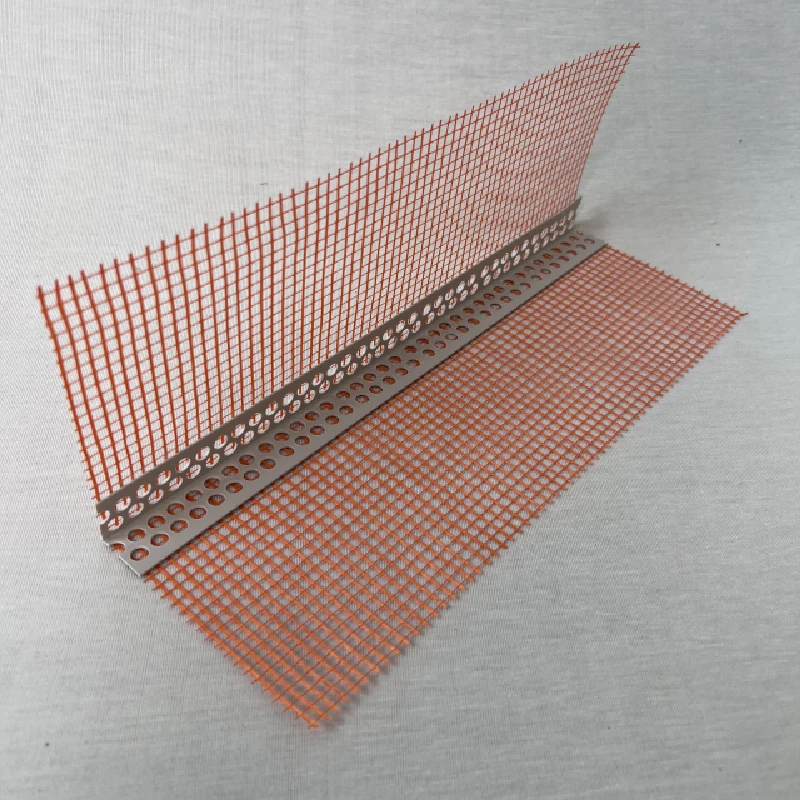
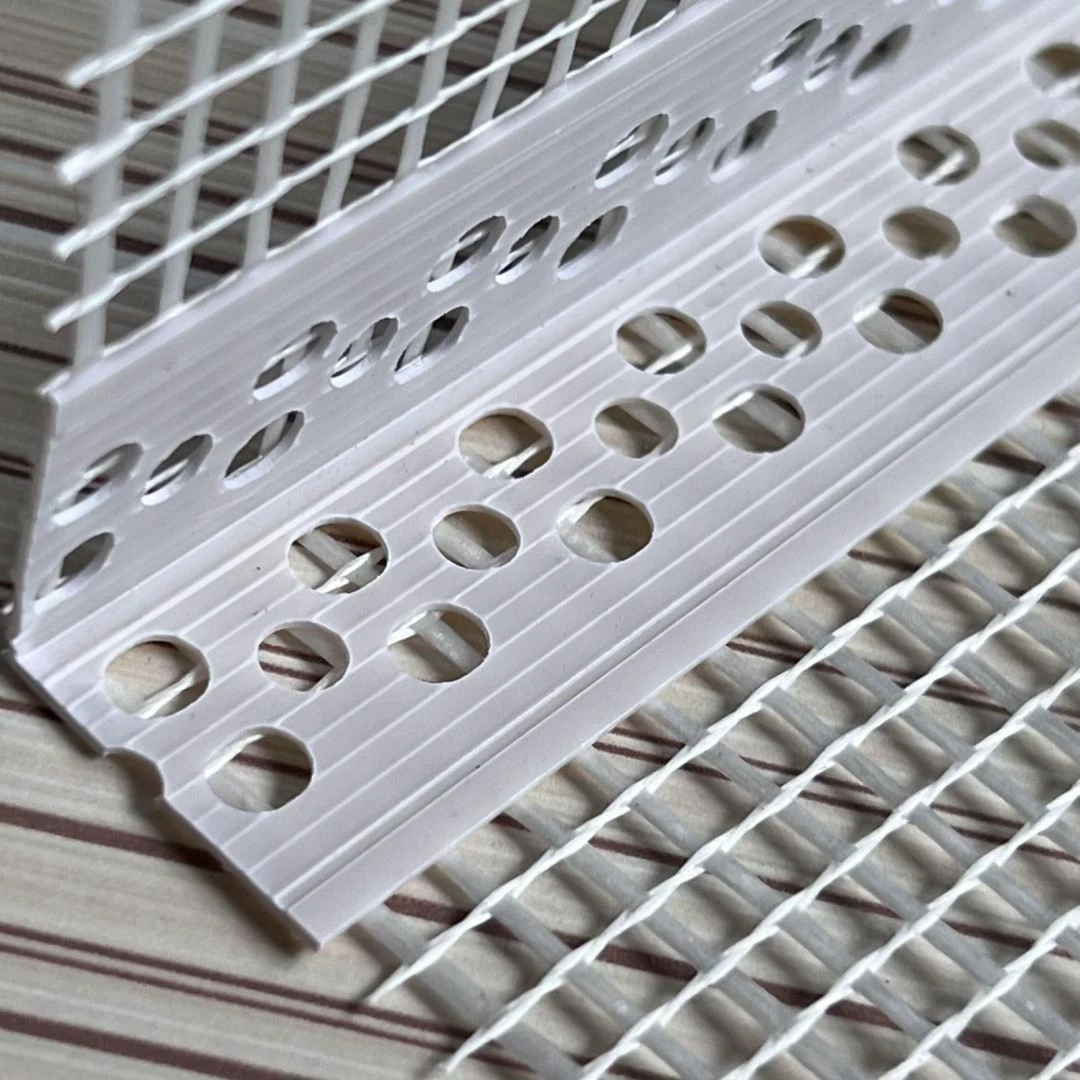
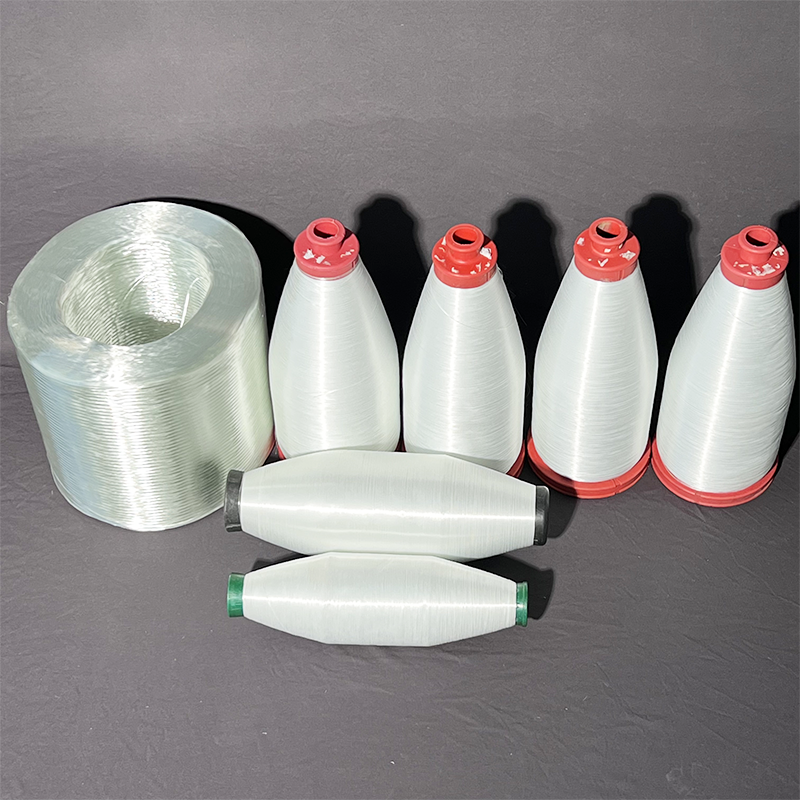
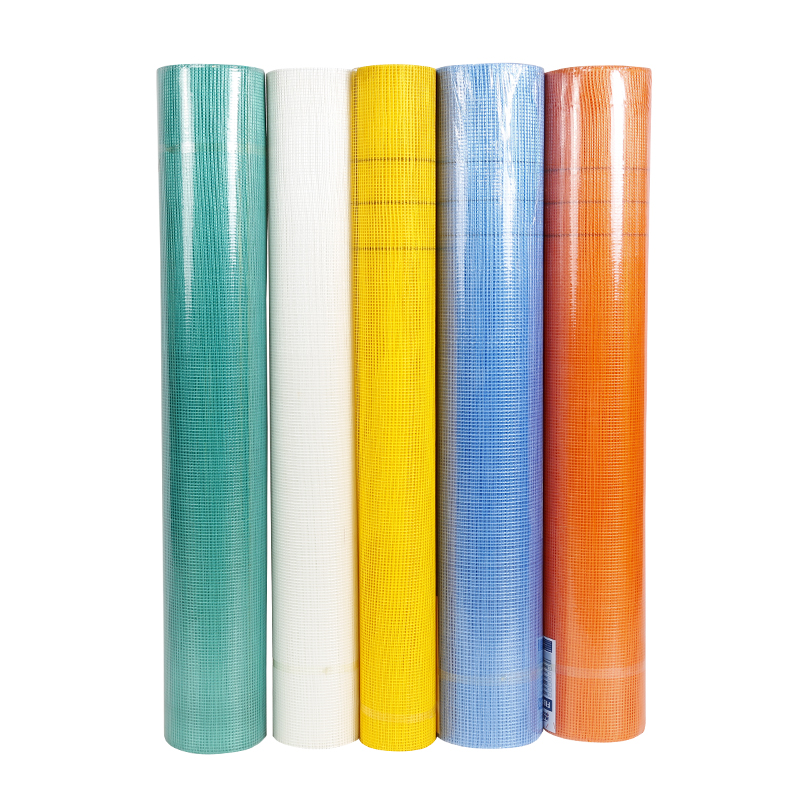
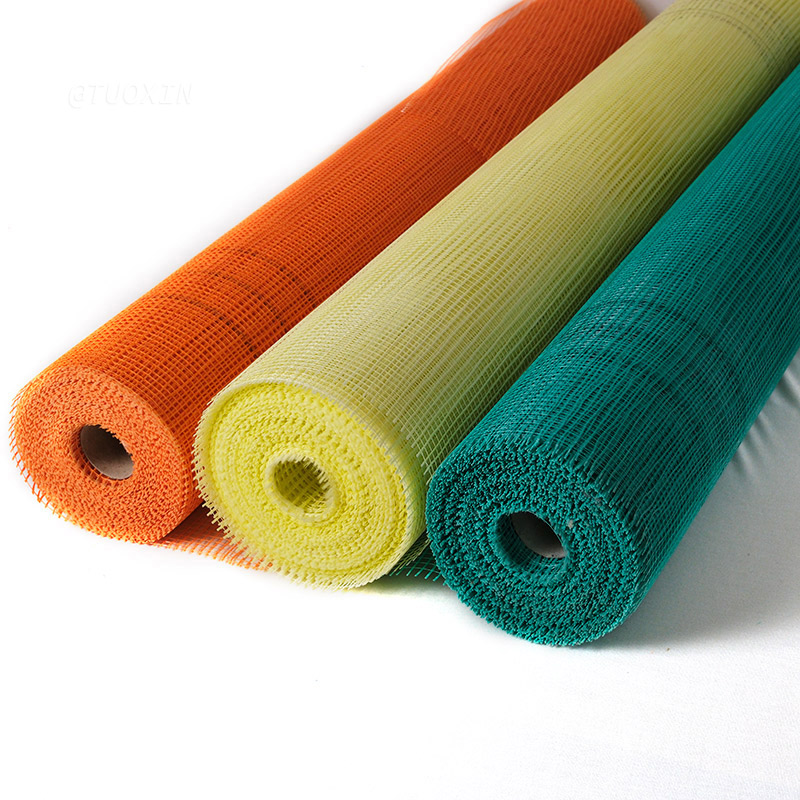
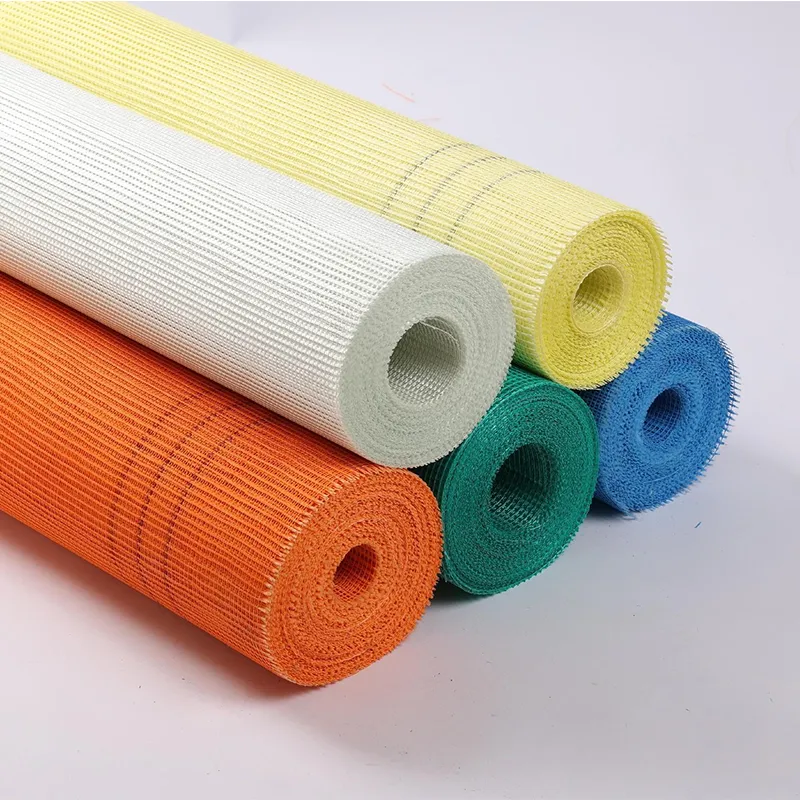
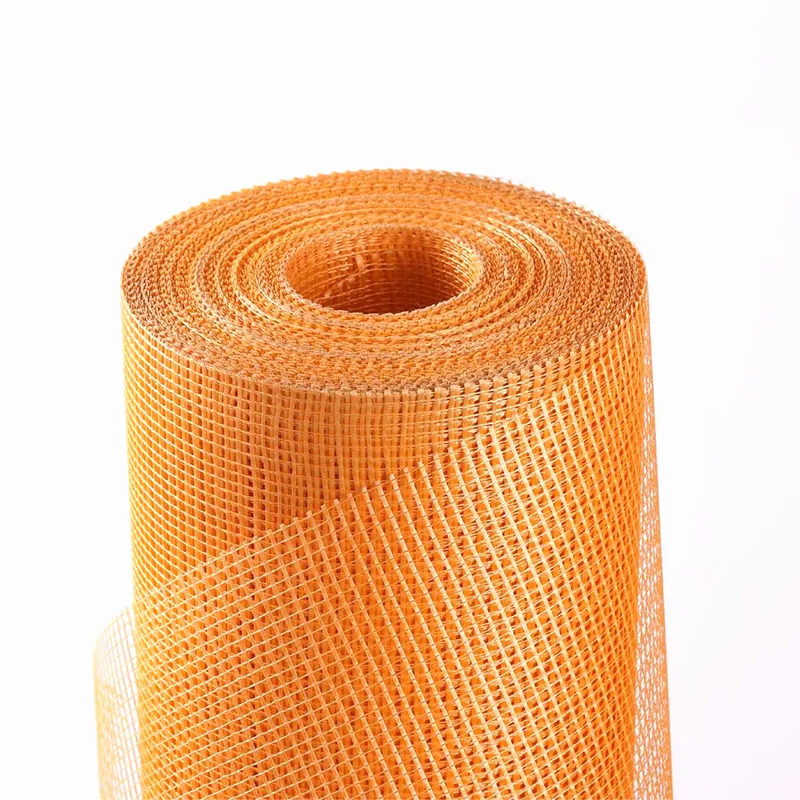
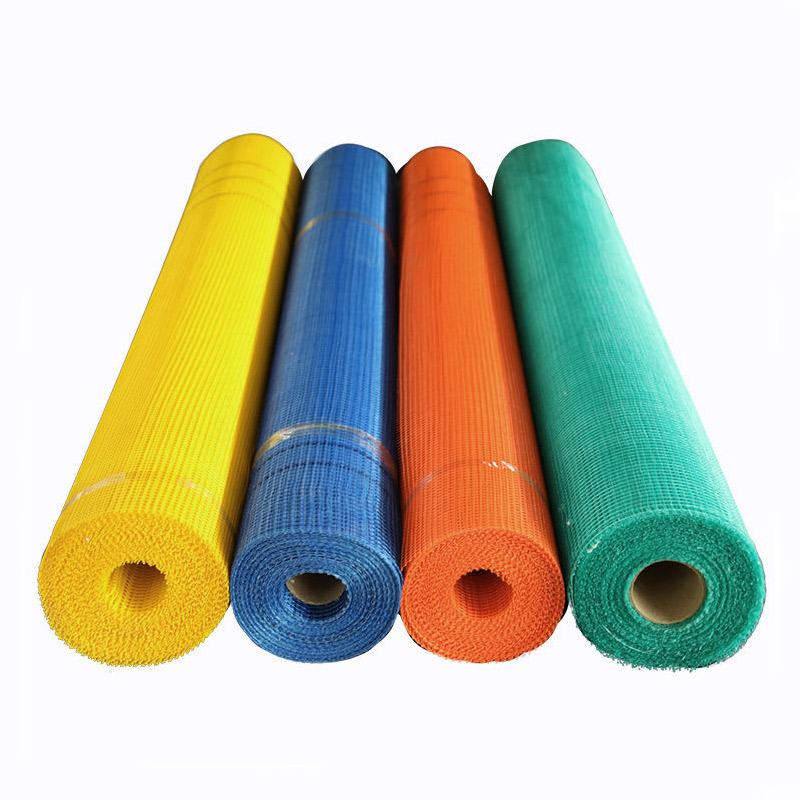
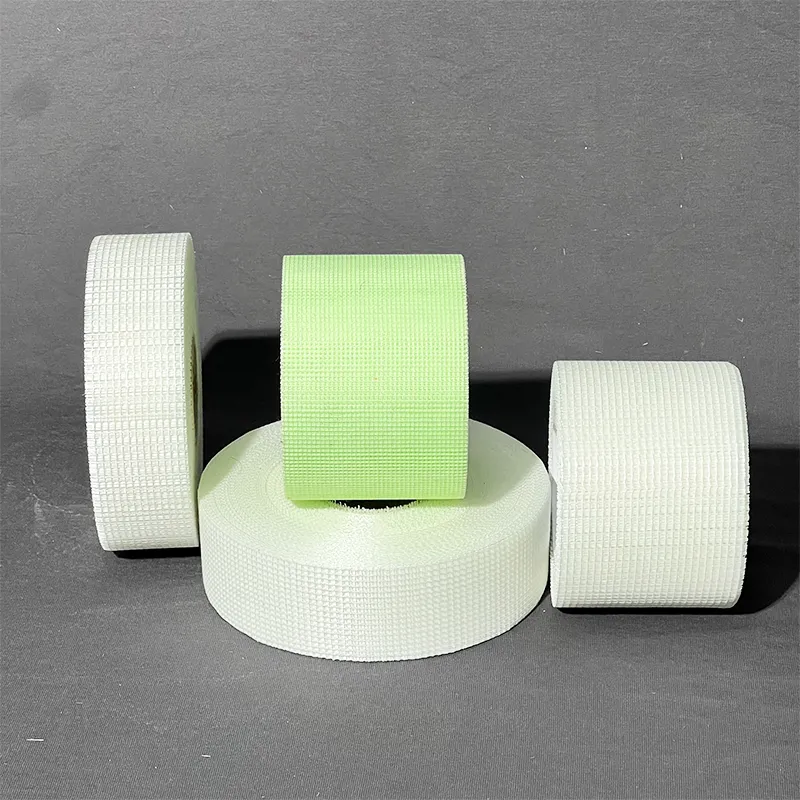
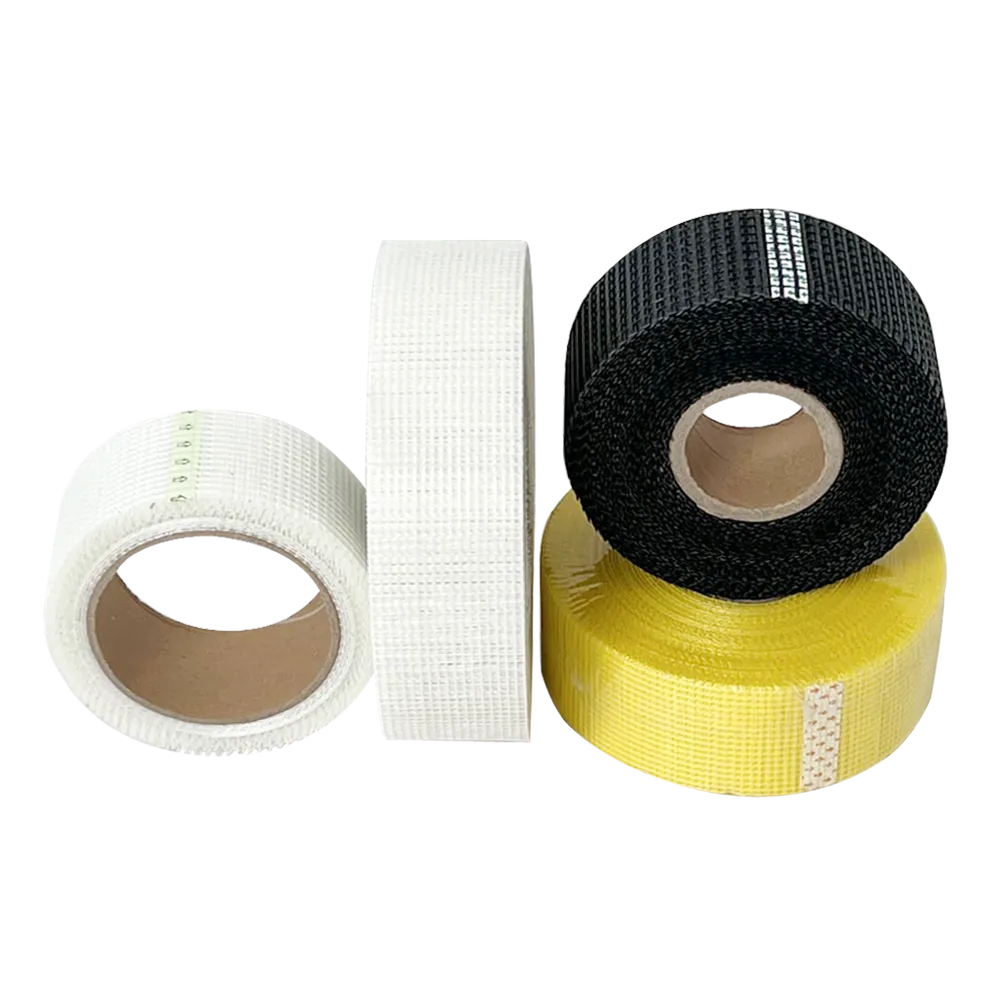
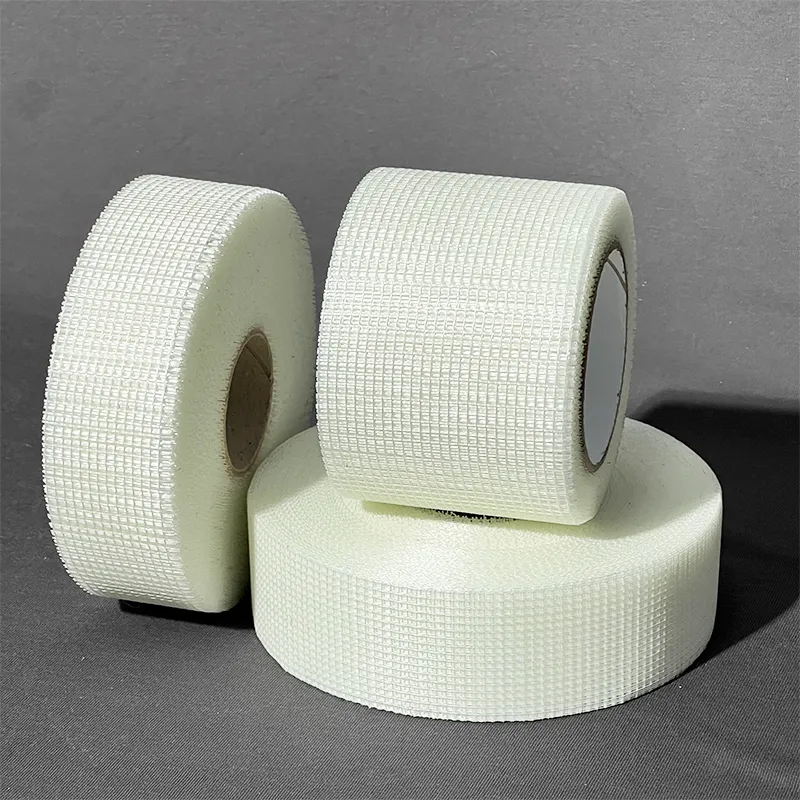
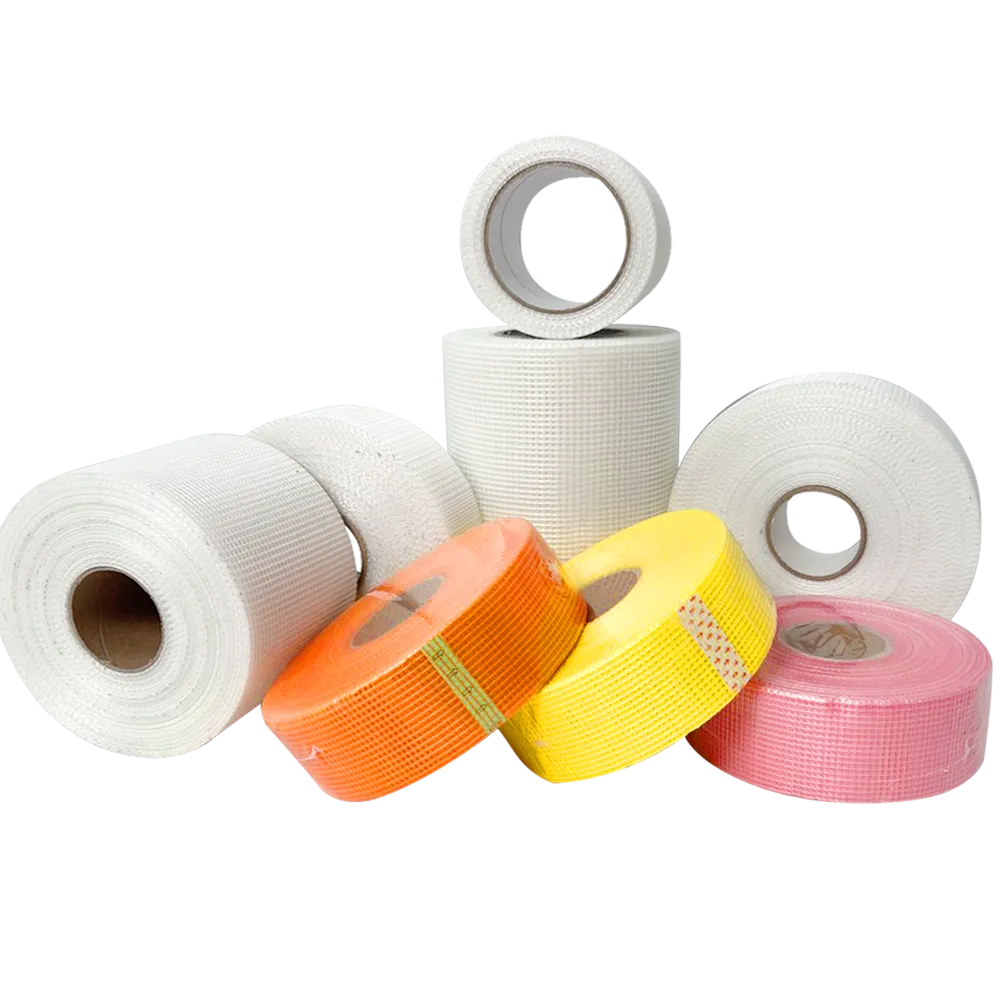
Plainly put, fiberglass mesh is a grid-like product made by weaving fiberglass yarns into sheets designed to bolster the mechanical strength of plaster or stucco layers. Fiberglass mesh for plastering manufacturers thus forms a foundational element during plaster application, helping walls resist cracks caused by movement, temperature changes, and wear and tear. It acts as a bridge between traditional building methods and modern materials science. Plus, in humanitarian and post-disaster construction zones, its lightweight, durable nature means faster construction and more resilient shelter solutions — helping communities bounce back quicker.Core Components of Fiberglass Mesh That Matter
1. Durability and Alkali Resistance
Fiberglass mesh is engineered to withstand alkaline conditions inside cement and plaster mixes. This techno-savvy resistance means it doesn’t degrade, unlike some metal meshes which corrode over time, potentially compromising structural integrity.2. Flexibility and Ease of Installation
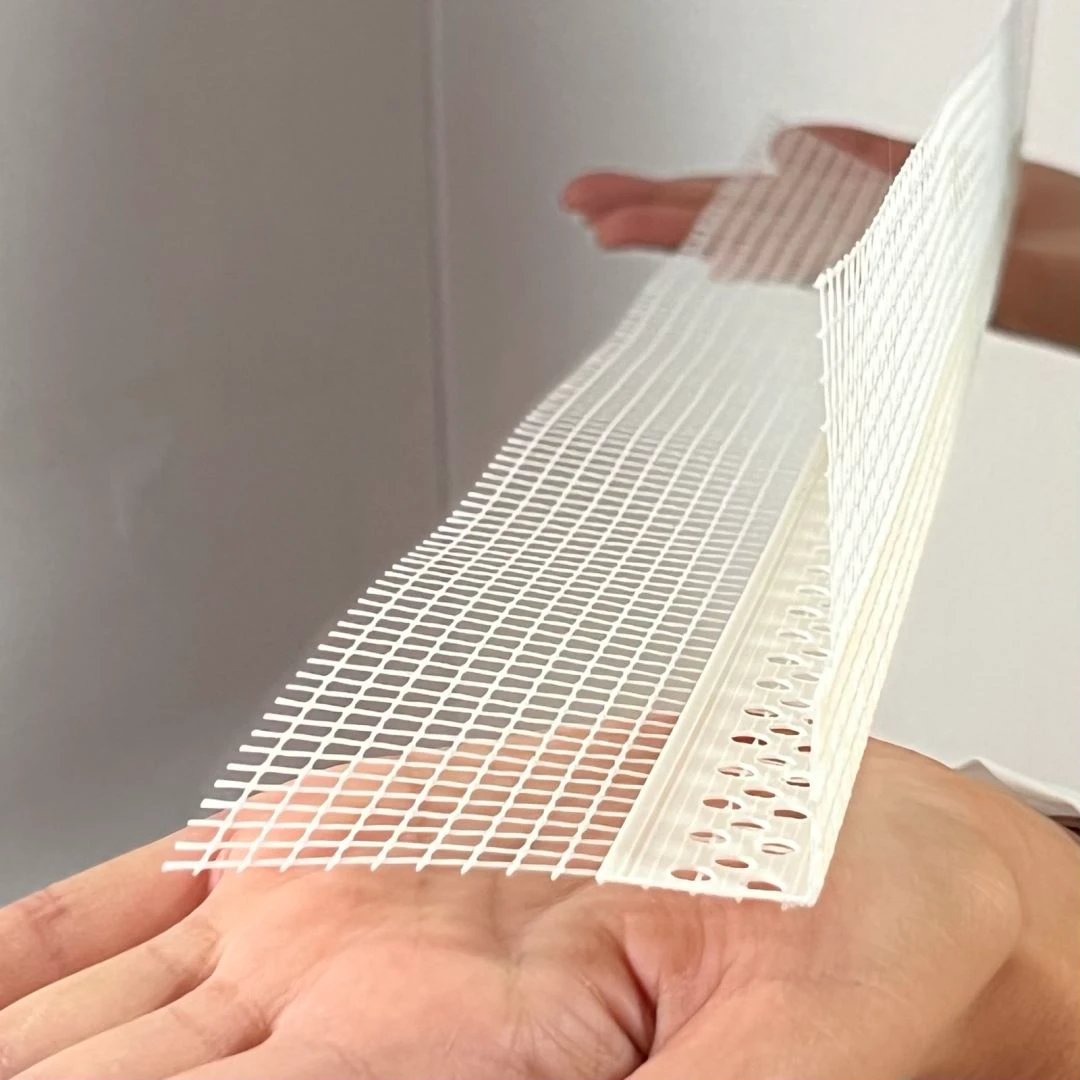
A simple truth engineers often mention: flexible materials speed up job sites. This mesh bends around corners, spans large areas, and adapts to irregular surfaces, trimming labor costs and time.3. Cost Efficiency
Compared to traditional reinforcement options, fiberglass mesh offers a great ROI by extending wall longevity and slashing the frequency of repairs. Manufacturers can easily scale production with automation, which benefits buyers too.4. Scalability and Customization
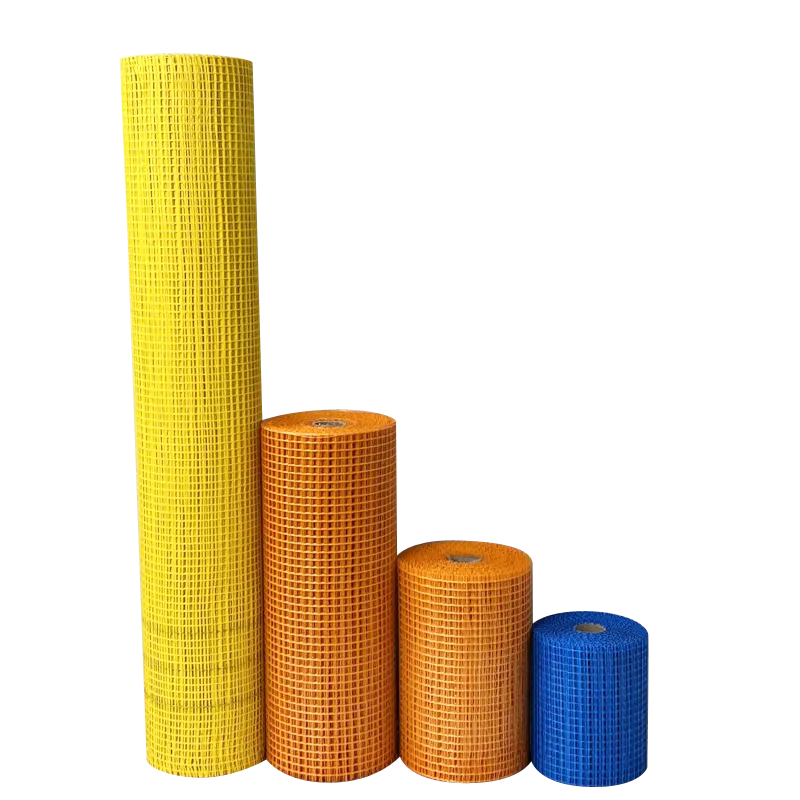
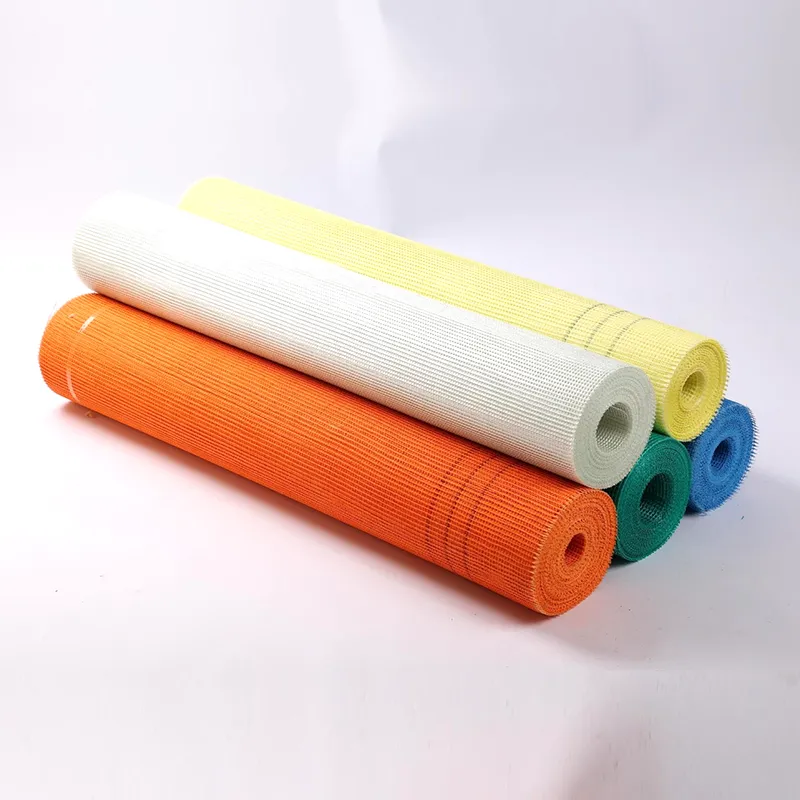
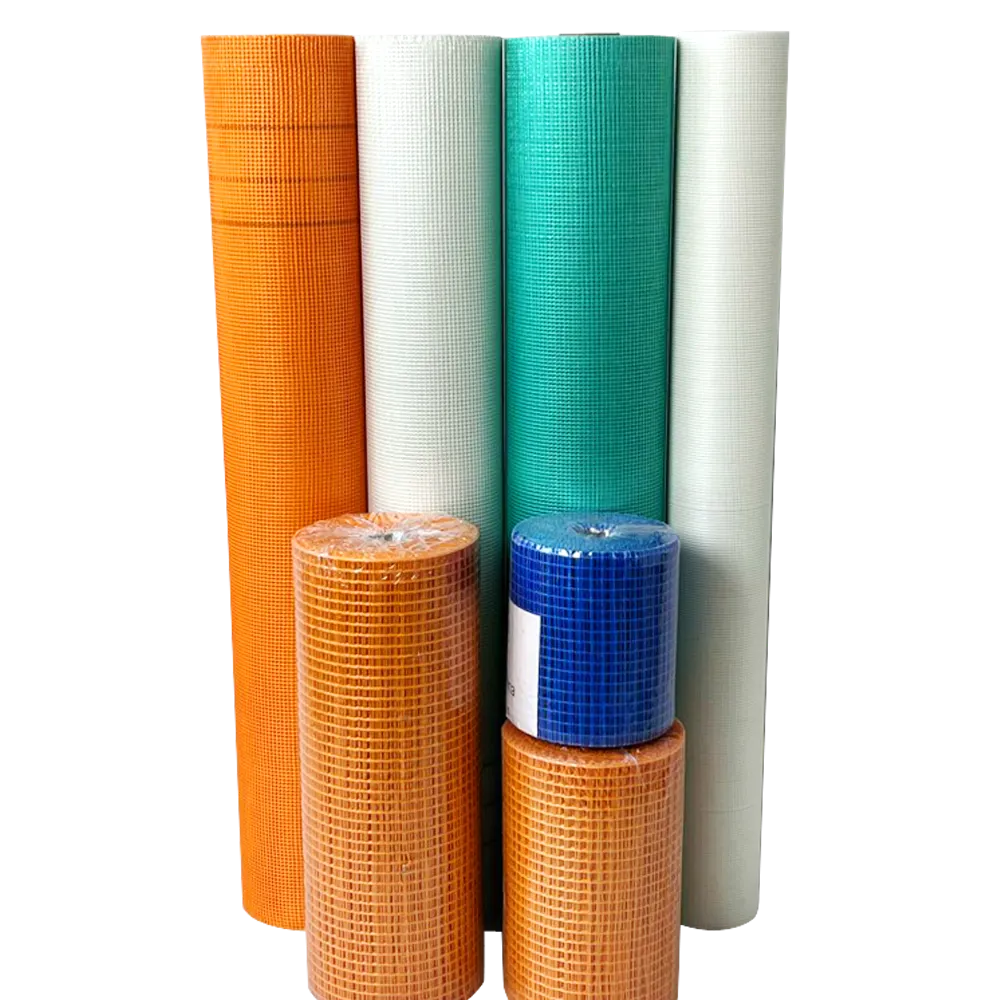
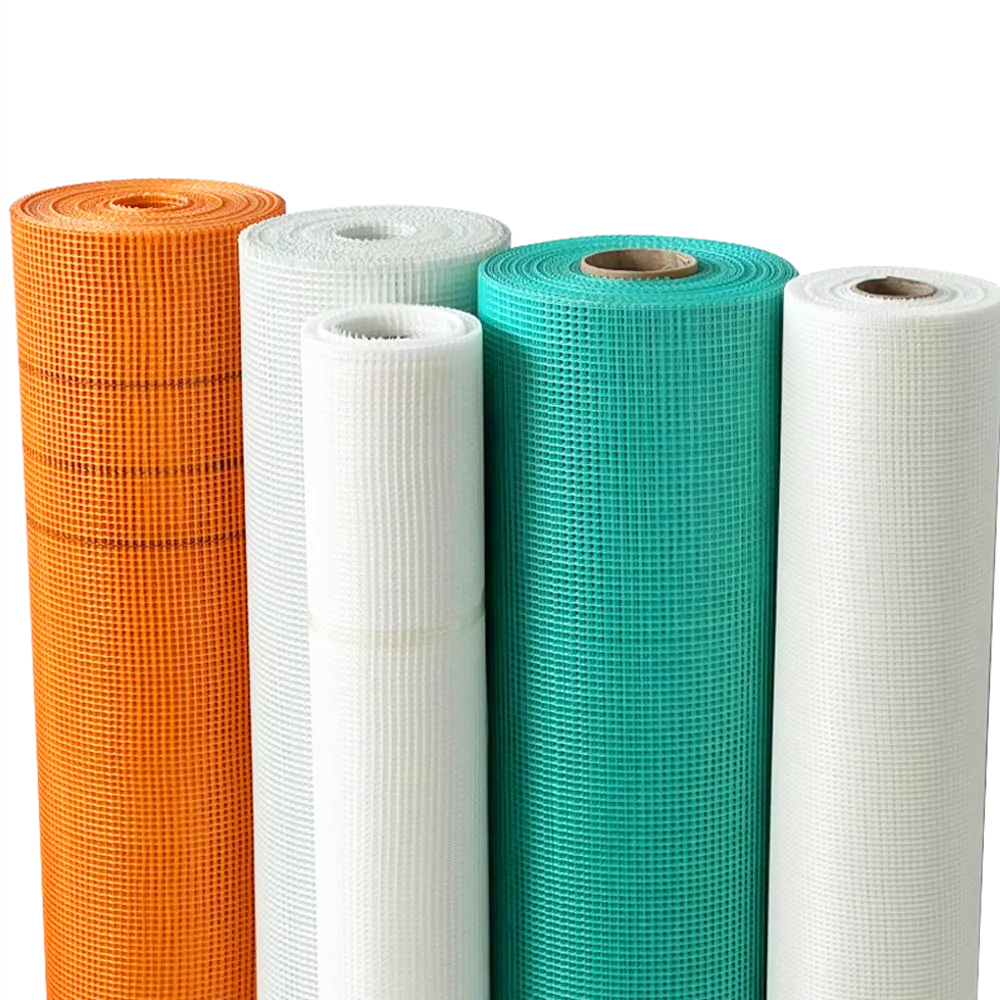
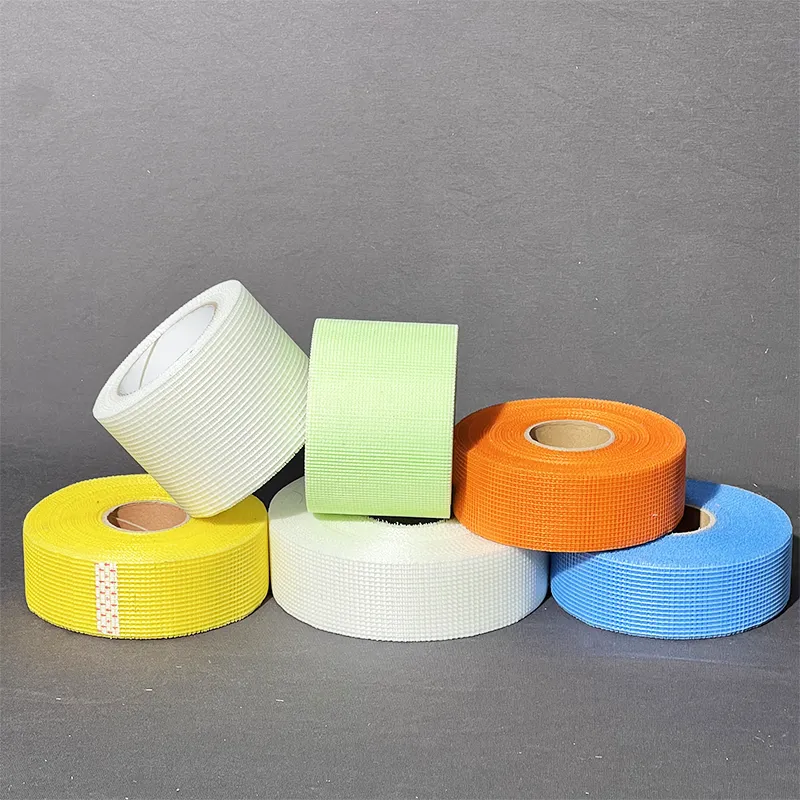
Demand varies from small residential jobs to expansive commercial facades. Manufacturers can tweak mesh densities, weights, and weave types to suit diverse plaster types and climatic zones. It’s not a one-size-fits-all gig.5. Environmental Impact
Surprisingly, as more brands innovate, eco-friendly fiberglass mesh options have appeared—incorporating recycled glass fibers or low-energy production methods—nudging the industry toward greener practices.Mini Takeaway:
Fiberglass mesh harmonizes strength, adaptability, and affordability — a trio critical to the success of plastering manufacturers worldwide. Its nuanced technical features basically solve practical problems on-site.How This Mesh Transforms Real-World Construction
In real terms, fiberglass mesh for plastering manufacturers finds life across continents. For instance: - In Southeast Asia’s monsoon-prone regions, it prevents water infiltration cracks in homes subjected to heavy seasonal rains. - European retrofit projects benefit from its light weight as it reinforces fragile old walls without adding weight that risks collapse. - Organizations like Habitat for Humanity turn to fiberglass mesh during emergency shelter rebuilds in disaster zones—its easy transportation and installation are key there. For example, a mid-size manufacturer in Spain shared how switching to high-grade fiberglass mesh reduced their client callback rate by 30% — a tangible win when trust and reputation mean everything.| Feature | Specification | Benefit |
|---|---|---|
| Mesh Density | 160–165 g/m² | Optimal crack resistance without bulk |
| Alkali Resistance | ≥ 99% (according to ASTM D4873) | Prevents degradation in cement/plaster |
| Width Options | 1 m to 4 m rolls | Flexibility for various project scales |
| Tensile Strength | ≥ 500 N/5cm | Ensures structural reinforcement |
| Roll Length | 50 m standard | Less frequent roll changes on site |
Comparing Top Fiberglass Mesh Vendors: Who Does What Best?
If you’re shopping around or a manufacturer scaling sourcing, here’s a brief vendor snapshot showcasing strengths:| Vendor | Specialty | Price Range | Lead Time | Eco Credentials |
|---|---|---|---|---|
| Tainuo Fiberglass | Custom mesh weights, fast delivery | $$ | 2 weeks | Uses partial recycled fibers |
| GlobalMesh Co. | Large-volume industrial rolls | $$$ | 4 weeks | ISO 14001 certified |
| EcoFiber Mesh | Focus on sustainability, low emissions | $$$ | 3 weeks | 100% recycled content options |
Why Fiberglass Mesh Makes Sense for You
Here’s the no-nonsense truth: fiberglass mesh for plastering manufacturers isn’t just another product on a catalog — it’s a cornerstone of durability, cost savings, and project trustworthiness. You’re protecting investments and, frankly, people’s homes and workplaces. The long-term value is in fewer cracks, less remediation, and lasting structural integrity — things that decrease headaches for builders and occupants alike. There’s also something emotionally reassuring in knowing a part of your home or infrastructure benefits from cutting-edge materials science. It feels like a smart, secure step forward. And in areas with seismic risk or extreme weather, it truly can be the difference between costly repairs and resilience.What’s Next? Innovations and Shifting Trends
The march of innovation never stops. As manufacturers push for greener footprints, expect more fiberglass mesh with recycled components and less energy-intensive manufacturing processes. Digital transformation has begun making waves too; automated quality control means tighter tolerances, reducing returns. Some companies experiment with embedding fire-retardant additives or nano-coatings for improved performance. And as 3D-printed concrete and plastering evolve, mesh customization could quickly become ultra-specific per-project.Common Challenges and Ways Forward
You might hear a few grumbles from site managers—like occasional mesh wrinkles in windy conditions or the need for better adhesion with certain plaster recipes. Yet, many manufacturers partner closely with users to develop application guides and surface primers that solve these issues. I suppose it’s just another example of materials science working hand-in-hand with on-the-ground realities.FAQ: Your Fiberglass Mesh Questions Answered
- Q: How does fiberglass mesh improve plaster durability?
A: It acts as a reinforcement layer, distributing stress to prevent cracks and resisting alkali degradation from cement mixes, significantly extending plaster life. - Q: Can fiberglass mesh be customized for different climates?
A: Absolutely. Manufacturers adjust mesh weight and weave density to enhance performance under varying thermal expansions and weather conditions. - Q: Is fiberglass mesh suitable for exterior and interior plaster applications?
A: Yes, it is durable enough for exterior use against weather while remaining flexible for interior walls prone to movement or impact. - Q: How do I choose the right fiberglass mesh for a large commercial project?
A: Consider tensile strength, mesh density, roll size, and vendor reliability. Consulting providers like fiberglass mesh for plastering manufacturers can streamline selection. - Q: What environment-friendly options exist for fiberglass mesh?
A: Some vendors offer meshes with recycled fibers or utilize low-energy manufacturing, aligning with LEED and ISO sustainability standards.
In Closing: A Simple Step Toward Safer, Smarter Construction
Fiberglass mesh may seem like a small player, but for manufacturers and builders, it’s a stalwart. It balances cost, performance, and adaptability in a way that few other reinforcements can. So whether your project is in a bustling city, a flood-prone coastal village, or a rebuilding zone after disaster — this unassuming grid helps put structure, resilience, and peace of mind front and center. Curious to explore robust, reliable mesh options? Don’t hesitate — reach out and visit fiberglass mesh for plastering manufacturers today. There’s a lot going on behind those woven strands.Quick Recap:
- Fiberglass mesh prevents cracks and extends plaster life.
- Global demand is rising with urban growth and resilience needs.
- Customization ensures it fits diverse climates and projects.
- Sustainability trends are growing in mesh production.
- Reliable vendors enable consistent, quality supply chains.
References
Prev:
Latest news
-
Best Fiberglass Mesh Tape for RedGard Product Waterproofing GuideNewsApr.16,2026
-
Why High Strength Fiberglass Mesh Is Essential For Stucco ApplicationNewsApr.15,2026
-
Why Alkali Resistant Fiberglass Mesh Tape Is Essential For Cement Board And Tile InstallationsNewsApr.15,2026
-
Understanding The Role Of Drywall Fiberglass Mesh In Interior FinishingNewsApr.15,2026
-
Ultimate Guide To Using Fiberglass Mesh Tape For Drywall And Plaster RepairsNewsApr.15,2026
-
The Versatility Of Fiberglass Mesh In Marble And Stone MosaicNewsApr.15,2026
Products categories