Nov . 30, 2025 09:40 Back to list
Discover the Role of a High Strength Fiberglass Mesh Company in Modern Industry
The Growing Global Demand for High Strength Fiberglass Mesh Companies
High strength fiberglass mesh companies may not make headlines every day, but their role quietly supports some of the most critical industries worldwide. These companies manufacture advanced fiberglass mesh products known for their robustness, flexibility, and resistance — qualities that have become vital amid expanding infrastructure projects, disaster-relief efforts, and eco-conscious building standards.
Globally, the construction industry alone is projected to grow to $15 trillion by 2030 (source:UN Statistics), and a rising share of projects demand durable reinforcing materials like fiberglass mesh. Understanding how these companies operate and what their products offer gives us a glimpse into the backbone of modern material science and sustainable engineering.
What Exactly Is a High Strength Fiberglass Mesh Company?
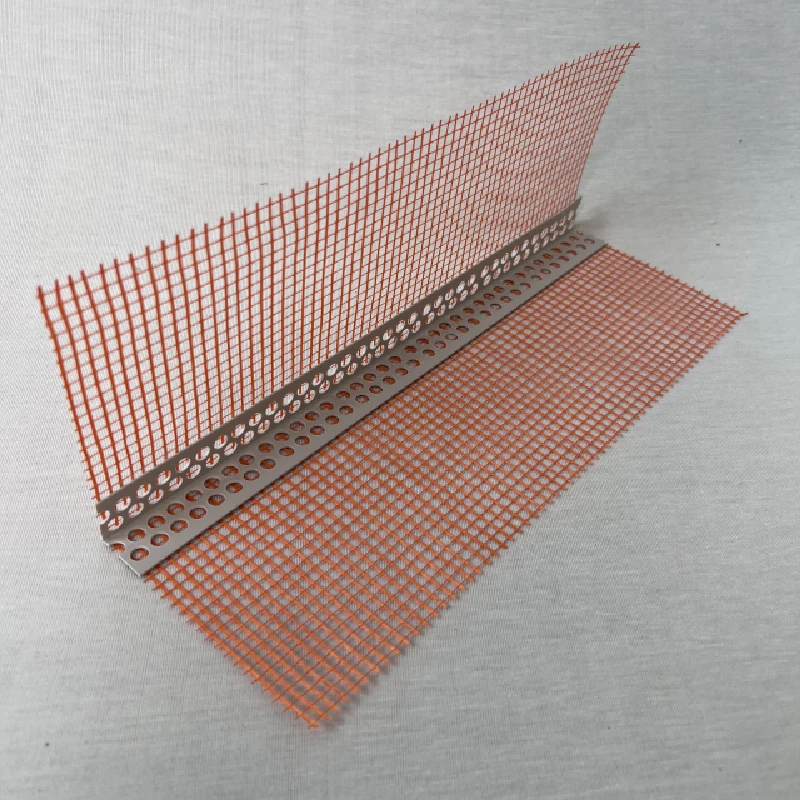
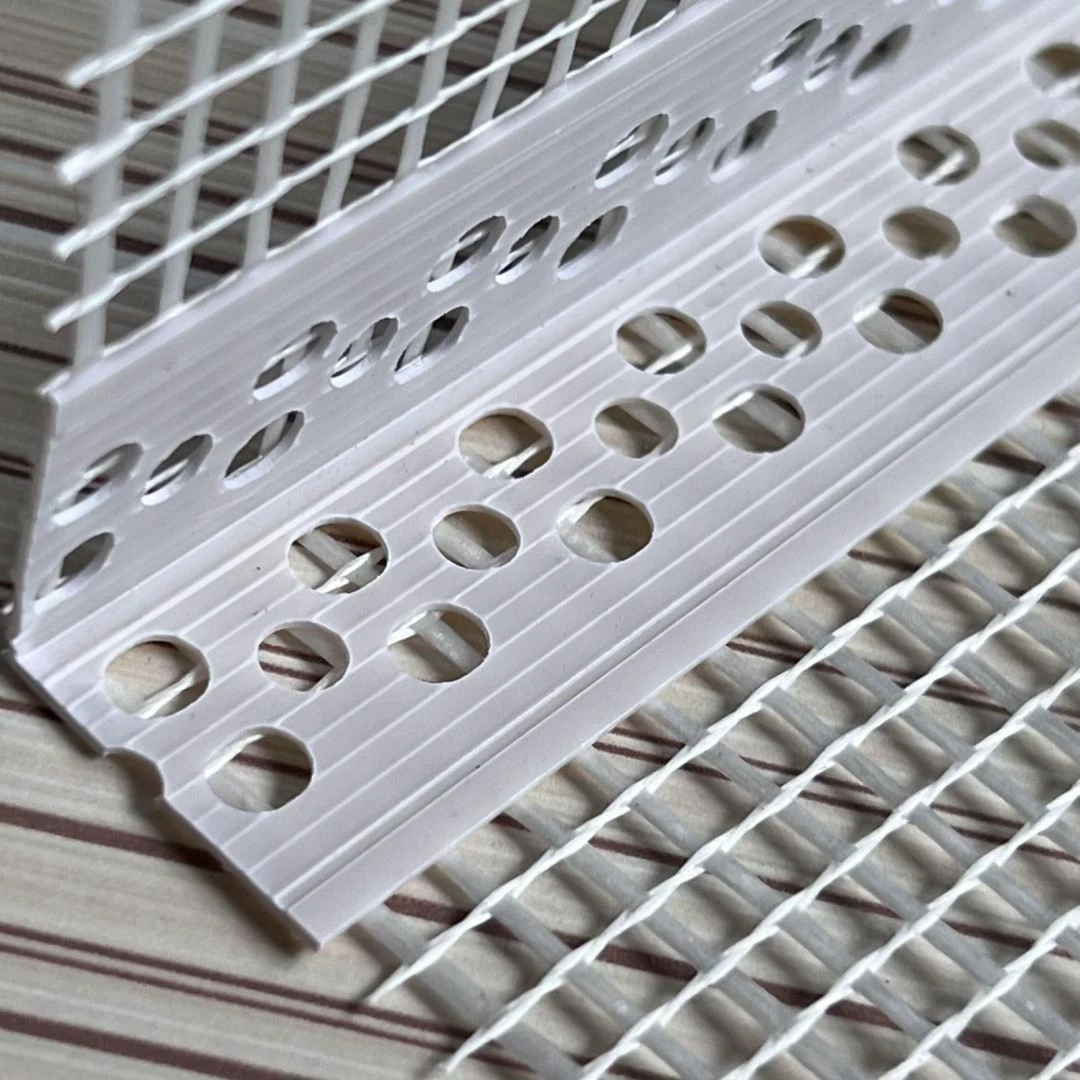
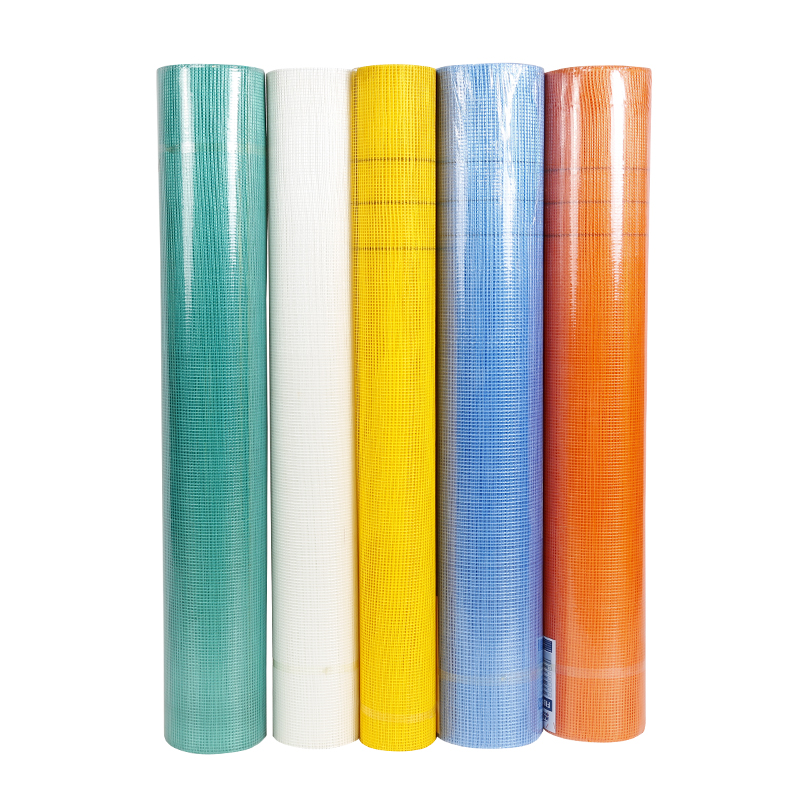
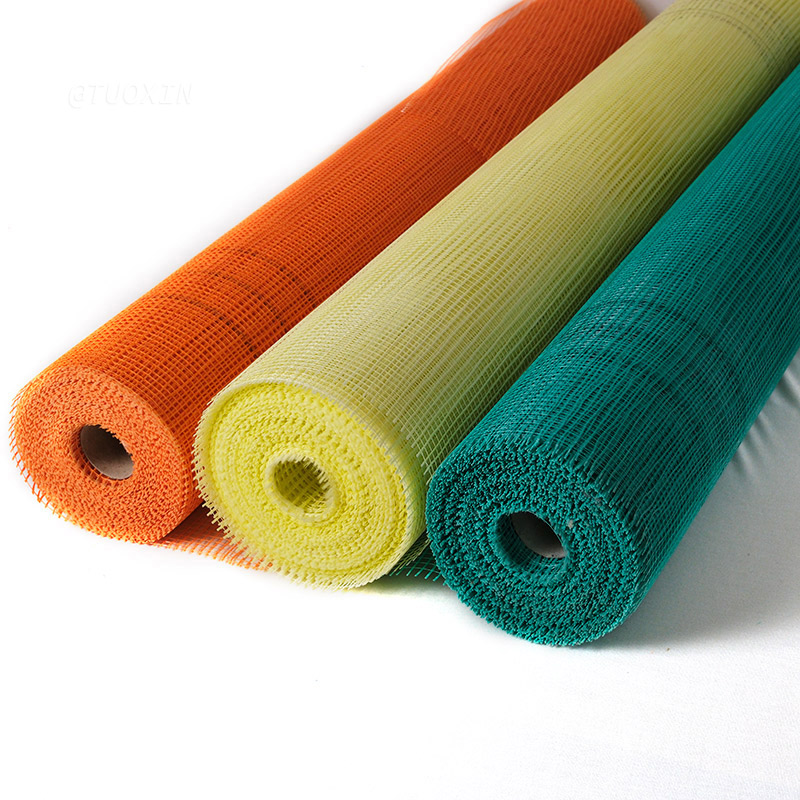
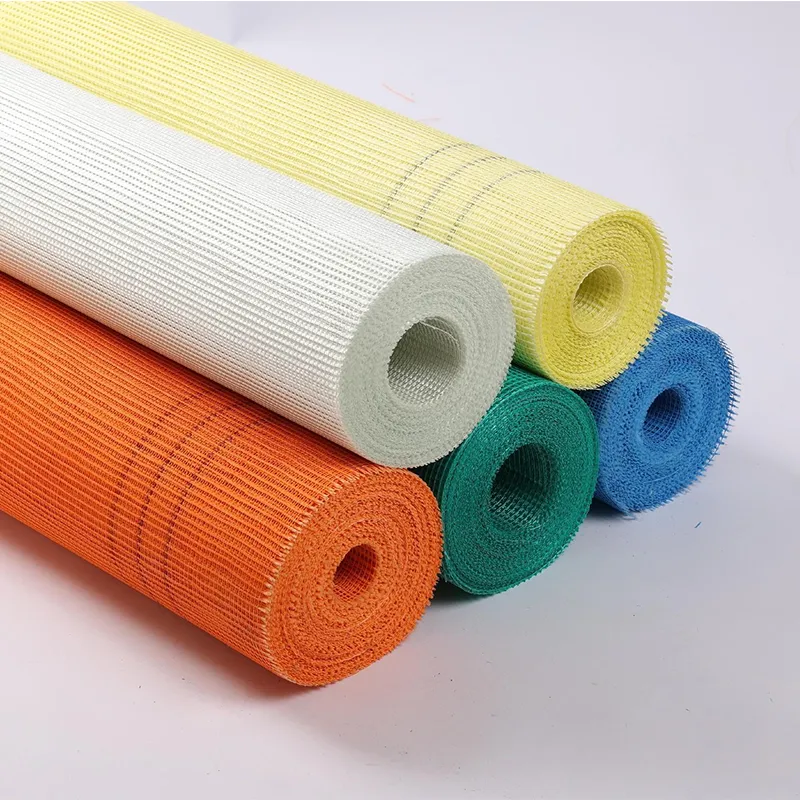
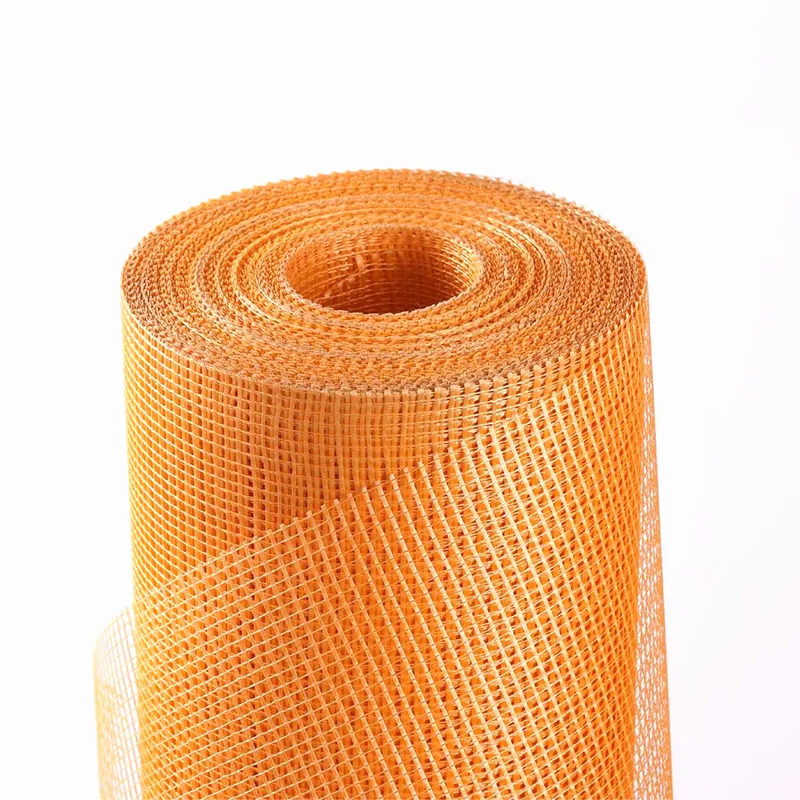
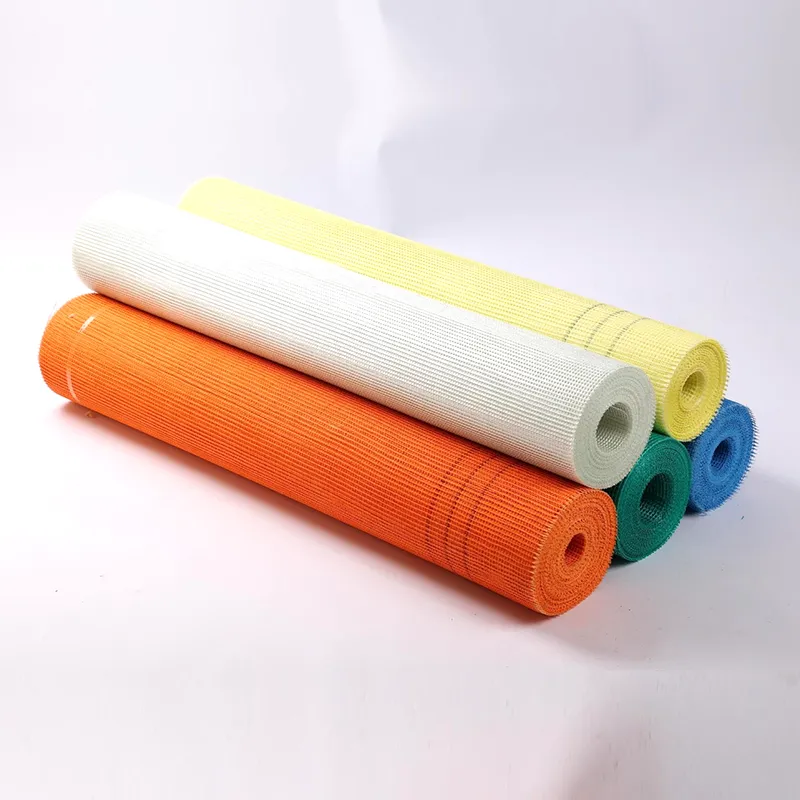
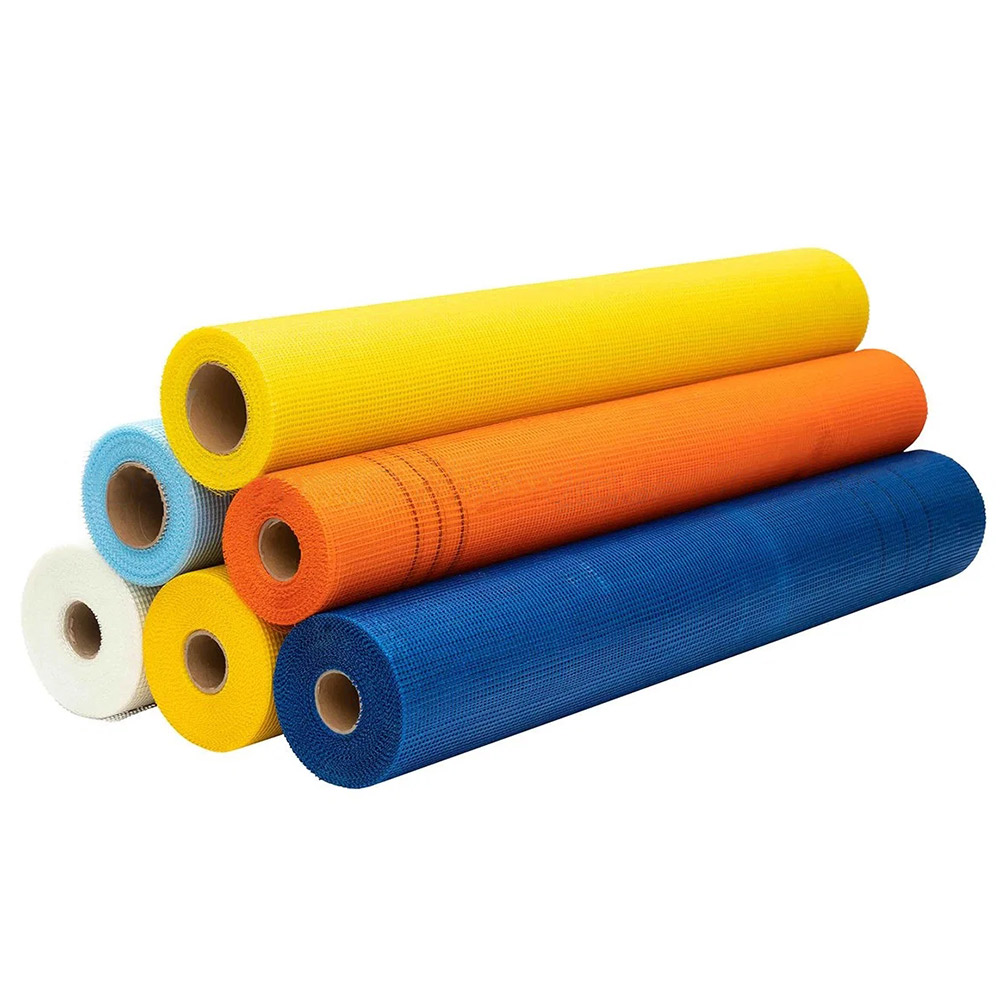
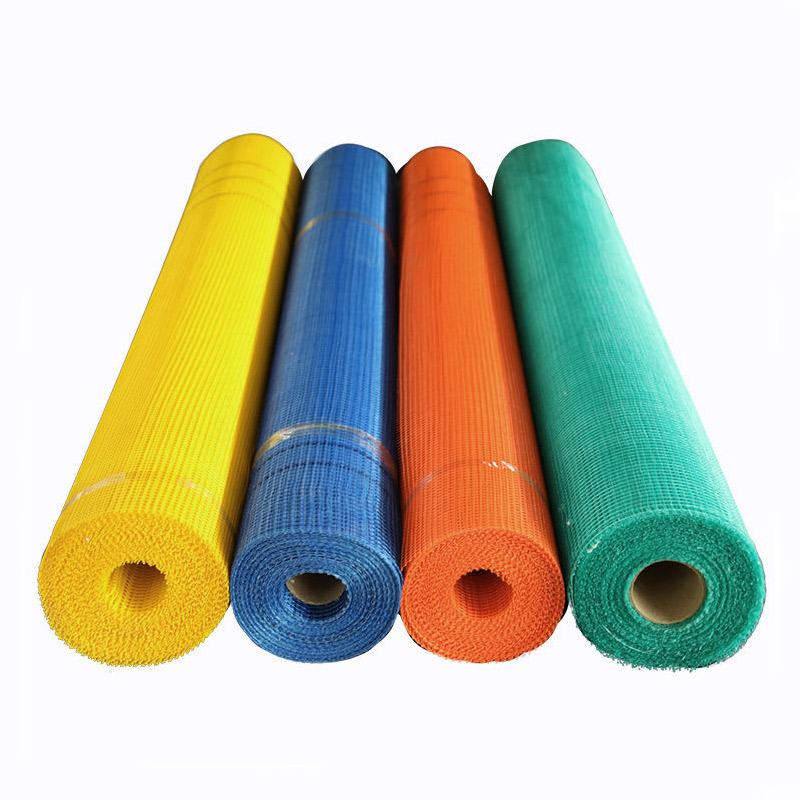
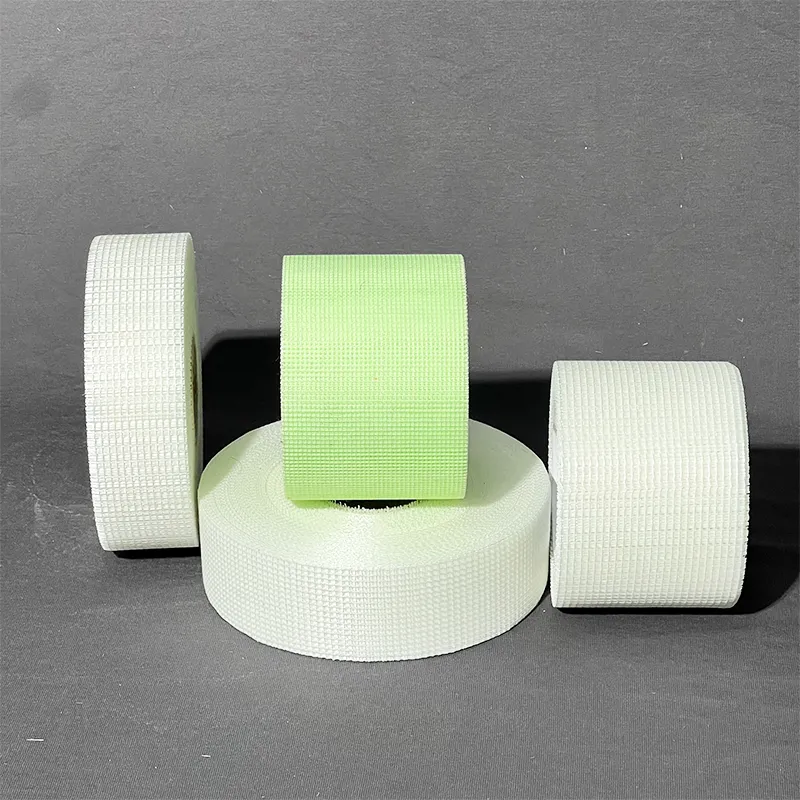
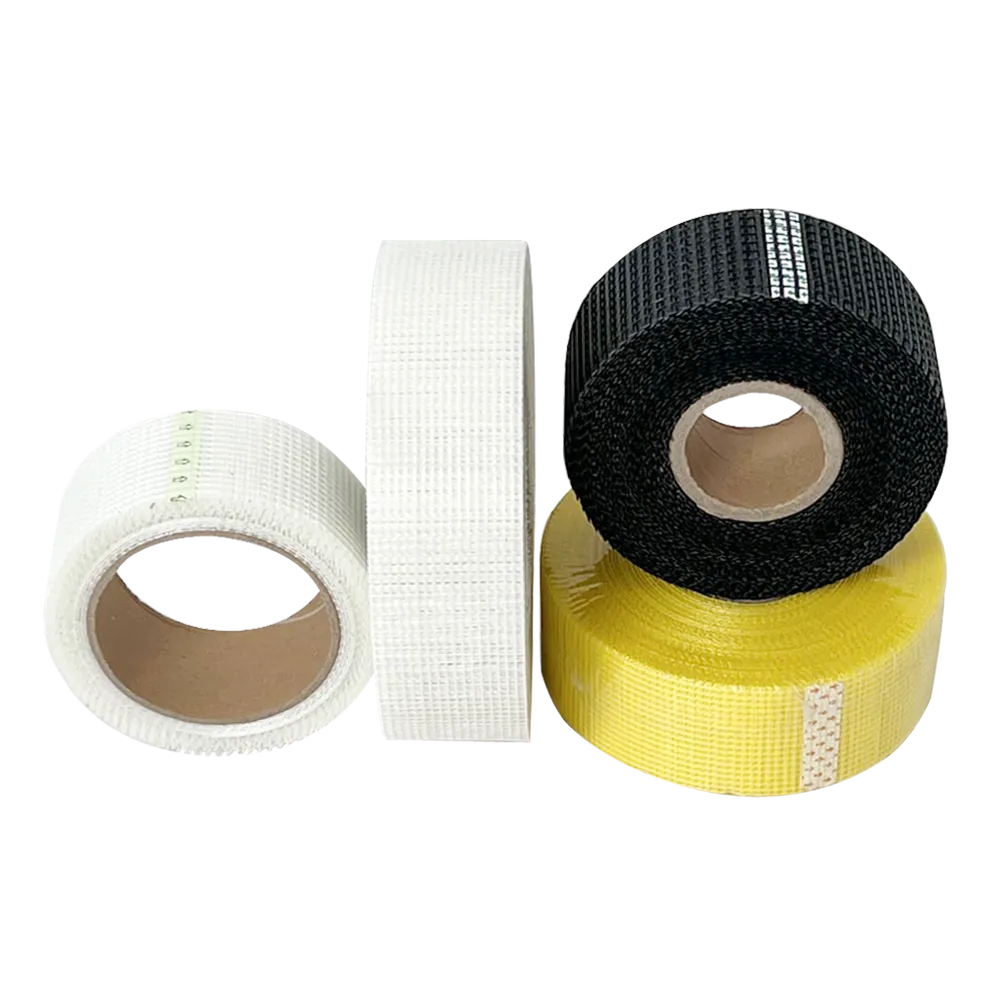
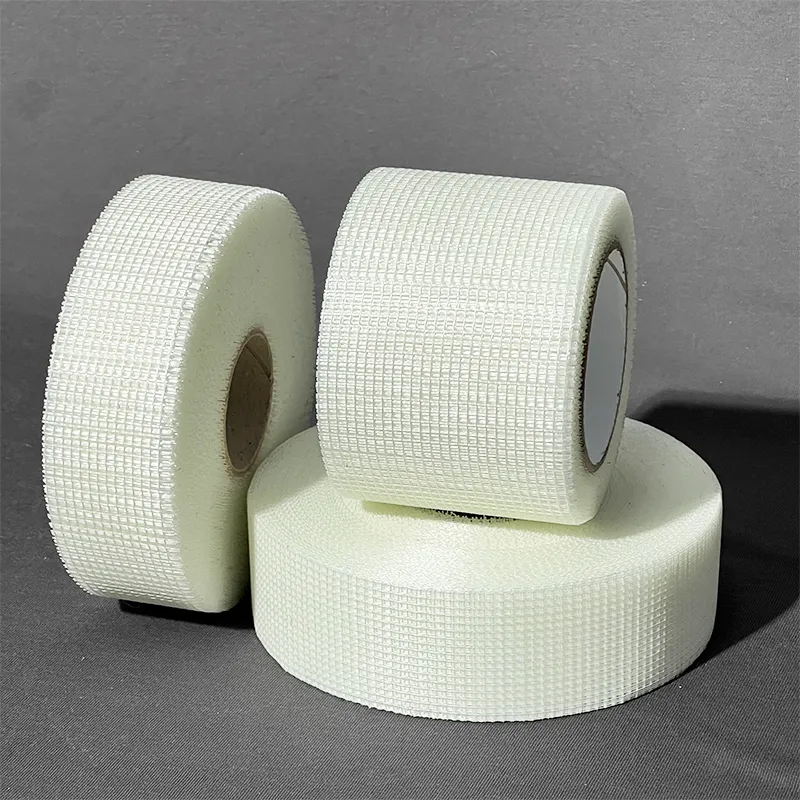
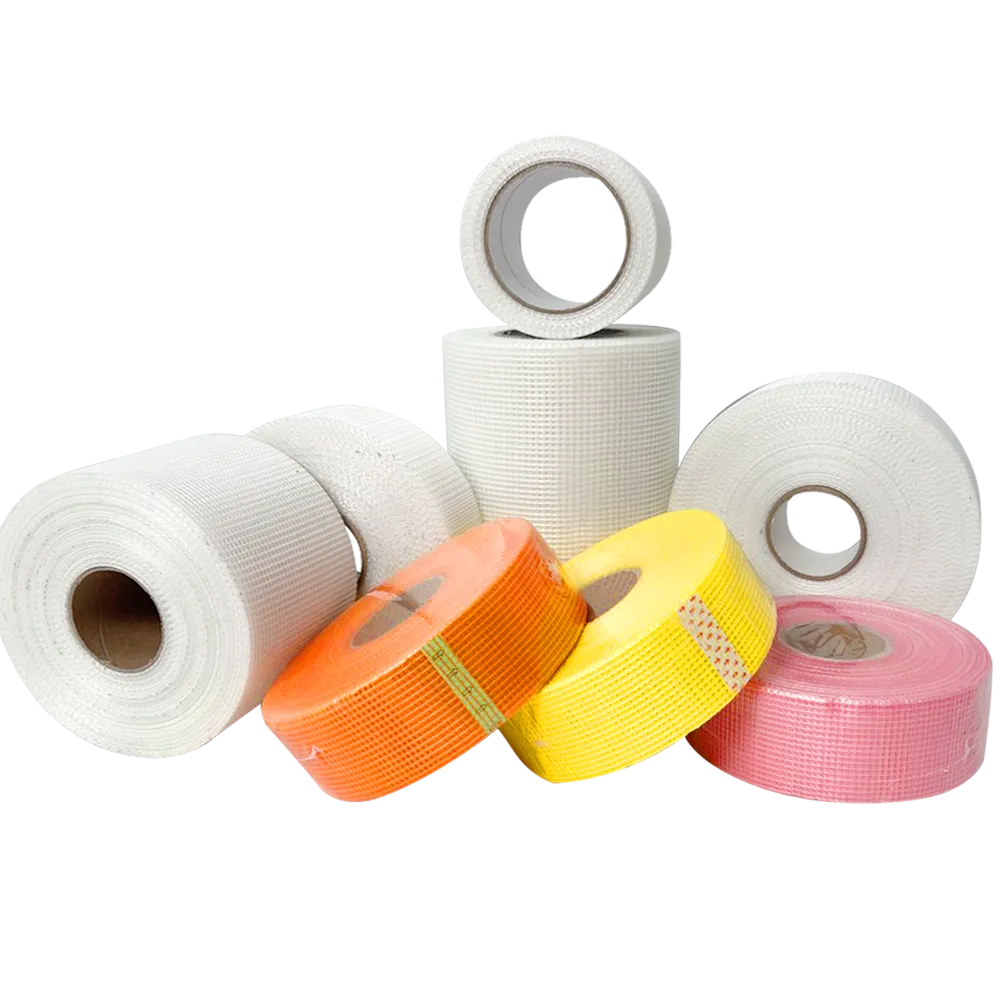
At its core, a high strength fiberglass mesh company specializes in producing woven fiberglass fabrics that are coated or treated to weave the perfect balance of strength and flexibility. These meshes find their way into everything from reinforced concrete walls to protective screens, insulation substrates, and even protective coatings against corrosion.
Fiberglass mesh made by these companies benefits various sectors — from industrial construction to emergency housing and even consumer products. Their work bridges material technology with practical, modern-day challenges like climate resilience and sustainable construction, making them an essential player in today's fast-evolving industrial landscape.
Part of a Bigger Ecosystem
Interestingly, the rise of these companies aligns with increasing international standards such as ISO 14001 (environmental management), which pushes manufacturers to innovate sustainable, high-strength composites.
Key Features That Define the Best Suppliers
Durability and Tensile Strength
Fiberglass mesh from these companies usually boasts high tensile strength — think 500 to 1500 N/5cm depending on weave and treatment. This means it can hold up well under tension and stress, ideal for reinforcing cement or plaster and preventing cracks over time.
Resistance to Environmental Factors
Many products are treated for UV resistance and corrosion protection. In real terms, this means even after years in harsh sunlight or damp conditions, the mesh does not degrade — a big win for longevity.
Lightweight & Easy Installation
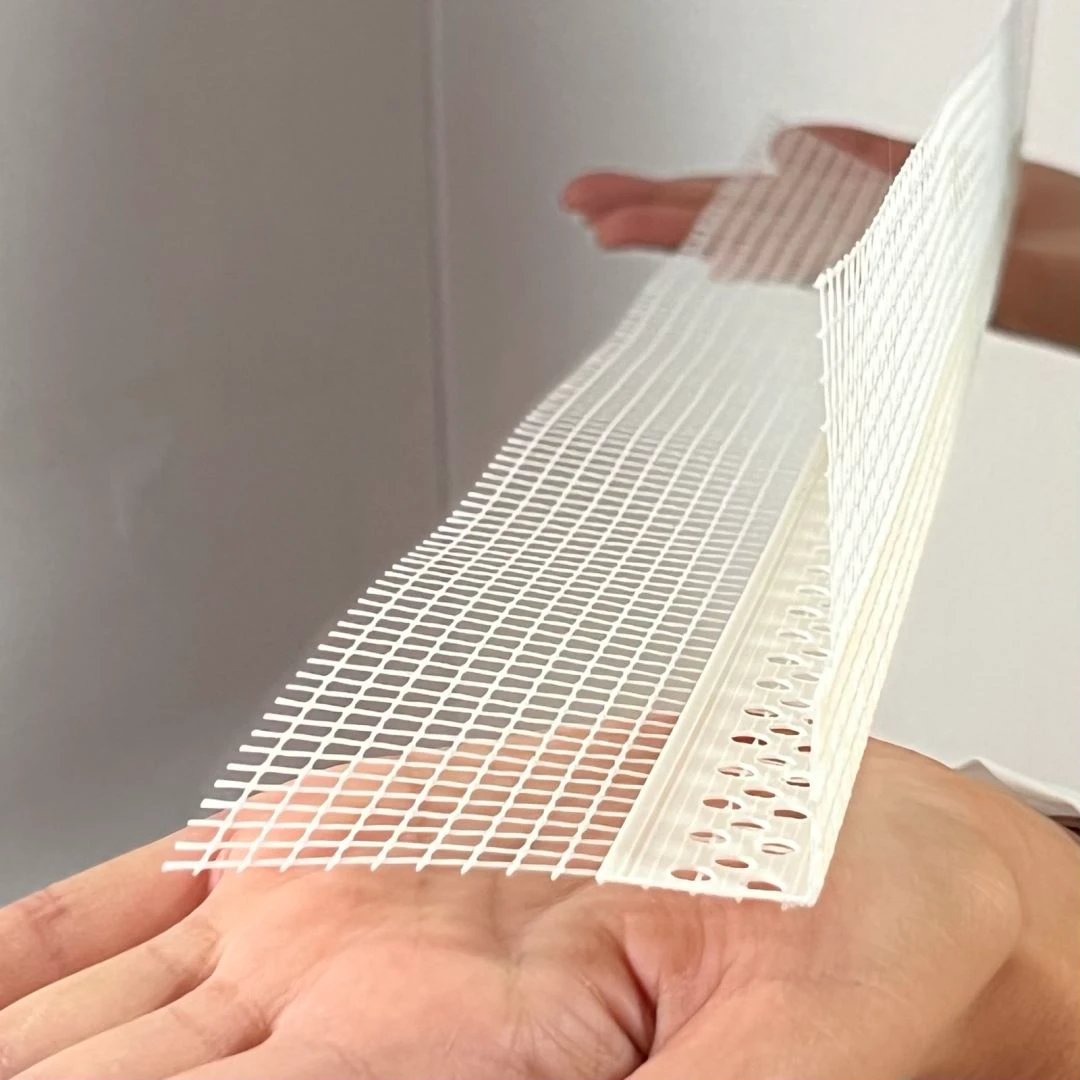
One less obvious but appreciated factor is their mesh’s lightweight nature. Although strong, these products are easy to handle and install, saving labor costs and time on big projects.
Cost Efficiency and Customization
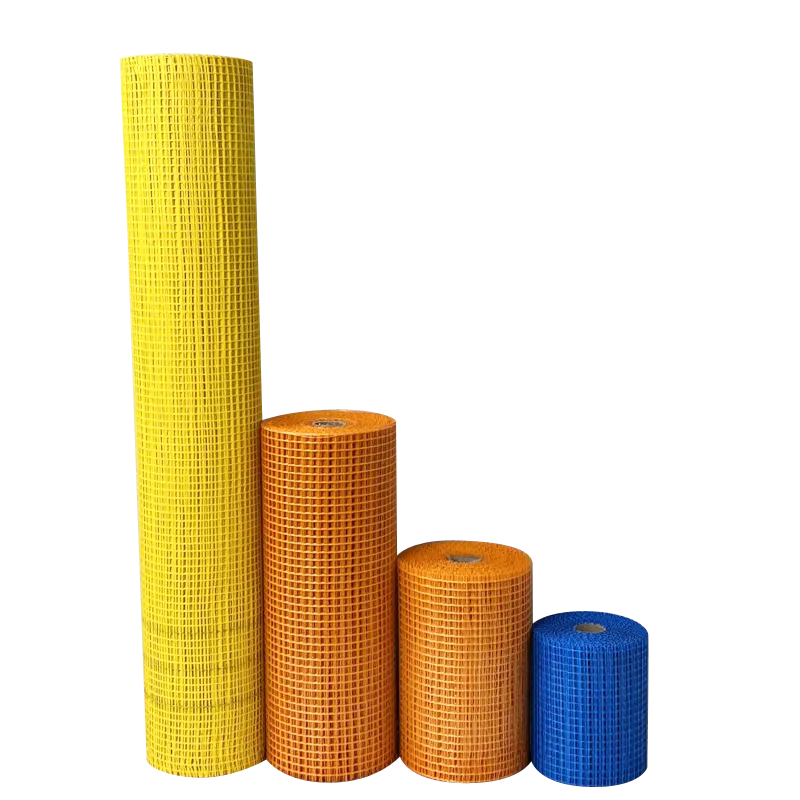
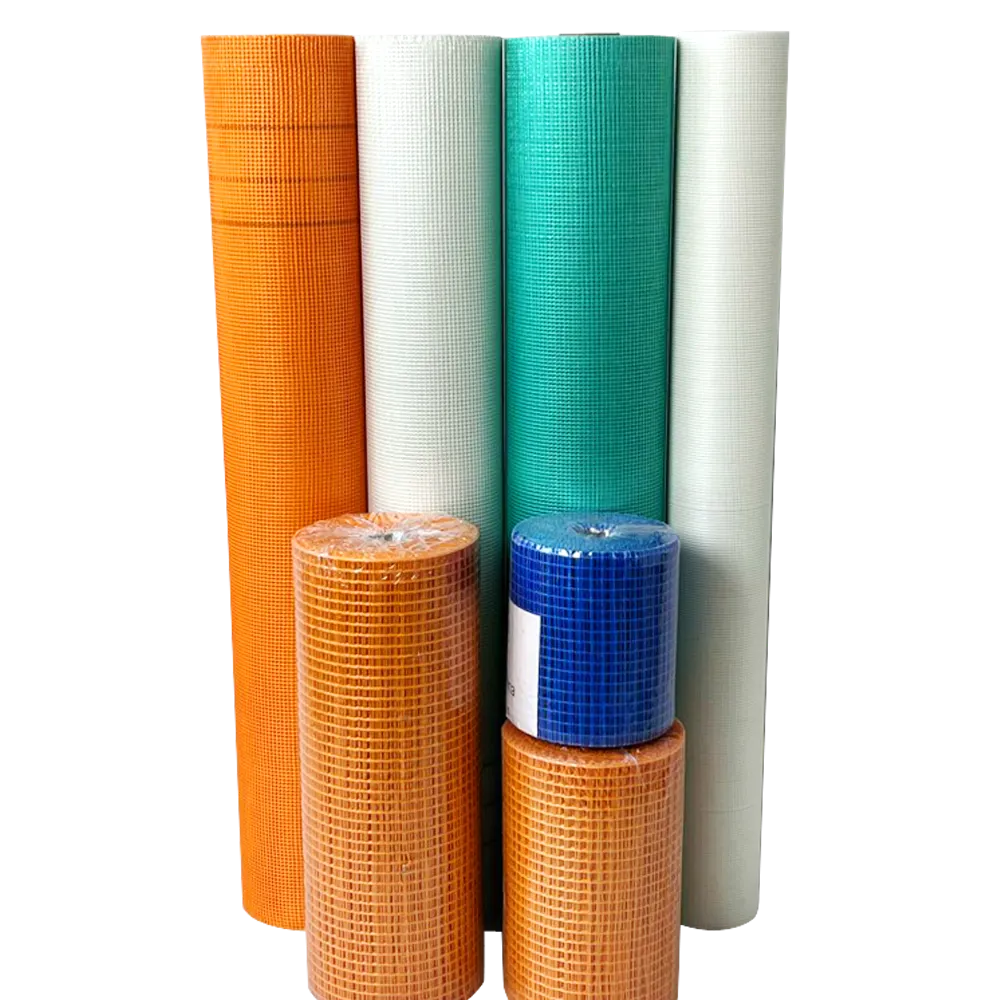
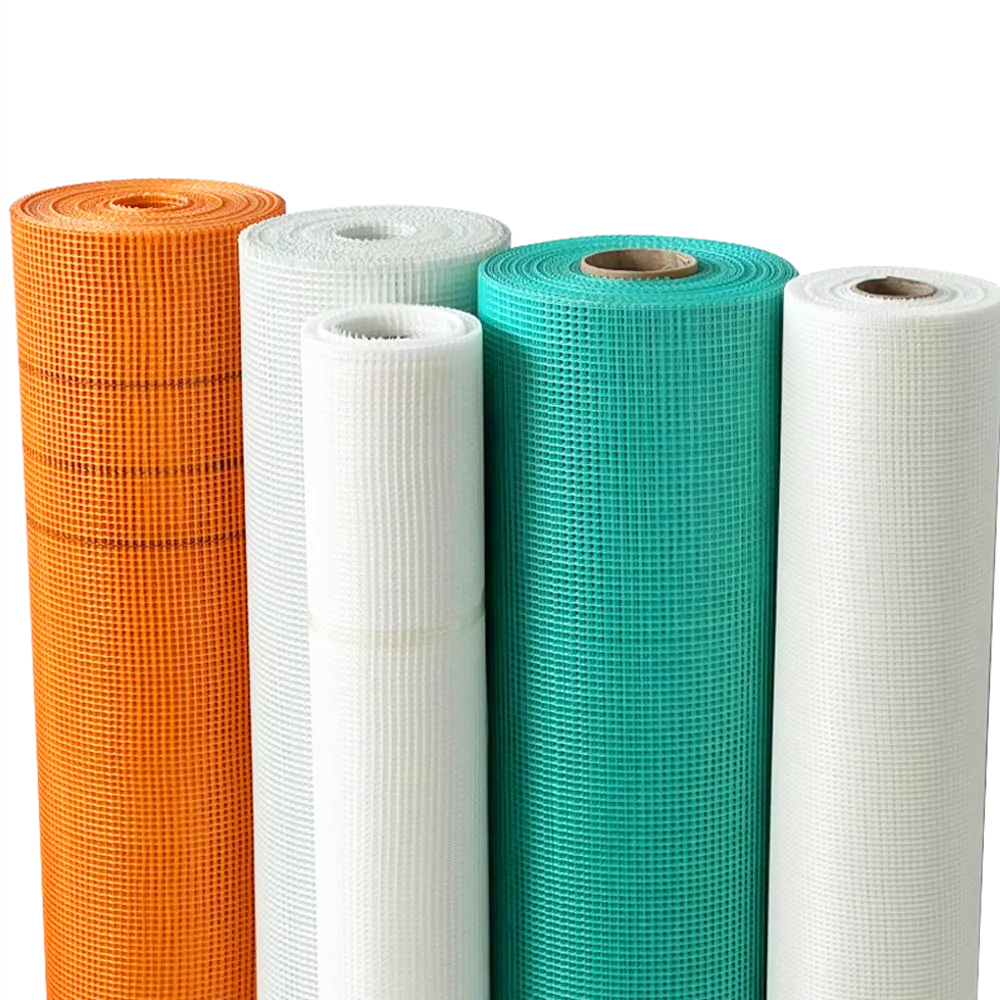
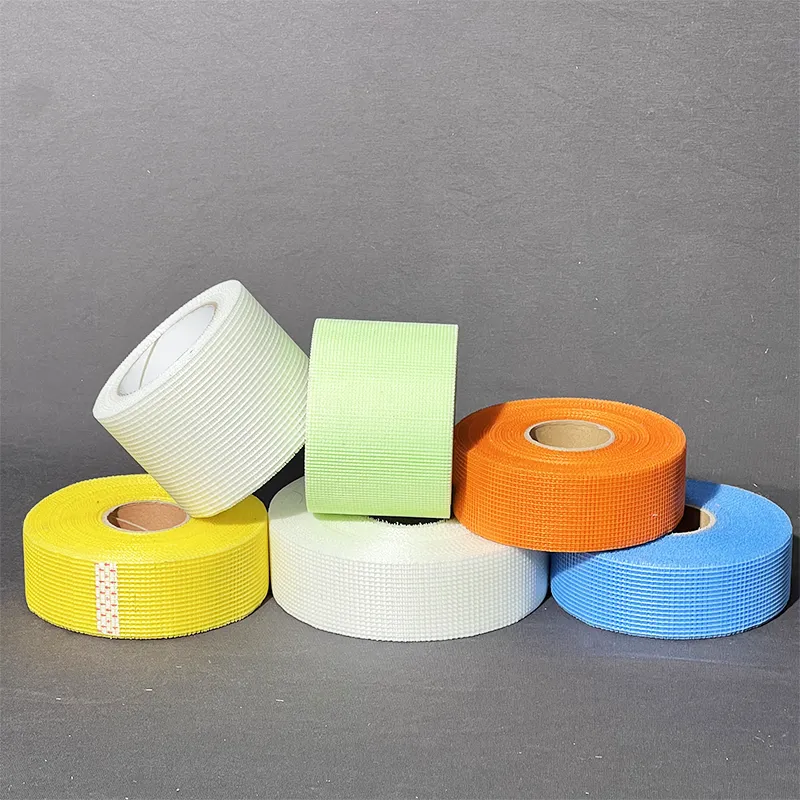
Leading companies offer tailored mesh sizes, densities, and coatings that balance cost and performance. Bulk orders often come with price breaks, making scalable purchase practical.
Compliance with International Standards
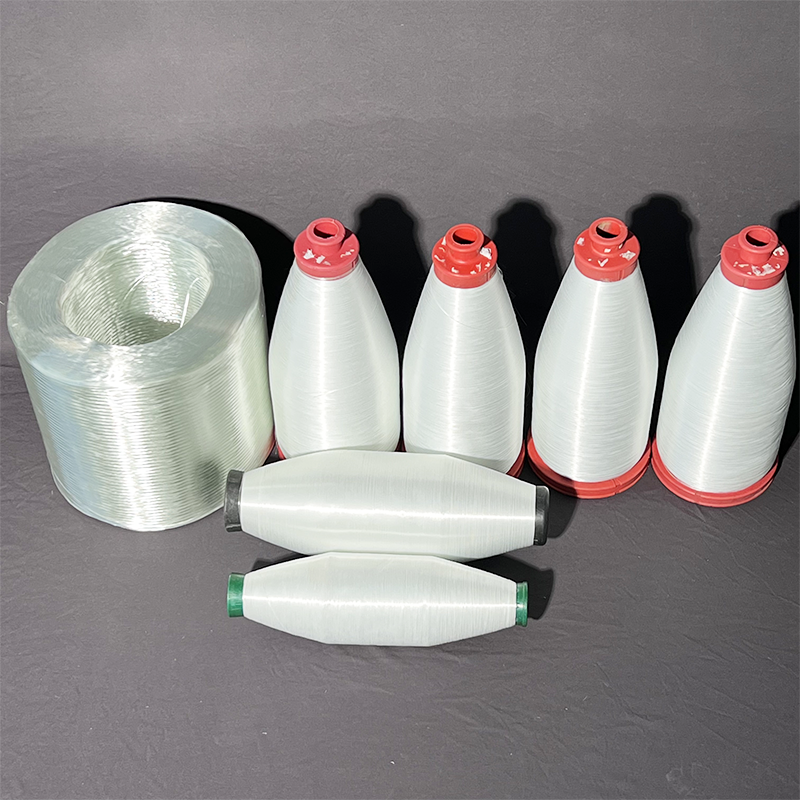
Reputable vendors comply with ASTM standards like ASTM D578 for fiberglass yarn used in fabric, ensuring product consistency and reliable quality assurance.
Product Specification Snapshot
| Specification | Typical Range / Value | Unit / Notes |
|---|---|---|
| Tensile Strength | 500 - 1500 | N/5cm |
| Weave Type | Plain, Twill | Varies by application |
| Coating | PVC, Alkali-resistant | Enhances durability |
| Roll Length | 50 - 100 | Meters |
| Roll Width | 1 - 2 | Meters |
Where High Strength Fiberglass Mesh Really Makes a Difference
The applications are broad, ranging from structural reinforcement in high-rise buildings in Asia's booming megacities to coastal erosion prevention in Mediterranean infrastructure projects.
- Construction and Renovation: Added to cement or plaster to prevent cracking and increase lifespan.
- Disaster Relief Housing: Fiberglass mesh improves temporary shelters’ durability, allowing rapid deployment without sacrificing safety.
- Industrial Settings: Used for corrosion-resistant coatings in chemical plants or factories.
- Water Infrastructure: Reinforcement of canals, pipes, and containment areas in arid regions.
Oddly enough, remote projects in Africa or South America often rely on these companies for durable yet lightweight materials, making logistics more manageable while meeting rigorous durability demands.
Comparing Top Vendors: Who Stands Out?
| Vendor | Product Range | Customization | Price Position | Notable Strength |
|---|---|---|---|---|
| Company A | Standard and Alkali-resistant | High | Mid-range | Wide export network |
| Company B | PVC coated, UV-resistant | Medium | Premium | Advanced coatings |
| Company C | Custom weaves, various treatments | Very high | Competitive | Quick turnaround |
Why Investing in a High Strength Fiberglass Mesh Company Pays Off
In practical terms, tapping products from a reputable high strength fiberglass mesh company guarantees long-term cost savings. Reduced repairs, less structural failure, and enhanced resistance yield returns for builders and governments. There's also a social dimension — safer homes and infrastructure prevent injury and maintain dignity in disaster-prone and developing regions.
Technologically, these companies push innovation—new coatings, lightweight composites, and smarter manufacturing processes—adding value that goes beyond simple material supply.
Looking Ahead: What’s Next in Fiberglass Mesh Innovation?
Emerging trends point to greener manufacturing with less energy consumption, alongside incorporation of nanomaterials to boost strength and flexibility. Automation is improving production quality and efficiency, while globalization opens doors for custom meshes suited for extreme climates.
Digitalization, including AI-assisted design, promises finer grain control over weave patterns and coating formulas tuned to specific project demands. Oddly enough, even as technology marches forward, the humble fiberglass mesh already feels like a mature, reliable player — the safety net beneath our feet in many ways.
Challenges on the Horizon (And How To Beat Them)
Supply chain interruptions and the cost fluctuations of raw materials (like silica for fiber production) remain an unpredictable element. Companies increasingly explore local sourcing and recycled materials to mitigate these risks. Plus, ensuring compliance with ever-tighter environmental regulations calls for agile, transparent practices.
FAQ: Common Questions About High Strength Fiberglass Mesh Companies
- What makes fiberglass mesh better than traditional reinforcing mesh?
- Fiberglass mesh offers superior corrosion resistance and does not rust like steel, leading to longer-lasting structures, especially in moist or chemically aggressive environments.
- How customized can fiberglass mesh products get?
- Very customized. Many companies adjust weave density, width, coatings, and tensile strength to fit specific engineering needs, balancing cost and performance effectively.
- Are fiberglass meshes environmentally friendly?
- Yes, especially those produced with alkali-resistant coatings and recyclable components. They often reduce the need for repair materials, indirectly lowering environmental impact.
- Can NGOs source these meshes for disaster relief projects?
- Absolutely — many high strength fiberglass mesh companies offer export-ready packaging and compliance documentation to facilitate international shipments for humanitarian aid.
Final Thoughts
So, whether you’re a project manager eyeing sustainable materials, or an NGO planning for disaster relief shelters, understanding the value brought by a high strength fiberglass mesh company is crucial. Beyond just a supplier, these companies offer innovative, durable, and trustworthy materials that underpin safer, greener infrastructure worldwide.
If you’re curious and want to dive deeper into options or specifications, do visit our website. Sometimes, the best foundation is woven far away but supports everything quite close to home.
-
Best Fiberglass Mesh Tape for RedGard Product Waterproofing GuideNewsApr.16,2026
-
Why High Strength Fiberglass Mesh Is Essential For Stucco ApplicationNewsApr.15,2026
-
Why Alkali Resistant Fiberglass Mesh Tape Is Essential For Cement Board And Tile InstallationsNewsApr.15,2026
-
Understanding The Role Of Drywall Fiberglass Mesh In Interior FinishingNewsApr.15,2026
-
Ultimate Guide To Using Fiberglass Mesh Tape For Drywall And Plaster RepairsNewsApr.15,2026
-
The Versatility Of Fiberglass Mesh In Marble And Stone MosaicNewsApr.15,2026