Mar . 17, 2026 01:55 Back to list
Comprehensive Guide to Understanding Glass Mesh Tape Products and Applications
Understanding Glass Mesh Tape Products: A Comprehensive Guide
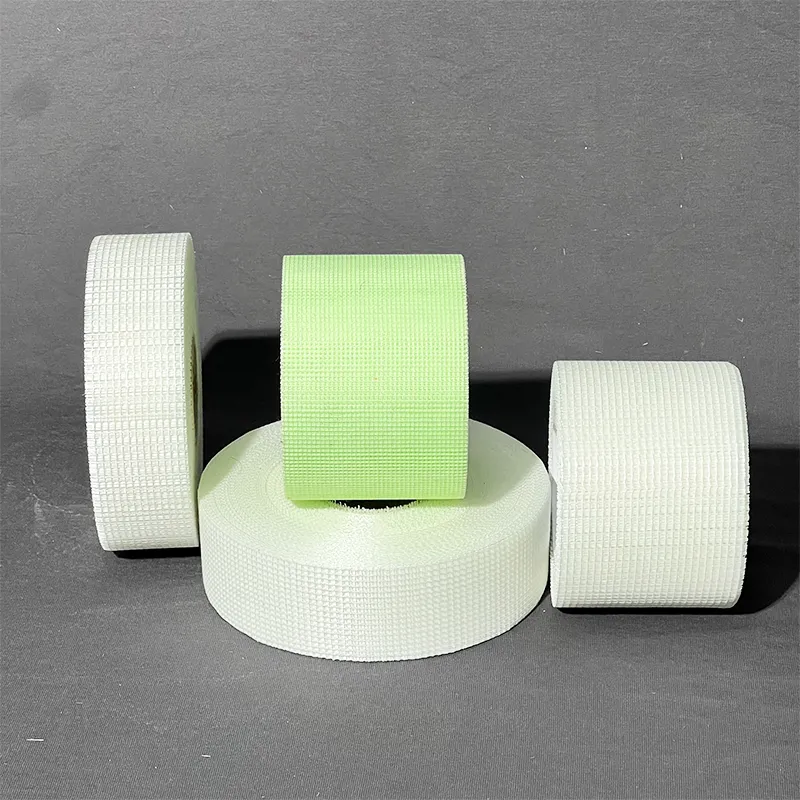
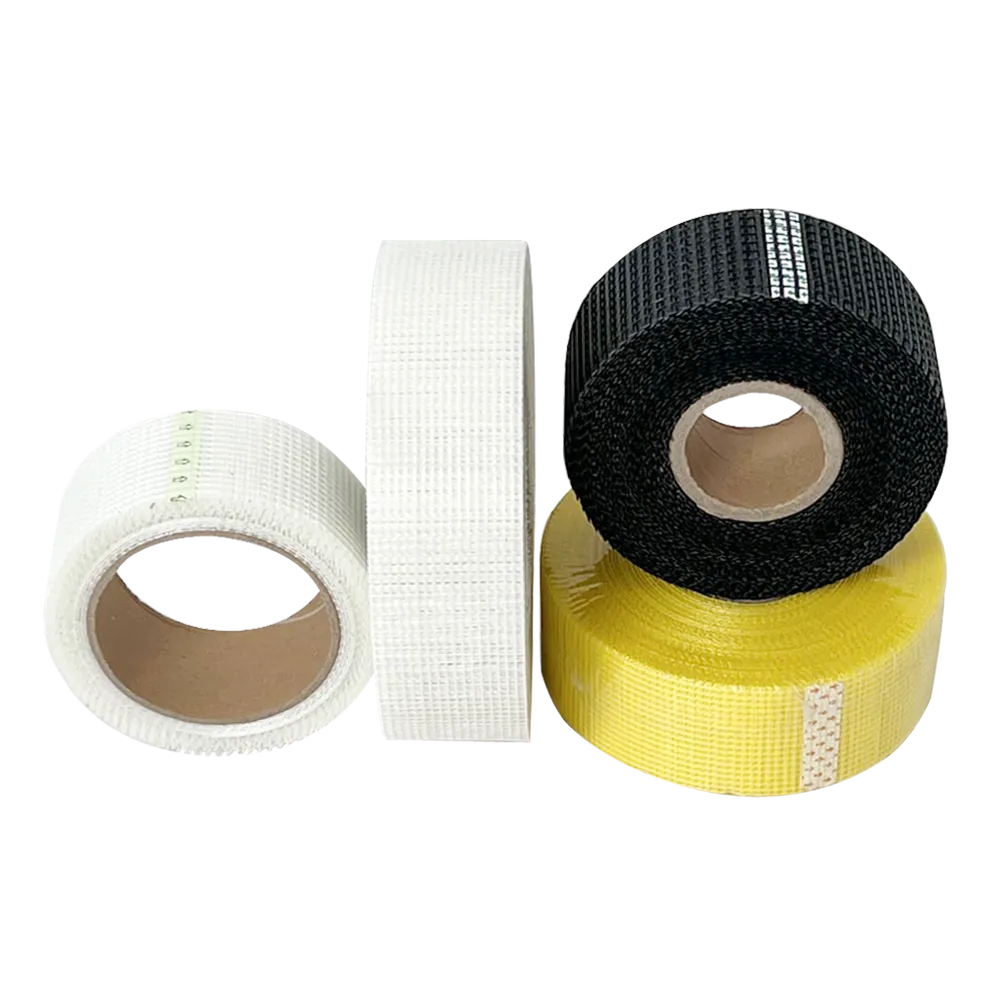
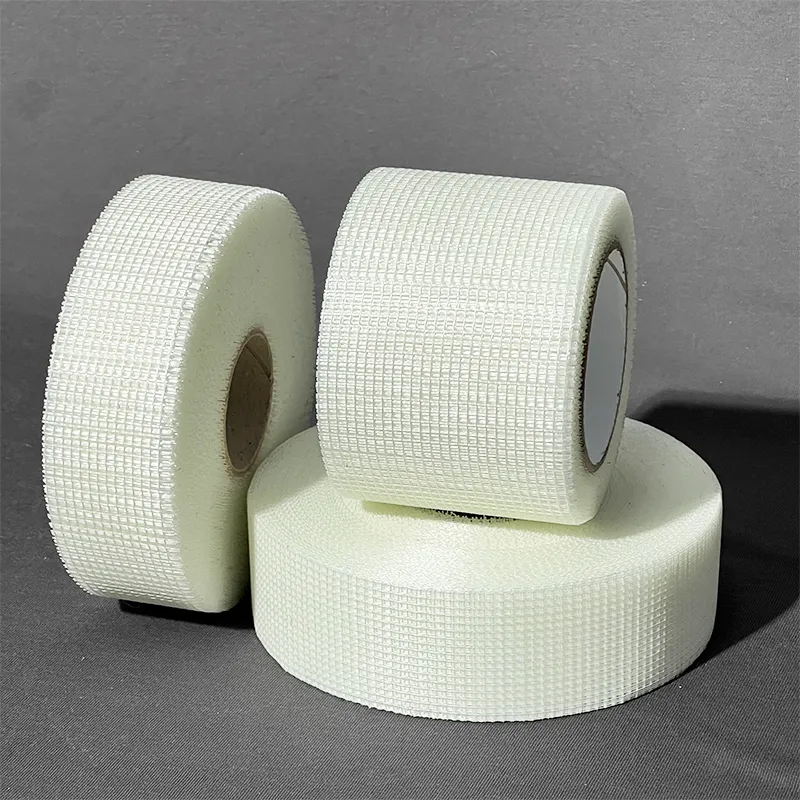
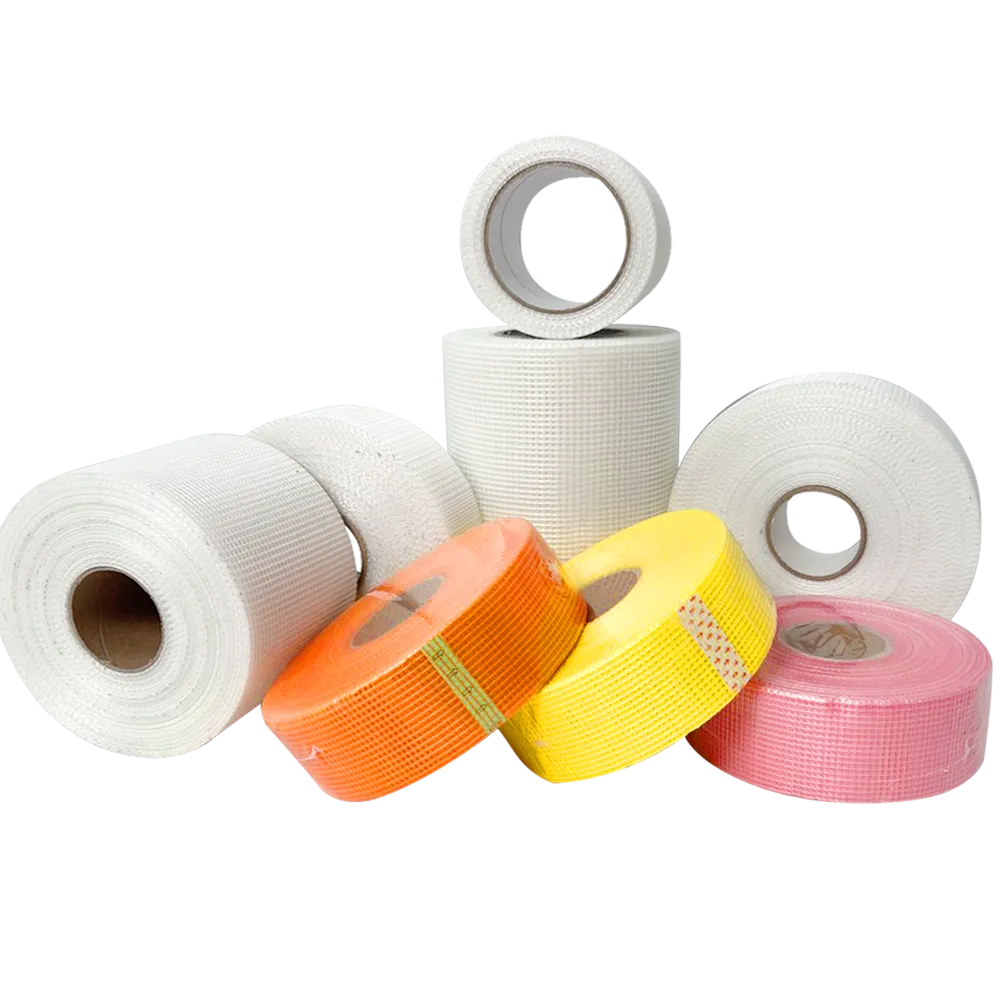
Glass mesh tape is a versatile material widely used in construction and DIY projects for reinforcing joints and seams. It offers superior strength, excellent adhesion, and resistance to cracking compared to traditional paper tape. This article provides an in-depth exploration of glass mesh tape products, their applications, benefits, and how to choose the right product for your needs. We’ll cover everything from the manufacturing process to the various types available and their ideal uses.
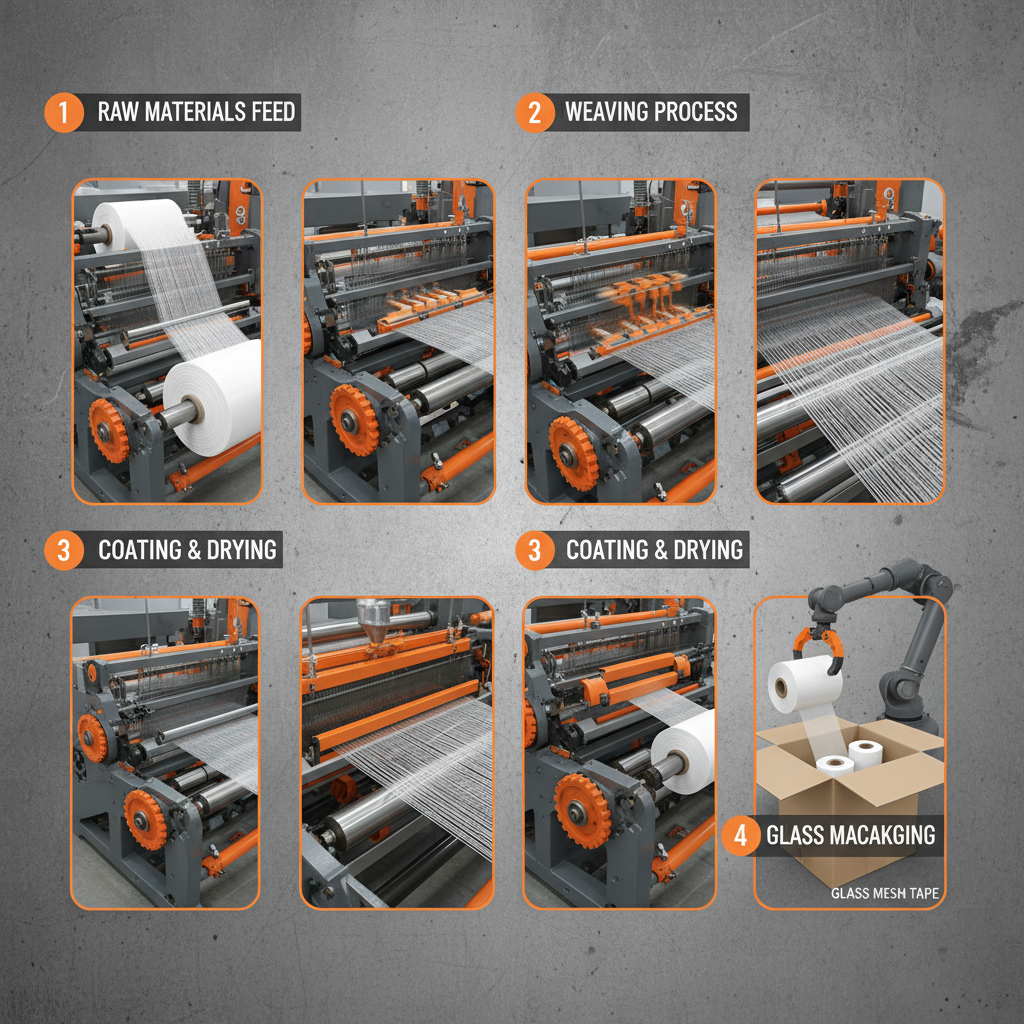
What is Glass Mesh Tape and How is it Made?
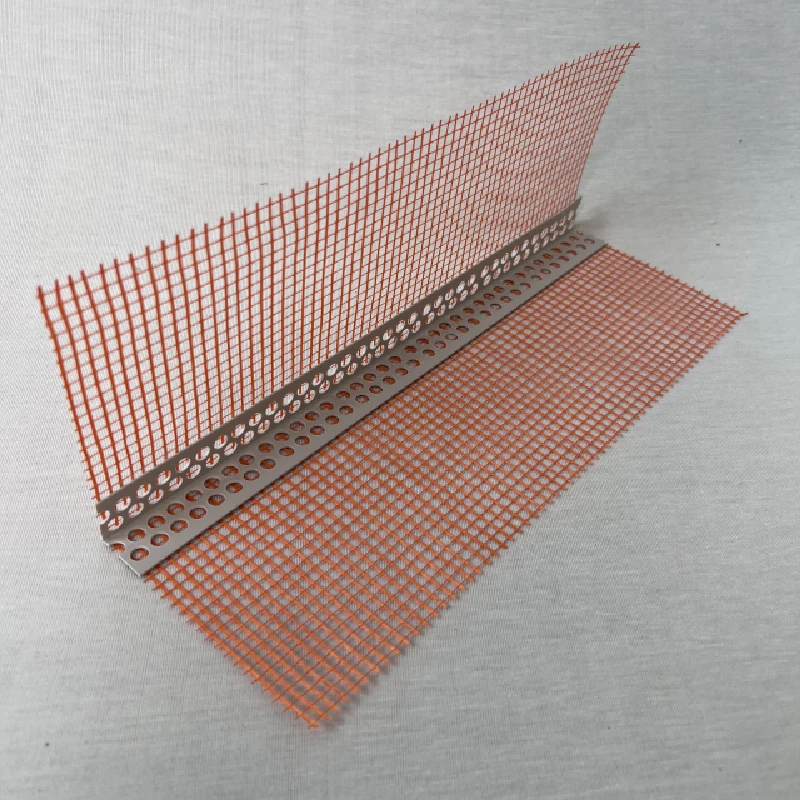
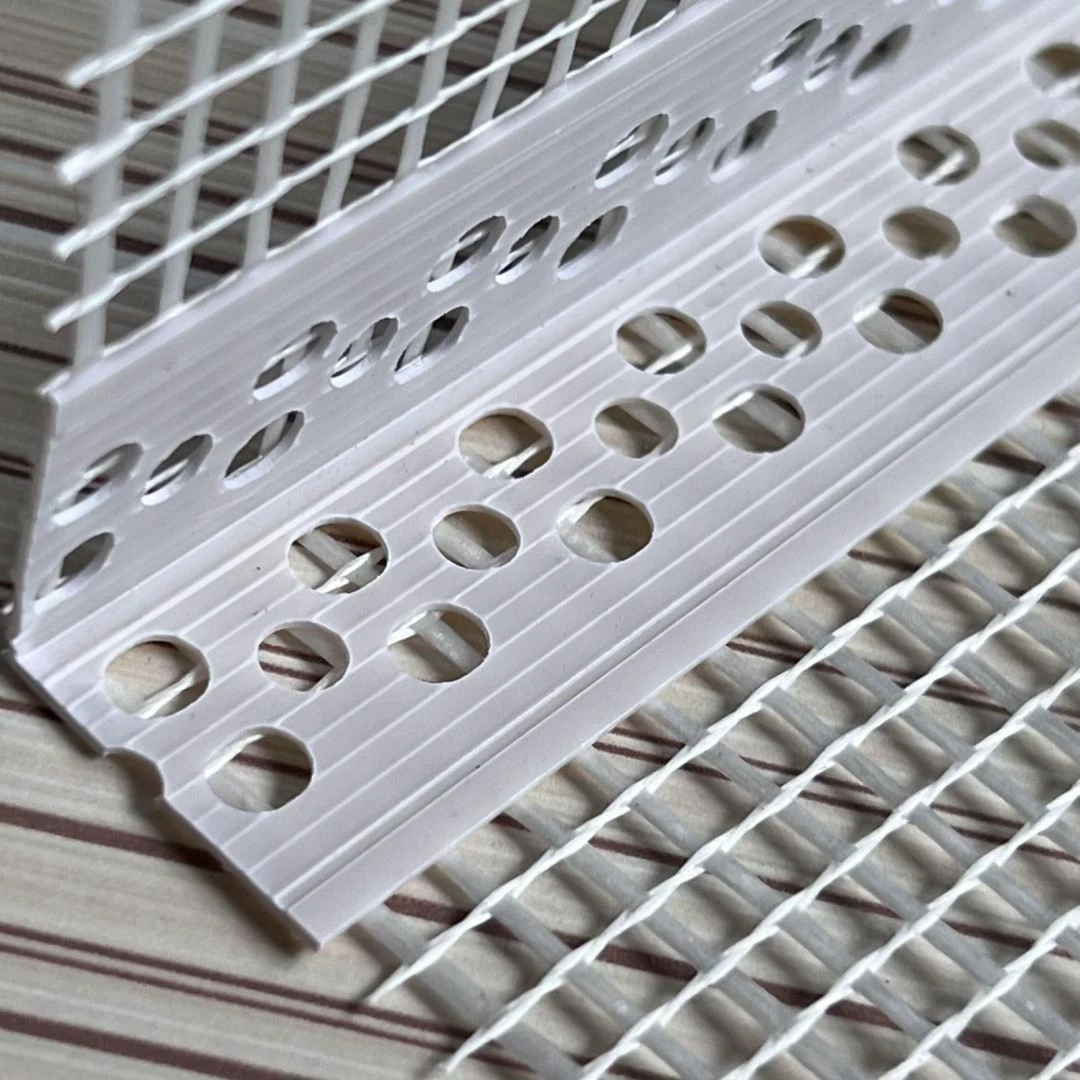
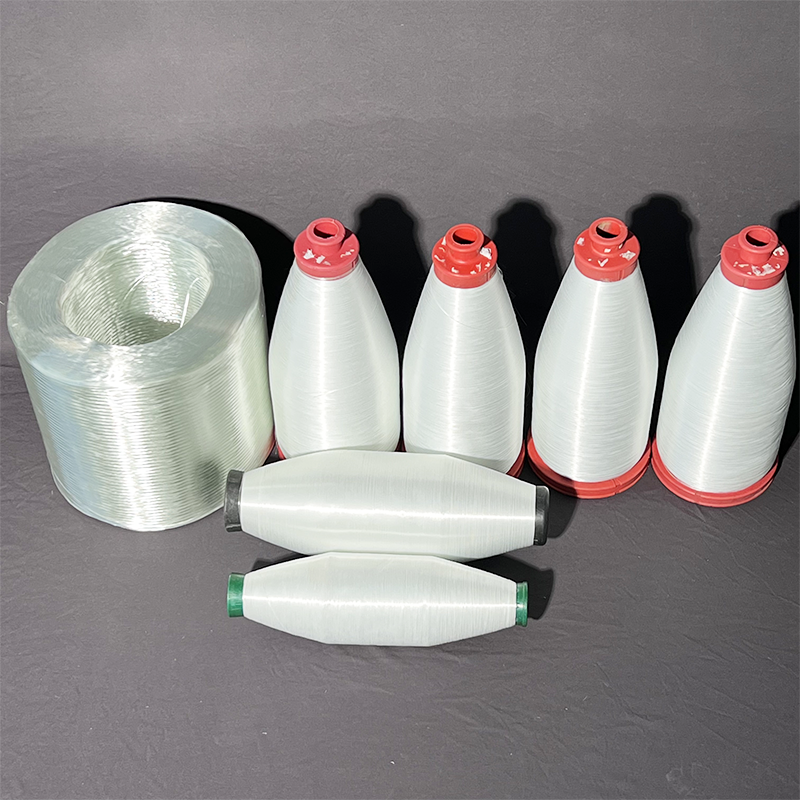
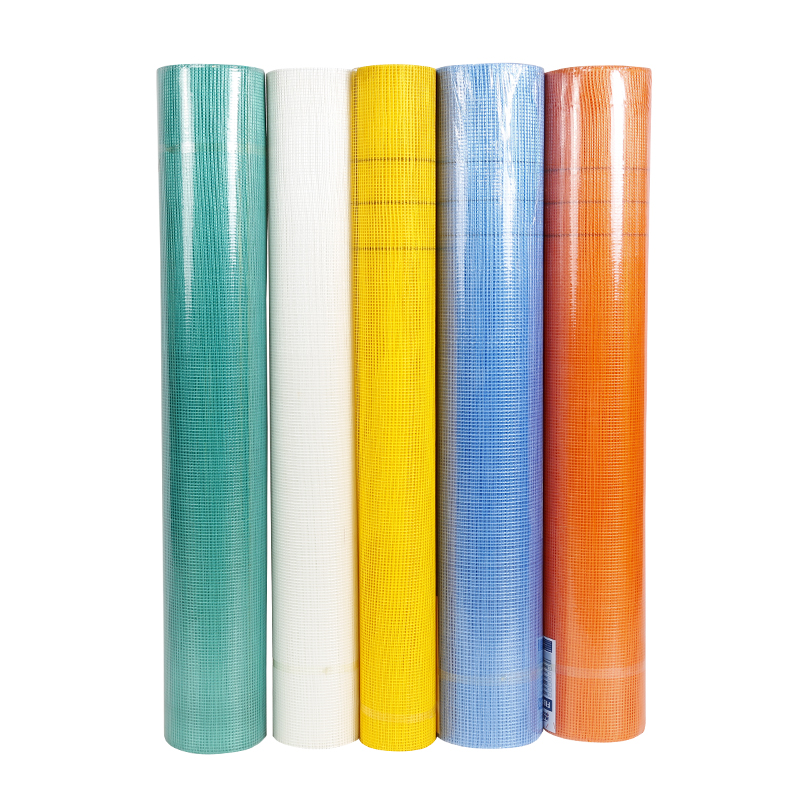
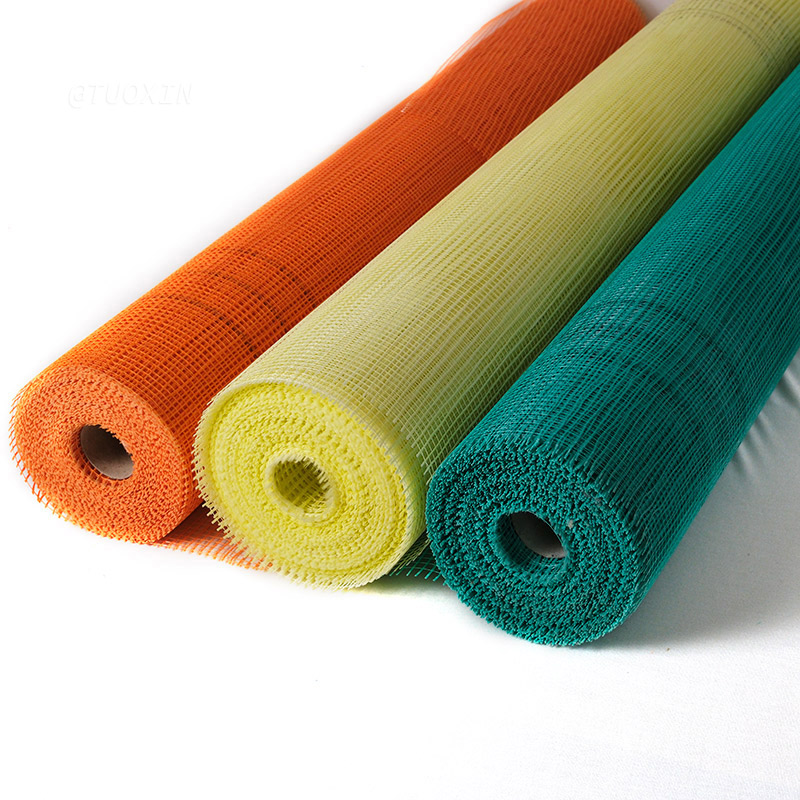
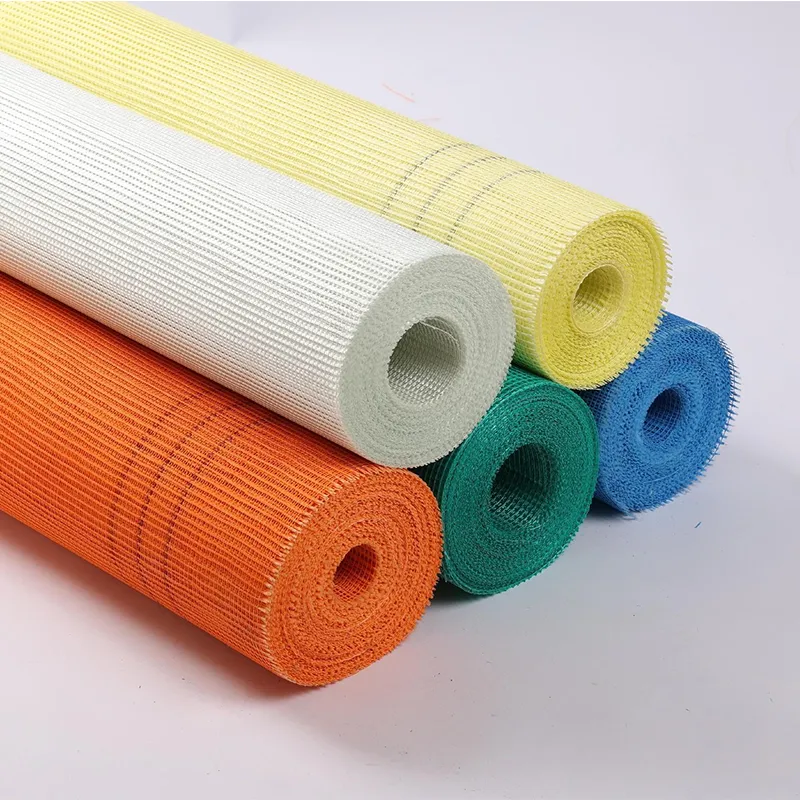
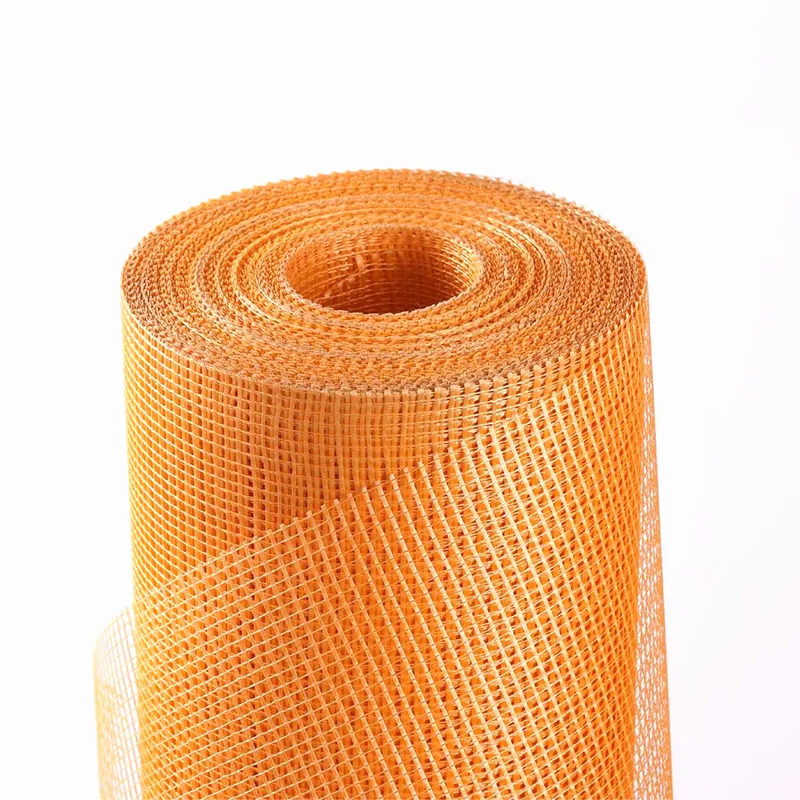
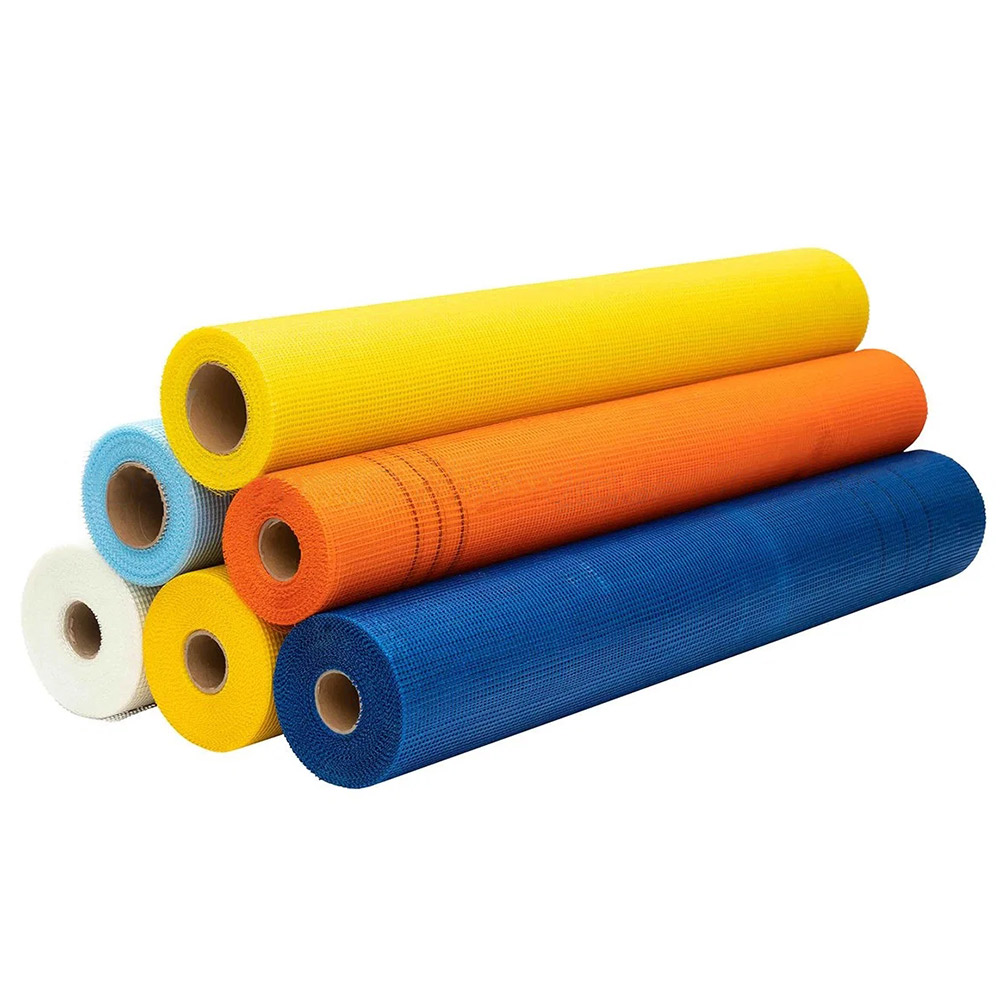
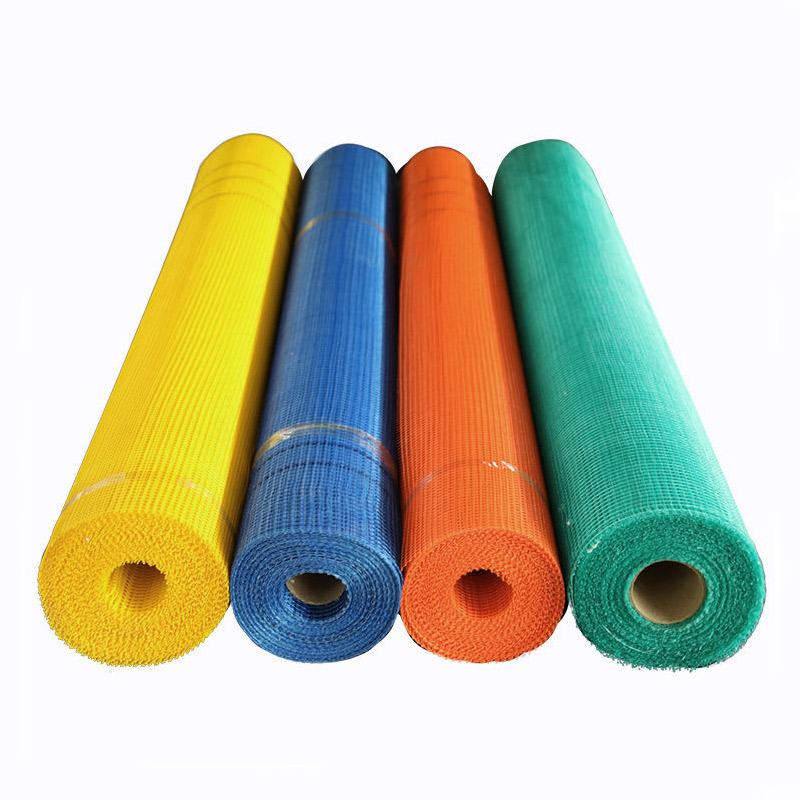
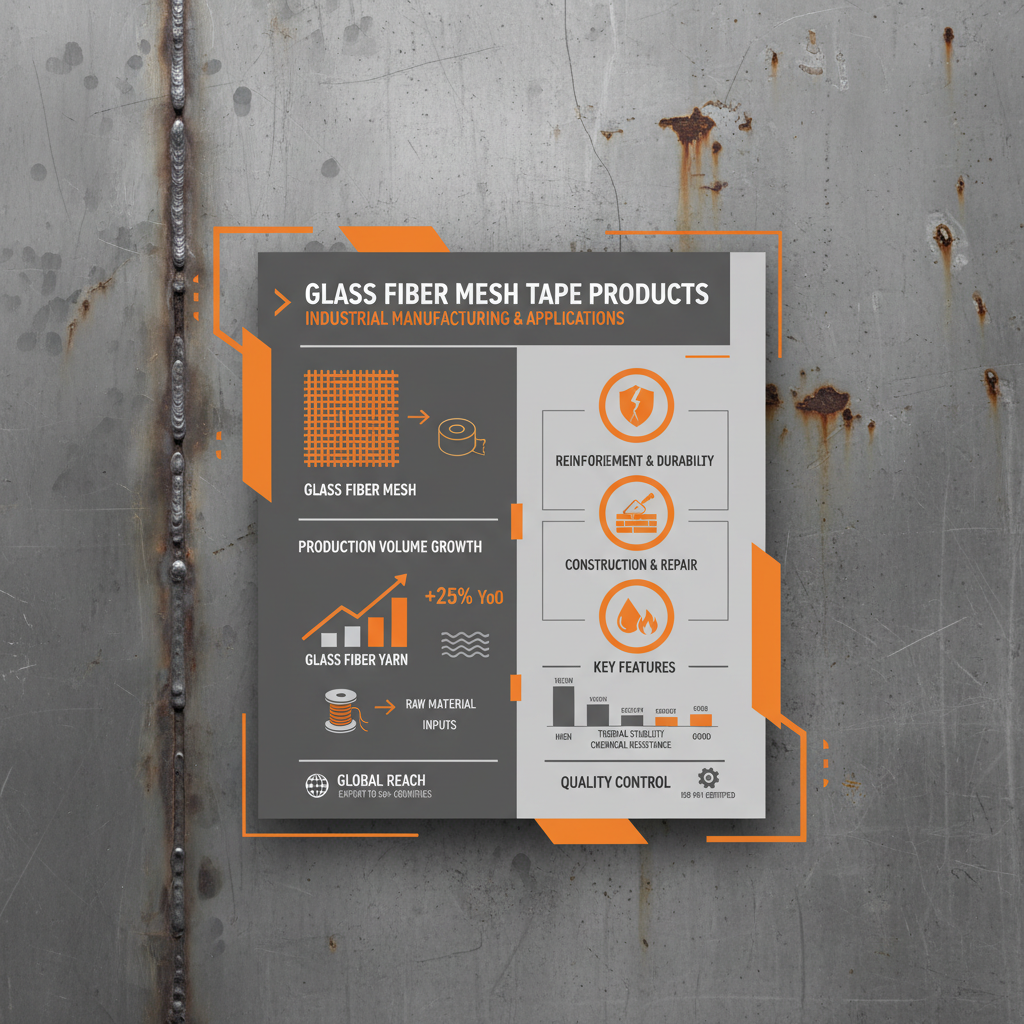
Glass mesh tape, also known as fiberglass mesh tape, is created by weaving fine fiberglass filaments into an open mesh fabric. This weaving process provides exceptional tensile strength, meaning it can withstand significant pulling forces. The mesh is then coated with a self-adhesive acrylic or latex-based compound, allowing it to adhere firmly to surfaces like drywall, plaster, and cement. The manufacturing process is carefully controlled to ensure consistent quality and performance. The open mesh structure allows for air and moisture to escape, which further reduces the risk of cracking and blistering. Tainuo Fiberglass Mesh specializes in high-quality manufacturing techniques to deliver superior products.
Key Highlights: Woven from fine fiberglass filaments, coated with self-adhesive compound, offers exceptional tensile strength and allows for air/moisture escape.
Key Benefits of Using Glass Mesh Tape
Compared to paper tape, glass mesh tape offers several advantages. Its strength prevents cracking and peeling, even in challenging environments. The self-adhesive backing eliminates the need for messy joint compound for initial adhesion, saving time and effort. It's also less susceptible to mold and mildew growth. Furthermore, glass mesh tape is incredibly versatile and can be used in a wider range of applications than paper tape. The inherent flexibility allows it to conform to uneven surfaces, ensuring a smooth and durable finish. Choosing the right tape can significantly improve the longevity and appearance of your projects.
Benefits at a Glance:
• Superior Strength & Durability
• Easy Application (Self-Adhesive)
• Resistance to Cracking & Peeling
• Mold & Mildew Resistant
Glass Mesh Tape Products: Types and Applications
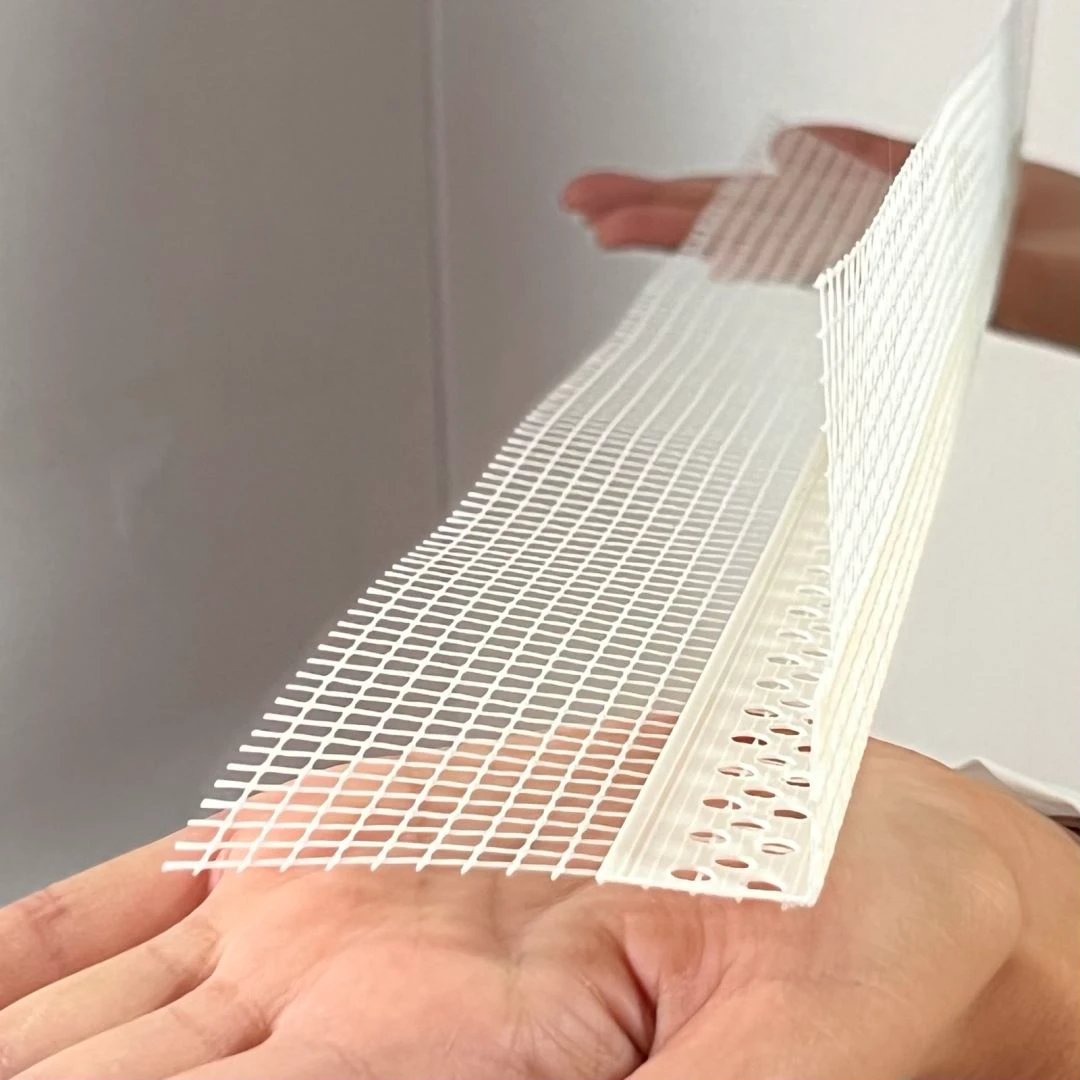
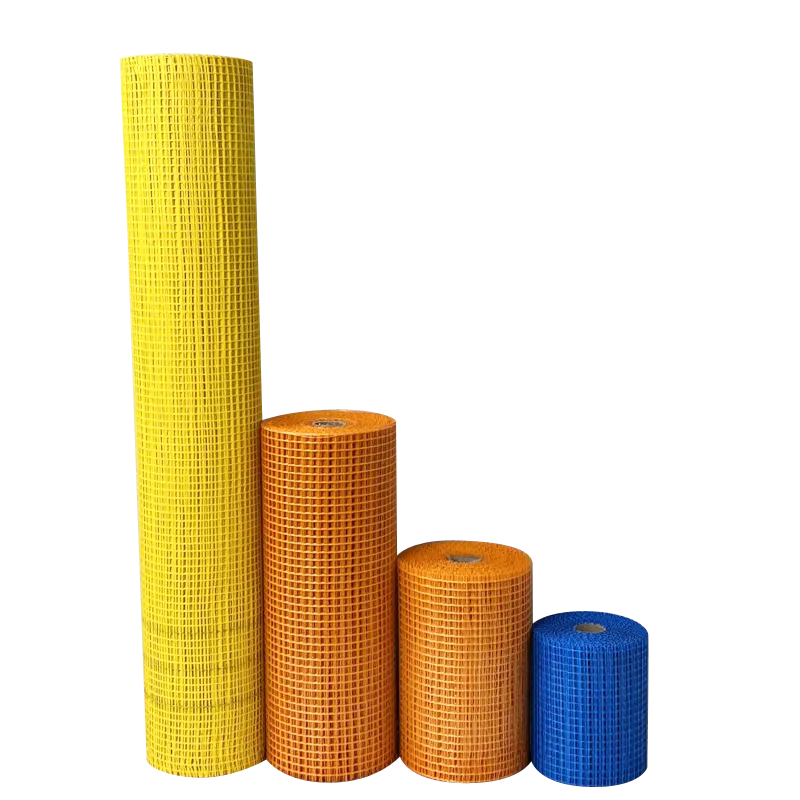
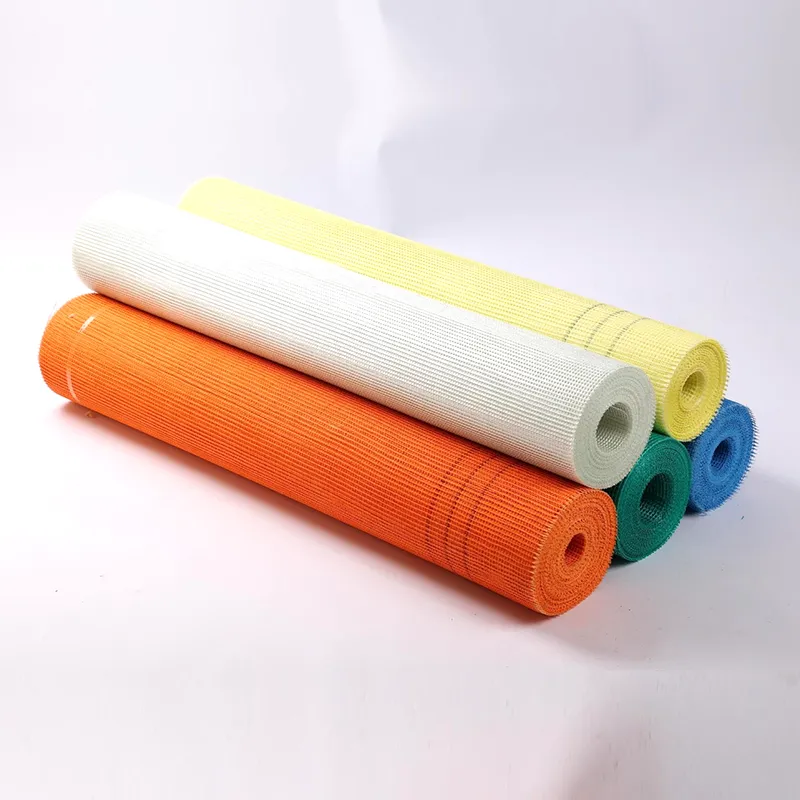
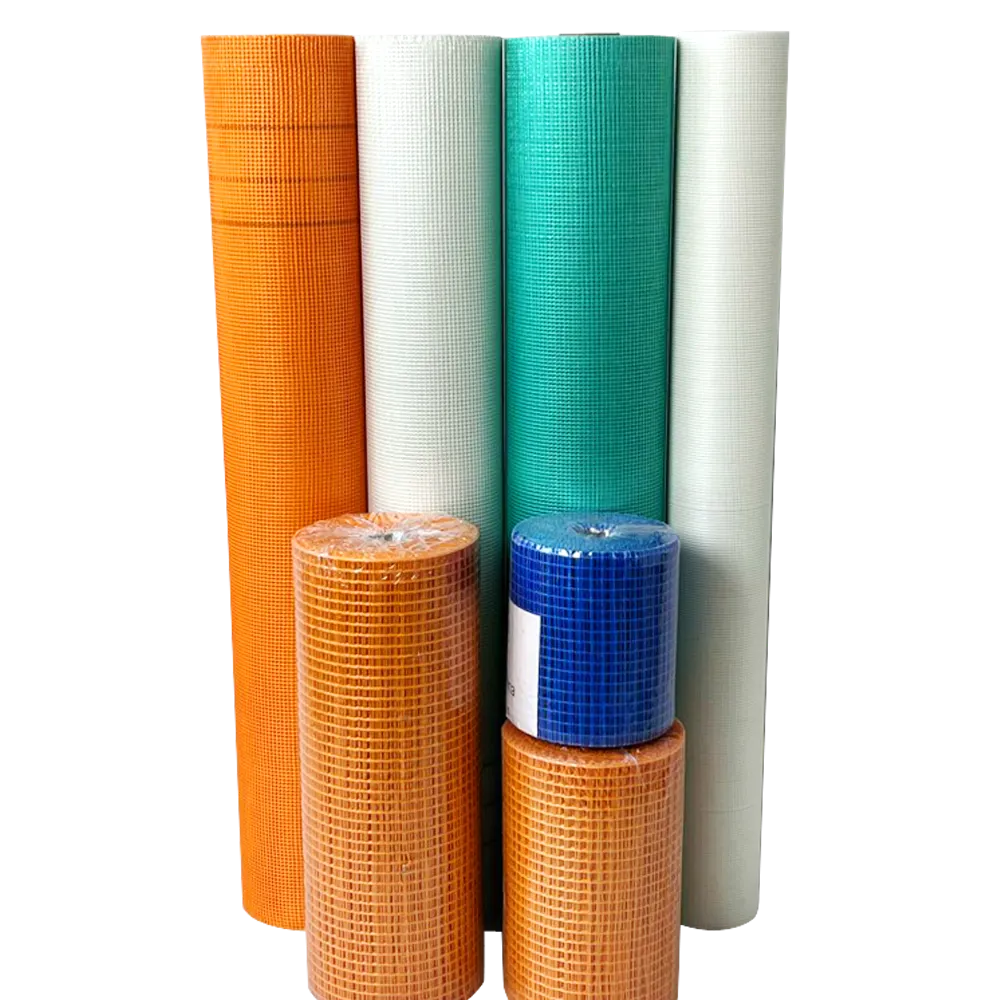
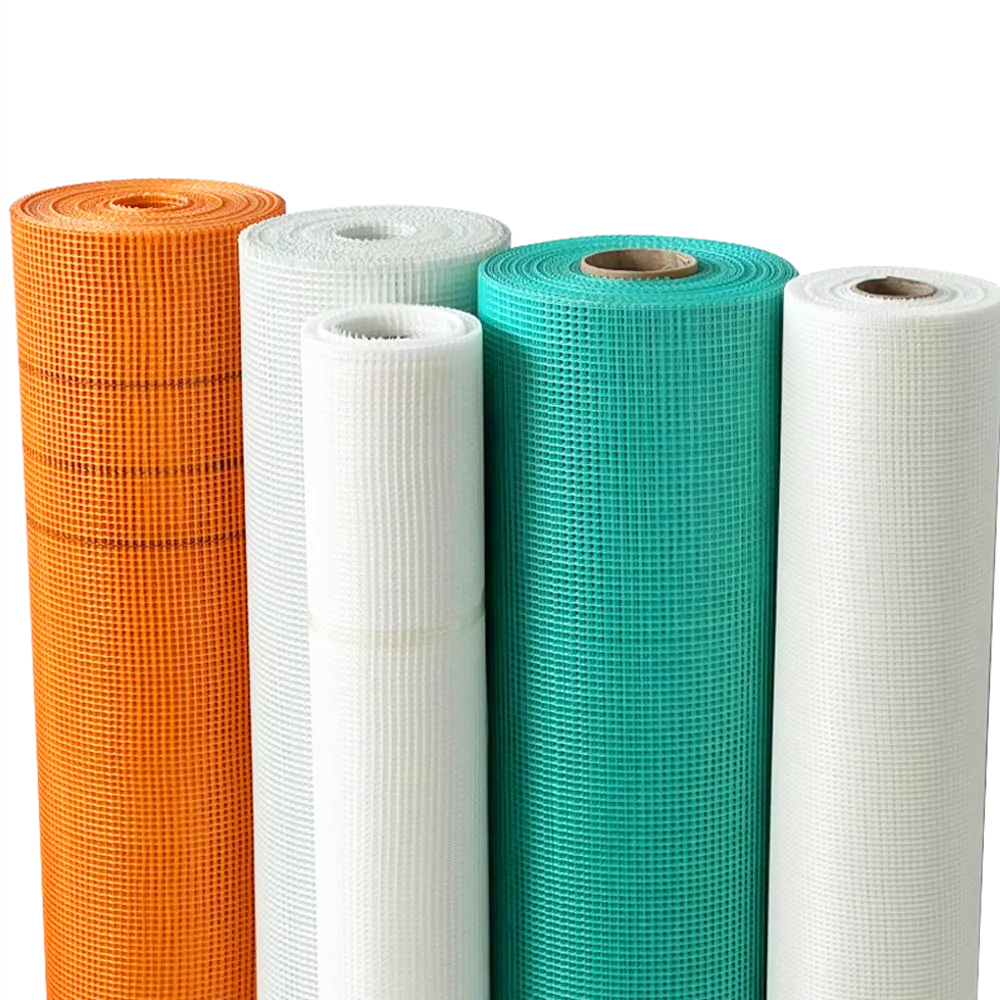
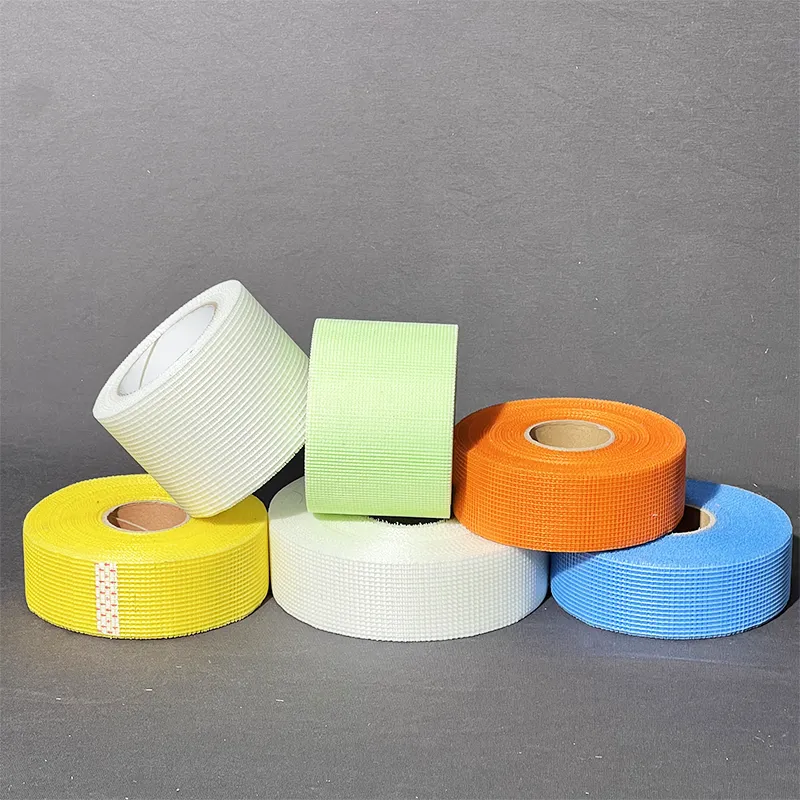
There are several types of glass mesh tape products available, each designed for specific applications. These include:
Choosing the Right Glass Mesh Tape for Your Project
Selecting the appropriate glass mesh tape depends on the specific application. For general drywall jointing, standard mesh tape is often sufficient. For quick repairs, self-adhesive tape offers convenience. If you’re dealing with larger cracks or structural issues, opt for heavy-duty tape. Consider the environment – if the area is prone to moisture, choose a tape with enhanced mildew resistance. Always check the manufacturer’s specifications to ensure the tape is suitable for your intended use. Tainuo Fiberglass Mesh offers a comprehensive range of products to meet diverse needs.
Installation Tips for Best Results
Proper installation is crucial for maximizing the benefits of glass mesh tape. Ensure the surface is clean, dry, and free of loose debris. Apply the tape smoothly and firmly, pressing it into the joint compound or directly onto the surface. Overlap the tape slightly at the ends to provide extra strength. For corners, use corner tape and ensure it’s properly adhered to both surfaces. After applying the tape, apply a thin coat of joint compound over the tape, feathering the edges for a seamless finish. Allow the compound to dry completely before sanding and painting.
Conclusion: The Reliable Choice for Joint Reinforcement
Glass mesh tape is a superior alternative to traditional paper tape, offering enhanced strength, durability, and ease of use. By understanding the different types available and following proper installation techniques, you can achieve professional-quality results in your construction and DIY projects. Choosing Tainuo Fiberglass Mesh ensures you're investing in a high-performance product backed by quality manufacturing.
Frequently Asked Questions (FAQs)
Can glass mesh tape be used on exterior surfaces?
While glass mesh tape can be used on exterior surfaces, it’s essential to choose a product specifically designed for exterior applications. These tapes are formulated to withstand weather exposure, including UV radiation and moisture. Standard interior tapes may degrade over time when exposed to the elements. Ensure the surface is properly primed before applying the tape and follow the manufacturer's instructions for best results. It is highly recommended to pair the tape with a waterproof coating for extended protection.
How do I sand glass mesh tape after applying joint compound?
Sanding glass mesh tape requires a gentle approach to avoid damaging the mesh. Use a fine-grit sandpaper (120-150 grit) and a sanding sponge or block. Sand in circular motions, applying light pressure. Avoid sanding directly over the mesh with excessive force, as this can tear the fabric. Focus on feathering the edges of the joint compound to create a smooth and seamless transition. Dust frequently during sanding to maintain visibility and prevent clogging the sandpaper.
Is glass mesh tape compatible with all types of joint compound?
Generally, glass mesh tape is compatible with most standard joint compounds, including all-purpose, lightweight, and setting-type compounds. However, it’s always best to check the manufacturer’s recommendations for both the tape and the joint compound. Some specialized compounds may not adhere as well to the mesh, so testing a small area is advisable before applying it to the entire project. Tainuo Fiberglass Mesh products are designed to work seamlessly with a wide range of compounds.
How long does it take for joint compound to dry over glass mesh tape?
The drying time for joint compound over glass mesh tape depends on several factors, including the type of joint compound used, the thickness of the application, the temperature, and the humidity. Generally, all-purpose joint compound takes 12-24 hours to dry completely. Lightweight compound may dry faster, while setting-type compound dries much quicker (often within 30-60 minutes). Ensure proper ventilation to expedite the drying process. Always allow the compound to dry completely before sanding or painting to prevent cracking or adhesion issues.
-
Best Fiberglass Mesh Tape for RedGard Product Waterproofing GuideNewsApr.16,2026
-
Why High Strength Fiberglass Mesh Is Essential For Stucco ApplicationNewsApr.15,2026
-
Why Alkali Resistant Fiberglass Mesh Tape Is Essential For Cement Board And Tile InstallationsNewsApr.15,2026
-
Understanding The Role Of Drywall Fiberglass Mesh In Interior FinishingNewsApr.15,2026
-
Ultimate Guide To Using Fiberglass Mesh Tape For Drywall And Plaster RepairsNewsApr.15,2026
-
The Versatility Of Fiberglass Mesh In Marble And Stone MosaicNewsApr.15,2026