Nov . 28, 2025 17:30 Back to list
Comprehensive Guide to Plaster Fiberglass Mesh Quotes: Global Insights & Practical Tips
Understanding Plaster Fiberglass Mesh Quotes: Why They Matter Globally
If you’re working in construction, renovation, or even in humanitarian aid, chances are you’ve bumped into plaster fiberglass mesh quotes at some point or another. Yet their significance goes beyond mere numbers on a bid sheet. Fiberglass mesh — a key reinforcement material — plays a critical role in improving structural integrity, especially in plaster and stucco applications worldwide. Tracking and understanding quotes for this material isn’t just about cost control; it reflects supply trends, quality levels, and evolving industry standards globally.
In fact, with increasing urbanization and rebuilding efforts particularly in areas prone to natural disasters, the demand for reliable reinforcement materials like fiberglass mesh has rocketed. Knowing where to find accurate plaster fiberglass mesh quotes—and how to interpret them—ultimately supports safer, more sustainable building methods. So whether you’re an engineer, procurement manager, or an NGO worker sourcing materials for an emergency shelter, this topic has real, practical value.
The Global Context: Why Plaster Fiberglass Mesh Quotes Are Important
Across continents—from the bustling cities of Asia to the remote rural parts of Africa—construction standards increasingly rely on materials that guarantee longevity and durability. According to ISO standards, fiberglass mesh enhances crack resistance and moisture protection in plastered surfaces. Globally, the plaster and stucco market is expected to grow by around 5% annually (World Bank, 2023) which signals rising demand for such specialized materials.
However, the complexity of sourcing plaster fiberglass mesh can’t be ignored. Export restrictions, fluctuating raw material costs like silica sand and polymer binders, and supply chain disruptions mean that pricing isn’t always transparent. For global contractors, getting accurate plaster fiberglass mesh quotes quickly can prevent project delays and budget overruns.
In post-disaster reconstruction zones, this challenge magnifies. Emergency shelters must be durable but low cost. Procurement teams must rapidly compare offers while ensuring materials meet safety norms. It’s a balancing act that’s easier said than done.
What Exactly Are Plaster Fiberglass Mesh Quotes?
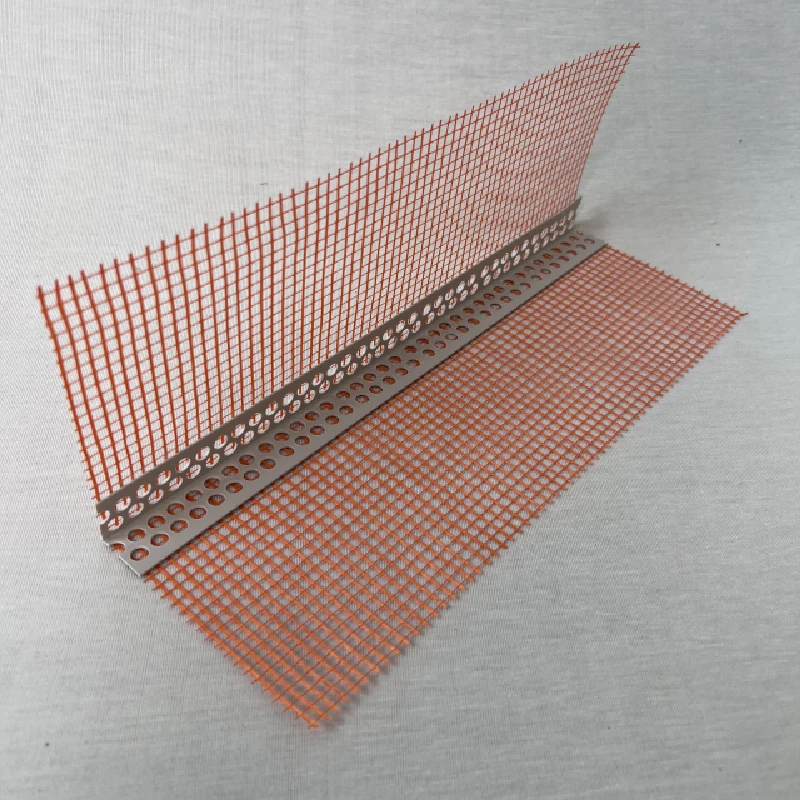
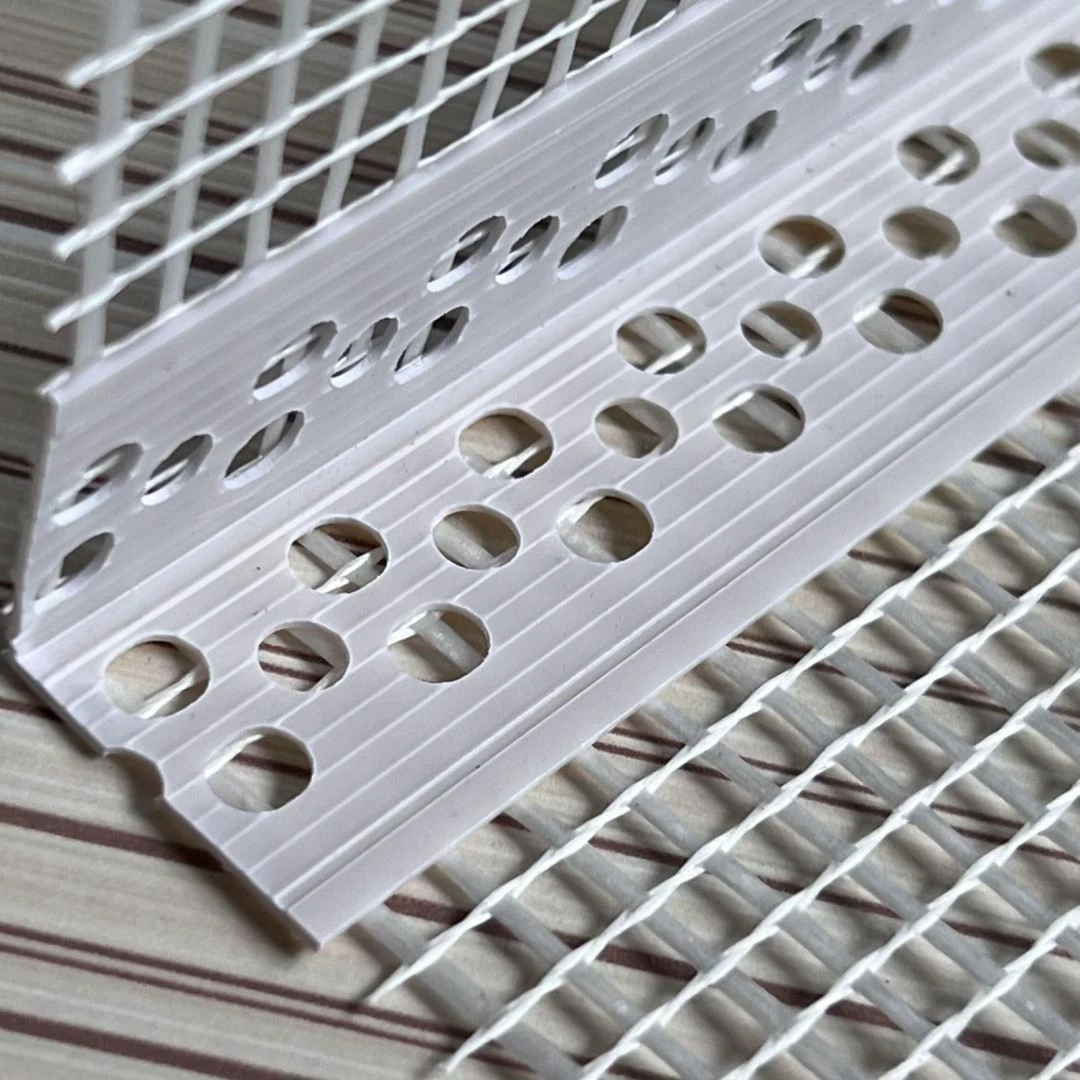
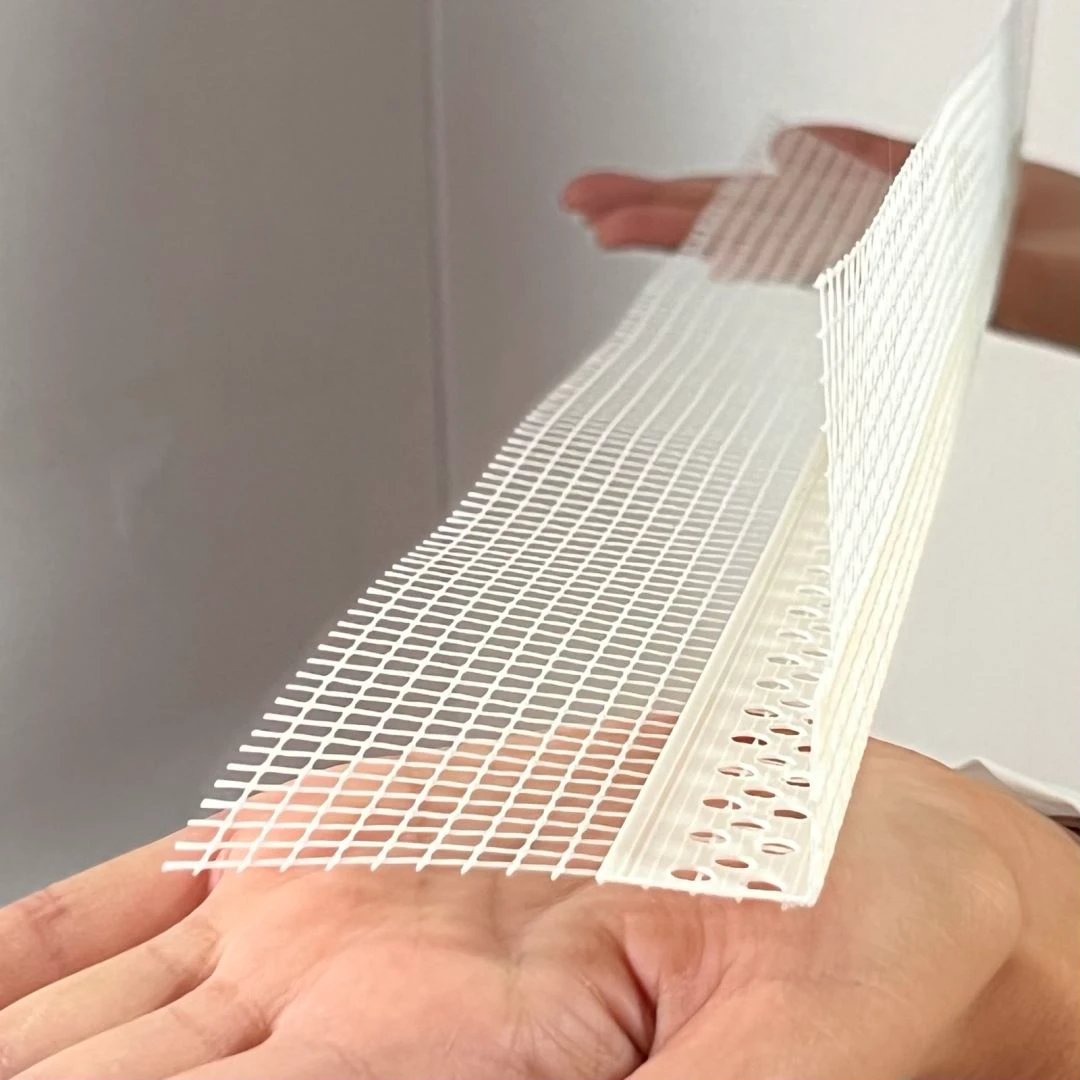
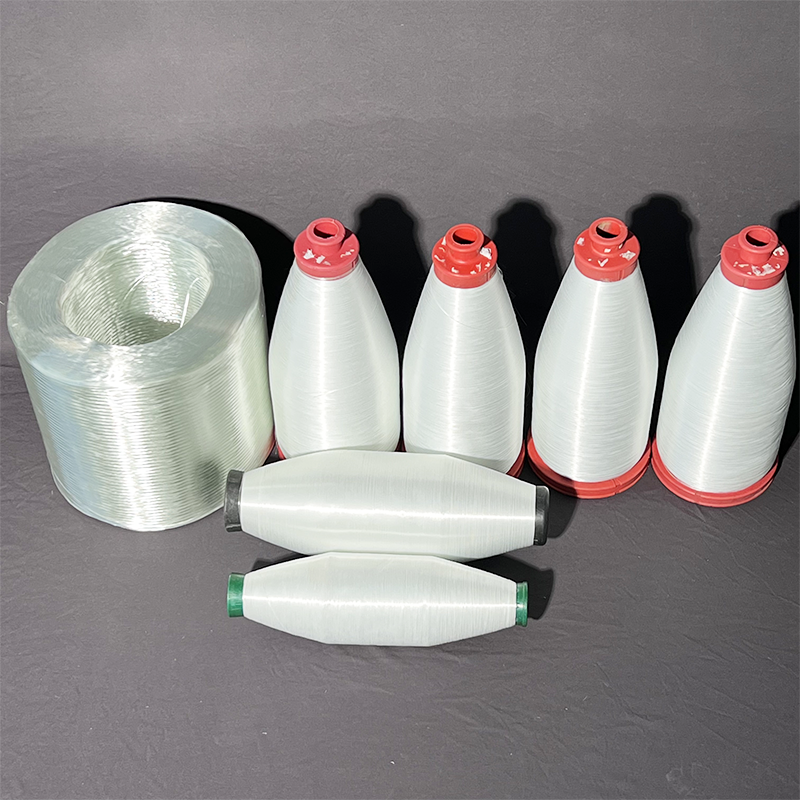
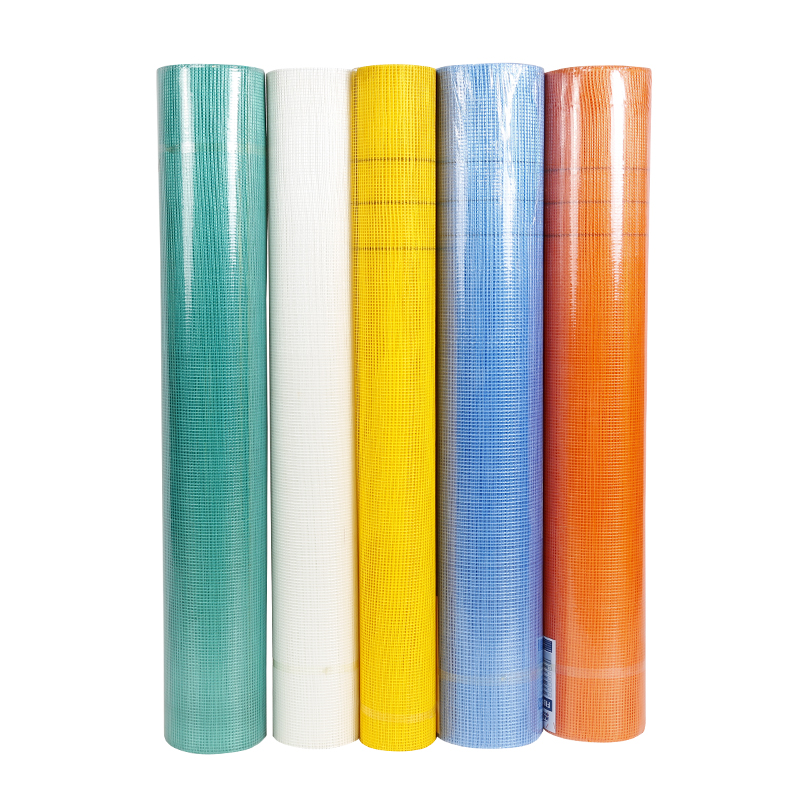
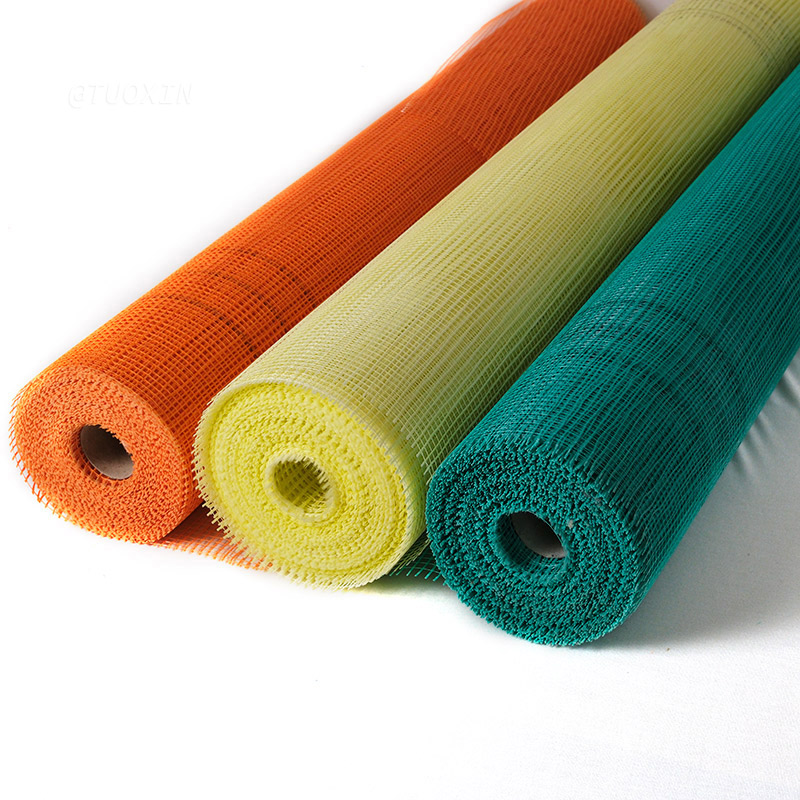
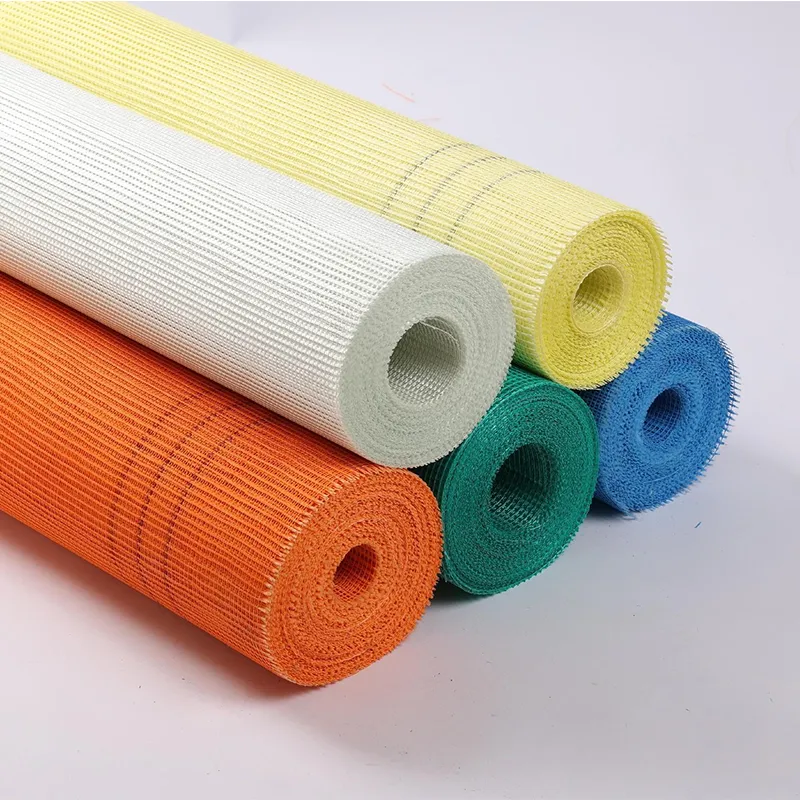
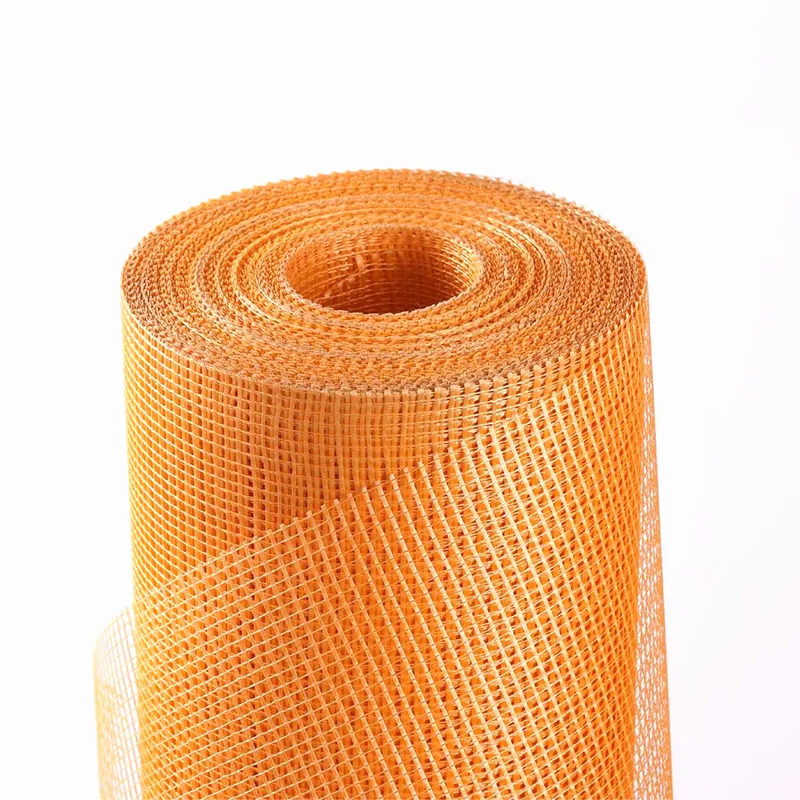
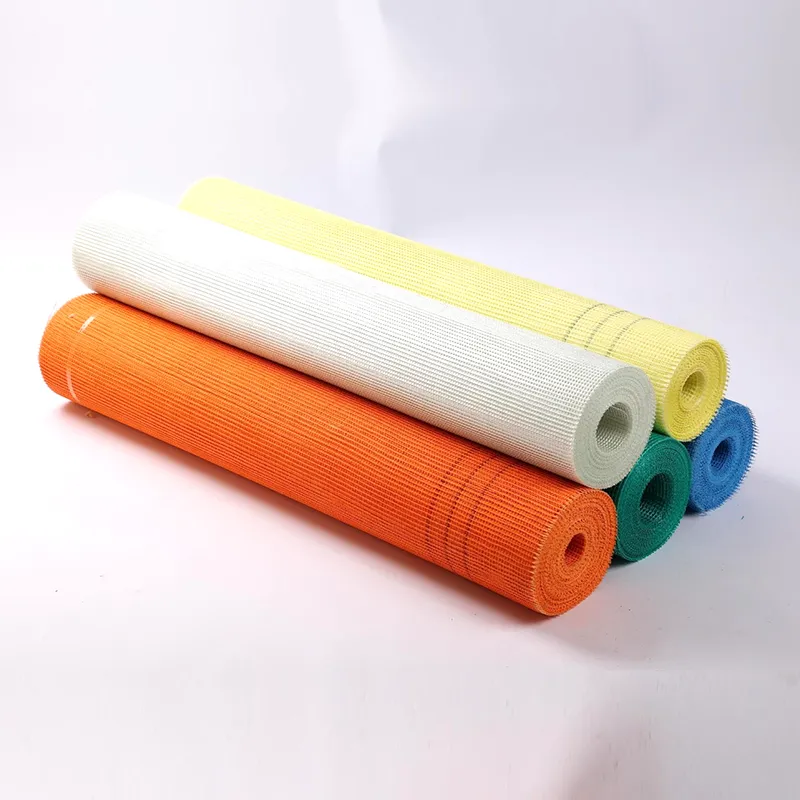
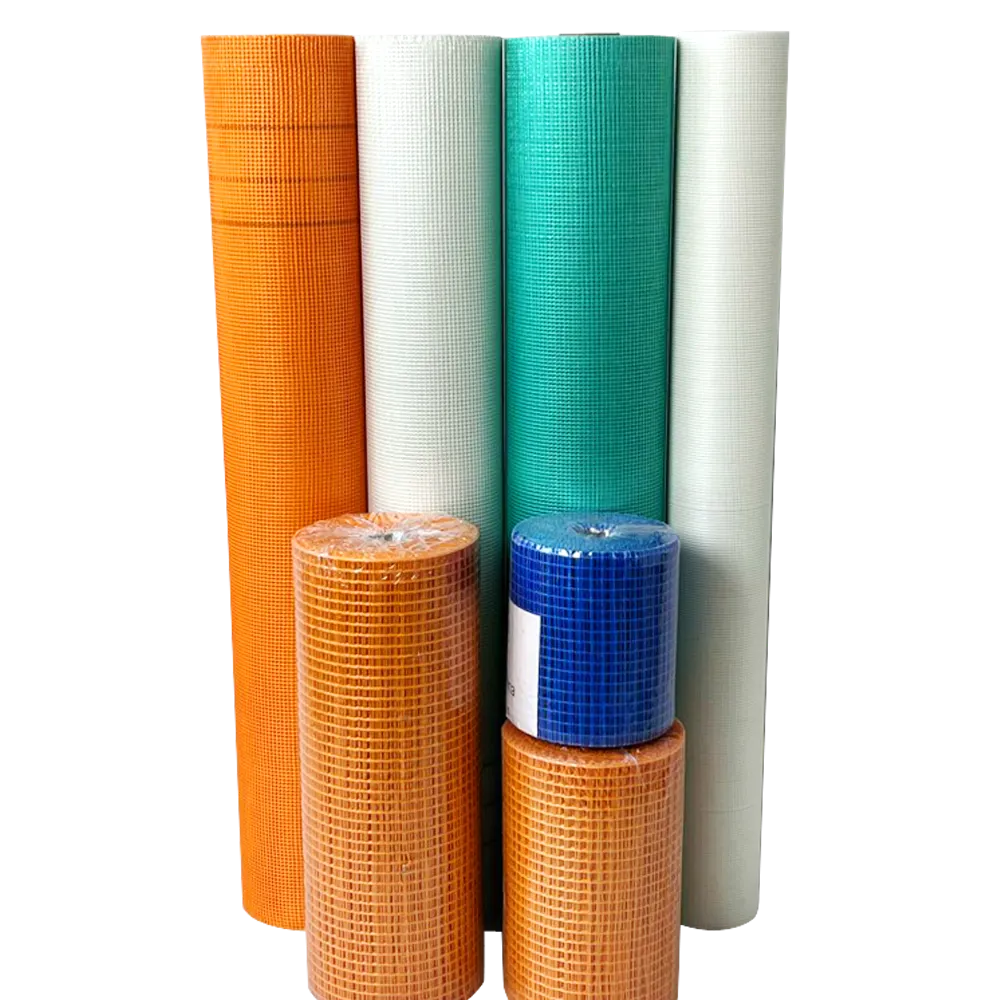
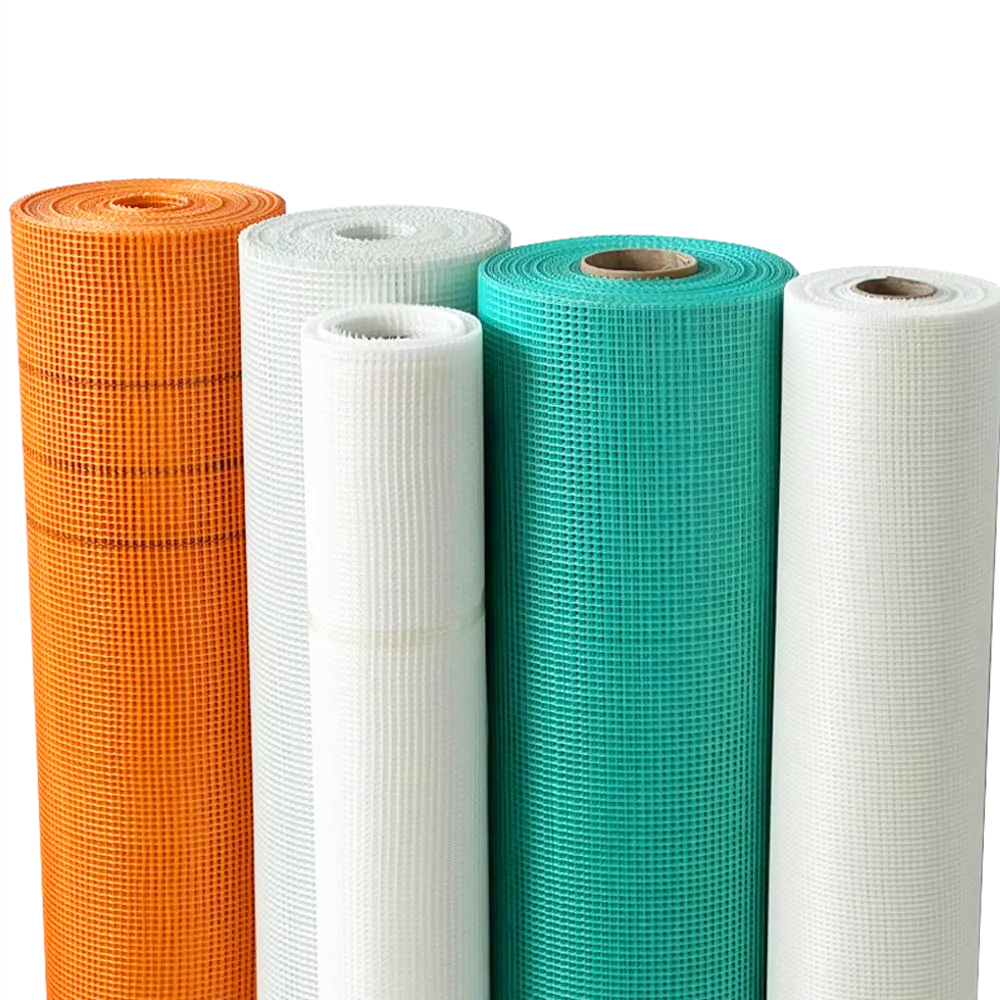
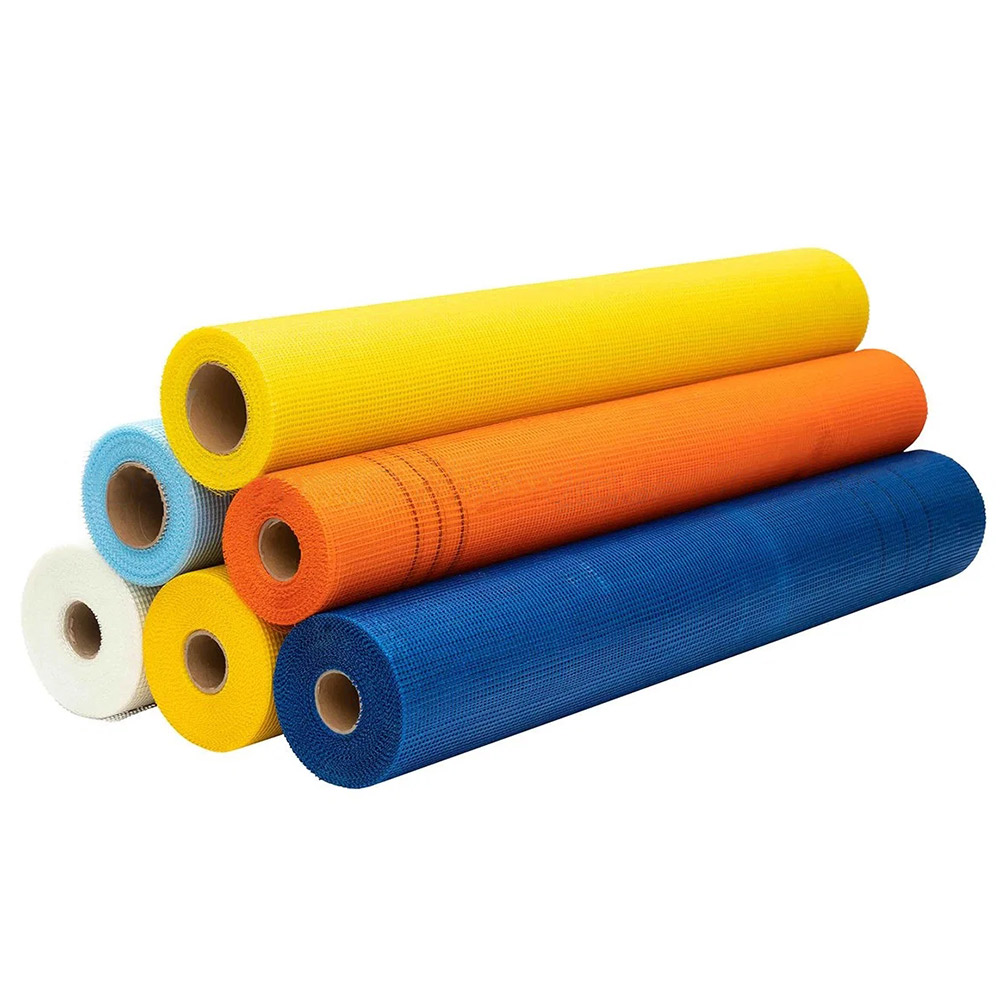
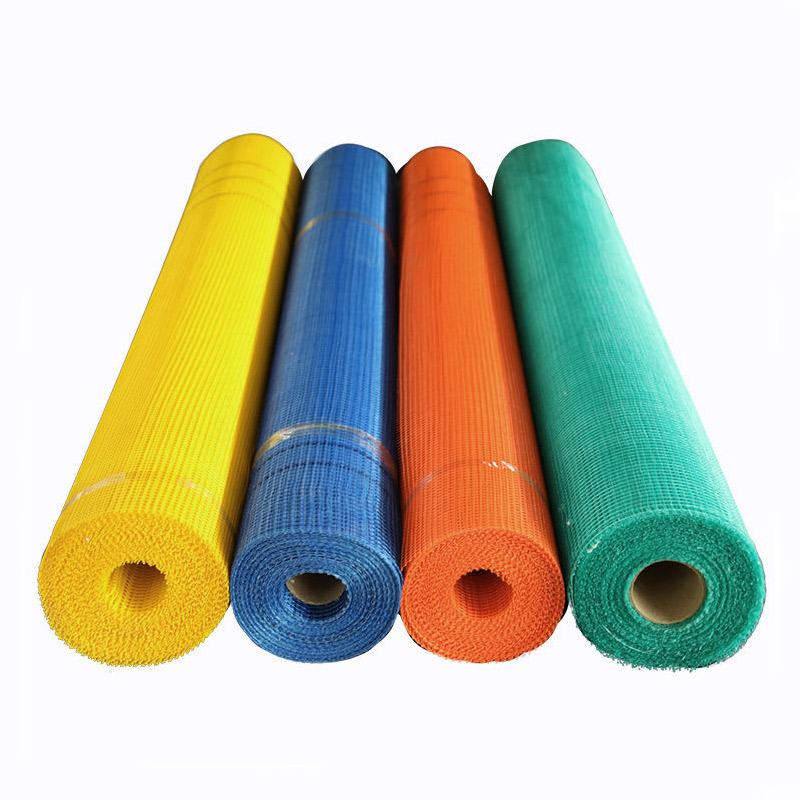
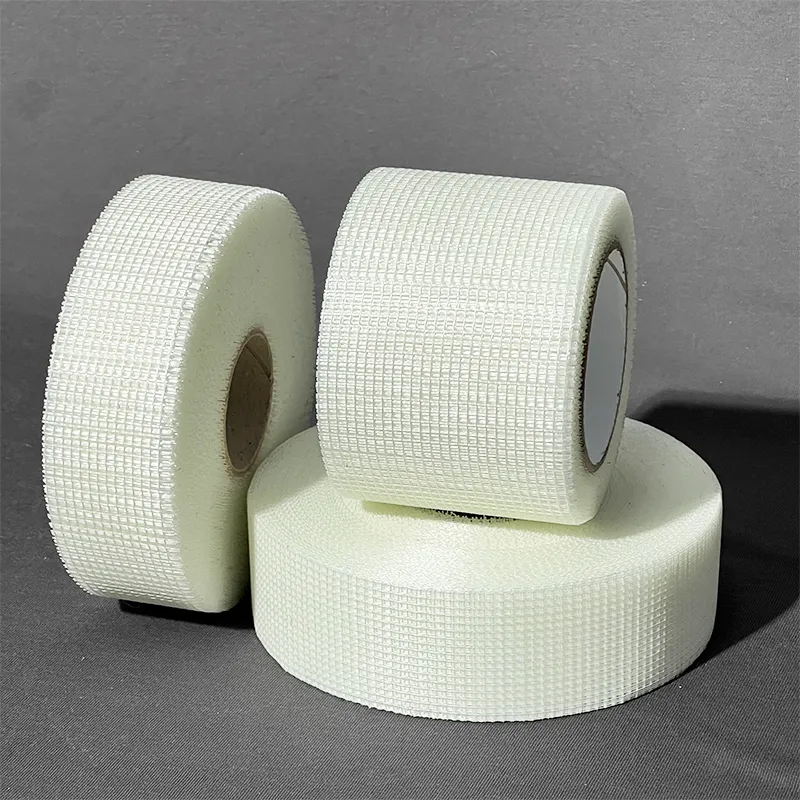
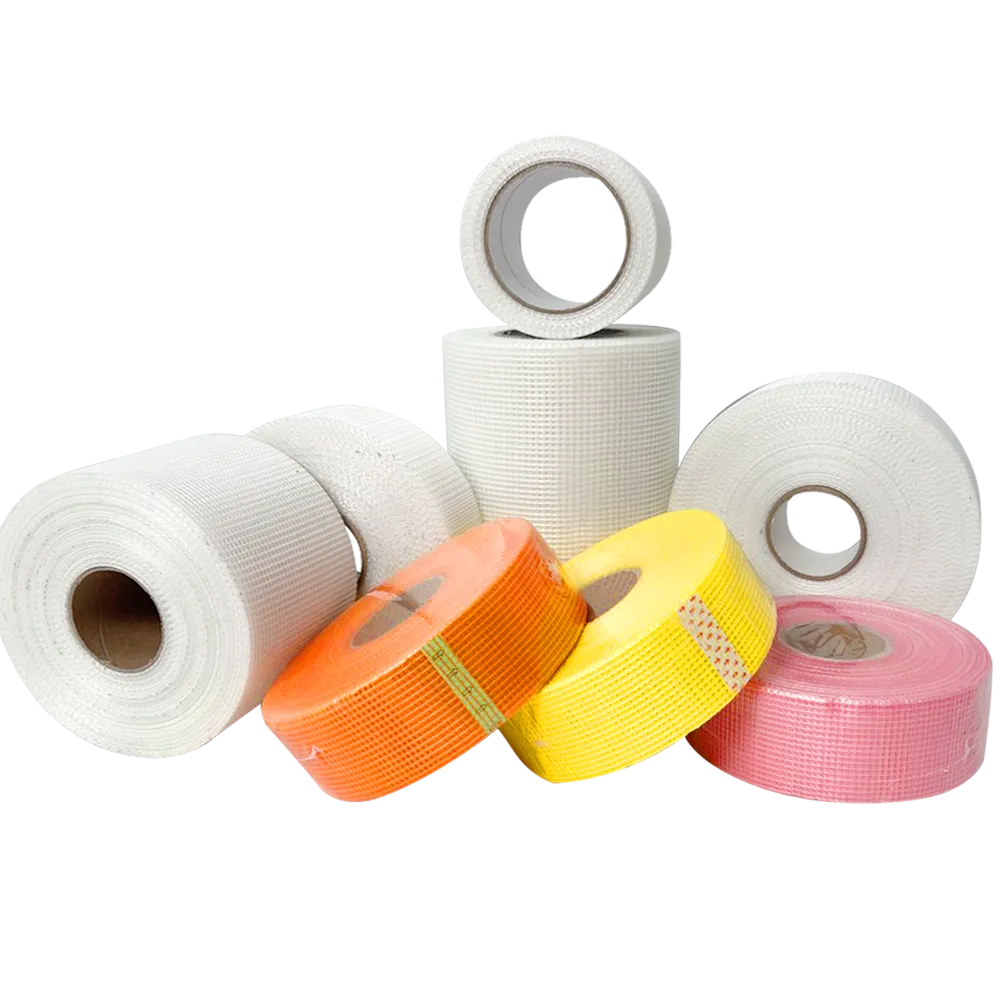
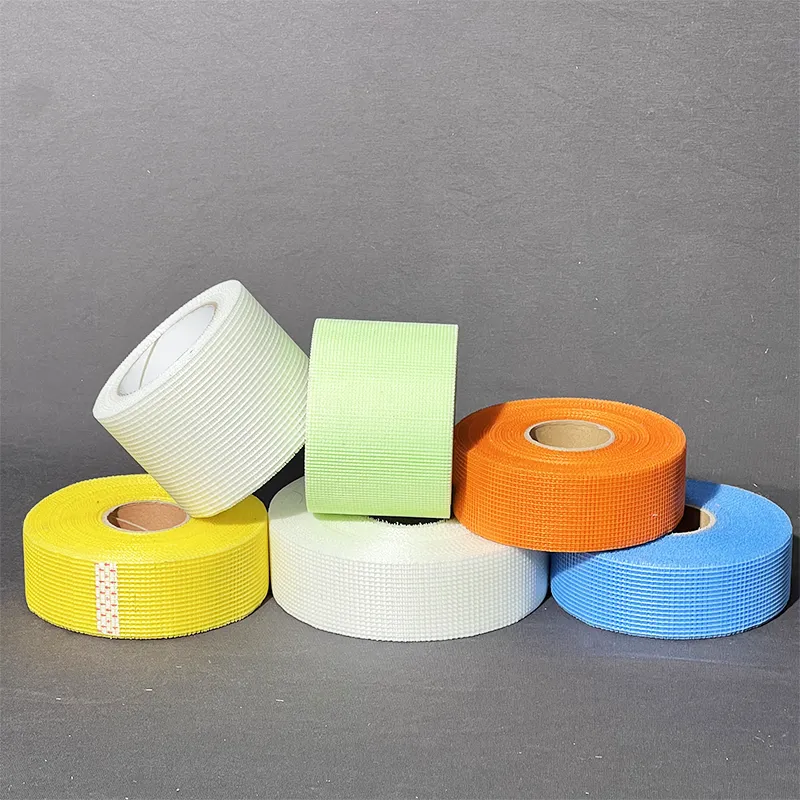
Put simply, plaster fiberglass mesh quotes are price estimates for rolls or sheets of fiberglass mesh used as reinforcement in plaster or stucco applications. Fiberglass mesh itself is made from very fine glass fibers woven into a grid, often treated with coatings to resist alkali and UV damage.
Its purpose? To create a stable, crack-resistant plaster surface on walls, ceilings, or facades. Without it, plaster layers can easily chip or crack, especially in harsh climates or seismic areas.
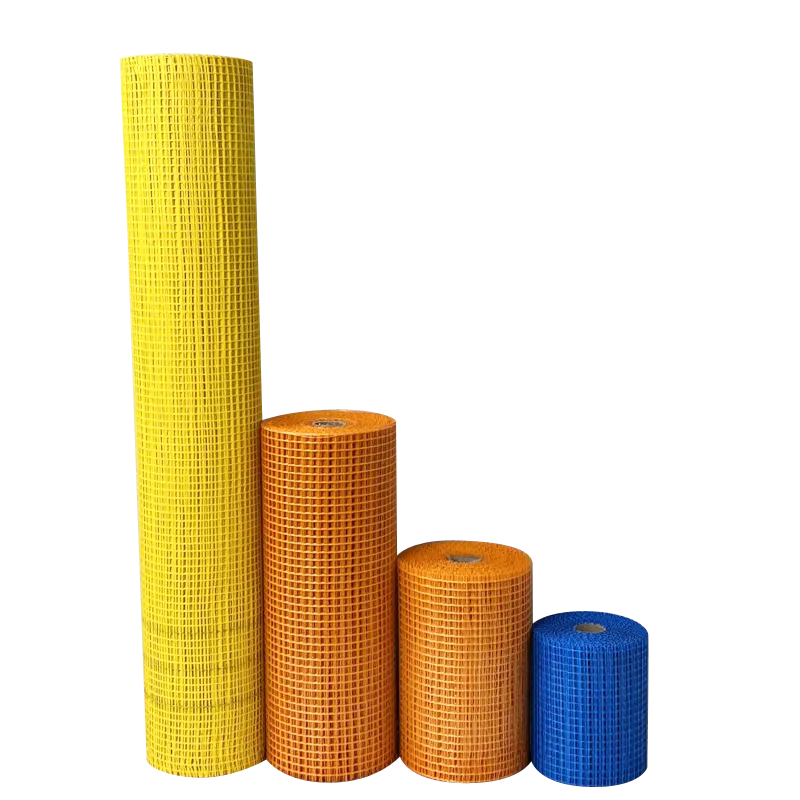
Quotes typically list: material size (roll width and length), mesh weight (grams per square meter), coating type, and pricing per unit or roll. In modern construction and engineering — and increasingly in humanitarian uses like modular shelter walls — these quotes help buyers quickly benchmark costs and quality.
Core Components That Influence Quotes
1. Durability and Coating
Fiberglass mesh often includes chemical coatings to protect against alkali and UV light, significantly influencing quote prices. Transparency around coating type is crucial since it directly relates to product lifespan.
2. Mesh Density and Weight
Weight is measured in grams per square meter (GSM). Heavier mesh means stronger reinforcement but higher costs. Buyers balance durability needs against budget constraints when evaluating quotes.
3. Roll Dimensions
Roll width and length vary from supplier to supplier. Larger rolls usually reduce costs per square meter but might not suit smaller projects.
4. Supplier Reputation and Certification
Sourcing from certified vendors can add a cost premium but ensures compliance with international standards like ISO 9001. This often reduces risk in critical infrastructure projects.
5. Delivery & Logistics
Shipping terms (FOB, CIF, DDP) and location impact total landed cost but often don’t appear transparently in initial quotes, so it’s wise to clarify these upfront.
Typical Product Specifications of Plaster Fiberglass Mesh
| Specification | Value / Range | Notes |
|---|---|---|
| Mesh Weight (GSM) | 45–160 gsm | Heavier mesh offers stronger reinforcement |
| Roll Width | 1 m – 2 m | Common widths for construction projects |
| Roll Length | 50 – 100 m | Long rolls reduce joins |
| Coating Type | Alkali-resistant polymer | Protects mesh from plaster chemicals |
| Tensile Strength | ≥ 1100 N/5 cm | Essential for crack resistance |
Comparing Major Suppliers of Fiberglass Mesh for Plaster
| Supplier | Price Range (USD/roll) | Certifications | Delivery Time | Typical Order Size |
|---|---|---|---|---|
| Tainuo Fiberglass | $25–40 | ISO 9001, CE | 2–4 weeks | 100+ rolls |
| Global Mesh Inc. | $28–45 | ISO 9001, ASTM | 3–5 weeks | 50+ rolls |
| EcoFiber Solutions | $30–50 | ISO 14001, GreenLabel | 4–6 weeks | 200+ rolls |
How Plaster Fiberglass Mesh Quotes Impact Real-World Applications
Fiberglass mesh often ends up in some surprising places. In fast-growing megacities like Mumbai or Lagos, it's used extensively for exterior insulation finishing systems (EIFS) to combat humidity damage on plaster facades. That alone requires buyers to grasp price fluctuations amid volatile raw materials markets.
Out in post-disaster zones—say after a major earthquake—NGOs rely on quick sourcing of reliable mesh to form plaster walls in transitional shelters. I remember a case in Nepal where local procurement teams struggled to lock down competitive plaster fiberglass mesh quotes while juggling urgency and quality. The right mesh literally kept fragile walls from cracking under stress.
Even in industrial settings—chemical plants, tunnels—the plaster mesh adds a hidden layer of durability. A small detail that prevents costly repairs or accidents down the line.
Advantages & Long-Term Value of Using Quality Fiberglass Mesh
- Cost Efficiency: Prolonged plaster lifespan means less frequent repairs and lower lifecycle costs.
- Sustainability: Many suppliers now offer eco-certified mesh with reduced production emissions.
- Safety & Stability: Reinforced plaster stands stronger against seismic activity and weather stresses.
- Social Impact: In humanitarian projects, quality mesh contributes to safe sheltering, preserving dignity and wellbeing.
- Innovation: New coatings and weaving technologies improve adaptability to different climates and substrates.
Emerging Trends & Innovations in Plaster Fiberglass Mesh
We’re seeing a push toward bio-based coatings to lessen environmental impact. Nanotechnology is also entering the arena, enhancing mesh tensile properties and water repellence. Smart mesh embedded with sensors to monitor wall integrity? It sounds sci-fi but pilot projects across Europe and Asia are underway.
Digitization of quote management, with integrated databases offering real-time price updates and availability, is already changing how procurement teams operate. Frankly, it saves a ton of legwork and guesswork—and in a business where timing is everything, that’s gold.
Common Challenges & Practical Solutions
One main issue is inconsistent product quality when buying from unknown suppliers or across borders. I’ve heard from several engineers how improper mesh coatings led to fast deterioration and cracking despite initially low quotes. The old adage “you get what you pay for” rings true here.
Another challenge is the lack of standardized quote formats. Parsing vague offers can waste precious time and money. The best approach is always to ask for detailed specs, certifications, and shipping terms upfront. Working with trusted vendors who can provide samples or onsite demos helps enormously.
Plus, bulk ordering consolidates shipping cost and reduces price volatility exposure. Not always easy, but well worth considering in larger projects.
FAQ: Your Burning Questions About Plaster Fiberglass Mesh Quotes
- Q1: What factors most affect plaster fiberglass mesh prices?
- A: Material weight (gsm), coating type, roll size, certifications, and delivery terms are the top influencers. Higher durability coatings and larger rolls tend to increase cost.
- Q2: How to ensure the mesh quality matches the quote?
- A: Request material test certificates, supplier audits, and if possible, order samples. Certifications like ISO or CE hint at consistent quality.
- Q3: Are there eco-friendly plaster fiberglass mesh options?
- A: Yes, some suppliers provide mesh with bio-based coatings or manufactured using renewable energy, often carrying environmental certifications.
- Q4: Can I get plaster fiberglass mesh quotes for small projects?
- A: Many vendors do accommodate smaller orders but expect slightly higher prices per roll due to reduced bulk discounts.
- Q5: How do shipping delays impact mesh pricing?
- A: Shipping delays can increase landed costs due to storage fees, port congestion, or expedited freight charges. Clarify delivery timelines and terms in advance.
Final Thoughts & Next Steps
At the end of the day, understanding plaster fiberglass mesh quotes goes beyond simply comparing numbers. It’s an intricate dance involving specs, global supply chains, and the essential application needs of your project. With deeper insight, you avoid pitfalls, choose better materials, and ultimately contribute to stronger buildings and safer living spaces.
Looking for reliable, competitively priced plaster fiberglass mesh quotes? Visit our website to access a network of trusted suppliers, detailed specs, and live pricing info tailored to your needs.
References:
1. ISO 9001 Quality Management Systems, ISO.org
2. World Bank Construction Industry Report, 2023 Edition
3. Fiberglass Mesh Applications, Wikipedia
-
Best Fiberglass Mesh Tape for RedGard Product Waterproofing GuideNewsApr.16,2026
-
Why High Strength Fiberglass Mesh Is Essential For Stucco ApplicationNewsApr.15,2026
-
Why Alkali Resistant Fiberglass Mesh Tape Is Essential For Cement Board And Tile InstallationsNewsApr.15,2026
-
Understanding The Role Of Drywall Fiberglass Mesh In Interior FinishingNewsApr.15,2026
-
Ultimate Guide To Using Fiberglass Mesh Tape For Drywall And Plaster RepairsNewsApr.15,2026
-
The Versatility Of Fiberglass Mesh In Marble And Stone MosaicNewsApr.15,2026