Feb . 24, 2026 10:52 Back to list
Comprehensive Guide to Concrete Fiberglass Mesh Quotes and Pricing Factors
Concrete Fiberglass Mesh Quotes: A Comprehensive Guide
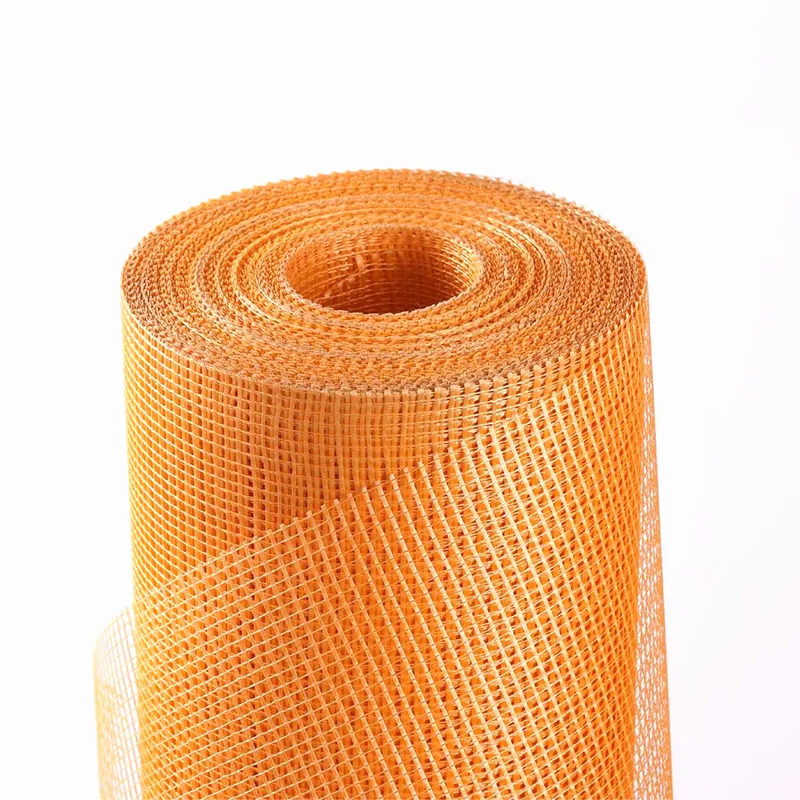
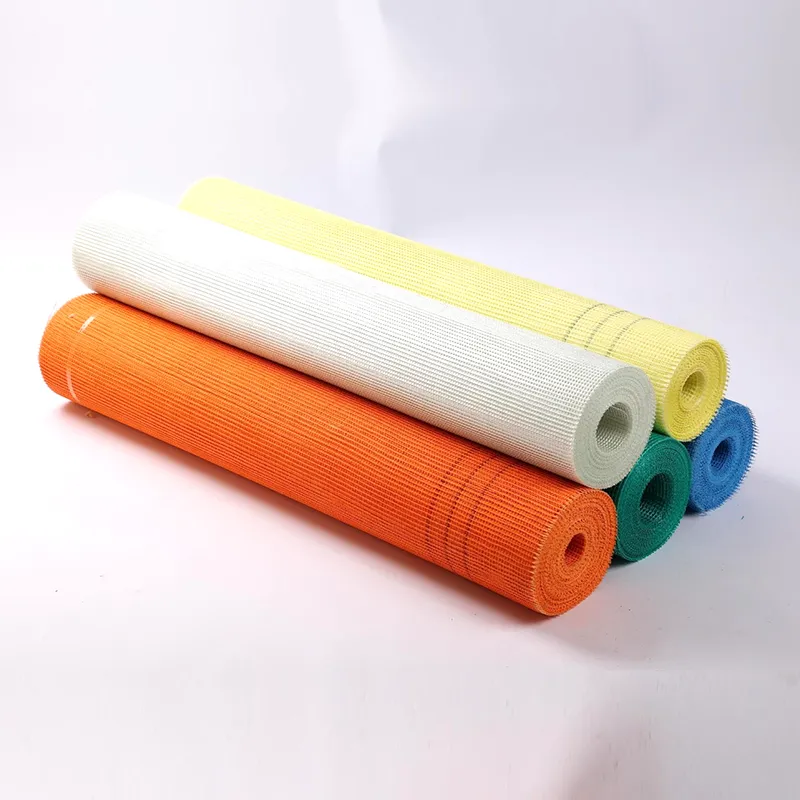
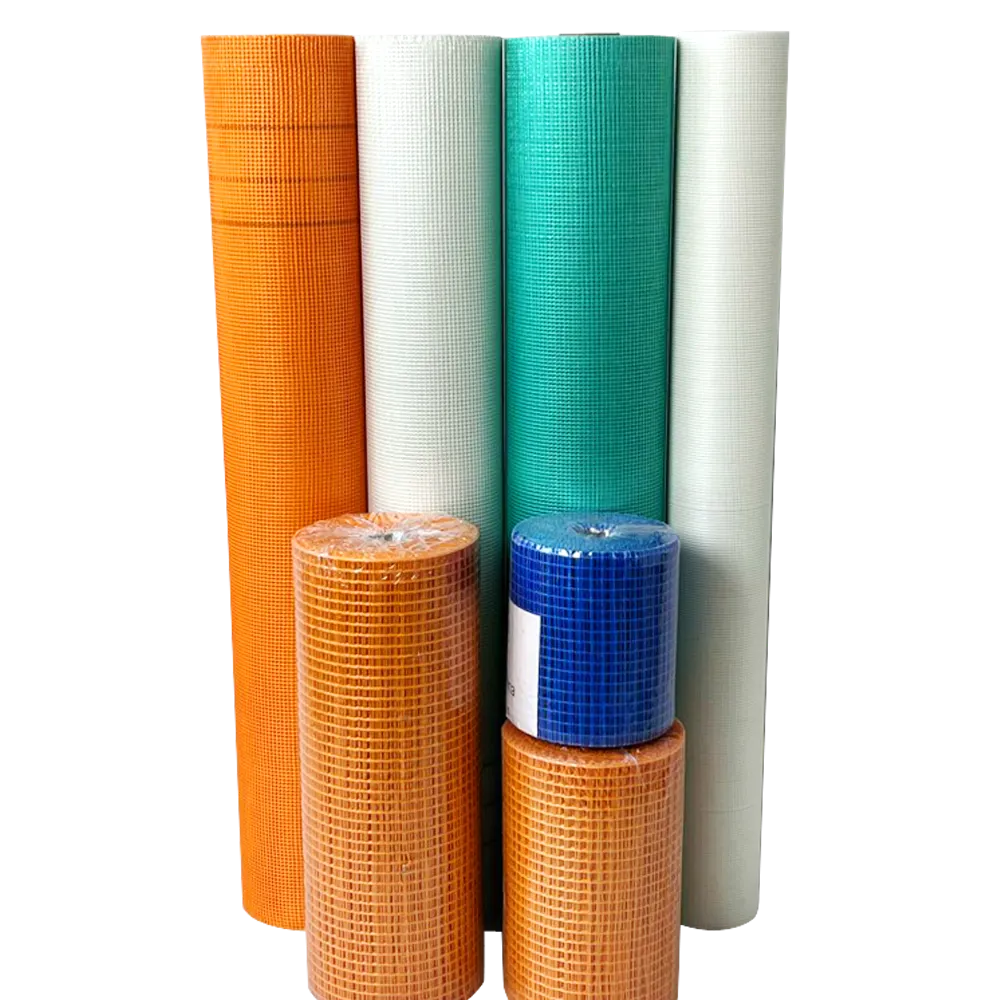
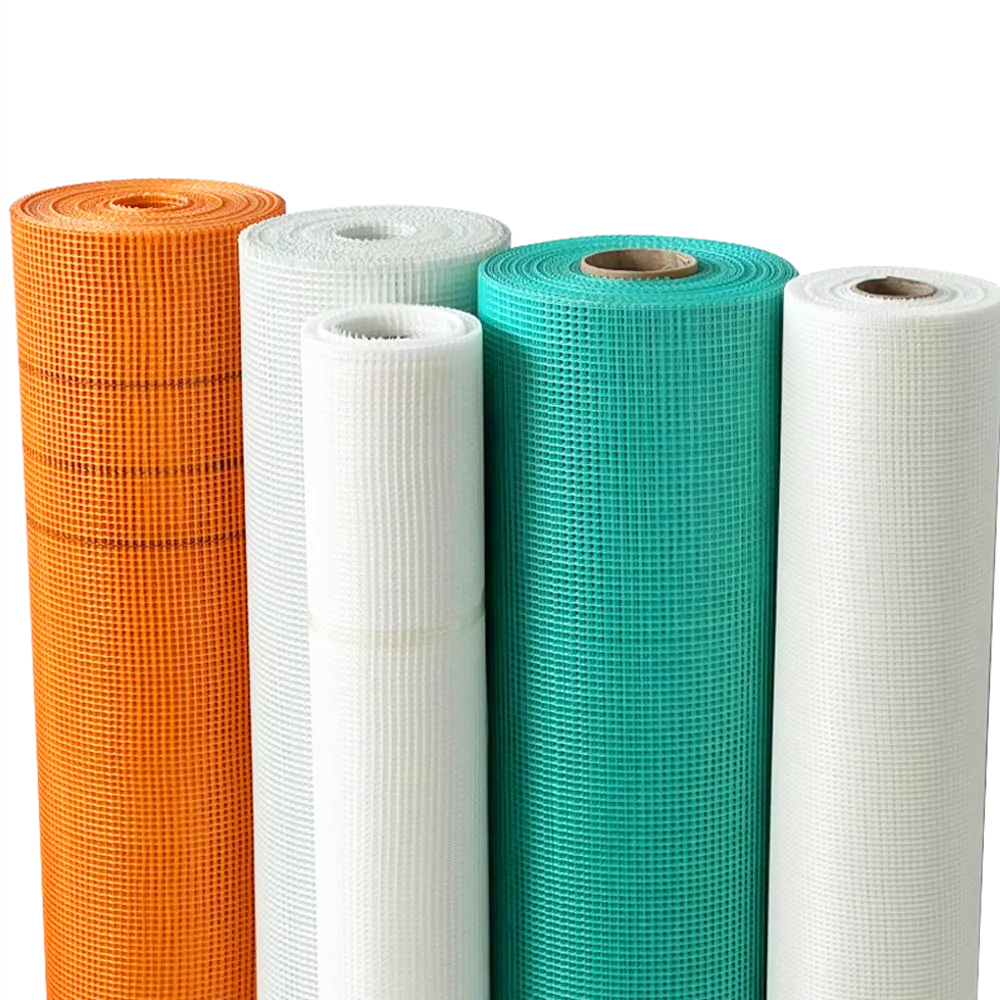
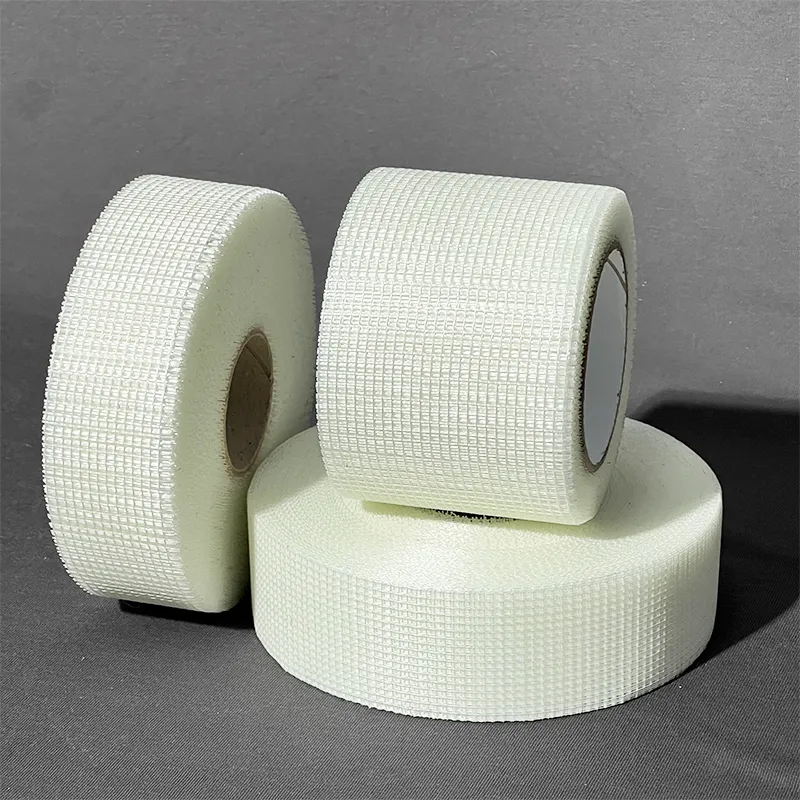
When undertaking construction or renovation projects requiring reinforced concrete, understanding the costs associated with materials like concrete fiberglass mesh is crucial for accurate budgeting. This article dives into obtaining accurate quotes, factors influencing pricing, and the benefits of using fiberglass mesh, with a focus on assisting businesses and individuals in making informed purchasing decisions. We’ll explore how to navigate the quoting process and ensure you get the best value for your investment.
Understanding the Factors Influencing Concrete Fiberglass Mesh Quotes
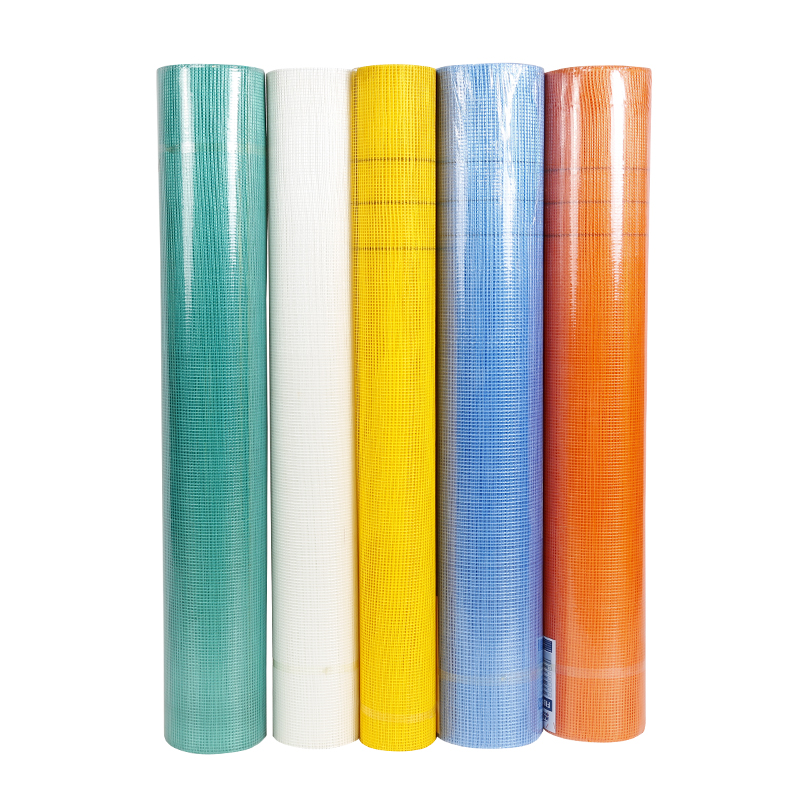
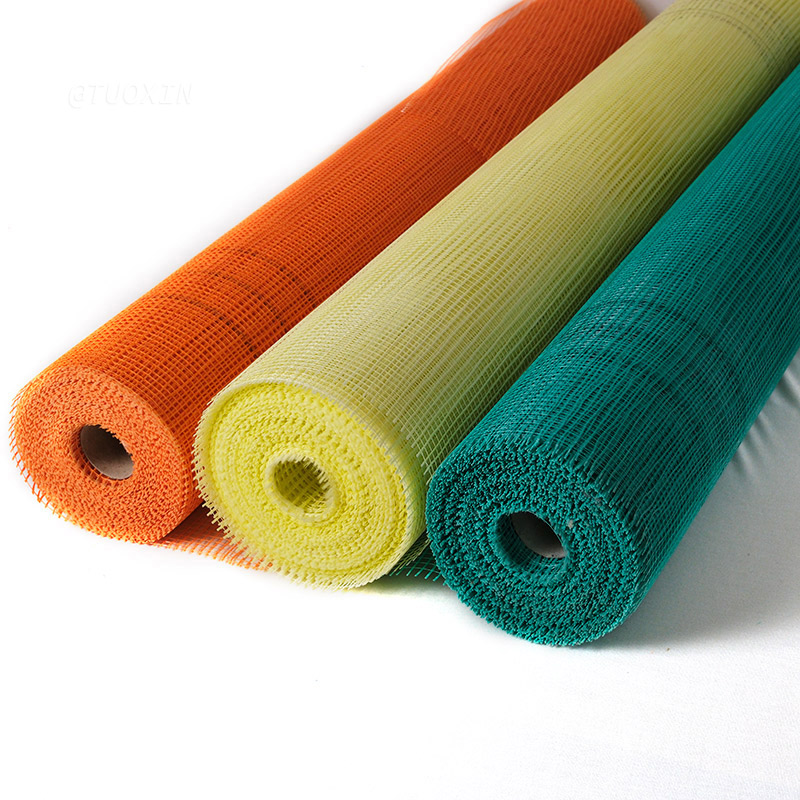
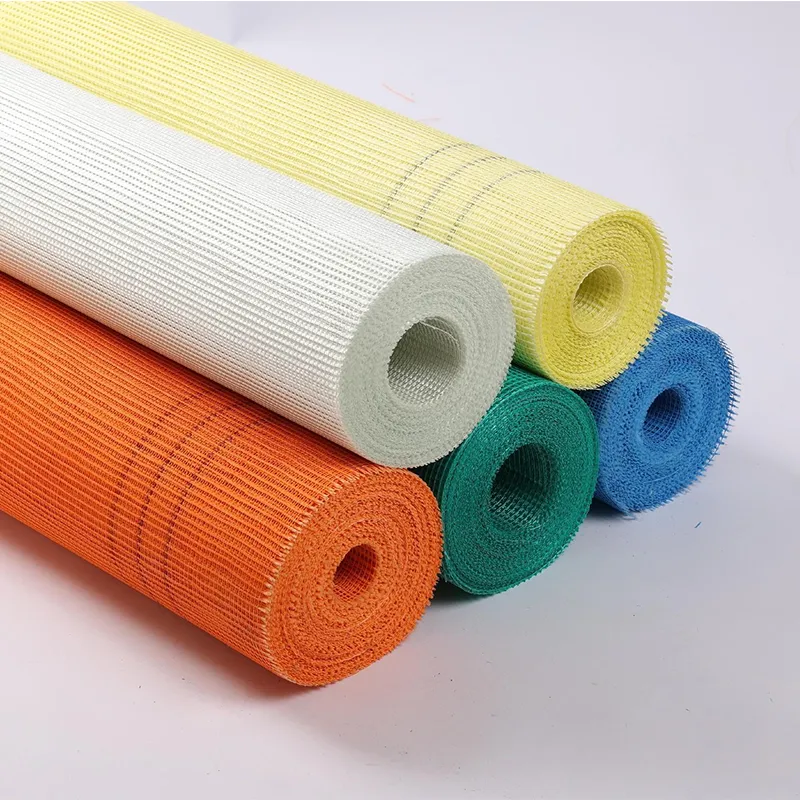
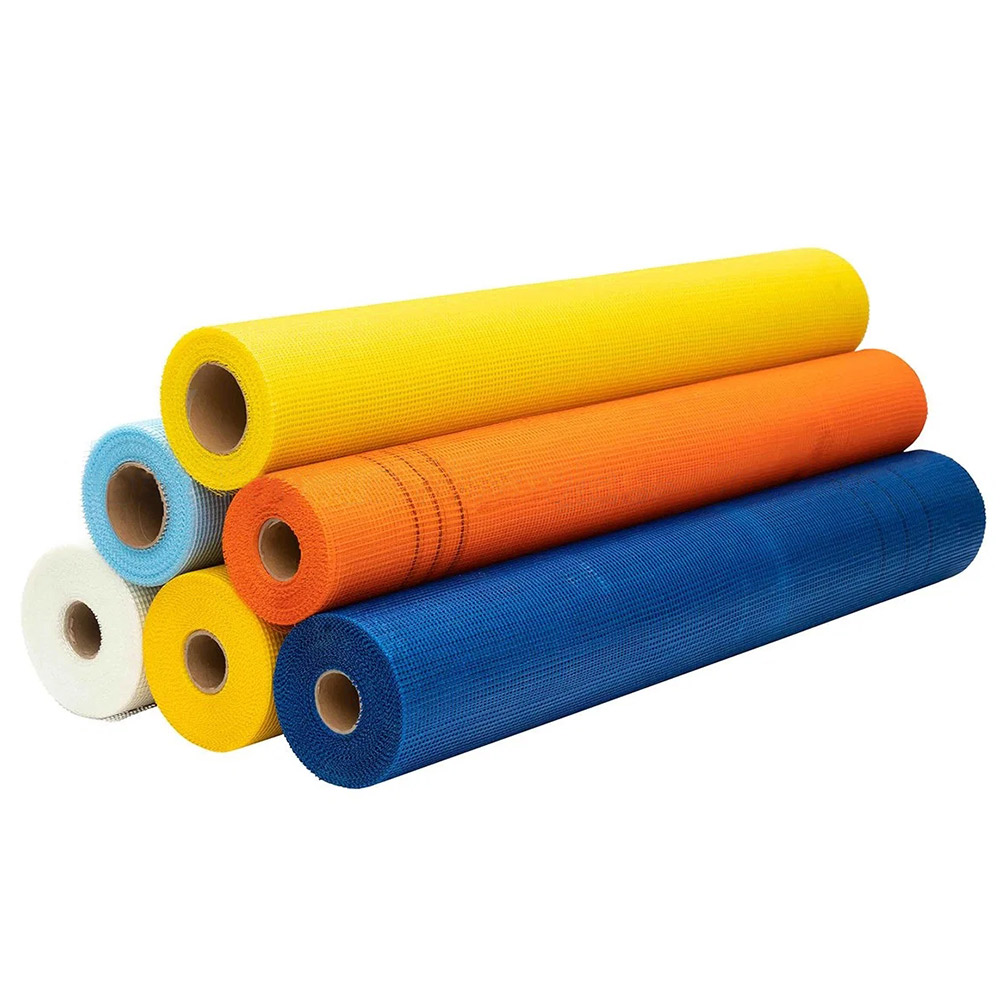
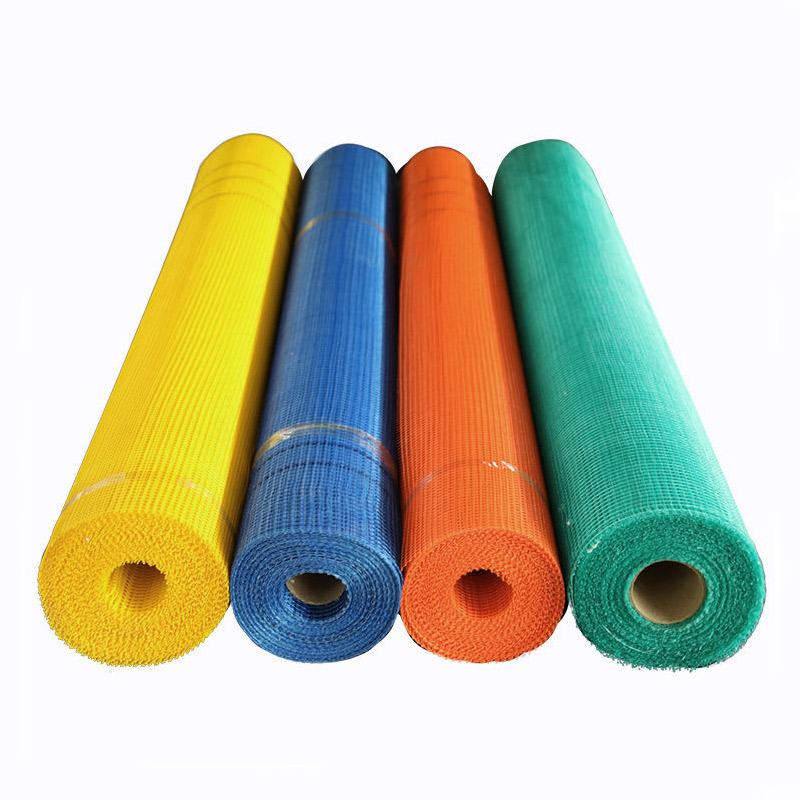
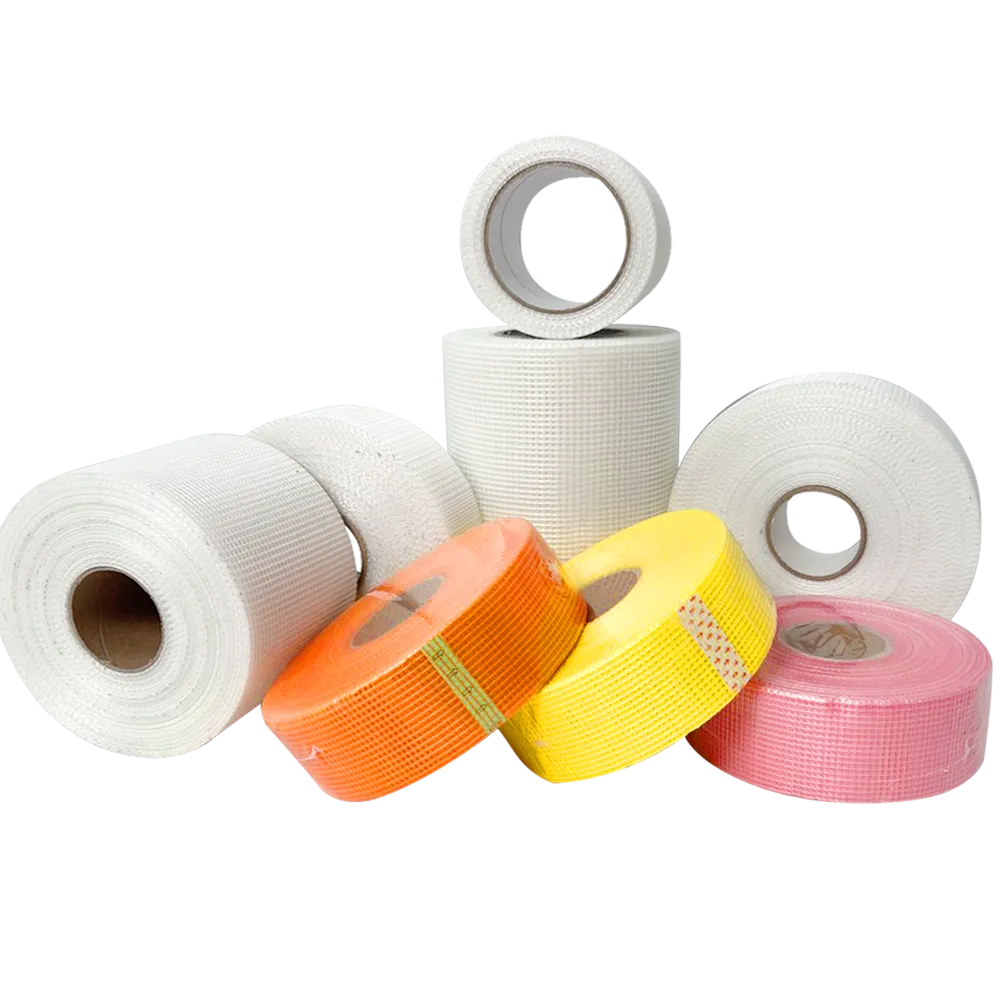
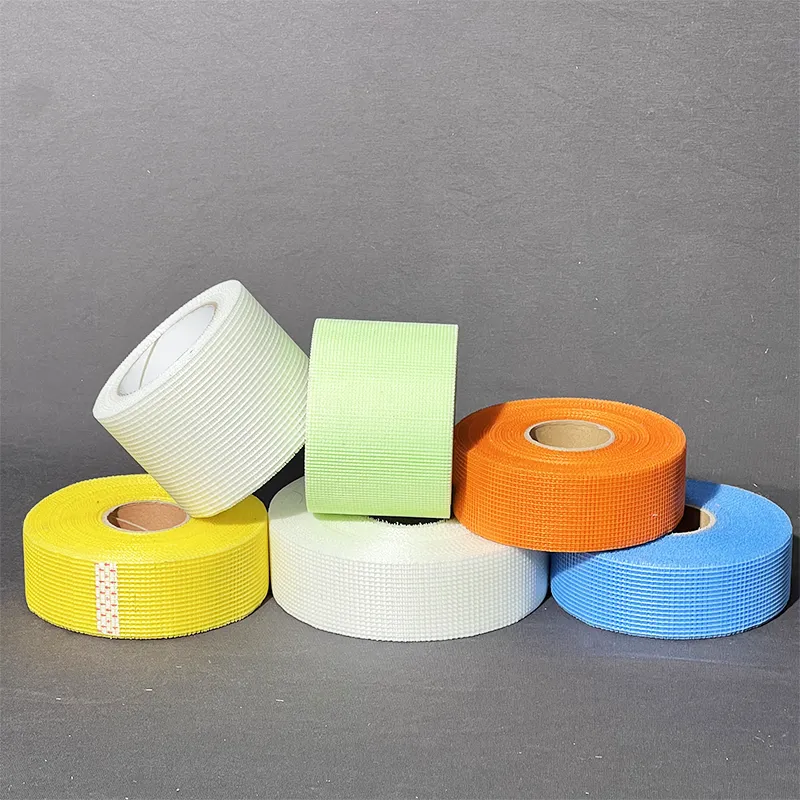
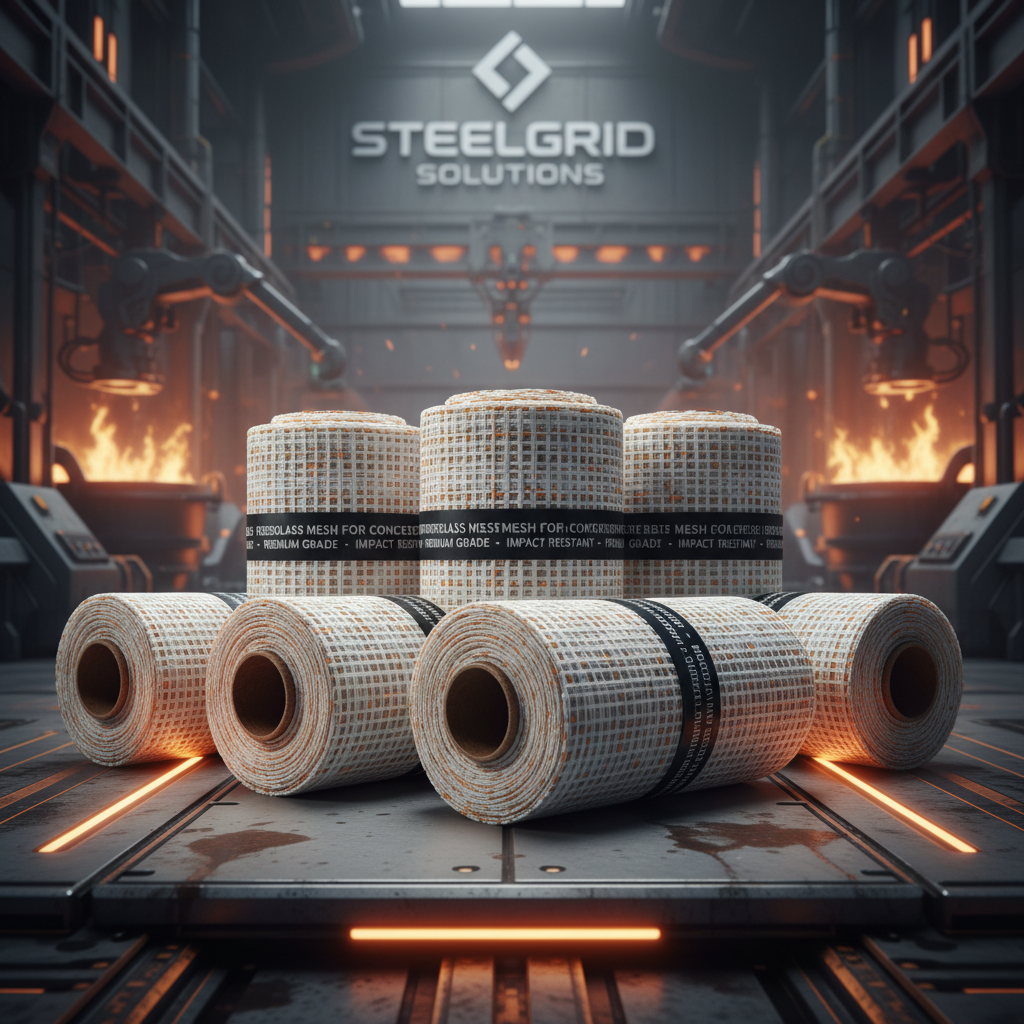
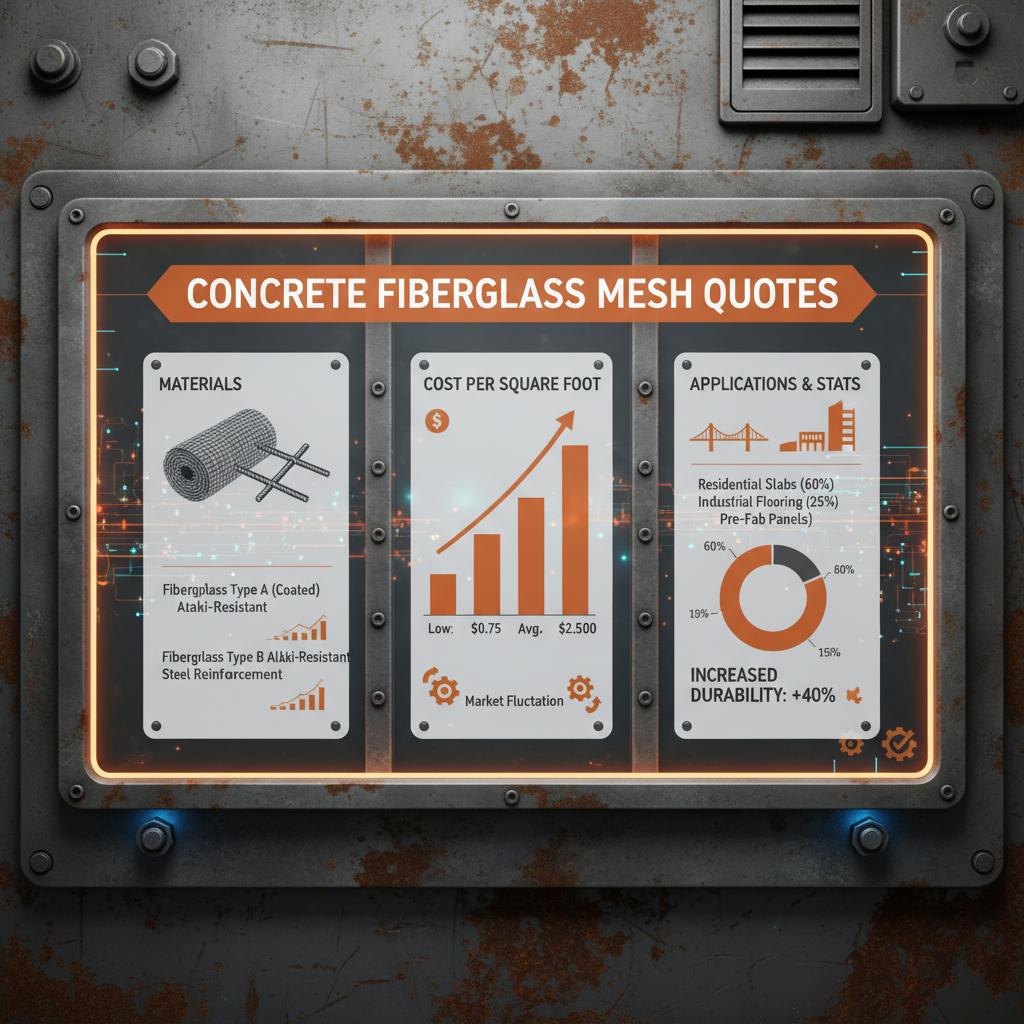
Several key factors impact the concrete fiberglass mesh quotes you receive. These include the mesh’s weight (grams per square meter – GSM), aperture size, coating type, and the quantity ordered. Higher GSM indicates greater strength and typically commands a higher price. Aperture size, referring to the size of the openings in the mesh, influences its suitability for different applications. The coating (alkali-resistant coating is standard) impacts durability and longevity. Bulk orders often qualify for discounted rates. Shipping costs and location also play a significant role.
Key Highlights: Price is influenced by GSM, aperture size, coating, quantity ordered, and shipping costs. Negotiating with suppliers and providing project specifics can help secure competitive quotes.
Key Specifications to Consider When Requesting Quotes
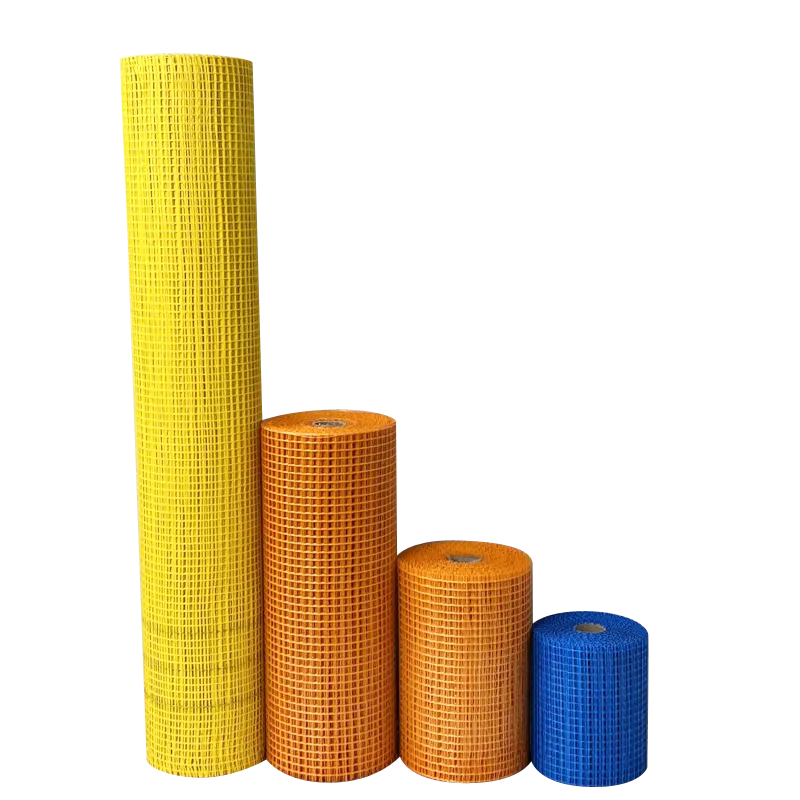
To obtain accurate quotes, you need to specify your project requirements precisely. This includes the intended application (e.g., wall reinforcement, flooring, stucco), the required mesh strength (GSM), the desired roll width and length, and the total square footage needed. Providing detailed drawings or specifications will significantly improve the accuracy of the quote. Don't hesitate to ask suppliers about different mesh options and their suitability for your specific project. Knowing these details up front will streamline the quotation process and prevent misunderstandings.
Essential Specification Details:
• Application: Wall, floor, stucco, etc.
• GSM: The weight of the mesh per square meter.
• Roll Dimensions: Width and length needed.
• Total Square Footage: Precise area to be covered.
Concrete Fiberglass Mesh Quotes: A Comparison of GSM Options
Different GSM levels cater to varied strength requirements. Choosing the appropriate GSM is critical for ensuring optimal performance and cost-effectiveness. Here's a comparative look at common GSM options and their applications:
Negotiating for the Best Concrete Fiberglass Mesh Quotes
Don't settle for the first quote you receive. Obtain quotes from multiple suppliers, including Tainuo Fiberglass Mesh, and compare pricing, shipping costs, and lead times. Inquire about potential discounts for bulk orders. Be prepared to provide detailed project specifications. Building a strong relationship with your supplier can often lead to more favorable pricing over time.
The Long-Term Value of Quality Fiberglass Mesh
While cost is important, prioritize quality when selecting concrete fiberglass mesh. Inferior mesh can compromise the structural integrity of your project, leading to costly repairs or failures. Investing in high-quality mesh from a reputable supplier like Tainuo Fiberglass Mesh ensures long-term durability, performance, and peace of mind.
Conclusion: Securing the Right Quotes and Value
Obtaining accurate concrete fiberglass mesh quotes requires careful consideration of project specifics, understanding influencing factors, and comparing options from multiple suppliers. Prioritizing quality and building relationships with trusted suppliers like Tainuo Fiberglass Mesh will ultimately lead to a successful and durable construction outcome.
Frequently Asked Questions (FAQs)
What is the typical lead time for concrete fiberglass mesh orders?
Lead times can vary depending on the supplier's inventory levels and your order quantity. Generally, standard orders can be fulfilled within 5-7 business days. However, for large or customized orders, lead times may extend to 2-4 weeks. It's always best to confirm the lead time with your supplier before placing an order, particularly if you have a tight project schedule. Factors such as international shipping can also affect delivery times.
What is the shelf life of fiberglass mesh?
Fiberglass mesh typically has a long shelf life when stored properly. As long as it remains dry and protected from direct sunlight and physical damage, it can be stored for several years without significant degradation. However, it's recommended to inspect the mesh before use to ensure there are no signs of moisture damage or deterioration. Proper storage in a cool, dry environment is crucial for maintaining its integrity.
Can fiberglass mesh be used in exterior applications?
Yes, fiberglass mesh is commonly used in exterior applications such as stucco reinforcement and EIFS. However, it's crucial to select a mesh with an alkali-resistant coating to protect it from the corrosive effects of alkaline materials found in cement and concrete. An alkali-resistant coating significantly extends the lifespan of the mesh in outdoor environments. Choosing a quality mesh specifically designed for exterior use is vital for long-term performance.
-
Best Fiberglass Mesh Tape for RedGard Product Waterproofing GuideNewsApr.16,2026
-
Why High Strength Fiberglass Mesh Is Essential For Stucco ApplicationNewsApr.15,2026
-
Why Alkali Resistant Fiberglass Mesh Tape Is Essential For Cement Board And Tile InstallationsNewsApr.15,2026
-
Understanding The Role Of Drywall Fiberglass Mesh In Interior FinishingNewsApr.15,2026
-
Ultimate Guide To Using Fiberglass Mesh Tape For Drywall And Plaster RepairsNewsApr.15,2026
-
The Versatility Of Fiberglass Mesh In Marble And Stone MosaicNewsApr.15,2026