Mar . 08, 2026 02:05 Back to list
Comprehensive Glass Mesh Tape Pricelist Guide for Drywall and Tile Applications
Glass Mesh Tape Pricelist: A Comprehensive Guide
Choosing the right glass mesh tape is crucial for a variety of applications, from drywall finishing to tile setting. Understanding the available options, their specifications, and pricing can be challenging. This article provides a comprehensive guide to glass mesh tape pricelists, covering different types, sizes, and factors influencing cost. We’ll delve into the key considerations for selecting the best tape for your project and where to find competitive pricing.
Understanding Glass Mesh Tape Types
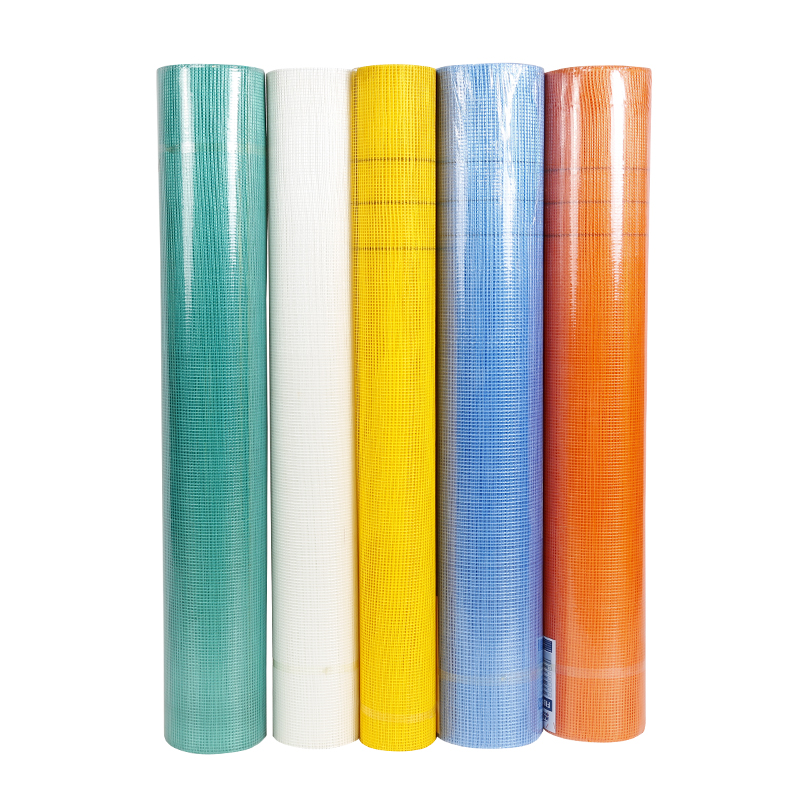
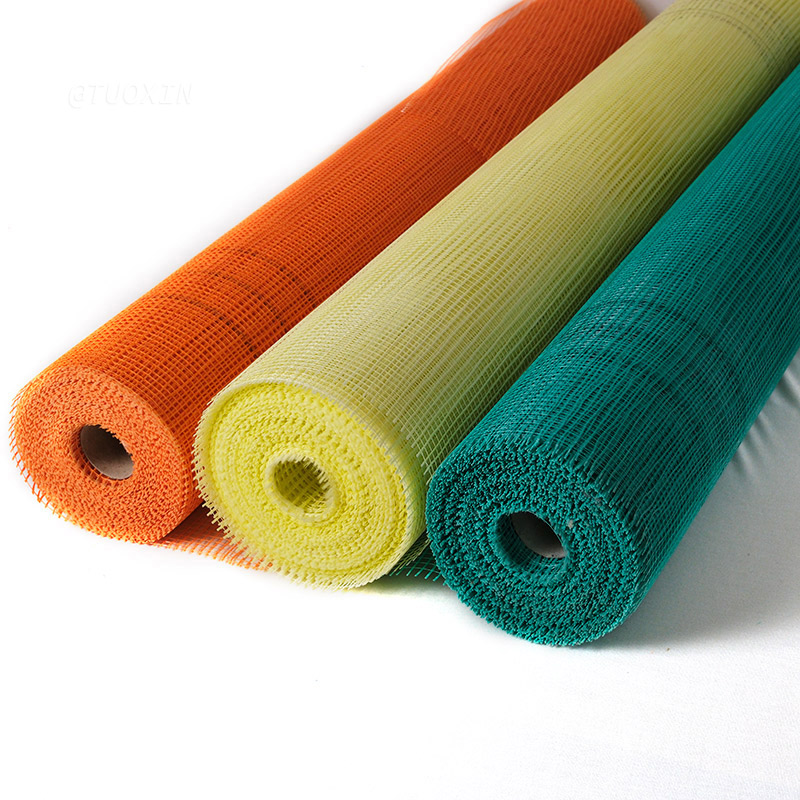
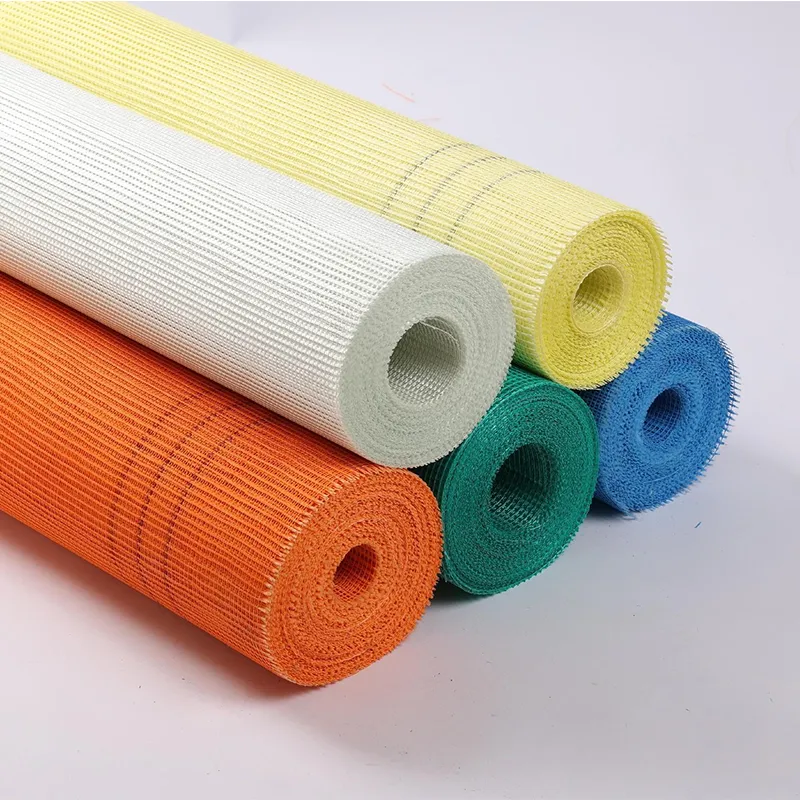
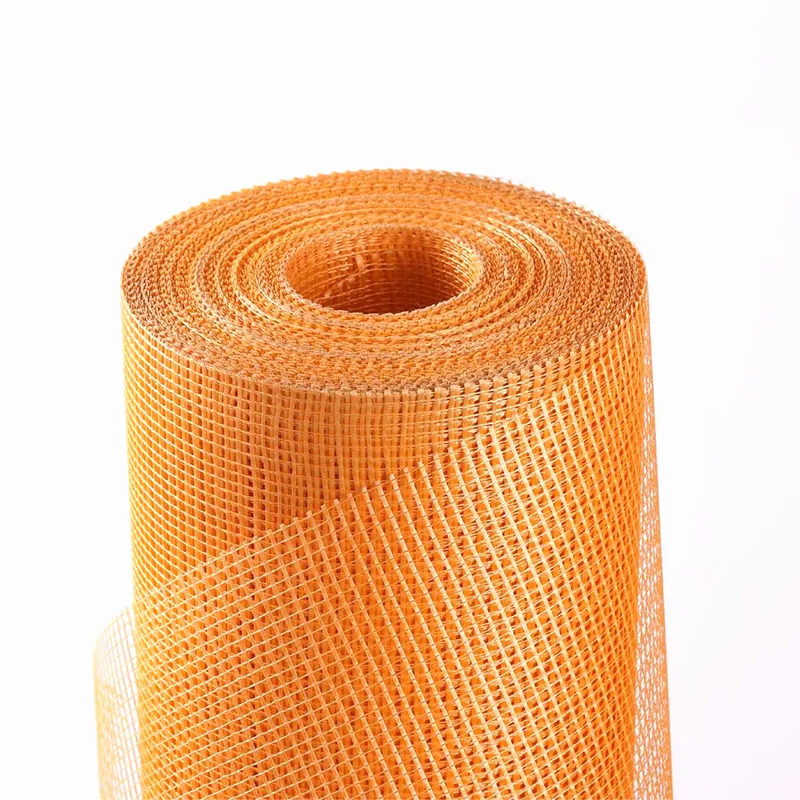
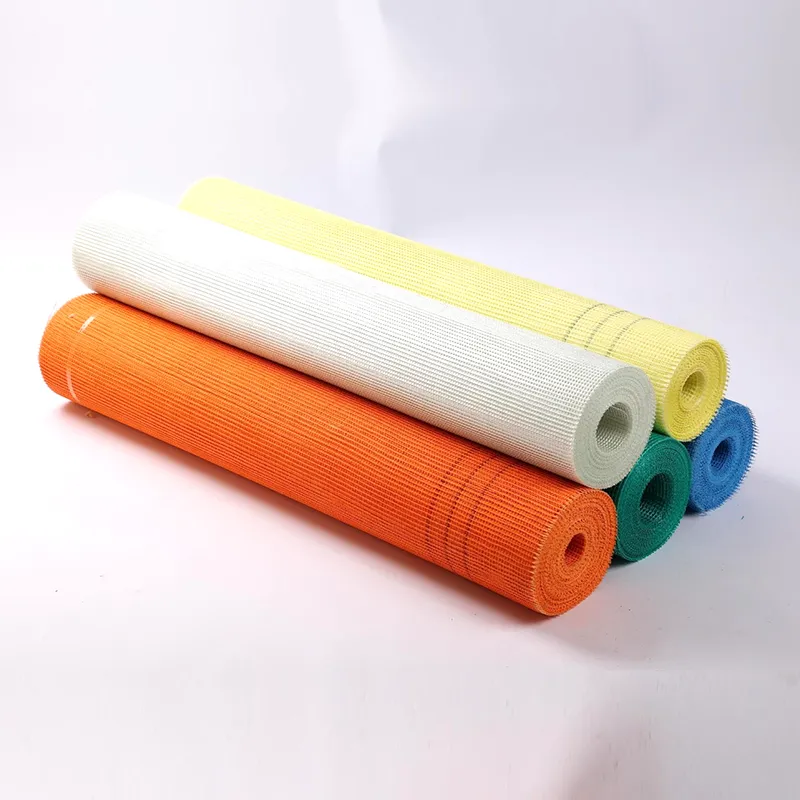
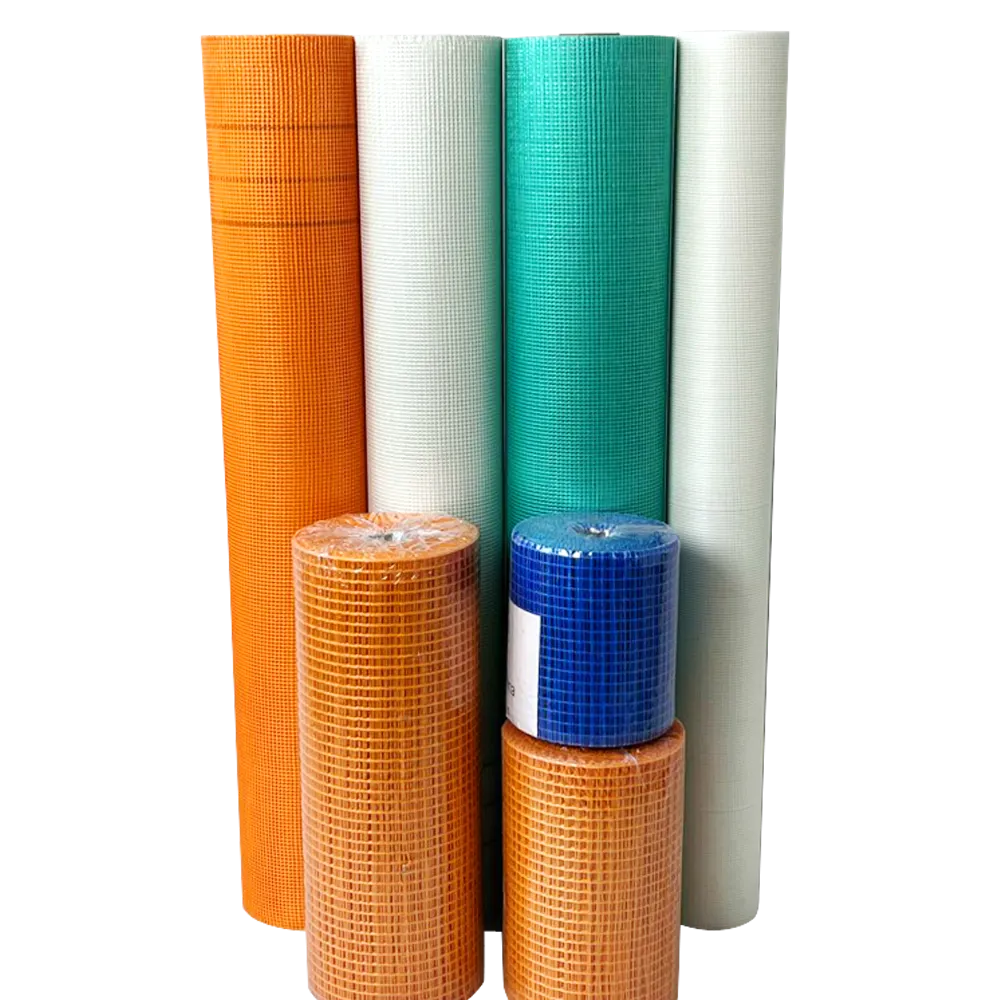
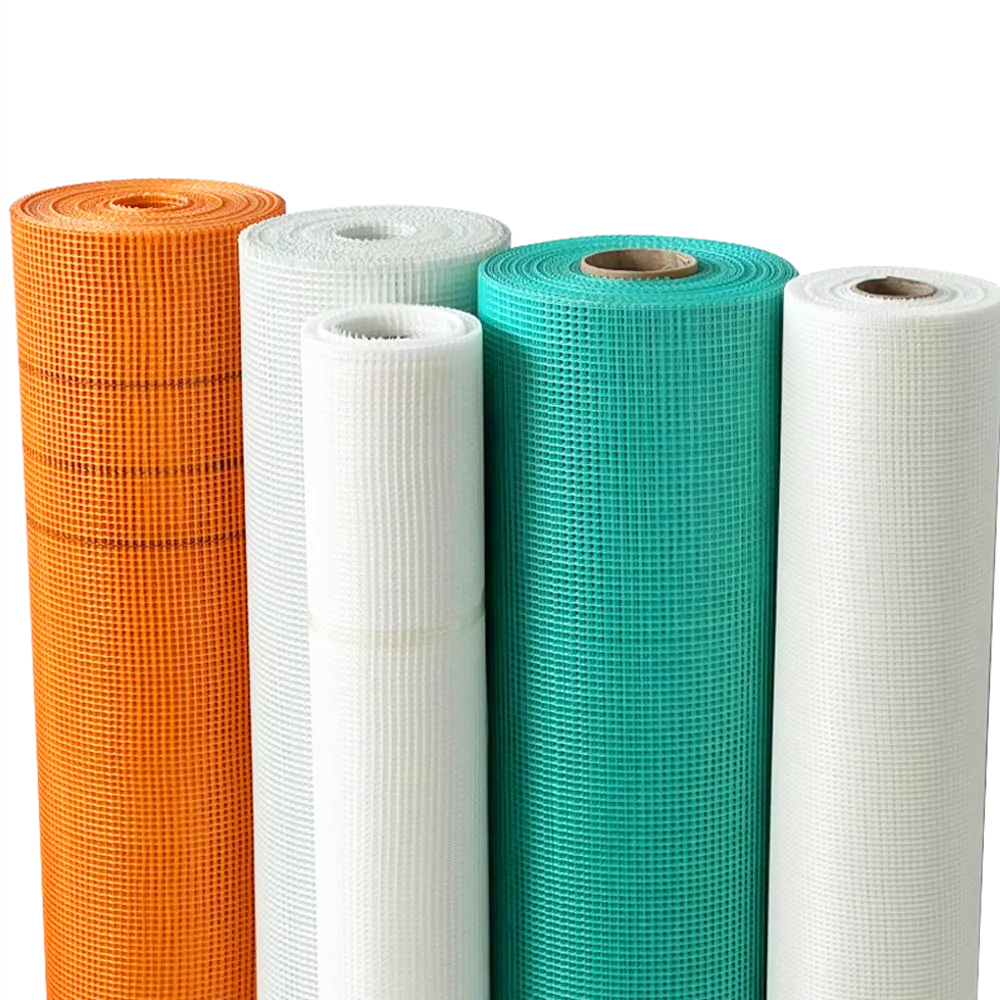
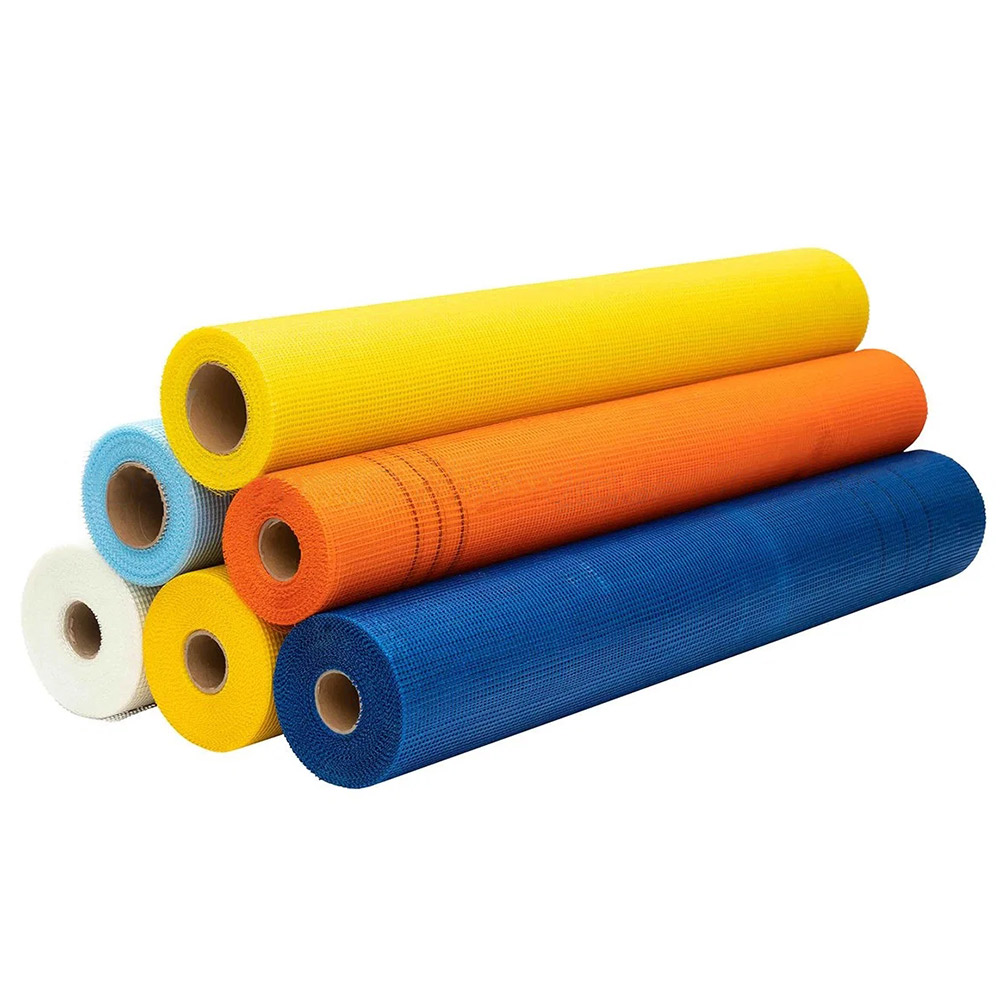
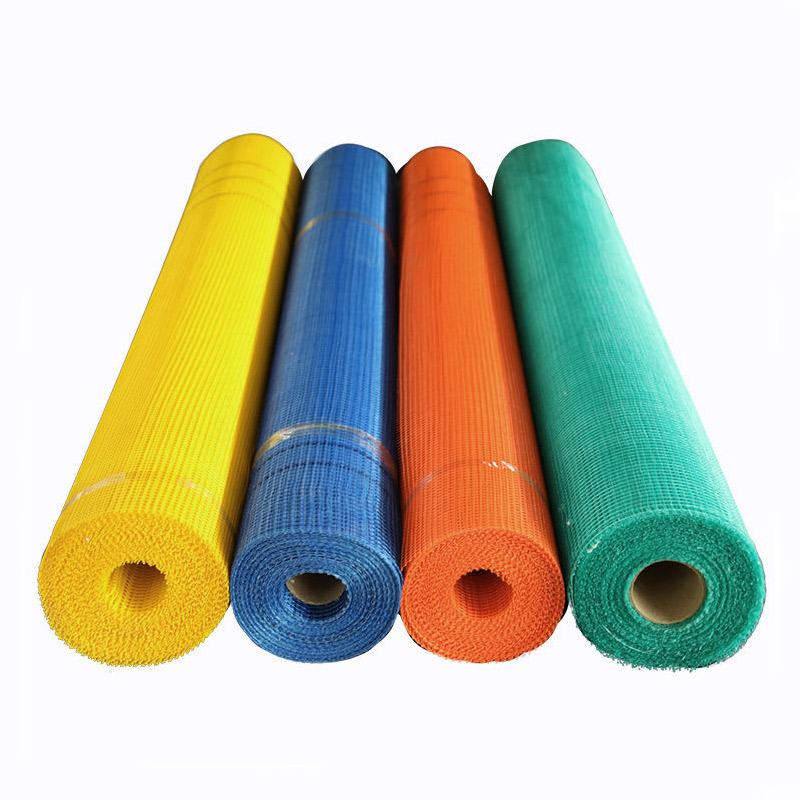
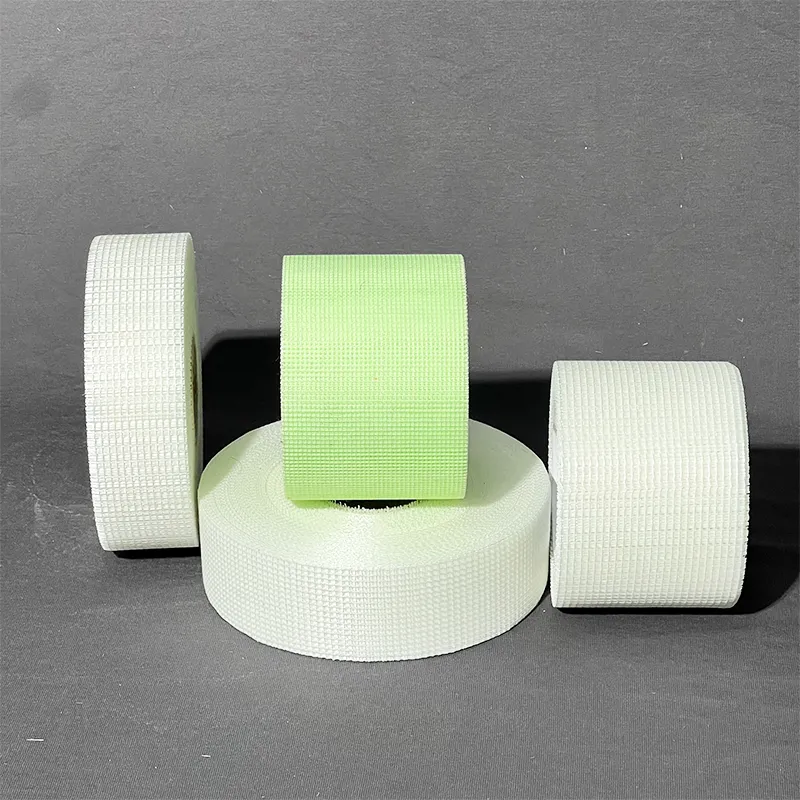
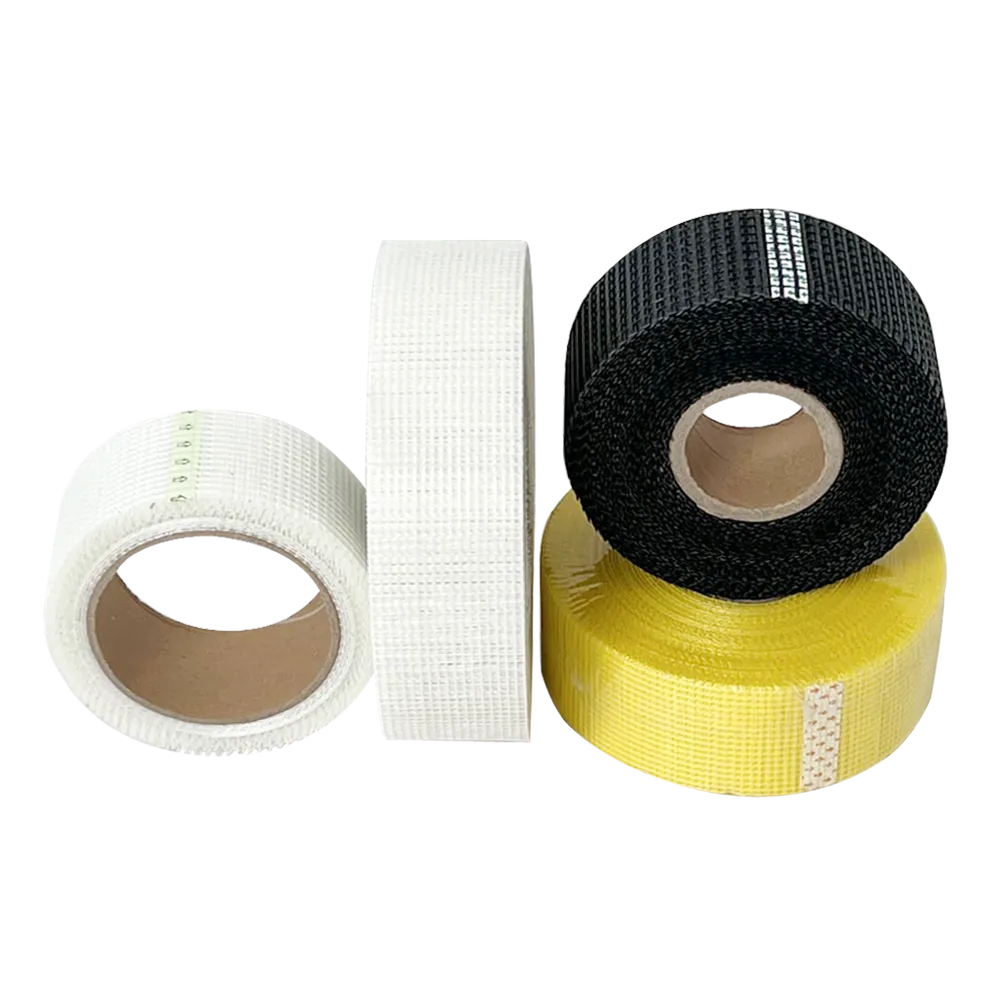
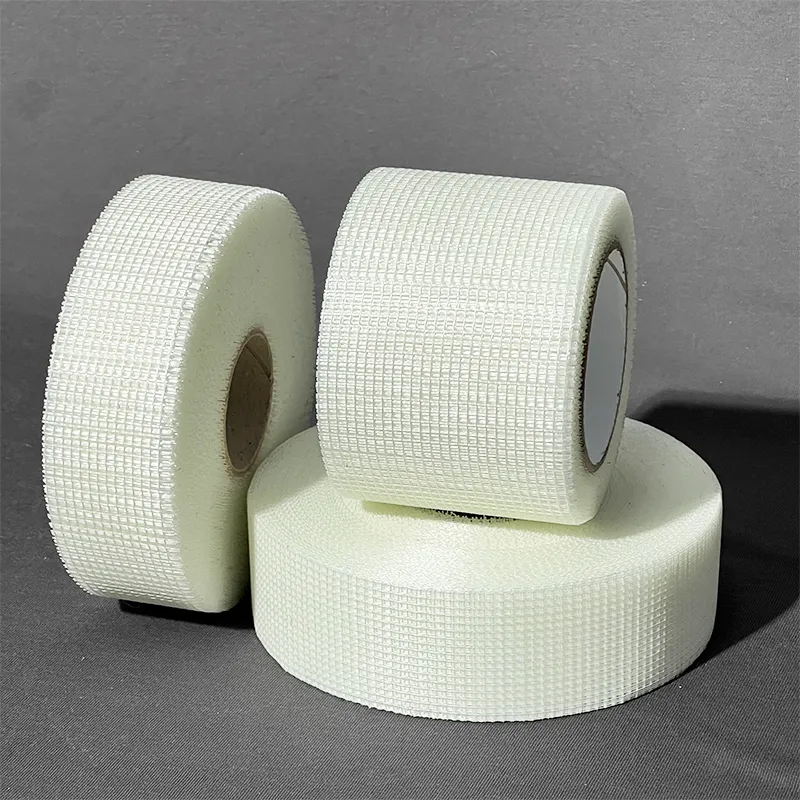
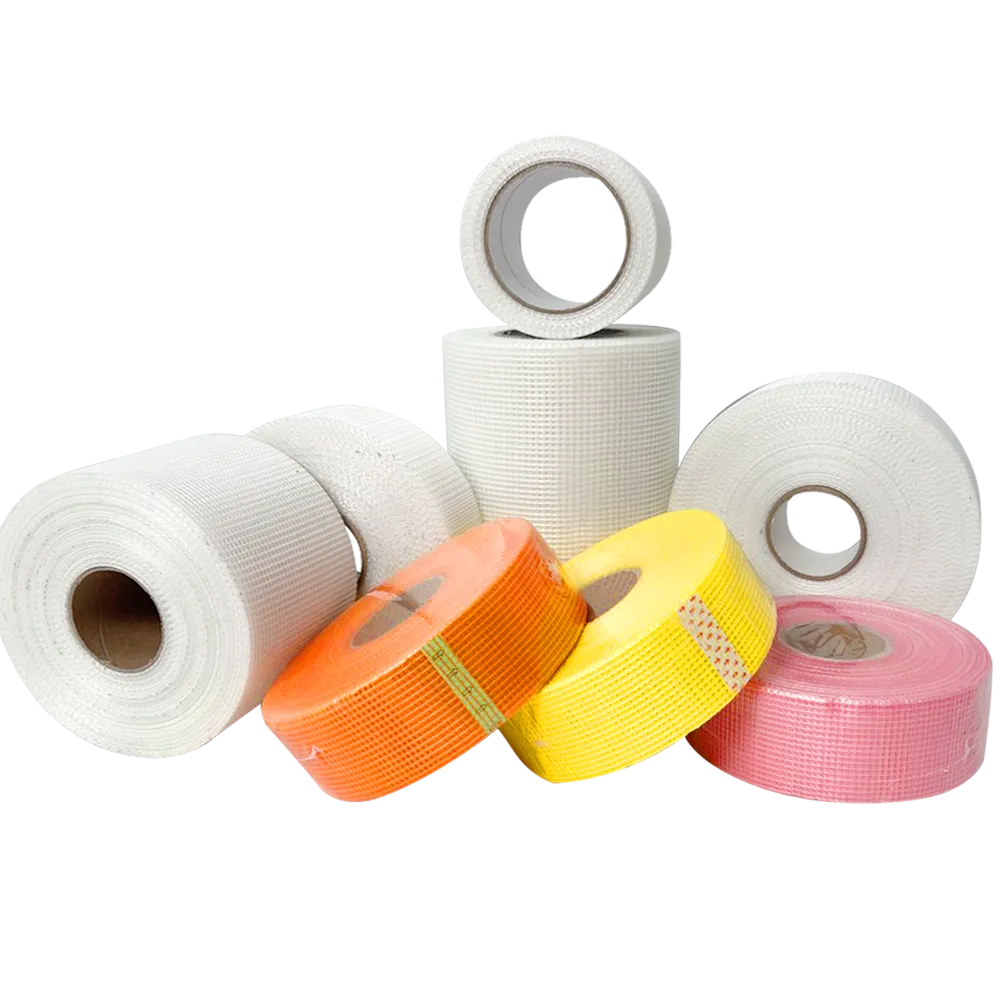
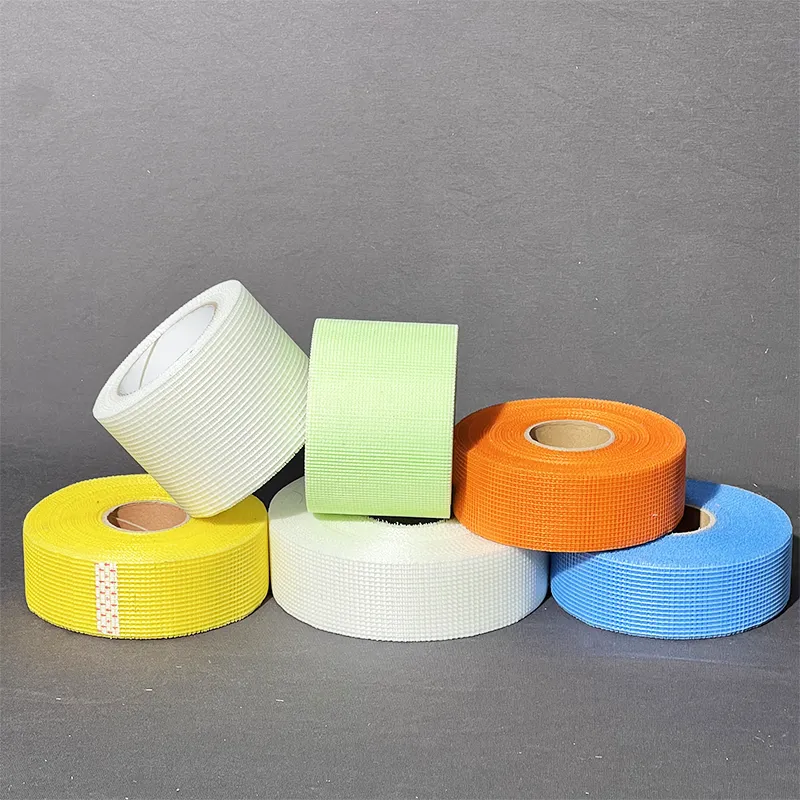
Glass mesh tape comes in several forms, each suited to different applications. Self-adhesive mesh tape is commonly used for drywall joints, providing quick and easy application. Non-adhesive tape typically requires joint compound for adhesion and is preferred for more robust applications like tile underlayment. The weight and weave of the mesh also vary; heavier weaves offer increased strength, while finer weaves are ideal for smoother finishes. Knowing these differences is the first step in understanding the glass mesh tape pricelist variations.
Key Types: Self-adhesive, Non-adhesive, with varying mesh weight and weave density.
Factors Influencing Glass Mesh Tape Pricing
Several factors contribute to the price of glass mesh tape. Quantity is a significant factor – bulk purchases typically offer lower per-roll costs. Mesh weight and quality also play a role, with heavier, higher-quality mesh commanding a premium. The presence or absence of self-adhesive backing also affects price. Finally, supplier location, shipping costs, and import duties can influence the final cost. Understanding these influences will help you interpret any glass mesh tape pricelist effectively.
Pricing Influencers:
• Quantity purchased
• Mesh weight and quality
• Adhesive backing (self-adhesive vs. non-adhesive)
• Supplier location and shipping costs
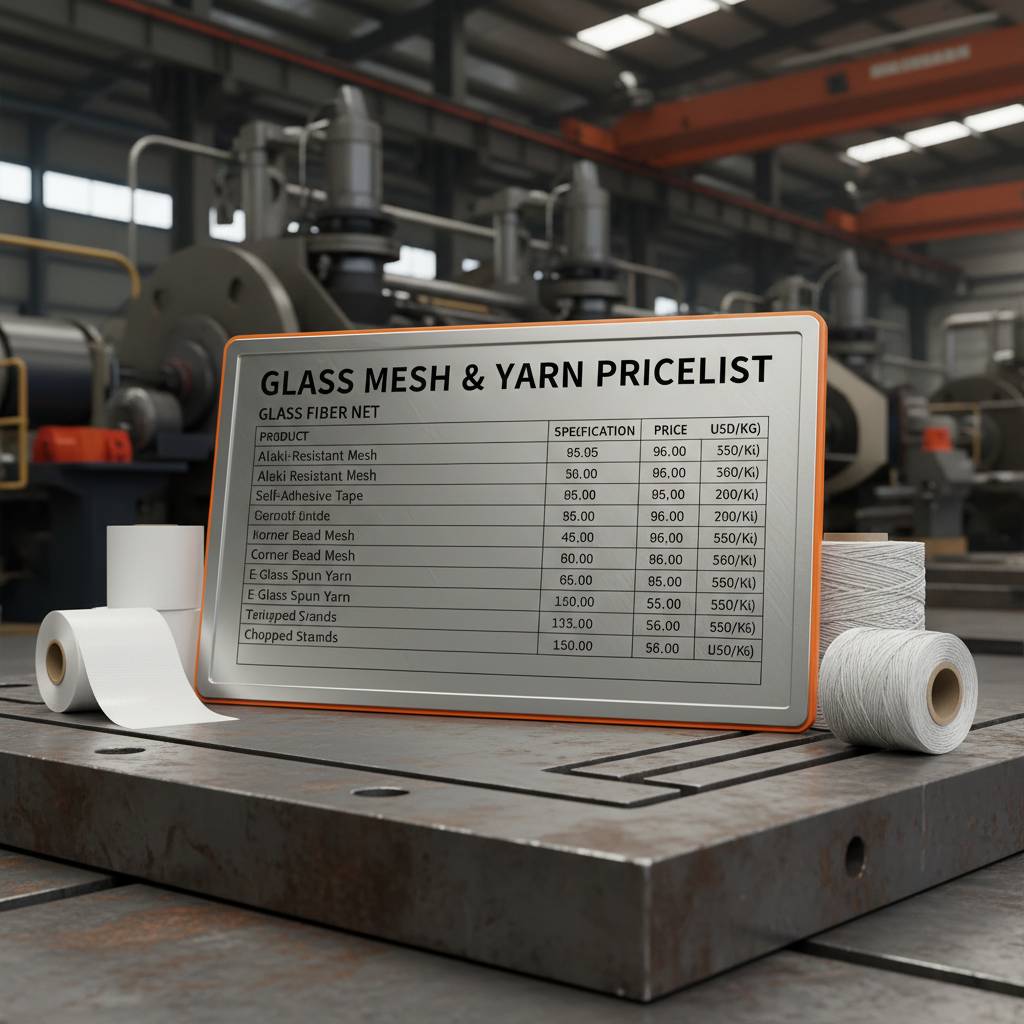
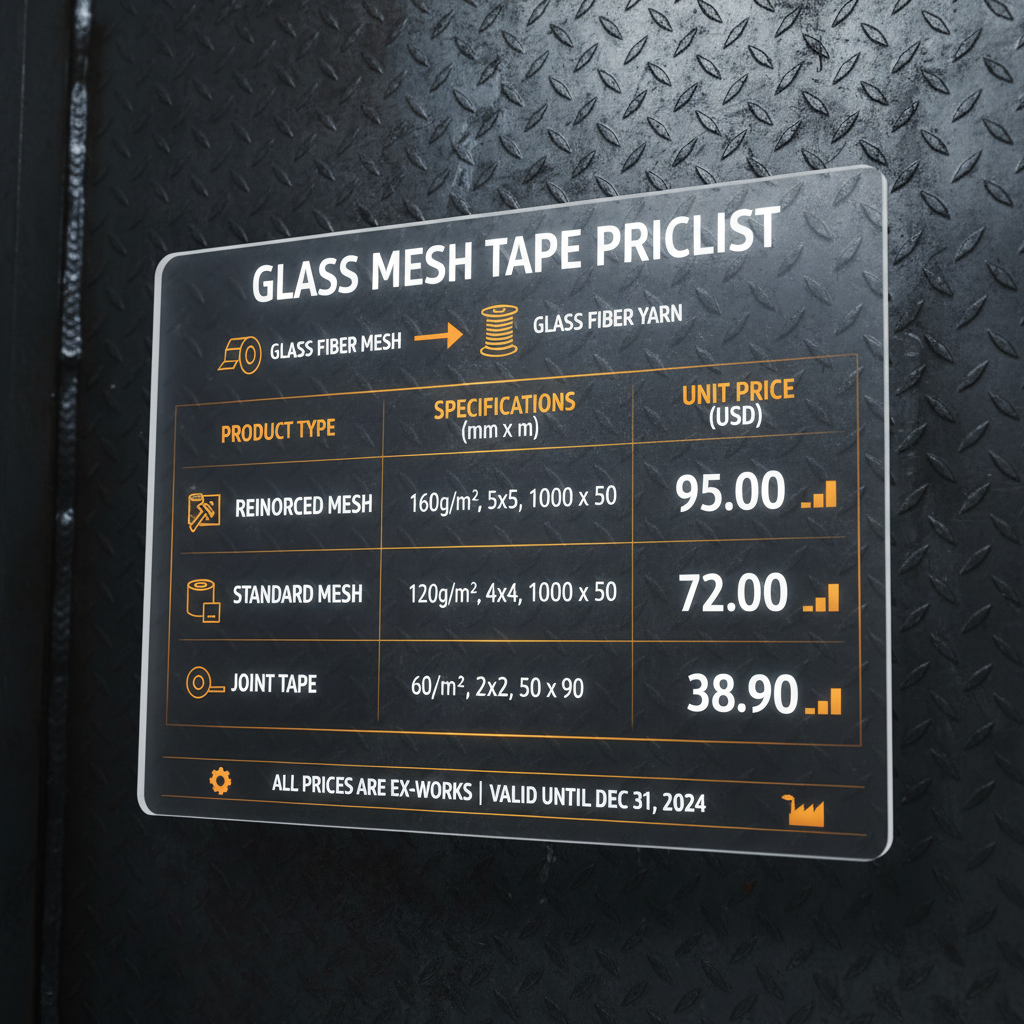
Glass Mesh Tape Pricelist Comparison: Common Sizes & Costs
Here's a comparison of typical glass mesh tape sizes and their approximate price ranges. Note that these are estimates, and actual prices may vary depending on the supplier and quantity purchased. Tainuo Fiberglass Mesh offers competitive pricing and a wide range of options.
Choosing a Reliable Supplier: Tainuo Fiberglass Mesh
Selecting a reputable supplier is paramount. Tainuo Fiberglass Mesh is a leading manufacturer and supplier, known for high-quality products, competitive pricing, and reliable service. They offer a wide range of glass mesh tape options to meet diverse project needs, along with expert advice and support. They also focus on efficient shipping and consistent product availability.
Tips for Obtaining the Best Price on Glass Mesh Tape
To secure the most favorable pricing on glass mesh tape, consider these tips: Compare quotes from multiple suppliers, including Tainuo Fiberglass Mesh. Inquire about bulk discounts, especially for large-scale projects. Factor in shipping costs and import duties when comparing prices. Consider purchasing non-adhesive tape if you already have joint compound on hand. Finally, be aware of seasonal promotions and sales.
Conclusion: Making an Informed Purchase
Understanding the glass mesh tape pricelist, considering your project requirements, and choosing a reliable supplier like Tainuo Fiberglass Mesh are essential steps to making a cost-effective and informed purchase. Investing in quality mesh tape ensures a durable and professional finish, saving you time and money in the long run.
Frequently Asked Questions (FAQs)
What is the typical roll length of glass mesh tape?
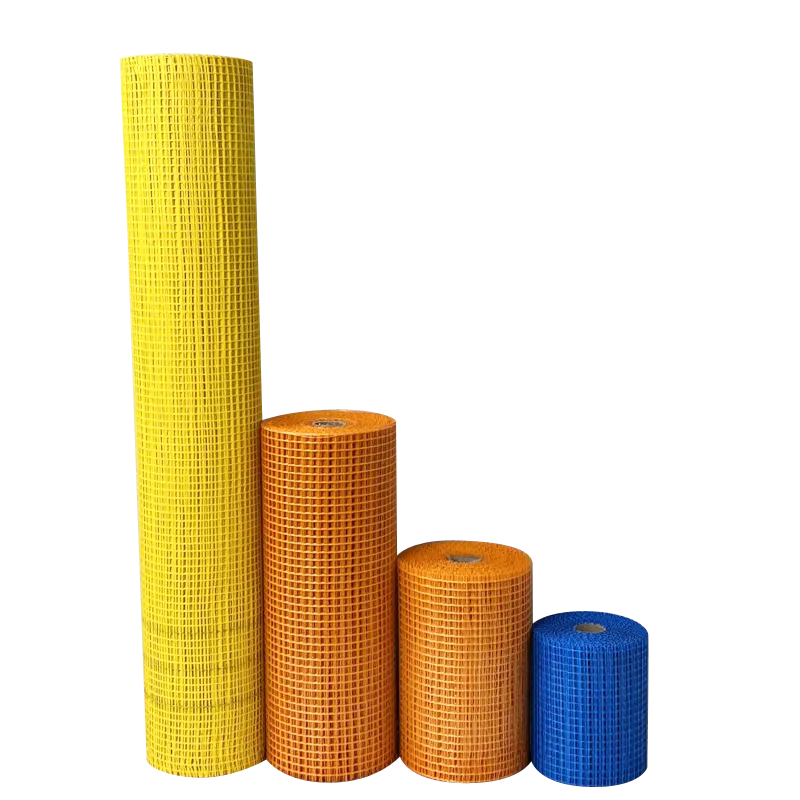
Common roll lengths for glass mesh tape are 150 feet and 300 feet, but variations exist. The choice depends on the scale of your project. Shorter rolls (150 ft) are convenient for smaller repairs, while longer rolls (300 ft) offer better value for larger installations. When reviewing a glass mesh tape pricelist, always check the roll length to compare costs accurately.
Can glass mesh tape be used for tile underlayment?
Yes, glass mesh tape is frequently used as an underlayment for tile installations. Specifically, non-adhesive glass mesh tape is preferred for this purpose. It provides a strong, stable base for the tile and helps prevent cracking. Ensure the mesh tape has sufficient weight (e.g., 90 g/m²) to provide adequate support. Always consult tile installation guidelines for specific recommendations.
What is the difference between self-adhesive and non-adhesive mesh tape?
Self-adhesive mesh tape has a pre-applied adhesive backing, making it easy to apply directly to drywall seams. Non-adhesive tape requires the use of joint compound for adhesion. Self-adhesive tape is faster to install for basic drywall repairs, while non-adhesive tape offers greater strength and is suitable for more demanding applications, such as tile underlayment or large-scale drywall projects. The glass mesh tape pricelist will reflect the difference in cost depending on the presence of the adhesive.
How do I store glass mesh tape to prevent it from drying out or becoming damaged?
Store glass mesh tape in a cool, dry place away from direct sunlight and moisture. Keep it sealed in its original packaging or wrap it tightly in plastic to prevent it from absorbing moisture from the air. Avoid storing it in areas with extreme temperature fluctuations. Proper storage will ensure the tape remains usable and maintains its adhesive properties (if applicable).
-
Best Fiberglass Mesh Tape for RedGard Product Waterproofing GuideNewsApr.16,2026
-
Why High Strength Fiberglass Mesh Is Essential For Stucco ApplicationNewsApr.15,2026
-
Why Alkali Resistant Fiberglass Mesh Tape Is Essential For Cement Board And Tile InstallationsNewsApr.15,2026
-
Understanding The Role Of Drywall Fiberglass Mesh In Interior FinishingNewsApr.15,2026
-
Ultimate Guide To Using Fiberglass Mesh Tape For Drywall And Plaster RepairsNewsApr.15,2026
-
The Versatility Of Fiberglass Mesh In Marble And Stone MosaicNewsApr.15,2026