Aug . 24, 2025 02:00 Back to list
Buy Fiber Mesh for Waterproofing - Strong, Durable Fiberglass
The Critical Role of Fiber Mesh in Advanced Waterproofing Systems
In contemporary construction and infrastructure development, effective waterproofing is paramount for ensuring the longevity and structural integrity of buildings and civil engineering projects. Degradation due to moisture ingress can lead to significant structural damage, mold growth, and costly repairs. This challenge has driven continuous innovation in waterproofing materials, leading to the widespread adoption of advanced reinforcement solutions such as fiberglass mesh. When you need to buy fiber mesh for waterproofing, it's essential to understand its technical specifications, manufacturing precision, and versatile applications across various sectors. This comprehensive guide delves into the intricate details of fiber mesh technology, providing B2B decision-makers and technical engineers with the insights necessary to make informed procurement and application decisions.
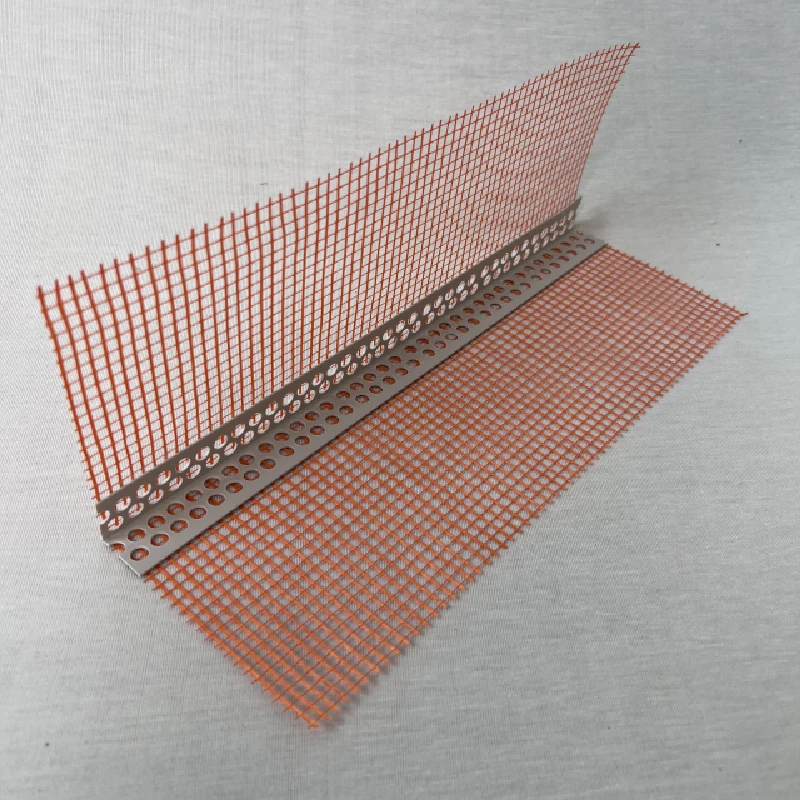
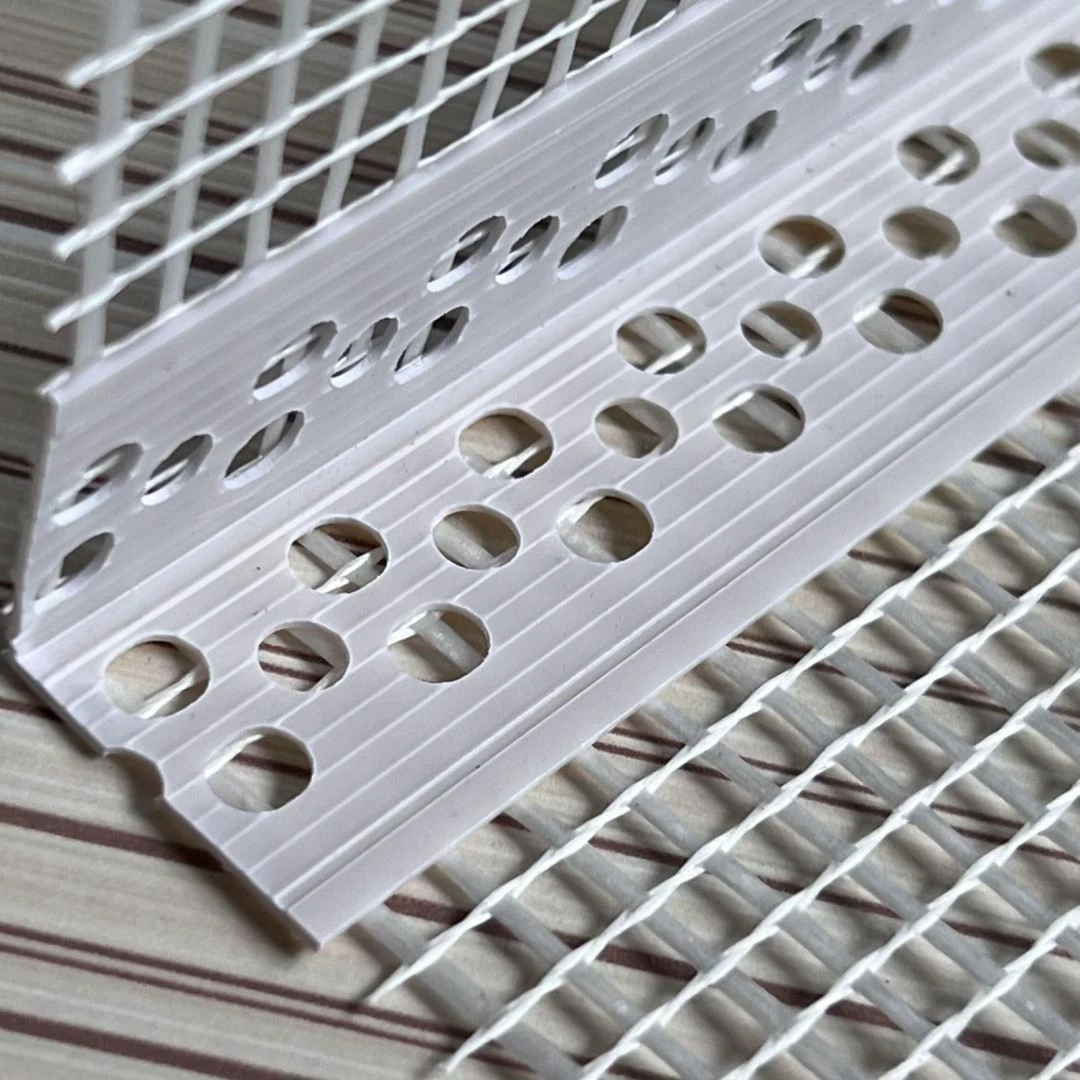
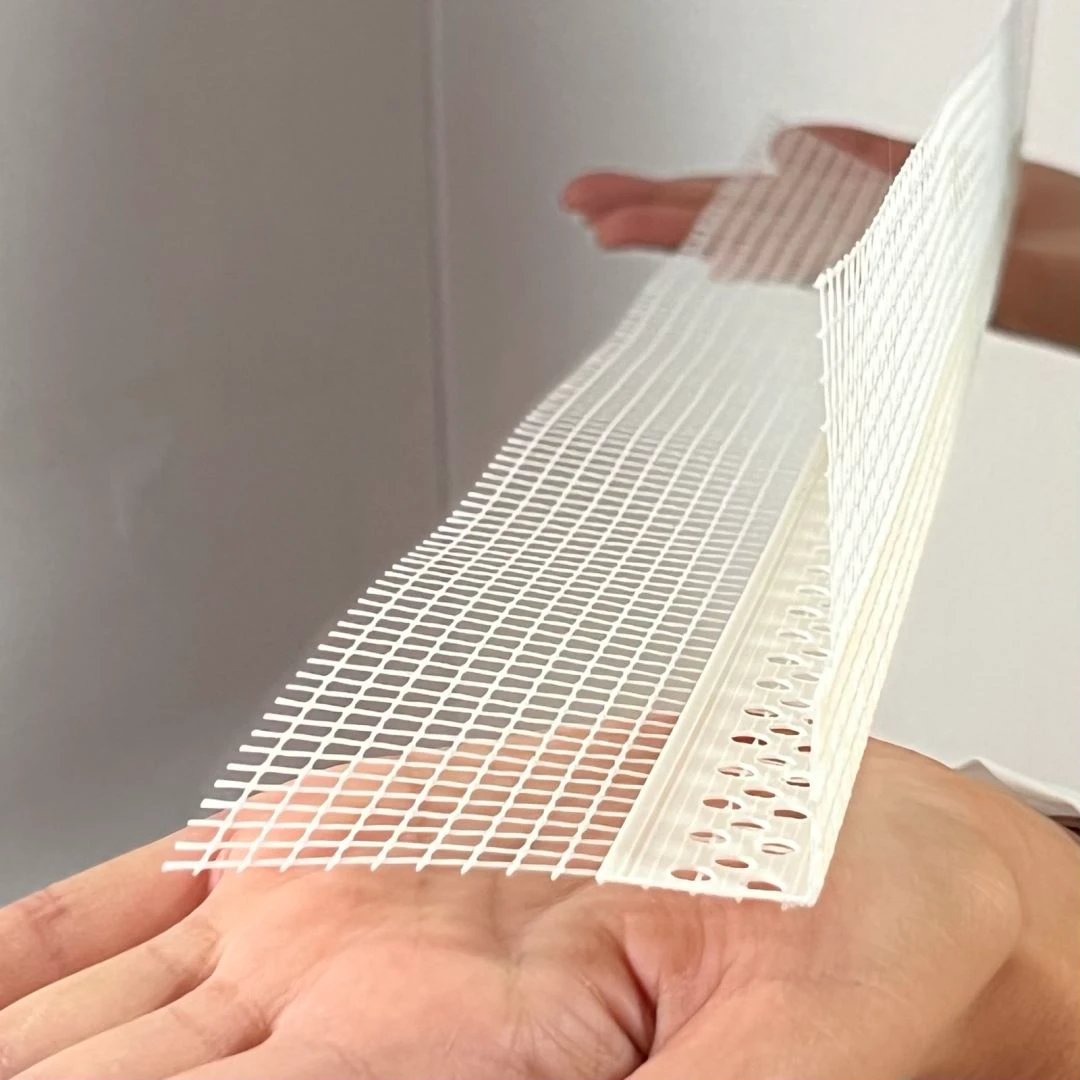
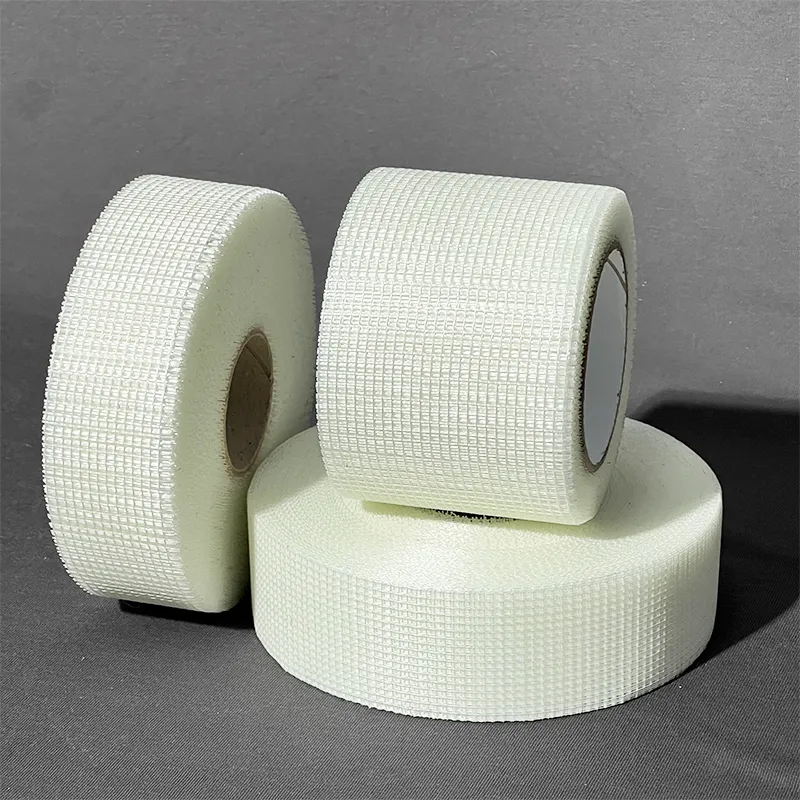
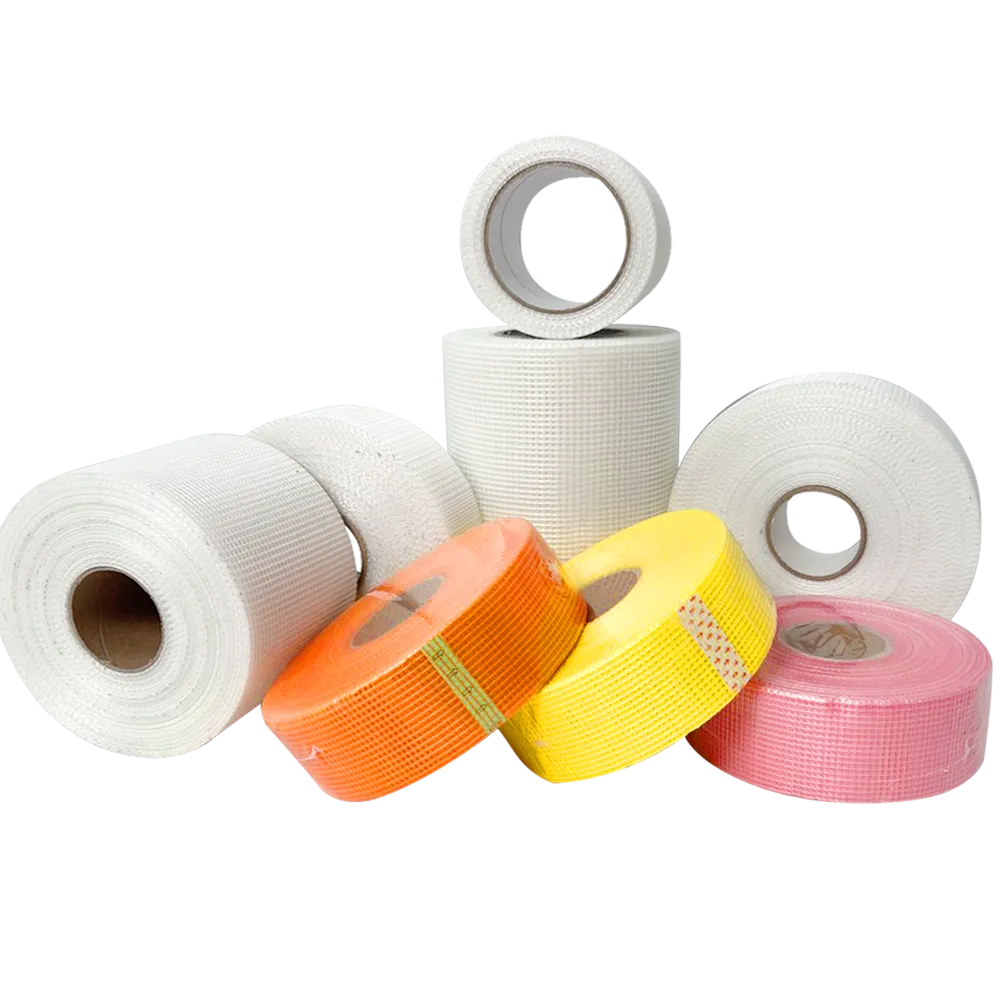
Fiberglass mesh acts as a critical reinforcing layer within liquid-applied membranes, cementitious slurries, or asphalt-based waterproofing compounds. It significantly enhances the tensile strength, crack resistance, and overall durability of these systems, especially in areas subjected to thermal expansion, structural movement, or high hydrostatic pressure. Furthermore, its application extends beyond waterproofing to include scenarios where you might buy fiberglass mesh for EIFS (Exterior Insulation Finishing Systems), buy fiberglass mesh for plastering, buy fiberglass mesh for tile installations, or even specialized uses like when you buy fiberglass mesh tape for RedGard applications. The selection of the correct mesh, particularly buy fiberglass reinforcement mesh, is pivotal for the long-term performance and reliability of the entire system.
Manufacturing Process Flow of Fiberglass Mesh for Waterproofing
The production of high-performance fiberglass mesh involves a sophisticated process designed to imbue the material with superior alkali resistance, tensile strength, and dimensional stability. Understanding this process is crucial when you seek to buy fibre mesh for waterproofing, as it directly impacts the product's quality and service life.
Key Stages in Production:
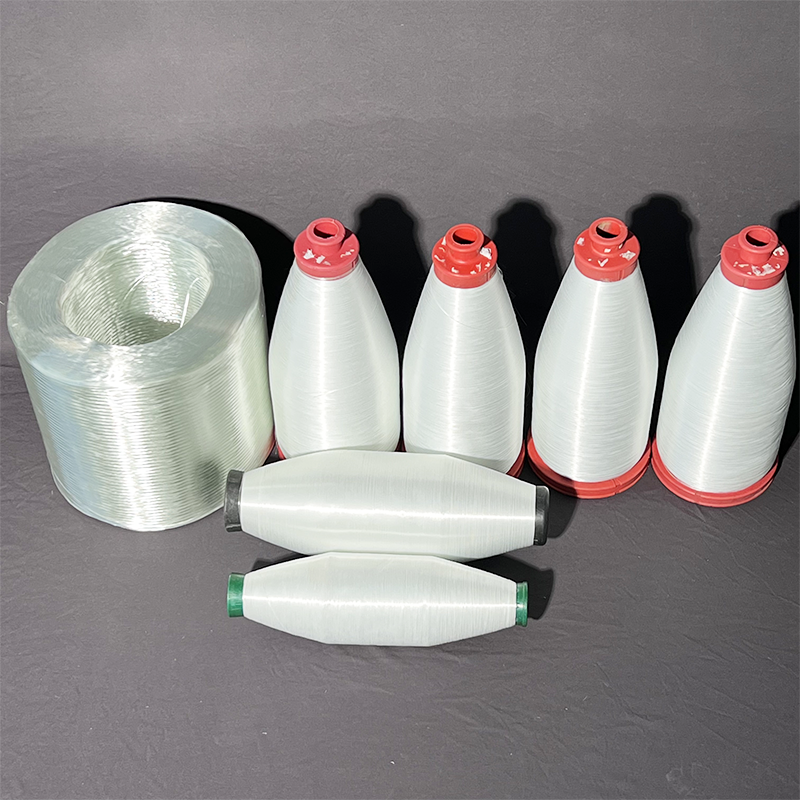
- Fiberglass Yarn Production: The process begins with the raw material – high-purity glass sand, limestone, kaolin, and dolomite. These are melted at high temperatures (around 1300-1500°C) into a molten glass. This molten glass is then drawn through fine platinum-rhodium bushings to produce continuous strands of fiberglass filaments. For waterproofing applications, E-glass or AR (Alkali-Resistant) glass fibers are predominantly used. AR glass, containing a higher zirconium dioxide (ZrO₂) content (typically 14-16%), offers significantly enhanced resistance to alkaline environments present in cement-based materials.
- Twisting and Weaving: The continuous fiberglass filaments are then twisted into yarns. These yarns are subsequently woven into a mesh fabric using advanced textile machinery. The weaving pattern, typically plain weave or leno weave, is selected to provide optimal open area, dimensional stability, and mechanical strength. Precise control over warp and weft density dictates the final mesh size and weight per square meter (grammage).
- Alkali-Resistant Coating Application: This is a critical step for waterproofing applications. The woven fiberglass mesh is impregnated and coated with a specialized polymer emulsion, typically acrylic latex or styrene-butadiene rubber (SBR). This coating provides the primary alkali resistance, preventing the glass fibers from degrading when exposed to the highly alkaline environment of cementitious mortars and concretes. It also enhances the mesh's cohesion, flexibility, and resistance to environmental factors. The coating saturation level is a key performance indicator.
- Drying and Curing: After coating, the mesh undergoes a controlled drying and curing process in industrial ovens. This step ensures that the polymer coating is fully cross-linked and uniformly adhered to the fiberglass strands, optimizing its protective properties and mechanical performance.
- Slitting and Packaging: The finished, coated mesh rolls are then cut into specified widths and lengths according to customer requirements. Quality control checks are performed at various stages, including mesh size, weight, tensile strength, and coating uniformity, adhering to international standards such as ISO 9001 and often country-specific norms like ASTM or EN standards.
The service life of a properly manufactured fiberglass mesh for waterproofing, when correctly installed, can extend beyond 25-50 years, often matching the design life of the structure itself. Target industries include petrochemical, metallurgy, water supply & drainage, construction, and infrastructure projects, all benefiting from its energy-saving attributes (by preventing thermal bridging in EIFS) and superior corrosion resistance.
Industry Trends in Waterproofing and Reinforcement
The market for waterproofing and reinforcement materials is dynamic, driven by increasing construction activity, stricter building codes, and a growing emphasis on sustainable and resilient infrastructure. Key trends include:
- Enhanced Durability and Longevity: Demand for materials with extended service life, reducing maintenance and replacement costs, is rising. This directly impacts the choice to buy fiberglass reinforcement mesh that offers superior alkali and chemical resistance.
- Eco-Friendly Solutions: An increasing focus on sustainable building practices is leading to the development of meshes made with recycled content or less energy-intensive manufacturing processes, alongside coatings with lower VOC emissions.
- Pre-fabricated Systems: The trend towards pre-fabricated and modular construction necessitates reinforcement materials that are easy to integrate and provide consistent performance across varied components.
- Smart Materials Integration: While still nascent, research into "smart" waterproofing systems incorporating sensors for moisture detection or self-healing capabilities is ongoing, which could eventually integrate with reinforcement meshes.
- Advanced Polymer Coatings: Continuous innovation in polymer chemistry is yielding more robust, flexible, and chemically resistant coatings for fiberglass mesh, expanding its application versatility.
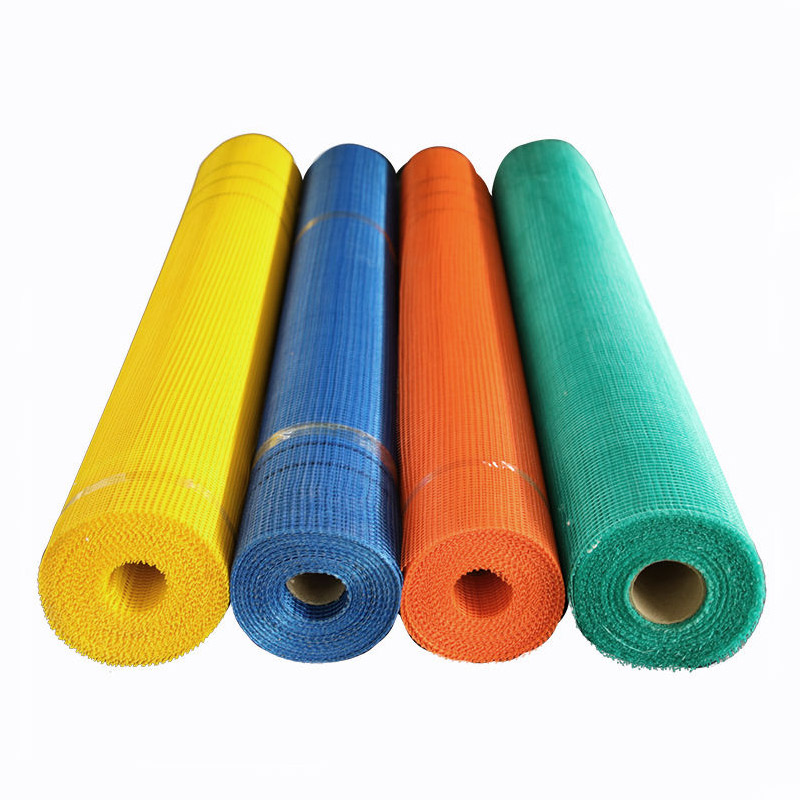
These trends underscore the importance of selecting a reliable supplier when you buy fiber mesh for waterproofing, one that invests in R&D and adheres to stringent quality controls.
Technical Specifications and Parameters
Understanding the precise technical parameters is non-negotiable for engineers and procurement specialists. When you buy fiber mesh for waterproofing, these specifications define its suitability for specific project requirements. Below is a representative table for a high-quality fiberglass mesh plaster netting suitable for wall and waterproofing applications.
Typical Fiberglass Mesh Specifications (Product: Fiberglass Mesh Plaster Netting for Wall)
These specifications are crucial for architects and engineers designing waterproofing systems. For instance, high tensile strength ensures the mesh can effectively distribute stress and prevent cracking, while superior alkali resistance guarantees long-term performance within alkaline mortars and concrete. The grammage indicates the overall strength and amount of material per square meter, influencing the mesh's ability to resist impact and puncture.
Application Scenarios of Fiberglass Mesh
The versatility of fiberglass mesh makes it indispensable across a wide range of construction applications, particularly where waterproofing and crack control are critical. Here are typical scenarios:
- Liquid-Applied Waterproofing Membranes: In roofing, basements, balconies, and wet areas (bathrooms, kitchens), fiberglass mesh is embedded within liquid waterproofing coatings (e.g., polyurethane, acrylic, bitumen emulsions). It reinforces the membrane, bridging cracks and enhancing puncture resistance.
- Cementitious Waterproofing Slurries: Often used in foundations, retaining walls, and water tanks, these slurries benefit immensely from mesh reinforcement. The mesh prevents the slurry from cracking due to substrate movement or drying shrinkage, ensuring a continuous, impermeable barrier.
- External Insulation Finishing Systems (EIFS): As a primary reinforcement in EIFS, fiberglass mesh, often a specific type of buy fiberglass mesh for EIFS, provides impact resistance and prevents cracking of the base coat, maintaining the system's aesthetic and thermal performance.
- Plastering and Rendering: For both interior and exterior walls, particularly in renovation projects or on mixed substrates, embedding fiberglass mesh helps prevent plaster cracks, improving the durability and finish quality. This is a common application when one needs to buy fiberglass mesh for plastering.
- Tile Installation: In areas prone to movement or over substrates with existing hairline cracks, using buy fiberglass mesh for tile installations beneath the tile adhesive layer provides anti-fracture protection, preventing cracks from transferring to the tile surface. Specialized scenarios might involve using buy fiberglass mesh tape for RedGard or similar uncoupling membranes.
- Floor Screeds and Self-Leveling Compounds: Reinforcement of thin floor screeds and leveling compounds prevents shrinkage cracks, ensuring a stable and even surface for subsequent floor coverings.
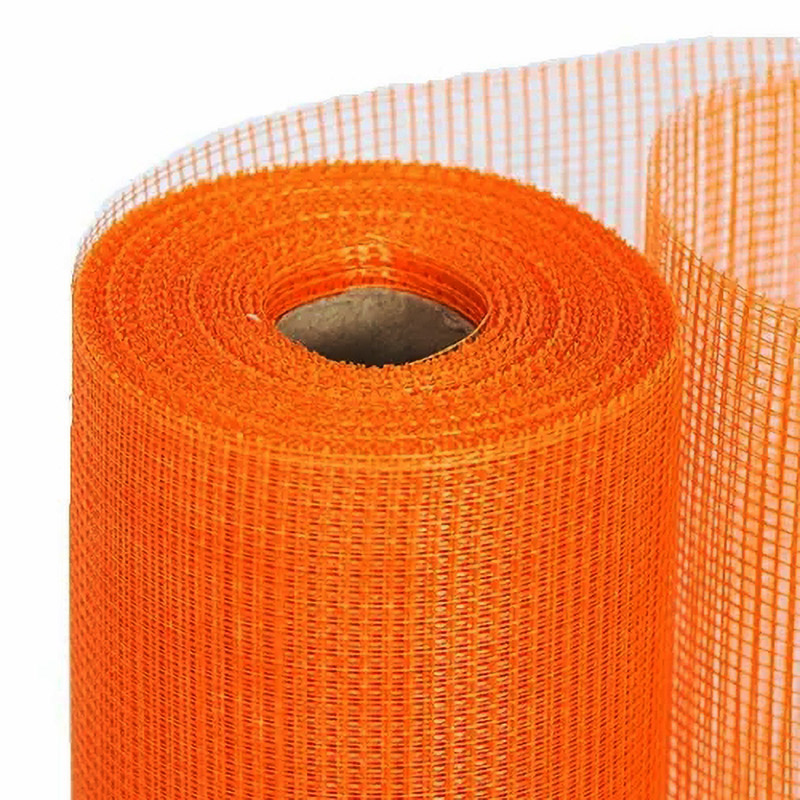
These applications demonstrate the critical role of fiberglass mesh in enhancing the mechanical properties and long-term performance of various building materials, reducing maintenance costs and increasing structural resilience.
Technical Advantages and Performance Benefits
The adoption of fiberglass mesh in construction is driven by its compelling technical advantages:
- Superior Tensile Strength: Fiberglass possesses extremely high tensile strength relative to its weight, making it an excellent reinforcement material that resists stretching and tearing.
- Alkali Resistance: The specialized polymer coating protects the glass fibers from the alkaline environment of cementitious materials, ensuring long-term durability and performance without degradation.
- Crack Control and Prevention: By distributing stress evenly across the surface, the mesh effectively prevents the formation and propagation of cracks caused by substrate movement, thermal cycling, or drying shrinkage.
- Dimensional Stability: Fiberglass mesh exhibits minimal expansion or contraction with temperature changes, maintaining its structural integrity and preventing distortions within the applied layers.
- Lightweight and Easy to Handle: Despite its strength, fiberglass mesh is lightweight, making it easy to transport, cut, and install, thereby reducing labor costs and installation time.
- Corrosion Resistance: Unlike metal reinforcements, fiberglass mesh is non-corrosive, eliminating concerns about rust or degradation over time, which can compromise the integrity of waterproofing layers.
- Compatibility: It is chemically inert and highly compatible with a wide range of waterproofing membranes, adhesives, and mortars.
- Improved Impact Resistance: In systems like EIFS, the mesh significantly enhances the impact resistance of the base coat, protecting the insulation layer beneath.
These advantages collectively contribute to more resilient, durable, and cost-effective construction solutions, making it a preferred choice for professionals who understand the long-term value of robust material selection.
Vendor Comparison and Selection Criteria
Choosing the right supplier when you need to buy fiber mesh for waterproofing is as critical as selecting the right product. A thorough vendor comparison should consider several key factors beyond just price:
Key Vendor Comparison Matrix
A reputable vendor not only supplies the product but also offers expertise and support crucial for successful project execution.
Customized Solutions for Specific Project Needs
In complex engineering projects, off-the-shelf solutions may not always suffice. Leading manufacturers understand this and offer tailored fiberglass mesh solutions. Customization options can include:
- Specific Mesh Sizes: For fine-crack bridging or very thick applications, custom mesh aperture sizes can be manufactured.
- Tailored Grammage: Heavier meshes (e.g., 200-300 g/m²) for high-impact resistance or structural reinforcement, or lighter meshes for specific finishing layers.
- Optimized Coating Formulations: Coatings can be tweaked for enhanced adhesion to specific membrane chemistries, UV resistance, or extreme environmental conditions. For instance, a coating with higher elasticity might be suitable for substrates with significant thermal movement.
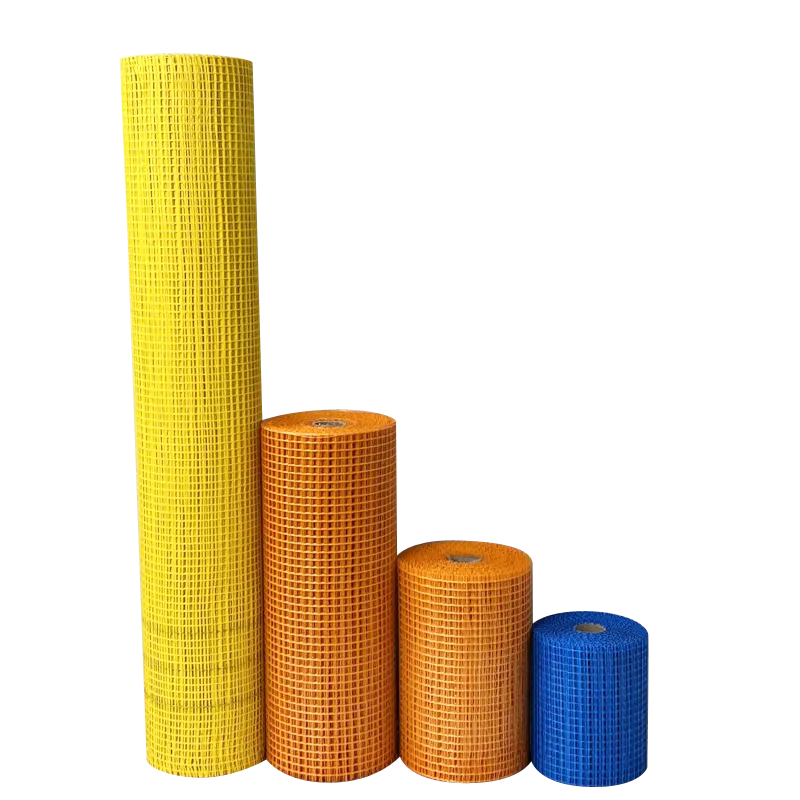
- Custom Roll Dimensions: Unique widths and lengths can reduce waste and streamline installation on large or irregularly shaped surfaces.
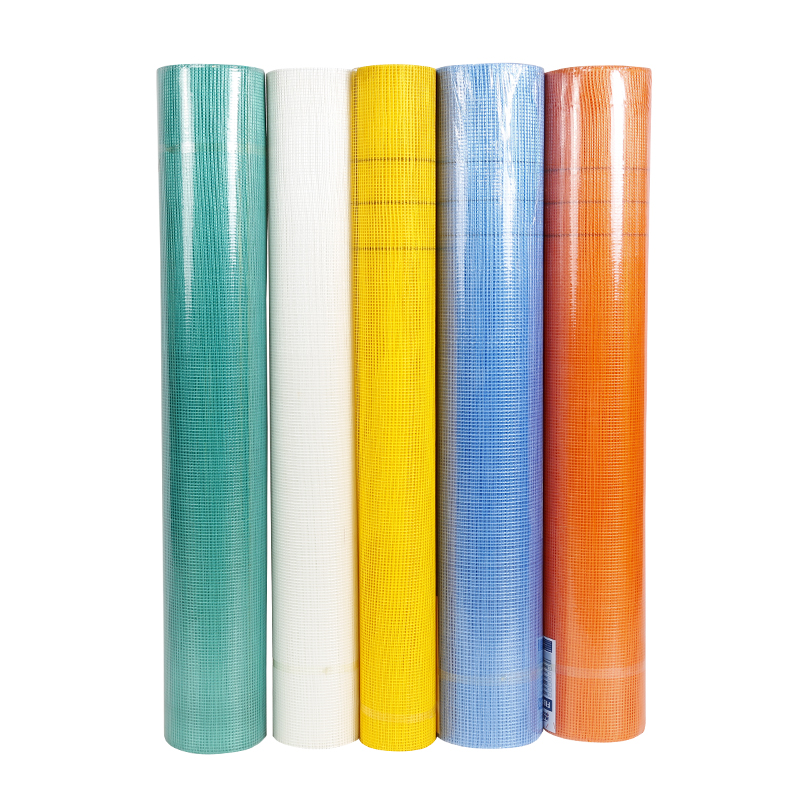
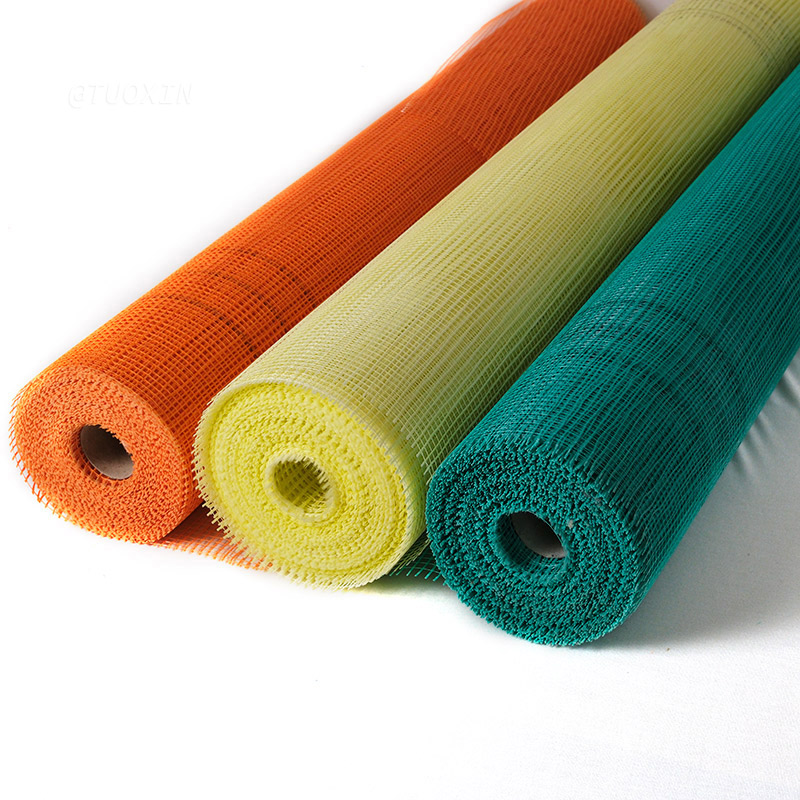
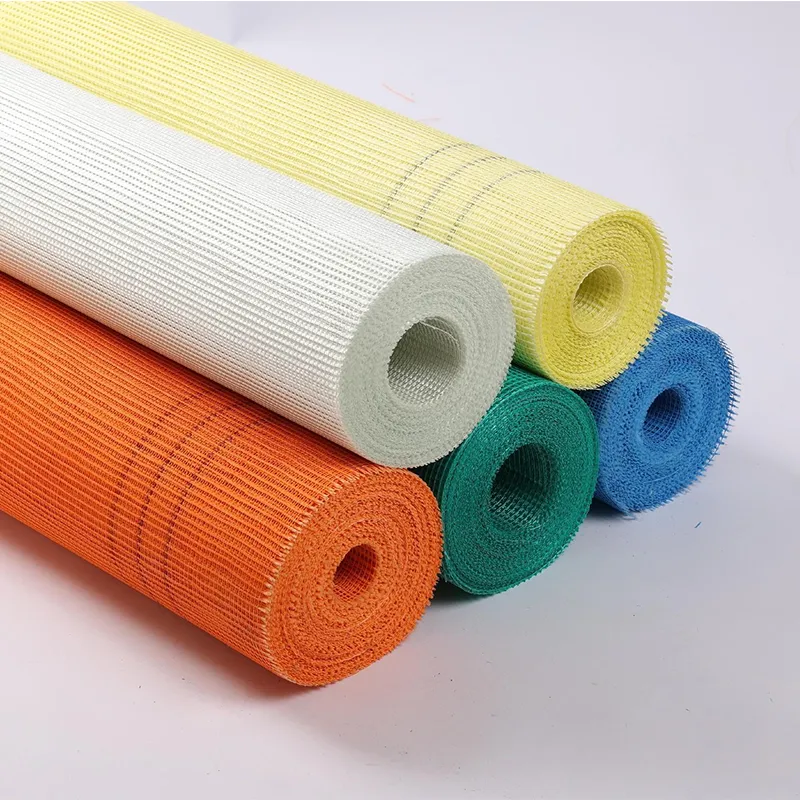
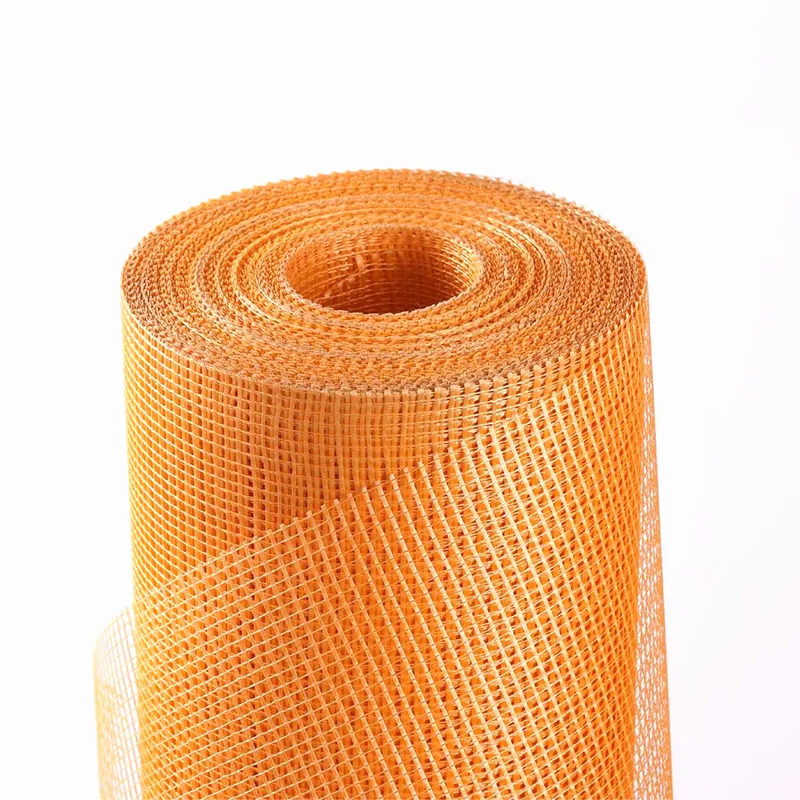
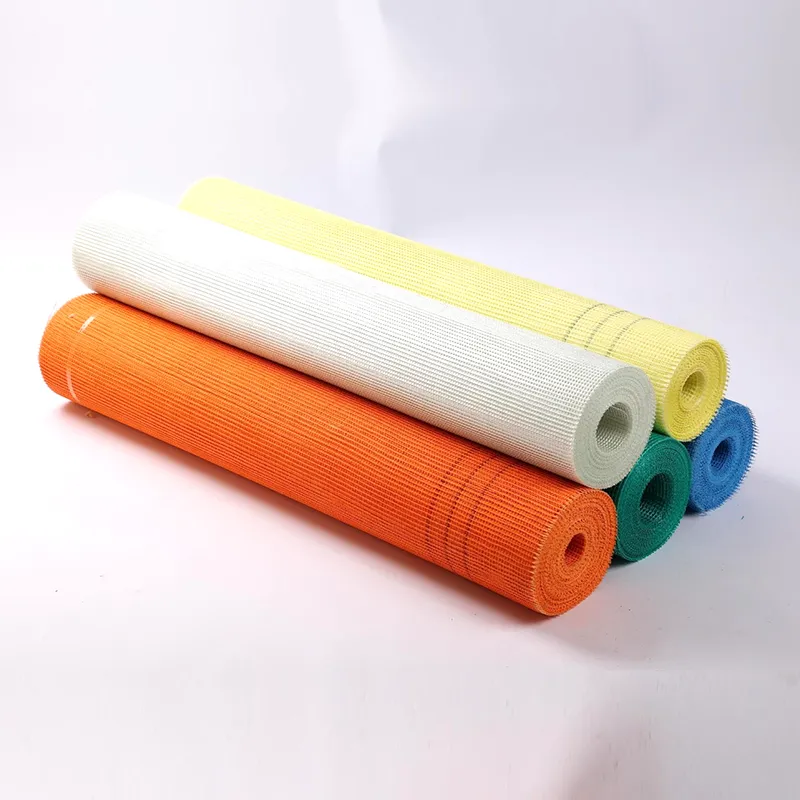
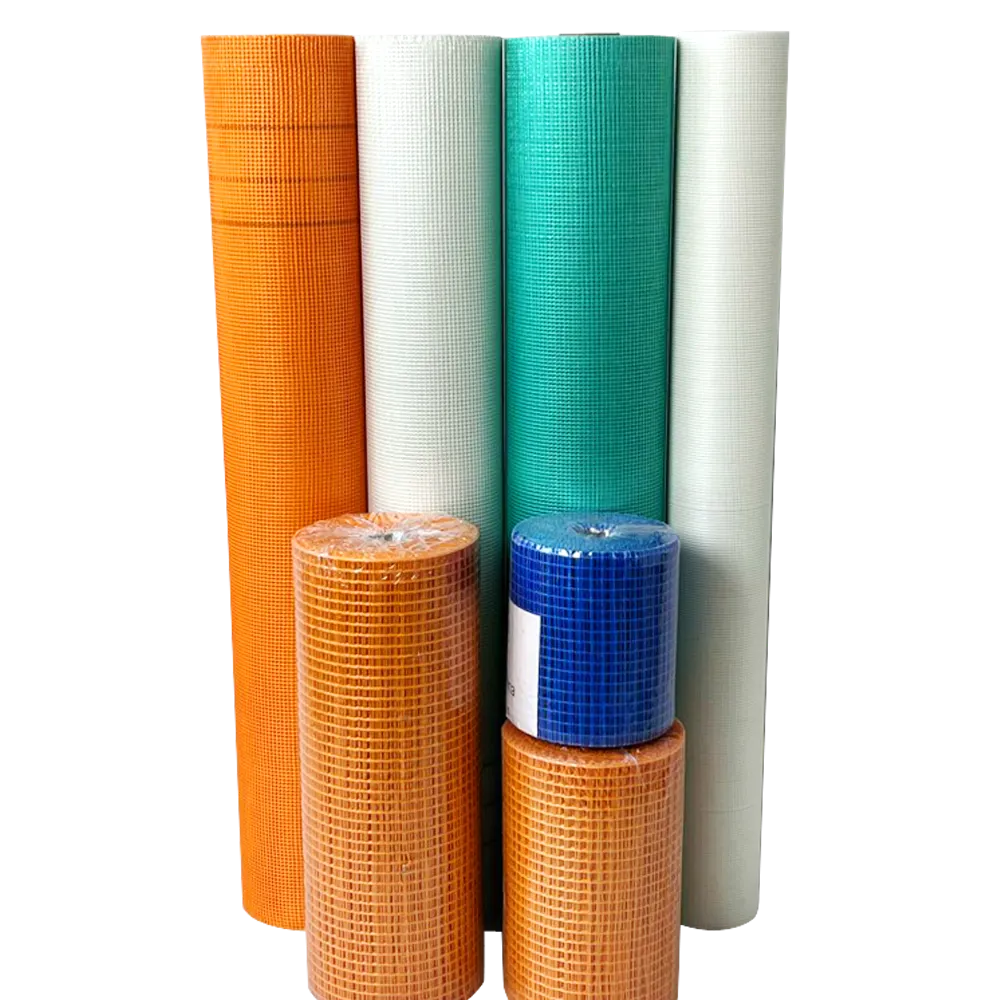
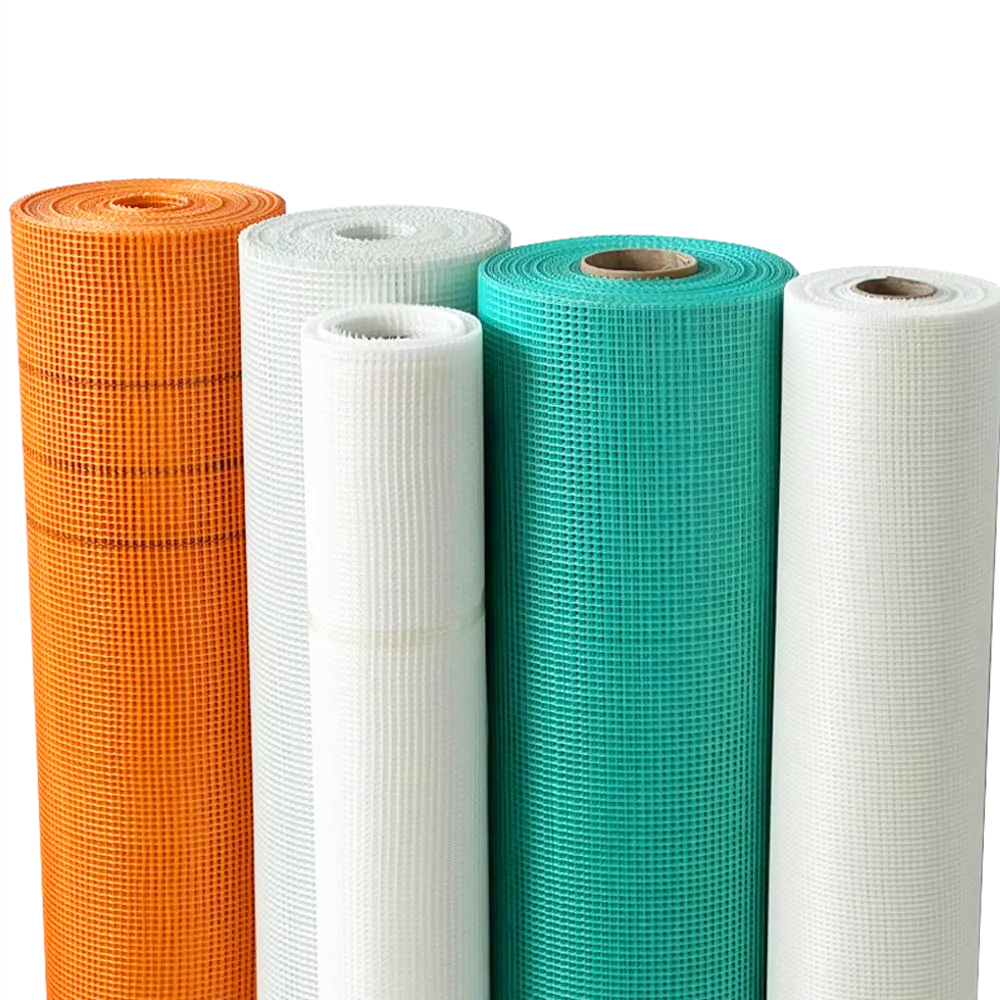
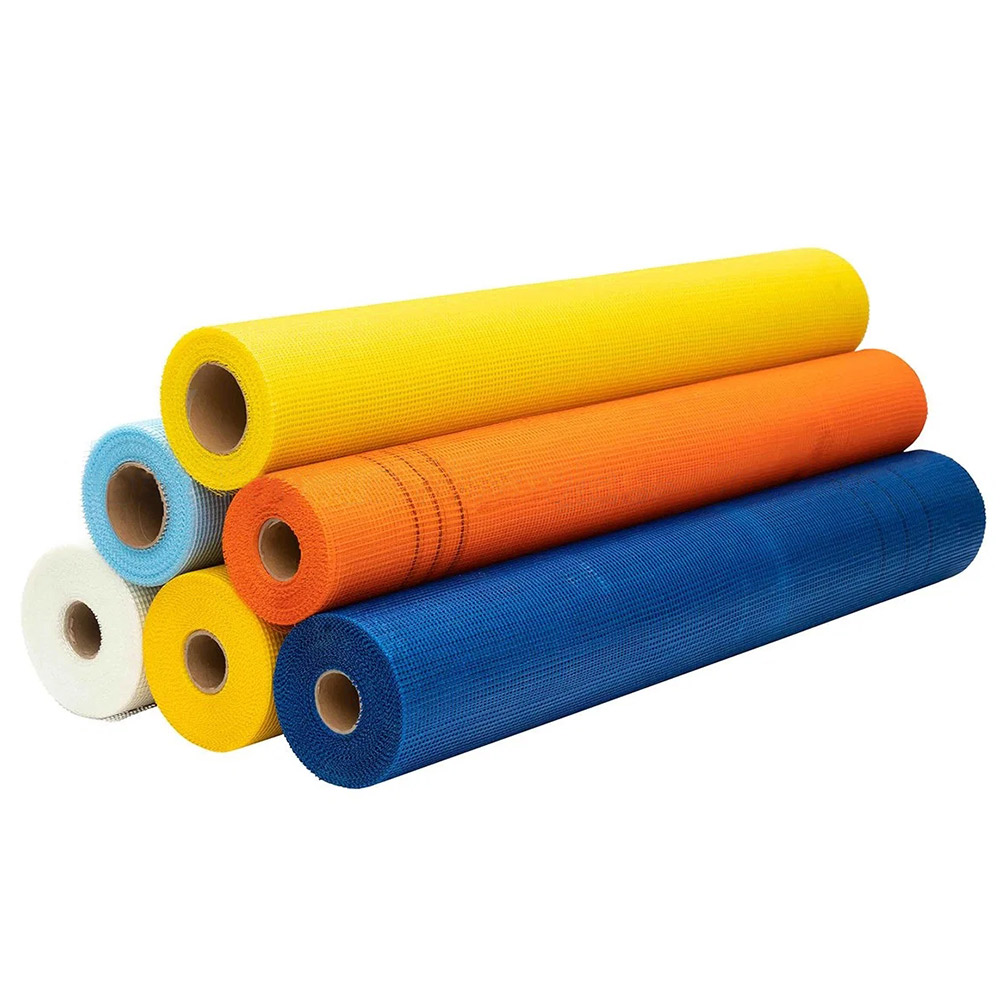
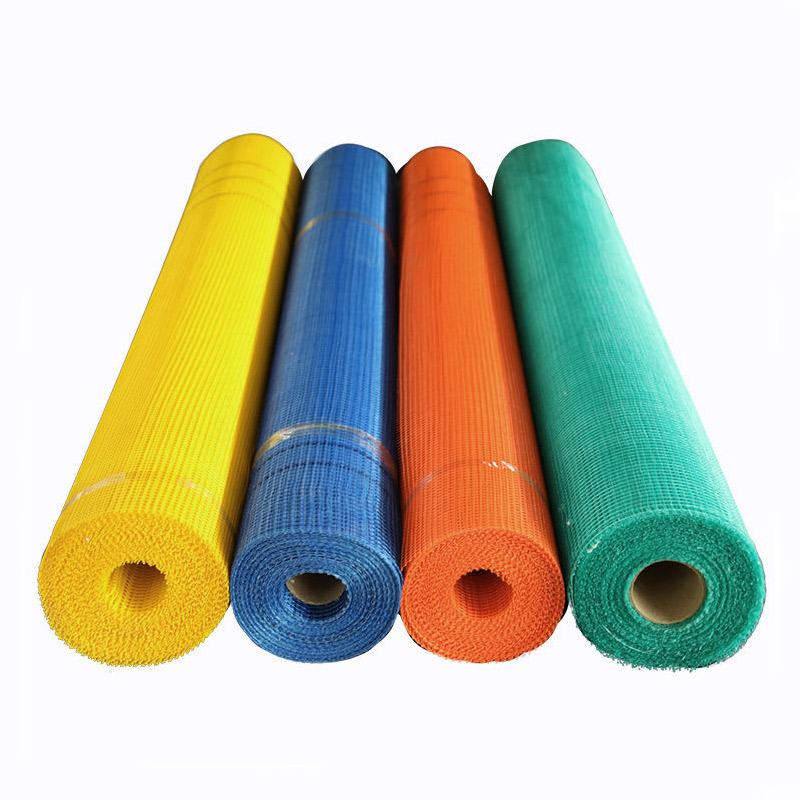
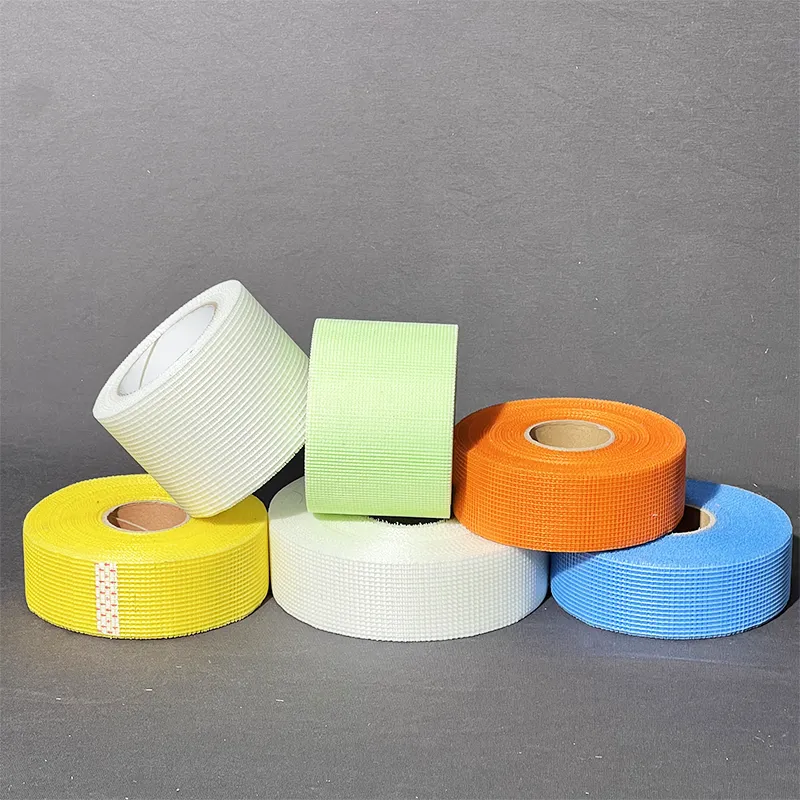
- Colored Mesh: For specific aesthetic or identification purposes, though less common in standard waterproofing.
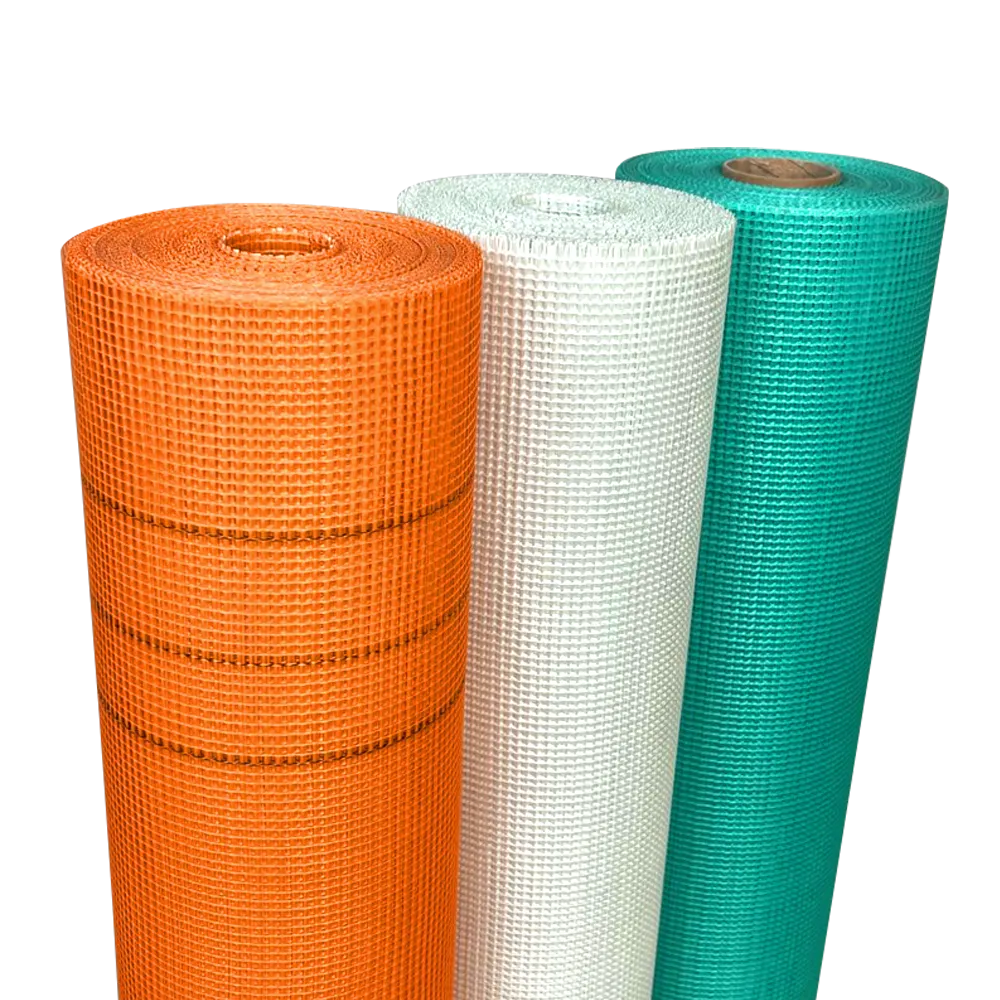
Engaging with a manufacturer capable of providing these customized solutions ensures that the fiberglass mesh perfectly aligns with the project's unique demands, optimizing performance and cost-efficiency.
Application Case Studies and Customer Feedback
Real-world application demonstrates the tangible benefits of utilizing high-quality fiberglass mesh.
Case Study 1: Large-Scale Commercial Roof Waterproofing
A major logistics hub faced persistent leakage issues with its expansive concrete roof, even after several repair attempts. The existing waterproofing membrane had multiple hairline cracks. The project team decided to overhaul the system using a two-component cementitious waterproofing slurry reinforced with a 160 g/m², 4x4 mm alkali-resistant fiberglass mesh. The mesh was embedded into the first layer of slurry, followed by a second coat. Post-installation, the roof has remained leak-free for over five years, enduring significant thermal cycling and heavy rainfall, far exceeding the performance of previous solutions. The high tensile strength and crack-bridging capability of the fiberglass mesh proved essential.
Case Study 2: Residential Bathroom Renovation
A residential developer sought a robust waterproofing solution for hundreds of bathrooms in a new apartment complex. Utilizing a liquid-applied acrylic membrane with a 75 g/m², 5x5 mm fiberglass mesh reinforcement in all wet areas (shower walls, floor, bathtub surrounds) ensured durable, flexible, and crack-free waterproofing. The mesh was particularly crucial at wall-floor junctions and around pipe penetrations where movement is more likely. Customer feedback consistently highlighted the absence of any water ingress issues, even after years of daily use, underscoring the reliability achieved by integrating mesh reinforcement.
These examples underscore how choosing to buy fiber mesh for waterproofing from a reputable supplier provides a foundational layer of security and longevity for diverse construction applications.
Frequently Asked Questions (FAQ)
- Q: What makes fiberglass mesh superior to other reinforcement materials for waterproofing?
- A: Fiberglass mesh offers a unique combination of high tensile strength, excellent alkali resistance (due to specialized coatings), dimensional stability, and light weight. Unlike metal meshes, it does not corrode. Organic fibers typically lack the strength and durability in harsh environments.
- Q: How do I choose the correct grammage (weight) for my project?
- A: The grammage depends on the application. For standard plastering or light waterproofing, 70-120 g/m² is often sufficient. For critical waterproofing, heavy-duty crack bridging, or EIFS base coats, 145-160 g/m² or higher is recommended to ensure robust performance and impact resistance. Consult technical datasheets or an expert if unsure.
- Q: Is the fiberglass mesh compatible with all types of waterproofing membranes?
- A: High-quality, alkali-resistant fiberglass mesh is generally compatible with most cementitious, acrylic, polyurethane, and bitumen-based waterproofing systems. However, it is always recommended to perform a small-scale compatibility test or consult the membrane manufacturer's guidelines for specific product combinations to ensure optimal adhesion and performance.
- Q: What is the typical lead time for large orders of fiberglass mesh?
- A: Lead times can vary based on order volume, customization requirements, and current production schedules. For standard specifications, typically 2-4 weeks. For large or highly customized orders, it might extend to 4-8 weeks. We encourage clients to discuss their project timelines with our sales team for accurate estimations.
- Q: What warranty is provided with your fiberglass mesh products?
- A: Our fiberglass mesh products come with a comprehensive material warranty, typically covering manufacturing defects for a period of 5-10 years, depending on the product grade and specific application. Detailed warranty terms are available upon request and are always provided with your purchase documentation.
Logistics, Warranty, and Customer Support
As a professional B2B supplier, we prioritize seamless operations from order to post-installation support.
- Lead Time & Fulfillment: We maintain efficient production lines and robust inventory management to ensure timely fulfillment. Standard orders are typically processed and shipped within 15-20 business days. For urgent or large-volume requests, expedited production and logistics solutions can be arranged. Our global shipping network ensures reliable delivery to various international destinations, complying with all necessary export/import regulations.
- Warranty Commitments: All our fiberglass mesh products, including those you buy fiber mesh for waterproofing, are backed by a stringent quality assurance program and a comprehensive product warranty. This warranty covers material integrity and performance against manufacturing defects, contingent upon proper handling, storage, and application as per industry standards and our technical guidelines. Specific warranty periods and terms are detailed in our product datasheets and sales agreements.
- Customer Support & Technical Assistance: Our dedicated team of technical specialists and customer service representatives is available to assist with product selection, application guidance, and troubleshooting. From initial inquiry to post-purchase support, we provide expert advice to ensure your project's success. This includes detailed product specifications, safety data sheets, and access to our technical library.
References
- 1. International Organization for Standardization (ISO) – Standards for textile glass.
- 2. American Society for Testing and Materials (ASTM International) – Standards for construction materials.
- 3. European Committee for Standardization (CEN) – European standards for building products.
- 4. Cement and Concrete Research Journal – Peer-reviewed articles on alkali-aggregate reaction and reinforcement.
- 5. Journal of Building Engineering – Research on material performance in building construction.
-
Best Fiberglass Mesh Tape for RedGard Product Waterproofing GuideNewsApr.16,2026
-
Why High Strength Fiberglass Mesh Is Essential For Stucco ApplicationNewsApr.15,2026
-
Why Alkali Resistant Fiberglass Mesh Tape Is Essential For Cement Board And Tile InstallationsNewsApr.15,2026
-
Understanding The Role Of Drywall Fiberglass Mesh In Interior FinishingNewsApr.15,2026
-
Ultimate Guide To Using Fiberglass Mesh Tape For Drywall And Plaster RepairsNewsApr.15,2026
-
The Versatility Of Fiberglass Mesh In Marble And Stone MosaicNewsApr.15,2026