Sep . 01, 2025 02:00 Back to list
Buy Fiber Mesh for Waterproofing - Durable Fiberglass Reinforcement
The Critical Role of Fiber Mesh in Modern Construction Waterproofing
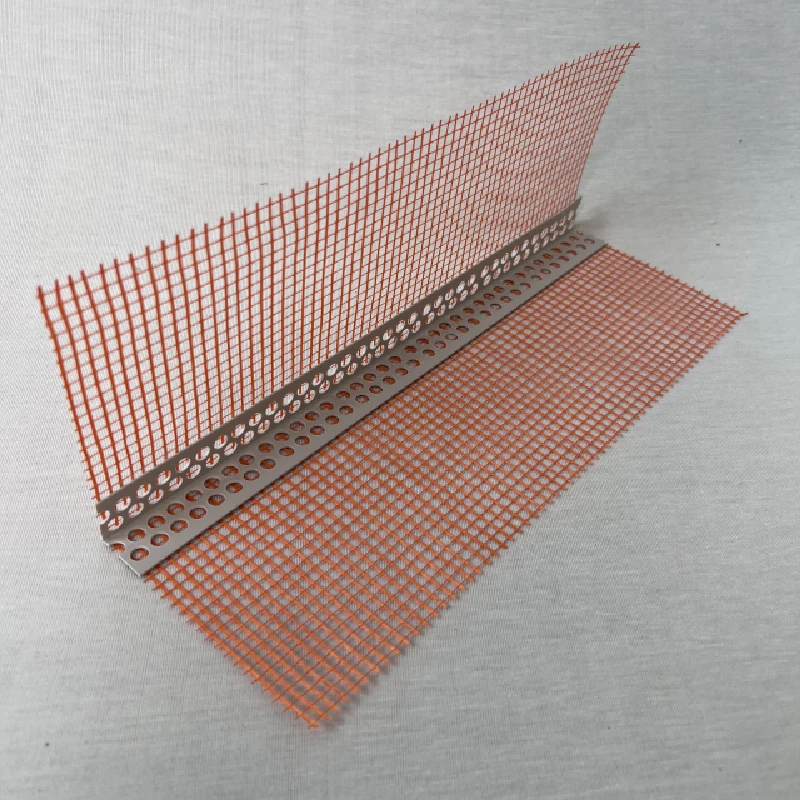
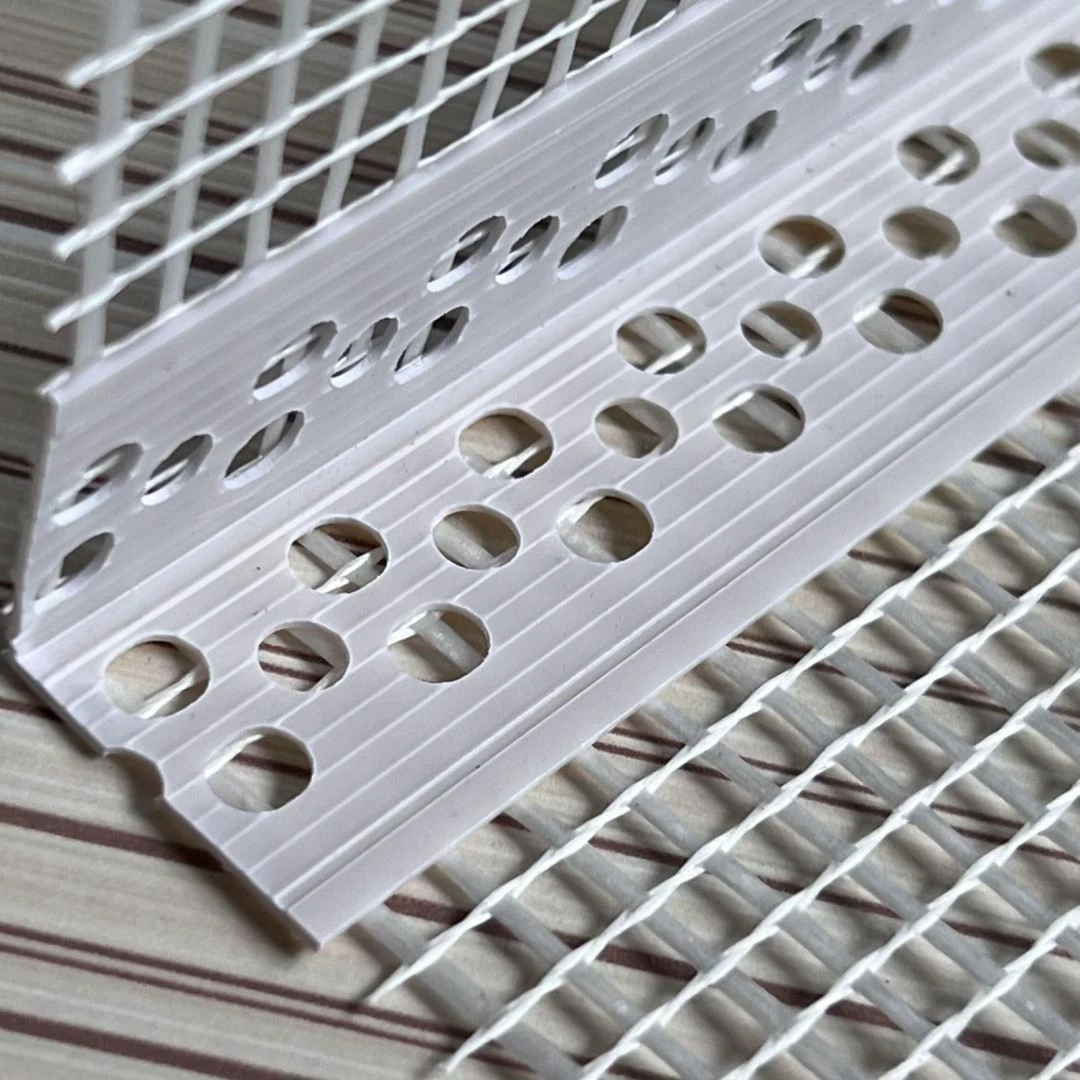
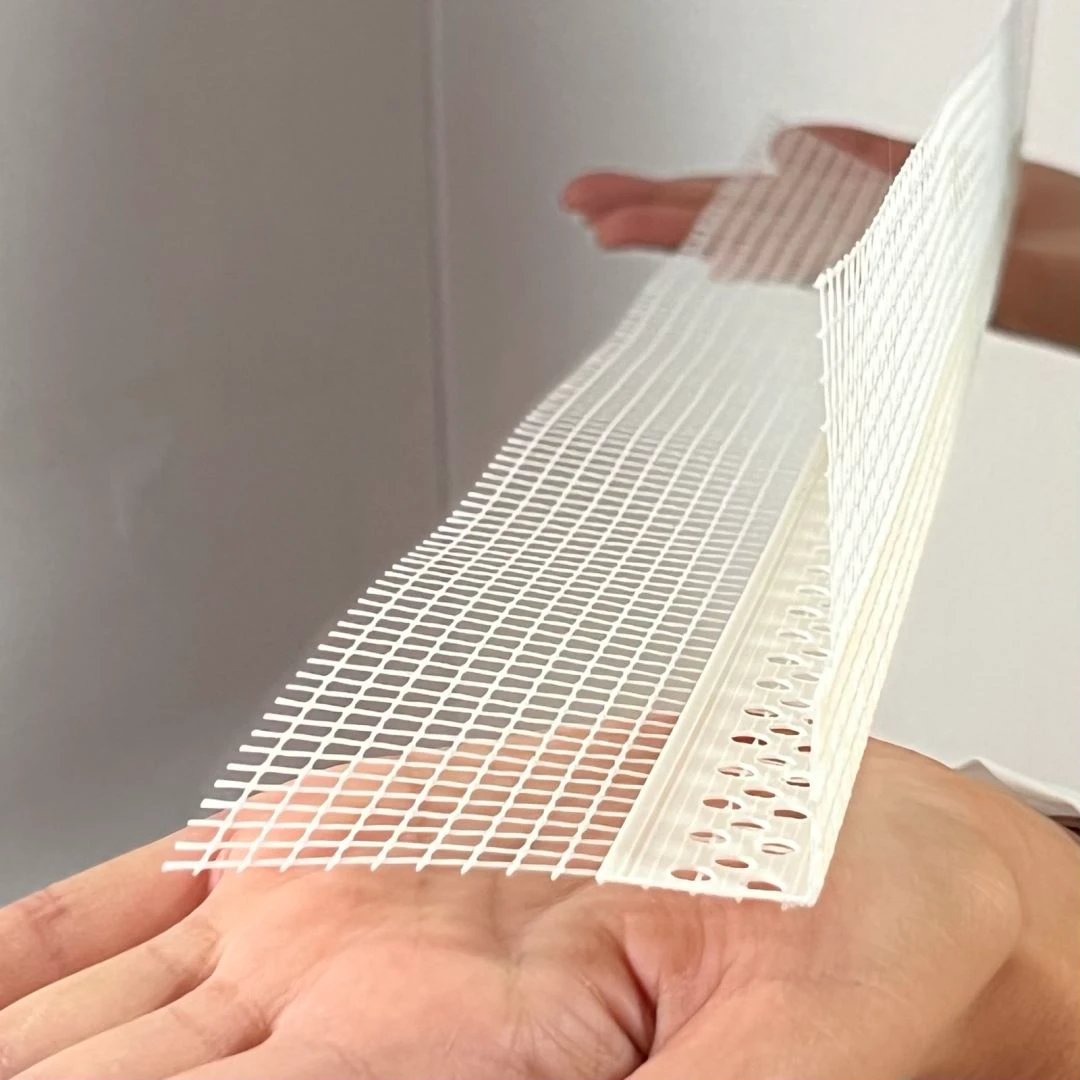
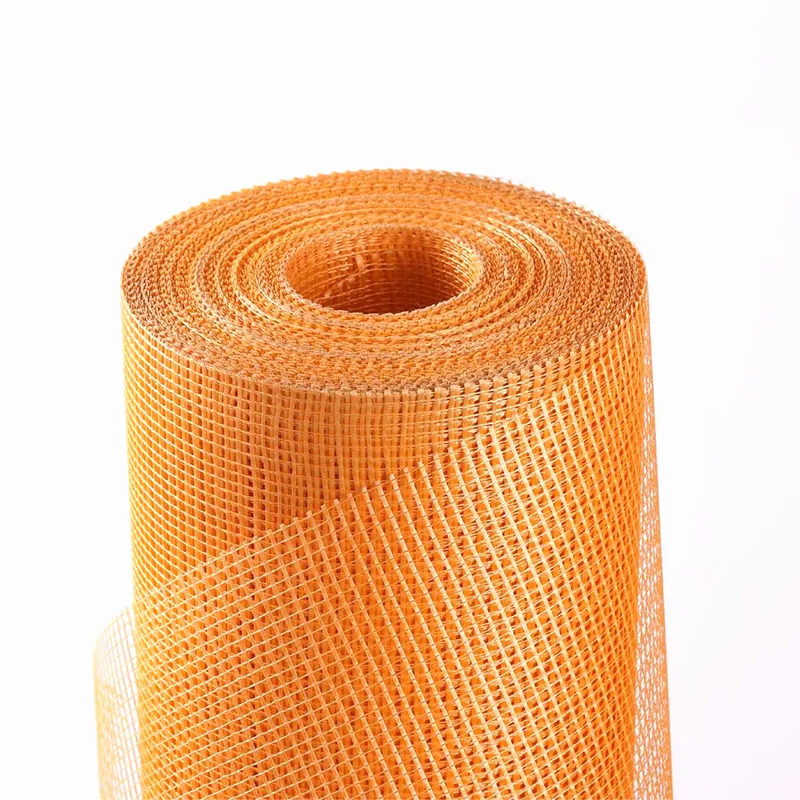
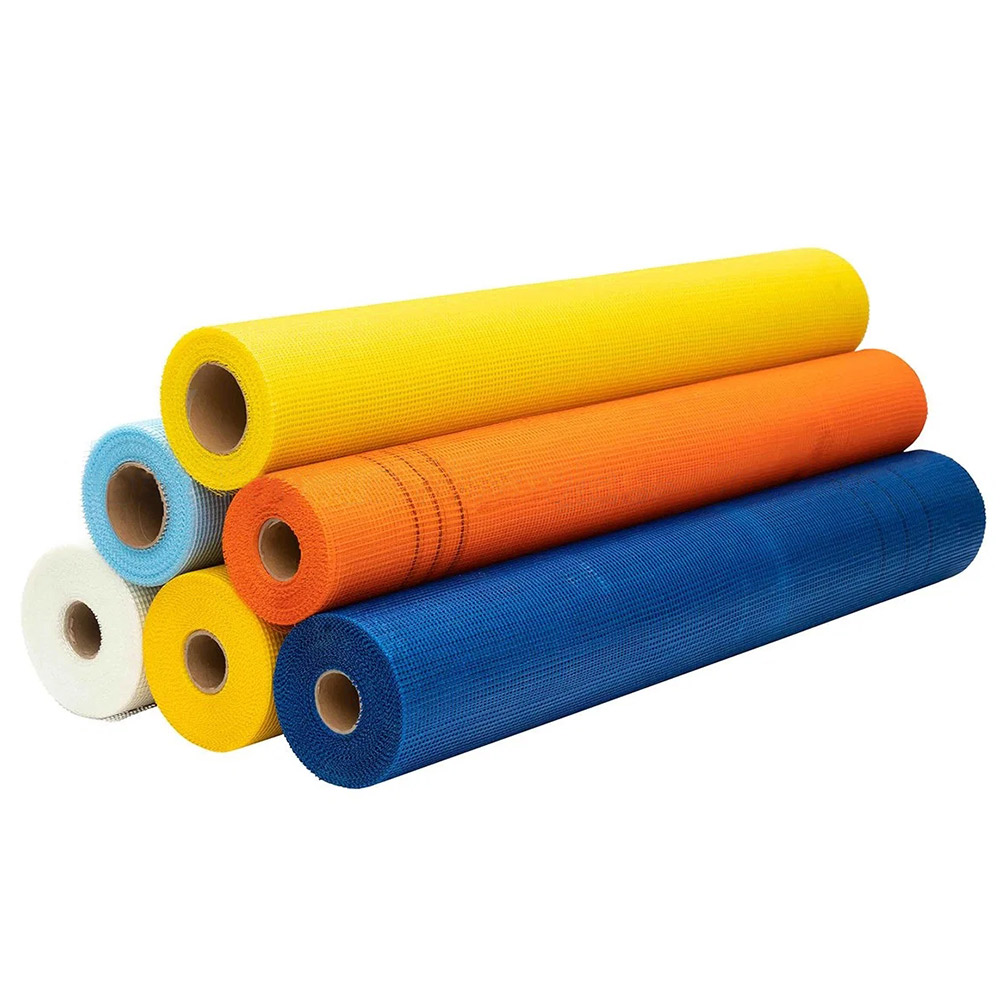
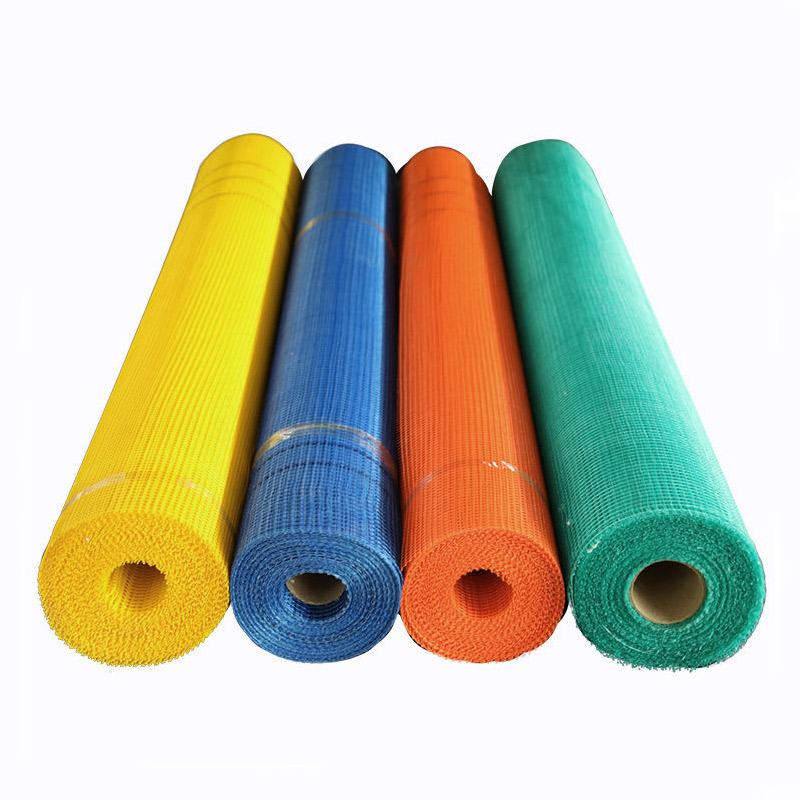
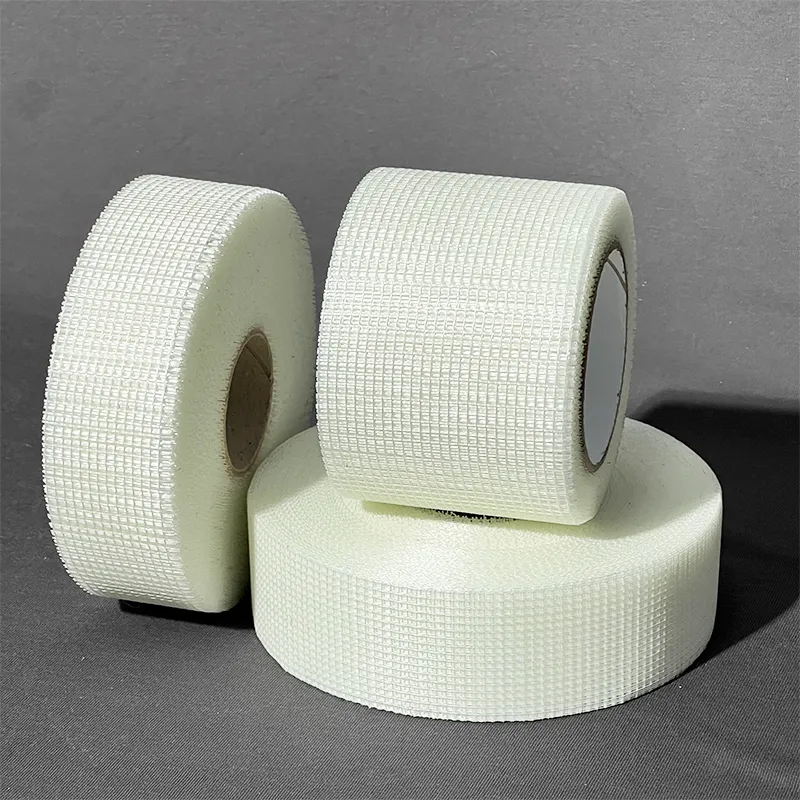
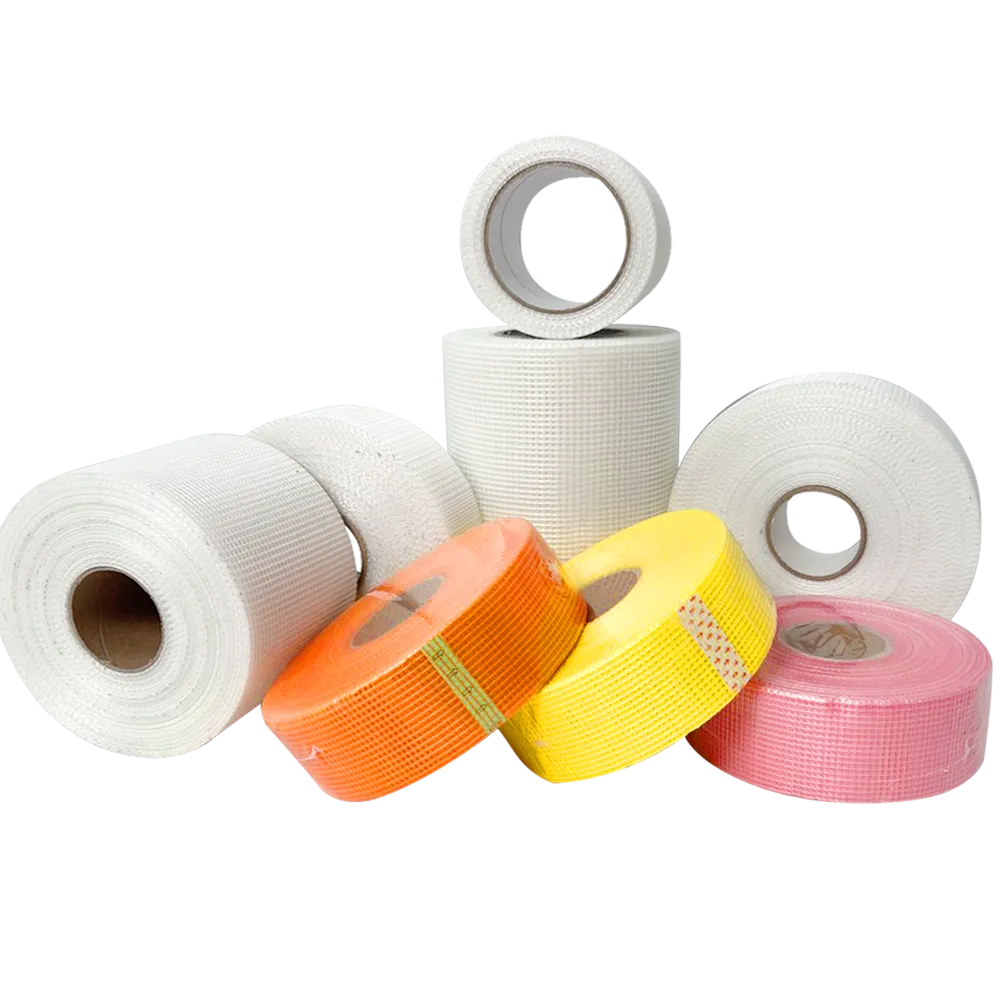
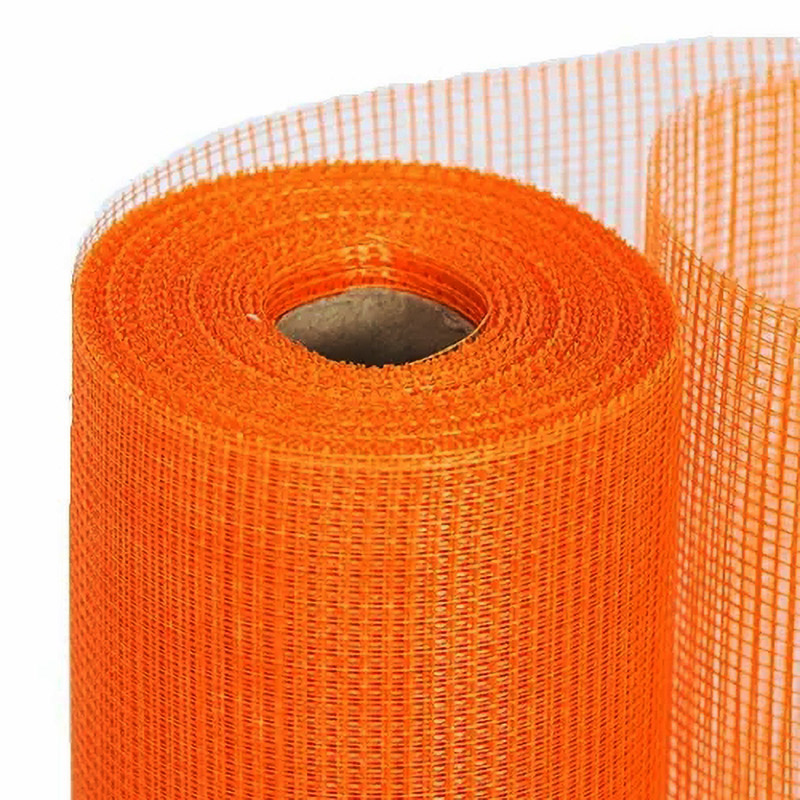
In contemporary construction, ensuring robust and long-lasting structural integrity necessitates advanced material solutions, particularly in moisture-prone environments. The demand for superior waterproofing solutions has led to the widespread adoption of specialized reinforcement materials. When you need to buy fiber mesh for waterproofing, you are investing in a critical component designed to enhance the durability and performance of protective layers. This advanced material, often composed of high-quality fiberglass, serves as a vital reinforcement within various waterproofing systems, preventing cracks, improving tensile strength, and extending the service life of structures. Its application is not limited to waterproofing; it also plays a crucial role in systems like External Insulation Finishing Systems (EIFS), plastering, and tile installation, highlighting its versatility and indispensable nature in modern building practices.
Fiber mesh offers unparalleled dimensional stability and alkali resistance, attributes that are paramount for applications where materials are exposed to harsh environmental conditions or alkaline substrates. This technical overview provides an in-depth exploration of fiberglass mesh, covering its manufacturing process, detailed technical specifications, diverse application scenarios, and the profound advantages it brings to construction projects. It aims to equip B2B decision-makers and engineers with comprehensive insights to make informed procurement and application decisions, ensuring optimal performance and longevity for their infrastructure investments.
Industry Trends in Waterproofing and Structural Reinforcement
The global construction industry is currently experiencing significant shifts driven by escalating demands for sustainable, resilient, and energy-efficient building solutions. A key trend impacting the procurement and application of materials like fiberglass mesh is the increasing emphasis on building envelope performance. Regulatory frameworks are becoming more stringent, mandating enhanced thermal performance and superior moisture management, thereby fueling the need for advanced waterproofing and reinforcement products.
Emerging trends indicate a move towards integrated systems where materials like fiberglass mesh are not merely add-ons but integral components of a holistic construction strategy. This includes the growing adoption of EIFS, where fiberglass mesh is essential for crack prevention and system durability, leading to a surge in demand to buy fiberglass mesh for eifs. Similarly, the trend towards larger format tiles and more flexible tiling adhesives has increased the need to buy fiberglass mesh for tile to prevent substrate movement and cracking. Urbanization and the aging infrastructure in many regions also contribute to a heightened focus on rehabilitation and retrofitting projects, where durable, high-performance reinforcement solutions are crucial. Innovations in polymer coatings for fiberglass mesh are continuously improving its alkali resistance and tensile strength, making it adaptable to an even wider array of challenging applications, including direct contact with highly alkaline cementitious materials. The market for high-performance building materials is projected to grow substantially, with fiberglass mesh playing a pivotal role in achieving long-term structural integrity and reducing maintenance costs.
The Manufacturing Process of Fiberglass Mesh for Waterproofing
The production of high-quality fiberglass mesh involves a sophisticated, multi-stage process designed to imbue the material with its characteristic strength, alkali resistance, and dimensional stability. Understanding this process is key to appreciating the product's performance attributes and ensuring you buy fiber mesh for waterproofing that meets stringent quality standards.
Detailed Process Flow:
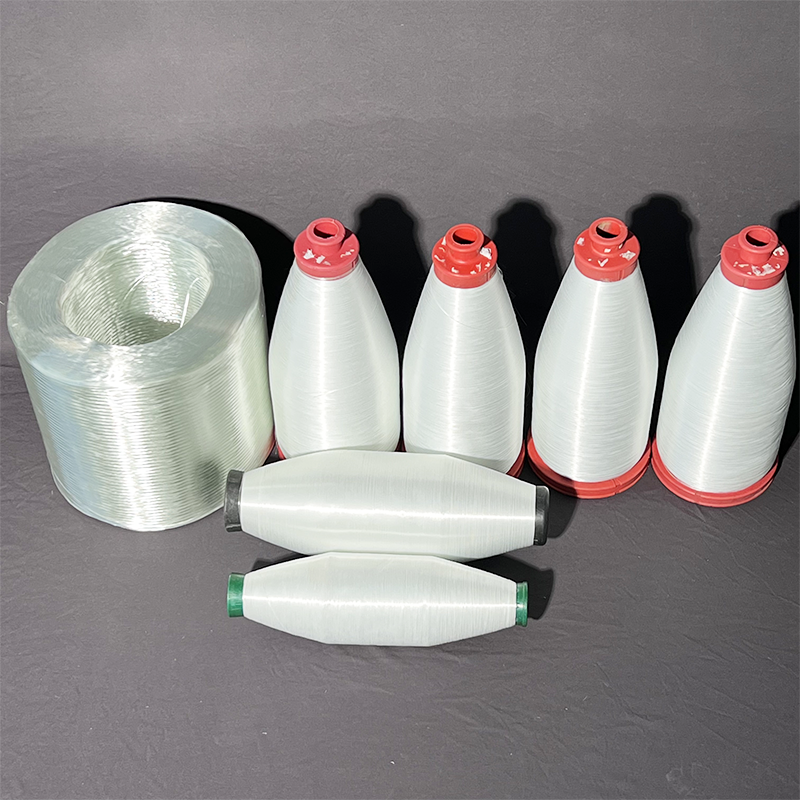
- Raw Material Sourcing: The process begins with selecting premium-grade E-glass or C-glass fibers. E-glass is preferred for its excellent strength-to-weight ratio and electrical insulation properties, while C-glass offers superior chemical resistance. These fibers are spun into high-tensile strength yarns.
- Weaving: The fiberglass yarns are then woven into a mesh fabric using advanced textile machinery. The most common weaving patterns are Leno weave or plain weave, specifically chosen for their ability to create a stable, open-grid structure. Leno weave provides exceptional dimensional stability, preventing unraveling and stretching, which is critical for reinforcement applications.
- Alkali-Resistant Coating: After weaving, the raw mesh undergoes a crucial impregnation process. It is saturated with a specialized polymer emulsion, typically an acrylic latex or styrene-butadiene rubber (SBR) based polymer. This coating provides the essential alkali resistance, protecting the glass fibers from degradation when exposed to the highly alkaline environment of cementitious materials, mortars, and concrete.
- Drying and Curing: The coated mesh is then passed through industrial drying ovens at carefully controlled temperatures. This process cures the polymer coating, bonding it firmly to the fiberglass strands and locking in the mesh's structural integrity. Proper curing ensures optimal adhesion and long-term performance.
- Slitting and Packaging: Once cured, the mesh rolls are precisely cut to specified widths and lengths using automated slitting machines. They are then carefully packaged, often in protective film, to prevent damage during transit and storage.
- Quality Control and Testing: Throughout the entire manufacturing process, rigorous quality control measures are implemented. Samples are regularly tested for critical parameters such as:
- Tensile Strength: Tested according to ISO 13934-1 or ASTM D5034 standards, ensuring it can withstand significant pulling forces.
- Alkali Resistance: Measured by soaking samples in alkaline solutions (e.g., 5% NaOH) for specific durations (e.g., 28 days) and then re-testing tensile strength, with a minimum retention typically above 50% as per EN 13496 standards.
- Mesh Size and Weight: Checked for consistency and adherence to specified dimensions and grammage (g/m²).
- Dimensional Stability: Assessed to ensure minimal shrinkage or expansion under varying conditions.
These stringent testing standards ensure that the finished product meets international specifications and delivers consistent, reliable performance for industries such as petrochemical, metallurgy, and water supply & drainage, where corrosion resistance and long service life are paramount. The resulting fiberglass mesh demonstrates exceptional advantages in typical application scenarios, including enhanced energy saving through improved insulation systems and superior corrosion resistance, contributing significantly to infrastructure longevity. The expected service life of high-quality alkali-resistant fiberglass mesh, when properly installed, can exceed 50 years, often outliving the structures it reinforces.
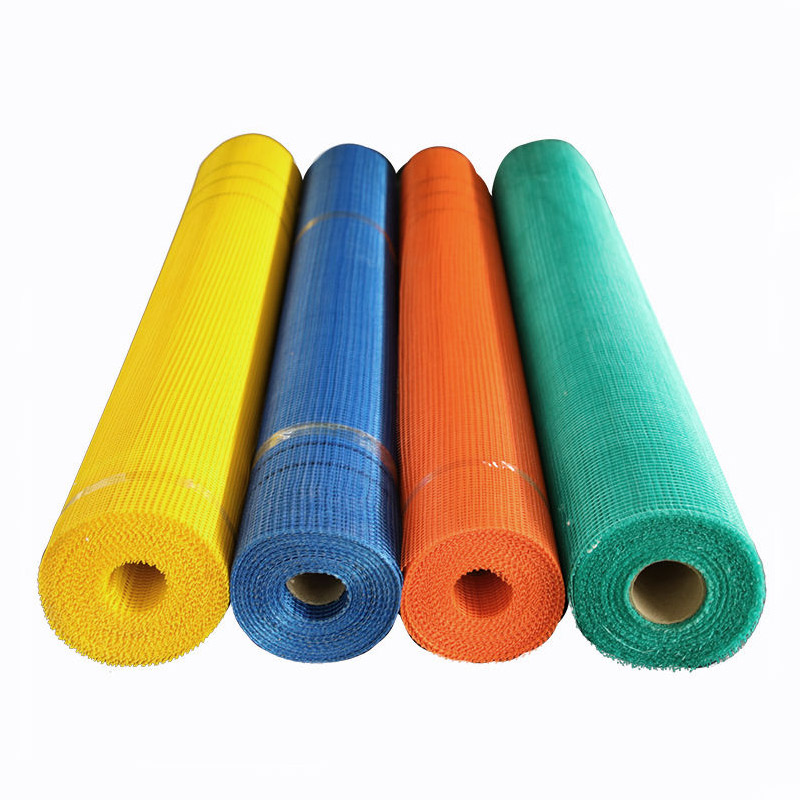
Technical Specifications of Fiberglass Mesh for Waterproofing
Selecting the appropriate fiberglass mesh requires a thorough understanding of its technical specifications. These parameters dictate the mesh's suitability for specific applications and its expected performance characteristics. Below is a detailed product specification table outlining typical values for high-quality alkali-resistant fiberglass mesh, crucial when you consider to buy fibre mesh for waterproofing.
Product Specification Table: Fiberglass Mesh Plaster Netting
These specifications are crucial for engineers and procurement specialists to match the mesh type with the structural demands and environmental conditions of a given project. For instance, a heavier mesh with higher tensile strength is typically required for façade reinforcement in high-rise buildings, while a lighter mesh may suffice for interior plastering applications. Understanding these nuances ensures optimal performance and cost-efficiency, highlighting why careful selection is paramount when you buy fiberglass reinforcement mesh.
Diverse Application Scenarios and Proven Experience
Fiberglass mesh is an extraordinarily versatile material, finding critical applications across numerous facets of the construction industry. Its adaptability to various substrates and systems makes it an indispensable component for enhancing durability and preventing structural failure. Our extensive experience and customer feedback underscore the effectiveness of this material in real-world scenarios.
Key Application Areas:
- Waterproofing Systems: For roofing, basements, and wet areas like bathrooms and kitchens, fiberglass mesh provides essential reinforcement for liquid-applied waterproofing membranes. It bridges small cracks, prevents the membrane from tearing under stress, and enhances overall system integrity, ensuring a robust, impermeable barrier. This is the core reason many contractors specifically look to buy fiber mesh for waterproofing.
- External Insulation Finishing Systems (EIFS): In EIFS, the mesh is embedded into the base coat to provide impact resistance and prevent cracking caused by thermal expansion/contraction or minor structural movements. Its use significantly extends the lifespan of façades and maintains their aesthetic appeal, making it crucial to buy fiberglass mesh for eifs for optimal performance.
- Plastering and Rendering: Applied over masonry or concrete walls, fiberglass mesh prevents hairline cracks and reinforces plaster or render layers, particularly at stress points like window and door openings. This ensures a smooth, durable finish, leading many professionals to buy fiberglass mesh for plastering for both interior and exterior applications.
- Tile Installation: Especially for large format tiles or areas subjected to movement (e.g., floors with underfloor heating, balconies), fiberglass mesh reinforces the screed or leveling compound beneath the tiles. It minimizes the risk of tile cracking or debonding due to substrate instability. For enhancing the integrity of critical installations, clients specifically buy fiberglass mesh for tile projects.
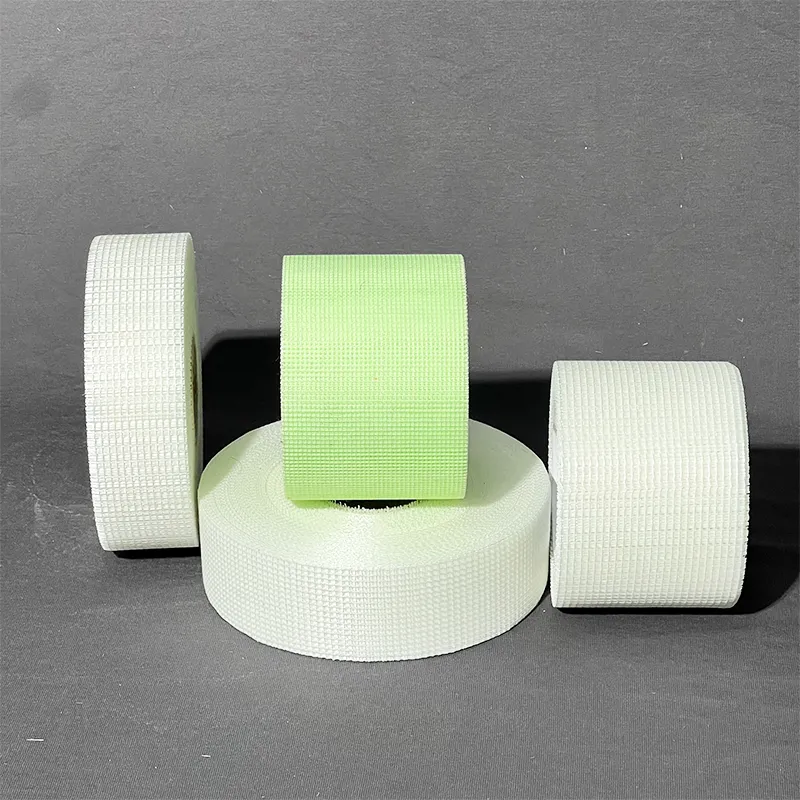
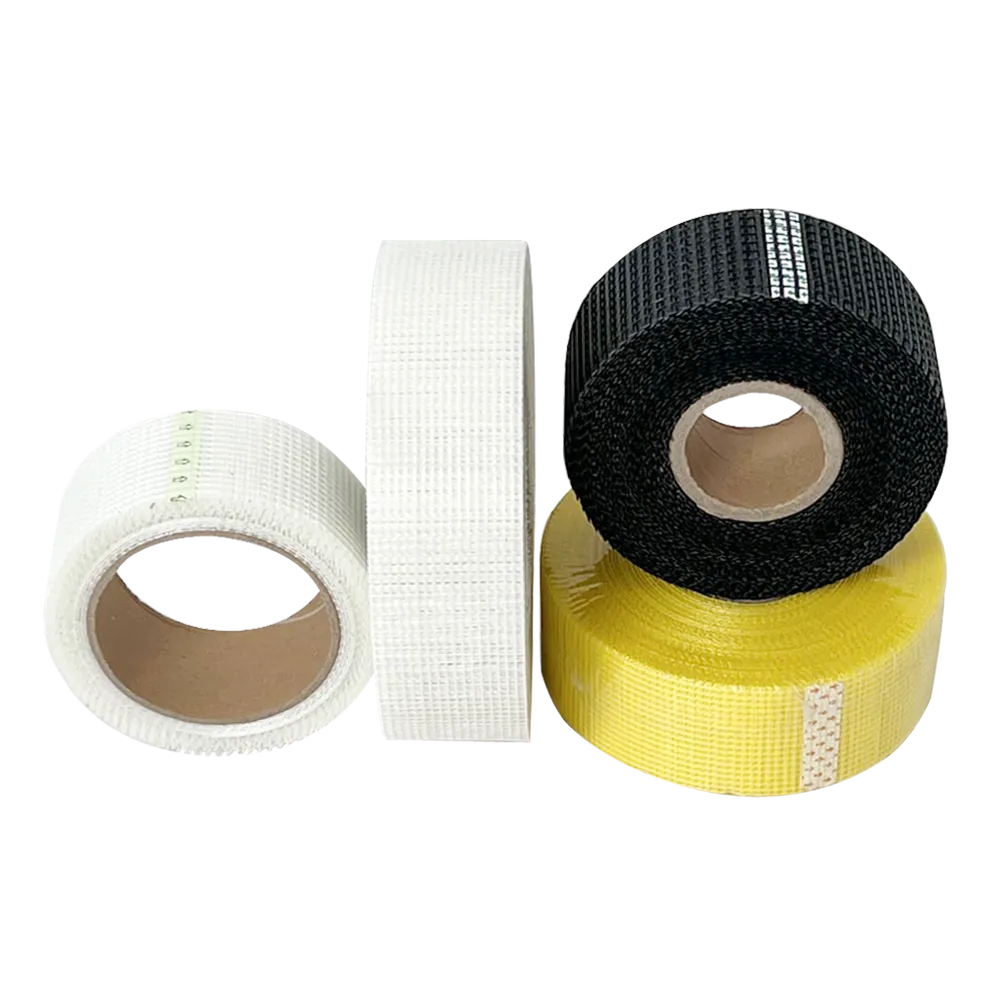
- Liquid Waterproofing Membranes (e.g., RedGard): When applying specific liquid waterproofing products like RedGard, fiberglass mesh tape is often used to reinforce seams, corners, and changes in plane. This critical step ensures a continuous, crack-free waterproofing layer. Hence, the specific need to buy fiberglass mesh tape for redgard for these applications.
- Concrete and Screed Reinforcement: Beyond its role in surface coatings, heavier grades of fiberglass mesh are utilized in thin concrete slabs, screeds, and repair mortars to control shrinkage cracks and provide general structural reinforcement, acting as a lightweight, corrosion-resistant alternative to steel mesh in certain scenarios. This drives demand to buy fiberglass reinforcement mesh for various civil engineering projects.
Customer Feedback and Service Cases:
Our clientele, ranging from major commercial developers to specialized waterproofing contractors, consistently report significant improvements in project longevity and reduced callbacks when incorporating our fiberglass mesh. A notable case involved a large-scale commercial rooftop refurbishment where standard waterproofing membranes repeatedly failed due to substrate movement. Integrating our 160 g/m² alkali-resistant mesh into the liquid membrane system provided the necessary tensile strength and crack bridging capability, resulting in a leak-free roof for over seven years, significantly exceeding previous performance benchmarks. Another success story highlighted a challenging basement waterproofing project in a high-water table area; the application of a high-tensile fiberglass mesh within the cementitious waterproofing slurry drastically improved its resistance to hydrostatic pressure and structural cracking.
Technical Advantages of High-Performance Fiber Mesh
The inherent properties of alkali-resistant fiberglass mesh deliver a multitude of technical advantages that directly translate into superior project outcomes and long-term cost savings. These benefits are particularly pronounced in demanding construction environments where conventional materials often fall short.
- Superior Crack Prevention: The high tensile strength of fiberglass strands effectively distributes stress across surfaces, preventing the formation and propagation of cracks in plaster, screeds, waterproofing membranes, and EIFS base coats. This is a primary driver for those who buy fibre mesh for waterproofing.
- High Tensile Strength and Dimensional Stability: Fiberglass itself is incredibly strong, offering excellent resistance to pulling forces. The polymer coating further enhances dimensional stability, preventing the mesh from shrinking or expanding, which can lead to cracking in overlying layers. This ensures the integrity of the reinforced system remains intact over time.
- Excellent Alkali Resistance: This is a critical advantage. Unprotected glass fibers degrade rapidly in alkaline environments (like cement-based mortars). The specialized polymer coating provides a robust barrier, ensuring the mesh retains its strength and effectiveness for decades, even in direct contact with cementitious materials.
- Lightweight and Easy Installation: Despite its strength, fiberglass mesh is remarkably lightweight and flexible, making it easy to cut, handle, and embed into various wet-coat applications. This significantly reduces labor time and simplifies complex installations, enhancing project efficiency.
- Enhanced Bonding and Adhesion: The open weave structure of the mesh allows for excellent mechanical keying, ensuring strong adhesion between different layers of a system. This prevents delamination and improves the overall composite strength of the wall, floor, or roof assembly.
- Improved Durability and Service Life: By preventing cracks and enhancing the structural integrity of protective layers, fiberglass mesh significantly extends the service life of building components. This reduces the need for frequent repairs and maintenance, leading to substantial long-term cost savings.
- Corrosion Resistance: Unlike metallic reinforcement, fiberglass mesh is inherently corrosion-resistant. It will not rust or degrade when exposed to moisture, making it ideal for wet environments and areas prone to chemical attack, further solidifying the decision to buy fiber mesh for waterproofing.
- Indirect Energy Saving: When used in EIFS, fiberglass mesh contributes to the long-term stability and effectiveness of insulation layers. A well-maintained and crack-free façade ensures that the thermal envelope remains uncompromised, leading to sustained energy efficiency for the building.
These combined advantages underscore why fiberglass mesh has become a cornerstone material in modern, high-performance construction, offering unparalleled reliability and value.
Vendor Comparison and Selection Criteria
Choosing the right supplier for fiberglass mesh is as crucial as selecting the right product. A thorough vendor comparison ensures access to quality products, reliable service, and competitive pricing. Here's a comparative overview of key criteria to consider when you intend to buy fiber mesh for waterproofing or any other critical application.
Fiberglass Mesh Supplier Comparison Factors
For critical applications in B2B construction, partnering with a supplier that prioritizes quality, adherence to international standards, and comprehensive customer support is paramount. The initial cost difference between a high-performance mesh and a standard one is often negligible when measured against the long-term benefits of enhanced durability, reduced maintenance, and superior structural integrity. The reliability and performance of the mesh directly impact the reputation and profitability of your projects.
Customized Solutions and Application Case Studies
Recognizing that every construction project presents unique challenges, leading manufacturers of fiberglass mesh offer extensive customization capabilities. These tailored solutions ensure that the mesh perfectly integrates with specific project requirements, optimizing performance and cost-efficiency. This is particularly valuable for specialized projects where standard products may not suffice.
Customization Options:
- Mesh Size and Weight: Adjusting the aperture size (e.g., 3x3mm for fine plaster, 10x10mm for heavy reinforcement) and grammage (e.g., 75 g/m² for internal plastering, 160 g/m² for external EIFS).
- Tensile Strength: Enhancing the ultimate tensile strength to meet specific load-bearing requirements or extreme environmental conditions.
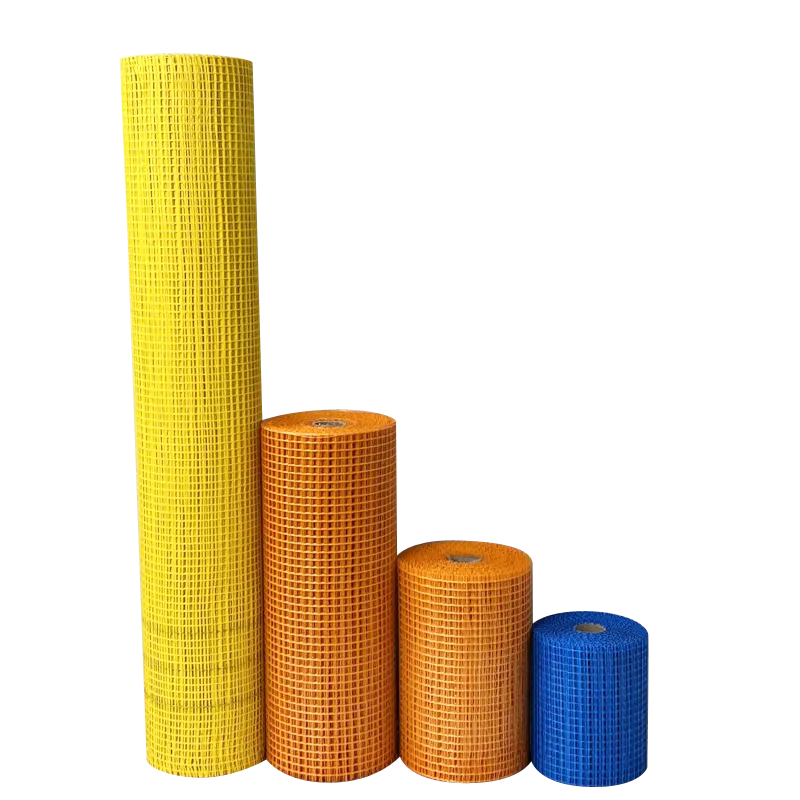
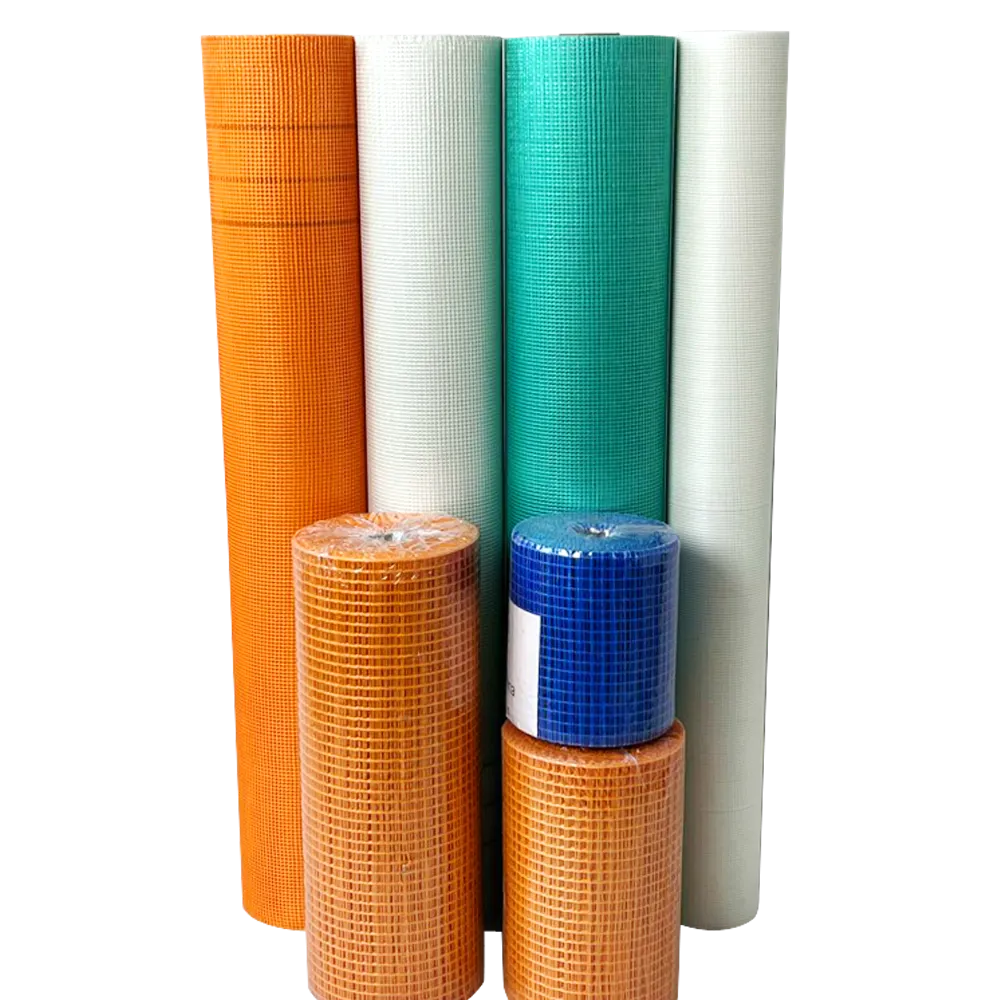
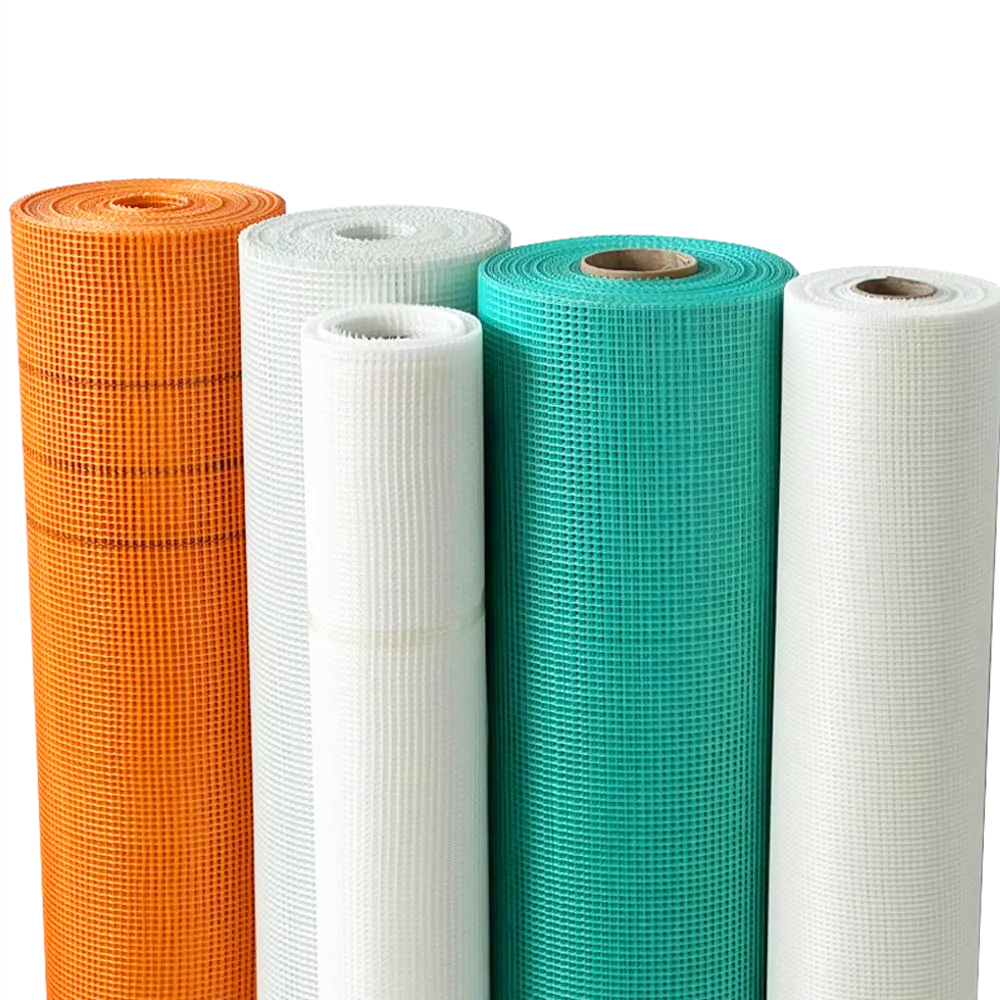
- Roll Dimensions: Providing custom roll widths (from narrow tapes to wide rolls for large surfaces) and lengths to minimize waste and streamline installation.
- Coating Formulation: Developing specialized polymer coatings for enhanced resistance to specific chemicals, UV radiation, or for improved adhesion to particular membrane types.
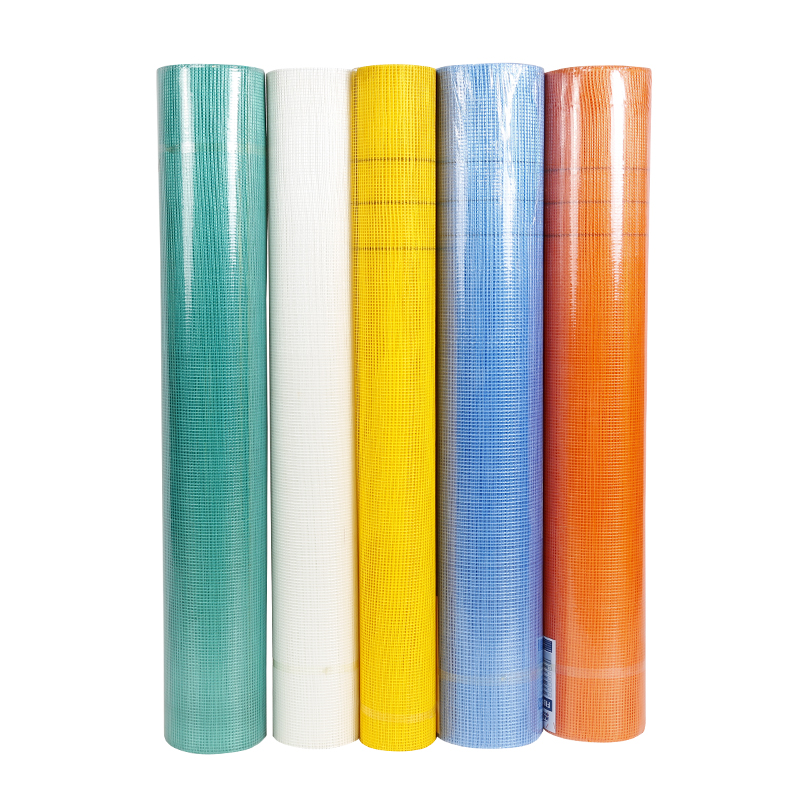
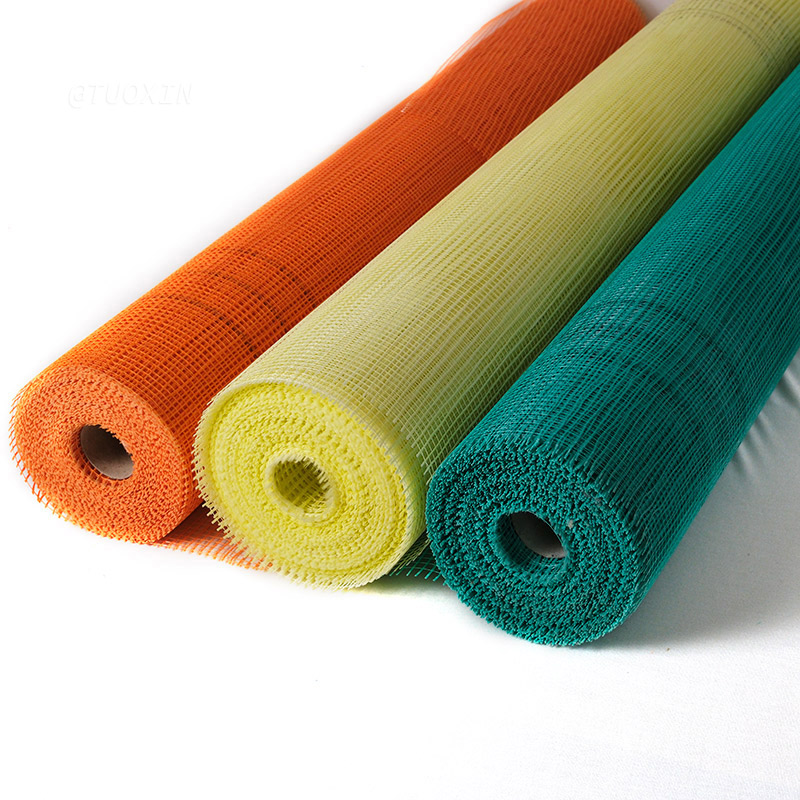
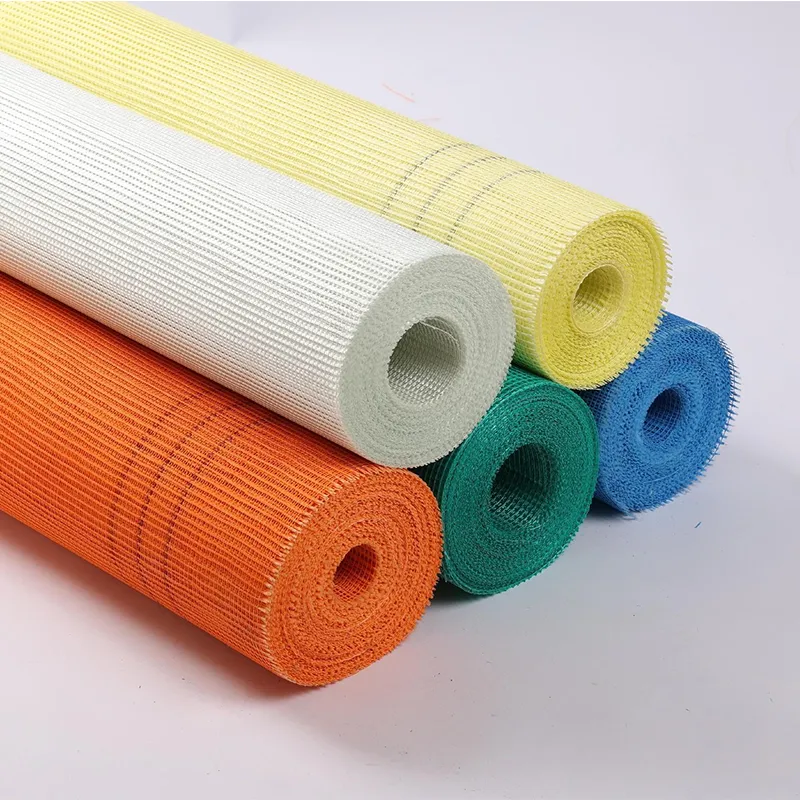
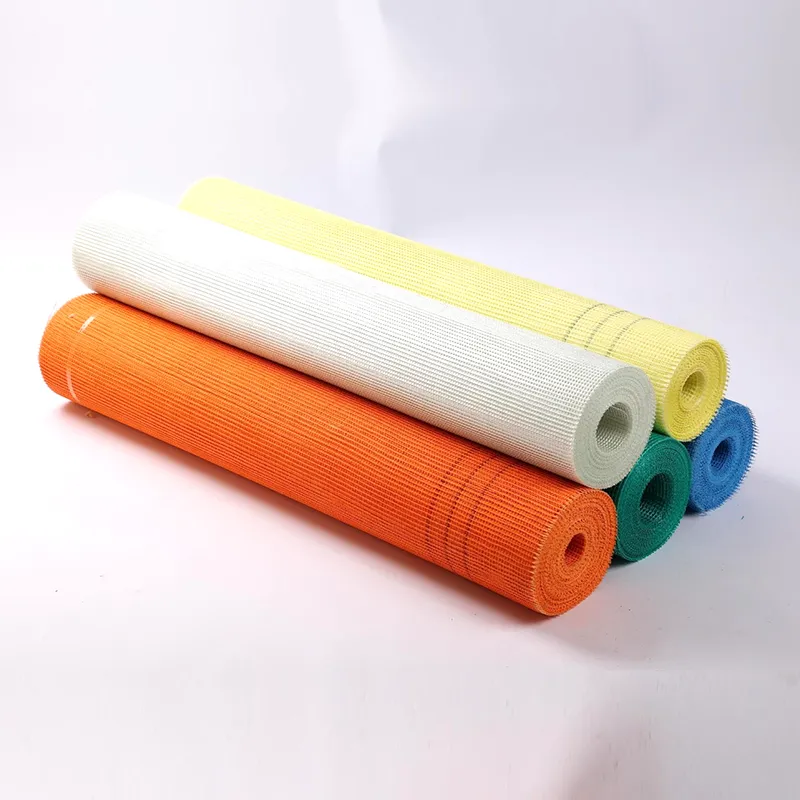
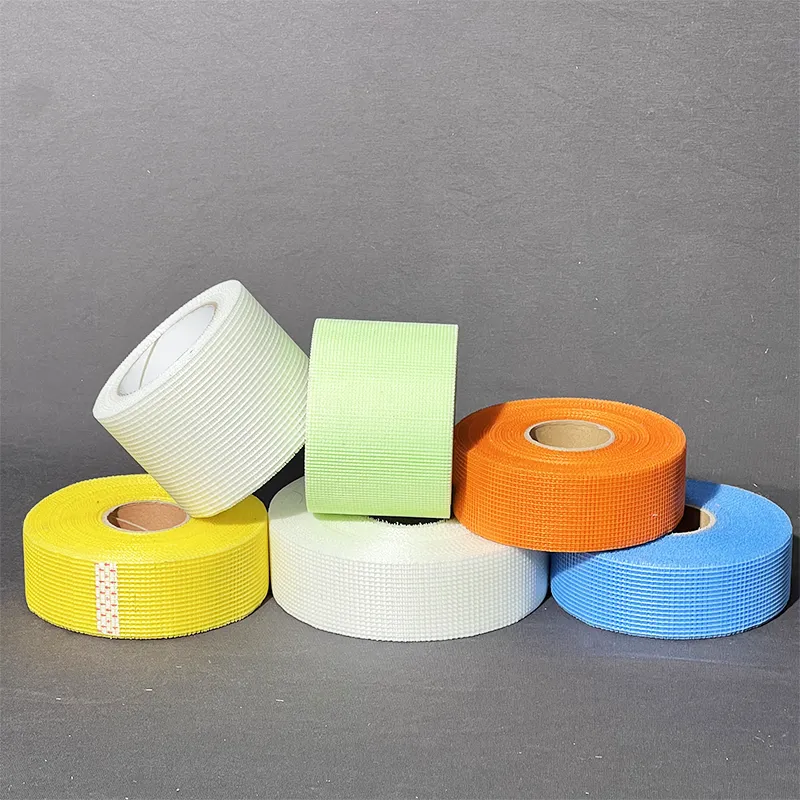
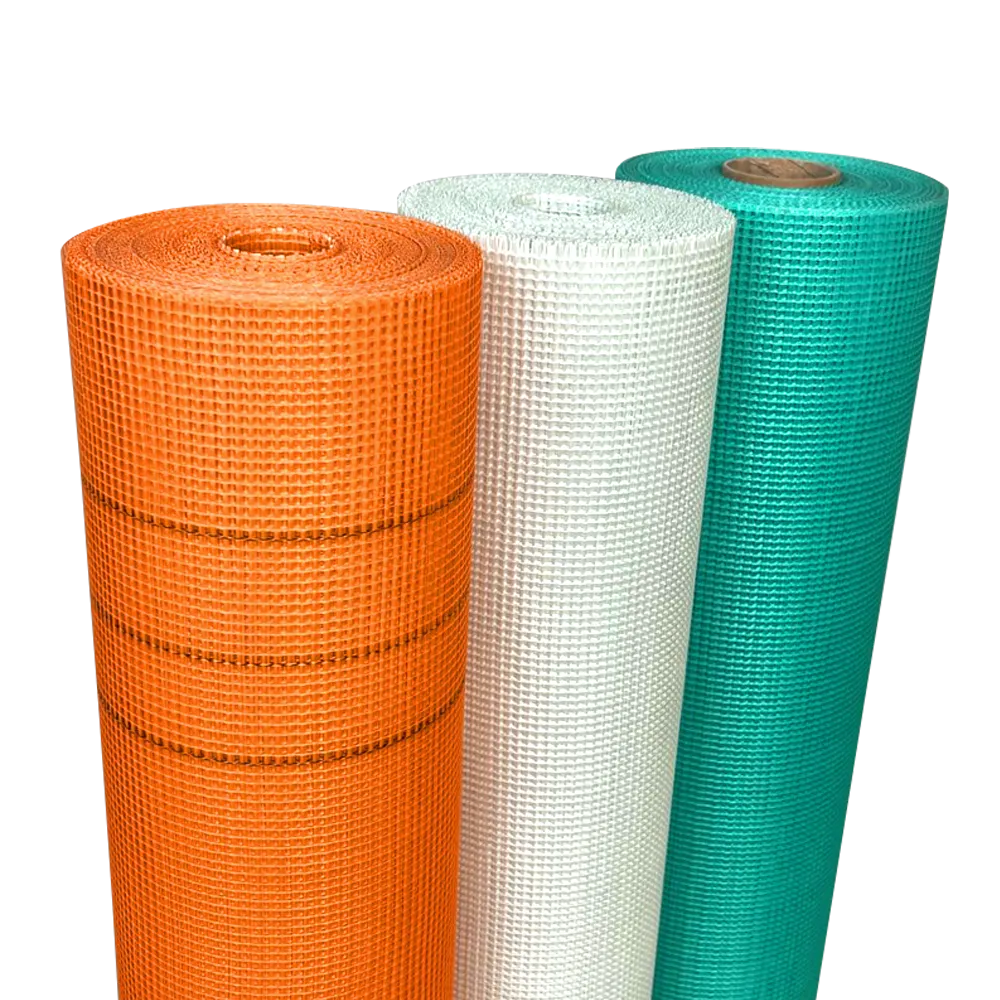
- Color Customization: While less common for functional reasons, mesh color can sometimes be customized for brand recognition or specific aesthetic project requirements.
These tailored solutions are instrumental in achieving optimal performance and ensuring project longevity. Partnering with a manufacturer offering robust OEM/ODM capabilities allows businesses to develop proprietary solutions, reinforcing their market position and addressing niche demands efficiently.
Real-World Application Case Studies:
- Case Study 1: High-Rise Residential Tower Façade (EIFS)
A premium developer was constructing a 40-story residential tower in a seismic zone, requiring exceptional façade durability. Standard 145 g/m² EIFS mesh was deemed insufficient. We provided a custom 200 g/m² alkali-resistant fiberglass mesh with enhanced tensile strength (2800 N/50mm), specifically engineered for high-stress applications. This mesh was incorporated into a double-layer base coat system. Post-installation inspections and subsequent performance monitoring over five years demonstrated zero crack development, even after minor seismic activity, significantly exceeding the client's expectations for longevity and safety.
- Case Study 2: Industrial Wastewater Treatment Plant (Waterproofing)
An industrial client faced recurring leakage issues in concrete containment tanks at their wastewater treatment facility, exposed to various corrosive chemicals. Traditional waterproofing membranes failed due to embrittlement and substrate movement. We engineered a highly specialized 10x10mm, 300 g/m² fiberglass mesh with a unique polymer coating offering superior chemical resistance and high elongation properties. This mesh was embedded within a multi-layer epoxy waterproofing system. The solution has provided an impenetrable, long-term barrier for three years, drastically reducing maintenance costs and environmental risks. This demonstrates why the decision to buy fiber mesh for waterproofing in such extreme environments is critical.
- Case Study 3: Historic Building Renovation (Plastering)
For the renovation of a 19th-century building with irregular masonry walls, a delicate balance between reinforcement and preserving historical aesthetics was required. A lightweight, flexible 75 g/m² fiberglass mesh with a fine 4x4mm aperture was custom-produced. This allowed for seamless integration into traditional lime-based plasters, providing essential crack control without adding excessive thickness or rigidity. The project successfully restored the building's original charm while significantly upgrading its structural resilience against minor movements and temperature fluctuations.
Frequently Asked Questions (FAQ)
- Q1: What is the primary purpose of fiberglass mesh in waterproofing applications?
- A1: The primary purpose of fiberglass mesh is to provide tensile strength and crack bridging capabilities to waterproofing membranes and cementitious layers. It helps prevent cracks caused by substrate movement, thermal expansion/contraction, or structural stresses, ensuring the long-term integrity and impermeability of the waterproof system. This is crucial when you buy fiber mesh for waterproofing.
- Q2: How does alkali resistance benefit fiberglass mesh in construction?
- A2: Alkali resistance is critical because most cement-based materials (concrete, mortar, plaster) are highly alkaline. Without an alkali-resistant coating, standard glass fibers would rapidly degrade and lose their strength, rendering the mesh ineffective. The coating protects the fibers, ensuring the mesh retains its mechanical properties and long-term reinforcement capability within alkaline environments.
- Q3: Can fiberglass mesh be used with all types of waterproofing membranes?
- A3: Fiberglass mesh is highly compatible with most liquid-applied waterproofing membranes (e.g., acrylic, cementitious, polyurethane, bitumen emulsions). It provides reinforcement for these systems. However, it's always recommended to consult the membrane manufacturer's guidelines for specific product compatibility and installation instructions to ensure optimal performance.
- Q4: What are the key considerations when choosing fiberglass mesh for an EIFS project?
- A4: For EIFS, key considerations include mesh weight (typically 145-160 g/m² for standard systems, heavier for high-impact zones), tensile strength, and superior alkali resistance. The mesh must meet EN 13496 standards for EIFS applications to ensure it provides adequate impact resistance and crack prevention. Ensure you buy fiberglass mesh for eifs that specifically meets these requirements.
- Q5: What is the typical lifespan of properly installed fiberglass mesh?
- A5: When high-quality, alkali-resistant fiberglass mesh is correctly installed according to manufacturer and industry guidelines, its lifespan can exceed 50 years. Its durability is contingent on the quality of the mesh, the efficacy of its alkali-resistant coating, and the surrounding materials' compatibility and longevity.
Logistics, Warranty, and Customer Support
Our commitment extends beyond providing high-quality fiberglass mesh; we ensure a seamless procurement experience backed by reliable logistics and comprehensive support services. We understand that timely delivery and dependable after-sales assistance are crucial for successful project execution.
Lead Time and Fulfillment:
We maintain efficient production schedules and robust inventory management to ensure prompt order fulfillment. Standard orders for stock items typically have a lead time of 7-14 business days, depending on volume and destination. For customized solutions or large-scale project requirements, lead times will be confirmed at the time of order placement, generally ranging from 3-5 weeks, allowing for specialized production and rigorous quality checks. Our global logistics network facilitates efficient shipping, offering various options from sea freight to expedited air cargo to meet your project timelines.
Warranty Commitments:
We stand by the quality and performance of our fiberglass mesh products. All our alkali-resistant fiberglass mesh products come with a comprehensive 10-year limited warranty against manufacturing defects and performance degradation under normal use and proper installation. This warranty covers the structural integrity and alkali resistance properties as per our published technical specifications. Specific warranty details and conditions are provided with each product purchase, ensuring transparency and peace of mind for our clients.
Dedicated Customer Support:
Our team of experienced technical specialists is available to provide expert guidance and support throughout your project lifecycle. From initial product selection and technical specification matching to installation advice and troubleshooting, we are committed to ensuring your success. Our customer support channels include direct phone lines, email support, and dedicated account managers for large commercial partners. We offer comprehensive after-sales service, including site visits for complex issues if required, to ensure optimal application and performance of our fiberglass mesh solutions. Contact us today to discuss your specific requirements or for any technical inquiries regarding our fiberglass reinforcement mesh.
Conclusion
The strategic decision to buy fiber mesh for waterproofing and other construction reinforcement needs is a foundational step towards achieving superior structural durability, crack prevention, and longevity in modern building projects. Through meticulous manufacturing processes, adherence to stringent international standards, and continuous innovation in polymer coating technologies, fiberglass mesh provides an indispensable solution for enhancing the performance of EIFS, plastering, tiling, and comprehensive waterproofing systems. The technical advantages, coupled with robust vendor support and tailored solutions, ensure that investing in high-quality fiberglass mesh delivers substantial long-term value, mitigating risks and contributing significantly to sustainable construction practices. Partnering with a reputable manufacturer guarantees not only product excellence but also the technical expertise and logistical efficiency required to bring complex projects to successful fruition.
References
- European Committee for Standardization. EN 13496:2013: Thermal insulation products for buildings - External thermal insulation composite systems (ETICS) based on mineral wool - Specification.
- International Organization for Standardization. ISO 13934-1:1999: Textiles - Tensile properties of fabrics - Part 1: Determination of maximum force and elongation at maximum force using the strip method.
- ASTM International. ASTM D5034-09: Standard Test Method for Breaking Strength and Elongation of Textile Fabrics (Grab Test).
- ACI Committee 544. State-of-the-Art Report on Fiber Reinforced Concrete. American Concrete Institute, 1996.
- The EIFS Industry Members Association (EIMA). EIFS Design & Installation Manual.
-
Best Fiberglass Mesh Tape for RedGard Product Waterproofing GuideNewsApr.16,2026
-
Why High Strength Fiberglass Mesh Is Essential For Stucco ApplicationNewsApr.15,2026
-
Why Alkali Resistant Fiberglass Mesh Tape Is Essential For Cement Board And Tile InstallationsNewsApr.15,2026
-
Understanding The Role Of Drywall Fiberglass Mesh In Interior FinishingNewsApr.15,2026
-
Ultimate Guide To Using Fiberglass Mesh Tape For Drywall And Plaster RepairsNewsApr.15,2026
-
The Versatility Of Fiberglass Mesh In Marble And Stone MosaicNewsApr.15,2026