Oct . 24, 2025 12:05 Back to list
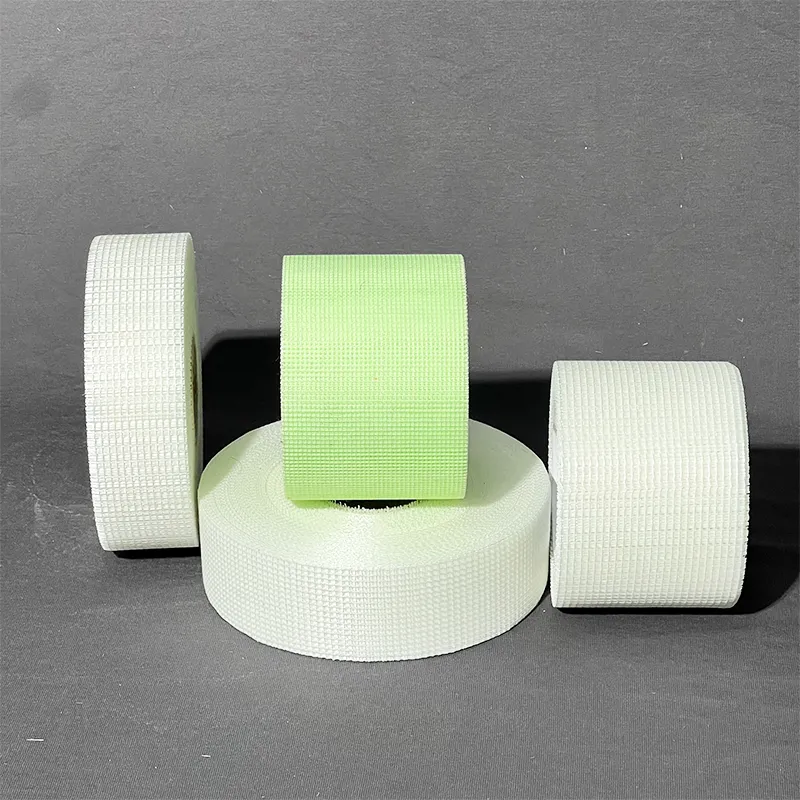
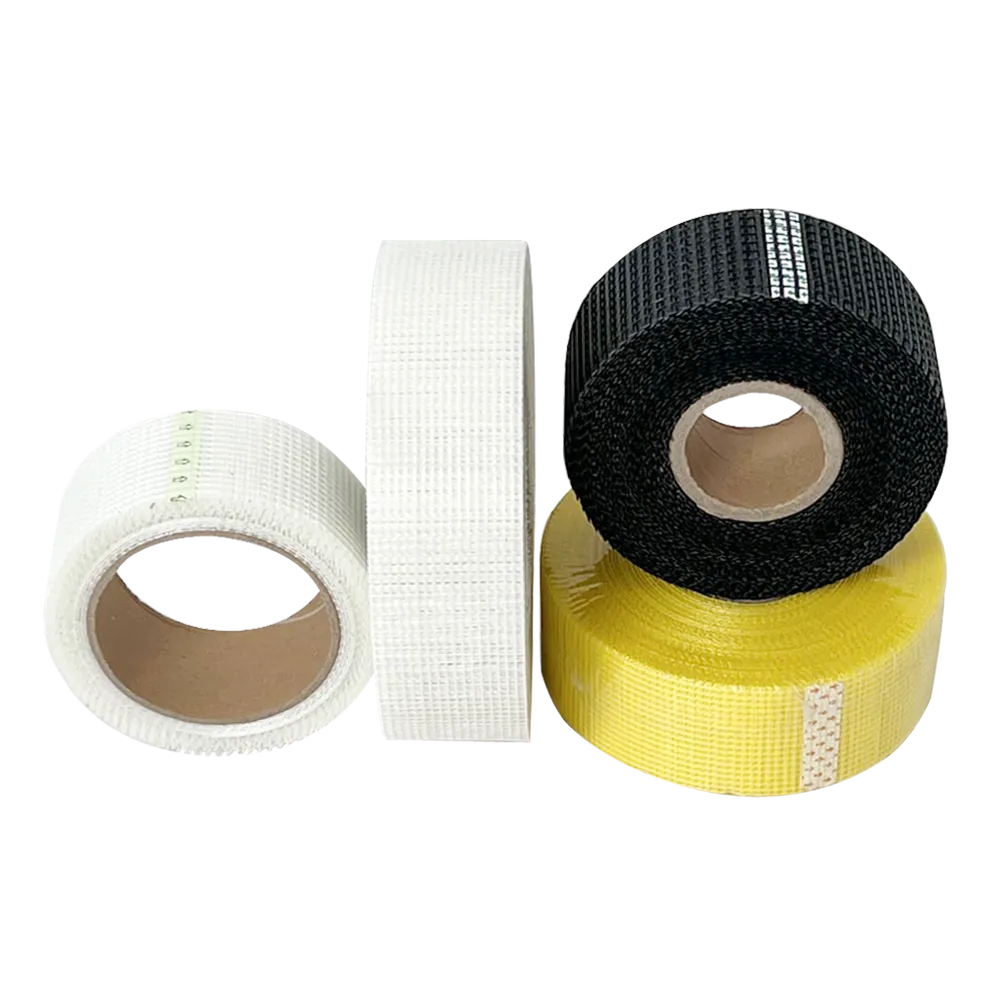
Buy Drywall Fiberglass Mesh Tape – Self-Adhesive, Anti-Crack
Buyers’ Guide: Buy Drywall Fiberglass Mesh Tape from a Factory Source
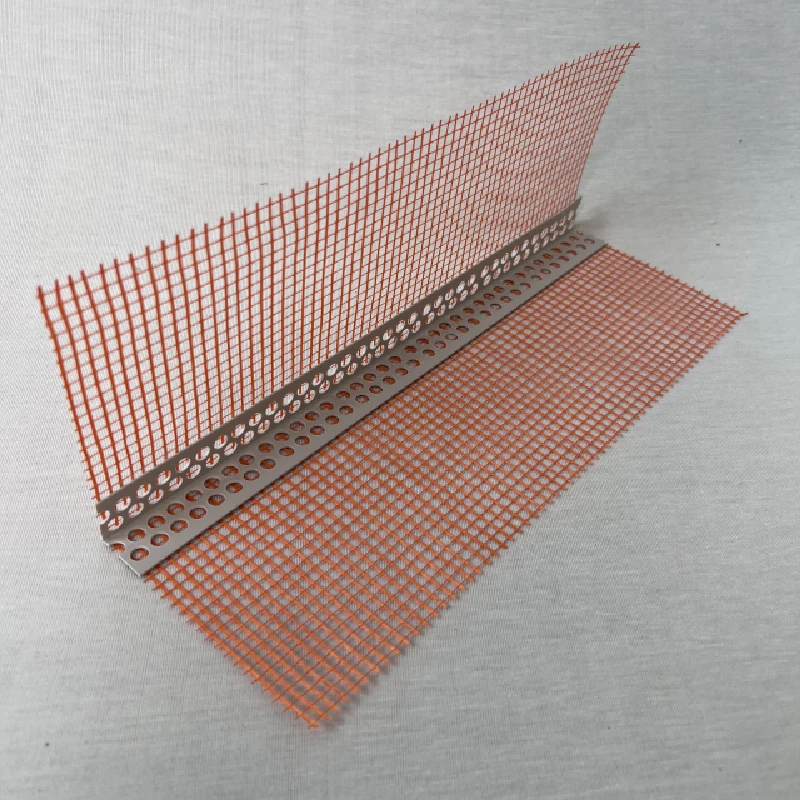
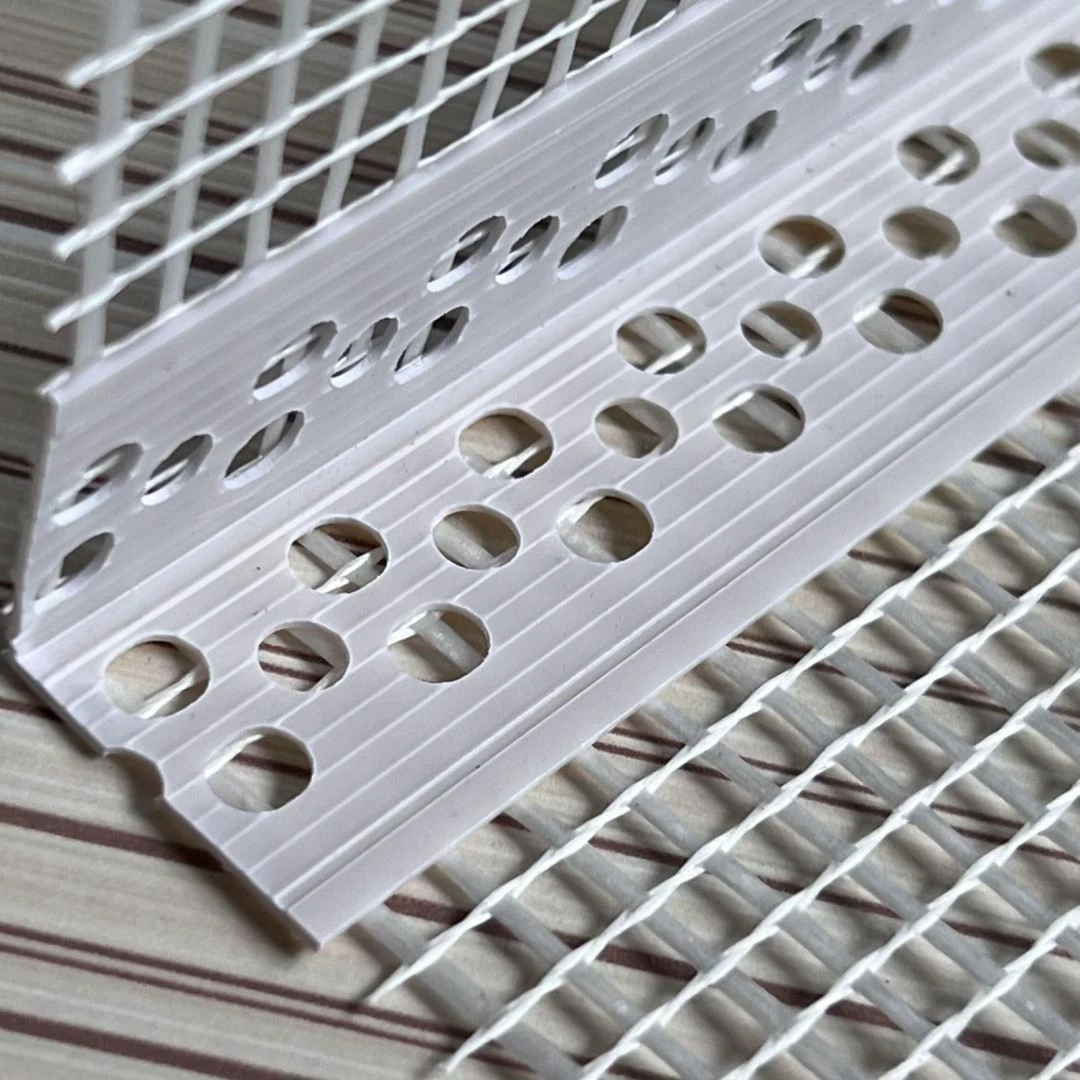
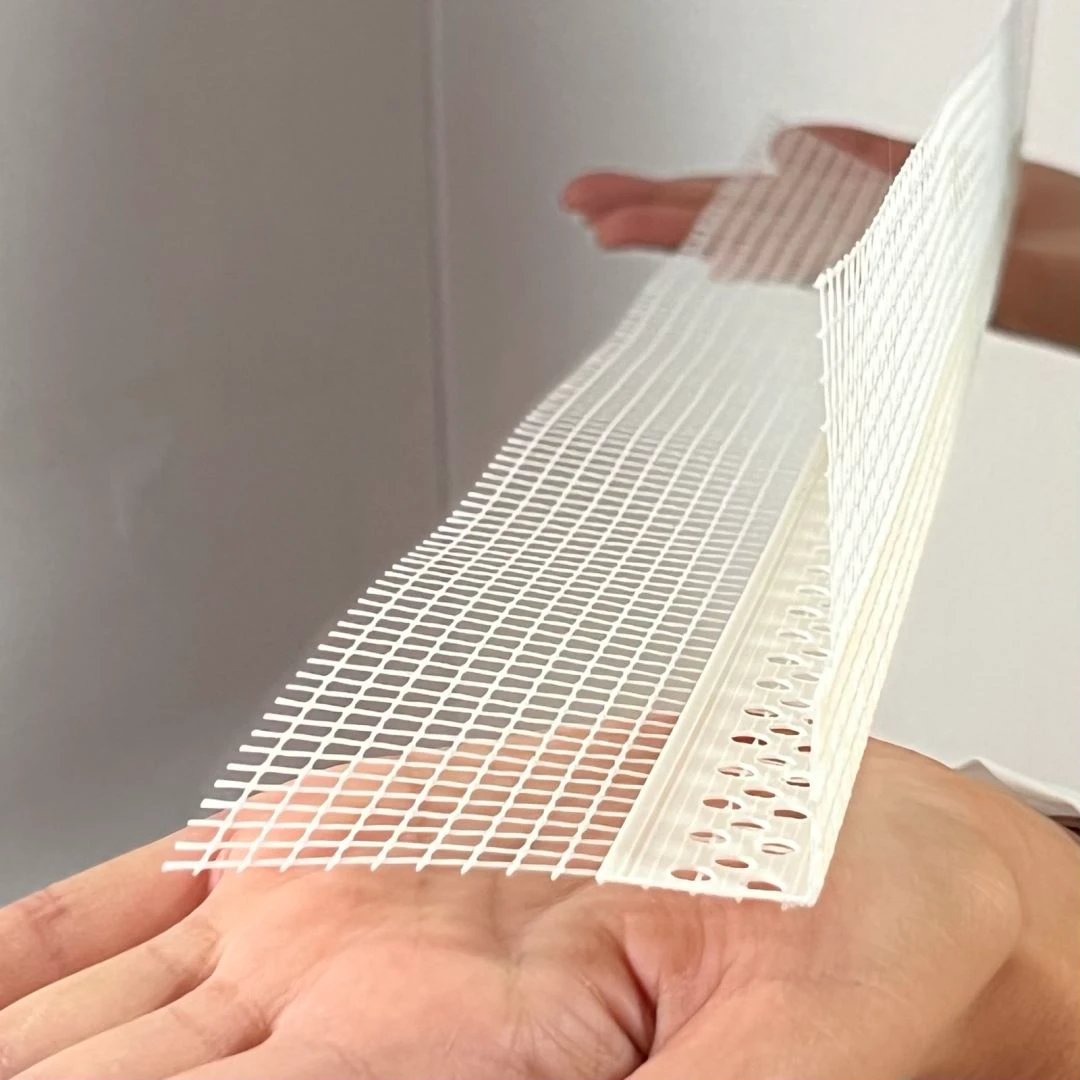
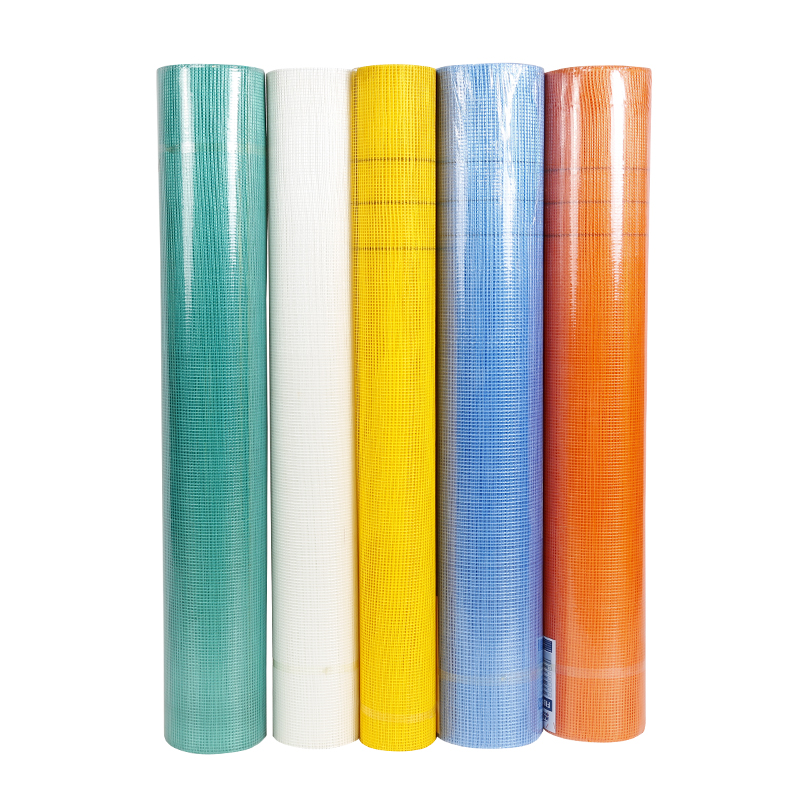
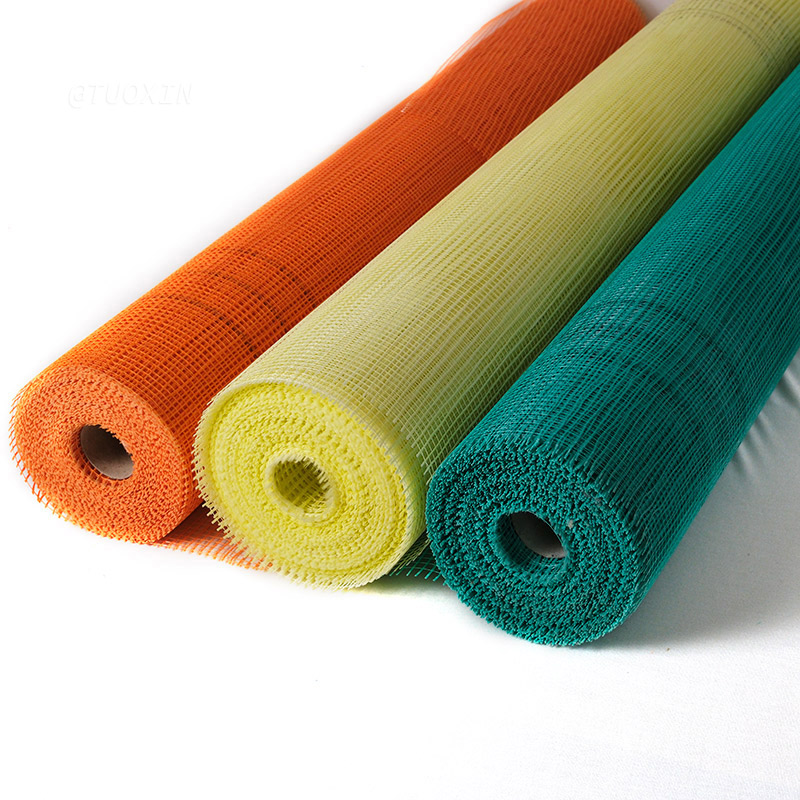
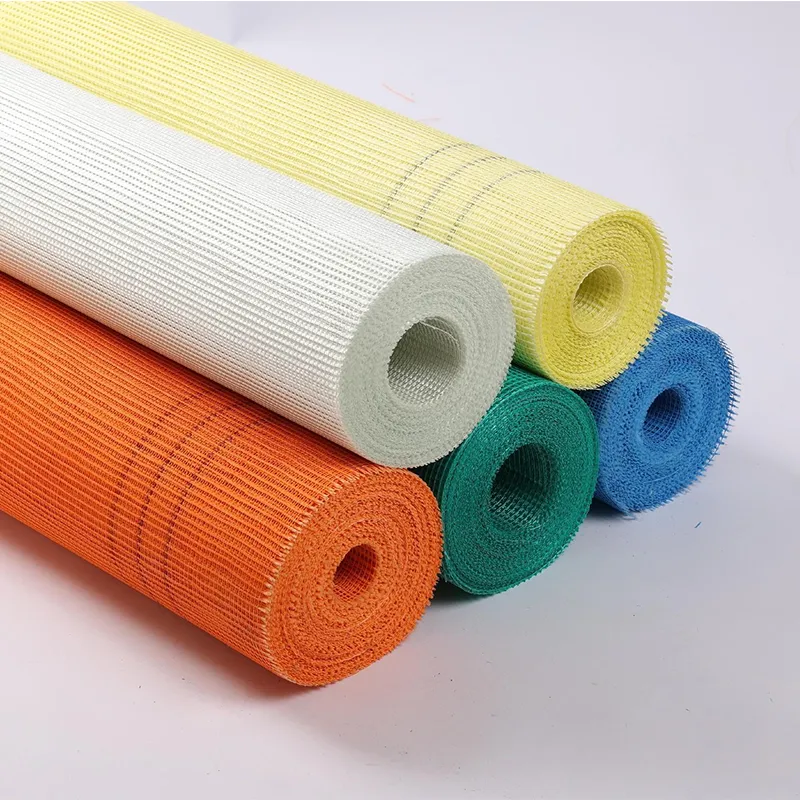
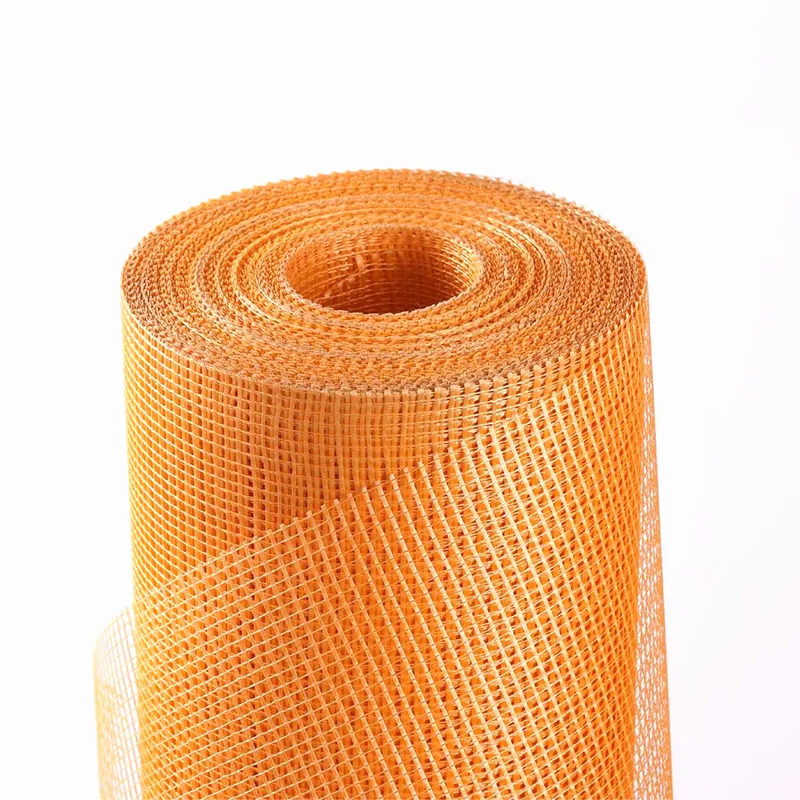
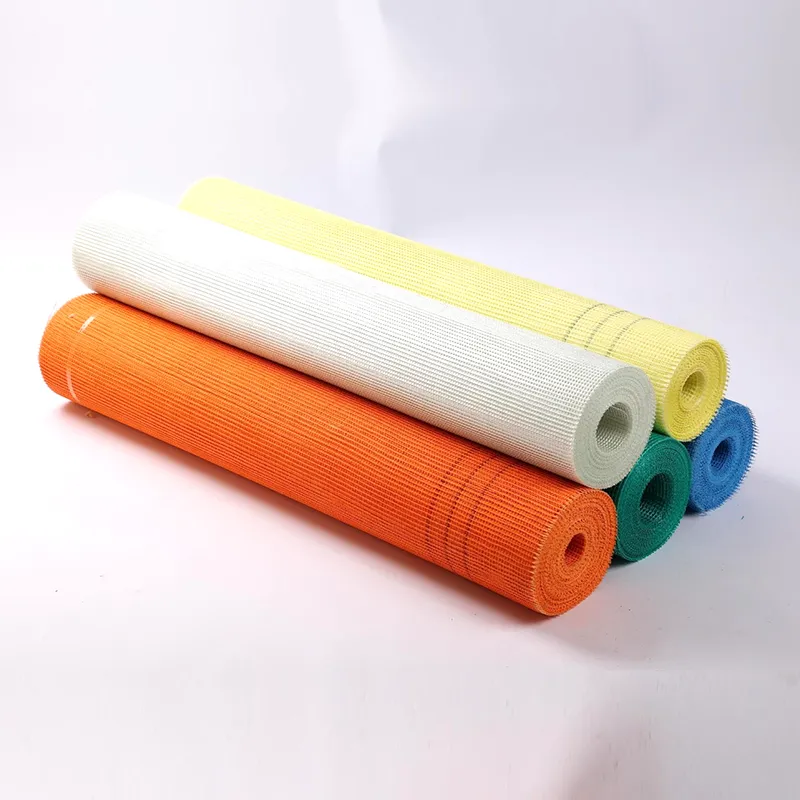
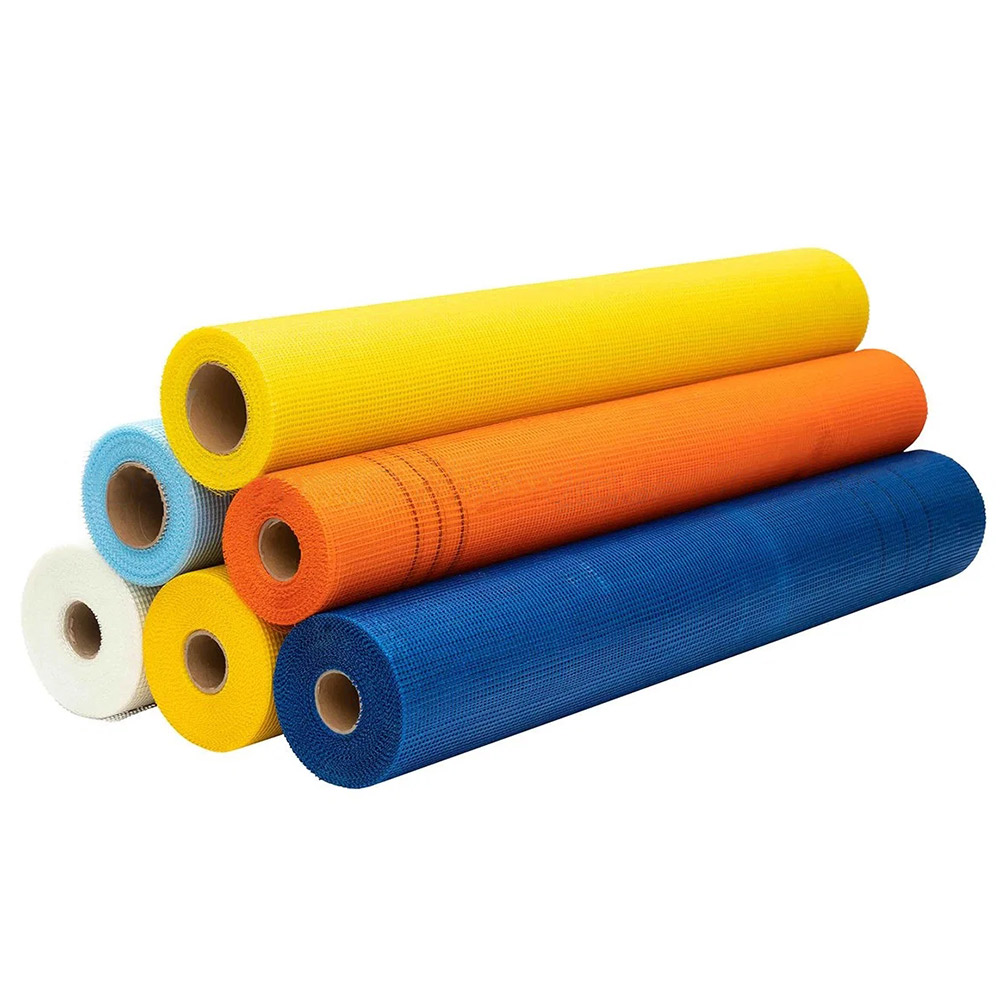
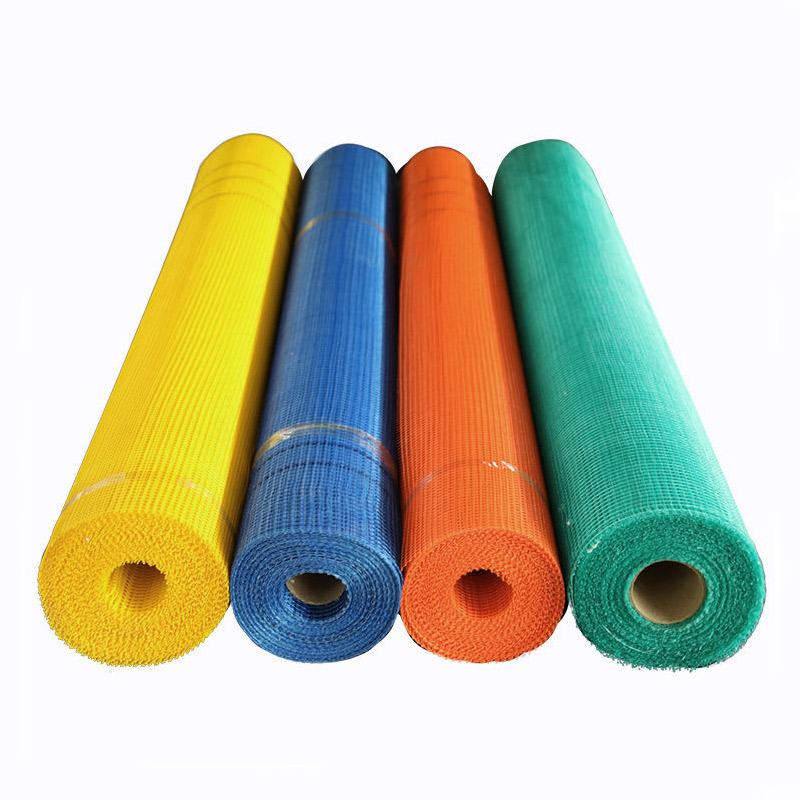
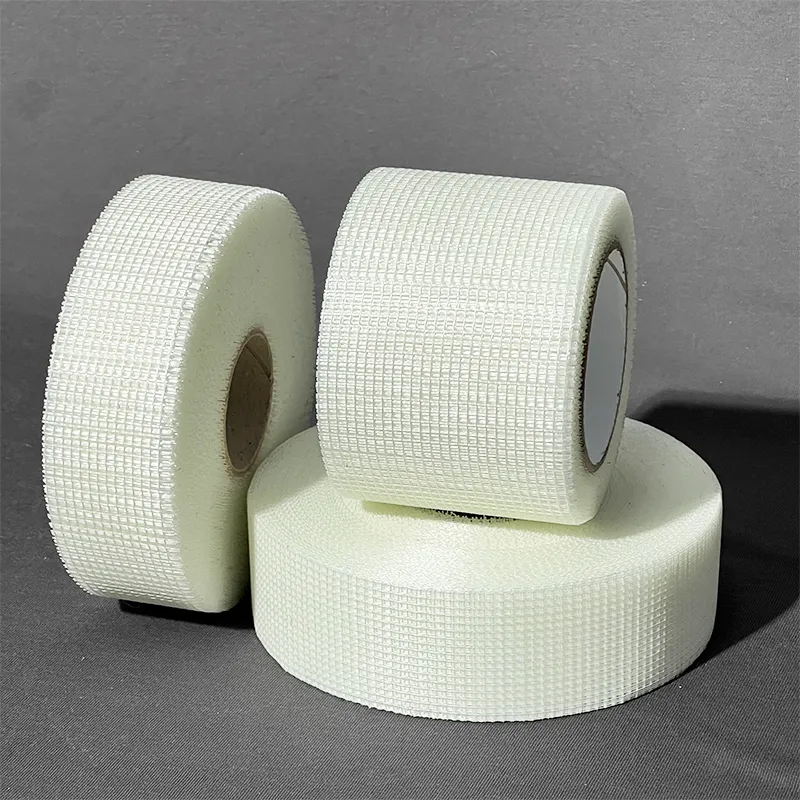
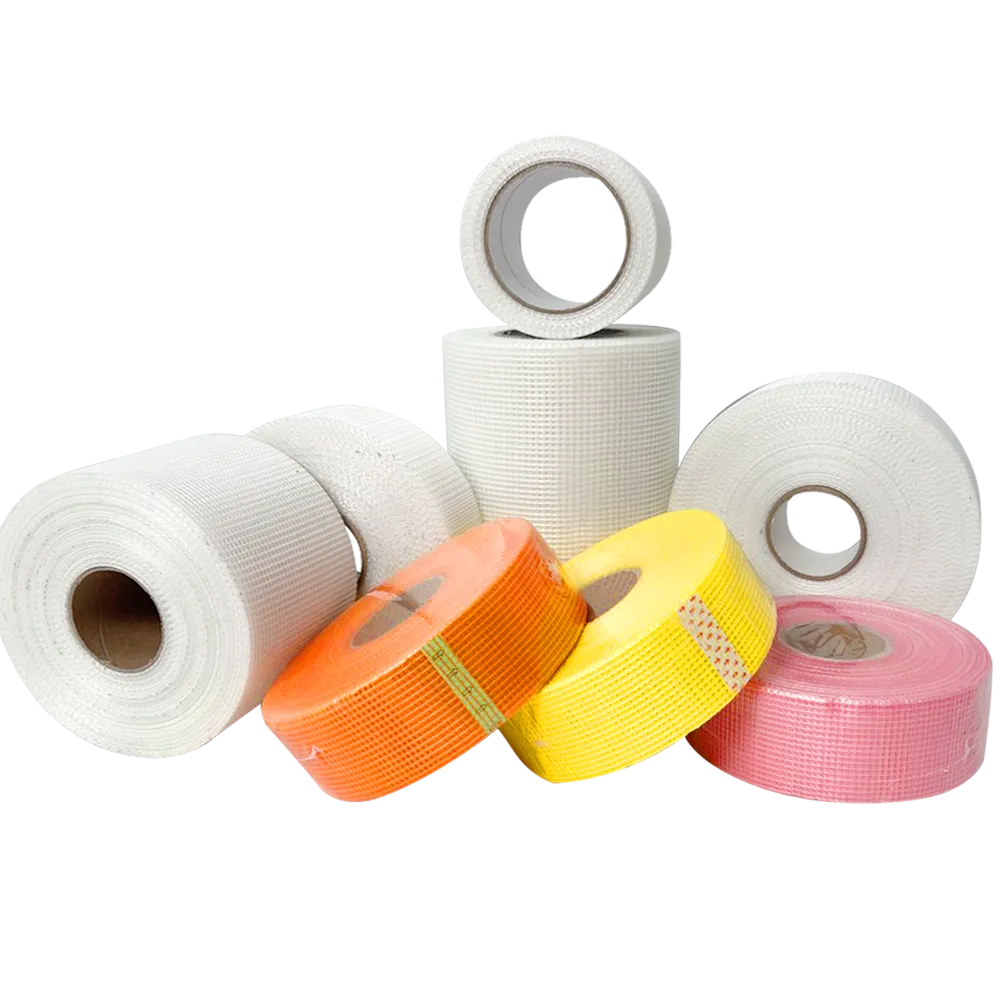
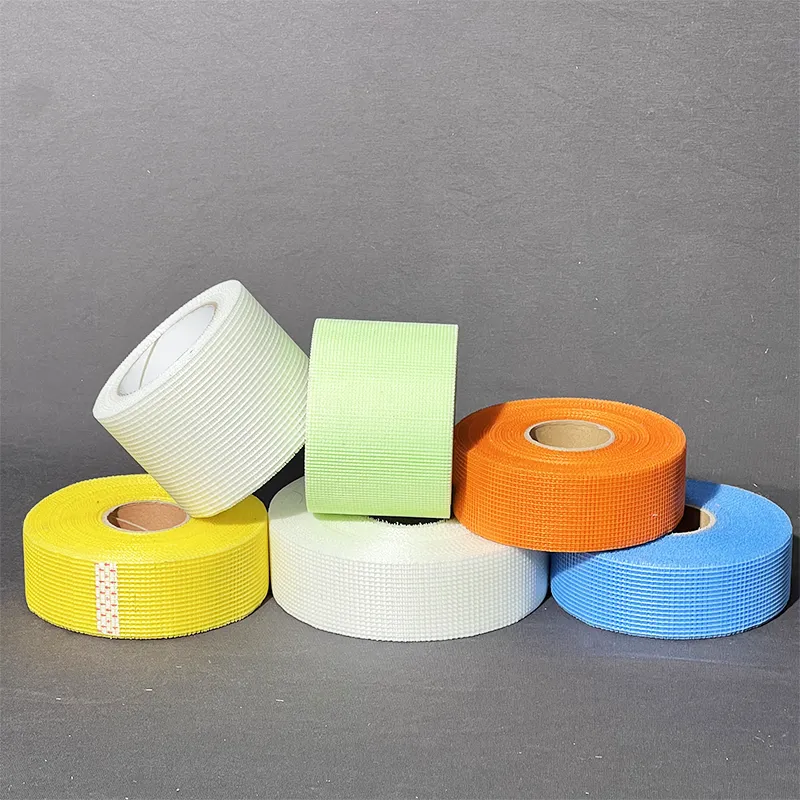
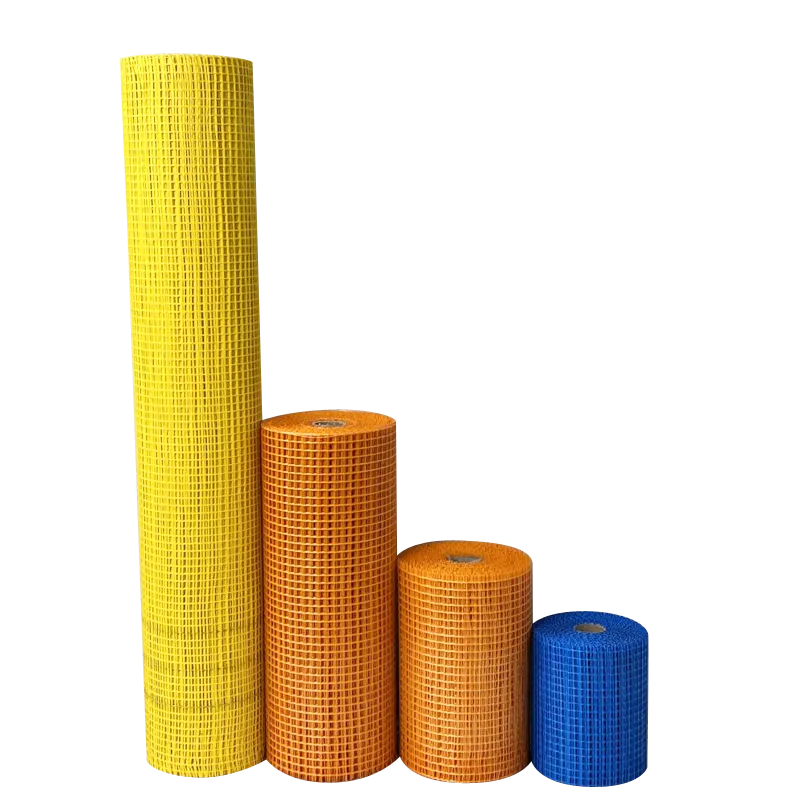
If you’ve ever chased hairline cracks or pesky seam lines, you already know why contractors swear by fiberglass mesh. I’ve spent the better part of a decade touring plants from Hebei to the Midwest, and—no exaggeration—the best results I’ve seen often come from factories that understand yarn chemistry as much as weaving. Case in point: Tainuo’s Factory Wholesale Fiberglass Mesh Roll for Wall, produced in Xiaomen Village, Yilunbao Township, Renqiu City, Hebei, China. It’s a woven E-glass mesh built to take abuse—indoors or out—and, to be honest, it shows in the field.
Why mesh tape is trending (and not just on big commercial jobs)
Two things changed the market: faster schedules and higher expectations. Mesh tape bonds quickly with setting-type compounds, reduces blistering versus paper, and—surprisingly—has become a staple in energy retrofits where exterior insulation systems rely on alkali-resistant glass fabrics. Many customers say they get fewer callbacks. Actually, I’ve heard the same from small drywall crews and big facade teams alike.
Process flow and materials (the nerdy bit, but useful)
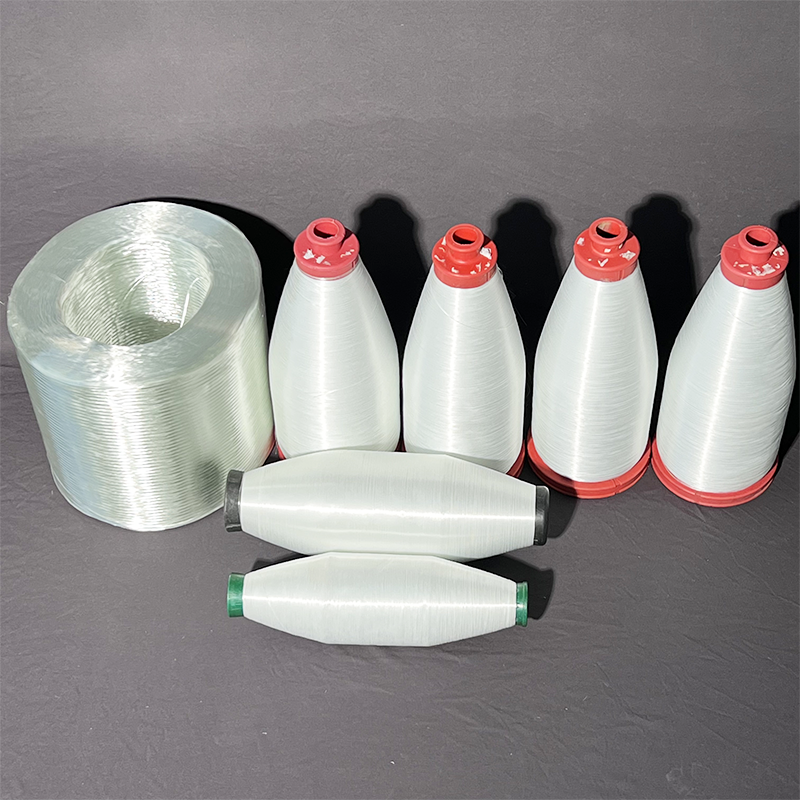
- Materials: E-glass yarn with ZrO2-enhanced alkali-resistant sizing; acrylic/SBR coating.
- Method: Leno weaving → alkali-resistant coating → heat-setting → slitting (to tape widths) → roll forming → QC.
- Testing standards used: tensile per ASTM D5035; alkali soak retention per ETAG 004/EAD 040083 guidance; reaction to fire check via ASTM E84 (screening), UV aging per ISO 4892 (where applicable).
- Service life: indoors ≈ the life of the assembly; in ETICS facades, field data points to 25–30 years, real-world use may vary.
- Industries: drywall finishing, EIFS/ETICS, stucco reinforcement, crack-bridging on masonry, tile backer seams.
Core specs you’ll actually use
| Parameter | Typical Value (≈) | Notes |
|---|---|---|
| Mesh size | 5×5 mm (wall mesh); 9×9 mm optional | Tighter mesh for crack control |
| Area weight | 145 g/m² (120–160 g/m² available) | Higher weight = higher tensile |
| Tensile strength | Warp ≈ 1,750 N/50 mm; Weft ≈ 1,500 N/50 mm | ASTM D5035 strip method |
| Alkali resistance | ≥ 75% strength retention (28-day soak) | Per ETAG 004 guidance |
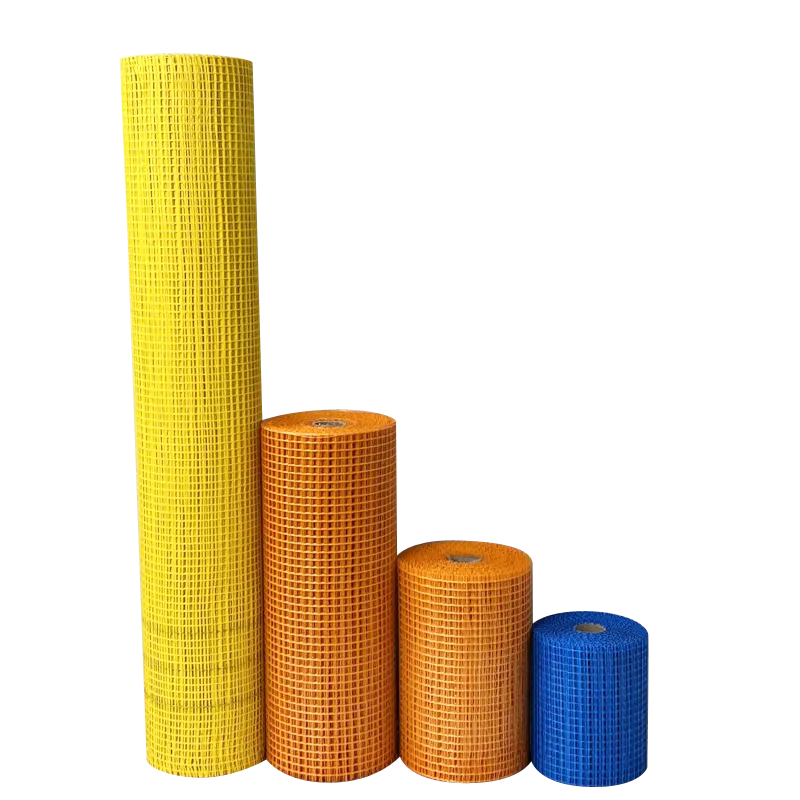
| Tape widths | 50 mm, 100 mm (others on request) | Slit from wall mesh rolls |
How to apply (drywall and beyond)
For drywall seams, embed Buy Drywall Fiberglass Mesh Tape with a setting-type compound (hot mud). Feather out in two to three passes; let it cure, then finish with a lightweight topping. For exterior systems, bed the mesh into base coat with proper overlap (≈100 mm) and maintain wet edge. Seems obvious, but ambient temps matter—below 10°C slows everything.
Vendor comparison (real-world purchasing)
| Vendor | Certs/Testing | Lead Time | Customization | Price Tier |
|---|---|---|---|---|
| Tainuo (Hebei) | Factory QC; ASTM/ETAG test reports on request | 10–20 days | Widths, weights, branding | Factory-direct |
| Generic Importer A | Basic COA, limited third-party | 25–40 days | Limited SKUs | Mid |
| Big-Box Rebrand | Retail QA; sparse data sheets | In-stock (varies) | No custom | High |
Customization and packaging
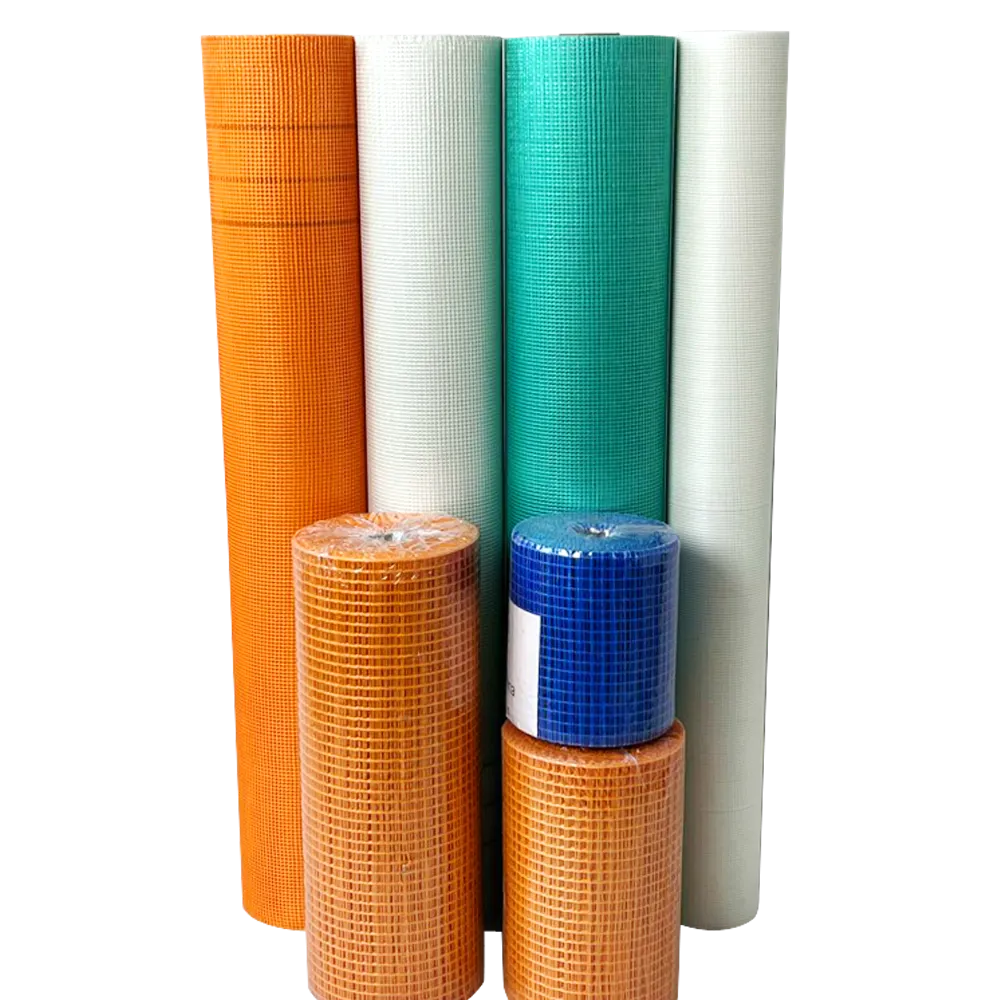
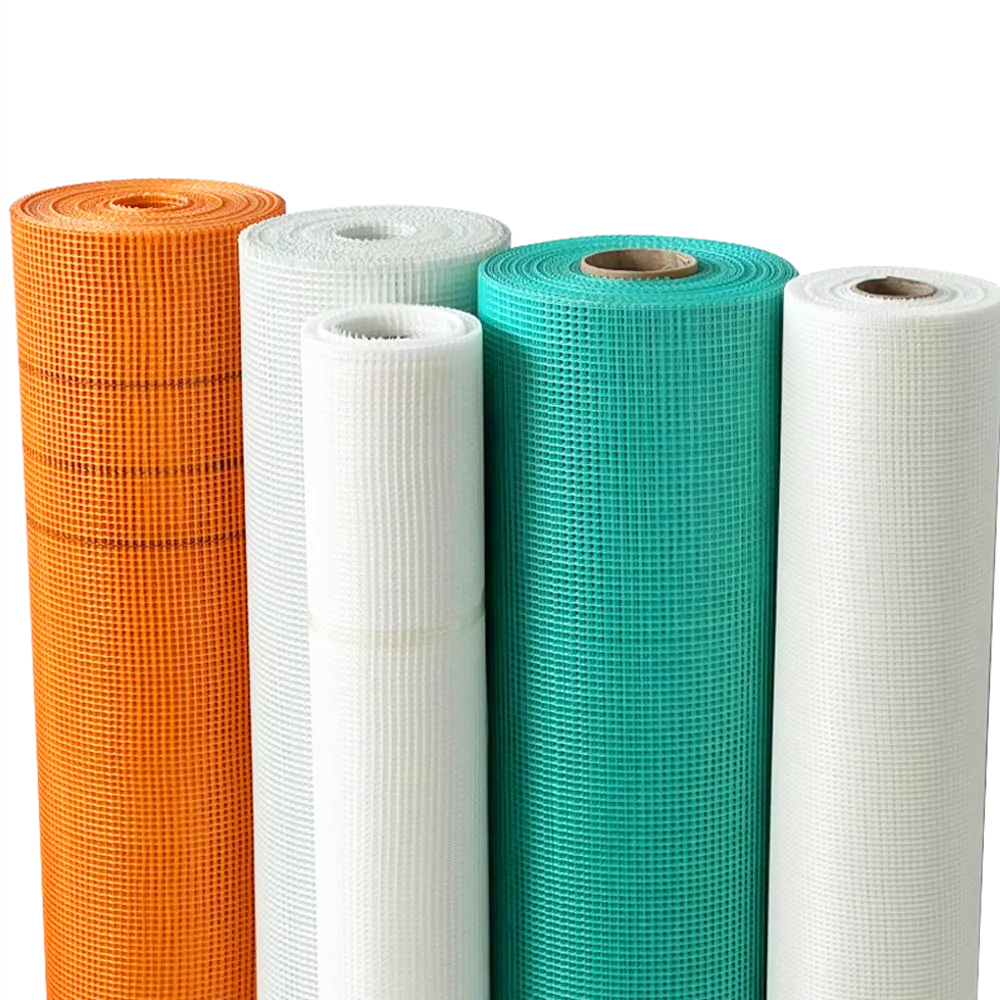
Private label cores, roll lengths (45–150 m), core IDs, and pallet programs are available. It seems small, but core strength matters in humid warehouses—ask for moisture-resistant wrap.
Case notes from the field
A renovation crew in a 1960s apartment block used Buy Drywall Fiberglass Mesh Tape on 400+ seams over glazed block partitions. After 9 months, zero telegraphing. The foreman told me, “The weave stayed flat; less sanding dust, fewer do-overs.” Not a lab test, but convincing.
Certifications and documentation
- Material tests per ASTM D5035; optional E84 surface burning classification for assemblies.
- ETAG 004/EAD 040083 compliance paths for ETICS mesh.
- Factory COA; third-party reports available on request.
Citations: [1] ASTM D5035; [2] ASTM E84; [3] EAD 040083-00-0404 (ETICS); [4] ISO 4892; [5] GB/T 7689 (glass fiber fabrics).
- ASTM D5035 – Standard Test Method for Breaking Force and Elongation of Textile Fabrics (Strip Method)
- ASTM E84 – Standard Test Method for Surface Burning Characteristics of Building Materials
- EAD 040083-00-0404 – Kits for External Thermal Insulation Composite Systems (ETICS)
- ISO 4892 – Plastics—Methods of exposure to laboratory light sources
- GB/T 7689 – Reinforced Glass Fiber Fabrics (China National Standard)
-
Best Fiberglass Mesh Tape for RedGard Product Waterproofing GuideNewsApr.16,2026
-
Why High Strength Fiberglass Mesh Is Essential For Stucco ApplicationNewsApr.15,2026
-
Why Alkali Resistant Fiberglass Mesh Tape Is Essential For Cement Board And Tile InstallationsNewsApr.15,2026
-
Understanding The Role Of Drywall Fiberglass Mesh In Interior FinishingNewsApr.15,2026
-
Ultimate Guide To Using Fiberglass Mesh Tape For Drywall And Plaster RepairsNewsApr.15,2026
-
The Versatility Of Fiberglass Mesh In Marble And Stone MosaicNewsApr.15,2026