Oct . 10, 2025 11:40 Back to list
Buy Concrete Fiberglass Mesh - Strong, Alkali-Resistant?
Concrete Fiberglass Mesh: Practical Buyer’s Guide from the Jobsite Up
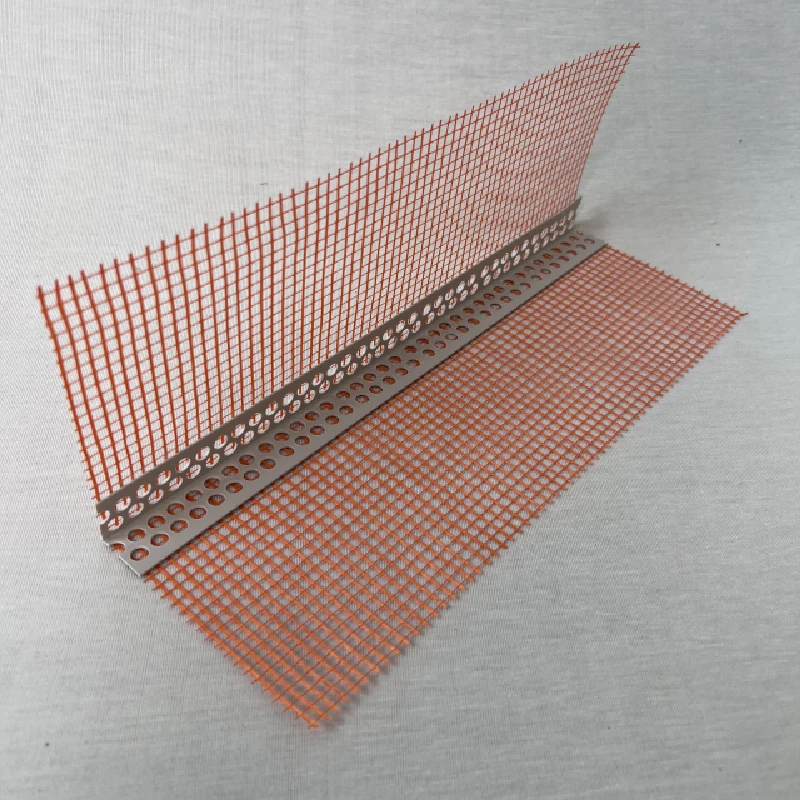
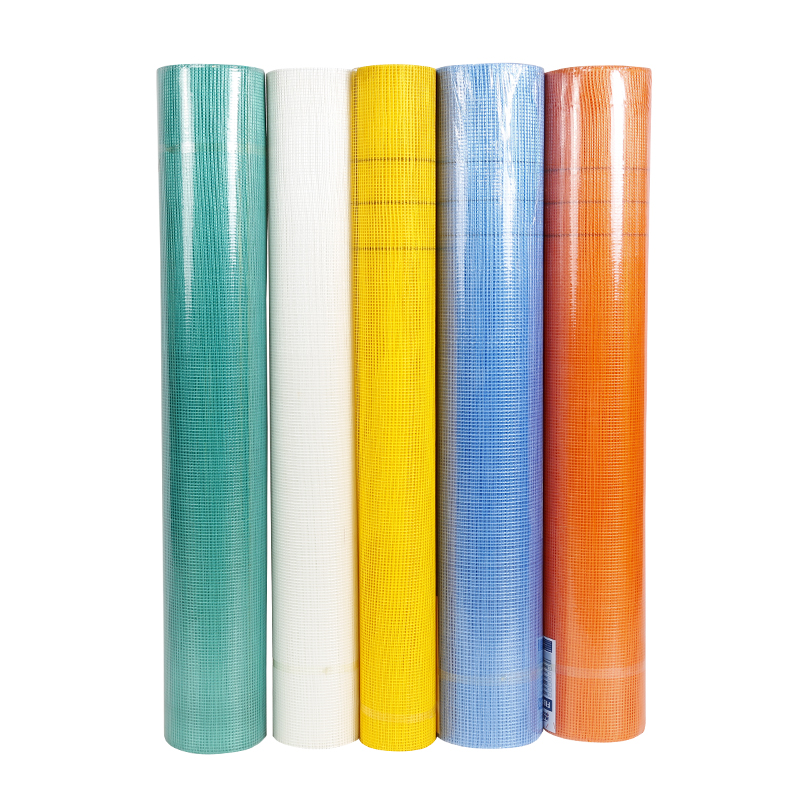
If you’re trying to [buy concrete fiberglass mesh], here’s the short version: the 4x4 145 g/m² fiberglass mesh roll (popular in Turkey) has quietly become the safe, boringly reliable reinforcement for EIFS, cement renders, roofing membranes, and even marble backing. Boring is good in construction; it means your facade stays crack-free through winter-summer cycles.
What’s trending (and why 145 g/m² hits the sweet spot)
Field crews keep asking for 4×4 mm mesh around 145 g/m² because it balances handling, coverage, and tensile retention after alkali exposure. With EIFS and thin-coat renders still the go-to on energy retrofits, alkali-resistant coated E-glass (sometimes C-glass) remains the standard. Interestingly, many contractors say 160 g/m² is overkill for base layers unless you’re in high-impact zones.
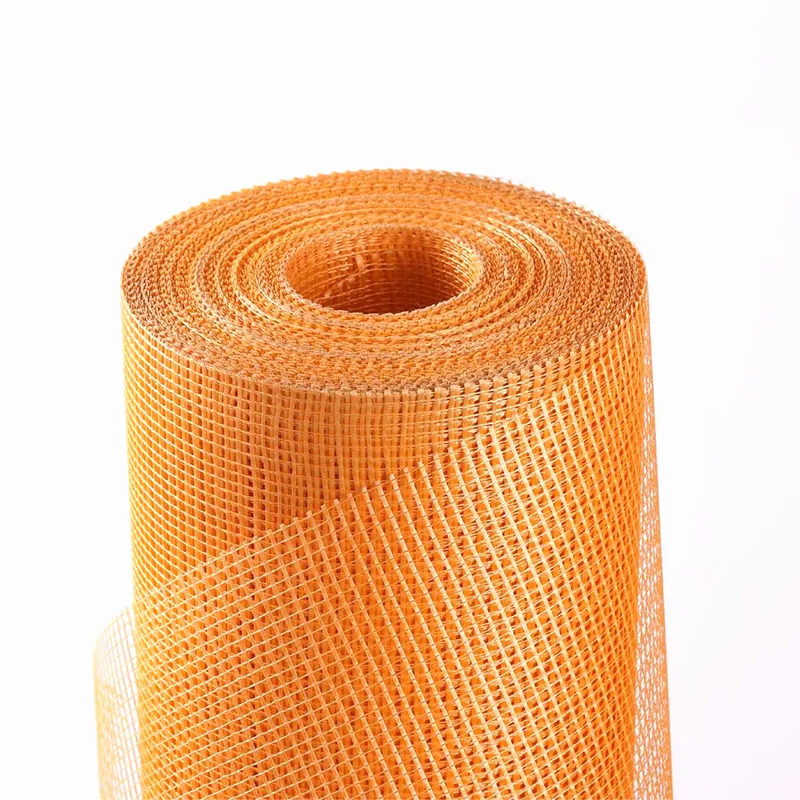
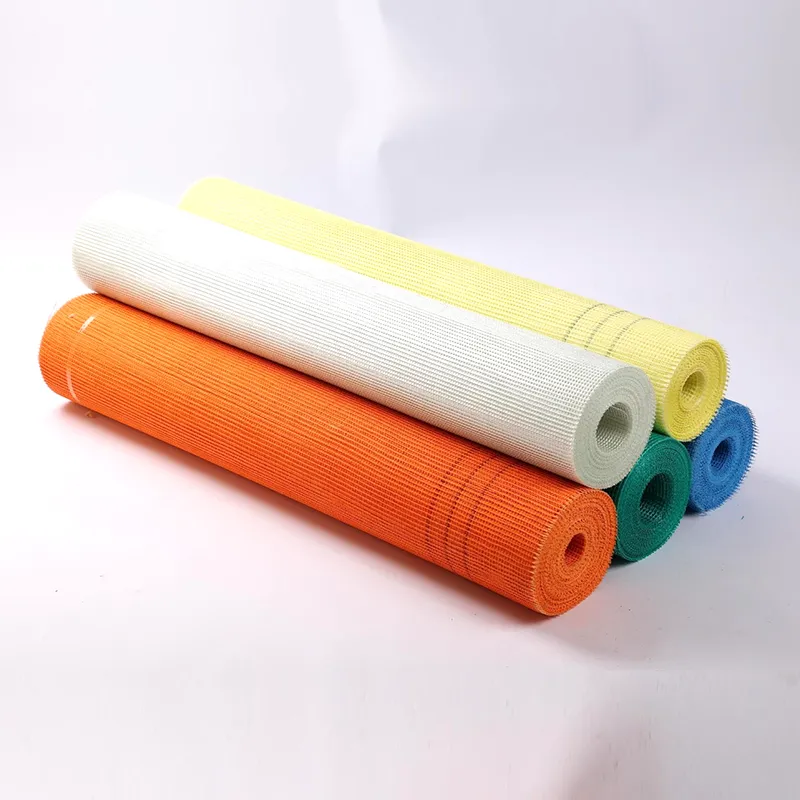
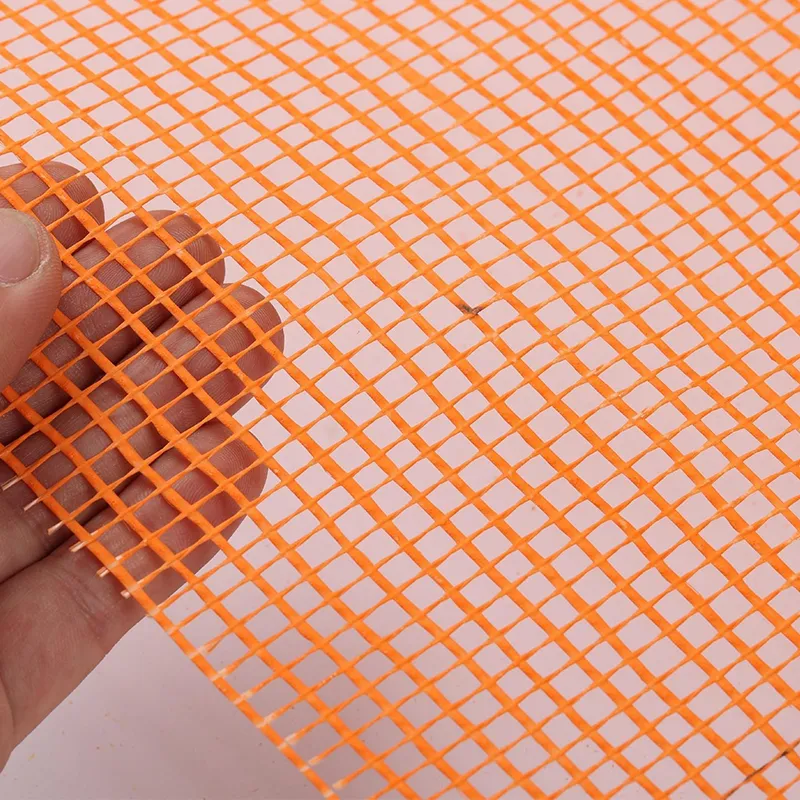
Product snapshot: 4x4 145g fiberglass mesh roll for Turkey
| Origin | Xiaomen Village, Yilunbao Township, Renqiu City, Hebei, China |
| Mesh size | ≈ 4 × 4 mm (leno weave) |
| Area weight | ≈ 145 g/m² (real-world may vary ±5%) |
| Fiber & coating | E-glass/C-glass yarn, alkali-resistant polymer (AR) emulsion |
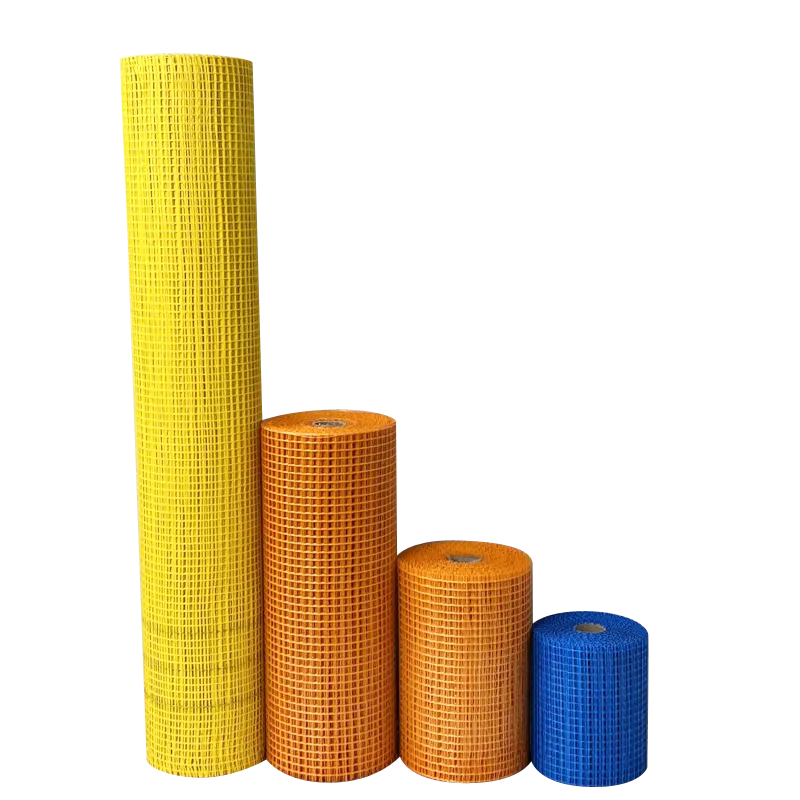
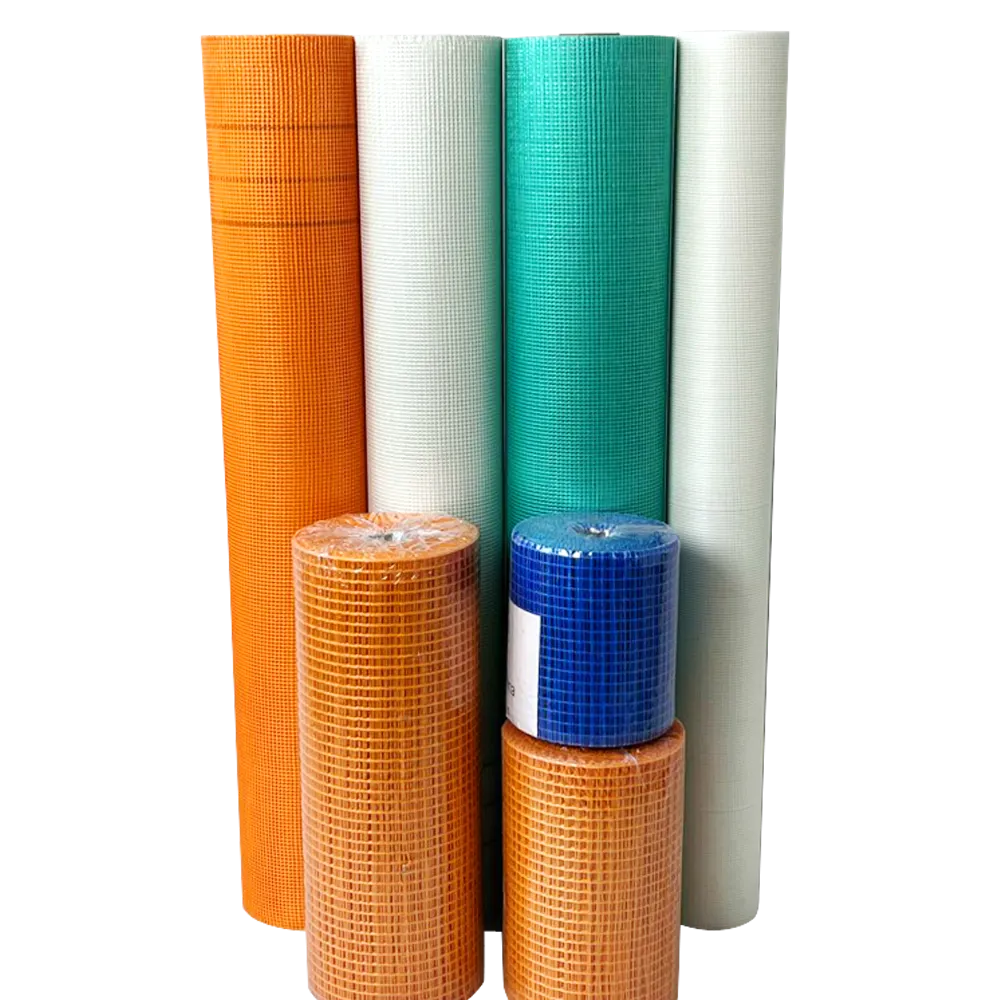
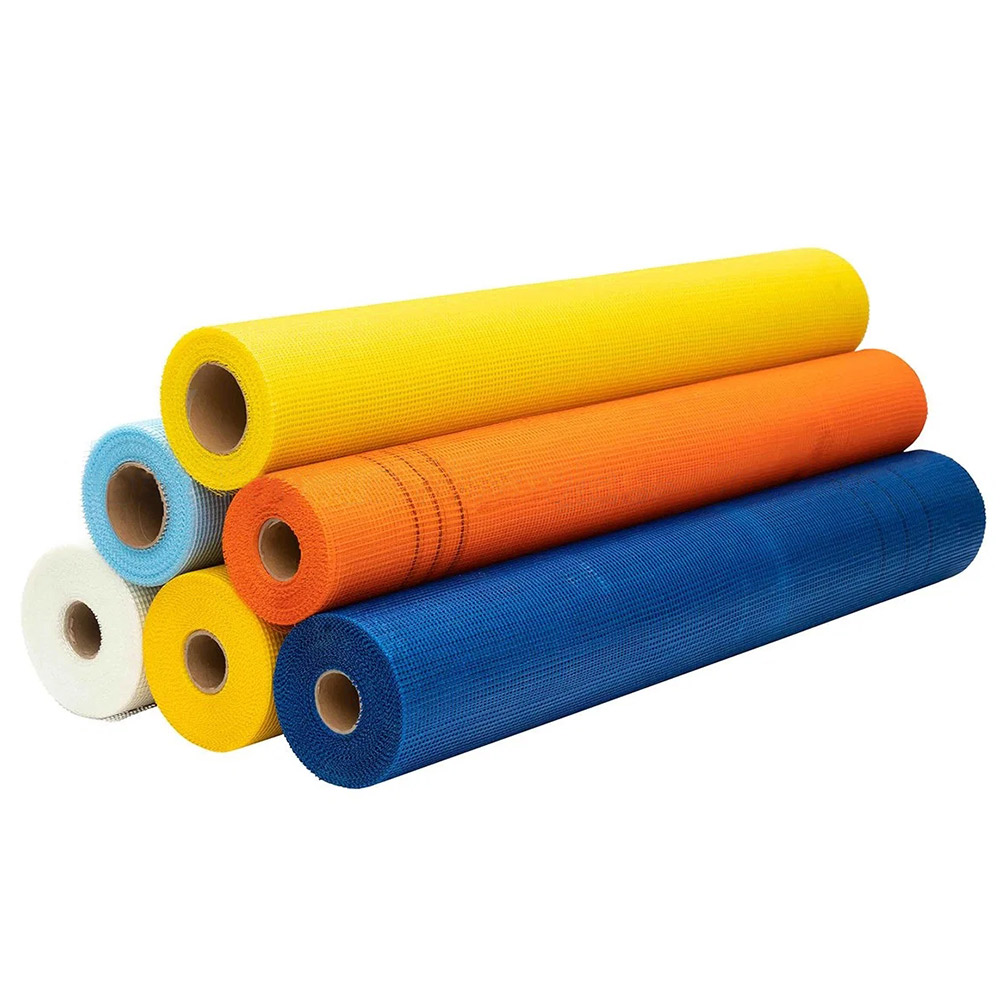
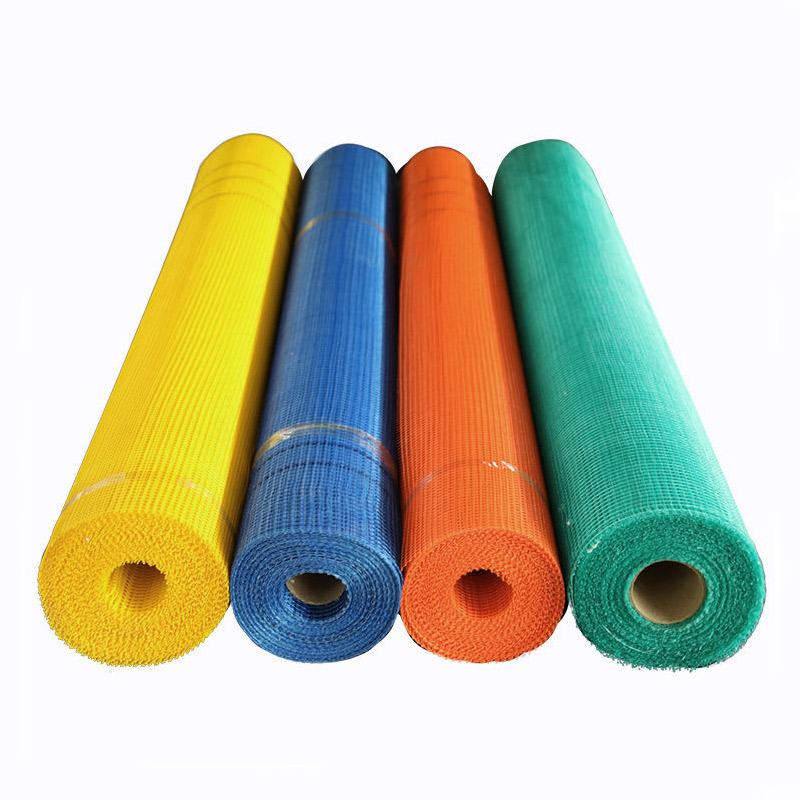
| Roll size | 1.0 m × 50 m (custom widths on request) |
| Tensile strength | ≥ 1750 N/50 mm (initial); ≥ 1250 N/50 mm after alkali aging per ETICS methods |
| Service life | 25–30 years in EIFS systems when installed per spec |
Process flow (how it’s made, quickly)
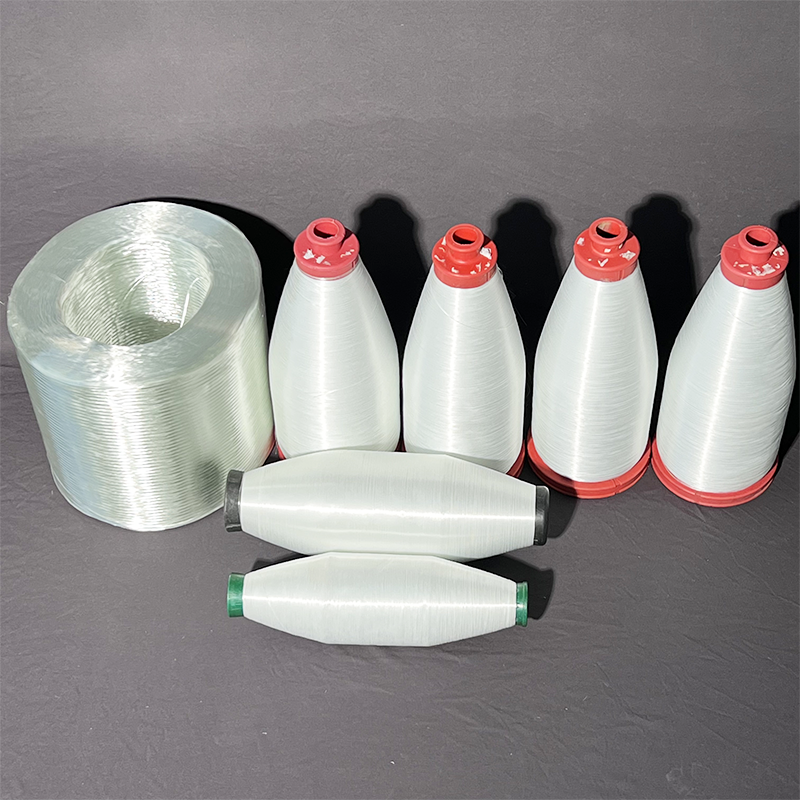
E-glass roving → leno weaving → alkali-resistant immersion coating → drying/curing → rewinding and edge trim → tensile/alkali testing → packaging. Testing typically references EN 13496 for strength retention and ETICS guidance; many plants also run ASTM D5035 strip tensile checks. To be honest, the coating bath quality is where good mesh separates from the cheap stuff.
Where it’s used (and what crews report)
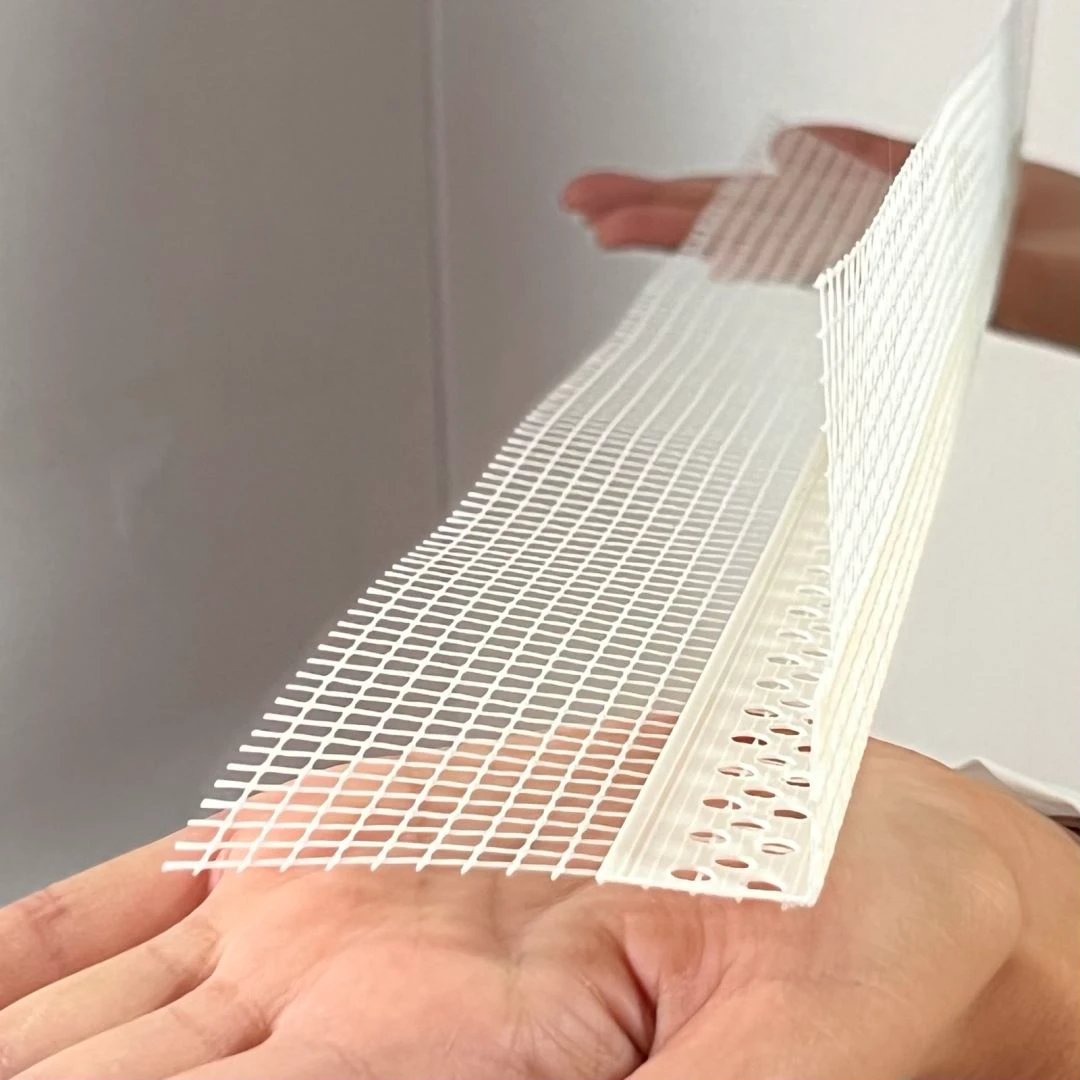
- EIFS/ETICS base coat reinforcement; corner zones double-layered.
- Cement/sand renders on blockwork; crack control over joints.
- Roofing membranes as reinforcement scrim in detail zones.
- Stone/marble backing nets; patch repairs on substrates.
Feedback: “lays flat, doesn’t fuzz,” “coats wet-in fast,” and—surprisingly—“edges don’t unravel as much.” That last bit saves time.
Case notes
Izmir mid-rise retrofit: 7,000 m² ETICS, 145 g/m² mesh as base layer, 160 g/m² only at ground floor. Impact cracking dropped by ≈40% year-on-year vs. prior spec, according to the site engineer. A small win, big quiet savings.
Vendor snapshot (practical comparison)
| Vendor | Spec focus | Alkali retention | Lead time | Certs | Typical price |
|---|---|---|---|---|---|
| Tainuo (Hebei) | 4×4, 145 g/m²; tight leno weave | ≥70% after aging | 10–15 days | ISO 9001; CE (ETICS) | Mid-low |
| Regional Importer B | 160 g/m² stock heavy | ≈65% | In-stock/fast | Mixed | Mid |
| Exporter C (Generic) | 120–145 g/m² economy | ≈50–60% | 20–30 days | Limited | Low |
Price bands vary with oil-based chemistry and logistics; real-world use may vary.
Specs that matter when you buy concrete fiberglass mesh
- Alkali resistance: tensile retention after NaOH aging (per ETICS methods). Aim ≥ 50–70%.
- Coating pickup: enough AR polymer to lock yarns yet keep flexibility.
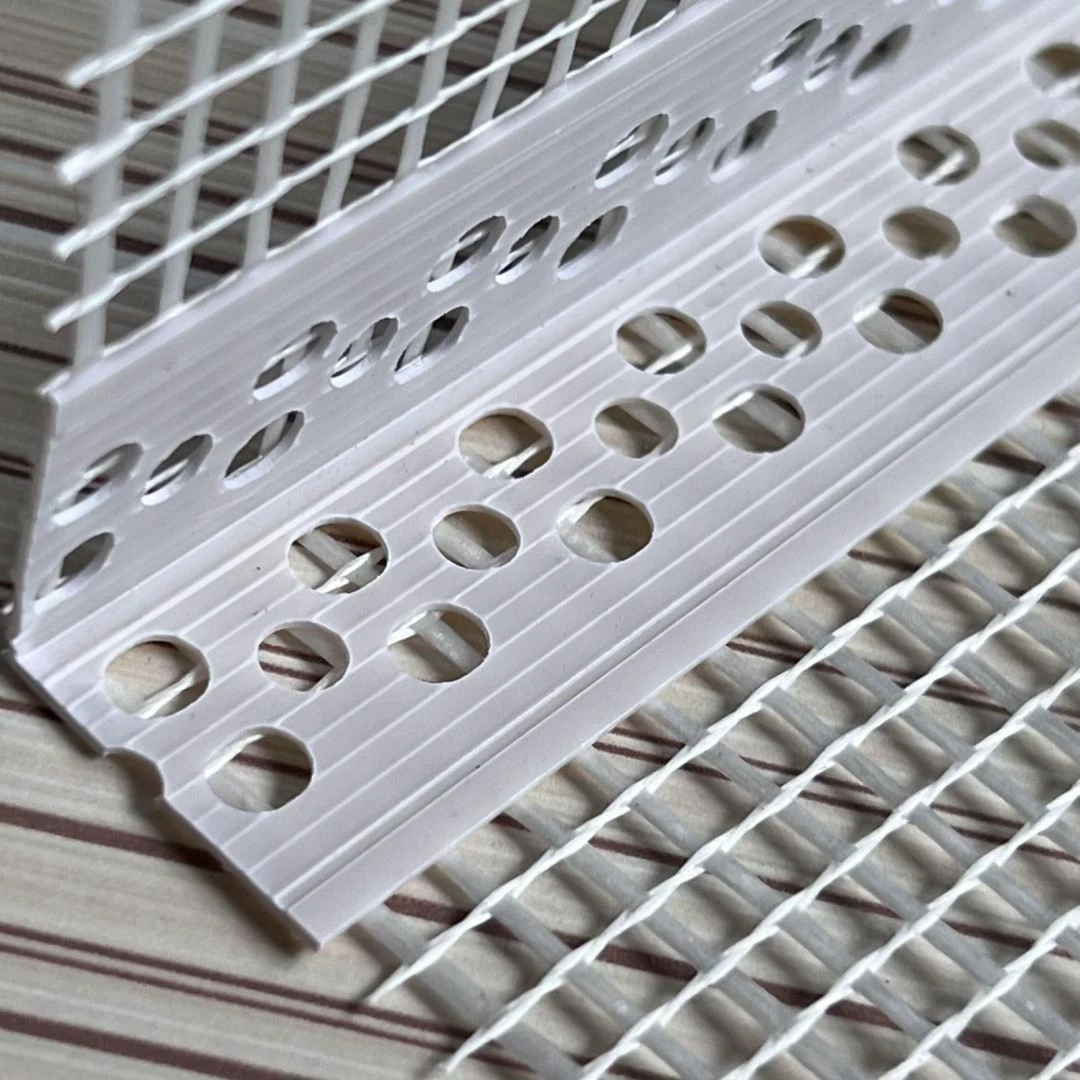
- Leno weave stability: less fray, faster embed. Check edge integrity.
- Compliance: EN 13496, EAD/ETAG for ETICS; JG/T 158 in China; ISO 9001 plant QA.
Customization
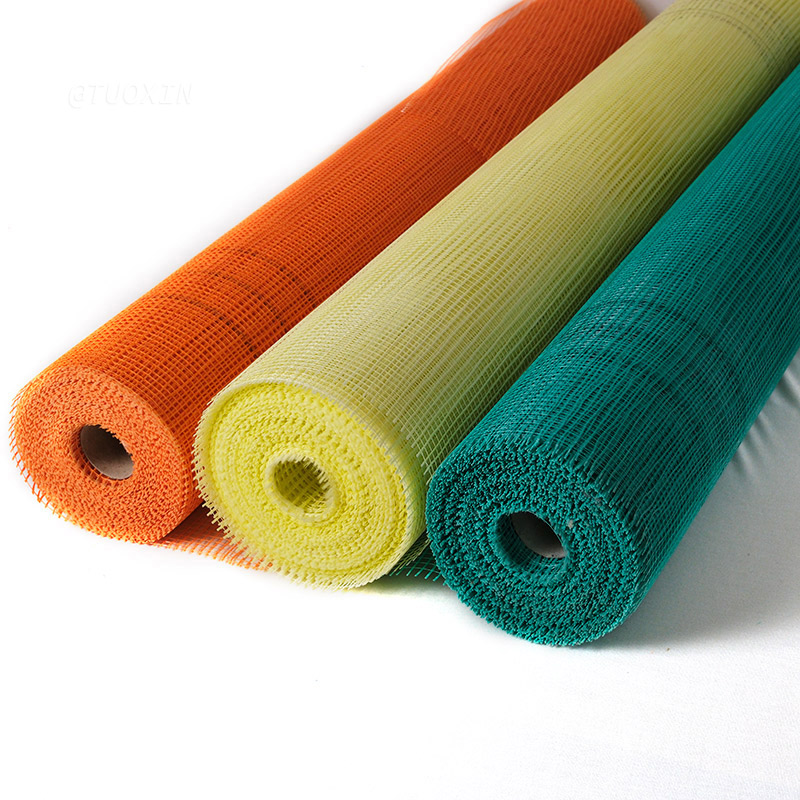
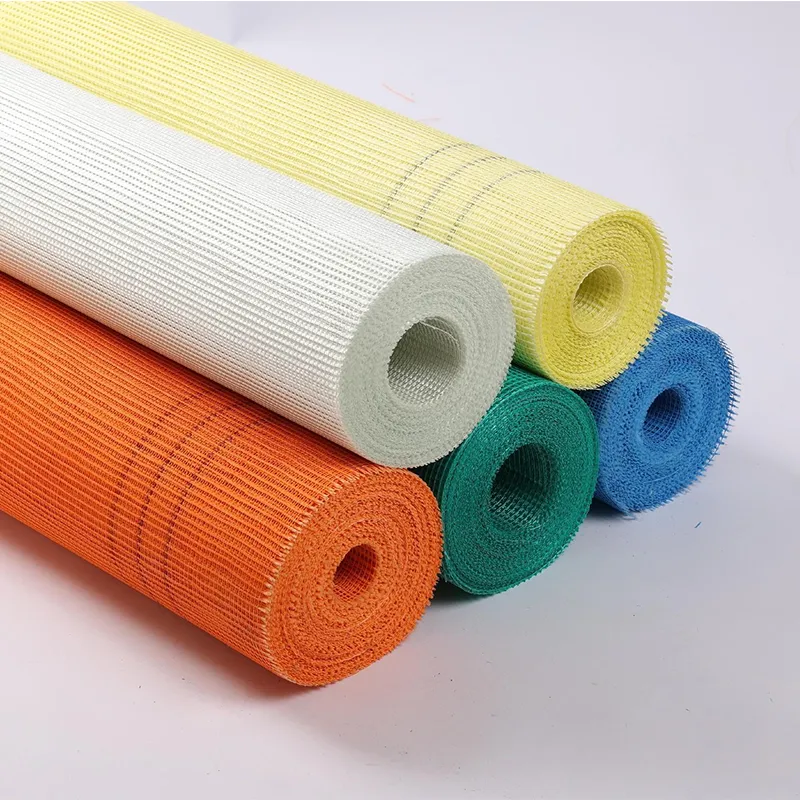
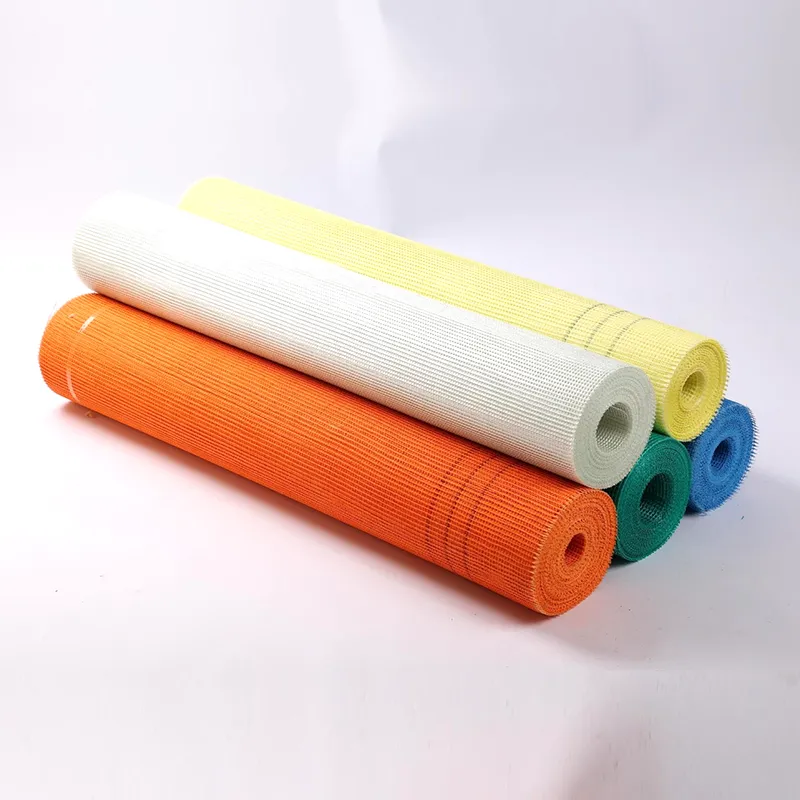
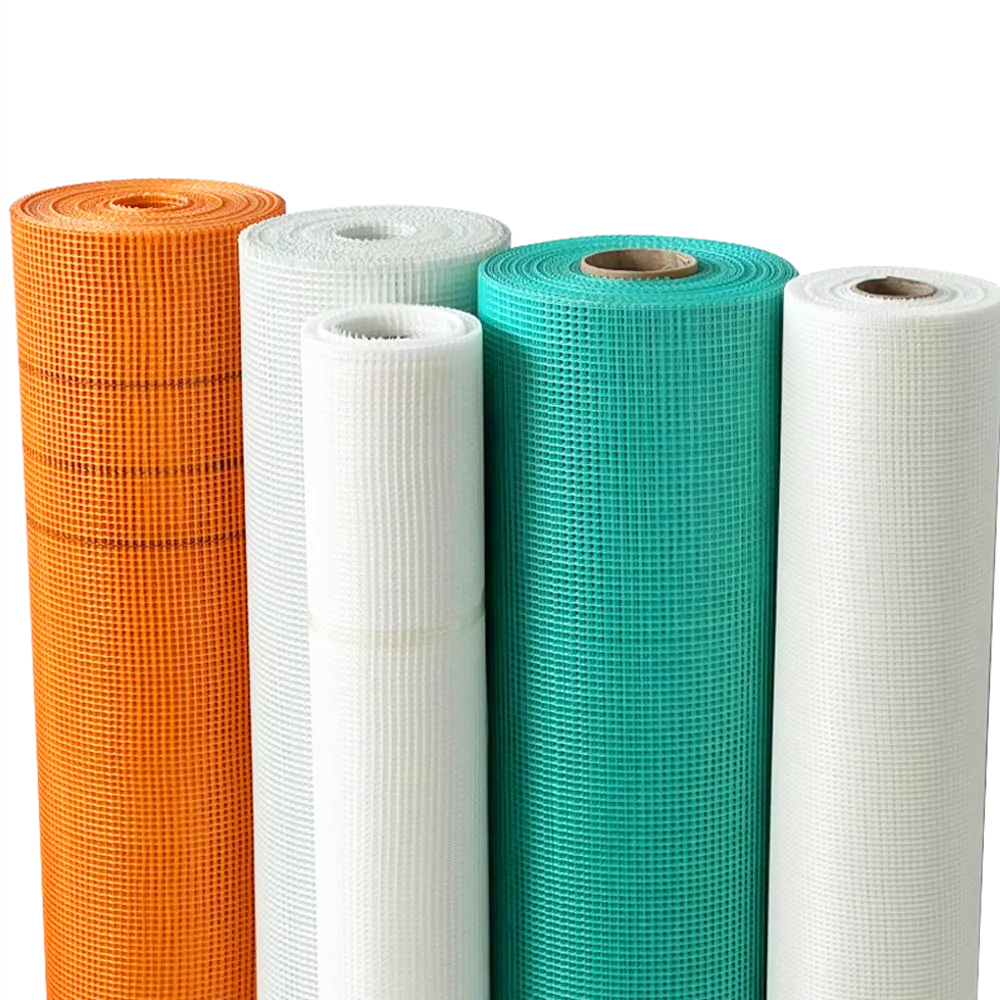
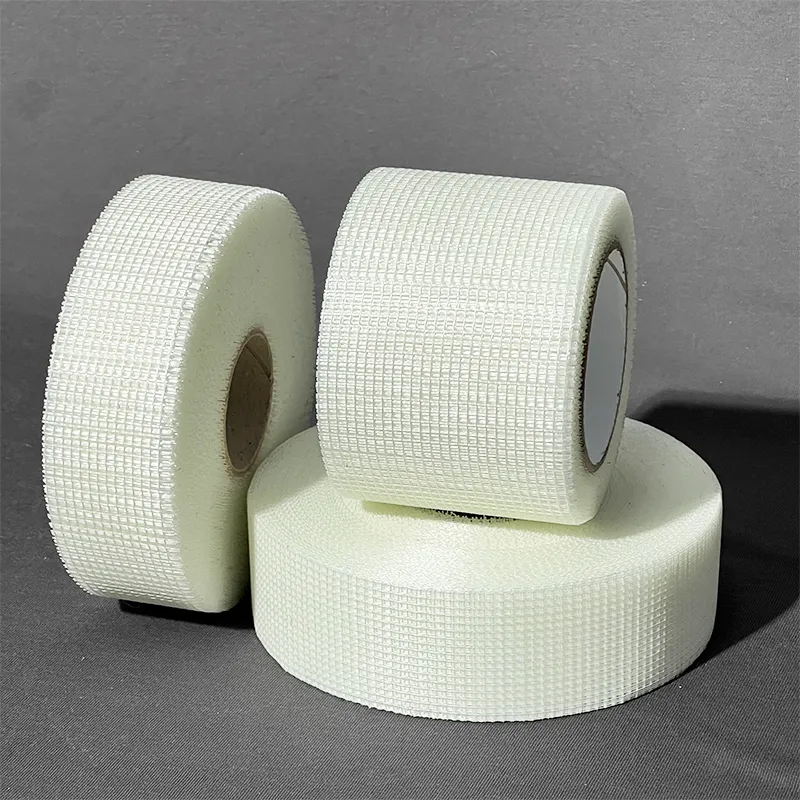
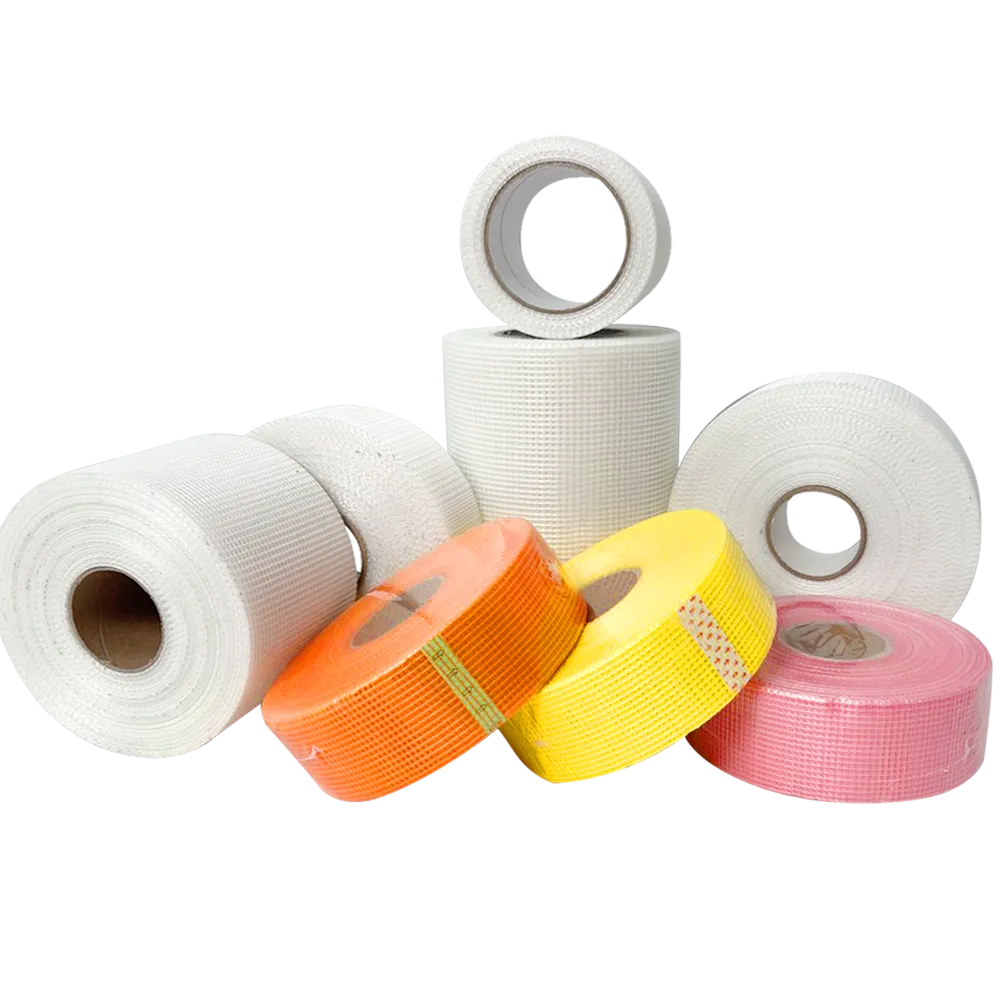
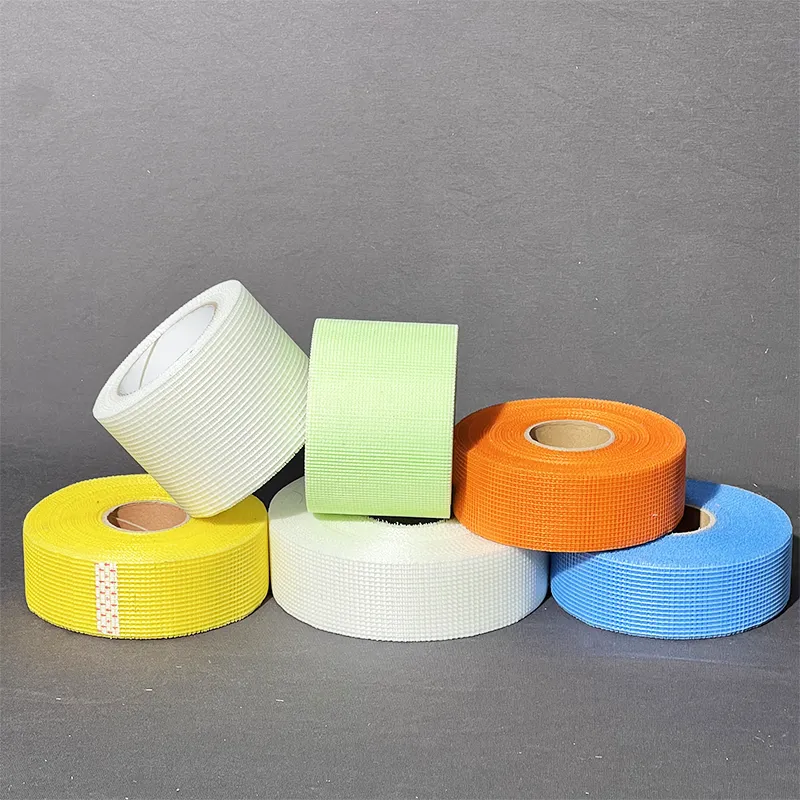
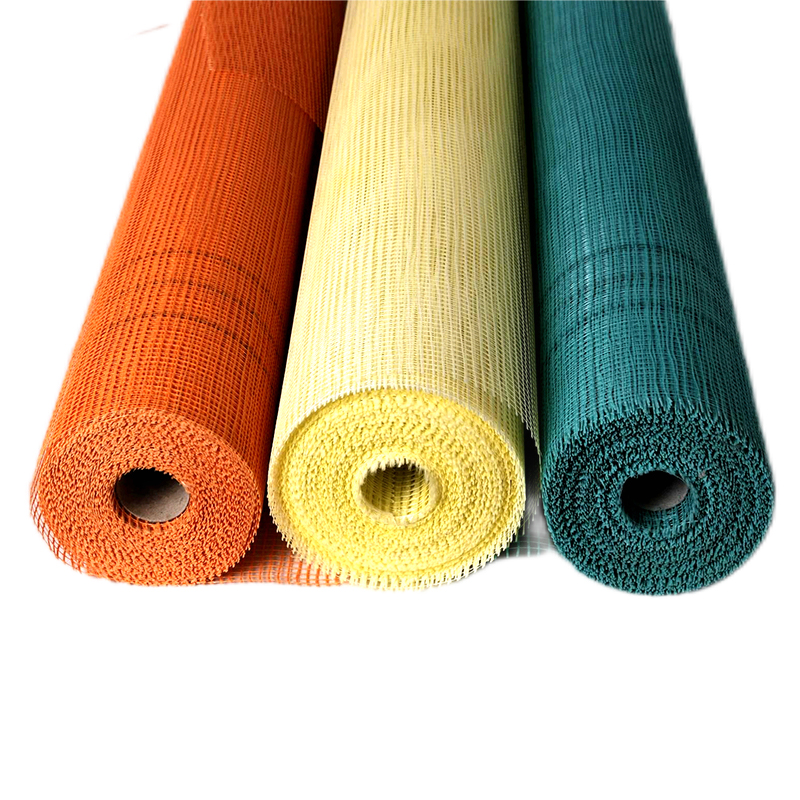
Widths 0.2–2.0 m, colors (white, blue, orange), private-label cores/wrap, higher gsm zones (e.g., 160–200 g/m² at impact belts). For stone, ask for softer hand to avoid telegraphing.
Bottom line: if you need to buy concrete fiberglass mesh that behaves on-site and passes audits, the 4×4 at ≈145 g/m² is a safe, cost-balanced choice—especially from facilities in Hebei that live and die by alkali retention curves.
Standards and references
- EAD 040083-00-0404: External Thermal Insulation Composite Systems (ETICS) with renderings.
- EN 13496: Thermal insulation products for ETICS — Determination of mechanical properties of glass fibre mesh.
- JG/T 158-2017: Alkali-resistant glass fiber mesh for wall reinforcement (China).
- ASTM D5035: Standard Test Method for Breaking Force and Elongation of Textile Fabrics (Strip Method).
-
Best Fiberglass Mesh Tape for RedGard Product Waterproofing GuideNewsApr.16,2026
-
Why High Strength Fiberglass Mesh Is Essential For Stucco ApplicationNewsApr.15,2026
-
Why Alkali Resistant Fiberglass Mesh Tape Is Essential For Cement Board And Tile InstallationsNewsApr.15,2026
-
Understanding The Role Of Drywall Fiberglass Mesh In Interior FinishingNewsApr.15,2026
-
Ultimate Guide To Using Fiberglass Mesh Tape For Drywall And Plaster RepairsNewsApr.15,2026
-
The Versatility Of Fiberglass Mesh In Marble And Stone MosaicNewsApr.15,2026