Aug . 22, 2025 11:00 Back to list
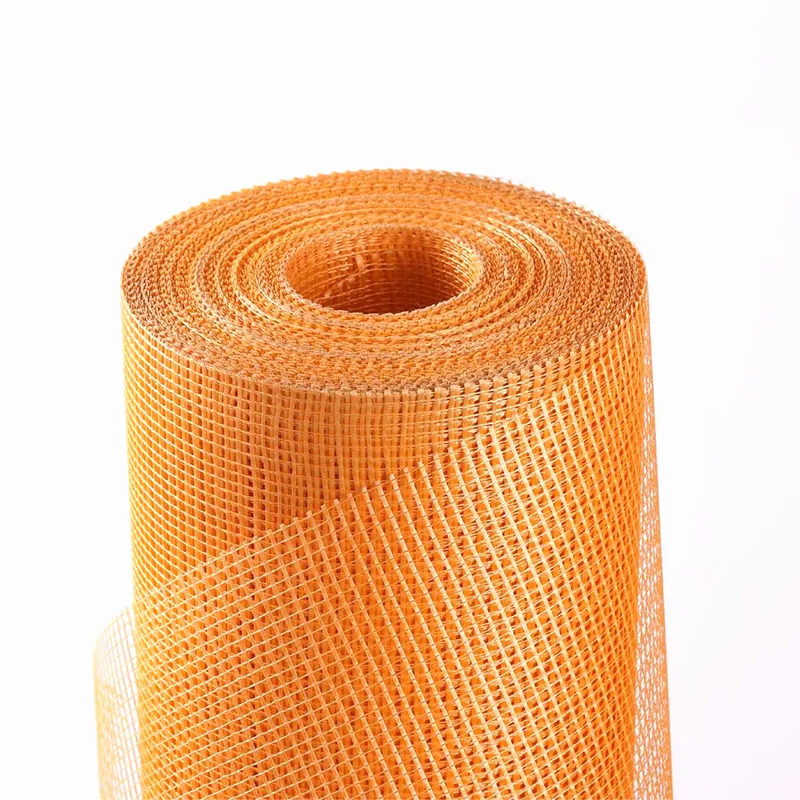
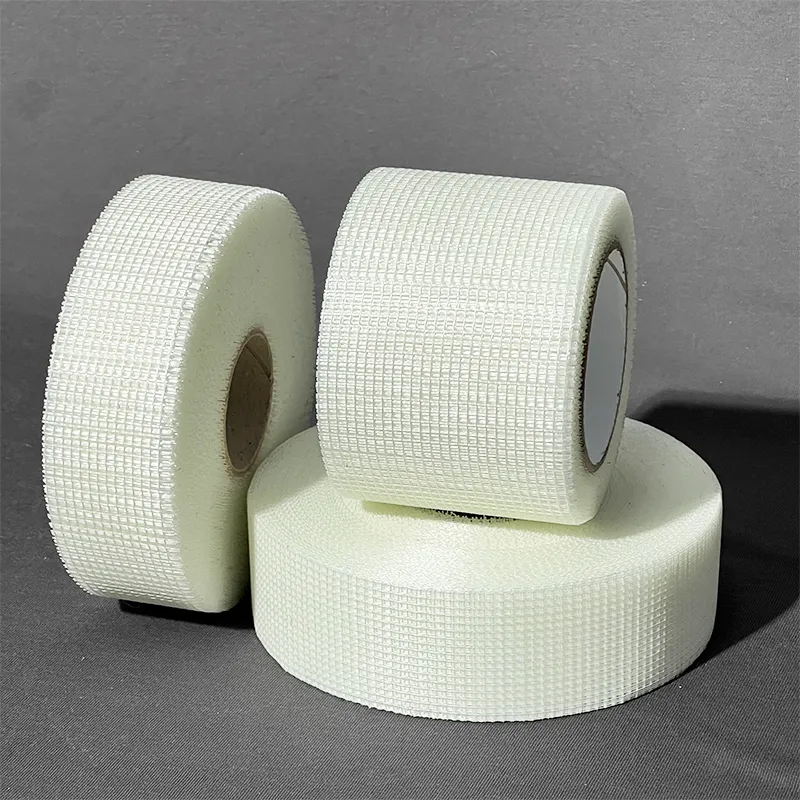
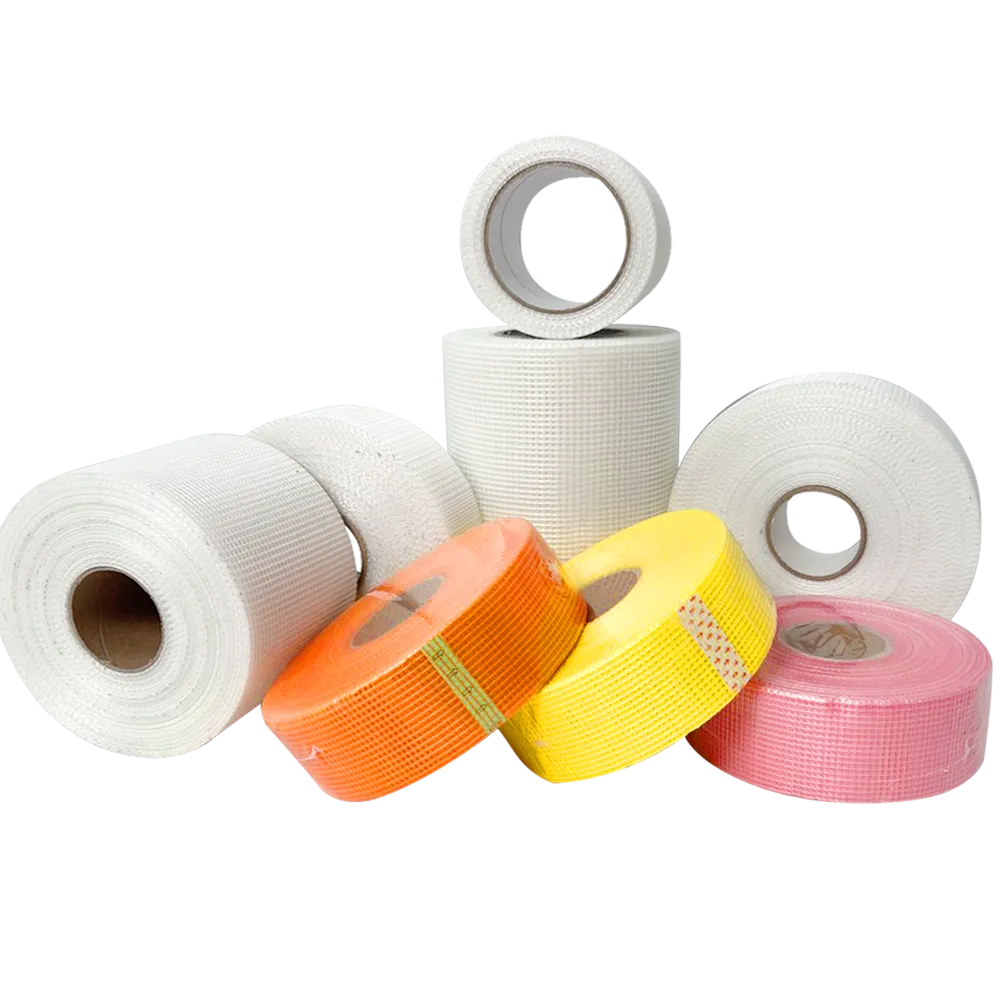
Buy Adhesive Fiberglass Mesh: Strong, Self-Adhesive & Durable
The Imperative of High-Performance Fiberglass Mesh in Modern Construction
In the rapidly evolving landscape of construction and infrastructure development, the demand for resilient, durable, and cost-effective materials is paramount. Among these, fiberglass mesh stands out as a foundational component, critical for enhancing structural integrity, preventing cracking, and extending the lifespan of various applications. For professionals seeking to buy adhesive fiberglass mesh, understanding its intrinsic value, manufacturing excellence, and diverse utility is essential. This article delves into the technical aspects, industry applications, and strategic considerations for procuring superior fiberglass mesh solutions tailored for demanding B2B environments.
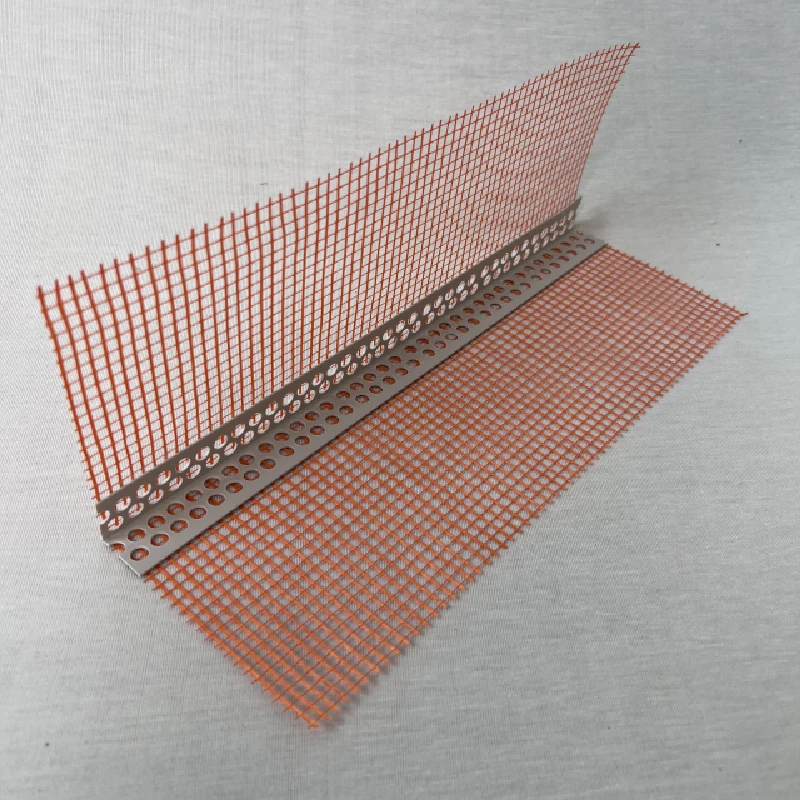
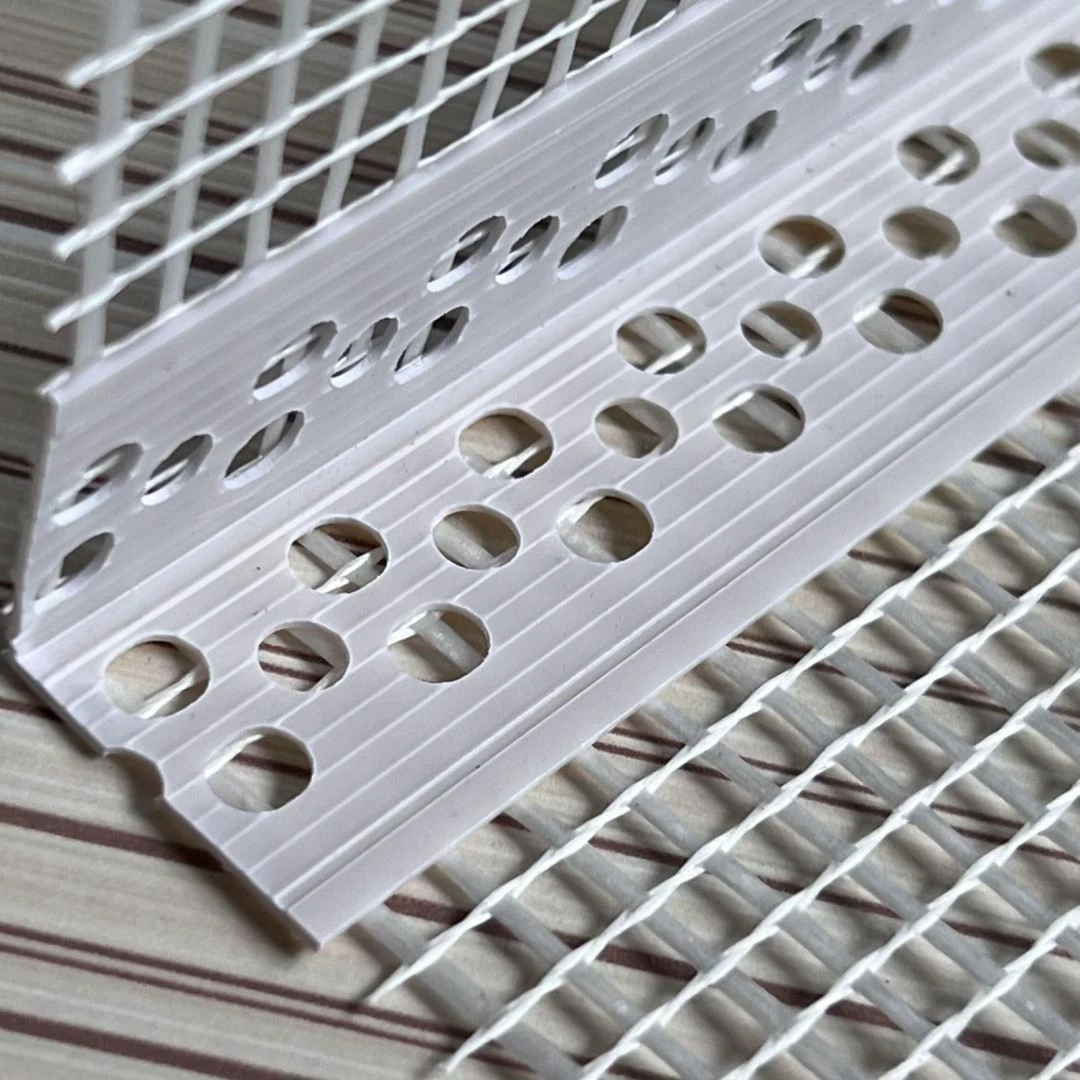
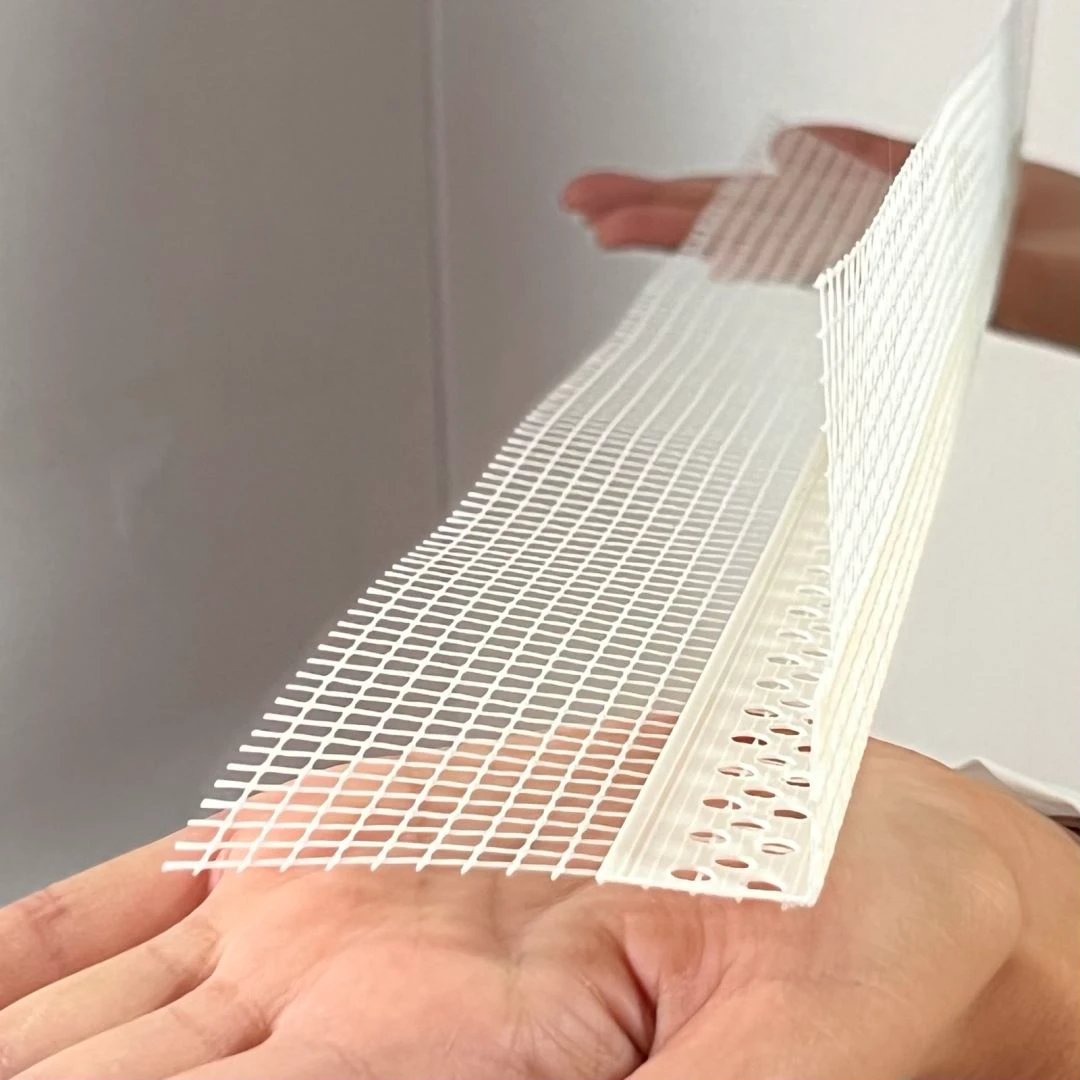
Specifically, we will explore the nuances of fiberglass plaster mesh net, a product engineered to deliver exceptional tensile strength and alkaline resistance, making it an indispensable asset in modern plastering and insulation systems. Its unique adhesive properties ensure ease of application and robust integration, proving vital for projects where efficiency and long-term performance are non-negotiable. The ability to seamlessly integrate such advanced materials directly translates into reduced labor costs, enhanced project timelines, and superior final product quality, addressing the core needs of construction businesses globally.
Current Industry Trends and Market Dynamics
The global fiberglass mesh market is experiencing significant growth, driven by increasing infrastructure investments, a surge in residential and commercial construction, and stringent building codes emphasizing durability and energy efficiency. According to recent market analyses, the fiberglass mesh market is projected to reach USD 1.2 billion by 2028, growing at a Compound Annual Growth Rate (CAGR) of over 5.5% from 2023 to 2028. This growth is largely attributable to the material's superior properties over traditional alternatives, particularly in applications requiring crack prevention and reinforcement, making it a pivotal component for sustainable and resilient construction.
Key trends influencing the decision to buy adhesive fiberglass mesh include:
- Sustainable Construction Practices: A growing emphasis on green building initiatives and energy-efficient designs is driving the adoption of materials that contribute to thermal insulation and reduced environmental impact. Fiberglass mesh, particularly when integrated into External Thermal Insulation Composite Systems (ETICS), plays a critical role in achieving high energy performance ratings, reducing heat loss in winter and heat gain in summer.
- Infrastructure Resilience: With climate change leading to more extreme weather events, the need for infrastructure that can withstand greater stresses, including seismic activity and high wind loads, is paramount. High-strength fiberglass mesh enhances the seismic and structural resilience of buildings, bridges, and other critical infrastructure.
- Technological Advancements in Manufacturing: Continuous innovation in weaving techniques, advanced coating formulations (e.g., specialized acrylic emulsion, SBR latex for improved adhesion and alkali resistance), and integrated adhesive technologies is leading to the production of fiberglass mesh with enhanced mechanical properties, ensuring long-term performance in diverse environments.
- Diversification of Applications: Beyond traditional plastering and drywall, fiberglass mesh is finding new applications in flooring reinforcement, waterproofing membranes, and composite materials for industrial equipment, broadening the market for those who buy fiberglass sticky mesh for multi-faceted projects. This expansion into new sectors underscores its versatility and adaptability.
- Stringent Quality Standards: Increased regulatory oversight and demand for certified products mean that manufacturers are continually improving their testing protocols and adherence to international standards like ISO and ETAG, offering greater assurance to buyers.
These trends underscore the strategic importance of selecting high-quality fiberglass mesh from reputable manufacturers, ensuring compliance with international standards and project-specific requirements. The market is evolving towards higher performance, greater customization, and more environmentally friendly solutions, making informed procurement decisions more critical than ever.
Precision Manufacturing Process of Adhesive Fiberglass Mesh
The production of high-performance adhesive fiberglass mesh involves a meticulous, multi-stage process designed to ensure product consistency, superior mechanical properties, and extended service life. This intricate process starts with carefully selected raw materials and culminates in a rigorously tested finished product, ready for demanding B2B applications across diverse sectors, including petrochemical, metallurgy, water supply & drainage, and general civil construction.
Raw Material Sourcing and Preparation:
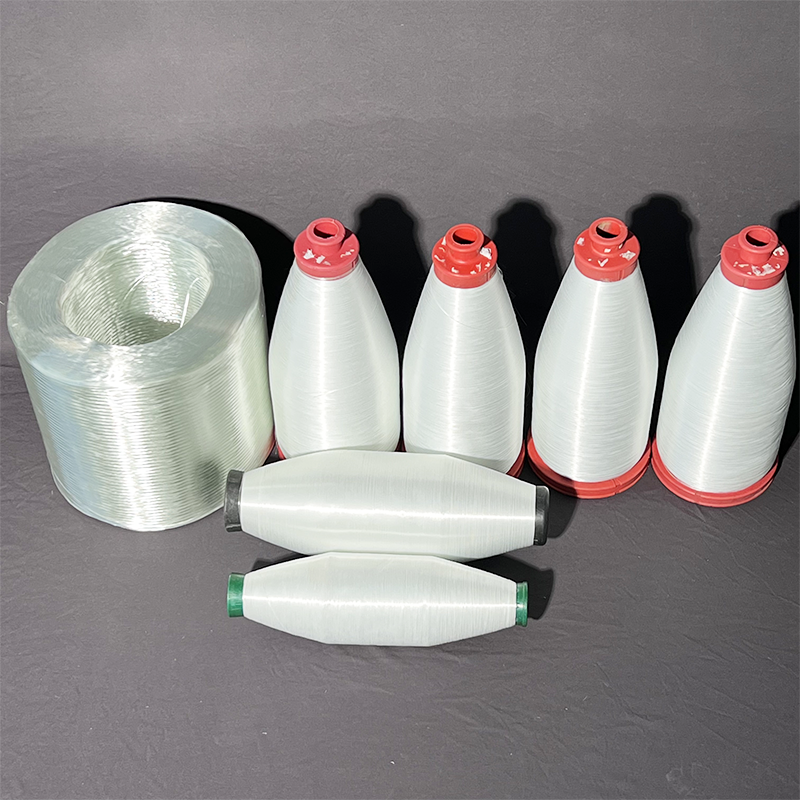
- E-Glass or C-Glass Fiber Yarn: The foundational material is high-quality fiberglass yarn. E-glass (electrical glass) is predominantly used due to its excellent electrical insulation properties, high tensile strength, and cost-effectiveness, making it ideal for most construction applications. C-glass (chemical glass) offers superior chemical resistance, particularly to acids, and is used in highly corrosive environments.
- Alkali-Resistant Coating Materials: A crucial component is the polymer emulsion, typically an acrylic latex or styrene-butadiene rubber (SBR) latex. This emulsion provides the necessary alkali resistance, preventing the glass fibers from degradation in cementitious environments (e.g., plaster, concrete) which are inherently alkaline. It also provides excellent binding properties and the initial tack for adhesive variants.
Manufacturing Process Flow:
1. Weaving (Leno/Plain Weave)
Fiberglass yarns are meticulously woven into a precise mesh structure using advanced leno or plain weaving machines. The leno weave, characterized by its non-slip property, is particularly effective for maintaining mesh stability and preventing yarn slippage, even under tension. This process establishes the uniform grid pattern, ensuring consistent aperture size and overall structural integrity. Weaving density (threads per inch/cm) and yarn thickness are critical parameters directly influencing the mesh's ultimate tensile strength and suitability for specific applications.
2. Alkali-Resistant Coating Application
The woven mesh undergoes a specialized immersion coating process in a polymer emulsion bath. This coating provides crucial alkali resistance, protecting the delicate glass fibers from the highly corrosive alkaline environment found in cement and plaster. Beyond protection, the coating enhances the mesh's dimensional stability, impact resistance, and contributes significantly to its overall durability and flexibility.
3. Drying and Curing
Following the coating application, the mesh passes through a precisely controlled high-temperature drying and curing oven. This critical step ensures the complete polymerization and cross-linking of the polymer emulsion, permanently bonding it to the fiberglass filaments. Precise control over temperature profiles and dwell times is essential to achieve the desired level of stiffness, stability, and chemical resistance of the final product.
4. Adhesive Application (for specific variants)
For adhesive mesh products, a high-performance pressure-sensitive adhesive layer is precisely and uniformly applied to one side of the cured mesh. This adhesive is specifically formulated to provide immediate tack and strong, reliable adhesion to various construction substrates, significantly facilitating quick and secure application on site. This process is key for products like when you buy fiberglass mesh tape for drywall or for quick plaster repairs, eliminating the need for additional wet adhesives.
5. Slitting and Packaging
The wide rolls of finished mesh are then accurately slit into various predetermined widths and lengths using high-precision cutting machinery, fulfilling diverse market demands and specific customer orders. Each roll is carefully inspected for quality and then robustly packaged to protect it from moisture, UV radiation, and physical damage during transport and storage, often in individual rolls, protective cartons, or palletized for bulk shipment efficiency.
Quality Control and Testing Standards:
Throughout the manufacturing process, rigorous quality control measures are implemented to ensure unwavering adherence to international standards such as ISO 9001 for quality management systems and specific product performance standards like ETAG 004 (European Technical Approval Guideline for ETICS) or ASTM D578-05 (Standard Specification for Glass Fiber Strands). Key performance and integrity tests include:
- Tensile Strength Test: This measures the maximum force the mesh can withstand before breaking, both in warp (longitudinal) and weft (transverse) directions. Crucially, it's also measured after accelerated alkali aging, ensuring long-term strength retention in situ.
- Alkali Resistance Test: Mesh samples are subjected to aggressive alkaline solutions (e.g., 5% NaOH solution) for extended periods (typically 28 days or longer) at elevated temperatures (e.g., 60°C or 80°C) to simulate decades of exposure in cementitious environments. The retained tensile strength percentage is a key indicator of durability.
- Mesh Count and Weight per Square Meter (Grammage): These tests verify uniform grid size and precise material density, directly impacting load distribution and overall reinforcement capability.
- Adhesion Strength Test: For adhesive variants, this measures the peel strength or shear strength from typical substrates, ensuring the integrated adhesive layer provides immediate and lasting bond.
- Dimensional Stability: This assesses the mesh's resistance to undesirable shrinkage or expansion under varying temperature and humidity conditions, which is vital for preventing cracking in the applied finishes.
- Flammability Test: Ensuring the mesh meets fire safety standards and does not contribute to flame spread in building applications.
The service life of properly installed and manufactured alkali-resistant fiberglass mesh, especially those meeting rigorous standards like ETAG 004, can reliably exceed 50 years, often matching or surpassing the projected lifespan of the structure itself. This extended durability translates directly into significant cost savings over the structure's lifecycle by minimizing the need for repairs and maintenance.
Advantages in typical application scenarios include enhanced energy saving through superior insulation system integrity (e.g., in ETICS), exceptional corrosion resistance due to the robust alkali-resistant coating (making it ideal for wet or chemically exposed environments), and significantly reduced long-term maintenance costs and increased structural resilience.
Key Technical Specifications of High-Quality Fiberglass Mesh
When seeking to buy fiberglass mesh for plastering or other demanding applications, a detailed understanding of its technical specifications is paramount. These parameters directly influence performance, durability, and suitability for specific project requirements, ensuring that the selected product will meet or exceed expected operational lifespans and withstand environmental stresses.
Product Specification Table: Fiberglass Plaster Mesh Net (Example)
| Parameter | Typical Value Range | Unit | Notes |
|---|---|---|---|
| Material Composition | E-Glass Fiberglass Yarn | - | Ensures high tensile strength and electrical insulation. |
| Weave Type | Leno / Plain | - | Leno weave offers superior stability and anti-slippage properties. |
| Mesh Size (Aperture) | 4x4mm to 10x10mm (customizable) | mm x mm | Common sizes for general plastering, ETICS, and concrete reinforcement. |
| Weight per Unit Area (Grammage) | 60-160 (standard) to 300+ (heavy-duty) | g/m² | Directly correlates with tensile strength and robustness. |
| Tensile Strength (Warp/Weft) | ≥ 1200 N/50mm (for 160g/m²) | N/50mm | Critical for effective crack prevention and load distribution. |
| Alkali Resistance (Retained Tensile Strength) | ≥ 50% after 28-day alkali immersion test (per ETAG 004) | % | Ensures long-term structural integrity in alkaline cementitious environments. |
| Coating Material | Acrylic Emulsion / SBR Latex | - | High-performance polymers for maximum alkali protection and bonding. |
| Adhesive Type (for self-adhesive variants) | High-Tack Pressure-Sensitive Adhesive (PSA) | - | Facilitates rapid, secure application, essential for speed and precision. |
| Roll Width | 1m, 1.2m, 1.5m (customizable) | m | Standard and project-specific dimensions to minimize waste. |
| Roll Length | 50m, 100m, 200m (customizable) | m | Optimized for project scale and ease of handling. |
These specifications highlight the robust engineering behind premium fiberglass mesh, ensuring it meets the demanding requirements for crack control, structural integrity, and long-term durability in critical construction applications. Professionals looking to procure high-quality materials must scrutinize these parameters to ensure compatibility with their project's structural and environmental demands.
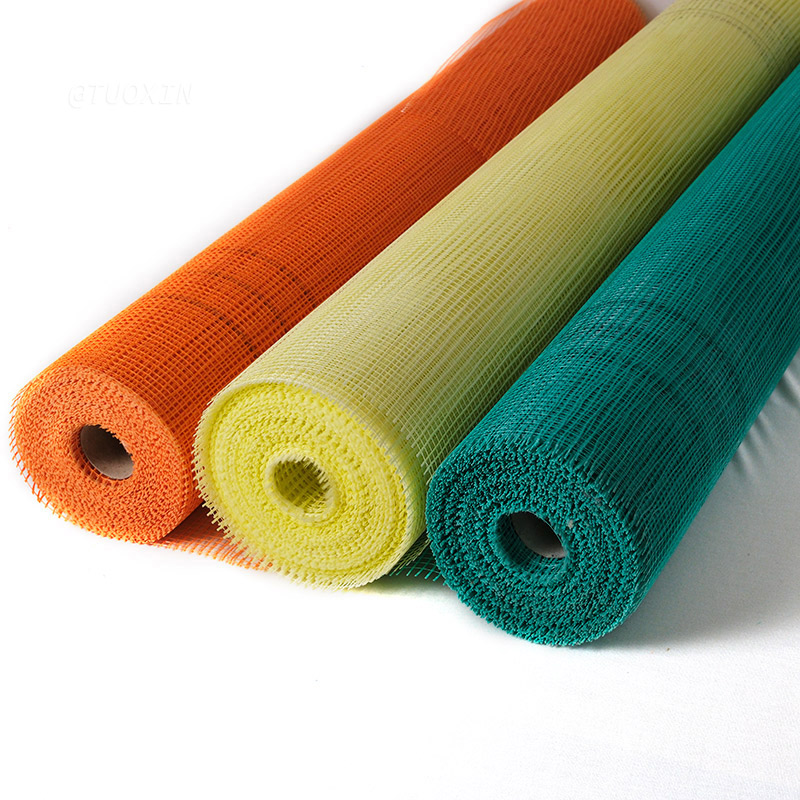
Versatile Application Scenarios of Fiberglass Mesh
The adaptability and superior performance characteristics of fiberglass mesh make it an indispensable material across a broad spectrum of construction and industrial applications. Its primary function is reinforcement, providing critical tensile strength where other materials, such as plaster or cement, are inherently weak in tension. The material's flexibility and ease of integration into various systems make it a go-to solution for enhancing durability and longevity. Here are key application scenarios illustrating its widespread utility:
- External Thermal Insulation Composite Systems (ETICS/EIFS): This is a cornerstone application. Fiberglass mesh is embedded within the base coat of insulation systems, effectively preventing cracks that arise from thermal expansion/contraction, structural movement, and impact. Manufacturers specializing in those who buy plaster fiberglass mesh find this critical for ensuring facade integrity, energy efficiency, and long-term aesthetic appeal, complying with stringent building insulation standards.
- Interior and Exterior Wall Reinforcement: Used extensively in both interior and exterior plastering to reinforce wall surfaces, especially around openings, corners, and areas known to be prone to stress-induced cracking. It provides excellent crack control for cement, lime, and gypsum plasters, ensuring a smooth, durable finish.
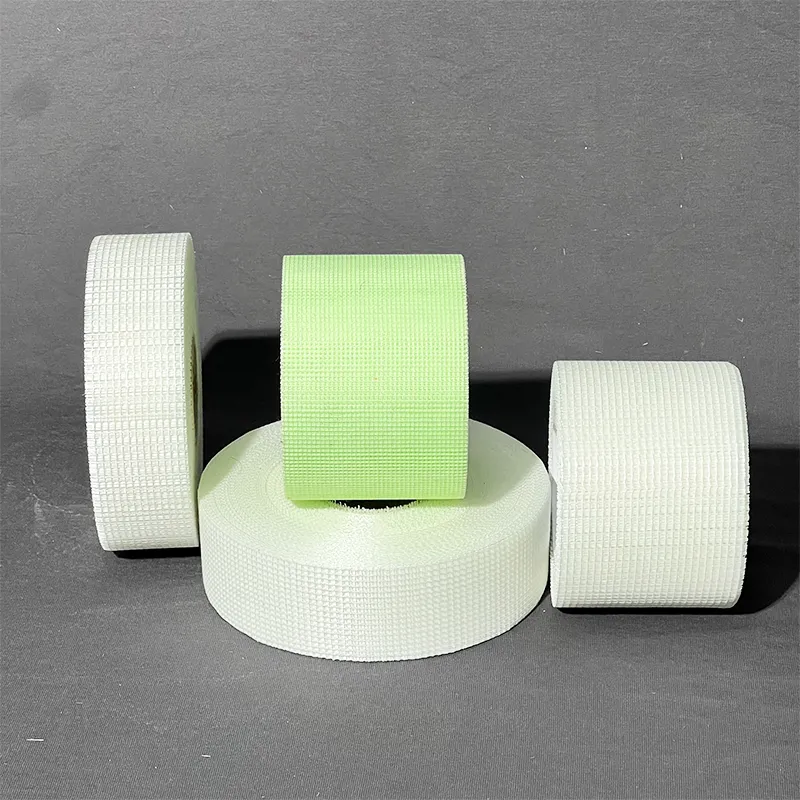
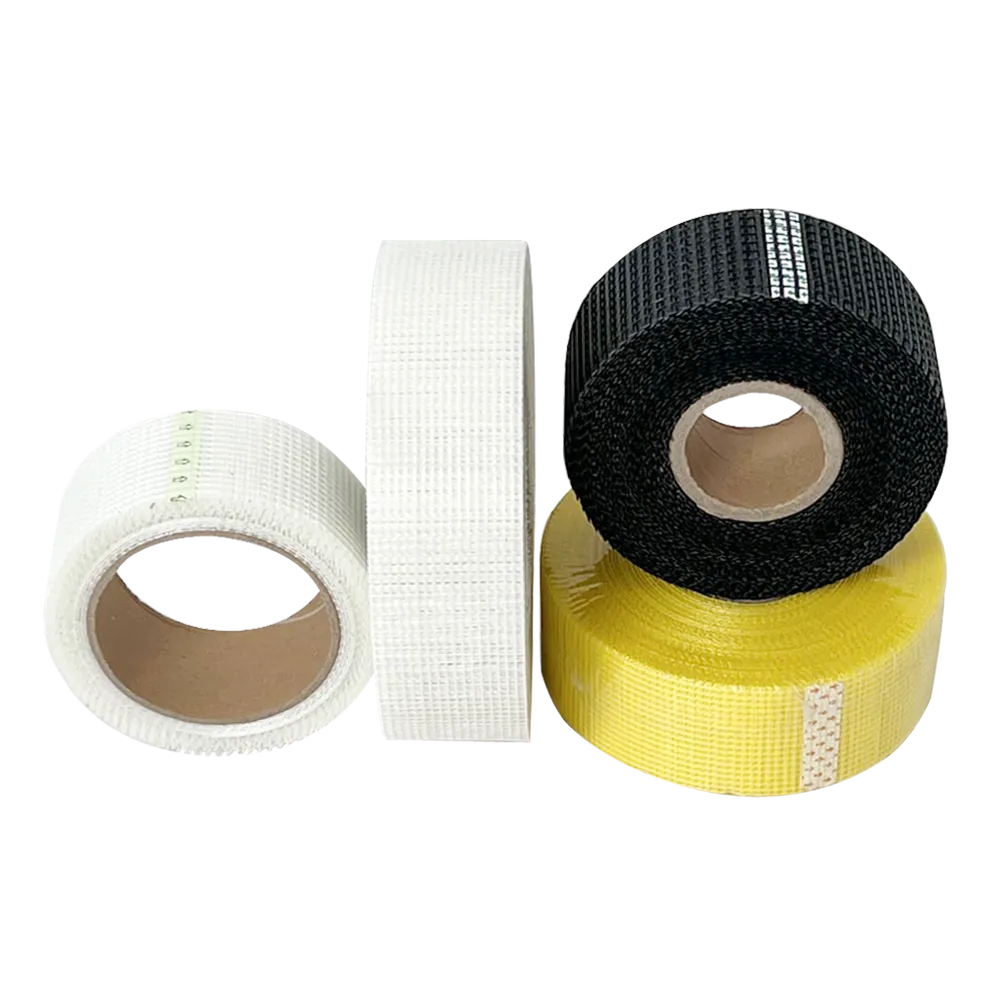
- Drywall and Gypsum Board Reinforcement: To buy fiberglass mesh tape for drywall is a common practice for joint treatment and crack repair. The self-adhesive variants allow for quick, seamless application over seams and existing cracks before joint compound is applied, yielding a smooth, durable, and crack-resistant finish. This also includes specialized tapes for specific applications such as when you buy fiberglass mesh tape for RedGard or similar waterproofing membranes, where critical reinforcement is required prior to tiling to prevent membrane failure.
- Concrete and Screed Reinforcement: While not a direct replacement for structural steel rebar, fiberglass mesh is effectively used in thinner concrete screeds, self-leveling compounds, and precast elements to control shrinkage cracks and enhance overall ductility and impact resistance. It's particularly beneficial in applications where weight reduction or non-conductivity is desired.
- Waterproofing and Roofing Systems: Integrated into liquid-applied waterproofing membranes or bitumen systems for flat roofs and wet areas, fiberglass mesh provides essential reinforcement to prevent tearing, cracking, or delamination of the membrane, especially at junctions, parapets, and vulnerable points, ensuring watertight integrity.
- Natural Stone and Marble Reinforcement: Backing natural stone slabs (e.g., marble, granite, travertine) with high-strength fiberglass mesh prevents breakage during handling, cutting, and installation, and provides vital structural integrity in thin-cut applications. This is a niche where those who buy high strength fiberglass mesh find particular value, reducing material waste and improving safety.
- Renovation and Repair Projects: An essential tool for repairing existing cracks in walls and ceilings, reinforcing old and deteriorated plaster, or stabilizing fragile surfaces before new finishes are applied. The ease of application of adhesive mesh greatly speeds up these labor-intensive repair processes, making it highly efficient for maintenance and restoration contractors.
These diverse applications underscore the versatility and critical importance of fiberglass mesh in modern construction, contributing significantly to the longevity, safety, and aesthetic quality of structures. Its ability to solve common construction challenges makes it an invaluable asset for B2B professionals.
Technical Advantages and Performance Superiority
Choosing to buy adhesive fiberglass mesh from a reputable manufacturer offers a multitude of technical advantages that translate directly into enhanced project performance, reduced long-term costs, and superior reliability. These benefits are derived from the inherent properties of fiberglass combined with advanced manufacturing processes and stringent quality control, setting it apart from inferior reinforcement materials.
- Exceptional Tensile Strength: Fiberglass provides an outstanding strength-to-weight ratio, effectively distributing stress and preventing cracks in plaster, stucco, concrete, and renders. This high tensile capacity is crucial for maintaining the structural integrity and aesthetic appeal of surfaces over decades, particularly in areas subject to movement or impact.
- Superior Alkali Resistance: The specialized polymer coating applied to our fiberglass mesh forms a robust protective barrier around the glass fibers. This innovative coating prevents the glass from degrading in the highly alkaline environment of cementitious materials, ensuring the mesh retains over 50% of its initial tensile strength after prolonged exposure, providing guaranteed long-term performance.
- Dimensional Stability: Fiberglass mesh exhibits minimal elongation, shrinkage, or deformation under varying temperature and humidity conditions. This inherent dimensional stability ensures that the reinforced surface remains smooth, flat, and free from distortions, preventing ripple effects or delamination in the finished application.
- Lightweight and Easy to Handle: Despite its remarkable strength, fiberglass mesh is exceptionally lightweight, making it incredibly easy to cut, transport, and apply on-site. This significantly improves labor efficiency, reduces installation time, and lowers logistical costs compared to heavier traditional reinforcement materials.
- Corrosion and Rot Proof: Unlike metallic meshes, fiberglass is inherently resistant to corrosion, rust, and biological degradation (e.g., mold, mildew, fungi). This property ensures performance in damp, humid, or chemically aggressive environments without compromising integrity or leading to costly structural failures.
- Non-Combustible and Fire Retardant Properties: Fiberglass is intrinsically non-combustible and can significantly contribute to the fire resistance of building assemblies. This makes it a safer choice in applications where fire performance is a critical safety consideration, improving overall building safety ratings.
- Excellent Adhesion and Workability: For adhesive variants, the integrated sticky layer provides immediate, strong bond to various substrates, allowing for precise positioning and speeding up application significantly. This workability is particularly beneficial for products like buy lowes fiberglass mesh tape or similar retail-friendly products which prioritize ease of use and rapid application.
- Cost-Effectiveness in Lifecycle: While an initial investment, the extended service life, drastically reduced maintenance needs, and prevention of costly structural failures or aesthetic repairs make high-quality fiberglass mesh a highly cost-effective and economically sensible solution over the entire lifecycle of a construction project.
These technical advantages collectively position premium fiberglass mesh as an indispensable material for achieving high-performance, durable, and reliable construction outcomes in a wide array of B2B applications, ensuring projects meet the highest standards of quality and longevity.
Strategic Vendor Comparison for Fiberglass Mesh Procurement
When deciding where to buy fibreglass net or specialized adhesive tapes for large-scale construction, a comprehensive vendor comparison is crucial. The market offers a range of suppliers, but not all provide the same level of quality, consistency, and post-sales support. Evaluating suppliers based on critical differentiators helps mitigate risks and ensures optimal project outcomes. Below is a comparative overview highlighting key criteria that B2B buyers should meticulously consider.
Comparative Analysis: Premium vs. Standard Suppliers
| Feature/Criterion | Premium Manufacturer (e.g., Tainuo Fiberglass Mesh) | Standard/Budget Supplier |
|---|---|---|
| Raw Material Quality & Sourcing | Uses only virgin E-Glass yarn and high-grade, certified polymer emulsions. Strict, auditable sourcing protocols. | Variable quality, potentially recycled glass fibers, lower-grade or inconsistent coatings. Unverified sources. |
| Manufacturing Precision & Technology | Employs advanced, automated weaving machinery; precise, controlled coating thickness; consistent curing processes. | Often relies on older, less precise machinery; inconsistent coating application; more manual intervention leading to variability. |
| Alkali Resistance Performance | Guaranteed ≥50% retained tensile strength after rigorous 28-day alkali test (per ETAG 004/ASTM E2094), often achieving higher. | Often lower, sometimes undisclosed, or failing critical standards after testing. Degradation risk. |
| Tensile Strength & Consistency | Meets or exceeds international standards (e.g., ETAG 004, ASTM). Highly consistent across batches due to strict QC. | May vary widely from batch to batch, often below optimal performance benchmarks, leading to unpredictable results. |
| Certifications & Compliance | Holds international certifications like ISO 9001, CE marking, ETAG 004, ASTM, etc. Provides transparent documentation and test reports. | Limited or no verifiable certifications; relies on self-declared compliance or regional standards not recognized globally. |
| Customization Options & R&D | Offers extensive customization (mesh size, grammage, width, length, specialized coatings, adhesive properties). Strong R&D support for bespoke solutions. | Limited to standard product ranges; minimal to no R&D support for specialized or complex project requirements. |
| Technical Support & Warranty | Provides dedicated technical support, comprehensive warranty against defects and performance, proactive after-sales service. | Minimal or no technical assistance; unclear, limited, or absent warranty policies. Risk of unresolved issues. |
| Lead Time & Fulfillment | Reliable and predictable lead times, efficient logistics, robust production capacity to handle large and urgent orders globally. | Potentially erratic lead times, challenges with bulk orders or complex logistics, leading to project delays. |
For B2B entities, the long-term cost of a subpar product—manifested in structural failures, premature degradation, and costly repairs—often far outweighs the initial savings from a budget supplier. Investing in a premium, certified supplier mitigates these risks, ensures project success, enhances reputation, and aligns with the highest professional standards, especially when the goal is to acquire reliable buy usg fiberglass mesh tape alternatives or high-grade plaster mesh for critical applications.
Tailored Solutions: Customizing Your Fiberglass Mesh
Many large-scale construction or specialized industrial projects require fiberglass mesh solutions that go beyond standard product offerings. Recognizing this nuanced demand, leading manufacturers provide extensive customization capabilities, allowing clients to procure mesh precisely engineered to their unique specifications and demanding performance requirements. This flexibility is crucial for optimizing material usage, improving installation efficiency, and ensuring the final structure performs optimally under specific operational conditions.
Customization options typically include:
- Mesh Size (Aperture): The open weave size can be precisely adjusted from ultra-fine meshes (e.g., 2.5x2.5mm) suitable for thin-coat renders and intricate detailing to coarser grids (e.g., 10x10mm or larger) designed for heavy-duty screeds, concrete reinforcement, or specific drainage applications. This ensures optimal aggregate embedment and crack control for varying layer thicknesses.
- Grammage (Weight per Square Meter): This parameter directly impacts the mesh's tensile strength and overall robustness. Clients can specify grammage from light-duty (60-80 g/m²) for internal plastering and light crack prevention to heavy-duty (140-300+ g/m²) for structural reinforcement, floor screeds, or impact-resistant systems. For those who need to buy high strength fiberglass mesh for demanding structural applications, precise grammage control is paramount.
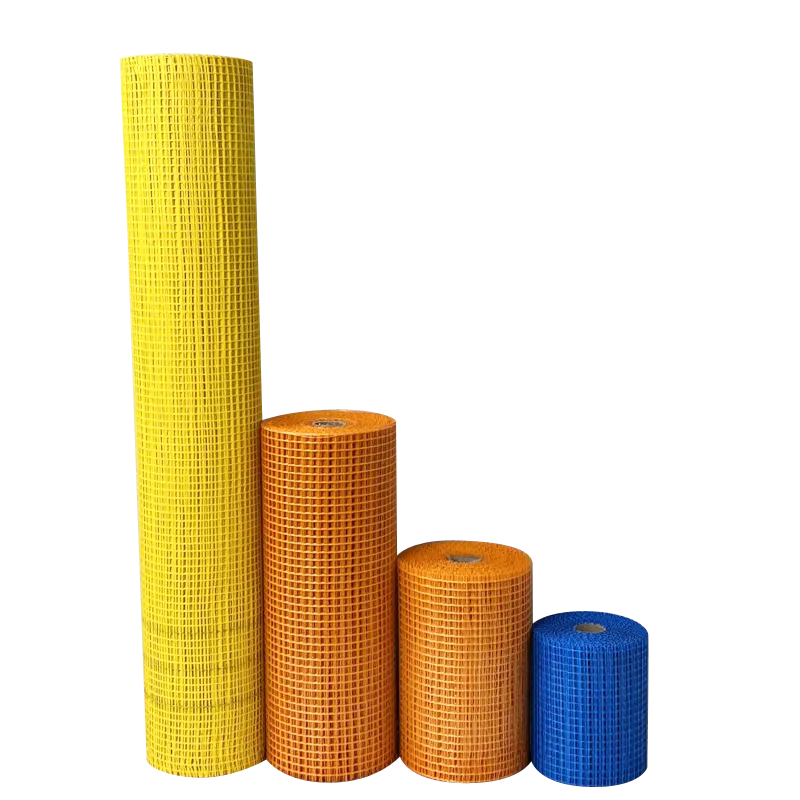
- Roll Dimensions (Width and Length): Custom widths and lengths can be manufactured to minimize material waste during cutting and streamline installation on large or architecturally unique projects. This is particularly useful for specialized applications where standard roll sizes would result in significant off-cuts or necessitate excessive seaming.
- Coating Formulation and Properties: While standard alkali resistance is universal, specialized coatings can be applied for enhanced UV resistance (critical for prolonged outdoor exposure before covering), improved flame retardancy (meeting specific fire safety classifications), or specific adhesive properties to ensure optimal integration with unique chemical systems (e.g., compatibility with specific types of waterproofing compounds or insulation boards).
- Adhesive Type and Strength (for self-adhesive products): For self-adhesive fiberglass mesh products, the initial tack level, open time, and ultimate bond strength can be meticulously tailored for different substrate types (e.g., concrete, plasterboard, timber) and environmental conditions (e.g., temperature, humidity). This ensures optimal performance whether you buy fiberglass sticky mesh for quick drywall repairs or for more challenging, large-surface applications.
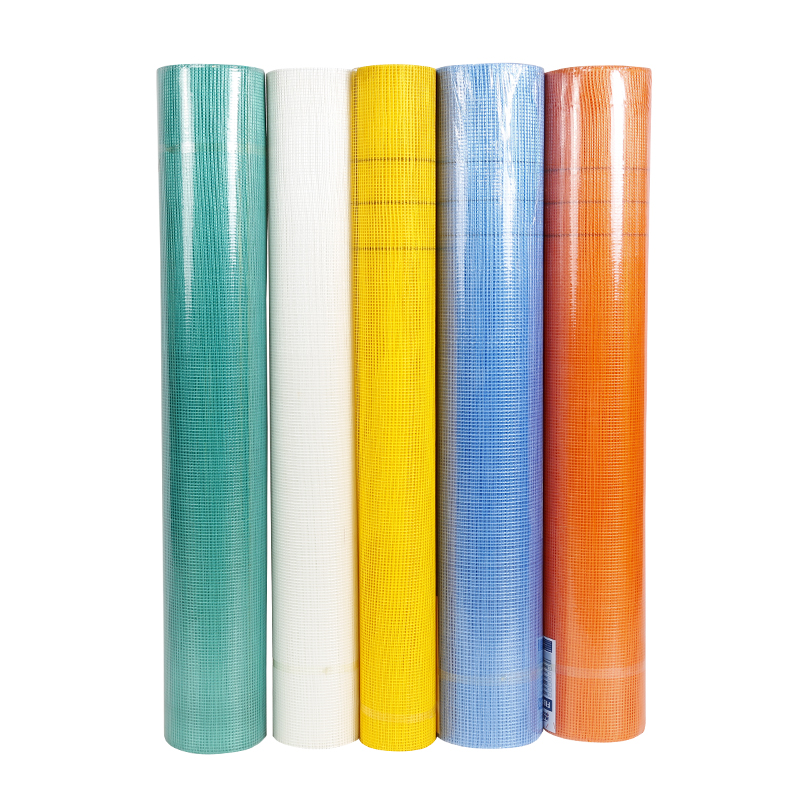
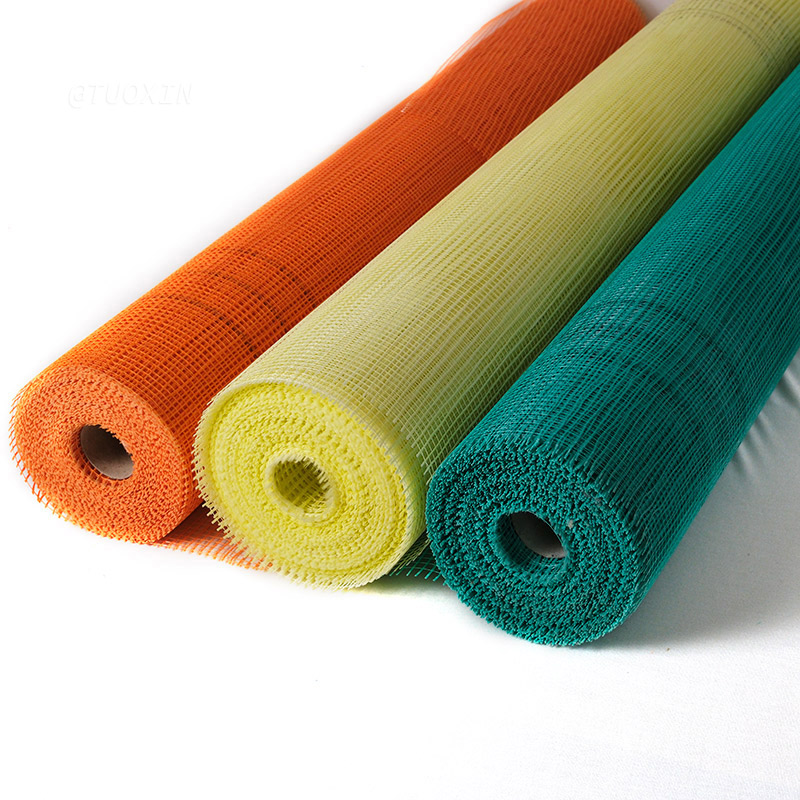
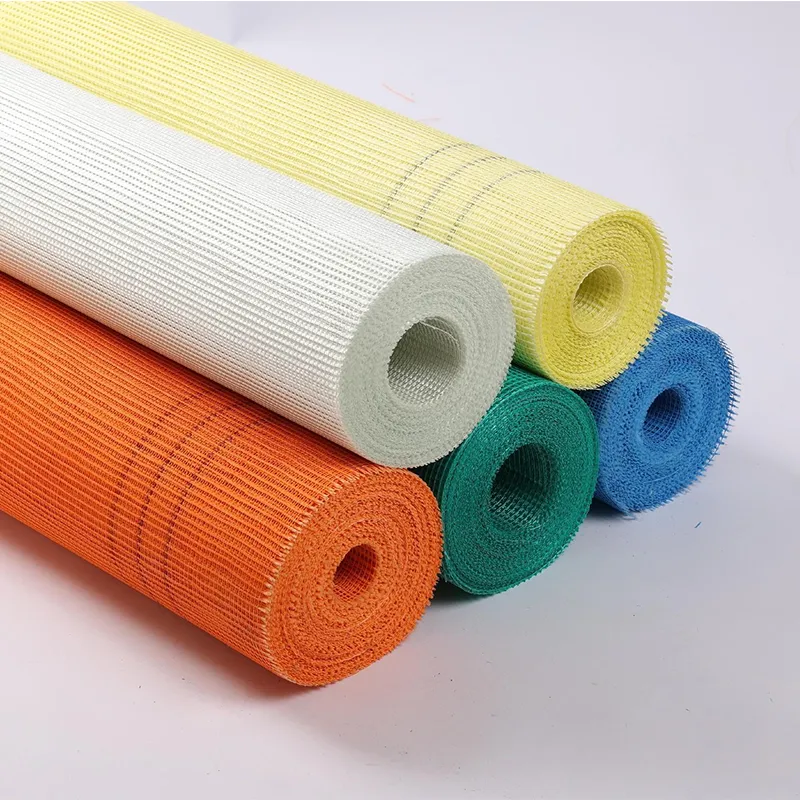
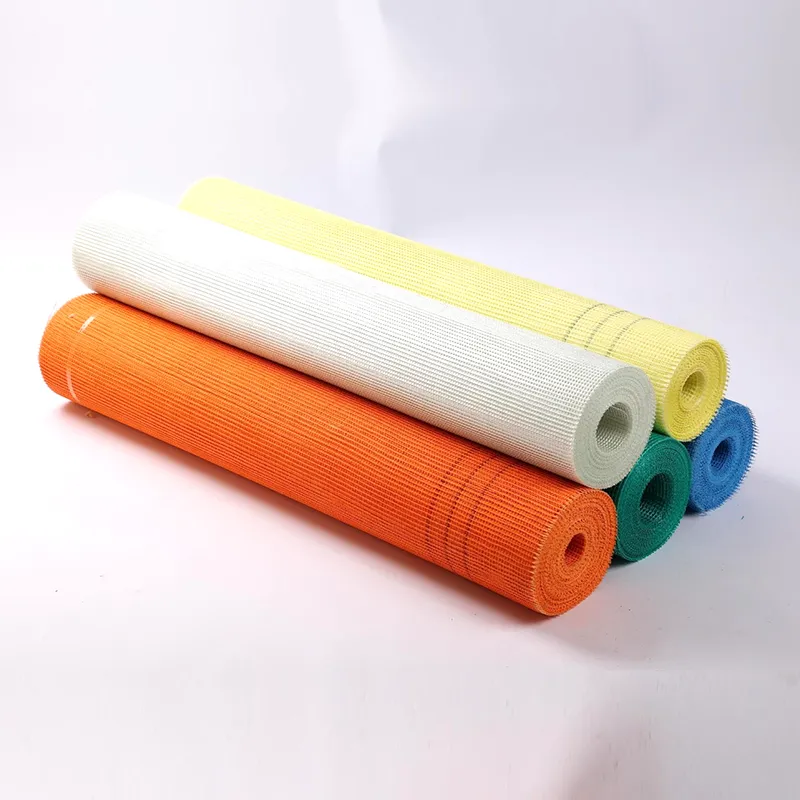
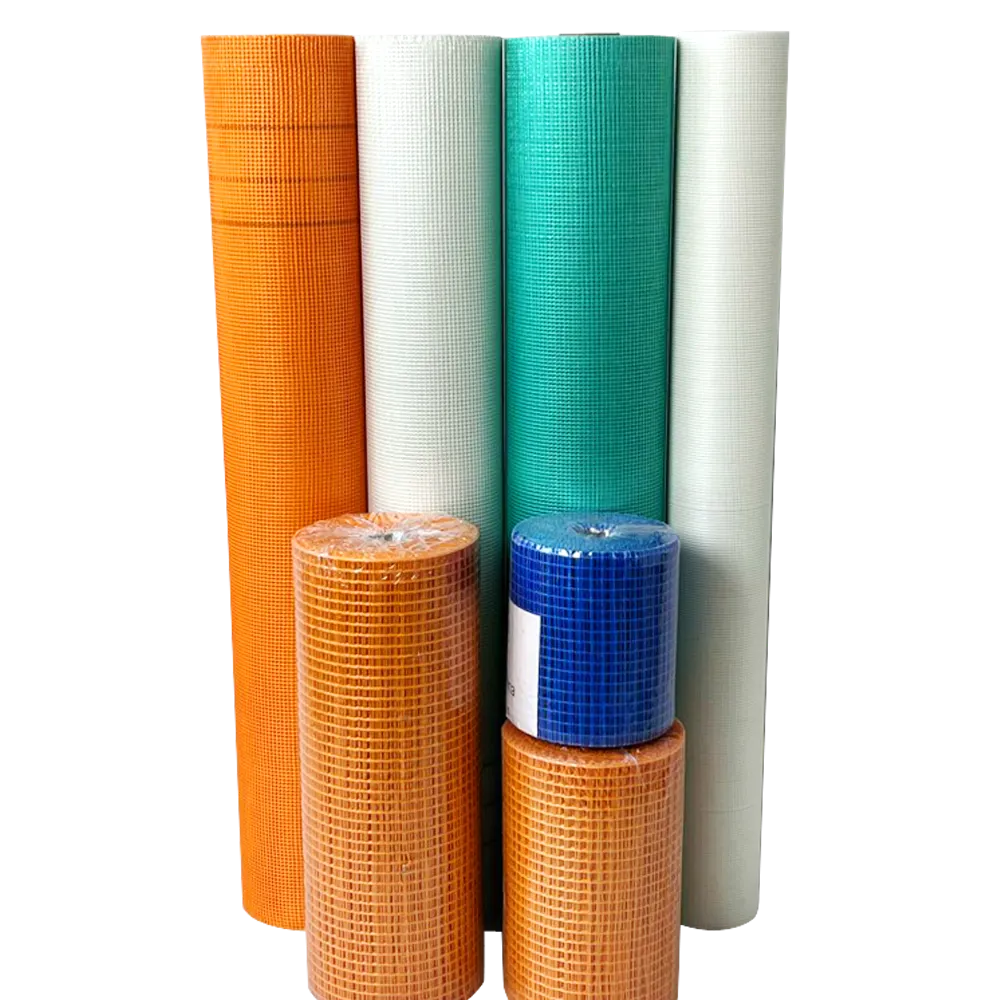
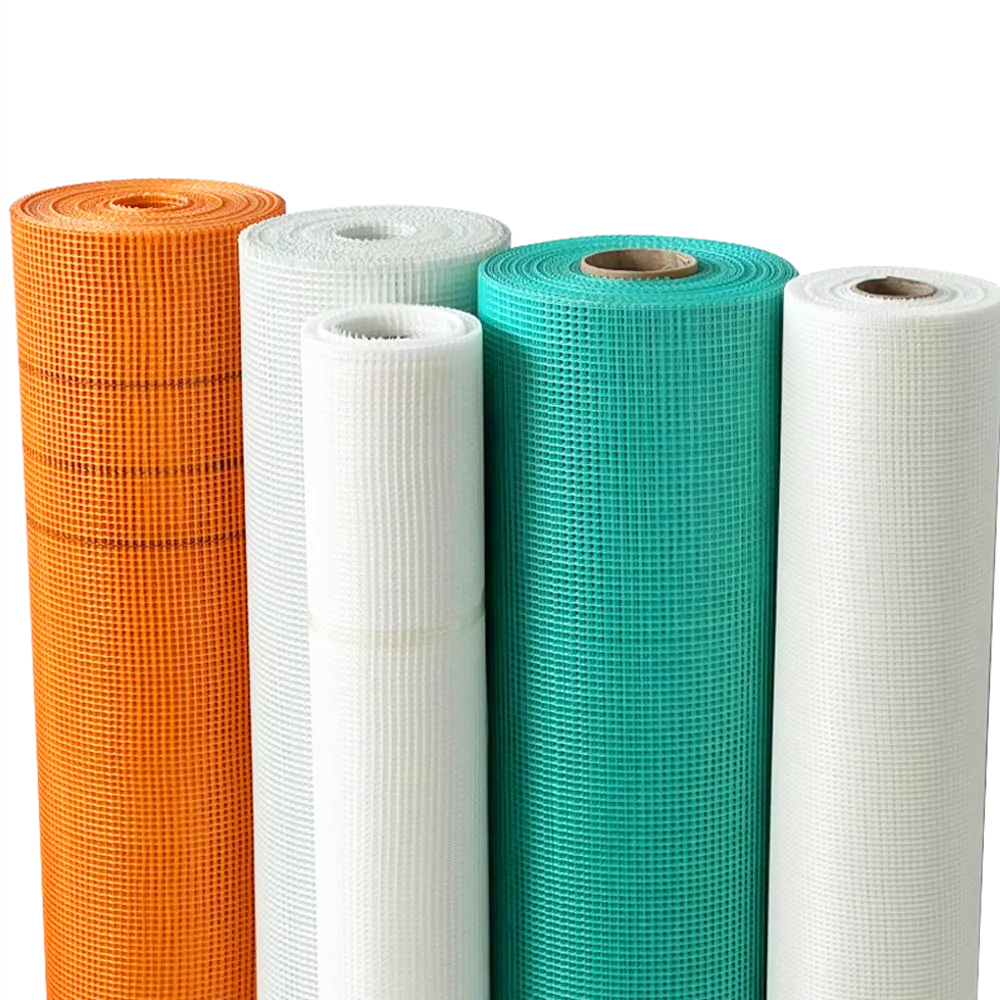
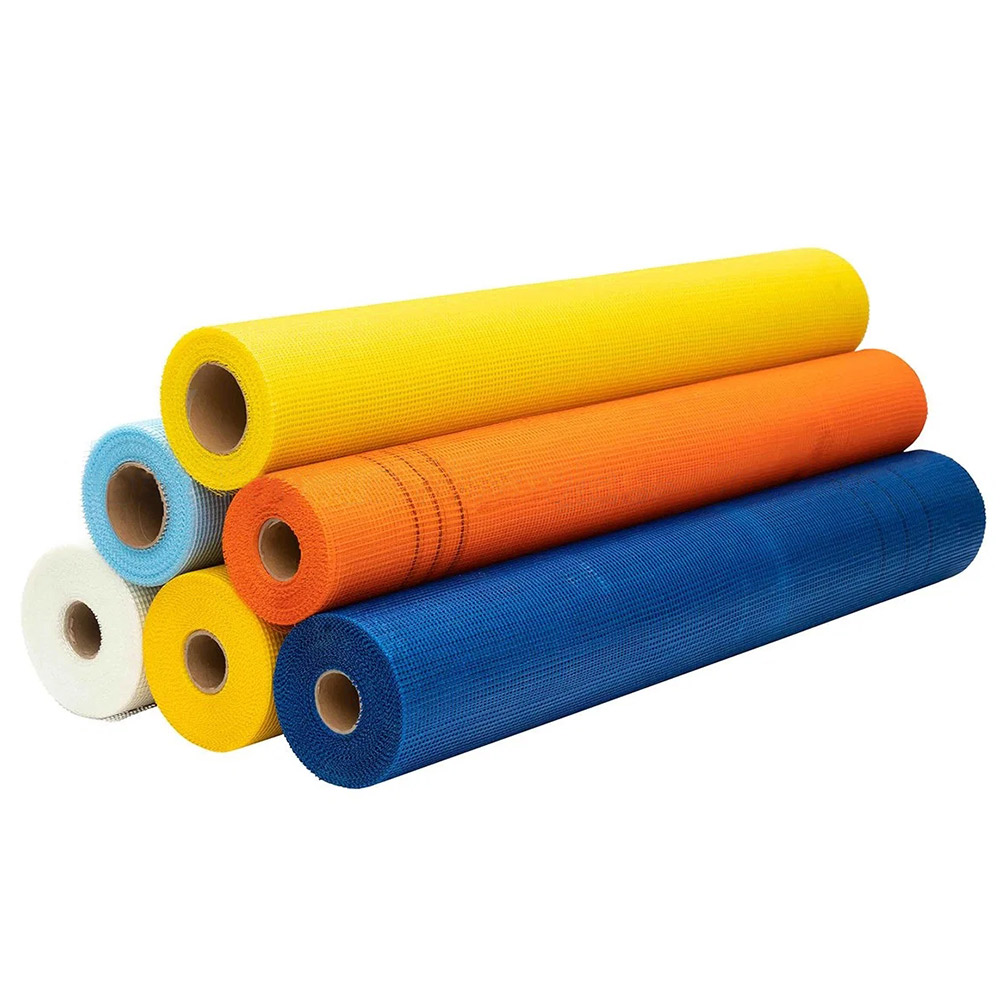
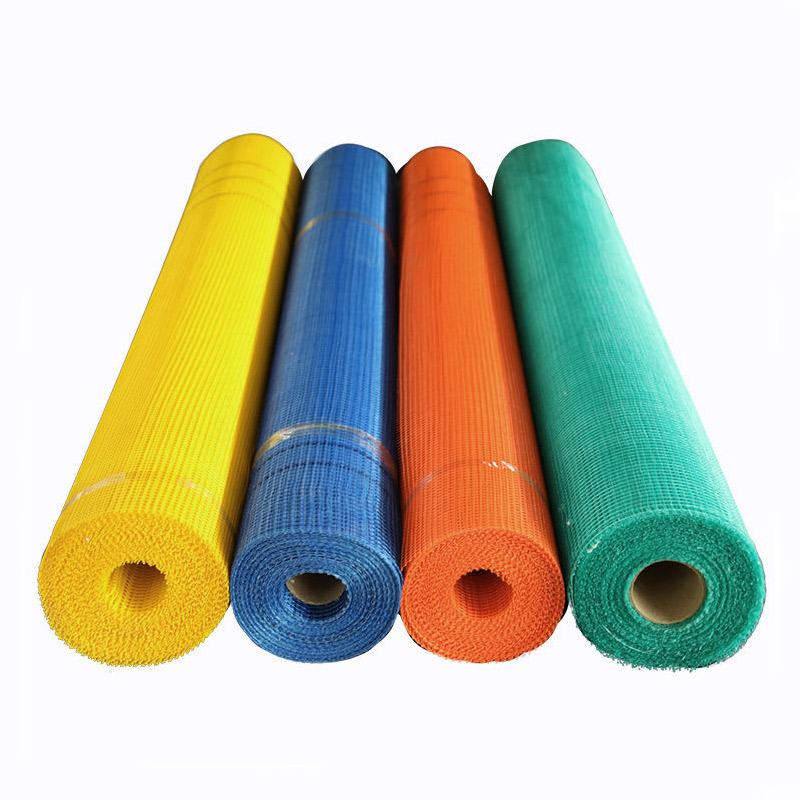
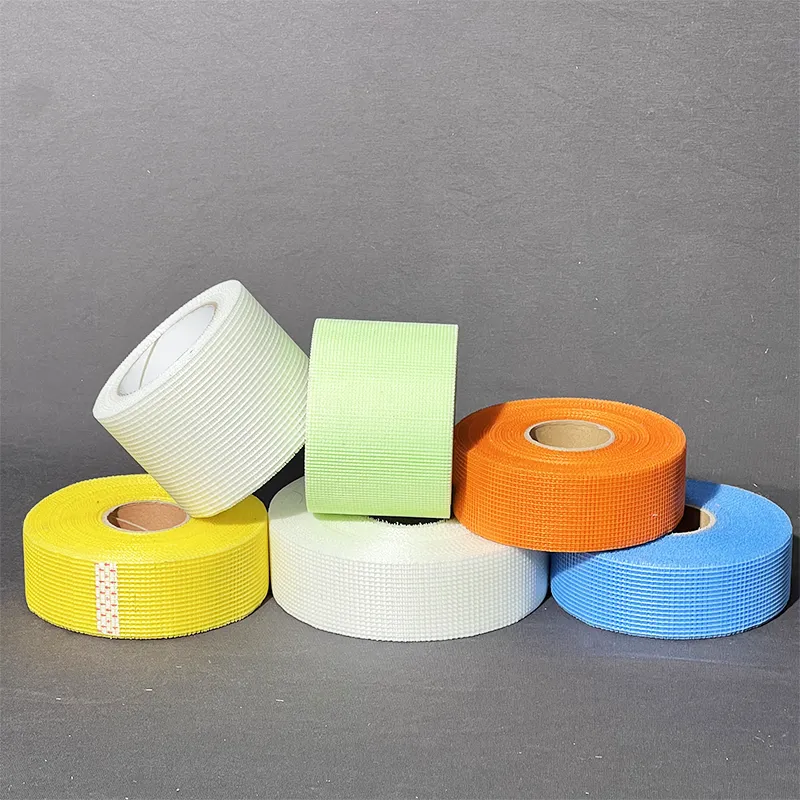
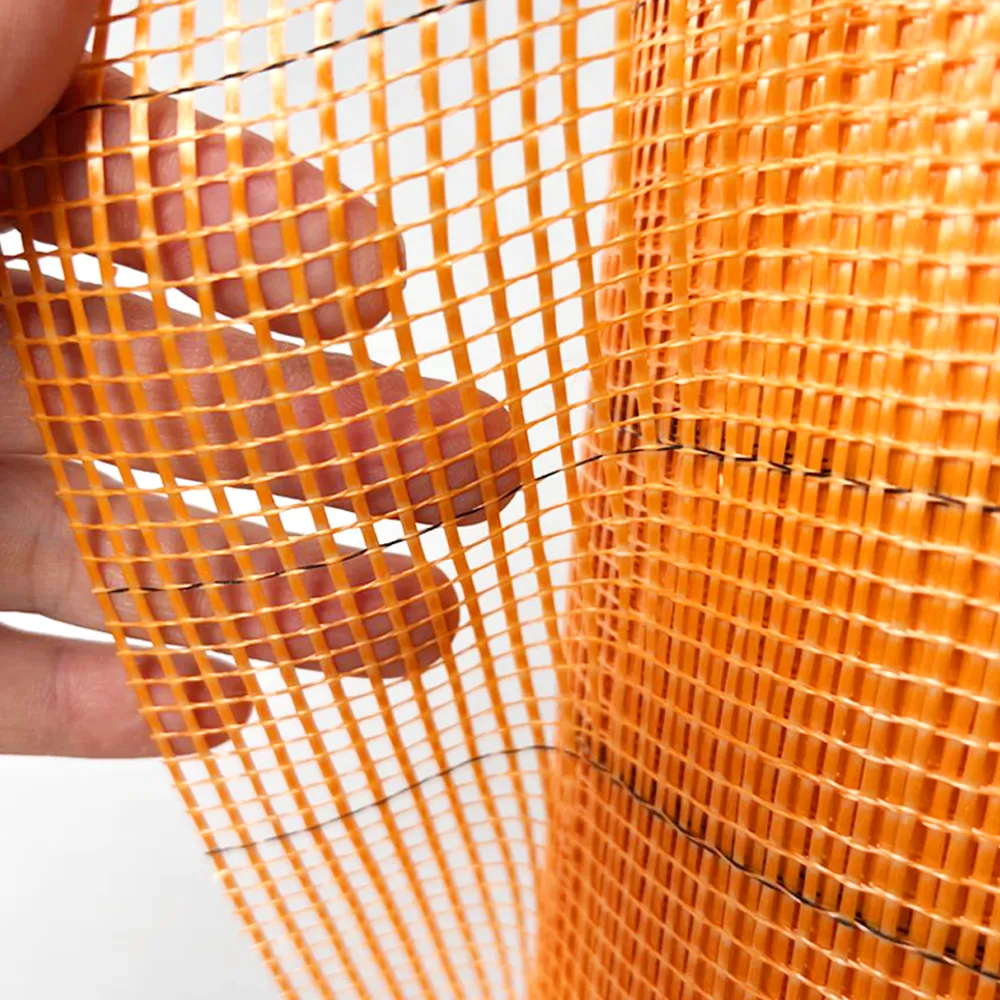
- Color: Although typically produced in white or off-white, mesh can be manufactured in specific colors for easy identification on multi-layer systems, brand differentiation, or aesthetic purposes in certain exposed applications.
Engaging with a manufacturer that possesses robust R&D capabilities, advanced testing laboratories, and flexible production lines ensures that even the most niche or complex project requirements can be met with engineered precision. This collaborative approach provides a distinct competitive advantage for contractors and developers tackling challenging or innovative construction endeavors, ultimately delivering higher performance and longer-lasting results.
Real-World Application Case Studies and Customer Experience
The practical benefits and superior performance of high-quality fiberglass mesh are best illustrated through successful real-world applications and direct customer feedback. These case studies highlight how precisely engineered fiberglass reinforcement solutions contribute significantly to project success, enhance structural durability, and lead to substantial cost-effectiveness over the lifecycle of a building or infrastructure.
Case Study 1: Large-Scale Commercial Facade Renovation in Europe
Client: Major Commercial Property Developer, a prominent player in the European real estate market.
Challenge: The extensive renovation of a 15-story commercial building facade in a bustling urban environment presented a significant challenge. The project required an External Thermal Insulation Composite System (ETICS) solution that would provide superior thermal insulation performance and long-term crack resistance against significant thermal cycling (large temperature fluctuations) and inherent structural movement. The existing facade showed widespread signs of extensive micro-cracking and degradation, necessitating a robust reinforcement solution.
Solution: The client selected a high-performance, 160 g/m² alkali-resistant fiberglass mesh with a 5x5mm aperture, integrated as a critical component within a comprehensive ETICS system. Approximately 25,000 square meters of this specialized mesh were installed across the entire building envelope. The chosen mesh was independently tested and verified to retain over 60% of its initial tensile strength after the rigorous ETAG 004 required alkali immersion test, demonstrating its exceptional durability in alkaline environments.
Outcome: Two years post-completion, the newly renovated facade remains impeccably pristine, exhibiting no signs of cracking, delamination, or other forms of surface deterioration, even in areas historically prone to significant stress. The building's thermal performance has demonstrably improved, leading to a reported 20% reduction in heating and cooling costs, validated by energy audits. The project management team lauded the ease of application and consistent quality of the robust mesh, which significantly contributed to maintaining the project on schedule and realizing reduced labor costs – a clear benefit for those who regularly buy fiberglass mesh for plastering and large-scale facade insulation applications.
Case Study 2: Industrial Concrete Floor Resurfacing in Automotive Plant
Client: A leading Automotive Manufacturing Plant located in North America, operating heavy machinery and constant forklift traffic.
Challenge: The plant's existing concrete floors, subjected to continuous heavy traffic, vibrations from machinery, and occasional chemical spills, were developing severe hairline cracks and wider fissures. This posed a significant operational risk, affecting machinery precision, worker safety, and overall facility efficiency. A rapid, highly durable, and cost-effective floor resurfacing solution was critically needed, with minimal disruption to ongoing production.
Solution: A specialized, heavier-duty self-adhesive fiberglass mesh (specifically 145 g/m², with an 8x8mm aperture) was chosen for reinforcement within a rapid-set, polymer-modified self-leveling concrete overlay system. The adhesive mesh was quickly and accurately laid onto the meticulously prepared existing concrete surface, and the self-leveling overlay was poured directly over it. The self-adhesive nature of the chosen mesh facilitated extremely rapid deployment, eliminating the need for additional wet adhesives or mechanical fasteners.
Outcome: The reinforced floor now effectively withstands the constant onslaught of heavy forklift traffic, extreme point loads, and machinery vibrations without developing new cracks or showing signs of wear. The entire resurfacing project was completed over a single weekend, minimizing operational downtime and preventing significant production losses. The plant's operations manager specifically highlighted the unparalleled efficiency gained by using a self-adhesive mesh that could be quickly positioned and secured, which was a critical factor in the project's success. This case study underscores the significant value proposition when clients seek to buy fiberglass sticky mesh for demanding industrial flooring applications where speed of application and robust performance are paramount.
Ensuring Trust: FAQ, Fulfillment, and Support
Frequently Asked Questions (FAQ)
Q1: What fundamental property makes your fiberglass mesh alkali-resistant and why is it crucial?
A1: Our fiberglass mesh achieves its superior alkali resistance through a high-quality, advanced polymer emulsion coating (typically acrylic or SBR latex) applied uniformly to every fiber. This protective layer forms an impenetrable barrier that prevents the glass fibers from being attacked and degraded by the highly alkaline environment inherent in cement, lime, and plaster-based building materials. This resistance is absolutely crucial because untreated fiberglass would rapidly lose its tensile strength in such environments, leading to premature system failure. Our certified process ensures long-term durability and structural integrity for decades.
Q2: Can your adhesive fiberglass mesh be effectively utilized on exterior building surfaces and under what conditions?
A2: Yes, our adhesive fiberglass mesh is meticulously engineered and extensively tested for robust performance in both interior and demanding exterior applications. Its intrinsic alkali resistance, combined with excellent dimensional stability and UV resistance from our specialized coatings, makes it ideally suited for ETICS, facade reinforcement, exterior plastering, and general rendering tasks. For optimal performance, it is imperative to ensure proper surface preparation, environmental conditions (e.g., temperature, humidity), and application techniques are strictly adhered to, as outlined in our technical datasheets and industry best practices. This ensures maximum adhesion and longevity in harsh outdoor conditions.
Q3: What is the typical lead time for large-volume orders and how is fulfillment managed?
A3: For standard fiberglass mesh products and typical large-volume orders, our current lead time is efficiently managed within 10-15 business days from the confirmation of the order and receipt of payment. For highly customized solutions or exceptionally large-scale project volumes, lead times may vary slightly. These will be meticulously calculated and communicated clearly and transparently during the quotation and order placement process. We leverage robust, high-capacity production facilities and established global logistics partnerships to ensure consistent quality and reliable, timely delivery to any destination worldwide, minimizing project delays for our B2B clients.
Q4: What are the specific warranty terms provided for your fiberglass mesh products, assuring performance?
A4: We uphold our commitment to product excellence by offering a comprehensive product warranty against manufacturing defects and for performance as per our published and certified technical specifications. This warranty typically extends for a period of 5-10 years from the date of purchase, contingent upon the product being stored, handled, and applied strictly according to our detailed guidelines and recognized industry best practices. Specific terms and conditions, including limitations and claim procedures, are fully detailed and provided in our sales contract and product documentation, ensuring complete transparency and peace of mind for our B2B partners.
Lead Time and Fulfillment
Our production facility operates with a focus on maximum efficiency, scalability, and adherence to tight schedules. Standard orders for our fiberglass mesh are typically processed and meticulously prepared for shipment within 10-15 business days. For urgent requirements, expedited production, or extremely large-scale project fulfillment, we offer flexible production scheduling and leverage our extensive network of global shipping partners to ensure timely and reliable delivery to virtually any destination. Our commitment is to meet your project deadlines with consistent product availability and swift logistics.
Warranty Commitments
We stand unequivocally behind the superior quality and certified performance of our fiberglass mesh products. Our robust warranty covers all material defects and ensures that the product meets or demonstrably exceeds all specified technical parameters under normal and intended use, when installed correctly. This commitment reflects our confidence in our manufacturing processes and materials. Full, unambiguous warranty details are provided with every order and are transparently communicated at every stage, ensuring complete confidence and peace of mind for our valued B2B partners and their long-term projects.
Dedicated Customer Support
Our commitment to our clients extends far beyond the point of product delivery. We provide dedicated, expert technical support, assisting comprehensively with informed product selection, offering detailed application guidance, and providing efficient troubleshooting for any unforeseen challenges. Our team of highly experienced professionals is readily available to ensure that our clients achieve optimal, long-lasting results from our fiberglass mesh solutions, from initial inquiry and project planning through to post-installation support. Contact us proactively for any inquiries, technical assistance, or to discuss your specific project requirements, and experience unparalleled B2B service.
Conclusion: The Foundation of Durable Construction
The decision to procure buy adhesive fiberglass mesh represents a strategic and critical investment in the longevity, structural resilience, and overall cost-efficiency of modern construction projects. As meticulously detailed, from its precisely controlled and highly engineered manufacturing process, incorporating advanced materials and stringent quality checks, to its diverse and indispensable applications in crucial systems like ETICS, comprehensive wall reinforcement, and specialized industrial settings, high-quality fiberglass mesh stands as an unparalleled, foundational material for contemporary building practices.
By prioritizing manufacturers who demonstrate rigorous quality control, unwavering adherence to international performance standards (such as ISO 9001 and ETAG 004), possess robust R&D capabilities for bespoke and customized solutions, and offer transparent, dedicated customer support, B2B decision-makers can ensure they are acquiring a product that not only consistently meets but demonstrably exceeds performance expectations. This strategic approach safeguards substantial capital investments, enhances project reputation, and guarantees the delivery of superior, long-lasting results for decades to come, proving the true value of high-grade fiberglass mesh in the built environment.
References and Authoritative Sources
- European Organization for Technical Approvals (EOTA). (2013). ETAG 004: Guideline for European Technical Approval of External Thermal Insulation Composite Systems with Rendering.
- ASTM International. (2005). ASTM D578-05: Standard Specification for Glass Fiber Strands.
- ISO (International Organization for Standardization). (2015). ISO 9001:2015 - Quality management systems — Requirements.
- Grand View Research. (2023). Fiberglass Mesh Market Size, Share & Trends Analysis Report By Application (Construction, Filtration), By Region, And Segment Forecasts, 2023 - 2030.
- Allied Market Research. (2022). Fiberglass Mesh Market by Type, Application, and End-Use Industry: Global Opportunity Analysis and Industry Forecast, 2021-2030.
-
Best Fiberglass Mesh Tape for RedGard Product Waterproofing GuideNewsApr.16,2026
-
Why High Strength Fiberglass Mesh Is Essential For Stucco ApplicationNewsApr.15,2026
-
Why Alkali Resistant Fiberglass Mesh Tape Is Essential For Cement Board And Tile InstallationsNewsApr.15,2026
-
Understanding The Role Of Drywall Fiberglass Mesh In Interior FinishingNewsApr.15,2026
-
Ultimate Guide To Using Fiberglass Mesh Tape For Drywall And Plaster RepairsNewsApr.15,2026
-
The Versatility Of Fiberglass Mesh In Marble And Stone MosaicNewsApr.15,2026