Oct . 07, 2025 08:55 Back to list
Buy adhesive fiberglass mesh: strong, self-adhesive?
A Buyer’s Guide to Adhesive Fiberglass Mesh: What Pros Actually Use
If you’re hunting for dependable mesh that won’t quit in a high-alkali base coat, here’s the insider track. Most contractors I speak with want something that sticks, stays flat, and survives site abuse. If that sounds like you, start with buy adhesive fiberglass mesh from specialist mills that own the weaving and the coating. Sounds obvious, but it’s amazing how often that detail makes or breaks a job.
Product overview (and why it works)
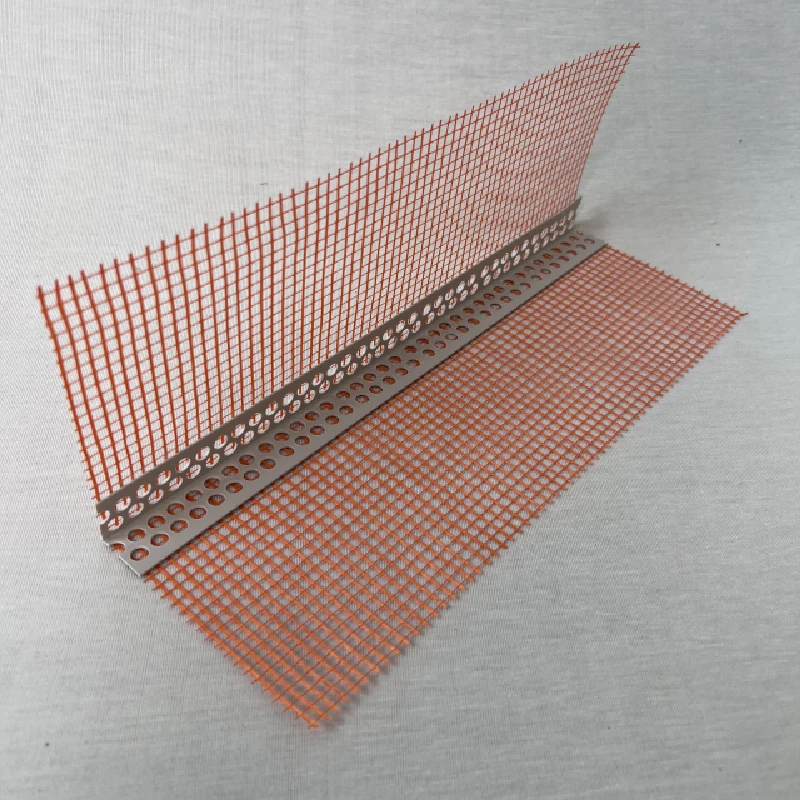
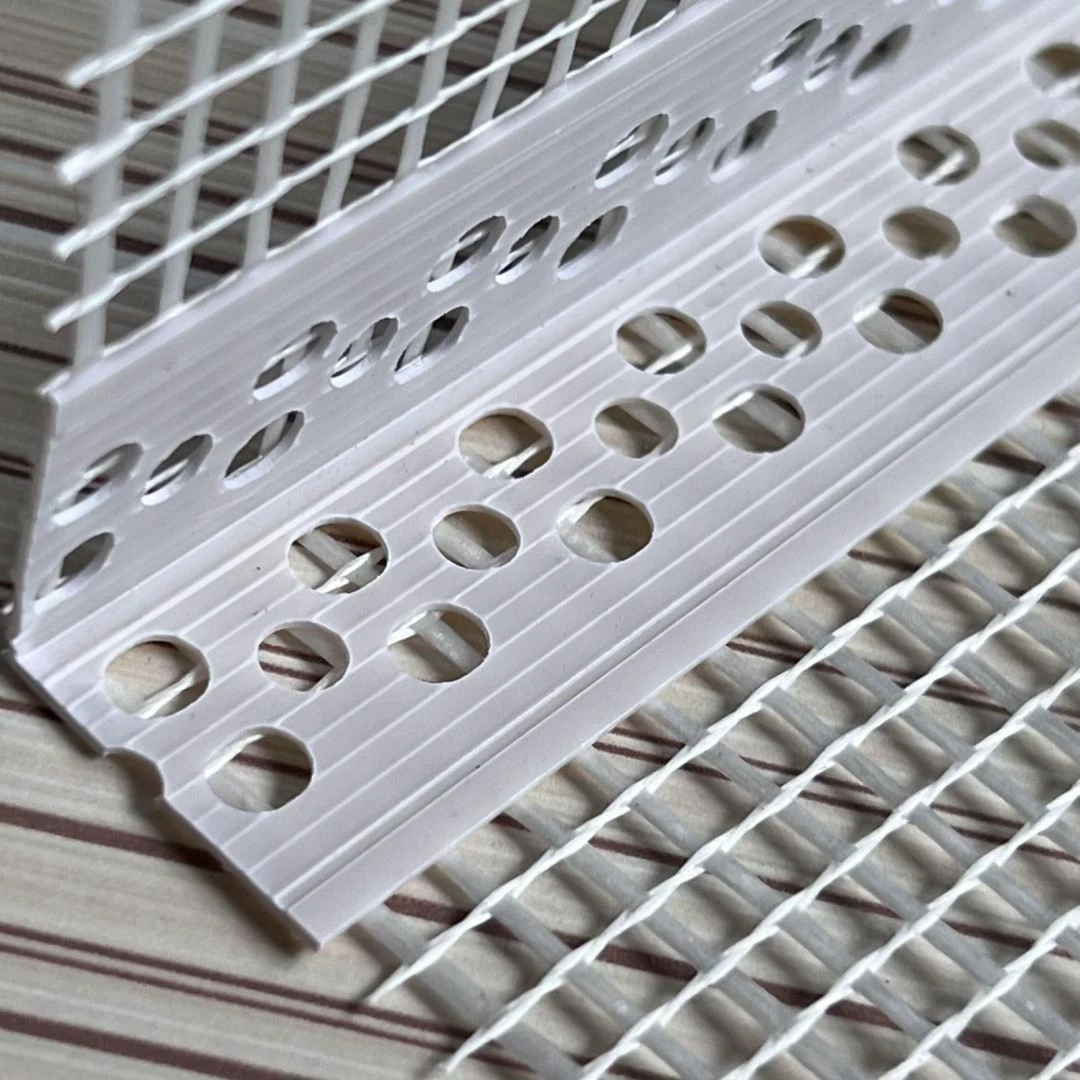
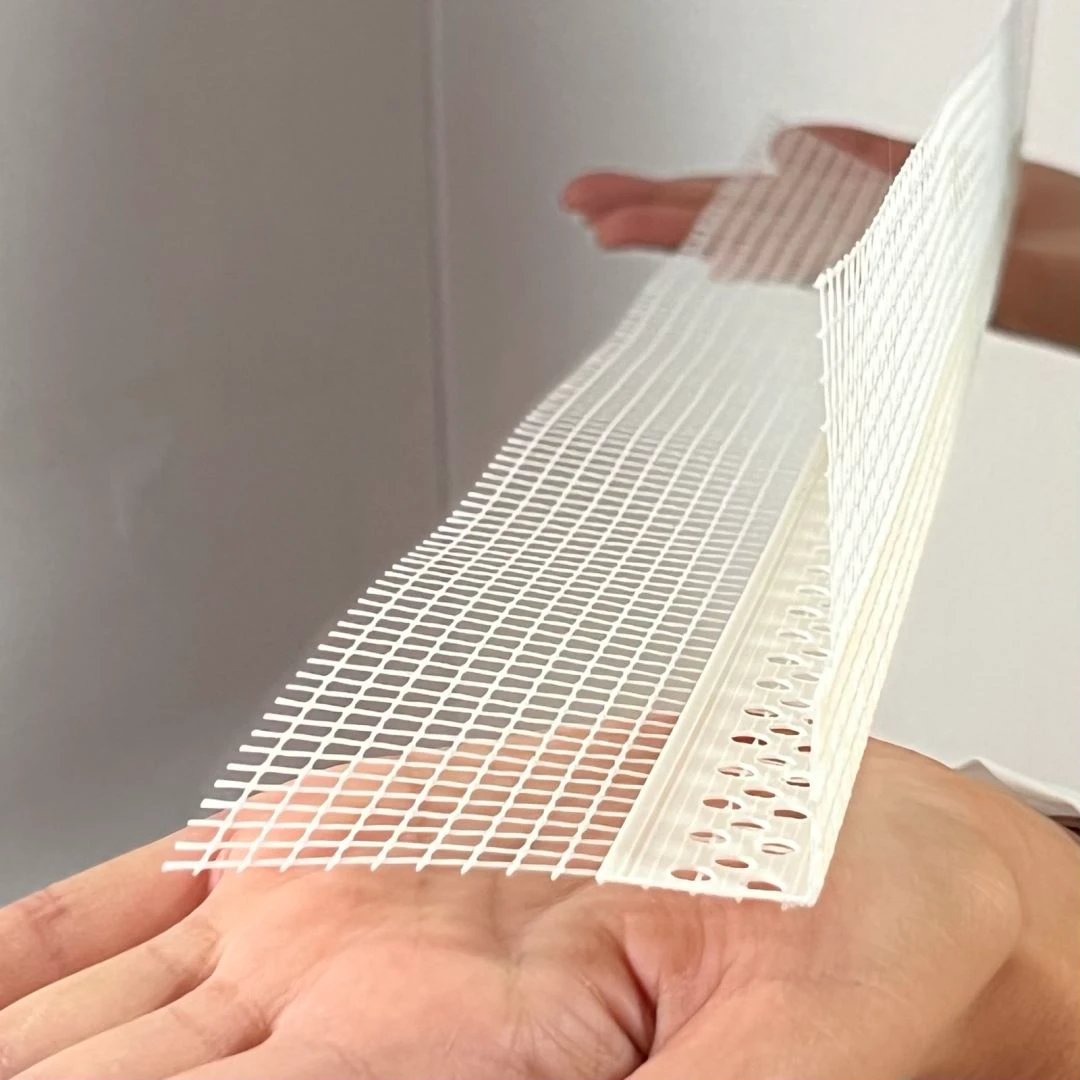
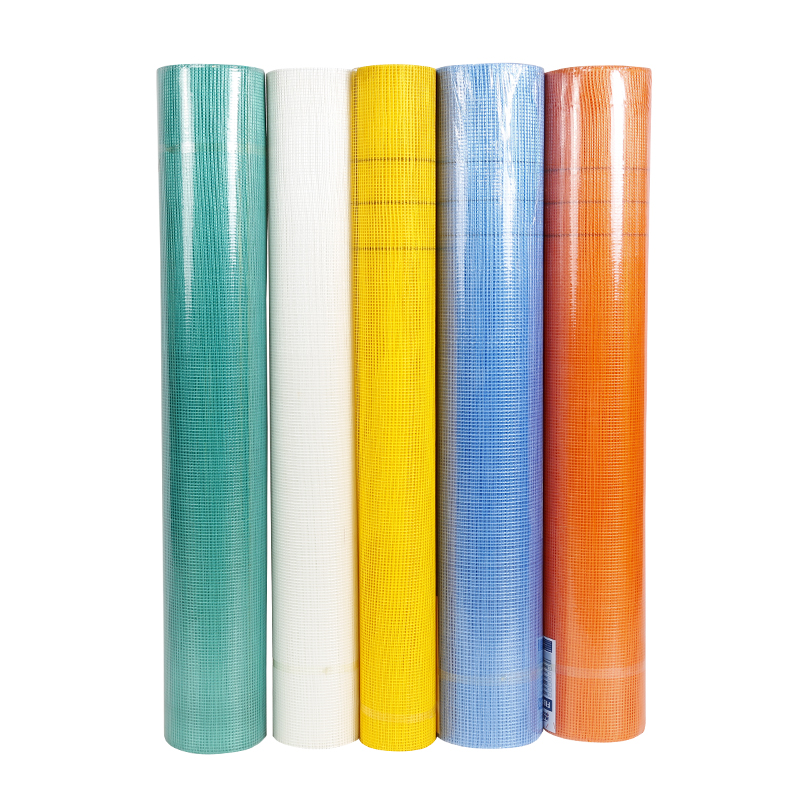
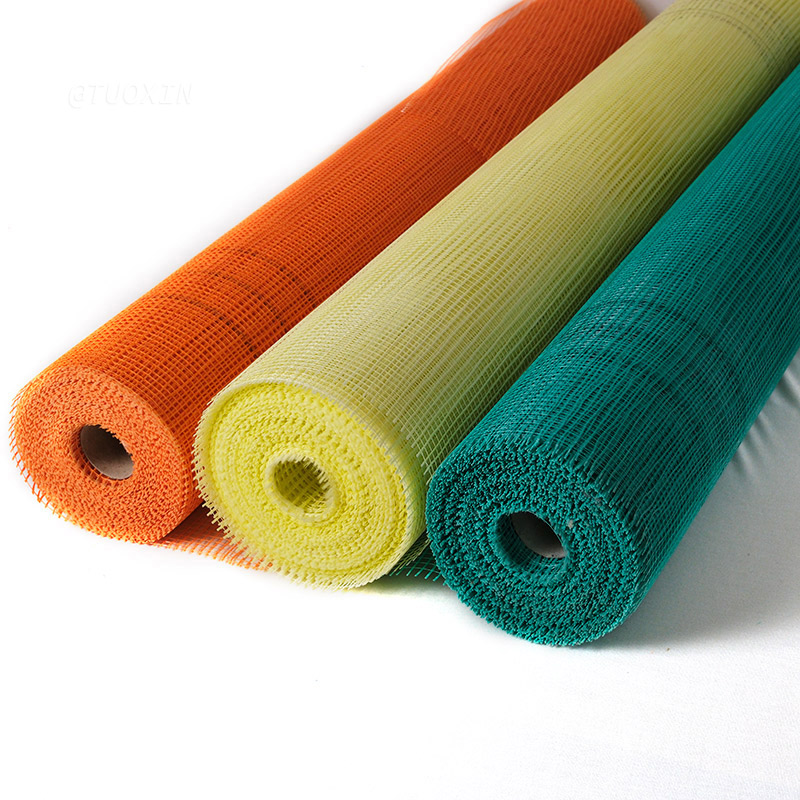
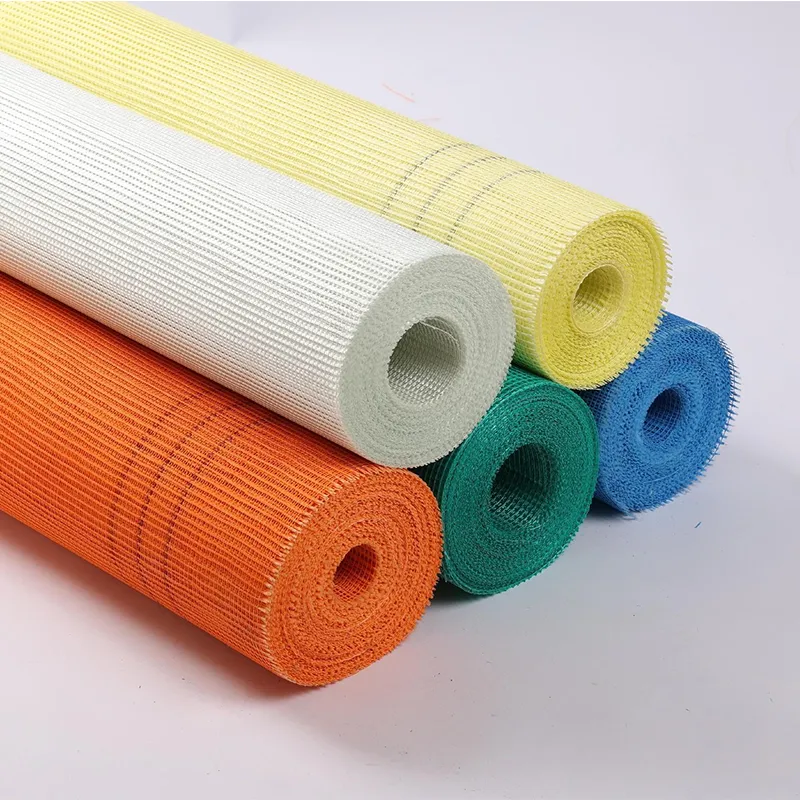
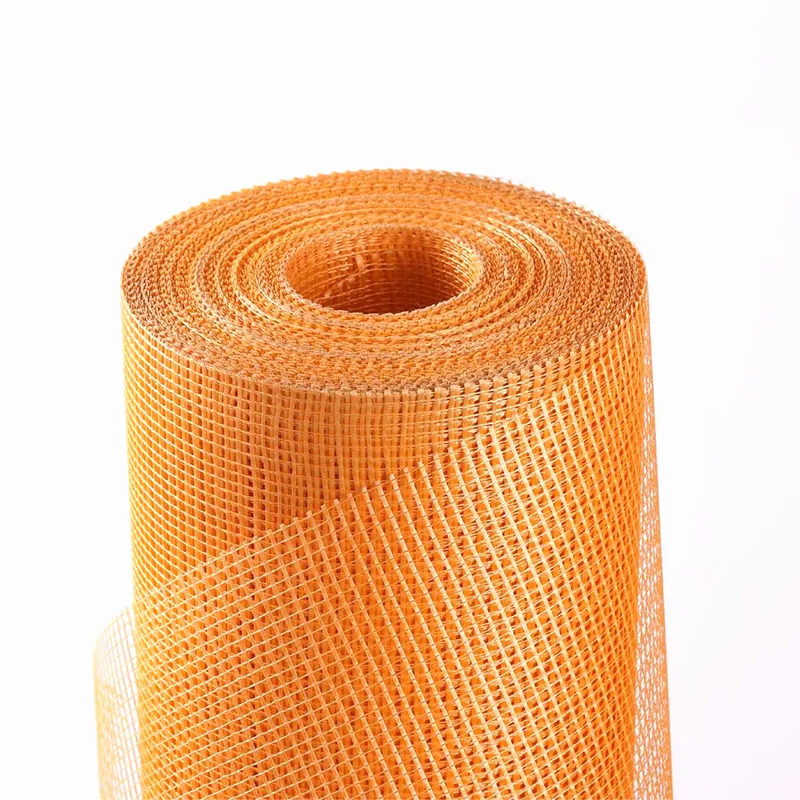
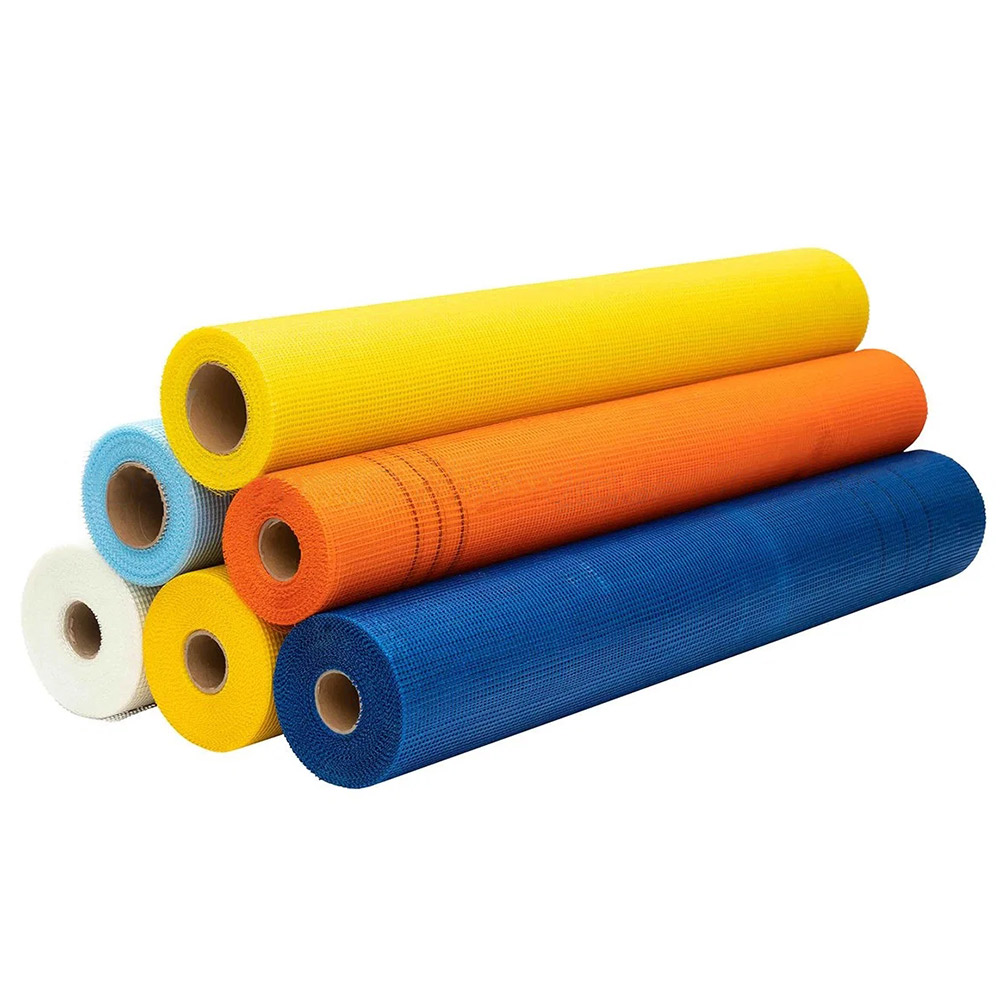
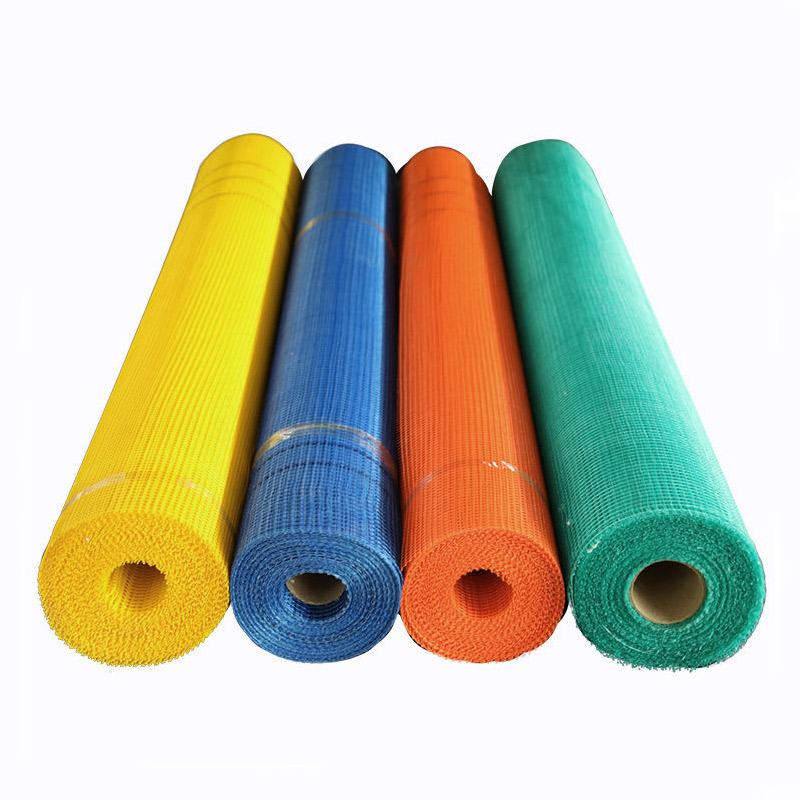
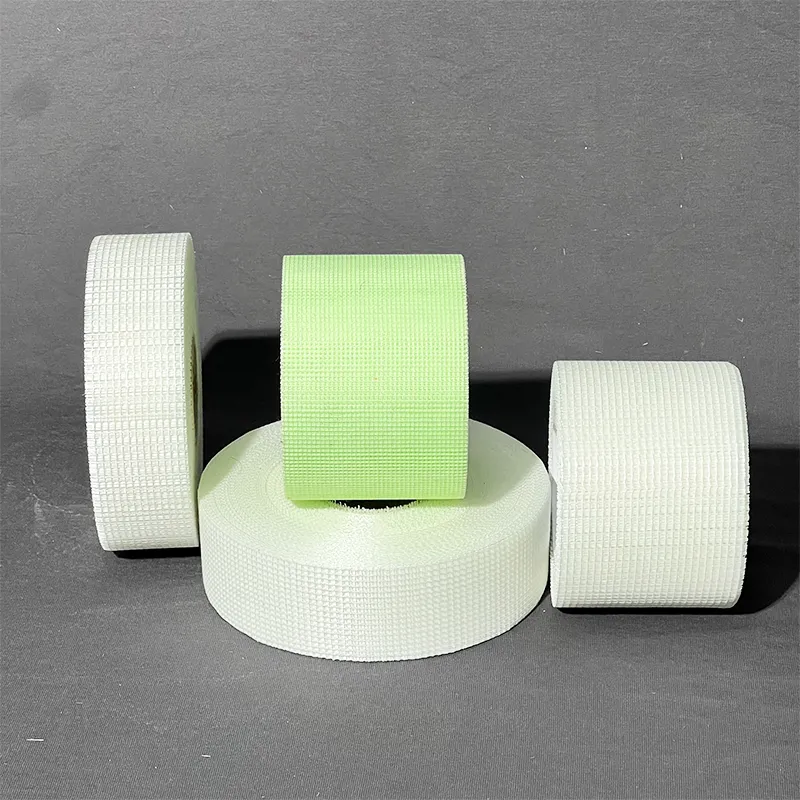
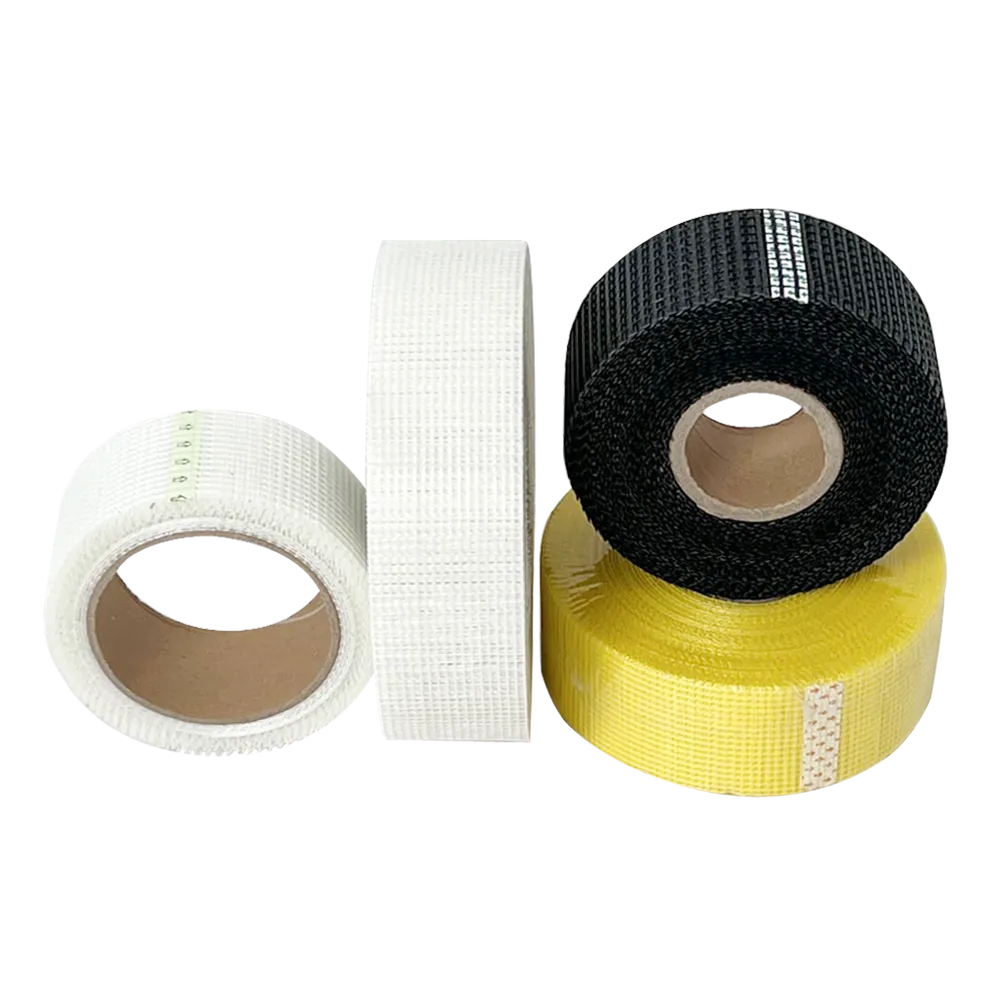
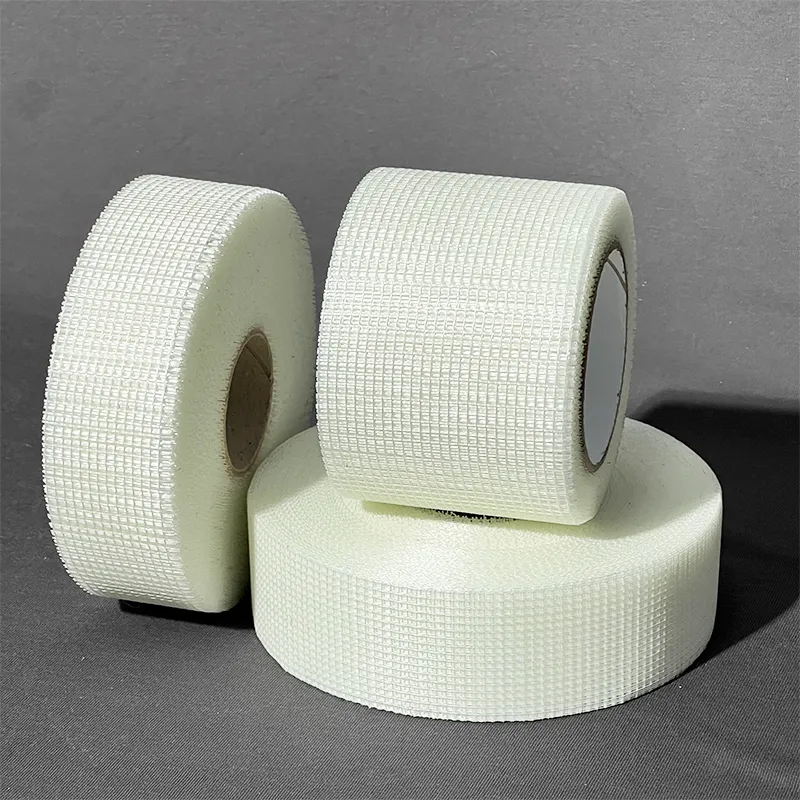
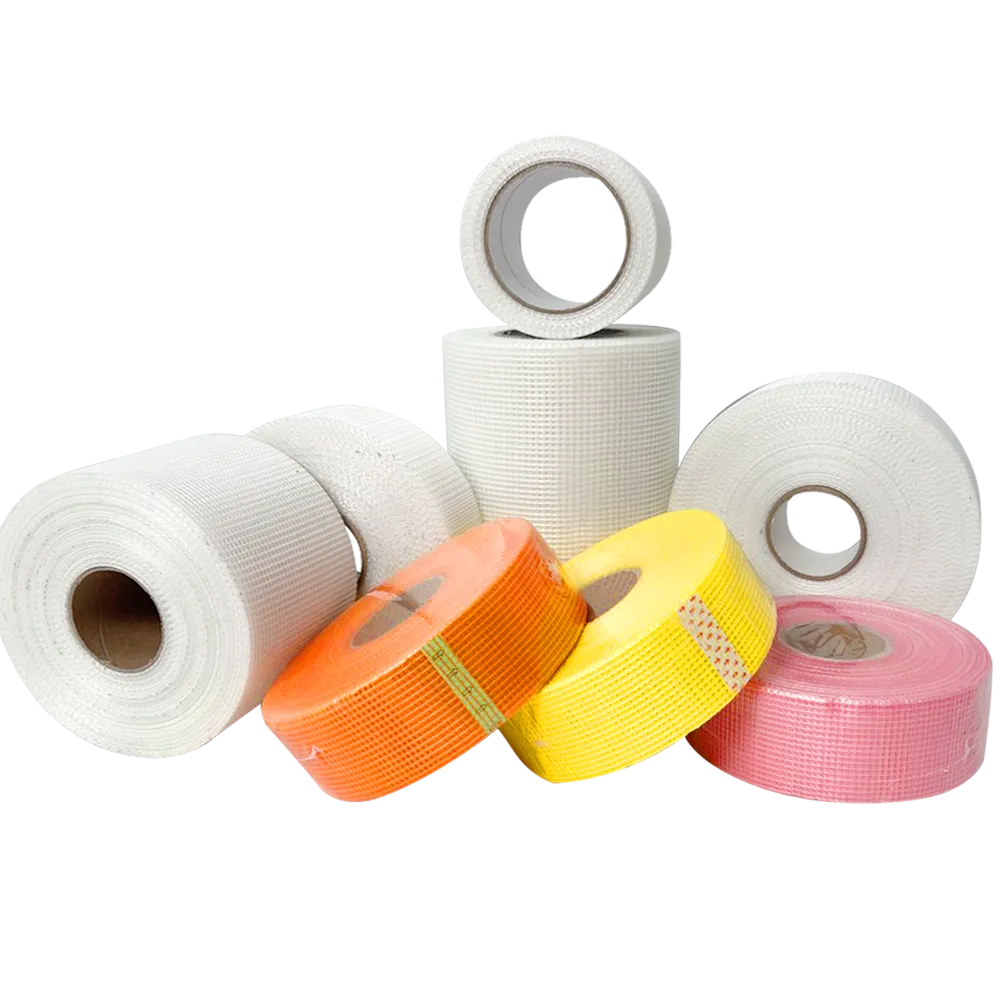
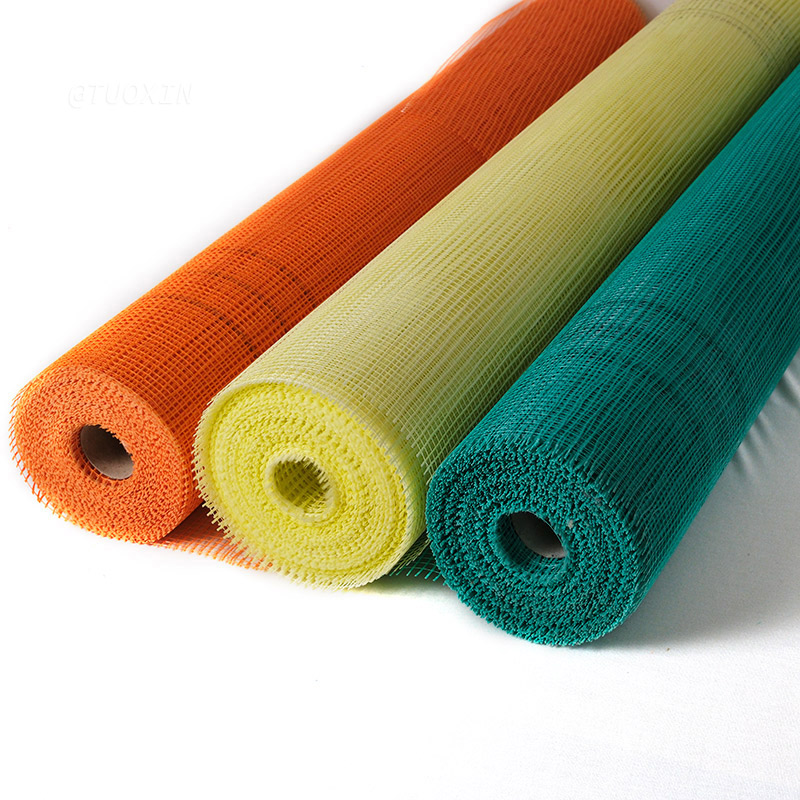
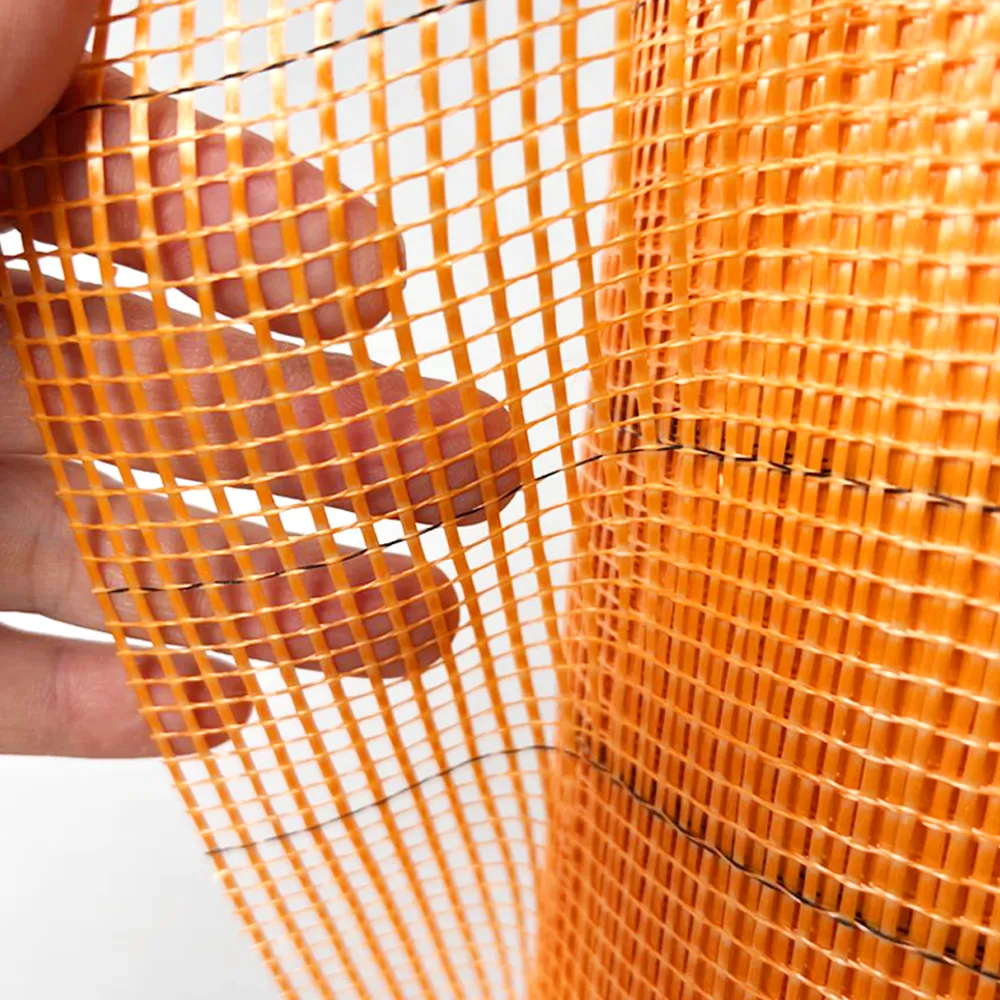
The Fiberglass mesh manufacture plaster mesh net from Xiaomen Village, Yilunbao Township, Renqiu City, Hebei, is woven from C-glass, E-glass, or AR-glass and finished with an acrylic copolymer coating. That coating is the unsung hero—real alkali resistance, good wet strength retention, and a surface that pairs nicely with gypsum, cement, and polymer-modified renders. There’s a self-adhesive option too, which, to be honest, saves a surprising amount of fiddling on drywall joints and corners.
| Mesh size | ≈ 4×4 mm or 5×5 mm (real-world use may vary by substrate) |
| Area weight | 80–160 g/m² (typical: 145 g/m² for EIFS base coat) |
| Glass types | C-glass, E-glass; AR-glass option (ZrO2 ≈ 16–19%) for harsh alkalinity |
| Coating | Acrylic acid copolymer; alkali-resistant finish |
| Tensile strength | Warp/Weft ≈ 1250–1600 N/5 cm (ISO 13934-1 / ASTM D5035) |
| Adhesive option | PSA backing; peel ≈ 2.0–2.5 N/cm (ASTM D3330) |
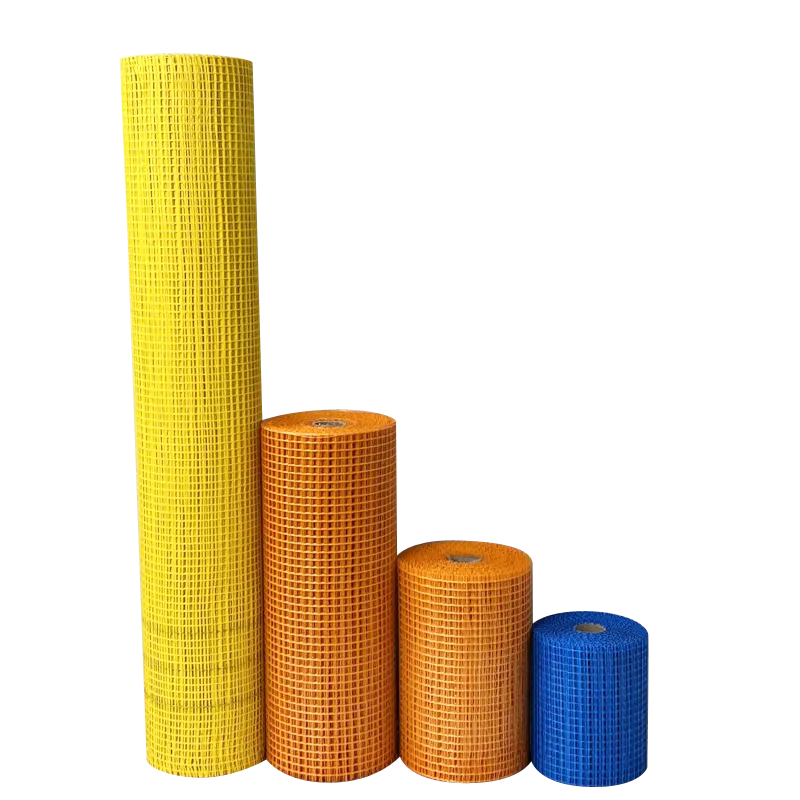
| Roll size | Width 50–1000 mm; length 20–100 m (common: 1 m × 50 m) |
| Service life | ≈ 25–30 years in ETICS/EIFS when installed per ETAG 004 |
Process flow, testing, and the nerdy bits
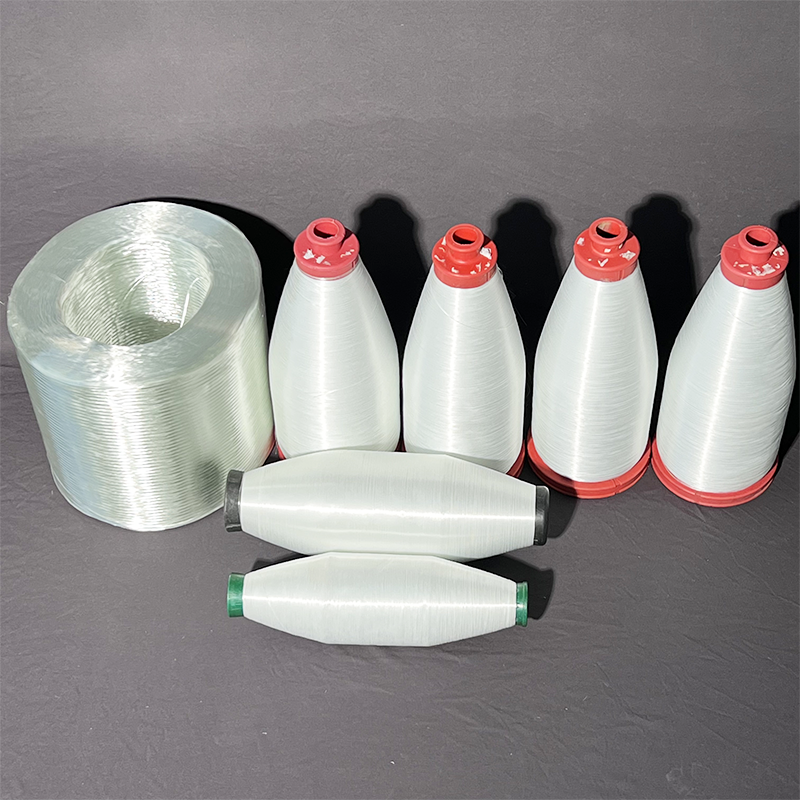
- Materials: glass yarn selection (E-glass for balance, AR-glass where cement alkalinity is extreme).
- Methods: plain weave → heat-setting → acrylic copolymer coating → curing → slitting → PSA lamination (for self-adhesive lines).
- Testing standards: JG/T 158 alkali resistance, ISO 13934-1 tensile, ASTM D3330 peel (adhesive), ETAG 004 impact categories for basecoats.
- Typical lab data: alkali retention ≥ 90% after 24h in 5% NaOH at 60°C; elongation ≤ 4%.
Where it’s used (and why contractors like it)
Applications span EIFS base coats, interior drywall joints, façade crack control, tile backer reinforcement, waterproofing layers, even asphalt crack-prevention systems. The adhesive version shines on gypsum seams and corners—flat, quick, less mess. Many customers say the big surprise is fewer call-backs from hairline cracks. I guess that’s the hidden ROI.
Industry trends to watch
Three things: higher ZrO2 AR-glass for aggressive cement systems, greener low-VOC coatings, and smarter self-adhesive meshes that don’t gum up knives. In fact, Europe’s ETICS specs nudged the whole category to tougher meshes to hit higher impact ratings.
| Vendor | Origin | Certs | Lead time | Tensile (N/5 cm) | Customization | Price index |
|---|---|---|---|---|---|---|
| Tainuo (this product) | Renqiu, Hebei, CN | ISO 9001; JG/T 158 compliant | 7–15 days | ≈ 1400–1600 | Mesh, width, color, PSA, private label | $ (value) |
| EU Brand A | EU | ETA per ETAG 004 | 2–4 weeks | ≈ 1500 | Standard options | $$$ |
| Local Wholesaler B | Various | Basic QC | Stock dependent | ≈ 900–1200 | Limited | $–$$ |
Customization and real jobs
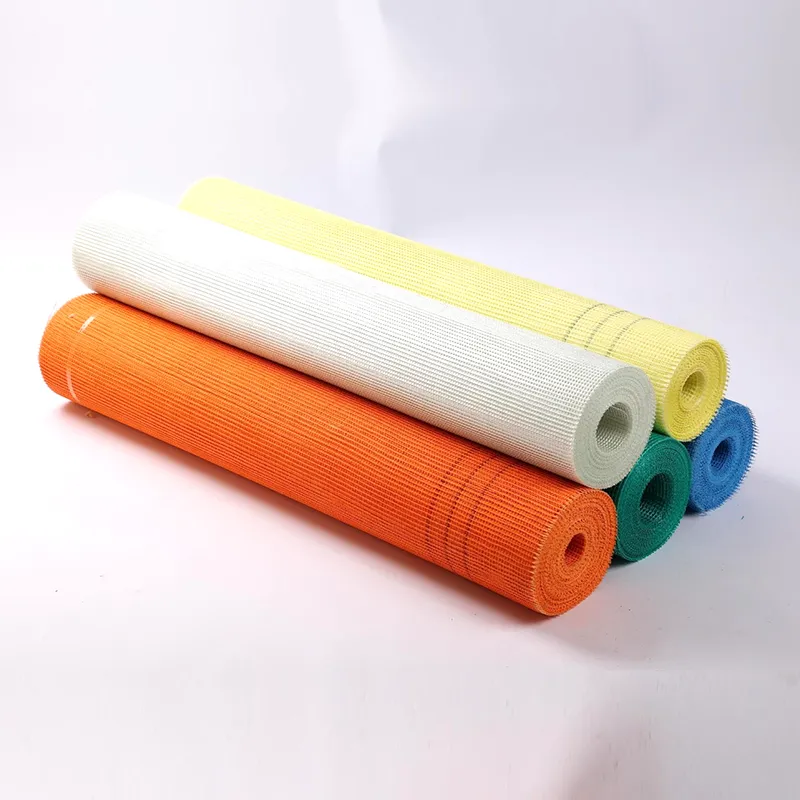
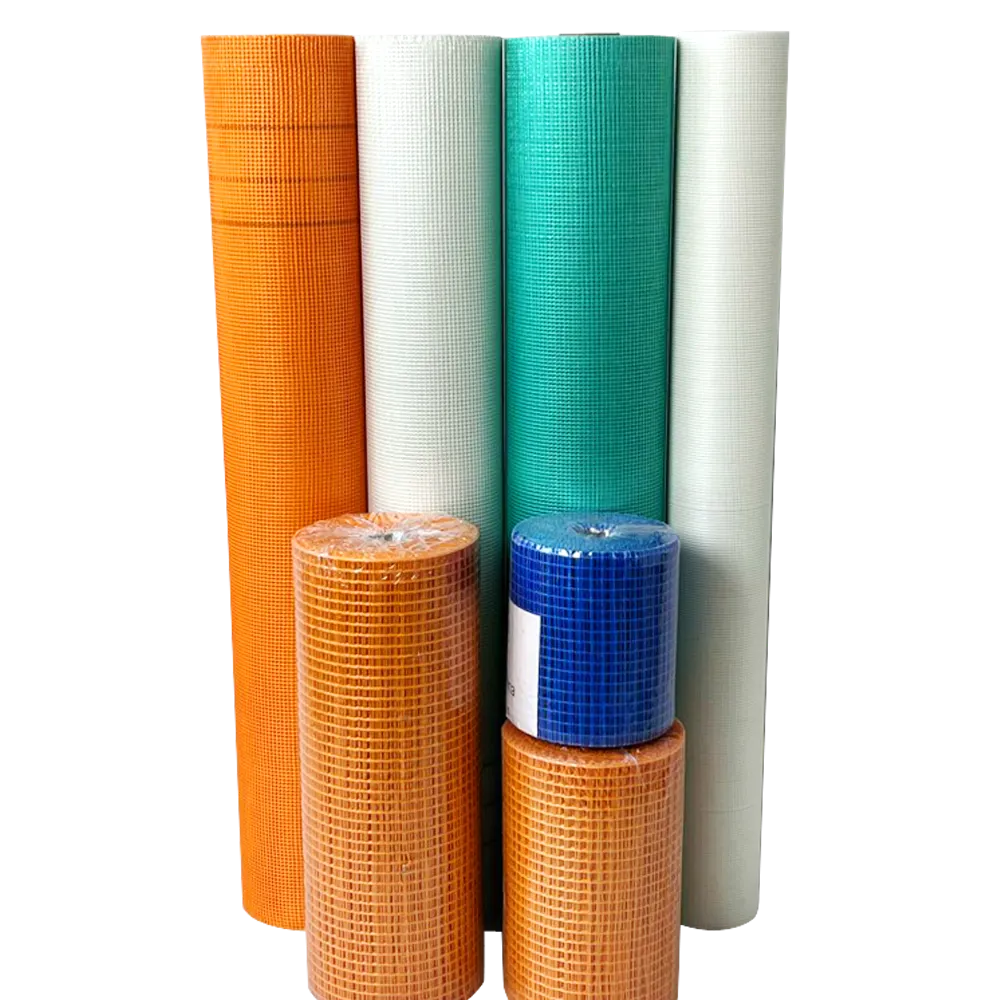
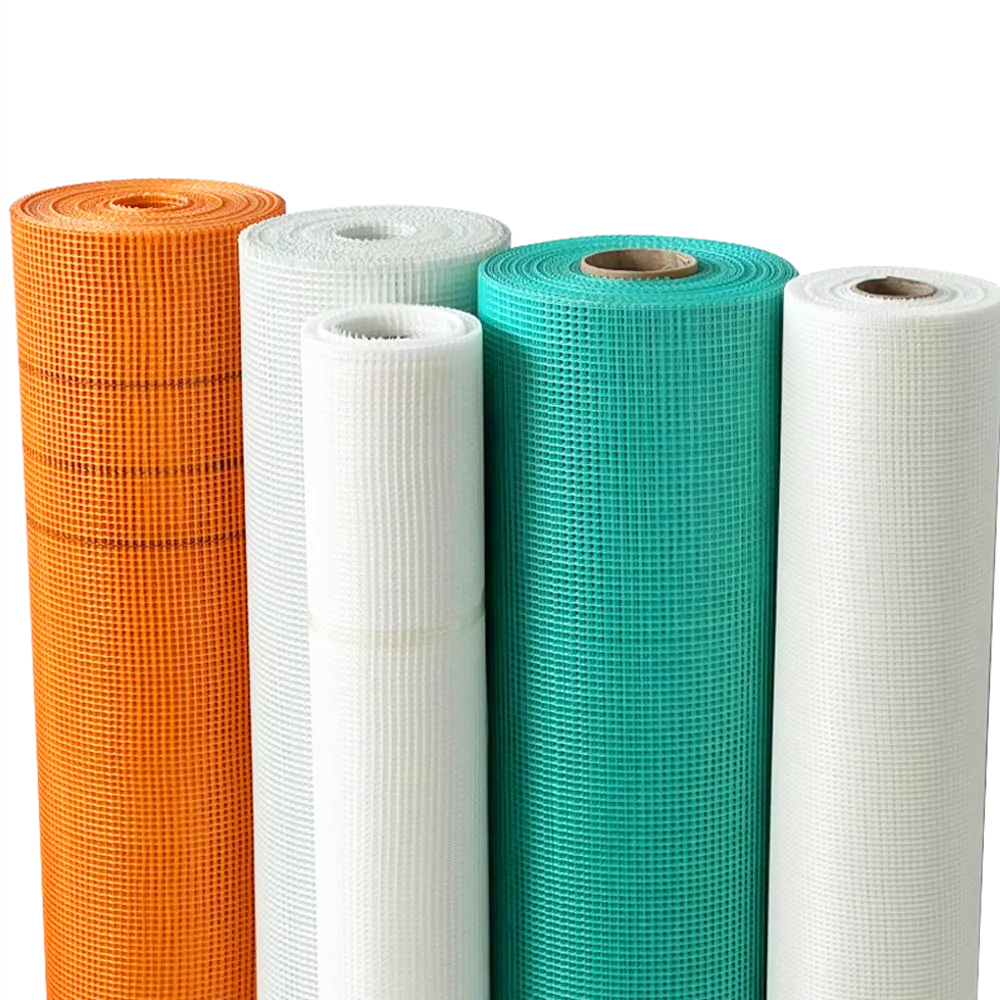
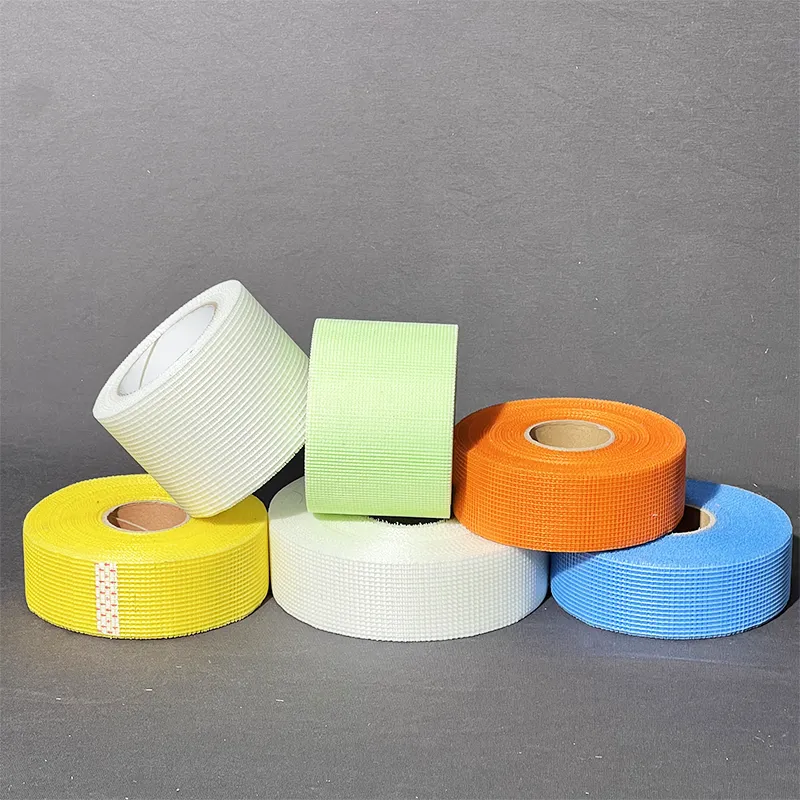
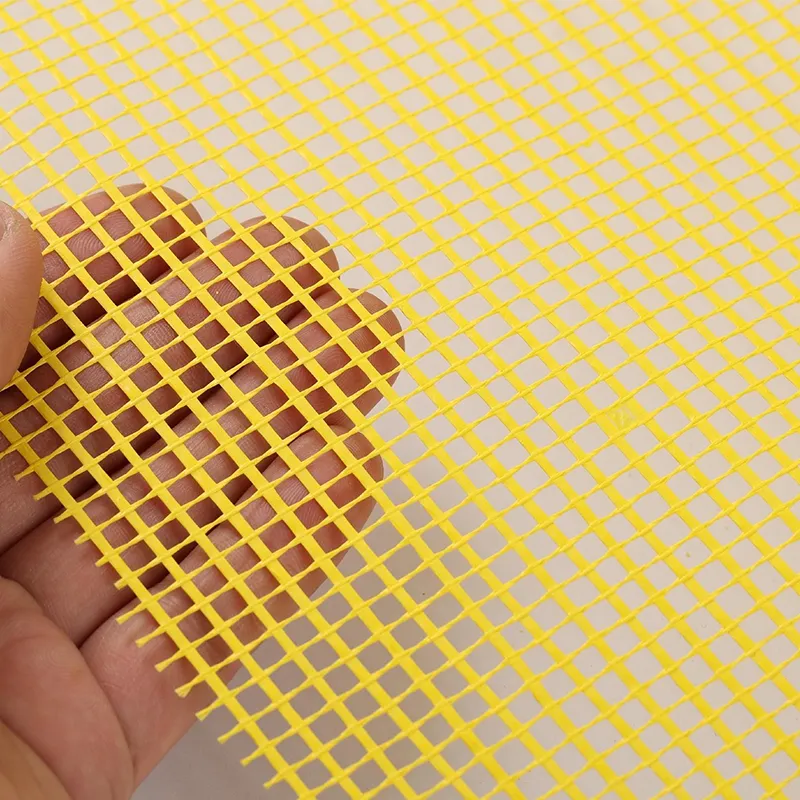
Customization is straightforward: mesh size (3.5–10 mm), weights, widths from 50 mm tape to 1 m rolls, colors (white/orange/blue), PSA grade, and packaging. A Dubai façade contractor told me their switch to AR-glass 160 g/m² lifted impact test ratings, while a Polish drywall crew cut joint prep time by ~18% using self-adhesive tape. Small tweaks, big gains.
Bottom line: when you need to buy adhesive fiberglass mesh that stays flat, resists alkali, and passes spec, choose mills that publish data and align to ETICS norms. This Hebei line does that—without the sticker shock. Many customers say the rolls arrive clean, edges true, and the adhesive doesn’t telegraph through thin coats. That’s exactly what you want.
Certifications and standards to look for
- ISO 9001 quality management.
- JG/T 158 alkali-resistant mesh compliance (China construction industry).
- ETAG 004/EAD 040083-00-0404 performance in ETICS base coats.
- ISO 13934-1 or ASTM D5035 tensile; ASTM D3330 for PSA peel.
Authoritative citations:
- ETAG 004: Guideline for European Technical Approval of External Thermal Insulation Composite Systems (ETICS).
- JG/T 158: Alkali-Resistant Glass Fiber Mesh for External Wall Insulation Systems (China).
- ISO 13934-1: Textiles — Tensile properties of fabrics — Part 1: Strip method.
- ASTM D3330: Standard Test Method for Peel Adhesion of Pressure-Sensitive Tape.
-
Best Fiberglass Mesh Tape for RedGard Product Waterproofing GuideNewsApr.16,2026
-
Why High Strength Fiberglass Mesh Is Essential For Stucco ApplicationNewsApr.15,2026
-
Why Alkali Resistant Fiberglass Mesh Tape Is Essential For Cement Board And Tile InstallationsNewsApr.15,2026
-
Understanding The Role Of Drywall Fiberglass Mesh In Interior FinishingNewsApr.15,2026
-
Ultimate Guide To Using Fiberglass Mesh Tape For Drywall And Plaster RepairsNewsApr.15,2026
-
The Versatility Of Fiberglass Mesh In Marble And Stone MosaicNewsApr.15,2026