Sep . 19, 2025 14:55 Back to list
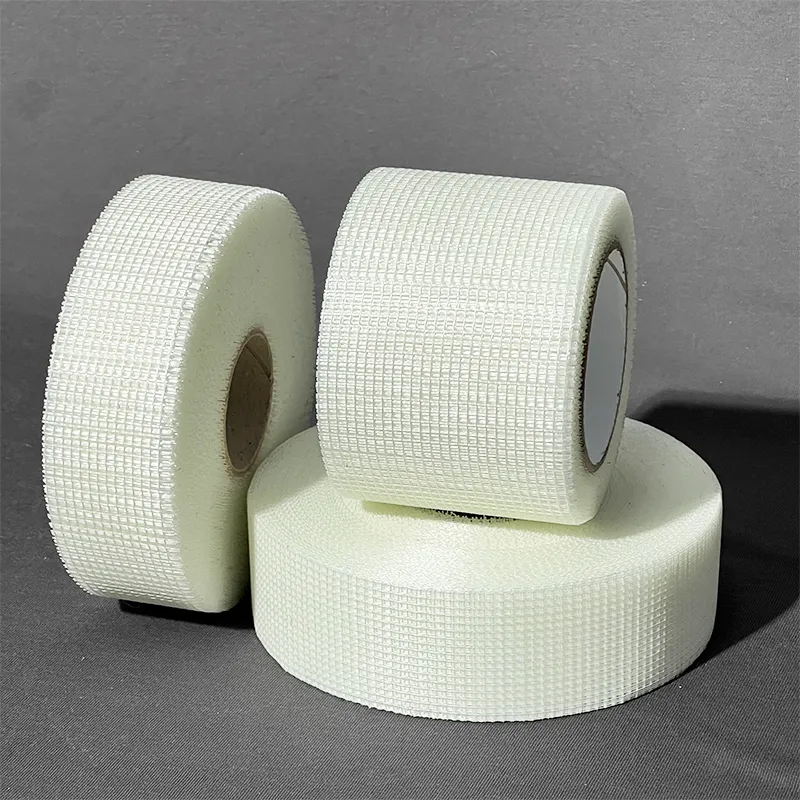
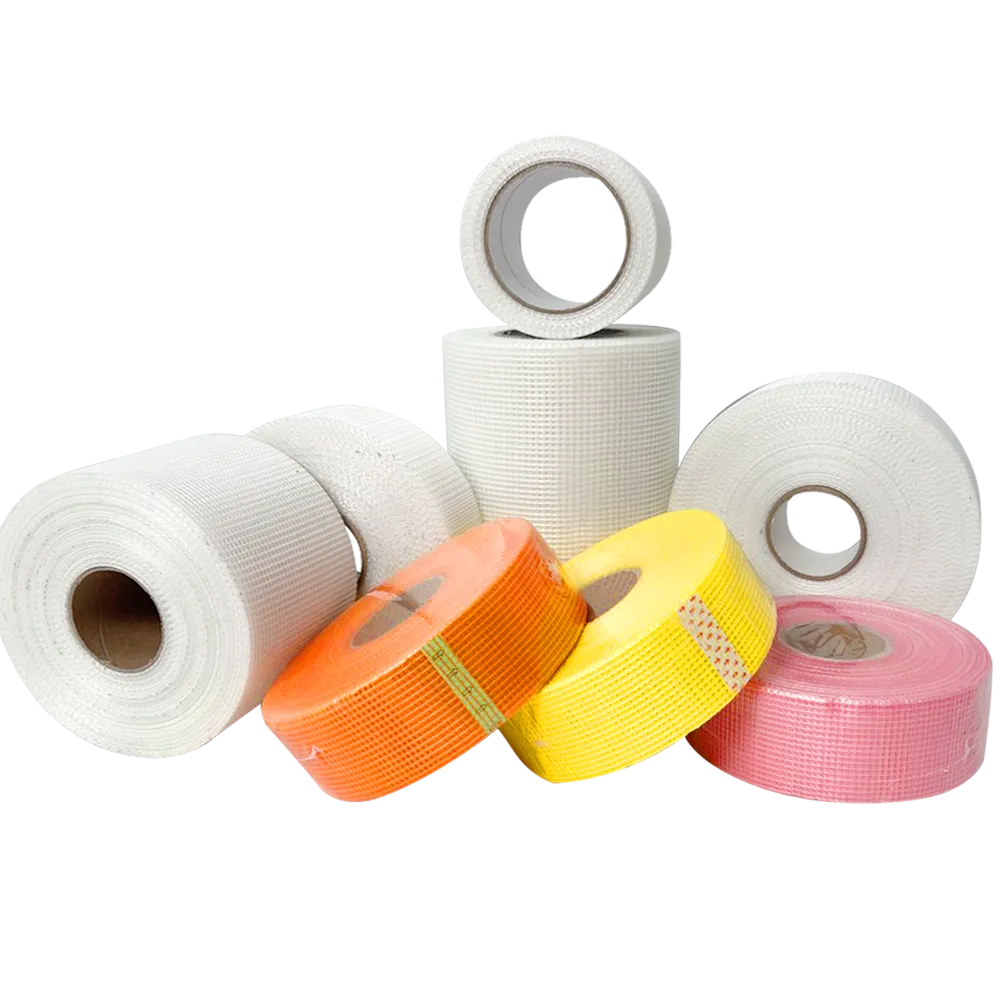
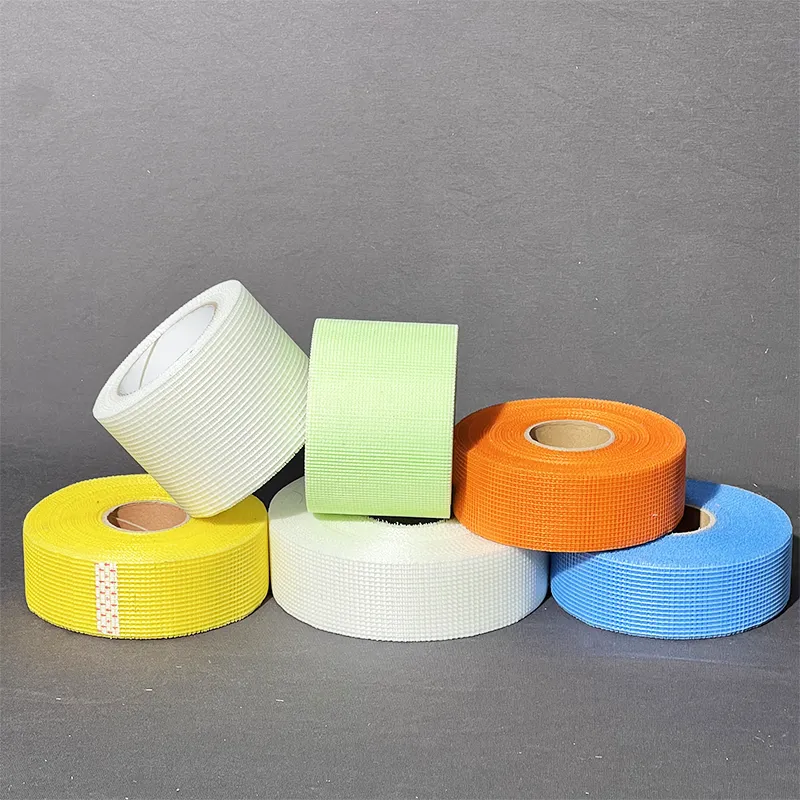
Buy Adhesive Fiberglass Mesh | Strong, Self-Adhesive Tape for Repairs
Advancing Construction with High-Performance Adhesive Fiberglass Mesh
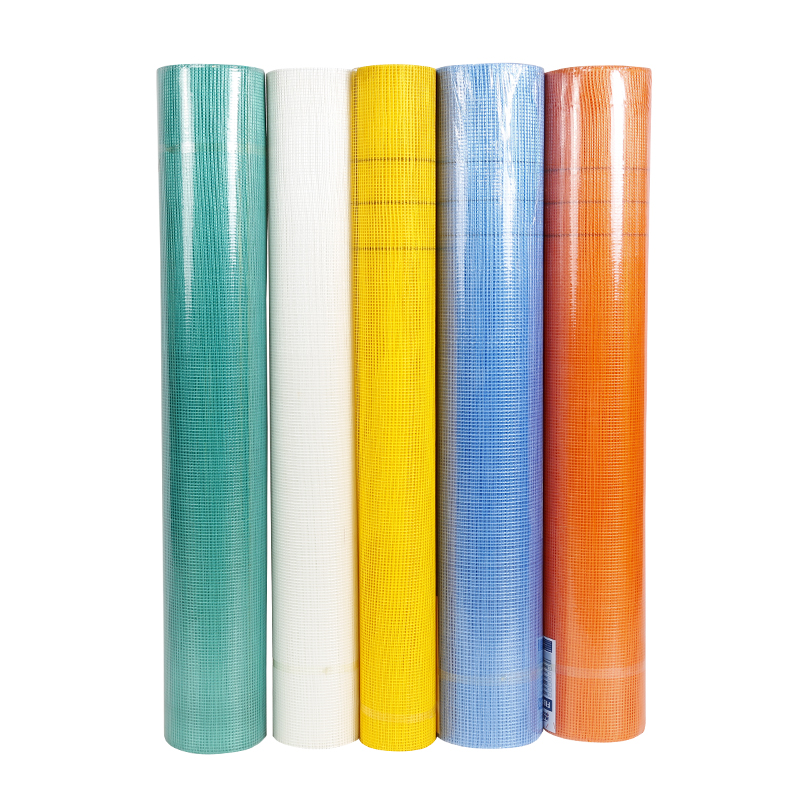
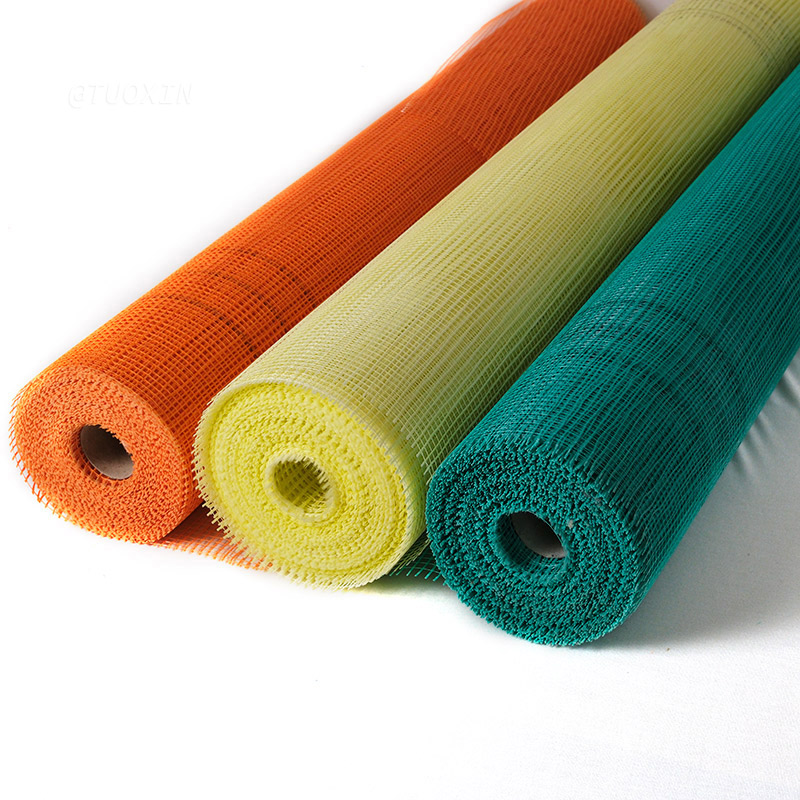
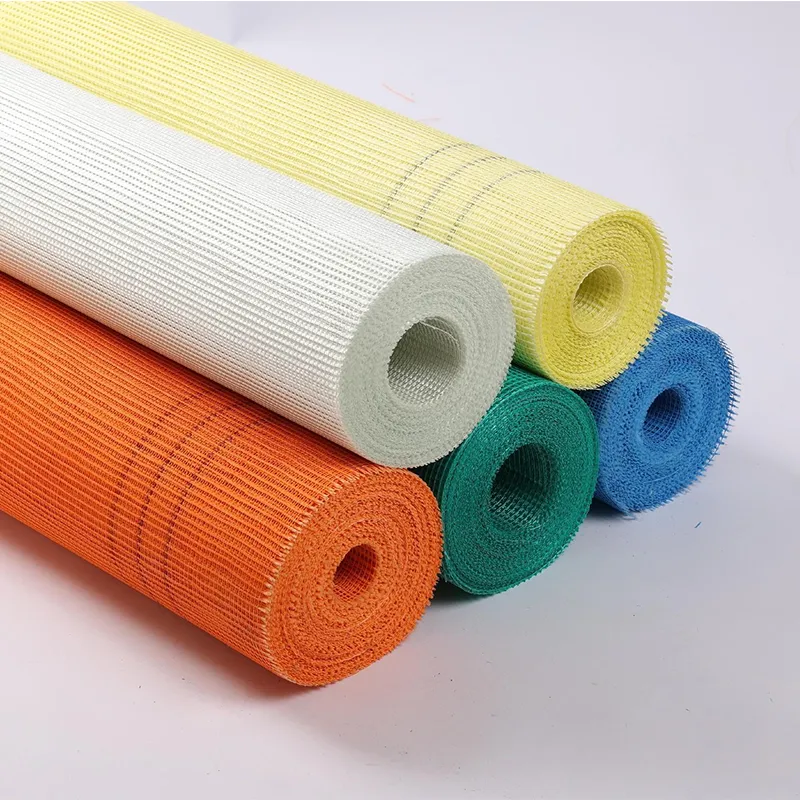
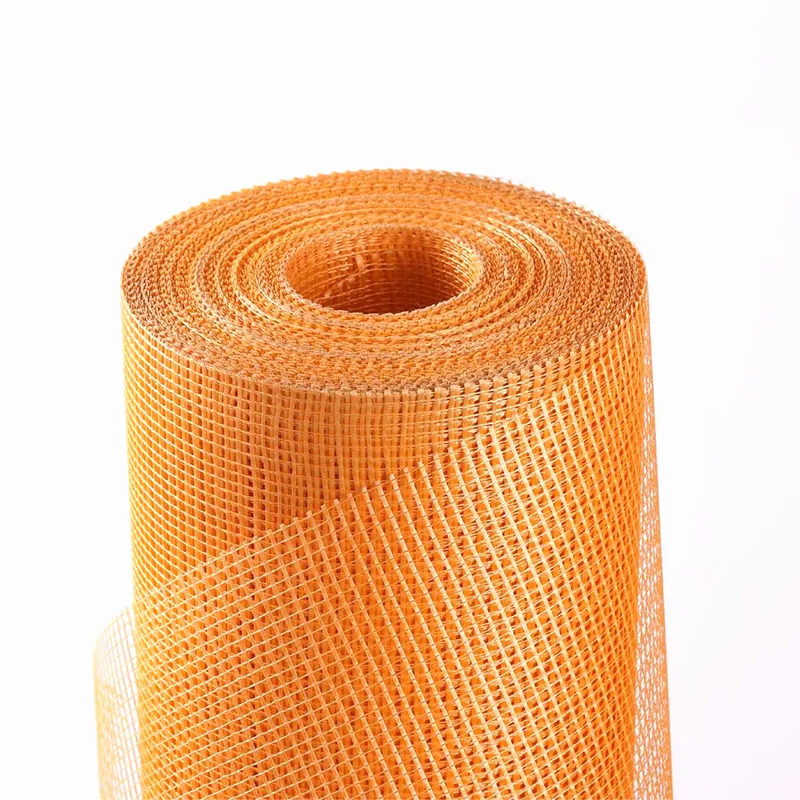
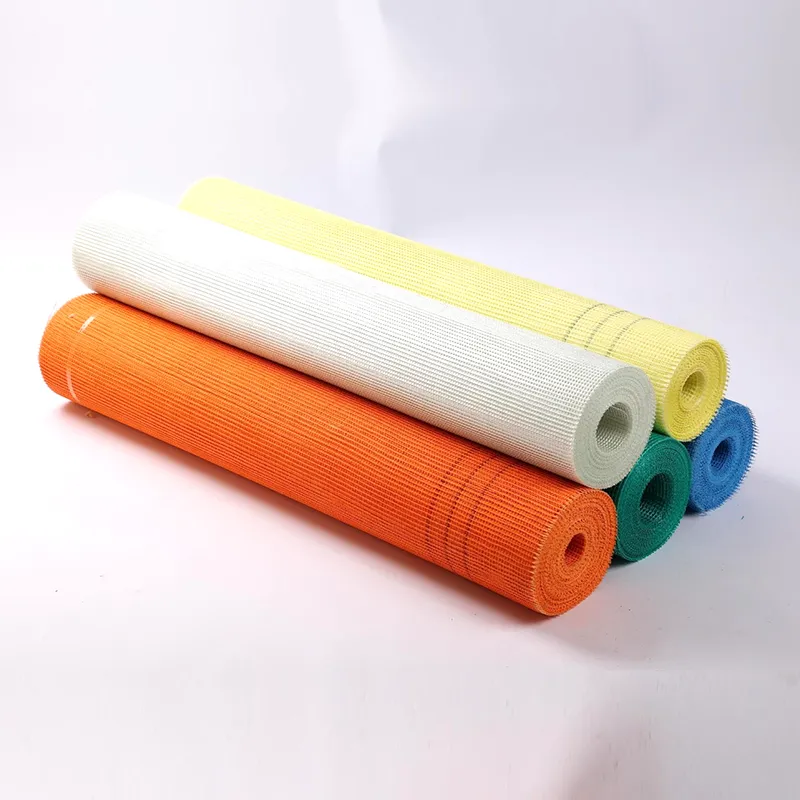
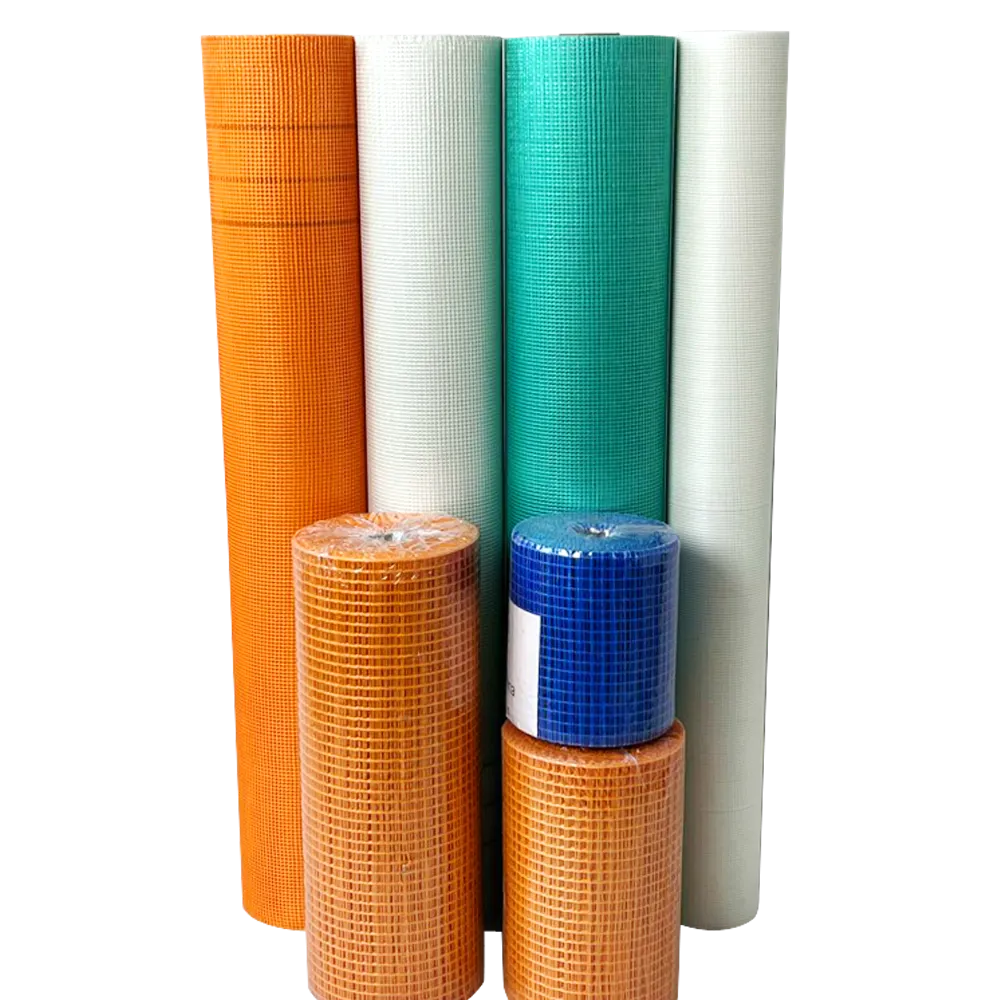
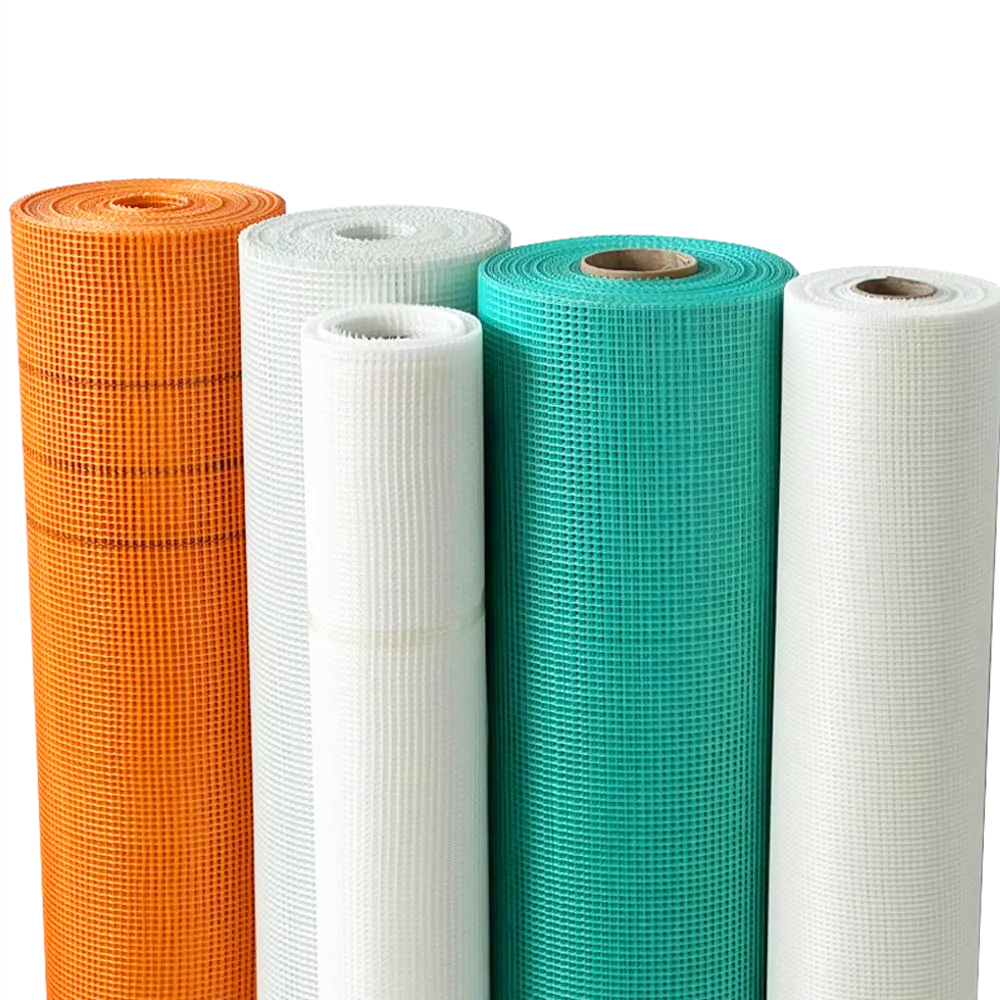
In the dynamic landscape of modern construction and infrastructure, the demand for materials offering superior structural integrity, longevity, and ease of application is ever-increasing. Among these, fiberglass mesh plays a critical role, particularly its self-adhesive variants. Professionals looking to buy adhesive fiberglass mesh are seeking solutions that deliver consistent performance across diverse applications, from reinforcing plaster and drywall to enhancing exterior insulation finishing systems (EIFS). This comprehensive guide delves into the technical intricacies, application benefits, and strategic considerations for procuring high-quality adhesive fiberglass mesh, ensuring projects meet the highest standards of durability and efficiency.
The industry is witnessing a significant trend towards materials that not only offer robust reinforcement but also streamline installation processes. This includes a growing interest in products like self-adhesive fiberglass tape and specialized fiberglass mesh tape for applications such as drywall and RedGard waterproofing. Our focus will be on the high temperature resistant fiberglass mesh for wall applications, a product category that exemplifies advanced material science combined with practical utility.
The Manufacturing Process: Crafting Robust Adhesive Fiberglass Mesh
The production of high-performance adhesive fiberglass mesh is a multi-stage, precision-engineered process designed to impart exceptional mechanical properties and application readiness. Understanding this process is crucial for any professional looking to procure reliable materials.
Key Materials:
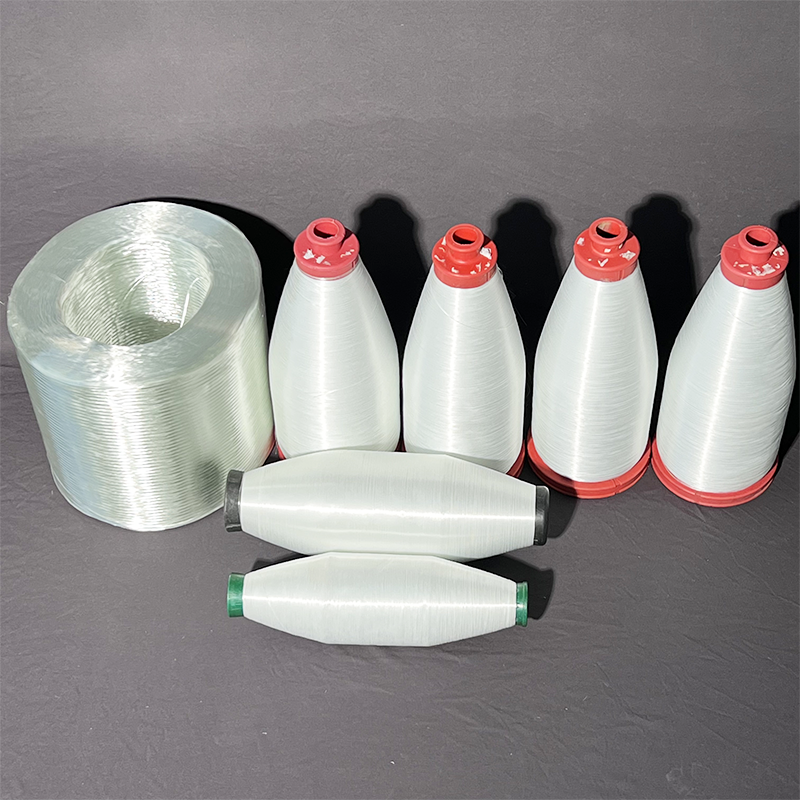
- Fiberglass Yarn: Primarily C-glass or E-glass fibers, known for their high tensile strength, dimensional stability, and resistance to chemical attack. For alkali-resistant variants, zirconia content is often incorporated.
- Alkali-Resistant Coating: Typically a polymer emulsion, such as an acrylic latex or styrene-butadiene rubber (SBR) emulsion, which enhances alkali resistance, improves adhesion, and provides overall durability.
- Adhesive Layer: A pressure-sensitive adhesive (PSA) coating, often acrylic-based, applied to one side of the mesh, enabling its self-adhesive properties. This ensures immediate tack and positional stability during installation.
Manufacturing Process Flow:
Schematic Steps:
- Yarn Preparation: High-quality fiberglass yarns are spooled and prepared for weaving.
- Weaving: Yarns are woven into an open-mesh fabric using specialized weaving looms (e.g., leno weave for stability). This forms the basic structure of the fiberglass mesh.
- Primary Coating (Alkali-Resistant): The woven mesh is immersed in an alkali-resistant polymer emulsion bath. This coating is crucial for protecting the fiberglass from alkaline environments in cementitious materials. The mesh is then dried and cured in ovens to polymerize the coating.
- Adhesive Application: After the primary coating, a pressure-sensitive adhesive (PSA) layer is precisely applied to one side of the mesh. This application often involves roller coating or gravure coating techniques.
- Drying & Curing (Adhesive): The adhesive layer is dried and cured to achieve optimal tackiness and adhesion strength without becoming overly sticky to the touch or losing integrity during storage.
- Slitting: Large rolls of coated and adhesive-treated mesh are precisely cut into smaller, specified widths (e.g., 2-inch, 4-inch, or full roll widths) using slitting machines.
- Quality Control & Packaging: Each roll undergoes rigorous quality checks for grammage, mesh size, tensile strength, coating uniformity, and adhesive performance. Approved rolls are then packaged for shipment.
Testing Standards: Manufacturing adheres to stringent international standards such as ISO 9001 for quality management, ASTM D579 for woven fabrics, and EN 13496 for alkali resistance, ensuring product consistency and performance reliability. For specialized high-temperature applications, additional fire resistance tests may align with standards like ASTM E119 or EN 13501-1.
Service Life & Target Industries: With proper installation, adhesive fiberglass mesh can significantly extend the service life of wall systems, often exceeding 20-30 years. Key target industries include general construction, EIFS, drywalling, plastering, waterproofing, and restoration, demonstrating advantages in energy saving (as part of insulated systems) and superior corrosion resistance.
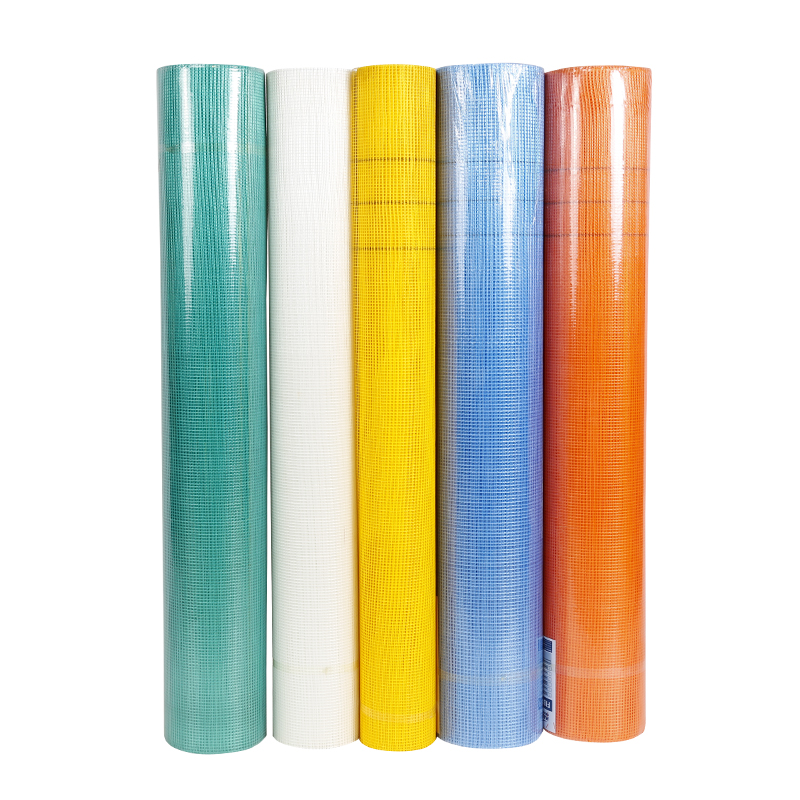
Figure 1: Automated weaving process for fiberglass mesh.
Technical Specifications & Performance Parameters
When you buy adhesive fiberglass mesh, particularly for demanding applications like high-temperature resistant walls, a clear understanding of its technical specifications is paramount. These parameters dictate the mesh's suitability for specific structural and environmental conditions.
Typical Product Specifications (High Temperature Resistant Fiberglass Mesh for Wall):
| Parameter | Typical Value / Range | Testing Standard |
|---|---|---|
| Material | E-Glass/C-Glass Fiberglass Yarn | ASTM D578 |
| Alkali-Resistant Coating | Acrylic Latex / SBR Emulsion | EN 13496 |
| Adhesive Type | Pressure-Sensitive Acrylic | AFERA 4001 |
| Mesh Size (mm x mm) | 4x4, 5x5, 10x10 (typical) | ISO 4602 |
| Grammage (g/m²) | 60 - 300 (application dependent) | ISO 3801 |
| Tensile Strength (Warp/Weft) | ≥ 800 N/50mm - 2000 N/50mm | ISO 13934-1 |
| Alkali Resistance (Tensile Strength Retention) | ≥ 70% after 28 days in 5% NaOH solution | EN 13496 |
| Coating Content (%) | 15 - 30% (by weight) | Internal Method |
| Temperature Resistance | -40°C to +180°C (continuous) | ASTM C1133 |
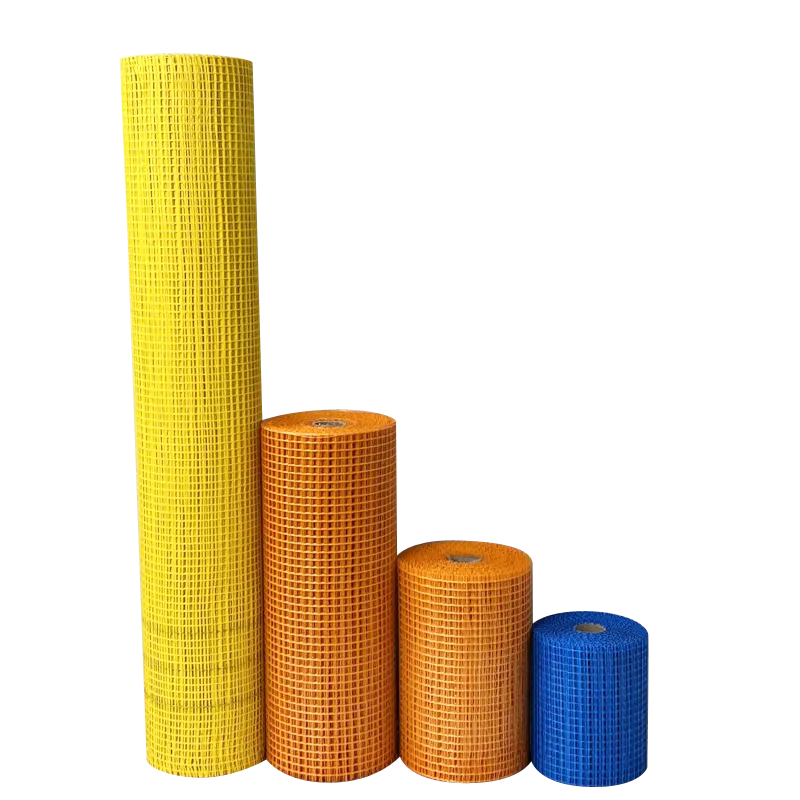
| Roll Width (mm) | 50, 100, 200, 1000, 1200 (custom) | Manufacturer Spec |
| Roll Length (m) | 20, 50, 100, 200 (custom) | Manufacturer Spec |
These detailed specifications allow B2B clients to precisely match the product to their project requirements, whether they need high strength fiberglass mesh for structural applications or a lightweight mesh for general plastering. The robust testing standards underpin the reliability and compliance of the product, which is particularly important for professionals who buy adhesive fiberglass mesh for critical infrastructure projects.
Versatile Application Scenarios for Adhesive Fiberglass Mesh
The inherent flexibility and superior mechanical properties of adhesive fiberglass mesh make it indispensable across a wide spectrum of construction and renovation applications. Its self-adhesive nature dramatically speeds up installation, reducing labor costs and project timelines.
- Drywall Joint Reinforcement: One of the most common applications. Professionals often buy fiberglass mesh tape for drywall to reinforce seams between gypsum boards, preventing cracks and ensuring a smooth, durable finish. The self-adhesive backing eliminates the need for a bedding coat of compound, making it faster than traditional paper tape.
- EIFS (Exterior Insulation Finishing Systems) Reinforcement: In EIFS, fiberglass mesh is embedded within the base coat over insulation boards to provide impact resistance, tensile strength, and crack prevention for exterior walls. High-strength variants are crucial here.
- Plaster and Render Reinforcement: For interior and exterior plastering, especially on challenging substrates or in areas prone to movement, mesh provides essential reinforcement. Many contractors buy plaster fiberglass mesh to prevent shrinkage cracks and improve the overall durability of the render system.
- Concrete and Masonry Crack Repair: For repairing existing cracks or preventing new ones in concrete slabs, masonry walls, or stucco surfaces, adhesive mesh provides crucial tensile strength. Its flexibility allows it to conform to irregular surfaces.
- Waterproofing Membranes: When applying liquid waterproofing membranes, such as RedGard or similar products, embedding a fiberglass mesh can significantly enhance the membrane's tensile strength and crack-bridging capabilities. Hence, the specific search to buy fiberglass mesh tape for redgard.
- Floor Self-Leveling Compounds: Reinforcing self-leveling floor compounds, particularly over wooden substrates or areas with potential movement, with a strong mesh prevents cracking and improves the wear resistance of the finished floor.
- Fireproofing and Thermal Insulation: High temperature resistant variants of the mesh are integral in systems requiring enhanced fire performance or thermal stability, providing structural integrity under extreme conditions for walls and ceilings.
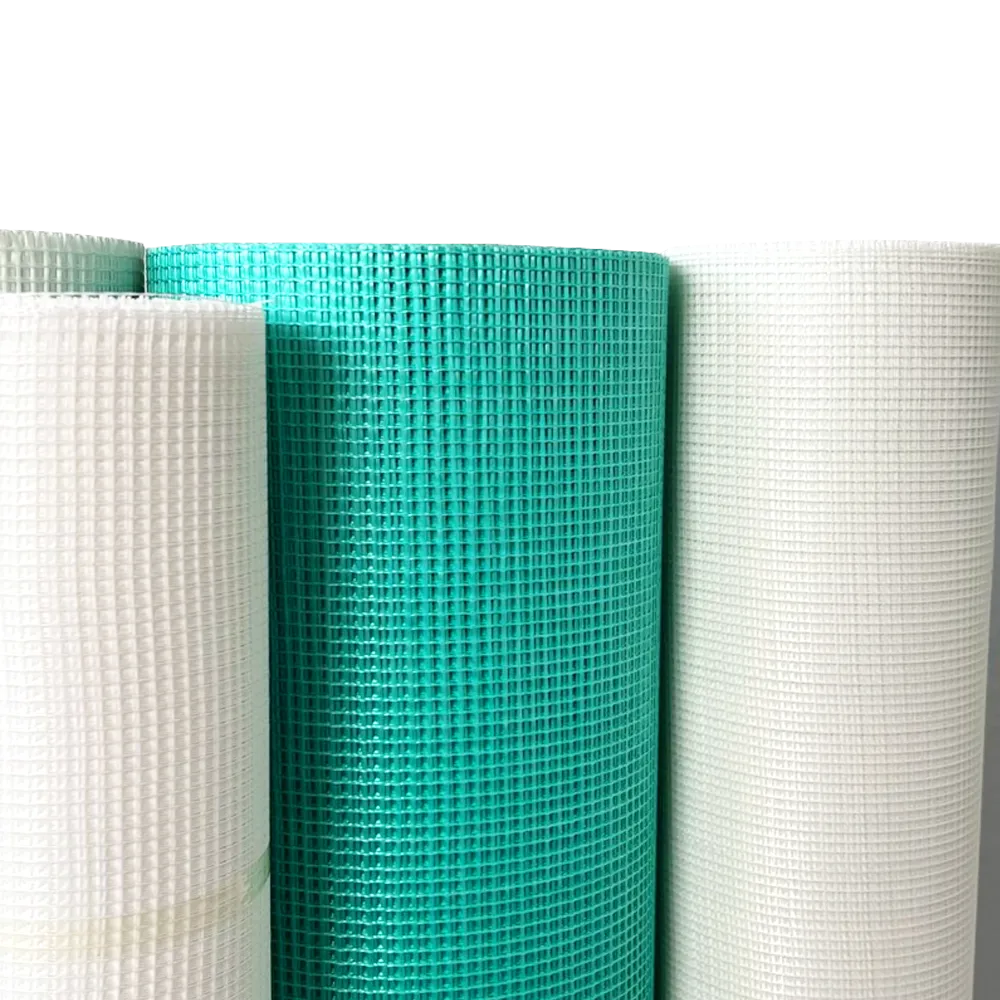
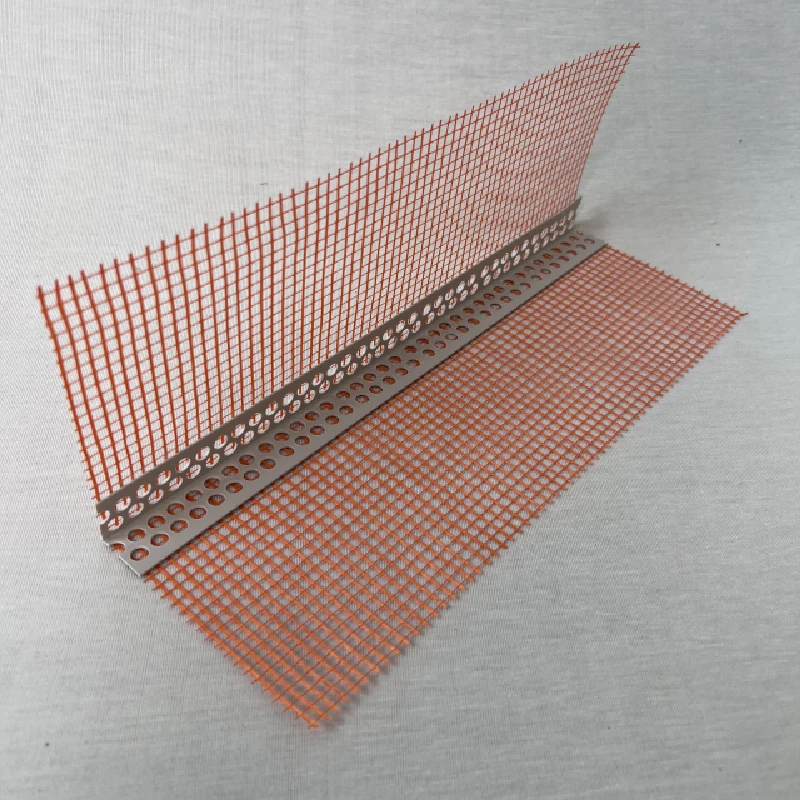
Figure 2: Adhesive fiberglass mesh applied for wall reinforcement.
Technical Advantages and Performance Edge
The decision to buy adhesive fiberglass mesh is often driven by its compelling technical advantages over traditional reinforcement methods. These benefits contribute directly to project longevity, cost-effectiveness, and overall structural performance.
- Exceptional Tensile Strength: Fiberglass, especially E-glass, boasts an extremely high tensile strength-to-weight ratio, effectively distributing stress and significantly resisting cracking from structural movement, thermal expansion, and shrinkage. This is why professionals often seek to buy high strength fiberglass mesh for demanding projects.
- Superior Alkali Resistance: Crucial for applications involving cementitious materials like concrete, mortar, and stucco. The specialized polymer coating protects the glass fibers from alkaline attack, preserving the mesh's integrity and long-term performance in corrosive environments.
- Self-Adhesive Properties: This is a primary differentiator. The pre-applied adhesive simplifies installation, eliminates the need for separate fasteners or bedding compounds, and ensures accurate positioning, leading to faster project completion and reduced labor costs. This makes it a preferred choice for those who buy self adhesive fiberglass tape.
- Dimensional Stability: The woven structure and polymer coating provide excellent dimensional stability, preventing stretching or shrinking during application and over the product's lifespan. This ensures consistent reinforcement without warping.
- High Temperature Resistance: Particularly for the "High temperature resistant fiberglass mesh for wall" product, the ability to withstand elevated temperatures without degradation is vital for fire-rated assemblies or applications in thermally stressed environments. It maintains structural integrity where other materials might fail.
- Corrosion Resistance: Unlike metal reinforcements, fiberglass does not corrode, making it ideal for wet or chemically aggressive environments, contributing to the longevity of the reinforced structure.
- Lightweight and Easy to Handle: Despite its strength, fiberglass mesh is significantly lighter than metal alternatives, making it easier to transport, cut, and apply on-site, further enhancing efficiency.
Vendor Comparison and Customized Solutions
When sourcing adhesive fiberglass mesh, B2B buyers face a variety of vendors, each offering different levels of product quality, customization, and service. A strategic comparison is essential to secure the best value and performance for specific project needs.
Key Comparison Factors:
| Attribute | Premium Vendor | Standard Vendor | Budget/Generic Vendor |
|---|---|---|---|
| Product Quality & Consistency | Exceptional, rigorous QC, certified materials (ISO, CE) | Good, standard industry practices, some certifications | Variable, basic QC, few international certifications |
| Alkali Resistance | Guaranteed >70% strength retention (EN 13496) | Typical >50% strength retention | May not meet standards, degrades faster |
| Adhesive Performance | High initial tack, long-term bond, temperature stable | Adequate tack, decent bond under normal conditions | Weak tack, poor long-term adhesion, temperature sensitive |
| Customization Options | Extensive (grammage, mesh size, width, length, coating) | Limited (standard sizes, few options) | None, off-the-shelf products only |
| Technical Support & Warranty | Comprehensive, dedicated support, robust warranty | Basic support, standard warranty | Minimal support, limited/no warranty |
| Pricing | Higher initial cost, but lower lifecycle cost | Competitive, mid-range | Lowest initial cost, but higher failure risk |
Customized Solutions:
Reputable manufacturers understand that off-the-shelf solutions may not always suffice. They offer extensive customization options to meet unique project demands. When you buy adhesive fiberglass mesh from a specialized provider, look for the ability to tailor:
- Mesh Configuration: Specific mesh aperture sizes (e.g., 2.5x2.5mm, 8x8mm) and grammage (e.g., 75 g/m² for light-duty, 160 g/m² for standard, 300 g/m² for heavy-duty reinforcement).
- Roll Dimensions: Custom roll widths and lengths to minimize waste and streamline application on large-scale projects.
- Adhesive Strength: Varying levels of tack and shear strength for different substrates and environmental conditions.
- Specialized Coatings: Beyond standard alkali resistance, options for enhanced fire retardancy, water repellency, or UV stability may be available.
- Branding & Packaging: OEM/ODM services for private labeling and custom packaging, important for distributors or large contractors.
These tailored solutions ensure optimal performance and integration with proprietary systems, providing a competitive edge for projects requiring specific technical parameters.
Application Case Studies: Proving Performance in Practice
Real-world applications demonstrate the tangible benefits of utilizing high-quality adhesive fiberglass mesh. These case studies highlight how choosing the right product can lead to superior outcomes and long-term cost savings.
Case Study 1: High-Rise Residential EIFS Project
- Challenge: A 30-story residential tower in a high-wind zone required a robust EIFS system capable of resisting significant structural movement and thermal stress, preventing facade cracking, and ensuring long-term aesthetic appeal.
- Solution: A specialized, heavy-duty (180 g/m²) self-adhesive fiberglass mesh with enhanced alkali resistance and high tensile strength (1800 N/50mm) was selected. The mesh was embedded in two layers of base coat over thick insulation boards.
- Outcome: The project, completed three years ago, shows no signs of hairline cracks, even in areas with high thermal expansion. The self-adhesive nature allowed for a 20% faster application rate compared to non-adhesive mesh, contributing to overall project efficiency and cost savings. Client feedback emphasized the ease of application and the high quality of the finish.
Case Study 2: Historic Building Plaster Renovation
- Challenge: Restoration of a 19th-century public building required replastering extensive interior walls, many of which had existing hairline cracks or uneven substrates. The client demanded a solution that would prevent future cracking while maintaining the building's historical aesthetic.
- Solution: A medium-weight (120 g/m²) self-adhesive fiberglass mesh was applied over prepared surfaces, particularly at stress points and over existing cracks. The mesh provided a stable base for the new lime-based plaster.
- Outcome: The plaster finish remains unblemished after five years. The self-adhesive nature facilitated precise placement on delicate historical surfaces without needing excessive handling or wetting out, crucial for a heritage project. This prevented the typical recurrence of cracks often seen in such renovations.
Case Study 3: Industrial Floor Waterproofing
- Challenge: An industrial facility needed a highly durable and crack-resistant waterproofing layer beneath a heavy-duty epoxy floor coating. The concrete substrate had minor settlement cracks that needed to be bridged.
- Solution: A specialized high-strength, high-temperature resistant self-adhesive fiberglass mesh was embedded into a liquid waterproofing membrane, followed by the epoxy coating.
- Outcome: The reinforced waterproofing layer successfully bridged existing cracks and prevented new ones from propagating through the epoxy, even under heavy machinery traffic. The adhesive mesh ensured intimate contact with the liquid membrane, optimizing its performance. This provided a long-lasting, resilient floor system, essential for industrial operational continuity.
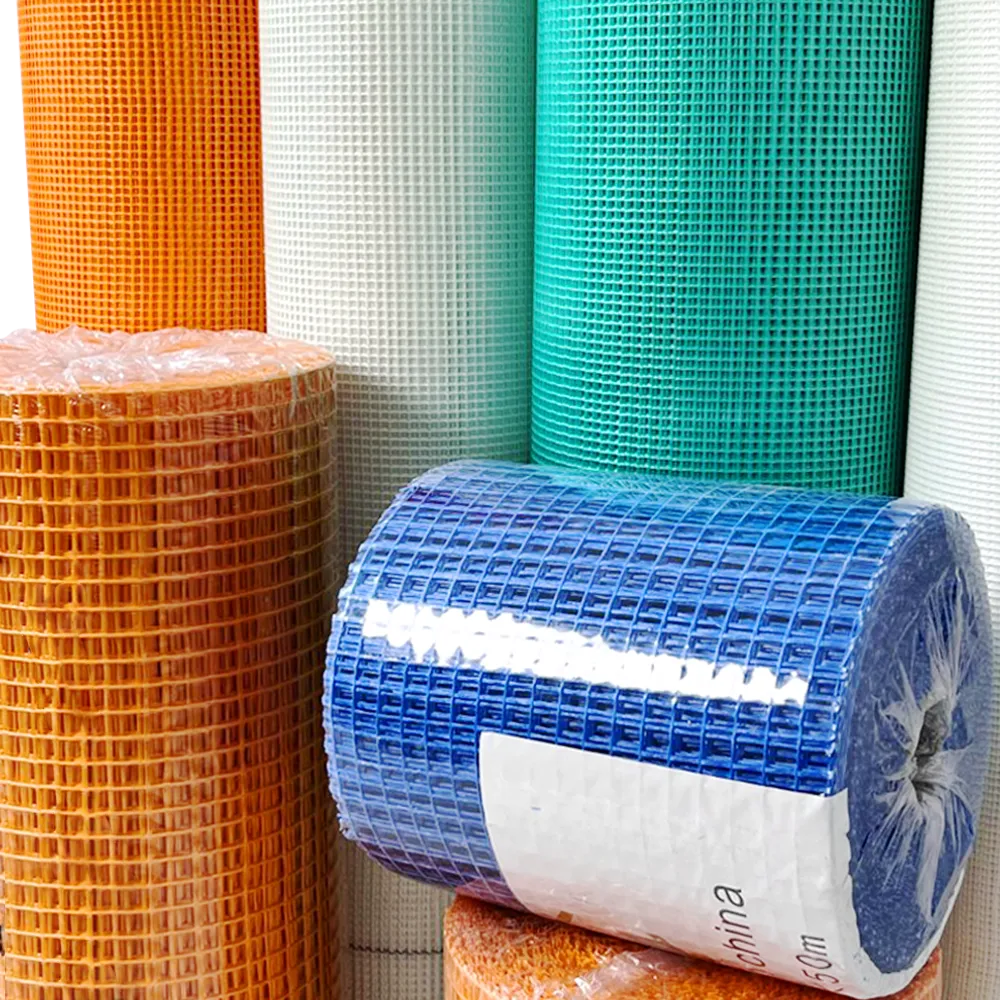
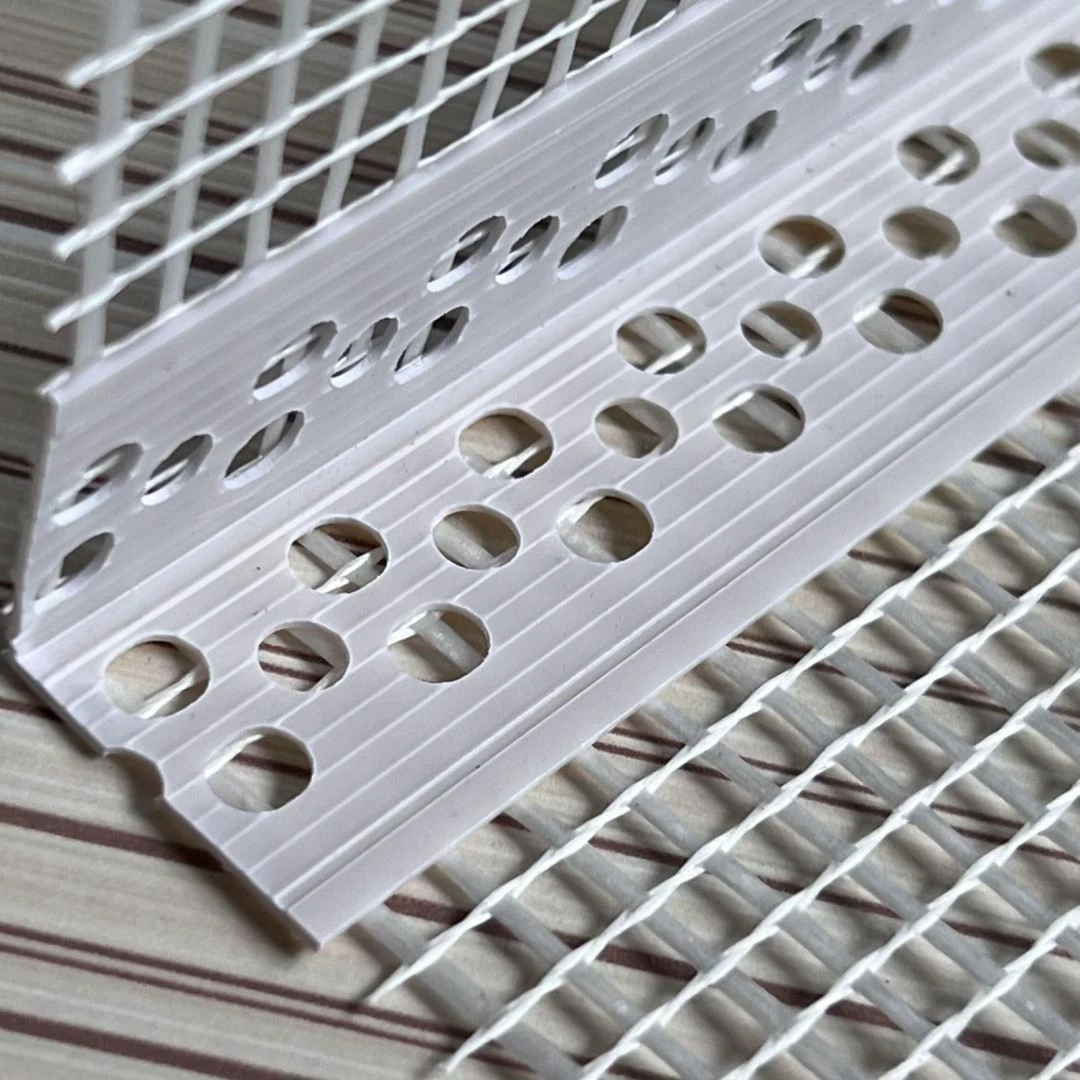
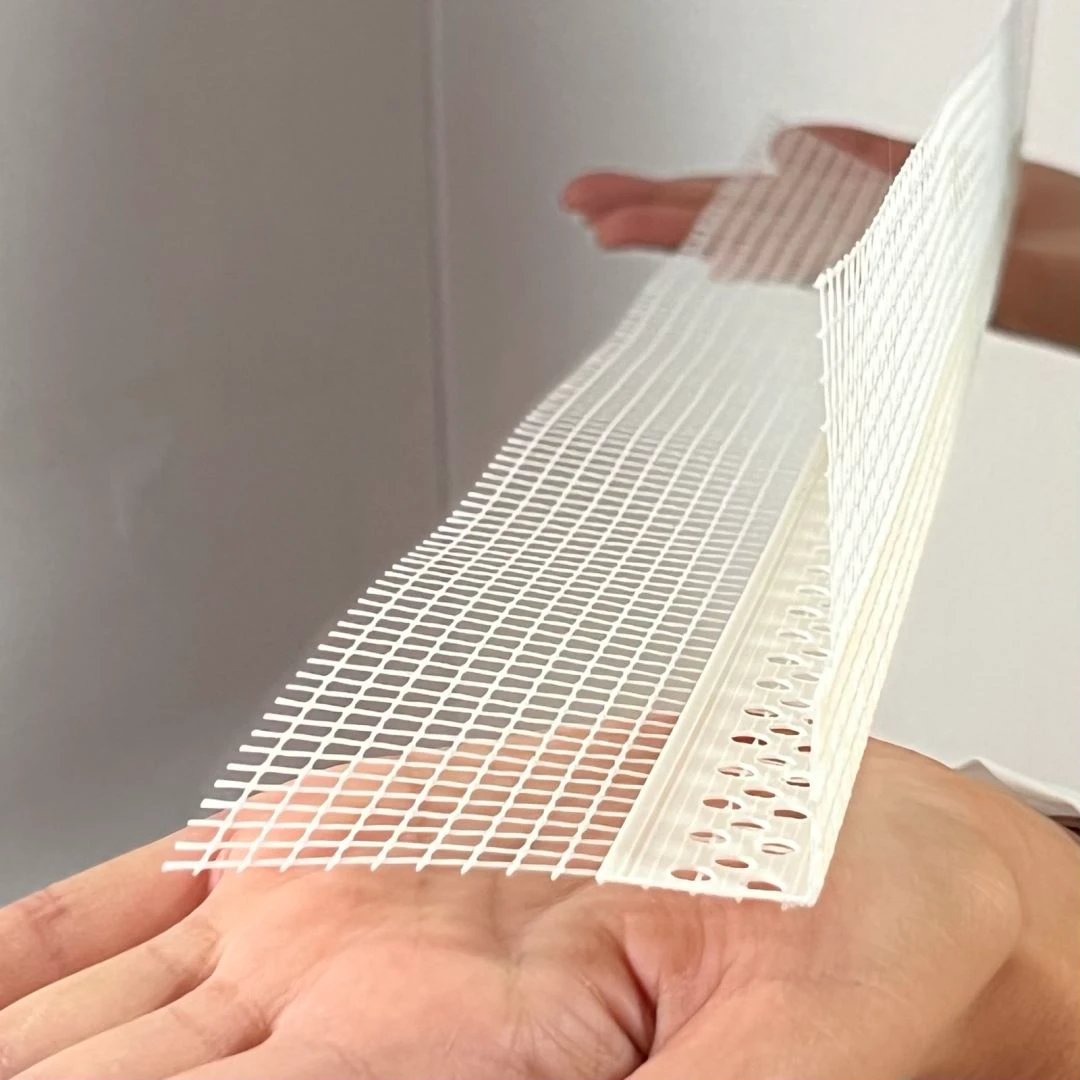
Figure 3: Reinforcing a wall with adhesive fiberglass mesh to prevent cracks.
Ensuring Trust and Reliability: FAQ, Fulfillment, and Support
Frequently Asked Questions (FAQ):
A1: Adhesive mesh has a pressure-sensitive adhesive backing, allowing for direct application without a separate bedding layer or fasteners. Non-adhesive mesh requires embedding into a wet base coat or adhesive compound. Adhesive mesh significantly speeds up installation.
A2: Yes, absolutely. The specialized alkali-resistant coating and inherent properties of fiberglass make it highly durable for outdoor applications, including EIFS and exterior plaster reinforcement, even under varying weather conditions and UV exposure.
A3: Yes, the mesh is easily cut with standard utility knives or scissors, allowing for precise fitting around openings, corners, and irregular shapes. Its flexibility ensures easy handling.
A4: For customized orders, typical lead times range from 15 to 30 business days, depending on customization complexity and order volume. Standard products often have shorter lead times of 7-14 business days. We recommend contacting our sales team for precise scheduling.
A5: Key certifications include ISO 9001 (Quality Management), CE Mark (European Conformity), and adherence to specific industry standards like EN 13496 (Alkali Resistance) and ASTM standards for tensile strength and dimensional stability.
Lead Time & Fulfillment Details:
Our streamlined manufacturing processes enable efficient order fulfillment. For standard stock items, we typically process and ship within 5-7 business days. Custom orders, due to specialized production runs, require a lead time of 15-30 business days. We maintain robust logistics partnerships to ensure timely and secure delivery to your project site, domestically and internationally. Urgent orders can often be accommodated with express shipping options.
Warranty Commitments:
We stand by the quality and performance of our adhesive fiberglass mesh products. All products are backed by a comprehensive 5-year limited warranty against manufacturing defects and material failures under normal use and installation conditions, provided they are installed according to industry best practices and our guidelines. Extended warranties may be available for specific project types; please consult with our sales team for details.
Dedicated Customer Support:
Our commitment extends beyond product delivery. We offer dedicated technical support to assist with product selection, application guidance, and troubleshooting. Our team of experts is available via phone, email, and live chat to ensure your projects proceed smoothly. For project-specific queries or technical consultations, please reach out to us directly.
Conclusion: Strategic Sourcing for Superior Performance
For B2B professionals, the decision to buy adhesive fiberglass mesh is an investment in long-term structural integrity and operational efficiency. The advanced manufacturing processes, rigorous adherence to international standards, and the intrinsic technical advantages of products like our high temperature resistant fiberglass mesh for walls, position them as indispensable materials in modern construction. By focusing on certified products, understanding detailed specifications, and leveraging customized solutions from reputable vendors, construction firms and project managers can ensure their builds are robust, durable, and cost-effective for decades to come.
The continuous evolution of construction demands smarter, more resilient materials. Adhesive fiberglass mesh, with its unique combination of strength, flexibility, and ease of application, stands as a testament to this evolution, providing critical reinforcement that withstands the test of time and environment.
References
- International Organization for Standardization. (2015). ISO 9001:2015 - Quality management systems — Requirements.
- ASTM International. (2018). ASTM D578-05 - Standard Specification for Glass Fiber Strands.
- European Committee for Standardization. (2016). EN 13496:2002 - Thermal insulation products for building applications - Determination of the tensile strength of alkali-resistant glass fibre meshes in cement matrix - Method for aged specimens.
- Construction Specifications Institute (CSI). (2020). MasterFormat.
- National Institute of Building Sciences. (2018). Whole Building Design Guide.
-
Best Fiberglass Mesh Tape for RedGard Product Waterproofing GuideNewsApr.16,2026
-
Why High Strength Fiberglass Mesh Is Essential For Stucco ApplicationNewsApr.15,2026
-
Why Alkali Resistant Fiberglass Mesh Tape Is Essential For Cement Board And Tile InstallationsNewsApr.15,2026
-
Understanding The Role Of Drywall Fiberglass Mesh In Interior FinishingNewsApr.15,2026
-
Ultimate Guide To Using Fiberglass Mesh Tape For Drywall And Plaster RepairsNewsApr.15,2026
-
The Versatility Of Fiberglass Mesh In Marble And Stone MosaicNewsApr.15,2026